Loveland, Ohio – The Ohio Department of Aging (ODA) Director Ursel J. McElroy has announced the launch of the Ohio Nursing Home Quality Navigator – a new online tool providing users information about nursing homes across the state in one digital location.
A recommendation of the Governor’s Nursing Home Quality & Accountability Task Force, the Navigator includes a searchable map of all active nursing homes in Ohio with care quality metrics, facility comparison functionality, and other features, such as staffing ratios, specialty services offered, and the number of health and safety violations a nursing home received. The tool is designed to empower Ohioans when considering a nursing home for themselves or a loved one.
Director McElroy, who also served as chair of the Task Force said, “It is our hope that, in addition to providing increased transparency and convenience to Ohioans, the new online Navigator will also incentivize nursing homes to continue reaching higher to deliver the very best quality of care and quality of life possible to the benefit of our state’s nursing home residents and those who love and care for them.”
The Ohio Nursing Home Quality Navigator is available through the Department of Aging’s website at https://aging.ohio.gov/navigator.
The Navigator offers both mobile and desktop/tablet versions to provide a seamless user-centered experience.
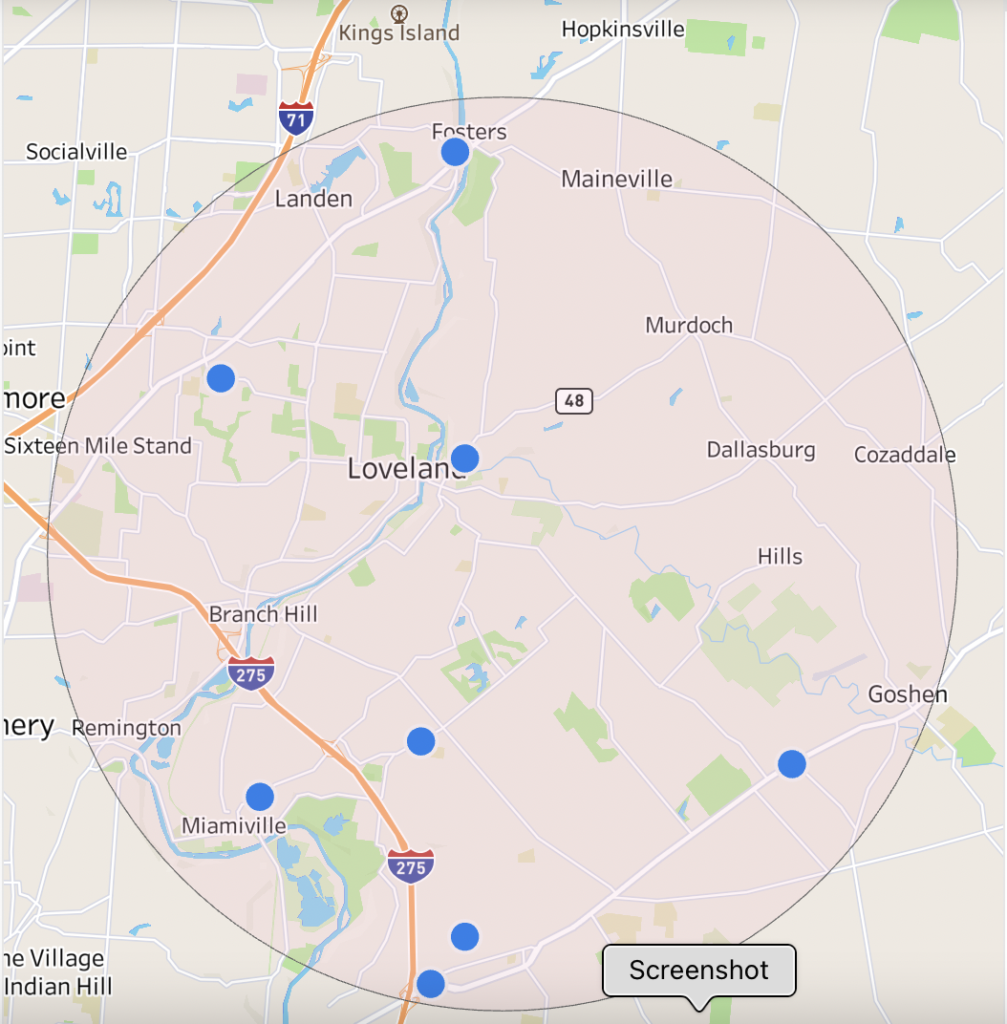
The Navigator allows Ohioans to find nursing homes in their area by searching for their zip code or city name. Entering one of these types of search terms will generate a map of that area and highlight the nursing homes within a range of anywhere from five to 100 miles. Ohioans can then see a list of those nursing homes and select one for further details about that facility.
Ohioans can also pull up information about a specific nursing home they may be interested in if they already know its name, skipping the search and map steps.
Data available for each facility includes its number of beds, its Centers for Medicare and Medicaid Services (CMS) Five-Star Quality Rating, resident and family satisfaction survey scores, staffing data, and other information provided by the facility, such as whether it allows pets, alcohol, or smoking, any religious affiliation, and what special care services it might offer.
The Navigator also provides each nursing home’s phone number and website and includes an instant share feature allowing users to text or email facility contact information to their loved ones with the click of a button.
The Navigator also allows for a direct comparison between nursing homes, with users being able to select up to two facilities (mobile version) or up to three facilities (desktop/tablet version) and compare their information side-by-side.
Further resources about nursing homes are also readily available from the Navigator’s main page.
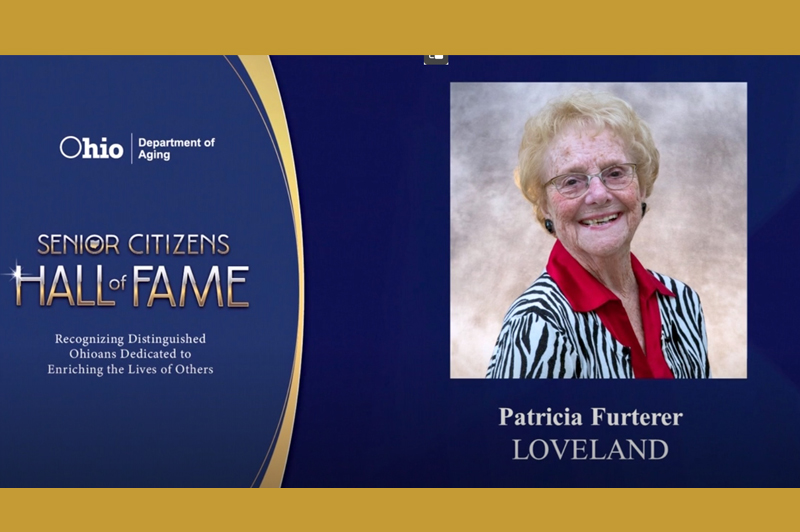
Columbus, Ohio – The Ohio Department of Aging inducted 15 older Ohioans, including Loveland, resident Pat Furterer into the Ohio Senior Citizens Hall of Fame in a special ceremony in the Statehouse Atrium on Wednesday, Sept. 14.
This year’s inductees range in age from 66 to 101. The citizens were honored because, “Their stories are compelling and represent lifetimes of dedication, ingenuity, perseverance, kindness and compassion.”
“Today, we celebrate 15 amazing individuals whose passion and willingness to help people, quite frankly, stand out,” said Gov. Mike DeWine. “One thing they have in common: they represent the best kind of Ohioan – one who serves others, changes lives, and makes us all stronger. On behalf of all Ohioans, thank you to our 15 newest Hall of Fame inductees.”
“These amazing individuals challenge our society’s notion of what it means to age. Far too many people misguidedly think of our Senior Citizens as mere consumers, whose days of bringing value to the table are behind them. Not in Ohio,” Director McElroy said. “In Ohio, we understand that our Seniors are contributors. By utilizing their decades of experience and continuing to work as fierce advocates for their loved ones and their hometowns, the value they bring to us all is immeasurable.”
The Commission said about Furterer:
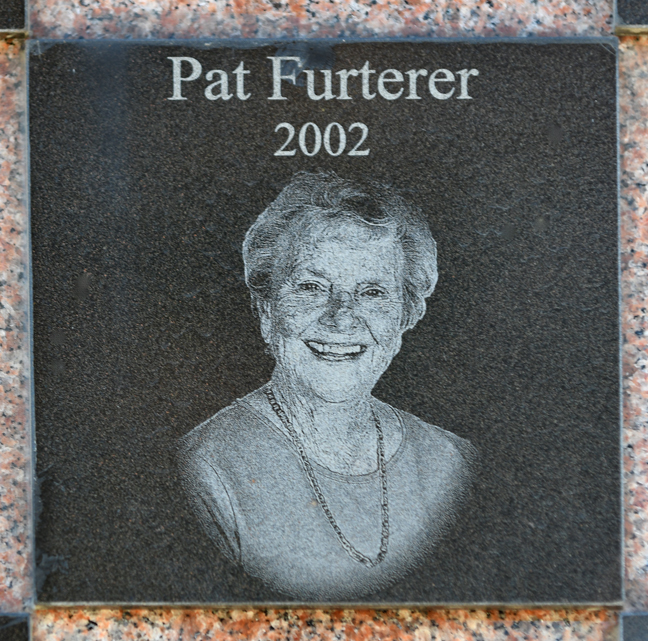
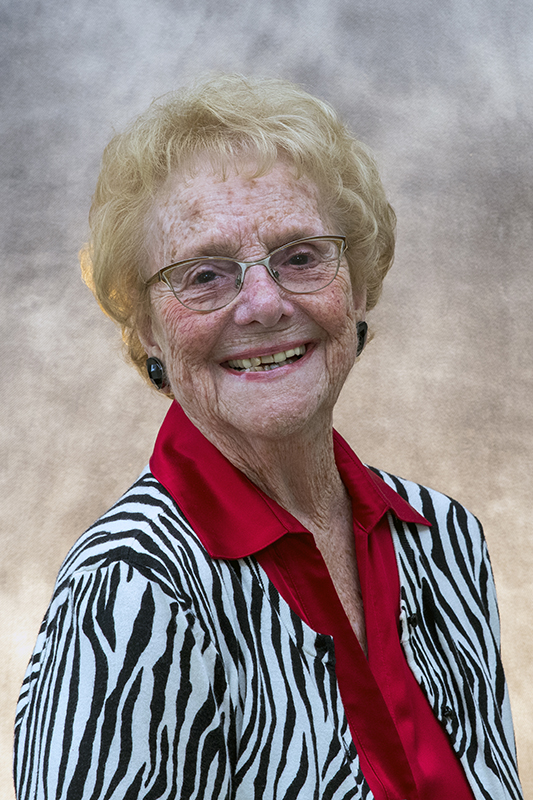
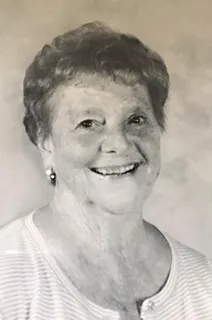
Pat Furterer (Photo provided by Ohio Department of Aging)
For four decades, Pat Furterer played pretty much every role there is to play within the Loveland Stage Company (LSC).
Mrs. Furterer helped found the company in 1979. During the next 40 years, she volunteered for every one of its productions. At one time or another she directed, produced, acted, did publicity, ushered, sold tickets, worked the hospitality counter, designed programs, constructed and decorated sets, was house manager, was stage crew, handled props, and developed the patron program. As if that wasn’t enough, she also served on the board in every position. In 2013, the board elected her as President Emeritus.
Her love of theater began in 1942, when she was just 8 years of age. She gathered friends from her Pennsylvania neighborhood and staged many backyard productions. Even as a young girl, she gave back to the community, donating the proceeds from the 5-cent admission to the Community Chest Fund.
In the years to come, Mrs. Furterer studied with several professional directors and helped to renovate an old movie theatre. Then in 1977, she and her husband relocated to Loveland, only to discover there was no community theater in town. Taking matters into her own hands, she placed an ad in the local paper, seeking individuals interested in starting a theater company.
Starting small, she formed the nucleus of the LSC. The company’s first production was, fittingly, staged in her backyard. Since those humble beginnings, the company has become a cherished institution within the community.
Since 2006, six shows had first-time directors, and 72 actors debuted in prominent roles. The company also offers seminars, workshops and mentoring programs for technical staff in sound, makeup, costumes, lighting, and production.
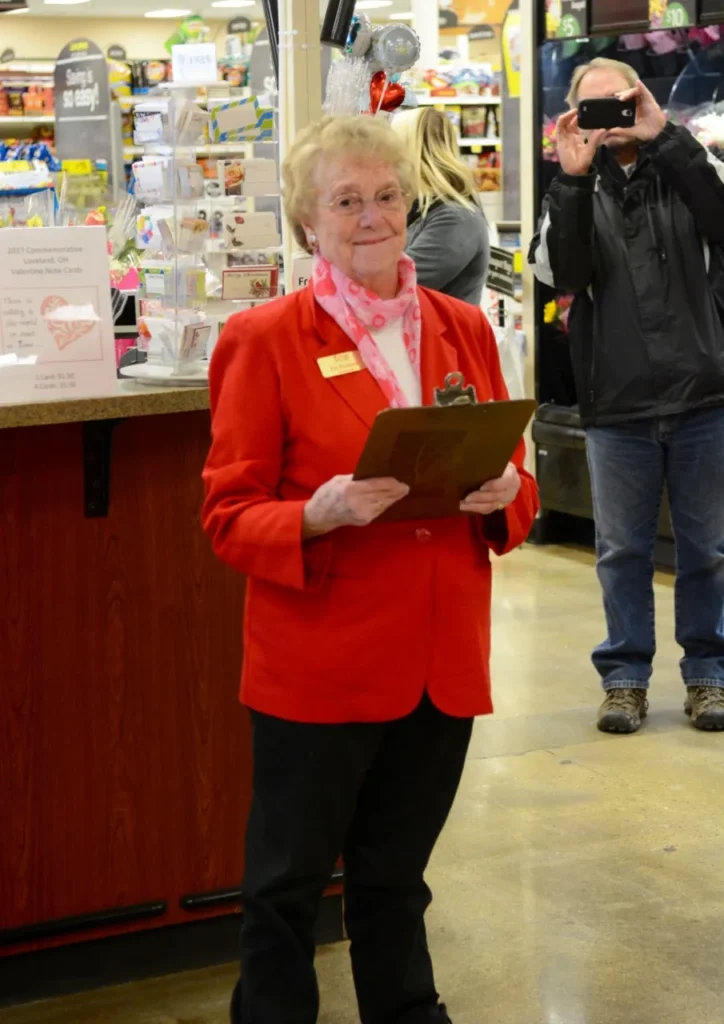
Pat Furterer in 2017 at the annual introduction of the Loveland Valentine Ladies at the Loveland Kroger. (Loveland Magazine file photo)
In 1999, the Loveland Firefighters Association purchased the Crist Theater, an old movie house, and donated it to LSC as their home. Soon after, Mrs. Furterer started the LSC’s Children’s Workshop/Theatre. Since 2004, it has evolved into a successful children’s theater with more than 120 children participating annually. On Oct. 20, 2008, the LSC’s theater caught fire. The walls remained but the roof was gone. Again, her experience with renovation came into play in rebuilding the theater. She worked tirelessly with countless volunteers to rebuild and reopen the theatre one year later with the production of “Miss Saigon.”
Because of her belief in community involvement, the LSC stages free Christmas shows and participates in Loveland’s 4th of July parade. She is an active member of the Loveland Woman’s Club, is a Loveland Valentine Lady, and was director of the Loveland Chamber of Commerce.
For her dedicated community involvement, Mrs. Furterer took home the prestigious Louis Rookwood Award and the Key to the City in 1994 and the Art Rouse Award in 2006. In 1999 The Loveland Chamber of Commerce started a scholarship award in her name for a student who exemplifies her character and spirit.
Pat was unable to attend the induction ceremony, but you can watch what was said about her in this video. (the 41:40 Mark) (You can watch the ceremony “Full Screen)
c
Read this story published in Loveland Magazine written by Ann Barfels in 2019…
Other2022 Inductees (Read about the oter inductees HERE)
Among them are doctors, nurses, scientists, teachers, veterans, public servants, philanthropists, historians, preservationists, musicians, actors, advocates, and more.
The Ohio Senior Citizens Hall of Fame was established in 1977 to honor Ohioans age 60 and older for achievements and contributions to others, the roles they play in their communities, state and nation, and for what they do to promote productive and enjoyable lives. Their stories are compelling and represent lifetimes of dedication, ingenuity, perseverance, kindness, and compassion.
CURRENT COVID-19 DATA There are 235,170 confirmed and probable cases of COVID-19 in Ohio and 5,461 confirmed and probable COVID-19 deaths. A total of 20,015 people have been hospitalized, including 3,969 admissions to intensive care units. In-depth data can be accessed by visiting coronavirus.ohio.gov. Video of today’s full update, including versions with foreign language translation, can be viewed on the Ohio Channel’s YouTube page. For more information on Ohio’s response to COVID-19, visit coronavirus.ohio.gov or call 1-833-4-ASK-ODH.
Columbus, Ohio – Ohio Governor Mike DeWine and Lt. Governor Jon Husted today provided the following updates on Ohio’s response to the COVID-19 pandemic.
RECORD-BREAKING CASES & HOSPITALIZATIONS DeWine announced today that Ohio is once again breaking records in regard to COVID-19 cases and hospitalizations.
• Between yesterday and today, health officials have reported a total of 4,961 new positive coronavirus cases in Ohio, the highest number of new cases in a 24-hour period to date.
• There are currently 2,075 patients hospitalized with COVID-19 which is a 55 percent increase in hospitalized patients compared to two weeks ago.
• Of the hospitalized patients, 541 people are in intensive care. The previous record for intensive care admissions was 533 in April.
“This virus is flaring up, and we have to push it down – the economy depends on it,” said Governor DeWine. “If the virus continues to aggressively spread, people will lose confidence in their ability to safely go to stores, restaurants, and other businesses. If we want to keep our economy moving, we must all live with this virus and we must all be more careful.”
Governor DeWine stressed that the new record number of cases is not due to increased testing capacity in the state. Since September 24, the total number of tests in Ohio has increased by approximately 44 percent, but positive cases have increased 280 percent in the same time period. If a person is tested multiple times, they are only counted once.
STATEWIDE HIGH INCIDENCE
New health data compiled by the Ohio Department of Health revealed today that all 88 counties in Ohio are now considered “high incidence” as defined by the Centers for Disease Control and Prevention.
“There have been so many cases in the past two weeks that the risk of catching this virus in every county of this state is very real and very concerning,” said Governor DeWine. “Again, I ask everyone to recognize their personal responsibility in slowing the spread of this deadly disease. It’s up to every citizen in Ohio to choose to slow the spread by wearing masks, distancing, and making overall smart decisions.”
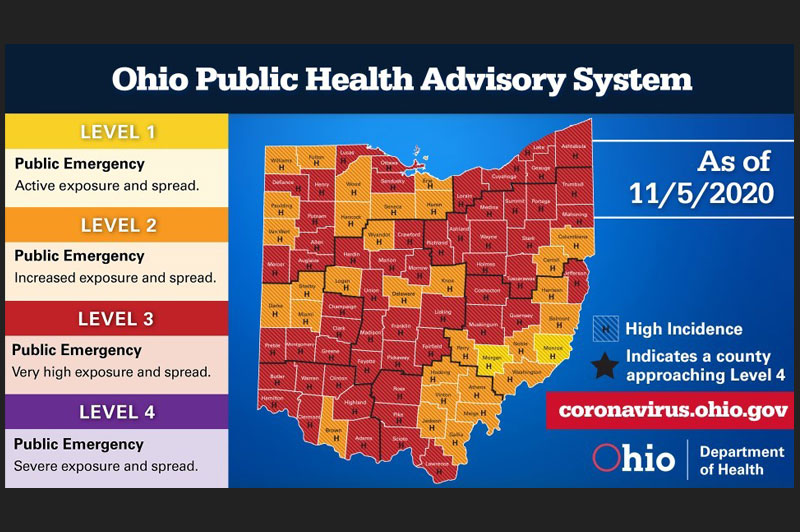
According to today’s updated Ohio Public Health Advisory System map, 56 counties are currently rated as having a very high risk of exposure and spread (Red Level 3), up from 43 counties last week. This represents the highest number of Red Level 3 counties since the launch of the advisory system in July. As of today, 86 percent of Ohioans are living in a Red Level 3 county.
Governor DeWine announced multiple key additions to the existing administration at the Ohio Department of Health (ODH).
Chief Medical Officer Dr. Bruce Vanderhoff: Dr. Vanderhoff previously served for more than a decade as a Senior Vice President and as the Chief Medical Officer at OhioHealth. He has years of experience leading large teams in successfully dealing with important healthcare issues in Ohio and prepared OhioHealth to deal with the threat of Ebola and the H1N1 flu pandemic.
Director Stephanie McCloud: Director McCloud previously served as Governor DeWine’s administrator of the Ohio Bureau of Workers’ Compensation, managing an agency of 1,800 colleagues and over $28 billion in assets. She has considerable experience in the area of mental health and addiction treatment which is a priority in Ohio’s health improvement plan.
Senior Deputy Lance Himes: Himes had previously served as the interim director of ODH where he has played an integral role in running and managing many aspects of the pandemic response operation. He will lead the coordination of the state’s vaccine distribution plan and will continue to work directly with Ohio’s local health commissioners.
Chief of Staff Kathleen Madden: Madden had previously served as Assistant Director at the Ohio Office of Budget and Management and will now play a key role in keeping ODH’s pandemic and non-pandemic programs and operations on track. She will work to prioritize and resolve critical issues, provide oversight and guidance to ODH staff, and ensure that ODH funds are spent responsibly and strategically. Other key members of the ongoing COVID-19 response who will continue their roles in assisting ODH are:
Adjutant General Maj. Gen. John Harris, Ohio National Guard: Maj. Gen. Harris will continue work to ensure complex operations, such as COVID testing and contact tracing, are well-coordinated, monitored, and improved when necessary. He will also work directly with Senior Deputy Himes on the planning and logistics of the forthcoming vaccine distribution program.
Director Ursel McElroy, Ohio Department of Aging: Director McElroy will continue to direct virus prevention efforts for older adults in the community and in long-term settings, including nursing homes and assisted living facilities.
Director Lori Criss, Ohio Department of Mental Health and Addiction Services: Director Criss will continue to lead efforts to address the increasing mental health needs of citizens during the pandemic.
NEW OHIO BWC ADMINISTRATOR Governor DeWine announced that John Logue, the Ohio Bureau of Workers’ Compensation’s (BWC) Chief of Strategic Direction, will become the new administrator of Ohio BWC effective on November 16. Logue has worked for 26 years in the industry. Before returning to BWC in 2019, he most recently served as the vice president of client services for International Absence Management Company where he focused on Ohio workers’ compensation.
“Fortunately, we have had no confirmations of COVID-19.”
HAMILTON COUNTY, OHIO– Hamilton County Public Health (HCPH), as one of 113 local health departments in Ohio, is part of a highly-organized prevention and response effort for the coronavirus, or COVID-19 outbreak. The agency is in lockstep with the Ohio Department of Health (ODH) and the Centers for Disease Control and Prevention (CDC) in managing protocols for prevention and if necessary, mitigation of cases of COVID-19.
“As of today, there are no confirmed cases of COVID-19 in Ohio,” says Greg Kesterman, interim health commissioner at HCPH. “We are working diligently with resources at the local, state and federal levels to make sure our response plan is up-to-date, our partners are well-informed, and the healthcare community knows exactly how to handle any eventuality.”
Symptoms of the COVID-19 in people who have been exposed can include fever, cough and shortness of breath. The symptoms may appear in as few as two days or as long as 14 days after exposure. Reported illnesses have ranged from people with little-to-no symptoms to people becoming severely ill and dying.
Current responsibilities for local health departments are working together across Ohio to monitor individuals returning from travel in China and other countries. ODH is informed of travelers returning to Ohio. If a traveler returns to Hamilton County, HCPH is responsible for monitoring and quarantining those individuals for 14 days – the incubation period for COVID-19. Monitoring includes daily temperature checks while the local health department is in constant communication with those quarantined. If a person develops symptoms during the quarantine period, HCPH helps them get the care they need.
“To date, we have been responsible for monitoring people who fit the travel criteria established by CDC,” Kesterman says. “Fortunately, we have had no confirmations of COVID-19.”
Another important public health responsibility is contact tracing. If an individual develops symptoms, health department staff track and monitor individuals with whom they may have had contact. These could include family members, friends, work colleagues or other individuals.
HCPH and health departments across the State are in constant contact with ODH. There are regular conference calls with the State and health care facilities to share current information and guidance and to stay on top of ever-changing challenges with the response to coronavirus.
“The actions that we’re all taking are very similar to our work during the Ebola response in 2014,” Kesterman adds. “What we’re doing is very typical public health work. We update plans, track and monitor those potentially exposed and then put protocols into place to prevent the risk of spreading the virus.”
According to the CDC, imported cases of COVID-19 in travelers have been detected in the U.S. Person-to-person spread of COVID-19 also has been seen among close contacts of returned travelers from Wuhan, China but at this time, this virus is NOT currently spreading in the community in the United States. The potential public health threat posed by COVID-19 is high, both globally and to the United States.
But individual risk is dependent on exposure. For the general American public, who are unlikely to be exposed to this virus at this time, the immediate health risk from COVID-19 is considered low. Under current circumstances, certain people will have an increased risk of infection, for example healthcare workers caring for patients with COVID-19 and other close contacts of persons with COVID-19.
Flu is currently a greater threat to public health. HCPH urges everyone to get a flu shot. It’s not too late and at the very least, the vaccine can help lessen symptoms and reduce their duration.
Ohio Governor DeWine and the Ohio Health Director released an update COVID-19 Prevention and Preparedness Plan
Ohio Governor Mike DeWine was joined by Ohio Department of Health Director Amy Acton, MD, MPH; Cuyahoga County Health Director Terry Allan, MPH; and MetroHealth President and CEO, Akram Boutros, M.D., FACHE today gave an update on the state’s preparedness and education efforts to limit the potential spread of Coronavirus Disease 2019 (COVID-19). There are no confirmed cases of COVID-19 in Ohio nor anyone currently under investigation for the virus.
“I want to be clear that the threat of Coronavirus in Ohio and the United States remains low,” said Governor Mike DeWine, “but this could change, and we have to be prepared.I believe it is imperative that we are open with the public and are communicating information in real-time about the Coronavirus to both inform and educate our communities.We will communicate what we know, when we know it.”
COVID-19 is a respiratory virus strain that has only spread in people since December 2019. The Centers for Disease Control and Prevention (CDC) continues to consider the health risk from COVID-19 to be low among the general public in the U.S. However, COVID-19 continues to be an issue of concern internationally and there is potential for an eventual community person-to-person spread to occur in this country.
“Since the start of this outbreak, we’ve taken a proactive approach to prepare and carefully monitor potential cases and travelers about COVID-19 in Ohio,” said Dr. Acton. “As the CDC advised, we need to be prepared for community spread of COVID-19. We are working to make sure our healthcare partners, first responders, state agencies, and local health departments have the resources they need to respond.”
Today Governor DeWine ordered the following action by state agencies:
The Ohio Department of Transportation will post information from the Ohio Department of Health in all state rest areas on hand washing protocols including messages on Ohio Travel TV.
The Departments of Rehabilitation and Corrections and Youth Services will increase frequency and use of disinfectant measures in all their state facilities to protect inmates, families, and staff.
The Governor called on Ohio college and university leaders to urge every student and faculty member on their campuses who have not yet received a shot to get one at their health clinic immediately.
The Governor is asking our college and university leaders to prohibit college travel to nations where the CDC has recommended no travel, such as China and South Korea.
The Governor is asking college and universities to take appropriate action to accommodate students who are studying abroad and may need to come back to the United States.
The Governor is asking the Ohio Department of Aging to continue working with local aging networks to identify the most vulnerable older adults with the highest needs to make sure that plans are in place to meet their needs – whether that is providing additional meals or additional medication or other personal care needs.
The Governor is asking local aging advocates across Ohio to go out into their communities to check on nursing care facilities to ensure that all illness prevention methods are in place.
The State of Ohio will also be paying aggressive attention to common areas in state-owned buildings, including significantly increased cleaning frequency of these areas and hand sanitizer stations in common lobbies and hallways.
Governor DeWine announced that on Thursday of next week, the state will be convening a summit in Columbus for all of Ohio’s local public health departments and health commissioners and staff that will include members of the Governor’s Cabinet.
Symptoms of the COVID-19 in people who have been exposed can include fever, cough and shortness of breath. The symptoms may appear in as few as two days or as long as 14 days after exposure. Reported illnesses have ranged from people with little-to-no symptoms to people becoming severely ill and dying.
“As this situation evolves, we will continually update Ohioans through our website, odh.ohio.gov, our Facebook page and our Twitter account,” said Dr. Acton “It’s important to remember that the most accurate and timely information regarding this outbreak is available through the Ohio Department of Health, as well as the CDC.”
According to the Ohio Department of Aging, one can reduce his or her risk of falling by paying more attention to the Three H’s: your home.
The Ohio Department of Public Safety Division of EMS joined with the Ohio Injury Prevention Partnership and released an updated Elderly Fall Prevention Resource Guide for EMS providers and the general public. This guide contains county and regional information for community-based programs relating to exercise and balance improvement, wellness, medical equipment, and well-being checks.
“Falls are one of the leading causes of emergency department visits for older adults and are the major cause of hip fractures and head injuries,” said Division of EMS Executive Director Mel House. “The Elderly Fall Prevention Resource Guide offers great information to reduce these injuries.”
September 22nd kicks-off Fall Prevention Awareness Week. During this time, fall prevention coalitions, health care providers, and senior service agencies will hold presentations, health fairs, screenings, and workshops to raise awareness among older adults and their families and caregivers, elder care professionals, and the general public about the seriousness of falls and ways to reduce fall risk.
According to the Ohio Department of Aging, one can reduce his or her risk of falling by paying more attention to the Three H’s: your home, your health and your habits.
Advertisement Sangha Yoga Studio in Loveland is offering 60 minute AM Yoga classes on Tuesday and Thursday mornings, beginning September 4th at 9:30 AM.


![[w/Instruction video] Department of Aging Launch Ohio Nursing Home Quality Navigator](https://lovelandmagazine.com/wp-content/uploads/2024/02/Screen-Shot-2024-02-24-at-6.50.44-PM.png)
 Director McElroy, who also served as chair of the Task Force said, “It is our hope that, in addition to providing increased transparency and convenience to Ohioans, the new online Navigator will also incentivize nursing homes to continue reaching higher to deliver the very best quality of care and quality of life possible to the benefit of our state’s nursing home residents and those who love and care for them.”