George Floyd (Photo from George Floyd’s profile on Facebook.)
Miami Township, Ohio – Loveland Magazine reported yesterday that members of the Epiphany United Methodist Church plan to stop traffic by kneeling in the roadway in silent prayer during rush hour on Friday.
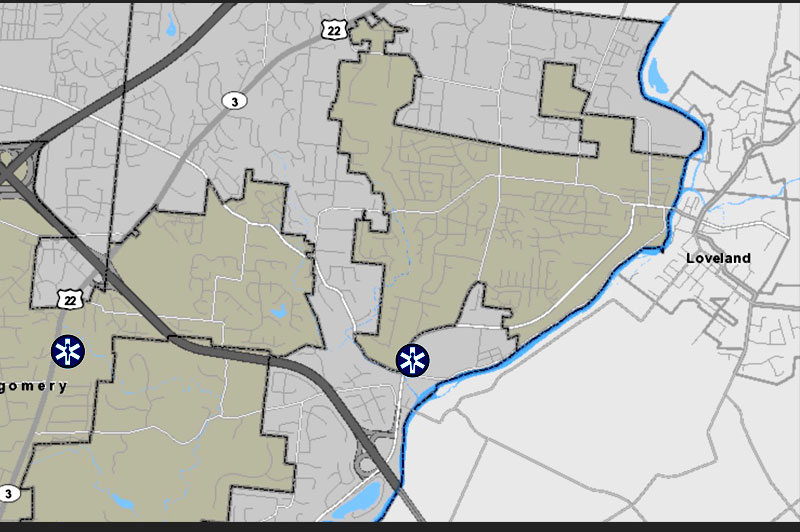
Google Map
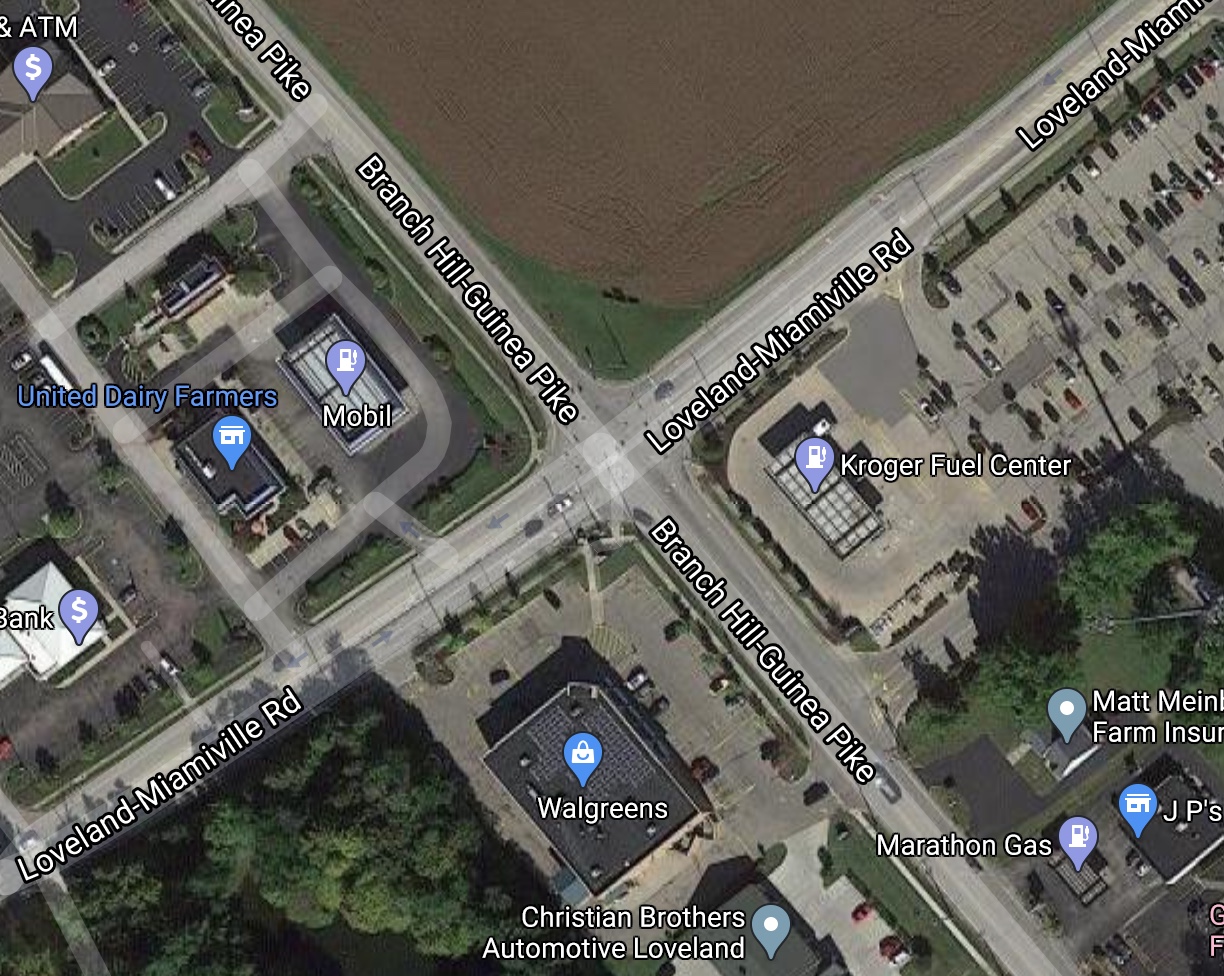
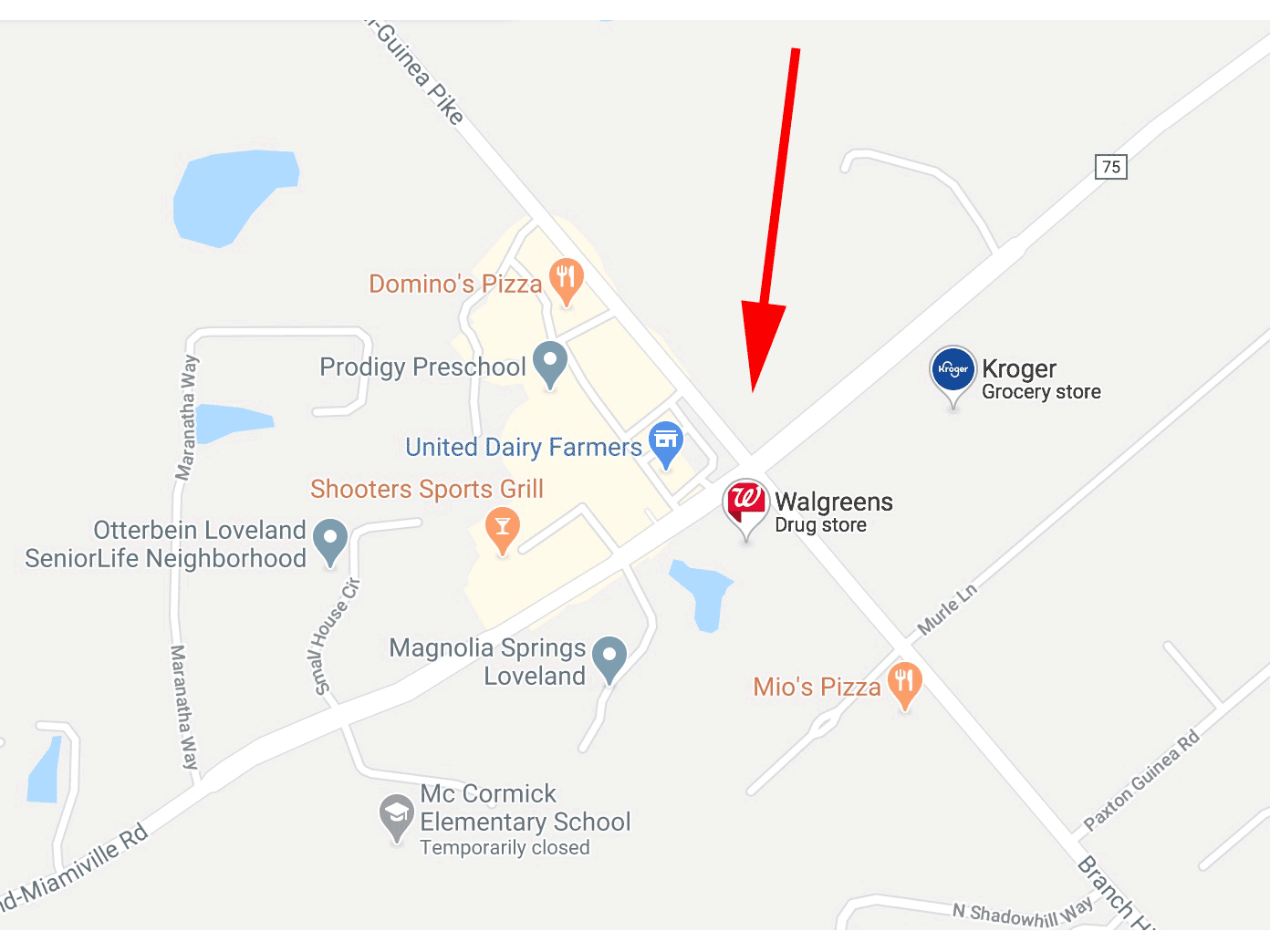
Their plan is to kneel and pray for 8:46 minutes at the intersection of Branch Hill-Guinea Pike and Loveland-Miamiville Roads at 6 PM, the amount of time Minneapolis Police officer Derek Chauvin kneeled on George Floyd’s neck before he died, “…and the many victims before him who have lost their lives to injustice.”
This is the Kroger/Walgreen/United Dairy Farmers intersection.
Loveland, Ohio – Calling all student-athletes, coaches, parents, and fans! The Eastern Cincinnati Conference (ECC) recently announced that they will be going through somewhat of a league transformation. In addition to adding three new schools, Little Miami, Winton Woods, and Lebanon, to the ECC for the 2020-2021 sports season they are also looking to add a new conference slogan.
The ECC stated that they would love to bring more awareness and reach to the conference’s brand so the conference decided to have students, coaches, and fans submit slogan ideas. The ECC selected the top 4 slogan ideas and posted them on the ECC website so that anyone and everyone could vote on their favorite slogan! Below are the top 4 slogan selections.
1. Engage. Compete. Conquer
2. Excite. Challenge. Compete.
3. Eastern Cincinnati Conference … top-level competition with community-based values.
4. Engagement. Competition. Community. We are the ECC!
The Slogan Contest allows voters to submit their slogan selection as many times as they want up until Friday, June 26th, 2020. The new slogan will be released in early July. If you would like to participate in the Slogan Contest click the link below to submit your vote!
Miami Township, Ohio – In this video, Miami Township Police Officer Matt Evans talks with Sabrina Mignerey (Hold the Line) and Alison Fienning (Pinpoint Behavioral Health) about mental health support for first responders. This video is produced by the Miami Township Police Department.
Website
Hours: 24 HR
Testing Site Type: Emergency Room
Appointment Required: Yes
Doctor Referral Required: Yes
Notes:
TriHealth: If you do not have a physician, you can visit the closest TriHealth Emergency Department for evaluation. If you meet clinical criteria, COVID-19 testing can occur onsite. For those who DO have a primary care physician, you should contact you.
“Testing is one of the main components of our work toward ending the COVID-19 pandemic,” according to interim Hamilton County Health Commissioner Greg Kesterman. “Testing and then isolating positive cases while performing extensive contact tracing is the road map to ending this pandemic. As testing becomes more widely available, we want to make sure the public is aware of how to find testing locations,” Kesterman adds.
The site lists testing locations throughout Hamilton County, along with the requirements and direction for accessing testing at each location. As more testing becomes available, more sites will be added to the list.
If your organization is performing COVID-19 testing and would like to be added to this list, contact michelle.altman@hamilton-co.org.
Miami Township, Ohio – The press release sent out by Lisa Kerwin, a Pastor at Epiphany United Methodist Church says, “On Friday, June 19, Epiphany and other SW Ohio UMC congregations will stop traffic by kneeling in silent prayer, offering peaceful protest and witness for 8:46 minutes to respectfully mark the tragic death of George Floyd and the many victims before him who have lost their lives to injustice.” The plan is to shut down roads at 6 PM this Friday afternoon.
The events are apparently planned around the region, however, the location for the civil disobedience in the Loveland area is the corner of Branch Hill-Guinea Pike and Loveland-Miamiville Roads. This is the Kroger and Walgreen intersection.
The press release calls it a “Peaceful Witness” event and further says, “The Miami Township Police Department and surrounding businesses are invited to attend and/or participate as a show of support.”
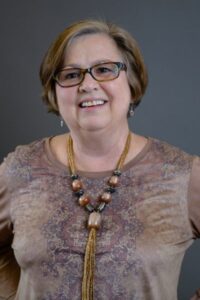
Lisa Kerwin is the Pastor of Care Ministries at Epiphany United Methodist in Miami Township. (Church Photo)
Loveland Magazine asked Kerwin, “Have you been given permission by Miami Township Police to shut down the road? Are people prepared to be given citations or go to jail?”
Kerwin responded Friday via email by saying, “We are not going to be arrested. We have police support. They will be there!!”
Loveland Magazine reached out to Miami Township Police Chief Mike Mills, and asked him if the organizers had been given permission to shut down this intersection. He responded this morning saying, “We, the police, cannot give permission to shut down the intersection. There is a process through the Township Government to apply for permits, but it is not a quick process.” Mills said that Kerwin had met with him and that they are reconvening this week to discuss logistics and a plan for a peaceful protest.
Mills added, “We are working with them to keep everyone safe and encouraging a peaceful protest in the right-of-way and the not the roadway.”
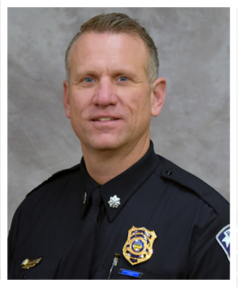
Miami Township Police Chief Mike Mills (Township Photo)
Loveland Magazine also asked the Chief, “According to the release, your department has been invited to ‘participate’. Will you or any of your officers join? Will you allow your officers to participate?”
Mills responded this morning by saying, “We will be there to make sure everyone is safe. Sometimes bad actors show up in support of one side or the other and distracts from the cause.”
When asked for his reaction to a plan to shut down the roads, Mills said, “We will support their 1st Amendment Right.”
This article provided to Loveland Magazine was edited by David Miller and is by by Eye on Ohio, the nonprofit, nonpartisan Ohio Center for Journalism. Please join their free mailing list as this helps us provide more public service reporting.
In early March, just as Ohioans were learning about the first cases of novel coronavirus in the state, Anna Bondar’s grandfather fell at his Cleveland home.
Luckily, the 92-year old, who lives with dementia, wasn’t injured badly.
The tight-knit family started to discuss the possibility of a nursing home, though they had serious reservations.
Their tough choice was made even more difficult by mounting fears about the coronavirus. In nearly four months, COVID-19 has infected more than 31,191 people statewide and has proven particularly deadly for residents of long-term care facilities in Ohio.
Seventy percent of the reported deaths in Ohio due to COVID-19 complications have been in long-term care facilities, which is among the highest in the country.
Nationally the portion of COVID-19-related deaths in long-term care facilities has hovered just over 40%, though the amount of testing done in nursing homes varies significantly by state.
Every day, families like Bondar’s are making what can feel like an impossible choice – whether to send a loved one to a nursing home where they will receive around-the-clock specialized care but face a greater risk of contracting COVID-19, or to care for that person at home where risk of transmission is lower but providing care can be more challenging.
Even before the pandemic, sorting through the myriad of quality ratings and measures was daunting enough. Then, COVID-19 deaths started to soar.
Now, families and seniors agonize over what could be life or death choice using confusing numbers on infection “hotspots” and without the ability to visit nursing homes to observe how the staff cares for residents – which is the number one recommendation of most advocates.
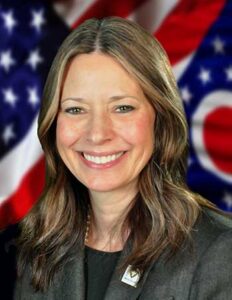
Dr. Amy Acton, director of the Department of Health
State officials, including Dr. Amy Acton, the former director of the Department of Health, have emphasized that “congregate” settings like nursing homes are at highest risk of infection. Staff, who often travel between facilities, need to be in close contact with residents to provide care. And residents, who are primarily older and have multiple medical conditions, are more susceptible to COVID-19-related complications.
“All of this makes it high risk. At the same time, it’s really necessary for many patients to be there,” said Dr. Steven Schwartz, a geriatric physician at the Cleveland Clinic who travels to nursing homes as part of the Clinic’s Center for Connected Care.
Ohio National Guardmembers will begin testing all staff members and any residents who likely were exposed to COVID-19 in the state’s nursing homes, Gov. Mike DeWine announced May 27. What are being called Congregate Care Unified Response Teams will focus on facilities where confirmed or assumed positive cases are reported in hopes of reducing the number of COVID-19 cases and deaths in Ohio’s nursing homes, which as of May 27 was 5,324 resident cases and more than 1,442 deaths.
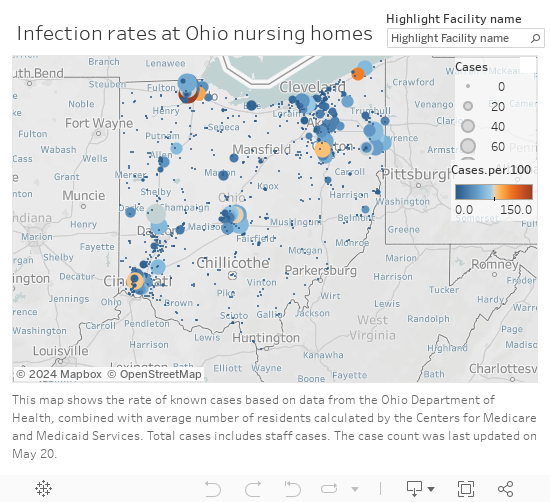
Infection rates in Ohio Nursing Homes
Making an educated decision
Last month, state officials began to release the numbers of reported infections and deaths in long-term care facilities, which include nursing homes, rehabilitation centers, and assisted living centers.
But it’s unclear how much the numbers – which are reported weekly and are also tracked cumulatively – matter for families currently trying to choose a facility.
The state, on its coronavirus website, says the infection and death numbers shouldn’t replace a thoughtful conversation with a nursing facility about infection control practices and that “residents and family members should understand that the presence of COVID-19 at a facility is [in] no way an indicator of a facility that isn’t following proper procedures.”
Yet many in the health care industry say infection information should be considered, along with other factors, when deciding which site to choose.
“If you see a nursing home with a large outbreak, that’s something to worry about. If you see a nursing home with a small outbreak, I’m not sure it means anything but bad luck.”
“If you see a nursing home with a large outbreak, that’s something to worry about. If you see a nursing home with a small outbreak, I’m not sure it means anything but bad luck,” said Dr. James Campbell, department chair of geriatric medicine at MetroHealth.
The infection information provided by the state can be useful, for instance, if a family is choosing between two similar facilities, said Nate Cyrill, a Long Term Care Ombudsman for Cuyahoga, Geauga, Lake, Lorain and Medina counties.
Since information on the virus changes rapidly, most families still rely on the quality measures that were available before COVID-19, including existing state and federal online guides Cyril said.
One of the commonly-used ranking systems, maintained by the Centers for Medicare and Medicaid Services, assigns ratings – from 1 to 5 “stars” – to facilities based on performance on quality measures, staffing and inspections.
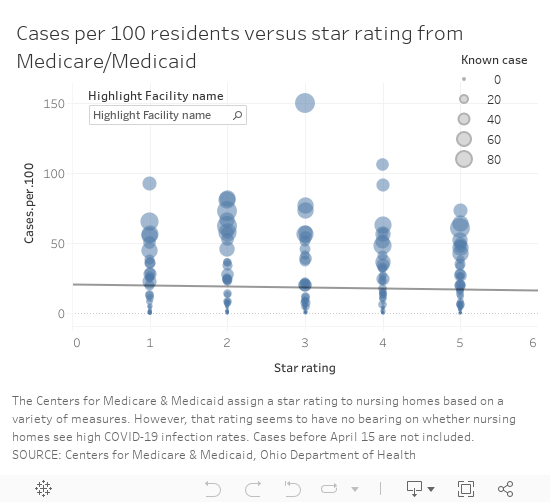
The number of “stars” Ohio’s nursing homes received, however, does not appear to have a correlation to the number of infections reported to the state, based on a comparison of the publicly available information. The analysis did not include assisted living facilities.
Cases vs. Star rating
“You want to look for a nursing home that’s four of five stars preferably but even that doesn’t tell you the whole story,” Steven Schwartz said.
There are numerous 1-star rated facilities that have reported few infections, like Whetstone Gardens and Care Center in Columbus, which has reported 9 cases or 8 per 100 residents.
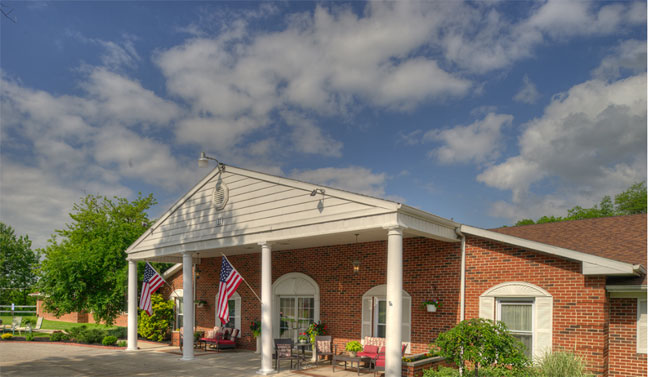
Salem North Healthcare Center
Salem North Healthcare Center in northern Columbiana County had 51 patients test positive for the virus as of May 20, as well as five staff, according to the state. It is rated a 5-star facility, the highest rating from CMS.
It’s one of four 5-star facilities with an infection rate over 50 casesper 100 residents, based on Medicare’s calculation of each facility’s average number of residents. (The rate does not include infections among staff because the number of staff in each facility was not available.)
Since April, the focus on high numbers of reported infections, often referred to as clusters, in long-term care facilities has intensified. In some cases, those numbers are a reflection of the level of testing, said Fred Stratmann, general counsel and chief compliance officer for CommuniCare Health Services. It doesn’t mean all of the residents with a positive test had symptoms of COVID-19. The state infection numbers also don’t show the residents who have recovered from the virus, he said.
CommuniCare, which operates close to 90 health care facilities in seven states has been proactive about testing, Stratmann said. When COVID-19 cases started to appear at the North Salem facility, the company enlisted the state’s “strike team” to proactively test all of the residents. It has since re-tested all of the residents who were initially negative and purchased 3,000 testing kits to supplement what the state could provide.
“We wanted to be certain of the extent of COVID in this center in order to be able to properly treat it and to fight back against it,” Stratmann said. The facility does that by isolating any COVID-19-postive patients in a separate unit with its own dedicated staff and by admitting new residents to an observation unit for 14 days to make sure they have no symptoms of infection, he said.
Restrictions on visits make choices harder
The most effective way to scout out a facility typically is to visit it, preferably unannounced, said Dr. James Campbell, department chair of geriatric medicine at MetroHealth. However, because visitors aren’t permitted in nursing homes right now, the next best thing is to ask detailed questions about care, any COVID-19 cases and infection control measures, he said.
Campbell also suggested turning to hospital staff, who work with nursing homes regularly, for advice. Social workers can place five people in a week, while most individuals face that decision, at most, only a few times in their lives, he said.
Cyrill said his agency can also provide information that can’t be found online for families trying to choose between facilities.
Cyrill said his agency can also provide information that can’t be found online for families trying to choose between facilities.
The agency, along with other similar independent agencies across the state, investigates complaints in long-term care, skilled nursing, group homes and rehabilitation facilities and can share what are called “verified complaints” that aren’t otherwise available publicly.
Most of the complaints investigated in relation to COVID-19, Cyrill said, have been related to visitation or the ability of families to get information on a loved one’s condition.
It’s been harder, though, for Cyrill and his colleagues to investigate complaints with COVID-19 restrictions in place.
It’s been harder, though, for Cyrill and his colleagues to investigate complaints with COVID-19 restrictions in place.
Under normal circumstances, an ombudsperson would go to the facility and talk to patients and could do so without announcing the visit in advance. Since visits are restricted for infection control reasons, they have to work through staff to speak to residents or to ask questions, which isn’t optimal. And they aren’t able to make direct observations.
“It makes our job much more challenging,” Cyrill said.
At the North Salem facility, which has had about a dozen new residents admitted or transfered from other facilities, the staff has given “virtual tours” over the phone to family members or prospective residents who were in the hospital, Stratmann said. The company also invested in technology that won’t replace face-to-face visits but enables more family contact and the ability and for staff to help keep residents’ spirits up by making videos of activities, like dancing and singing, to keep them connected with the local community.
In addition, Stratmann said they walk families through the infection control procedures and share techniques they have implemented to improve health outcomes for patients with COVID-19 including, when appropriate:
Treating residents with anticoagulant medications to reduce the risk of blood clots and strokes, which has been a factor in some COVID-19-related fatalities.
Practicing “proning” or positioning residents, while awake, flat on their belly and chest to reduce the buildup of fluid in lung tissue and reduce the risk of Acute Respiratory Distress Syndrome, which has been associated with many COVID-19 fatalities.
The idea of putting their beloved grandfather in a nursing home was gut-wrenching
Choosing home
For Bondar’s family, the idea of putting their beloved grandfather in a nursing home was gut-wrenching, especially as visitation was curtailed to limit the virus’ spread. He speaks Russian, his native language, and would not have been able to communicate well with the staff caring for him.
“It felt like admitting him [to a facility] would be like saying goodbye,” Bondar said. “Like leaving him to die.”
Bondar’s family ultimately decided to care for her grandfather at home, in his Mayfield Heights senior highrise, where they could limit his exposure to the virus.
Before his fall, an aide visited for about eight hours a week. After the Ohio’s “stay at home” order was put in place March 23, Bondar and her mother were able to work from home and pitch in with care.
The advice of the Clinic’s Steven Schwartz led them to a hospice program, which helped the family find additional aides, including one who speaks Russian, as well as a hospital bed for safer sleeping and a wheelchair.
The home care route isn’t the easiest but Bondar said the family feels like they have more contact and control over the quality of care.
The home care route isn’t the easiest but Bondar said the family feels like they have more contact and control over the quality of care.
“We’ll do this as long as we can manage it,” Bondar said.
Anecdotally, it is a choice more families are making: the decision to use home care or even pull family members out of nursing homes out of fear or because they miss them and can’t visit, Steven Schwartz said.
“Sometimes it’s appropriate. But sometimes, even given everything, it may be safer to have your family member there to get stronger and get the necessary care,” said Steven Schwartz. “I would really try to balance the benefit of going to a nursing home versus the risk.”
Patients with dementia or Alzehimer’s may be unsafe going back home.
Patients with dementia or Alzehimer’s may be unsafe going back home, he said, and families may need to decide if a nursing home really is the safer place.
One of the first orders Ohio put in place to prevent the spread of COVID-19 was to halt in-person visitation in more than 900 nursing and long-term care facilities. The state is not yet ready to lift those restrictions and resume visits in those settings, Gov. Mike DeWine said, but on June 8 will start allowing outdoor visits at assisted living facilities care centers for individuals with disabilities.
“We are not to nursing homes yet and I know that causes anguish for a lot of people who are watching this but we’re trying to do this so that we don’t increase the COVID inside the nursing homes or the assisted living or the immediate care facilities,” DeWine said during a May 28 briefing.
Decisions made harder
Figuring out what kind of care might be best for a patient has become more challenging, too.
Previously, nurses and social workers would visit clients in their homes to assess how they functioned – whether they could independently bathe, cook and grocery shop, said Theresa Foster, a nurse and licensed social worker at Western Reserve Area Office on Aging.
They relied on conversations with clients and family and also observations of the environment in the home and possible risks, said Foster, who runs the agency’s resource center.
Those assessments were used to determine whether a person could safely remain at home with community support or whether they needed facility-level care and what resources, whether subsidized or private, existed to pay for the services.
Now, those assessments are done by phone and can be done successfully, but it is more difficult, Foster said.
At UH’s hospitals, medical staff use a scoring system to determine the best place for a patient being discharged, said Dr. Sean Cannone, UH’s medical director for population health.
Patients are assessed on their ability to perform daily tasks and on their cognitive abilities.
“We’re trying as much as we can to get patients home if at all possible,” he said. The goal is to provide patients with resources so they can receive care in whichever setting they prefer.
The goal is to provide patients with resources so they can receive care in whichever setting they prefer.
“We want to respond to what people really want for their own care,” Cannone said.
The shift started before COVID-19 cases surfaced but has accelerated as more families worry about potential exposure to the virus in congregate living situations.
As technology has advanced, the capabilities of what can be done in a patient’s home has also increased. In March, UH introduced a new patient management system, Massimo SafetyNet, for remote monitoring.
When patients are released from the emergency room or from a COVID-19 floor, providers now put a bluetooth sensor on their wrist — it looks like an Apple Watch — that streams data about a patient’s vitals to a central monitoring center, said Jonathan Sague, UH’s vice president of clinical operations. That way, providers can make sure a patient is safe at home.
Douglas Beach is the chief executive officer at Western Reserve Area Office on Aging
Douglas Beach, chief executive officer at Western Reserve Area Office on Aging, has had firsthand experience weighing care decisions amid COVID-19 worries. His mother is rehabilitating in a nursing home after a six-week hospital stay related to a heart condition.
Not being able to visit her in the hospital or the facility has been hard, Beach said. He and his brother, who is a doctor, had to make all of the arrangements by phone, including figuring the best way to transport her that would have the lowest risk of exposure to the virus.
“Home and community-based services is what I do,” Beach said. Part of his mission is to advocate for the setting that allows for any person, whether they are older adults or live with a disability, to be as independent as possible .
But for his mother, a nursing facility was the right choice because she needed 24-hour care that her family could not provide at home.
Beach said nursing homes have had to deal with an unprecedented set of circumstances: a new virus, initial unknowns about transmission and populations at extremely high risk for complications.
Nursing homes will continue to play a vital role and will remain the best option for people who need more care than can be safely provided at home, Beach said.
For the more than 9,500 clients his agency serves in Cuyahoga, Geauga, Lake, Lorain and Medina counties, delivering care at home, with health aides, nurses and community and family supports, has proven a low risk. As of mid-May only 35 clients had tested positive for the virus, he said. That is roughly 0.3% of clients, though not all clients are tested.
Managing COVID-19
Cuyahoga County nursing homes have been paired with one of the area’s three largest hospital systems during the pandemic, Campbell said. The hospitals help the facilities both prepare for and respond to COVID-19 cases.
“The goal is when you have one patient in a nursing home with COVID is to make sure you don’t end up with 30 patients with COVID,” Campbell said.
UH developed what is being called a playbook for local nursing homes. The playbook gives facilities a plan for how to respond if there’s a COVID-19 outbreak on-site, said Sague, who works as a firefighter and medic on the weekends.
“It can be pretty startling and pretty alarming if they’re not ready for it,” Sague said.
The playbook gives guidelines on screening, triaging, determining exposure, testing and isolating those who test positive, as well as how to get personal protective equipment, increase staffing and to eventually reopen safely, Sague said.
Once a case is identified at a facility, what is known as an intercept team is dispatched — either virtually or in person — to help a nursing home handle it, he said.
Patrick Schwartz, director of strategic communications for LeadingAge Ohio, a long-term care trade association, said access to testing and safety equipment has been a consistent problem for Ohio’s nursing homes.
But in the past month or so, the state has made “a definite shift” and started prioritizing testing at nursing homes, which is helping, he said.
Patrick Schwartz said he hoped the expanded testing would enable facilities to test their entire population— of residents and staff — so they can better limit the spread of the virus.
Throughout Ohio, populations that have received mass testing — health care workers, first responders, those incarcerated and those in nursing homes — have had higher numbers of positive cases. Many people with COVID-19 are asymptomatic, so it is unknown if they have the virus until they are tested.
“Since this pandemic first reared its head, it was clear to long-term care providers that the front lines would be in long-term care,” Patrick Schwartz said. The populations at those congregate living facilities, many of whom are older and have multiple medical conditions, are among the most vulnerable for complications from COVID-19, he said.
In Cuyahoga County, and elsewhere, local health departments have deployed limited testing resources to nursing homes quickly in hopes of limiting spread in and between facilities and given guidance to homes about how to isolate patients and trace exposures between facilities to limit the spread of infection.
Cuyahoga County Health Commissioner Terry Allan said nursing homes try to guard against outbreaks but have varying degrees of resources. The assistance from the National Guard will allow more residents and staff at facilities in Northeast Ohio to be tested, he said.
Support for this project was provided by the Center for Community Solutions.
Questions to ask:
How can family members stay in touch with residents while visiting is restricted?
Does staff facilitate video visits? Is window visiting allowed?
How often will the facility provide updates on a resident’s condition?
How much COVID-19 testing is being done? Is the facility proactively testing patients or only those with symptoms?
Are private rooms available?
Do staffing ratios allow for residents to be taken outside?
Are residents currently restricted to rooms?
Are separate units and staffs used for COVID-19-positive patients and COVID-19-negative patients?
How does the facility work to limit COVID-19 complications?
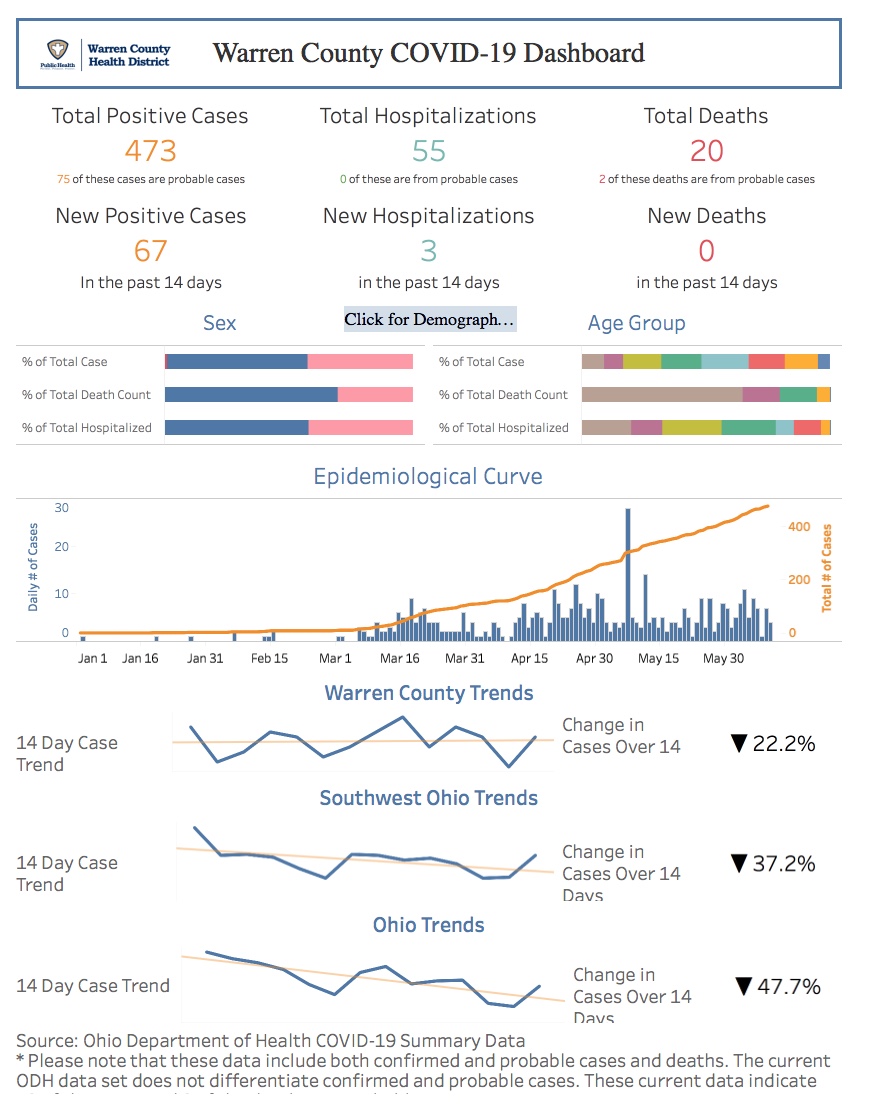
Warren County, Ohio – There have been a total of 497 total positive cases of COVID 19 in Warren County as of today vs. 473 total positive cases yesterday. +24
There has been 84 new positive cases in the last 14 days.
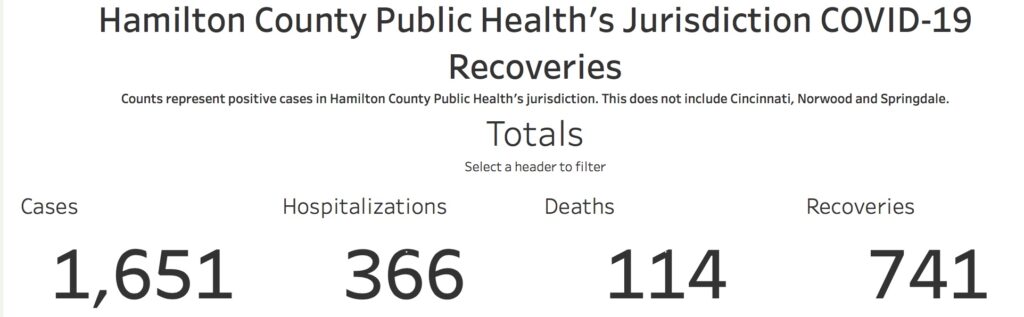
Hamilton County reports 1,677 total cases today v.s 1,651 yesterday (+26) and 3 new overnight hospitalizations.
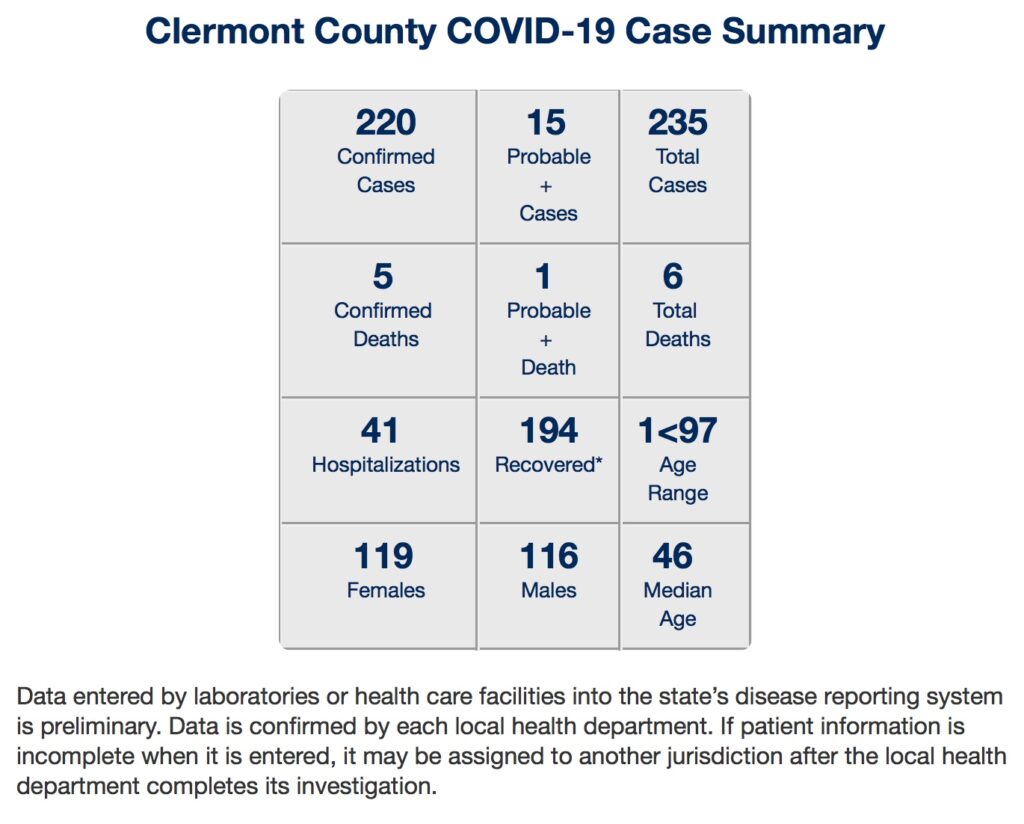
Clermont County reports 1 new case overnight.
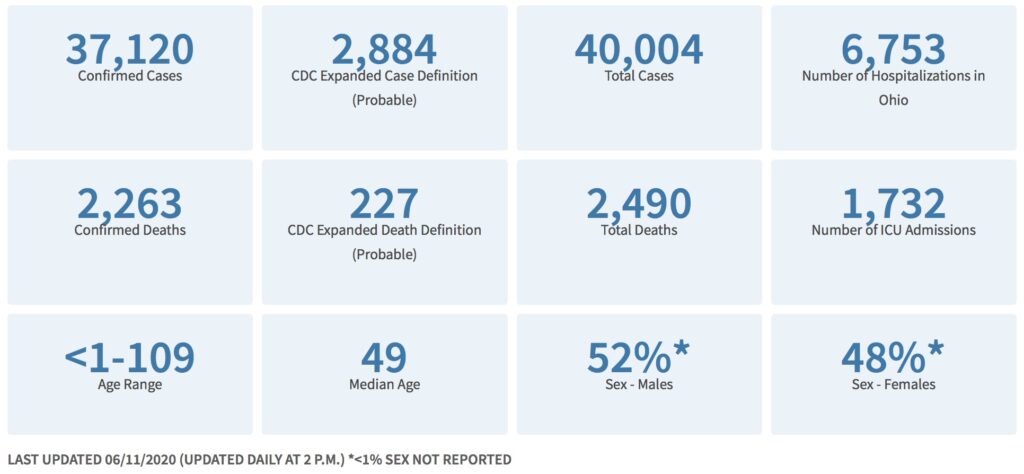
In Ohio, there are 420 new cases since yesterday, 61 more in the hospital, and 17 additional deaths.
Loveland, Ohio – During the COVID-19 pandemic, Loveland City School District (LCSD) Board of Education meetings have been live-streamed to provide public viewing. The Board is not meeting in person, instead, they are using the “Zoom” App and putting their meetings on YouTube. At their
last meeting on June 2, a decision was made to leave the videos on-line, instead of deleting them from further public viewing when the meeting is over.
Also, at the meeting, they discussed how the public could again participate in their “Business” meetings and restoring the public participation portion of the meeting that is usually on the agenda.
In a press release issued by the District on June 12, it stated, “The Board is committed to hearing from the public and continues to welcome input through email.”
While meetings are not open for the public to attend, the Board requests that you email your input to the Board of Education at board@lovelandschools.org.
The Board must have received your email by 4 PM on the date of the meeting if you wish to have it read at the beginning of the meeting, and you must indicate that you wish to have the statement read aloud.
Guidelines
Your statement should not be longer than three minutes, should not reference names of employees or students of the district, and should not include any offensive comments or language.
Statements will be read in the order in which they are received, for a total of no more than 30 minutes. All statements will be available to all Board of Education members and those not fitting within the 30-minute limitation will be noted as having been received. All members of the public submitting statements will have their names recorded in the public participation section of the minutes of the meeting.
The next business meeting of the Board of Education is scheduled for Tuesday, June 23.
As Warren County continues to reopen from the COVID-19 pandemic closures, the Warren County Health District wants the residents of our county to know that we are seeing a rapid increase in community spread of COVID-19 cases.
If you have attended family gatherings, church services, funerals, or live in an apartment building or other multi-family dwelling, we encourage you to monitor yourself closely for any symptoms and consult your doctor if necessary. Many times the symptoms are similar to mild seasonal allergies and may include, but are not limited to: fever, cough, shortness of breath, fatigue, headache, runny nose, congestion and loss of taste or smell.
As the county has continued to reopen, the Health District wants to encourage you to take precautions to protect yourself and to stay healthy, by reducing the spread of COVID-19, as you are out in the community.
If you are sick, stay home.
Wear a face covering over your nose and mouth when around others, to protect others and yourself.
Maintain a distance of at least 6 feet between yourself and other people.
Avoid large gatherings and confined spaces, whenever possible.
Use a hand sanitizer that contains at least 60% alcohol when out in public or you cannot wash your hands.
Wash your hands often with soap and water for 20 seconds
Cover your cough or sneeze with a tissue, then throw the tissue in the trash. Wash your hands with soap and water or use hand sanitizer after cough or sneezing.
Avoid touching your eyes, nose, or mouth as much as possible. The Health District is continuing to work to reduce the spread of COVID-19 and protect the health of all Warren County residents. For the latest information and updates about the current situation visit www.coronavirus.ohio.gov. If you have questions or concerns call (513) 695-2475.
Symmes Township, Ohio – “In the end, it was so worth the effort,” Cincinnati Hills Christian Academy (CHCA) Fine Arts Director, Mona Summers. “I would do it all again in a heartbeat to be able to share the gifts and talents of our students.”
When it was clear CHCA’s 22nd Annual ArtBeat arts festival would have to be canceled, it was so disappointing according to Summers. ArtBeat is a day-long celebration of the visual and performing arts that brings the entire CHCA community together – from the youngest preschoolers through Grade 12.
Anna Treadway won 1st place for her AP Portfolio
The committee had already been working on the event for many months. To learn that all the work would be for nothing was difficult, but not as difficult as knowing the students would not be able to share their beautiful artwork and performances with the community. It was then that a plan for Virtual ArtBeat began so that at least part of ArtBeat could be shared with the community.
This is an original song entitled “My House” by Lauren M. is based on the passage Matthew 7:24-27. “I wrote this song originally in January when I was facing the fears of college and moving on in the next phase of my life. I wanted to write a song that would remind me of my foundation and that I will be okay. It’s crazy how much I need to hear these lyrics right now though. During this corona virus and the passing of one of my closest friends, God is speaking to me through my own song lyrics. He wants me to continue to build my house on the Rock.”
After working for months on all that goes into ArtBeat, which typically draws over 2,200 people, the committee had to pivot quickly in order to plan and implement a Virtual ArtBeat to draw hundreds in, well, virtually.
Summers, immediately reached out to the visual art teachers to share with them her vision of Virtual ArtBeat and they were excited and ready to do the work it would take to make this possible. Of course, the reality of the work required was much more difficult than they imagined, but they were still excited to have the opportunity to share their students’ artwork with the community.
Anna Treadway won 1st place for her AP Portfolio
Summers then reached out to the ArtBeat auditioned performers to ask them if they would like to be a part of Virtual ArtBeat, which required them to send in videos of their performances.
Layout and Design
1st Place: Catherine Frazer
2nd Place: Joey Shafer
3rd Place: Samuel Davis
Honorable Mention: Hailey Wichard
Painting
1st Place: Jacqueline Clayton
2nd Place: Marissa Mao
3rd Place: Hailey Williams
4th Place: Jake Younkin
5th Place: Aidan Hook
Honorable Mention: Jonah Bolander
Instructor’s Choice
Chloe Huang
Many of the ensemble auditions were not able to participate in light of sheltering in place at home per Governor’s orders. However, there were some duets who got very creative in order to share their videos. A few videos from auditions that parents took from the sidelines were able to be shared, as well as videos from dance competitions where dancers competed with the same pieces they performed at auditions. Summers then pulled together a schedule for the Virtual ArtBeat event and the behind-the-scenes work to put it all online commenced.
by Alexis Otto
As in the typical live and in-person ArtBeat, there are so many notable Virtual ArtBeat highlights. 1,435 pieces of artwork and 68 performance videos were included. In addition, the committee held a Juried Art Competition as part of the virtual event.
Sarah Pan’s 1st Place Drawing
Virtual ArtBeat lasted fifteen days, beginning Friday, May 1, and ending Friday, May 15. Each day at 5:30 PM, new artwork and performances were released to virtual audiences.
Curious to see what you missed? Virtual ArtBeat is still available online.
This photo by Jacqueline Clayton was a 1st Prize winner
Summers said, “The support and feedback from the community was phenomenal.” Many people commented that the webpages hosting content were visually appealing and well laid out so that it was easy to follow and find things. “But mostly, it was the wonderful feedback received from students, parents, and faculty who said they were thrilled Virtual ArtBeat was being shared since ArtBeat had to be canceled.”
Students and parents alike were very thankful to be able to participate in Virtual ArtBeat and that it was accessible to the entire community.


![[POLL] Should Epiphany Church shut down intersection during rush hour?](https://lovelandmagazine.com/wp-content/uploads/2020/06/poll-question.jpg)



 by Cassie Mattia
 The ECC stated that they would love to bring more awareness and reach to the conference’s brand so the conference decided to have students, coaches, and fans submit slogan ideas. The ECC selected the top 4 slogan ideas and posted them on the ECC website so that anyone and everyone could vote on their favorite slogan! Below are the top 4 slogan selections.


 Miami Township, Ohio – In this video, Miami Township Police Officer Matt Evans talks with Sabrina Mignerey (Hold the Line) and Alison Fienning (Pinpoint Behavioral Health) about mental health support for first responders. This video is produced by the

 Those assessments were used to determine whether a person could safely remain at home with community support or whether they needed facility-level care and what resources, whether subsidized or private, existed to pay for the services.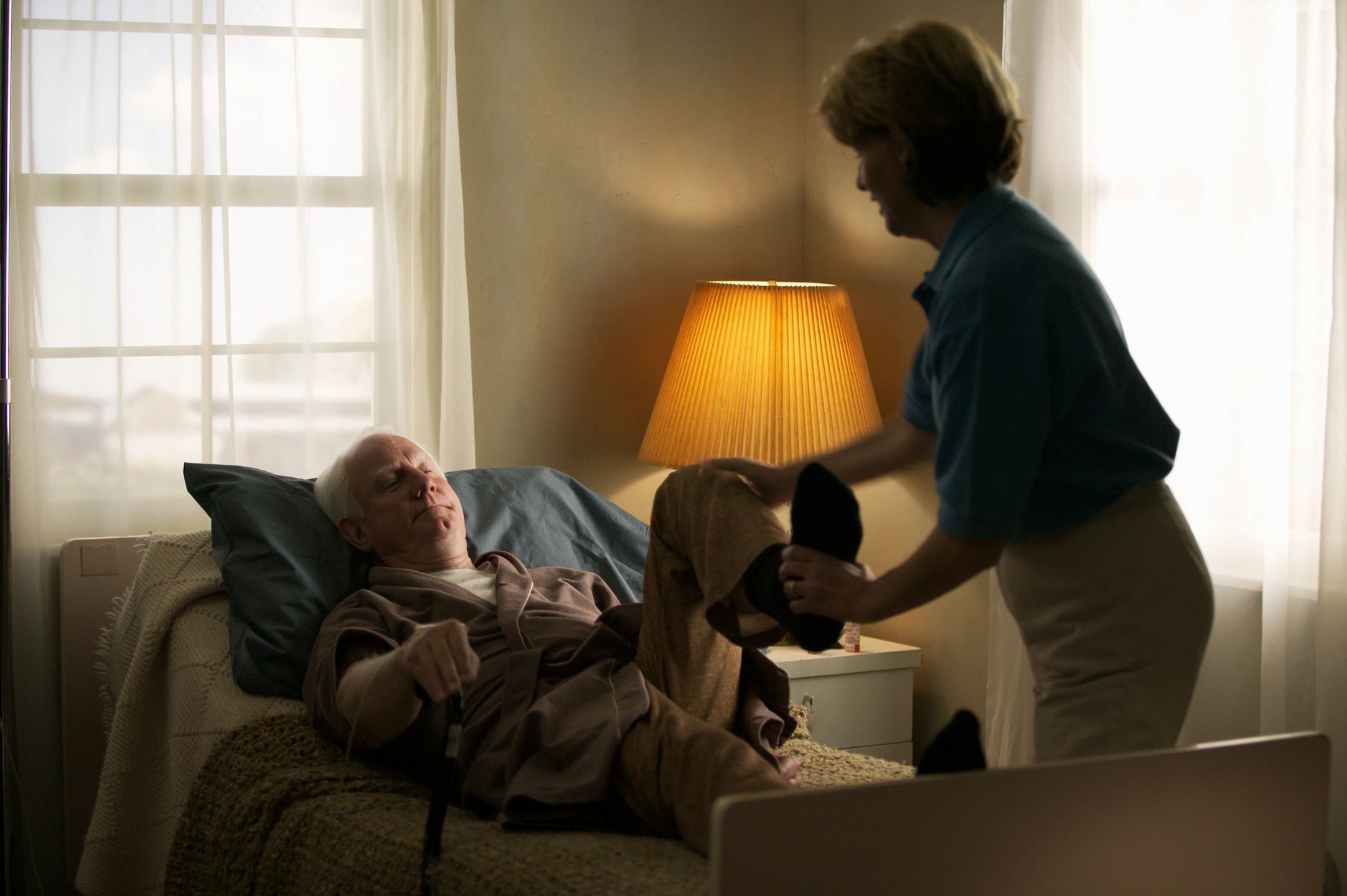







![[BREAKING] Warren County Health Director sees rapid increase in community spread of COVID-19 cases](https://lovelandmagazine.com/wp-content/uploads/2020/05/covid-ohio-feature-.png)

 When it was clear CHCA’s 22nd Annual ArtBeat arts festival would have to be canceled, it was so disappointing according to Summers. ArtBeat is a day-long celebration of the visual and performing arts that brings the entire CHCA community together – from the youngest preschoolers through Grade 12.