
Tag: property values

  • Dear Fellow Residents of Loveland School District from a “New Guy”

    Dear Fellow Residents of Loveland School District from a “New Guy”

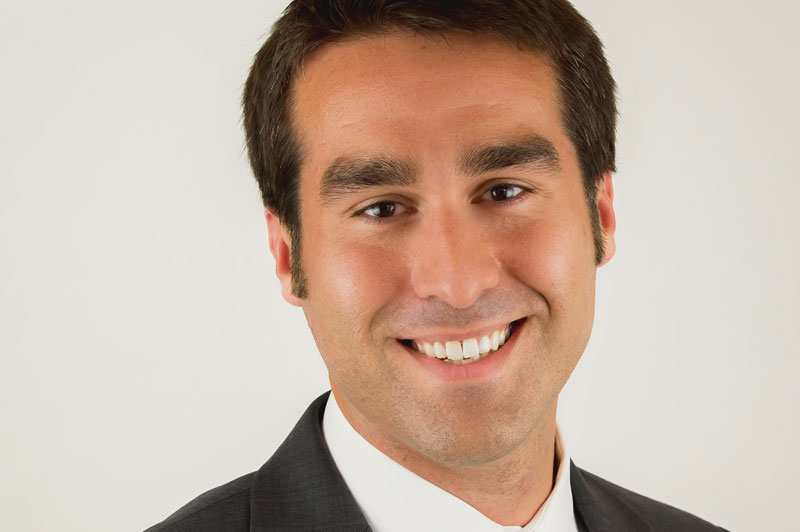
    by Tony Mackzum

    Tony Mackzum lives in Paxton Woods – (Photo Provided)

    I am a lifelong West Sider who moved his young family to Paxton Woods last summer. Since I am new to this side of town, I wanted to share some of my thoughts and feelings with you regarding the recent ongoing Loveland School District Levy debate. (Loveland Board of Education asks for combined 16.78-mill levy)

    While my family is younger in nature, my football and soccer friends in Loveland call me the Old Dad, which I wear with great pride. A few extra years of doing things well and not so well at times has allowed me a history perspective to see both sides of this debate.  

      1. First and foremost, everyone’s economic situations are fluid and unique, but either way, both sides should try to respect the other side’s opinion and show class at all times while debating this topic on all social media formats and in person.  
      2. If you don’t spend at least 30 minutes researching the topic, then your opinion loses value and can’t be supported by anything other than emotions or a popularity contest trying to fit in.
      3. If you don’t have children in the past, now, or planned future within the district then it is OK for you to vote NO, but remember if the levy fails you will not realize as much on the sale of your residence when you want to sell and that is a fact no matter where you live or what you do within the district. It is a proven equation that better schools equal better property values for all, just look at the demand for Loveland recently vs surrounding school districts.  
      4. If you vote NO now because you think there will be a better plan or idea later, You’re Mistaken, we chose to leave the West Side because once levies fail they almost never get going again as strong as the last one voted NO.
      5. If you think we don’t need three schools then you haven’t comparative shopped school systems lately. My wife and I spent months reading and visiting school districts around the city, and we chose to overlook the fact that only the high school was comparable because we figured the funding was already in place for replacements due to the outstanding history of the school district. Trust me we noticed, and it plays a role in future decisions that go back to school systems providing the demand for your house if and when you choose to sell it.  
      6. I am an accountant, and the cost of capital currently being offered to the school district at this point in time is the lowest it will ever be, and will cost us more in the long run if we pass on this chance or nickel and dime it because we don’t see the need for certain things of benefit to all of us in some fashion monetarily or in benefit of use.  

    Sincerely, 

    The New Guy


  • Providing a great education and a great value

    Providing a great education and a great value

    by Kevin Hawley

    Our goal at Loveland City Schools is to provide a great education for our students and a great value to the community. In order to provide the level of education our community has come to expect and our students deserve, public school districts like ours must return every few years to ask voters to support their schools. This is the reality of public-school funding in Ohio.

    Kevin Hawley is the Loveland City School District Treasurer/CFO

    Schools in the state of Ohio are financed with a combination of federal, state and local funds. The state uses a formula to determine how much money each district should receive based on enrollment and the relative wealth of a district based on property values. This amount varies widely from district to district. Typically, as is the case with Loveland City Schools, a district receives more of its revenue from local property taxes. These taxes are primarily determined by locally-voted tax increases, otherwise known as tax levies. In our case, approximately 58 percent of the financial burden falls to local taxpayers.

    The wonderful part of local revenue being a primary contributor to school funding is that the community maintains control of its schools. Conversely, the challenge is that local revenue does not increase with increases in property values. Therefore, a large portion of a district’s revenue is flat until the community votes to increase its property taxes.

    The Loveland City School District is on the right track and reflects our community, but with our operational needs and reliance on property taxes, coupled with the way Ohio funding works, we will soon need to ask our residents for their support.

    And in the Loveland City School District, we are coming up on a need to ask for additional operating funds, separate from our discussion around Building Tiger Nation and our facility needs.

    Funds generated from operating levies are used for the day-to-day operations of the district such as teachers, utilities and supplies. Because schools, by nature, are a “people” business, the majority of operating funds are used to hire and retain high quality educators as well as provide highly competitive programming for our students.

    The Loveland City School District is on the right track and reflects our community, but with our operational needs and reliance on property taxes, coupled with the way Ohio funding works, we will soon need to ask our residents for their support.

    In the meantime, we continue to send the majority of our budget – 62 percent – directly to the classroom where the biggest impact can be made to prepare students for tomorrow, today. Maintaining the district budget through thoughtful and prudent spending is and always will be my priority. And I am incredibly grateful to our residents for the continued support for our schools, which are such an important part of our community.


    Wildflower House — where women & girls bloom!