Tag: southwest ohio

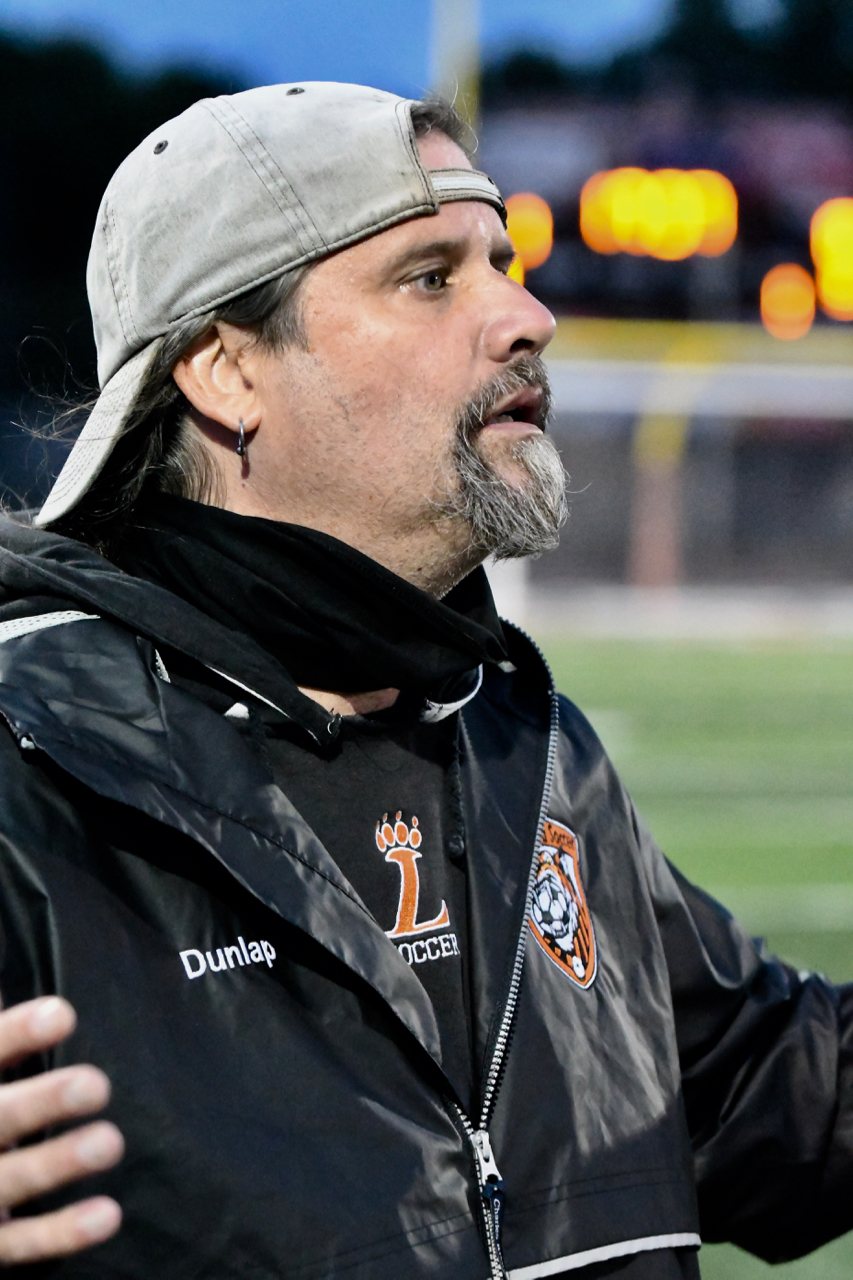
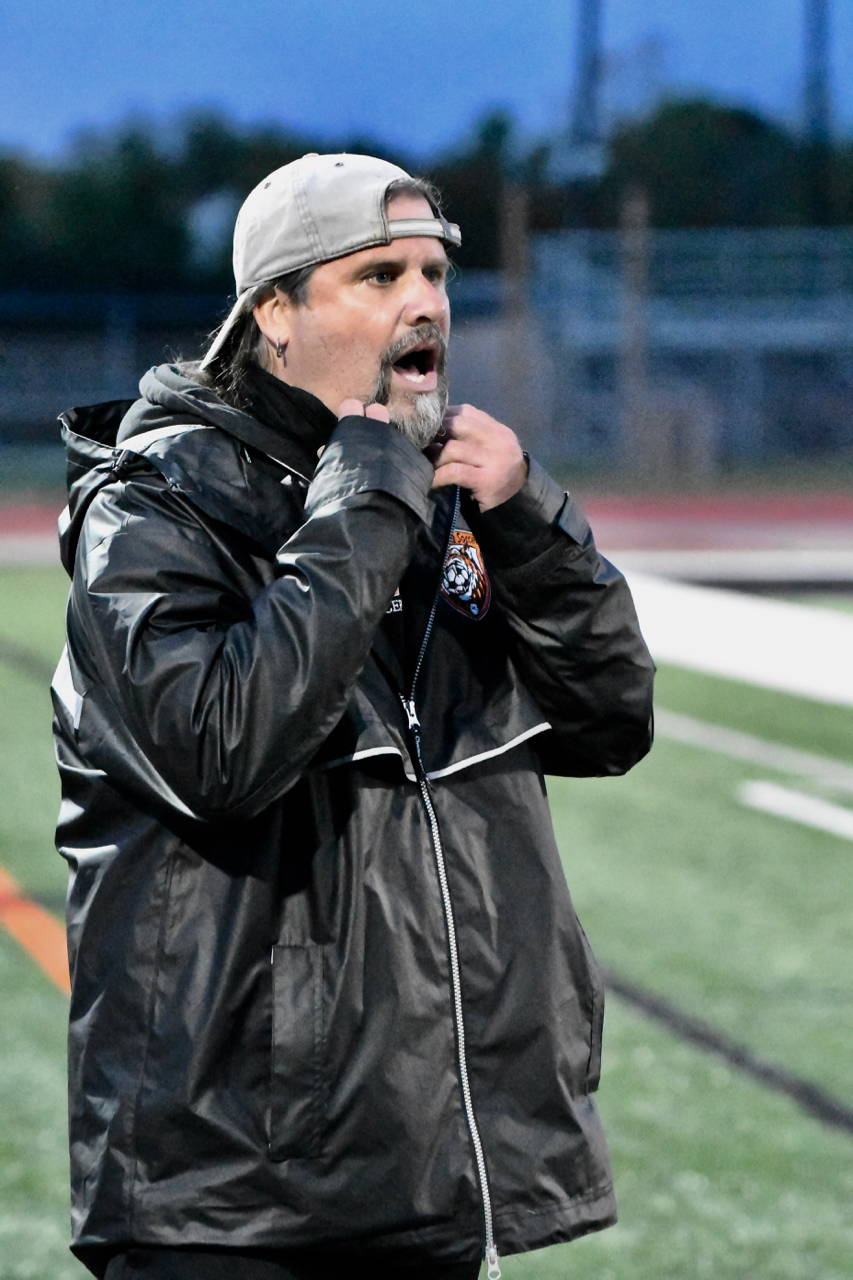
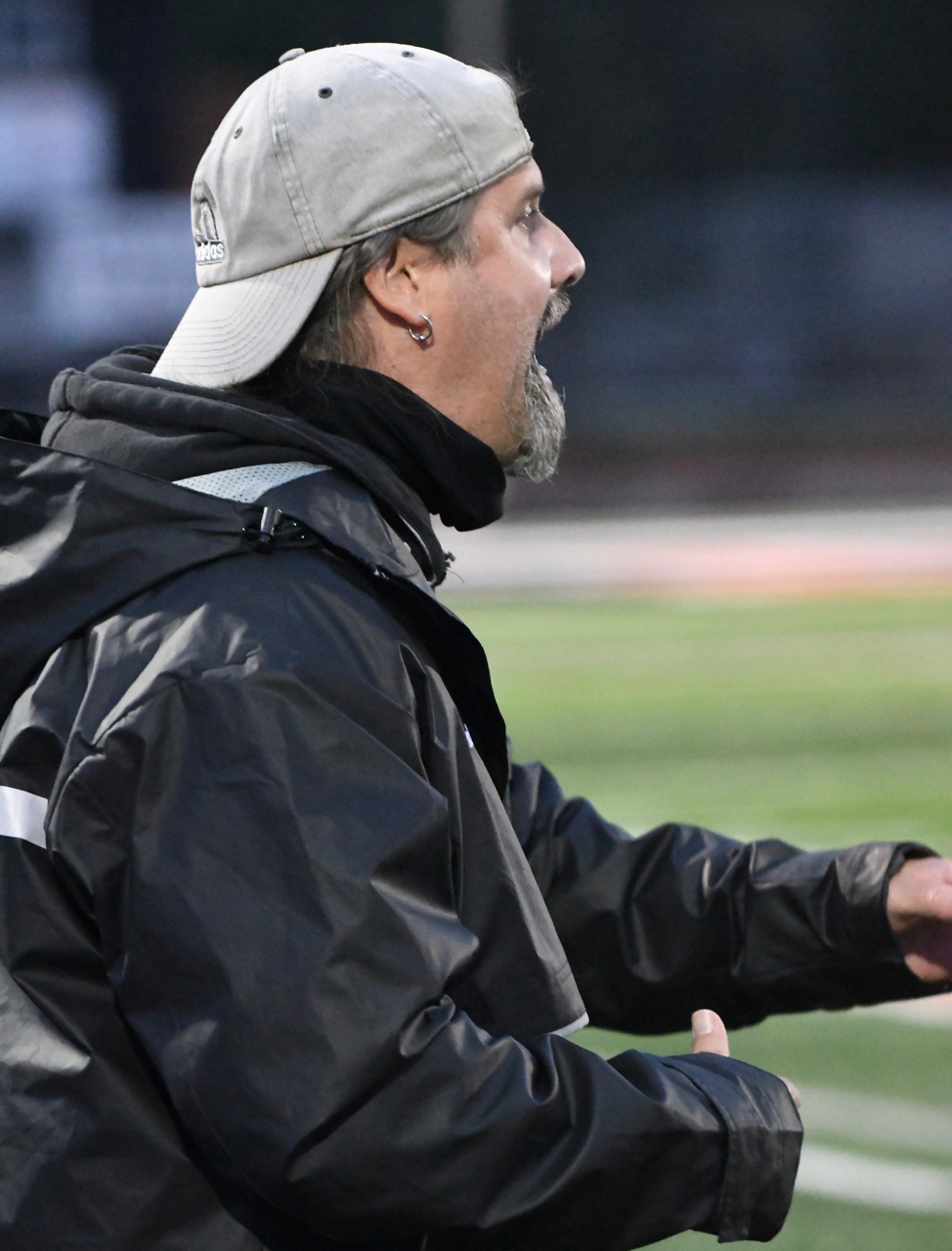
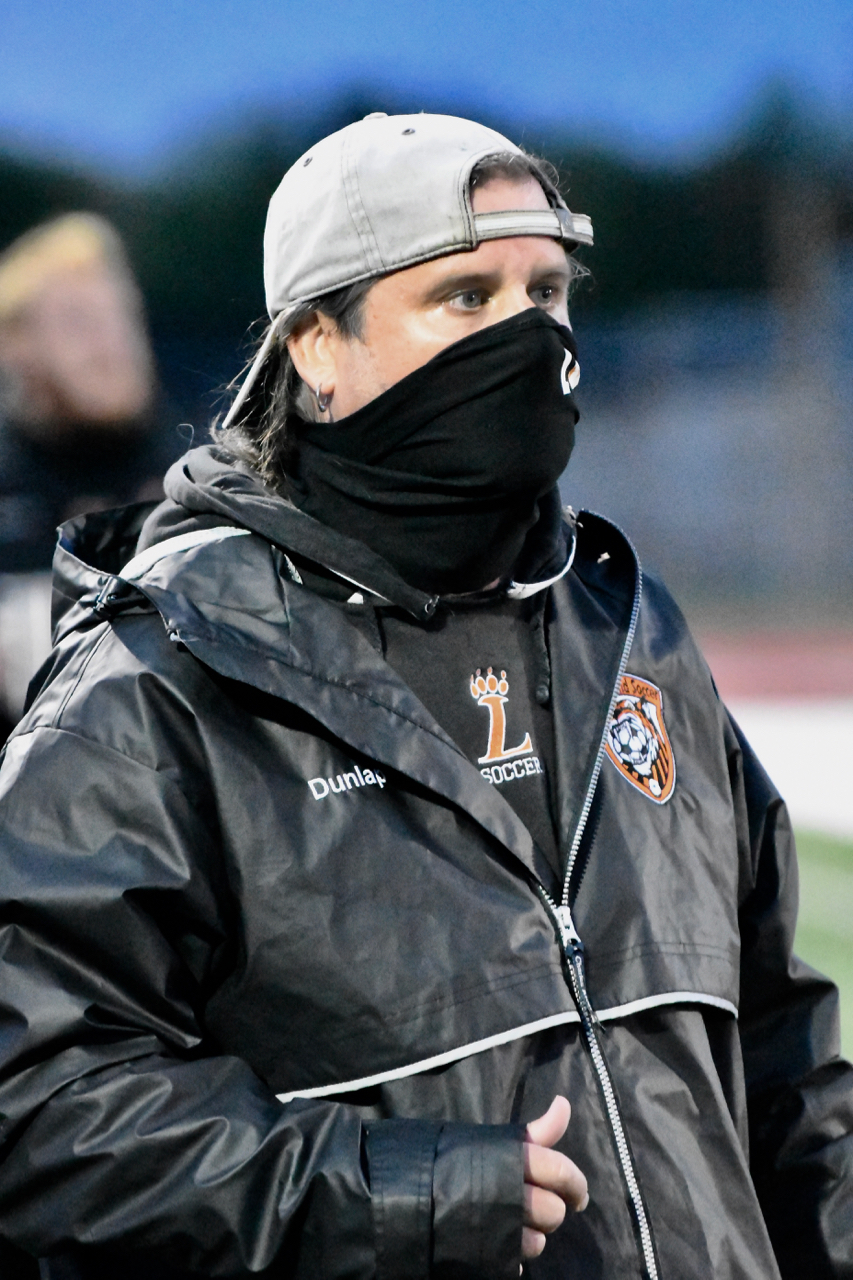
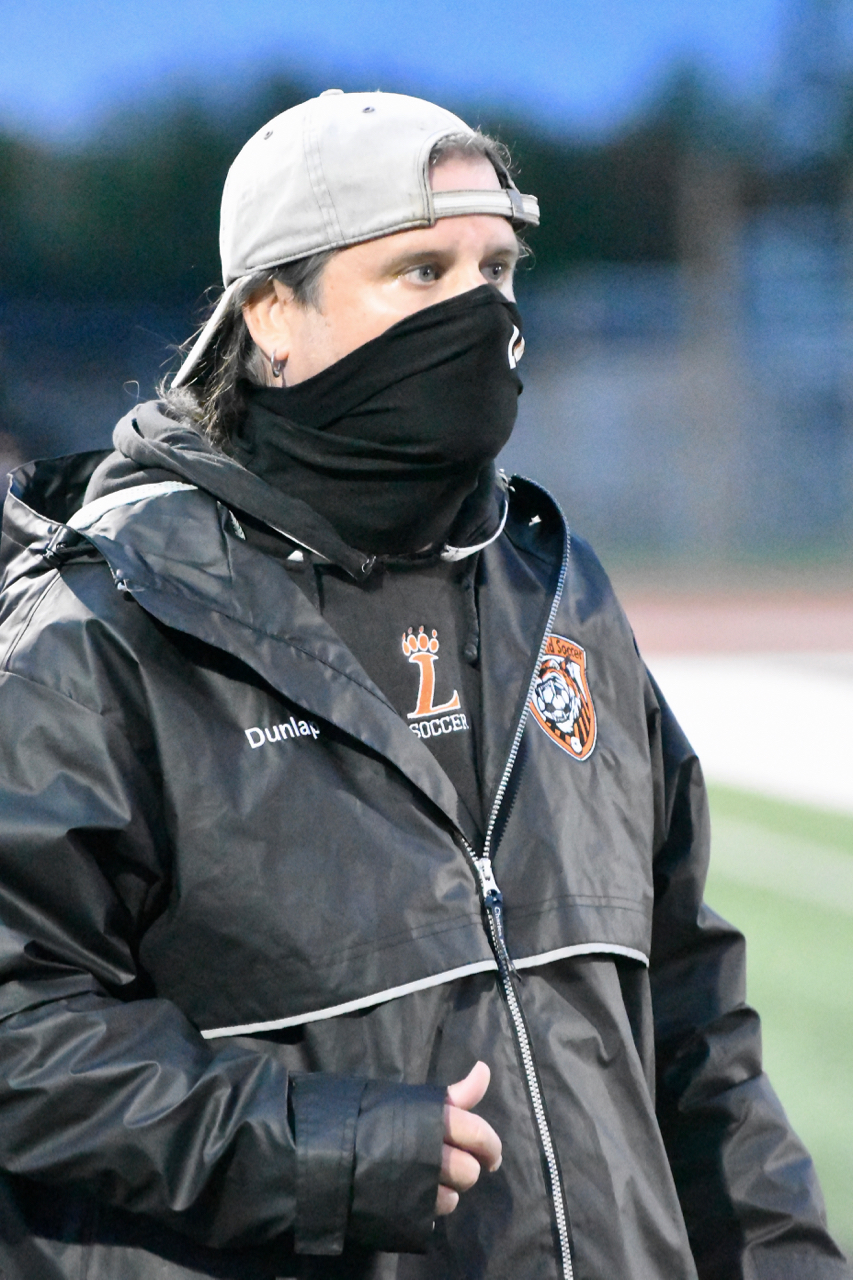
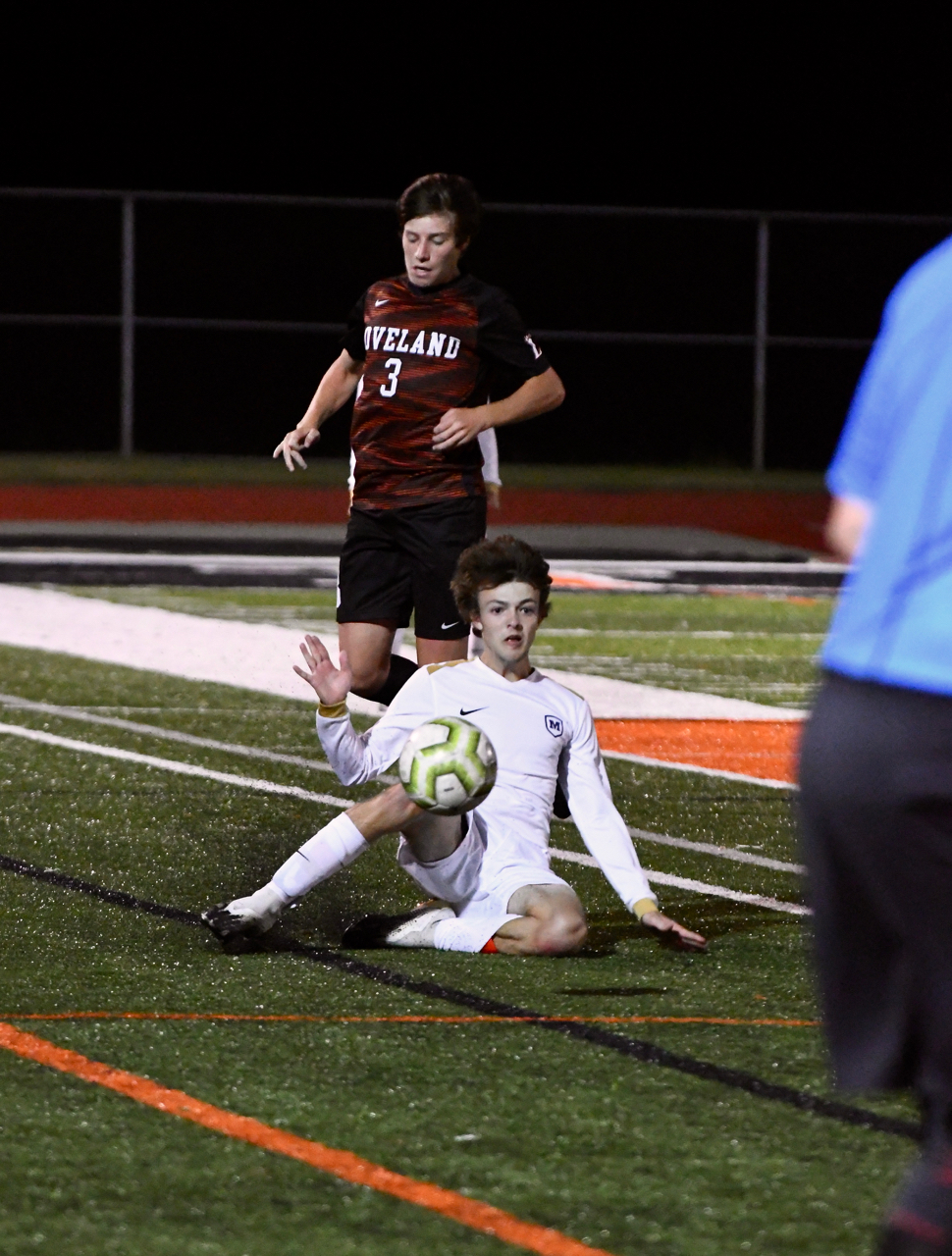
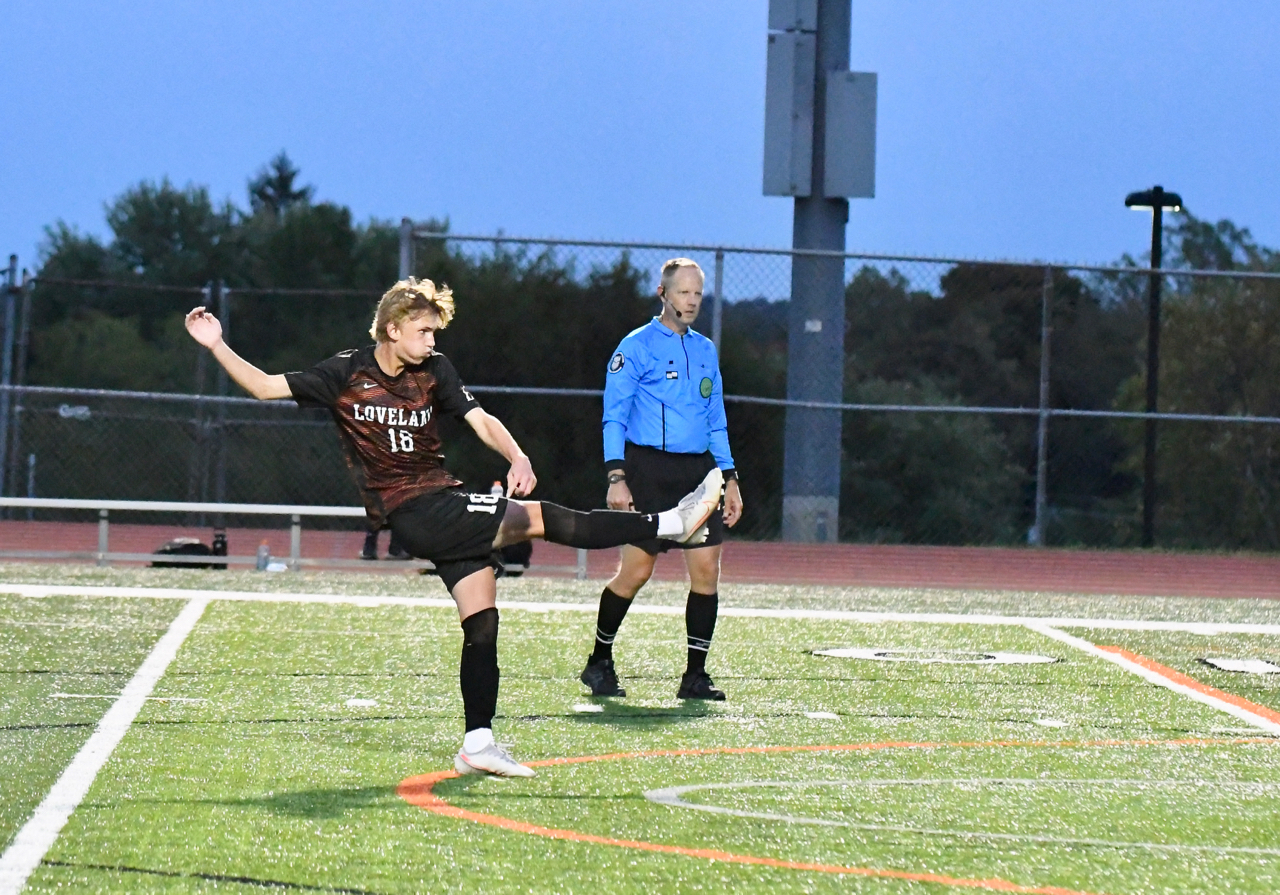
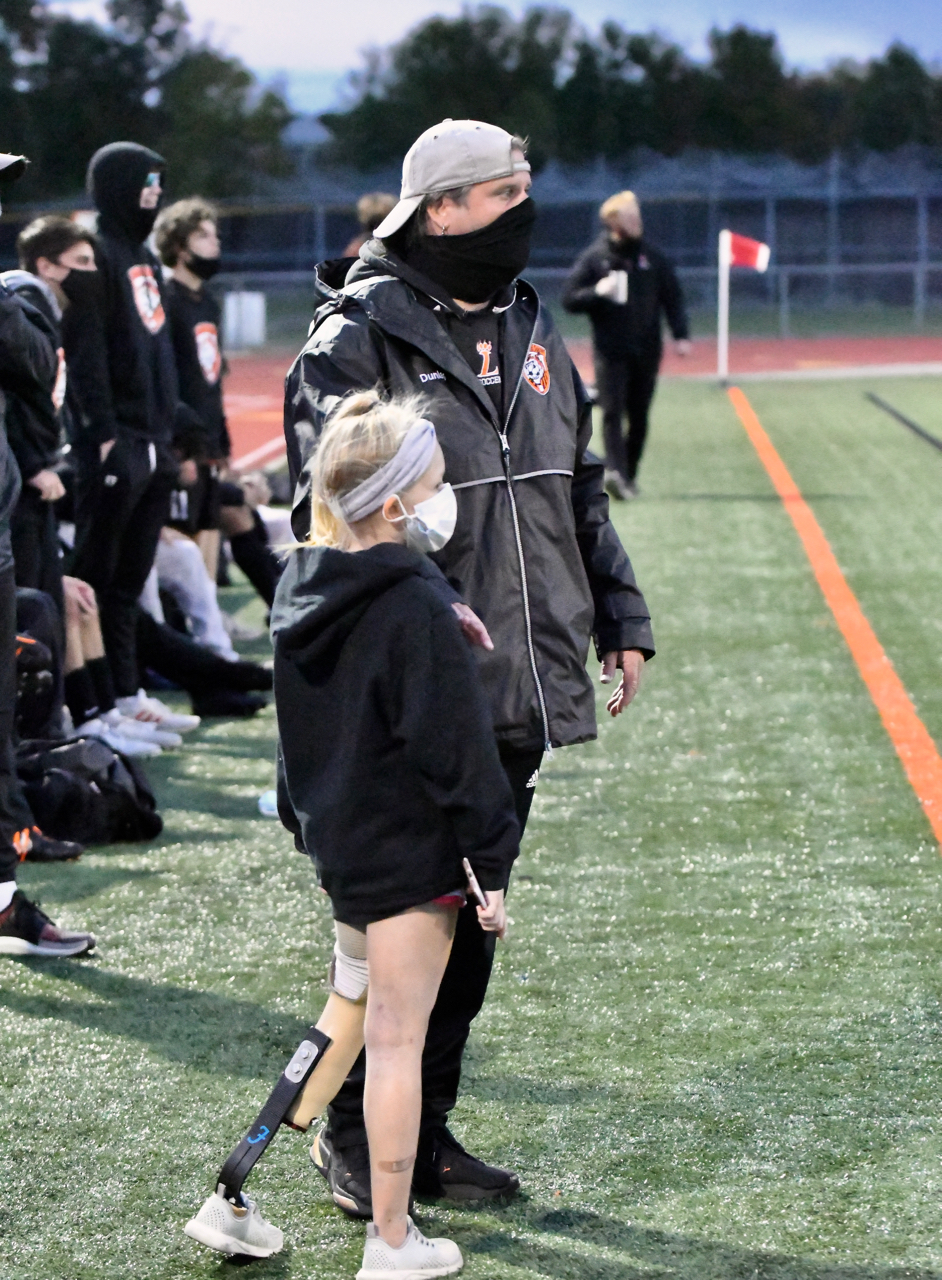
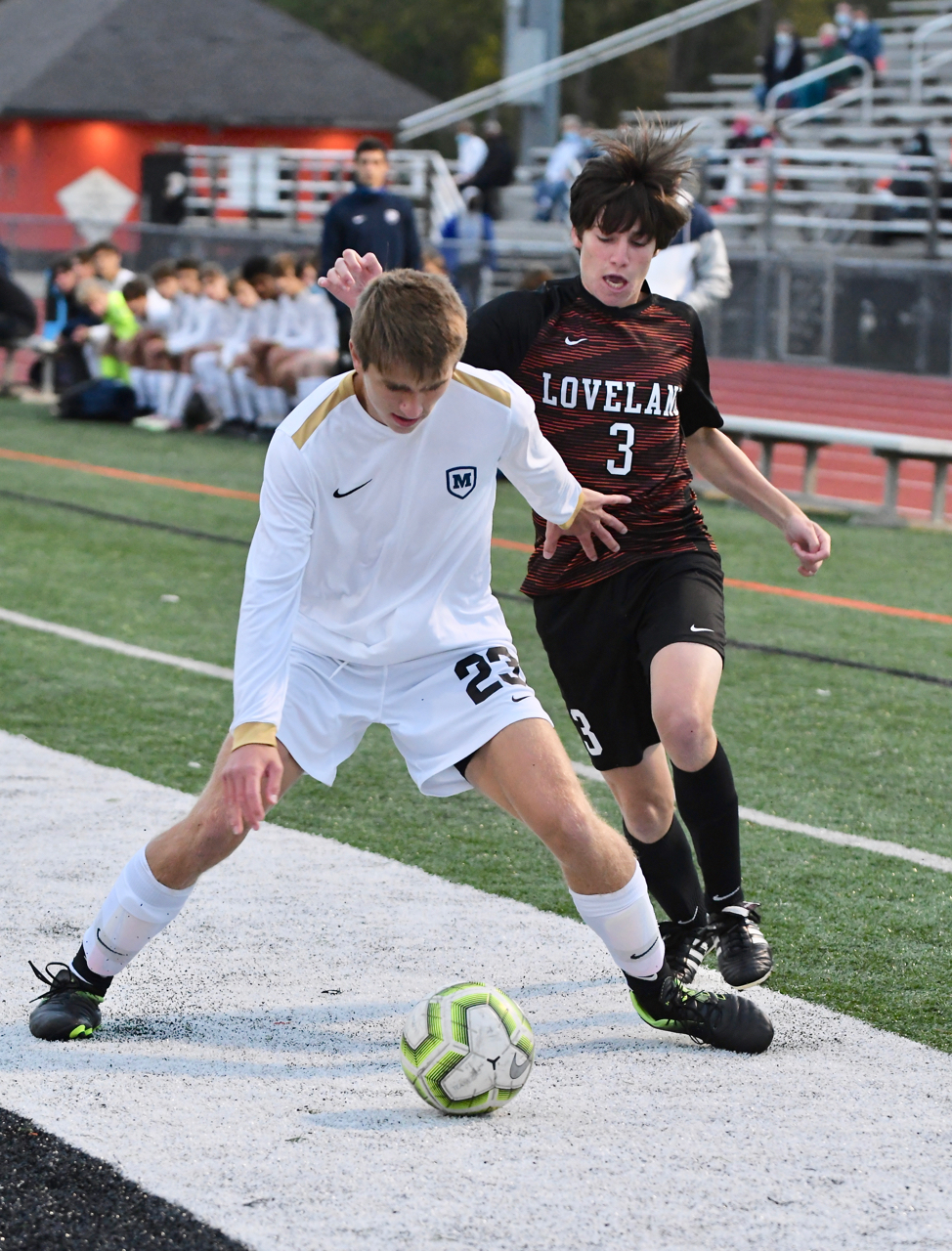
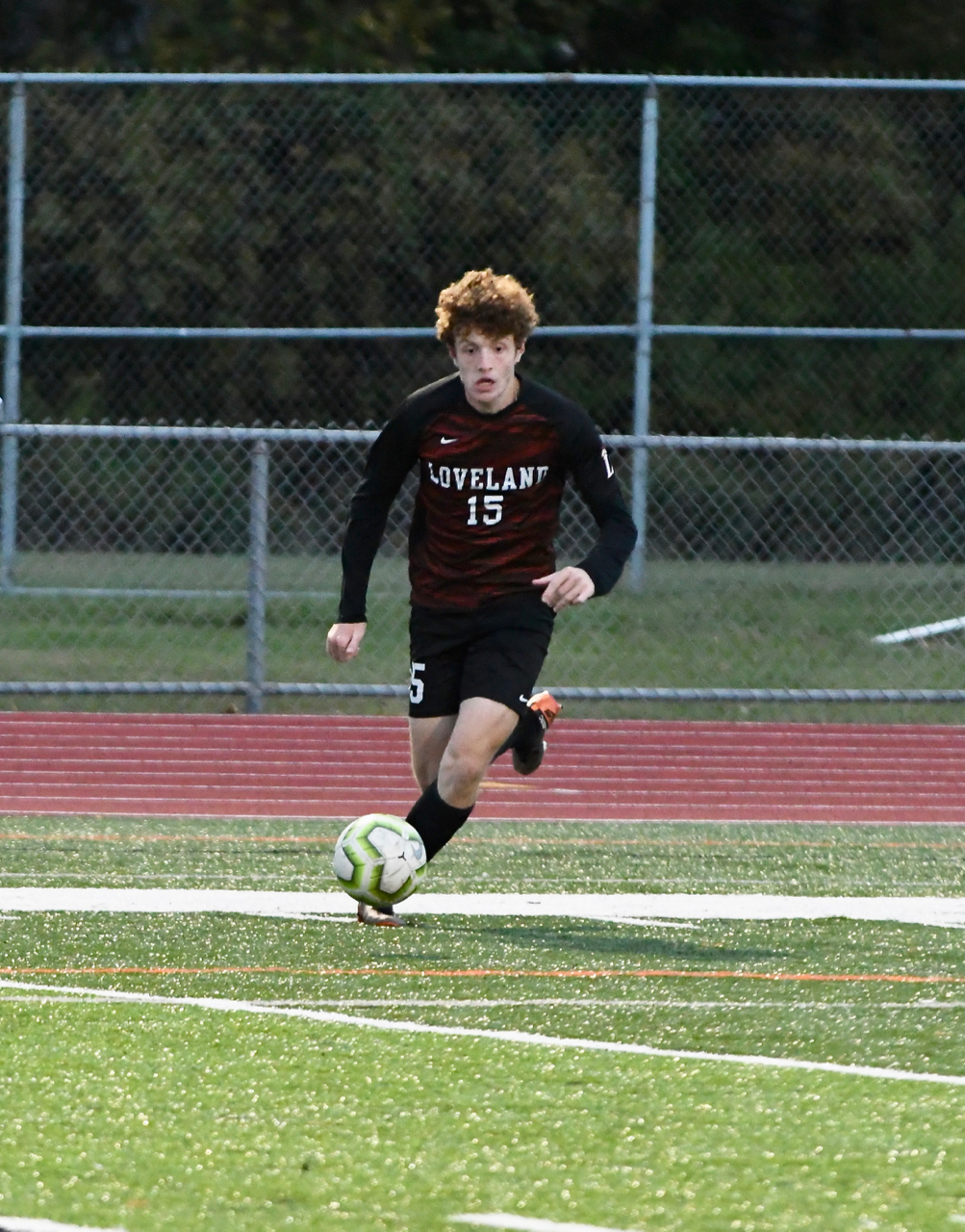
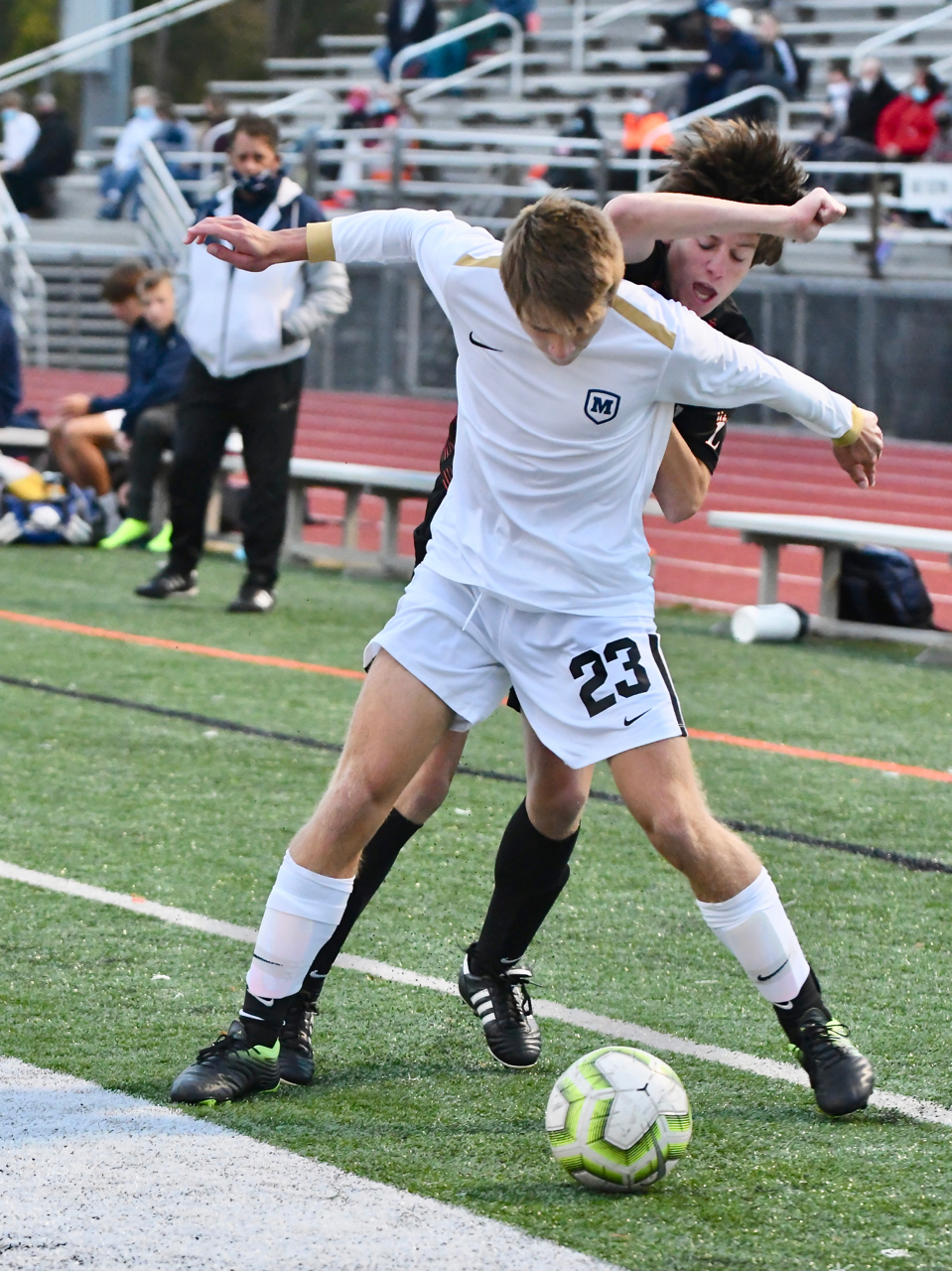
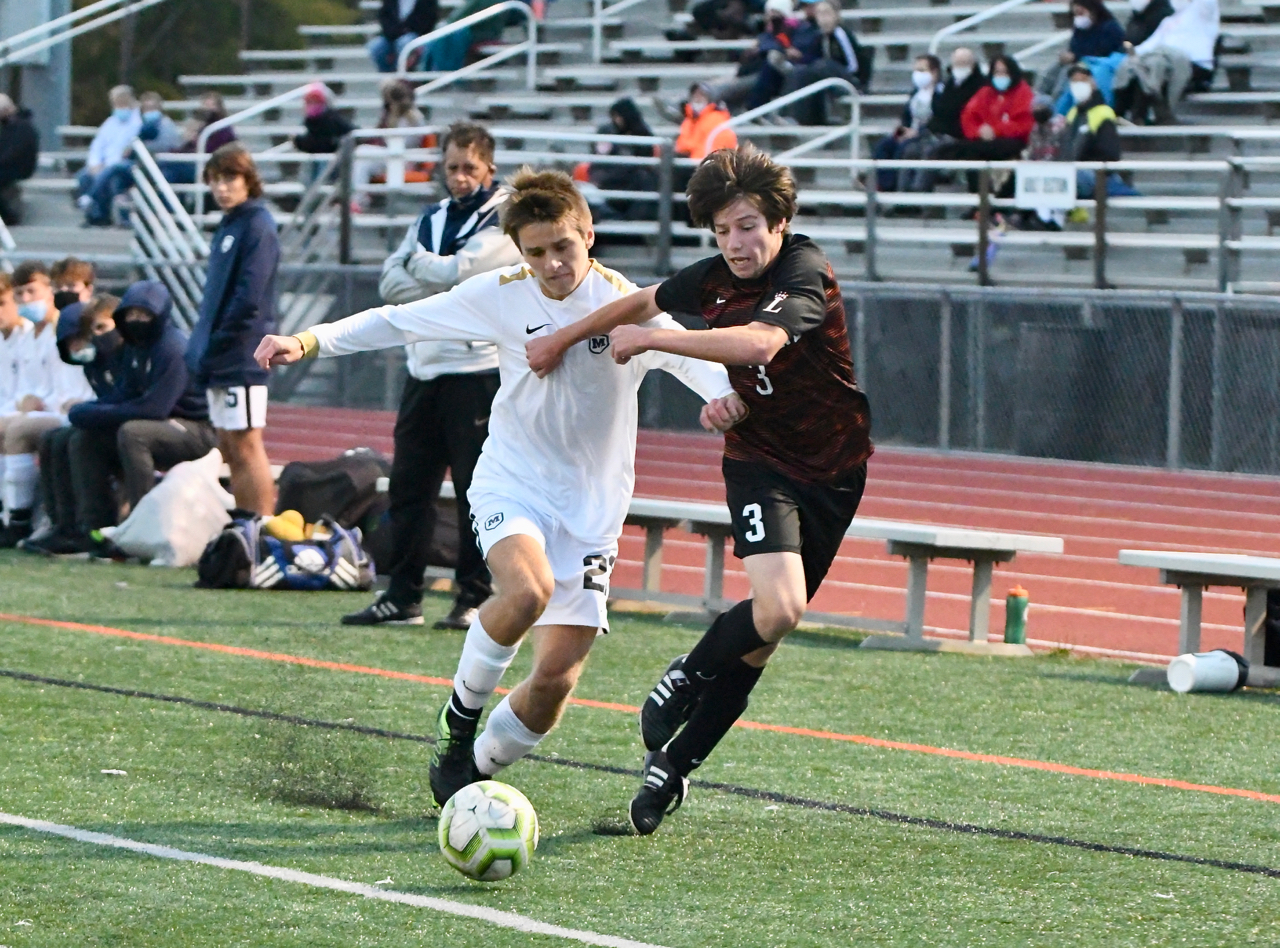
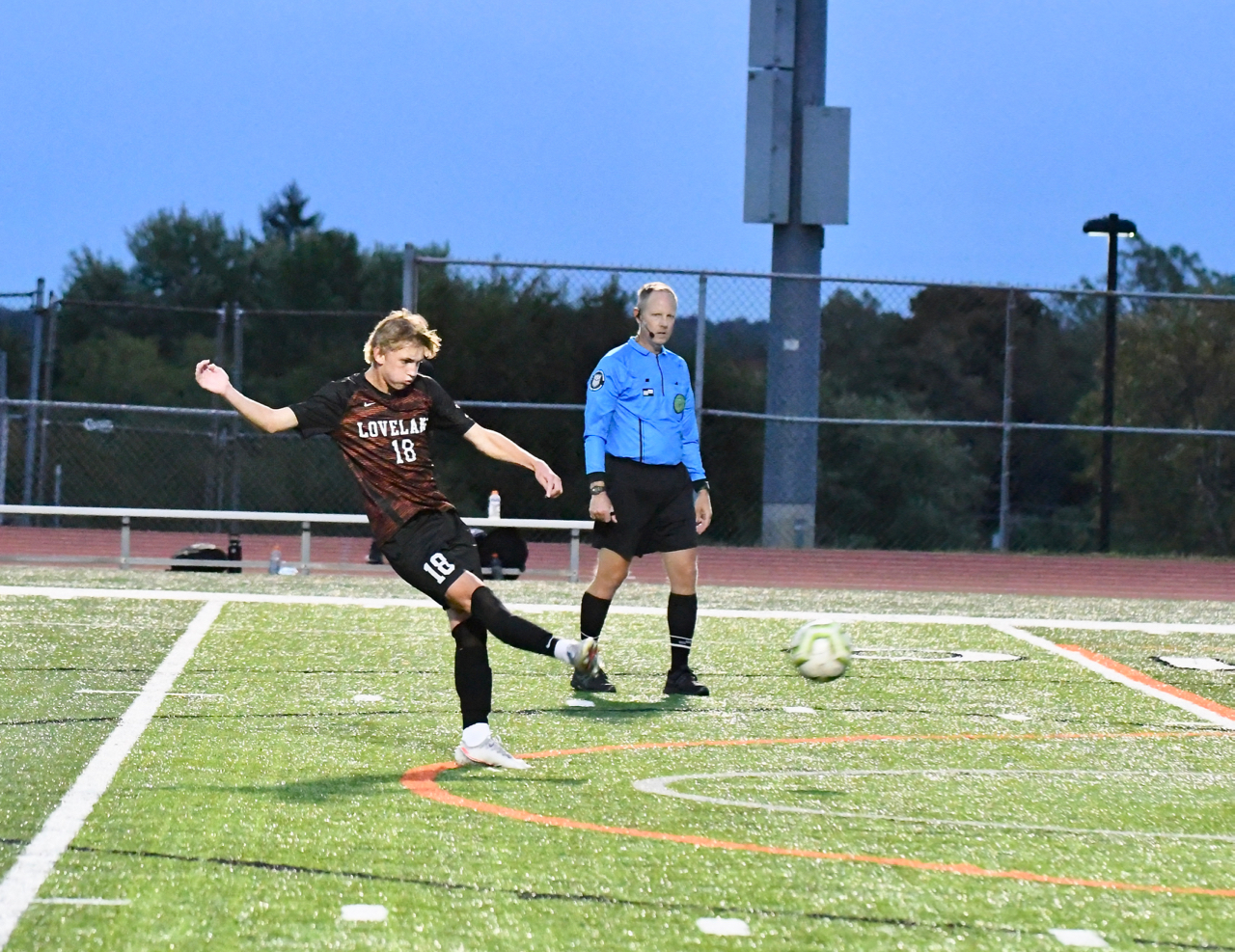
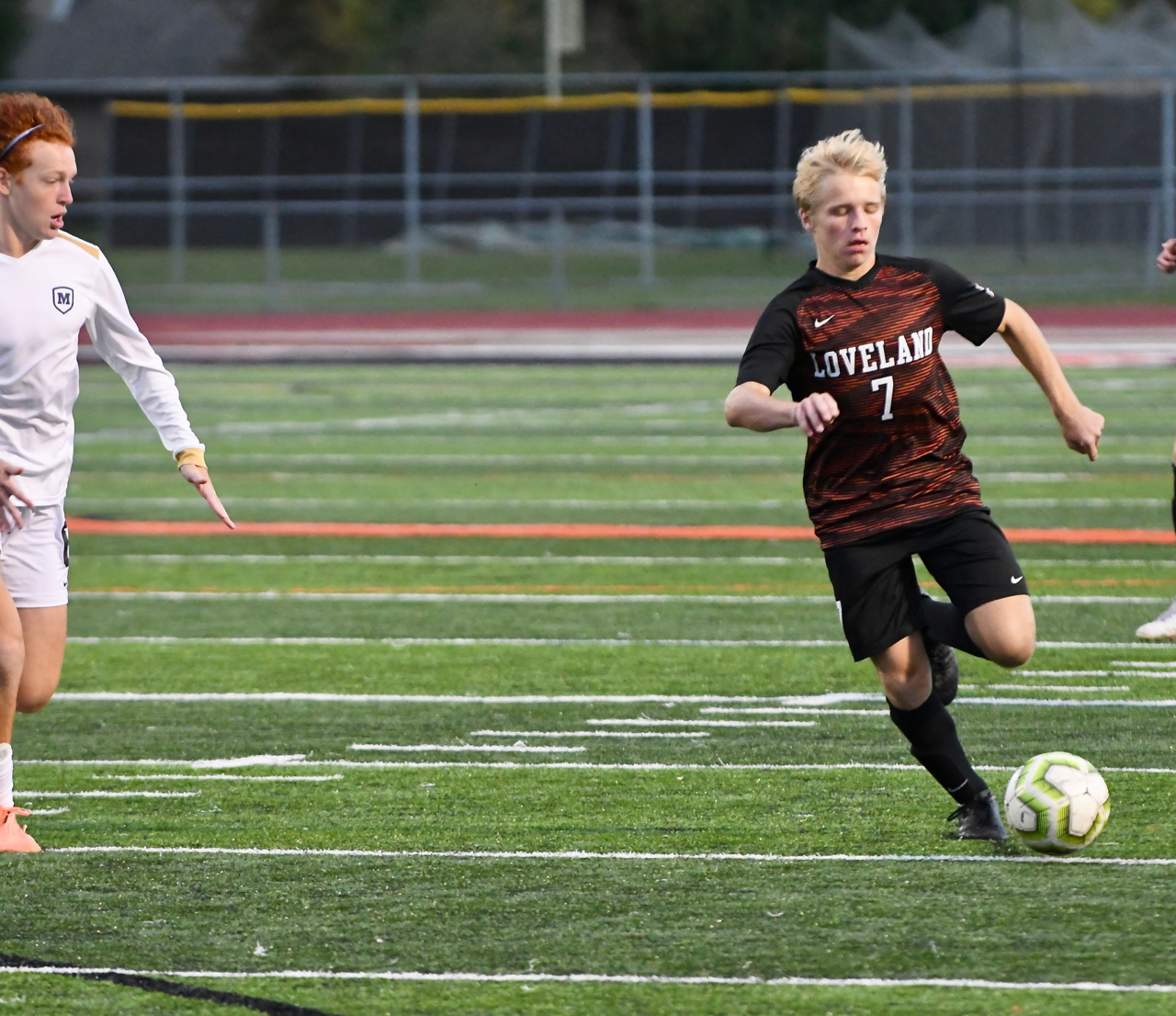
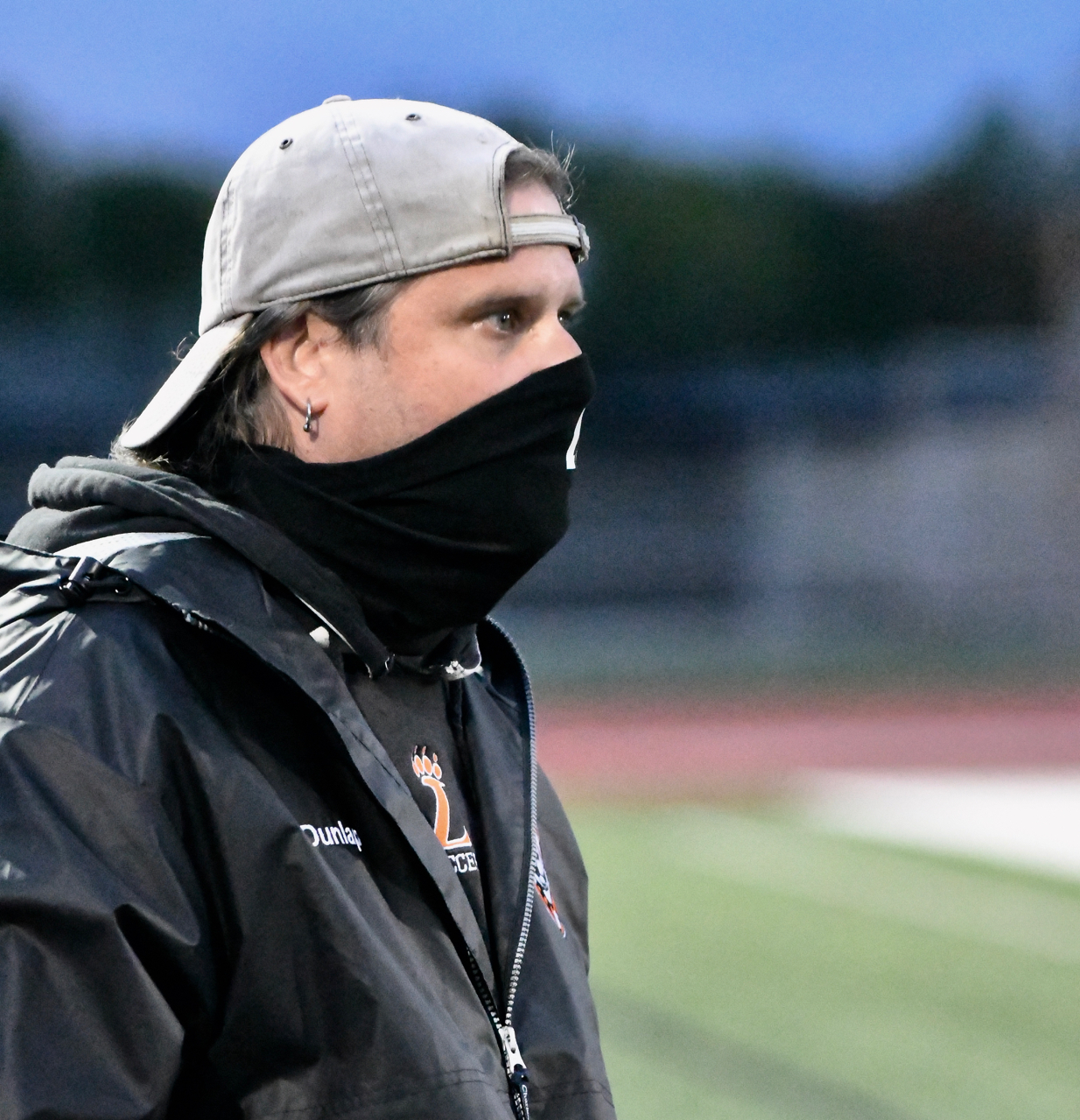
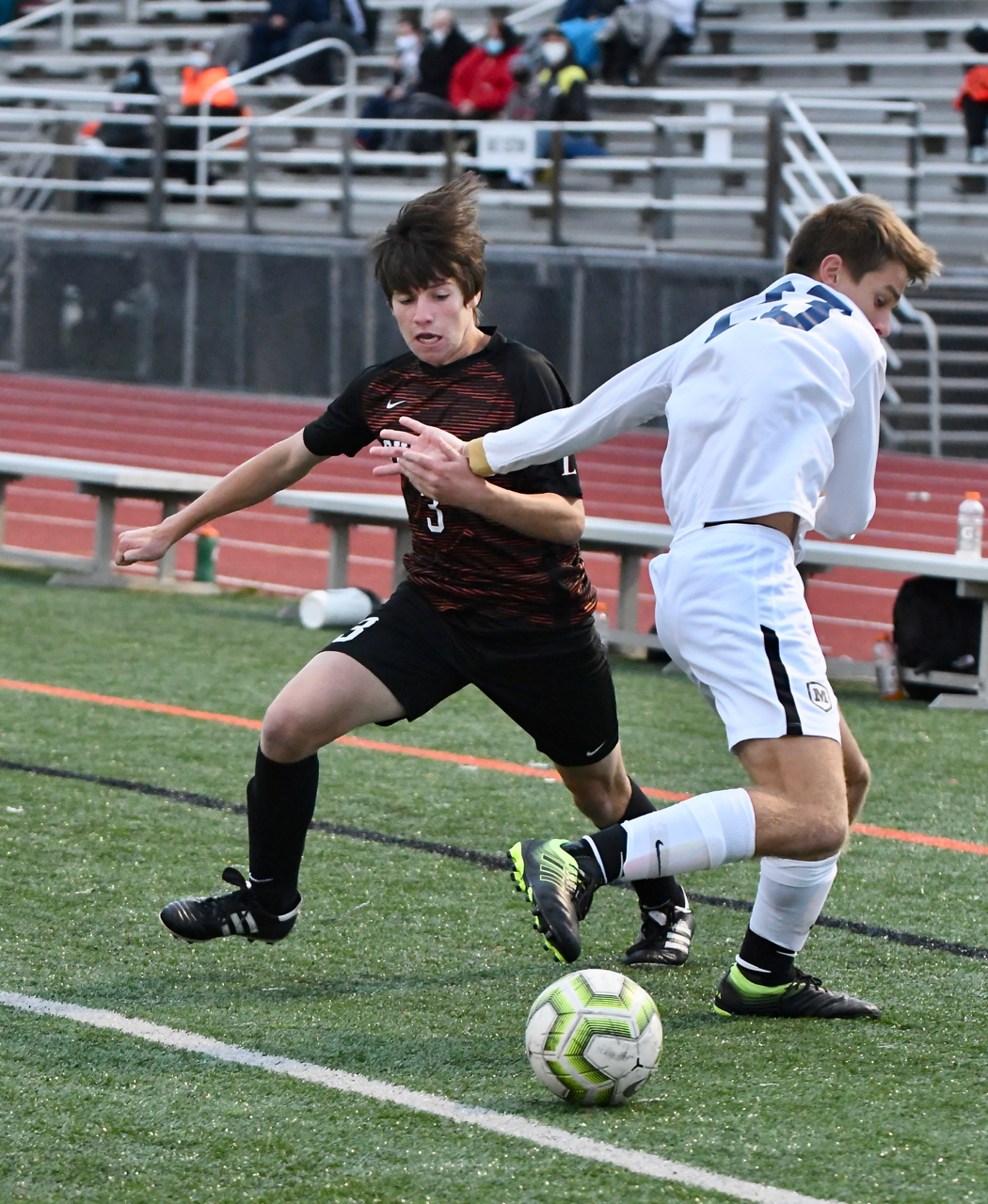
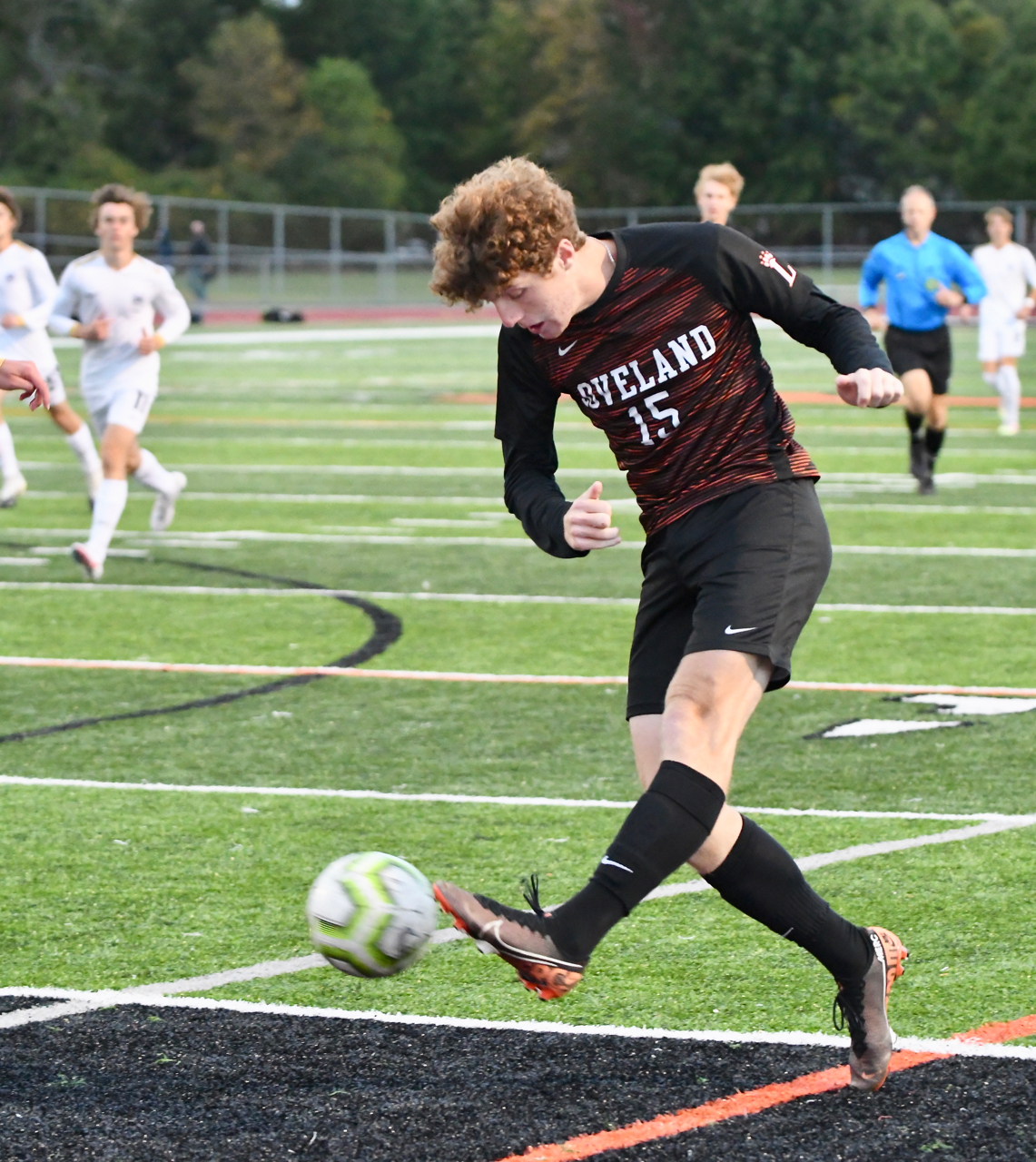
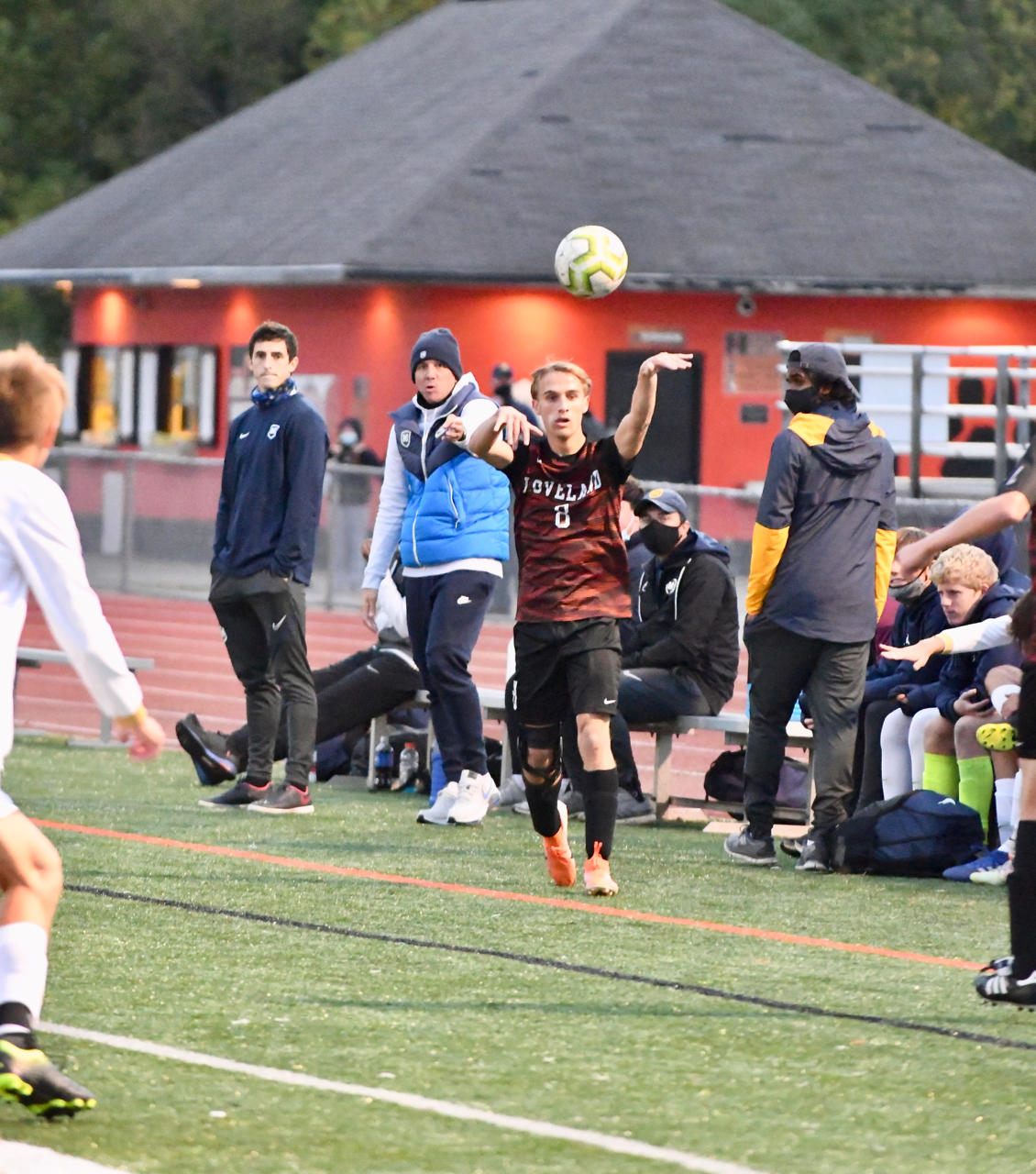
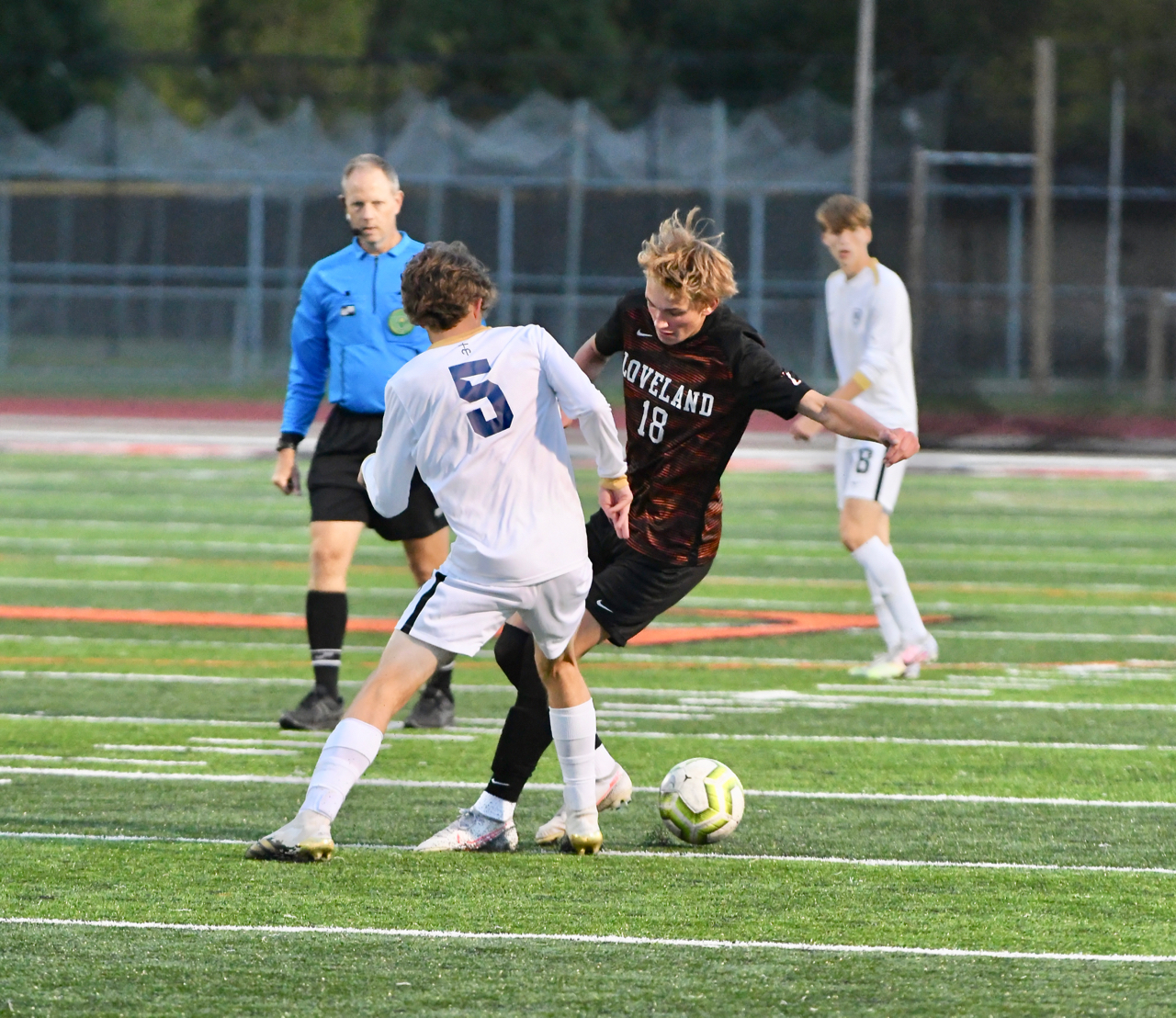
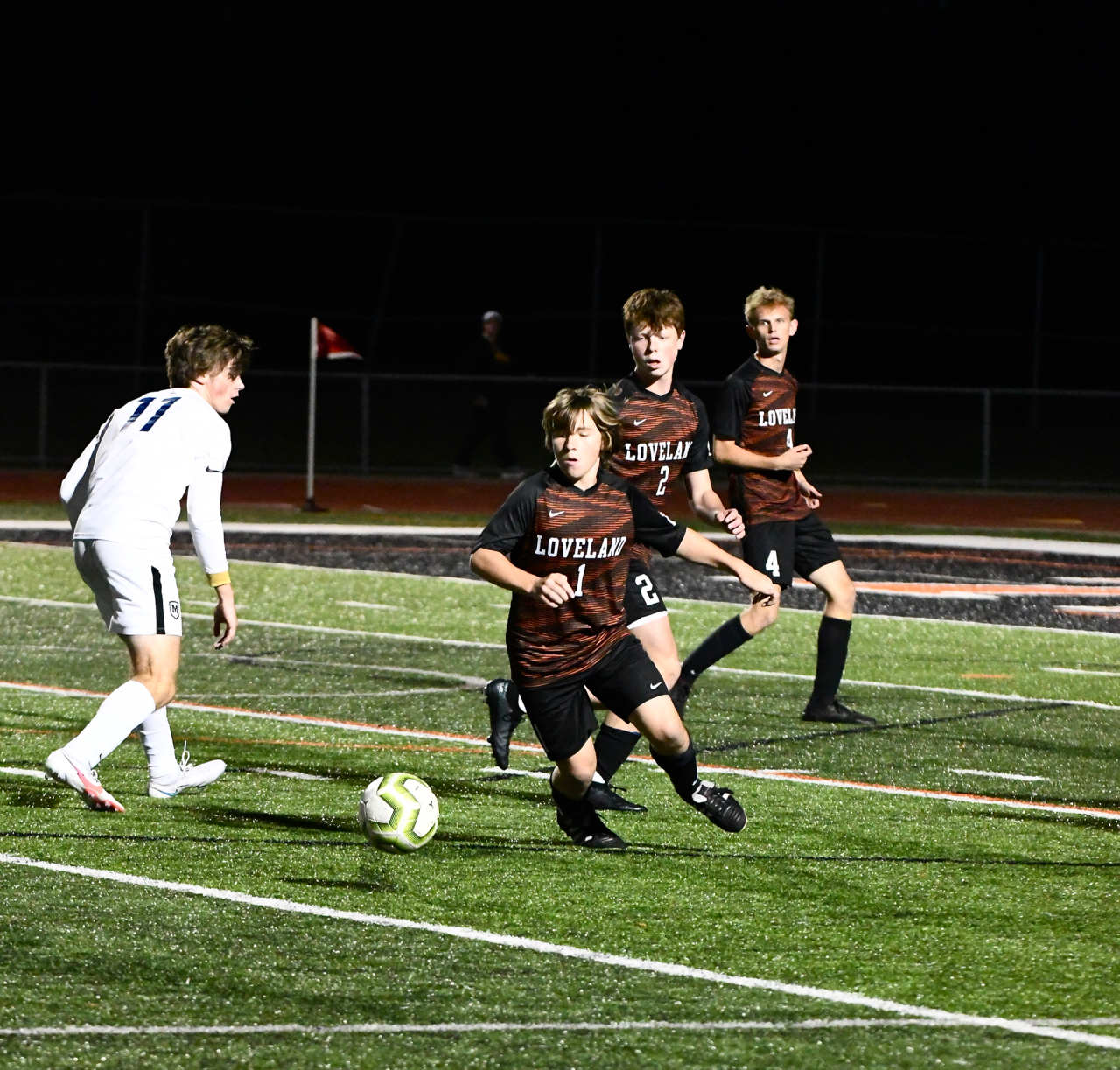
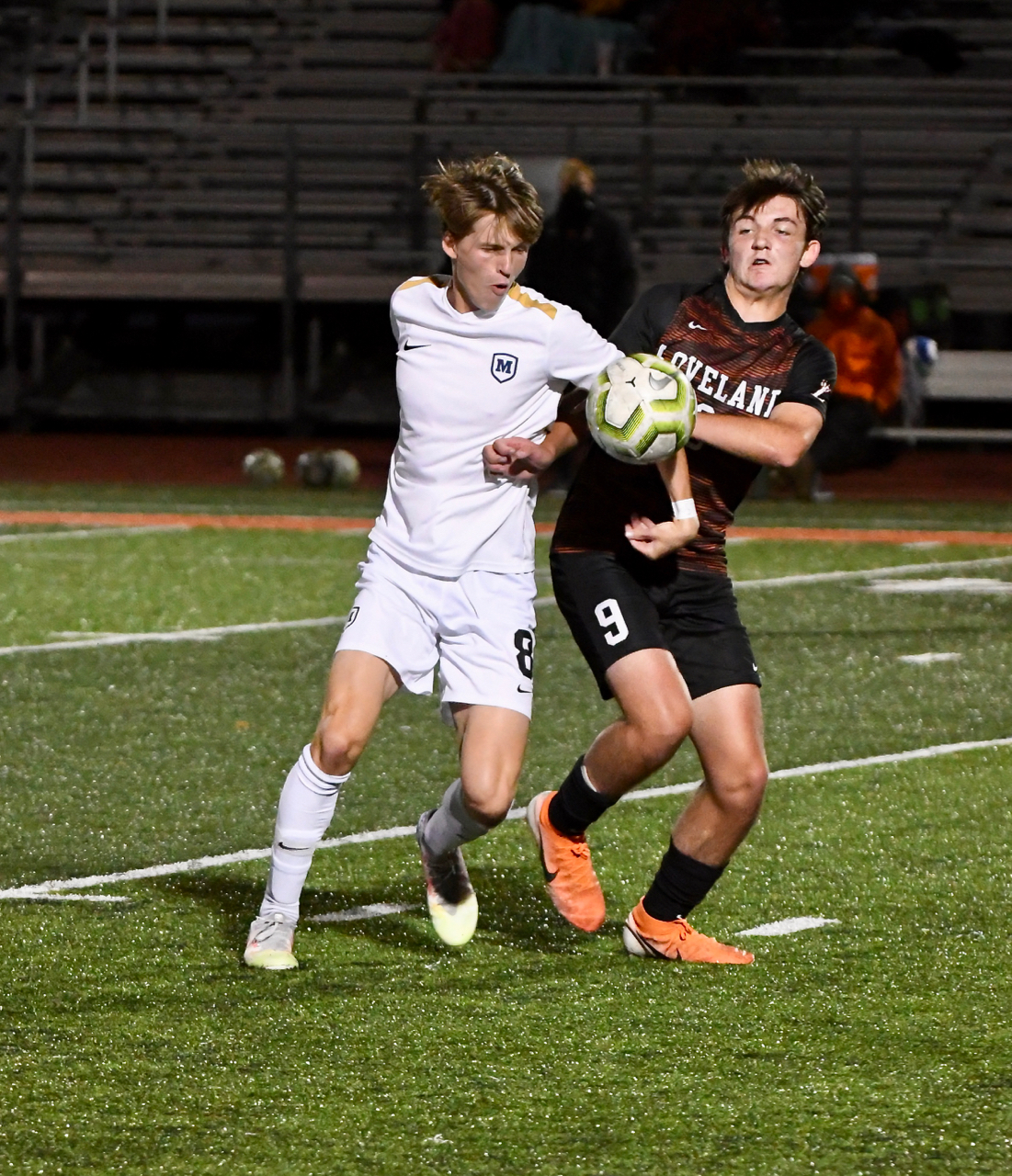
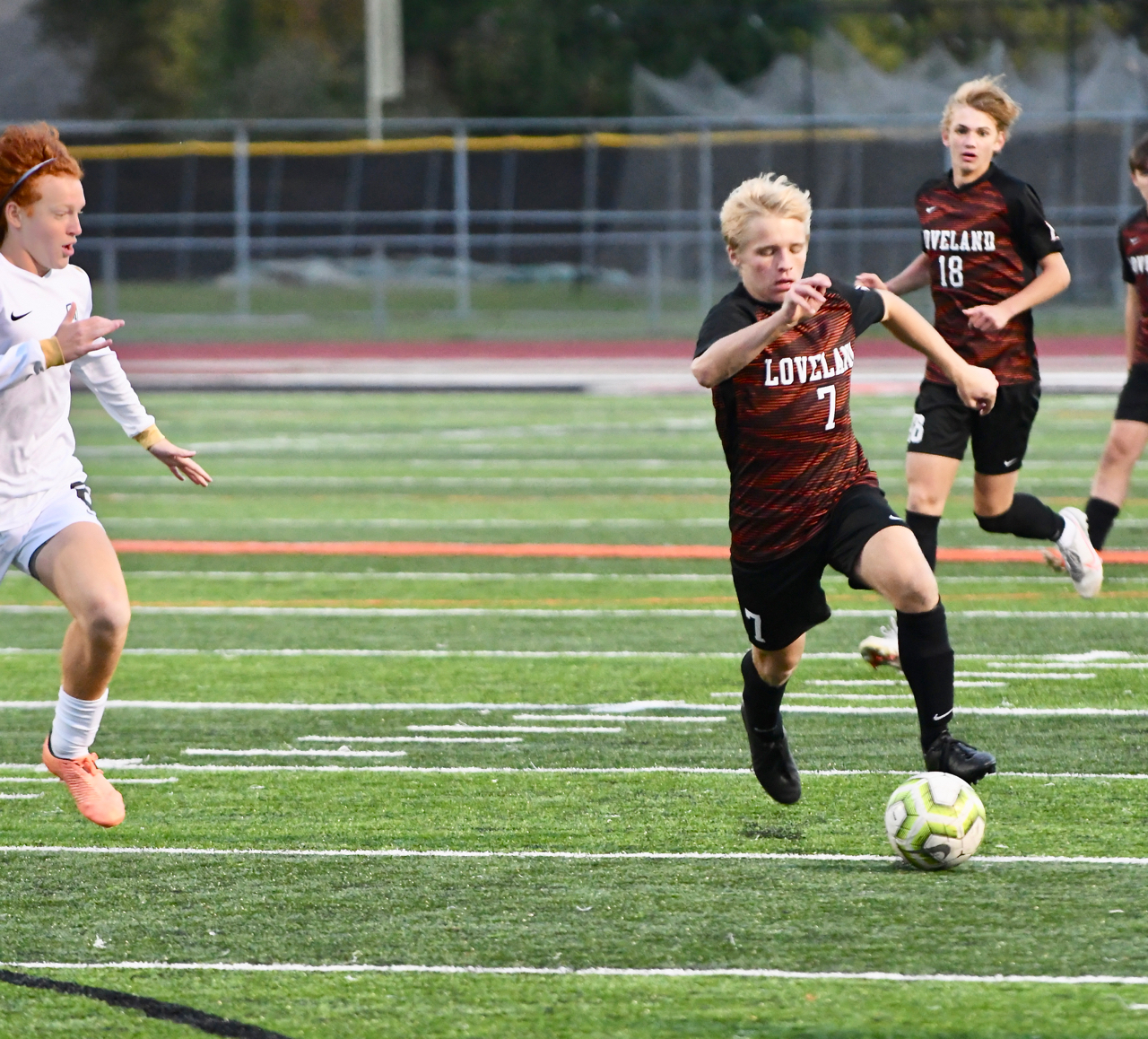
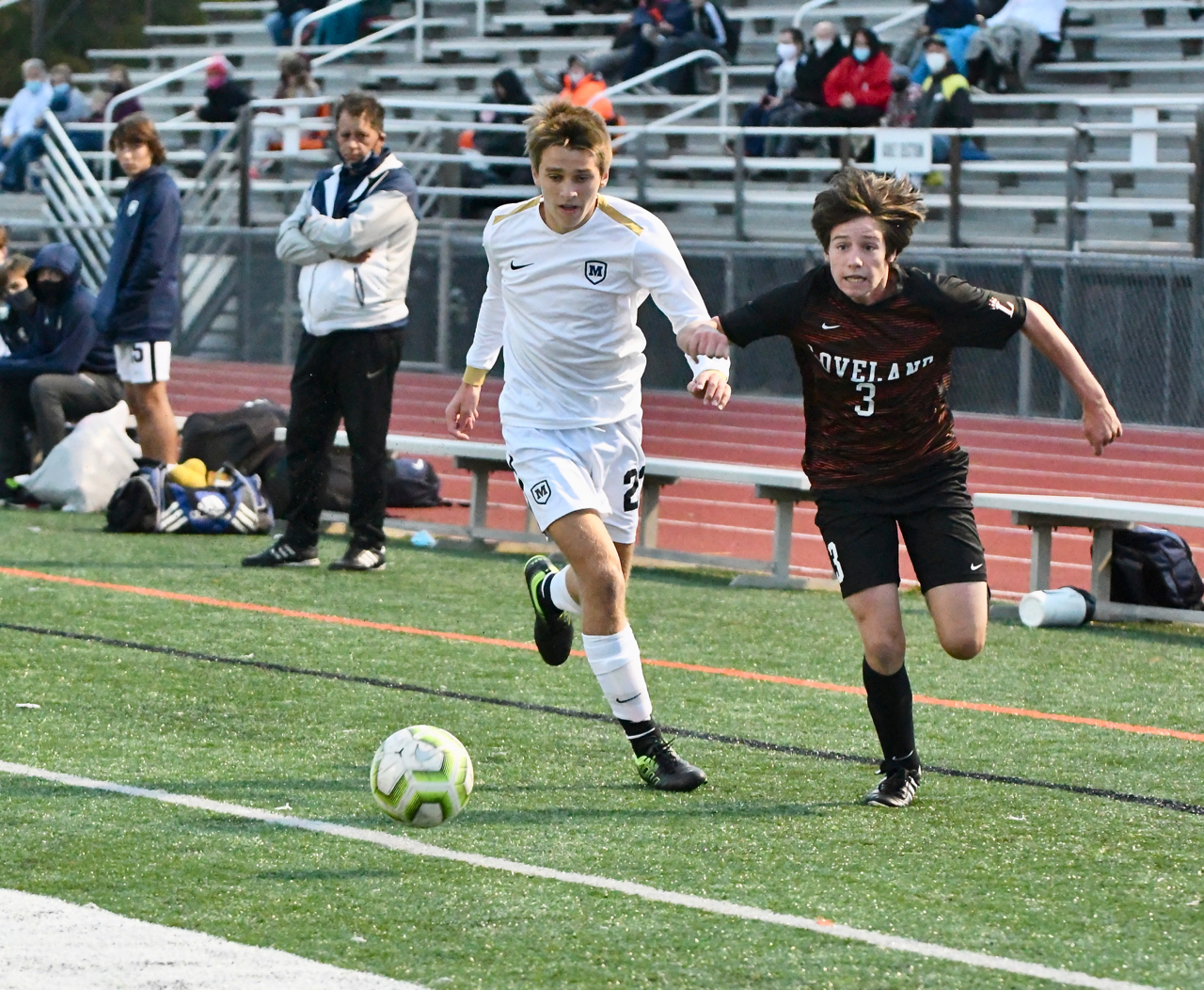
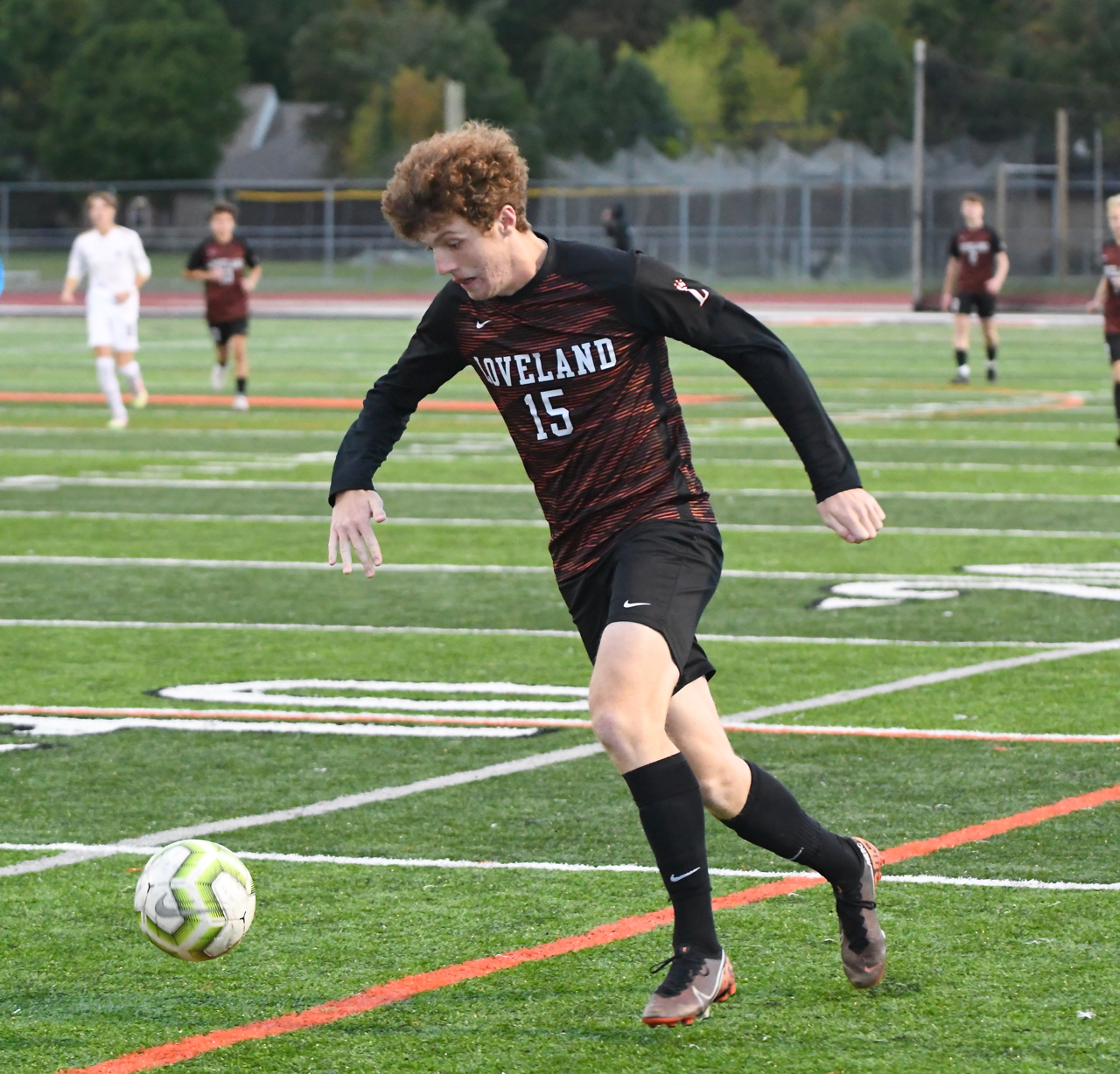
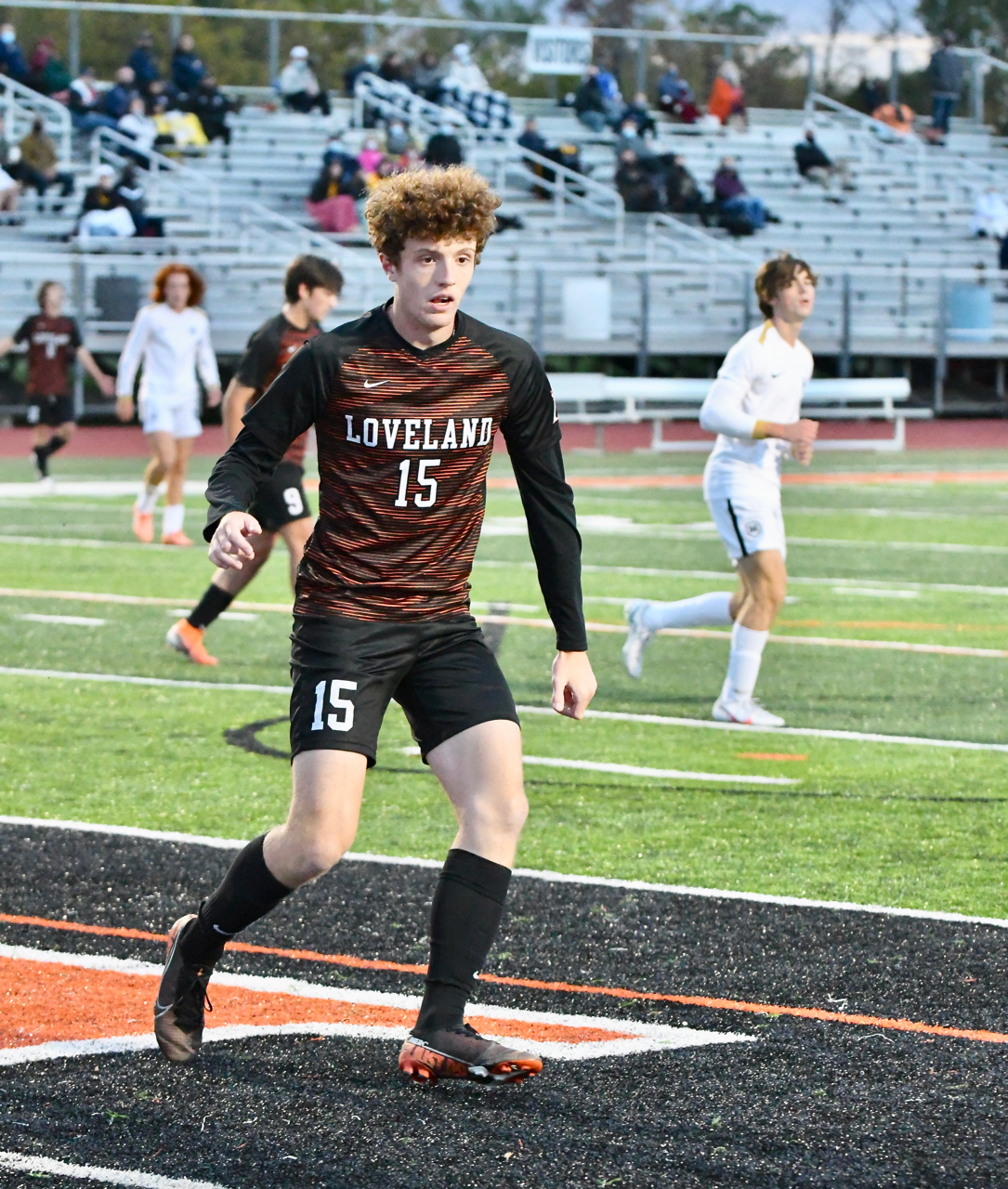
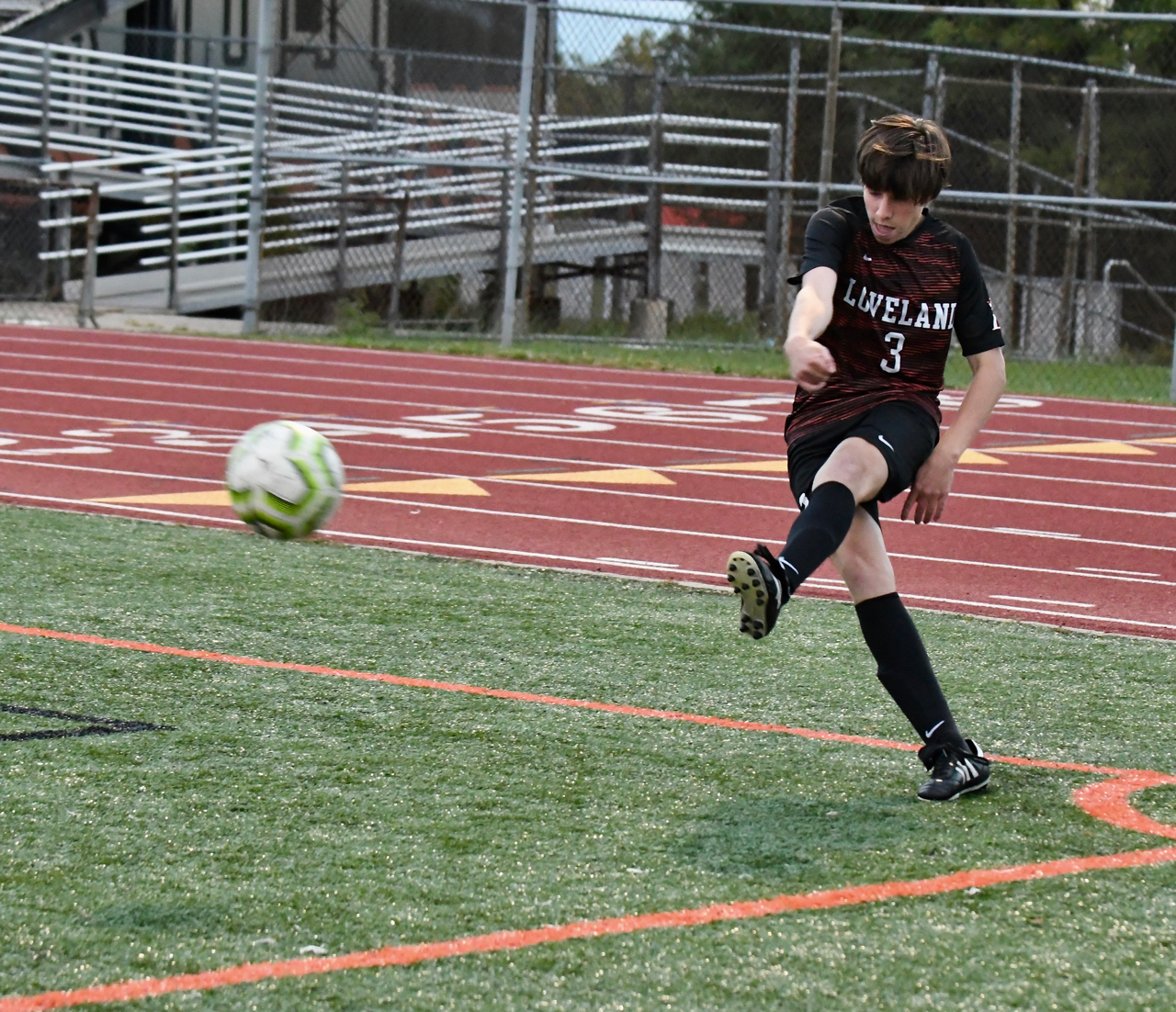
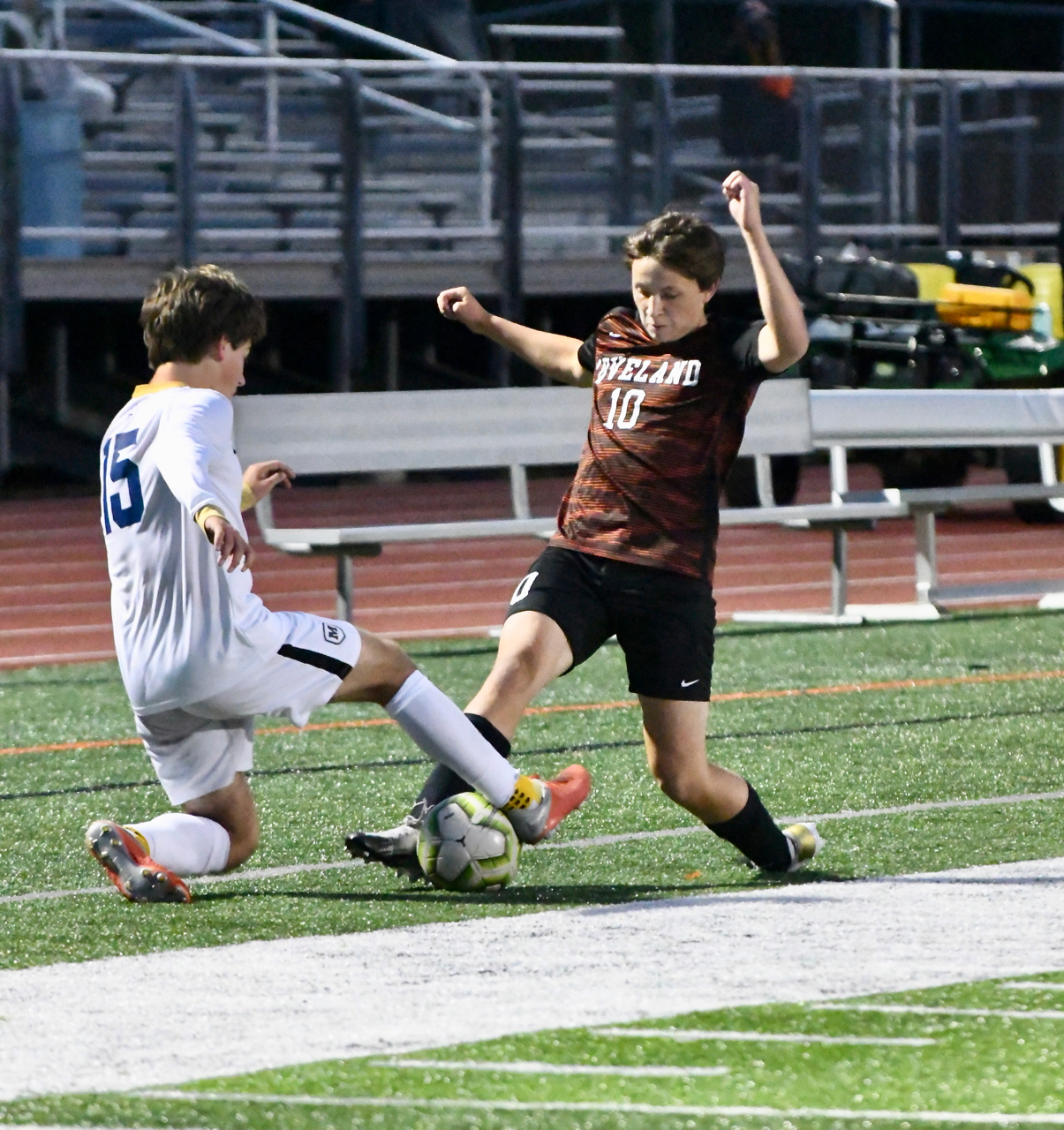
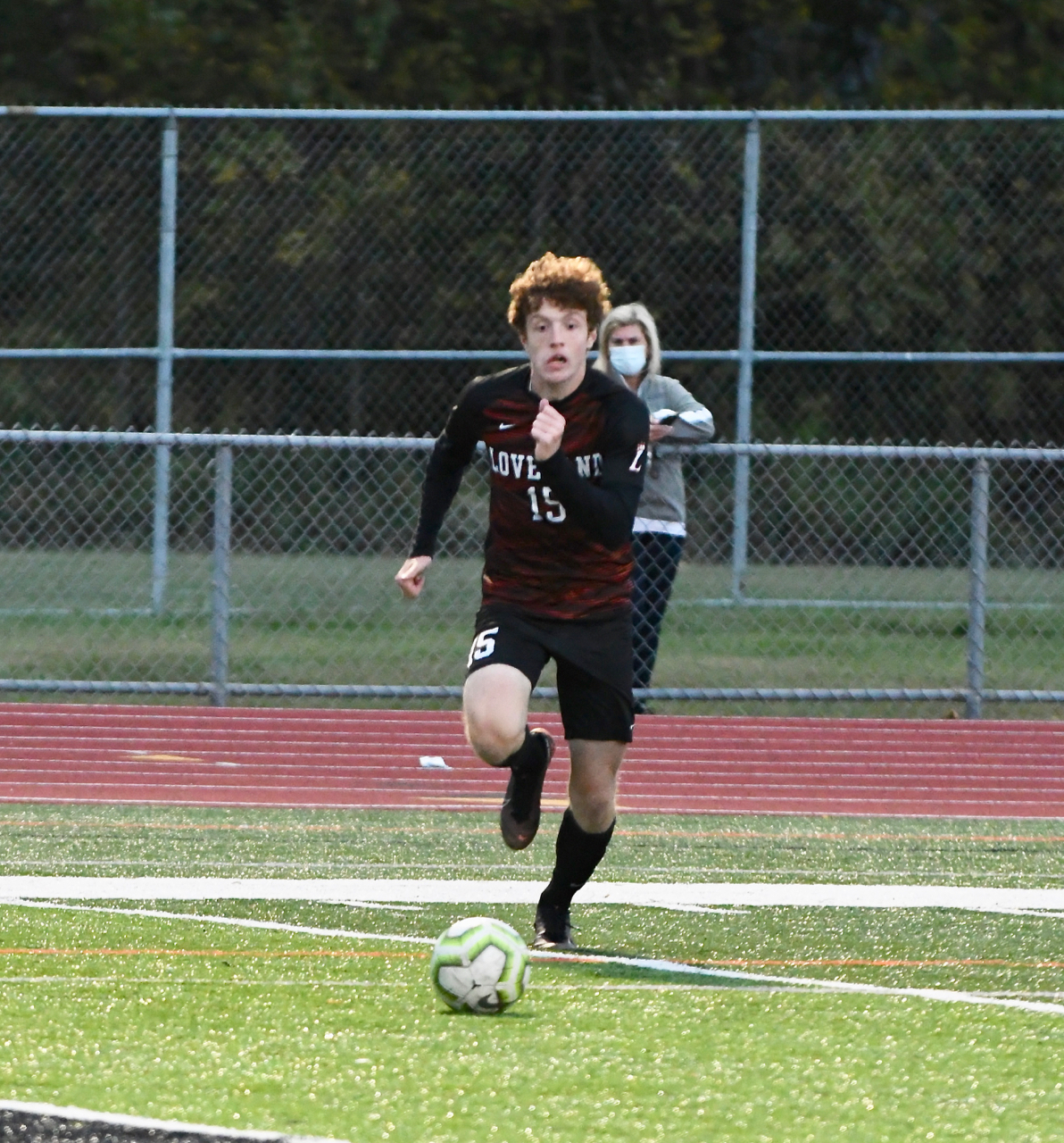
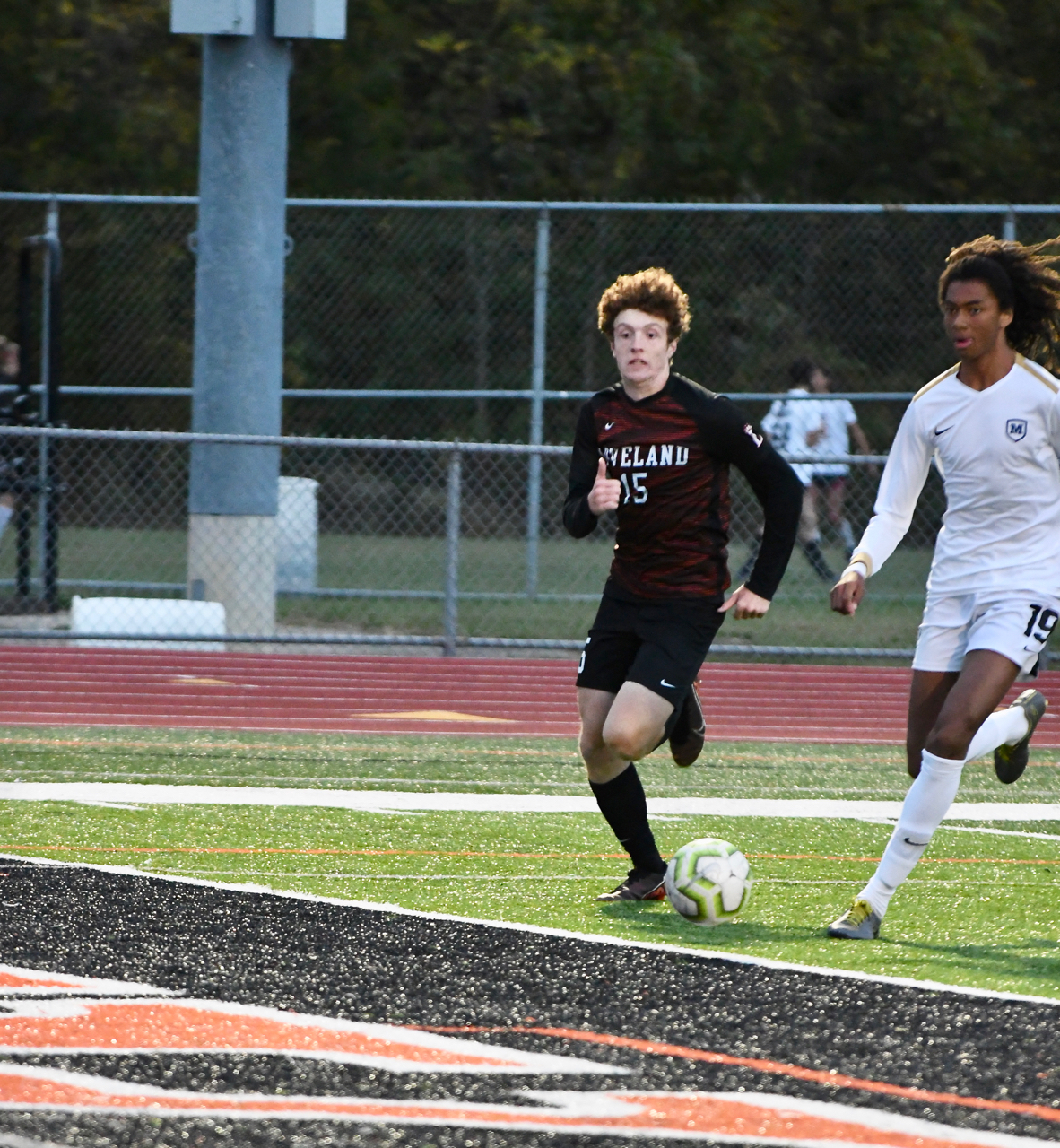
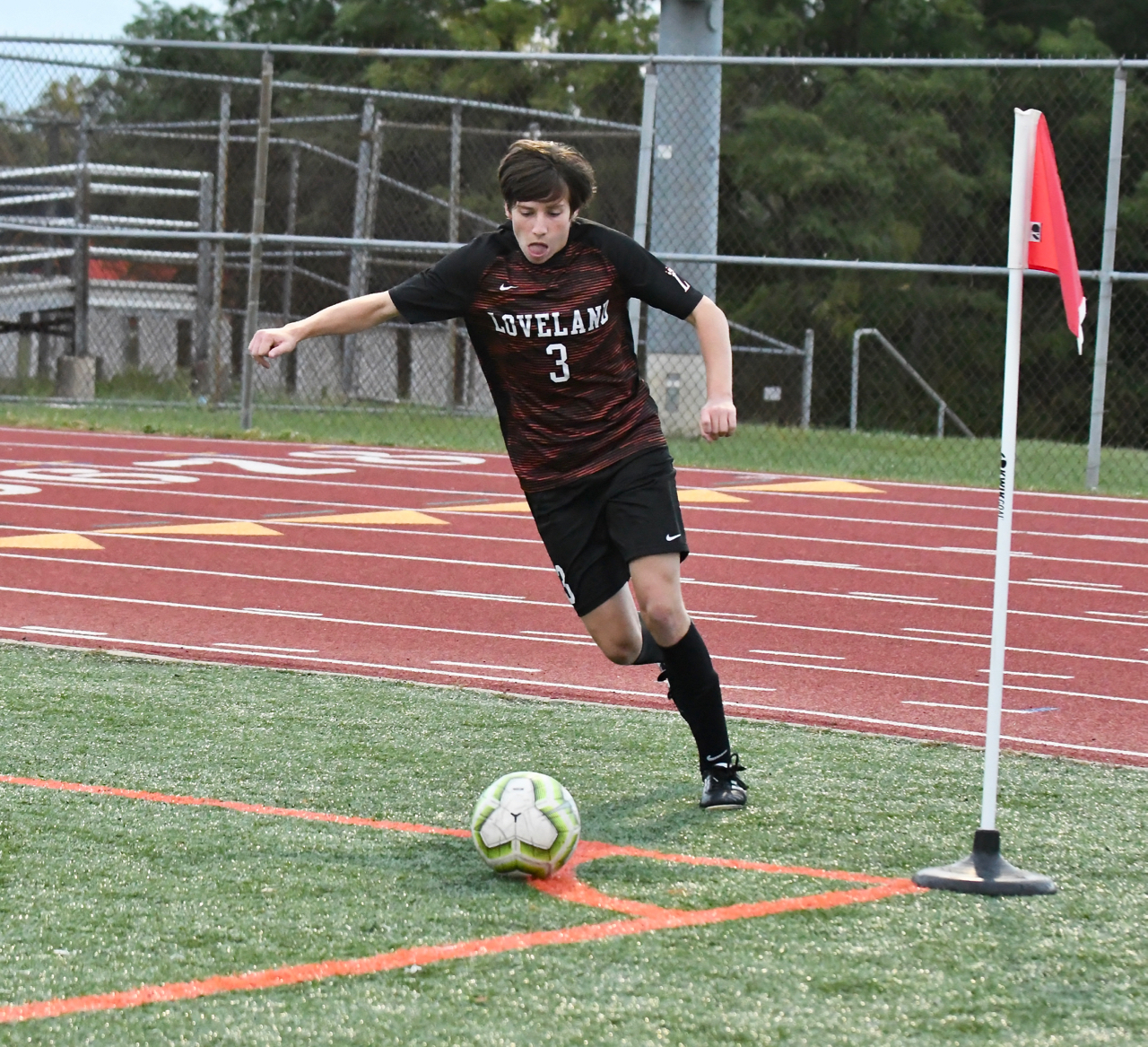
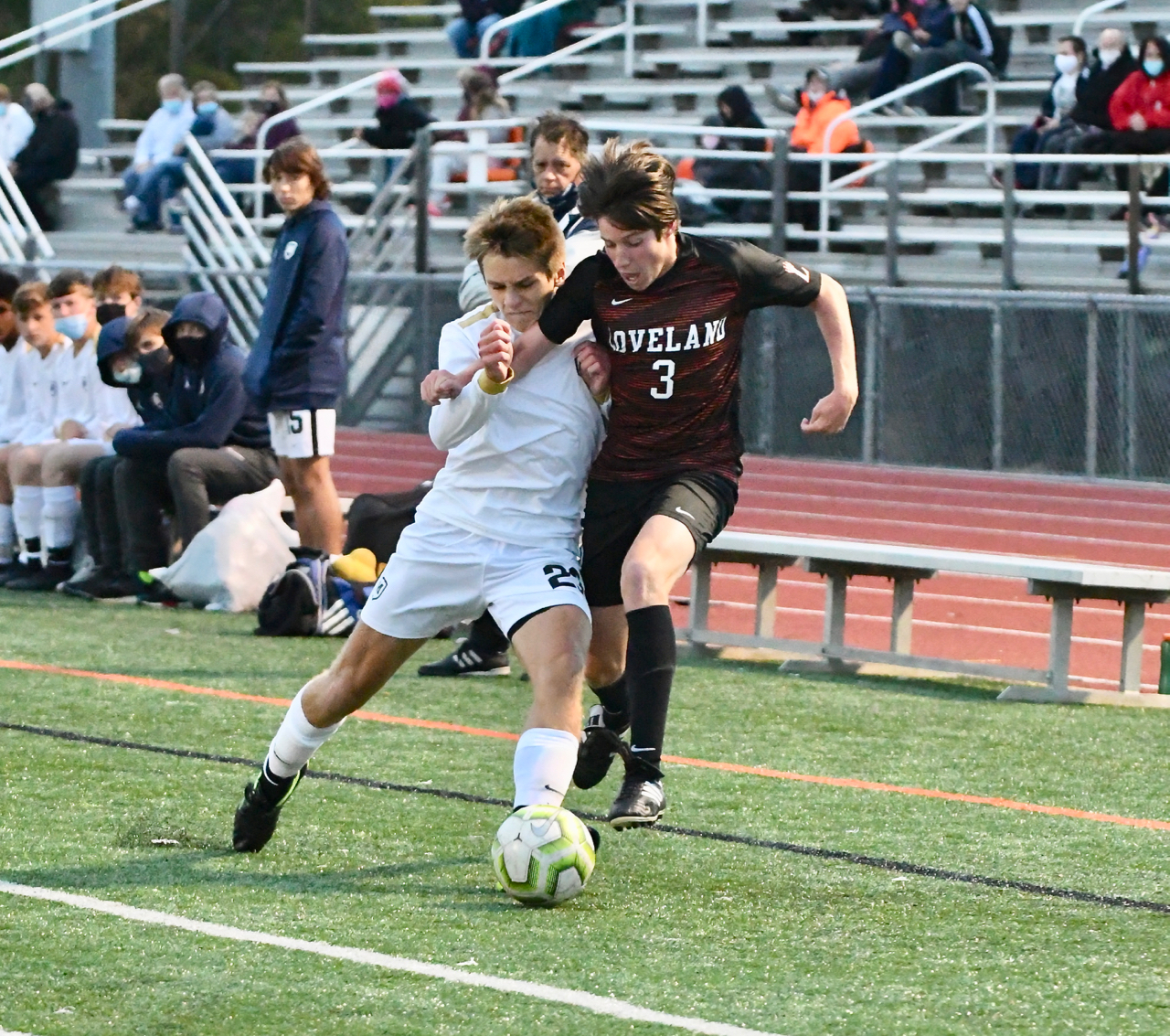
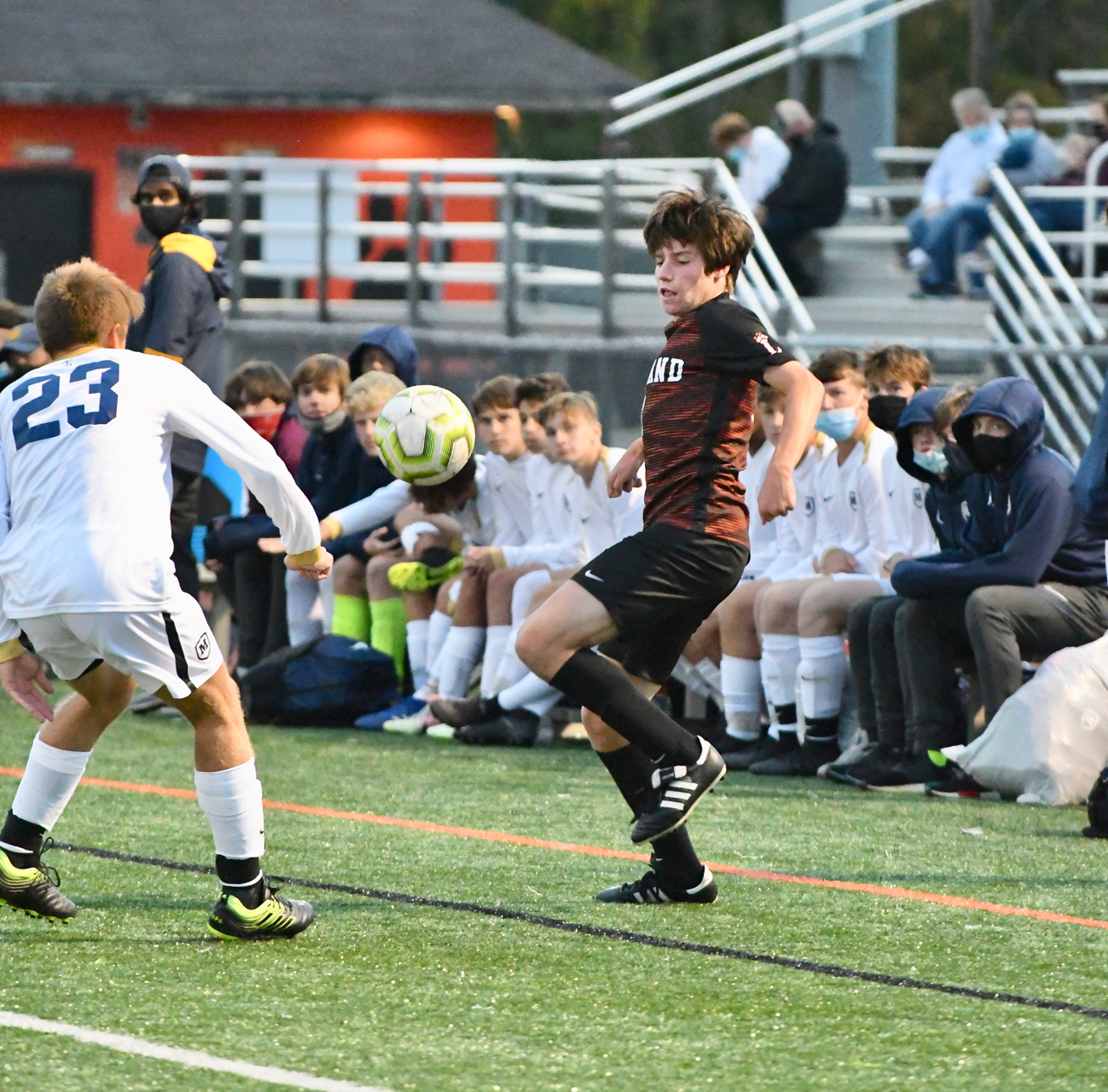
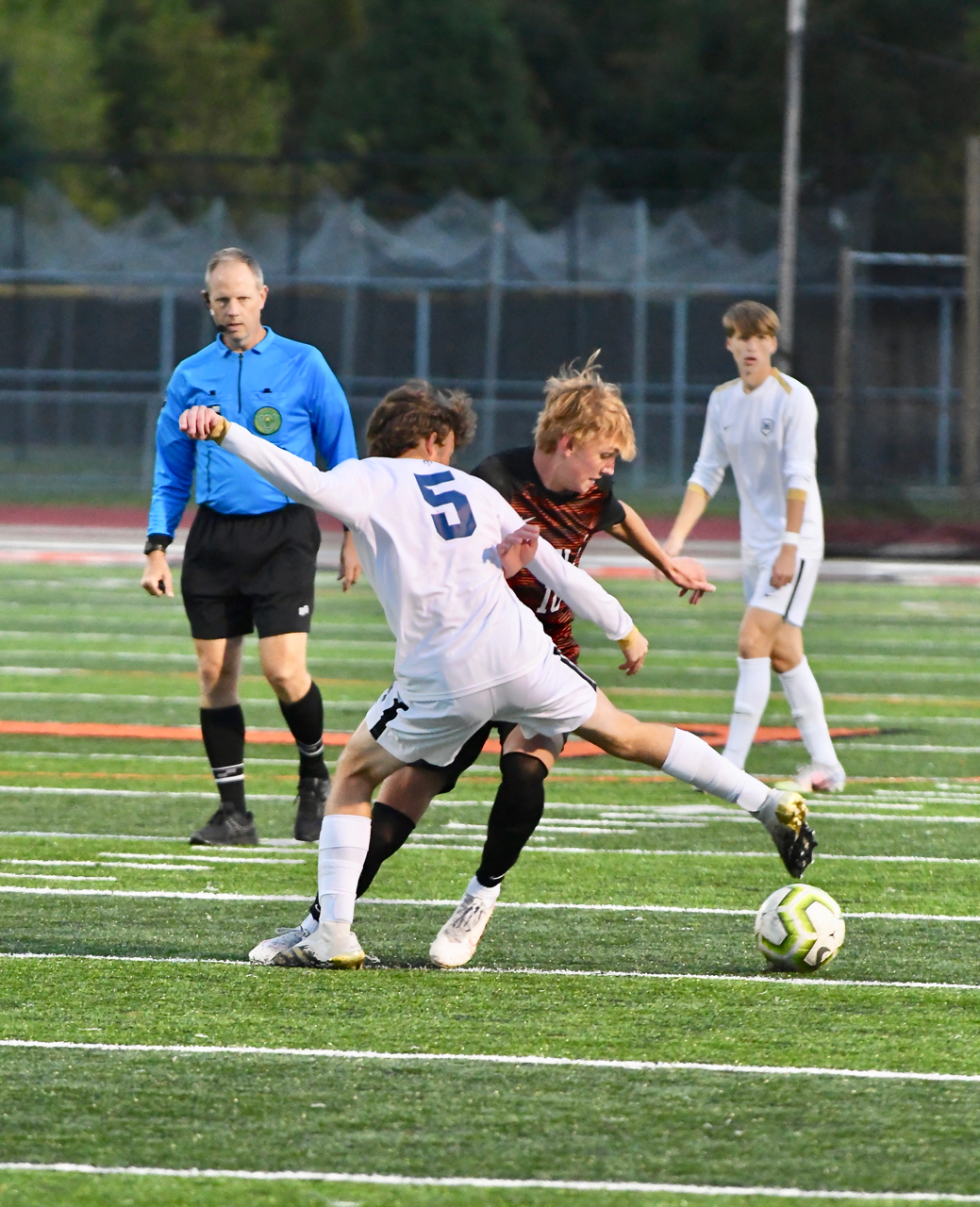
  • [Photo Album] Loveland Men’s Soccer Team shuts-out Moeller

    [Photo Album] Loveland Men’s Soccer Team shuts-out Moeller

    by Cassie Mattia

    Loveland, Ohio – Victory is ours! The Moeller Crusaders 1-1-2 in the Greater Catholic League, 2-3-3 overall traveled to Tiger Trail to face the Loveland Men’s Soccer Team on Thursday where the Tigers captured a win with a 0-4 shut-out!

    Many of the Tigers contributed to the victory as Zach McHenry scored on a penalty kick with 19 minutes left in the 1st half, Kees Ciric scored twice and Helge Harris scored once in the 2nd half.

    The win against Moeller took the Tiger’s record to 8-1-2 (4-1-0 in the ECC). Loveland was scheduled to play Winton Woods on Saturday however because there was a shortage in officials the game was not played.

    Currently, in the ECC in regards to Men’s Soccer Walnut Hills is undefeated with 4 victories and both Anderson and Turpin are 5-1. Loveland is sitting in 4th place in the ECC out of 10 teams.

    On Tuesday the Tigers will host Anderson who is 8-2-2 overall (5-1-0 in the ECC) and on Thursday, September 15th Loveland will travel to Lebanon (0-5-0 in the ECC, 3-8-1 overall) to play another ECC match. 

    The following is the Southwest Ohio D1 Men’s Soccer poll results for Week 7:
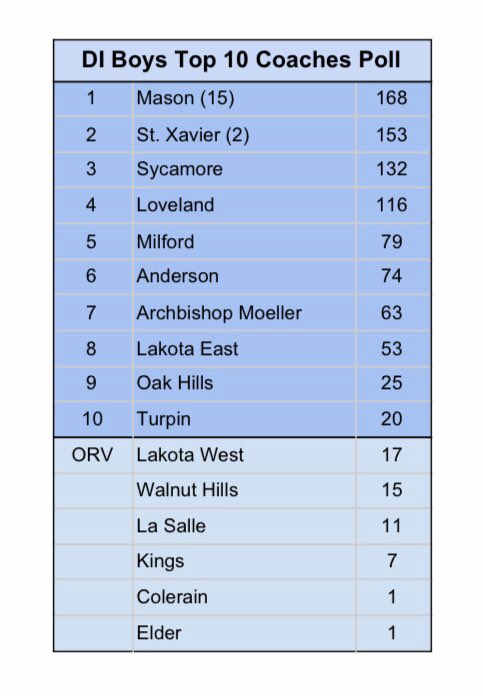
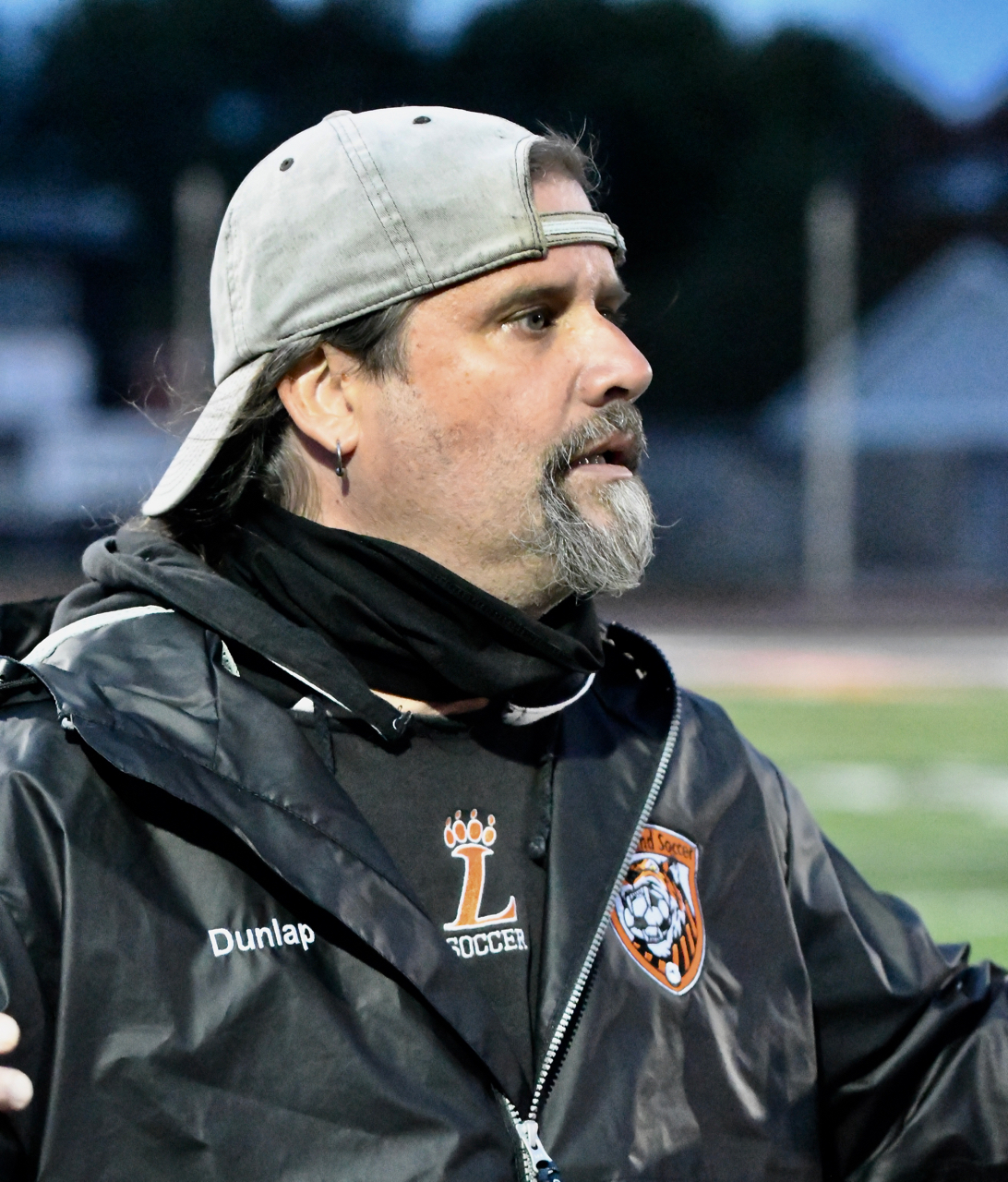
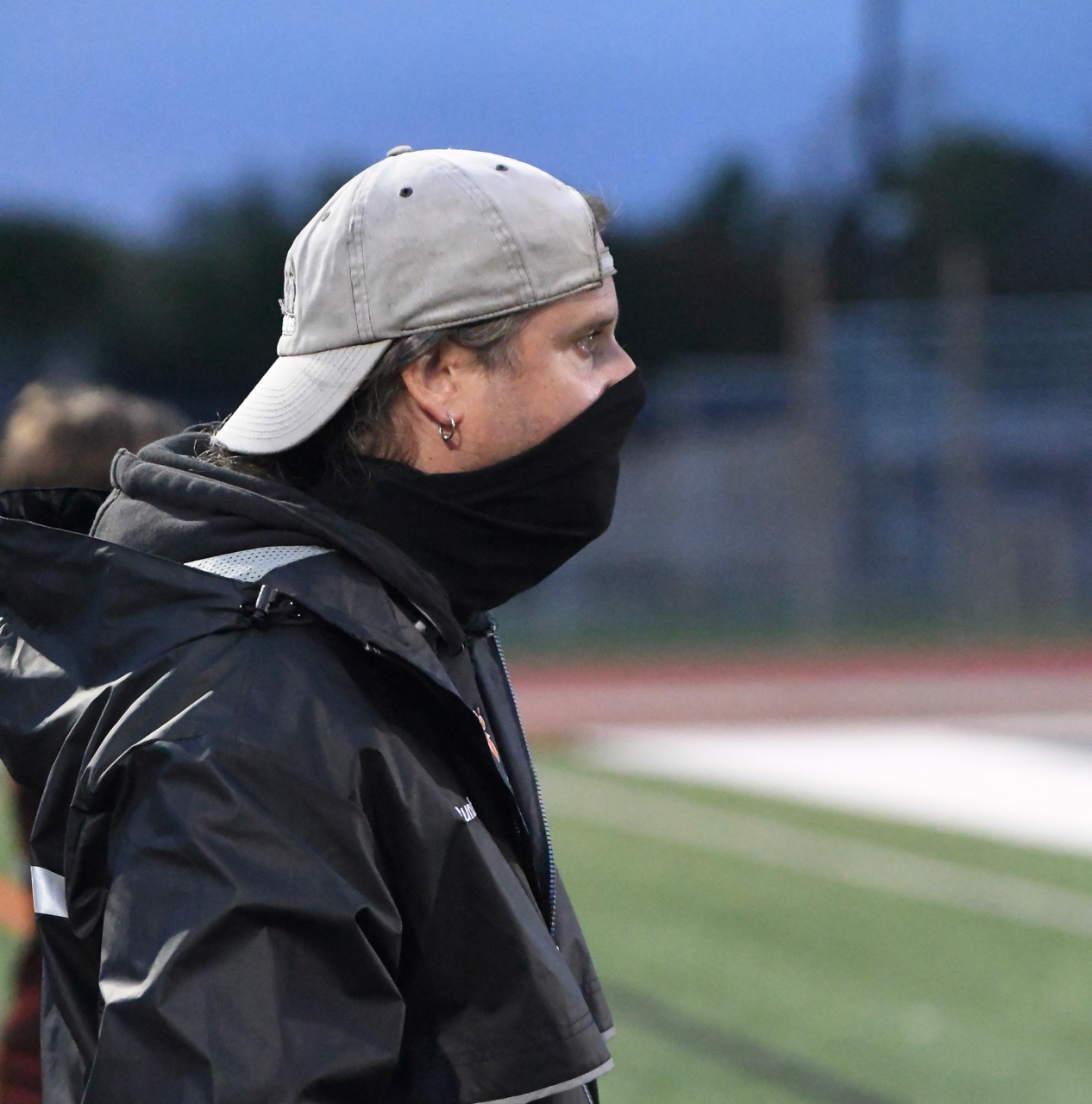
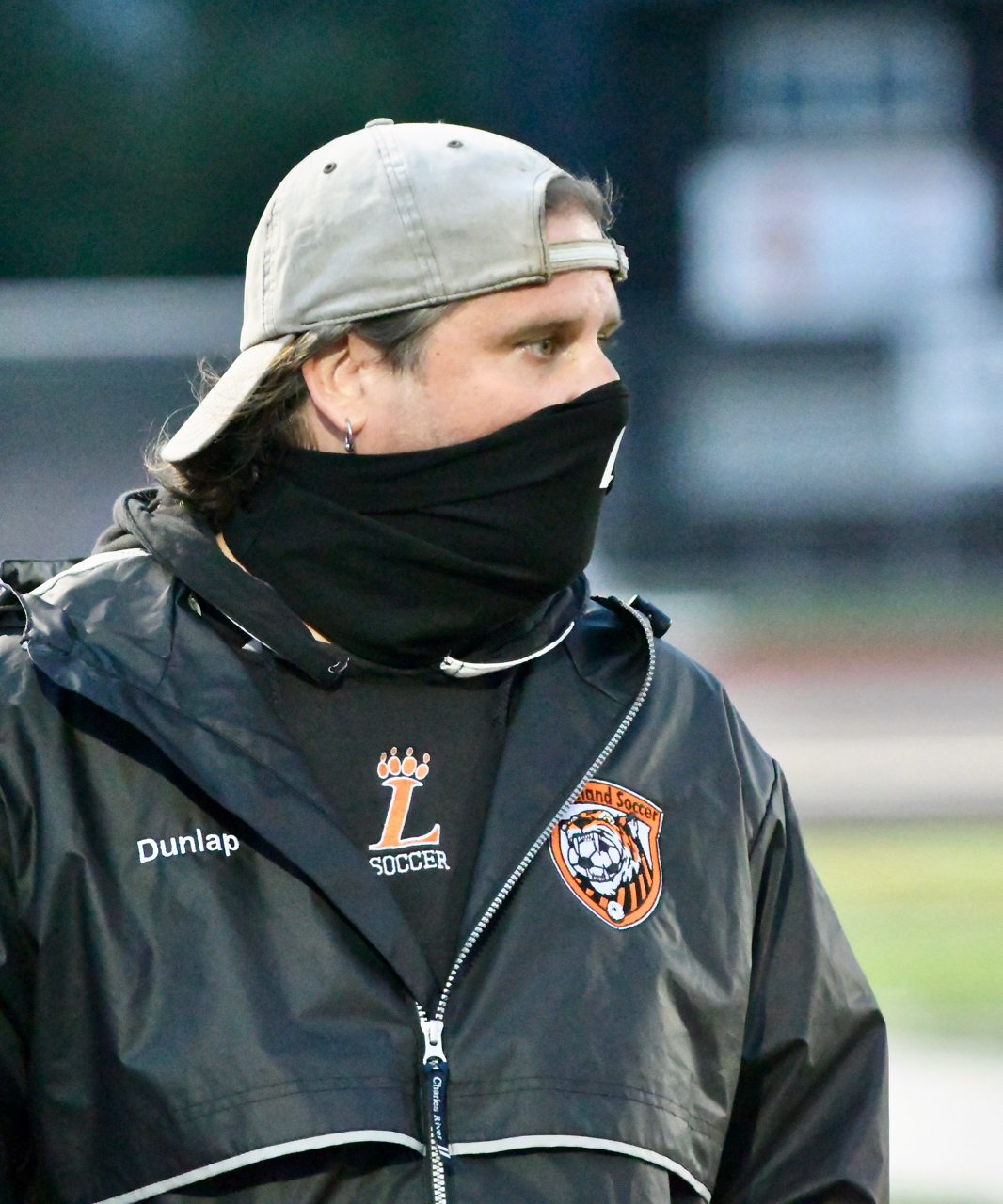
    Please enjoy the Tiger photo compilation below that Loveland Magazine’s very own David Miller put together from the Loveland Men’s Soccer Team’s big win against Moeller!

    These photos are © protected and all rights reserved. They can be purchased by contacting lovelandmagazine@cinci.rr.com.

    Want more Tiger sports updates?! Stay tuned to the Loveland Sports 411 With Me, Cassie Mattia!

  • The 2020 Fall Foliage Map

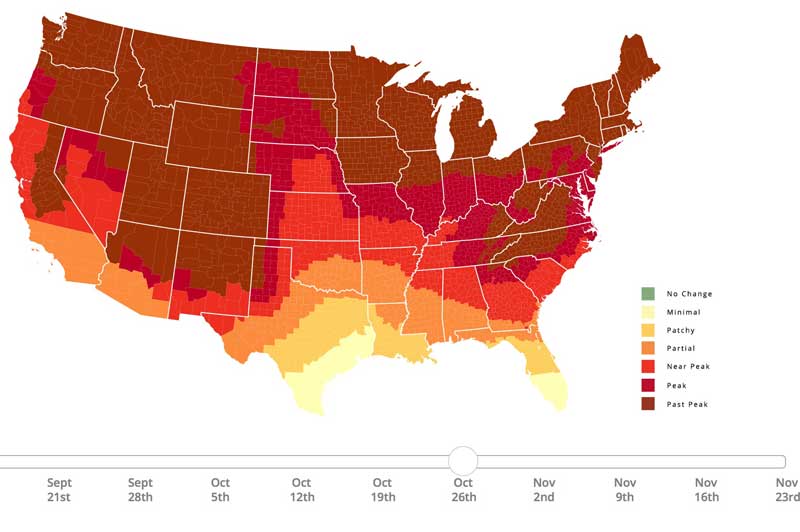
    The 2020 Fall Foliage Map

    Photo by Mitch Kesler from Pexels

    The Smoky Mountains National Park has released The 2020 Fall Foliage Map. They say it t is the “ultimate visual planning guide” to the annual progressive changing of the leaves.

    According to the Interactive MAP, which has a slider so you can dial in areas around the country, Southwest Ohio will be approaching peak viewing of gorgeous, vibrant colors on October 26 and the peak is on November 2.

    The Park says, “While no tool can be 100% accurate, this tool is meant to help travelers better time their trips to have the best opportunity of catching peak color each year.”

    The MAP page will also answer popular questions about autumn tree foliage such as:

     Why Do Autumn Leaves Change Their Color? 

     The Science Of It All 

     The Changing Colors 

     Why do leaves fall? 

     What happens to the fallen leaves? 

  • Autism Society recognizes Loveland Schools’ Mary Frees as “Unsung Hero”

    Autism Society recognizes Loveland Schools’ Mary Frees as “Unsung Hero”

    Mary Frees (front center) was recognized for her work serving individuals with autism and their families at “Faces of Autism” on March 5. Left to right: Heidi Terselic, Donna Ernst, Jane Miller, Lara Ferrer, Joe Frees, Taylor Reid, Mary Frees, Dr. Kathryn Lorenz, Dr. Amy Crouse, Helen Jones, Michelle Grafflin and Jennifer Forren.

    Loveland, Ohio – The Regional Autism Advisory Council (RAAC) of Southwest Ohio celebrated its 20th anniversary in March with “Faces of Autism”- an event presented in collaboration with Autism Society Greater Cincinnati to recognize autism “ambassadors and unsung heroes” in the region. Mary Frees, an intervention specialist at Loveland Elementary School (LES), was among those honored for their work serving individuals with autism and their families.

    “When I learned about this special recognition, I was shocked, but felt so valued for doing what I love,” said Frees. “This just motivates and energizes me to continue to accomplish more for my students with autism and other special needs. My students make my job enjoyable each day and push me further to continue to learn more about this ever-changing field of special education.”

    The Faces of Autism Unsung Hero nominees were selected for going above and beyond the expectations of their jobs in advocating for acceptance, community inclusion, relationship building, and community impact. 12 educators were recognized, two of whom represent public school districts – Loveland and Sycamore Schools.

    “Mary is an outstanding educator who works tirelessly for her students, going above and beyond on a daily basis,” said LES Principal Jen Forren. “She works to ensure that her students and their families have an excellent experience at LES, both academically and socially.  She established an ambassador program that matches her students with other students in the building to help them work on their social skills and it has been very impactful for everyone involved.”

    Faces of Autism was presented by RAAC and the Autism Society Greater Cincinnati in partnership with several other organizations, including Cincinnati Children’s, Linden Grove School, and the Heidt Center of Excellence by The Children’s Home, among others.

    About the Autism Society Greater Cincinnati and the Regional Autism Advisory Council (RAAC)

    The Autism Society Greater Cincinnati is a leading resource and advocate for the local autism community, working to improve the lives of all who are affected by autism through education, support, and services. RAAC leads community partnerships to plan, develop, and implement a vibrant continuum of services that meets the lifelong needs of individuals with autism, their families, and those who serve them. The Advisory Council facilitates task forces on a range of subjects, such as early intervention, educational identification, and adult services.


  • PPE donations still needed locally to help nurses and first responders that are on the front lines

    PPE donations still needed locally to help nurses and first responders that are on the front lines

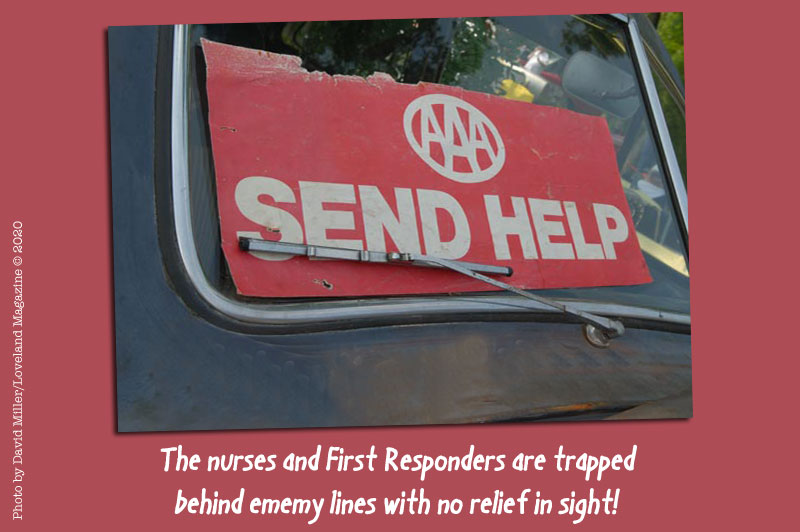
    Hamilton County, Ohio – The Southwest Ohio region’s healthcare professionals and first responders need your help to protect them as they work tirelessly to treat and fight the COVID-19 outbreak. To alleviate the strain on the region’s healthcare system, Hamilton County Emergency Management and Homeland Security Agency (EMHSA) is requesting donations of Personal Protective Equipment (PPE). The specific need of the County is: N95 masks, surgical masks, disposable splash gowns, and exam gloves (latex-free preferred, but all unopened boxes of gloves will be accepted).

    Specific industries that may be able to assist include: dental offices, veterinary offices, construction companies, hair salons and beauty supply stores. If you are able to donate, please call 513-263-8200 for donation drop-off location and additional information. Phone lines are monitored Monday-Friday, 8 AM-5 PM. If the phone is not answered, leave a message with your name & contact information, and your call will be returned as soon as possible.

    A webpage with information regarding COVID-19 donation needs can be viewed HERE.


  • An invitation by President/CEO Harry Snyder to visit your Great Oaks Career Campuses

    An invitation by President/CEO Harry Snyder to visit your Great Oaks Career Campuses

    This is a thank you, and an invitation to see your schools.


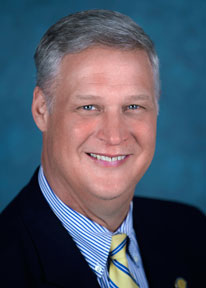
    Harry Snyder is the President/CEO of the Great Oaks Career Campuses

    by Harry Snyder, 

    First, the thanks: In November, you agreed to renew our only local funding—a 2.7-mill levy which provides career-technical programs for high school students across southwest Ohio. We’re grateful for your support of our students, our outstanding instructors and staff, and the programs that are preparing thousands of young men and women for college and careers each year.

    During January, each of the four Great Oaks campuses holds an open house. This open house gives future students and parents the opportunity to see the labs, talk with instructors, meet local business leaders in the career fields that interest them, and learn more about how to earn professional certifications while finishing high school.

    Our community has helped create success for nearly 50 years at Great Oaks, and these open houses are a chance to see the schools you support.

    I invite you to join us. Our community has helped create success for nearly 50 years at Great Oaks, and these open houses are a chance to see the schools you support. Our students work in classrooms and labs using the technology and equipment that professionals in their field use. They graduate with the ability and credentials to begin a career—or to give them a head start in college. From learning to program robotic manufacturing equipment to handling surgical tools and technology in a sterile setting to building new structures to caring for large and small animals and more, students in southwest Ohio have unique opportunities here.

    These opportunities are provided by you. Come and walk the halls and see our students’ future.

    The open house dates and times are:

    Thursday, January 24
    5:00 – 7:00 pm
    Diamond Oaks Career Campus
    6375 Harrison Avenue
    Cincinnati, OH 45247

    Thursday, January 31
    5:30 – 7:30 pm
    Laurel Oaks Career Campus
    300 Oak Drive
    Wilmington, OH  45177

    Wednesday, January 30
    5:00 – 7:00 pm
    Live Oaks Career Campus
    5956 Buckwheat Road
    Milford, OH  45050

    Thursday, January 31
    5:00 – 7:00 pm
    Scarlet Oaks Career Campus
    300 Scarlet Oaks Drive
    (use 3254 E. Kemper Road for GPS directions)
    Cincinnati, OH 45241

  • Unhealthy air warnings for Saturday and Sunday

    Unhealthy air warnings for Saturday and Sunday

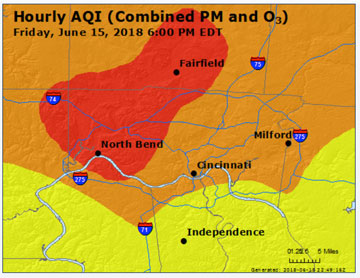
    At 6 PM Friday afternoon many communities saw air pollution reach the “Unhealthy” level.

    The ozone in the air of Southwest Ohio reached considerably above predicted levels on Friday. The prediction was 120 however a level of “Unhealthy” 154 was reached taking the pollution into the red health warning level.

    The red level warning is: Health Message: Active children and adults, and people with lung disease, such as asthma, should avoid prolonged or heavy exertion outdoors. Everyone else, especially children, should reduce prolonged or heavy exertion outdoors.

    The Ohio EPA is predicting that the ozone level will be 135 on Saturday and 145 on Sunday.

    Predicted Air Quality Index (AQI) for the Loveland Area
    135
    Unhealthy for Sensitive Groups on Saturday
     

    Health Message: Active children and adults, and people with lung disease, such as asthma, should reduce prolonged or heavy exertion outdoors.


    Steps you should take to protect you or your children’s health

    Reduce prolonged or heavy outdoor exertion. Take more breaks, do less intense activities. Watch for symptoms such as coughing or shortness of breath. Schedule outdoor activities in the morning when ozone is lower.

    People with asthma should follow their asthma action plans and keep quick relief medicine handy.


    Do Your Share!

    • Carpool, bike or walk instead of driving.
    • Use your most fuel efficient vehicle and drive gently.
    • Keep your motorcycle in the garage. They don’t have the pollution controls modern passenger vehicles do.
    • Refuel your vehicle after 8 PM; do not top off when refueling and tighten the gas cap.
    • Avoid idling your vehicle. (Avoid drive-thru windows.)
    • Combine trips and eliminate unnecessary vehicle trips
    • Do not use of gasoline-powered lawn equipment
    • Do not use of oil-based paints and stains
    • Never burn leaves or other yard trimmings.
    • Do not use fire pits.
    • Conserve electricity by turning off unnecessary lights.
    • Turn your air conditioner thermostat up and use room fans for cooling.
    • Save the power boating for another day.
    • Initiate an Air Pollution Alert Day policy where you work; whether that be a company you own, an employee, a local government agency you work for, or a school district.

    Sign up  for Enviroflash and Start Receiving Your Air Quality Forecast


    Children and Air Pollution

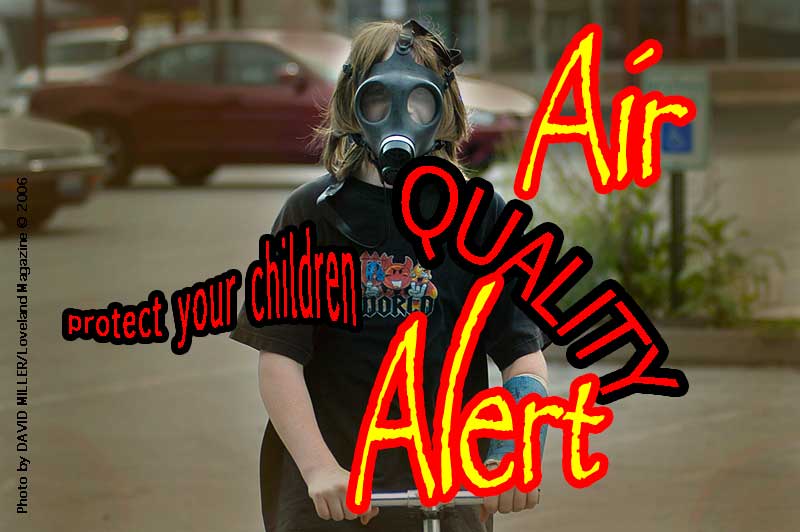
    Children face special risks from air pollution because their lungs are growing and because they are so active and breathe in a great deal of air.

    Just like the arms and legs, the largest portion of a child’s lungs will grow long after he or she is born. Eighty percent of their tiny air sacs develop after birth. Those sacs, called the alveoli, are where the life-sustaining transfer of oxygen to the blood takes place. The lungs and their alveoli aren’t fully grown until children become adults. In addition, the body’s defenses that help adults fight off infections are still developing in young bodies. Children have more respiratory infections than adults, which also seems to increase their susceptibility to air pollution.

    Furthermore, children don’t behave like adults, and their behavior also affects their vulnerability. They are outside for longer periods and are usually more active when outdoors. Consequently, they inhale more polluted outdoor air than adults typically do.

    Read on at The American Lung Association…


    Take advantage of special savings on energy efficient lighting and other products offered by Duke Energy

    LEDs use up to 90% less energy than traditional bulbs

    LEDs last at least 15 times longer than traditional bulbs


  • Air Quality Alert in effect Wednesday

    Air Quality Alert in effect Wednesday

    It will take action by each of us to lower the risk to our children

    Loveland, Ohio – The Southwest Ohio Air Quality Agency has issued an Air Quality Advisory for Wednesday, July 19 for Loveland. and the surrounding counties of Butler, Clermont, Hamilton and Warren in Ohio, and Boone, Campbell and Kenton counties in Kentucky. 


    The Agency expects to see levels of ozone in the “unhealthy for sensitive groups” range on the Air Quality Index (AQI). 


    Health Message: Active children and adults, and people with lung disease, such as asthma, should reduce prolonged or heavy exertion outdoors.


    On Air Quality Advisory days, everyone can help reduce ozone formation by taking the following actions:

    • Bike, or walk instead of drive.
    • Refuel your vehicle after 8 p.m.; do not top off when refueling and tighten the gas cap.
    • DON’T RIDE YOUR MOTORCYCLE
    • Do not idle your vehicle; exhaust contributes considerably to ozone formation.
    • Combine trips or eliminating unnecessary vehicle trips.
    • Avoid use of gasoline-powered lawn equipment on Air Quality Advisory days.
    • Avoid use of oil-based paints and stains on Air Quality Advisory days.
    • Never burn leaves or other yard trimmings.
    • Suspend use of fire pits, campfires and grills on Air Quality Advisory days.
    • Conserve electricity by turning out lights and unplugging unused appliances and electronics.


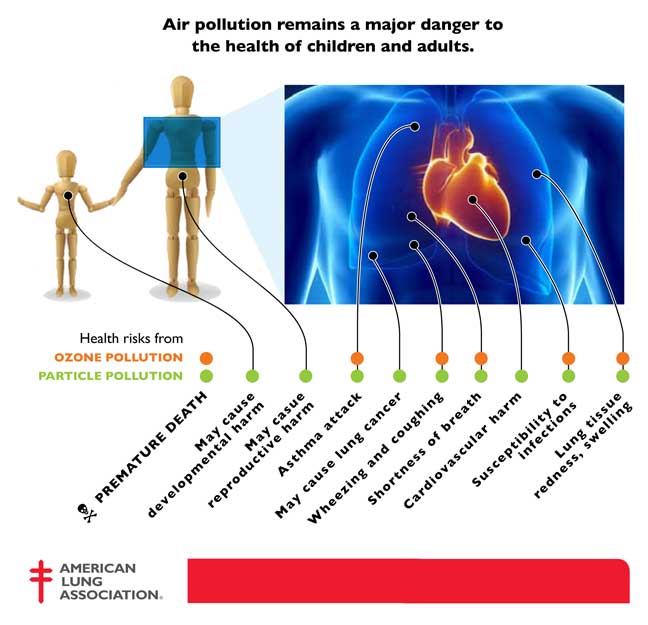
    Children face special risks from air pollution because their lungs are growing and because they are so active Air-pollution-health-dangers

    Just like the arms and legs, the largest portion of a child’s lungs will grow long after he or she is born. Eighty percent of their tiny air sacs develop after birth. Those sacs, called the alveoli, are where the life-sustaining transfer of oxygen to the blood takes place. The lungs and their alveoli aren’t fully grown until children become adults.1 In addition, the body’s defenses that help adults fight off infections are still developing in young bodies.2 Children have more respiratory infections than adults, which also seems to increase their susceptibility to air pollution.

    Furthermore, children don’t behave like adults, and their behavior also affects their vulnerability. They are outside for longer periods and are usually more active when outdoors. Consequently, they inhale more polluted outdoor air than adults typically do.

    Air Pollution Increases Risk of Underdeveloped Lungs

    A Southern California Children’s Health study looked at the long-term effects of particle pollution on teenagers. Tracking 1,759 children who were between ages 10 and 18 from 1993 to 2001, researchers found that those who grew up in more polluted areas face the increased risk of having underdeveloped lungs, which may never recover to their full capacity. The average drop in lung function was 20 percent below what was expected for the child’s age, similar to the impact of growing up in a home with parents who smoked.
    Community health studies are pointing to less obvious, but serious effects from year-round exposure to ozone, especially for children. Scientists followed 500 Yale University students and determined that living just four years in a region with high levels of ozone and related co-pollutants was associated with diminished lung function and frequent reports of respiratory symptoms. 6 A much larger study of 3,300 school children in Southern California found reduced lung function in girls with asthma and boys who spent more time outdoors in areas with high levels of ozone.

     

    Read more from the American Lung Association

    For 17 years, the American Lung Association has analyzed data from official air quality monitors to compile the State of the Air report. The more you learn about the air you breathe, the more you can protect your health and take steps to make our air cleaner and healthier.

    In American Lung Association’s, Report Card: Ohio, Clermont, Hamilton, and Warren counties all receive an “F”
    Cincinnati Air Quality a Mixed Bag, Finds 2016 ‘State of the Air’ Report


    Step up to Curb Pollution in Our Community.

    • Drive less. Combine trips, walk, bike, carpool or vanpool, and use buses, subways or other alternatives to driving. Vehicle emissions are a major source of air pollution. Support community plans that provide ways to get around that don’t require a car, such as more sidewalks, bike trails and transit systems.
    • Use less electricity.Turn out the lights and use energy-efficient appliances. Generating electricity is one of the biggest sources of pollution, particularly in the eastern United States.
    • Don’t burn wood or trash. Burning firewood and trash is among the largest sources of particle pollution in many parts of the country. If you must use a fireplace or stove for heat, convert your woodstove to natural gas, which has far fewer polluting emissions. Compost and recycle as much as possible and dispose of other waste properly; don’t burn it. Support efforts in your community to ban outdoor burning of construction and yard wastes. Avoid the use of outdoor hydronic heaters, also called outdoor wood boilers, which are frequently much more polluting than woodstoves.
    • Make sure your local school system requires clean school buses, which includes replacing or retrofitting old school buses with filters and other equipment to reduce emissions. Make sure your local schools don’t idle their buses, a step that can immediately reduce emissions.


    Now Enrolling at All About Kids at Wards Corner today!