Loveland, Ohio – Near the end of this week’s public hearing, Planning and Zoning Commissioner Rob Weisgerber made a motion to not recommend a zoning map change to City Council. Weisgerber, Andy Bateman and Chairman Mark Redmond agreed with Weisgerber and voted “Yes” David Parker voted “No”. Commission Member Brian O’Neill did not attend the meeting.
The meeting was held to consider whether 12 homes should be built on Riverside Drive in the West Loveland Historic District on the bank of the National and State Scenic Little Miami River.
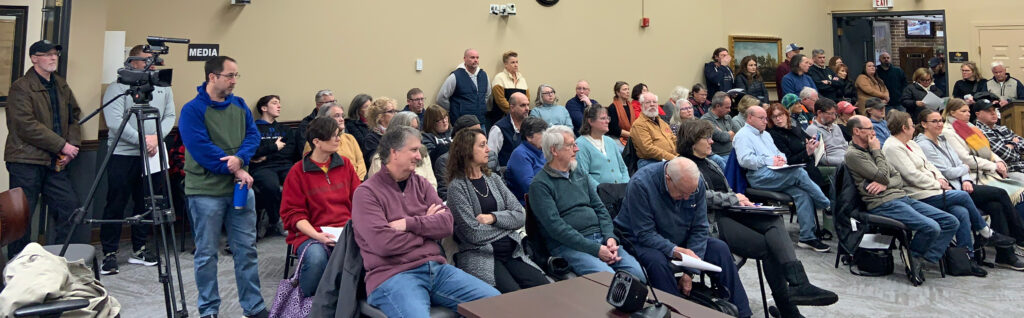
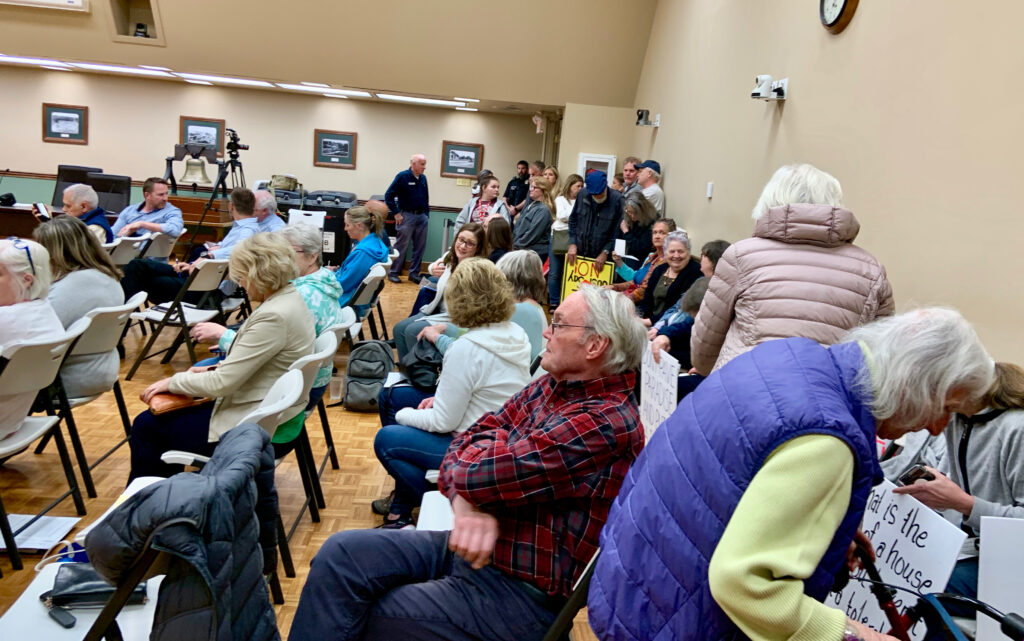
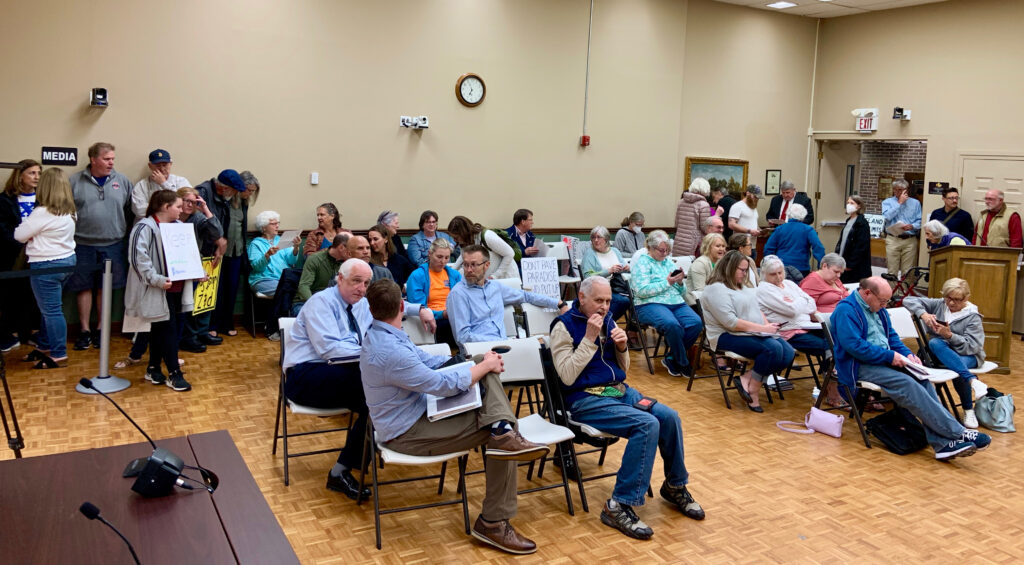
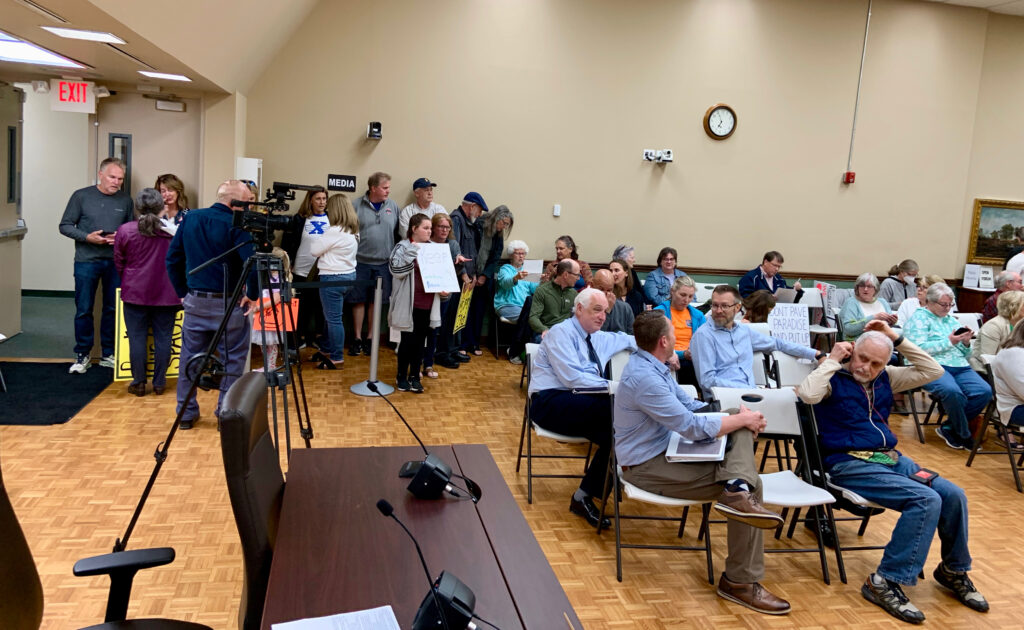
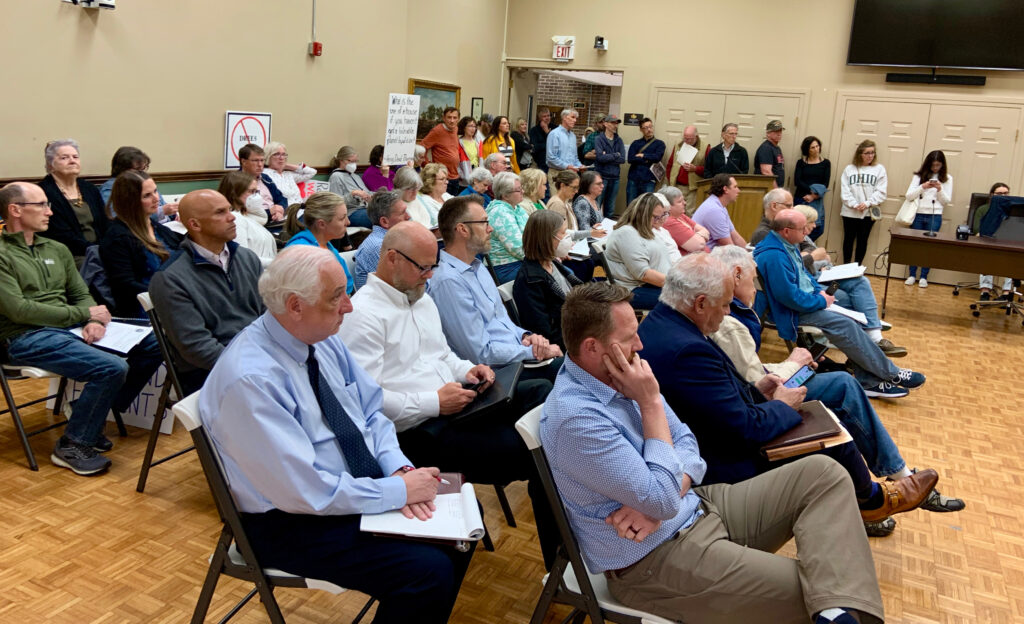
The full-capacity, standing room only, flowing into the hallway crowd.
The P&Z recommendation will now be delivered to City Council where there will be another public hearing. Upon completion of the public hearing, City Council may approve or disapprove the recommendation of Planning and Zoning Commission by a simple majority. Council may modify the recommendation of Planning and Zoning Commission by a 3/4 majority vote.
Watch the public as they comment on the proposed Special Planning District before a vote was taken.
BACKGROUND
Public hearing set for 12 single family homes being proposed along State and National Scenic Little Miami River
As our community comes together to review the proposed Special Planning District (SPD) development along Riverside Drive, it is crucial that we approach this process with transparency, collaboration, and a shared commitment to protecting the scenic and historic character of the Little Miami River.
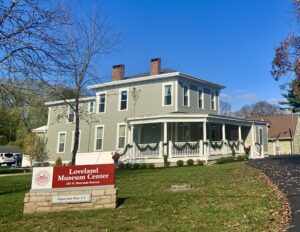
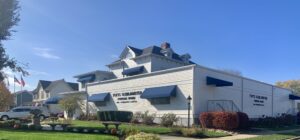
What’s Happening: A developer has submitted a proposal to build 12 single-family homes on the riverbank along Riverside Drive, adjacent to the Loveland Historical Museum and Tufts-Schildmeyer Funeral Home. To enable this project, the developer plans to raise the floodplain using fill dirt and is requesting the city to approve re-zoning for this purpose. The Planning and Zoning Commission will conduct a public hearing as part of their review process.
What’s at Stake: The Little Miami River is a nationally and state-designated scenic river. Current zoning and federal protections aim to preserve its ecological, aesthetic, and cultural value. This proposed development raises important questions:
Environmental Impact: Raising the floodplain could alter natural water flows, potentially increasing flood risks for neighboring properties, impacting wildlife habitats, and degrading water quality.
Community Character: Re-zoning and new construction could disrupt the historic and scenic integrity of the area, altering its charm and appeal.
Process and Precedence: Allowing this development may set a precedent for future projects that prioritize private gains over public and environmental interests.
Understanding the Process: Pursuant to Section 1151.01 and 1151.02(a)(2) of the City’s Planning and Zoning Code:
The first step is a preliminary review meeting to determine whether the proposed project falls within the SPD’s purpose and scope. (This meeting occurred on December 3, and the proposal was approved to advance to a public hearing.)
If deemed appropriate, a public hearing must be scheduled within 45 days to review the conceptual plans and gather public input. (This is the meeting happening on January 7.)
This process ensures community engagement and the consideration of all perspectives, including those of residents, advocacy groups, and experts.
Counter Argument: The developer argues that this project will create valuable housing and address flooding risks through engineered solutions. They assert that the proposed homes will align with the character of nearby properties and enhance the area’s vibrancy.
A Collaborative Approach: While development has its place, our community’s responsibility is to ensure that any changes align with the broader goals of preserving Loveland’s natural, cultural, and historical assets. To this end, we recommend:
Expert Involvement: Consulting with conservation experts and legal professionals to fully understand local, state, and federal zoning laws and protections.
Community Engagement: Encouraging residents to attend the public hearing, voice their perspectives, and engage in the decision-making process.
Transparency: Requiring detailed studies on flooding, traffic, and environmental impact before any decisions are made.
What Can You Do?
SHARE this information with neighbors, friends, and family.
We believe that by working together—residents, city officials, and developers—we can protect the Little Miami River while meeting the needs of Loveland’s growth in a thoughtful and sustainable way.
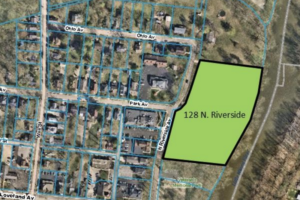
Loveland, Ohio – A public hearing date has been set for Tuesday, January 7 at 6 PM by the Loveland Planing and Zoning Commission to hear comments about a proposal to rezone 128 Riverside Drive to accommodate building 12 single-family homes.
The 12 single-family homes are being proposed for Riverside Drive on the State and National Scenic Little Miami River in the West Loveland Historic District. An application has been submitted by Traditions Building and Development Group. The proposed Special Planning District includes twelve (12) single-family “detached dwelling units” (24’ x 56’ 3-Story Homes) with minimum lot size of 0.114 acres or 4,966 sq. ft.
The Loveland Planing and Zoning Commission meeting that was scheduled for tonight, “…is being rescheduled. The rescheduled date will be posted.”
This story has been up-dated to reflect that the Planing and Zoning meeting begins tonight at 6 PM and not 6:30 PM.
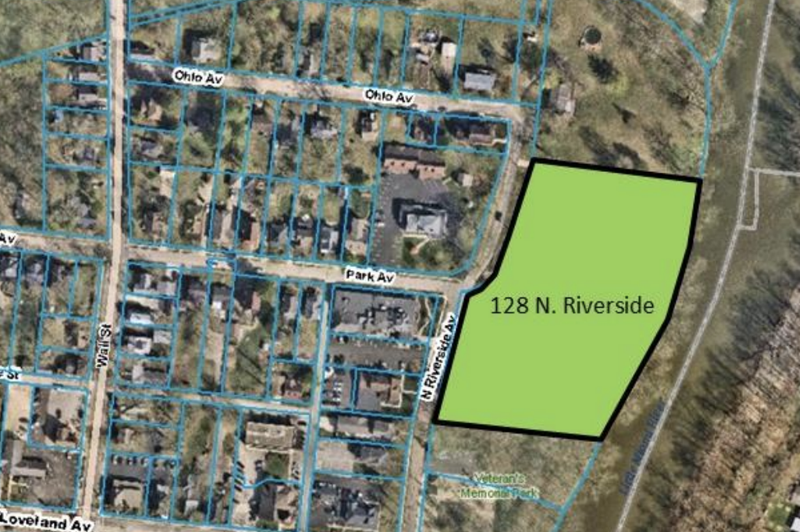
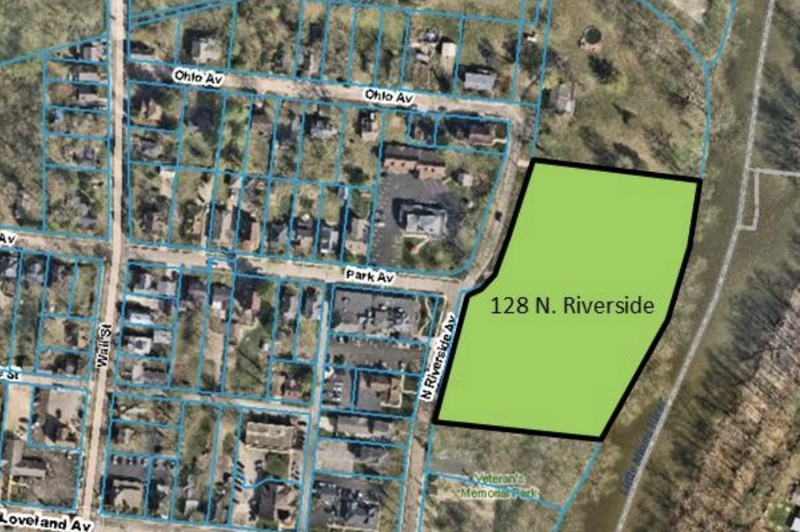
Loveland, Ohio – 12 single family homes are being proposed for Riverside Drive in the West Loveland Historic District. An application has been submitted by Traditions Building and Development Group. The proposed Special Planning District is located at 128 North Riverside Drive and includes twelve (12) single-family detached dwelling units (24’ x 56’ 3-Story Homes) with minimum lot size of 0.114 acres or 4,966 sq. ft. The owner is Schildmeyer Holdings.
You can read the plan as summited in the .PDF below.
The development shares 540 feet of frontage along the Little Miami River with a shared driveway to garages in the rear. The site will be elevated by bringing in earth to bring it above flooding elevation.
The Loveland Planing and Zoning Commission will meet tonight, November 7th at City Hall at 6 PM to consider the proposal.
The 12 proposed homes are across Riverside Drive from the Loveland Museum Center and the Tufts Schildmeyer Family Funeral Home.
[pdf-embedder url=”https://lovelandmagazine.com/wp-content/uploads/2024/11/2024-11-07-Planning-Zoning-Commission-Full-Agenda-1876.pdf” title=”2024-11-07 Planning & Zoning Commission – Full Agenda-1876″]
Loveland, Ohio – Lauren Enda called it a “landmark” decision and Sharon Scovanner said she was “overwhelmed” by the support they received.
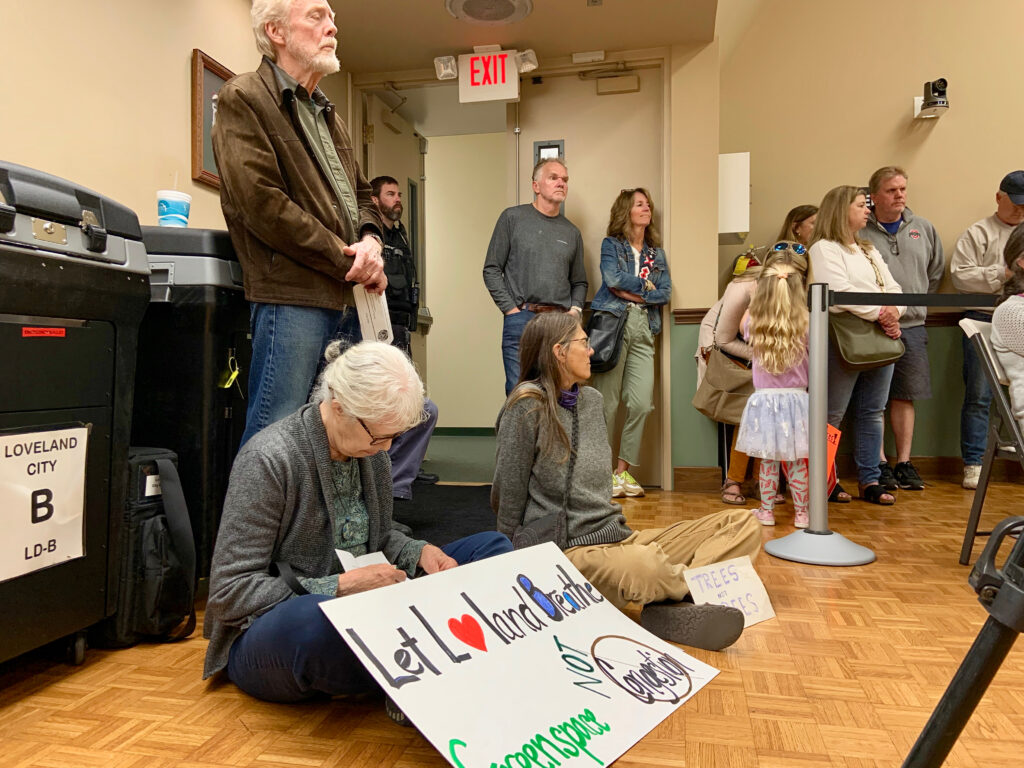
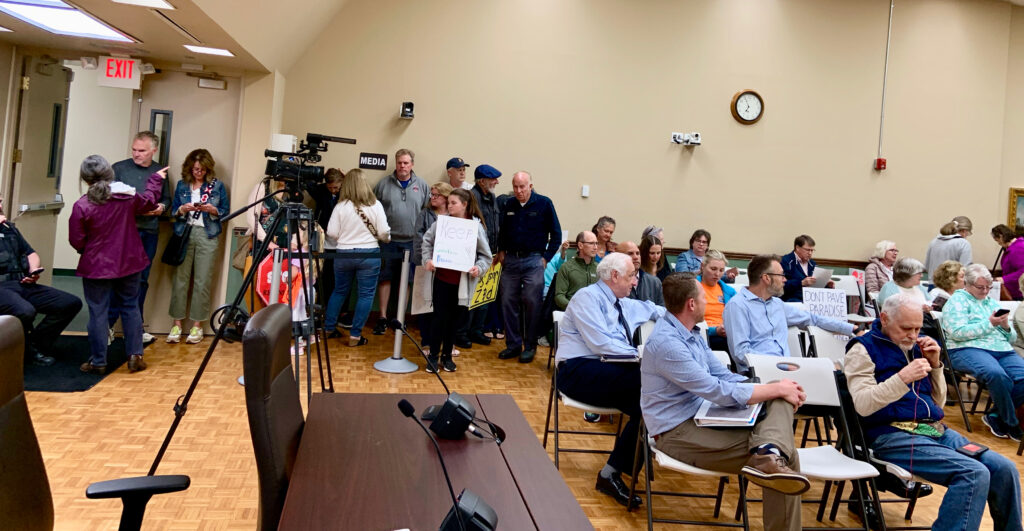
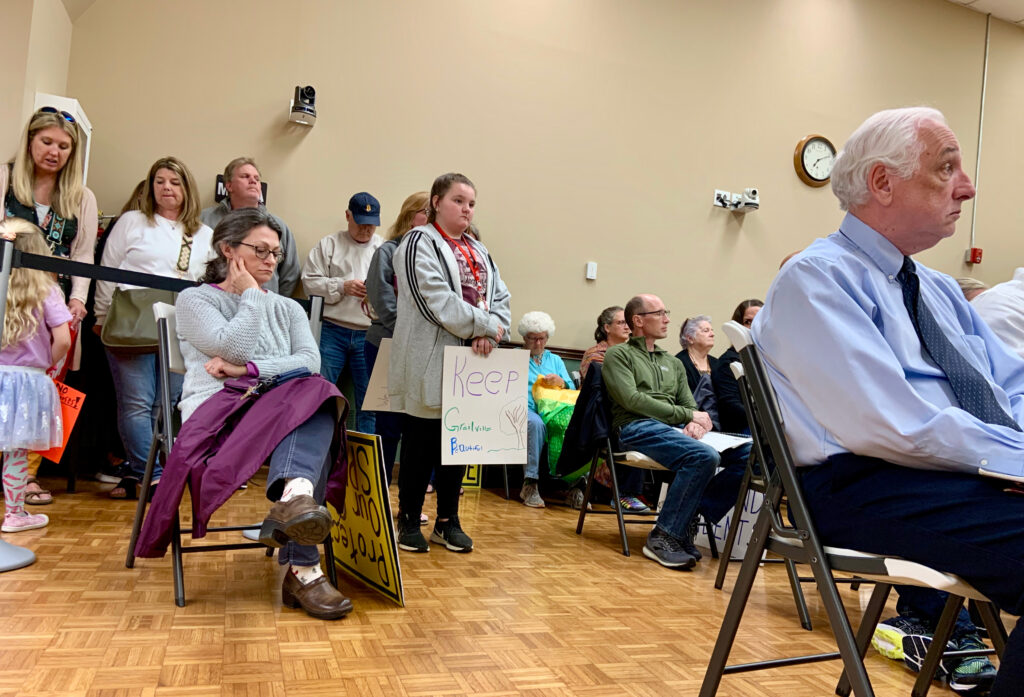
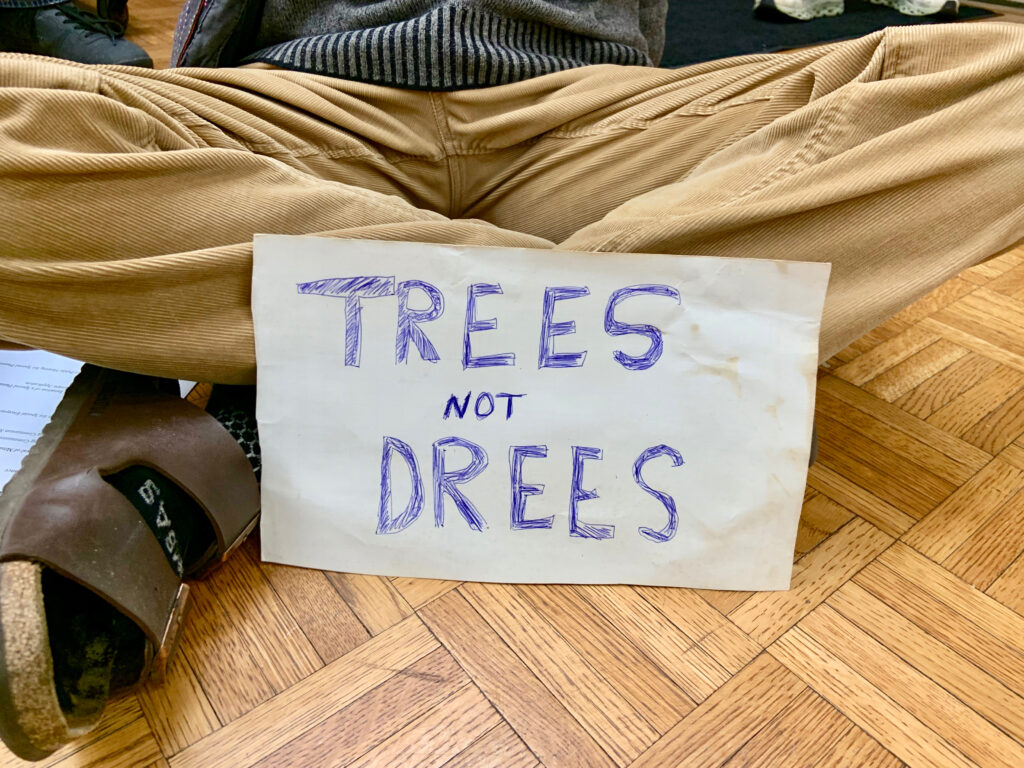
Last Wednesday, before a standing-room-only crowd, the request to rezone the Grailville property was denied by a 3-1 vote of the Planning and Zoning Commission. Drees Homes had requested the land become a Special Planning District which would have allowed 209 homes on the site.
After many months of leading the effort, residents Lauren Enda and Sharon Scovanner were breathing sighs of relief. The Commission rejected the proposed development of the Grailville site by the Drees Company which included 74 patio homes and 135 traditional-style homes totaling 209 lots. The land is situated between O’Bannonville Road and State Route 48 in Clermont County. The site is approximately 111 acres.
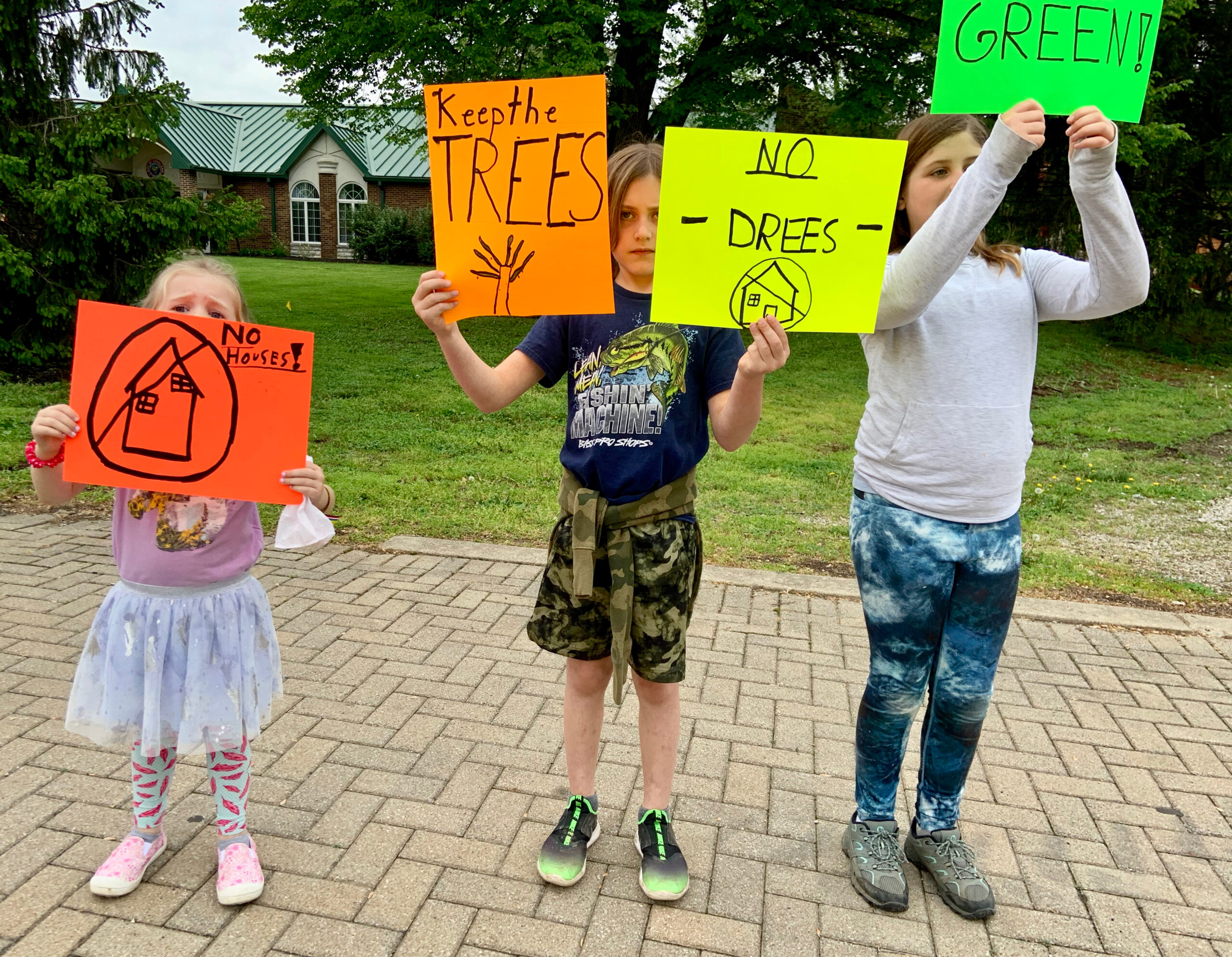
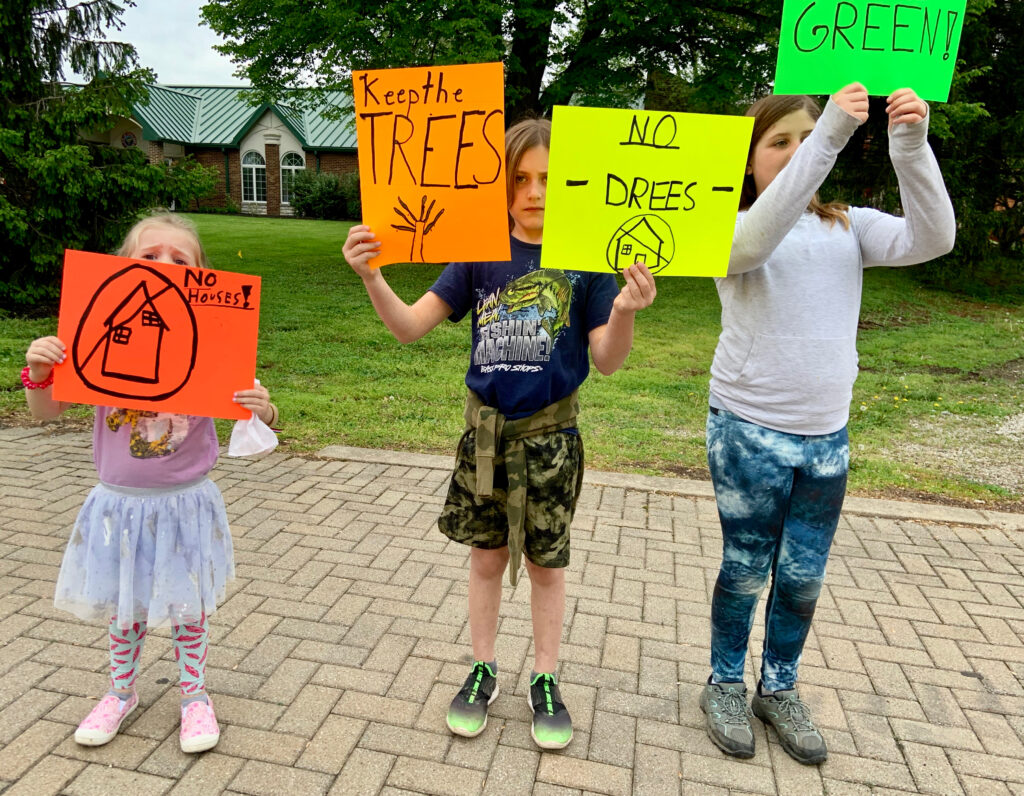
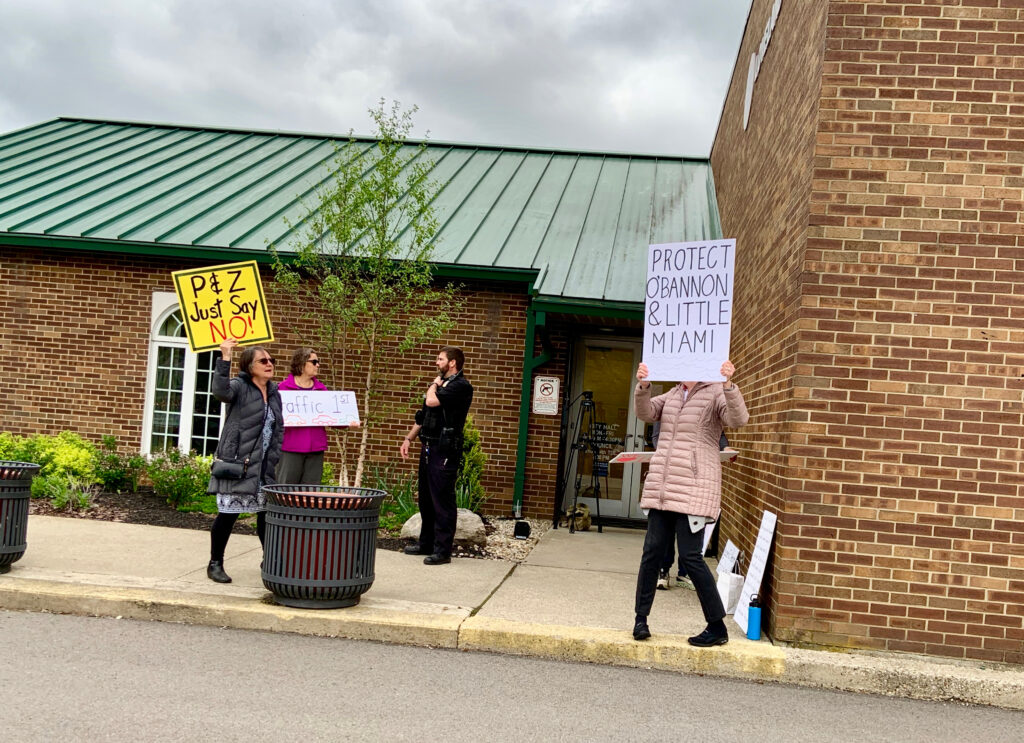
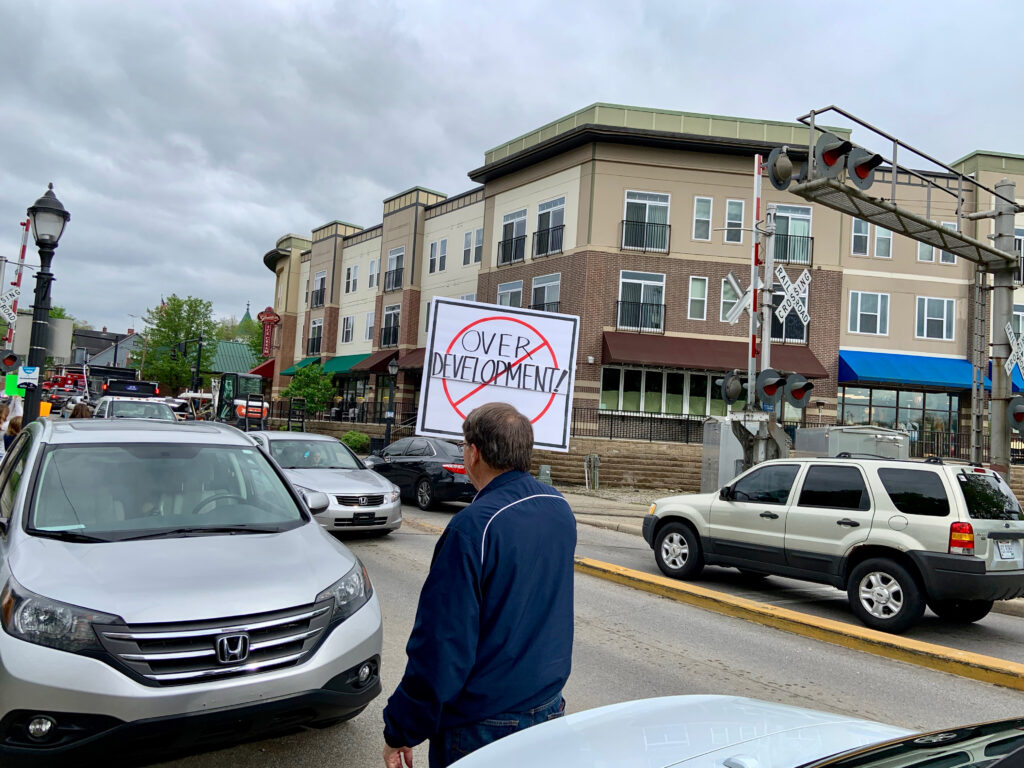
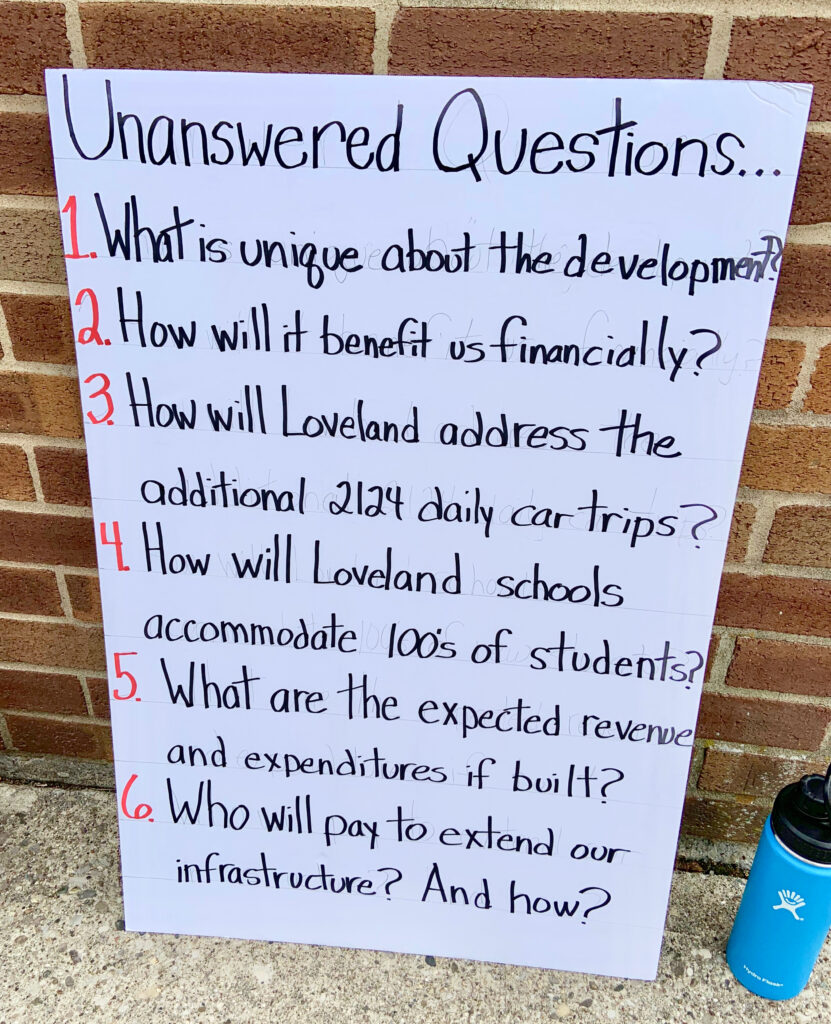
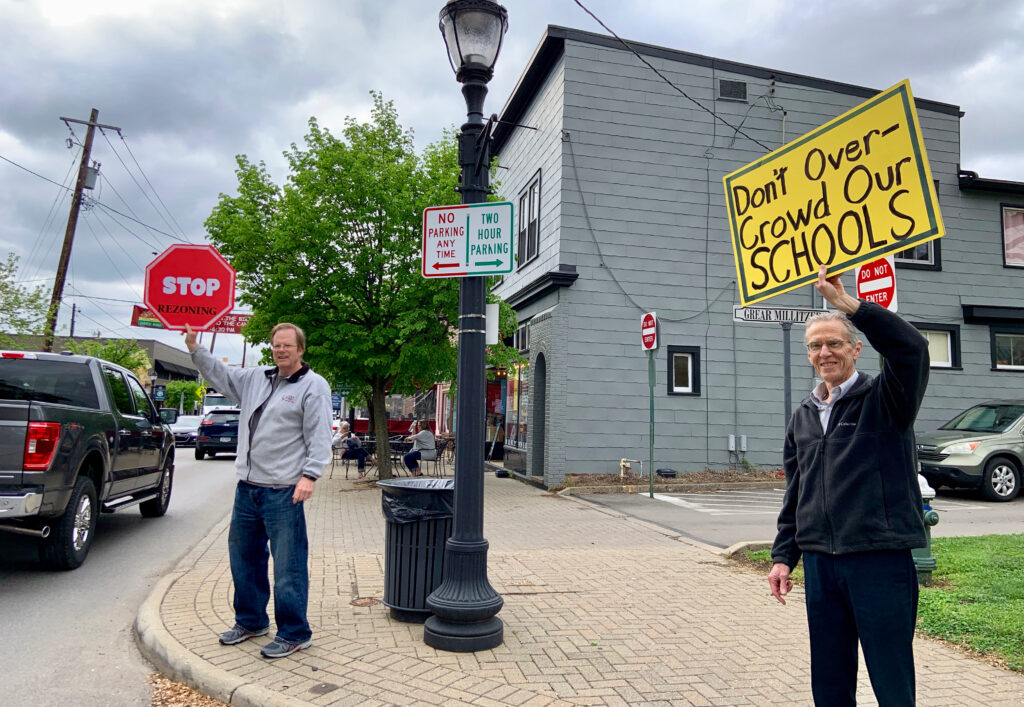
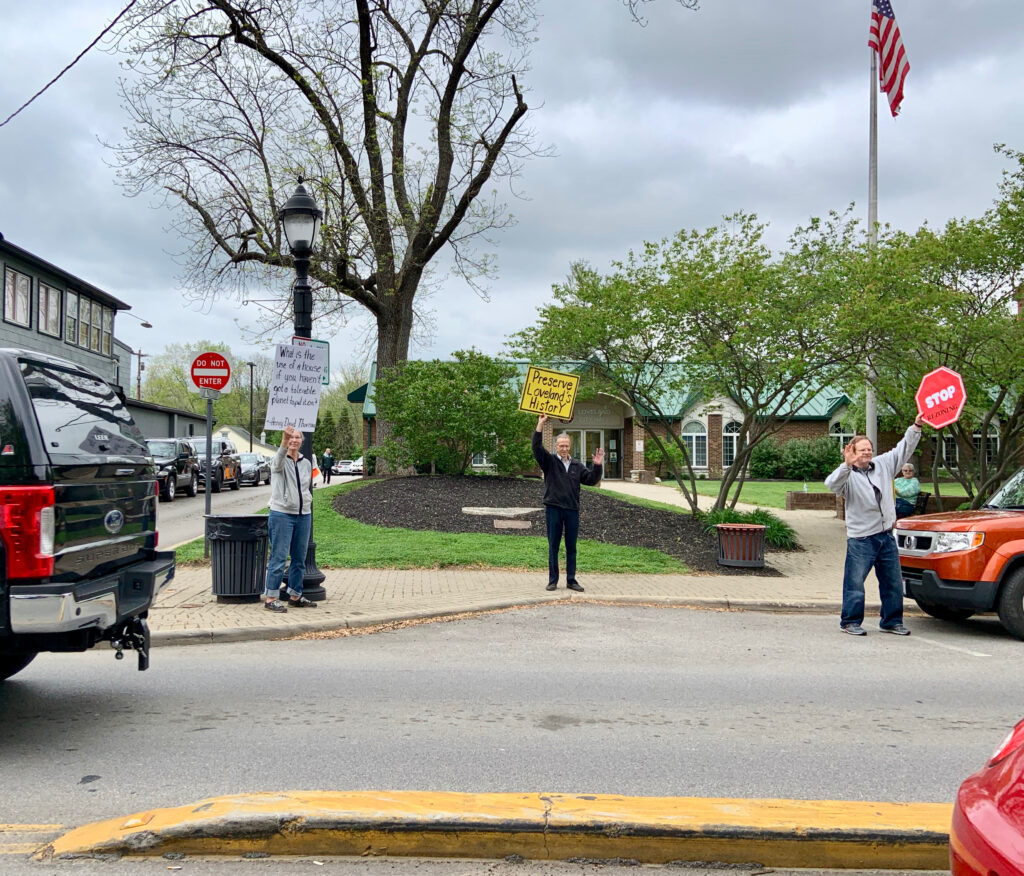
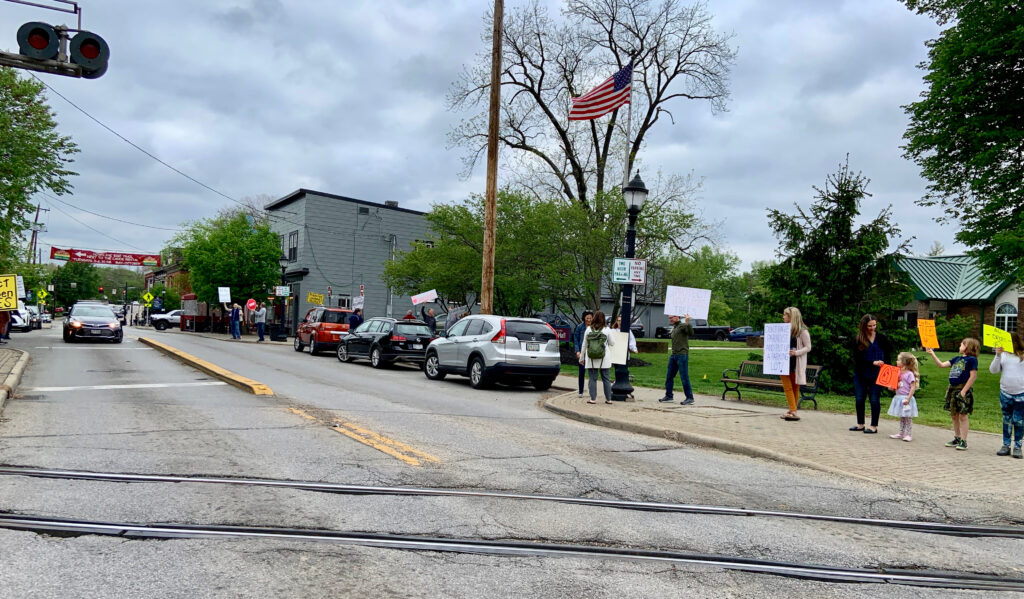
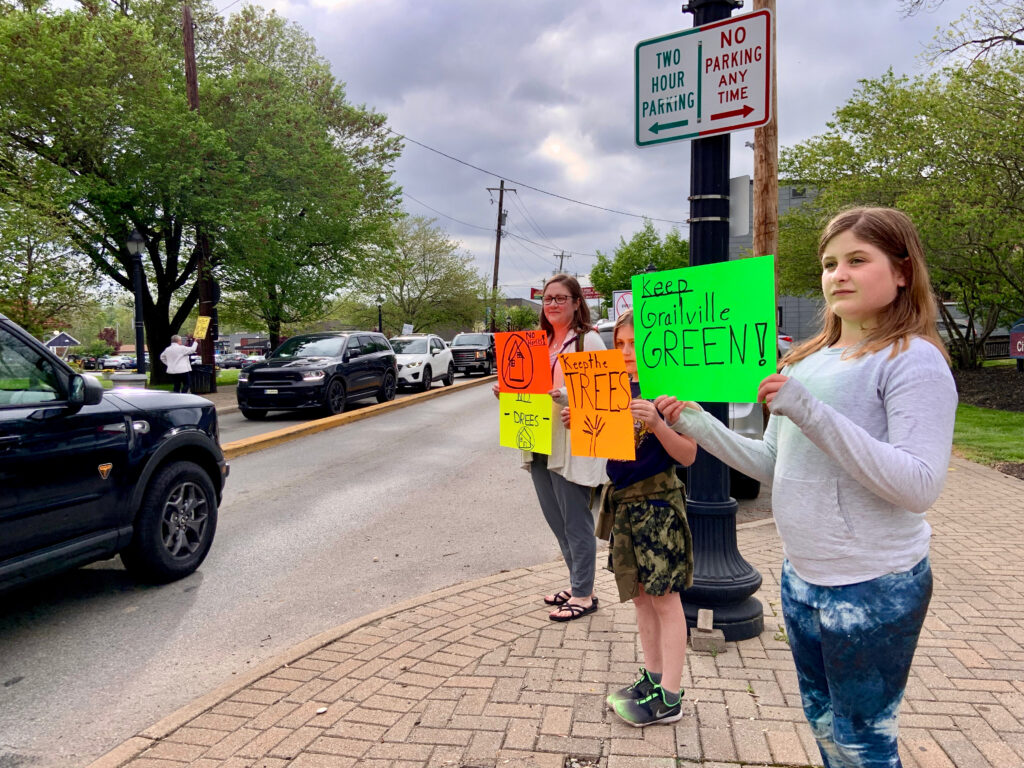
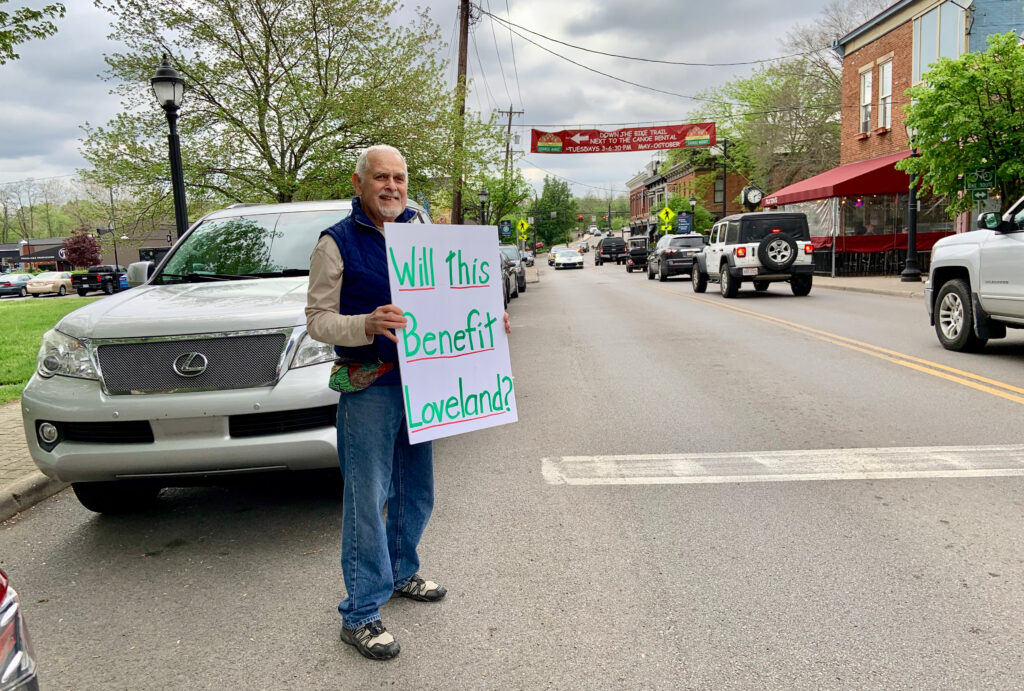
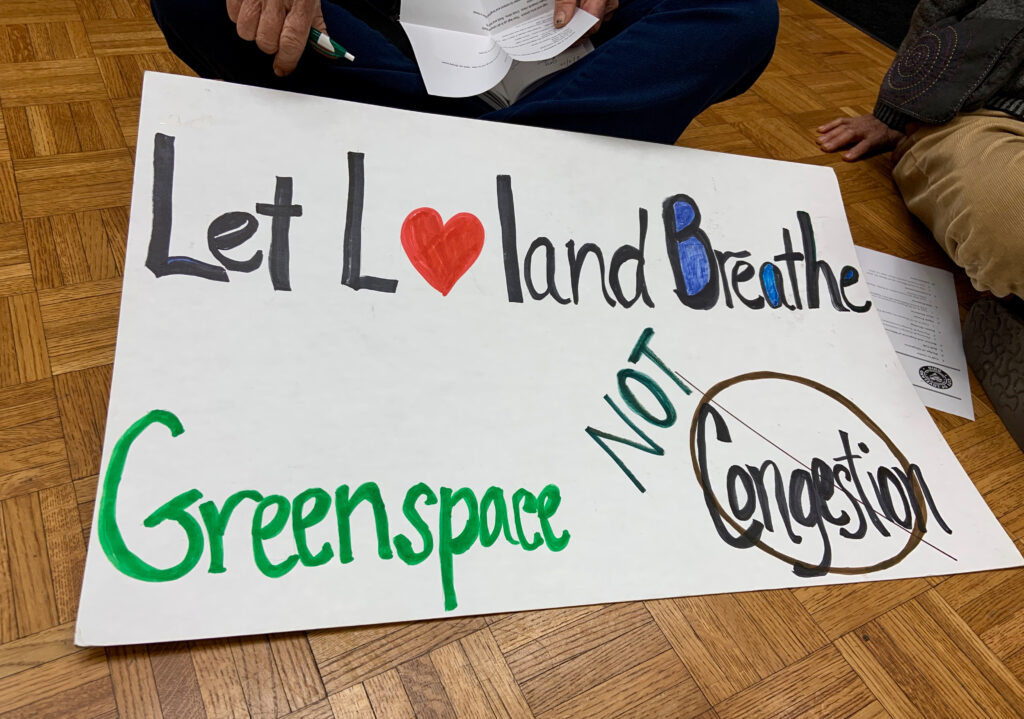
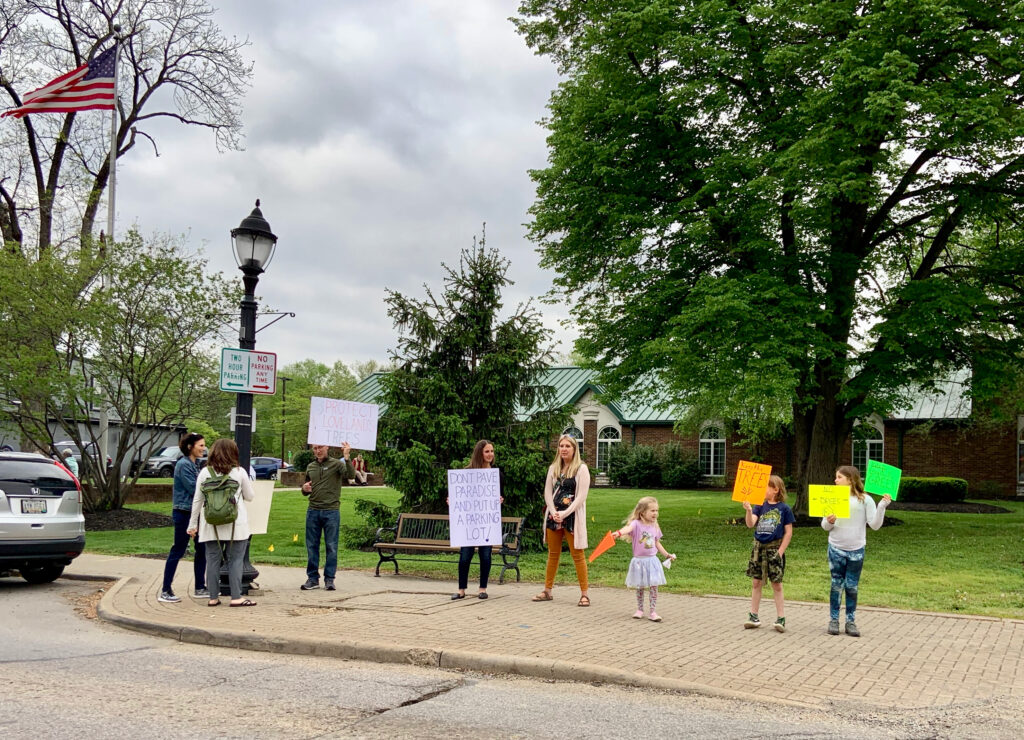
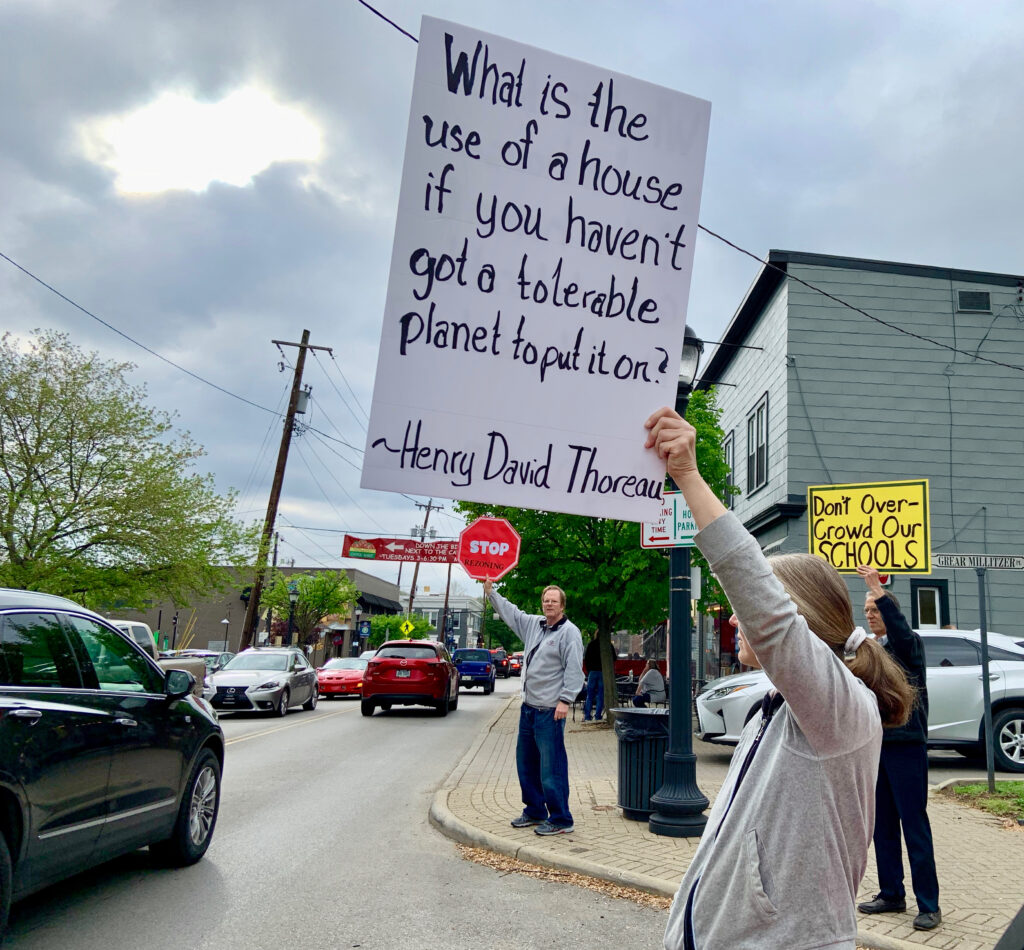
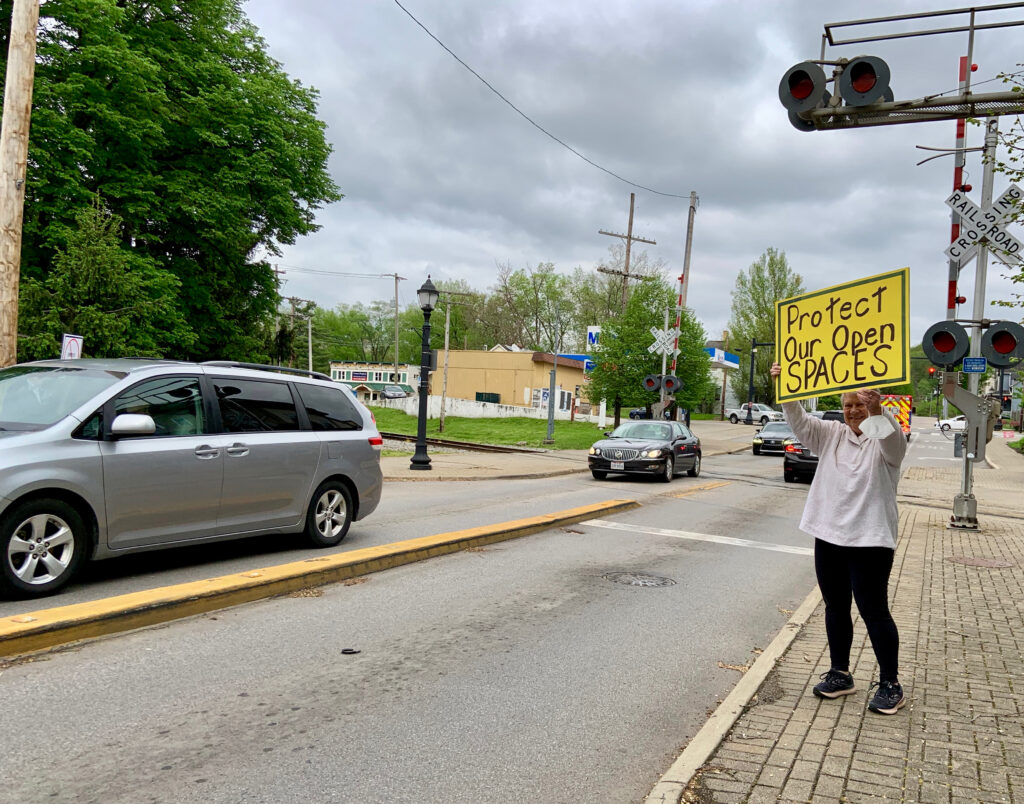
Enda and Scovanner also led a protest rally outside City Hall before the multi-hour meeting.
After the meeting was over, Loveland Magazine asked the two leaders of the movement a few questions about the vote and rezoning in general.
• What arguments were made by the public that swayed the decision?
• Resident Dave Stanton presented an economic analysis tonight of the cost to taxpayers of the Drees’ proposal. Please comment.
• What about the fact that our current zoning code essentially lets developers write the code and map changes they want?
• Should residents vote at the ballot box for Planning and Zoning Commission Members?
• Should all zoning text and map changes be put on the ballot for voters to decide?
The Drees Company representative at the meeting declined to be interviewed.
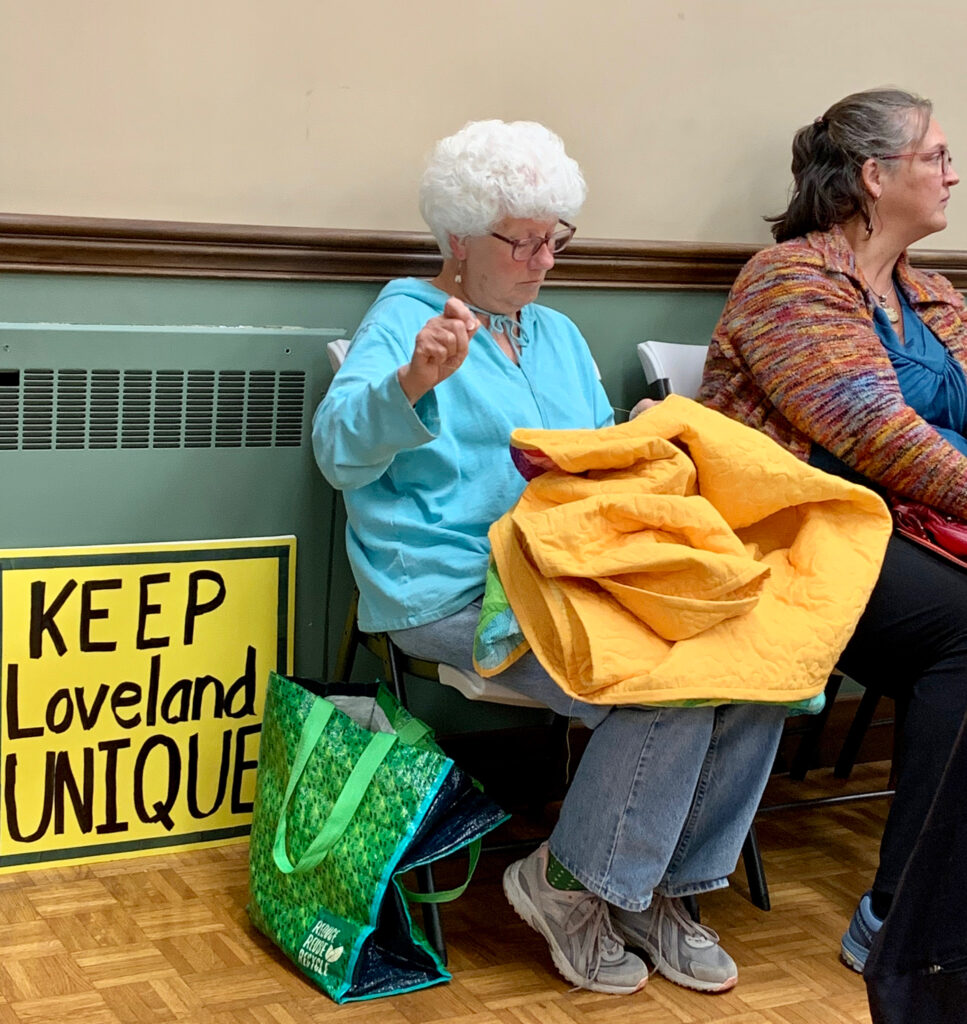
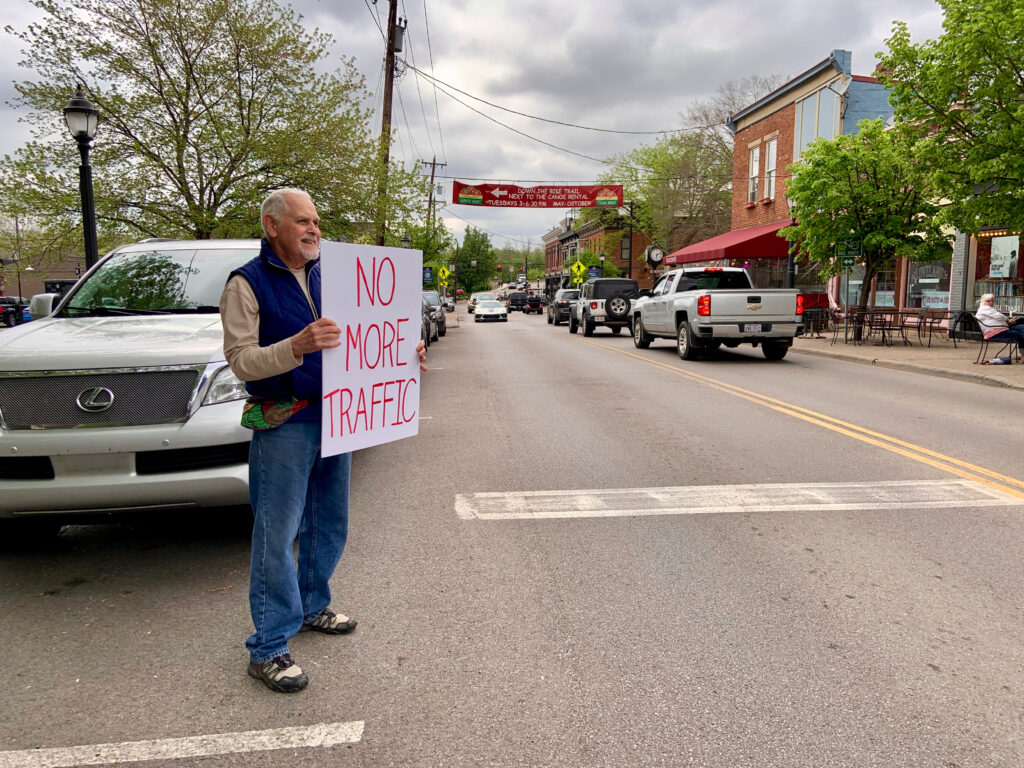
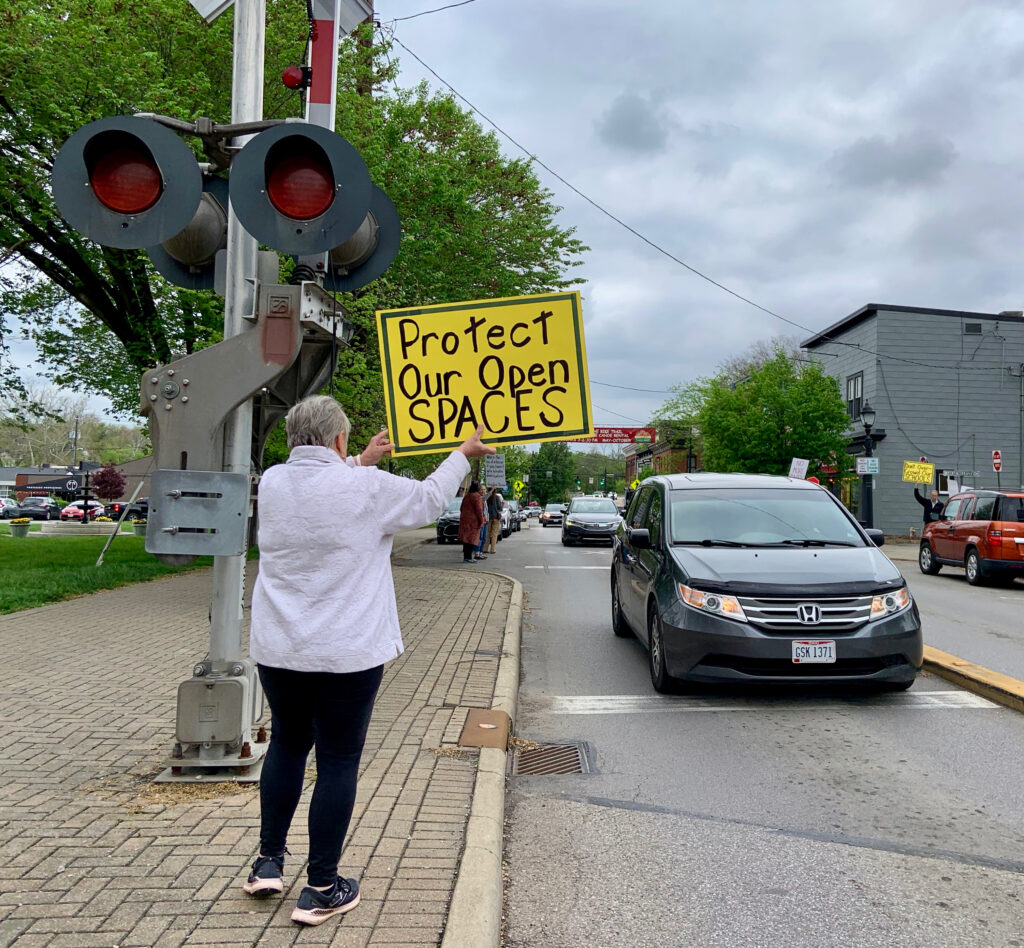
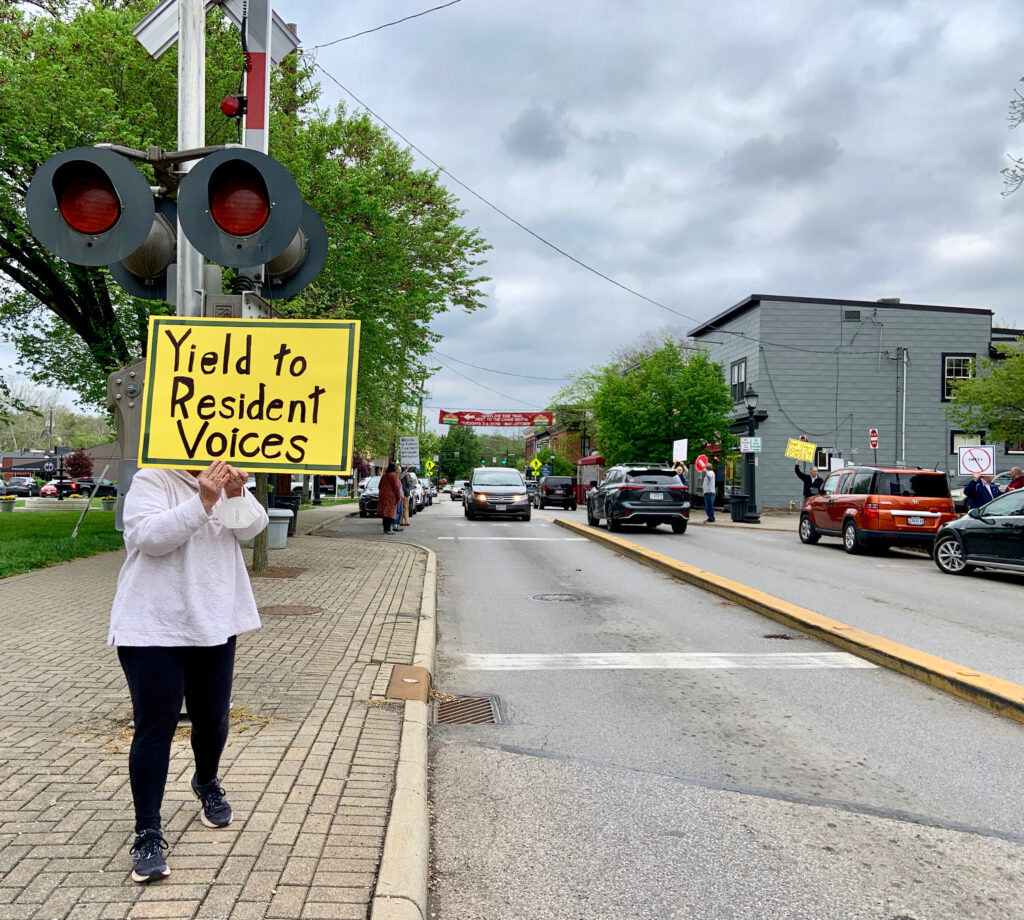
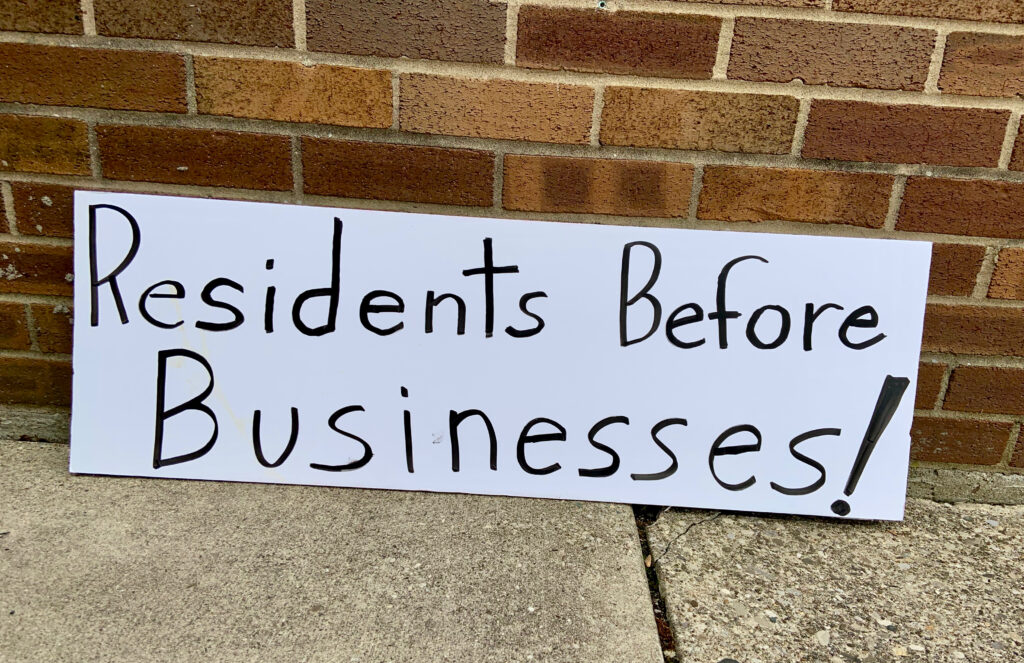
These photos were taken during the protest rally and during the meeting.
(Reprinted with permission from a social media post of Jamie Smith)
by Jamie Smith
There will be a planning and zoning meeting at Loveland City Hall Wednesday, May 4th at 7 PM, with a demonstration beforehand at 6 PM to rally against the petition Drees is submitting for an (SPD) proposal.
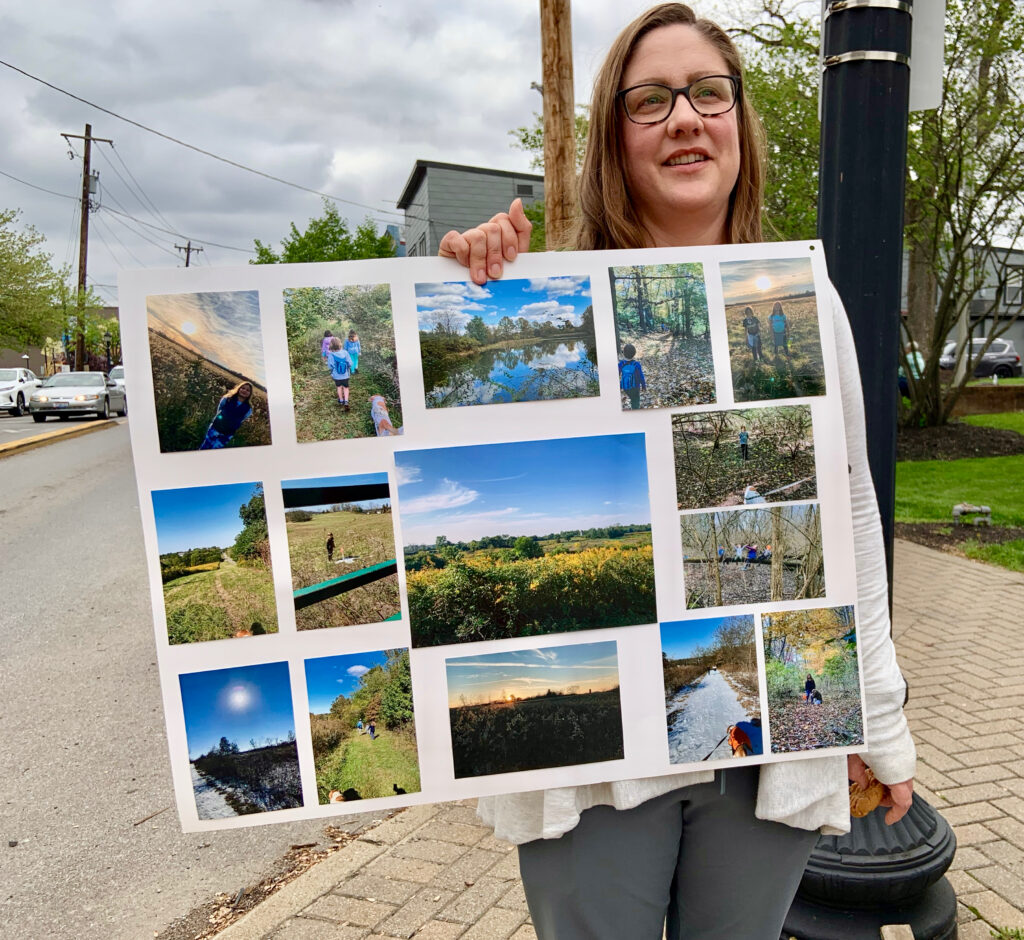
Jamie’s family is often on the Grailville Farm. “My dogs have their absolute biggest smiles here, as do my kids and I.”
The granting of an SPD would allow them to build over 200 homes on the land that was annexed originally for “low-density housing.” This neighborhood of about 206 homes would sit on the south side of the old Grailville property, between Saint Columban Church and the north side of Grailville (their current offices).
The building of yet another non-distinct neighborhood in Loveland would destroy several historically rich and architecturally beautiful buildings that hold much significance in the hearts of many Loveland residents. Even a stranger passing by, with no knowledge of the importance of the work that was done there, is struck at the beauty of the place.
The women (and men) who started the mission here at Grailville were so dedicated to the righteousness of its cause that many of its early devotees are buried on-site, in the loveliest little cemetery on the north side of O’Bannonville Road.
Some of the reasons I feel very strongly against the actions aimed at adding yet another subdivision to our previously rolling river valley and forested areas are as follows:
1. It is my favorite place in Loveland, exactly as it is, in its natural state. My dogs have their absolute biggest smiles here, as do my kids and I.
2. I and my children have gained much peace and happiness from our exposure to the blessings of the land, water, and sky at Grailville. We have shared this joy with others. This land has kept us healthy physically and mentally. I can feel instant decompression upon starting my explorations there.
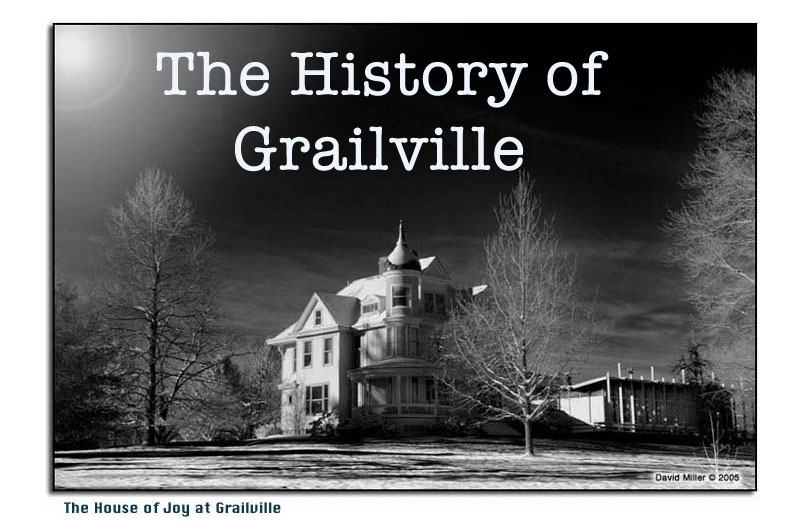
3. The place has a beautiful historical significance. You can explore the beginnings of the good that has been done on this land starting with this LINK. The historical films created, however, don’t even begin to touch on the good work that was done up until current times.
4. Not only have many historic buildings of Loveland been destroyed that are tragically gone FOREVER, but the greenspace in Loveland is rapidly disappearing, to the point that Grailville is the “last of the Mohicans.” Losing the large stretch of greenspace that connects fields to the “wilderness” on the north side would have a hugely detrimental impact on local wildlife, as well as on the human beings that regularly seek solace in the fields and woods of its paths.
5. TRAFFIC IN DOWNTOWN LOVELAND
“I and my children have gained much peace and happiness from our exposure to the blessings of the land, water, and sky at Grailville.”
6. GREED over NATURE
7. Absolutely zero benefits to Loveland residents, only more destruction, construction, and overcrowding of our streets….adding to issues of congestion instead of working on solutions.
8. Once this land is developed, the sanctity and purity of the place will be lost forever. We are Loveland, and beginning to look like Liberty Township, a “run-on sentence of subdivisions.” We are a town rich in farming and RR history. Let’s not erase YET ANOTHER part of our heritage. There is enough history at Grailville to erect a small museum to the humanitarian work and personal development that was achieved there and carried throughout other communities in the hearts of members of the Grail.
9. The land is certified organic, which is no small feat.
10. About 10 million reasons this ties into the bigger picture of the environmental crisis: urban sprawl (in turn, increasing urban blight), loss of greenspaces for migratory species, the immediate destruction of the habitat for countless plant and animal species, loss of biodiversity, etc., etc., etc.
11. The thought of losing this place and the PEACE IT HAS BROUGHT MY FAMILY, and having to deal with the congestion of another subdivision literally breaks my heart….and I am not alone.
Come show your solidarity. Let’s not let an out-of-state developer take what’s left of who we are! These historic places, YES EVEN OPEN PLACES, FARMS….this is what Loveland was, and part of it always should be! We need to retain a connection to what draws people to love this land.
A statue of a child at Grailville – photo provided by Kevin and Laurie Kiley
Introduction by Kevin Kiley
What’s going on in Loveland this week?
Kevin Kiley
The City of Loveland is currently reviewing an application for a large housing development on the east side of Loveland. This 111 acre parcel of land, a historic property currently owned by Grailville, was recently annexed into Loveland and is under contract to Drees Homes “with an option to buy” for $7.3 million. Drees has requested that Loveland re-zone the site to a special planning district (SPD) and approve an exception to build more than twice the number of homes permitted by current zoning. This same property was offered to Loveland Schools but failed to pass levies in the months preceding the pandemic.
Why does this matter?
Several concerns have been addressed to the Loveland Planning and Zoning Comission on how this new development will impact Loveland, including its effect on traffic, parking, schools, and other taxpayer expenses. This proposed new housing development borders 100 acres of nature preserve now owned by the Clermont County Parks District. A growing number of forward-thinking residents see this additional 111 acres as an incredible opportunity for Loveland to build something amazing for all who live in Loveland, not just a select few.
How can I get involved?
The next Loveland Planning and Zoning meeting is Wednesday, May 4th at 7 PM at Loveland City Hall. Please attend to learn more and show support—help us pack the room. There will be a sign-in sheet in the room for anyone who wishes to speak.
To residents and elected decision makers of Loveland
by Laurie Kiley
Laurie Kiley
As I sit to put my feelings about the development of the Grailville property into writing, Joanie Mitchell’s lyrics are stuck in my head…
Don’t it always seem to go That you don’t know what you got ’til it’s gone They paved paradise and put up a parking lot
While I am a tree hugger in my soul I am also realistic that as humankind continues to evolve nature will always be at risk. We must be diligent to make personal choices—and choices as a community—that result in the greatest legacy for those who come after us. We cannot be shortsighted.
That being said, my biggest concern here today is actually about accountability. Loveland residents elect our Council to have privileged access to information on our behalf. We expect that they are making decisions holistically and with the future in mind well beyond their tenure.
As accountable Council members, we implore you to not make easy compromises today that lead to deeper issues for our community tomorrow. The full impact of every rezoning decision, every parking garage, and every field that is eliminated must be considered.
In our personal lives, it is irresponsible to spend beyond our means or to act now and think later.
Likewise, it would be irresponsible for our Council to make decisions that put Loveland’s future at risk.
The Grail is entitled to sell the property they cannot afford to hold. Drees is entitled to request an exception to maximize its profits and create a space to benefit 209 new households. Loveland Council, however, is not obligated to create new laws to make it possible.
I want to go back to my previous point about encouraging holistic decision-making. Here is a summary of inter-related concerns from my point of view:
The Drees proposal outlines lot dimensions that equate to .16 acres that are 70% covered by house at worst, and .27 acre lots that are 60% covered by house at best. In contrast, Loveland’s current zoning stipulates 1 acre per lot for new development. If Drees accepts current zoning then it’s a done deal and within our regulations.
The traffic studies—limited as they were—confirm that this development would increase traffic through downtown by over 2,000 trips daily. Loveland residents know that the true impact of congestion is felt most a peak times like the school commute, rush hour, and all weekend long when good weather brings visitors to our bike trail for hours of entertainment outside our borders. Council should avoid decisions that worsen our traffic problems before a viable solution has been identified.
Tearing up East Loveland Avenue to install bigger sewage pipes would be necessary and the treatment plant may or may not already be maxed out. Loveland’s taxpayers require clarity and full disclosure about who would absorb the cost to resolve these concerns before any new SPD zoning exceptions are approved.
More houses will result in more tax income and the majority would go to our schools but it would also add more kids and related expenses. This will overburden our situation. If the reputation of our schools degrades then everything else in the ecosystem will start failing also.
If Council is contractually obligated to respond to this SPD then the answer must be “no” until we can thoughtfully consider the big picture.
Yes, “something must be built here”. Let’s build something that benefits the entire community. Let’s build something that will make Loveland even more cherished by its citizens and inspires hope for its future.
Please don’t cite failed levies of the past. There’s no need for blame in any direction. Those levies only indicate that the expectations of the planners and the voters were not in line. Time has certainly moved on, so must we. We need to learn from those experiences and move forward together.
Loveland needs to stand up for itself. We need to be bold and brave and involved in order to maintain our character and identity as a community. By NOT approving this SPD our elected Council would give Loveland a huge opportunity to help The Grail and Loveland find an optimal solution to the benefit of all.
Loveland, Ohio – City Council voted to move ahead with the sale of the city-owned Christman Farm on Butterworth Road after a public hearing on October 13. Taxpayers bought the former Warren County horse farm from Terry and Mary Christman in 2007 for $800,000. The property is within the boundary of the Little Miami School District. Loveland Schools will receive no property tax income from the development.
The next Community Improvement Corporation Meeting is at 5:30 PM Tuesday, October 20. The sale of the Christman Farm property is on their agenda.
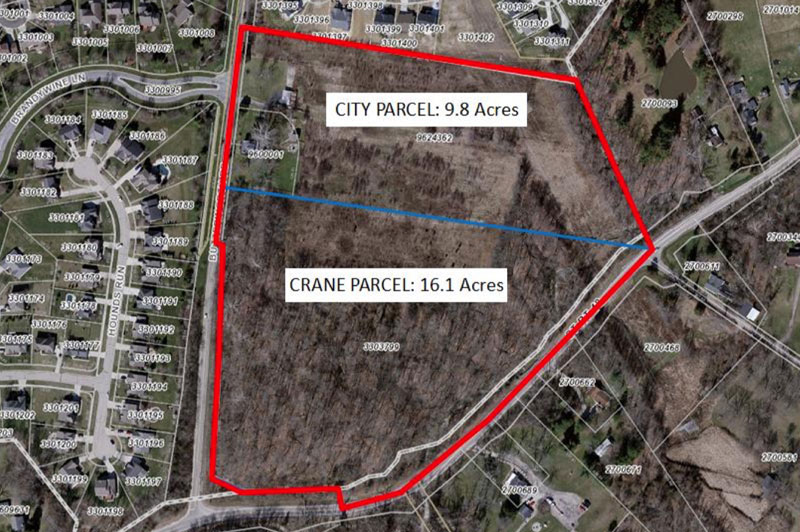
The property consists of 9.8389 acres. The developer of the property will be the Campbell Berling Development Company. The proposed use of the property is for a single-family residential development of “no more” than 35 single-family homes. The company address is 333 Madison Pike, Suite C in Ft. Write Kentucky. The owner of the property will be CB Butterworth, LLC.
CB Butterworth, LLC was incorporated on September 16. Here is the business filing: Business_Details.
City Manager Dave Kennedy started the public hearing by spelling out what he believes are the advantages of the sale. Kennedy said that most of the “Estate Homes” will sell in the $1.2 M range with side entry garages. The empty-nester homes to be on the Christman Farm would not be built until after the 2022 HOMEARAMA was over. Kennedy said that Council wanted him to come up with a home product they could be proud of.
Kennedy proposed the transfer of the 9.8 acres to the Loveland Community Improvement Corporation (CIC) for eventual purchase by CB Butterworth, LLC, and prepared the legislation that was presented to City Council as an emergency measure. Emergency legislation cannot be overturned at the ballot box as they become effective immediately. Kennedy said the urgency was so he could begin constructing the sewers that will serve the development as soon as possible.
Bethany Wiegand spoke about the ways the proposal will affect her home and urged the Council to address traffic problems. She said it currently take her 20-25 minutes to leave her home in Butterworth Glen and get through the traffic in Historic Downtown. Wiegand grew up in Loveland, moved back – and asked that Council take care of the people that already live here and have already invested in the City. “Let’s solve the current issues for the current residents like myself,” said Wiegand. She also expressed interest in having a park on the property so she doesn’t have to go through Historic Downtown to use other recreation spaces.
Kennedy said in a memo to Council on October 13, “Per City regulations, all funds from the sale of the property from the CIC to CB Butterworth, LLC, will be transferred back to the City.” The sale will be contingent upon Planning and Zoning Commission approval of a re-zone to a Special Planning District.
Loveland City Manager Dave Kennedy (Loveland Magazine file photo)
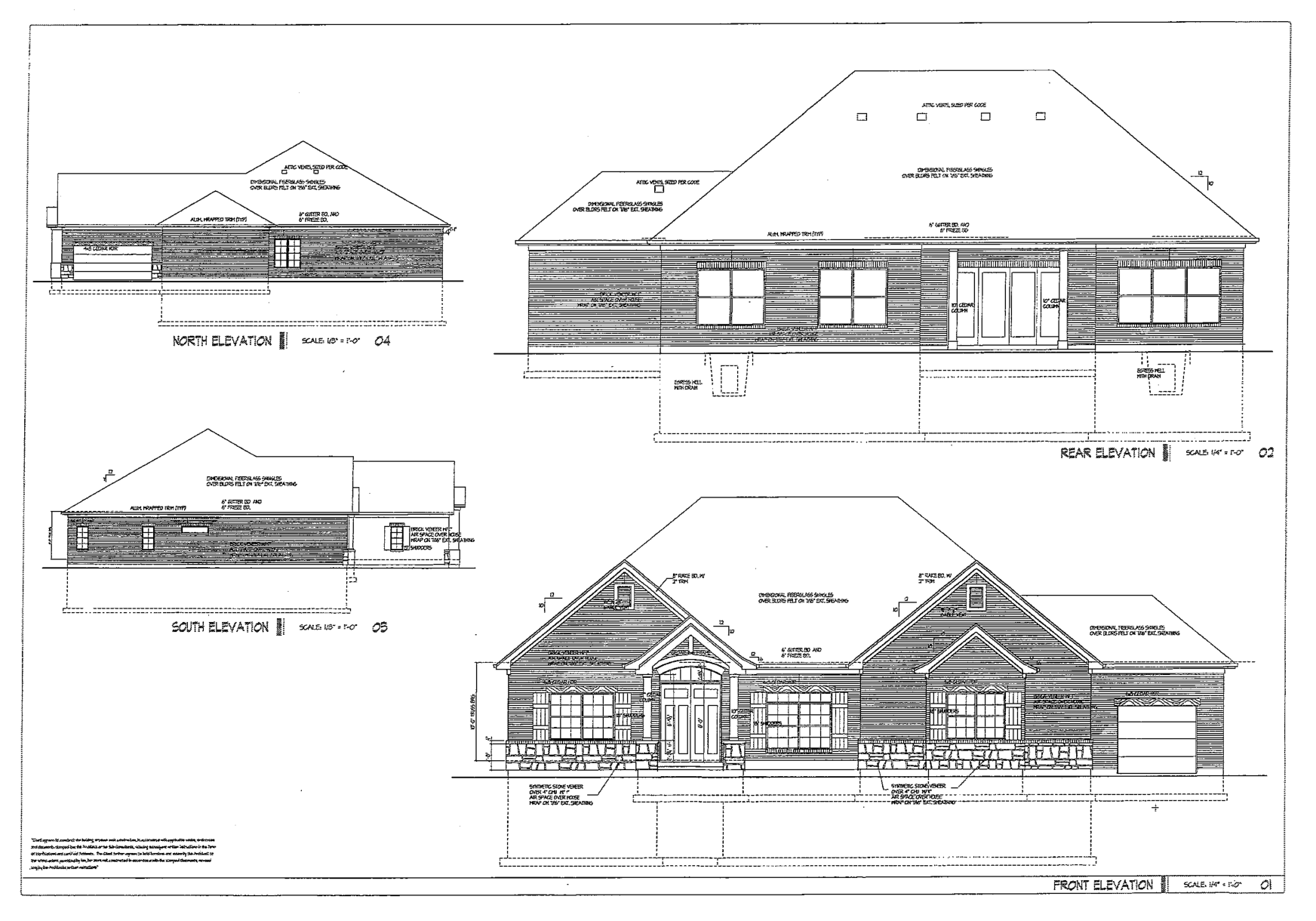
There will be a request for a zone change and the “Estate” homes built on the Crane property will be a 2022 HOMEARAMA site.
CIC has been presented with a draft “Real Estate Purchase Agreement”.* $5,000 in earnest money will be due upon execution of the agreement. The sale will be continent upon Planning and Zoning Commission approval of a re-zone to a Special Planning District. The purchase price will be $350,000.
HOMEARAMA is an annual event that is billed as the “latest and greatest” in home and landscape design.
HOMEARAMA® offers you the opportunity to not only see the latest trends in home design and decorating, but also learn why buying a new home continues to represent an excellent value. Today’s new homes offer the latest trends in technology and more energy-saving features than ever before.
(Right-Click to open these images in a new tab or window to see a larger view.)
Resident Todd Osborn spoke in favor of the sale during the public hearing.
Taxpayers originally bought a total of 10.737 acres. The justification given at the time was that it would be the last chance for Loveland to have recreation space in fast-developing southern Warren County. In 2010, 0.8981 acres of the property, which included a home, was portioned off and sold to Judith Lund for $102,000.
A Recreation Tax Increment Financing District (TIF) was created by Ordinance 2008-38 to pay off the financing. The TIF consists of approximately 27 acres and includes the taxpayer-owned property known generally as the Christman Farm as well as the Crane property which is privately owned.
The Christmas Farm and the Crane properties are within the boundaries of the Little Miami School District. City Manager Dave Kennedy told Loveland Magazine on Friday that the District is “made whole” by the Recreation TIF. He said, “ Little Miami School District receives 100% of revenue as if there had been no TIF.” Read the TIF ordinance that Council passed in 2008. REC TIF
The TIF provides financing for the property purchase that the City recoups through increased property tax revenues generated from future development within its boundaries. Kennedy said during the public hearing that the debt service that has been paid out of the general fund over the years is $632,000 and that when the TIF funds start coming into the Recreation TIF fund, it will be transferred back out and returned to the general fund. He said that to finish the debt service will require an additional $347,000.
Tom Carroll, the City Manager at the time of the purchase, said, “The City will continue to slowly retire the debt on this property and the remaining ten acres of the Christman Farm will be land-banked until the Crane property is developed and a municipal park can be constructed. Continued patience is therefore necessary before Loveland can build its first park in Warren County.”
Taxpayers have been paying around $50,000 annually in debt service for the Christman Farm purchase.
In their offer letter, Campbell Berling says the development will have a buildout value of $25,250,00 with an assessed valuation of $6,860,000.
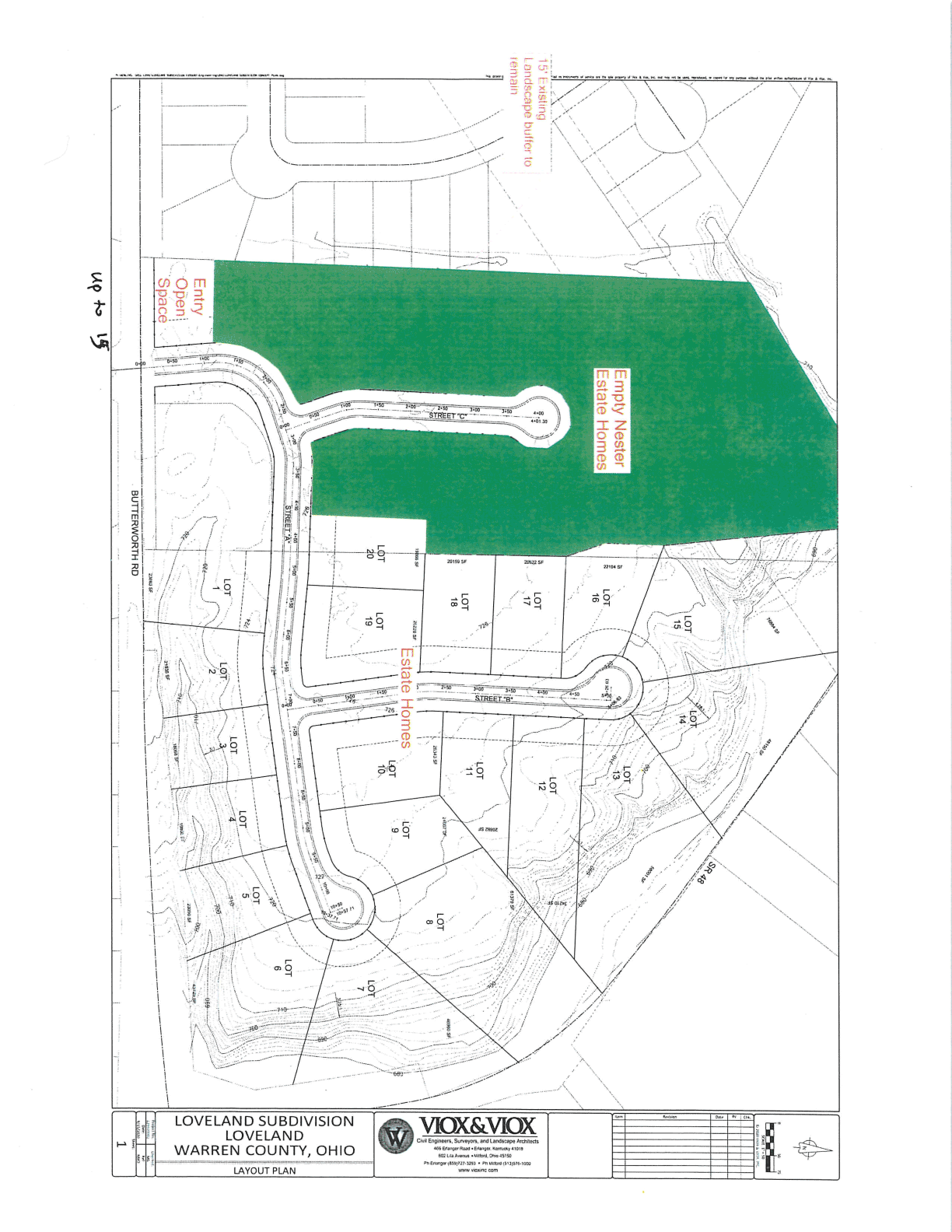
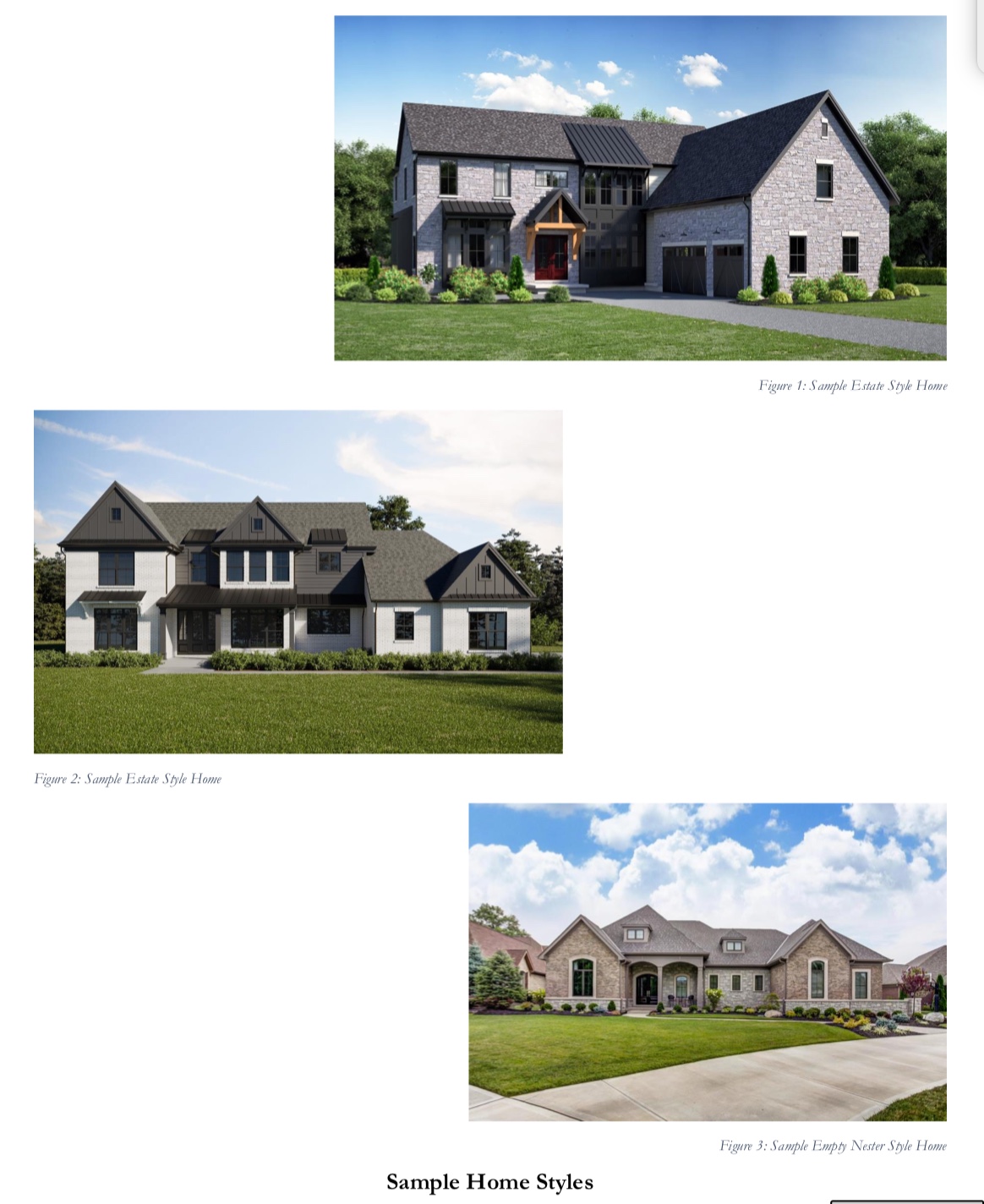
Campbell Berling will be paying $350,000.00 for the land. They plan to build fifteen $550,000 and up “empty nester” homes on the parcel they would like to buy from Loveland taxpayers. The lots would be between 11,000 and 18,000 sq. ft.
The Crane property would have 20 homes and two styles of “Estate Homes” valued at $850,000 and up on lots that would average 32,000 sq. ft.
Campbell Berling is proposing that future homeowners be allowed to pay the cost of sewer line extensions over 20-years.
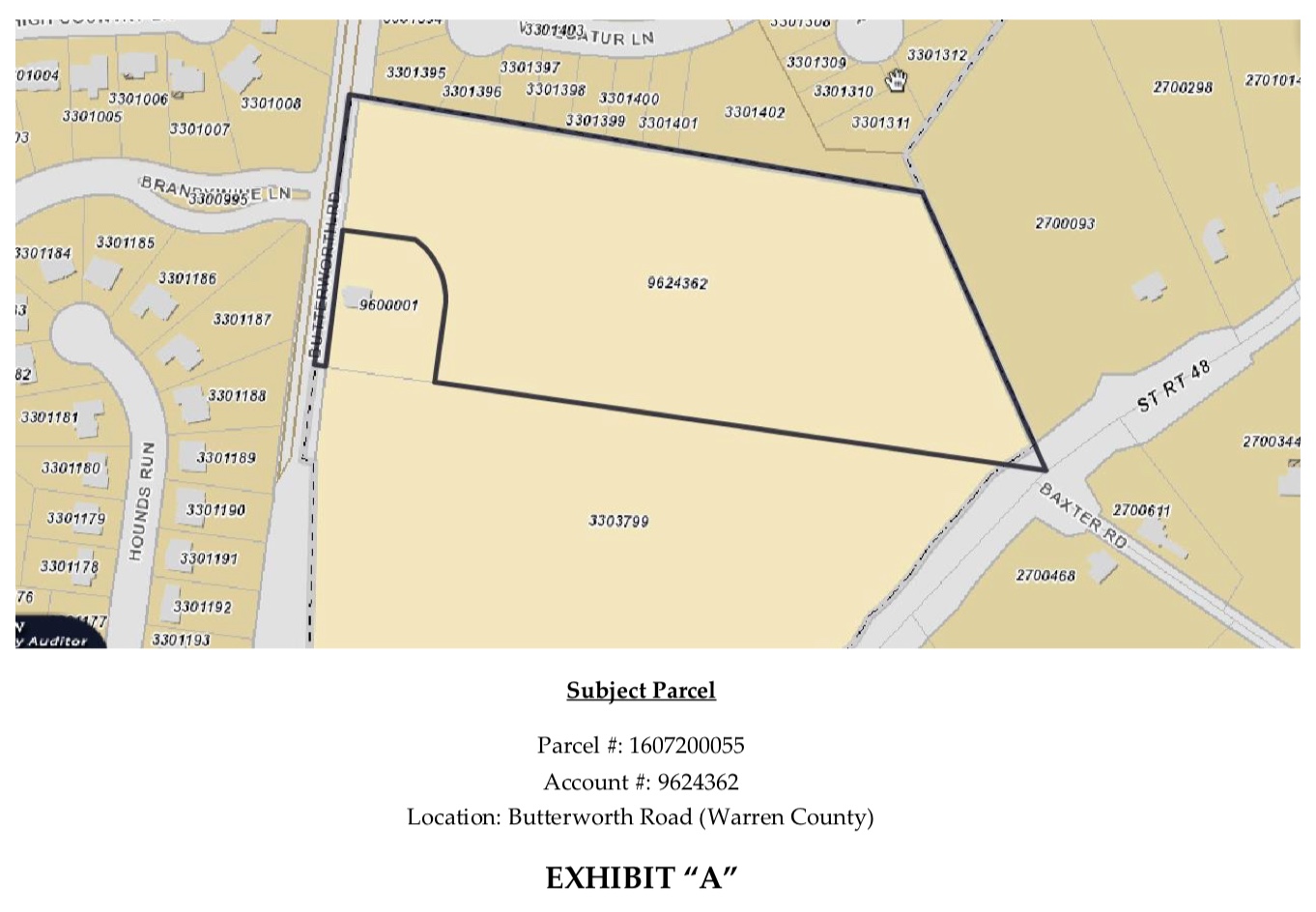
Access to the development would be from Butterworth Road across from the Brandywine subdivision. The developer already has a “Crane family property”, parcel number 16074000240 under a purchase contract.
There have been 57 previous HOMEARAMA showcases
The 28th was in 1989 at The Glen of Claiborne(Loveland)
The 29th was in 1990 at Chatham Woods (Symmes Township)
After the public spoke about the sale council members asked questions to the City Manager and shared their views before voting unanimously to transfer the land to the CIC leading the way for the sale. Kennedy outlined a possible timeline of CIC action, constructing the sewers, and Planning and Zoning Commission approval. Kennedy suggested that the $350,00 taxpayers receive from the sale could be used to improve traffic in Historic Downtown, instead of repaying the principal on the current loan.
Section 4 of the emergency legislation states:
That this Ordinance is hereby declared to be an emergency measure necessary for the immediate preservation of the public peace, health, safety and general welfare and shall be effective immediately upon its passage. The reason for said declaration of emergency is to allow for the property to be transferred and sold as soon as possible so that infrastructure can be installed to allow for its development for the benefit of the City.
The CIC is a quasi-government arm of the City. Once they take possession of the land their actions are not subject to Council approval and their actions cannot be overruled by a vote at the ballot box.
CIC Members
Jay Stewart, Chair
Kathy Bailey, Mayor
Neal Oury, City Council Member
Kent Blair, City Council Member
Dr. Jeffrey Kemmet, Chamber Representative
David Parker
Michele Pettit, Board of Education Representative
A 2007 proposed development, Summit Pointe, was for 70 attached units, and later reduced to 58 units, however, it never came to fruition.
Kennedy in a memo to City Council said, “Proposals also included multiple high-density townhome type projects which would be rental occupied. These proposals were never accepted, due to the fact that City Council and staff did not see high density, much less rental type projects, as a good fit for the surrounding neighborhoods of Brandywine on the Little Miami and Butterworth Glen.”
Kennedy says in the memo that he and staff met with numerous Cincinnati area home builders in the hopes of creating a low-density project, and that one message from the developers that continued to surface was that the cost of bringing utilities to the properties was expensive. Therefore, most developers saw a higher density project as a way to recoup those expenses.
“With that consistent message from developers, and a low-density project clearly being the choice of City Council and staff, a possible option was created,” said Kennedy. The option is to include the City extending the sanitary sewer collection main up State Route 48 to the properties and placing an assessment on the parcels within the residential development so that the City would be reimbursed for the project costs.
An assessment on each parcel, for 20 years would allow for Loveland taxpayers to recoup their subsidy of the sanitary sewer main extension and to the Campbell Berling Development Company. Kennedy has not said what the sewer extension will cost nor said how the initial sewer construction will be financed. It remains unclear if Loveland taxpayers can recoup the cost of borrowing money for sewer construction.
After the taxpayers bought the land to be used as recreation and formal proposals for how it would be developed as ballfields and passive recreation came forward, opposition from many in the Brandywine subdivision doomed its development. Traffic concerns and “strangers” coming to a public park in their neighborhood distressed many homeowners. Many said they did not want to come across strangers as they were on walking trails and said they would not let their children play where strangers would be using the public park as well. Currently, anyone wishing to use city or school recreational fields, tennis and basketball courts, etc., in the immediate neighborhood must drive through Historic Downtown to facilities in Clermont or Hamilton County.
Kennedy told Council, “The proposed legislation, (was) being requested as an emergency to allow infrastructure work and planning to begin immediately.” Normally passed ordinances must be read at two separate council meetings and don’t become law until 30-days after the vote at the second meeting.
The developer wants to rezone all of the property as a Special Planning District which would require Planing and Zoning Commission and City Council approval.
Kennedy presented this “Fiscal Impact” study in the package of information he presented to City Council:
The agreed purchase price for the property is $350,000. As the project begins to develop it will begin to produce TIF revenues until the TIF expires in 2037. TIF revenue is calculated based upon an increasing scale as the development is completed and placed on the tax rolls. After the development is completed, TIF calculations include a 0.5% to 1% appreciation over the life of the TIF. Based on these calculations, the TIF at buildout, will produce revenue for the City in the range of $135,000 to $143,000 annually. If the project goes as scheduled, it will produce a total revenue over $2,000,000 to the City over the life of the TIF. A summary of projected TIF revenues to the City is shown below.
Ordinance 2020-_____
Ordinance transferring the real property on Butterworth Road located in the City of Loveland, Warren County, Ohio to the Community Improvement Corporation of Loveland and declaring an emergency
WHEREAS, the City of Loveland (the “City”) desires to see certain undeveloped real property owned by the City located on Butterworth Road known as Parcel No. 16072000550 used for a combination of residential and recreational purposes; and
WHEREAS, the City has determined that the Property is no longer needed for municipal purposes; and
WHEREAS, the Property should be transferred to the Community Improvement Corporation of Loveland without competitive bidding pursuant to Codified Ordinance Section 107.01(f) to dispose of as that organization shall best determine; and
WHEREAS, City Council conducted a public hearing on October 13, 2020 as to the disposition of the Property.
Now, Therefore, Be It Ordained by the Council of the City of Loveland, Hamilton, Clermont and Warren Counties, Ohio.
Section 1. Council of the City of Loveland (“City Council”) hereby determines that the undeveloped real property located on Butterworth Road known as Parcel 1607200055 and further described in Exhibit A attached hereto (the “Property”) is no longer needed for municipal purposes.
Section 2. City Council hereby authorizes the Property be transferred to the Community Improvement Corporation of Loveland to be used to promote the welfare of the people of the City, stabilize the economy, provide employment, assist in the development of industrial, commercial, distribution, and research activities to the benefit of the people of the City, provide additional opportunities for their gainful employment or will promote the reclamation, rehabilitation, and reutilization of vacant, abandoned, tax- foreclosed, or other real property in the City. The City Manager is authorized to execute any and all documents on behalf of the City consistent with this transfer.
Section 3. Council hereby finds and determines that all formal actions relative to the passage of this legislation were taken in an open meeting of this Council, and that all deliberations of this Council and of its committees, if any, which resulted in formal action, were taken in meetings open to the public, in full compliance with applicable legal requirements, including Section 121.22 of the Ohio Revised Code.
Section 4. That this Ordinance is hereby declared to be an emergency measure necessary for the immediate preservation of the public peace, health, safety and general welfare and shall be effective immediately upon its passage. The reason for said declaration of emergency is to allow for the property to be transferred and sold as soon as possible so that infrastructure can be installed to allow for its development for the benefit of the City.
* DRAFT
REAL ESTATE PURCHASE AGREEMENT
This Real Estate Purchase Agreement (“Agreement”) is entered into this _____ day of October, 2020, by and between the Community Improvement Corporation of Loveland, an Ohio not-for-profit corporation, whose address is 120 West Loveland Avenue, Loveland, Ohio 45140 (“Seller”), and CB BUTTERWORTH, LLC, an Ohio limited liability corporation, whose address is 3333 Madison Pike, Suite C, Ft. Wright, Kentucky 41017 (“Buyer”).
WITNESSETH:
1. Purchase and Sale: Subject to the terms, conditions and provisions hereinafter set forth, and good and valuable consideration, the sufficiency of which is hereby acknowledged, Seller agrees to sell and Buyer agrees to purchase a certain parcel of land containing approximately 9.8389 acres, known as Parcel No. 1607200055 and located in the City of Loveland, Warren County, Ohio, more particularly described in the attached Exhibit A, together with all improvements thereon and all appurtenant rights, privileges and easements (“Property”).
2. Purchase Price and Terms: The purchase price for the Property (“Purchase Price”) shall be Three Hundred Fifty Thousand and No/100 Dollars ($350,000.00). The Purchase Price shall be paid as follows:
a. Buyer shall pay the amount of Five Thousand and No/100 Dollars ($5,000.00) upon the execution of this Agreement as earnest money (“Earnest Money”) to apply toward the Purchase Price, and the Earnest Money shall be held by the Seller, without interest, pending the closing of the transaction contemplated herein. Except as otherwise provided herein, if the transaction contemplated herein does not close for any reason, other than the title to the Property not being marketable or a default by Seller, the Earnest Money shall be retained by Seller as liquidated damages and Buyer shall not be entitled to a refund of the Earnest Money; and
b. The balance of the Purchase Price shall be paid in cash or certified or cashier’s check, and shall be payable upon delivery of the deed at the closing time set forth herein, or at such sooner time as is mutually agreeable by the parties.
3. Property to be Conveyed: The Property shall include the land, together with any improvements thereon, all appurtenant rights, privileges, and easements.
4. Personal Property. No personal property shall be included in the sale of the Property.
5. Closing:
a. The closing shall occur at the location selected by Seller, on or before thirty (30) days after Buyer obtains zoning as provided for in paragraph 8, or May 7, 2021, whichever occurs sooner, or at such date, time and place as mutually determined in writing by the parties. At closing, title to the Property herein described shall be conveyed by Seller to Buyer, by a General Warranty Deed, in fee simple, and shall be transferable, recordable, marketable and shall be free, clear and unencumbered, and shall be subject to easements, restrictions and reservations of record, and real estate taxes and assessments of record.
b. Buyer shall be responsible for payment of any and all fees or costs of closing with respect to the Property, including, but not limited to, transfer taxes (if any), escrow fees, settlement fees, and recording fees.
6. Real Estate Taxes and Assessments: All real estate taxes and assessments, if any, shall be prorated effective as of the date of closing.
7. Occupancy and Possession: Subject to further terms, conditions, and provisions of this Agreement, Seller shall grant Buyer possession and occupancy of the Property herein described on the date of closing.
8. Contingencies: The purchase of the Property is contingent on Buyer obtaining zoning approval to the satisfaction of the Buyer from the City of Loveland for the construction of a single family residential development. Any such zoning shall include an obligation for payment of the sewer assessment provided for in paragraph 9 of this Agreement.
Buyer shall have the right to enter the Property and conduct any environmental testing deemed necessary by Buyer for Buyer’s proposed use of the Property. In the event the Property is not able to be used for Buyer’s proposed use of the Property as a result of any environmental conditions discovered prior to Closing, Buyer shall have the right to terminate the Agreement.
9. Sanitary Sewer Assessment by the City of Loveland: It is understood and agreed to by the Buyer that there shall be a twenty (20) year assessment placed on the Property as a lien, or on each of the parcels making up the Property if it is subsequently subdivided by Buyer, for all costs and fees associated with the construction of a sanitary sewer line by the City of Loveland to provide sanitary sewer service to the Property. The payment of the sewer assessment shall be due and payable to the City of Loveland by each property owner located within the Property.
10. Warranties and Representations: Seller makes no certifications of any representations or warranties with respect to the Property; as such, the Property is being sold “AS-IS, WHERE-IS AND WITH ALL FAULTS”, and without any representation and/or warranty from Seller whatsoever. Notwithstanding the above, Seller represents it is not aware of any adverse environmental conditions on the Property.
11. Brokers: Buyer and Seller each hereby represent to the other that it has not involved or worked with any brokers, agents or finders in the negotiation of this Agreement or the consummation of this transaction and that there are no brokers, agents or finders that have any right to claim a commission or fee due to the consummation of this transaction.
12. Notice: All notices, communications, requests, approvals, consents, and demands are herein required to be given or made in writing and shall be deemed to be served when delivered personally or when deposited in the U.S. mail, registered or certified mail, postage prepaid, to the address of the appropriate party as set forth above.
13. Miscellaneous:
a. Time of Essence: Time is of the essence hereof. 2
b. Governing Law: This Agreement is made and shall be construed under and in accordance with the laws of the State of Ohio without regard to its conflicts of law principles.
c. Entire Agreement; Modification: This Agreement supersedes all prior discussions and agreements between Seller and Buyer with respect to the Property and contains the sole and entire understanding between Seller and Buyer with respect to the Property. All promises, inducements, offers, solicitations, agreements, commitments, representations, and warranties heretofore made between such parties are merged into this Agreement. This Agreement shall not be modified or amended in any respect except by written instrument executed by or on behalf of each of the parties to this Agreement.
d. Counterparts: This Agreement may be executed in one or several counterparts, each of which constitute an original and all of which together shall constitute one and the same instrument.
e. Rights Cumulative: Except as expressly limited by the terms of this Agreement, all rights, powers, and privileges conferred hereunder shall be cumulative and not restrictive of those given by law.
f. Benefit: This Agreement shall inure to the benefit of and shall be binding upon the parties hereto and their respective representatives, successors and assigns, as the case may apply.
g. Survival of Provisions: All representations, covenants, warranties and agreements set forth in this Agreement, if any, shall survive the execution or delivery of any and all deeds and other documents at any time executed or delivered under, pursuant to, or by reason of this Agreement, and shall survive the payment of all monies made under, pursuant to, or by reason of this Agreement.
h. Severability: If any provision of this Agreement is judged by a court of competent jurisdiction to be illegal or unenforceable, that provision is severed from this Agreement and the remaining provisions remain in force.
i. No Waiver: Either party’s failure to object to any default on the part of the other party shall not be construed as a waiver of such default.
IN WITNESS WHEREOF, the parties hereto have executed this Agreement as of the last date written below (“Effective Date”).
SELLER:
The Community Improvement Corporation
of Loveland, an Ohio not-for-profit corporation
By:________________________________ Name: Jay Stewart
Title: President
Date:__________ 100029.001.14180797.1
BUYER:
CB Butterworth, LLC, an Ohio limited liability
Loveland, Ohio – City Council has scheduled a public hearing for October 13, at 7 PM to hear from the community on a proposed sale of city-owned property on Butterworth Road, in Warren County. Council voted in a special session on September 29 and voted unanimously to set the public hearing date after a motion by Tim Butler. The meeting lasted 141 seconds and there was no discussion about the sale.
The property consists of 9.8389 acres. The purchaser of the property would be the Campbell Berling Development Company. The proposed use of the property is to accommodate a single-family residential development of no more than 35 single-family homes. The company address is 333 Madison Pike, Suite C in Ft. Write Kentucky.
(Right-Click to open these images in a new tab or window to see a larger view.)
Taxpayers originally bought a total of 10.737 acres. The justification given at the time for the $900,000 expenditure was that it would be the last chance for Loveland to have recreation space in fast-developing southern Warren County. In 2010, 0.8981 acres of the property, which included a home, was portioned off and sold to Judith Lund for $102,000.
A Recreation Tax Increment Financing District (TIF) was created by Ordinance 2008-38 to pay off financing of the $900.000. The TIF consists of approximately 27 acres and includes the property known generally as the Christman Farm as well as the Crane property.
The TIF provides financing for the property purchase that the City recoups through increased property tax revenues generated from future development within its boundaries.
Tom Carroll, the City Manager at the time said, “The City will continue to slowly retire the debt on this property and the remaining ten acres of the Christman Farm will be land-banked until the Crane property is developed and a municipal park can be constructed. Continued patience is therefore necessary before Loveland can build its first park in Warren County.”
Taxpayers have been paying close to $48,000 annually in debt service for the Christman Farm purchase.
In their offer letter, Campbell Berling says the development will have a buildout value of $25,250,00 with an assessed valuation of $6,860,000.
Campbell Berling will be paying $350,000.00 for the land.
Their plan is to build fifteen $550,000 and up “empty nester” homes on the parcel they would like to buy from Loveland taxpayers. The lots would be between 11,000 and 18,000 sq ft.
The Crane property would have 20 homes and two styles of “Estate Homes” valued at $850,000 and up on lots that would average 32,000 sq ft.
Campbell Berling is proposing that future homeowners be allowed to pay the cost of sewer line extensions over 20-years.
Access to the development would be from Butterworth Road across from the Brandywine subdivision. The developer already has a “Crane family property”, parcel number 16074000240 under a purchase contract.
There have been 57 previous HOMEARAMA showcases
The 28th was in 1989 at The Glen of Claiborne (Loveland)
The 29th was in 1990 at Chatham Woods (Symmes Township)
There will be a request for a zone change to a Special Planning District and the “Estate” homes built on the Crane property will be a future HOMEARAMA site.
HOMEARAMA is an annual event that is billed as the “latest and greatest” in home and landscape design.
HOMEARAMA® offers you the opportunity to not only see the latest trends in home design and decorating, but also learn why buying a new home continues to represent an excellent value. Today’s new homes offer the latest trends in technology and more energy-saving features than ever before.
City Manager Dave Kennedy proposes a transfer of the 9.8 acres to the Loveland Community Improvement Corporation (CIC) for purchase by CB Butterworth, LLC and has prepared legislation and it will be presented to City Council as an emergency measure. Emergency legislation cannot be overturned at the ballot box as they become effective immediately.
Section 4 of the emergency legislation states:
That this Ordinance is hereby declared to be an emergency measure necessary for the immediate preservation of the public peace, health, safety and general welfare and shall be effective immediately upon its passage. The reason for said declaration of emergency is to allow for the property to be transferred and sold as soon as possible so that infrastructure can be installed to allow for its development for the benefit of the City.
The CIC is a quasi-government arm of the City. Once they take possession of the land their actions are not subject to Council approval and their actions cannot be overruled by a vote at the ballot box.
A 2007 proposed development, Summit Pointe, was for 70 attached units, and later reduced to 58 units, however it never came to fruition.
Kennedy in a memo to City Council today said, “Proposals also included multiple high-density townhome type projects which would be rental occupied. These proposals were never accepted, due to the fact that City Council and staff did not see high density, much less rental type projects, as a good fit for the surrounding neighborhoods of Brandywine on the Little Miami and Butterworth Glen.”
Kennedy says in the memo that he and staff met with numerous Cincinnati area home builders in the hopes of creating a low density project, and that one message from the developers that continued to surface was that the cost of bringing utilities to the properties was expensive. Therefore, most developers saw a higher density project as a way to recoup those expenses.
“With that consistent message from developers, and a low-density project clearly being the choice of City Council and staff, a possible option was created,” said Kennedy. The option is to include the City extending the sanitary sewer collection main up State Route 48 to the properties and placing an assessment on the parcels within the residential development so that the City would be reimbursed for the project costs.
An assessment on each parcel, for a period of 20 years would allow for Loveland taxpayers to recoup their subsidy of the sanitary sewer main extension and to the Campbell Berling Development Company. Kennedy has not said what what the sewer extension will cost nor said how the initial sewer construction will be financed. It remains unclear if Loveland taxpayers can recoup the cost of borrowing money for the sewer construction.
After the taxpayers bought the land to be used as recreation and formal proposals for how it would be developed as ballfields and passive recreation came forward, opposition from many in the Brandywine subdivision doomed its development. Traffic concerns and “strangers” coming to a public park in their neighborhood distressed many homeowners. Many said they did not want to come across strangers as they were on walking trails and said they would not let their children play where strangers would be using the public park as well. Currently anyone wishing to use city or school recreational fields, tennis and basketball courts, etc., in the immediate neighborhood must drive through Historic Downtown to facilities in Clermont or Hamilton County.
Kennedy told Council, “The proposed legislation, (was) being requested as an emergency to allow infrastructure work and planning to begin immediately.” Normally passed ordinances must be read at two separate council meetings and don’t become law until 30-days after the vote at the second meeting.
The developer wants to rezone all of the property as a Special Planing District which would require Planing and Zoning Commission and City Council approval.
Kennedy presented this “Fiscal Impact” study in the package of information he presented to City Council:
The agreed purchase price for the property is $350,000. As the project begins to develop it will begin to produce TIF revenues until such time as the TIF expires in 2037. TIF revenue is calculated based upon an increasing scale as the development is completed and placed on the tax rolls. After the development is completed, TIF calculations includes a 0.5% to 1% appreciation over the life of the TIF. Based on these calculations, the TIF at buildout, will produce revenue for the City in the range of $135,000 to $143,000 annually. If the project goes as scheduled, it will produce a total revenue over $2,000,000 to the City over the life of the TIF. A summary of projected TIF revenues to the City is shown below.
The Public Hearing is this Tuesday, October 13, at 7 PM at City Hall.
Ordinance 2020-_____
Ordinance transferring the real property on Butterworth Road located in the City of Loveland, Warren County, Ohio to the Community Improvement Corporation of Loveland and declaring an emergency
WHEREAS, the City of Loveland (the “City”) desires to see certain undevelopedreal property owned by the City located on Butterworth Road known as Parcel No. 16072000550 used for a combination of residential and recreational purposes; and
WHEREAS, the City has determined that the Property is no longer needed for municipal purposes; and
WHEREAS, the Property should be transferred to the Community Improvement Corporation of Loveland without competitive bidding pursuant to Codified Ordinance Section 107.01(f) to dispose of as that organization shall best determine; and
WHEREAS, City Council conducted a public hearing on October 13, 2020 as to the disposition of the Property.
Now, Therefore, Be It Ordained by the Council of the City of Loveland, Hamilton, Clermont and Warren Counties, Ohio.
Section 1. Council of the City of Loveland (“City Council”) hereby determinesthat the undeveloped real property located on Butterworth Road known as Parcel1607200055 and further described in Exhibit A attached hereto (the “Property”) is no longerneeded for municipal purposes.
Section 2. City Council hereby authorizes the Property be transferred to the Community Improvement Corporation of Loveland to be used to promote the welfare of the people of the City, stabilize the economy, provide employment, assist in the development of industrial, commercial, distribution, and research activities to the benefit of the people of the City, provide additional opportunities for their gainful employment or will promote the reclamation, rehabilitation, and reutilization of vacant, abandoned, tax- foreclosed, or other real property in the City. The City Manager is authorized to execute any and all documents on behalf of the City consistent with this transfer.
Section 3. Council hereby finds and determines that all formal actions relative to the passage of this legislation were taken in an open meeting of this Council, and that all deliberations of this Council and of its committees, if any, which resulted in formal action, were taken in meetings open to the public, in full compliance with applicable legal requirements, including Section 121.22 of the Ohio Revised Code.
Section 4. That this Ordinance is hereby declared to be an emergency measure necessary for the immediate preservation of the public peace, health, safety and general welfare and shall be effective immediately upon its passage. The reason for said declaration of emergency is to allow for the property to be transferred and sold as soon as possible so that infrastructure can be installed to allow for its development for the benefit of the City.
Loveland, Ohio – On February 4, the Loveland City Hall was filled with a crowd to witness and hopefully influence a vote for or against the building of an apartment complex at Loveland’s 102 Oak Street. As the meeting commenced, the public heard Rodney Sabo of Sabo Design Associates, describe the plans for the complex, budget, and method of parking and traffic.
The proposal the Planning and Zoning Commission was considering during the public hearing was to build four 16 unit apartment buildings on Oak Street in the Clermont County side of the City. “Oak Apartments” would have been four levels each with parking garages below each building. The proposal was for 106 total parking spaces with 1.6 parking spaces per unit. The lot is 1.033 acres.
Sabo Design submitted the application on behalf of their client, Hunt and Whitacre. To build the project the City would need to create a Special Planning District (SPD) which if approved would have erased the existing zoning restrictions and protections for the immediate neighborhood and create a separate zoning district with distinct restrictions, permissions, and guidelines.
The current zoning of the immediate neighborhood is Residential-Medium Density (R-MD). The existing R-MD zone does not permit high-density multiple-family uses.
Commission Chairman Al Kressler, Mark Redmond, Michael Kady, Brian O’Neill, and Tim Butler posed questions for the plan such as the possible rewards and pitfalls from the building of this complex before they each voted, “No”.
In opposition to the plan, the public bound together to declare and stand for the preservation of the land and current zoning, as each speaker presented individual points to support their cause. Many of the points included environmental damage, blockage of people’s home views, out-of-place aesthetics, lowering of the water pressure, and the promotion of in-and-out rental, not community bound estates.
The Commission heard both sides and decided with a 5-0 vote to not develop the land into an apartment complex.
The filled room disbanded in agreement around 9:10 PM.
Scroll down through this story to see a photo slideshow and watch post meeting interviews. You can watch the speeches during the open-forum, the proponent explaining the proposal, the staff report, and the questions P&Z had for the applicant.
Oak Street Apartments Interviews
Connie Crawford on Oak Street Apartment Proposal
Julie Fuson comments of Oak Street Apt. proposal
Neil Kluender wants his neighborhood protected
Becky Hasselbeck speaking about preventing more apartments
Steve DeFosset explains potential water supply problems if Apartments are built
Todd Osborne talks about proper use of SPD Zoning
Rocky Carpenter speaks up to preserve sanctity of his neighborhood
Mary Ann Bird discusses Oak Apartment proposal
Scott Lindgren talks about traffic conditions if Oak Street Apartments are built
Mark Krum talks about tearing down a home built in 1870s to built apartments
Cati O’Keefe lives immediately downhill from Oak Apartment and talked about how unstable the hillside is
Real Estate Agent Keli Williams’s take on Oak Apartment proposal
Tom Smith introduces staff report
Rodney Sabo with Sabo Design Associates explains his proposal for Oak Apartments


![[VIDEO] Planning Commission discusses reversal of course on SPD for 12 homes on Riverside Drive](https://lovelandmagazine.com/wp-content/uploads/2025/01/pZ-vote-scaled.jpg)
 Public hearing set for 12 single family homes being proposed along State and National Scenic Little Miami River








![[Meeting Videos] Christman Farm sale moves forward after public hearing](https://lovelandmagazine.com/wp-content/uploads/2020/10/feature-HOMEARAMA-1.jpg)


 A Recreation Tax Increment Financing District (TIF) was created by Ordinance 2008-38 to pay off the financing. The TIF consists of approximately 27 acres and includes the taxpayer-owned property known generally as the Christman Farm as well as the Crane property which is privately owned.
 The Crane property would have 20 homes and two styles of “Estate Homes” valued at $850,000 and up on lots that would average 32,000 sq. ft.
 Campbell Berling is proposing that future homeowners be allowed to pay the cost of sewer line extensions over 20-years.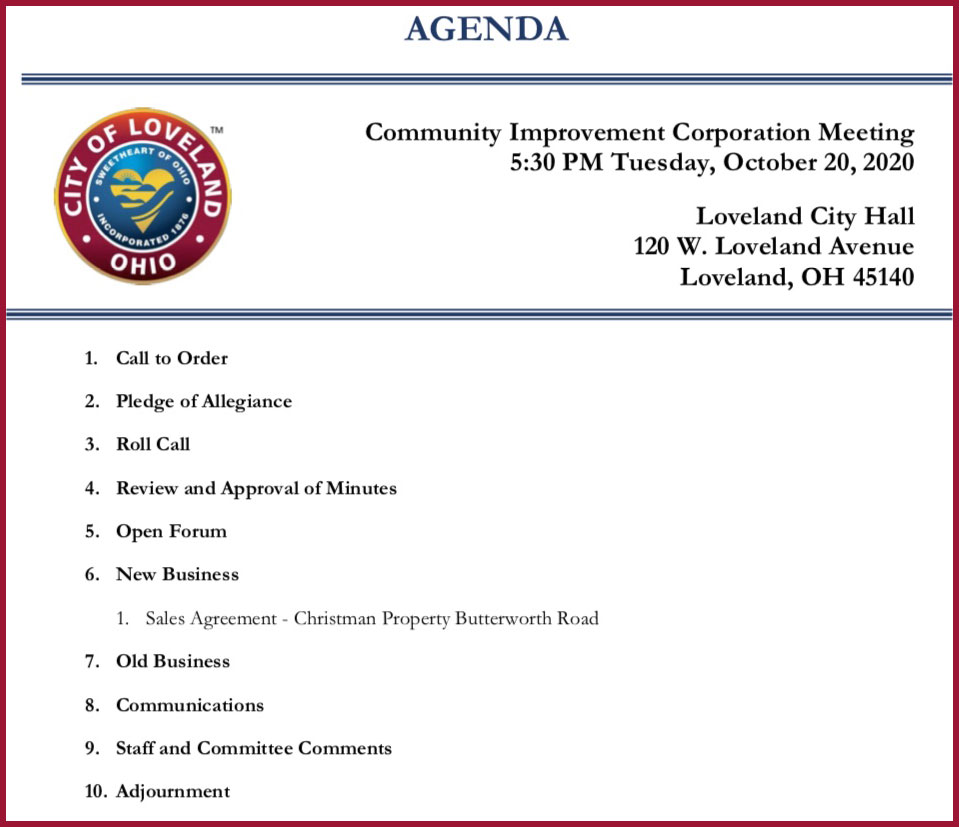
 Kennedy presented this “Fiscal Impact” study in the package of information he presented to City Council:
 Taxpayers originally bought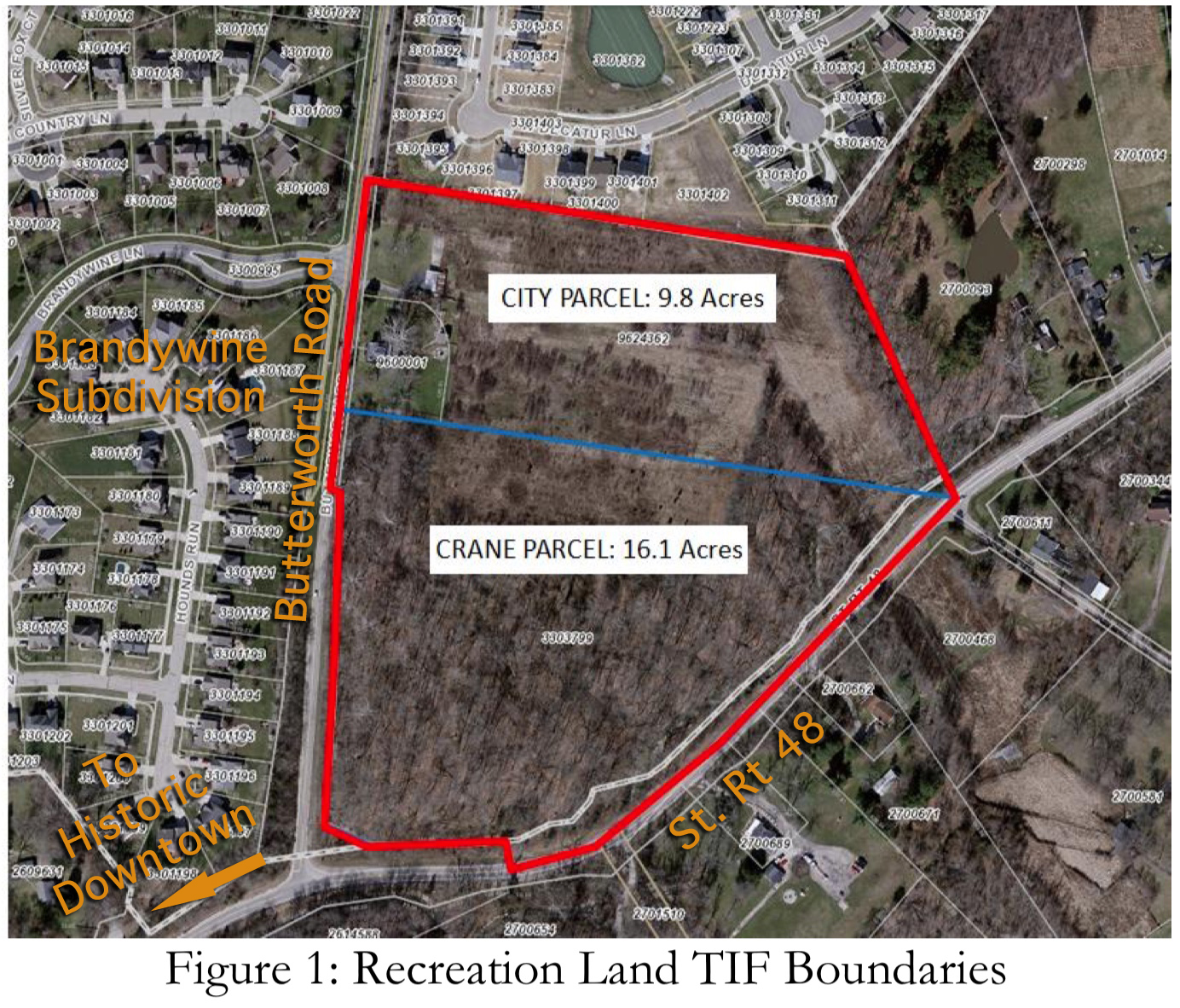
 The Crane property would have 20 homes and two styles of “Estate Homes” valued at $850,000 and up on lots that would average 32,000 sq ft.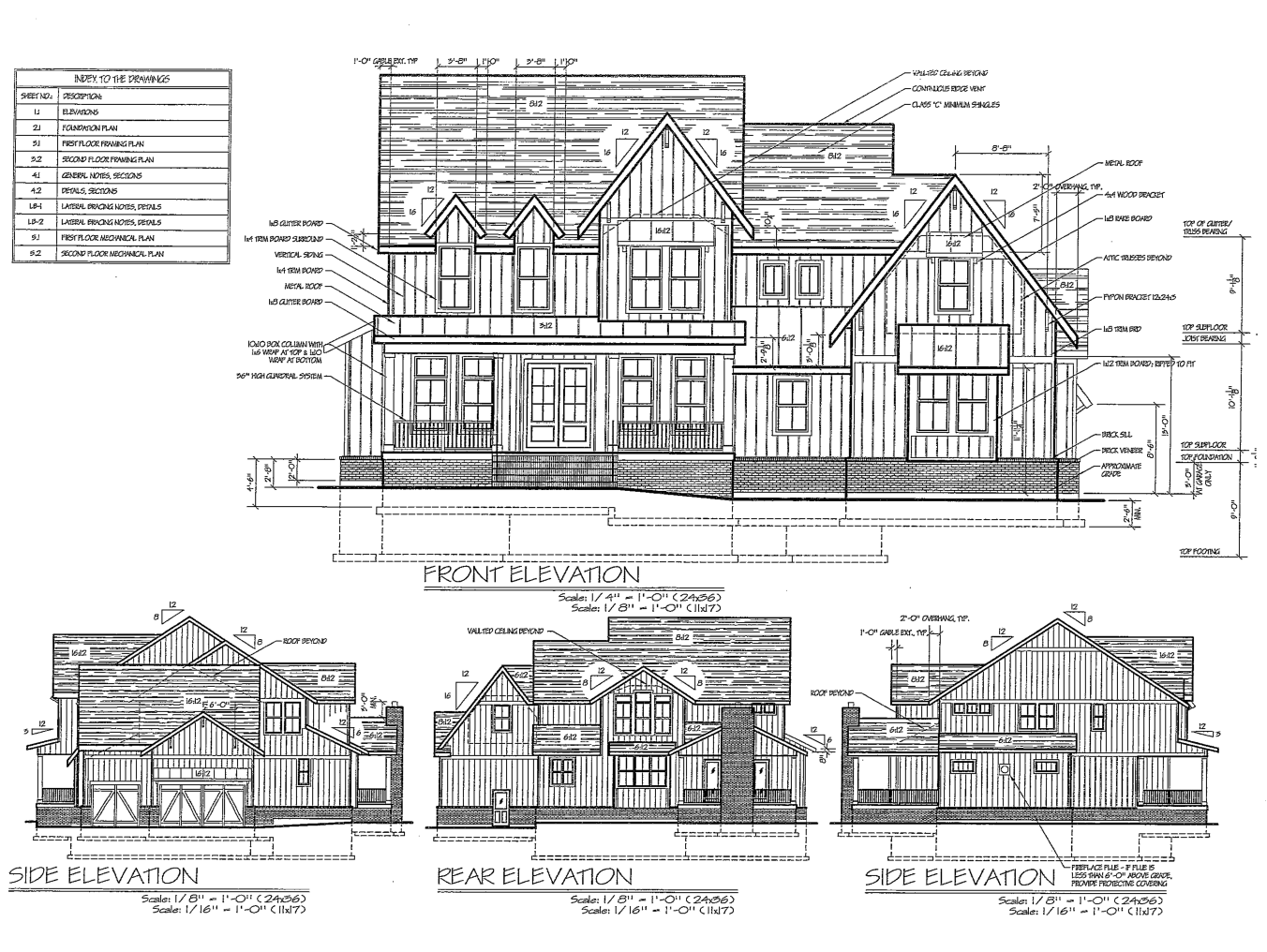
 Campbell Berling is proposing that future homeowners be allowed to pay the cost of sewer line extensions over 20-years.
 Kennedy presented this “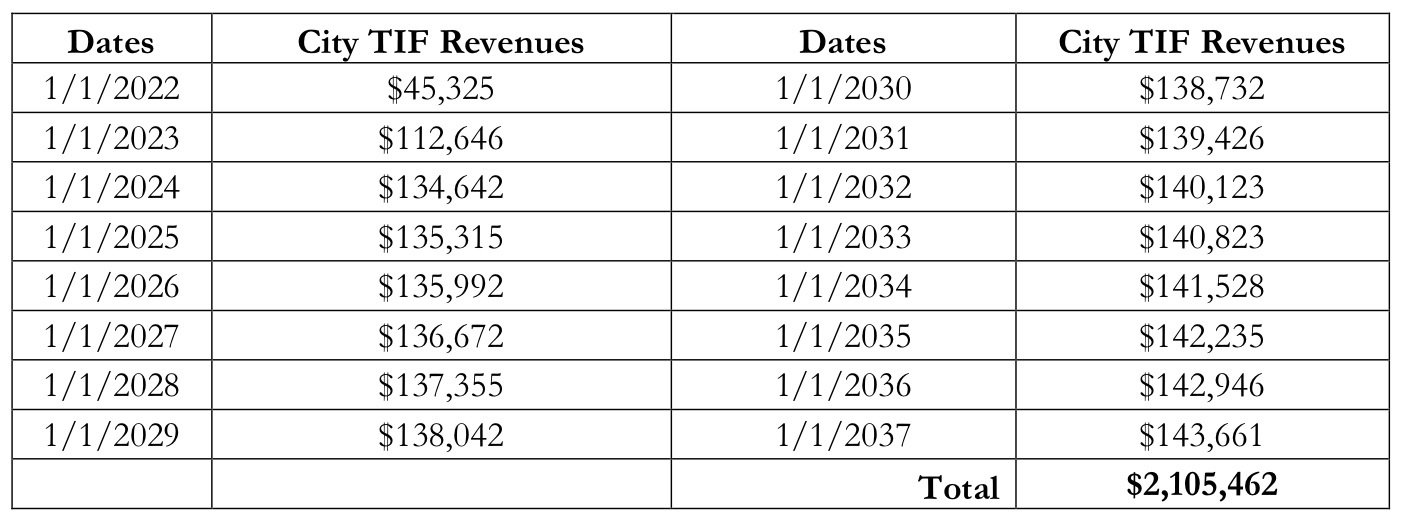
![[Videos and Photos] Citizens successfully organize to preserve their neighborhood](https://lovelandmagazine.com/wp-content/uploads/2020/02/feature-julie-fuson-2.jpg)