Tag: sports 411

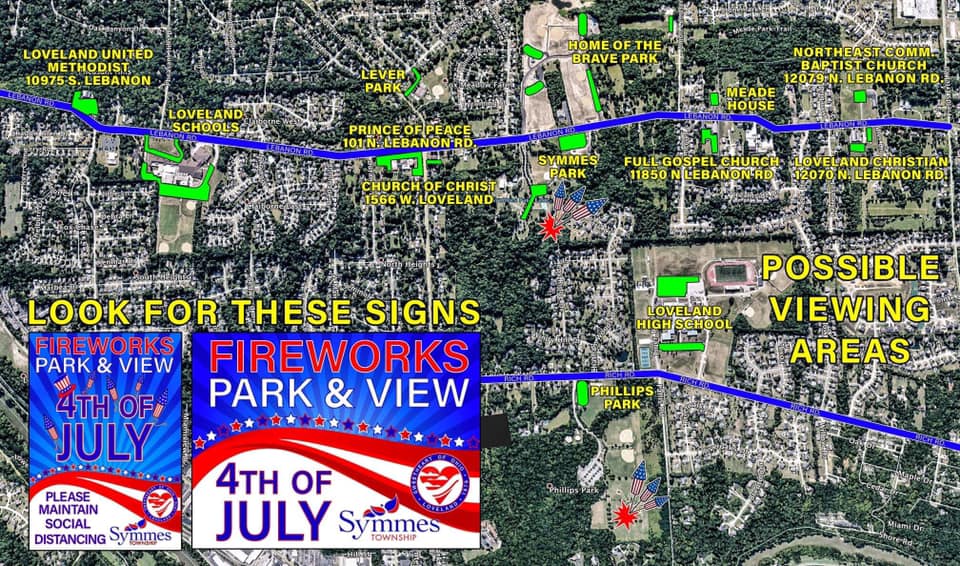
  • Loveland Magazine TV will be broadcasting Loveland’s Fireworks “LIVE” tonight

    Loveland Magazine TV will be broadcasting Loveland’s Fireworks “LIVE” tonight

    Loveland, Ohio – LOVELAND MAGAZINE TV will be broadcasting Loveland’s Fireworks “LIVE” tonight. This is a Rozzi Fireworks show!

    They are scheduled to begin at 10 PM.

    Visit the Loveland Magazine FaceBook Page tonight to watch the live video stream!

  • Ohio releases Public Health Advisory System

    Ohio releases Public Health Advisory System

    The Public Health Advisory Alert System is a color-coded system designed to supplement existing statewide orders through a data-driven framework to assess the degree of the virus’ spread and to engage and empower individuals, businesses, communities, local governments, and others in their response and actions.

    The system consists of four levels that provide Ohioans with guidance as to the severity of the problem in the counties in which they live.  The levels are determined by seven data indicators that identify the risk level for each county and a corresponding color code to represent that risk level.

    Additional Resources


    County Profiles


  • Dewine: “We’re in a crisis S/state in Ohio”

    Dewine: “We’re in a crisis S/state in Ohio”

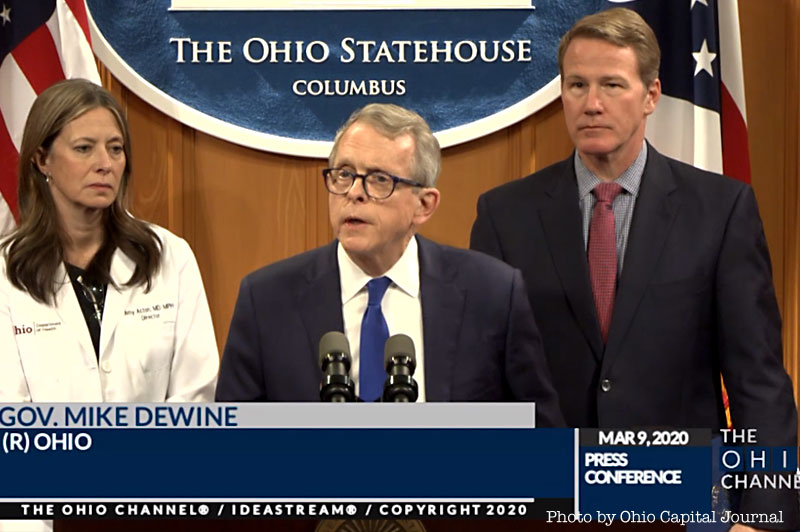
    Columbus, Ohio – Governor Mike DeWine Thursday declared that “We’re in a crisis S/state in Ohio.” He was speaking at a COVID 10 news briefing in Columbus.

    The Ohio Capital Journal reported yesterday:

    Ohio Capital Journal

    A resident waits in line to vote at a polling place. Photo by Scott Olson | Getty Images.

    The state said no to masks. Now, Ohio cities are saying yes


    The governor dithered. The state legislature said no way.

    So on Tuesday, the Springfield City Commission took it upon itself to pass a resolution (which lacks the force of law) calling for all residents to cover their faces while indoors, a practice research says will slow the spread of COVID-19 through Ohio.

    By Wednesday, Dayton became the first major city in Ohio to require masks by law. Similarly, Yellow Springs passed a resolution and Bexley passed a local ordinance requiring masks.

    “The mask is a symbol of freedom,” said David Estrop, a Springfield city commissioner, at a hearing, echoing comments from the governor. “It allows us to continue to reopen this state, yet do so in a way that’s safe.”

    By Wednesday, Dayton became the first major city in Ohio to require masks by law. Similarly, Yellow Springs passed a resolution and Bexley passed a local ordinance requiring masks.

    On Wednesday, the Ohio Department of Health reported more than 1,000 new cases, the first time that stat has reached quadruple digits since officials mass-tested inmates in three state prisons in late April. Wednesday marks 16 days of the coronavirus accelerating its spread, as measured by the 10-day average new caseload.

    Despite the worsening coronavirus outlook in Ohio and nationwide, state lawmakers continue to whip up anti-mask fervor. While Gov. Mike DeWine encourages everyone to wear masks, he has refrained from issuing any statewide mandate as the national epidemic worsens and states pause their economic re-openings.

    DeWine demurs

    In April, Gov. Mike DeWine took a hardline stance on masks, saying they’d be the only way business can reopen after he lifted the stay-at-home order.

    Facing pressure from fellow Republican officeholders, he reversed after he realized how “offended” people were by the concept.  

    Last week, referencing worsening outbreaks in Montgomery and Hamilton counties, DeWine floated the idea of implementing a mask mandate on a county-by-county basis.

    However, he has yet to issue any such order. A spokesman declined to say whether DeWine will announce any mask requirement at his next briefing.

    In a statement Wednesday, DeWine applauded Dayton Mayor Nan Whaley, a Democrat, for requiring the use of face coverings.

    “Wearing a mask will allow us to help keep businesses open and help prevent further spikes,” he said. “I encourage other communities to consider following Dayton’s lead.”

    Voted down

    Where masks have found friends in the public health community and Ohio cities, they found enemies in the GOP-controlled state General Assembly.

    Where masks have found friends in the public health community and Ohio cities, they found enemies in the GOP-controlled state General Assembly.

    Both the Speaker of the House and the Senate President have refused to wear masks at legislative functions.

    House leadership voted down a requirement in May that lawmakers and staff wear masks at the Capitol. With exceptions, masks have fallen along party lines — Democrats wear them and Republicans do not.

    In a Facebook post last week, Rep. Jon Cross, R-Kenton, campaigned on refusing to wear masks, let alone supporting legislation requiring them.

    “It’s my RIGHT not to wear a mask, and I do NOT support a government that tries to quarantine the healthy,” he wrote.

    Rep. Nino Vitale, R-Urbana, takes to social media regularly to promote baseless conspiracy theories about masks limiting blood oxygen or how they “force virus into the brain.”

    Rep. Candice Keller, R-Middletown criticizes Bureau of Workers’ Compensation for distributing masks to Ohio businesses.

    Rep. Candice Keller, R-Middletown, produced a Facebook video June 25 criticizing Ohio’s Bureau of Workers’ Compensation for distributing masks to Ohio businesses.

    Despite the lawmakers’ claims, research suggests masks are an effective, inexpensive and non-invasive way to slow the spread of COVID-19.

    An early June study published in The Lancet, a premier medical journal, analyzed 172 observational studies to gauge the efficacy of mitigation strategies. Researchers found wearing face masks results in a “large reduction” in the risk of infection.
  • Commissioner Victoria Parks unveils resolution to declare Racism a Public Health Crisis

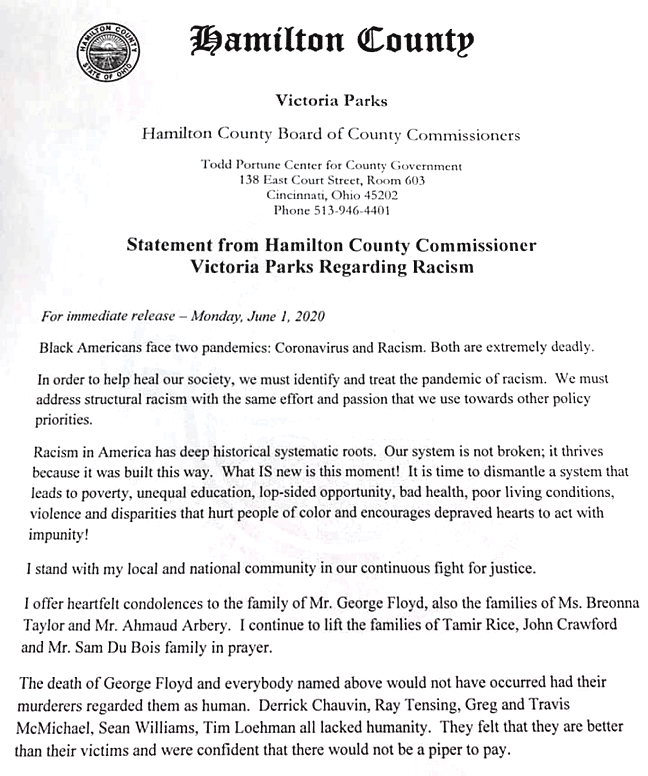
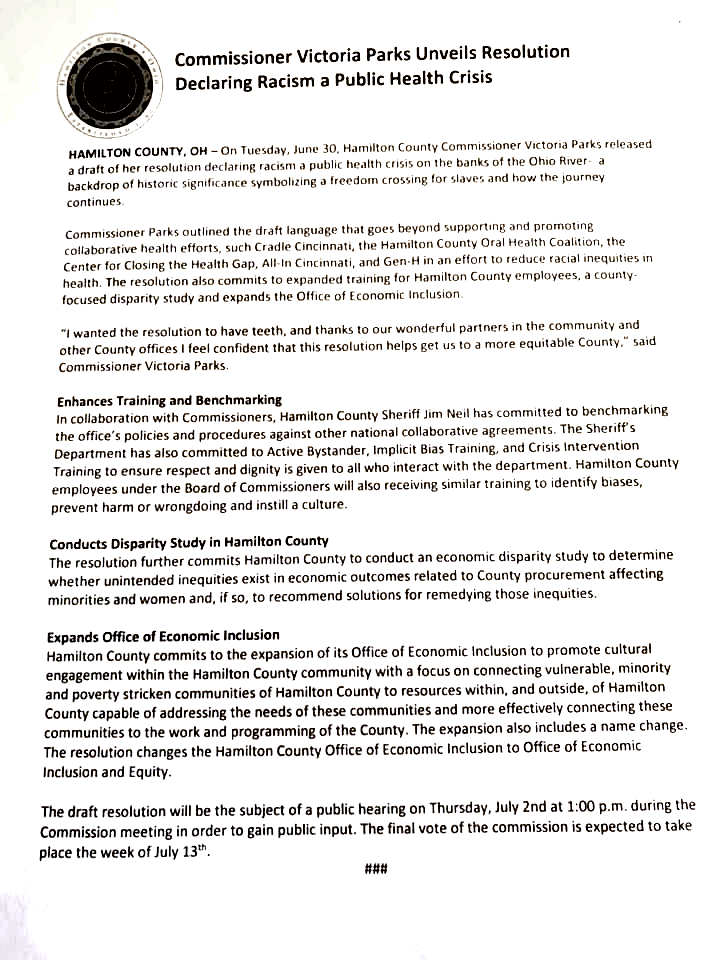
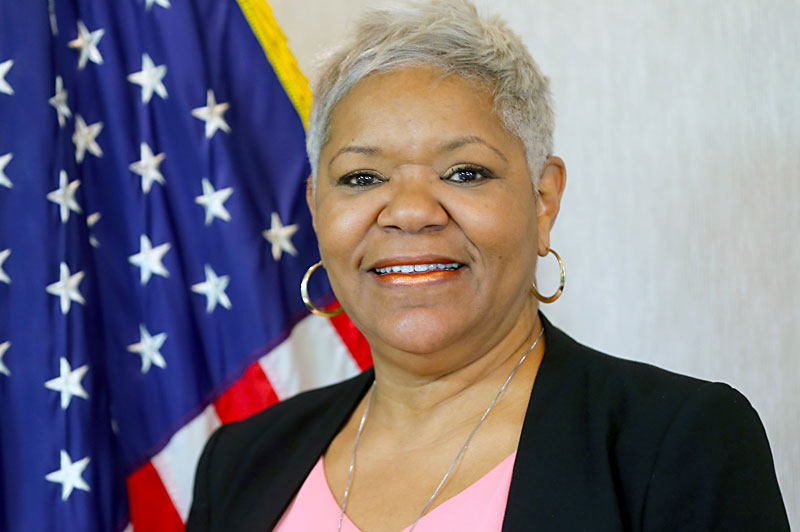
    Commissioner Victoria Parks unveils resolution to declare Racism a Public Health Crisis

    Hamilton County, Ohio – On Tuesday Hamilton County Commissioner Victoria Parks unveiled a resolution to declare Racism a Public Health Crisis.

    The resolution was introduced at the National Underground Railroad Freedom Center.

    President and COO of the Center, Woodrow Keown, Jr., spoke in support of the resolution:

    “The nation was founded on the principles of life, liberty and the pursuit of happiness. Pursuit of happiness is hindered by fear and hatred that is directed daily—overtly and covertly—at black and brown people, simply because of the color of our skin. The deprivation of liberty for Blacks in America is well known and goes by the names of chattel slavery, Jim Crow, “separate but equal”, and systematic or institutionalized racism. Likewise, the simple right of life is threatened by hatred that has led to lynchings, fear that has led to calls of police brutality based largely on implicit biases, and systematic racism that makes the simple fact of being Black hazardous to your health.”


    At 1 PM Thursday the Commission will hold a Hearing to consider the Resolution “Declaring Racism a Public Health Crisis”.

    You can watch the meeting live or comment on the business the Board will be considering. Scroll to the bottom of this page to view the complete agenda for Thursday’s meeting.

    The public is urged to view the commission meetings live on television or online using the following stations/platforms:

    TV Channels: televised LIVE on the cable system in ICRC communities on Spectrum channel 4 and Cin. Bell channel 834.

    If you would like to join the Commission Meeting to comment during the public comment portion of the meeting please login using the link below.

    When: Jul 2, 2020 01:00 PM Eastern Time (US and Canada)

    Topic: Hamilton County Virtual Commission Meeting

    Please click the link below to join the webinar:

    https://us02web.zoom.us/j/87003656596?pwd=L3NkM3d5UHhTR0ZobkdFVkluMVhyUT09

    Password: 687150


    Virtual Regular Meeting


    Hamilton County, Ohio                                              July 2, 2020


    NOTICE
    In order to keep the public and employees safe during the COVID-19 outbreak, Hamilton County Commissioners are holding commission meetings virtually. The public is urged to view the commission meetings live on television or online using the following stations/platforms:

    TV Channels: televised LIVE on the cable system in ICRC communities on Spectrum channel 4 and Cin. Bell channel 834.

    If you would like to join the Commission Meeting to comment during the public comment portion of the meeting please login using the link below.

    When: Jul 2, 2020 01:00 PM Eastern Time (US and Canada)

    Topic: Hamilton County Virtual Commission Meeting


    Please click the link below to join the webinar:

    https://us02web.zoom.us/j/87003656596?pwd=L3NkM3d5UHhTR0ZobkdFVkluMVhyUT09

    Password: 687150


    Meeting Convenes


    Call to Order

    1:00 PM


    Silent Prayer and Pledge of Allegiance


    Approval of the minutes of the previous session


    Public Comments


    Comments/Motions


    Commissioner Summerow Dumas


    Commissioner Parks


    Commissioner Driehaus


    Jeff Aluotto


    Public Hearings
    1:15 PM


    Hearing to consider the 2020 Municipal Road Fund Program


    Hearing to consider a Resolution Declaring Racism a Public Health Crisis


    Executive Sessions


    Executive Session pursuant to RC Section 121.22(G) (3) to conduct a conference with an attorney to discuss pending litigation.

    Roger Friedmann


    Regular Agenda Items


    Engineer 1. Resolution appropriating property for the purpose of constructing the improvements of Kugler Mill Road from Blue Ash Road to Montgomery Road, in Sycamore Township as provided for in Ohio Revised Code Section 163.04.


    2. Resolution authorizing a first amendment to a consulting agreement with Brandstetter Carroll, Inc., for the improvement of Shady Lane and Bridgetown Road.

    Project No. 501409

    $10,200


    3. Resolution awarding contract to the lowest and best bidder, Barrett Paving Materials Inc., for the 2020 Resurfacing Program, Phase 1 located in Colerain, Crosby, and Whitewater Townships, Hamilton County, Ohio.

    Project No. 502002

    $2,626,721.28


    4. Resolution awarding a contract to the lowest and best bidder, D.A.D.S. Bobcat Services, LLC. for the 2020 Sidewalk Repair/Replacement Program located in Delhi, Green and Springfield Townships, Hamilton County, Ohio.

    Project No. 502001

    $61,150.


    5. Resolution awarding a contract to the lowest and best bidder, Lake Eric Construction Company for the 2020 Guardrail Program, located in various townships in Hamilton County.

    Project No. 502004

    $227,425,


    6. Resolution authorizing a joint agreement between Hamilton County and Sycamore Township for the design of improvement and for the application to the Ohio Public Works Commission for the funding of improvements to Larchview Drive and Plainville Road.

    Project No. 502006


    MSD 7. 2020-2024 Capital Improvement Program Programmatic Contingency Amendment


    Resolutions approving and adopting an amended 2020-2024 Capital Improvement Program and appropriating additional funds.

    $2.8M


    8. Citizen Petition for Local Public Sewer Improvement, Union Cemetery Road property owner polling results.

    100% support


    9. Sanitary Sewer No. 7032, Union Cemetery Road Local Sewer (Hns – 9310 – 9350)


    Resolutions amending the MSD Capital Improvement Program to add a project; authorizing the preparation of detailed plans, specifications, estimate of cost, tentative assessment and/or other relevant documents and appropriating funds for design phase services and related expenses.

    $16,500.00


    Consent Agenda Items


    Commission Administration 10. Budget Adjustment No. 23 $8,500 for grants in the Court of Common Pleas and Prosecutor’s office.


    Administrative Recommendation is for the Board to adopt. . .


    11. Resolution No. 14  authorizing execution of $128,700 lease agreement between Developmental Disabilities Services and Toward Independence, Inc.


    Administrative Recommendation is for the Board to adopt. . .


    12. Resolution Number P066-20 authorizing the award of ITB#028-20 and the execution of an agreement between Debra-Kuempel and the Board of County Commissioners on behalf of County Facilities for cooling tower replacement for Job and Family Services.

    $390,079


    Administrative Recommendation is for the Board to adopt. . .


    13. Resolution Number P067-20 authorizing the award of ITB#040-20 and the execution of an agreement between Imbus Roofing Company, Inc., and the Board of County Commissioners on behalf of Developmental Disabilities Services for the Franks Adult Center Roof Restoration.

    $351,735


    Administrative Recommendation is for the Board to adopt. . .


    14. Bid awards and contracts authorized or executed by the Purchasing Department for the month of May, 2020.


    Administrative Recommendation is for the Board to confirm the actions and enter of record. . .


    15. Resolution approving agreement with Universal Contracting Corporation for the Banks Phase 3B- Race Street Promenade.

    $3,567,174


    Administrative Recommendation is for the Board to adopt. . .


    16. Resolution authorizing update to the agreement with THP for architect/engineer services related to The Banks Public Infrastructure Development.

    $273,500.


    Administrative Recommendation is for the Board to adopt. . .


    Environmental Services 17. Resolution authorizing agreement between Walnut Hill Redevelopment Foundation and the Hamilton County Commissioners on behalf of the Hamilton County Department of Environmental Services, Solid Waste Management District.

    $9,434.00


    Administrative Recommendation is for the Board to adopt. . .


    JFS 18. Resolution Number J087-20 authorizing renewal #1 of  the original agreement with MTM Transit, LLP and the Board of County Commissioners on behalf of the Department of Job and Family Services for non-emergency transportation for Medicaid adults and group transportation for Medicaid minors.

    $13,891,794.10


    Administrative Recommendation is for the Board to adopt. . .


    19. Resolution Number J088-20 authorizing renewal #3 of the original agreement with Carrington Youth Academy, LLC. and the Board of County Commissioners on behalf of the Department of Job and Family Services for residential treatment services.

    $200,000.


    Administrative Recommendation is for the Board to adopt. . .


    20. Resolution Number J089-20 authorizing amendment #5 of the original agreement with Mayo Home for Youth Development and the Board of County Commissioners on behalf of the Department of Job and Family Services for group home services.

    $500,000.


    Administrative Recommendation is for the Board to adopt. . .


    21. Resolution Number J090-20 authorizing renewal #1 of the original agreement with Universal Transportation Systems L.L.C dba UTS and the Board of County Commissioners on behalf of the Department of Job and Family Services for non-emergency transportation for Medicaid adults and group transportation for Medicaid minors.

    $10,063,609.34


    Administrative Recommendation is for the Board to adopt. . .


    22. Resolution Number J092-20 authorizing the sixth renewal to memorandum of understanding between the Southwest Region Workforce Investment Board and the Board of County Commissioners on behalf of the Hamilton County Department of Job and Family Services for the reimbursement of building services expenses for the property located at 1916 Central Parkway.

    $442,852.


    Administrative Recommendation is for the Board to adopt . . .


    23. Resolution J086 -20 authorizing HCJFS to enter into negotiations between independent living service providers and the Board of county Commissioners on behalf of the Department of Job and Family Services for independent living services


    Administrative Recommendation is for the Board to adopt


    By Leave Items


  • LPD Prepares to Host Annual “Stuff the Cruiser” Food Drive!

    LPD Prepares to Host Annual “Stuff the Cruiser” Food Drive!

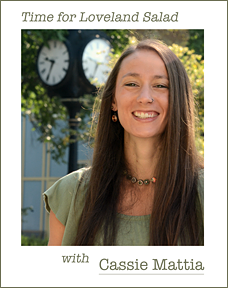
    Cassie Mattia is the Associate Editor of Loveland Magazine and lives in Historic Downtown

    by Cassie Mattia

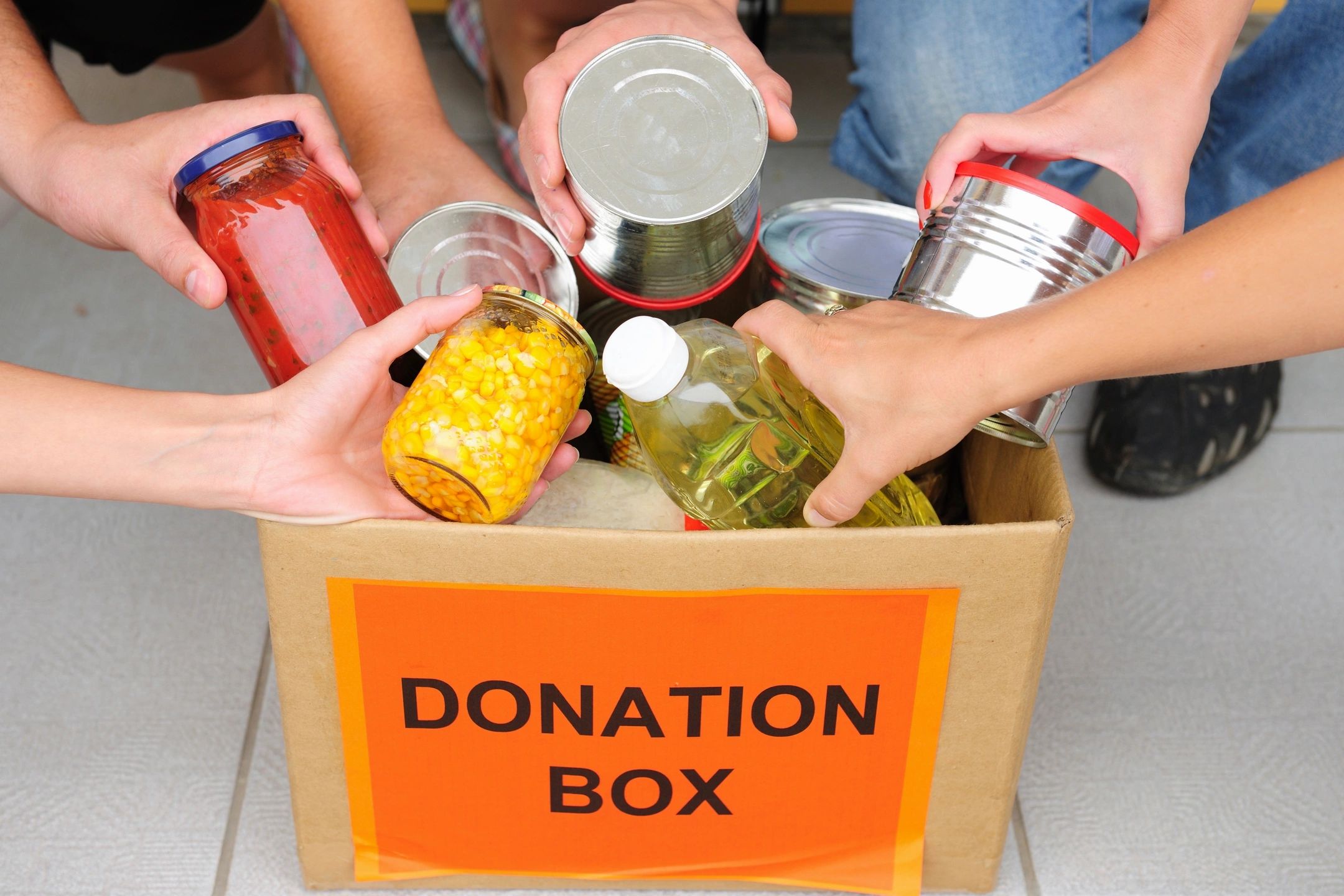
    Loveland, Ohio – It’s that time of year again for the Annual “Stuff the Cruiser” Food Drive sponsored by the Loveland Police Division and the Loveland Citizen Police Academy Alumni Association!

    The food drive is scheduled for Saturday, July 18th at the Loveland Kroger store from 9 AM until 1 PM. There will be many smiling volunteers set up outside Kroger to accept all donations. The donations that are collected will be taken to LIFE Food Pantry where they will be both sorted and dated.

    LIFE Food Pantry volunteer, Connie Rotterman is more than excited for this particular food drive because there have been so few since February in light of the COVID-19 pandemic.

    “This food drive will really help fill our pantry shelves and feed the over 300 families in Loveland that depend on LIFE Food Pantry each month for food,” Rotterman said.

    If you would like to provide over 300 families with the food they need please take a few minutes out of your day to stop by Loveland Kroger on July 18th between 9 AM and 1 PM to donate food items!

    Click the image below to read about all of the programs offered by LIFE Food Pantry…

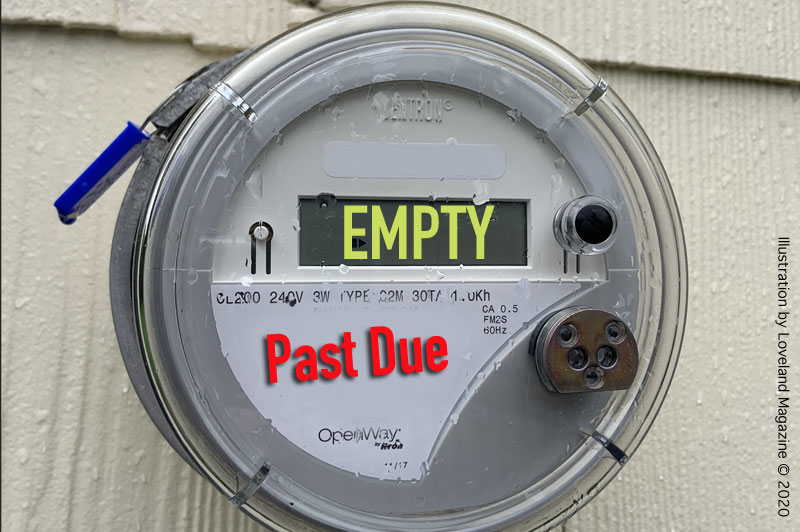
  • Home Energy Assistance Summer Crisis Program is there for you

    Home Energy Assistance Summer Crisis Program is there for you


    The Home Energy Assistance Summer Crisis Program provides a one-time benefit to eligible Ohioans with cooling assistance during the summer months. The program runs from July 1 to September 30.

    The focus of the Summer Crisis Program is to provide assistance with electric utility bills, central air conditioning repairs, and air conditioning unit and/or fan purchases.

    Households with a household member who is either 60 years of age and older, has been diagnosed with COVID-19, or has a certified medical condition, and households who have a disconnect notice, have been shut off, or are trying to establish new electric service may be eligible for assistance.

    Ohioans enrolled in the Percentage of Income Payment Plan Plus (PIPP) Program are eligible for assistance towards their default PIPP payment, first PIPP payment, central air conditioning repairs, or may receive an air conditioning unit and/or fan.

    Who is Eligible for the Summer Crisis Program?

    Ohioans with a household income at or below 175 percent of the federal poverty guidelines and have a member of the household who is at least 60 years old, has been diagnosed with COVID-19, or can provide physician documentation that cooling assistance is needed for a household member’s health, or households who have a disconnect notice, have been shut off, or are trying to establish new electric service.

    Size of Household Total Household Income 12 Months
    1 up to $22,330
    2 up to $30,170
    3 up to $38,010
    4 up to $45,850
    5 up to $53,690
    6 up to $61,530
    7 up to $69,370
    8 up to $77,210

    For households with more than eight members, add $7,840 for each individual.

    How do I apply for the Summer Crisis Program?

    You can begin your application online at energyhelp.ohio.gov but will need to set up an appointment with your local Energy Assistance Provider in order to complete the application.

    When you apply, you will need to complete the Energy Assistance Application (English or Spanish) and submit copies of the following documents.

      • copies of your most recent utility bills
      • a list of all household members (include birth dates and Social Security numbers) and proof of income for everyone in the household over 18 years old for the last 30 days for each member (12 months preferred)
      • proof of citizenship or legal residency for all household members
      • proof of medical condition verified by a licensed physician or registered nurse practitioner

    You will need to include: proof of income for the past 30 days and 12 months for each member, a copy of your recent fuel/utility bill, proof of medical condition signed by a doctor or nurse practitioner, and a list of all household members (including Social Security Numbers).

    Contact your local Energy Assistance Provider for a list of all required documents. Depending on your income type, additional forms may be required.  Samples of the additional forms can be found by clicking here.

    Frequently Asked Questions

    How often can I apply for a HEAP Summer Crisis benefit?

    You can apply for assistance through the HEAP Summer Crisis Program once a year.

    What if I live in Federally Subsidized Housing?

    Families who live in federally subsidized housing are not eligible unless the electric bill is in their name or they have verification that they are responsible for portion of the electric bill.

    How do you define household income?

    Household income is defined as the total annual gross income before taxes (minus exclusions) of all household members, except earned income of dependent minors under 18 years of age. All income and allowed exclusions must be documented for household members 18 years of age and older regardless of relationship to the primary applicant. Heads of households and spouses may never be considered minors. Gross household income includes wages, interest, dividends, annuities, and pensions.

    Included (Countable) Household Income

    • Active Military Pay (Basic pay)
    • Adoption Assistance
    • Alimony
    • Annuity
    • Black Lung
    • Capital Gains – Proceeds from sale of property, home and stock
    • Cash Withdraws from Individual Retirement Accounts (IRA), Annuities, or other investments
    • Commissions
    • Company Disability
    • Disability Assistance (DA)
    • Estate and Trust Settlements – minus attorney fees – (one-time payment or lump sum)
    • Farm Income
    • Garnished Wages, including Bankruptcy/Chapter 13
    • Grants/Training Stipends – living expenses only
    • Immigrant Relocation Allowance
    • Interest earned from Savings Accounts
    • Legal Settlements
    • Lump Sum Distribution
    • Odd Jobs
    • Ohio Electronic Childcare (Ohio ECC) – Provider Income
    • Ohio Works First
    • Pensions – Government/Veterans/Private Industry
    • Rental Income earned from rental property
    • Seasonal Employment Income
    • Self-Employment Income
    • Social Security, Supplemental Security Income (SSI) Social Security Disability (SSDI) (Excluding Medicare Deductions)
    • Strike Benefits
    • Temporary Assistance to Needy Families (TANF)/General Assistance (GA)
    • Unearned income paid to or on the behalf of minors
    • Unemployment Benefits
    • Utility Allowances (as discretionary income)
    • Veteran’s Administration Benefits
    • Wages/Tips
    • Widows/Widower’s Benefits
    • Workers’ Compensation

    Excluded Household Income

    • Adoption Assistance
    • Agent Orange Compensation/Benefit
    • Assets from bank withdrawals (90-day rule)
    • Attorney’s fees for Estate & Trust Settlements
    • Census Wages
    • Child Support Paid Out
    • Child Support Received
    • Education Assistance
    • FEMA Cash Payments
    • Food Assistance Benefit – Food Stamps, SNAP, etc. (cash or equivalent)
    • Funds/training stipends designated for specific purposes (i.e., educational Grants/Training stipends for tuition and/or books only-not living expenses)
    • Gifts
    • Handicapped Income – self-sufficiency programs (example: work expenses for the blind)
    • Health Care Spending Accounts – non-taxable health care spending accounts are allowable
    • Health Insurance Premiums (dental, vision, health and supplemental insurance)
    • Income earned by dependent minors less than 18 years of age
    • Jury Duty
    • Loans from individuals or institutions requiring repayment of either principle or principal and interest*
    • Medicaid spend-down
    • Medicare Part D (prescription premium)
    • Medicare Payments
    • Military Allowances for Subsistence, Housing, Family Separation, etc.
    • Ohio Waiver Program
    • Prevention, Retention, & Contingency (PRC) – assistance to attempt to divert families from long term financial dependency
    • Proceeds from reverse mortgages
    • Reimbursement for work expenses
    • SS/SSI and SSDI overpayments
    • Stipend for Foster Care
    • Tax refunds and rebates
    • Title III Disaster Relief Emergency Assistance Program (DREAP)
    • Title V Wages/Senior Community Employment Programs (SCEP) – Older Americans’ Act (Public Law 100-175) Experience Works (formerly Green Thumb), Foster Grandparents Program, Mature Services
    • Title XX Benefits
    • Transportation Allowances (i.e., Workforce Investment Opportunity Act (WIOA), Job Training Partnership Act (JTPA), Workfare
    • Veteran’s Affairs (VA) Service-Related Disability/including surviving dependents
    • Volunteers in Service to America (Vista) or other AmeriCorps Stipends
    • Work Allowances (i.e., Learning Earning and Parenting [LEAP])
    • Work programs for people with disabilities

    I have applied for HEAP, but I may be disconnected from my utility service. Can I apply for Summer Crisis assistance?

    Yes, you can apply for the Summer Crisis Program. Contact your local Energy Assistance Provider to apply.

    Who can I call with questions about the Home Energy Assistance Summer Crisis Program?

    You can call the Ohio Development Services Agency’s hotline (800) 282-0880 or your local Energy Assistance Provider by clicking here.

    Other Programs

    If you’re having trouble managing your home energy costs, there is help. Below is a list of programs that can help you manage your utility bills and improve your home’s energy efficiency. You also can find a list of local Energy Assistance Providers and a copy of the program application.

    You also can apply for assistance online. Visit energyhelp.ohio.gov to complete your application.

    Assistance with your utility bills

    Improve your home’s energy efficiency

    Application (English)

    Aplicación español

    Local Energy Assistance Providers

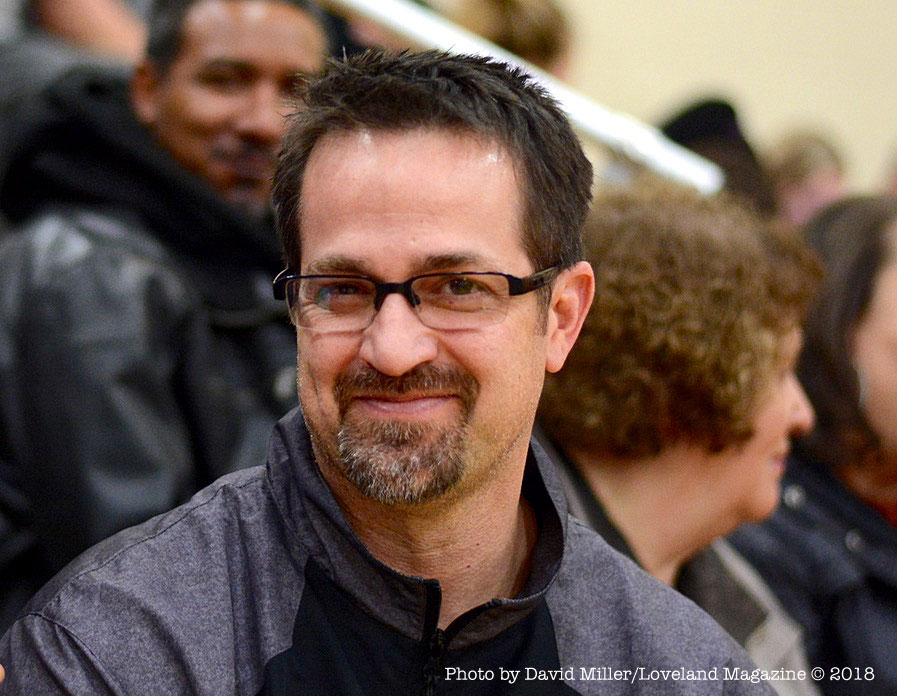
  • LHS Athletics Enter Into Phase 3 of “Skills Practice”

    LHS Athletics Enter Into Phase 3 of “Skills Practice”

    LHS’s Athletic Director, Brian Conatser

    by Cassie Mattia

    Loveland, Ohio – Its been a tough road for athletes all across Ohio in light of the COVID-19 pandemic. Competitions have been canceled, sports seasons have been postponed, and in-person practicing has been banned. Although this new normal has been hard on many high school athletes and coaches, many were glad to hear that the Ohio Governor and Health Department’s Responsible Restart Ohio implemented a “three-phase process” that would ease both athletes and coaches back into practicing and competing.

    LHS’s Athletic Director, Brian Conatser, couldn’t be happier to get the Tiger Athletes and Coaches back into LHS’s athletic facilities, but in the safest way possible!

    “We are in Phase 3 of our skills practice which will last until July 6th,” Conatser explained, “Once we get more guidance from the Ohio Governor and OHSAA, we will move forward with those restrictions and guidelines.”
    On June 1st, LHS opened its Athletic Facilities in accordance with the OHSAA skills training guidelines.
    “Our coaches are extremely committed to working with the Athletic Department to implement COVID-19 procedures and guidelines. As an Athletic Department, we walked through the process as a team, fine-tuning our plan prior to our athletes returning to campus,” Conatser said, “The plan is extremely thorough and detailed, as the safety of our student-athletes and coaches are our primary concern.”
    Conatser provided the guidelines given to him by OHSAA that both coaches and student-athletes are following as they begin to return to athletics.
    1. Every student-athlete and coach MUST complete the 2020-21 Final Forms COVID-19 waiver prior to the 1st training session.
    2. Every student-athlete and coach MUST complete the LHS COVID-19 Self-Evaluation Google Form every day prior to each skills training session.
    3. Social distancing includes a 6-foot separation.  Entrances and Exits are outlined and over-communicated to avoid congregation and lingering of student-athletes.
    4. Facial coverings must be worn when in the building (gyms, fitness center, athletic training room). Facial coverings may be removed during the training session.
    5. Sanitation products and stations are located at the entry and exit of our inside facilities. We also ask EVERY student to bring: Water bottle, Sanitation wipes, Hand sanitizer, and Facial covering.
    6. All equipment, balls, etc. must be wiped down at the beginning and end of each training session.
    7. Three phases:  Phase 1: May 26th – June 8th / Phase 2:  June 9th – June 22nd / Phase 3: June 23rd – July 6th

    Conatser gave credit to Loveland’s student-athletes, coaches, and parents for playing such an important role in the three-phase process.

    “From parents dropping off their kids in designated spots to everyone following the COVID-19 guidelines. The coaches deserve an overwhelming amount of credit,” Conatser said, “These outstanding professionals make sure their programs have all of the information well ahead of time via communication from ZOOM, Google Hangout, email, Twitter, etc. We are looking forward to a safe and productive summer of skill training.”

    For more Loveland Tiger sports updates stay tuned to the Sports 411 With Me, Cassie Mattia!


  • Introducing Great Oaks Career Campuses

    Introducing Great Oaks Career Campuses

    Advertisement
    G

    reat Oaks specializes in career and technical education for both high school students and adults. At four campuses, Great Oaks high school students prepare for careers and college, and adults get training and certification to begin a new career or advance in a current career.

    Over 30 career programs are available for high school students living in 36 area school districts.

    Adults can choose from a dozen full-time programs as well as part-time career certification classes and short-term classes for enjoyment and lifelong learning.

    Top Workplaces 2020 logo

     Great Oaks has been named a Top Workplace by the Cincinnati Enquirer.


    Great Oaks statistics

  • Air quality alert issued for Sunday because of smoke and dust plum from Africa’s Saharan desert

    Air quality alert issued for Sunday because of smoke and dust plum from Africa’s Saharan desert

    Active children and adults, people with heart and lung disease, including asthma, and older adults should reduce prolonged or heavy outdoor exertion. on Sunday. Some particles less than 10 micrometers in diameter can get deep into your lungs and some may even get into your bloodstream.

    Air Quality Forecast for 06/28/20

    Loveland, Ohio – Based on forecasted weather conditions and the impacts of the Saharan dust plume, the Southwest Ohio Air Quality Agency has issued an Air Quality Alert for Sunday, June 28.
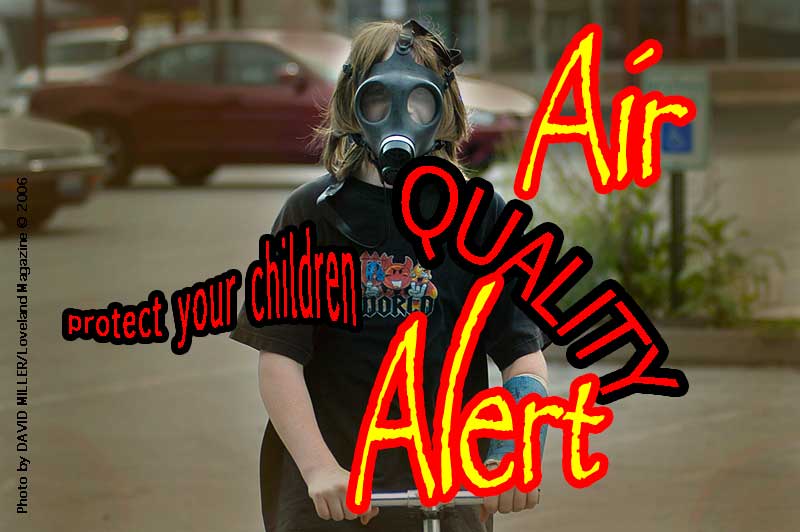
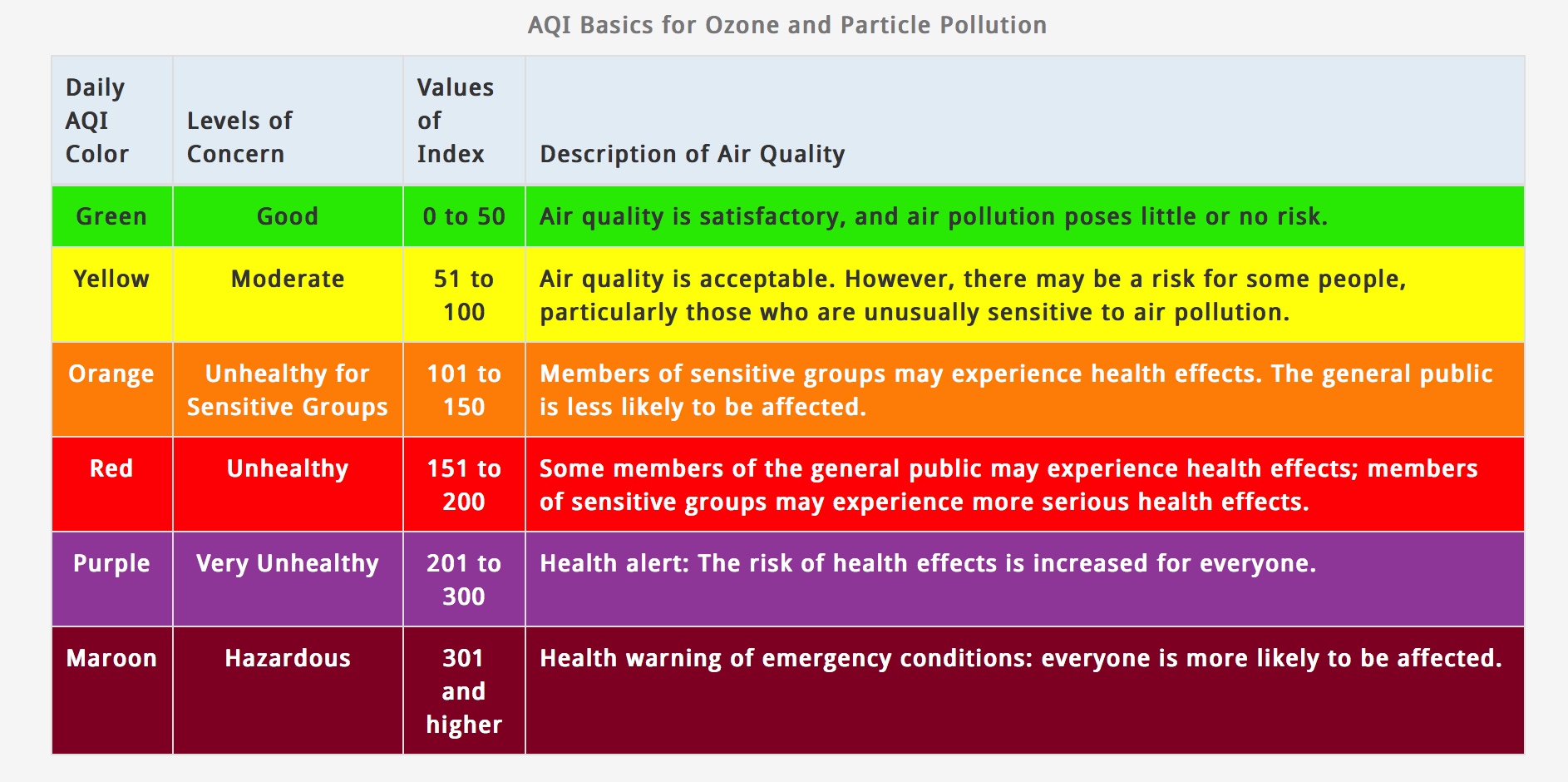
    The Agency expects levels of particulate matter in the “Unhealthy for Sensitive Groups” range.

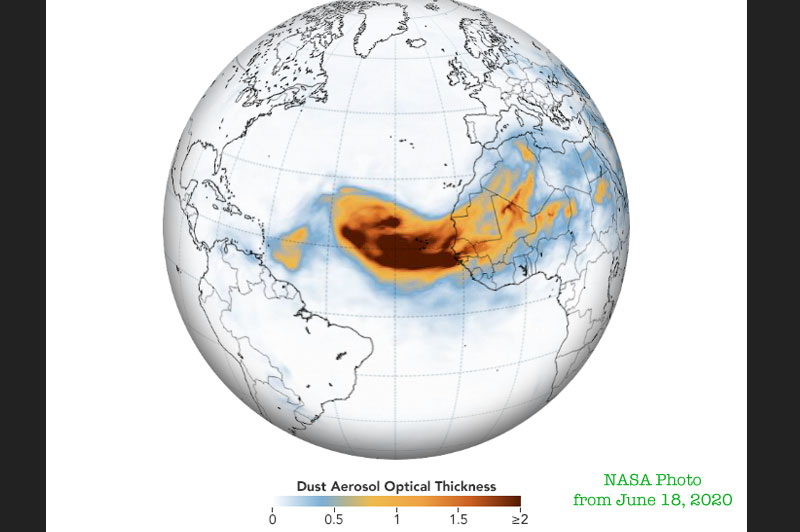
    CBS news reports: What’s been called the most significant dust cloud in 50 years has now shrouded the U.S. Gulf Coast in a thick, dusty haze. The dust layer, which originated in the Sahara desert and drifted across the Atlantic, is forecast to continue moving north and east through the weekend, impacting areas from Texas and Florida all the way up to as far north as the Canadian border.


    Both COVID 19 and the particulate matter from the Sahara attack the respiratory system. Those persons already considered part of the “vulnerable” population during the pandemic are most at risk, as well as infants and toddlers with developing lungs.

    You can help protect those most vulnerable

    You can help the situation locally by not using fire pits, lighting campfires, charcoal grills, or setting off fireworks.

    If you conserve electricity by turning out lights and unplugging unused appliances and electronics tomorrow it will reduce the demand for coal-burning power plants in our region.

    If you must drive a vehicle and have a choice, consider an electric, hybrid, or gasoline-powered – over diesel. Diesel fuel is notorious for emitting dirty particulate emissions.

    Use the vehicle that gets the best mileage and do not idle your vehicle.

    Combine trips or eliminate unnecessary vehicle trips.

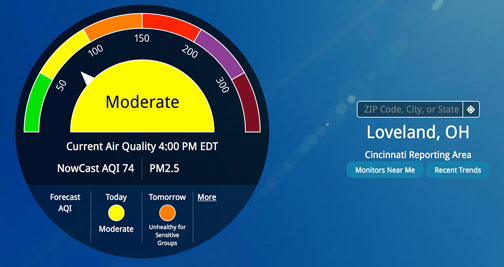
    You can check the current air quality by clicking on this image and entering a ZIP Code.

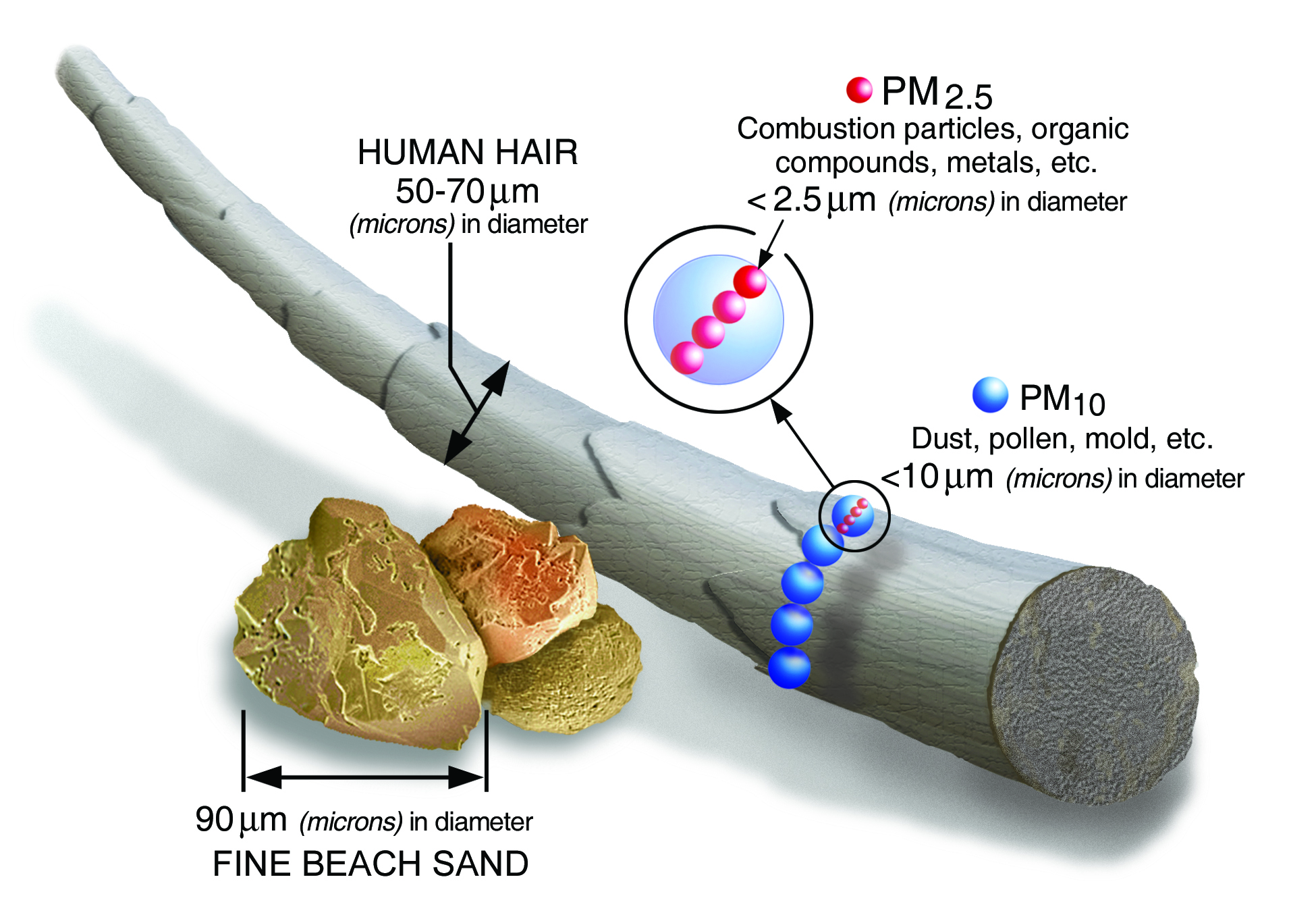
    What is PM, and how does it get into the air?Size comparisons for PM particlesSize comparisons for PM particles

    PM stands for particulate matter (also called particle pollution): the term for a mixture of solid particles and liquid droplets found in the air. Some particles, such as dust, dirt, soot, or smoke, are large or dark enough to be seen with the naked eye. Others are so small they can only be detected using an electron microscope.

    Particle pollution includes:

    • PM10 : inhalable particles, with diameters that are generally 10 micrometers and smaller; and
    • PM2.5 : fine inhalable particles, with diameters that are generally 2.5 micrometers and smaller.
      • How small is 2.5 micrometers? Think about a single hair from your head. The average human hair is about 70 micrometers in diameter – making it 30 times larger than the largest fine particle.

    Sources of PM

    These particles come in many sizes and shapes and can be made up of hundreds of different chemicals.

    Some are emitted directly from a source, such as construction sites, unpaved roads, fields, smokestacks or fires.

    Most particles form in the atmosphere as a result of complex reactions of chemicals such as sulfur dioxide and nitrogen oxides, which are pollutants emitted from power plants, industries and automobiles.

    What are the Harmful Effects of PM?

    Particulate matter contains microscopic solids or liquid droplets that are so small that they can be inhaled and cause serious health problems. Some particles less than 10 micrometers in diameter can get deep into your lungs and some may even get into your bloodstream. Of these, particles less than 2.5 micrometers in diameter, also known as fine particles or PM2.5, pose the greatest risk to health.

    Fine particles are also the main cause of reduced visibility (haze) in parts of the United States, including many of our treasured national parks and wilderness areas.

    Learn more about health and environmental effects

    If you find that having this type of local news adds value to your quality of life, kindly consider contributing to the cost of producing it.

  • Old storm sewer causes sink holes in local neighborhood

    Old storm sewer causes sink holes in local neighborhood

    by Tom Vargo

    Dear Loveland Magazine Reader,

    Let me start by saying my family and I have been residents of Loveland for over 25 years. Our children have gone through and graduated from the Loveland School System. Of all the areas we looked at when we moved here from Columbus, we felt at home in Loveland. Until recently.

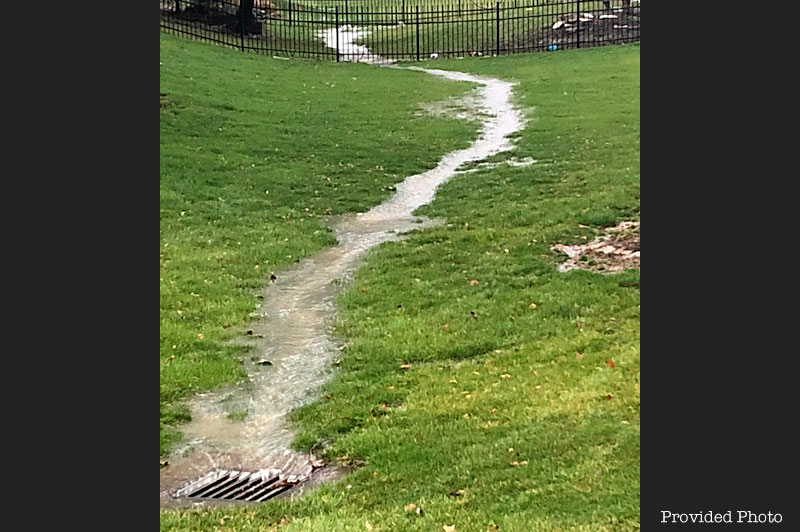
    There is a storm sewer line that runs between mine and my neighbor’s house. The line sits equally on both of our properties.  This storm sewer takes the rainwater from a great many homes around us and runs it out to the main sewer in the street.

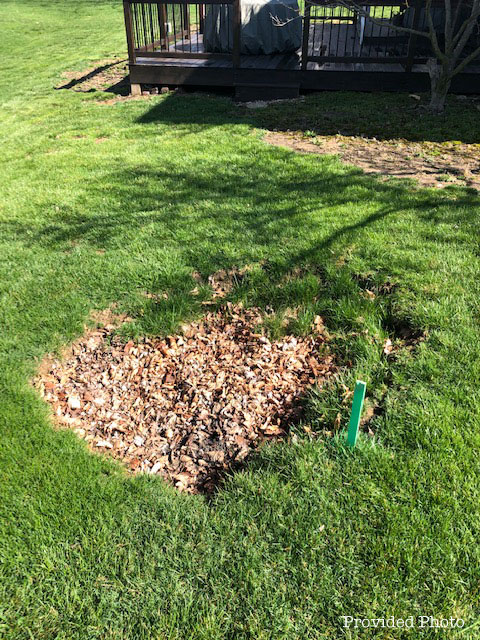
    Over the years, the storm sewer has come apart and has started to cause a large sinkhole between the 2 houses. 
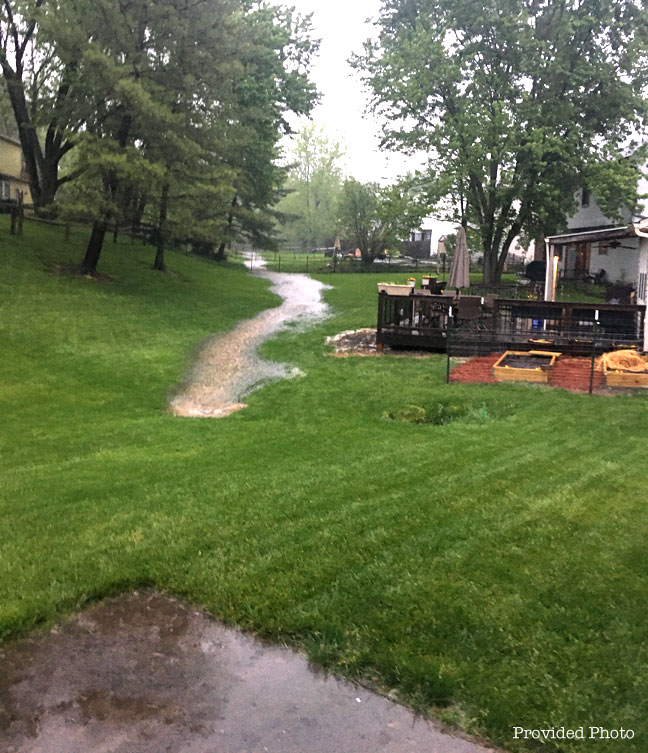
    Not only is this an eyesore but it is extremely dangerous.

    Now we have 2 additional sinkholes starting on the sewer line. We have had a company come out and run a camera through the line and we can see where the pipe has come apart and water is leaking through.

    My neighbor has reached out to the City of Loveland and had some communications with City Manager Dave Kennedy about this issue.  During a phone call, Mr. Kennedy agreed with my neighbor that we have a problem and the city should look into the issue. In fact, Mr. Kennedy suggested we meet and discuss the problem in person.

    Under a prior City Administration when my neighbor called and complained about the other sinkholes appearing in his yard, the City sent out a crew to fill in the holes. So you see, this is not our first time reaching out to them on this matter.

    My neighbor did receive an email back from Mr. Kennedy stating that since the storm sewer is on a “Private Easement” the repair is not the responsibility of the City of Loveland. 

    This property was surveyed way before we moved in. So we had no input into the private vs public easement classification. Nor would we know the difference. We are not surveyors or lawyers. 

    There are seven other storm sewers in our subdivision and only two are private. The other five are public and the city takes care of them.

    This is my opinion is an outrage. How can some surveyor 30-40 years ago arbitrarily pick a description and the City let it stand? Do not the City’s past repairs indicate that they felt the problem belonged to them in the first place?

    When we have reached out to Mr. Kennedy to meet and discuss, we have not received a response back. Again this is an outrage.

    To anyone living currently in Loveland and anyone planning on moving to Loveland, I say take a good hard look at your decision.  The city government has no problem taking your tax dollars but when you need their help, they are nowhere to be found. 

    It makes you wonder why anyone would want to live here in the first place.