Tag: superintendent

  • Loveland Magazine Directory of local government leadership in 2020

    Loveland Magazine Directory of local government leadership in 2020

    Loveland City School District

    Dr. Kathryn Lorenz President

    Ned Portune Vice President

    Art Jarvis – Member

    Michele Pettit – Member

    Eileen Washburn – Member

    Dr. Amy Crouse – Superintendent

    Kevin Hawley  Treasurer/CFO


    City of Loveland

    Kathy Bailey – Mayor

    Robert Weisgerber – Vice Mayor

    Andy Bateman – Member

    Ted Phelps – Member

    Tim Butler – Member

    Neal Oury – Member

    Kent Blair – Member

    Dave Kennedy – City Manager

    Michelle Byrde – Finance Director


    Symmes Township

    Jodie Leis – Board President

    Kenneth N. Bryant – Vice-President

    Phil Beck – Trustee

    Joseph C. Grossi – Fiscal Officer

    Kimberly A. Lapensee – Administrator


    Miami Township

    Ken Tracy – Chairperson

    Mary Makley – Vice Chair

    Karl Schultz – Member

    Eric Ferry – Fiscal Officer

    JEFF WRIGHT – Township Administrator


    Hamilton Township

    Brent Centers – Administrator


    Deerfield Township

    Kristin Malhotra – President of Board of Trustees

    Lelle Lutts Hedding – Vice President of Board of Trustees

    Jim Siciliano – Trustee

    Dan Corey – Fiscal Officer

    Eric Reiners – Township Administrator


    City of Milford

    AMY VILARDO – Mayor

    LISA EVANS – Vice-Mayor

    KIM CHAMBERLAND – Member

    ANET COOPER – Member

    TED HASKINS – Member

    SANDY RUSSELL– Member

    Kyle Mitchell – Member

    MICHAEL DOSS City Manager

    Patricia Wirthlin – DIRECTOR OF FINANCE


    City of Montgomery

    Chris Dobrozsi – Mayor

    Craig Margolis – Vice Mayor

     Lee Ann Bissmeyer – Council Member

    Michael Cappel – Council Member

    Gerri Harbison – Council Member

    Lynda Roesch – Council Member

    Ken Suer – Council Member

    Brian Riblet – City Manager

    Katie Smiddy – Finance Director


    Clermont County

    David L. Painter – President

    Edwin H. Humphrey – Vice President

    Claire B. Corcoran – Commissioner

    Thomas J. Eigel – County administrator


    Hamilton County

    Denise Driehaus – President

    Stephanie Summerow Dumas – Vice-President

    Victoria Parks (Appointed)

    Todd Portune (Retired)

    Jeff Aluotto – Administrator

    DEPARTMENTS

    Warren County

    Tom Grossmann – Commissioner
    Shannon Jones – Commissioner
    David G. Young – Commissioner
    Tiffany Zindel – Administrator
    Martin Russell – Deputy Administrator
    Tina Osborne – Clerk of Commissioners

    Property Search
    Job Opportunities
    County News
    Auditor’s Office
    Recorder’s Office
    Child Support
    Water Department
    Building & Zoning
    Maps & GIS
    Disclaimer
    Directions
    Warren County Campus Map

      • Auditor – 513-695-1235
      • Clerk of Courts – 513-695-1120
      • Commissioners – 513-695-1250
      • Engineer – 513-695-3301
      • Prosecutor – 513-695-1325
      • Recorder – 513-695-1382
      • Sheriff – 513-695-1280
      • Treasurer – 513-695-1300


  • Gathering the facts to make an informed decision

    Gathering the facts to make an informed decision

    by Dr. Amy Crouse

    As the superintendent of the Loveland City School District, it is my responsibility to ensure that every child in our district has access to quality education while managing our tax dollars wisely and providing a good value to residents. I take this responsibility seriously.

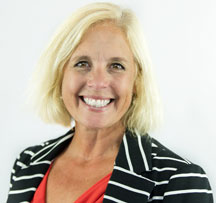
    Dr. Amy Crouse is Superintendent, Loveland City School District

    Another responsibility I take very seriously is the dissemination of facts. This is why we have been hosting community chats and forums, such as the event held on September 12; it’s why we are constantly updating our website and addressing frequently asked questions; and it’s why we are so intent on engaging with our community. It is imperative that our residents have the facts in order to make an informed decision at the ballot on November 5. And some of what we’re seeing out there, well, it’s simply not accurate.

    What is accurate is that Loveland City Schools have reached a critical juncture: We have overcrowding, with some classes being held in hallways and in trailers, we have three old buildings for which repair costs have reached the threshold where industry standards recommend replacement over renovation, and we have a need to secure additional operating dollars. The needs facing our schools are very real and immediate.

    Over these last several years, we have spent time working with the community on a plan that is cost-efficient and meets the school district’s needs. This is the ballot issue facing voters with the Tuesday, November 5 election.

    We realize that this ballot issue is no small ask. We also realize, like the community members who helped identify and prioritize the needs, that it is more cost effective to do the work all at once and that the longer we wait, the more expensive it will be to remedy the needs facing our schools.

    Large amounts of money would have to be spent on other temporary solutions, like trailers, instead of putting the dollars toward real solutions for the long term.

    When considering this ballot issue, it is important to note that there is no zero-cost option with our facilities and the needs do not go away over time if we continue with the status quo. In fact, continuing to do so with our facilities comes at a substantial cost – we would need to divert funds from the classroom to pay for critical repairs, which are still only temporary fixes to problems that don’t go away. We would need to put off important safety and security updates in the buildings and continue to make do with antiquated science and technology laboratories and learning spaces. Large amounts of money would have to be spent on other temporary solutions, like trailers, instead of putting the dollars toward real solutions for the long term.

    I encourage you to visit the “Frequently Asked Questions” section on our website.

    These are important considerations for our community – it comes down to how we want our schools to operate. So that you can be informed about the facts regarding the district work, planning and needs, I encourage you to visit the “Frequently Asked Questions” section on our website. Among other facts on this page, we have also included the updated cost information that shows the board’s intent to structure the financing so that the overall impact of the tax is phased in for residents over three years. This helps residents and it helps meet the school district’s needs.

    In service to our Tigers.


  • [From the Loveland School District] November 2019 Levy FAQ

    [From the Loveland School District] November 2019 Levy FAQ

    Loveland, Ohio – Below is a post from the Loveland City School District about the combined 16.78-mill levy that will be on the Fall ballot. At the bottom of this page, you will find levy information provided by Loveland Magazine.


    Note: This resource will be updated with answers to additional commonly asked questions.

    Helpful Resources
    Directions for accessing the information from your county auditor can be found under “Calculating the Tax” on this website.

    For additional information about the Facility Master Plan and how it developed through extensive community involvement, please visit www.buildingtigernation.org.
    Do you have a question that is not answered in this FAQ? Over the coming weeks, there will be several opportunities for community involvement through small and large group meetings. The current schedule is available here. You are also welcome to call the Superintendent, Dr. Amy Crouse, or the district Treasurer, Mr. Hawley, who welcome the opportunity to answer your questions on the urgency and necessity of this levy request.

    Funding Questions

    1. What are the basics of the combined operating, permanent improvement levy and bond request? How will the dollars be used?

    The November 5 request includes an operating levy, which is necessary with or without the building levy, to run the daily operations of the school district. The permanent improvement and bond portions of the levy are for the much-needed modernization, construction, repairs, and renovations that are outlined in the facility master plan.

    2. What is an operating levy for?

    An operating levy is used to provide money for a school district’s day-to-day operating expenses, including utilities, supplies, and salaries/benefits for staff. The November 2019 operating levy for Loveland Schools is a continuous levy. It will be collected each year, but as home values increase, the tax rate will be reduced in order to hold the payment to the schools at a constant level. This is often referred to as the “tax reduction factor,” or the “HB 920 reduction factor.” HB 920 is a state law that protects homeowners from paying more money in taxes as their homes appreciate.

    This taxpayer protection means revenues remain flat for the schools during the life of the levy, but in the normal course of business, operating expenses rise due to inflation and increased educational requirements. This is the reason the schools typically must return to voters and ask for additional operating funds every three to five years.

    The last operating levy for Loveland Schools was forecasted to cover four years of expenses, and the district has been able to sustain operations for five and a half years since approval.

    3. What is a bond levy or bond issue?

    A bond levy is a special tax used to provide revenue to repay the loan, otherwise known as a bond issue, used for school construction projects, and can by law only be used for that purpose. A bond levy remains in place until the bond is paid off, in this case a maximum of 37 years for the proposed master plan.

    The last bond issue for Loveland Schools was passed in 1998. It provided the funds to build the current intermediate school, renovate the middle school and add an auxiliary gym and large classroom at the high

    school. The school buildings have been exceptionally well-maintained over the years, but two separate assessments, including one by the Ohio Facilities Construction Commission, show that the cost of maintaining the Early Childhood Center, Primary and Elementary Schools is more expensive than replacing them.

    4. What is a permanent improvement (PI) levy for?

    Like a bond levy, a permanent improvement levy (PI levy) can be used only for a certain category of needs. Per state law, funds from a PI levy can only be used for the purchase of items that have a lifespan of five years or more (a capital improvement), or to repay financings used to purchase or construct capital improvements. PI funds can be used for building construction, maintenance and repairs, and certain equipment that is designed to last at least five years. For example, they can be used to replace roofs, windows, and HVAC systems, etc. PI levies cannot be used to pay for salaries, benefits, operating expenses, or basic supplies.

    5. What will the impact be on our property taxes?

    The cost of the 16.78-mill combined operating and permanent improvement/bond levy translates into $587.30 annually or $49 monthly per $100,000 of appraised home value as determined by your local county auditor. For more details, please see the section “Calculating the Tax” on this page.

    6. What is a “mill?”

    A mill is the unit of value for expressing the rate of property taxes in Ohio. It is defined as 1/10 of a percent or 1/10 of a cent (0.1 cent). “Millage” is the factor applied to the assessed value of property to produce tax revenue.
    7.  What’s the difference between the appraised value and the assessed value of a home?

    For tax purposes, a home is taxed on its assessed value, not its appraised or market value. The assessed value is 35% of the appraised value as determined by the local county auditor. For example, a home that is appraised at $100,000 by the auditor is taxed only on $35,000.

    8. Why is the Board of Education requesting this combined levy now rather than in phases?

    The master plan was developed through extensive analysis with subject matter experts and community engagement over the past several years, including large community meetings, targeted focus groups, and a community-based finance committee, which concluded that the chosen plan is the most cost effective for residents. The district is able to take advantage of historically low interest rates at this time and the adopted master plan will be completed in the shortest timeframe possible, minimizing the disruption to students and instruction, as well as the impact of increasing cost of materials and construction over time.

    9. Is there another way to generate the money needed other than using a property tax? For example, a sales tax or an income tax?

    By law, a school district cannot levy a sales tax. The district evaluated alternatives, including an income tax, but the current plan as presented was determined to be the least costly to the greatest number of residents by a group of community member volunteers. This group worked on various funding options with the assistance of a taxation specialist retained by the Board of Education. The current plan provides the least costly option based on several primary factors: current low interest rates, anticipated (high) future inflation rates, and potentially expensive future unfunded state mandates.

    10. How is the district financially accountable and how has it maintained the existing infrastructure?

    The district consistently earns accolades for strong fiscal management and excellent record keeping. This includes a high bond rating from Moody’s of Aa2. The district has a solid history of only asking the voters for what it needs and then making additional adjustments to the budget to stretch the dollars. Only 32% of the district budget comes from the state and the remainder is locally-generated revenue. It has been five years since the district asked for operating dollars and at that time promised the taxpayers it would last four years. In addition, the only remaining bond issue in the district will be paid in full within the next five years.

    The district operates on an ongoing five-year maintenance plan to ensure safety, provide for upkeep, and to extend the life of the buildings. As buildings age, however, they become increasingly more difficult and costly to maintain.

    11. How does our per pupil spending compare to other similar districts?

    The state average for per-pupil spending is $11,953/year. As a fiscally conservative district, Loveland spends approximately $1,000 less, but allocates proportionally more to classroom instruction. Compared to other, similar school districts in the area, the district spends less than Mason, Forest Hills, Madeira, Wyoming, Mariemont, and $4,000 less per pupil than Sycamore and $5,000 less than Indian Hill.

    12. What happens if the ballot issue fails?

    The financial needs and the needs of the buildings in the district will not go away. The facility master plan outlines the repairs, renovations and additions that are needed today; the cost of meeting those needs will continue to increase over time. Without the necessary operating funds, the Board of Education would have to evaluate and execute budget cuts, which would have a direct impact on classroom instruction and the quality of education in the district.

    Facility Master Plan Questions

    1. What is the new property the school district is considering purchasing? Why is it needed and what are the plans for current properties?

    The Loveland Board of Education adopted a resolution at the March 19 business meeting to approve a contract for the option to purchase real estate in Clermont County. The approximately 110-acre large piece of land – part of a property known as Grailville – is currently owned by the Grail, an Ohio nonprofit organization. The Grail plans to maintain property on the opposite side of O’Bannonville Road.

    For the first time in many years, Loveland Schools has the opportunity to purchase a large enough plot of land for a new campus. The current LPS/LES and LECC campuses are not large enough to allow for additions or to demolish and build new, based on state recommendations for the current (and projected) number of students at these locations. The district is looking into various options for the LECC and Loveland-Madeira campuses once vacated, but no decisions have been made, and cannot be made until a bond is passed.

    2. Why does the master plan show three buildings on the Grailville site?  

    The current 1st-4th grade building is really two buildings in terms of square footage – the number of students requires two gyms, two cafeterias, two entrances, and two admin suites. Today, Loveland’s Pre-K through 5th grade students are spread across four different buildings on three campuses. The efficiency in the master plan is captured by sharing a campus. It is more efficient to maintain one versus multiple campuses. Very large elementary schools are undesirable for the learning and developmental needs of students,  which is why the new master plan has three buildings (PK/K; 1st-2nd; 3rd-5th) on the Grailville site.

    3. What will the impact of a new campus be on traffic? 

    The district is in the early stages of working on possible bussing and routing alternatives. Preliminary mapping shows a reduction of trips through downtown Loveland and the opportunity to go in the opposite direction of “rush hour” traffic. The campus will be accessible from both O’Bannonville Road and Route 48/Oakland Road, and the property is large enough for improved staging for buses and parents. It will not be a high school campus, so student drivers will not be impacted by the plan. Currently, about 50 percent of the students are transported daily from Hamilton County to Clermont County (and vice versa) for school, which will not change by adding the new campus.

    Once a bond is passed, approximately a year of designing the campus and at least another year of construction will follow. Students will not move into new buildings until the fall of 2022 at the earliest, which provides ample time to seek positive solutions for safe transportation. The district continues to have a strong relationship with the City of Loveland and Miami Township and will work with them to accomplish a mutually agreeable plan for bussing and routing.

    4. What does the phasing/timing of the master plan look like? Isn’t the plan just a “wish list?” 
    The bond levy will provide the full budget for the comprehensive facility master plan. According to the plan, new buildings and additions will be ready for students in the fall of 2022, and the renovations at the other campuses will be completed by the end of 2025. The plan outlines the needs that have been identified through two separate expert assessments of the district’s buildings and properties, and captures input from hundreds of community members, staff members, and students.
    5. Is the master plan presented the one that the community and focus groups wanted?
    Yes. The community input sessions and focus groups recommended two master plans – the first of which focused on a new high school, and the second of which was recommended by the finance committee for being the most cost effective. It was presented to the Board of Education for adoption and was selected because it achieves the following:
    • Addresses the space and facility needs identified in two separate assessments.
    • Can be completed in the shortest amount of time, limiting disruption to students and staff and minimizing costs that increase over time.
    • Provides for the safety of students and staff.
    • Captures the input of community, staff, and students.
    • Allows for additional programming; supports instruction for students that will allow them to compete in the 21st century workforce; and maintains the momentum in academic improvements at Loveland.

    Key components of the plan:

    • Provides new buildings for Pre-K – 5th grade.
    • Provides a building addition, as well as repairs, renovations and enhancements to the high school.
    • Provides repairs, renovations and enhancements to the middle school.
    6. Looking in the future, when is it estimated that a new high school will need to be built?  
    The high school was built in 1992. A school building typically has a lifespan of about 50 years, so the current high school facility has ample useful life remaining. The assessments of LHS supported repairs and renovations of the current facility rather than replacement, but also that additions are necessary due to overcrowding. (A summary of the assessments is available here.)
    7. What efforts have been made to secure a corporate partner for the master plan?

    The district has reached out to several groups/corporations that have successfully partnered with other districts in the area. In these arrangements, the district is typically required to fund the development

    of land or facility space. Once built, however, the third-party partners could manage the facility and share operating costs or other gain-share arrangements. Such partnerships may benefit the school district later, but the upfront cost of construction increases.

    The district has identified corporate partners that are willing to provide lab equipment and furnishings for specific programming in the new facilities. In addition, it is possible that the Loveland City School District would provide a small amount of square footage at the Pre-K – 5th grade campus to a partner to operate a health clinic that would be accessible to students, families, and the community.

    The master plan does not include a community center, pool or other community facility at this time, but the district is open to discussions on future use of the properties that will be vacated per the master plan. Discussion will continue with other parties and entities, including the City of Loveland, who are interested in collaboration on what type of use would best serve the community.


    The next meetings of the Board of Education are:

    August 15 – Board business meetings are held on the third Tuesday of the month at 6 p.m. in the LMS/LIS Media Center.

    September 3 – Board work sessions are held on the first Tuesday of the month at 6 p.m. in the Board of Education administrative offices.


    To contact Board members:

    President, Art Jarvis jarvisar@lovelandschools.org

    Vice President, Kathryn Lorenz, Ph.D. lorenzka@lovelandschools.org

    Member, Michele Pettit pettitmi@lovelandschools.org

    Member, Ned Portune portunne@lovelandschools.org

    Member,  Eileen Washburn washbuei@lovelandschools.org 

    To contact the Administration

    Superintendent Dr. Amy Crouse (513) 683-5600 crouseam@lovelandschools.org 

    Treasurer/CFO Kevin Hawley (513) 683-5600 treasurer@lovelandschools.org


    Read: Grailville and School District Option to Purchase Agreement and Appraisal


    Loveland Magazine “Local Voter Guide” to issues and candidates


  • Loveland’s 2018-19 State of the Schools is back on the calendar!

    Loveland’s 2018-19 State of the Schools is back on the calendar!

    Loveland students across grade levels showcased their talents at the 2017-18 State of the Schools.

    Hands-on, student-led event now scheduled for March 20

    Loveland, Ohio – Winter weather caused the postponement of the 2018-19 Loveland City School District State of the Schools in January, but it is back on the calendar for Wednesday, March 20. The event will be held as a giant open house with students showcasing the learning that takes place around the district’s three core goals of growth, care and innovation.

    The State of the Schools open house is scheduled for 6:00 – 7:30 p.m. on Wednesday, March 20, at Loveland High School (1 Tiger Trail, Loveland, Ohio, 45140).

    “We had a wonderful response to our State of the Schools last year when we turned the event on its head by allowing our students to lead,” said Dr. Amy Crouse, superintendent. “What better way for us to showcase what goes on here at Loveland other than to put our students in the spotlight?”

    The open house will consist of a gallery walk, where students from all grade levels will display various learning projects and interact with visitors through creative exhibits and presentations. The world-class Loveland Robotics will demonstrate robots and the exposure students gain not only to science, technology, engineering and math, but also to communication, leadership and project management through participation in the program.

    There will also be music performances and art exhibits, as well as meet-and-greets with some of the many accomplished Loveland student athletes. Visitors will be engaged in a way-finding mission through the gallery walk, and rewarded with entries to drawings of gift baskets based on the completion of visits to the various booths.

    “The State of the Schools is truly a highlight of the year,” said Dr. Crouse. “We hope the community takes advantage of this unique opportunity to see our amazing students in action, meet and interact with Tigers of all ages, and gain better insight into the work we do here at Loveland.”

    The State of the Schools open house is scheduled for 6:00 – 7:30 p.m. on Wednesday, March 20, at Loveland High School (1 Tiger Trail, Loveland, Ohio, 45140).


  • Measuring the success of our school district

    Measuring the success of our school district

    A Guest Column By Dr. Amy Crouse,

    Our collective mission at Loveland City Schools is to prepare students for tomorrow, today; this year, the state report card reflected that we are making strides to achieve just that. I have said before and will say again: I strongly believe the true value of a school district cannot be limited to a simple score on a standardized test, which is what the state report card reflects. I also believe that there will always be room for growth and
    improvement, regardless of the “grades” earned. So while the report card is just one tool of accountability, it provides us with useful information we can apply and reflect upon as we continue to provide the best educational experience we can for our students.

    In Loveland, we celebrate gains in the Progress and Achievement components, both of which echo the growth we have made in giving our students the tools they need to comprehend, retain and personalize the information they receive every day. Through our targeted improvement plans in the past year, we have made particular strides in the Progress component, which indicates the growth of our students based on past performance. Our grade in the Achievement component places Loveland in the top 22 percent of districts in our region, which means our students are one step closer to being more educated, empowered and prepared for tomorrow, today.

    We can also celebrate a gain in the Gap Closing component of the report card, meaning we are putting initiatives and programs in place to properly meet the performance expectations for all students in English language arts, math and graduation. We are one of only 14 (out of 49) districts in Hamilton, Warren, Butler and Clermont counties that earned an “A.” I am incredibly proud of this accomplishment because it reflects the dedication and hard work our staff has put toward ensuring each and every student can be successful.

    While we will continue to celebrate our successes, we will never ignore the areas that present opportunities for growth. After all, who wouldn’t love to receive an “A” across all measures? Who wouldn’t love to see every child succeed every day? Ultimately, our goal is that every Tiger student is empowered to learn, grow and embody our core values of care, respect and responsibility. That is success.

    Dr. Amy Crouse is Superintendent of the Loveland City School District

    The work we do every day in our classrooms is complex, and as a school district committed to high achievement and continuous growth, we monitor, analyze and factor in multiple data points when we consider the educational experience we strive to provide. I invite you to take a look at another source of data – our Quality Profile – which includes measures beyond the test scores to show the total value that our schools provide our Tiger students, staff and community. This publication is available by clicking on the image to the upper right. Residents will find an executive summary in the mailboxes shortly.

    As always, I thank you for supporting our educational mission. Please feel free to contact me should you have any questions or concerns regarding the state report card or our Quality Profile.

    In service to our Tigers.


      Loveland chiropractor Douglas Portmann, DC at Wards Corner Chiropractic & Sports Rehab is one of the best chiropractors in the Loveland area.


  • Loveland Board of Education approves Kevin Hawley as treasurer/chief financial officer 

    Loveland Board of Education approves Kevin Hawley as treasurer/chief financial officer 

    Loveland, Ohio – The Loveland City School District has announced that Kevin Hawley will be the new treasurer/chief financial officer (CFO). In a unanimous vote, the Loveland Board of Education approved a contract for Hawley at the June 21 business meeting.

    In a press release, Board President Art Jarvis said:

    “Trustworthy and thorough – Kevin Hawley brings a remarkable combination of solid experience and genuine enthusiasm to the senior leadership team. These are the qualities we were searching for as the district is engaged in Building Tiger Nation – our year-long commitment to the assessment of our academic and facility needs; Mr. Hawley is the perfect leader to navigate the financial management of these game-changing conversations Superintendent Dr. Amy Crouse is directing. These two leaders will be a fantastic professional complement to each other.”

    Hawley joins the district after serving three years as the treasurer at North College Hill City Schools where he earned the Ohio Auditor of State Award for exemplary financial reporting (2016 and 2017). Prior to that Hawley served as the school accountant/licensed treasurer for the Warren County Educational Service Center (2013-2015), and he worked in financial planning with Fidelity Investments (2007-2013). Hawley earned his bachelor’s degree in economics from Miami University, and in addition to his Ohio School Treasurer’s Licensure, Hawley is also a Certified Financial Planner.

    Hawley’s contract will begin August 1, 2018; he replaces former Treasurer/CFO Brett Griffith who announced his retirement in January 2018.


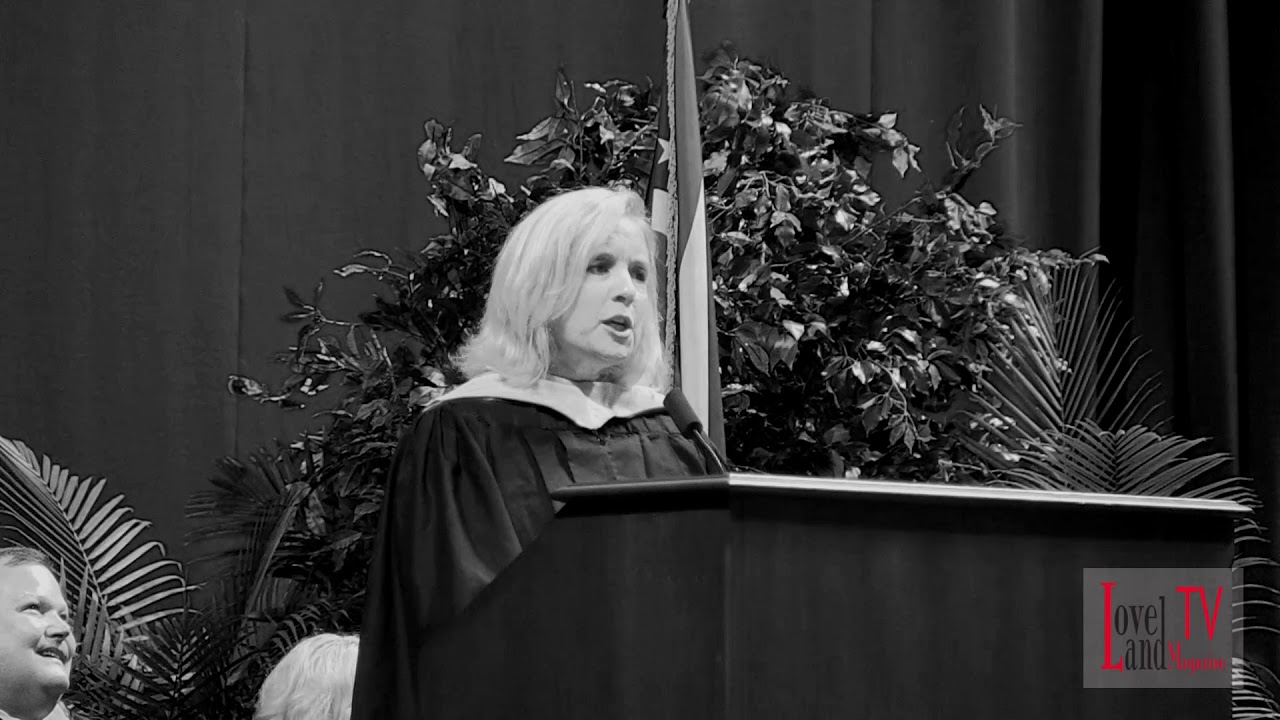
  • Superintendent Amy Crouse at Loveland High School Commencement

    Superintendent Amy Crouse at Loveland High School Commencement

    This LOVELAND MAGAZINE TV video is from the Xavier University Cintas Center on June 2, 2018. The 136th graduating class of Loveland High School.


  • Dr. Amy Crouse named superintendent of Loveland City Schools

    Dr. Amy Crouse named superintendent of Loveland City Schools

    Board of Education makes official decision at March 15 Special Meeting

    Loveland, Ohio – The Loveland City School District has announced the search for the permanent superintendent of Loveland School District is complete; in a unanimous vote the Loveland Board of Education made official their selection of Dr. Amy Crouse as the new educational leader at the March 15 Special Meeting.


    “The Board of Education, working with the Ohio School Boards Association (OSBA), found the best of the best candidates to interview, and sought feedback from the administrative team, the Tiger staff and the Loveland community before making this decision; we feel confident in our choice to name Dr. Amy Crouse as our new superintendent,” said Loveland Board of Education President Art Jarvis in a statement issued to the press. “During her tenure as interim superintendent, Dr. Crouse has worked tirelessly to ensure the district continued to focus efforts on enhancing the experience for our students. We know she is the perfect leader to push forward our key initiatives of Tiger academic growth, Tiger innovation and Tiger care.”

    Dr. Amy Crouse is the new educational leader in Loveland

    Crouse joined the Loveland administration as the assistant superintendent of teaching and learning in August of 2014; she came to the district with 21 years of education experience on her resume. She earned her bachelor’s degree from Indiana University in elementary education in 1990, her master’s in education administration from the University of Cincinnati (UC) in 1997, and her doctorate of education from UC in 2012, where she served as an adjunct professor in educational leadership in 1998, 2000, and 2010-2014. She began serving students as a teacher in 1993 at schools in Illinois, then North Carolina, before taking an administrative role as an assistant principal for West Clermont Local Schools in Cincinnati (1997) and then principal for that same district (1999). She moved to the Princeton City School District to serve as curriculum coordinator (2004), director of curriculum and instruction (2008) and served that district as associate superintendent (2012-2014).

    In addition, Dr. Crouse has been a featured conference presenter and contributing author to multiple publications, according to the press release issued by the District.

    “It is humbling to have the privilege to serve my Tiger Family in this role,” said Crouse in the statement. “With the full support of the Board of Education, we are laying the ground work right now for advancements in the student experience that will game-change the way this district does business, and I couldn’t be more excited to continue to collaborate with our Tiger staff and our Loveland community to make it happen. It is an exciting time to be a Tiger!”

    “Dr. Crouse is a proven educational leader,” added Jarvis. “Her accomplishments within our district are already outstanding – from developing a strategic plan to include our classroom educational leaders in researching and investing in the best teaching tools for our students, to bringing innovative learning to our classrooms, to growing our academic programs with a partnership with the University of Cincinnati just this year – she has already enhanced our student experience. The Board of Education is excited to support her leadership in accomplishing our vision.”


  • Public invited for meet and greet with finalists for Loveland superintendent job

    Public invited for meet and greet with finalists for Loveland superintendent job

    Loveland Board of Education selects finalists for superintendent search

    Public invited to informal meet & greet with each candidate

    Loveland, Ohio – The Loveland Board of Education has announced three finalists for the position of superintendent, following the search timeline established and first communicated in November 2017. The finalists will meet the Loveland community on the following dates:

    Karen Naber

    Karen Naber,  (Assistant Superintendent Sycamore Schools)

    Tuesday February 27 at 5 p.m. – 7 p.m. – Loveland High School Media Center 


    Dr. Chad Konkle (Assistant Superintendent Hamilton City Schools) (No photo available)

    Thursday, March 1 at 5 p.m. – 7 p.m. – Loveland High School Media Center


    Dr. Amy Crouse
    Dr. Amy Crouse

    Dr. Amy Crouse (Interim Loveland Superintendent)

    Monday, March 5 at 5 p.m. – 7 p.m. – Loveland High School Media Center


    “The next leader of the Loveland City School District will shape the future for our children; the responsibility is great, and we feel we have found the best of the best to bring before our community,” said Loveland Board of Education President Art Jarvis. “It is a great time to be a Tiger.”

    The Board of Education plans to take official action to employ a new superintendent in March, with that person’s official duties to begin August 1, 2018. The vacancy is the result of the resignation of Chad Hilliker that was effective on July 31, 2017. At that time, Dr. Amy Crouse took over as interim superintendent for the district, and she continues to lead in that capacity.

    The Ohio School Boards Association (OSBA) is assisting the Board with the search.


    RP Diamond Printing & Embroidery

      RP Diamond is the exclusive retailer of LOVELAND HIGH SCHOOL SPIRIT WEAR Welcome to  RP Diamond Printing & Embroidery located at 370 Loveland Madeira Road.


  • Loveland City Schools to hold focus group sessions for superintendent search

    Loveland City Schools to hold focus group sessions for superintendent search

    Loveland, Ohio – The Loveland City School District’s Board of Education is in the process of searching for a new school superintendent. The vacancy is the result of the resignation of Chad Hilliker, that was effective on July 31, 2017. At that time, Dr. Amy Crouse took over as interim superintendent for the district, and she continues to lead in that capacity. The Ohio School Boards Association (OSBA) is assisting the Board with the search.

    The Board has scheduled a Community and Staff Listening Session for OSBA consultant Steve Horton to meet with staff and community members to review the hiring process and receive input on Oct. 18, from 7 until 8 PM at the Loveland Intermediate School Media Center, 757 S. Lebanon Road, Loveland, Ohio 45140.

    The conversation will focus on the following three topics:

    (1) Major issues facing the district for the next three to five years;
    (2) Performance expectations for the next superintendent; and
    (3) Personal and professional qualities to be sought in the next superintendent.

    In a statement from the District, “Horton will provide the Board of Education with a detailed report of the conversation which will help the board to develop a detailed profile of the ideal candidate, to enhance their understanding of perceived future challenges and opportunities facing the district and to assist them in setting specific criteria for the screening, selection and evaluation of candidates.”