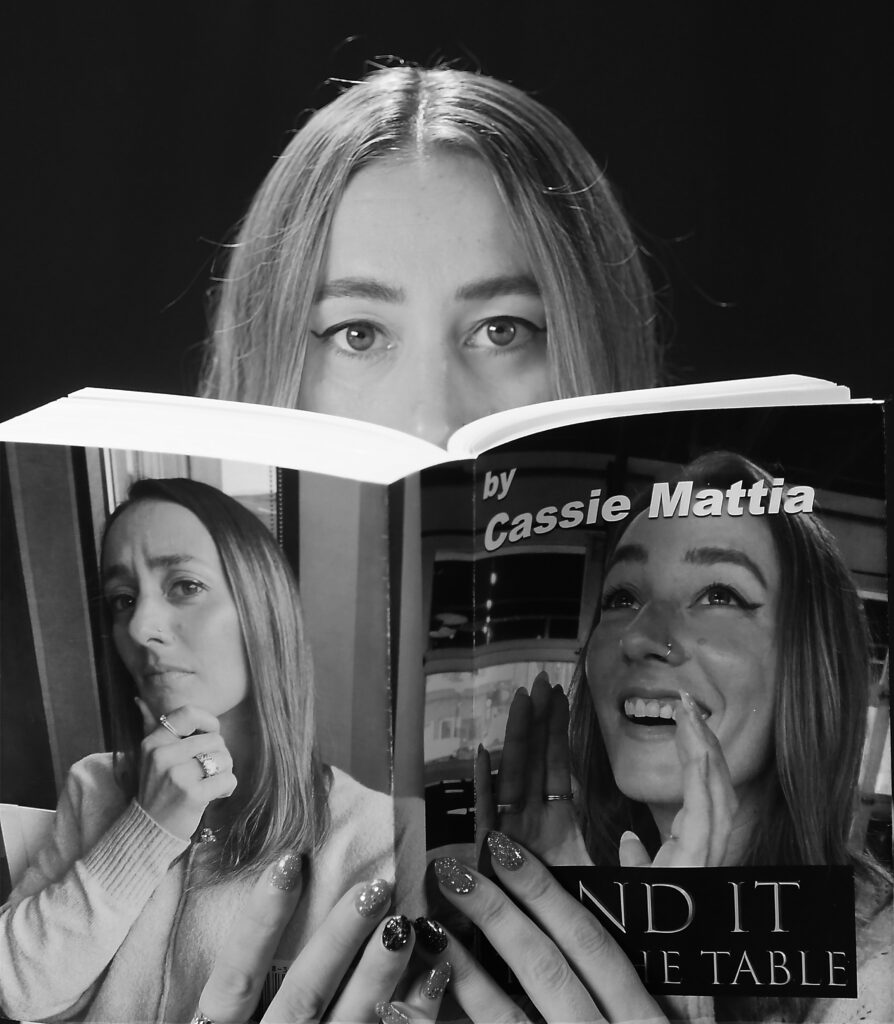
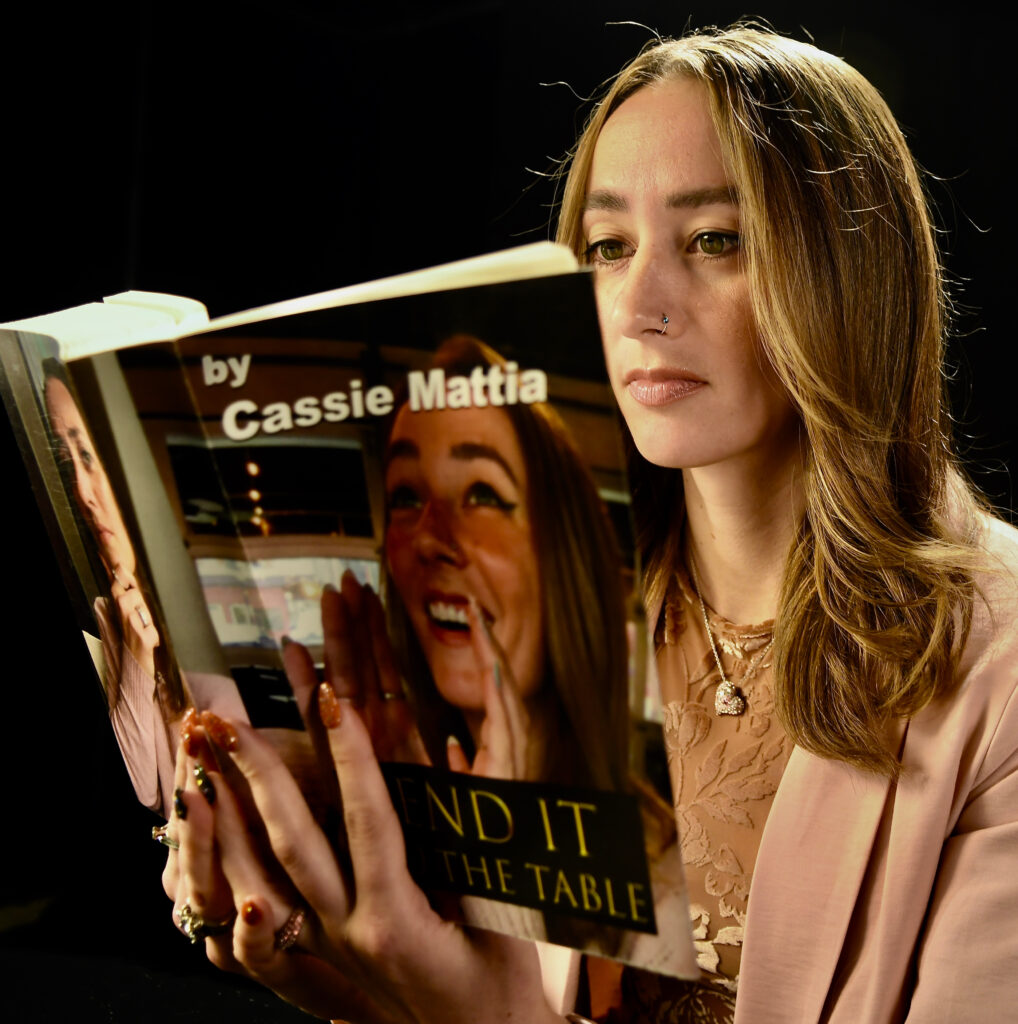
Loveland Magazine President and Publisher Cassie Mattia at her “Table of Discussions”.
by Cassie Mattia
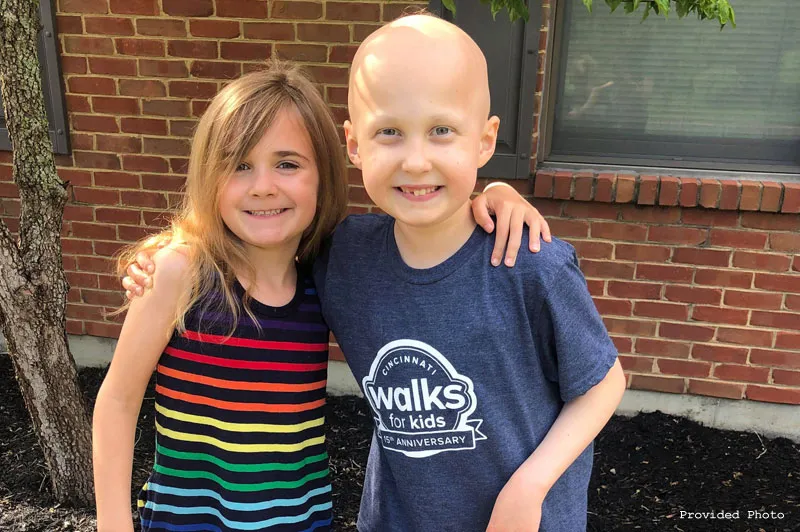
Loveland, Ohio – “We know Grant is ‘done with cancer’ but not in the way any of us hoped for,” Sara Wolf said in 2021 after losing her son, Grant Wolf at just 7 years old to Medulloblastoma, a malignant tumor in the cerebellum region of the brain.
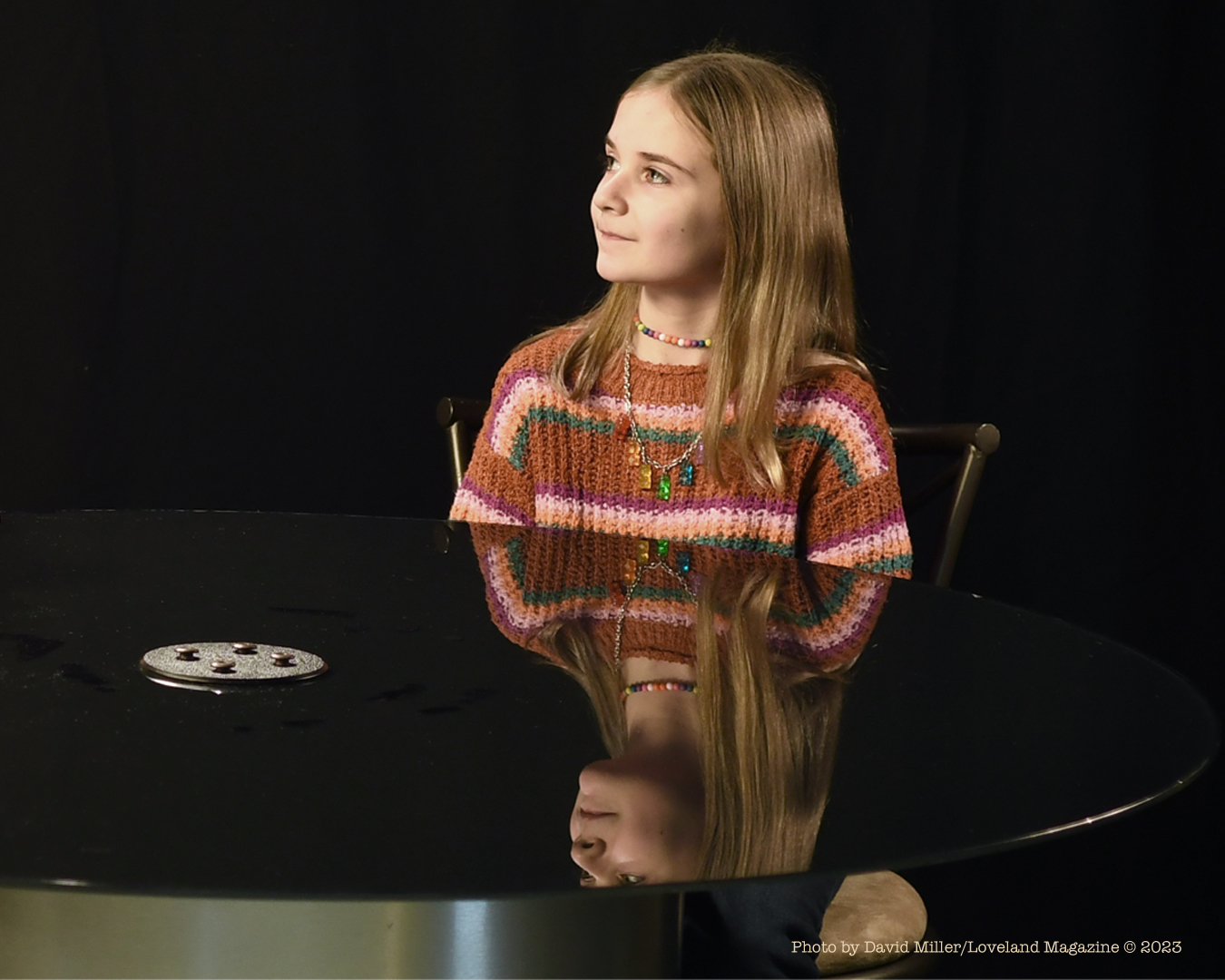
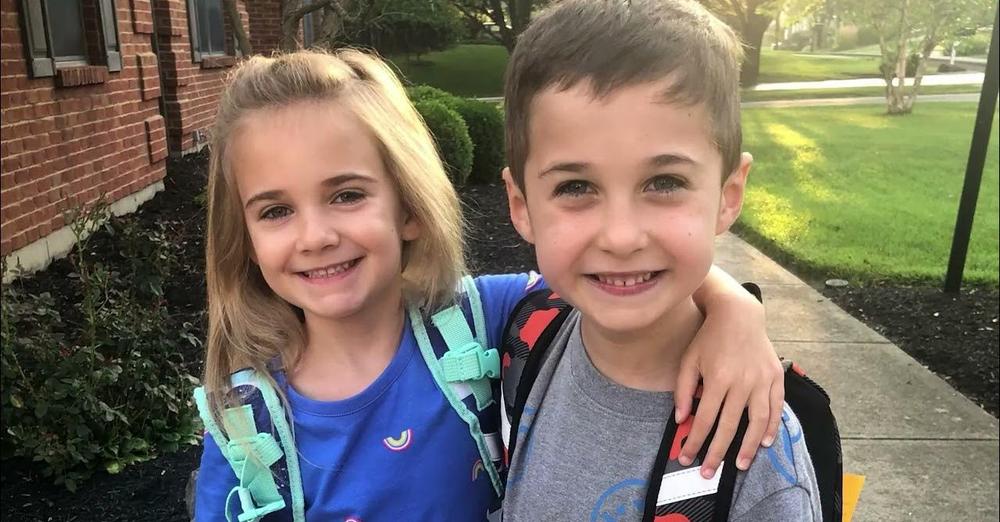
Grant’s twin sister, 9-year-old Julia Wolf, has made it her mission to advocate for childhood cancer research in memory of her brother. This will be the third year that Julia’s “Grant for Grant” fundraiser will be raising money with “The Cure Starts Now” for childhood cancer research.
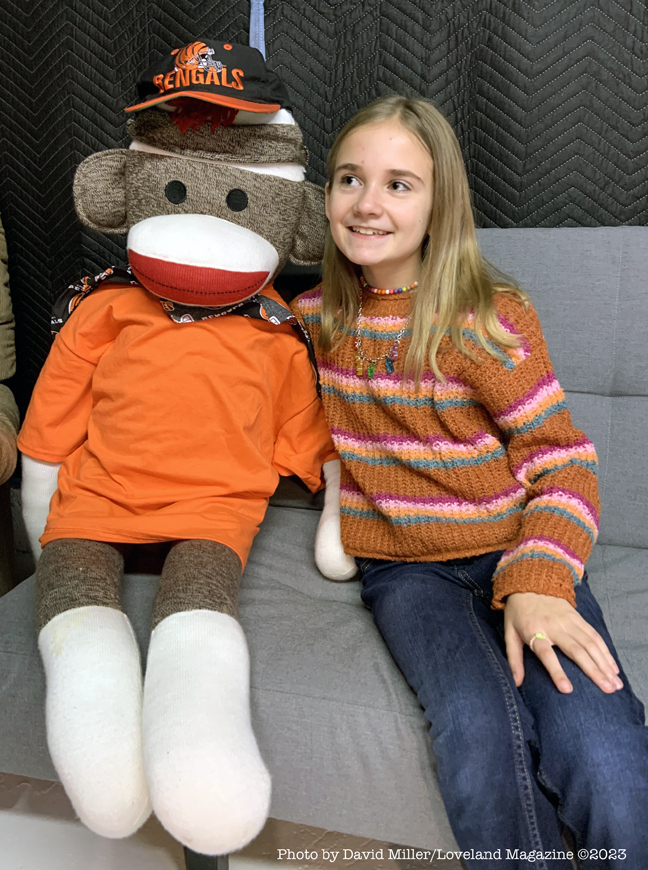
Julia’s love for stuffed animals was abundantly apparent when immediately after my interview she went to sit with the sock monkey in our studio.
Julia came up with the idea to fundraise in memory of her brother Grant at his funeral in 2021. Julia had been worried about having a birthday without Grant by her side so she brainstormed and came up with two ideas; donate stuffed dogs to kids with cancer, as she and Grant loved to play with stuffed animals together, and raise money for childhood brain cancer research. Julia’s mom loved the idea and thought what a great way to get “Grant’s Wolf Pack” involved, a group of supporters and advocates for childhood cancer research, and other cancer organizations such as The Cure Starts Now. “She set the fundraising goal at $240. We watched the total grow, and grow and grow and knew that the Grant for Grant fundraiser was going to make a big impact,” Sara said.
Julia’s first Grant for Grant fundraiser collected $56,000 and the following year the campaign brought in $52,000.
With Julia and Grant’s 10th birthday coming up and the third year of the Grant for Grant fundraiser in full swing, Julia has been working hard to spread awareness about childhood brain cancer. Julia’s goal this year is to raise at least $50,000 for her A Grant for Grant fundraiser by her and Grant’s birthday on February 11th.
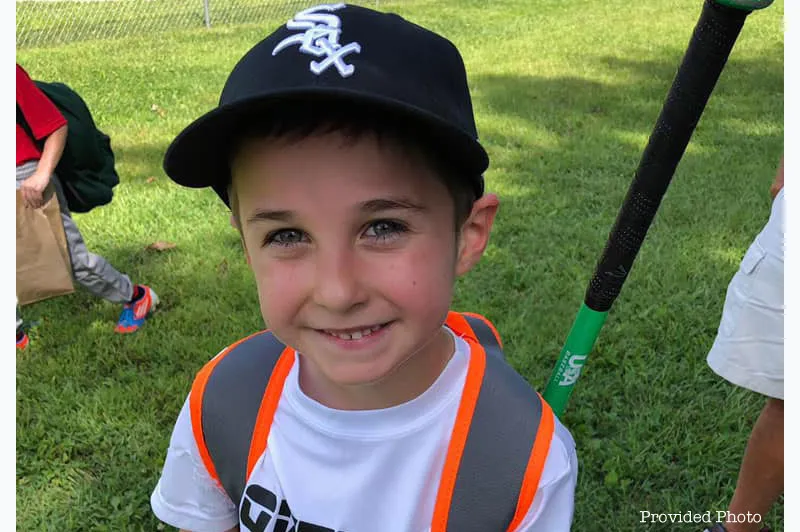
“Grant was really funny. He loved playing dogs and sports. He was the best twin brother,” Julia said to Loveland Magazine in a 2021 interview, “I really wanted to do something about finding a cure for cancer so that no other kid has to go through these tough times.”
Here at Loveland Magazine, we wanted to make sure we not only continued to support Julia’s cause but also let our community of readers know how they can support the cause too, so we invited Julia into the Loveland Magazine studios for a one-on-one interview! Click below to listen to the “Send it to the Table” podcast and the on-camera interview featuring Loveland’s sweetheart, Julia Wolf!
Listen to the “Send it to the Table” Podcast by Cassie Mattia featuring Julia Wolf
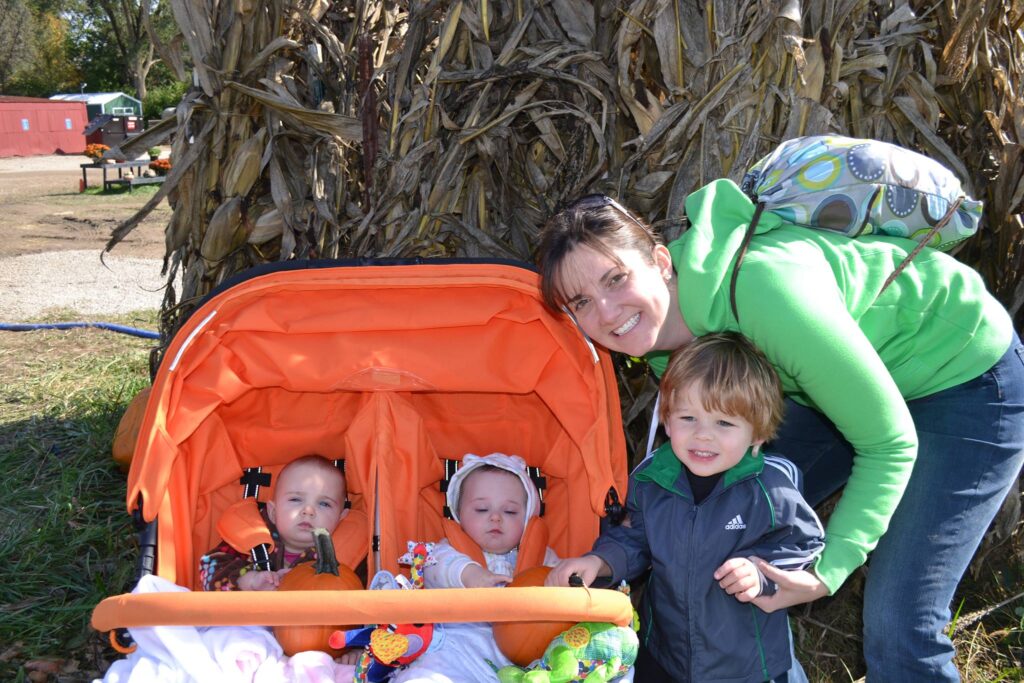
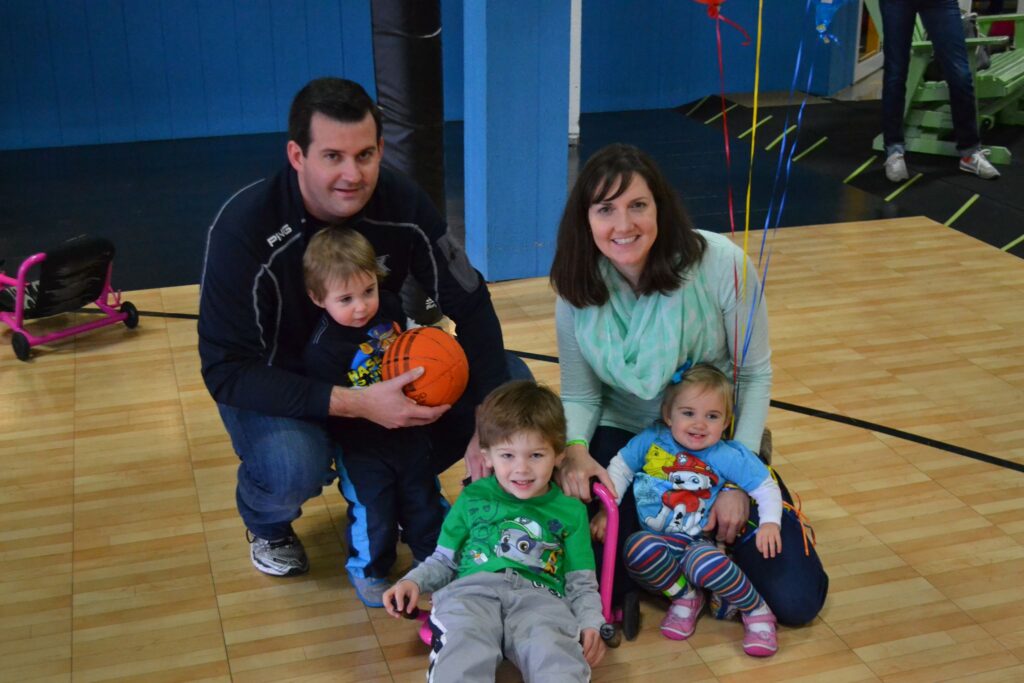
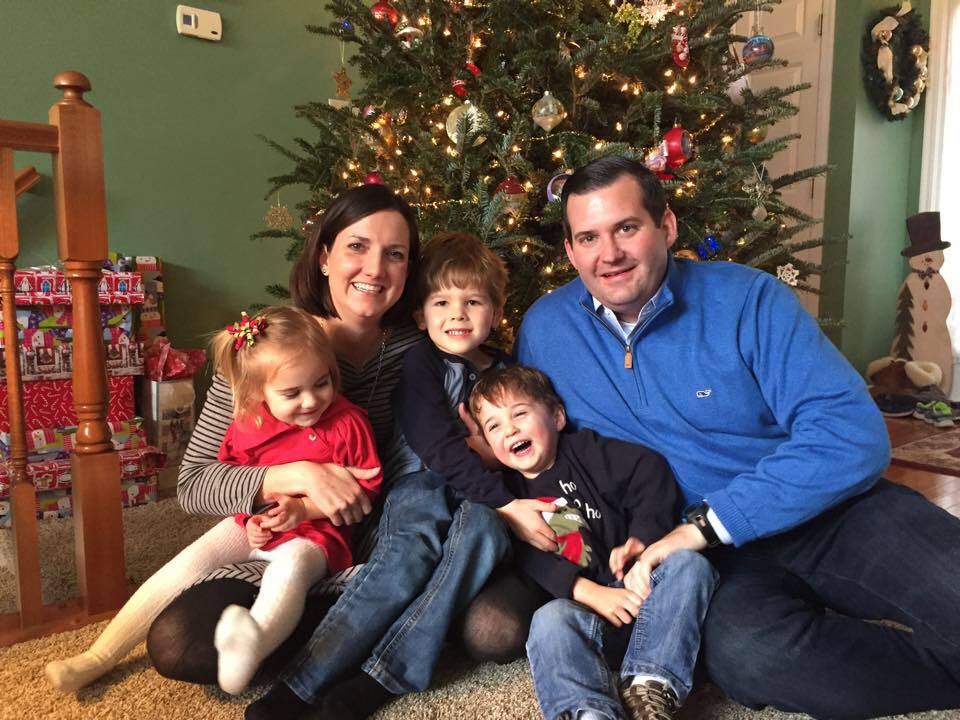
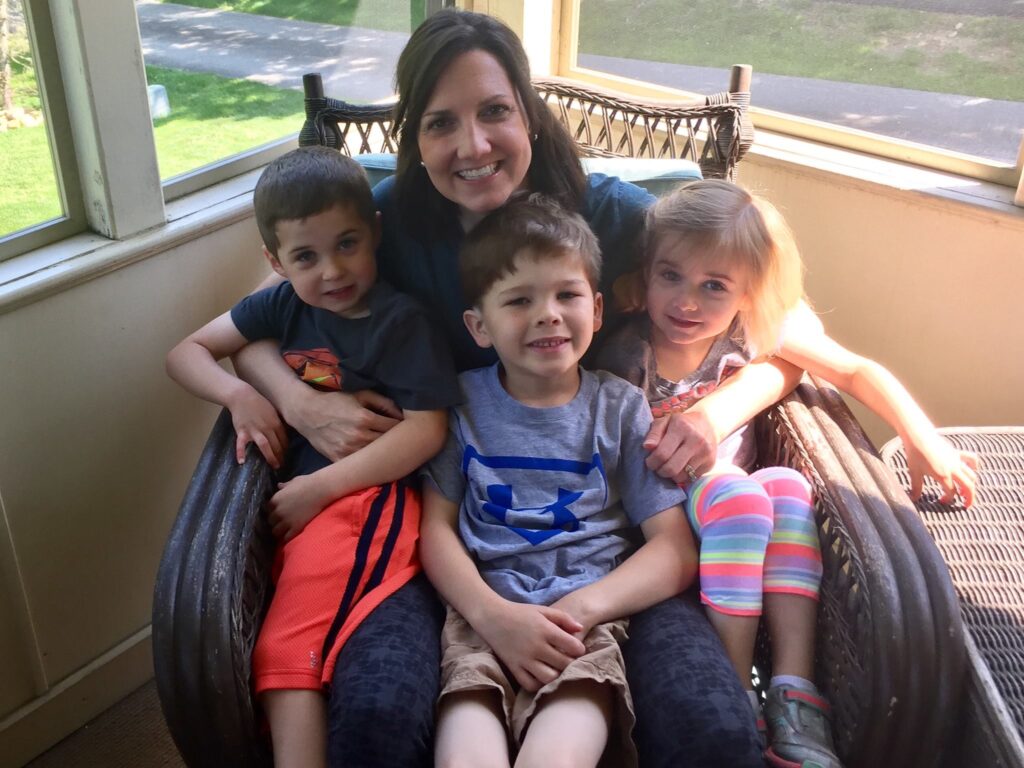
Wolf Family Photos
The Cure Starts Now represents something truly different – a grassroots effort dedicated to, not just fighting one cancer, but the elimination of ALL cancers. We believe as the experts do; that in order to truly cure cancer you have to focus on: • Those cancers that are immune to treatment. • Those cancers that also affect children. • Those cancers that are the biggest bullies with the highest death rate.
Learn all about The Cure Starts Now in the video below!
SAVE THE DATE for one of Cincinnati’s most unique auctions and the premiere fundraiser for The Cure Starts Now
As the premiere fundraiser for The Cure Starts Now, the Once in a Lifetime Gala is one of Cincinnati’s most unique galas. Join over 900 guests as they enjoy a 3-course gourmet meal, open bar, a 400-package silent auction, a once-in-a-lifetime experience live auction, and entertainment. Please join us as we continue our battle against pediatric brain cancer and honor our cancer warriors.
100% of the proceeds benefit The Cure Starts Now. Thanks to events like this, The Cure Starts Now has funded $21,188,327 in pediatric cancer research and support in conjunction with our DIPG/DMG Collaborative Partners. The proceeds will benefit The Cure Starts Now, a 501(c)(3) non-profit organization dedicated to finding a “home run” cure for cancer through funding of pediatric brain cancer research.
Receive admission to The Cure Starts Now auction, dinner, and program. Includes complementary beer, wine, and soft drinks.
Send it to the Table
If you have a story you would like to bring to my all-new segment, the “Table of Discussions,” where I talk about anything and everything going on locally and nationally, email me at cmattia12@gmail.com. I’d love to sit at my table with you and discuss an issue or listen to your story!
NAMI offers educational programs, support groups, and an information and referral phone line. They work together with their national organization (NAMI) and their state affiliate (NAMI Ohio) to advocate for people living with mental illness and their families.
NAMI Southwest Ohio is committed to the following values:
Recovery: Recovery is possible with comprehensive treatment. Mental illness, like most other illnesses, comprises biological, psychological, and social factors.
Access to Treatment: All individuals should have access to treatment appropriate to their needs.
Needs Adequately Addressed: The needs of all those affected by mental illness, including people living with mental illness, family members, friends and others should be adequately addressed.
No Guilt, Shame, Blame or Stigma: There should be no stigma associated with mental illness.
Collaboration: Collaboration within the mental health community is vital to effective treatment and recovery.
Excellence: All NAMI’s support, education and advocacy programs should be conducted with the highest possible standards.
Inclusion: All segments of the community should be included as we seek to be the voice for mental health in Southwest Ohio.
Respect: All individuals should be treated with respect in every situation.
Openness and Responsiveness to Change: NAMI will be quick to adapt to positive research, medications and treatment, and will be willing to consider changes that will improve the delivery of our mission.
Fiscal Responsibility: Financial policies and decisions will be carefully weighed in order to optimize the use of resources in the most efficient and effective manner.
The Youth America Hotline is a free peer-to-peer hotline network that links callers to community-based peer counseling hotlines.
Call 911 if you are facing a dangerous situationor thinking about hurting yourself
Crisis Text Line
Text START to 741741
The Crisis Text Line is available 24/7 to help you with any kind of crisis. Visit www.crisistextline.org/faq to learn more about how the Crisis Text Line works.
CEO, Dan Gillison, talks to the NAMI community about COVID-19
Local Resources By County
Butler County:
Mobile Crisis Team And Consultation
(844) 4CRISIS (1-844-427-4747)
24-hour Hotline: Need someone to talk to? Call the same Mobile Crisis Team phone number above. They are there to help!
This free and confidential hotline is available 24-7 and provides suicide prevention, crisis intervention and referral information to Clermont County youth and adults.
To refer an adult or child, call (513) 584-5098. Mobile Crisis is available Monday through Friday from 8:30 am to 12:00 am and Saturday and Sunday from 12:00 pm to 8:30 pm.
After hours, referrals can be made through Psychiatric Emergency Services (PES). Call (513) 584-8577. PES will page the Mobile Crisis Team if necessary.
Mental Health Access Point (MHAP) exists as the front door to the Hamilton County public mental health system. MHAP, a division of Central Clinic, provides assessment, support, and connections for children and adults residing in Hamilton County who are in need of mental health services.
The National Suicide Prevention Lifeline is a free, 24-hour hotline available to anyone in suicidal crisis or emotional distress. Calls will be routed to the nearest crisis center to you.
The Veterans Crisis Line connects Veterans in crisis and their families and friends with qualified, caring Department of Veterans Affairs responders through a confidential toll-free hotline, online chat, or text.
Suicide Prevention In College Resource Guide
This online guide, created by Affordable Colleges Online, is designed to offer hope and help for college students who are experiencing suicidal thoughts, as well as their friends and family.
Trained volunteers provide information, referrals, and support to all who have questions about or are affected by serious mental illness. The NAMI Information Helpline is available Monday through Friday, 10:00 am to 6:00 pm EST.
Call 911 if you are facing a dangerous situationor thinking about hurting yourself
The 2019-2020 season is underway; all regions of the country are seeing elevated levels of flu-like illness.
Activity is being caused mostly by influenza B/Victoria viruses, which is unusual for this time of year. A/H1N1 viruses are the next most common and are increasing in proportion relative to other influenza viruses in some regions.
CDC estimates that so far this season there have been at least 2.6 million flu illnesses, 23,000 hospitalizations and 1,300 deaths from flu.
It’s not too late to get vaccinated. Flu vaccination is always the best way to prevent flu and its potentially serious complications.
Antiviral medications are an important adjunct to flu vaccine in the control of influenza. Almost all (>99%) of the influenza viruses tested this season are susceptible to the 4 FDA-approved influenza antiviral medications recommended for use in the U.S. this season.
If you are concerned about neighborhood safety, then you should NOT support Issue One on the ballot this fall. It will hinder law enforcement, prosecutors, and judges in their ability to deal with the biggest drug crisis in this state’s history.As a result, it will result in more drugs on the streets, more crime, more deaths from overdoses, and more costs to local communities and taxpayers.
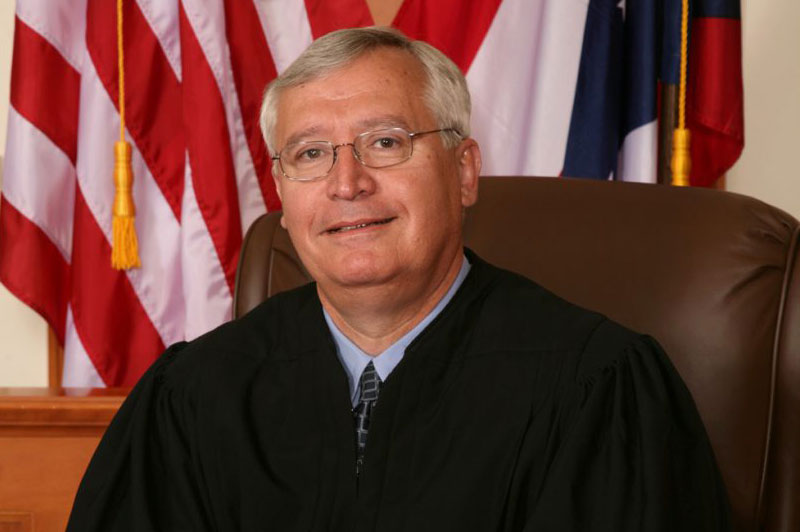
Jerry R. McBride is a Clermont County, Ohio, Common Pleas Court Judge
Judges have the ability to comment on issues that affect the administration of justice. Issue One will have a devastating effect on the administration of justice on Ohio. As one trial judge, this is my take on Issue One:
ISSUE ONE DOES NOT BELONG IN THE STATE CONSTITUTION
A state constitution should set forth the powers and functions of the branches of government, certain general values and principles upon which the citizens of the state generally agree, and the basic rights which are afforded to the citizens of the state. It should set forth matters which are so fundamental and important that they will not be subject to change over time. This proposed constitutional amendment does not in any way belong in a state constitution. It seeks to change sentencing law as it exists in the state of Ohio based on an assumption that change needs to be made. If change does need to be made, then it should be made through the process of enacting legislation, as is done on a regular basis in this state, and not through a constitutional amendment.
ISSUE ONE DIRECTLY CONTRADICTS THE CONCEPT OF TRUTH IN SENTENCING AND IGNORES THE RIGHTS OF VICTIMS.
There should be truth in sentencing, not lip service to truth in sentencing. Issue One allows a credit to be given by the Department of Rehabilitation and Correction for participation in rehabilitative, work, or educational programming of up to 25% of a sentence plus 30 days. While this may sound good at first glance, it is contrary to the concept of truth in sentencing. When a victim is told what a sentence will be, he/she should be able to rely on that being the sentence unless a hearing is scheduled on a possible reduction in the sentence. Why should a sentence be reduced just because an inmate “participates” in programming? Isn’t that the bare minimum that should be expected from an inmate? Why should an inmate be rewarded for doing the bare minimum? If a sentence is to be reduced, it should be reduced by the sentencing judge based upon an assessment that the risk of recidivism has been reduced, not because somebody has shown up to work. And if the judge makes the assessment that the sentence should be reduced, a hearing will be required and the victim will have an opportunity to be present and to be heard, which is the way it should be. Additionally, what does it mean to “participate” in these activities? This essentially allows the prison authorities to reduce a judge’s sentence,and it should be the judge who imposed a sentence who determines whether that sentence should be reduced.
ISSUE ONE IS DANGEROUS IN THAT IT INTERFERES WITH THE JUSTICE SYSTEM’S ABILITY TO DEAL WITH THE DRUG CRISIS
It is highly inappropriate in the midst of the biggest crisis in this state in terms of drug abuse for the possession and use of dangerous drugs to be treated essentially the same as minor traffic and criminal offenses. Possession of dangerous drugs leads to overdoses, to more serious criminal offenses, to deaths. The possession and use of dangerous drugs are not minor offenses to the persons who are addicted to drugs, to the victims of crime involving persons under the influence of drugs, to the parents and family members who are praying that their loved ones will not overdose and die. To suggest that we need to include treatment in our approach to this drug crisis is highly appropriate, and in fact it is already being done routinely across this state. However, to suggest that we should reduce the level of these offenses so that they are no longer classified as serious offenses is highly inappropriate.
ISSUE ONE TREATS USE OF DANGEROUS DRUGS AS LESS SERIOUS THAN JUST ABOUT EVERY OTHER CRIME
The proponents of the constitutional amendment, in saying that a jail sentence cannot be imposed, are saying that possession and use of such drugs as heroin, methamphetamine, and cocaine should be treated more lightly than reckless driving, shoplifting, lying to a police officer, gambling, and persistent disorderly conduct, all of which can result in the imposition of jail sentences. Is this really the message that we should be sending to drug addicted adults who represent a risk of committing more serious offenses as long as they persist in the use of dangerous drugs?
ISSUE ONE ELIMINATES THE ABILITY OF A JUDGE TO IMPOSE A JAIL SENTECE FOR A FIRST OR SECOND POSSESSION OFFENSE, EVEN IF THE DRUG IS HEROIN, METHAMPHETAMINE, OR COCAINE
In all likelihood, probation will be appropriate for a person who commits a drug possession offense which is the first or second within a 24-month period. However, that will not always be the case. For instance, probation may not be appropriate at all if the offense is committed at the same time as a more serious offense such as a burglary or an assault. Similarly, probation may not serve the purpose of protecting the public if the drug possession or use offense is committed by a convicted sex offender for whom use of a dangerous drug or alcohol represents a significant risk of reoffending and for whom intermediate sanctions may provide no real protection to the community. As for the term probation, does that include treatment in a halfway house or in a lock-down community based correctional facility?
If it doesn’t include residential treatment, including lockdown residential treatment, ittakes away some of the most effective tools which can be used in trying to rehabilitate an offender. Needless to say, the problem with creating an absolute standard that requires that a person who uses or possesses drugs receive the lowest level of sanction available is that applying that standard under the facts of given case may not be consistent with the seriousness of the offense or the likelihood of recidivism.
ISSUE ONE PUTS HANDCUFFS ON JUDGES IN THEIR ABILITY TO GET OFFENDERS TO STOP USING DRUGS
The proposed amendment would eliminate the possibility of imposing a jail sentence at all for a violator on a first or second drug possession or use offense within 24 months and would eliminate the possibility of a court imposing a prison sentence for a felony violator unless the violator commits a new criminal offense. However, this leads to some very real dilemmas. If that is to be the law, what is a court to do with someone who simply refuses to attend treatment or to comply with any of the intermediate sanctions or who simply says that he/she will not comply with anything that the court orders? What is a court to do with someone who says he/she will comply with community control sanctions but then refuses to do anything which is ordered? Under the language of the proposed constitutional amendment, a felony offender could simply tell a judge at the time of the sentencing hearing that he/she will comply with the community control sanctions that are ordered, and then after being placed on community control, refuse to do anything that the court orders. At that point, a prison sentence could not be imposed. What is the possible sense in that? How does that serve to protect the public? The probation department has a statutory duty to report violations to the court, but if the offender continually absconds or fails to comply with the sanctions that are ordered, how can the probation department perform that function? The answer is very simple- it can’t.
ISSUE ONE JUST GIVES LIP SERVICE TO THE CONCEPT OF GRADUATED SANCTIONS
Issue One strips away the full range of tools which enable a judge or probation department to be effective in not only rehabilitating an offender, but also in protecting the public. It is difficult to argue with the concept of graduated responses, and the use of intermediate sanctions, by courts and probation departments. It is consistent with the use of evidence-based practices. However, the application of graduated responses or intermediate sanctions to a violator in a given case will depend on the seriousness of the original offense, the risk of recidivism, and the nature of the violation. In this regard, a graduated response policy will typically include probation (monitored or with conditions), intermediate sanctions (which may include such things as house arrest, residential or outpatient treatment, day reporting, a short jail term, or other requirements), and jail or prison. Issue One, however, arbitrarily takes away the option of jail or prison even for someone who thumbs his or her nose at the system and who refuses to undergo treatment or to make other changes that are necessary to reduce the likelihood of recidivism. It also arbitrarily takes away the option of jail or prison for someone for whom lesser sanctions are simply not appropriate.
ISSUE ONE CONTRADICTS THE IMPORTANT CONCEPT OF SEPARATION OF POWERS
The proposed amendment provides that each court must prepare guidelines for graduated responses that may be imposed in sentencing offenders and that the guidelines must be approved by the Department of Rehabilitation and Correction, which is part of the executive branch. Such a provision, which is proposed to be part of the state constitution, violates an already existing constitutional principle, which is the separation of powers. Additionally, there is no reason to believe that the Department of Rehabilitation and Correction has any expertise in deciding what factors a court should consider in determining which graduated response should be applied in a given case in sentencing an individual. That is pure and simple a judicial function.
UNDER ISSUE ONE, THERE WILL BE LESS, NOT MORE, MONEY FOR TREATMENT
The proponents of this constitutional amendment assume that the costs of their proposal will be covered by a substantial reduction in the number of prison beds. However, since the cost of housing fourth and fifth degree felons in the prison system is a very small part of the overall prison cost, since the projections as to cost reductions by the Department of Rehabilitation and Corrections have been inaccurate in the past, and since the increase in prison population has primarily resulted from longer sentences, and that is not addressed at all by the constitutional amendment, there is no real reason to believe that the assumptions of the proponents in this regard are correct.
ISSUE ONE WILL RESULT IN GREATER COSTS TO LOCAL COMMUNTIES WITH WORSE RESULTS
In the unlikely possibility that the proponents of Issue One are correct that there will be more money for treatment, and that appears to be fool’s gold, the most significant costs of this proposed constitutional amendment are the following- it undermines the efforts being made by courts and the law enforcement community to deal with the drug crisis, it undermines the ability of courts to effectively sentence offenders, and worst of all, it will not make the public any safer at all, and given the problems identified above, will likely lead to the public being more at risk. The cost of the proponents of Issue One pursuing their ill-conceived political agenda will be to put more people at risk of being victims, will not result in more or better treatment for drug users, and will result in greater cost- both human and monetary- to local communities. That is the reason that law enforcement, prosecutors, and judges throughout Ohio are opposing Issue One as being both ill-conceived and dangerous.
Relaxed atmosphere and friendly service welcomes you back time and time again! Located in the heart of the Historic Loveland District Just outside Cincinnati, Ohio.
Cassie Mattia lives in Historic Downtown Loveland, Ohio.
If we don’t protect our youth who will? In May, Ohio Paul Zeltwanger and Thomas Brinkman proposed House Bill 658, which states:
“If a government agent or entity has knowledge that a child under its care or supervision has exhibited symptoms of gender dysphoria or otherwise demonstrates a desire to be treated in a manner opposite of the child’s biological sex, the government agent or entity with knowledge of that circumstance shall immediately notify, in writing, each of the child’s parents and the child’s guardian or custodian. The notice shall describe the total circumstances with reasonable specificity.”
gen·der dys·pho·ri·a
ˈjendər disˈfôrēə/
noun
MEDICINE
The condition of feeling one’s emotional and psychological identity as male or female to be opposite to one’s biological sex. How to pronounce gender dysphoria.
In plainer language House Bill 658, also known as the “Parent’s Rights Bill,” would make any school administrator or teacher who allows or offers gender dysphoria (the condition of feeling one’s emotional and psychological identity as male or female to be opposite to one’s biological sex) treatment, including resources on sex and gender or counseling, for a minor “without the written, informed consent of each of the child’s parents and the child’s guardian or custodian” they could be charged with a felony in the fourth degree. The parents of the student according to the bill would get the ultimate decision whether their child gets access to treatment, including educational materials, counseling or medical services.
If this House Bill is implemented it could have detrimental consequences for teachers and even more importantly for those students affected. Teachers are there to lend their students a helping hand educationally and emotionally in order to prepare them for what’s to come once they are out on their own, why take this from them?
A teacher’s take on House Bill 658
I spoke to one Loveland teacher who wishes to remain anonymous, a mom of a teenager. I’ll call her Susan. She told me that for many students their home life is a wreck and out of control with issues of poverty, broken families, and domestic abuse. “For many of my students, the only adult in their life that can be trusted may be their teacher. Teachers who lend an ear and can be trusted can be an enormous help that often reflects on their academic achievement. We care for the whole child.”
Susan told me that for many students their home life is a wreck and out of control with issues of poverty, broken families, and domestic abuse. “For many of my students, the only adult in their life that can be trusted may be their teacher.”
Susan told me that she just overheard a conversation between her daughter and a friend about a classmate they thought was transgender. “I wondered, do they know what that means? Are they friends with this young person? How do my kid and others treat her? Because I am a teacher, would I be required to file a report with the District? These are all questions that ran through my head as a mom and a teacher.”
Susan said she wants to protect and support all of her kids, her biological ones and the ones that are “her’s” for a school year. “I want to be able to do that freely and openly and with my heart.” She said that some of her students desperately need someone they can trust in their life and the last thing they need is another person that will let them down because politicians want school staff charged as felons if they don’t report that the student herself, or a classroom teacher, principal, gym teacher, bus driver, or classmate may be questioning her gender identity.
Susan asked, “Just what stereotypes am I going to be expected to police?
HB 658 is a harmful bill that takes aim at some of our most vulnerable — transgender youth — by forcing school officials to serve as ‘gender police’ and out them or risk getting a felony.” – Alana Jochum
LGBTQ advocacy
“HB 658 is a harmful bill that takes aim at some of our most vulnerable — transgender youth — by forcing school officials to serve as ‘gender police’ and out them or risk getting a felony,” said Alana Jochum, executive director of LGBTQ advocacy group Equality Ohio. Jochum told NBC News. “This exposes young people to discrimination, harassment, and bullying.”
Jochum couldn’t be more correct if you really take a look at the alarming statistics. One study done by the Cincinnati Enquirer showed that 64% of LGBTQ youth in Ohio heard “negative comments” about their gender identity or sexual orientation from their family and in result, according to another study done by National Transgender Discrimination, 41% attempted suicide. Though many transgender students
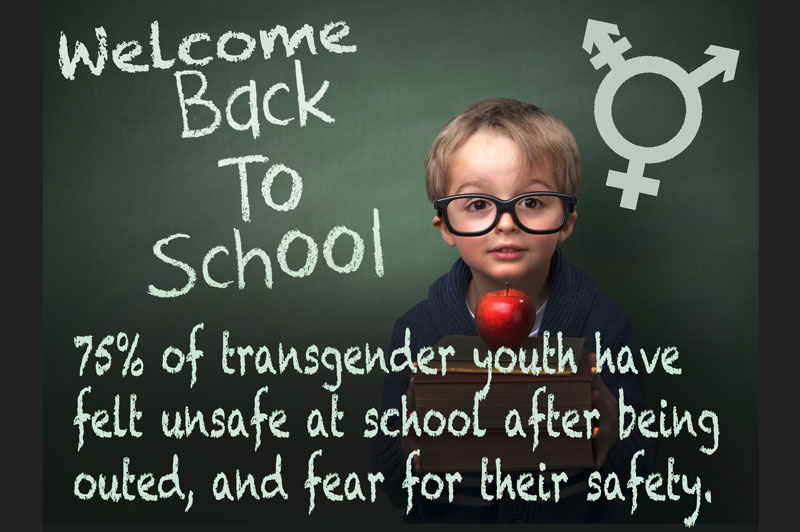
75% of transgender youth have felt unsafe at school after being outed and have lower GPA’s due to missing school in fear of their safety.
have experienced negative comments, violence has become the most popular form of dealing with transgender youth. Disturbingly enough 19% of transgender youth, according to the National Center for Transgender Equality, experience the majority of violent abuse in their home from their own family members. Along with dealing with all the dissension from family members 75% of transgender youth, according to a national survey done by GLSEN (pronounced “glisten”), have felt unsafe at school after being outed and in result have lower GPA’s due to missing school in fear of their safety. With all the facts at hand, The Ohio Education Association who represents 125,000 teachers and support professionals, have openly opposed the bill.
Violence has become the most popular form of dealing with transgender youth.
Kathryn Lorenz is the Loveland Board of Education Vice President
While researching House Bill 658 I managed to only get a response from two local representatives of the Loveland School Board, one being Kathryn Lorenz, the Board Vice President and the other being Loveland School Board Member, Ned Portune. Lorenz’s response was, “In the case of House bill 658, we would have to say that we do not yet have enough information, nor have we met as a board for a few weeks, so we do not yet have a Board statement to make.”
Ned Portune is a member of the Loveland School Board
Portune added that he, “…simply has not been fully informed at this point on HB 658 to have an educated opinion. There are several items in your statement that would certainly give me a gut reaction, and opinion on, if true as presented. But I need time to fully review the Bill, its implications and existing laws to have any formal statement.”
School Superintendent Amy Crouse, High School Principal Peggy Johnson, and assistant principals at the High School did not respond.
Studies show most transgender youth are fully aware of their gender identity by age 4.
After attempting several times to contact both Representatives Paul Zeltwanger and Thomas Brinkman through email and phone about House Bill 658, I, unfortunately, got no response. It wasn’t hard to find Brinkman’s opinion on the issue in several other publications though, voicing to WCPO, “Parents have the right to decide what is best for their children,” and telling WOSU Public Media, “And if somebody doesn’t like it, you’re emancipated at age 18 and you can go do whatever the heck you want.” Seems pretty harsh considering the transgender population represents about 0.3% (700,000) of Americans and studies show most transgender youth are fully aware of their gender identity by age 4. Are we encouraging parents and administrators to discard their students or child’s gender identity in fear of social rejection? Do these children not deserve to live an authentic life?
Fran Hendrick, PCC has offices at Wildflower House in the West Loveland Historic District.
House Bill 658 is expected to be presented to the Ohio General Assembly in the Fall and will be without a doubt one of the most controversial bills to date. Many have opinions on this issue one being Fran Hendrick, a respected and highly educated clinical counselor who specializes in assisting women and girls who are experiencing depression or anxiety triggered by a crisis or major life change. When I presented Fran with House Bill 658 and asked what her opinion was she had a lot to say and rightfully so considering one of her life missions, according to Fran’s website franhendrick.com, is to “gently help you find and shelter your spark (the essence of who you are at your core) and grow it so that it illuminates your person and is radiated through words, actions and decisions, big and small, that make up your daily life.”
In a culture such as ours, it is a matter of life and death for transgender youth to decide if and when to trust another person with their reality. – Fran Hendrick, PCC
“Being a parent takes great courage, even more so when your child presents you with something that you’re unfamiliar with – or even afraid of. In a perfect world, a child who feels somehow ‘different’ from their peers (‘their’ is deliberately gender-neutral), they could consult their parents, who would strive to deeply understand the child’s experience, would provide accurate empathy, and would go on a crash course to learn everything they could about the unfamiliar issue. And, so very fortunate for their children, there are many parents like these.
But in the real world, an adolescent boy saying to his father, ‘Dad, I think I’m a girl’ is very likely to encounter disgust, rejection, rage, or even violence, not empathy and understanding.
While the intent of this bill, giving benefit to grave doubt, could be a deeply uninformed and misguided attempt to protect children, that seems unlikely. My sense is that in truth it is more about attempting to hand parents the power to say no to their child’s gender identity,” Hendrick said, “But gender identity – and sexual orientation, for that matter – are not matters of choice. And in a culture where transgender people are assaulted and even murdered at a rate higher than their cisgender counterparts,where transgender youth are summarily shunned and rejected by their own parents (the rate of homelessness is, not surprisingly, very high), where the suicide rate that results from these atrocious facts is far higher than for other youth – in a culture such as ours, it is a matter of life and death for transgender youth to decide if and when to trust another person with their reality, and, most importantly, whom to trust.
To be “outed” for the choice to trust; or to be prosecuted for trying to be help – these are not protections. Actions like these support bigotry, and increase isolation and despair. – Fran Hendrick, PCC
To be “outed” for the choice to trust; or to be prosecuted for trying to be help – these are not protections. Actions like these support bigotry, and increase isolation and despair. Stopping a teacher from helping such a student, one who is likely alone with the reality of their gender identity, who stands to be emotionally and psychologically rejected, or even physically abused, by their own family is, quite simply, a cruelty. This, I strongly believe, is not what the overwhelming majority of parents want for their own or anyone else’s children. This is bad enough. However, this bill opens the door to much more far-reaching damage than this.”
Is he to be turned in to the gender police?
The talented young male artist who despises sports – is he to be turned in to the gender police? The girl who chooses overalls and a t-shirt rather than a dress and a mani-pedi –what of her? The sponsors of the bill have explicitly said that teachers should be required to inform on them, as well. We have an essential responsibility to ensure that proposed legislation protects vulnerable people from the bigotry endemic in our society.This legislation explicitly deprives them of protection.”
Ultimately what it comes down to is ensuring that our children are and feel safe when going to school. Teachers and administrators are the ones that take on the responsibility of creating that fun, loving and supportive atmosphere so that our children get the best opportunities in life. Passing a bill such as House Bill 658 only presents another obstacle that both teachers and administrators have to overcome. Don’t these professionals have enough obstacles to conquer as is?
Both Justin Haake and Tonya Schaeffer who are Professional Clinical Counselors for Hope Restored Counseling Services in Loveland couldn’t agree more.
Justin Haake is a Licensed Professional Counselor at Hope Restored Counseling Services in Loveland and works primarily with adolescents and adults, specifically during transitional periods in life.
Haake said, “For some, teachers and school administrators may be the only people in schools that feel safe for students to reach out to.Imagine the fear of asking for support, knowing that you’ll either be outed or put the teacher or administrator at risk of a felony.”
Schaeffer said, “From my perspective, this would most likely increase the level of bullying and possible harm to these students.There is already so much shame and stigma attached with Transgender people, and they need as much support as they can get,”
Tonya Schaeffer is a Licensed Professional Clinical Counselor and co-owner of Hope Restored Counseling Services in Loveland.
Schaeffer added, “Support is out there.In fact, we are offering a psycho-educational group starting in September that offers education, support and a safe environment for Transgender students to express themselves.” She said they hope to offer a similar group to parents who are trying to understand what their child is going through, explore what the parents are experiencing and provide support. “We currently serve the LGBTQ community, and we are expanding those services.I recently read a statement that it is estimated that 41% of trans men and women have attempted suicide. I don’t believe this bill would help–it seems like it could only hurt.”
Susan, the mom and teacher said, “I am thankful I live in a community where support services like those provided by Hope Restored, and Fran Hendrick at Wildflower House are nearby for my students and their families.”
Transgender youth have so many mountains to climb within their own scientific makeup and allowing a bill like House Bill 658 to go through in hindsight is taking away their basic rights as Americans and human beings.
“GLSEN (pronounced “glisten”) was founded in 1990 by a small, but dedicated group of teachers in Massachusetts who came together to improve an education system that too frequently allows its lesbian, gay, bisexual, transgender, queer and questioning (LGBTQ) students to be bullied, discriminated against, or fall through the cracks.”
The Warren County Commissioners invite you to participate in an important community meeting to learn about ways to address the opioid crisis in our county. The forum will take place on Tuesday, July 17, from 6:30 to 8 p.m. at the Warren County Career Center in Lebanon.
The commissioners will present details from a recent study conducted by the Addiction Policy Forum and outline the organization’s recommendations for implementing a comprehensive blueprint for the county’s opioid response.
An increase in the number of pain medicine prescriptions and rising access to heroin caused growing opioid abuse over the past several decades. According to a report by the county’s Opioid Reduction Task Force, from 1991 to 2011 opioid prescriptions in the U.S. rose from 76 million to 219 million. In Warren County, there were more than 10.6 million annualized opioid prescriptions written in 2015, the equivalent of 48 doses per person. Additionally, the number of overdose deaths in the county rose 264 percent from 2004 to 2014.
The Addiction Policy Forum is a partnership of organizations, policymakers and stakeholders working to increase awareness about addiction and encourage a holistic response that includes prevention, treatment, recovery and criminal justice reform.
To RSVP for the meeting, email commissioners@co.warren.oh.us. You can also learn more about the Addiction Policy Forum’s recommendations for Warren County online.
Batavis, Ohio – Deaths due to drug overdoses declined for the second straight year in Clermont County, according to the Clermont County Coroner’s Office.
In 2017 76 deaths were caused by accidental drug overdoses.
In 2017, the Coroner’s Office, under the direction of Dr. Brian Treon, ruled that 76 deaths were caused by accidental drug overdoses. This compared to 83 in 2016, and 94 in 2015 – the highest number since Clermont County began to see the effects of increased opioid use in the late 2000s.
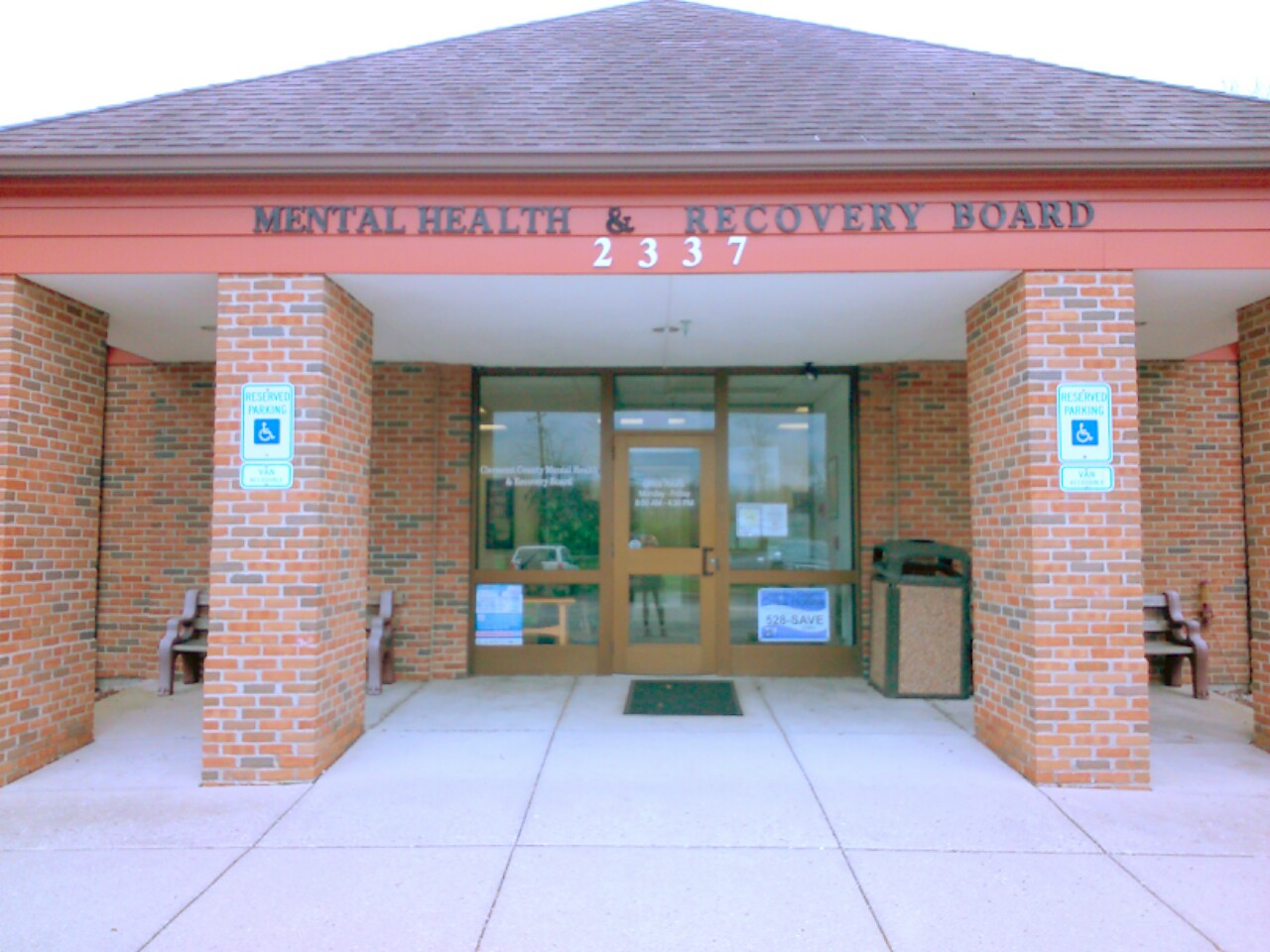
“We are encouraged by these numbers,” said Karen Scherra, the director of the Clermont County Mental Health & Recovery Board (MHRB). “These numbers indicate that the comprehensive measures we as a county have taken to address this issue are working.” The MHRB, the county hub in the fight against opioid addiction, is the lead organization in Clermont County’s Opiate Task Force, a collaborative that began in 2013 to address the opioid crisis in the county.
In 2017, more medication-assisted treatment and other kinds of treatment became available to more people suffering from substance abuse disorder, Scherra said. In 2017, MHRB spent over $1.9 million on addiction treatment services.
Other advances in 2017 included more Quick Response Teams.
Other advances in 2017 included more Quick Response Teams, which go to the homes of those who have survived overdoses to connect them to recovery resources; and more police/fire/EMS departments carrying Narcan, which can reverse overdoses.
In addition, a long-term recovery home for men was opened in 2017 in Clermont County. MHRB is now working on funding to open a similar home for women. Clermont County also opened a women’s wing in the Community Alternative Sentencing Center. This jail alternative connects clients with multiple treatment options.
Funding for these initiatives are provided through a combination of MHRB levy funds, federal and state grants.
“In response to the rise in drug overdose deaths, we created an Overdose Death Review Committee in 2014,” said Public Health Commissioner Julianne Nesbit.
Clermont County Public Health, a member of the Opiate Task Force, is also on the forefront of the opioid battle. “In response to the rise in drug overdose deaths, we created an Overdose Death Review Committee in 2014,” said Public Health Commissioner Julianne Nesbit. “We look at aggregate level data to see if there are any trends that we can address to help reduce future deaths in the community.
“Since we first saw the increase in drug overdose deaths, we have had a full-time Injury Prevention Coordinator who works to educate the community and work with our partners on the drug epidemic.”
In March, Hamilton County reported that overdose deaths for 2017 had increased 31 percent over the previous year to 529. Butler County reported a 20% increase to 232.
More information on Clermont County’s Opiate Task Force can be found on its website, www.getcleannowClermont.org.
For more information, contact MHRB Executive Director Karen Scherra, kscherra@ccmhrb.org, 513.732.5407.
Clermont County Public Health wants your input on a proposed Syringe Services Program. A public forum will be held on Thursday, November 30 from 6:30 – 8 PM at the Clermont County Engineer’s Office at 2381 Clermont Center Drive in Batavia. Public comments will also be accepted through an online survey.
Clermont County ranks fourth in Ohio in drug overdose deaths.
Syringe Services Programs (SSPs) are public health programs that are intended to reduce the spread of infectious diseases such as hepatitis and HIV. The SSPs provide access to sterile syringes to people who inject drugs. The program can also make referrals to substance use disorder counseling and treatment programs. They also provide education on the prevention of infection and offer testing and referral for treatment for hepatitis C and HIV.
Thursday, November 30 from 6:30 – 8 PM at the Clermont County Engineer’s Office at 2381 Clermont Center Drive in Batavia.
The proposed program in Clermont County would be a collaborative effort between Clermont County Public Health, Mercy Health – Clermont Hospital, Hamilton County Public Health, and the Exchange Project. A mobile van would come to the hospital parking lot one half-day per week to provide the services.
In Clermont County, the rate of hepatitis C infections have risen by 40 percent, and HIV rates have risen by 27 percent over the last five years. Clermont County ranks fourth in Ohio in drug overdose deaths.
“The Syringe Services Program would be a needed resource in Clermont County,” said Health Commissioner Julianne Nesbit. “The goal of the program is to lower rates of hepatitis C and HIV, while also providing access to treatment to people with substance use disorder.”
According to the Centers for Disease Control, people who inject drugs are five times as likely to enter treatment for substance abuse disorder and are more likely to reduce or stop injecting when they use a Syringe Services Program.
For more information on the proposed Syringe Services Program, click here.
Bativia, Ohio – Clermont County Commissioners approved on July 12 the expansion of the Community Alternative Sentencing Center (CASC) to serve women. The CASC, which has been open since September 2015 under the management of Greater Cincinnati Behavioral Health Systems, provides an alternative to jail for misdemeanants who are convicted of drug- or alcohol-related crimes.
Clermont County will start admitting women to the CASC as of Sept. 1.
Now, thanks to a grant from the federal 21st Century Cures Act, Clermont County will start admitting women to the CASC as of Sept. 1, said BCC President David Uible. “This will allow us to address a gap in our attempts to address this crisis. We have wanted to offer this treatment alternative to women, and the grant will allow us to do so.”
Under the Cures Act, $26 million was allocated to the State of Ohio to fight the opioid epidemic. Clermont County, as one of the top 15 counties in the state most affected by the crisis, was given priority in the grant process, according to Karen Scherra, Executive Director of the Clermont County Mental Health & Recovery Board (CCMHRB), who led the application for the grant.
CCMHRB is receiving approximately $418,000 in the first year of the grant and up to $700,000 in the second year, which is being provided to the County to fund the CASC program. By the second year, the county hopes to serve up to 25 women in the pod. Medication-assisted treatment will be emphasized, Scherra said.
The CASC, which operates in a wing of the County Jail, will operate its women’s pod completely separated from the men’s.
The CASC, which operates in a wing of the County Jail, will operate its women’s pod completely separated from the men’s. The new staff will include an admissions coordinator, three counselors, three aides, a part-time employment specialist, and a recovery coach. It will also include dedicated hours from a physician and nurse.
The Community Alternative Sentencing Center – the only one in the State of Ohio – is a voluntary program. Municipal Court judges refer misdemeanants to the CASC if they think they will be good candidates for treatment as opposed to incarceration. Since it began operating under the management of Greater Cincinnati Behavioral Health, the CASC has admitted 378 men. Of those 307 have successfully completed the program, with many transitioning into continued services and supports in the community.





















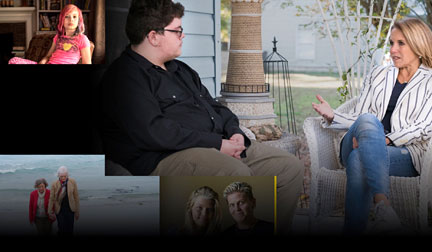 If you would like to explore the topic of Transgender youth and adults even further please check out “