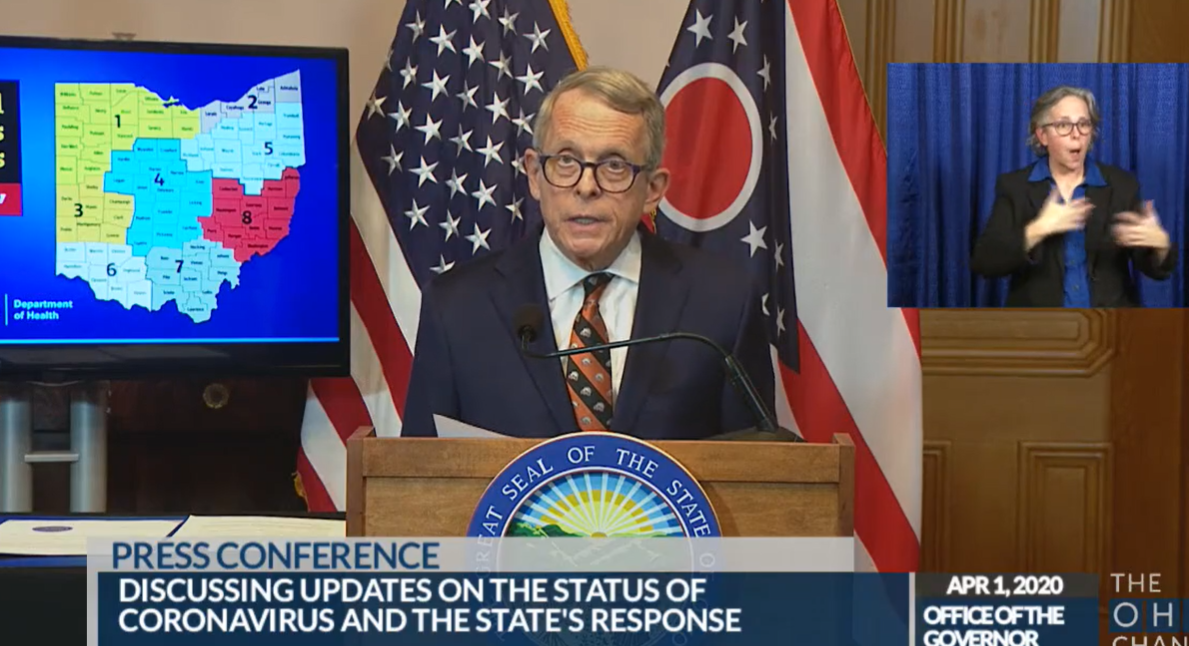
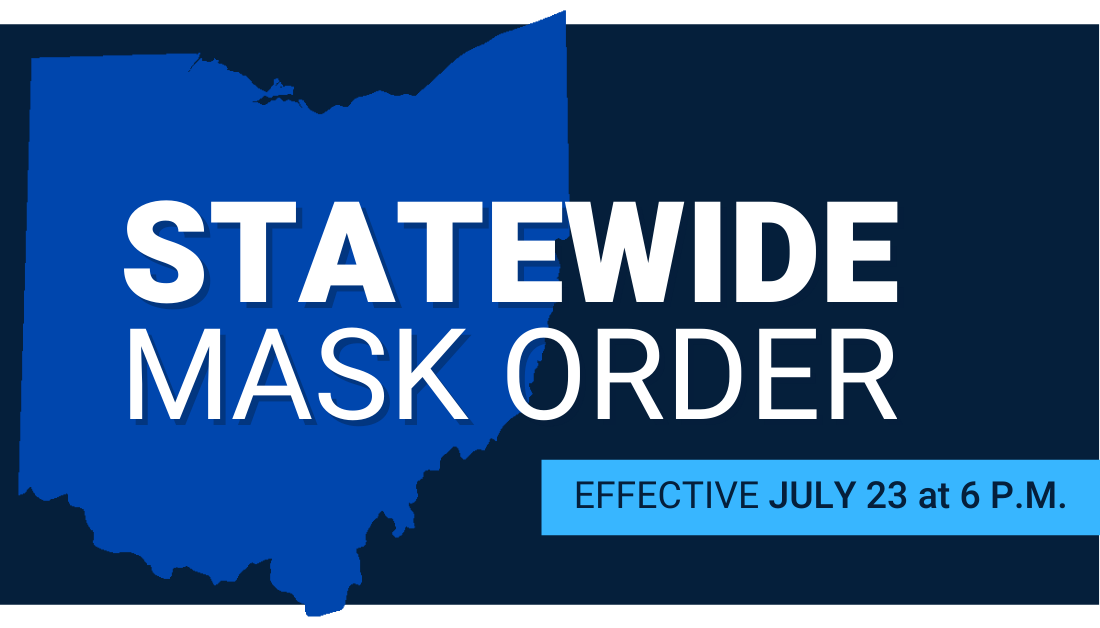
Columbus, Ohio – Ohio Gov. Mike DeWine has announced a statewide public mask order set to go into effect Thursday evening at 6 p.m.
ccc
DeWine said Wednesday that he needed to “bring Ohioans along” getting on board with wearing masks over the last few months, after first issuing a statewide mask order on April 27 and reversing it the next day.
Earlier this month, DeWine began issuing county-by-county public mask orders as he unrolled a four-tiered, color-coded system for projecting coronavirus community spread. By last week, 19 counties were under mask orders representing over 60% of Ohioans.
During his news conference, DeWine pointed to the evidence in the scientific community for wearing masks and what he called “a little bit of evidence” from the counties currently under mask orders that it’s contributing to a slowdown of the virus.
“The goal is going to be, for those counties that are orange, for the counties that are yellow, our goal is to keep them there so they don’t move into the red,” he said.
David C. DeWitt is an award-winning journalist with over 15 years experience covering Ohio politics and policy. He has worked for the National Journal, The New York Observer, The Athens NEWS and Plunderbund.com covering topics such as education, health care, crime and courts, poverty, government, business, labor, energy, environment and social issues. His work has also appeared in Government Executive, the Columbus Dispatch, Girlfriends magazine, Bleacher Report and the Ashtabula Star Beacon, among others.
Written by Kelly Sheehy, Content Specialist, Downtown Main Library
With COVID-19 still keeping us all at a social distance for the time being, Teen Librarians from across our Library system put their heads together to help connect teens with college and career readiness resources as they graduate, move into summer employment, or think about college.
Teen Librarians Jacob Glemaker and Michelle Kanis, unable to meet with students in person due to the pandemic, compiled several lists of quick links and tutorial videos so teens can explore and get connected to useful information.
“We hope that teens from all over our Library system will learn about new digital resources like OhioMeansJobs in order to map out potential career paths, explore different career choices, and also look at local colleges that will help them achieve these goals of breaking int degree or certificate programs,” said Glemaker. “John Lortie, Teen Librarian at the Anderson Branch, compiled a list of digital tours for colleges in Ohio. This is great for students who were thinking about physically touring a school, but could not because of the pandemic. This way they are still able to learn about what options are available to them.”
Check out these helpful resources they compiled, with the assistance of Teen Librarians throughout the Library system:
Make no mistake – the $61 million came from Company A’s ratepayers and ultimately extorted from every residential and commercial electrical utility user in Ohio. The racketeering scheme of lies and deception corrupted Ohio citizen’s ability to overturn corrupt legislation at the ballot box. – David Miller, Loveland Magazine Publisher
By Marty Schladen The Ohio Capital Journal and David Miller/LovelandMagazine
ddd
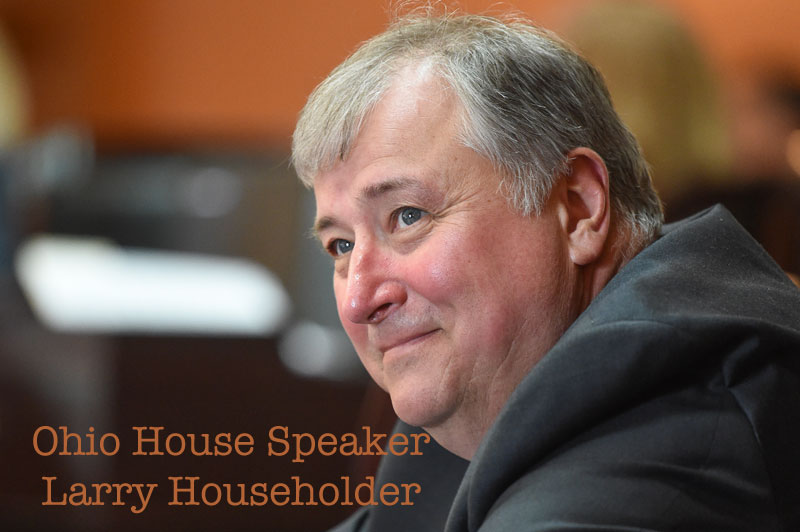
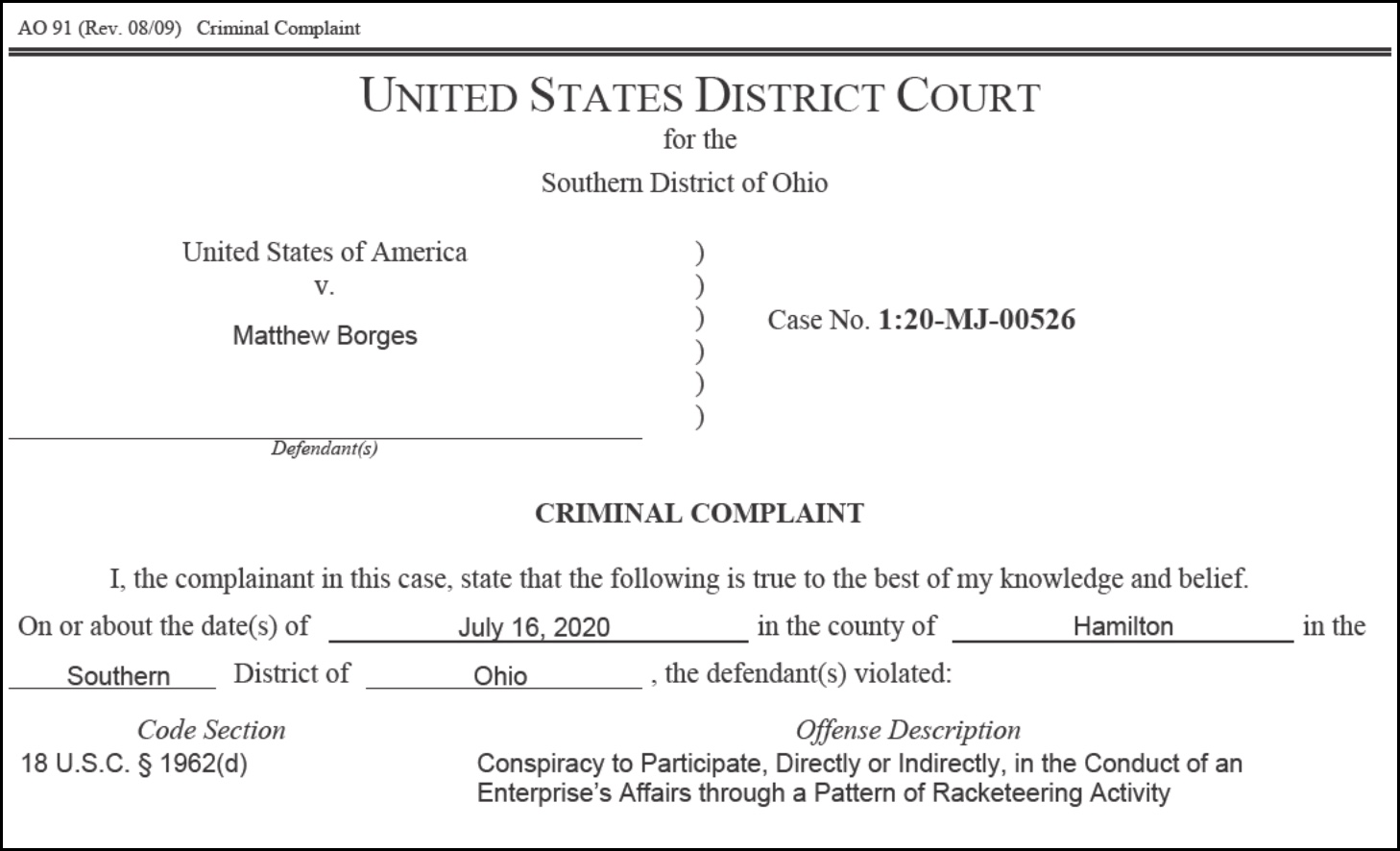
Cincinnati, Ohio – Ohio House Speaker Larry Householder, four political operatives and a dark-money group were charged Tuesday in a criminal complaint that an Ohio energy company paid them $61 million to get a $1.5 billion nuclear bailout from taxpayers.
Read the Press Release issued by the Department of Justice
Neil Clark, a lobbyist who owns Grant Street Consulting – Photo from Grant Street Consulting who exclaim, “Clark’s decades of experience and role in shaping Ohio’s political landscape makes him an indispensable resource to Ohio’s elected leaders, to whom he often serves as a trusted and highly sought after campaign advisor.”
All are charged with racketeering, which carries a prison sentence of up to 20 years.
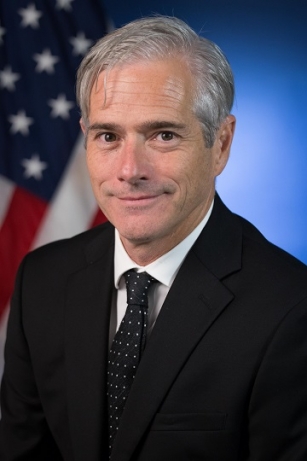
David M. DeVillers, U.S. Attorney for the Southern District of Ohio
The alleged conspiracy, which revolved around the bailout of two failing nuclear plants in Northern Ohio, is “likely the largest bribery and money-laundering scheme ever in the state of Ohio,” David M. DeVillers, U.S. Attorney for the Southern District of Ohio, said at a Tuesday afternoon press conference.
Shortly after the press conference, Ohio Gov. Mike DeWine called on his fellow Republican to step down.
“I am deeply concerned about the allegations of wrongdoing in the criminal complaint issued today by the U.S. Attorney’s Office,” DeWine, who last year signed the bailout into law, said in a written statement. “Every American has the presumption of innocence until proven guilty. Because of the nature of these charges, it will be impossible for Speaker Householder to effectively lead the Ohio House of Representatives; therefore, I am calling on Speaker Householder to resign immediately. This is a sad day for Ohio.”
The criminal complaint says that “Company A,” the former FirstEnergy Solutions of Akron, worked to save its failing nuclear plants by funneling $61 million into Generation Now, a 501(c)(4) “dark money” group controlled by Householder.
On September 9, 2019, President Donald Trump nominated DeVillers for the United States Attorney in the Southern District of Ohio. The Senate confirmed the nomination in October, and DeVillers took his oath on November 1, 2019.
“Make no mistake, this is Larry Householder’s 501(c)(4),” the U.S. attorney said.
The money was used for three general purposes, the complaint said. First it was used to build “Team Householder” through campaign contributions and other measures that helped Householder win the speakership in 2019.
“In exchange for payment from Company A, Householder’s enterprise helped pass House Bill 6, legislation described by an enterprise member as a billion-dollar ‘bailout’ that saved from closure two failing nuclear power plants in Ohio affiliated with company A,” the complaint said
The money was also used for the personal benefit of Householder and the other conspirators, DeVillers said. Householder got about $500,000, he said.
Despite the companies claims of poverty, the interests behind the bailout spent millions — much of it in the form of hard-to-trace dark money on campaign contributions, a xenophobic ad campaign and then on an aggressive effort to stymie a petition drive to repeal the bailout DeWine signed into law a year ago.
And the money was used to fend off a petition effort to repeal HB6, going so far as to buy plane tickets for and pay $1,000 each to people circulating it to get out of town, DeVillers said.
The federal prosecutor said that it was crucial to keep the investigation secret until Tuesday. Now it begins a new phase that might be causing some lawmakers, energy executives and some others to lose sleep.
“We are not done with this case,” he said. “There were things we couldn’t do before. People we couldn’t interview. People we couldn’t subpoena. Documents and search warrants we couldn’t execute.
“As of this morning there are a lot of FBI agents knocking on a lot of doors asking a lot of questions, serving lots of subpoenas. That’s going to go on for days.”
“It takes courage for citizens to assist law enforcement in the ways detailed in the affidavit,” U.S. Attorney David M. DeVillers said. “We are grateful to those who felt a moral duty to work together with agents in bringing to light this alleged, significant public corruption.”
House Bill 6 is adding $1.5 billion in additional taxpayer bailouts to the $10.2 billion that Akron-based FirstEnergy Solutions and its former parent company, FirstEnergy Corp, have received from taxpayers since 1999. Most of the funds have gone to prop up the Davis-Besse and Perry nuclear power plants in Northern Ohio.
The company that owns the plants was renamed Energy Harbor after emerging from bankruptcy earlier this year.
Despite the companies claims of poverty, the interests behind the bailout spent millions — much of it in the form of hard-to-trace dark money on campaign contributions, a xenophobic ad campaign and then on an aggressive effort to stymie a petition drive to repeal the bailout DeWine signed into law a year ago.
The interests behind the nuclear bailout also contributed heavily to the effort at the beginning of 2019 to elect Householder speaker. He ended up winning the support of 26 Republicans and 26 Democrats, His opponent, Ryan Smith, R-Bidwell, got the votes of 34 Republicans and 12 Democrats.
The Ohio Republican Party didn’t respond Tuesday to requests for comment.
The Ohio Democratic Party didn’t respond when asked about the fact that Householder wouldn’t have worn the speakership without Democratic votes. However, the party chairman, David Pepper called on Householder to step down as speaker.
“As the U.S. attorney indicated, this investigation is ongoing, and we will wait to hear all the facts as they emerge. However, given what was revealed in today’s complaint and the taint of corruption over Ohio legislative activity, we believe Speaker Householder should step down from leadership immediately as he avails himself of his due process rights,” Pepper said in a written statement.
House Bill 6, which passed 51-38, was quickly signed into law by Gov. Mike DeWine. Under the bill, from 2021 until 2027, every Ohio electricity customer will have to pay a new monthly surcharge that ranges from 85 cents for residential customers to $2,400 for large industrial plants. Ratepayers around the state would also have to chip in up to $1.50 monthly (and up to $1,500 per month for commercial and industrial users) to subsidize coal plants in Ohio and Indiana run by the Ohio Valley Electric Corporation.- cleveland.com
Starting next January, ratepayers around the state would also have to chip in up to $1.50 monthly (and up to $1,500 per month for commercial and industrial users) to subsidize coal plants in Ohio and Indiana run by the Ohio Valley Electric Corporation.
This isn’t Householder’s first encounter with federal law enforcement.
In 2006, the Justice Department told the FBI that it wouldn’t pursue charges against Householder. The FBI had been told two years earlier that Householder had used his post as head of the House Republican Campaign Committee to overpay some vendors in exchange for kickbacks from them.
Nor is Householder, 61, of Glenford, the first Ohio House speaker to find himself in the FBI’s crosshairs. In 2018, Speaker Cliff Rosenberger, a Republican, resigned amid an FBI probe of his overseas travel. He has not been charged, but the investigation remains open.
Since the ordered school-building closure began on March 17, Ohio’s education community stepped up to ensure a student-centered approach to caring, teaching and learning. The entire system turned on a dime to meet the nutritional needs of the whole child through meal deliveries and grab-and-go sites, and through the delivery of remote teaching and learning opportunities that drove education continuity. These efforts were geared toward challenging, preparing and empowering students for future success—and they were unparalleled, especially given the challenges that accompany a pandemic.
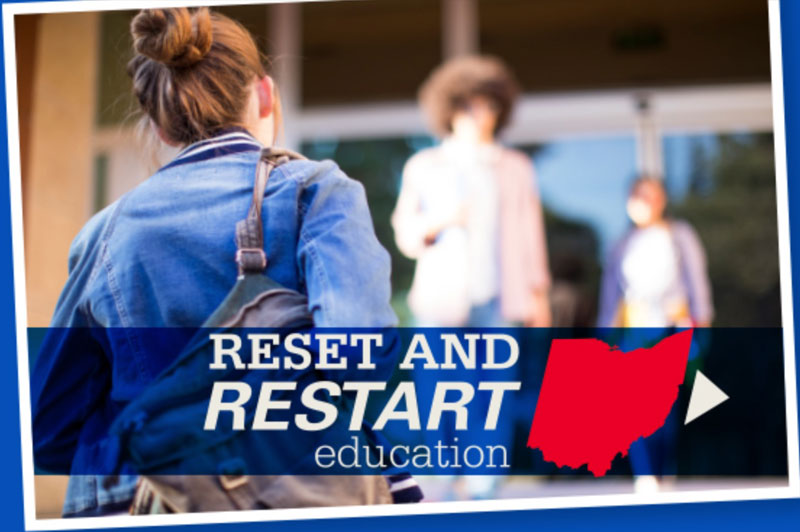
This page is intended to spur local-level, partnership-based discussions and decision-making in areas critical to the start of the 2020-2021 school year by sharing a coordinated and collaborative approach for codesigning and framing various considerations in planning the Reset and Restart of Ohio’s schools.
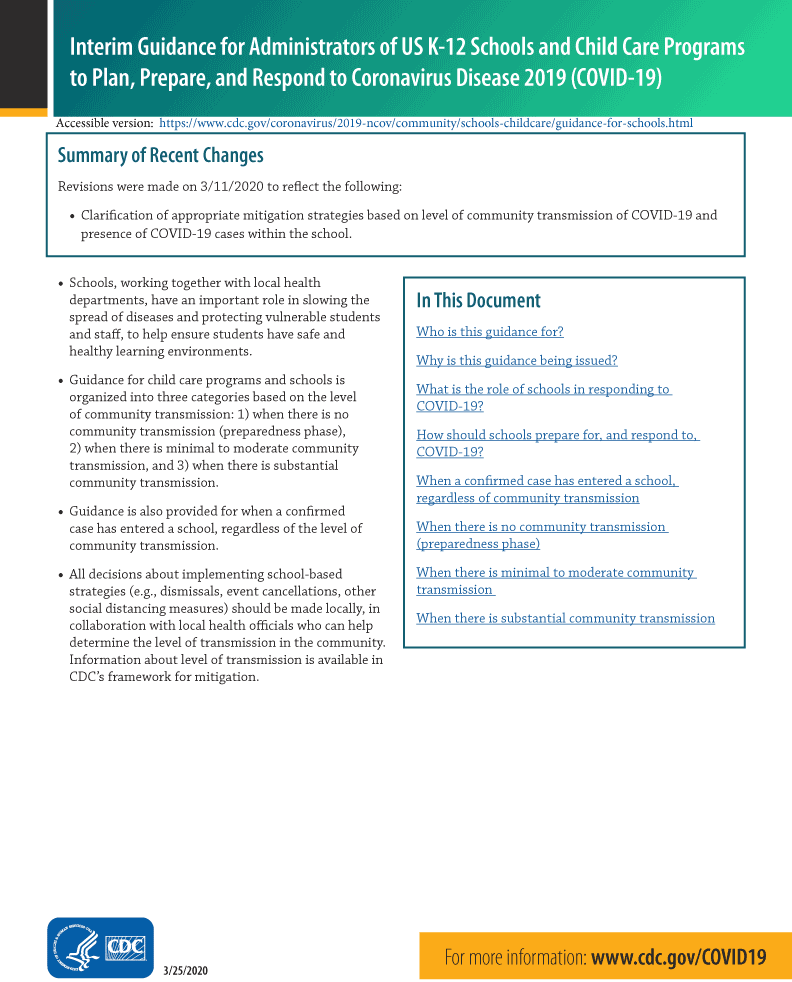
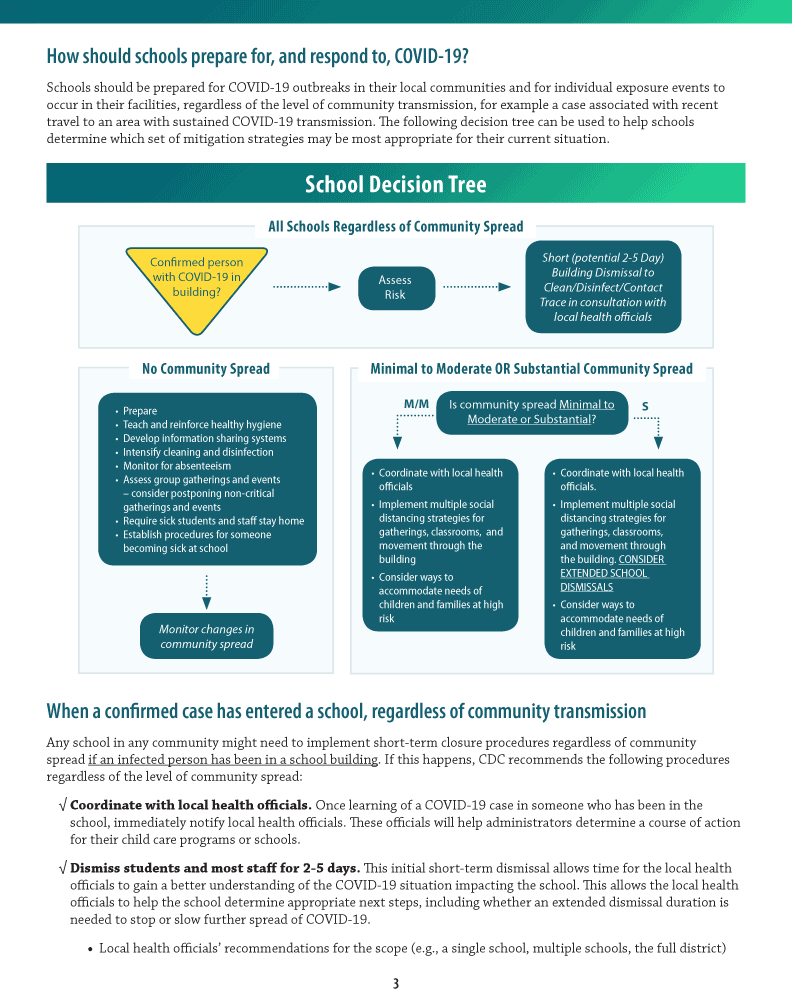
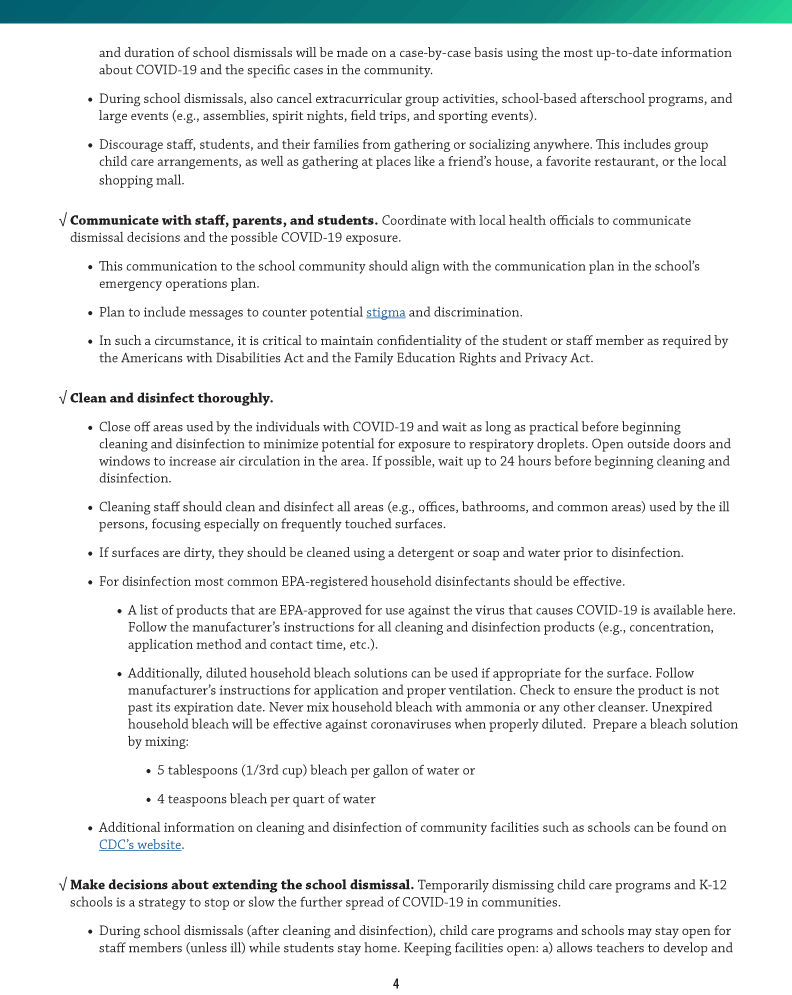
This interim guidance from the Center for Disease Control is intended for administrators of public and private child care programs and K-12 schools. Administrators are individuals who oversee the daily operations of child care programs and K-12 schools, and may include positions like child care program directors, school district superintendents, principals, and assistant principals. This guidance is intended for administrators at both the school/facility and district level.
EDITOR’S NOTE: To follow the links in this guide go HERE to the source of this guide.
Loveland, Ohio – Homeowners in Glen Lake subdivision, Tom Vargo, and Mack Fey continue to voice the problem of a collapsing storm drain between their homes. Out of seven storm drains in the subdivision, two are labeled as ‘private’, the one landing in between Vargo and Fey’s houses being one of them.
Vargo maintains that the City keeps the other five in working order.
This particular storm drain catches runoff water from about 8-10 houses in the immediate neighborhood. Since March, the two have been communicating with the City of Loveland to understand why it is private and steps to fix it.
One temporary solution would be to add an insert to prevent the ground from caving in which would end up costing Fey and Vargo $20,000 of their own money for a 114 feet worth of storm drain from their backyard to the street. Vargo and Fey don’t believe they should shell out that kind of money now when in the past City Hall had stepped up to the plate and admitted responsibility. Twice under previous administrations, the public works department has made repairs.
In terms of what they would like to see happen, Vargo commented, “I would say first and foremost, I would like to get [the collapsing storm drain] fixed. I’m just afraid that somebody’s going to get hurt. Mack has grandchildren, I have grandchildren, they do come out and run around, now, we watch them, but, still know you can’t watch them every second they’re out here, so I would like to get it fixed but I really think… we need to talk. We need to figure out why the City is not fixing the sinkhole. Just because it’s private? Is that the City’s only claim to fame here?”
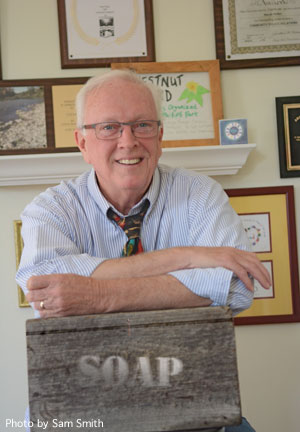
After months of contacting the City Hall, Vargo and Fey still don’t have the answers they are looking for. City Manager Dave Kennedy told the homeowners he would visit, even suggesting it and would bring the City engineer with him. The visit never happened and now, the only communication Vargo and Fey have received is from the City’s attorney.
David Miller is the Editor and Publisher of Loveland Magazine
by David Miller
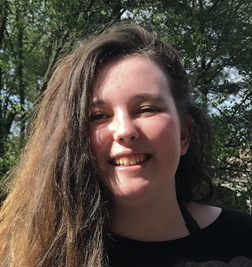
Miami Township, Ohio – “I knocked on the window and he was like still holding on…” Alex Salatin explained, holding out both arms stiff imitating the pilot. “He was still holding onto the controls to fly it.”
Alex was talking about the airplane pilot, only a few years older than him who put a single-engine Cessna down safely about fifty feet away from him as he was mowing the front lawn of his home in Miami Trails. “He was like, ‘Yeah, I’m good. I’m good.” Alex is a Senior at Loveland High School.
The pilot, Phillip Sullivan made the emergency landing while returning from Wadsworth, Ohio to Louisville. He was on a Pilots-N-Paws flight and had delivered puppies to the northern Ohio town that is South of Cleveland.
No one was injured.
Nick Early explains what it was like and what he did when he heard the crash from the upstairs of his home The plane ended up in his front yard. He said, “It was a pretty skilled job, him being able to land it on the street here.”
The plane was headed into John Chevalier’s front yard when a wing clipped off a driveway lamp pole and spun it around preventing any damage to his home. John said that he had already, “Fired up the grill” so he treated the young pilot along with the pilot’s father who drove up from Louisville to check on his son to a steak dinner.
You will hear from Alex, his father Ron, and their neighbors John Chevalier and Nick Early in these LOVELAND MAGAZINE TV interviews.
Ron Salatin said about his son, “What a proud moment. He did all the right things.” He said he told his son, “He should be proud of himself.”
The Loveland Board of Education voted unanimously on Wednesday to fully re-open schools. During their discussion, we heard repeatedly how the devil’s daily details are not yet known because staff and administrators are waiting for advice and guidelines from various local, State, and Federal agencies that have yet to be released. (In unanimous vote Loveland Board of Education approves reopening plan)
Chris Wallace asks Education Secretary Betsy DeVos if she has authority to pull funding from schools that don’t reopen and about safely re-opening schools
Meanwhile, we find out today as Bianca Quilantan reports in Politico that the White House is blocking CDC officials from testifying next week at a hearing on reopening schools.
Separately, the CDC confirmed that more guidance for opening schools won’t be released until later this month. The report was expected to already be available.
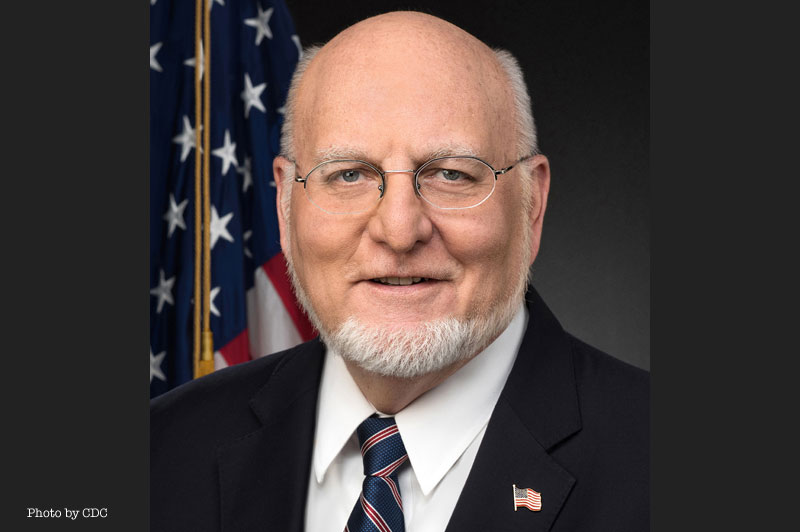
House Education and Labor Committee Chair Bobby Scott (VA-03) had invited CDC Director Robert Redfield, or a designee, to testify before the Early Childhood, Elementary and Secondary Education Subcommittee on July 23 at a hearing on safely reopening schools.
CNN’s Dana Bash speaks to Education Secretary Betsy DeVos about whether or not she has a plan for schools to safely reopen for students as Covid-19 cases surge in the US.
Scott asked Redfield to discuss the immediate needs of K-12 public schools as many districts, including Loveland, Ohio schools, prepare to reopen in a few weeks.
“It is alarming that the Trump Administration is preventing the CDC from appearing before the Committee at a time when its expertise and guidance is so critical to the health and safety of students, parents, and educators,” Scott said in a statement to Politico. “This lack of transparency does a great disservice to the many communities across the country facing difficult decisions about reopening schools this fall.”
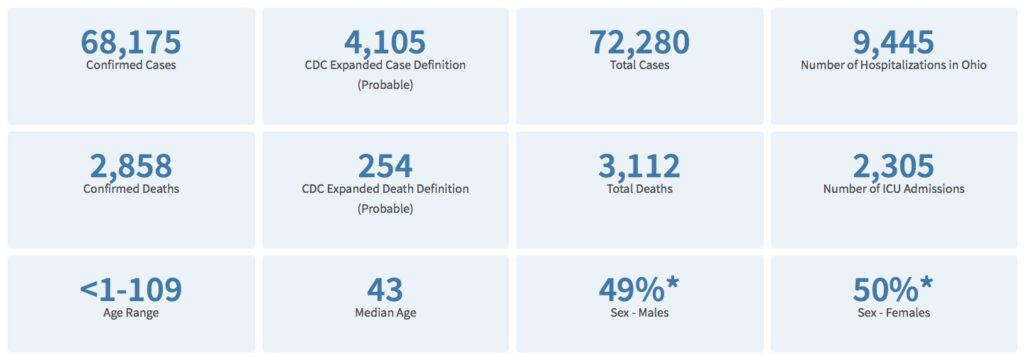
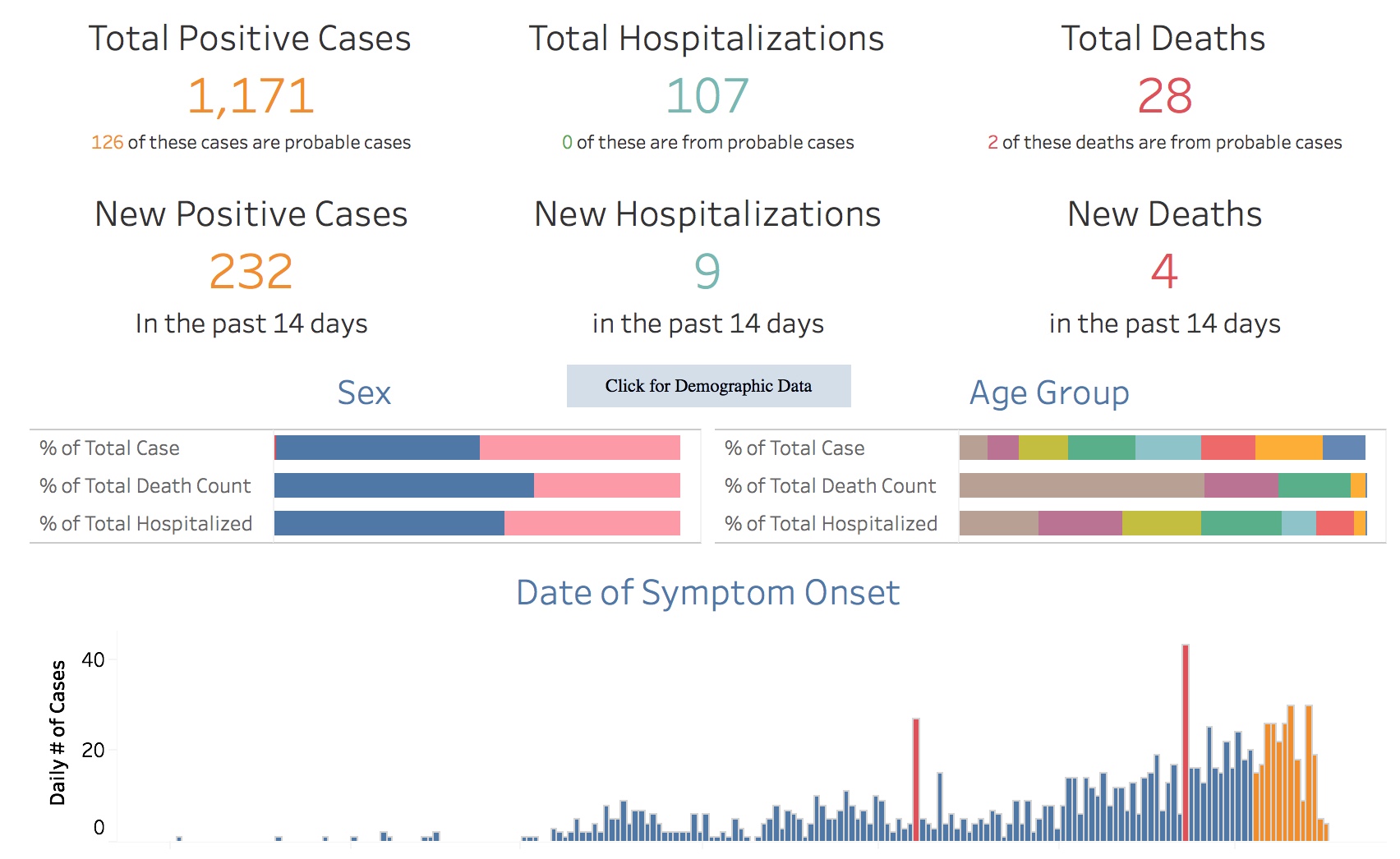
Ohio’s COVID 19 DASHBOARD today at 7:48 AM
Aides, speaking on background, said the committee was told that Redfield would not appear, at the direction of the White House according to Politico.
Science and evidence-based resources and tools could provide additional information for administrators, teachers and staff, parents, caregivers and guardians in Loveland, as they work towards the public health-oriented goal of safely opening schools this fall.
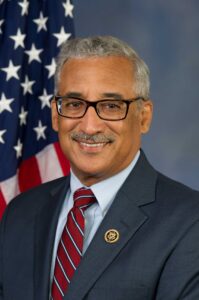
House Education and Labor Committee Chair Bobby Scott
Scott released this statement on Friday:
“School reopening plans must be guided by the advice of public health experts. For that reason, we asked the Centers for Disease Control and Prevention (CDC) to testify in a public hearing to provide greater clarity on the steps we can take to help schools reopen safely.
“It is alarming that the Trump administration is preventing the CDC from appearing before the Committee at a time when its expertise and guidance is so critical to the health and safety of students, parents, and educators. This lack of transparency does a great disservice to the many communities across the country facing difficult decisions about reopening schools this fall.
“The administration’s strategy of prioritizing politics over science has had a devastating impact on our country throughout this pandemic. It should not make that same mistake when it comes to reopening schools.”
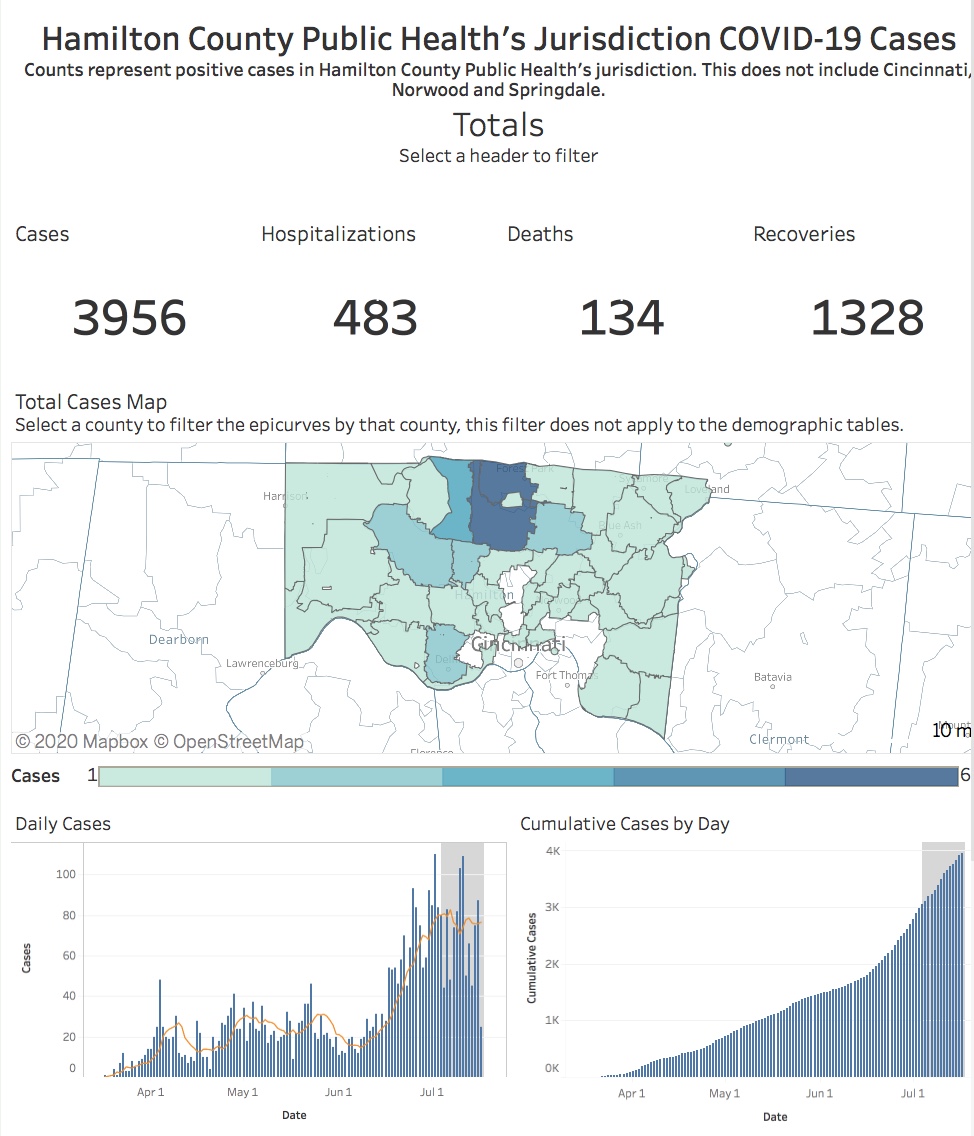
Hamilton County COVID 19 Dashboard today at 7:55 AM
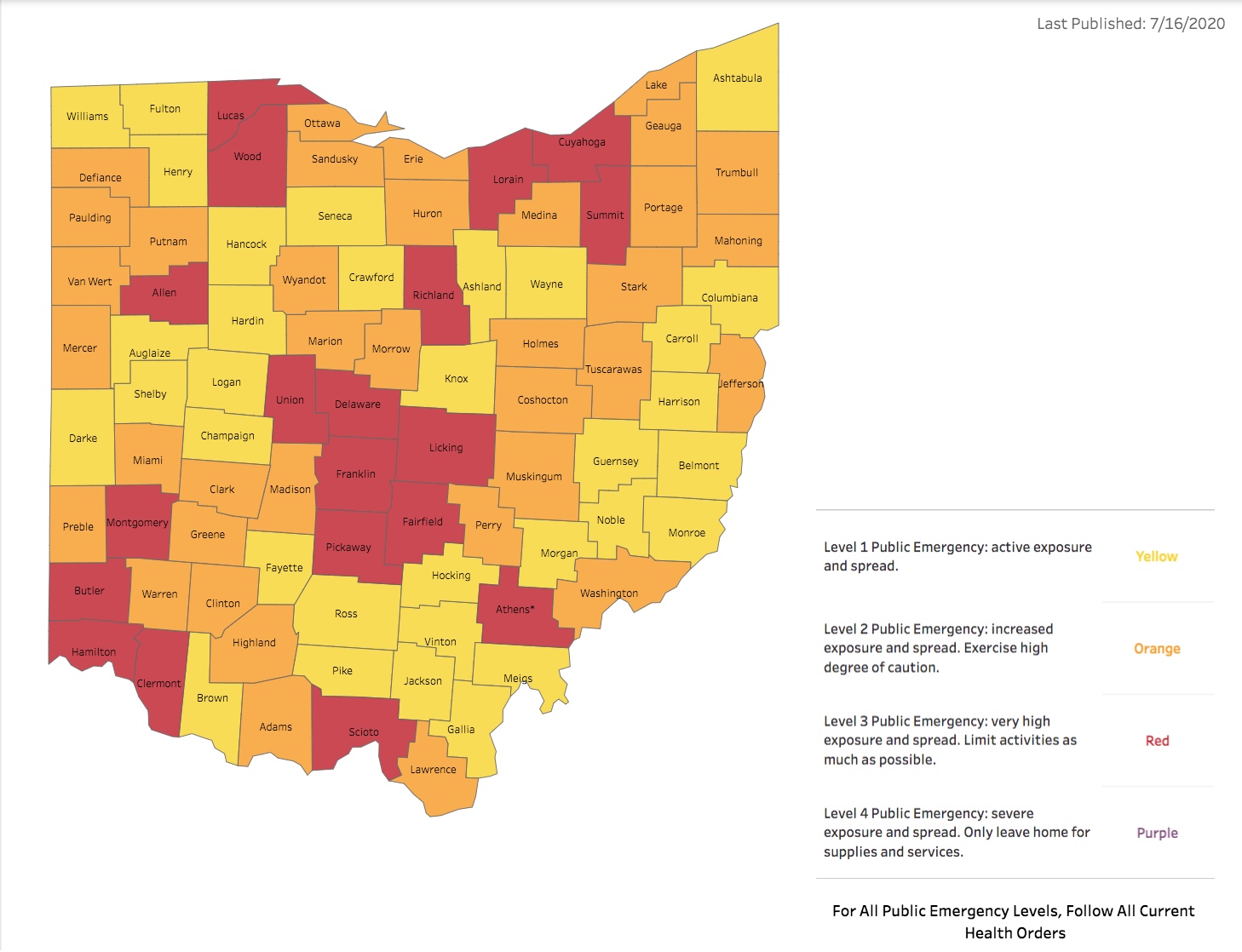
Ohio Public Health Advisory System The Public Health Advisory Alert System is a color-coded system designed to supplement existing statewide orders through a data-driven framework to assess the degree of the virus’ spread and to engage and empower individuals, businesses, communities, local governments, and others in their response and actions. (7-18-2020)
Warren County COVID 19 Dashboard today at 8:02 AM
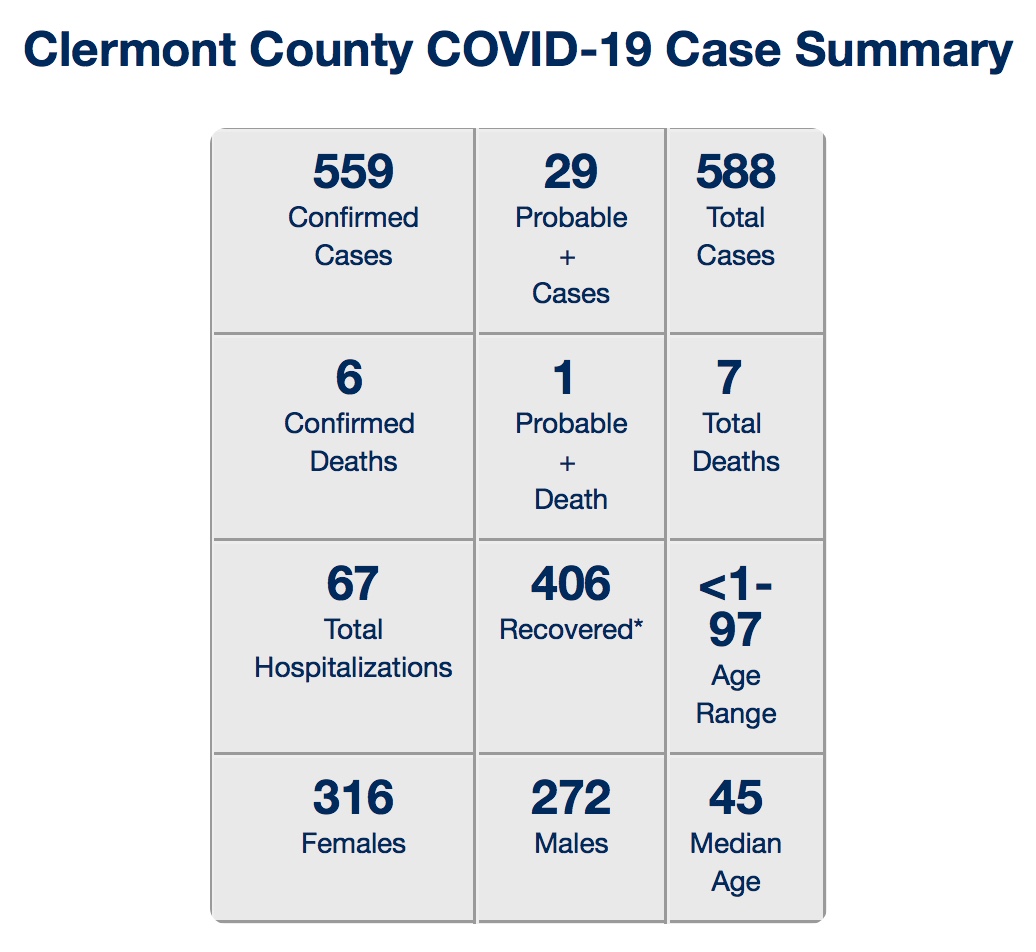
Clermont County COVID 19 Dashboard today at 8:02 AM
Columbus, Ohio – Lance D. Himes, interim director of the Ohio Department of Health (ODH), is calling on Ohio teens and young adults to take precautions to protect themselves and others against the dangers of COVID-19.
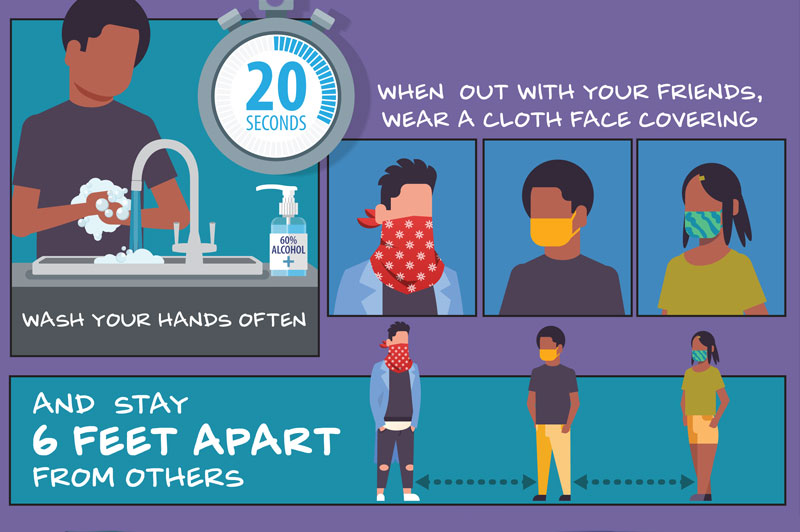
Himes said it is essential that young people stay home and away from others if they are sick, adhere to 6-foot social distancing, and wear facial coverings when they go out. Avoid gathering in large crowds, huddling in groups, and sharing hugs or drinks.
“Young people have given up a great deal since this pandemic first hit and are eager to get back to normal,” Himes said. “I thank them for their sacrifices and urge them to create a new normal in which they find ways to safely socialize, wear masks, keep a safe distance, and look out for one another.”
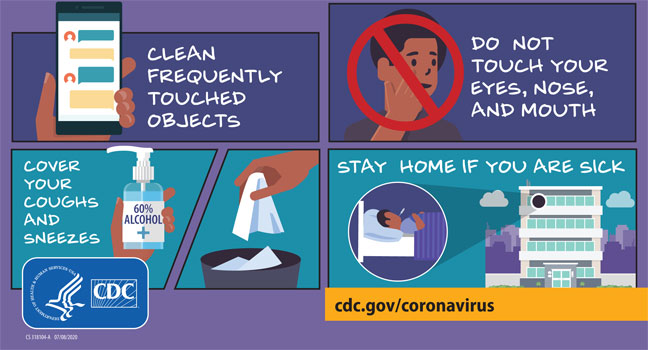
ODH has prepared guidelines for parents and others for talking with young people about COVID-19. The guidelines include tips for preventing the spread and navigating new social norms. The Centers for Disease Control and Prevention also has produced a series of fact sheets for young adults:
The average age of people with COVID-19 in Ohio has been steadily decreasing, showing that more and more young people are being exposed, and have become ill. Even those who don’t experience symptoms or only mild ones can unknowingly carry the disease and pass it to parents, grandparents, or other family and friends who may become seriously ill.
“Teens and young people must do everything in their power to protect themselves, their families and friends, and all Ohioans against this very real and very serious threat,” Himes said.
Taking steps to prevent COVID-19 also shows appreciation and offers protection for essential workers who provide healthcare and deliver food, packages, and other items. Further, reducing the spread of the pandemic is critical to prevent hospitals from becoming overcrowded. Overcrowded hospitals and overburdened healthcare workers make it more difficult to care for patients in critical need—a grandparent suffering from COVID-19, an aunt having complications delivering a baby, a father with chest pain, or a friend hurt in a car crash.
“Teens and young people must do everything in their power to protect themselves, their families and friends, and all Ohioans against this very real and very serious threat,” Himes said. “You will save lives, prevent suffering, and help tame a pandemic that places all of us at risk.”










![[Video Interview] City Hall: Is the collapsed sewer a public or homeowner problem?](https://lovelandmagazine.com/wp-content/uploads/2020/07/feature-vargo.jpg)
![[Video Interviews] Witnesses to plane crash in Miami Township](https://lovelandmagazine.com/wp-content/uploads/2020/07/Alex-Salatin.jpg)
 Chris Wallace asks Education Secretary Betsy DeVos if she has authority to pull funding from schools that don’t reopen and about safely re-opening schools
 CNN’s Dana Bash speaks to Education Secretary Betsy DeVos about whether or not she has a plan for schools to safely reopen for students as Covid-19 cases surge in the US.