Author: Loveland Magazine

  • Results: Loveland XC Invitational

    Results: Loveland XC Invitational

    Symmes Township, Ohio – Here are the results of the Loveland XC Invitational held Saturday at Home of the Brave Park.

    High School Competition 3.2 Mile

    In race #1 Women’s Varsity Black, LHS  placed #1 and Emmy Sager (18:53.5) crossed the finish line ahead of all runners. She averaged 6:04.5 per mile. Sarah Madix ran a 19:18.2 and Ellie Carr 20:04.3. Mason was #2 and Sycamore was #3 .

    In race #2 HS Women’s Varsity Orange LHS placed second behind Mason. Audrey O’Keefe finished 2nd and paced the Tigers with her 21:11.8, 3.2 mile run. Lauren Gard finished in 21:15.6. Bethany Griffin 21:24.8 and Skyler Daumeyer 22:13.9.

    In the HS Women’s Open race the Tigers finished in 1st place led by Ellie Zicka (22:09.9), Ava Westfall (23:28.4), Lauren Poteet (24:19.3), and Ally Carpenter (24:19.8).

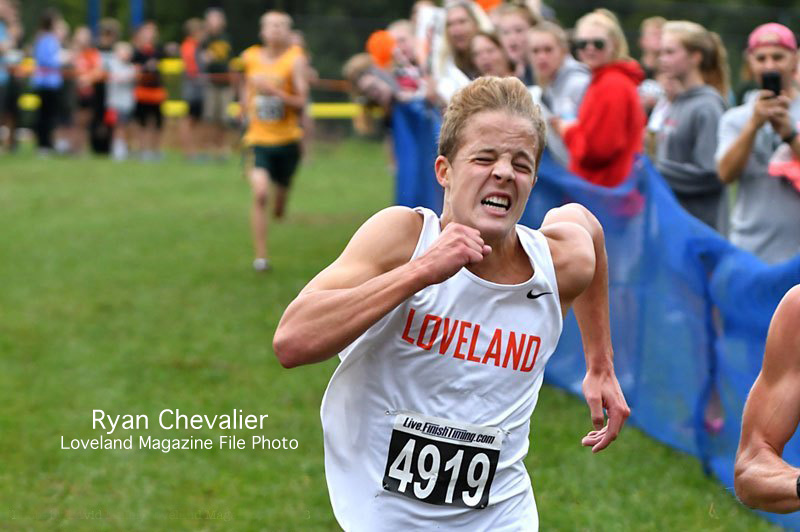
    In race #4 HS Men’s Varsity Black, Loveland won 1st place ahead of Mason, Turpin, and Kings. Ryan Chevalier finished 2nd (16:06.0) behind Little Miami’s William Zegarski (15:41.5). Brady Steiner finished 5th (16:44.3). Ajay Stutz(16:55.9) finished in 9th place. Ryan Chevalier had a 5:10.6 per-mile pace.

    In Race #5 HS Men’s Varsity Orange the Tigers took 2nd place behind Mason and ahead of Turpin and Mariemont. Andrew Waple (18:38.3) was the top Loveland finisher coming in 13th. Carter Jerome ran a 18:45.4 and Will Dippold finished in 18:55.

    In Race 6 HS Men’s Open the Loveland theam placed 6 overall. Tyler Huff  (20:06.6) was the top Tiger runner. 

    Middle School Competition 2 Mile

    In Race #7 MS Women’s Black Loveland Middle School finished 2nd behind Mason and ahead of Madeira and Kings. Parker Mentzer ran the 2 mile course in 12:18.8 to outpace all runners. Norah Schmidt (13:26.3) was #12. Reese Renock (13:38.5) finished 17th.

    In Race #8 MS Women’s Orange Loveland took 2nd place behind Mason and ahead of Sycamore and Nagel. Chloe Bentley finished in12th place with a time of 14:35. Justine Cooper (14:53.6) finished 19th and Elizabeth Tew (14:57.9) finished 23rd.

    In Race # 10 MS Men’s Black the Tigers finished in 3rd place behind Mason and Nagel. Nick Huff (11:11.1) came in 7th. Luis Garcia-Saucedo (11:13.3) finished 8th and Tyler Scherman (11:57.3) finished 23rd.

    In Race #11 MS Men’s Orange Loveland finished 3d. Jake Molas (13:22.0) was the top Tiger finisher followed by Gavin Albrecht(13:29.) and Hudson Fahy (13:32.0) .

    Race # 12 MS Men’s Open the Tigers palced 4th as a team. Craig Dwyer (14:42.1) was the top Tiger runner followed by Ben Schroeder (15:41.2) and Owen Naylor (15:46.6).

    You can view all of the official results HERE.

  • On Labor Day Ohio’s official unemployment rate doesn’t capture enormity of COVID-19 labor force fallout

    On Labor Day Ohio’s official unemployment rate doesn’t capture enormity of COVID-19 labor force fallout

    By Rob Moore and the Ohio Capital Journal

    ccccc

    We know COVID-19 has hurt workers, especially service industry workers, hard. A recent poll of Ohio economists conducted by my firm found 38 of 40 economists think the economic fallout of COVID-19 will fall disproportionately on low- and middle-income families, with economists citing the labor market structure as the major culprit of this inequitable outcome.

    This has been an unprecedented year for Ohio’s labor market. The state unemployment rate tripled in April, jumping from 5.4% in March to a whopping 17.3%, the highest since the Bureau of Labor Statistics started recording unemployment rates in the mid 1970s. In April, almost 1 million Ohioans claimed unemployment, also a record for the state.

    The unemployment rate isn’t the whole story for Ohio’s labor force, though. As anyone who has spent some time learning about unemployment measurement knows, the official unemployment rate only tracks the number of people actively seeking work as a proportion of the labor force. This means that people who want to work but have stopped looking for it (discouraged and marginally attached workers) and people who technically have jobs but would like to work more hours (involuntary part-time workers) are not included in the official unemployment measure.

    Newer economic measures such as the Genuine Progress Indicator tend to use more comprehensive measures of underemployment to capture the range of impacts underemployment have on the economy. The measurement of choice is the Bureau of Labor Statistics’s “U-6” measure, which includes marginally attached workers and involuntary part-time workers alongside unemployed workers in its measure.

    The problem with the U-6 measure is that it is not reported as often as the U-3, the official unemployment measure. While the official unemployment measure is reported on a monthly basis, the comprehensive U-6 measure is only reported on an annual basis, meaning we have incomplete information on what the COVID-19 crisis has done to marginally attached workers and involuntary part-time workers.

    Fortunately, the Bureau of Labor Statistics published new annual U-6 numbers last month, covering the 12 months from July 2019 to June 2020. Over this time period, the official unemployment rate was 6.8%, but the comprehensive U-6 unemployment rate was 11.1%, implying that for every three unemployed Ohioans, there were two Ohioans who had given up looking for work even though they wanted to work or who were working part-time who wanted to work full-time.

    If that same ratio of marginal/involuntary part-time workers to traditional unemployed held steady in April of 2020, 1.6 million Ohio workers would have been unemployed, marginally attached, or involuntarily part-time that month, leading to a U-6 unemployment rate that would top 28%.

    There are reasons to think this number could be lower. Maybe the swift layoffs of March and April 2020 gave little time for workers to become discouraged or employers favored straight-up layoffs over hour cutbacks. On the other hand, maybe programs like Paycheck Protection caused employers to retain workers at lower wages and maybe the quick crush of COVID-19 discouraged workers immediately, meaning the U6 could have been even higher than that. 

    Either way, a record of nearly a million Ohioans filed for unemployment in April, but hundreds of thousands more were directly affected by this historic economic event.


    Rob Moore

    Rob Moore is the principal for Scioto Analysis, a public policy analysis firm based in Columbus. Moore has worked as an analyst in the public and nonprofit sectors and has analyzed diverse issue areas such as economic development, environment, education, and public health. He holds a Master of Public Policy from the University of California Berkeley’s Goldman School of Public Policy and a Bachelor of Arts in Philosophy from Denison University.
  • High risk conditions for COVID-19 span far and wide in Ohio

    High risk conditions for COVID-19 span far and wide in Ohio

    Along with diseases known to increase risk, the CDC lists 12 other conditions that “might” increase the risk of people who have them. These include other massively common conditions like hypertension, liver disease, pregnancy, smoking and others.

    By Jake Zuckerman and Ohio Capital Journal Edited by Loveland Magazine

    cccccc

    The underlying health conditions that lay a path for severe COVID-19 complications are widespread in Ohio, potentially affecting as much as half the population, according to experts, state data and government research.  

    Take obesity: Ohio Department of Health 2017 survey data estimates that 34% of Ohioans are obese. Similarly, more than 74,000 Ohioans were diagnosed with cancer that same year.

    Dr. Peter Pronovost (Photo by University Hospitals)

    “The statistics are about 60% of the public has one or more chronic diseases,” said Dr. Peter Pronovost, a University Hospitals physician. “Four in 10 have two or more diseases.”

    The ubiquity of chronic disease in Ohio complicates any policy response when there’s no easy-to-draw line between people at low-risk for COVID-19 and those at higher risk levels.

    It also illuminates the reality of a “herd immunity” strategy, as reportedly offered by an influential adviser to President Donald Trump. This would entail allowing the virus to run its course through the population unimpeded, purportedly allowing healthier people to develop antibodies at a large enough volume to break down chains of transmission.

    The CDC lists eight diseases known to increase risk of severe illness from COVID-19. The list, coupled with data from the Ohio Annual Cancer Report, Behavioral Risk Factor Surveillance System annual report from 2018, and other state and federal sources, shows how deep chronic disease runs in the Buckeye state.

    • Cancer: 74,000 cases diagnosed in 2017
    • Chronic kidney disease: About 15% of U.S. adults have chronic kidney disease, per the CDC
    • COPD (chronic obstructive pulmonary disease): 8.3% of Ohio adults have COPD
    • Immunocompromised state from solid organ transplant: 1,916 Ohioans received organ transplants in 2019
    • Obesity: 34% of Ohio adults are obese. An additional 34% are overweight
    • Serious heart conditions: Heart disease is the leading cause of death in Ohio
    • Sickle cell disease: Not tracked population wide, but 181 newborns in 2019 tested for the disease, and another 3,444 newborns are carriers
    • Type 2 diabetes: 11.3% of Ohio adults are diabetic — about 1 million people

    According to recent CDC research analyzing survey data from more than 3,000 U.S. counties, nearly half the population had at least one condition placing them at high risk for COVID-19 complications.

    In rural counties, it’s even higher.  

    Dr. Nirav Vakharia (Photo by the Cleveland Clinic)

    “When we go beyond age as a risk factor … if we’re just thinking about these chronic diseases, they’re so prevalent, it’s hard to isolate a young, healthy cohort,” said Dr. Nirav Vakharia, a physician from the Cleveland Clinic.

    Health care groups in Ohio are undertaking different efforts to help residents with some of these conditions to stay at home.

    LifeCare Alliance, an in-home health care agency, has seen a spike in the number of meals it has delivered to the homes of its diabetic patients since the pandemic began.

    “If you have diabetes, the chances of you having a mild case of the coronavirus is much less — you’re gonna have a harder case, because your immune system just can’t fight it off,” said CEO Charles Gehring. “Patients have been scared to death by coronavirus.”

    Similarly, Pronovost, the chief clinical transformation officer with University Hospitals, said the health care network recently accelerated its efforts to provide proactive care for people with chronic diseases.

    He said staff is reaching out to patients to ensure they’re properly managing and controlling their diseases, like keeping insulin or blood pressure at healthy levels.

    “The idea is we want to make sure chronic disease people are doing all they can to avoid being hospitalized and avoid needing to go to the [emergency room],” he said.

    Early data shows the network reduced hospital admissions of certain chronic disease patients by 28%, and emergency visits by 79%, he said. 

    “The idea is we want to make sure chronic disease people are doing all they can to avoid being hospitalized and avoid needing to go to the [emergency room],” he said.

    Along with diseases known to increase risk, the CDC lists 12 conditions that “might” increase the risk of people who have them. These include other massively common conditions like hypertension, liver disease, pregnancy, smoking and others.

    As of Wednesday, COVID-19 has killed 4,176 Ohioans. The virus has infected nearly 120,000 state residents and put more than 13,500 in the hospital.

    Jake ZuckermanJake Zuckerman is a statehouse reporter. He spent three years chronicling the West Virginia Legislature for The Charleston Gazette-Mail after covering cops and courts for The Northern Virginia Daily.
  • A message to the community from Miami University President Crawford

    A message to the community from Miami University President Crawford

    Residential students not expected to “move-in” until the week of September 14

    Dear Miami University Community:

    Today the Butler County General Health District (BCGHD) and Miami University issued a joint message urging our students to avoid travel and large gatherings this holiday weekend. I want to strongly affirm this message. We have updated our COVID-19 Case Reporting Dashboard with the numbers affecting campus. These numbers continue to reflect a concerning spread in cases in Oxford, and both travel and gatherings put oneself and others at risk, here or in the communities they might visit.

    Our ability to have residential students move-in the week of September 14 and to begin our in-person and hybrid classes on September 21 depends on our ability to stop the increasing spread of the virus. This means each of us must comply with all of the Healthy Together standards by wearing face masks; maintaining physical distancing; quarantining or isolating when needed; and avoiding gatherings of 10 persons or more. This is the only way to stop the spread. The health of all of us depends on each of us.

    As we look ahead, we are monitoring several key metrics: number of daily positives; positivity rate on surveillance testing; compliance around social distancing and masks in our community; hospitalizations (right now we do not have any); participation in contact tracing; compliance with quarantine and isolation orders and protocols; and our capacity within our community to handle caseloads. Our decision also will depend upon the ability to maintain a healthy workforce to serve our students. As we consider all of these variables, we must also stay mindful of the health and safety of the entire Oxford community.

    We continue to take aggressive measures to prevent this pandemic from impacting our plans for the remainder of the semester. Our ability to return to our campuses is directly dependent on individual compliance with our adherence to the Healthy Together standards.

    Should we need to make a change to our fall operational plans, we will communicate that no later than Wednesday, September 9.

    Let’s all do our part to protect our own health and the health of others. I wish to thank our students and families for their patience, our faculty and staff for their commitment, and our alumni and friends for their support. We all want to be Healthy Together and to be together on our campuses.

    Love and Honor
    Gregory Crawford

  • First Lady announces first year progress on Ohio Governor’s Imagination Library Program

    First Lady announces first year progress on Ohio Governor’s Imagination Library Program

    Clermont, Hamilton, and Warren are three of 78 Ohio Counties Offering this Free Book Program for Children

    First Lady Fran DeWine
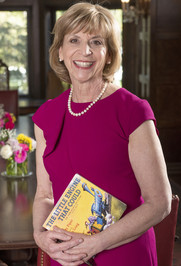
    Ohio First Lady Fran DeWine (Provided Photo)

    Columbus, Ohio – Ohio First Lady Fran DeWine has announced what she describes as amazing progress in reaching young Ohio readers in the Ohio Governor’s Imagination Library (OGIL) Program’s first year.

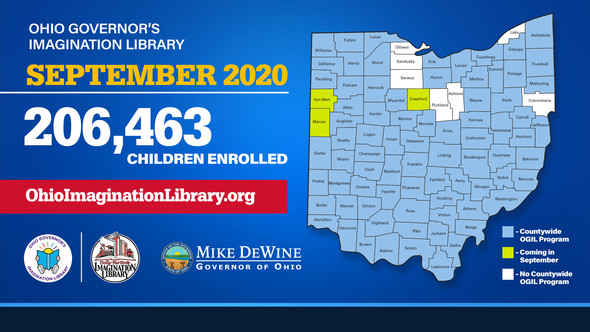
    Now, 206,463 Ohio children from birth to age 5 are enrolled to receive a free Imagination Library book in the mail every single month. The program is currently offered countywide to children in 78 of Ohio’s counties, with an additional three – Crawford, Van Wert, and Mercer – launching the OGIL Program in September.

    Updated August Map

    “Thanks to dedicated Ohio lawmakers, who are investing in our kids with matching funding, and our wonderful local partners, the Ohio Governor’s Imagination Library has made outstanding progress in its first year,” said Ohio First Lady Fran DeWine. “But we still have more work to do. Mike and I look forward to the day that every young child in Ohio– no matter what city, county, village or township that child lives in — has access to the Ohio Governor’s Imagination Library books.”

    Last summer, the Dolly Parton Imagination Library Program was available in pockets of Ohio when the Ohio Governor’s Imagination Library partnered with the Dolly Parton program. 93,483 children were enrolled in August 2019. In September 2020 enrollment will more than double to 206,463.

    Mrs. DeWine in Lawrence County

    First Lady DeWine in Lawrence County on February 3, 2020 (Provided Photo)

    “I really enjoyed visiting with our local partners and families in 16 Ohio counties between January and March of this year,” said Mrs. DeWine. “Of course, that was before the COVID-19 pandemic. But we’ve continued working to find county partners during these recent months, because we know this program works. Young children are excited to receive the book each month in the mail, which is addressed to them. And just having these books in the home promotes a love of learning and family bonding that we know adds up to preparing children for kindergarten. I encourage all Ohio children to sign up for these free books!”

    Only seven Ohio counties — Ashland, Columbiana, Lake, Ottawa, Richland, Sandusky, and Seneca – remain without a countywide program.

    Ohio Governor's Imagination Library Logo

    ccc

    Parents and caregivers can sign up children at www.OhioImaginationLibrary.org.

    cccc

    First Lady DeWine in Cuyahoga County

    First Lady DeWine in Cuyahoga County on January 13, 2020 (Provided Photo)

    First Lady DeWine in Pike County

    First Lady DeWine in Pike County on January 24, 2020 (Provided Photo)

    First Lady DeWine in Scioto County

    First Lady DeWine in Scioto County on January 24, 2020 (Provided Photo)

  • Order on the opening of adult day care services and senior centers signed by Ohio Health Director

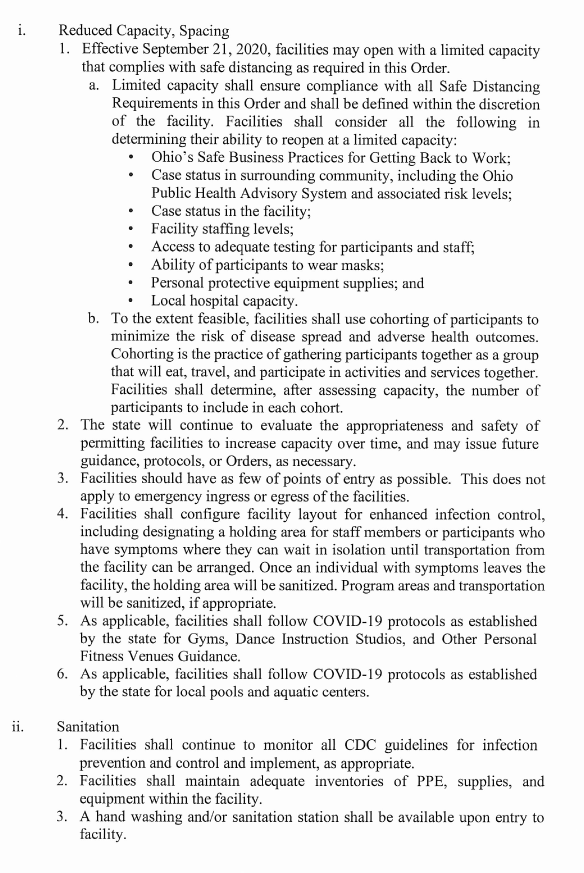
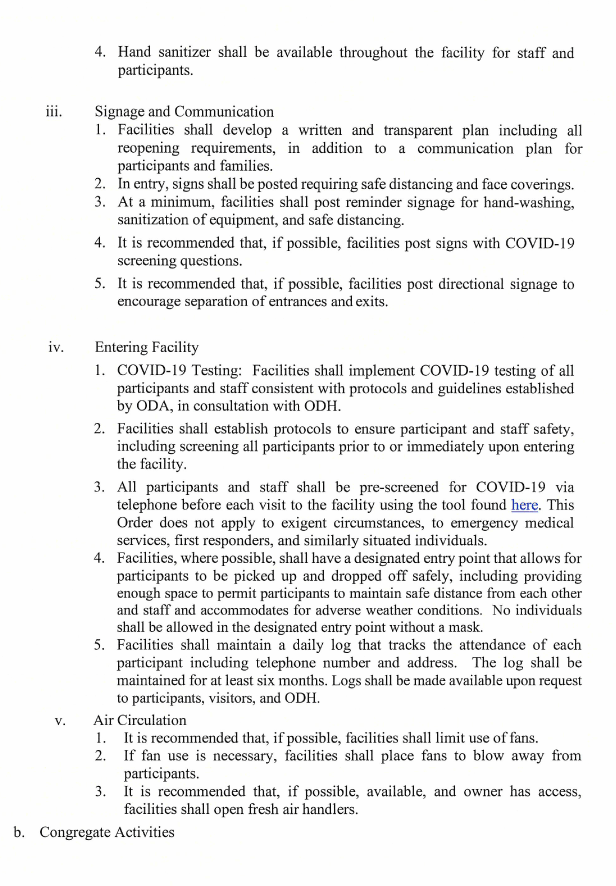
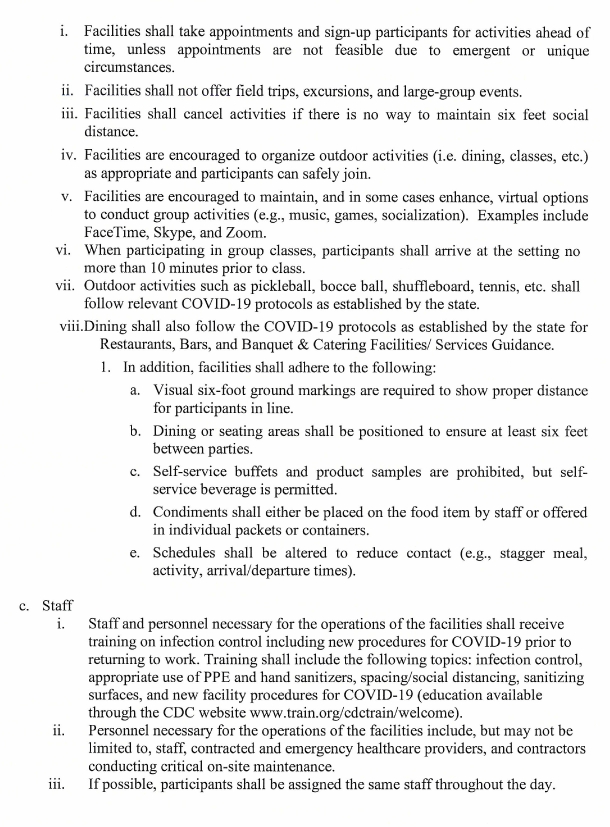
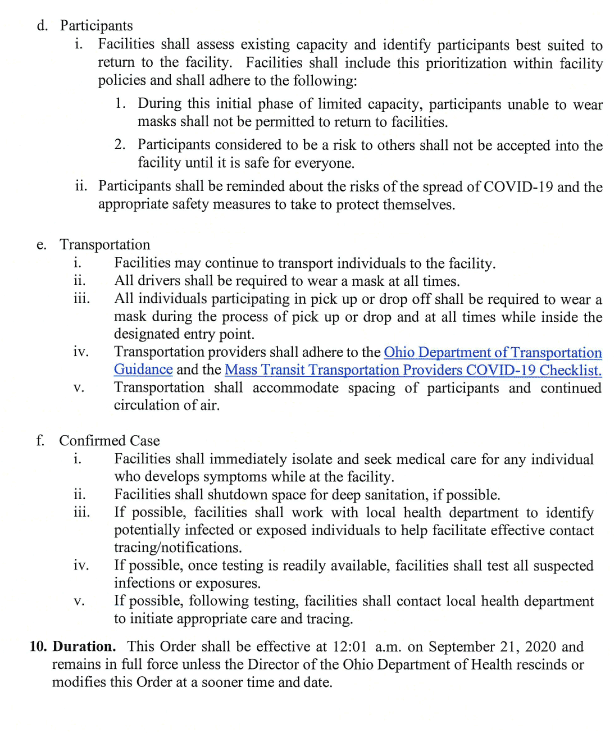
    Order on the opening of adult day care services and senior centers signed by Ohio Health Director

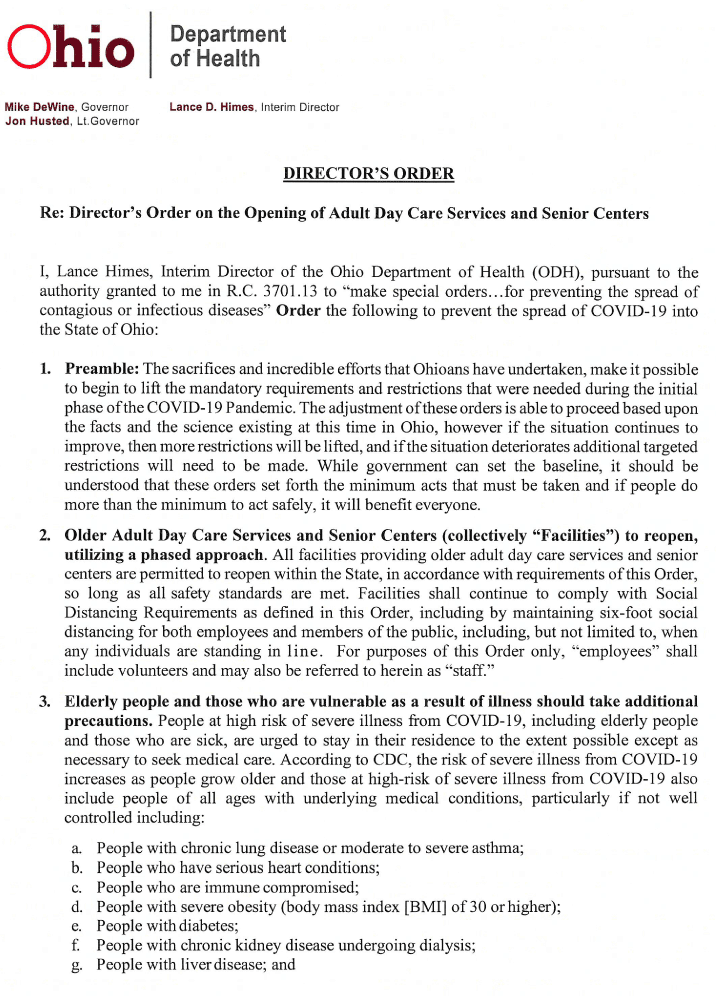
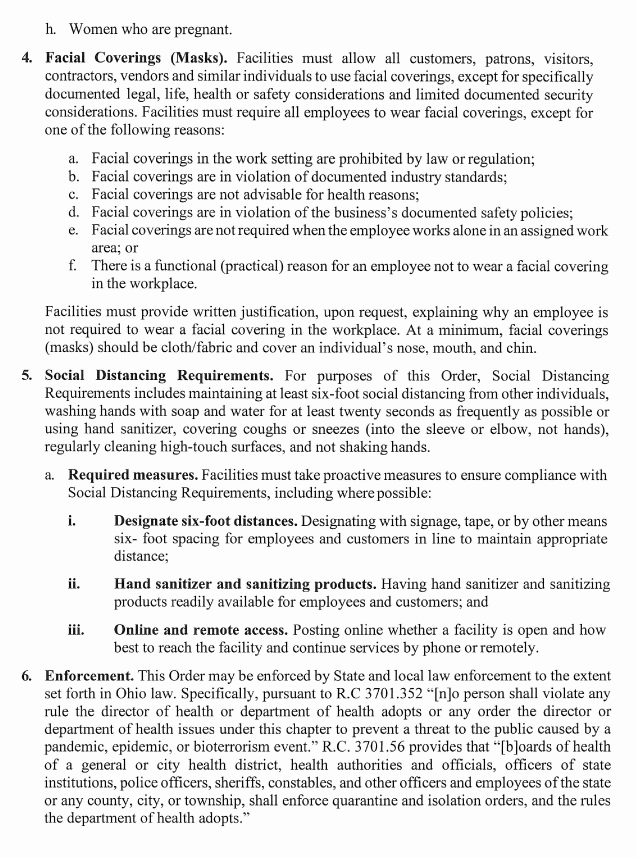
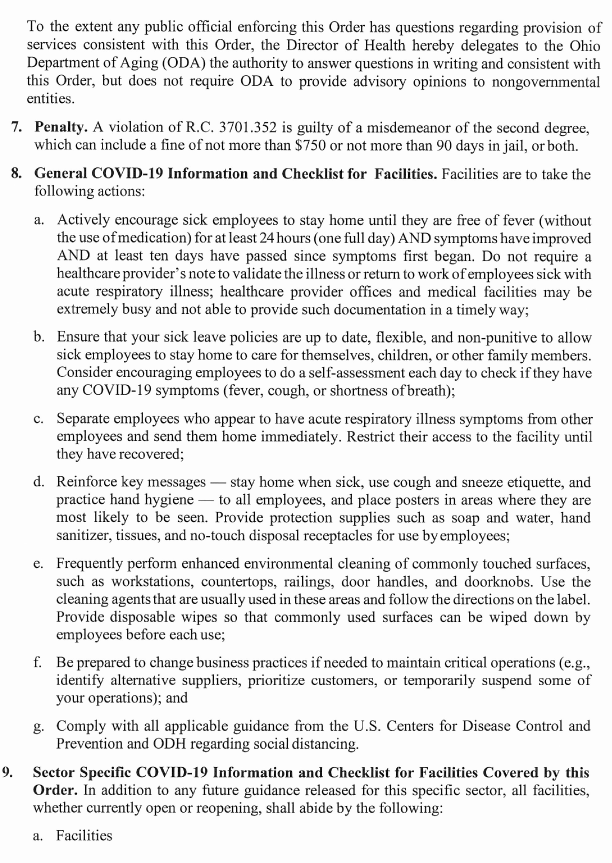
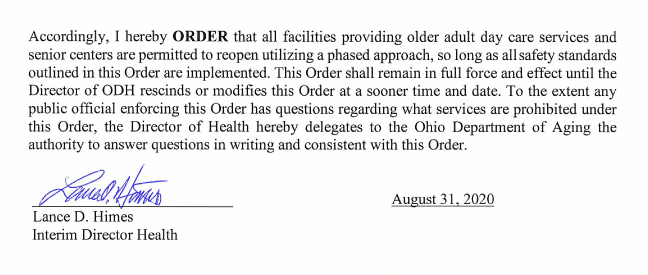
    Columbus, Ohio – Ohio Governor Mike DeWine announced that the following order has been signed by Ohio Department of Health Interim Director Lance Himes:

  • Ohio Supreme Court: School district firearms policy can go on, pending appeal

    Ohio Supreme Court: School district firearms policy can go on, pending appeal

    By Susan Tebben at Ohio Capital Journal

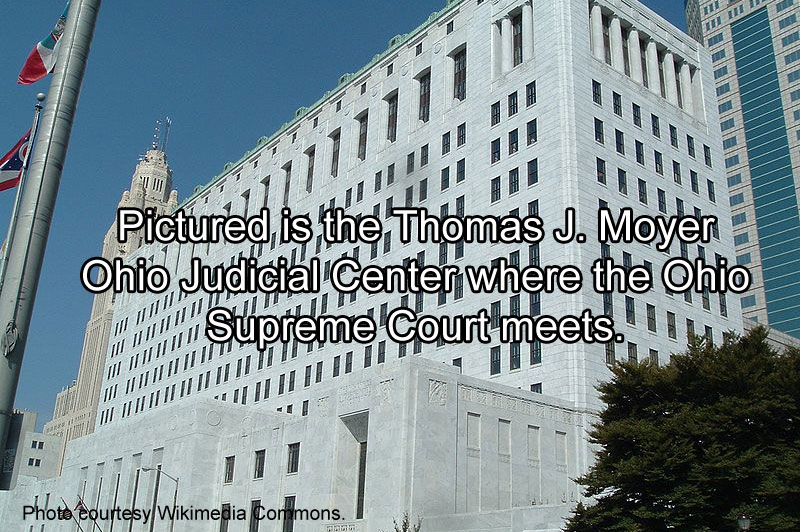
    Columbus, Ohio – The Ohio Supreme Court has said a school district can go ahead with a firearm policy for personnel while the state’s highest court decides on their case.

    The Ohio Supreme Court granted Madison Local School District’s request to allow the implementation of a policy allowing trained personnel including teachers to be armed on the Butler County district’s grounds Wednesday. 

    The amount of training the personnel must receive is still up for debate as the Ohio Senate considers a bill to lower that training level.

    But just as they allowed the motion, they also sped up the schedule for their own deliberation.

    “No stipulations or requests for extension of time shall be permitted, and the clerk of court shall refuse to file any stipulations or requests for extension of time,” the court said in a filing.

    The district asked for an expedited timeline because of the upcoming school year, which started Aug. 13. The appeals court decision had “no practical effect” before then, because Ohio Gov. Mike DeWine had already closed schools due to the COVID-19 pandemic.

    Attorneys for the school district parents who filed the initial lawsuit said a last-minute halt to the appeals court decision “threatens to upend the expectations of parents who have used the intervening months to make time-sensitive decisions — and commitments — about how to safely educate their children this fall.”

    “While parents face a variety of safety concerns when deciding how to school their children in a global pandemic, Madison’s last-minute request would add to the confusion and concerns that parents are currently grappling with, and have already made decisions about,” attorneys for the families wrote in a response to the motion, filed Aug. 12.

    The parents disagreed with the district’s argument that allowing the school to implement the policy before the supreme court makes its final decision is “necessary to prevent irreparable injury.” 

    While both parties want to avoid a school shooting like the one that sparked the policy in the first place, attorneys for the parents said, being barred from implementing the firearm policy “does not prevent Madison from deploying almost any conceivable option to enhance school safety; it simply bars the use of armed staff whose few days of training fall far short of the state mandate.”

    The school district has 20 days to file their arguments with the court, and the families have 20 days following that to respond.

    Chief Justice Maureen O’Connor and Justice Michael Donnelly disagreed with the decision to expedite the case and temporarily halt the appeals court decision, and Justice Patrick Fischer noted he would have specifically denied the portion of the motion to allow the district’s firearms policy.


    Susan Tebben

    Susan Tebben is an award-winning journalist with a decade of experience covering Ohio news, including courts and crime, Appalachian social issues, government, education, diversity and culture. She has worked for The Newark Advocate, The Glasgow Daily Times, The Athens Messenger, and WOUB Public Media. She has also had work featured on National Public Radio.
  • Life lesson for Delaney!

    Life lesson for Delaney!

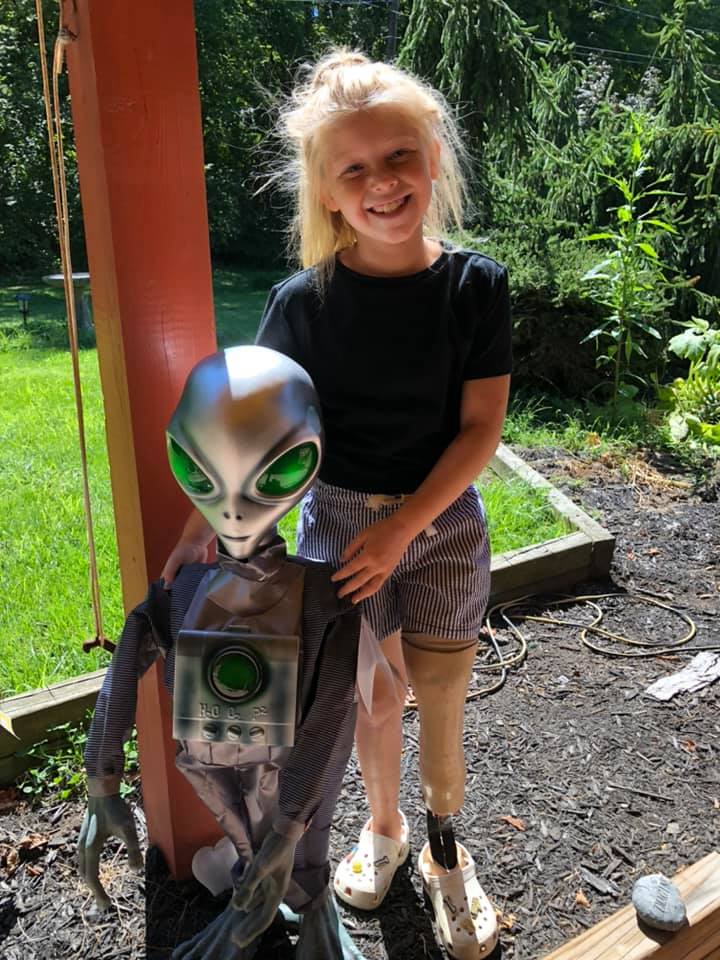
    Milford, Ohio – “Life lesson for Delaney today,” is how her mom Gina Rohdenburg explains the thoughtfulness of her six-year-old daughter Delaney, a Loveland student.

    Photos by Gina Rohdenburg

    The two found a lot of cash on the ground at Home Depot. “Yes, $420 on the ground,” Gina said. Mom and daughter went to the car, counted it and Gina asked Delaney what they should do.

    They decided to go to the help desk and tell them they found money. Gina gave them her name and number and asked them if anyone calls to ask them how much they lost. She also asked them not to give out her number, but for Home Depot to call her.

    Gina received a call about two hours later and the store indeed received a call and the man on the other end of the phone knew it was $100’s and 50’s but didn’t know the exact amount.

    “He knew enough,” Gina said. “I told them we would bring it back as soon as we could.”

    When Gina and Delaney arrived at the store, the woman at Home Depot told them the man was “so grateful” that they were giving it back. “I explained it was a good lesson for my daughter to always do the right thing,” said Gina.

    “She then told my daughter to go pick out anything from the Halloween section on them. Well done Home Depot in Milford! What a great way to show my daughter she did the right thing. We now have a dancing alien and she loves it,” said Gina.

    When people began to ask Gina what they would name the alien, she suggested, “Depot or Dinero.”


    Read more about how Delaney is part of Loveland’s DNA…

  • Artists Shine at the Pottery Affaire on September 12

    Artists Shine at the Pottery Affaire on September 12

    Advertisement

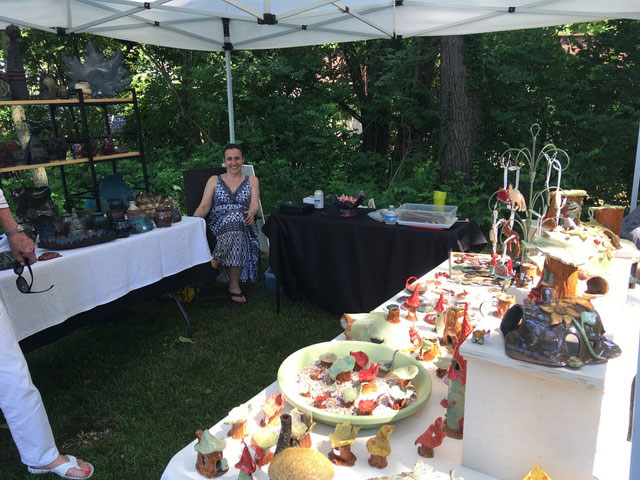
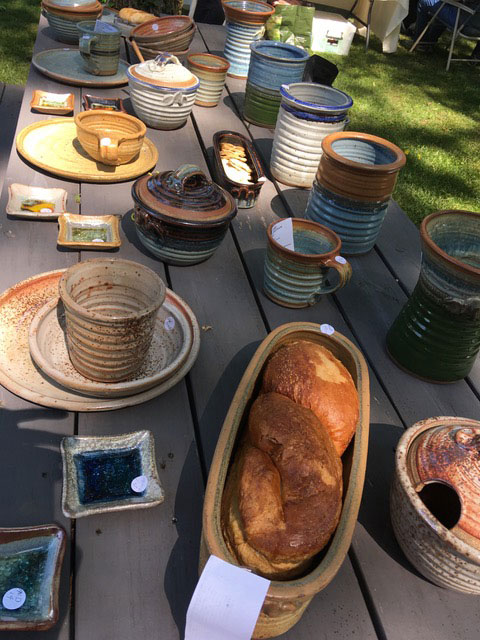
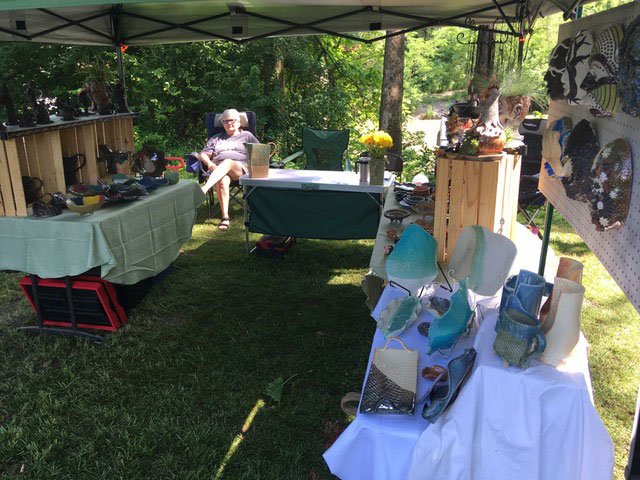
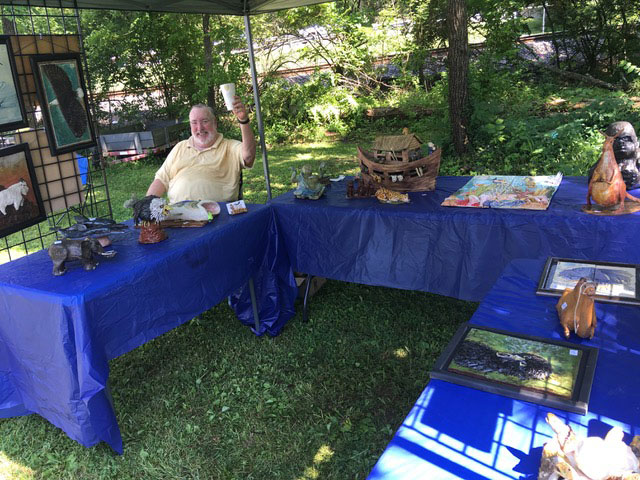
    Whistle Stop Clay Works (WSCW) is pleased to announce the third annual Pottery Affaire happening Saturday, September 12 from 11am. until 4pm. The show highlights local artists who will be offering hand made pottery, paintings, note cards, photographs, felted items, and much more.

    This show is a wonderful opportunity to support local artists who have been impacted by the pandemic and to buy unique, hand crafted work. There will also be demonstrations on the potter’s wheel and pottery studio tours.

    “It’s an amazing show. There are about two dozen artists showing their work. The Pottery Affaire offers tremendous variety and selection, so you’re sure to find something that just right for you or someone on your holiday list,” states Bonnie McNett, show coordinator and instructor at WSCW.

    The show is happening by the beautiful O’Bannon Creek at 119 Harrison Avenue, in historic Loveland, Ohio. “The setting is just perfect with lots of expansive shade trees and the beautiful O’Bannon Creek ambling by,” continues McNett.

    The outdoor show will require vendors and shoppers to wear face masks and observe social distancing guidelines.

    The Pottery Affaire is being held at 119 Harrison Avenue just north of downtown Loveland on Saturday, September 12th from 11am. till 4pm.

    More information can be found by calling WSCW studio at (513) 683-2529 or at www.whistlestopclayworks.com.

    Click on an image to see them full size…

  • What can Loveland Middle School students expect when they come back to school?

    What can Loveland Middle School students expect when they come back to school?

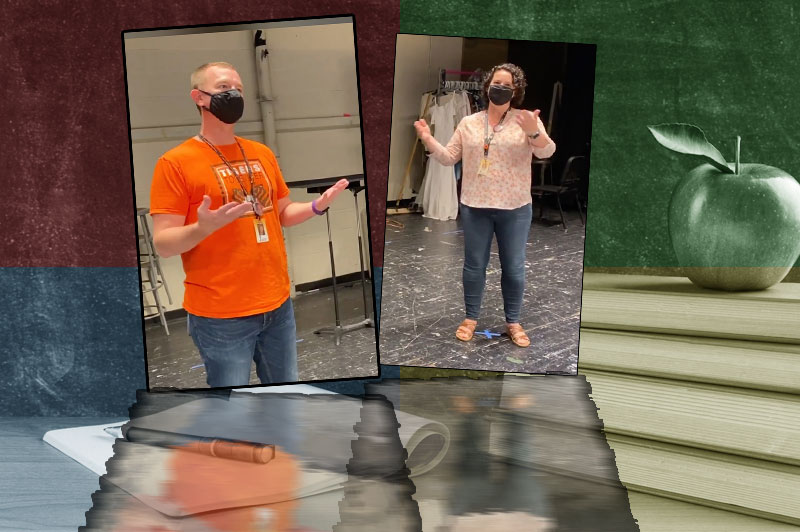
    Loveland, Ohio – The Loveland Middle School shared a video to FaceBook about what they have been working on and what their students can expect when they come back to school.