Author: Loveland Magazine

  • Great Parks begins Sharon Lake improvement project

    Great Parks begins Sharon Lake improvement project

    A news release from Great Parks:

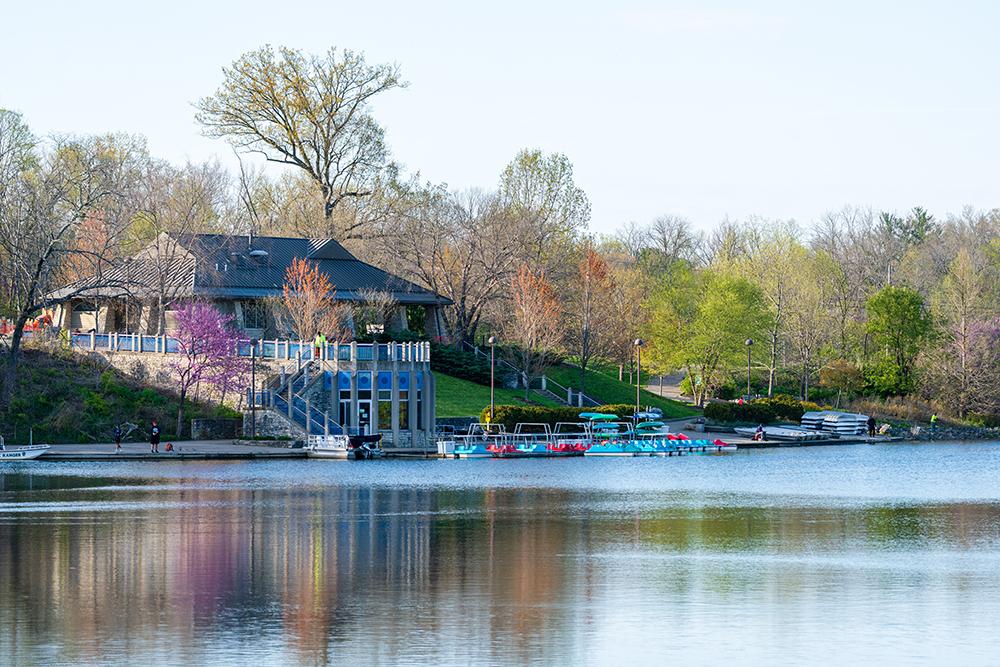
    In 2017, Great Parks began planning for a major, multi-year initiative to renew and improve Sharon Lake as a recreational resource and preserve its beauty as a breathtaking conservation area. With extensive planning nearing completion, Great Parks will drain the water from the 35-acre lake this fall, before repositioning a buildup of soil and silt in the lake to double the existing wetland areas. When complete, the project will improve recreation activities and access to natural areas on and around the lake.

    Project Scope & Impact

    Once construction begins, the project will take 18 months to complete. Areas in Sharon Woods that will be impacted during construction include:

    • Sharon Lake, including the fishing dock and canoe/kayak launch
    • Boathouse
    • Shared-Use Trail around the lake
    • Lakeside Lodge

    The snack bar and harbor playground area are scheduled to remain open during construction.

    Visit the Alerts & Closures page for park updates and closures throughout the project.

    Tentative Project Timeline

    Activity Date
    Permitting and draining preparation Spring/Summer 2023
    Lake draining begins Summer/Fall 2023
    Construction underway Fall 2023 – Fall 2024
    Lake to reopen Spring 2025

    Timeline is an estimation based on the current project status and may vary as construction begins.

    Public Meetings

    Stop by our open house to learn more about the project and changes coming soon. Featuring stations that highlight different aspects of the project, you’ll learn more about exciting amenities and upcoming impacts. Great Parks staff will be available to answer any questions you may have.

    Public Open House
    Wednesday, June 14, 6-8 p.m.
    Sharon Centre | Sharon Woods
    11450 Lebanon Road, Sharonville, Ohio 45241

    Great Parks strives to host inclusive, accessible events that enable all individuals to fully engage. The June 14 public open house will be ADA accessible and include adjacent child-friendly activities supervised by Great Parks’ staff. Individuals needing reasonable accommodations to participate, including those related to ADA, language interpretation or transportation assistance, should contact Great Parks by June 1 at 513-521-7275, Voice/TDD.

    Cost & Funding

    With design, permitting, surveys, pollution prevention, water management, construction, dredging, transport, restoration, and reopening phases, this improvement project is anticipated to cost more than $8 million.

    A special thanks to the Greater Cincinnati Foundation, Dorothy B. Francis Charitable Foundation, Duke Energy Foundation, Land & Water Conservation Fund and State of Ohio Capital Improvement Funding for their support of this project thus far.

    Remaining funds will be provided by Great Parks through the current capital project budget as well as additional grants and other funding sources.

    FAQs

    Why is Great Parks dredging Sharon Lake now?
    Sediment accumulation, excess nutrients, and aggressive aquatic vegetation, especially during summers, have reached the point of threatening recreational opportunities and some aquatic habitats.

    What will happen to fish in the lake?
    Many fish will exit downstream as the lake drains. Some will be left behind and taken by either birds or other predators. Great Parks sought to reduce the number of fish in the lake by working with ODNR to eliminate creel (fishing) limits last year. ODNR does not recommend moving fish between bodies of water. When the lake is refilled, Great Parks will implement a fish restocking program.

    What will happen to other animals in the lake?
    Some, including turtles and birds, are expected to simply move to other nearby habitats.

    Why can’t Great Parks move the fish and other wildlife? 
    Most fish cannot be moved to other waterways due to state regulations that aim to protect fish from the spread of disease. Catching and moving fish and other wildlife is not guaranteed to be successful and can be cost-prohibitive.

    What will the lakebed be like without its water?
    The lakebed will dry over many months until the silt at the bottom can be accessed and moved with heavy equipment. We are notifying neighbors and guests that for a period of time, there will likely be an odor from the decomposing organic material on the exposed lakebed.

    Where will Great Parks put the soil?
    The soil and silt from the bottom of the lake will be repositioned to preselected areas around the edge of the lake, eventually doubling the lake’s wetland area.

    Why didn’t Great Parks take action to prevent dredging from being necessary?
    The collection of silt at the bottom of a manmade lake is a natural process in the lifespan of a reservoir. It is accelerated in Sharon Lake due to dense development in the watershed that is outside park district ownership. Sharon Lake has previously been dredged since it was built by the U.S. Works Progress Administration (WPA) in the 1930s.

    How does this project impact the harbor?
    The boat house will remain closed during the improvement project. However, the playground and snack bar will remain open. Great Parks is planning for additional improvements to the harbor after the completion of the lake improvement project, with more details to be announced in the coming months.

    How will the lake be refilled?
    Rainwater will fill the lake after it reopens. A heavy rainfall can add several feet to the lake in a matter of hours. It is expected to take several months to refill the lake completely.

    What is sediment and where did it come from?
    Sediment is the buildup of fine soil particles that can reduce water quality and impair aquatic wildlife habitats. It comes from outside the boundaries of the park from erosion in tributaries.

    What is dredging?
    Dredging is the process of removing sediment and other materials built up in a body of water.

    What is duckweed?
    Duckweed blooms are made up of millions of individual plants. An aquatic plant that loves shallow areas of lakes, duckweed takes advantage of the nutrients accumulated in lake sediments.

    Why is duckweed an issue?
    Duckweed inhibits recreational uses of the lake. Too much duckweed floating on Sharon Lake prevents sunlight and oxygen from reaching deeper water, causing harm to the aquatic habitat and fish.

    Why has the duckweed increased?
    Over the years, the lake has collected sediment and nutrients from the surrounding watershed. Due to years of runoff from increased development, sediment has accumulated, creating more areas of the lake that are shallow. These shallow areas also provide a source of continuous nutrients that fuel duckweed growth.

    Why don’t you get rid of it?
    Even if Great Parks were to skim all the duckweed off the top of Sharon Lake, it would regrow because duckweed can double its biomass in as few as four days.

    Why don’t you spray herbicides over the lake?
    Herbicides can damage aquatic habitats and harm wildlife.

    What impacts will this project have?
    Dredging Sharon Lake will temporarily disturb lake ecosystems as sediment is removed, but it will also result in some improved aquatic habitats and increased recreational opportunities for park guests, including increased educational opportunities through the new wetlands boardwalk.

    What is the timeline for this project?
    The proposed date for lake draining to begin is the summer or fall of 2023. Closure of the boat house, lake, and lake loop trail will also occur at that time. Silt repositioning and construction is proposed for fall 2023, with the reopening of the lake, boat house, and lake loop trail proposed for fall 2024 – spring 2025.

    Which parties are involved in this project?
    Great Parks, Ohio Department of Natural Resources (ODNR), Environmental Protection Agency (EPA) and the Army Corps of Engineers.

    Can we observe the work?
    Yes, we will build observation points at the harbor and the Kemper Road bridge.

    What is a weir?
    A weir is a low rock structure that can help control the flow of water. In Sharon Lake, weirs provide easier access for dredging work at the bottom of the lake.

    Will the boathouse reopen when the lake reopens?
    Reconstruction of the boathouses at Sharon Lake, Winton Lake, and Miami Whitewater Forest Lake is all under one separate project, so it is unlikely the Sharon Lake boathouse will be finished when the lake reopens.

    Will boating return to Sharon Lake?

    After the new wetlands reconfigure the shape of the lake, future boating opportunities will include kayaks, canoes, and paddleboats. Motorboats will no longer be allowed on Sharon Lake, but they can still be used at Winton Lake and Miami Whitewater Forest Lake.

    Questions
    If you have additional questions about the project that haven’t been answered here, please contact information@greatparks.org or call 513-521-7275.

  • Drivers reminded to buckle up as Click It or Ticket campaign begins

    Drivers reminded to buckle up as Click It or Ticket campaign begins

    In 2022, there were 527 people in Ohio killed in traffic crashes where a seat belt was available, but not in use.

    Loveland, Ohio – Ohio’s annual observational seat belt survey shows that seat belt usage has dropped in Ohio to its lowest level in nearly two decades.

    According to the study conducted by the Department of Public Safety’s Ohio Traffic Safety Office (OTSO), the statewide seat belt compliance rate dropped from 84.1% in 2021 to 80.8% in 2022 – the lowest compliance rate since 2005.

    “We want seat belt use to be an automatic habit for drivers and passengers alike,” said Emily Davidson, OTSO executive director. “Unrestrained deaths are completely preventable. Buckling up is the simplest thing you can do to limit injury or save your life during a crash.”

    To encourage Ohio drivers to buckle up, local law enforcement agencies throughout the state will participate in the National Highway Traffic Safety Administration’s (NHTSA) national Click It or Ticket high-visibility enforcement effort. The seat belt campaign, which coincides with the Memorial Day holiday, runs from May 22 to June 4. The enforcement effort encourages the over 900 law enforcement agencies in Ohio to conduct increased seat belt enforcement to remind drivers and passengers about the importance of wearing seatbelts.

    In 2022, there were 527 people in Ohio killed in traffic crashes where a seat belt was available, but not in use. This marked the third consecutive year that Ohio’s unbelted fatality rate was above 60%.

    “Properly wearing a safety belt saves lives and reduces the risk of injuries,” said Colonel Charles A. Jones, Superintendent of the Ohio State Highway Patrol. “When a safety belt is properly worn, the potential for crash-related injuries and death decreases dramatically.”

    Ohio remains below the national seat belt use rate of 91.6%. The state’s 2022 seat belt survey also revealed that:

    • Cuyahoga County had the lowest overall compliance at 59.0%.
    • Guernsey County had the highest overall compliance at 84.9%.
    • Local roads had by far the lowest rate of compliance in the state.
    • Trucks had the lowest compliance rates of any vehicle type: 76.3% for heavy trucks and 77.7% for light trucks.

    “No matter the type of vehicle you’re driving in or the type of road you’re driving on, the best way to protect yourself in case of a crash is to wear your seat belt,” said Davidson. “Unfortunately, so many Ohio families are suffering because their loved ones did not follow this simple step. Last year, 527 Ohioans died because they did not buckle their seat belts – that’s more than one person per day.”

    Every state is required by NHTSA to conduct a statistically valid survey of seat belt use each year. The study is an important tool to provide more targeted public information campaigns and law enforcement initiatives to increase seat belt use and help save lives throughout Ohio.

    According to NHTSA, in 2021, there were 11,813 unbuckled passenger vehicle occupants killed in crashes in the United States. In that same year, 57% of passenger vehicle occupants killed at night (6 p.m.–5:59 a.m.) were not wearing their seat belts. That’s why one focus of the Click It or Ticket campaign is nighttime enforcement. Participating law enforcement agencies will be taking a no-excuses approach to seat belt law enforcement, writing citations day and night.

    In Ohio, a seat belt violation is considered a secondary offense, meaning law enforcement can only pull over an unbelted driver if they commit a separate primary traffic violation – such as speeding or running a red light. A seat belt citation results in a $30 fine for a driver and a $20 fine for a passenger. Neighboring states of Indiana and Michigan, which both have primary seat belt offense laws, had seat belt compliance rates in 2021 of 92.9% and 92.6% respectively.

    # # #

    The Ohio Traffic Safety Office (OTSO), a division of the Ohio Department of Public Safety, focuses on a mission to save lives and reduce injuries on Ohio’s roads by using creative leadership, innovative education, and comprehensive enforcement programs. OTSO strives to work in partnership with local, state, and federal entities to advance equity in highway safety programs, ensuring they benefit all road users in Ohio. Last year, OTSO awarded over $22 million in federal funds to 140 Ohio agencies for statewide programming to improve traffic safety and reduce traffic-related fatalities.

  • Dave Spencer to be New LHS Principal

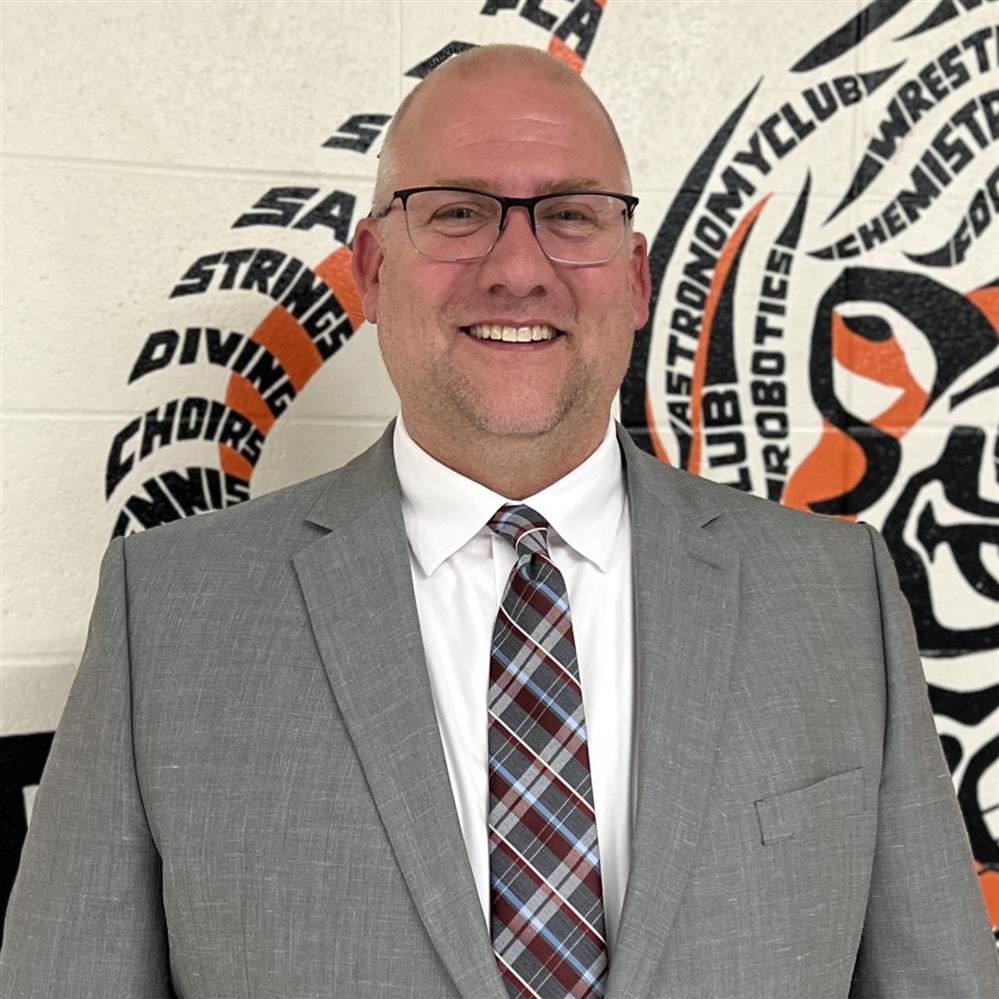
    Dave Spencer to be New LHS Principal

    Photo by Loveland District

    Loveland, Ohio – Dave Spencer will be Loveland High School’s next principal. He joins Loveland after 19 years in the Forest Hills School District.

    “Loveland High School is the flagship of our district, and I believe Dave Spencer will be a great person to lead LHS. He is a seasoned administrator, and a high-character, student-focused leader.” Superintendent Mike Broadwater said.

    Spencer comes to Loveland High School after eight years as the principal of Turpin High School and eleven years as the assistant principal at Turpin. He has been a high school administrator for 24 years, including five years in Bright Local Schools.

    “I’m excited to be a part of Tiger Nation! I’m looking forward to supporting the students and staff and contributing to the many great things that lie ahead for Loveland High School,” Dave Spencer said.

    Spencer’s hiring is pending approval by the Board of Education. He will lead Loveland High School beginning with the 23-24 school year.

    Current LHS principal Adam Reed will be taking a new role in the Central Office of Mount Healthy City Schools.

    “We thank Adam Reed for his hard work and dedication to our Loveland Tiger students and wish him the best as he takes on an exciting new challenge,” Superintendent Mike Broadwater said.

  • Ohio preschool enrollment and spending goes up, but still ranks low in national study

    Ohio preschool enrollment and spending goes up, but still ranks low in national study

    Getty Images

    Ohio ranked 36th in enrollment at age 4 and 27th at enrollment at age 3, according to Rutgers University’s National Institute for Early Education Research.

    BY:  – Ohio Capital Journal

    Despite preschool enrollment and state spending for programs increasing, Ohio ranked low in a new early childhood education report released last Thursday.

    Ohio ranked 36th in enrollment at age 4 (10%) and 27th at enrollment at age 3 (2%), according to Rutgers University’s National Institute for Early Education Research.

    “Ohio leaders must address this ongoing lack of access, lackluster quality and related issues of teacher retention and pay to ensure that all children have access to the educational opportunities they deserve,” Allison Friedman-Krauss, the report’s lead author, said in a news release.

    Enrollment in Ohio’s state-funded preschool during the 2021-2022 school year was 16,732, an increase of 1,680, according to the report. 57% of Ohio school districts offered state preschool programs.

    State spending for preschool programs was $66,928,000, an increase of $1,722,262 when adjusted for inflation. Ohio’s state spending per child enrolled in preschool was $4,000, which ranked 36th in the nation. This is down $332 from the previous school year.

    Ohio does not have universal preschool, but according to the report, seven states are working towards universal preschool: California, Colorado, Hawaii, Illinois, Michigan, New Jersey, and New Mexico.

    “Ohio should assess its support for preschool against neighbors and other states that provide much stronger support for access, quality standards, and funding per child. Ohio’s young children deserve no less than others,” W. Steven Barnett Ph.D., NIEER’s senior co-director, said in a news release.

    The study analyzed early learning and development standards, curriculum supports, teacher and assistant teacher education, specialized training for teachers, staff professional development, class size, staff-child ratio, screening and referral, and a continuous quality improvement system.

    Ohio met only five of the 10 quality standards benchmarks: early learning & development standards; curriculum supports; teacher specialized training; screening and referral; and continuous quality improvement system.

    National preschool figures

    The report showed a 13% increase in enrollment in state-funded preschools. Enrollment, however, is down 8% compared to pre-pandemic levels.

    Preschool spending per child in 2021-2022 was $6,571, “essentially the same as it was 20 years ago after adjusting for inflation,” according to researchers.

    “Progress in expanding access to high-quality state-funded preschool over the last two decades has been slow and uneven, despite proven benefits to children, families and our nation’s economy as a whole,” Friedman-Krauss said.

    States spent $9.9 billion on preschool in 2021-2022, including $393 million in federal Covid-19 relief funds.

    Ohio’s Budget

    The state’s proposed two-year operating budget would create the Ohio Department of Children and Youth and the department’s director would be a member of the governor’s cabinet. The department would be the state’s primary children’s services agency and would oversee early learning and education, including preschool.

    The Ohio House’s version of the budget also allocates $61 million per fiscal year increases to the Early Childhood Education grants, which is estimated to expand preschool to more than 15,000 additional children. The budget is currently in the Senate.

    In January, Gov. Mike DeWine announced the Ohio Department of Job and Family Services (ODJFS) will receive $48 million in federal grants over the next three years to increase access to early childhood care and education.

    ODJFS is partnering with the Ohio Departments of Education; Health; Mental Health and Addiction Services; Medicaid; and Developmental Disabilities to implement the grant programs which will increase access to early childhood education and create long-term local, state and federal funding for early childhood education programs.

    “It will fund a needs assessment to determine the best way to provide safe and enriching early child care and education for young children with physical disabilities and emotional needs,” ODJFS Director Matt Damschroder said in a release.

    Follow OCJ Reporter Megan Henry on Twitter.

    ________________________

    Megan Henry
    MEGAN HENRY

    Megan Henry is a reporter for the Ohio Capital Journal and has spent the last five years reporting on various topics including education, healthcare, business and crime at The Columbus Dispatch, part of the USA Today Network.

    MORE FROM AUTHOR

  • Memorial Day/summer travel tips and preview at CVG

    Memorial Day/summer travel tips and preview at CVG

    CVG is estimating 150,00 passengers (arrivals and departures) from Thursday, May 25 through Memorial Day. The average daily passenger count is approximately 30,000 for the holiday weekend. The busiest time for departures is from 6 – 8 AM, which makes the security checkpoints busier around 4 – 7 AM. Busier times for arrivals is 3 PM and 10 PM.

    These travel volumes exceed 2022’s numbers by about 18%.

    Below are travel trips for the coming weeks, all of which you can do before leaving for the airport:

    • Arrive early: Plan to arrive two hours in advance for a domestic flight and three hours in advance for an international flight. You don’t want to risk missing your flight.
    • Check travel documents: Make sure your passport or valid government ID isn’t expired. Allow several weeks to get a passport updated.
    • Check airline app: Download your airline’s mobile app as soon as you purchase your ticket for real-time flight updates and info on baggage requirements.
    • Check CVGairport.com: Familiarize yourself with CVG’s parking options: CVG Valet, CVG Terminal Garage, CVG ValuPark, and CVG Economy Lot. More travelers have been utilizing the Terminal Garage and it has sold out at times.
    • Check traffic: Summer is construction season.
    • Check weather: Summer thunderstorms can greatly impact flight routes. Be aware of weather at your departure and arrival airports. It’s also good to review where your plane is coming from if there are weather issues in that part of the country/world.
    • Check TSA’s website: Learn what you can bring onto a carry-on bag versus checked bag. This will save time in the checkpoint line by not having a TSA officer manually check your bag.

    Additional tips:

    • CVG opened its first sensory room for children, click here to learn more.
    • Click here to read CVG insider travel tips including how to valet check a bag, and how to get food delivered to your gate.
  • Ohio Ballot Board approves language for August amendment proposal despite objections

    Ohio Ballot Board approves language for August amendment proposal despite objections

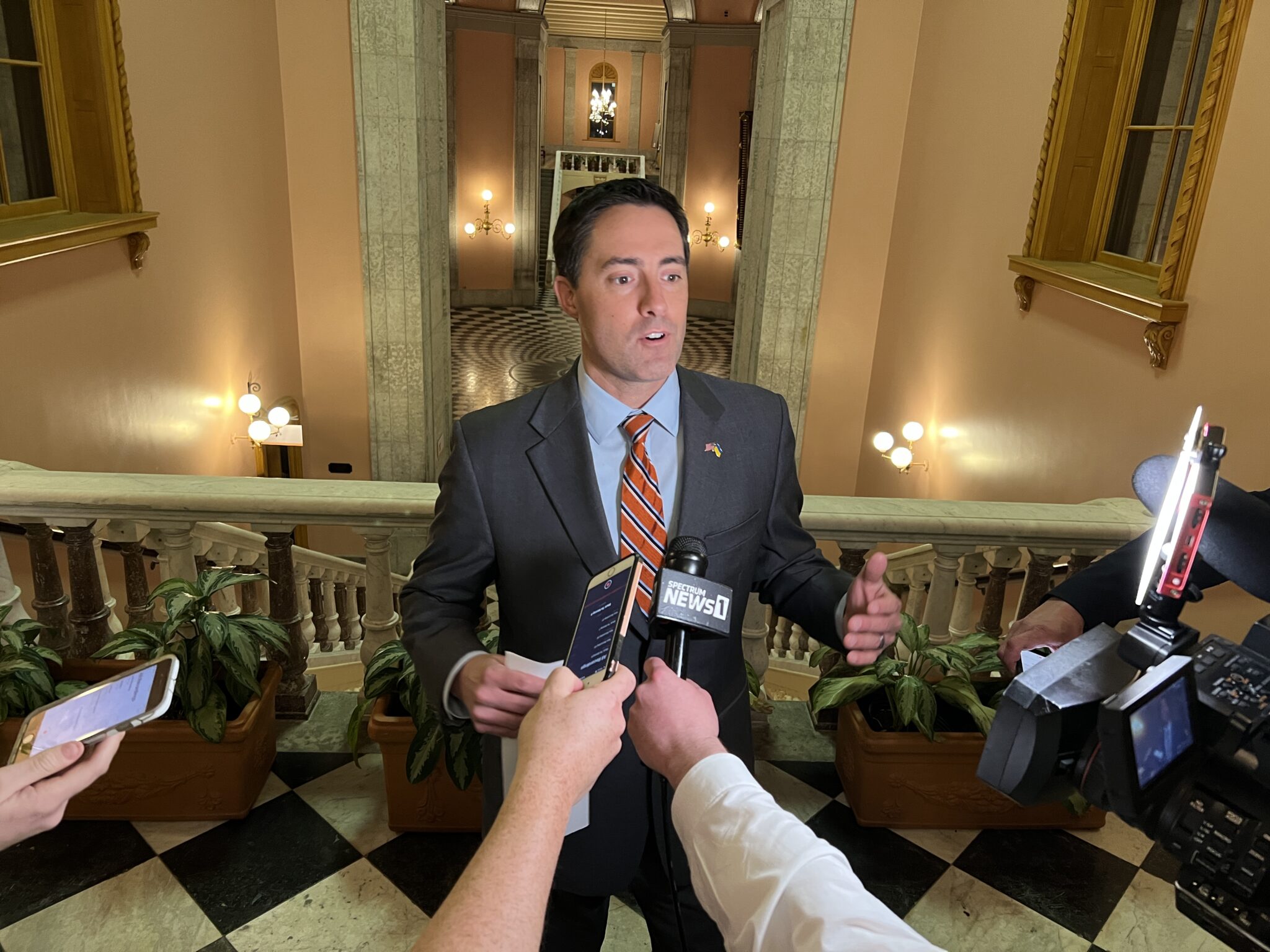
    Ohio Secretary of State Frank LaRose talks to reporters. (Photo by Susan Tebben, OCJ.)

    Republican lawmakers’ proposal would make it harder for voters to amend Ohio Constitution by raising bar to 60%

    BY:  – Ohio Capital Journal

    The Ohio Ballot Board has approved language for an August ballot measure from Ohio Republican lawmakers. The proposal asks voters whether to make it harder to pass future constitutional amendments by requiring 60% of the vote. The board’s two Democrats and an outside organization currently suing to block the August election criticized the ballot language and it’s explanation.

    What’s the ballot board and what does it do?

    The five-member panel determines what exactly voters will read when they get their ballot. The Ohio Secretary of State chairs the board consisting of four other members selected by legislative leaders in the Ohio House and Senate. No more than two of those selections can be from the same party.

    In addition to drafting the exact ballot language, the board also comes up with an explanation of what the proposal would do. However, the board’s secretary Jeff Hobday explained that wording carries very specific requirements.

    “If a condensed version of the proposal is used, the ballot language must not omit substance of a proposal that is material,” Hobday said. “Additionally, if the proposed amendment is condensed, the resulting language must not result in or imply a persuasive argument.”

    The board also set the terms for disseminating information about the proposal, and designated the groups responsible for drafting arguments for and against the measure.

    Pushback

    Attorney Don McTigue, who’s representing the organization One Person One Vote, pointed to numerous passages in the ballot board’s draft language that fail to give a neutral presentation.

    “None of the bullet points explain what the current constitutional provision is,” he argued. “It’s not telling the voters what change they’re being asked to make.”

    He repeatedly argued voters should see the current requirements and how they’d change — rather than just the changes the amendment offers. Voters should know the requirement is going from a simple majority to 60%; they should know signature requirements will expand from 44 to all 88 counties.

    McTigue added that one line is flatly untrue.

    “The statement about at least 5% of the eligible voters of each county is actually not accurate,” he explained. “It’s 5% of the most recent gubernatorial vote in that county.”

    He also took issue with the title Secretary LaRose came up with for the proposal: “elevating the standards to qualify for and to pass any constitutional amendment.” State law requires the title be “true and impartial,” McTigue argued, and not likely to “create prejudice for or against” the proposal.

    “We believe that there is an egregious violation of those standards with regard to the first three words that say elevating the standards,” McTigue said. “Elevating is a word that has connotations, that most people would say, meaning to raise up in status, raise up in honor.”

    He argued the title should instead use a value neutral term like “change” or “modify.”

    The Democrats’ take

    Board member Rep. Elliot Forhan, D-South Euclid, took up McTigue’s argument about needing to describe current law as well as the change. He brought up the state supreme court’s comparison to local zoning changes.

    “You wouldn’t ask a subdivision or a municipality to approve a change in the zoning law if you didn’t explain to them exactly what the change in the zoning was,” he explained. “Our state supreme court said, something of this nature has a far greater effect than a change in the zoning law.”

    “The omission of what the existing law is,” he added, “that it, at the moment, only requires a simple majority, that indeed fails to meet that standard.”

    Another board member, Sen. Bill DeMora, D-Columbus, criticized the ballot description’s use of the phrase “proposed by a 2/3 majority” of state lawmakers. The standard to make the ballot is a 3/5 majority in each chamber.

    “I’ll point out that 88 members of the 132 members of the General Assembly voted for it, which is exactly two thirds and that’s why we use that language,” LaRose explained.

    LaRose only arrives at that figure because the state Senate’s lopsided GOP majority. In the House, the margin was much narrower.

    “In the House actually 62 people voted in the affirmative for the amendment,” DeMora argued, “and two thirds would be 66 out of 99, so two thirds is clearly incorrect.”

    The margin of victory in the General Assembly, of course, is irrelevant to the proposal once it goes before voters. For instance, none of the past three general assembly initiated amendments’ explanations made any mention of vote margin. Its inclusion, regardless of how LaRose calculated it, only underscores critics’ concerns about “prejudicial” language.

    The Republican side

    The board’s GOP members were remarkably quiet throughout the hearing. Aside from LaRose explaining his math and introducing agenda items, the only times they piped up was to second his motions to approve.

    Despite the objections of Democrats, the board voted along party lines to approve the draft ballot language and explanation. They made no changes.

    Follow OCJ Reporter Nick Evans on Twitter.

    __________________________

    Nick Evans
    NICK EVANS

    Nick Evans has spent the past seven years reporting for NPR member stations in Florida and Ohio. He got his start in Tallahassee, covering issues like redistricting, same sex marriage and medical marijuana. Since arriving in Columbus in 2018, he has covered everything from city council to football. His work on Ohio politics and local policing have been featured numerous times on NPR.

    MORE FROM AUTHOR

  • FREE Thursday evening Summer Concerts!

    FREE Thursday evening Summer Concerts!

    Promoted Post

    Loveland, Ohio – Join us this summer for FREE Thursday evening Summer Concerts! These events are free to the public and will be held on the third Thursday of the summer months on the patio of Hometown Cafe along the bike trail. Bring a chair and grab a drink from a local establishment (DORA friendly!) and enjoy some tunes this summer in Loveland!

    Summer Schedule:
    • June 15: Mothman
    • July 20: Blank Checks
    • August 17: Saint Cloud (formerly Alico Band)

    Brought to you by the Little Miami River Chamber Alliance.

  • [Photos] Loveland Food Truck Rally was huge success

    [Photos] Loveland Food Truck Rally was huge success

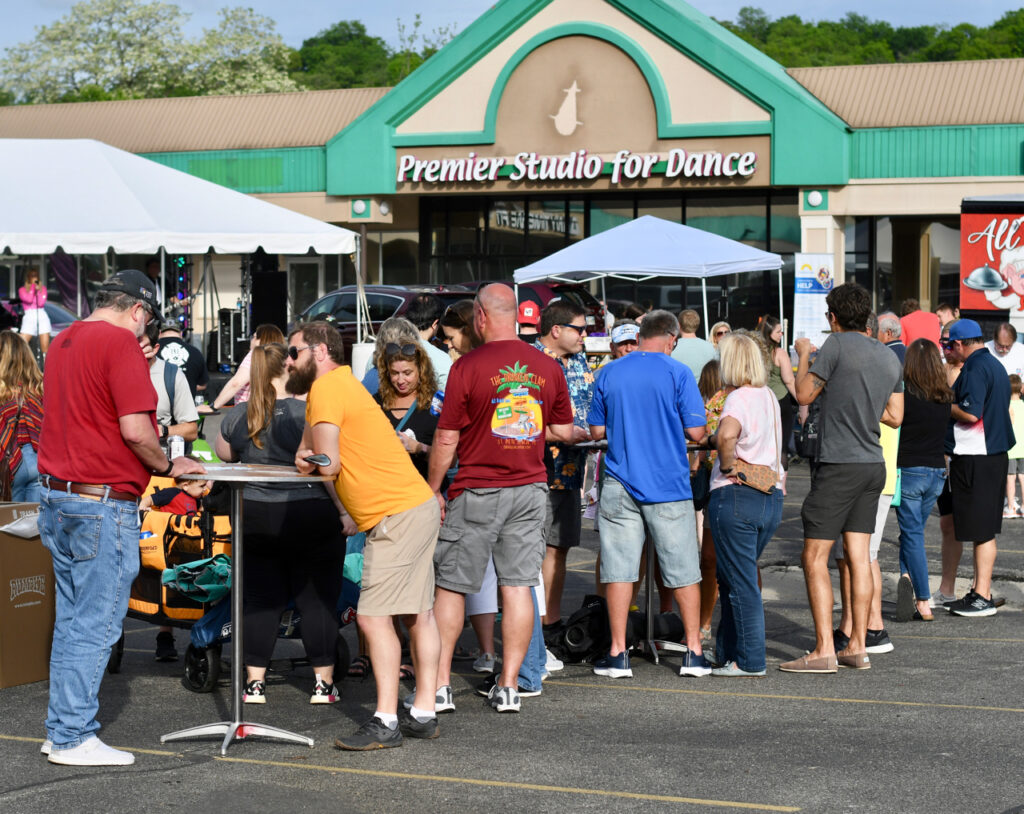
    Loveland, Ohio – The Little Miami River Chamber Alliance held their tenth annual Loveland Food Truck Rally on May 13.

    Despite threats of rain throughout the weekend, the LMRCA tenth annual Loveland Food Truck Rally presented by Wolternam Law was a huge success according to the Chamber.

    Thanks to their presenting sponsor, Wolterman Law and many other sponsors, not to mention a grant from Hamilton County this year; they were able to add many fun elements. An inviting balloon arch, a large tented seating area, more children’s inflatables, and a larger stage were just a few of those items they could afford due to the generosity of the County. Extra security, two beverage stations, and extra generators were also added, among other items.

    CeeCee Collins, president of the LMRCA, said “It’s always tough to see how many folks attend the event, but after ten years we can get a pretty good estimate. The crowds were incredible, the food trucks did very well, and the beverage stations were steady. Despite all of that, we believe the crowd was a little lighter this year than in 2022. A couple of reasons could have been; people being afraid of the rain, Loveland HS prom was taking place, although we had a few prom attendees come for a food truck dinner, and last year was a “bust out” year after the pandemic.”

    Meredith Taylor, VP of Operations said, “We sold out of food truck vendor spots months before the event. We’ve created quite a reputation with the local food trucks and they know this is a well-run, quality food truck rally. Many are already eager to plan for 2024.”

    Collins said that the Chamber hopes folks continue to enjoy the event for years to come. “We’re considering moving it to a later date in May. This will take it away from Mother’s Day weekend and from the craft show that came in recently across the street, which creates some congestion and parking issues. We’re also considering moving the time to include lunch. The committee and the chamber’s Board of Directors will make this decision over the coming year.”

    Collins said, “Thank you to everyone who volunteered. This is a large, challenging event to put on. We always need volunteers and they stepped up this year. We are incredibly grateful. We are also grateful to Shoppers Haven and all the businesses that allow us to use their lot for the day. We understand that the parking can be a slight inconvenience, but we’re hoping the exposure of the event affords them way more exposure and therefore customers in the long run.

    Collins added, “We look forward to next year. We’re always tweaking and improving the event, so next year will be even better.”

  • Grand Re-Opening of Loveland Goodwill Store this Thursday!

    Grand Re-Opening of Loveland Goodwill Store this Thursday!

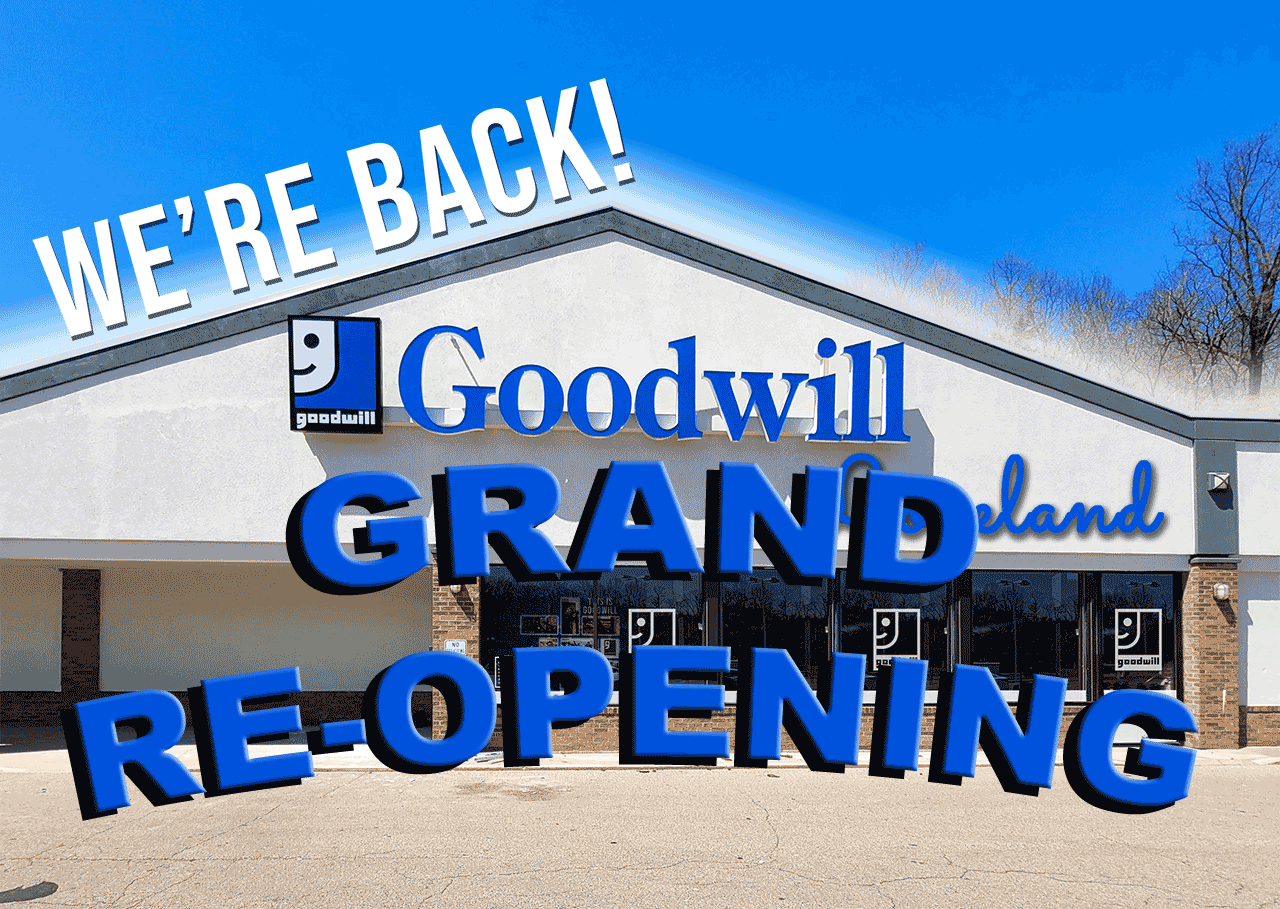
    Loveland, Ohio – Ohio Valley Goodwill Industries has announced the official Grand Re-Opening of its Loveland retail store located at 330 Loveland-Madeira Road on Thursday, May 25th at 10 AM. The opening will be preceded by a formal ribbon-cutting ceremony at 9:50 AM featuring local dignitaries and Goodwill’s President and CEO, Mark Hiemstra. Q102 will be on hand as well to help promote the Grand Re-Opening celebration event.

    The first 250 shoppers will receive a free shopping bag with goodies as well as refreshments and all shoppers will be eligible to win a gift certificate during the day’s festivities.

    “Goodwill is delighted to present this fully renovated and re-designed Loveland store for the pleasure of our shoppers and donors. We think that our patrons will enjoy the bright, modern interior, new display areas, engaging graphics, and fresh fashions featured at this store location. The Loveland store’s re-design will serve as the template that Goodwill will be following in its re-designs and updating for more of its store locations moving forward including its Fairfield store location,” said Hiemstra.

    Ohio Valley Goodwill has been a part of the Loveland business community for more than twenty-five years. Please note

    For a list of all Goodwill stores, visit www.cincinnatigoodwill.org/shop.

  • Gerrymandered Ohio Statehouse gives voters no recourse through initiated statute, only constitution

    Gerrymandered Ohio Statehouse gives voters no recourse through initiated statute, only constitution

    OPINION

    Citizens could work tirelessly to pass an initiated statute and the rigged Ohio legislature could then simply overturn it

    by David DeWitt – Ohio Capital Journal

    In order to understand the bad faith of the Republican arguments for attacking Ohio voters and asking us to enshrine 41% minority rule over our Ohio Constitution, voters need to understand the power dynamics at play when it comes to initiated statutes versus amendments to the Ohio Constitution.

    In Ohio, citizens have two options for proposing changes through a ballot initiative: They can offer a statute, which changes law under Ohio Revised Code, or a constitutional amendment, which amends the Ohio Constitution.

    Time and again we hear gerrymandered Ohio Republican lawmakers making some variation on their argument that the constitution is our “foundational document” and that if voters want a change, they should attempt an initiated statute to change the law, instead of adding an amendment to the Ohio Constitution.

    Here’s what they want citizens to forget: Ohio law offers no protection for a newly passed statute. Lawmakers can immediately repeal or modify whatever changes voters approve.

    This means that well-meaning citizens of Ohio could raise money, spend countless hours gathering signatures, put in enormous volunteer time, talk to their friends and neighbors, knock on doors, and generally work themselves to the bone to get a statute initiative on the ballot and passed, and then our unconstitutionally gerrymandered supermajority Republican legislature could repeal it the next day.

    Some states have provisions to protect from this situation. If a citizen-initiated statute passes, the General Assembly is not allowed to just overturn it, sometimes for a given number of years, or they must reach an extremely high bar to do so. Ohio does not have this. That is a huge difference.

    The fact that there is no such protection for citizen-initiated statutes in Ohio, combined with the fact that our Statehouse is unconstitutionally gerrymandered for unrepresentative Republican supermajorities in both chambers, means that it would be foolish for any citizen group working on an issue that our misrepresentative legislature refuses to address to spend all that time and effort passing a statute just to be kicked in the teeth by that same misrepresentative legislature.

    Over the years as a newspaper reporter in Athens, I would ask people bringing, for instance, initiatives for the legalization of medicinal cannabis, why they were going for a constitutional amendment and not a statute. The answer was always the same: Because the Statehouse would just override it. Why spend all that time and money on something that they will just override?

    When you understand this, you understand why groups bring amendments instead of statutes. This also reveals the wildly condescending deceit of these Ohio Republicans attacking 175 years of Ohio majority voter authority over our constitution.

    Presumably, they understand these dynamics, too. And yet, they shriek and wail about all these groups they say are trying to write law into the constitution instead of just bringing statutes.

    The simplest, easiest way to incentivize groups to put forward citizen-initiated statutes instead of amendments would be for them to create some kind of protection for those statutes from being overturned by the legislature.

    Instead of this type of moderate, reasonable change that would alleviate the concerns Ohio Republicans claim that they have, they are going for Ohio voters’ throats.

    We all know — and they have made clear in private and in public — that their effort is really aimed to stop an abortion rights amendment slated for the November ballot, and to stop voters from any effort toward further anti-gerrymandering reform.

    That gerrymandering piece of the puzzle is also what makes their arguments so offensively disingenuous.

    Ohio Republicans would not have had the votes to bring this $20 million, Aug. 8 special election if they hadn’t ignored the Ohio Constitution by forcing Ohioans in 2022 to vote under district maps declared unconstitutional by a bipartisan Ohio Supreme Court five times.

    In doing so, they flagrantly violated the will of Ohio voters who passed anti-gerrymandering reform for Statehouse districts in 2015 with more than 71% of the vote.

    Them now claiming the mantle of “protecting the Ohio Constitution” is ridiculous on its face. They have shown repeatedly they don’t give a damn about the integrity of the Ohio Constitution. They have flagrantly violated the Ohio Constitution, the rule of law, the orders of the Ohio Supreme Court, and the will of Ohio voters, with staggering contempt.

    This is Lucy asking Charlie Brown to try to kick the football just one more time. I can only conclude they are either themselves just not very smart, or they’re so deeply cynical that they think Ohioans are profoundly stupid. Probably a mixture of both, depending on the lawmaker.

    Even if you wanted to have a good faith discussion on citizen initiatives and the Ohio Constitution, you would have to meet a couple premises off the bat: You would have to have a legitimate and representative legislature that isn’t gerrymandered, and you would have to have some sort of enforceable protection for citizen-initiated statutes. Ohio has neither.

    Are some things such as marijuana or casino laws better off in Ohio Revised Code? Probably. But Ohio Republicans rigging the game at every step of the process has rendered that discussion moot. Constitutional amendments are the only effective tool of direct power Ohio citizens have left.

    Other issues such as civil and human rights stand wholly appropriate to the Ohio Constitution, firmly out of the manipulative reach of corrupt, unscrupulous lawmakers.

    So that remains the primary question for Ohio voters: Should a 41% minority, alongside a rigged, extremist legislature acting on behalf of radical special interests, have authority over our most fundamental human and civil rights? Voters ought to think wisely.

    _______________________________

    David DeWitt
    DAVID DEWITT

    OCJ Editor-in-Chief and Columnist David DeWitt has been covering government, politics, and policy in Ohio since 2007, including education, health care, crime and courts, poverty, state and local government, business, labor, energy, environment, and social issues. He has worked for the National Journal, The New York Observer, The Athens NEWS, and Plunderbund.com. He holds a bachelor’s degree from Ohio University’s E.W. Scripps School of Journalism and is a board member of the E.W. Scripps Society of Alumni and Friends. He can be found on Twitter @DC_DeWitt

    MORE FROM AUTHOR