Tag: COVID-19 pandemic

  • Calls to Clermont County 528-SAVE crisis hotline increase

    Calls to Clermont County 528-SAVE crisis hotline increase

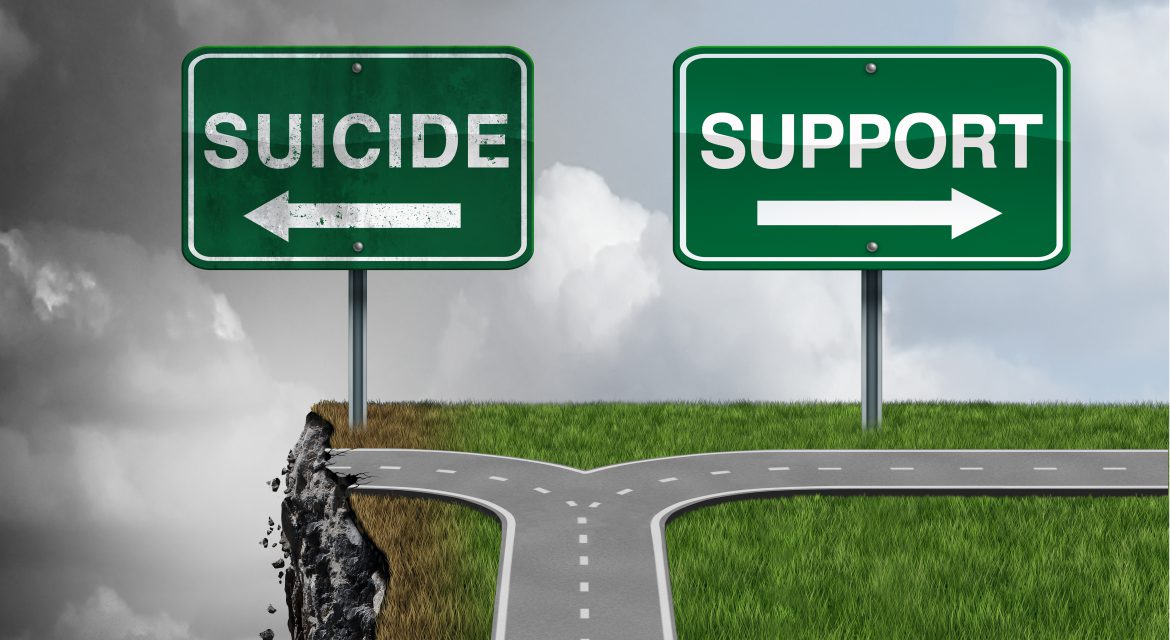
    Help is available 24/7 through the Clermont County Crisis Hotline at 528-SAVE (7283).  The Hotline is staffed by trained and licensed mental health providers who can assist with connection to needed services.  There is also a crisis text line that can be accessed 24/7.  Text the keyword “4hope” to 741 741.

    Ongoing stress due to the pandemic has contributed to increased calls to the Clermont County 528-SAVE Crisis Hotline over the past several months. The Clermont County Crisis Hotline has seen a 21-percent increase in the number of calls in the fiscal year that ended June 30, 2020, as compared to the previous 12 months. The hotline has also seen an increase in the number of suicidal/crisis calls.

    “The long-term impact of the COVID-19 pandemic is starting to take its toll,” said Lee Ann Watson, associate director, Clermont County Mental Health & Recovery Board. “This has been a challenging time for nearly everyone, especially those with possible underlying behavioral health concerns.”

    Clermont County has the second-highest suicide rate in Southwest Ohio and is 13th in the state per 100,000 for suicide deaths. Fortunately, there has not been an increase in suicide deaths in 2020.  People appear to be reaching out for help more than in previous years.  But there is still a reason for concern. While the suicide deaths have decreased in 2020, one death by suicide is too many.
    Watson asks people to recognize warning signs and know how to reach out for help.  It is important to know the warning signs and the resources to seek help because likely people who are depressed and at risk for suicide are not often motivated to seek help. Losses such as the end of a relationship, death of a loved one, or loss of employment, all of which are situations that can be occurring during COVID-19, can increase the risk for depression.

    Common Warning Signs of Acute Suicide Risk

    The following are not always communicated directly or outwardly:

    • Threatening to hurt or kill him or herself, or talking of wanting to hurt or kill him/herself; and or,
    • Looking for ways to kill him/herself by seeking access to firearms, available pills, or other means; and/or,
    • Talking or writing about death, dying or suicide, when these actions are out of the ordinary.

    Additional Warning Signs:

    • Increased substance (alcohol or drug) use
    • No reason for living; no sense of purpose in life
    • Anxiety, agitation, unable to sleep or sleeping all of the time
    • Feeling trapped – like there’s no way out
    • Hopelessness
    • Withdrawal from friends, family, and society
    • Rage, uncontrolled anger, seeking revenge
    • Acting reckless or engaging in risky activities, seemingly without thinking
    • Dramatic mood changes
    • Giving away prized possessions or seeking long-term care for pets

    (Source: American Association of Suicidology)

    Help is available 24/7 through the Clermont County Crisis Hotline at 528-SAVE (7283).  The Hotline is staffed by trained and licensed mental health providers who can assist with connection to needed services.  There is also a crisis text line that can be accessed 24/7.  Text the keyword “4hope” to 741 741.   

    High-risk groups: Men, those 65 and older
    Middle-aged men and individuals over the age of 65 comprise high-risk groups in Clermont County, similar to national trends. Men have always had a higher rate of suicide death than females, but the number of males dying from suicide has significantly increased. During 2019, 37-percent of the suicide deaths were men between the ages of 40-59.  This is a 100-percent increase in the number of deaths in 2019 of this age group compared to 2018.  In 2020, 88 percent of the suicide deaths were men.  Of those, 23 percent were aged 40-49, and 26 percent were aged 60-69.

    While it is often difficult for men to reach out for help, it is important for men to remember that now more than ever “it is ok not to be ok” and that feeling overwhelmed is not a sign of weakness.  Seeking help is a sign of strength.  Mental health professionals are available to assist with the specific needs and concerns of men.  Further, a 2019 study published in the Journal of Mental Health found that receiving support from a trusted and respected friend can be an effective suicide prevention strategy for men. Forming connections with other people who are going through the same thing can also be helpful.
    The Clermont County Suicide Prevention Coalition is working to decrease suicide in our County through increasing knowledge of warning signs, and availability of treatment. If you are interested in joining the Coalition, please contact Lee Ann Watson at (513) 732-5400.

    Number of overdose deaths decline; meth use increases

    With regard to unintentional fatal overdose deaths, Clermont County has seen a decrease in deaths over the past three years.

    The decrease in deaths can be partially attributed to the widespread distribution of Naloxone to county residents. While the overdose deaths have decreased, nonfatal overdoses are still occurring in Clermont County, albeit less than in previous years.

    Regarding non-fatal overdoses, the County was ranked 16th in the state in 2019 for the number of Naloxone administrations (387 doses; Ohio EMS, 2019). This ranking is based on the number of administrations, not by population. For the first three quarters in 2020, Clermont is ranked 17th in the state for the number of Naloxone administrations (315; Ohio EMS, 2020). The number of administrations is underreported since not all the EMS departments in Clermont County report the use of Naloxone, and the figures do not include the Naloxone utilized by law enforcement.

    Clermont County saw a surge in nonfatal overdoses in the summer months of 2020, but the overdoses have now decreased to lower than in the previous year.  There continue to be “hot spots” in Clermont County where overdoses are occurring:  Union Township; New Richmond and Felicity.

    The use of stimulants, particularly methamphetamine, has substantially increased in Clermont County. The degree of complexity related to stimulant misuse has impacted the county. A large portion of the homicides in 2019 was related to stimulant misuse. Individuals on meth can have extreme paranoia and often aggressive behavior, and difficult to engage in treatment.

    The CCMHRB’s substance use disorder treatment provider has seen an increase in treatment admissions for stimulant misuse in the last year (14 percent), and the local hospital also reports an increase in the rate of admissions to the Emergency Department (ED) and the behavioral health unit due to meth misuse.

    Individuals who are brought into the ED under the influence of meth most often have to be admitted to the behavioral health unit. Those stays are often long since it is taking several days for the individual to clear.

    Clermont County Children’s Protective Services has also reported a substantial increase in the number of children in custody due to stimulant use disorders. In 2019, more than 30 percent of the cases were related to methamphetamine.  The number of cases has increased in 2020 as reported by CPS.

    Stimulant misuse differs greatly from opioid misuse.  Due to the nature of the drug, individuals actively using stimulants are often not able to engage in discussions related to treatment, and therefore outreach to attempt to engage them in treatment is not successful as it has been for individuals using opioids.  Further, many individuals with a stimulant use disorder do not believe they have an addiction, and therefore do not voluntarily enroll in treatment.  The CCMHRB’s contract substance use disorder treatment provider reports that in 2019, 21 percent of clients identified stimulants as their primary drug of choice, while 34 percent identified opioids as their primary drug of choice.

  • Updates on Ohio’s response to the COVID-19 pandemic

    Updates on Ohio’s response to the COVID-19 pandemic

    Ohio Governor Mike DeWine and Lt. Governor Jon Husted today provided the following updates on Ohio’s response to the COVID-19 pandemic:

    WEATHER DELAY UPDATE

    Due to last week’s winter weather, the delivery of some Pfizer vaccines and all Moderna vaccines were delayed. Some providers used second doses that they had already received to avoid clinic cancelations. Those second doses will be backfilled with the shipments they receive this week.

    Additional delayed shipments of Pfizer and Moderna will arrive between today and Wednesday.

    For providers who canceled appointments last week, Governor DeWine is urging them to expand their appointment schedules to include evening and weekend hours to catch up.

    PROGRESSION OF VACCINE ELIGIBILITY

    Governor DeWine provided information on the progression of vaccine eligibility in Ohio. Because those ages 65 and older make up approximately 87 percent of all COVID-19 deaths in Ohio, no additional age groups are eligible for the vaccine at this time. Once the demand for the vaccine has been met for those 65 and older, those ages 60 and older will become eligible. After a period of vaccination for this age group, those ages 55 and older will become eligible, followed by those ages 50 and up.

    Individuals in specific small groups that could have an increased risk of exposure to the virus may also potentially be included in the 60 and older vaccination phase.

    PHASE 1B MEDICAL CONDITIONS

    Last week, vaccine eligibility opened up to those Ohioans born with or who have early childhood conditions that are carried into adulthood, which put them at higher risk for adverse outcomes due to COVID-19.  Today, Governor DeWine asked Ohio hospitals and doctors with access to the vaccine to begin to proactively reach out to these patients with the specific medical conditions outlined in Phase 1B to schedule vaccination. 

    OTHER PRIORITY POPULATIONS

    In Ohio’s eight state-operated developmental centers, more than 91 percent of residents have accepted their first vaccine. 

    More than 14,000 Ohioans living with developmental and intellectual disabilities who also have a certain health condition they were born with or developed in childhood and carried into adulthood have also received their first dose of vaccine.

    Ohio is working to complete the vaccination of residents and staff in congregate settings for residential treatment facilities, mental health residential care facilities, and recovery housing.

    CURRENT CASE DATA

    In total, there are 955,378 confirmed and probable cases of COVID-19 reported in Ohio and 16,874 confirmed and probable COVID-19 deaths. A total of 49,492 people have been hospitalized throughout the pandemic, including 7,044 admissions to intensive care units. In-depth data can be accessed by visiting coronavirus.ohio.gov

  • Judge blasts COVID-19 lawsuit against health department as “incomprehensible”

    Judge blasts COVID-19 lawsuit against health department as “incomprehensible”

    By Jake Zuckerman and Ohio Capital Journal

    A federal judge expressed tremendous skepticism of a lawsuit alleging “absolute tyranny” of the Ohio Department of Health’s response to the COVID-19 pandemic, deeming the plaintiff’s arguments nearly “incomprehensible.”

    U.S. District Judge James G. Carr didn’t rule on ODH’s motion to dismiss the suit, which was filed by a self-described citizens group called Ohio Stands Up.

    However, Carr wrote in an order Tuesday that the plaintiffs didn’t satisfy a basic rule of courtroom procedure requiring them to clearly state what their legal problem is and what they want the court to do about it.

    Carr ordered plaintiffs to show cause for why he shouldn’t dismiss the lawsuit for failing to meet the basic minimum legal standard for a civil complaint.

    He described Ohio Stands Up’s arguments as “a jumble of alleged facts, conclusory and speculative assertions, personal and third-party allegations, opinions, and articles of dubious provenance and admissibility.”

    Ohio Stands Up, Carr wrote, created an “impenetrable thicket of often conclusory and speculative assertions, allegations, contentions, innuendo, and legal arguments and citations.”

    While he did not dismiss the case, he blasted the hundreds of pages of disorganized criticism the plaintiffs leveled against ODH and ordered them to make a case for why the suit shouldn’t be dismissed.

    “It’s simply not my job to try to discern from plaintiffs’ scattered, off-loaded stack of contentions and claims to envision what sort of plausible legal edifice a capable legal architect might erect,” he said.

    The lawsuit itself is rich in conspiracy theory and distortion, baselessly alleging COVID-19, which has killed more than 466,000 Americans since the pandemic started, is no different than the flu, which kills about 35,000 Americans per year.

    It claims the government is disseminating misleading information to fear-monger. The suit claims the true death count of COVID-19 (as of an October filing) is 15,000 — there is no evidence suggesting this is true. It makes similarly apocryphal claims about masks and their efficacy, the origins of COVID-19, and others.

    Earlier reporting from the Ohio Capital Journal identified several ties between Ohio Stands Up and Health Freedom Ohio, an anti-vaccine advocacy group.

    The lawsuit is the first on record for, Tom Renz, lead counsel for Ohio Stands Up. His co-counsel, Robert Gargasz, lost election in November for Lorain County prosecutor after calling for “Marxist anarchists” and “communists” to be shot and “stacked like cordwood.”

    Since filing the ODH suit, Ohio Stands Up has filed another lawsuit against the U.S. Department of Health and Human Services, the CDC, and the National Center for Health Statistics. Renz, Gargasz, and N. Ana Garner, a New Mexico attorney, are representing the group.

    Ohio Stands Up crowdsourced legal funds for its lawsuits. A GoFundMe page lists$120,000 in donations for the suit from 1,600 donors.

    Both Renz and an Ohio Department of Health spokeswoman did not respond to inquiries.

  • State education testing shows declines, may be waived in new legislation

    State education testing shows declines, may be waived in new legislation

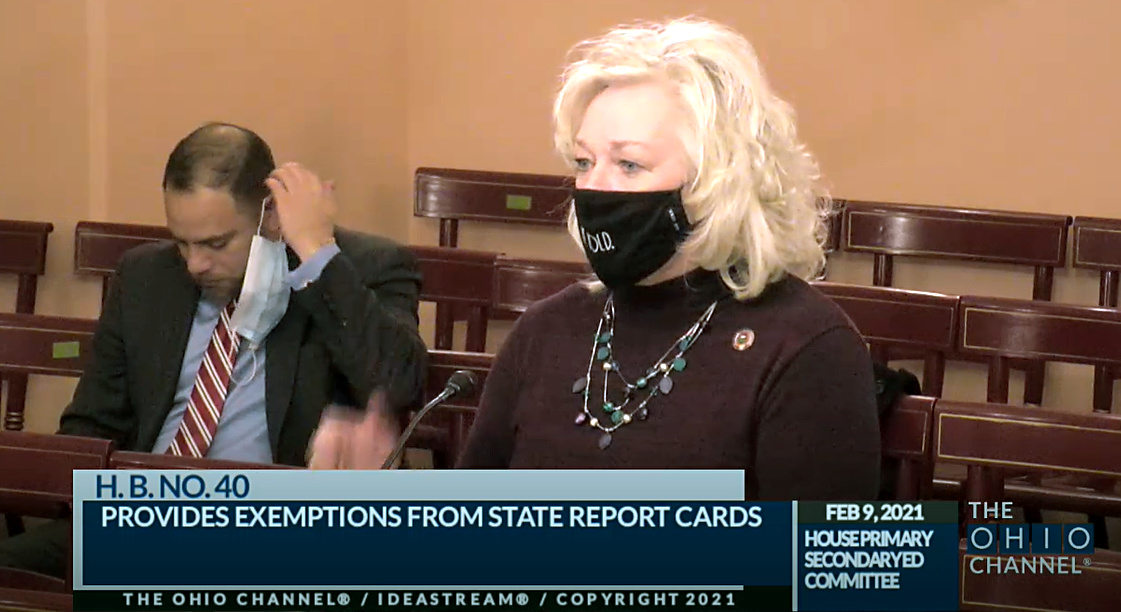
    Ohio state Rep. Lisa Sobecki testifies before the House Primary & Secondary Education Committee on Tuesday, on a bill seeking waivers on state and federal testing.

    by Susan Tebben and Ohio Capital Journal

    As state officials look for solutions to an education gap caused by the COVID-19 pandemic, two pieces of legislation introduced Tuesday hope to give more leniency on state and federal testing.

    Rep. Lisa Sobecki, D-Toledo, is a co-sponsor with Rep. Jeffrey Crossman, D-Parma on House Bill 40, to make exemptions for students in taking state report cards.

    The bill would waive state testing for the 2021-2022 school year and direct the Ohio Department of Education to seek a waiver for federal testing, as well as holding school districts harmless on state report cards to determine funding levels and eligibility for EdChoice private school vouchers and academic distress commissions.

    “We do need to see where our kids have been left behind, but I don’t need a test that’s going to tell us something after the kids have left,” Sobecki told the House Primary & Secondary Education Committee.

    She said the waiver of testing “appears to have broad, bipartisan support” within the legislature.

    Bipartisan support for state testing waivers came in the same Tuesday meeting, in the form of a separate bill brought by Republican state reps. Kyle Koehler and Adam Bird, to ask for many of the same things, including state and federal testing exemptions.

    “I am not asking to waive test requirements because we don’t need to know how testing will go,” Koehler told the committee. “I think we know it’s not going to go well. Students are going to be behind.”

    In further support of testing pressure relief, State Board of Education member Dr. Christina Collins released a proposed resolution directing the ODE limiting the use of state testing, and to “include a district designation of online, hybrid, or in-person on school building and district level report cards.”

    In the resolution, Collins writes that COVID-19 “has affected every student in Ohio, disrupting the structure of teaching and learning and emphasizing children’s dependency upon adults for nurture, protection and providing for health and well-being.”

    Along with the district designation, the board member asks that a disclaimer on state reports say that data “are for the purpose of understanding how learning was impacted as a result of extreme circumstances.”

    Earlier in the day, ODE Superintendent Paolo DeMaria said the test scores coming out of a pandemic’s worth of learning styles emphasize the need for students to get back to in-person instruction.

    DeMaria acknowledged a lower participation rate in the state testing, saying the ODE promoted a “safety first” mentality in taking the tests. But from the testing that did occur, the state saw an 8% increase in kindergarten-readiness scores considered “not on track.”

    Third-grade English Language Arts proficiency scores were also lower, which was also shown in a study released by the Ohio State University’s John Glenn College of Public Affairs.

    This third-grade test is set to occur this year starting from March 22 to April 23, part of why Sobecki said their legislation needs to be quickly moved through the statehouse and set up to be signed by the governor.

    “It’s February, folks,” Sobecki said.

    DeMaria, and the study itself, noted that the declining scores were even lower in minority and economically disadvantaged groups.

    State reports also showed a decrease in enrollment of 3%, particularly in pre-school and kindergarten.

    DeMaria spoke during Gov. Mike DeWine’s Tuesday press conference, in which he spent most of the time presenting the progress of vaccinating school teachers and personnel, something that the state started this month. While the state continues to vaccinate those 70 and older, they set aside some of the approximately 100,000 per week the state receives to give to school districts.

    Also on Tuesday, DeWine added a new project for school districts across the state, asking them to come up with an individualized plan to help students catch up on last year’s losses.

    “We need to be bold in our ideas, and we need to work with the Ohio General Assembly,” DeWine said, adding that a total of $2 billion in federal funding has been made available to schools to help with this problem.

    DeWine left the decisions up to the individual districts, but offered examples such as longer school years, longer school days, summer classes, tutoring, or even remote options as ways to fill the education gap.

    Districts have until April 1 to make their plans public and accessible to the General Assembly.

  • Longtime Loveland Resident is Welcomed Back After COVID-19 Hospitalization

    Longtime Loveland Resident is Welcomed Back After COVID-19 Hospitalization

    by Cassie Mattia

    Loveland, Ohio – The Loveland community is welcoming Nancy Garfinkel home with open arms after spending several days in the ICU.

    Garfinkel has been a staple in the Sweetheart of Ohio for years spending countless hours giving back to the community time and time again. Recently Garfinkel was hospitalized due to the effects COVID-19 had on her health. Close friend and Executive Director of LIFE Food Pantry Linda Bergholz shared that at one point during Garfinkel’s time in the ICU she was put on a ventilator.

    “It was quite a scary experience for Nancy,” Bergholz said, “She is a well-loved institution in our community. Nancy volunteers for EVERYTHING in Loveland! She is a huge part of LIFE Food Pantry, she helps with Granny’s Gardens, she does landscaping for various places including Branch Hill Coffee. Nancy is also involved with the Loveland Women’s Club and would have been selected to be a Valentine Lady as she has been nominated multiple times but is usually in Florida during February,” Bergholz added.

    According to many residents in Loveland, Garfinkel is known and loved by nearly everyone in the community!

    “Because Nancy is so loved at LIFE we decided to plan a ‘We love you Nancy’ parade past her house on Saturday, February 6th,” Bergholz said, “She’s so active and vibrant that staying at home and being on oxygen is really rough on her and we want her to feel supported. We are all so grateful that she pulled through!”

    Anyone who would like to join the “We love you Nancy” parade hosted by LIFE Food Pantry can meet the group at Ohio Valley Voices at 2 PM on Saturday, February 6th. Departure for Garfinkel’s neighborhood, which is in Miami Trails, will be at 2:10 PM.

  • Ohio has the 6th smallest share of employment in construction

    Ohio has the 6th smallest share of employment in construction

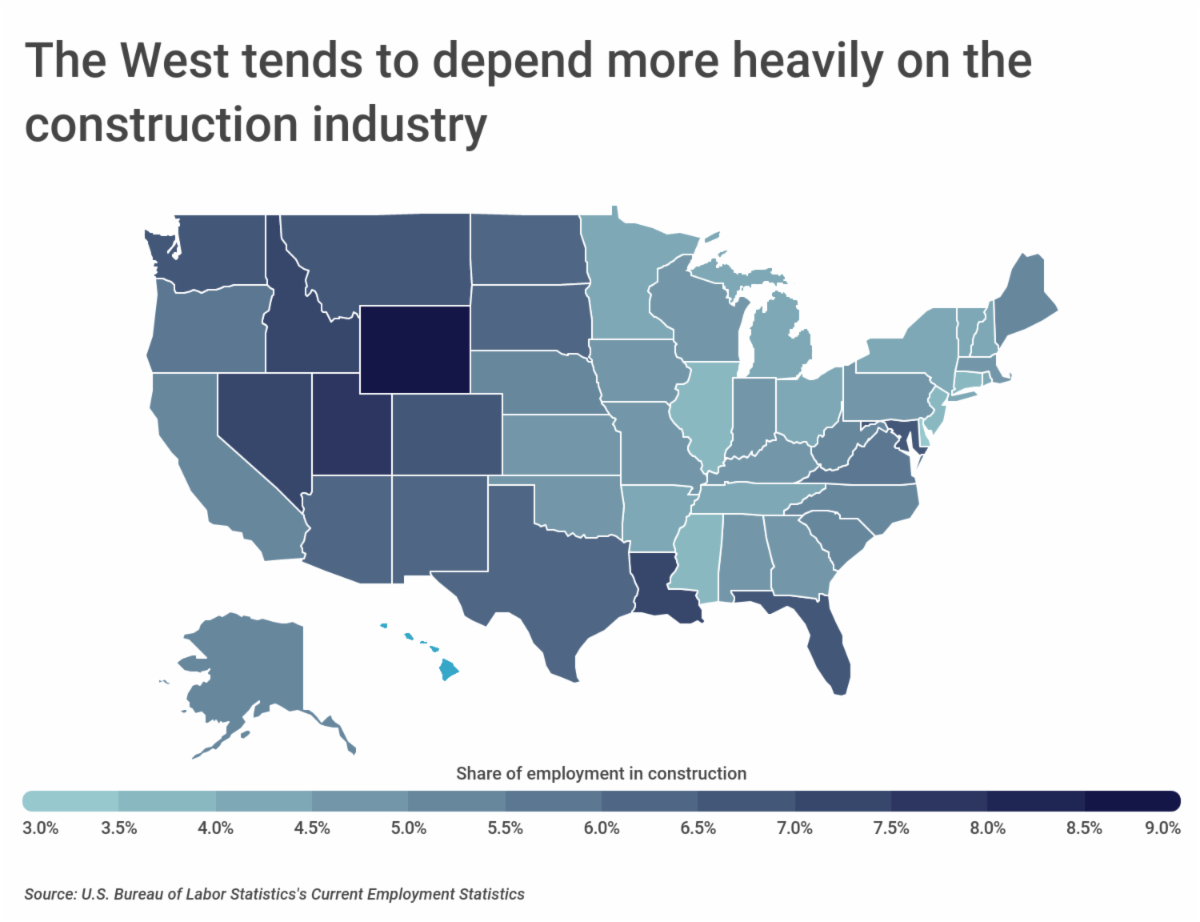
    The COVID-19 pandemic has had sweeping impacts on the economy and virtually every industry sector. While the construction industry has weathered the storm better than some hard-hit industries—such as leisure and hospitality—construction is facing some unique challenges. Construction companies are currently contending with project cancellations and delays, supply chain disruptions, and COVID infections among workers. Some parts of the country are more reliant on the construction industry than others, and some are facing worse COVID outbreaks and more stringent business restrictions, meaning the pandemic’s impact on the construction industry has had differential geographic impacts. While construction jobs account for 5.2 percent of all jobs nationally (according to the Bureau of Labor Statistics), some cities rely more heavily on the construction industry for employment.

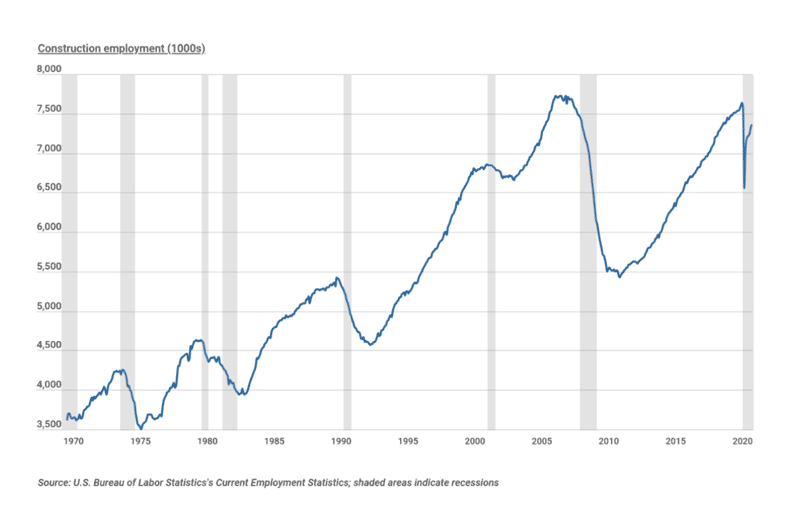
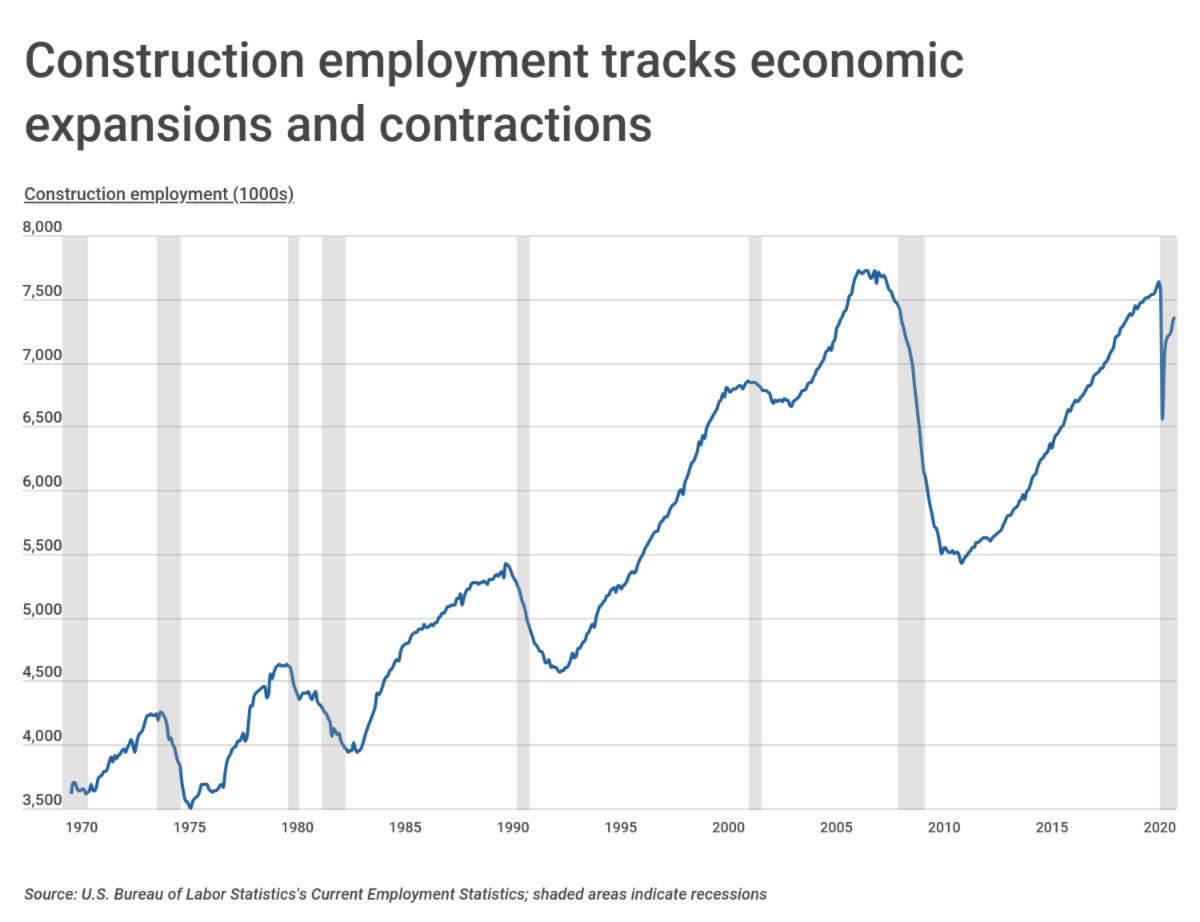
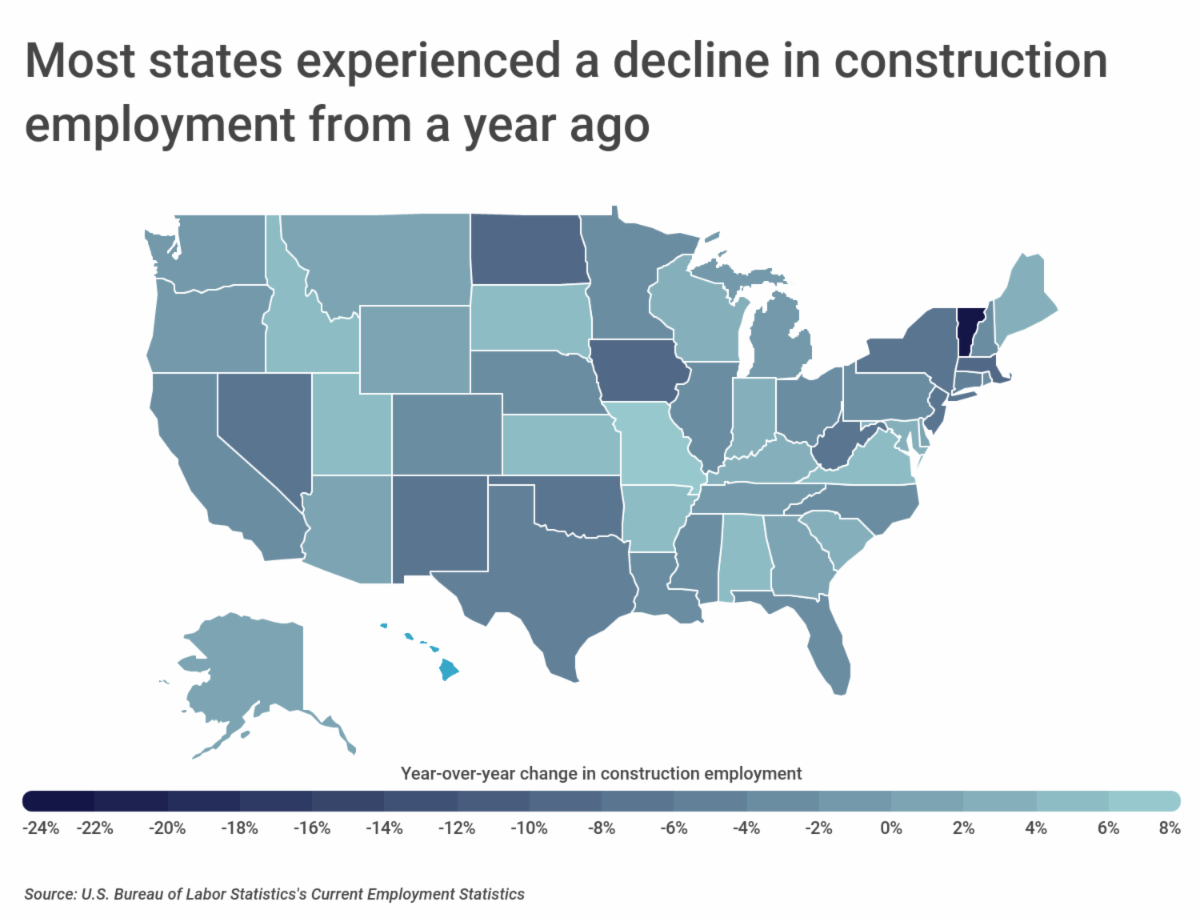
    Historically, construction employment tends to follow the business cycle, fluctuating with economic expansions and recessions. During the Great Recession that lasted from late-2007 to mid-2009, construction employment fell by 20 percent and then continued to fall until early 2010. It then steadily increased until early 2020. Along with overall employment, employment in the construction industry fell sharply in the spring during the early stages of the pandemic. It started rebounding in May but is still below pre-pandemic levels. Compared to a year ago, construction employment is currently down 2.4 percent.

    Construction employment varies substantially on a geographic level. Some cities and states are much more reliant on the construction industry than others, with some areas employing large shares of construction workers. The West tends to depend more heavily on the construction industry while the Midwest and Northeast have lower shares of construction employment. At the state level, Wyoming and Utah boast the largest shares of employment in construction, at 8.5 and 7.6 percent, respectively. Connecticut has the lowest share of employment in construction in the country at just 3.6 percent.

    Compared to a year ago, most states experienced declines in construction employment. Down 25 percent from the end of 2019, Vermont had the largest drop in construction employment out of all states. Some states, including Virginia and Missouri, saw employment in construction increase from 2019. Construction employment grew by 5.7 percent in Virginia and by 8 percent in Missouri.

    To find the states with the most construction workers, researchers at Construction Coverage analyzed the latest data from the Bureau of Labor Statistics. The researchers ranked states according to the share of employment in construction. Researchers also calculated the construction employment share compared to the national average, the total number of construction employees, and the year-over-year change in construction employment. Data was unavailable for Delaware and Hawaii.

    The analysis found that in Ohio, 4.1% of all wage and salary workers work in construction. Out of all states, Ohio has the 6th smallest share of employment in construction. Here is a summary of the data for Ohio:

    • Share of employment in construction: 4.1%
    • Share of employment in construction (compared to average): -19.6%
    • Total number of construction employees: 219,100
    • Year-over-year change in construction employment: -3.8%

    For reference, here are the statistics for the entire United States:

    • Share of employment in construction: 5.2%
    • Share of employment in construction (compared to average): N/A
    • Total number of construction employees: 7,430,000
    • Year-over-year change in construction employment: -2.4%

    For more information, a detailed methodology, and complete results, you can find the original report on Construction Coverage’s website:

    Read the original report

  • Local Teen Evan Osgood Awarded for his Dedication to Giving Back During the Pandemic!

    Local Teen Evan Osgood Awarded for his Dedication to Giving Back During the Pandemic!

    EVAN OSGOOD POSES WITH SOME OF THE TENS OF THOUSANDS OF MASKS THAT HIS NONPROFIT SOS FOR PPE HAS ASSEMBLED AND DISTRIBUTED TO THOSE IN NEED. (Photo courtesy of Evan Osgood)

    by Cassie Mattia

    Loveland, Ohio – Many people across the United States have had their own struggles during the COVID-19 pandemic, whether it be mentally, financially, or physically, each individual has been forced to find a way to deal with their obstacle in a positive way. Although some have found it tough to stay positive, Loveland teenager, Evan Osgood, decided to make it easier on those individuals by creating a non-profit in which they could not only get involved but also feel as though they were making a difference in the world!

    Over the past 9 months, Osgood has developed a network of over 4,000 volunteers across the United States who have both made and distributed over 125,000 items of PPE (Personal Protective Equipment) for those in need. This network of generosity has now been officially named SOS for PPE, a nonprofit organization that sends assembly kits to those wanting to give back by making face masks and shields at home using the assembly kits sent to them. After the individual makes the PPE it is then sent off and distributed to anyone in the country in need of PPE.

    EVAN OSGOOD CUTS FOAM THAT WILL BE USED TO BUILD PPE FOR THOSE VULNERABLE AND IN NEED DURING THE COVID-19 PANDEMIC./COURTESY EVAN OSGOOD (Photo courtesy of Evan Osgood)

    Why you may ask did a 16-year-old decide to create and organize a global non-profit during a pandemic? Osgood said that he could no longer bear seeing individuals in hospitals, senior facilities, schools, and out in the community on his very own TV screen struggling to secure proper PPE so he asked himself, “What can I do to help?”

    In March, Osgood began making masks out of his own home and sending them to healthcare workers and others in need of PPE. Although Osgood was able to make around 8-10 masks an hour he quickly came to the realization that he would need many more people to help him make masks if he wanted to effectively impact the shortage of PPE. That’s when a lightbulb went off for Osgood! He thought, “If I can make 8-10 masks in an hour imagine how many could get produced if I had more hands-on-deck!” Fast forward to now, Osgood is officially the president of his very own non-profit, SOS for PPE.

    Osgood not only oversees the fundraising for SOS for PPE he also manages the supply chain, works with SOS for PPE partners to distribute the PPE, and of course works to grow both his non-profit’s volunteer and partnership networks. Click below to read all about SOS for PPE and how Osgood started his non-profit!

    Due to all of the success with SOS for PPE Osgood was honored with the Daily Point of Light Award. This particular honor according to the Points of Light website, “Celebrates the power of individuals who lead and lend support to causes they care about. We recognize their individual stories and lift them up to inspire others so we may each, in our own way, answer the call to make a difference.” In order to qualify for the Daily Point of Light Award the following criteria must be met:

    • Residency: Award nominees must be legal U.S. residents.
    • Service: All volunteer activities must be unpaid and cannot include court-ordered community service. Nominees who receive a nominal stipend for their service or receive paid time off to volunteer are eligible.
    • Timeline: Volunteer service must last for six uninterrupted months and still be ongoing (except disaster relief work).
    • Impact: Work should demonstrate real impact from the activity. Examples include the number of people served, money raised, etc.
    • Community need: Activity must meet a community need or concern. The nominee must have sustainability plans for their activity (ex. working with community organizations to continue their work, empowering service recipients to continue their work, etc.).

    Here at Loveland Magazine, we want to take a moment to congratulate Evan Osgood on receiving this prestigious honor! Creating such a valuable non-profit during times like these and at such a young age is not only impressive but inspirational to those out there wanting to make a difference!

    We would like to ask our loyal Loveland Magazine readers to support this fantastic cause by visiting SOS for PPE today and donating some of your time or dollars to making PPE for those who are desperately in need!

    Want to read more about Evan Osgood? Click below to read about his time at one of the top Education Conferences!

  • OHSAA Announces Adjustments to High School 2021 Football Schedules

    OHSAA Announces Adjustments to High School 2021 Football Schedules

    by Cassie Mattia

    Loveland, Ohio – Although COVID-19 is still causing Ohio’s High Schools to be cautious, OHSAA (Ohio High School Athletic Association) announced in their routine Thursday morning meeting on the 14th that they voted in favor of making adjustments to the 2021 Ohio High School football regular-season schedules.

    In May of 2020, OHSAA released that the Ohio High School Football Playoffs would be expanded to 12 schools per region rather than 8. This expansion alone would increase the number of football playoff qualifiers from 224 to 336. To read more about how the new playoff format will work click the following link: https://www.ohsaa.org/Sports/News/ohsaa-to-expand-football-playoffs-in-2021.

    With the approval of the playoff expansion, the 2021 regular Ohio High School football season will begin a week earlier. Now schools will be allowed to execute two of the mandatory five “acclimatization” days in July. Practices are officially able to begin on August 1st.

    Before the first day of the regular season for Ohio High School Football, which is on August 20th, teams will be able to participate in two scrimmages or jamboree games that can take place between August 6th-14th. The conclusion of the regular-season schedule will be on October 23rd followed by six weeks of playoffs.

    To view more highlights from the OHSAA Board of Directors meeting that took place on January 14th click the following link: https://www.ohsaa.org/news-media/articles/ohsaa-board-of-directors-meeting-highlights-44.

    Want to stay up to date on the latest Loveland and Ohio sports news? Stay tuned for more of the Sports 411 With Me, Cassie Mattia!

  • DeWine: COVID-19 Update: Phase 1B Timeline

    DeWine: COVID-19 Update: Phase 1B Timeline

    Loveland, Ohio – Ohio Governor Mike DeWine and Lt. Governor Jon Husted today provided the following updates on Ohio’s response to the COVID-19 pandemic. 

    PHASE 1B TIMELINE

    Governor DeWine today reemphasized the vaccine distribution timeline for Phase 1B of Ohio’s vaccination program which is set to begin next week with those ages 80 and older.

    This week: Today, the Ohio Department of Health will receive information from the federal government on Ohio’s vaccine allotment for the upcoming week. This information, including which providers will receive vaccines and how many, will be communicated to local health departments this evening. Each county health department, in partnership with their local emergency management agency and vaccine providers, will communicate vaccine distribution plans with the media and the public on Wednesday and Thursday. The process to vaccinate those in each county will vary depending on the provider. Some are expected to hold walk-up clinics, others may take appointments, etc.

    On Thursday, the Ohio Department of Health will launch a tool on coronavirus.ohio.gov to assist citizens looking for a provider that has been allotted vaccines. The tool will be searchable by zip code or county, but it will not be updated in real-time. It is critical that those eligible to receive a vaccine consult local sources to determine up-to-date vaccine availability. 

    Hospitals that are vaccinating their frontline healthcare workers as part of Phase 1A must complete these vaccinations by Sunday, January 17.

    Week of January 18: Vaccine providers will begin receiving their first allotment of vaccines for those ages 80 and older. Vaccines will be delivered on Monday, Tuesday, and Wednesday. Each provider will begin administering vaccines the day after they receive their shipment. All vaccines must be distributed within seven days.

    Week of January 25: Vaccinations are anticipated to begin for those ages 75 and up following the same process outlined above. Vaccinations will also be available to those with severe congenital, developmental, or early-onset medical disorders. Additional information on how these individuals can choose to receive their vaccines is forthcoming.

    Week of February 1: Vaccinations are anticipated to begin for those ages 70 and up following the same process outlined above. 

    Week of February 8: Vaccinations are anticipated to begin for those ages 65 and up following the same process outlined above. 

    Vaccine providers are not expected to vaccinate everyone in each age group in one week. As new age groups are authorized to receive vaccinations, previous age groups will continue receiving the vaccine. 

    Senior citizens with questions on the vaccination process are urged to contact the Area Agencies on Aging at www.aging.ohio.gov or by calling 1-866-243-5678.

    NURSING HOME VACCINATIONS

    To date, 85 percent of Ohio’s nursing homes have been visited by a vaccine provider as part of Phase 1A. Vaccine providers anecdotally tell the Ohio Department of Health that the number of residents and staff accepting the vaccine is increasing. 

    In Ohio’s two nursing homes operated by the Ohio Department of Veteran Services, 92 percent of veterans have accepted the vaccine. Regarding staff, 60 percent have opted to receive the vaccine in the Sandusky home and 42 percent have chosen to be vaccinated in the Georgetown home.

  • Indigent burial program may see more action amid opioid epidemic, COVID-19 pandemic

    Indigent burial program may see more action amid opioid epidemic, COVID-19 pandemic

    By Susan Tebben and Ohio Capital Journal

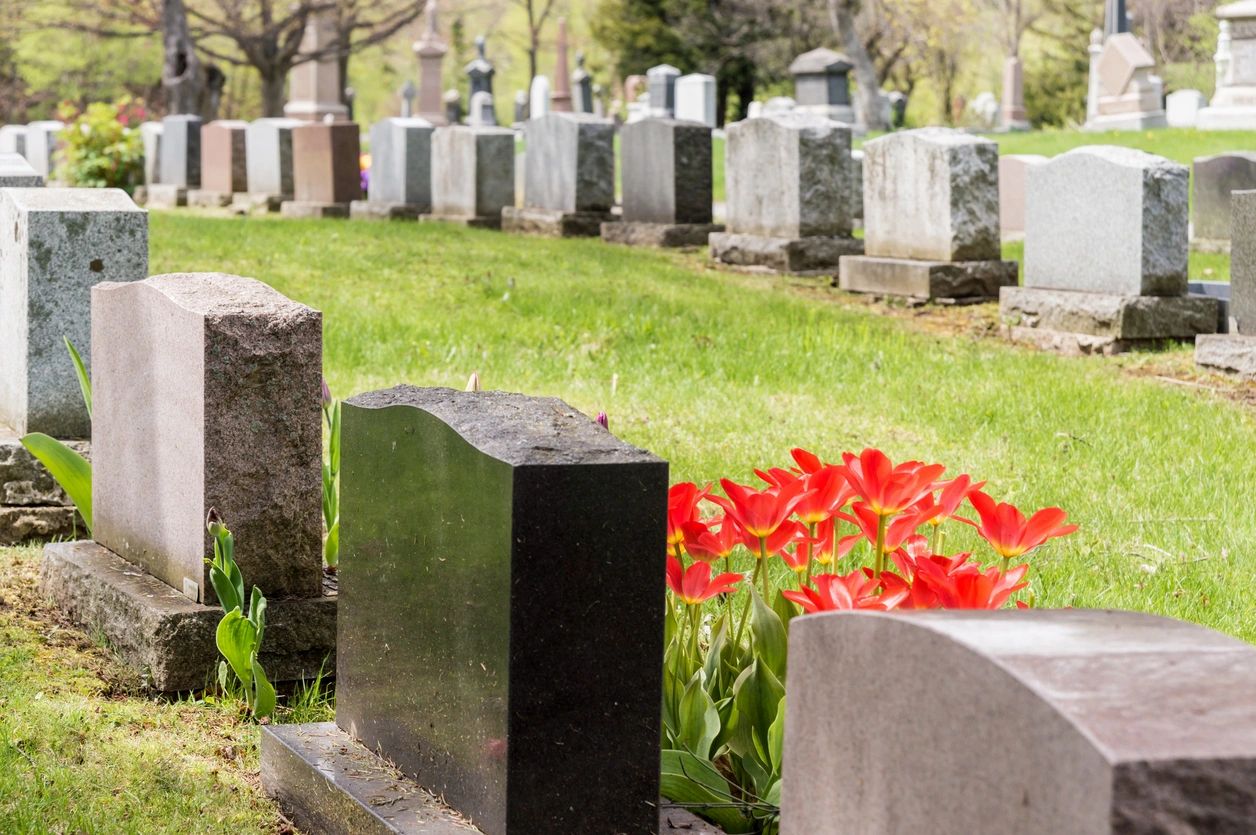
    A state program to help those who can’t afford to bury their loved ones might see more action than usual, and cause the need for re-education for townships that have to pay for these burials.

    The Indigent Burial and Cremation program works with townships and municipalities to reimburse some of the costs of funeral disposition. When a resident is found to fall below the federal poverty line, Ohio law requires that a local government pay for the burial or cremation.

    But local government officials have said the program wasn’t used often in its last version, nearly two decades ago.

    More recently, however, several townships have called the state’s Board of Embalmers and Funeral Directors to get information about the program, and there are currently 450 applications being processed, according to Cheryl Grossman, the board’s executive director.

    “We look for that number to grow dramatically,” Grossman said.

    While a death certificate isn’t required with the application for funding reimbursement, Grossman and others have said the ongoing opioid epidemic and the COVID-19 pandemic could cause the program to have increased use.

    “The opioid crisis is not going away and in some places it’s only being exacerbated by the COVID-19 crisis,” said Heidi Fought, executive director of the Ohio Township Association.

    The program was a part of the budget more than a decade ago, but budget cuts led to the elimination of it until the last budget bill, passed in July of 2019.

    The new budget line item moved the program from the state Department of Job and Family Services to the Board of Embalmers and Funeral Directors and allowed the reimbursement of a total of $2 million.

    Under the new version of the program, a township can get reimbursed for up to $1,000 in burial or cremation expenses for an adult, and up to $750 for a child. Those numbers are a slight increase from the previous program, where reimbursements were set at $750 for an adult and $500 for a child.

    The Board of Embalmers and Funeral Directors seems to be the only state agency with information on the program. Representatives from the Ohio Department of Job and Family Services, the Department of Health, the Office of Budget and Management and the Auditor of State all referred questions about the use and payment of the program to the board.

    “While the local governments in the Southeast Region receive some funding, it is usually sporadic and nominal,” said Denise A. Blair, assistant chief auditor in the Southeast Region for the Auditor of State. “It would not rise to the level of materiality that would be included in our scope.”

    The OTA specifically lobbied to bring back the funding for the indigent burial program in the last budget, despite the rarity of a cut program returning to the state budget.

    “The fact that it did come back does show that the need is there,” Fought said.

    The need to re-educate townships on the existence of the program and how to be reimbursed for it is also there, because of the turnover over of local officials in the period between the program’s existence, according to Fought.

    Only local government representatives can apply for the reimbursement, so individuals have to go through those government officials to get help with their funeral disposition.

    The Ohio Township Association says the push to increase the program’s funding will continue, especially considering local governments are required to pay for indigent burials whether or not there is money in the program’s coffers to reimburse them.

    “A local government entity must carry out this duty even if funds are no longer available through the program,” according to the embalming and funeral directors board page on the program.

    The program is needed as a state program because poverty does not focus on one particular county, nor does the need for burials or cremations.

    “Indigency knows no boundaries,” said Fought. “They’re in central Ohio or Cleveland or Cincinnati, they’re everywhere.”