Tag: COVID-19

  • Clermont County elevated to RED COVID 19 Alert

    Clermont County elevated to RED COVID 19 Alert

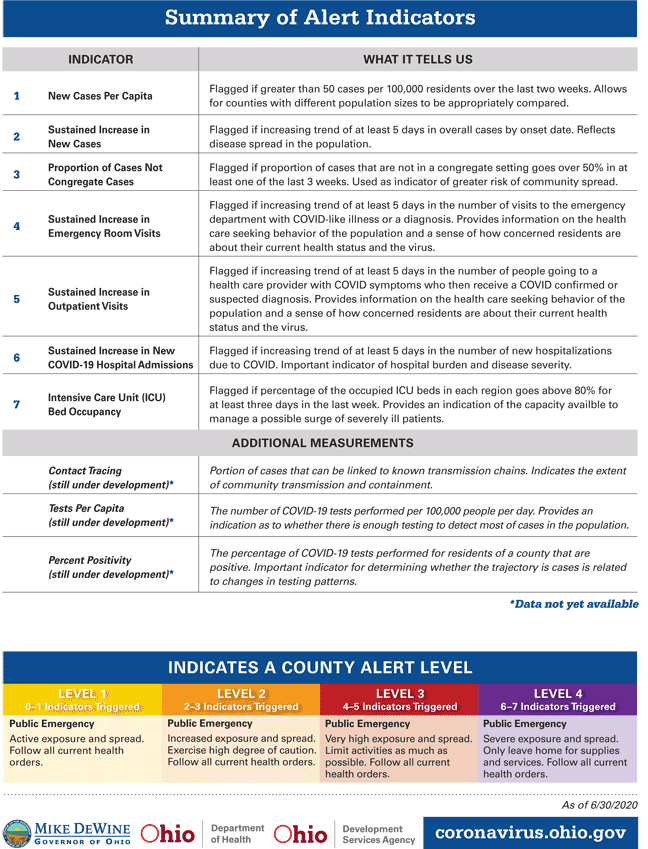
    The Public Health Advisory Alert System is a color-coded system designed to supplement existing statewide orders through a data-driven framework to assess the degree of the virus’ spread and to engage and empower individuals, businesses, communities, local governments, and others in their response and actions.

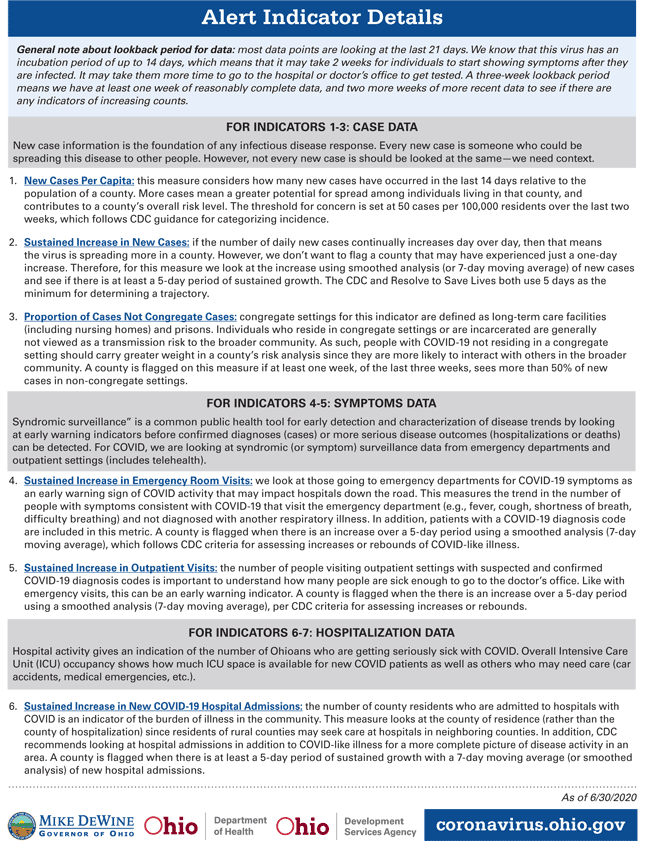
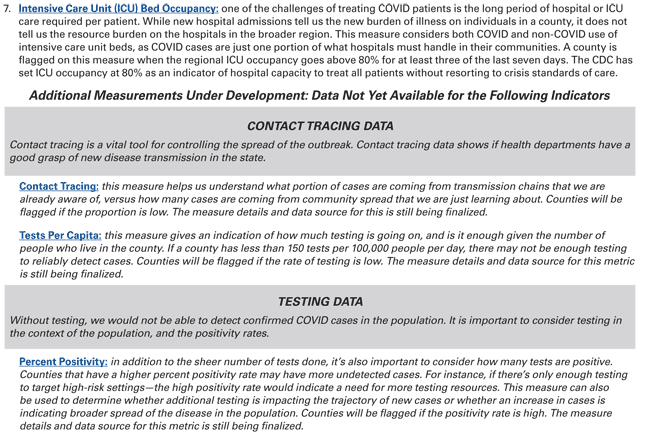
    The system consists of four levels that provide Ohioans with guidance as to the severity of the problem in the counties in which they live.  The levels are determined by seven data indicators that identify the risk level for each county and a corresponding color code to represent that risk level.

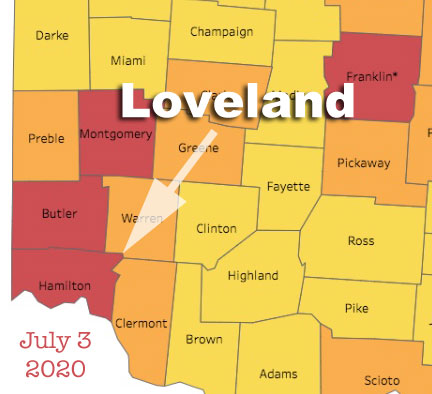
    Loveland, Ohio – Governor DeWine announced today that new public health data has led the Ohio Department of Health to designate that Clermont County is now among 12 counties as being in a Red Alert Level 3 Public Emergency as defined by the Ohio Public Health Advisory System.

    Clermont County had been in Level 2 until the announcement today.

    Hamilton County remains RED Alert Level 3 however it is on Ohio’s “Watch List” as they are approaching Purple Alert Level 4.

    Mandates for people to begin wearing masks in public in Clermont County will begin at 6 PM on Friday, July 10.

    Governor DeWine announced the creation of the Ohio Public Health Advisory System last week to provide local health departments, community leaders, and the public with data and information on the severity of the COVID-19 spread in the counties in which they live. The system consists of four levels with specific risk-level guidelines. Each level is calculated with data gathered on seven public health indicators.

    Read the Health Order

    Director’s Order for Facial Coverings in Butler, Cuyahoga, Franklin, Hamilton, Huron, Montgomery, and Trumbull Counties in Level 3 Public Health Advisory

    Those in counties designated as Red Alert Level 3 or Purple Alert Level 4 are required to wear a face covering:

      • In any indoor location that is not a residence;
      • When outdoors and unable to consistently maintain a distance of six feet or more from individuals who are not members of their household; or
      • While waiting for, riding, driving, or operating public transportation, a taxi, a private car service, or a ride-sharing vehicle.

    The order does not apply to children under the age of 10 or any other minor who cannot safely wear a face covering. The order also reflects the mask guidance in place for employees and businesses which does not require a person to wear a mask if their physician advises against it, if wearing a mask is prohibited by federal regulation, if communicating with the hearing impaired, when alone in an office or personal workspace, and other similar measures.

    Schools that offer Kindergarten through Grade 12 instruction should follow the guidelines set forth last week by the Ohio Department of Education and the Ohio Department of Health.

    The Ohio Department of Health will update county rankings every Thursday. Any county that increases to Red Alert Level 3 will automatically be included in the face-covering mandate. Any county that decreases from Red Alert Level 3 to Orange Alert Level 2 will automatically be released from the face-covering requirement.
  • Health Order for Hamilton County requiring face masks released

    Health Order for Hamilton County requiring face masks released

    Loveland, Ohio – Today beginning at 6 PM all of Hamilton County is under an order of the Ohio Department of Health that mandates the wearing of face coverings in public.

    Read the Health Order

    Director’s Order for Facial Coverings in Butler, Cuyahoga, Franklin, Hamilton, Huron, Montgomery, and Trumbull Counties in Level 3 Public Health Advisory

    Read Background

    Hamilton County, including part of Loveland under Mandatory Mask order at…

  • Ohio cannabis industry virtual food drive provides nearly 15 thousand meals

    Ohio cannabis industry virtual food drive provides nearly 15 thousand meals

    Cincinnati/Cleveland/Columbus, Ohio – When the cannabis industry was deemed essential business by the State of Ohio, civic organization Cannabis Can! immediately felt a responsibility to help fellow Ohioans. Its mission that Cannabis Can! Strengthen Communities! and Fight Hunger! called organizers into action in March as COVID-19 shutdowns began to increase food insecurity nationwide.

    Cannabis Can! worked with Freestore Foodbank, Greater Cleveland Food Bank, and Mid-Ohio Foodbank for its 2019 Holiday Canned Food Drive, which collected half a ton of nonperishable goods. In conjunction with its food bank partners in Cincinnati, Cleveland, and Columbus, they established branded landing pages for the 2020 Virtual Food Drive. Through these web pages, a text-to-give campaign and Facebook, Cannabis Can! supporters have been making secure, tax-deductible gifts directly to food banks for immediate use.

    Forty-one mainstream and cannabis industry businesses, nonprofits, organizations, and influencers became Partners in the Cannabis Can! campaign to raise funds for Ohio food banks. Partners promote the Virtual Food Drive and offer incentives to donors; in turn, they receive promotion benefits from Cannabis Can!. A diverse group of Partners formed that includes businesses and organizations not directly related to the cannabis industry.

    The Drive itself started on April 20 and the call went out to “Celebrate 4/20 by showing that the cannabis community cares about fighting hunger.” Organizers set a fundraising goal of $3,000.00, equivalent to 12,000 meals or $27,000 worth of groceries, by June 30.

    They not only met that goal, they surpassed it. Cannabis Can! Director, Lorien Hill-Purcell, announced $3,745.55 has been given directly to the Columbus area Mid-Ohio Foodbank, Greater Cleveland Food Bank, and Freestore Foodbank in Cincinnati collectively. Sixty donations, ranging from $5 to $525, make up the total. “Our Partners and Supporters include individuals and organizations who invested time, energy, and resources to reduce the stigma around cannabis by fighting hunger and strengthening Ohio communities,” says Hill-Purcell.

    The $3,745.55 raised will help Ohio food banks acquire and distribute up to $33,709.95 worth of groceries, equivalent to 14,982 meals for our neighbors in need. However, the Drive does not stop because the goal was achieved. Donation pages will be active throughout the remainder of 2020 and links to them are available on the Cannabis Can! website, cannabiscanohio.org. Organizers’ new Virtual Food Drive target is $5,000 by January 1, 2021.

    DONATE NOW

    Cannabis Can! 2020 Virtual Food Drive Partners include:
    AdvoCare Clinic
    Canna.ED
    Cannabis Safety First
    Cincinnati Botanical Depot
    Cincinnati Medical Marijuana Meetup
    Cincy Mom Buds
    Cleveland School of Cannabis
    Columbus Botanical Depot
    Compassionate Alternatives
    Cresco Labs
    Ediybles
    Galenas
    Green Harvest Health
    Green Ideas and Wellness
    Have A Heart Cincy
    Health and Wellness Online, LLC
    Hunger-fighting Masks
    Key to Life Garden
    KT Scooter Rentals
    Leaf Medic
    Luminous Life Wellness Center, LLC
    Medical Marijuana Patient Care, LLC
    MedicateOH
    Midwest CannaWomen
    Murray Road Strong
    My Drops of Sanity
    Ohio CBD Guy
    Ohio Medical Marijuana Physicians Association
    Ohio Rights Group
    OhioCannabis.com
    ORG Education Fund
    Rise Dispensaries of Ohio
    Terrasana Cannabis Co.
    Tha Presidential Suite
    The Nature Factory
    The Ohio Cannabis and Hemp Chamber of Commerce
    The Relaxation Place Inc.
    Traxler Printing
    Tulip Tree CBD
    Vireo Health, LLC

  • Library pausing in-person service Monday due to surge in COVID-19 cases

    Library pausing in-person service Monday due to surge in COVID-19 cases

    Cincinnati and Hamilton County, Ohio – “The health and safety of customers and staff is our first priority,” said Paula Brehm-Heeger in an announcement issued July 2 by the Public Library of Cincinnati and Hamilton County. Paula Brehm-Heeger is the Director of the system of libraries.

    Paula Brehm-Heeger is the Director of the Public Library of Cincinnati and Hamilton County

    Her statement was issued after Thursday’s announcement by Governor DeWine and his team of health professionals unveiled a new monitoring and reporting system for COVID 19 infections in each county.

    The “Ohio Public Health Advisory System” is based upon a set of criteria and categorizes all Ohio counties in one of four levels. Counties are rated as:  1) yellow, 2) orange, 3) red or 4) purple — with purple being the highest cautionary rating.

    Seven counties in Ohio are rated “red” including Hamilton County.  The description and guidelines for level three include:

      • Very high exposure and spread
      • Limit activities as much as possible
      • Follow all current health orders

    “Based upon this new information, we have made the difficult decision to pause in-person services in our buildings beginning Monday, July 6,” said Brehm-Heeger. All of the 28 open locations will continue to provide curbside or drive-thru service, and they will continue to open nine more locations to provide these services throughout July.
    This temporary change is a proactive decision to help limit the spread of the virus, according to Brehm-Heeger. “We will monitor news and information from health officials daily so we can bring back in-person service as soon as the situation improves and the key alert indicators start trending downward. We have repeatedly been reminded that the pandemic is fast moving and requires our quick response and ability to adjust plans accordingly.” Thank you for your continued patience and understanding as we adjust to the pandemic and find new ways to serve you.”

    Between now and the middle of July, the Library is phasing services back in, with new locations being added each week. The goal is to be providing services at all locations by mid-July. The exception is Price Hill, as that location is currently closed through the end of 2020 for a major renovation and expansion project. “We’ll use this space to keep you up to date on what is going on. We are excited to see you again,” said Kathy Taylor, Regional Manager in a statement issued on July 3.

    The Loveland Branch currently has Curbside Service only and no Drive-Thru Service is planned.

    Brehm-Heeger said, “Thank you for your continued patience and understanding as we adjust to the pandemic and find new ways to serve you.”


    Hours of Service 

    Beginning June 15, all open locations will be operating from 10 a.m. to 6 p.m., Monday through Saturday.

    Book Drops 

    All locations are accepting returns through their book drops, except Price Hill. Materials are being quarantined for 3 days before being checked-in, so it will be a few days before you see any changes reflected on your account.

    Curbside Service 

    • Curbside: Avondale, Blue Ash, Clifton, College Hill, Delhi, Forest Park, Green Township, Hyde Park, Loveland, Madisonville, Mariemont, Monfort Heights, North Central, Oakley, Pleasant Ridge, St. Bernard, Sharonville, Symmes, Walnut Hills, Westwood, West End and Wyoming
    • Beginning July 6th these branches will open curbside service:  Madeira, Mt. Washington
    • Beginning July 13 these branches will open for curbside service: Bond Hill, Cheviot, Corryville, Deer Park, Green Hills, Miami Township, Northside, Norwood

    Scheduled appointments are not required for curbside service, but calling ahead will make the process more efficient for you, especially if you need to do something other than pick up a hold.

    When you arrive at your location for curbside pick-up, look for the curbside service sign, park, and call the branch at the number on the sign.

    Drive-Thru Service  

    Drive-thrus are at these locations: Anderson, Covedale, Groesbeck, Harrison, Reading, and the Downtown Main Library 

    Scheduled appointments are not required drive-thru service, but calling ahead will make the process more efficient for you, especially for curbside service, or if you need to do something other than pick up a hold. Find phone numbers for all branches on this web page.

    Holds/Borrowing Items 

    If you would like to borrow an item from the library, search our catalog, find the item you want, place a hold on it, and choose which location you’d like to pick up the item from. Or you can call us, and we’ll place the hold for you.

    When the item is ready, you will receive an email notice. You can pick it up anytime between 10 a.m. and 6 p.m., Monday through Saturday.  If you’d like, you can call the location and schedule a time for pick-up.

    In-Person Services 

    Due to the wide community spread of the virus in Hamilton County right now, the Library made the decision to temporarily suspend in-person services. Read more in this blog post from the director.

    We’re Here for You Online and on the Phone 

    • Our eBranch is always open, and we are continuing to provide events like storytimes online on a regular basis. Check our calendar for more information.
    • Call, email or chat with us seven days a week for help with job searching, finding trusted health information, getting assistance with a library resource, and more.

    For the latest Library service updates and resources, please visit our COVID-19 resource page.

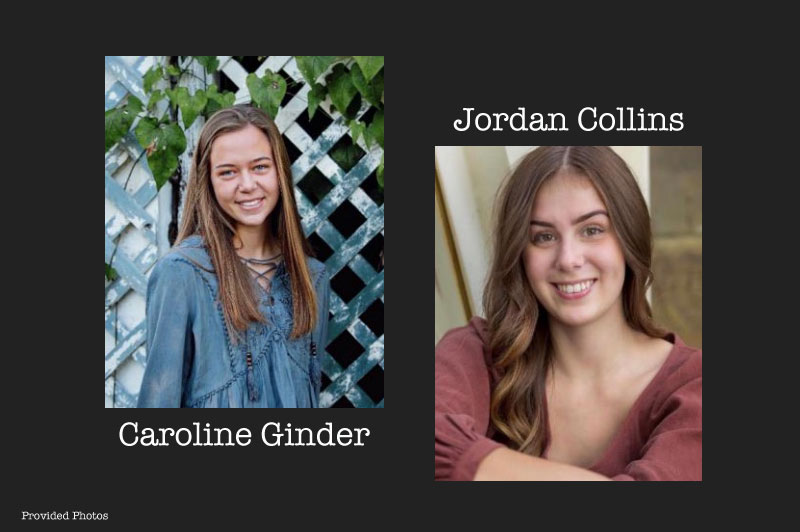
  • Caroline Ginder and Jordan Collins Awarded Seth Mitchell 2020 Scholarships!

    Caroline Ginder and Jordan Collins Awarded Seth Mitchell 2020 Scholarships!

    Cassie Mattia is the Associate Editor of Loveland Magazine and lives in Historic Downtown Loveland

    by Cassie Mattia

    Loveland, Ohio – Students across Ohio have felt and continue to feel the effects of the COVID-19 pandemic. With the remainder of the school year canceled as well as graduation and all the fun events that go along with it, many students did not get the opportunity to be a part of their Annual Senior Night missing out on receiving Senior Awards and Scholarships.

    Steve and Connie Mitchell could not bear the thought of not giving out the annual 2020 Seth Mitchell Scholarships to the LHS Senior applicants so they decided to give the scholarships away virtually! The Mitchells usually make an annual visit into town to personally hand out the scholarships on the Senior Award Night.

    Connie and Steve’s, son and decorated war hero, LHS graduate, Captain Seth Mitchell was killed on October 26th, 2009 at age 30 when two helicopters collided while he was supporting combat operations in Afghanistan’s Helmand province. At the time of tragedy, Captain Mitchell was stationed at Camp Pendleton, CA, and was part of the Marine Corp HMLA 367 Scarface unit. Captain Mitchell piloted an AH-1 Super Cobra helicopter.

    Seth volunteered for the fatal mission.

    If you would like to learn more about Captain Mitchell’s story click on the links below to access Loveland Magazine stories of the past about Mitchell.

    Please join us Saturday – to keep Captain Seth Mitchell’s memory alive

    Why there is a Captain Seth Mitchell HERO 5K

    In memory of Captain Mitchell both, his family and friends not only hold “The Seth Mitchell Hero 5k” in Downtown Historic Loveland every year, but they also give away “Seth Mitchell” scholarships to two well accomplished LHS Seniors. Below is Steve and Connie Mitchell’s explanation of how the scholarship recipients were selected this year.

    “As you probably guessed we were unable to do personal on-site interviews with our 2020 Seth Mitchell scholarship applicants. However, we summoned help from some younger folks and proceeded with the interviews through Google Hangout,” the Mitchell’s explained,  “Yep, Steve and Connie on Google Hangout. Who’d of thought that? Loveland High School also did not have their annual Senior Night on May 13, so the scholarships were awarded virtually. We had 18 applicants this year and personally interviewed six before awarding two scholarships. Your scholarship committee consisting of Greg Carpinello, Damien Cook, Mollie Schrichten, Marisa Sobb, (all friends of Seth and ’97 LHS graduates) Connie and I, take seriously the process to recruit, interview and select candidates. All the kids were deserving and we are especially proud of the recipients.”

    The $3,500 Let Us Never Forget Seth Mitchell Scholarship was founded by the Mitchell Family and the “Let Us Never Forget Scholarship Foundation.”
    The scholarships are funded by the Seth Mitchell Hero 5K, in which both Seth’s friends and family run, in memory of Seth every year.
    This year the 2020 “virtual” Let Us Never Forget Seth Mitchell Scholarships went to Jordan Collins and Caroline Ginder! Below are the biographies for both scholarship winners provided by the Mitchell’s.

      .
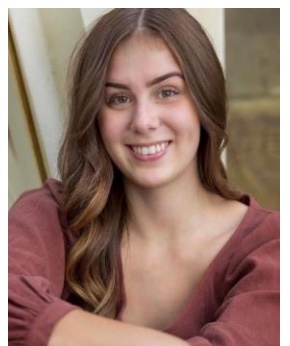
    Jordan Collins is the 2020 scholarship recipient and she has a spirit similar to Seth.
    She was and still is involved in many theatrical and musical productions. She is a National Honor Society member, volunteers through Mom’s Hope, and works part-time.
    Jordan will be paying a large part of her college costs.
    She has a “do something” attitude, a strong work ethic, and knows no stranger, being kind to all. She is not afraid to fail in the pursuit of her dreams and is strong in the face of adversity.
    She hopes to pursue her theatrical dreams at Syracuse University.
       .

        .
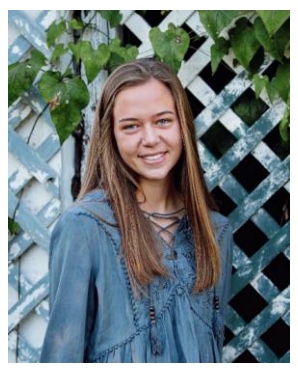
    Caroline Ginder is also a 2020 recipient of the Memorial Scholarship. Caroline was described by one of her references as “being self-motivated, goal-oriented, and a fine example of caring more about her teammates rather than herself.”
    She participated in many school events such as Tiger’s Inc., LHS Women’s Soccer, NEST, and National Honor Society.
    Caroline will be attending Ohio State University where she will pursue medicine. She hopes to someday be a part of Doctors Without Borders.
    Like Jordan, Caroline is paying a share of her college costs as well.
    .

    .
    If you would like to learn more about the Let Us Never Forget Scholarship Foundation you can visit their website at yellowribbonsupportcenter.com. 
    .
    If you would like to learn more about how you can get involved with the Seth Mitchell Hero 5K this year you can visit the event’s website at sethmitchell5k.org.

    The 11th Annual Seth Mitchell Hero 5k will take place on Saturday, October 10th at 11 AM in Nisbet Park in Historic Downtown Loveland, Ohio.

    .
    You don’t have to run or walk in the race to support the scholarship program. You can donate now or volunteer your time and skills!
    Congratulations to both Caroline and Jordan for being selected to receive the Never Let Us Forget Seth Mitchell Scholarships!
  • DeWine lays out K-12 reopening plans

    DeWine lays out K-12 reopening plans

    Columbus, Ohio – Ohio Gov. Mike DeWine laid out reopening guidelines for state K-12 schools on Thursday, including a mask requirement for teachers, but no such mandate for students.

    DeWine said it is “the state’s strong recommendation” that children from the third grade on wear face masks, but maintained that local control for school districts will be in place as reopenings begin. 

    “A great deal of flexibility is allowed, as it should be,” DeWine said in his Thursday COVID-19 press conference.

    Ohio Department of Education’s 36-page planning guide

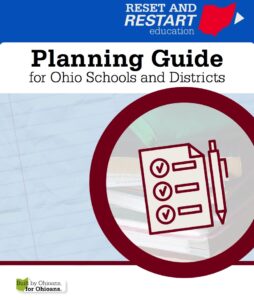
    The governor announced that the Ohio Department of Education published a 36-page planning guide that includes recommendations on everything testing to field trips and recess precautions.

    The guidance is specifically noted as “not mandatory” in the documents and emphasized the need for schools and districts to develop and implement their own protocols, while using the information provided by local and state health departments.

    “Planning teams should include school leaders, local health department officials, local school board members, educators, education support professionals, school health professionals, parents, students, community partners and local business leaders,” the planning documents stated.

    In developing coronavirus related-protocols, DeWine said before anyone enters a school facility, parents and school officials should “vigilantly assess” symptoms, and take the temperatures of everyone coming into the schools. In the guidance, outside individuals such as delivery personnel, student teachers and faculty of student teachers are all treated the same as official school personnel. 

    The Loveland District is currently working on models for reopening school in the fall, “which can be adjusted based on the pending guidance from state and local health agencies.”

    The planning guide said flare-ups are considered “expected” by state officials, and warns that school buildings may need to close in the event of said flare-up.

    Schools were told to work with local health departments to develop a testing strategy, thoroughly clean and sanitize schools, and teach and practice social distancing and hand-washing.

    Social distancing in places like school buses will be more difficult, and DeWine said as much distance as is possible will benefit students and staff.

    “(Specific measurements of distance is) all relative and it’s somewhat arbitrary,” DeWine said. “But the more distance you can have the better.”

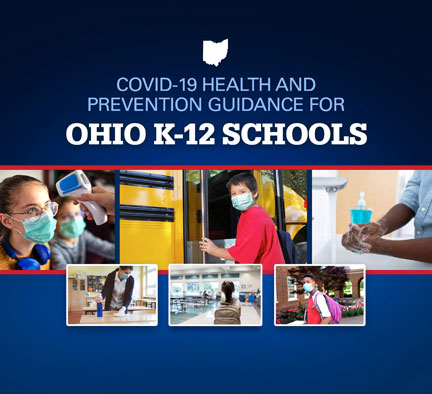
    COVID 19 Health and Prevention Guidance for Ohio K-12 Schools

    Face coverings are required by staff unless it is unsafe or if doing so “could interfere with the learning process,” DeWine said on Thursday.

    Ohio Federation of Teachers Executive Director Melissa Cropper appreciated the moves by the governor, but said the OFT worries about the financial demands of the new protocols.

    “We are concerned that local governments and school districts will have to make decisions about the governor’s recommendations at a time when they are anticipating budget crunches and beginning to make spending cuts,” Cropper said in a statement.

    DeWine said it “is not right for me or (other departments) to micromanage” school buildings or districts.

    The governor did say he plans to meet with House Speaker Larry Householder, Senate President Larry Obhof, and minority leaders to discuss extra funding, along with the use of CARES Act funding.

    Cropper said schools would benefit from HEROES Act funding as well, a bank of about $2 billion in monies for K-12 education, but the act is still awaiting U.S. Senate consideration after passing the House.

    The guidance comes as the state faces continual growth in coronavirus cases, and data showing that cases are passed through the individuals within the area. DeWine noted that 80% of confirmed cases in Montgomery County have been linked to community spread.

  • Ohio releases Public Health Advisory System

    Ohio releases Public Health Advisory System

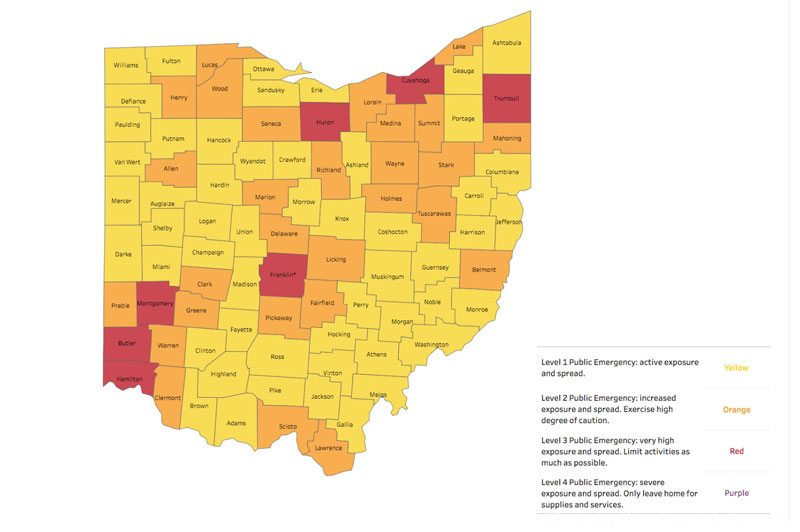
    The Public Health Advisory Alert System is a color-coded system designed to supplement existing statewide orders through a data-driven framework to assess the degree of the virus’ spread and to engage and empower individuals, businesses, communities, local governments, and others in their response and actions.

    The system consists of four levels that provide Ohioans with guidance as to the severity of the problem in the counties in which they live.  The levels are determined by seven data indicators that identify the risk level for each county and a corresponding color code to represent that risk level.

    Additional Resources


    County Profiles


  • Home Energy Assistance Summer Crisis Program is there for you

    Home Energy Assistance Summer Crisis Program is there for you


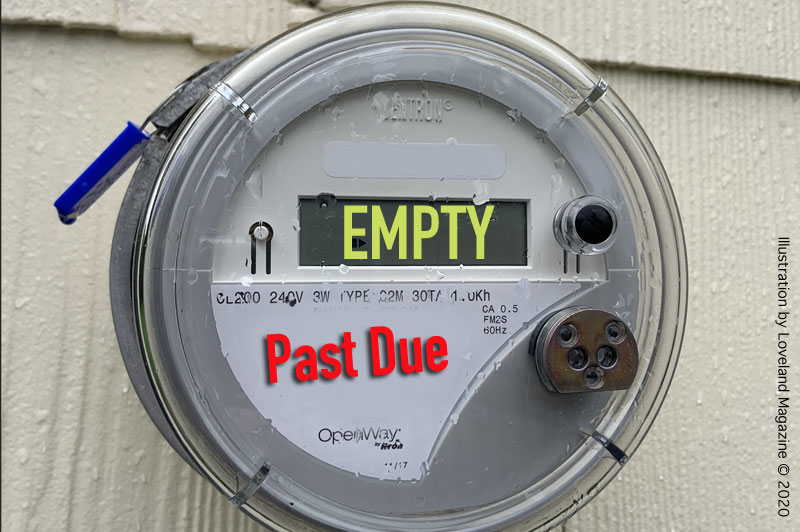
    The Home Energy Assistance Summer Crisis Program provides a one-time benefit to eligible Ohioans with cooling assistance during the summer months. The program runs from July 1 to September 30.

    The focus of the Summer Crisis Program is to provide assistance with electric utility bills, central air conditioning repairs, and air conditioning unit and/or fan purchases.

    Households with a household member who is either 60 years of age and older, has been diagnosed with COVID-19, or has a certified medical condition, and households who have a disconnect notice, have been shut off, or are trying to establish new electric service may be eligible for assistance.

    Ohioans enrolled in the Percentage of Income Payment Plan Plus (PIPP) Program are eligible for assistance towards their default PIPP payment, first PIPP payment, central air conditioning repairs, or may receive an air conditioning unit and/or fan.

    Who is Eligible for the Summer Crisis Program?

    Ohioans with a household income at or below 175 percent of the federal poverty guidelines and have a member of the household who is at least 60 years old, has been diagnosed with COVID-19, or can provide physician documentation that cooling assistance is needed for a household member’s health, or households who have a disconnect notice, have been shut off, or are trying to establish new electric service.

    Size of Household Total Household Income 12 Months
    1 up to $22,330
    2 up to $30,170
    3 up to $38,010
    4 up to $45,850
    5 up to $53,690
    6 up to $61,530
    7 up to $69,370
    8 up to $77,210

    For households with more than eight members, add $7,840 for each individual.

    How do I apply for the Summer Crisis Program?

    You can begin your application online at energyhelp.ohio.gov but will need to set up an appointment with your local Energy Assistance Provider in order to complete the application.

    When you apply, you will need to complete the Energy Assistance Application (English or Spanish) and submit copies of the following documents.

      • copies of your most recent utility bills
      • a list of all household members (include birth dates and Social Security numbers) and proof of income for everyone in the household over 18 years old for the last 30 days for each member (12 months preferred)
      • proof of citizenship or legal residency for all household members
      • proof of medical condition verified by a licensed physician or registered nurse practitioner

    You will need to include: proof of income for the past 30 days and 12 months for each member, a copy of your recent fuel/utility bill, proof of medical condition signed by a doctor or nurse practitioner, and a list of all household members (including Social Security Numbers).

    Contact your local Energy Assistance Provider for a list of all required documents. Depending on your income type, additional forms may be required.  Samples of the additional forms can be found by clicking here.

    Frequently Asked Questions

    How often can I apply for a HEAP Summer Crisis benefit?

    You can apply for assistance through the HEAP Summer Crisis Program once a year.

    What if I live in Federally Subsidized Housing?

    Families who live in federally subsidized housing are not eligible unless the electric bill is in their name or they have verification that they are responsible for portion of the electric bill.

    How do you define household income?

    Household income is defined as the total annual gross income before taxes (minus exclusions) of all household members, except earned income of dependent minors under 18 years of age. All income and allowed exclusions must be documented for household members 18 years of age and older regardless of relationship to the primary applicant. Heads of households and spouses may never be considered minors. Gross household income includes wages, interest, dividends, annuities, and pensions.

    Included (Countable) Household Income

    • Active Military Pay (Basic pay)
    • Adoption Assistance
    • Alimony
    • Annuity
    • Black Lung
    • Capital Gains – Proceeds from sale of property, home and stock
    • Cash Withdraws from Individual Retirement Accounts (IRA), Annuities, or other investments
    • Commissions
    • Company Disability
    • Disability Assistance (DA)
    • Estate and Trust Settlements – minus attorney fees – (one-time payment or lump sum)
    • Farm Income
    • Garnished Wages, including Bankruptcy/Chapter 13
    • Grants/Training Stipends – living expenses only
    • Immigrant Relocation Allowance
    • Interest earned from Savings Accounts
    • Legal Settlements
    • Lump Sum Distribution
    • Odd Jobs
    • Ohio Electronic Childcare (Ohio ECC) – Provider Income
    • Ohio Works First
    • Pensions – Government/Veterans/Private Industry
    • Rental Income earned from rental property
    • Seasonal Employment Income
    • Self-Employment Income
    • Social Security, Supplemental Security Income (SSI) Social Security Disability (SSDI) (Excluding Medicare Deductions)
    • Strike Benefits
    • Temporary Assistance to Needy Families (TANF)/General Assistance (GA)
    • Unearned income paid to or on the behalf of minors
    • Unemployment Benefits
    • Utility Allowances (as discretionary income)
    • Veteran’s Administration Benefits
    • Wages/Tips
    • Widows/Widower’s Benefits
    • Workers’ Compensation

    Excluded Household Income

    • Adoption Assistance
    • Agent Orange Compensation/Benefit
    • Assets from bank withdrawals (90-day rule)
    • Attorney’s fees for Estate & Trust Settlements
    • Census Wages
    • Child Support Paid Out
    • Child Support Received
    • Education Assistance
    • FEMA Cash Payments
    • Food Assistance Benefit – Food Stamps, SNAP, etc. (cash or equivalent)
    • Funds/training stipends designated for specific purposes (i.e., educational Grants/Training stipends for tuition and/or books only-not living expenses)
    • Gifts
    • Handicapped Income – self-sufficiency programs (example: work expenses for the blind)
    • Health Care Spending Accounts – non-taxable health care spending accounts are allowable
    • Health Insurance Premiums (dental, vision, health and supplemental insurance)
    • Income earned by dependent minors less than 18 years of age
    • Jury Duty
    • Loans from individuals or institutions requiring repayment of either principle or principal and interest*
    • Medicaid spend-down
    • Medicare Part D (prescription premium)
    • Medicare Payments
    • Military Allowances for Subsistence, Housing, Family Separation, etc.
    • Ohio Waiver Program
    • Prevention, Retention, & Contingency (PRC) – assistance to attempt to divert families from long term financial dependency
    • Proceeds from reverse mortgages
    • Reimbursement for work expenses
    • SS/SSI and SSDI overpayments
    • Stipend for Foster Care
    • Tax refunds and rebates
    • Title III Disaster Relief Emergency Assistance Program (DREAP)
    • Title V Wages/Senior Community Employment Programs (SCEP) – Older Americans’ Act (Public Law 100-175) Experience Works (formerly Green Thumb), Foster Grandparents Program, Mature Services
    • Title XX Benefits
    • Transportation Allowances (i.e., Workforce Investment Opportunity Act (WIOA), Job Training Partnership Act (JTPA), Workfare
    • Veteran’s Affairs (VA) Service-Related Disability/including surviving dependents
    • Volunteers in Service to America (Vista) or other AmeriCorps Stipends
    • Work Allowances (i.e., Learning Earning and Parenting [LEAP])
    • Work programs for people with disabilities

    I have applied for HEAP, but I may be disconnected from my utility service. Can I apply for Summer Crisis assistance?

    Yes, you can apply for the Summer Crisis Program. Contact your local Energy Assistance Provider to apply.

    Who can I call with questions about the Home Energy Assistance Summer Crisis Program?

    You can call the Ohio Development Services Agency’s hotline (800) 282-0880 or your local Energy Assistance Provider by clicking here.

    Other Programs

    If you’re having trouble managing your home energy costs, there is help. Below is a list of programs that can help you manage your utility bills and improve your home’s energy efficiency. You also can find a list of local Energy Assistance Providers and a copy of the program application.

    You also can apply for assistance online. Visit energyhelp.ohio.gov to complete your application.

    Assistance with your utility bills

    Improve your home’s energy efficiency

    Application (English)

    Aplicación español

    Local Energy Assistance Providers

  • LHS Athletics Enter Into Phase 3 of “Skills Practice”

    LHS Athletics Enter Into Phase 3 of “Skills Practice”

    LHS’s Athletic Director, Brian Conatser

    by Cassie Mattia

    Loveland, Ohio – Its been a tough road for athletes all across Ohio in light of the COVID-19 pandemic. Competitions have been canceled, sports seasons have been postponed, and in-person practicing has been banned. Although this new normal has been hard on many high school athletes and coaches, many were glad to hear that the Ohio Governor and Health Department’s Responsible Restart Ohio implemented a “three-phase process” that would ease both athletes and coaches back into practicing and competing.

    LHS’s Athletic Director, Brian Conatser, couldn’t be happier to get the Tiger Athletes and Coaches back into LHS’s athletic facilities, but in the safest way possible!

    “We are in Phase 3 of our skills practice which will last until July 6th,” Conatser explained, “Once we get more guidance from the Ohio Governor and OHSAA, we will move forward with those restrictions and guidelines.”
    On June 1st, LHS opened its Athletic Facilities in accordance with the OHSAA skills training guidelines.
    “Our coaches are extremely committed to working with the Athletic Department to implement COVID-19 procedures and guidelines. As an Athletic Department, we walked through the process as a team, fine-tuning our plan prior to our athletes returning to campus,” Conatser said, “The plan is extremely thorough and detailed, as the safety of our student-athletes and coaches are our primary concern.”
    Conatser provided the guidelines given to him by OHSAA that both coaches and student-athletes are following as they begin to return to athletics.
    1. Every student-athlete and coach MUST complete the 2020-21 Final Forms COVID-19 waiver prior to the 1st training session.
    2. Every student-athlete and coach MUST complete the LHS COVID-19 Self-Evaluation Google Form every day prior to each skills training session.
    3. Social distancing includes a 6-foot separation.  Entrances and Exits are outlined and over-communicated to avoid congregation and lingering of student-athletes.
    4. Facial coverings must be worn when in the building (gyms, fitness center, athletic training room). Facial coverings may be removed during the training session.
    5. Sanitation products and stations are located at the entry and exit of our inside facilities. We also ask EVERY student to bring: Water bottle, Sanitation wipes, Hand sanitizer, and Facial covering.
    6. All equipment, balls, etc. must be wiped down at the beginning and end of each training session.
    7. Three phases:  Phase 1: May 26th – June 8th / Phase 2:  June 9th – June 22nd / Phase 3: June 23rd – July 6th

    Conatser gave credit to Loveland’s student-athletes, coaches, and parents for playing such an important role in the three-phase process.

    “From parents dropping off their kids in designated spots to everyone following the COVID-19 guidelines. The coaches deserve an overwhelming amount of credit,” Conatser said, “These outstanding professionals make sure their programs have all of the information well ahead of time via communication from ZOOM, Google Hangout, email, Twitter, etc. We are looking forward to a safe and productive summer of skill training.”

    For more Loveland Tiger sports updates stay tuned to the Sports 411 With Me, Cassie Mattia!


  • Air quality alert issued for Sunday because of smoke and dust plum from Africa’s Saharan desert

    Air quality alert issued for Sunday because of smoke and dust plum from Africa’s Saharan desert

    Active children and adults, people with heart and lung disease, including asthma, and older adults should reduce prolonged or heavy outdoor exertion. on Sunday. Some particles less than 10 micrometers in diameter can get deep into your lungs and some may even get into your bloodstream.

    Air Quality Forecast for 06/28/20

    Loveland, Ohio – Based on forecasted weather conditions and the impacts of the Saharan dust plume, the Southwest Ohio Air Quality Agency has issued an Air Quality Alert for Sunday, June 28.
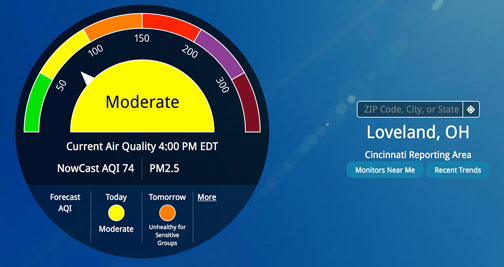
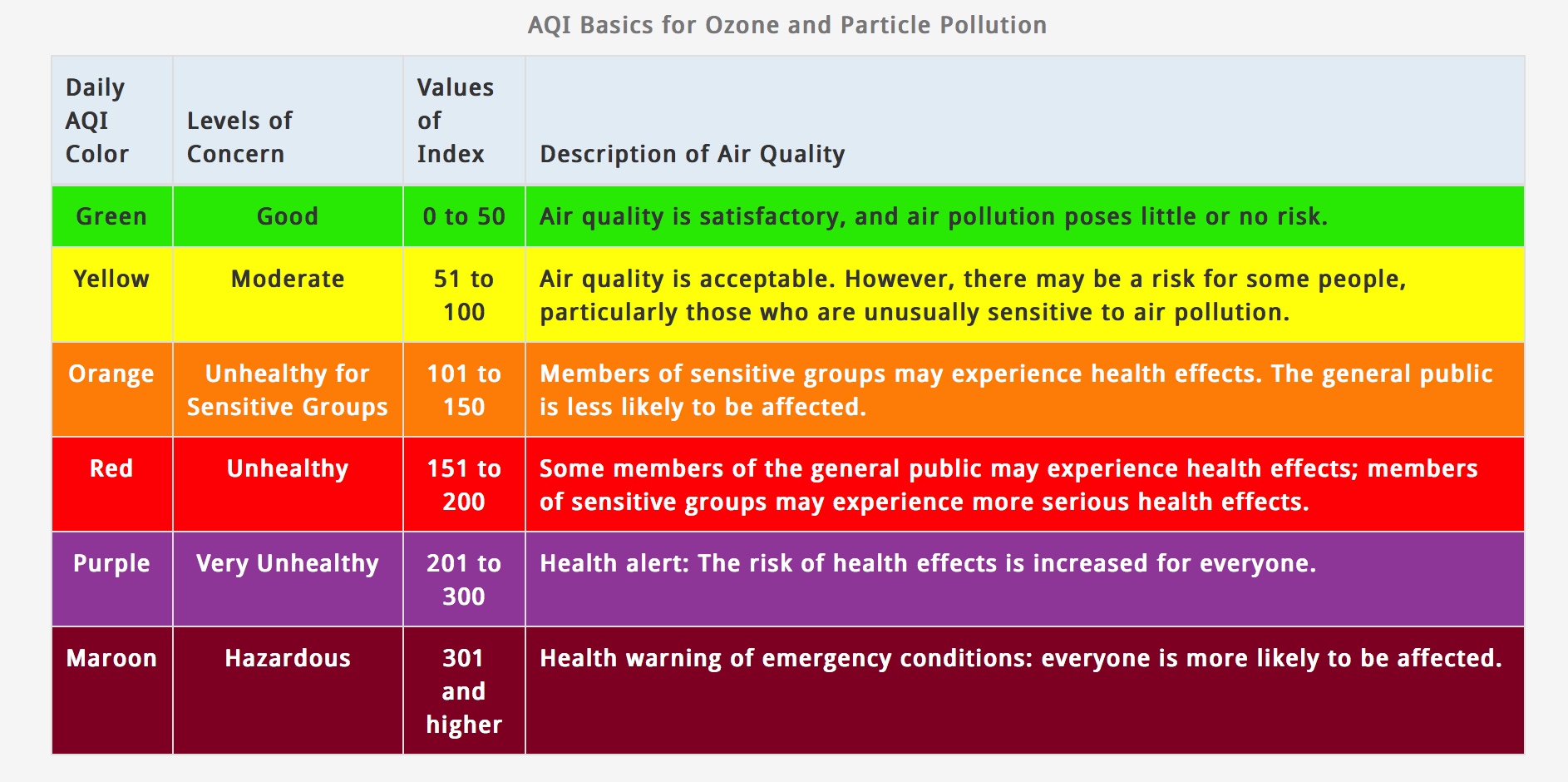
    The Agency expects levels of particulate matter in the “Unhealthy for Sensitive Groups” range.

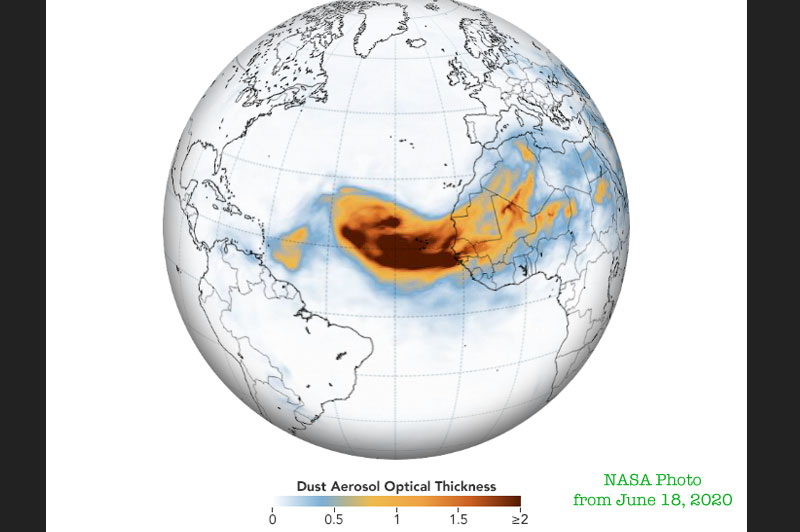
    CBS news reports: What’s been called the most significant dust cloud in 50 years has now shrouded the U.S. Gulf Coast in a thick, dusty haze. The dust layer, which originated in the Sahara desert and drifted across the Atlantic, is forecast to continue moving north and east through the weekend, impacting areas from Texas and Florida all the way up to as far north as the Canadian border.


    Both COVID 19 and the particulate matter from the Sahara attack the respiratory system. Those persons already considered part of the “vulnerable” population during the pandemic are most at risk, as well as infants and toddlers with developing lungs.

    You can help protect those most vulnerable

    You can help the situation locally by not using fire pits, lighting campfires, charcoal grills, or setting off fireworks.

    If you conserve electricity by turning out lights and unplugging unused appliances and electronics tomorrow it will reduce the demand for coal-burning power plants in our region.

    If you must drive a vehicle and have a choice, consider an electric, hybrid, or gasoline-powered – over diesel. Diesel fuel is notorious for emitting dirty particulate emissions.

    Use the vehicle that gets the best mileage and do not idle your vehicle.

    Combine trips or eliminate unnecessary vehicle trips.

    You can check the current air quality by clicking on this image and entering a ZIP Code.

    What is PM, and how does it get into the air?Size comparisons for PM particlesSize comparisons for PM particles

    PM stands for particulate matter (also called particle pollution): the term for a mixture of solid particles and liquid droplets found in the air. Some particles, such as dust, dirt, soot, or smoke, are large or dark enough to be seen with the naked eye. Others are so small they can only be detected using an electron microscope.

    Particle pollution includes:

    • PM10 : inhalable particles, with diameters that are generally 10 micrometers and smaller; and
    • PM2.5 : fine inhalable particles, with diameters that are generally 2.5 micrometers and smaller.
      • How small is 2.5 micrometers? Think about a single hair from your head. The average human hair is about 70 micrometers in diameter – making it 30 times larger than the largest fine particle.

    Sources of PM

    These particles come in many sizes and shapes and can be made up of hundreds of different chemicals.

    Some are emitted directly from a source, such as construction sites, unpaved roads, fields, smokestacks or fires.

    Most particles form in the atmosphere as a result of complex reactions of chemicals such as sulfur dioxide and nitrogen oxides, which are pollutants emitted from power plants, industries and automobiles.

    What are the Harmful Effects of PM?

    Particulate matter contains microscopic solids or liquid droplets that are so small that they can be inhaled and cause serious health problems. Some particles less than 10 micrometers in diameter can get deep into your lungs and some may even get into your bloodstream. Of these, particles less than 2.5 micrometers in diameter, also known as fine particles or PM2.5, pose the greatest risk to health.

    Fine particles are also the main cause of reduced visibility (haze) in parts of the United States, including many of our treasured national parks and wilderness areas.

    Learn more about health and environmental effects

    If you find that having this type of local news adds value to your quality of life, kindly consider contributing to the cost of producing it.