
Tag: education

  • City of Loveland Water Increase Raises our Eyebrows

    City of Loveland Water Increase Raises our Eyebrows

    by Cassie Mattia and David Miller

    When we first heard about the City of Loveland raising water rates only one of our brows raised, but on closer examination, real-life experiences, and asking questions of Loveland’s City Council Members we went full brow.

    Below you will find the questions we asked all seven council members in an email on December 29. Two elected officials, Kip Ping and Andy Bateman, out of the seven responded. We decided to re-send our questions to the remaining five council members, Mayor Kathy Baily, Vice-Mayor Ted Phelps, Kent Blair, Neal Oury, and John Hart, on January 11 to ensure they received them and we received no responses, not even an acknowledgment that they received our questions. All seven members voted for the new water fee.


    For publication:
    
    You recently voted for a flat rate increase for water customers. Loveland Magazine is following up on a recent story we published about the increase (Early holiday presents for Loveland homeowners – It’s coal under the tree). Would you kindly respond to these questions/propositions?
    
    It seems you determined the amount you wanted to collect for the infrastructure repairs was $450,000 in year one and to achieve your goal you simply divided that number by the number of units you could bill and are charging a flat rate to all.
    
    The flat rate appears to apply equally to single-family homes, each apartment in a complex, and commercial and industrial users.
    
    The total you determined to need in year one is $450.00.00 and that was divided by 5,000 (estimated number of units).
    
    $450,000 ÷ 5,000 = $90/year
    
    $90 ÷ 12 = $7.50/month/unit
    
    Correct?
    
    It also seems you already know the actual number of gallons of water each unit consumes each month or year. Would not a rather easy math calculation determine each unit's impact on the distribution system based on actual usage?
    
    Why was the rate increase/unit not based on actual gallons consumed?
    
    There seems to have been no consideration based on income, disability of a user, being a senior citizen, or being a retiree on a fixed income.
    
    There seems to have been no consideration based on an individual's commendable water conservation efforts.
    
    You have implemented a proportional rate increase — one that takes the same amount from all income groups regardless of their ability to pay. It is a regressive rate — a rate that takes a larger percentage from low-income groups than from high-income groups.
    
    Why was a progressive rate not used that would charge more for high-income groups than for low-income groups?
    
    Thank you in advance for responding with your thoughts and answers.
    
    Best regards,
    
    David Miller and Cassie Mattia
    

    Cassie Mattia Responds

    I have now been a resident in Downtown Loveland at the Loveland Station Apartments for 5 years. To be quite honest, the inflation I have seen citywide and nationally has been shocking.

    The city of Loveland announcing a water increase was just the icing on the cake after being alerted that I would have another rent increase as well. My boyfriend and I have worked very hard to get to the point we are at in our lives financially and in our careers, but with all the increases in the city of Loveland, I have had to take on the burden of once again working multiple jobs just to afford to live comfortably in Loveland.

    I never would have thought after securing my dream job as the Public Relations Coordinator at the Butler County Board of Developmental Disabilities that I would ever have to go back to working multiple jobs, but that is now a reality I have to accept.

    When will enough be enough for my generation? When will we have to stop living paycheck to paycheck even though we were told growing up that getting a college degree would prevent us from experiencing that? When will we be able to buy a home and stop getting hit with rent and utility inflation? I will admit I am one of those people that is money motivated so I am always striving to see how much more I can build my savings, but I think one of the biggest reasons I am that way is that I don’t want live paycheck to paycheck. I want to build a great life for my family, but at age 33 with a great financially stable career that I have worked oh so hard for, why should I still have to live to work? 

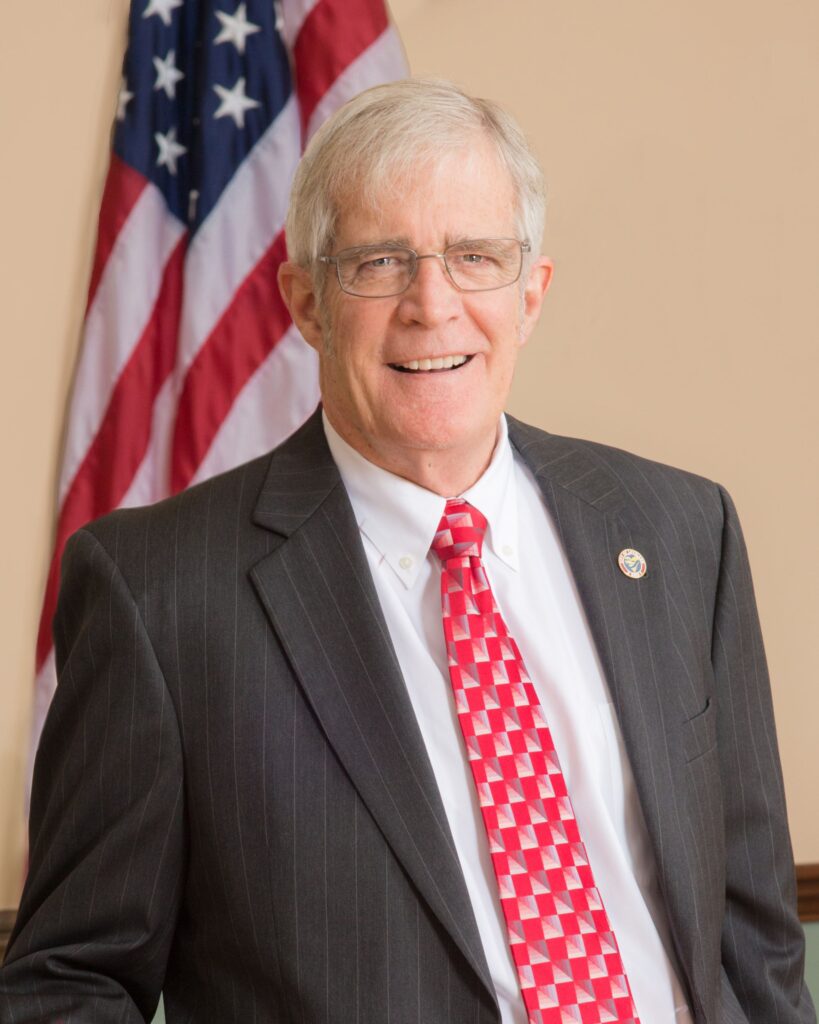
    Council members, Kip Ping and Andy Bateman took the time to respond to our questions about the city of Loveland water rate increase, which David and I both greatly appreciate.
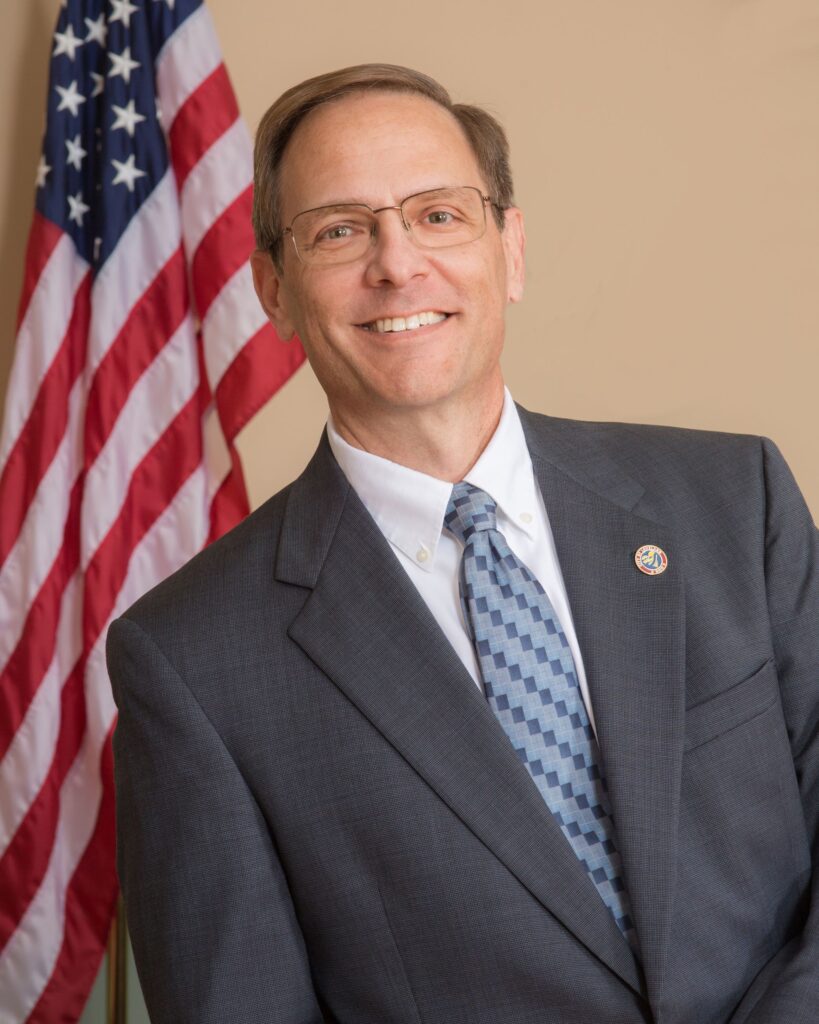

    Councilman Kip Ping
    Good afternoon David and Cassie,
    
    Thank you for your inquiry. This is an important issue as it is vital that we plan for the future maintenance of our water system rather than waiting until we are in a crisis such as we have seen recently with some other cities. In the past there has been a practice in Loveland of borrowing money to repair the water infrastructure. We are fortunate that much of our water system is newer, so this has not necessarily been an inappropriate approach, but as the system ages it makes less and less sense to continue this way. Even if nothing else were at issue, letting the debt service get out of hand is not a direction we want to take. The new fee will allow a more proactive response which will eventually draw down that debt service and put Loveland in a better position in the long term. While we know of no imminent issues with the system, we do know that each year it gets a little older and prudent planning demands that we address this before it becomes a critical issue. With this in mind, Council made what I think was the correct move in putting this fee in place, all the while knowing that it would not be a popular thing to do.
    
    I agree that the current fee does nothing to promote conservation or reward it, however, the current billing model already does that via the charge for both water and sewer in the usage part of the equation. The new fee is limited to use for maintenance of the actual lines, and conserving water does not affect the cost burden that must be considered for this. We must pay the same for a mile of pipe regardless of how much water goes through it. The system thus becomes more expensive per gallon as water use is decreased.  Keeping these charges separate allows rates to reflect usage costs and the fee to reflect the maintenance cost.
    
    I appreciate your concern for those of modest means and agree that we need to be thoughtful about the impact of this fee on them. Your desire to use a usage based rate to protect these people, though, seems to be built on the presumption that the groups you mention would by necessity have low usage.  I’m not convinced that is the case. I am personally aware of a family on a fixed income who uses more water than my wife and I, though we have substantially more means than they. Putting this in as a usage fee would result in them having a higher bill than my wife and I on top of the already higher consumption fee they pay. This would be the opposite outcome of what you are trying to achieve with the usage method. I am not arguing that this one specific example can be extrapolated to the entire community and would be valid in every case, however, I am arguing that your presumption that water usage is directly proportional to income is not valid in all cases either. Any comparison of empty-nesters in our more affluent neighborhoods like Sentry Hill versus families in less affluent areas like the Heights would likely show that usage is not going to substantially change the extra cost on the bill.
    
    Another aspect of this issue is that of access to usage. Utilities are different than other forms of consumption because of the way the good is distributed. History on these issues has shown that because of this difference there have been some unique problems with regard to fairness. Electric utilities, for example, wanted to charge the farmer more than the city dweller because he used less electricity but required more infrastructure to get the electricity to his farm. This would have resulted in rural consumers being charged more in fees for less in consumption (assuming they could afford the fees). The government by prohibiting this practice dictated to the utilities that having users spread equally the cost of the delivery system was more fair than basing the fee on the cost to the system to each user even though it meant urban users paid more than rural users relative to the demands on the system. Again, I am not arguing that this is applicable to all or even the majority of our water system users, but it does show that there are many factors in the equation when one considers the notion of fairness.
    
    As with any collection of public funds, there will be some that fair more poorly than others. Regardless of the system used, there will be exceptions that we can find and argue as unfair to certain people. Our effort can therefore only be to minimize those situations to the extent possible.  While we may not have chosen the system you feel is best, I assure you that thought was given to the fairness of this fee and how to minimize its impact on the system’s users.  That said, as the subject of taxes and fees is one that is of upmost importance to all taxpayers, I have copied City Manager Kennedy on this email and will follow up with him next week to see if there is any data available that has been inadvertently overlooked and would support your assertion that usage is proportional to income. In the absence of data showing that correlation, I do not foresee changing the fee structure.
    
    Sincerely,
    Kip Ping

    Cassie Mattia’s Response Continues…

    Mr. Ping made some very great points in his email and I of course can understand the thought process behind implementing the water increase citywide. I will admit I am not as educated as Mr. Ping is in regards to the city’s water infrastructure and what the future could hold as the city’s water system “ages,” but I will say that I am a little confused as to why homeowners in Loveland are experiencing on average a 3% increase ($1.50 per month) in their water rate while all those living in apartments within the Downtown Loveland area were informed that there would be a gradual increase over the next few years and the increase in 2023 would start at $7.50 per month tagged onto our bills. We were told the increase would eventually amount to an extra $10 on our bills.

    This is not only confusing to those that received this notice but also makes no sense considering someone owning a home would obviously consume more water than a person living in an apartment. The city’s press release vs. what we apartment renters received contradicts one another.

    As a Loveland community member, I would love some answers as to why as a renter I’m being penalized not only with another huge rent increase but now a substantial water increase. Within my apartment, I use very minimal utilities in general, but with this $7.50 increase and what my water bill typically sits at, that will put my water at a 5% increase. I am confused as to why this increase is different for renters in the city. We are already paying on average $1,800 for rent (side note we can’t buy a home due to astronomical interest rates and down payments, especially in this area) and up to a 10% increase in other vital bills that have to do with being a renter. We are also A VERY LARGE part of Loveland’s economy and community. I need answers.

    Mr. Ping did bring up an excellent point in regard to “access to usage.” He said, ” Electric utilities, for example, wanted to charge the farmer more than the city dweller because he used less electricity but required more infrastructure to get the electricity to his farm. This would have resulted in rural consumers being charged more in fees for less in consumption (assuming they could afford the fees). The government by prohibiting this practice dictated to the utilities that having users spread equally the cost of the delivery system was fairer than basing the fee on the cost of the system to each user even though it meant urban users paid more than rural users relative to the demands on the system.”

    With that said, it makes even less sense as to why apartment renters in Loveland are experiencing such a severe increase compared to homeowners when it comes to water rates.

    As I mentioned previously, I am absolutely not an expert on city utilities and the ins and outs of the water infrastructure. I am simply a concerned Loveland citizen that will always speak up when things seem in disarray within our community! I can only hope that those in positions of power locally and nationally will begin to look at the issues brought forth by those brutally affected by greed and inflation and begin making decisions that benefit my generation. We will not survive without the support of our local and national governments.


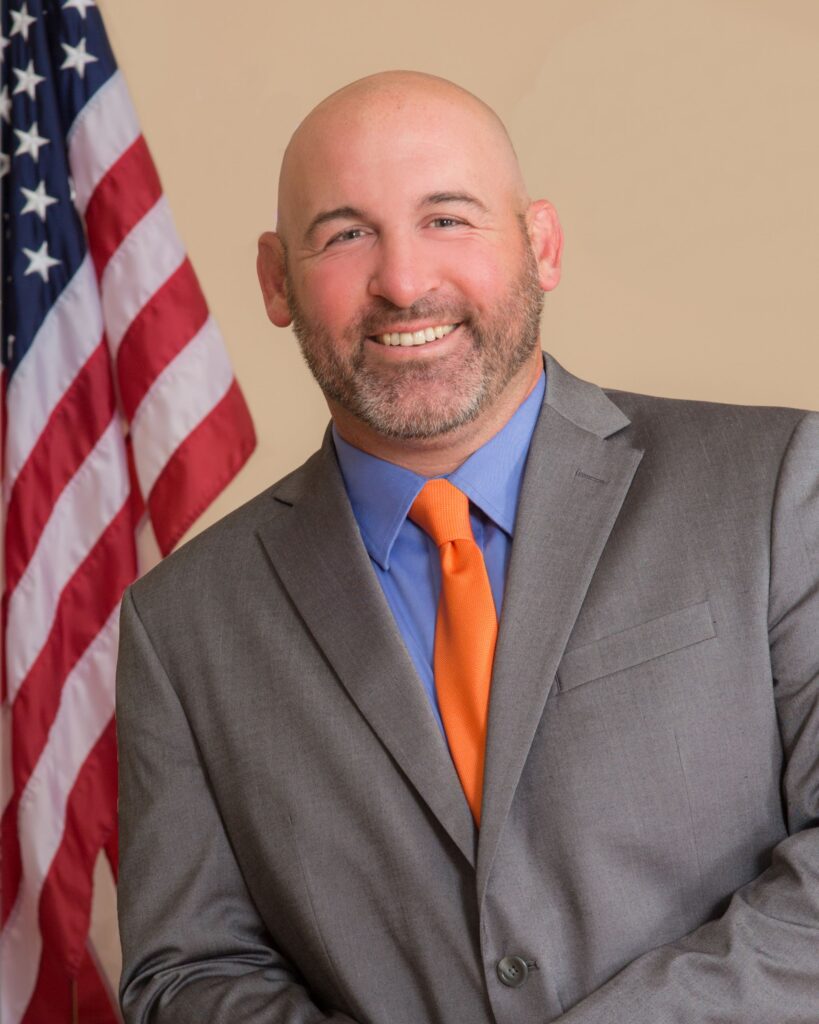
    Council Member Andy Bateman’s response:

    Councilman Andy Bateman
    David,
    
    First, I stand by City Manager David Kennedy’s explanation of the water main replacement fee, during his presentation to council, and in the Nov 29, 2022 press release. Second, I implicitly rely on staff expertise regarding the methodology used to determine the proposal.
    
    Prior to the Ordinance 2022-115, the city’s water maintenance program; too reliant on loans and grants, more reactive than proactive, had, in the view of many on city staff and committees, become unsustainable. Collecting a maximum of $114 annually from each account ensures a dedicated source of revenue to apply toward ongoing replacement of 76 miles of water main. Rather than wait for funding stars to align, or allocate fund dollars to debt service, the WMR fee gives staff an opportunity to be strategic and comprehensive in their planned replacement over the long term. 
    
    Serious considerations of various socio-economic factors within the service population veers into the semantics of fairness and equity and given the history of deferred maintenance of the city’s water system, I feel that a proposed solution was overdue, and voted in favor of the legislation.
    
    This is not to say that I am completely unfeeling toward those in a position in which this fee holds a greater financial impact. Certainly, in this inflated economy, the cost of everything gives us all pause. But without this fee structure in place, the city’s water customers could be subject to water rate increases, variable month to month, to fund more immediate water main replacements, acting as a funding band-aid for one council to pass to another down the line as we have been doing. 
    
    This council voted for more sustainable infrastructure which delivers its most basic and fundamental services. With that action comes a request that each customer pays its share toward preventative maintenance of that system, and in essentially creating a layer of protection for the future of Loveland’s municipal water service.
    
    Thank you for reaching out and I am available if you have any follow-up questions.
    
    Sincerely,
    Andy Bateman

    David Miller Responds

    I reject out hand Mr. Bateman’s assertion that our concerns are mere, “semantics of fairness and equity.”

    I reemphasize my initial concerns.

    There seems to have been no consideration based on income, disability of a user, being a senior citizen, or being a retiree on a fixed income. There seems to have been no consideration based on an individual’s commendable water conservation efforts. City Council has implemented a proportional rate increase — one that takes the same amount from all income groups and water users regardless of their ability to pay. It is a regressive rate that takes a more significant percentage from low-income groups and low water users than from high-consuming individuals or corporations. Why was a progressive rate not used that would charge more for high-income individuals and corporate users than for low-income individuals and those who consume less water?

    Within this period, any member of our Council should have foreseen that the Loveland Board of Education was heading back to the ballot with a new tax request and indeed they have voted to place a 4.9 mill operating levy on this May’s ballot. The residents of Loveland will be asked to raise their tax rate for the District to receive more dollars for operating expenses and the only way to do so is to ask residents to tax themselves. I believe this action by Loveland Council will subtract from the possible “Yes” votes who would otherwise allow the school children to have more dollars spent on their education.

    With disregard for seniors on a fixed income and amid the recent uproar and now three consecutive defeats of Loveland City School District levies over those concerns, our City Council has pulled out the proverbial rug from under the feet of our children.

    Concerns over inflation, rising home ownership costs, and seniors being forced from their Loveland homes have been the most cited reasons for the school not receiving the added operating funds they requested from voters.

    The flat-rate, permanent water fee will increase the cost to own a home in Loveland by $90/year immediately, and $114/year beginning in 2025.

    There is a genuine disconnect between City Hall and the Loveland Schools, the needs of our children, senior citizens, the disabled, those on fixed incomes, millennials, and gen Z.

    Even forgetting the concern of the inequity of the water fee, voters don’t forget these things when going to the polls with a yes or no choice of raising their taxes.
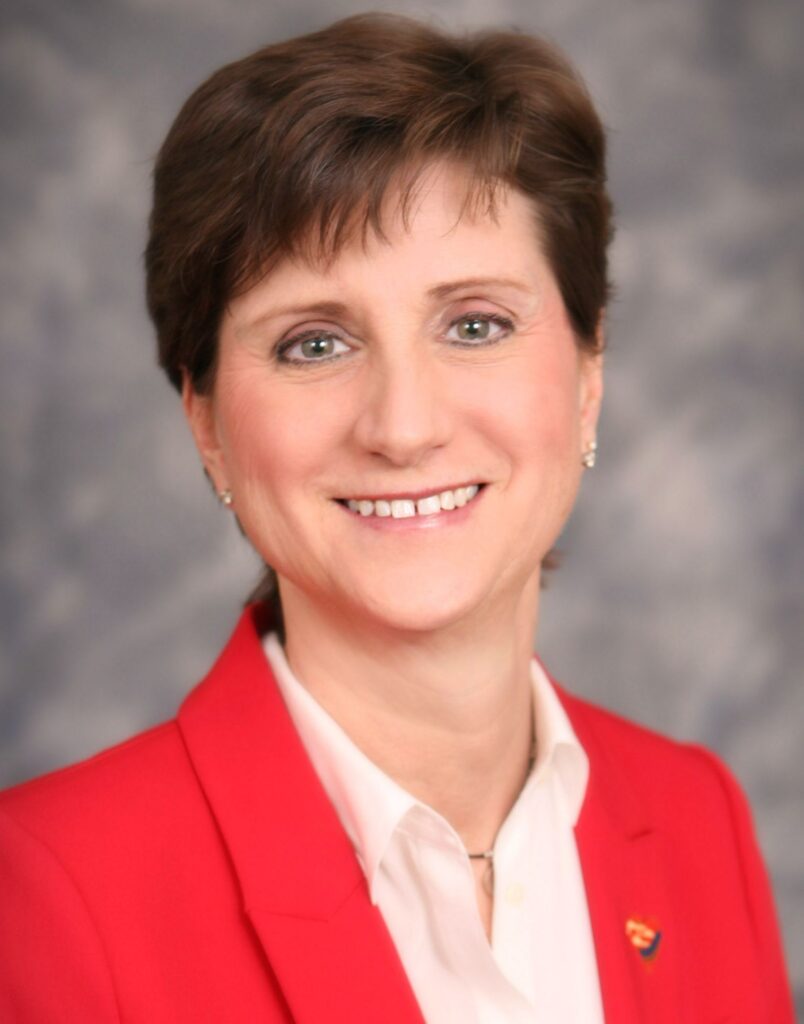
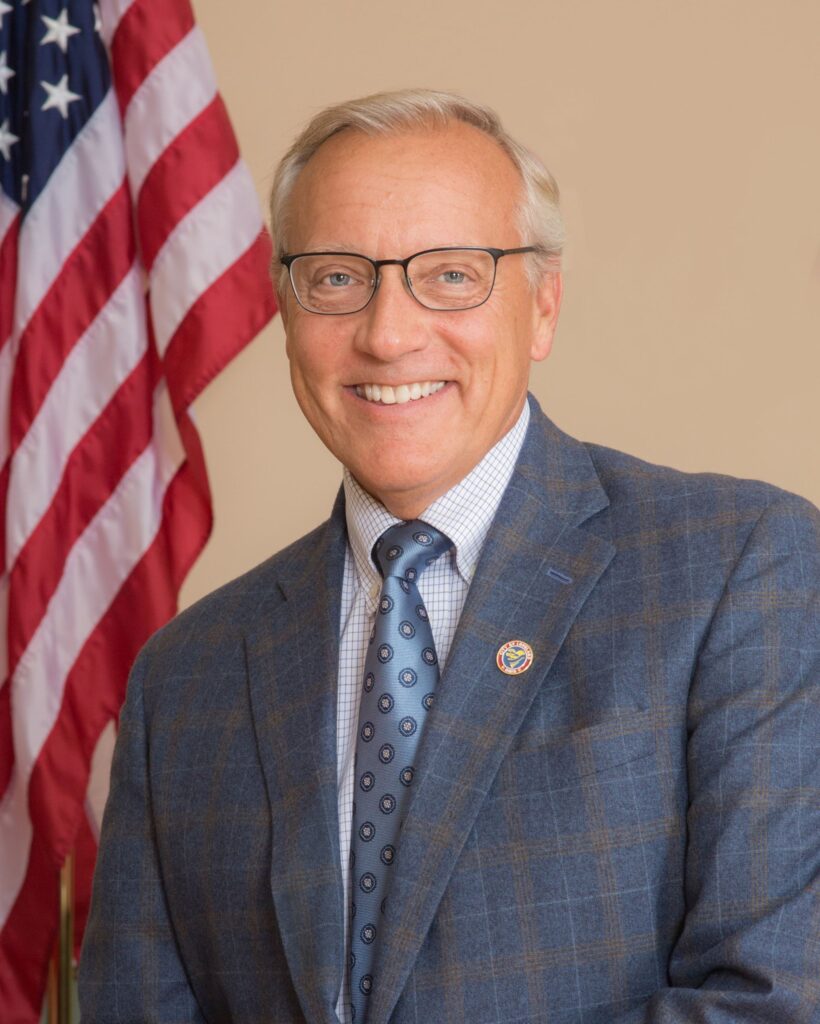
    Mayor Kathy Baily – No response
    Vice-Mayor Ted Phelps – No Response
    Councilman Kent Blair – No response
    Councilman John Hart – No Response
    Councilman Neal Oury – No Response
  • Ohio Senate passes education department overhaul

    Ohio Senate passes education department overhaul

    BY: SUSAN TEBBEN – Ohio Capital Journal

    The Ohio Senate passed a bill to overhaul the administration of the state’s education system in a Wednesday vote along party lines.

    The 26-7 party-line vote on Senate Bill 1 came with fierce urgency from GOP supporters that the chances must be completed to improve the way in which education is led in the state.

     State Sen. Andrew Brenner, R-Powell. Official photo.

    Senate Education Committee chair Sen. Andrew Brenner, R-Delaware, complimented the State Board of Education members for being hardworking people with good intentions for the state education system.

    “Yet the structure they find themselves in is sluggish and incapable of getting through the bureaucracies,” Brenner said on the Senate floor.

    Democratic opposition questioned the motives, but also the speed at which the measure was pushed through the chamber, claiming the true intent of the bill hasn’t yet been teased out.

    Senate Education Committee ranking member Sen. Catherine Ingram, D-Cincinnati, said spotlighting districts at the bottom of state report cards or test scores only points to a greater problem not addressed by SB 1.

    “When you continue to point to the lowest achieving districts, unfortunately you are continuing to point to those children who have been left behind all along,” Ingram said.

    After multiple hearings in the last General Assembly and in the current one that included hours of testimony against the bill, Ingram said she fears the desires of the public, and elected school boards in each district, will be overlooked if the bill becomes law.

    “We continue to talk about how we listen to the people,” Ingram said. “I don’t buy it.”

    If SB 1 moves on to be passed by the GOP-majority House, it will change the Ohio Department of Education to the Department of Education and Workforce, and create a new leadership position not under the purview of the Ohio State Board of Education, but under the governor’s cabinet.

    Two deputy directors, one for primary and secondary education and another for workforce, would also be created under the bill.

    If passed, the transfer of duties to the new leadership would happen six months after the bill’s passage.

    The bill would reduce the Ohio State Board of Education’s powers to include hiring a new superintendent of public instruction and dealing with district-level territorial and licensure issues.

    In the Senate Education Committee, several amendments were made, for the most part by Republican legislators.

    Amendments added to the bill before it’s full Senate passage changed the implementation date of the proposed law, taking it from June 30, 2023, to 90 days after full General Assembly passage.

    The committee also adopted an amendment that would allow the superintendent of public instruction to serve as an advisor to the heads of the new department, which was originally a requirement in the bill.

    A Democratic amendment adopted requires the Senate Education Committee to hold at least one in-person meeting before approving a director or deputy director for DEW.

    Scott DiMauro, of the Ohio Education Association, agreed that the bill’s true aim is unclear at this point.

    “I’m still not seeing exactly how restructuring the department get to what are ultimately policy decisions and support decisions,” DiMauro said. “It raises questions about what the impact of this will be.”

    DiMauro said he hopes the House consideration will include changes to ensure a voice for educators and the public.

    “I hope that whatever happens with this whole issue of any kind of restructuring … wherever Senate Bill 1 ends up, that lawmakers are not losing sight of a larger purpose,” he said.

    The bill came back to the Senate hastily after the lame-duck effort last year was rejected at the last minute. Senate President Matt Huffman pledged after the effort went down to bring it back as quickly as possible.

    When asked what he sees as the direct impact of SB 1, Huffman said it would “allow greater opportunity for reforms” and the “ability to act on specific problems.”

    “When I have district meetings, and folks ask me questions and I can’t get the current answer,” Huffman said. “I know that I’m going to be able to get a better answer now.”

    SB 1 now moves to the House for committee consideration.

  • Loveland Middle School Robotics team heads to world championship

    Loveland Middle School Robotics team heads to world championship

    Photos by Loveland Robotics Boosters

    Loveland, Ohio – Loveland Robotics Boosters reported yesterday, “It’s official! LMS VEX Team 97310A Andrometa is going to the 2023 VEX Robotics World Championships!! Huge Congratulations to the first ever Loveland VEX team to qualify for Worlds! We are so proud of you!!”

    Learn more about the Loveland Robotics Boosters.

    Learn more about the 2023 VEX Robotics World Championships.

  • School Supply Drive during Murder on the Orient Express

    School Supply Drive during Murder on the Orient Express

    Dear Loveland Magazine Readers,

    Hello all! As you probably know, teachers aren’t paid enough (how could they be?) and are often responsible for the supplies our community’s children need for a great education!

    We’re most of the way through the school year, and those supplies are running low. So I’m arranging a supply drive for Loveland Schools! I have a list (scan the QR code) of needed supplies, and I know our teachers will appreciate any help.

    If you have kids at the schools, you can send supplies in with them the week of April 17-21. Or, if you’d rather drop them off yourself, I’m arranging a drop-off location at the Highschool on April 19, 20, 21, and 22 from 6 PM to 7 PM.

    Why these dates, you ask? Because those are the same nights our amazing High School is putting on the play, Murder on the Orient Express.

    You can drop off supplies and go see the show! Do some good and have a night of entertainment. What could be better? Please share with anyone you know that might want to donate or help!

    Thank you,

    Josh Hendrickson

  • [Photos] Tiger Women bow out to #1 team in Ohio

    [Photos] Tiger Women bow out to #1 team in Ohio

    Loveland Senior Guard Josie Early

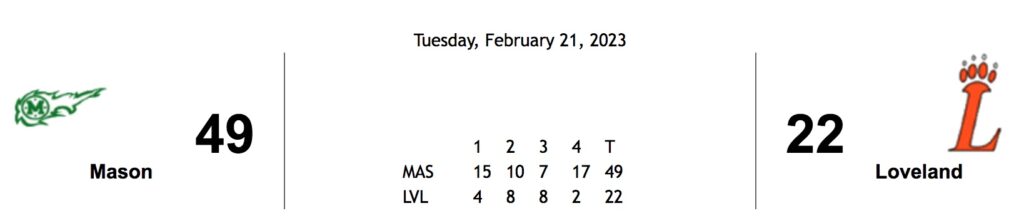
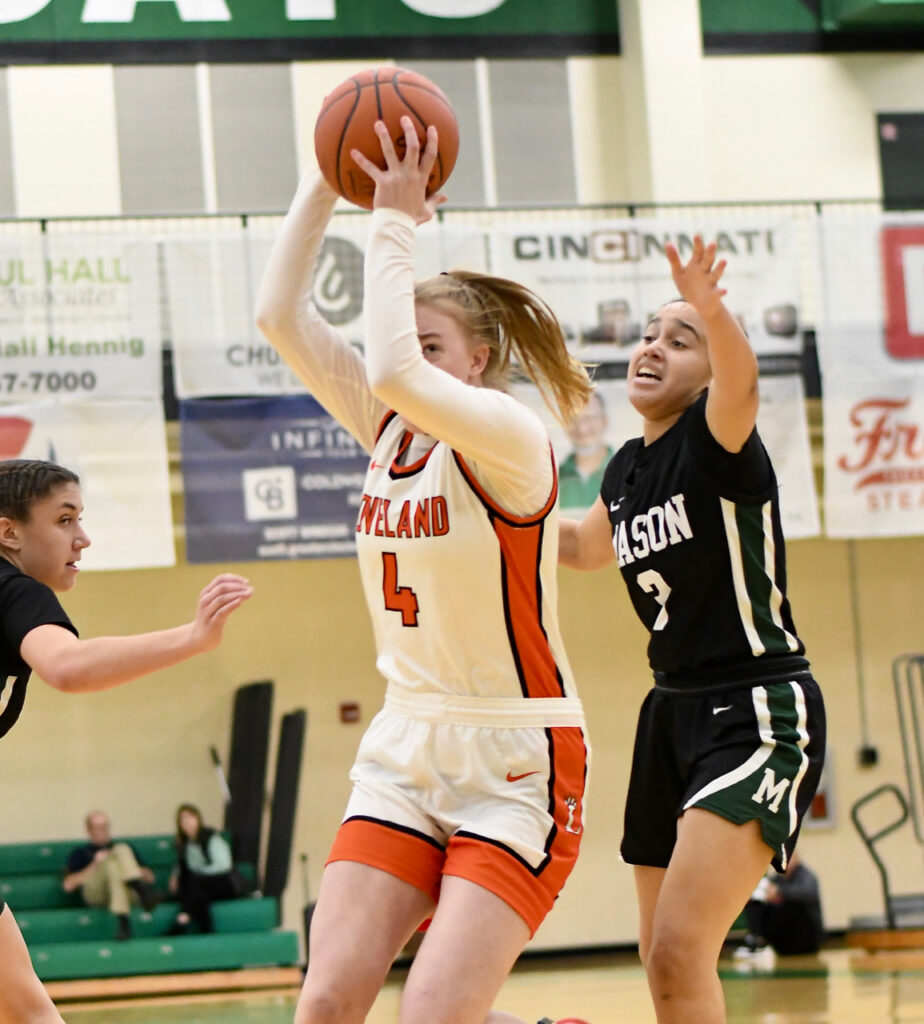
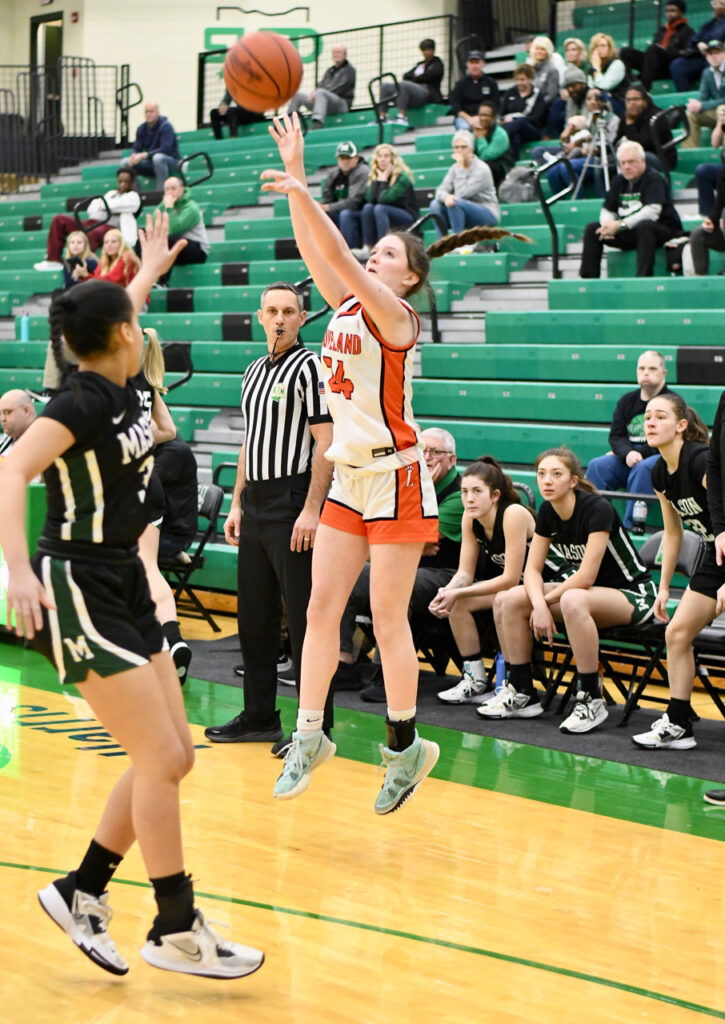
    Harrison, Ohio – The Loveland High School Women’s Basketball Team ended their season in the 3rd round of the Ohio Basketball Tournament with a loss to the #1 team in Ohio. The game on Tuesday afternoon was played at Harrison High School. The score was Mason 49, Loveland 22. Josie Early led the Tiger scoring with 8 and Olivia Raby scored 5. Grace Dressell scored 4.

    The Tigers (11-5, 17-8) finished in 3rd place in the ECC.

    Conference leader West Clermont went into their tournament game on Monday and saw their 24 and-no-loss season disappear. The Kings Knights (13-1, 21-5), # 2 in the ECC beat the Wolves 49-43. Kings continued their tourney journey by beatingt Centerville today 61-53.

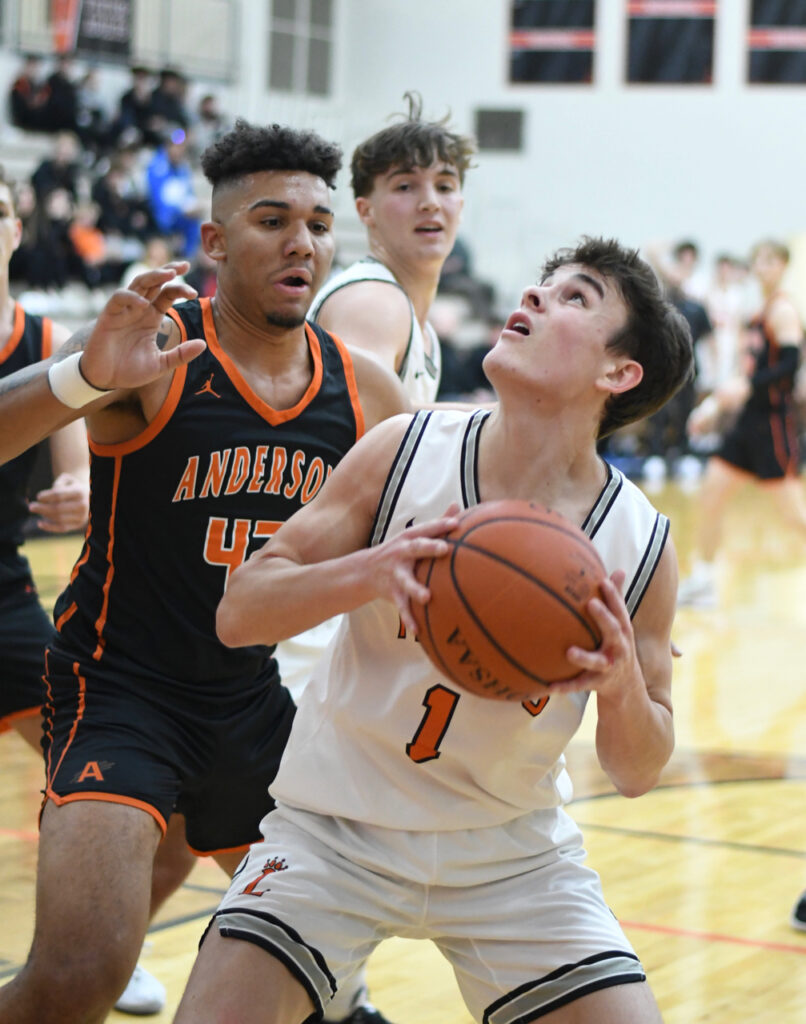
    Meanwhile, the Tiger Men’s team lost their entry game in the State Tournament on Tuesday 73-47 against Princeton.

    Photos ©2023 by David Miller/Loveland Magazine.

  • Students at Loveland High School collected 3,000 canned goods for the LIFE Food Pantry

    Students at Loveland High School collected 3,000 canned goods for the LIFE Food Pantry

    Back Row: Andrew Breese, Evan Patterson, Tyler Huff, Ronan Mirza, Art Jarvis, Kim Jarvis, Austin Jarvis, Mike Broadwater, Matt McCarthy

    Front Row: Katy Wilbur, Elly Steinbrunner, Courtney Keyser, Campbell Massey Grace Haught, Sydney Jenkins, Faith Daugherty, Craig Murnan, Brady Steiner

    Loveland Freshman Katy Wilber drained seven threes at Indian Hill on January 18. (Loveland Magazine File Photo)

    Loveland, Ohio – The 2022-2023 “3’s For Life” fundraiser collected more than 3,000 canned goods for the local LIFE Food Pantry. The fundraiser was a partnership between Jarvis Global Investments, Tigers Incorporated, Loveland Spirit Club, and the Loveland Men’s and Women’s Basketball teams.

    For every 3-pointer made at Loveland basketball home games, Jarvis Global Investments donated 12 canned goods to the food pantry. During the 2022-2023 basketball season, 92 three-point shots were made, leading to 1,104 canned goods that were donated.

    In addition to cans donated from the three-point shots, Tigers Incorporated and Loveland Spirit Club Members, Elly Steinbrunner and Brady Steiner, collected an additional 1,639 canned goods from the community, including the Loveland Meijer and Biggby Coffee locations. The total cans from the community and three-point shots totaled 2,743 canned goods, and Jarvis Global Investments provided additional cans to bring the total to 3,000.

    PROUDLY SERVING HUNDREDS OF LOCAL FAMILIES EACH MONTH

    Read about the LIFE Food Pantry and how you can help by ORGANIZING your own food drive.

  • Loveland grad Sam Smith named Director of Photography on high-profile short film

    Loveland grad Sam Smith named Director of Photography on high-profile short film

    Samuel Smith operates a camera out of the back of a truck in San Diego, California. (Photo by Savannah Braswell)

    Since leaving Loveland in 2018 for the prestigious New York University, Sam Smith has been cinematographer on numerous projects including Crimson Ties, directed by Francesca Scorcese.

    A slash of Edward Hopper-esque smoggy evening light outlines a working-class mother, hunched over a sewing machine. A split composition: out of focus in the background of her 1956 New York tenement apartment, her children hug their father.

    Bobby, 11, donning a school uniform, stands over the camera with a note in her hand. A low angle, wide-lens shot might indicate confidence. But not here. The note fills the frame and holds the power. Her body looks awkward and distorted—her hands are too big, torso too long, head too small.

    These are two images from Heartbreak on Murray Hill, a short film to be photographed by Loveland local Samuel Wright Smith. The movie is the true story of the director’s (Malcolm Quinn Silver-Van Meter) grandmother’s childhood breakup in 1956 immigrant NYC. Samuel Smith will act as the eyes of the film, sculpting light, movement and framing.

    For as long as he can remember, Samuel Wright Smith has had a camera glued to his face. When he first found himself in the tight-knit Cincinnati film scene, he was only 14. Smith spoke about his roots:

    “Making a film takes a village. I am indebted to organizations like The Cinedepenent Festival, The Underground Academy, Loveland Magazine, the Overture Awards/Artswave, and the many Cincy mentors and patrons of the arts. Cincinnati offered the impetus to realize my dreams. It feels fitting that my biggest project yet is about community.” 

    Since leaving Loveland in 2018 for the prestigious New York University Tisch School of the Arts, Smith has been cinematographer on numerous projects including Crimson Ties, directed by Francesca Scorcese, which premiered at Tribeca. In 2020, at only age 19, he published a photo book titled Abandoned Cincinnati through Fonthill Publishing.

    Samuel Wright Smith is the author of Abandoned Cincinnati, a 2019 photo/commentary book available in Cincinnati bookstores and online through Amazon. The book explores the history, beauty, and implications of Cincinnati’s vacant structures.

    Recently, Smith shot a feature film with the Secoya indigenous community in the Ecuadorian rainforest. His work has garnered attention at other major festivals including Nashville Film Festival and Beverly Hills Film Festival. 

    For Heartbreak on Murray Hill, the crew will build a replica 1956 tenement apartment. Smith describes the style as “warm realism”. Pulling inspiration from American Realist painters, he intends to create a style that is bold, believable, and magical.

    Heartbreak on Murray Hill is the story of 11-year-old Bobby and her first breakup in 1950s NYC. It is based on a true story.

    Heartbreak is set to be one of NYU’s most ambitious thesis films ever. Seeking an indie budget of $150k, the film is fiscally sponsored and donations are tax-deductible.

    “Writing and photographing for Loveland Magazine in high school opened my eyes to the possibility of meaningful work through the lens of a camera. I owe so much of where I am to David Miller, the LM publisher. So many peers, teachers and community organizers in the Loveland community gave me the push to pursue my dreams. I can’t believe that this is my life now. Living off of art seemed impossible once. But thanks to community: here I am,” said Smith.

    “Sam started as a Loveland Magazine Intern while he was still attending Loveland High School and soon was paid for his skillful work. I was still able to hire Sam a few times for special projects after he went to NYC to study. Since the day we were first introduced his photographic eye and writing has always seemed magical,” said Loveland Magazine Managing Editor, David Miller. “I cannot wait to see this new film and really wish the team success in securing the funding they need and do hope the Loveland and Cincinnati community will support Sam’s career.”

    DONATE and SUPPORT the Production of Heartbreak on Murray Hill

    Learn more about Heartbreak on Murray Hill and meet the team

    Learn about Director Malcolm Quinn Silver-Van Meter

    Director Malcolm Quinn Silver-Van Meter

    Find Samuel Wright Smith’s work here

    Watch this promotion for the film Capulí, which Smith recently shot in the Secoya indigenous community in the Ecuadorian rainforest

  • Study shows uninsured children could increase with loss of pandemic-era coverage

    Study shows uninsured children could increase with loss of pandemic-era coverage

    Getty Images.

    “As we begin the process of redetermining eligibility for the first time in three years, we must pay particular attention to children’s needs to minimize the number of children who lose coverage.”

    Kelly Vyzral

    BY: SUSAN TEBBEN – Ohio Capital Journal

    A new study warns of a sharp rise in uninsured children in Ohio and across the country if pandemic-era coverage is allowed to fade away.

    The Georgetown University Health Policy Institute’s Center for Children and Families studied the impact of the Children’s Health Insurance Program (CHIP) and Medicaid on bringing down state’s uninsured rate, finding that it “proved to be a critical lifeline for more than half of the nation’s children during the pandemic.”

    Now that a March 2020 provision increasing the federal contribution to state Medicaid programs while requiring states to maintain continuous coverage for Medicaid patients during the COVID-19 public health emergency will be going away, the number of children falling under those protections will also be decreasing.

    “These children are at grave risk of losing coverage inappropriately in states that do not handle the renewal process with the utmost care,” the study stated.

    Because of a loss of income eligibility and “bureaucratic snafus,” the study estimates up to 6.7 million children in the U.S. will lose coverage because of the “unwinding” of pandemic-era programs, scheduled to happen on April 1.

    “The uninsured rate for children could easily more than double if states have inadequate staffing levels and overwhelmed call centers and do not take the time and care needed to properly conduct eligibility checks after the federal protections lift,” the study stated.

    From February 2020 to August 2022, Ohio saw a 26.7% increase in Medicaid and CHIP enrollment, ranking them 29th in the nation based on data from the Centers for Medicare & Medicaid Services. The share of enrollment made up by children in Ohio was 25.6%.

    “As we begin the process of redetermining eligibility for the first time in three years, we must pay particular attention to children’s needs to minimize the number of children who lose coverage,” Kelly Vyzral, senior health policy associate for the Children’s Defense Fund-Ohio, said in response to the study.

    The Children’s Defense Fund-Ohio said nearly half of children in Ohio are covered by Medicaid and other public health insurance programs. The study showed 54% of all American children are covered by Medicaid of CHIP.

    Ohio already has the 12-month continuous Medicaid and CHIP child eligibility for those under age 19 recommended by the study to mitigate losses and gaps in coverage.

    Continuous eligibility protects parents who see an increase in income during a 12-month period from losing child Medicaid or CHIP coverage.

    Ohioans should verify contact information with local benefits offices or through the Medicaid patient portal to avoid cancellation of child insurance, Vyzral said.

    Ohio must complete Medicaid eligibility checks by May 2024.

  • [Mp3’s] The Wind Ensemble at Loveland High School

    [Mp3’s] The Wind Ensemble at Loveland High School

    by David Miller

    Loveland, Ohio – On Wednesday night the Loveland High School Wind Ensemble performed four compositions in the Ronald G Dewitt Auditorium. The theme of the concert was, “Timbres, Textures, and Tessituras”.

    Diamond Tide – Viet Cuong

    Ecstatic Fanfare – Steven Bryant

    Sheltering Sky – John Mackey

    Sparkle – William G. Harbinson

  • Tiger Men’s basketball vs Princeton tonight in State Tournament

    Tiger Men’s basketball vs Princeton tonight in State Tournament

    Loveland, Ohio – The #25 seed Loveland Tigers Men’s Basketball Team begins their journey into the State tournament tonight at 6 PM. The game is at Fairfield High School. Loveland had a first-round bye and will face #5 seed Princeton who defeated #32 seed Edgewood 61-24 to advance into the second round.

    The Tigers finished the ECC regular season in 6th place with a 7-9, 10-12 record. Brayden Frietch (11.5 season average), Andrew Breese (10.7 season average), and Jack Sauer (10 season average ) are the top Tiger scorers.