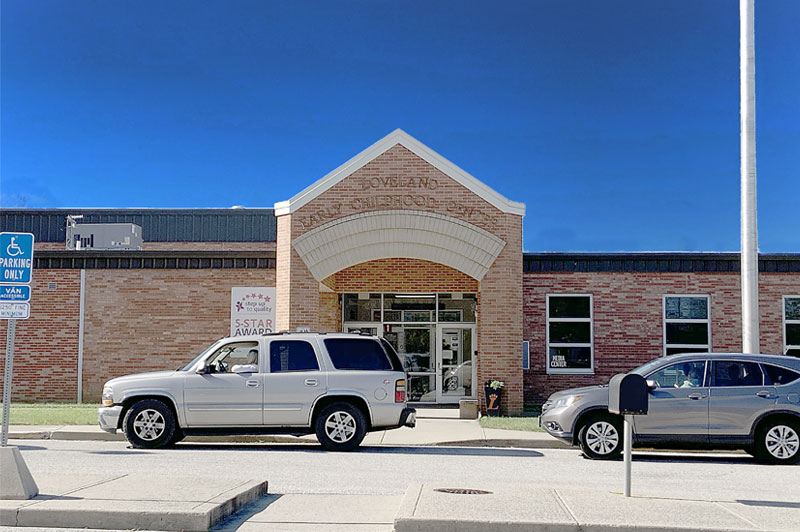
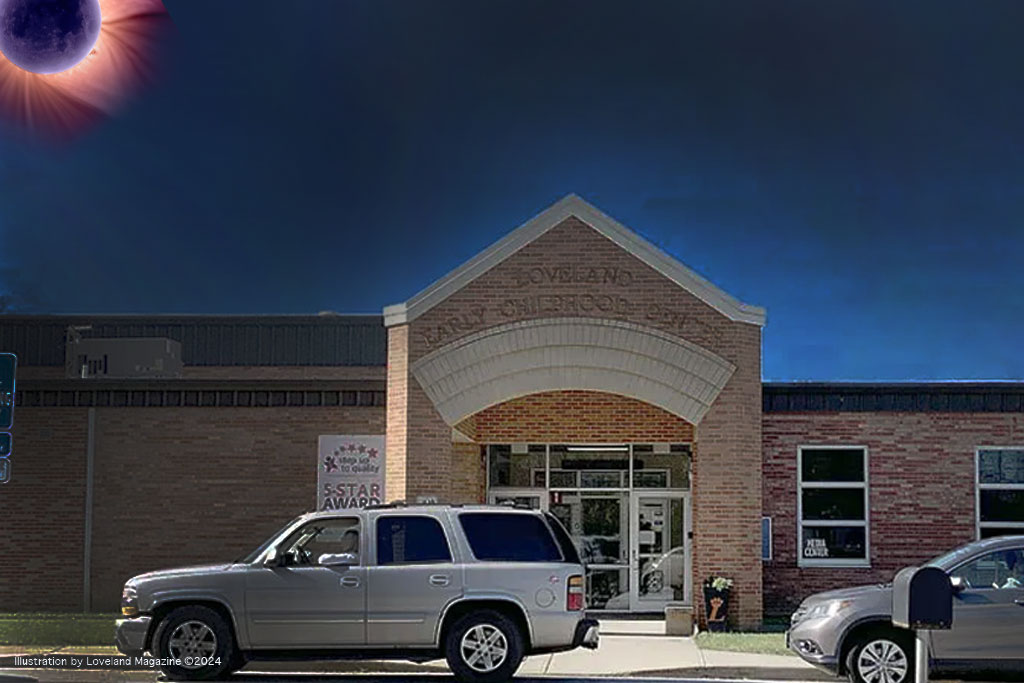
Loveland, Ohio – The Loveland City School District is partnering with the Loveland Police Department to conduct a safety drill tomorrow, Wednesday, May 29 at the Loveland Early Childhood Center.
During the drill, there will be a large number of police and fire vehicles at the school, and the building will be closed to visitors.
If you have any questions, contact the Loveland City School District Central Office at 513-683-5600.
Sweetheart Republican special interests often get everything they ask for in Ohio, while community advocates fighting every day to obtain proven policy solutions that improve the lives of Ohioans get largely ignored. Wealthy families and corporations continue to do phenomenally in the Buckeye State while millions get left behind, or outright attacked.
Back in 2010, Ohio was ranked by Education Week as having the 5th best public school system in the nation. Education Week’s last ranking was in 2021 and put Ohio at No. 20. A recent ranking from U.S. News & World Report puts Ohio education at No. 29. If you break those numbers down, Ohio sits at No. 21 for Pre-K to 12 education, and No. 37 for higher education.
Ohio ranks No. 31 in crime and corrections; No. 37 in economy; No. 42 in natural environment; No. 32 in infrastructure; and No. 29 in health care.
Take heart though, Ohio is sitting on $3.5 billion in the state’s rainy day fund and ranks No. 14 in fiscal responsibility. But don’t go counting those chickens just yet. Gerrymandered Ohio lawmakers want to end state income taxes, which would leave a $13 billion state budget deficit.
They say they could make up the money by raising the sales tax, cutting spending, and letting the economy allegedly “fix itself.” In other words, the rich get richer while everybody else pays a higher percentage of our income for other taxes and fees to make up the difference, and low-income families get their support services cut. This, in a state where 1 in 5 children already suffer food insecurity.
But wait, what’s this? Ohio ranks No. 11 in “opportunity”? What’s that mean? Well, it’s not economic opportunity. For that we rank No. 35. But it is affordable to live in Ohio, so we grabbed a No. 16 ranking for that.
We often hear from our leaders about what a great place Ohio is to do business. Surely we have a top-notch ranking there then, right? No. We rank No. 29 in business environment, No. 34 in growth, and No. 42 in employment.
The national average for renewable energy usage is 12.3%, and Ohio’s is 4.4%. We once had one of the robust commitments to alternative energy in the nation, but, if you’ll recall, that corrupt Ohio House Bill 6 law that DeWine signed same-day that was the product of a $60 million political bribery and money laundering scheme that awarded a $1.3 billion bailout to FirstEnergy and a couple of failing coal-fired plants? It also gutted the state’s renewable energy portfolio.
But hey, buck up, Ohio. We may not be No. 1 in anything. (In fact, we don’t even crack the Top Ten in anything good.) But at the end of the day, at least we can pick up our kids from one of our under-funded public schools or colleges, gather with our over-worked and under-paid family and friends, and get out in the sun to enjoy some pollution.
We could picnic at one of our favorite state parks, and take in the soothing views of a fracking operation.
“We’re No. 34! We’re No. 34!”
_________________
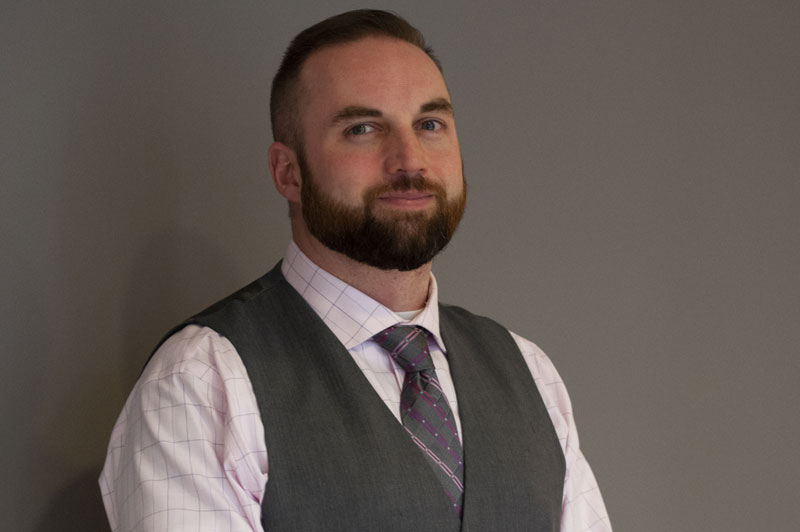
DAVID DEWITT
Ohio Capital Journal Editor-in-Chief and Opinion Columnist David DeWitt has been covering government, politics, and policy in Ohio since 2007, including education, health care, crime and the courts, poverty, state and local government, business, labor, energy, the environment, and social issues. He has worked for the National Journal, The New York Observer, and The Athens NEWS. He holds a bachelor’s degree from Ohio University’s E.W. Scripps School of Journalism and is a board member of the E.W. Scripps Society of Alumni and Friends. He can be found on X @DC_DeWitt
Christina Collins’ journey to become an educator started when she helped her grandfather read his mail.
He had dropped out in middle school, and had trouble with reading and understanding words, even ones specifically written for him.
Collins’ dad and brother both struggled in school as well, and it was through their struggles that she saw “how hard it was for some people to be successful.”
“So, those moments all kind of led to, for me, believing that literacy is a key civil rights issue,” Collins told the Capital Journal. “I mean, the ability to participate in the world around you is to be a literate human being.”
The Gahanna native became a high school English teacher, and cherished the interactions she’d have with students, the kids who seemed to be doing fine and the kids who struggled or made trouble.
“I was always very driven about recognizing every student, and getting other people to recognize every student to help support every student,” Collins said.
To this day, she gets messages from students who have moved on to become educators themselves.
That new generation of teachers is facing a whole host of new challenges, from culture war battles to ever-changing education standards, and Collins sees the developments in education statewide and nationally as a departure from the true aims of the field.
“Our pendulum has swung way too far over to seeing kids as test scores,” she said. “We should be finding every kid’s talents and getting them going in the right direction.”
Joining the board
While Collins was an educator, she taught her classes, kept up with the curriculum and all the other everyday roles of a high school teacher.
But she realized that, for other teachers, those roles didn’t include staying up all night reading legislation.
“I thought that was just a thing all teachers did,” she said. “I thought ‘well this is part of education, everybody’s reading legislation.’”
When her colleagues dispelled that belief, she realized perhaps her next move might be toward honing the policy that came from the statehouse into local school districts.
She became an administrator with the purpose of “being a filter for the noise” coming out of Columbus via policy mandates and standard changes, from Race to the Top and performance evaluations to the third-grade reading guarantee.
“There was a time when I was in a district as curriculum director where in five years there were four different sets of graduation requirements,” Collins said.
Feeling the impact of constant and rapid changes coming from legislative bodies who included many non-educators compelled Collins to run for a spot on the Ohio State Board of Education. She took her spot on the board right as one of the biggest level-sets ever to happen to Ohio education unfolded: the COVID-19 pandemic.
The pandemic brought school closures, virtual learning, a scramble to decide whether testing made sense among uncertain learning environments, and a reckoning when it came to what kids really needed from their educational facilities.
Amid the stress of teachers learning new roles, and parents learning what it takes to be a teacher, Collins saw the era as a point of hope, as a needed reflection period for policymakers and districts alike.
“I saw it as a key moment where we could just blank-slate reset and think differently about our education system,” she said.
Surely, she thought, the adaptation that students had gone through in their methods of socialization and learning will lead to changes in the way education is conducted. Surely things like student hunger and poverty that were so starkly spotlighted amid a global pandemic would stay at the forefront of the minds of leadership as they move forward.
“My experience on the board, especially that first year, I was like ‘can we think differently, can we think about competency-based learning models, how can we meet their needs?’”
As a member of the board, she was part of many discussions when it came to coming out of the pandemic and the needs of the education system. But those discussions didn’t go the way she’d hoped.
“It was like the rush to return to normal was the sole focus, and that was coming straight from the statehouse,” she said.
She wasn’t naive to the fact that the state Board of Education, whose candidates appear on nonpartisan ballots, had its conservative and liberal members. But discussions during the pandemic were markedly bipartisan, with some “more known conservative members” hearing the ideas of education reform related to pandemic-era impacts and thinking “maybe we should think differently,” according to Collins.
“Coming out of the pandemic, this culture of kids has changed, and I don’t think that we’re focused on the right things to meet their needs,” she said.
The tune coming to Collins and the rest of the board was the return of state testing and the return of “normal” in-person instruction, despite a years-long pivot to learning alternatives.
“At no point did (the state) slow down and address how we’re throwing (the students) all back together,” Collins said.
The legislature paused testing amid the pandemic, and policymakers sought to allow schools to move forward without reflection on the tests that were conducted, some through federal mandate, at least for a while. But as 2022 rolled around, the restart of testing became a discussion at the legislative level again, a decision Collins thinks should have been put on the back-burner a little longer.
“That was a moment where we should have delayed, there should have been a bit longer before that happened again,” she said.
Culture wars over change
When the pandemic seemed to be in the rearview mirror, the board’s work didn’t slow down, instead shifting to an area Collins wasn’t quite expecting: culture wars.
She hadn’t been fully caught off-guard when anti-racism resolutions brought white-hot debate to the board’s door, or when proposed Title IX language changes brought along talk of transgender rights in schools. Her seat on the board was barely warm when she started receiving emails accusing her of being anti-American and even socialist, all based purely on the fact that she was an educator, she said.
“I think I’m still a little shocked that in Ohio we’re at a point where we’ve had those kinds of culture war issues,” Collins said. “I don’t believe the majority of Ohioans want those issues to be at the forefront.”
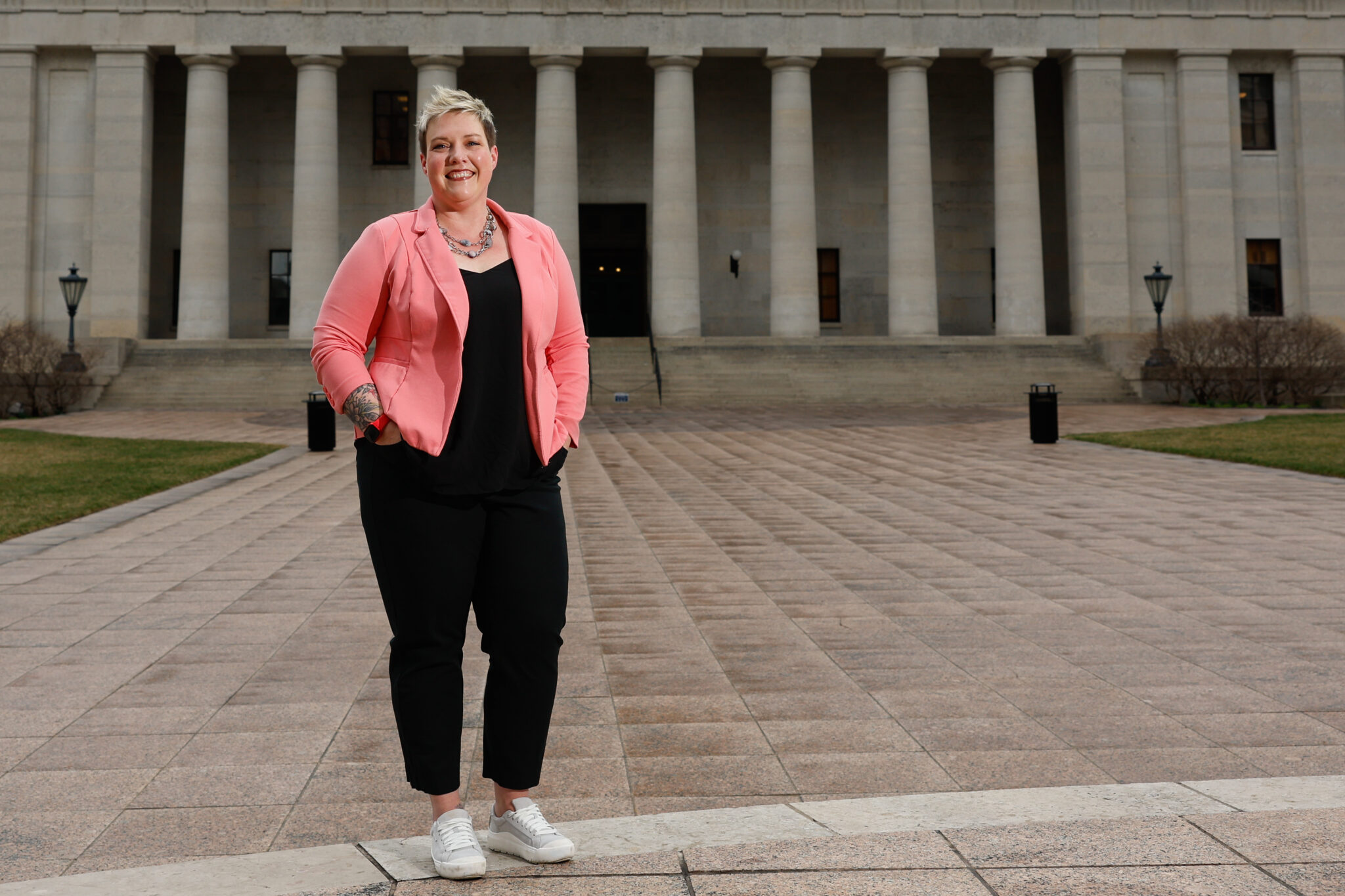
COLUMBUS, OH — MARCH 05: Christina Collins, former State Board of Education member and currently the head of Honesty for Ohio Education a pro-public schools organization that testifies in favor of fair school funding, March 5, 2024, outside the Statehouse in Columbus, Ohio. (Photo by Graham Stokes for Ohio Capital Journal. Republish photo only with original article.)
Having those issues, which Collins acknowledged weren’t necessarily within the board’s purview, become months-long debates with resolution approval, then reversal, meant other things that the board could have been doing within the education space weren’t seeing the light of day.
“All of that was happening at the same time, which I think is how we lost that potential for change,” she said.
A bigger change was headed for the board, that would remove many of its responsibilities, and cause a shift that would eventually convince Collins to move on.
A bill had been floating in the Ohio legislature for more than a year. The more than 2,000-page policy would not only change the name of the Ohio Department of Education to the Ohio Department of Education and Workforce, but it would restructure the department to have two leaders under the umbrella of the governor’s cabinet, one for education and another for workforce.
The ODEW would still include the State Board of Education, but board members would be mainly focused on teacher licensure, educator disciplinary actions and district territory disputes.
State Sen. Andrew Brenner, R-Delaware, an ex-officio member of the board of education, was not the main sponsor of the bill, but pushed hard for it as chairman of the Ohio Senate Education Committee.
Arguments were made that the board was ineffectual and inefficient. Collins sees no reason to place blame for the way the board has worked, but from her perspective, the board filters legislative measures to the local districts as another cog in a wheel that needs improvement.
“The board’s seeming inability to get things done – which I don’t believe, but the rhetoric around it – I think that’s a reflection of what our local districts are dealing with because they are struggling to implement all of the things,” Collins said.
During committee hearings on the bill, members of the state board, including Collins, submitted testimony against the changes, saying putting the leaders under the governor’s cabinet would decrease the level of accountability they could have to districts and voters.
Collins brought up the many mandates under which the board had guided local districts, and the source of any and all of those mandates.
“These were all legislated efforts, but you’re still saying our schools are failing,” she wrote in her testimony. “I ask, who holds this (General) Assembly accountable when the unending educational initiatives it doles out do not work?”
The overhaul of the ODE did not play out in the first General Assembly in which it was introduced, but shortly after a new General Assembly came to work, the push for Senate Bill 1 and the changes to the department were introduced again.
Teachers unions, board of education members and advocacy groups alike all came out in opposition to the bill, representing hours of testimony in committee. Supporters of the bill included the Ohio Chamber of Commerce.
The bill passed the Senate last March, but it wasn’t until it was inserted into the state budget in the summer of 2023 that it saw full passage.
Collins was one of a number of board members who signed a letter asking Gov. Mike DeWine to line-item veto the changes to the state board’s roles in the budget document.
“From my experience being on the board, I think the way that (SB 1) was shoved through and how it was shoved through and when it was shoved through was a little bit unbelievable,” Collins told the Capital Journal. “Something that had essentially stalled in process was added (to the budget) and pushed through the way it was, and then that quickly it was (passed).”
Honesty for Ohio Education
As the board faced drastic legislative changes and a significant reduction in the authority it held, Collins started to wonder if being a member would help her make the most change, something she says she looks for in any career move she makes.
Armed with a superintendent’s license, she debated going back into schools. Ultimately, the departure of Honesty for Ohio Education’s executive director at the end of 2023, and the fact that she’d just had a baby that November made Collins reflect on all the aspects of education and the changes needed.
“It’s a scary time as a parent, it’s a scary time for education,” she said. “I’m worried about my own kids, I’m worried about everyone else’s kids.”
As a staunch supporter of public education, the changes being made on a state level with the transformation of the ODEW and the implementation of near-universal private school vouchers made her nervous about the future of her chosen field.
But like the times with her grandfather years ago, the connection between education and civic duty floated to the top of her mind.
“On a grander scale, I’m really, really, really worried that we’re losing our democracy, and for me education and democracy are in this reciprocal relationship,” Collins said.
Honesty for Ohio Education started in 2021 as a reaction to “critical race theory” bills that sought to keep children from learning the connection between race and American history, with claims that the bills would protect children from feeling guilt for history.
The group started small, but as they began testifying against CRT bills, among others, the group’s numbers grew, and now the coalition “has outgrown itself” from its nascent days, according to Collins.
“That’s a response to the attacks on education, it’s the attacks on LGBTQ+ kids, it’s the attacks on multi-racial education, it’s the attacks on honest history,” she said. “All of that … has created this avalanche with Honesty where we’re at this influx, where we have to decide how we step into adulthood, essentially.”
But as the coalition makes its next moves, Collins said it plans to stay focused on things like state curriculum, fights against book bans and how schools can work better, even for the 10% of students outside of the public school system.
“It’s not just public education … it’s about the kids everywhere in any educational environment who deserve to be safe and have honest and diverse, inclusive education,” Collins told the Capital Journal.
The coalition focuses on content in schools, but Collins said the ability for school districts to succeed certainly comes down to how well they’re funded and supported by state and local sources.
Public education is a “common good” for Collins, and that means the 90% of Ohio children in public education should be taken care of in the way the Ohio Constitution dictates. For public education unions, advocacy groups and for Collins, that includes full implementation of the Fair School Funding Plan.
That reform of the state’s public school funding model emphasizes a formula based around the needs of individual school districts, to allow schools who have more need than others to build up their performance.
The plan as it is now began it’s push through the legislature in August 2020 but negotiations and the hesitance of legislative leaders like Senate President Matt Huffman to push out the entire $10 billion per year plan in one shot led to a six-year phase-in. The plan is currently up to about 66% implementation.
Meanwhile, however, the General Assembly fully funded what amounts to a near-universal private school voucher program in the last budget cycle, allowing students in what are considered under-performing public school districts to leave and take state-funded scholarships with them to nearby private schools if their household income is up to 450% of the federal poverty level, or $135,000 for a family of four.
“When we pass universal voucher bills that give more money to students when they leave the school than a lot of the schools receive for that student, that’s a sign of the value that at least our legislature places on public education kids,” Collins said.
SUSAN TEBBEN
Susan Tebben is an award-winning journalist with a decade of experience covering Ohio news, including courts and crime, Appalachian social issues, government, education, diversity and culture. She has worked for The Newark Advocate, The Glasgow (KY) Daily Times, The Athens Messenger, and WOUB Public Media. She has also had work featured on National Public Radio.
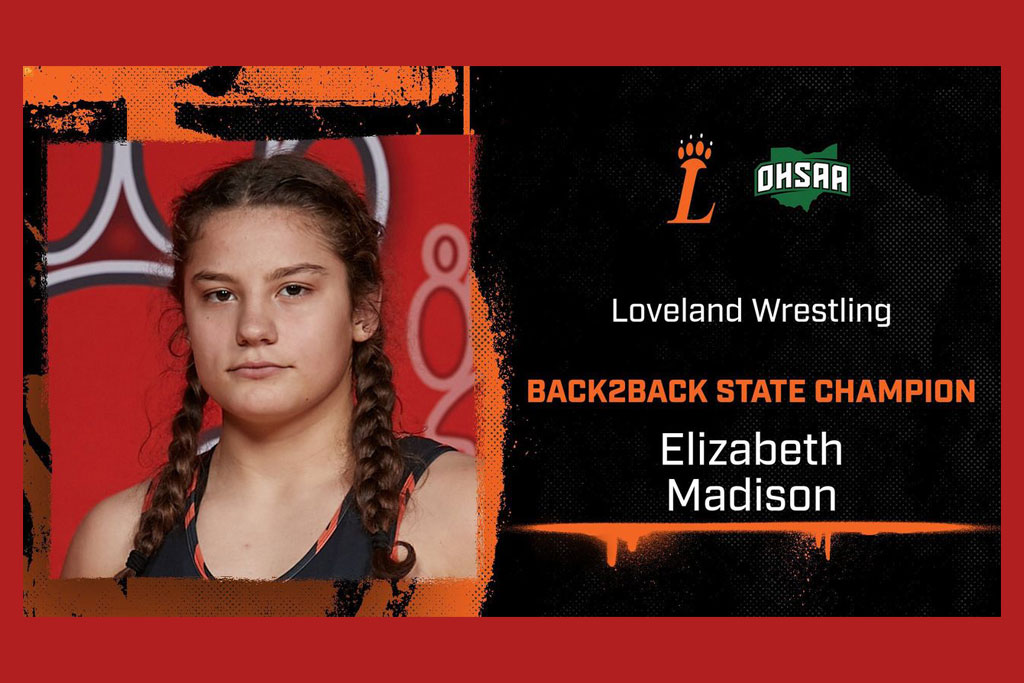
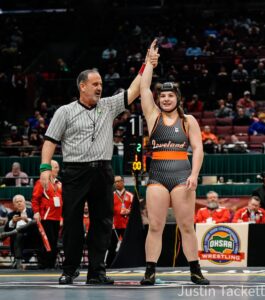
Loveland, Ohio – On Sunday, March 10, Loveland High School Sophomore Elizabeth Madison (39-1) won her second straight Div I State Title in Wrestling at 170 pounds.
Loveland, Ohio – Did you know more than 6 million Americans have one or more developmental disabilities (DD)? That means about 15 percent of the United States population is living with DD. Over the few past decades, individuals with DD and DD advocates have been fighting for inclusion and equal opportunities within their communities and the workforce. Without help from leaders and social reformers like Dorothy Dix, Helen Keller, Eleanor Roosevelt, Martin Luther King Jr., Ronald Reagan, and George Bush, to name a few, both National Developmental Disabilities Month and the Americans with Disabilities Act wouldn’t exist.
“It’s just basic human needs not special needs.” – Courtney Hineman
In 1987, President Ronald Reagan made a public announcement asking Americans to provide individuals with DD “the encouragement and opportunities they need to lead productive lives and to achieve their full potential.” Reagan’s powerful message not only established the month of March as National DD Awareness Month, but his advocacy also led to the Americans with Disabilities Act (ADA) being passed in 1990 by George Bush. The ADA officially made it illegal to discriminate against individuals with disabilities.
Once the ADA passed, DD advocates across the world began to take a stand, using their own experiences and success stories to promote equal rights. Although progress has been made in the DD community there are still many obstacles’ individuals with DD face every day. This is why National DD Awareness Month is a time to celebrate the achievements of those with DD and take the time to educate yourself and those surrounding you on the importance of including individuals with DD in all aspects of community life!
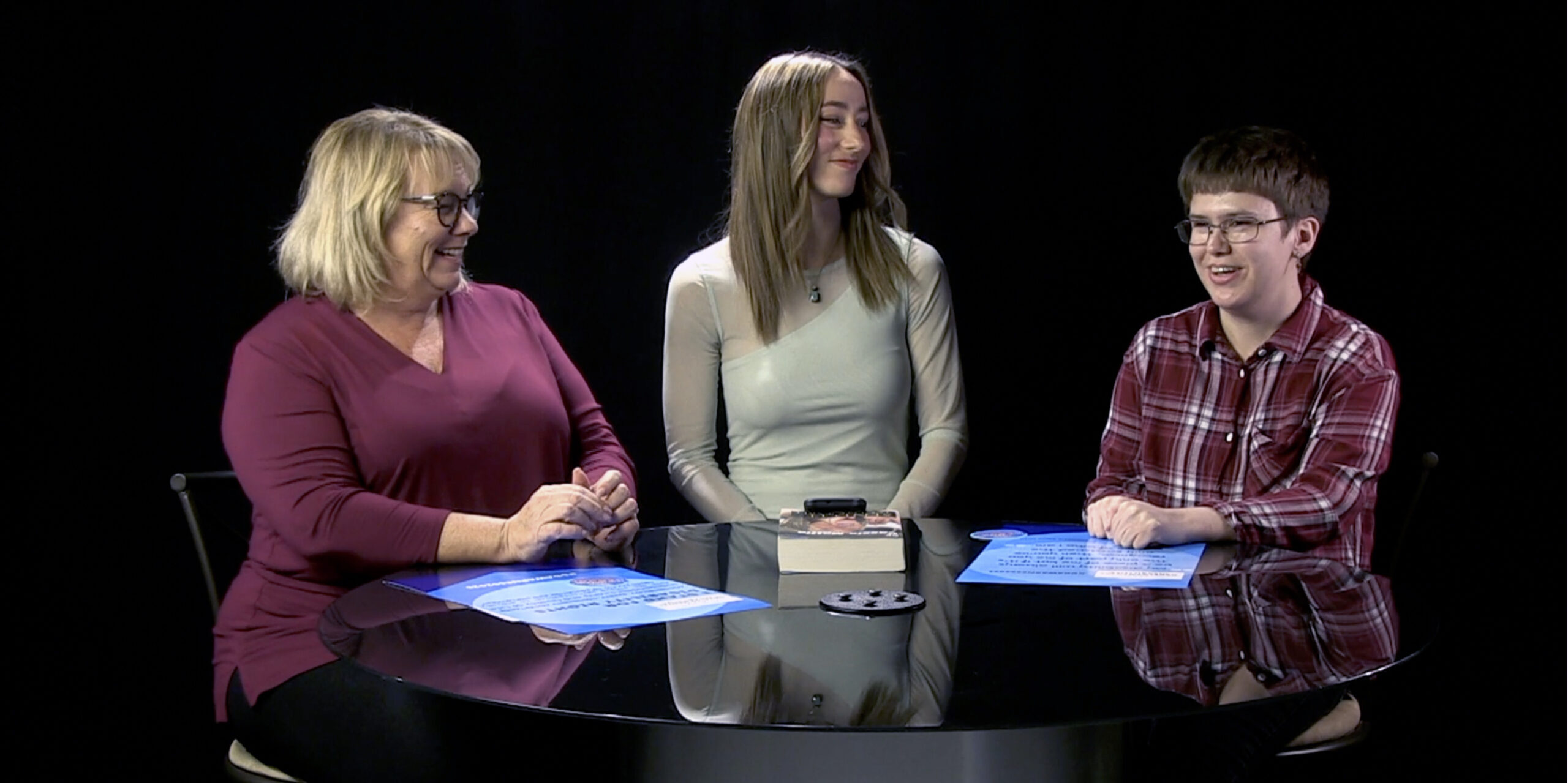
In light of this very special March celebration, I decided to again share an interview that I conducted in March of 2023 on my Loveland Magazine TV Table of Discussions with two of the most respected DD advocates in Ohio, Connie Mehlman now a Consultant with Best Buddies International and Courtney Hineman, the Community Outreach Advocate for Butler County Board of Developmental Disabilities! Connie and Courtney have paved the way for inclusion and equality within the DD community giving them both a plethora of knowledge when it comes to educating others about how they too can advocate for individuals with DD. Connie has since retired from her job with Butler County.
I am pleased to rebroadcast my Table of Discussions episode featuring Connie Mehlman and Courtney Hineman! Happy DD Awareness Month!
In celebration of National Developmental Disabilities Month, Courtney wrote an Opinion Editorial in 2023 about what it’s like to live with developmental disabilities and how the community created equal opportunities for her.
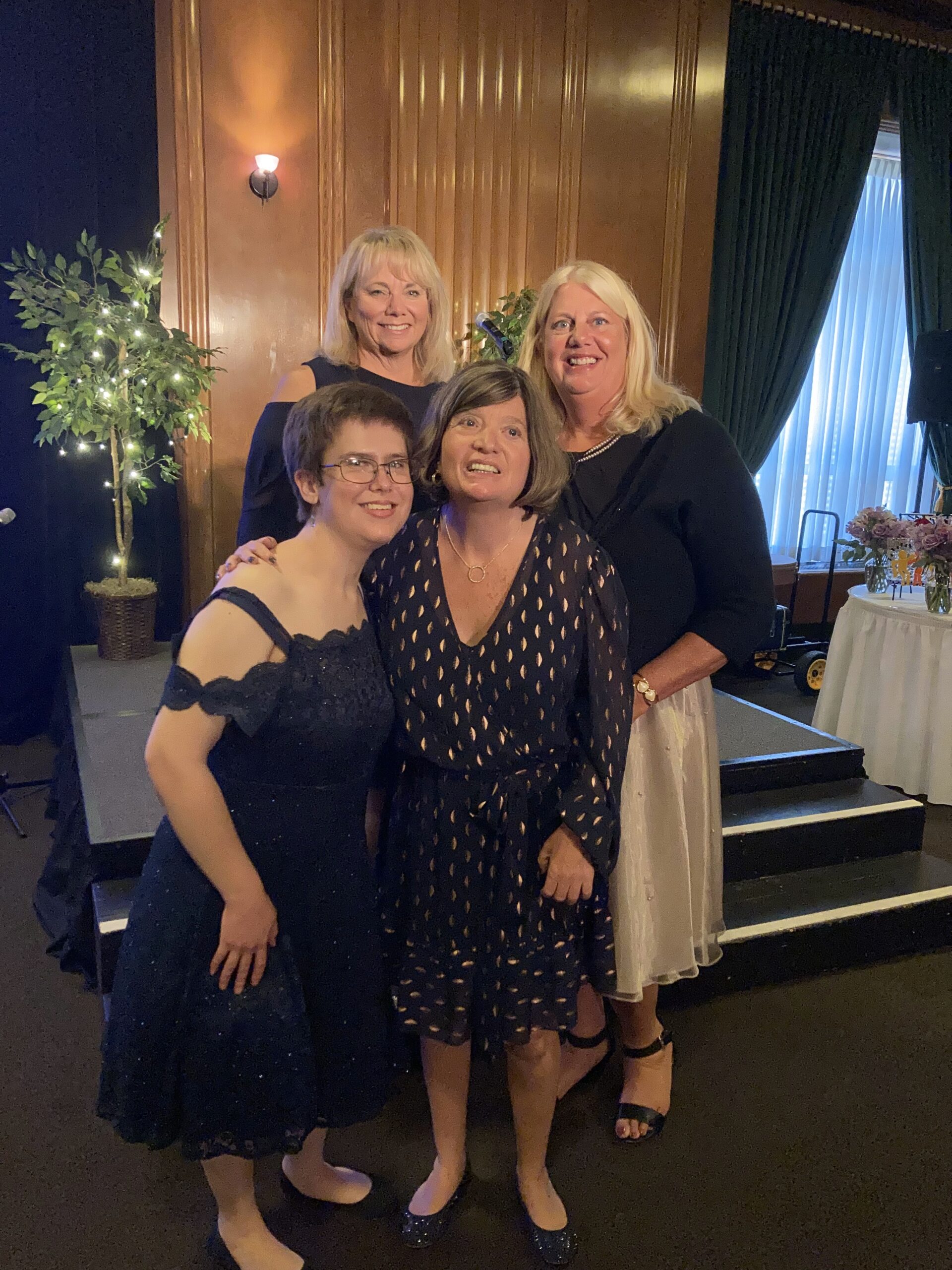
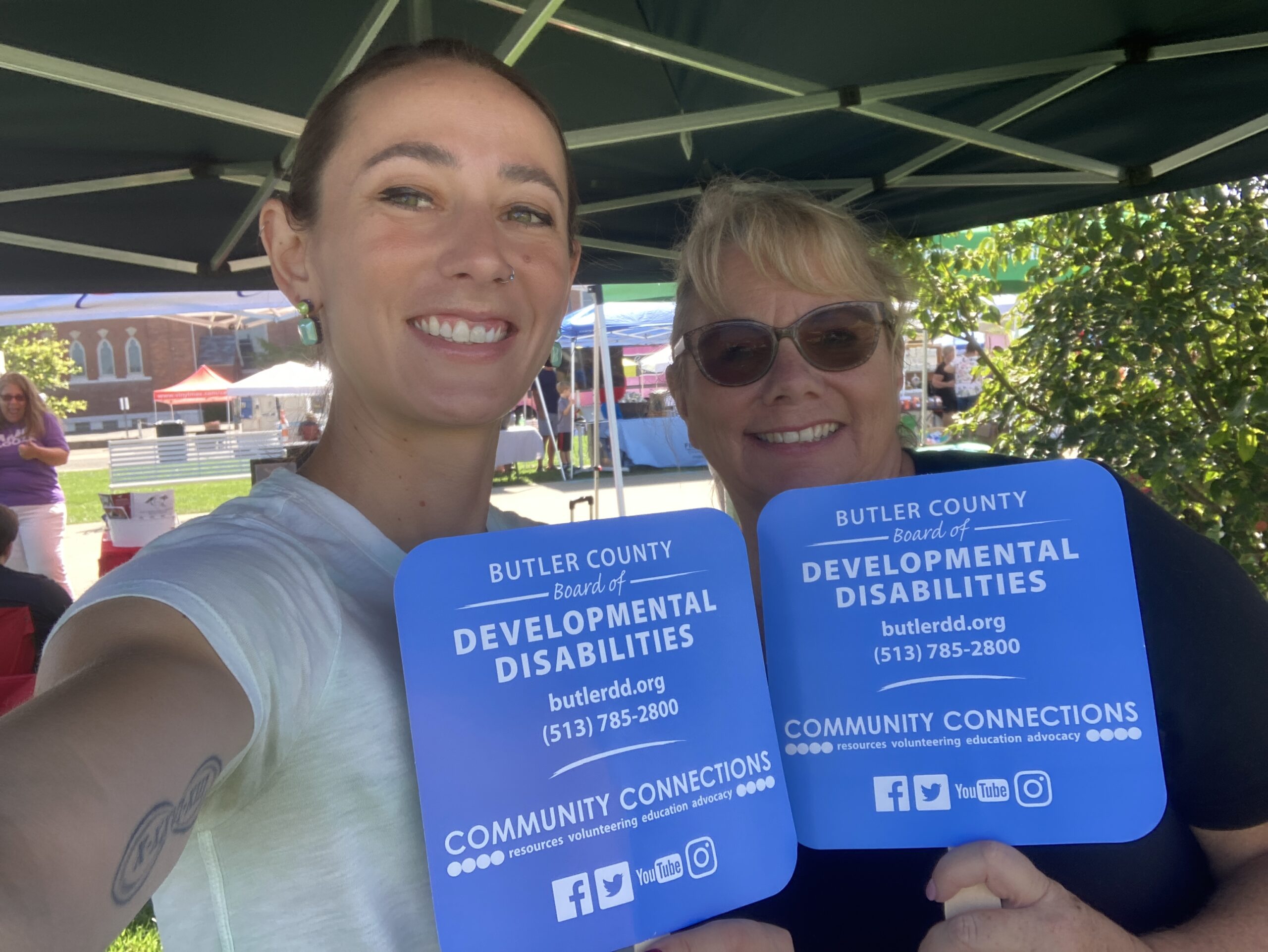
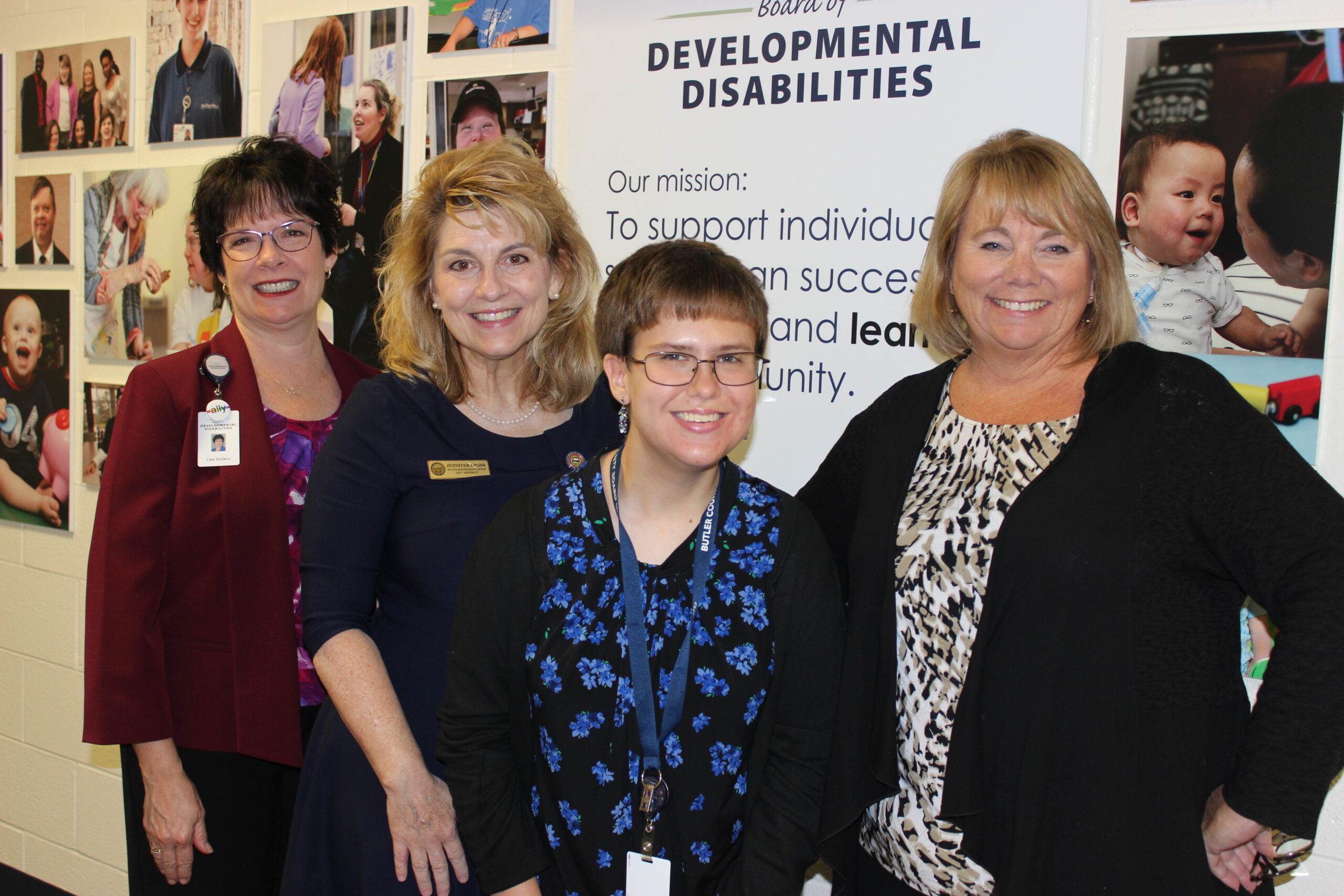
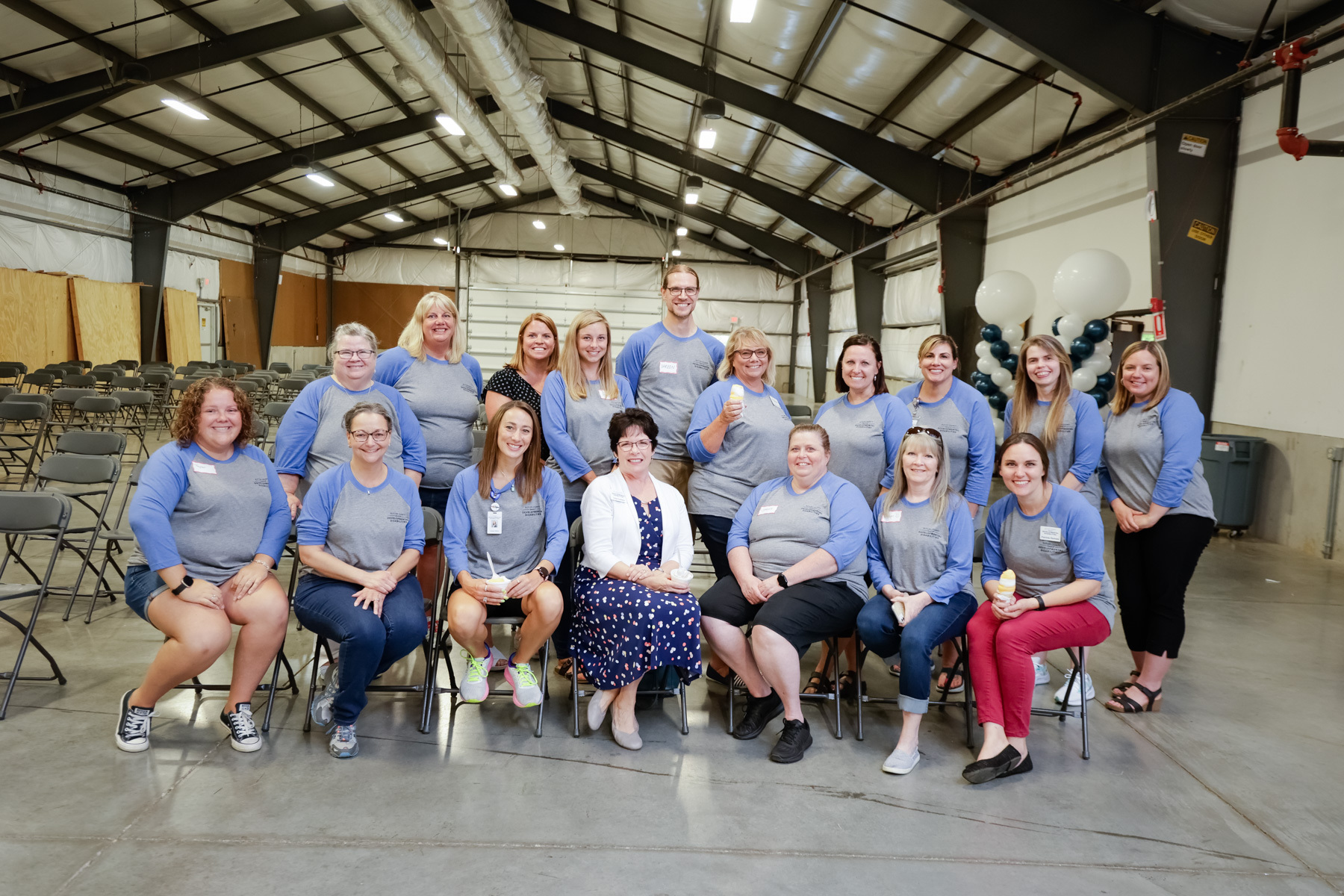
Courtney Hineman is a disability rights advocate. She is the Community Outreach Advocate at the Butler County Board of Developmental Disabilities and was appointed by Governor DeWine to the Ohio Developmental Disabilities Council for the second term. She is a member of Butler County’s self-advocacy group, and has enjoyed participating in Best Buddies.
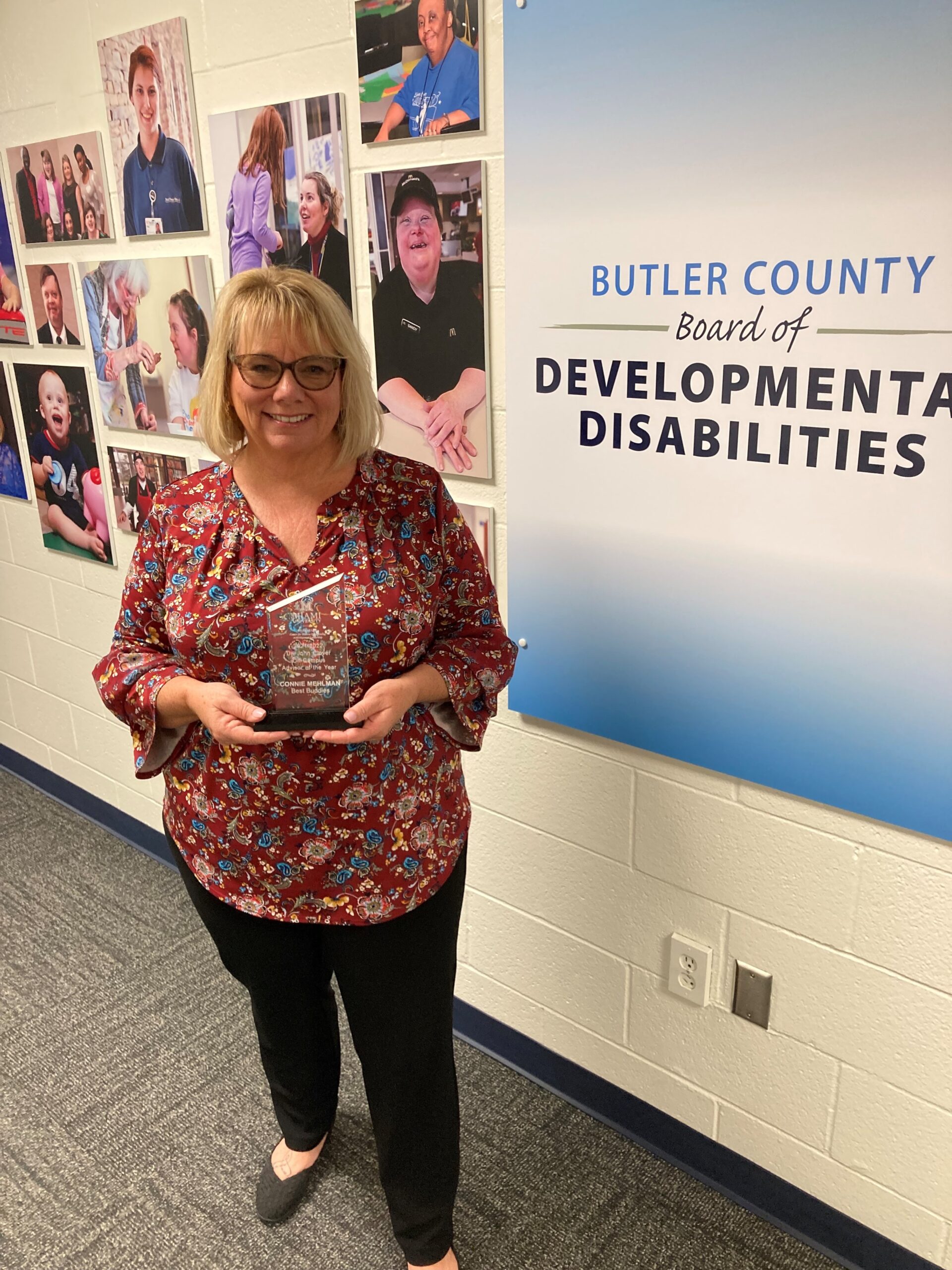
Connie Mehlman is the Community Connections Coordinator for the Butler County Board of Developmental Disabilities. She has more than 35 years of experience both working and volunteering in the field of intellectual and developmental disabilities. She is currently serving as the Chairperson for Best Buddies Ohio and is very active in the Miami University Best Buddies Chapter.”
______________________
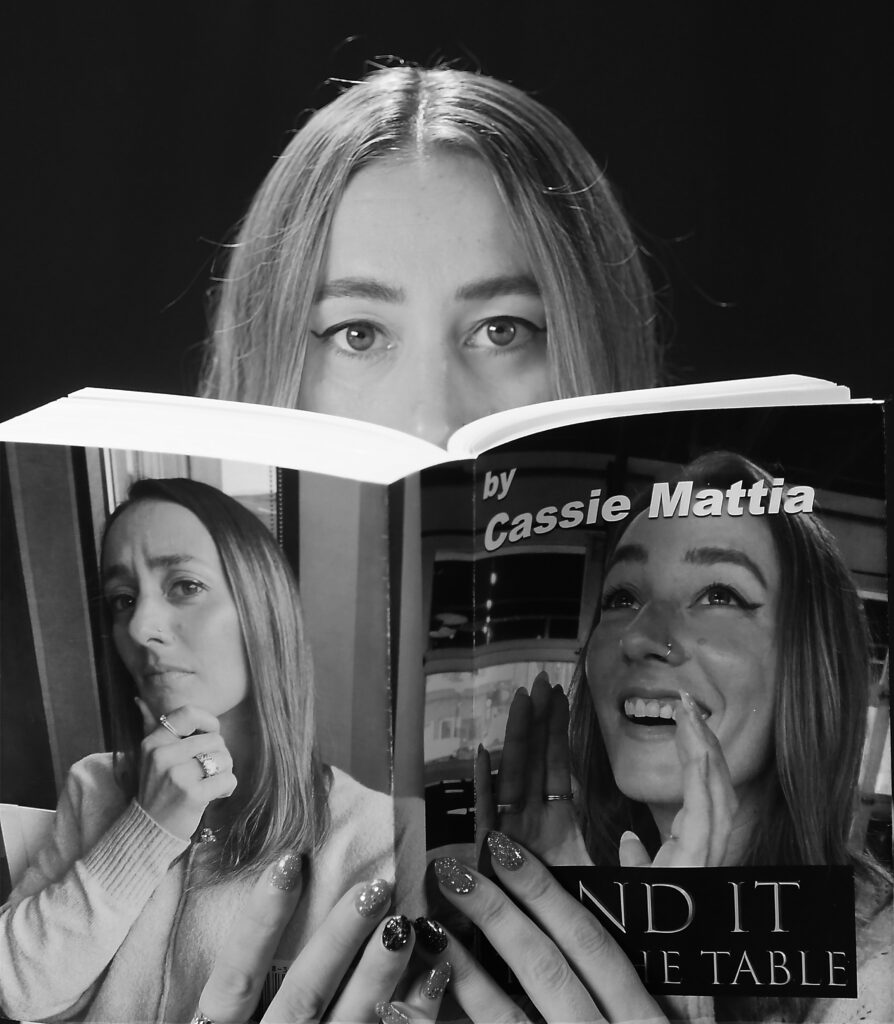
Cassie Mattia is the President and Publisher of Loveland Magazine, Cassie Mattia is a resident of Historic Downtown Loveland and the Public Relations Coordinator at Butler County Board of DD. Cassie was awarded the Little Miami River Chamber Alliance 2021 Young Business Professional of the Year.
Loveland, Ohio – The Loveland High School Game Day Competition team competed at the Universal Cheerleaders Association (UCA) National High School Cheerleading Championship in Florida.
“Not only did they get the fantastic experience of competing against the best cheerleading teams in the country, they represented Loveland in an amazing way.”
The LHS Game Day Competition Team finished second in the nation in the Varsity DII-Non-Building-Game Day Division. This is the first time in school history that our cheerleaders made the finals, and it marks the highest point total and highest finish in LHS history.
Loveland, Ohio – There will be no school for students on Monday, April 8 for students in the Loveland City School District. A partial solar eclipse will cross over Loveland that day and Superintendent Mike Broadwater has announced, “The timing of the eclipse presents a safety challenge. The eclipse will stretch over a period of about two hours around afternoon dismissal time. Students would be on buses, walking, or driving home when the eclipse hits its peak, making it very challenging for students to view this once-in-a-lifetime event safely”.
Broadwater continued, “I understand that a change to the schedule may be an inconvenience for families, which is why we’ve made this decision now, to give everyone time to prepare. Staff will still report to work on April 8 and use the time for professional development and training.”
David Miller is the Managing Editor of Loveland Magazine
by David Miller
Loveland, Ohio – On National Letter of Intent Day in the Chuck Schmidt Gymnasium at Loveland High School, Athletic Director Rich Bryant officiated the Winter Athletic Signing Day ceremony.
Congratulations to the following student-athletes who will be continuing their athletic careers at the collegiate level:
Alexis Bullock – Soccer-Warner University
Drew Murnan– Cheer-University of Cincinnati
Drew Holman– Football-Ashland University
Julius Vorbroker– Football-Thomas More University
Zach Gleason– Lacrosse-University of Detroit Mercy
Sebastian Jordan – Lacrosse-Mount Vernon Nazarene University
National Signing Day is traditionally the first day that a high school senior can sign a binding National Letter of Intent for a collegiate sport with a school that is a member of the National Collegiate Athletic Association (NCAA) in the United States.*
Loveland, Ohio – At the January 9th Loveland City School District Board meeting, newly elected Board members Lynn Magan and Christina Jeranek took their oath of office. The five-member Board then voted unanimously to elect Jonathan Eilert to serve as President and Lynn Mangan to serve as Vice President.
Lynn Mangan is the Loveland School Board Vice President. She was elected to the Board in November 2023 and her term expires 12/31/27. manganly@lovelandschools.org
You can email the entire Loveland City Schools Board of Education, by sending an email to: board@lovelandschools.org
The Loveland City Schools Board of Education holds its Business Meetings on the third Tuesday of the month at 6 p.m. in the LMS/LIS Media Center unless otherwise noted.
January 23, 2024 (4th Tuesday)
February 20, 2024
March 19, 2024
April 16, 2024
May 21, 2024
June 25, 2024 (4th Tuesday)
August 20, 2024
September 17, 2024
October 15, 2024
November 19, 2024
Board Work Sessions are held at the Board of Education Administrative Office Conference Room at 6 p.m. unless otherwise noted.
February 6, 2024
March 5, 2024
April 2, 2024
May 7, 2024
August 6, 2024
September 3, 2024
October 1, 2024
November 7, 2024



 Collins’ dad and brother both struggled in school as well, and it was through their struggles that she saw “how hard it was for some people to be successful.”



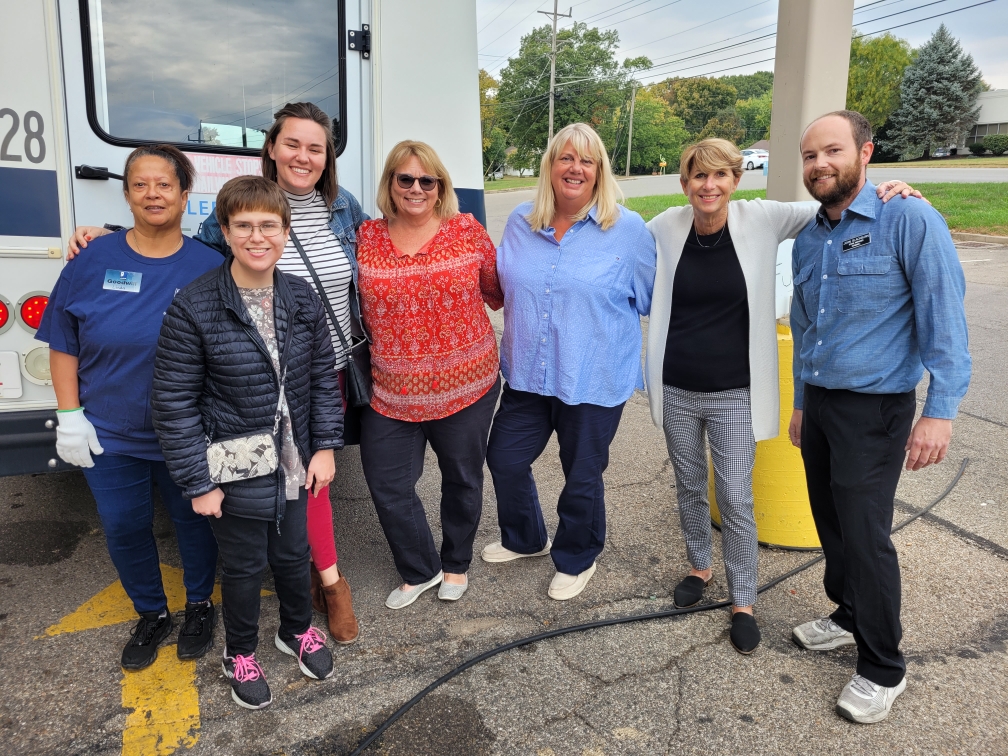
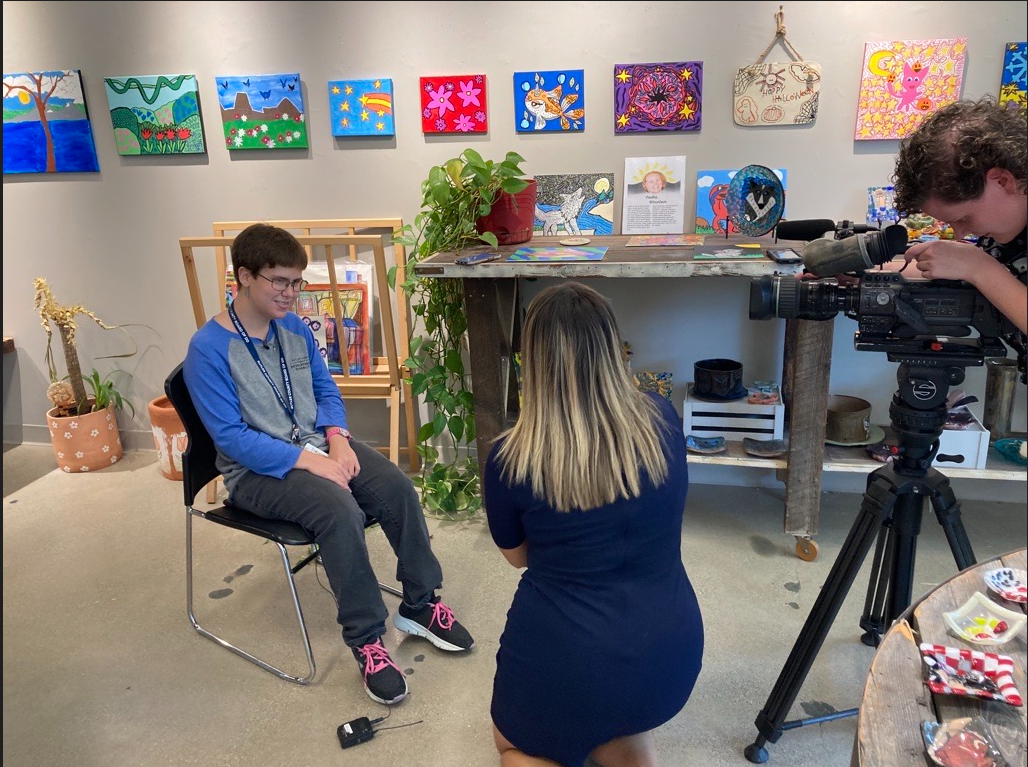
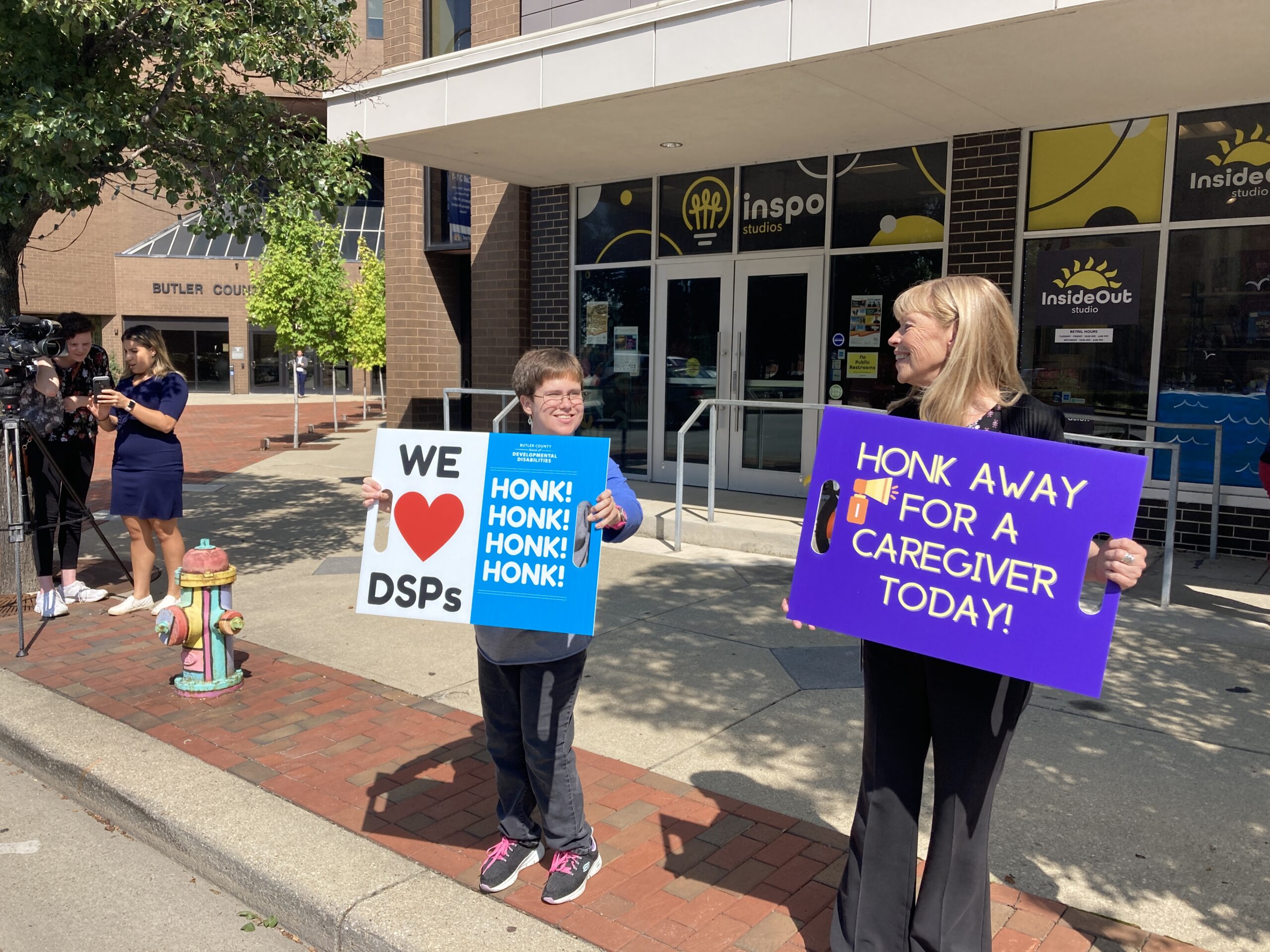
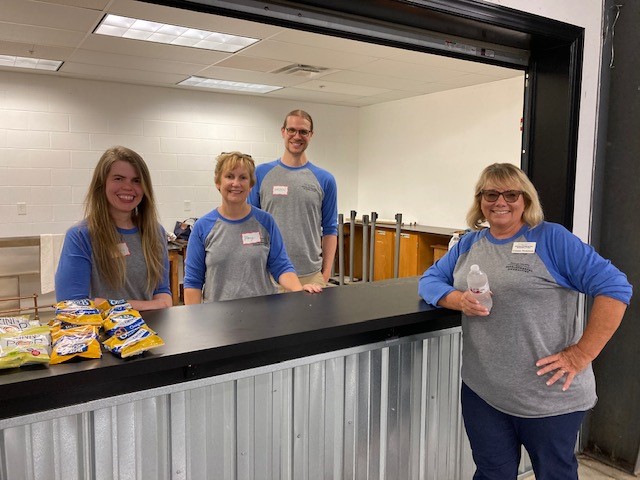
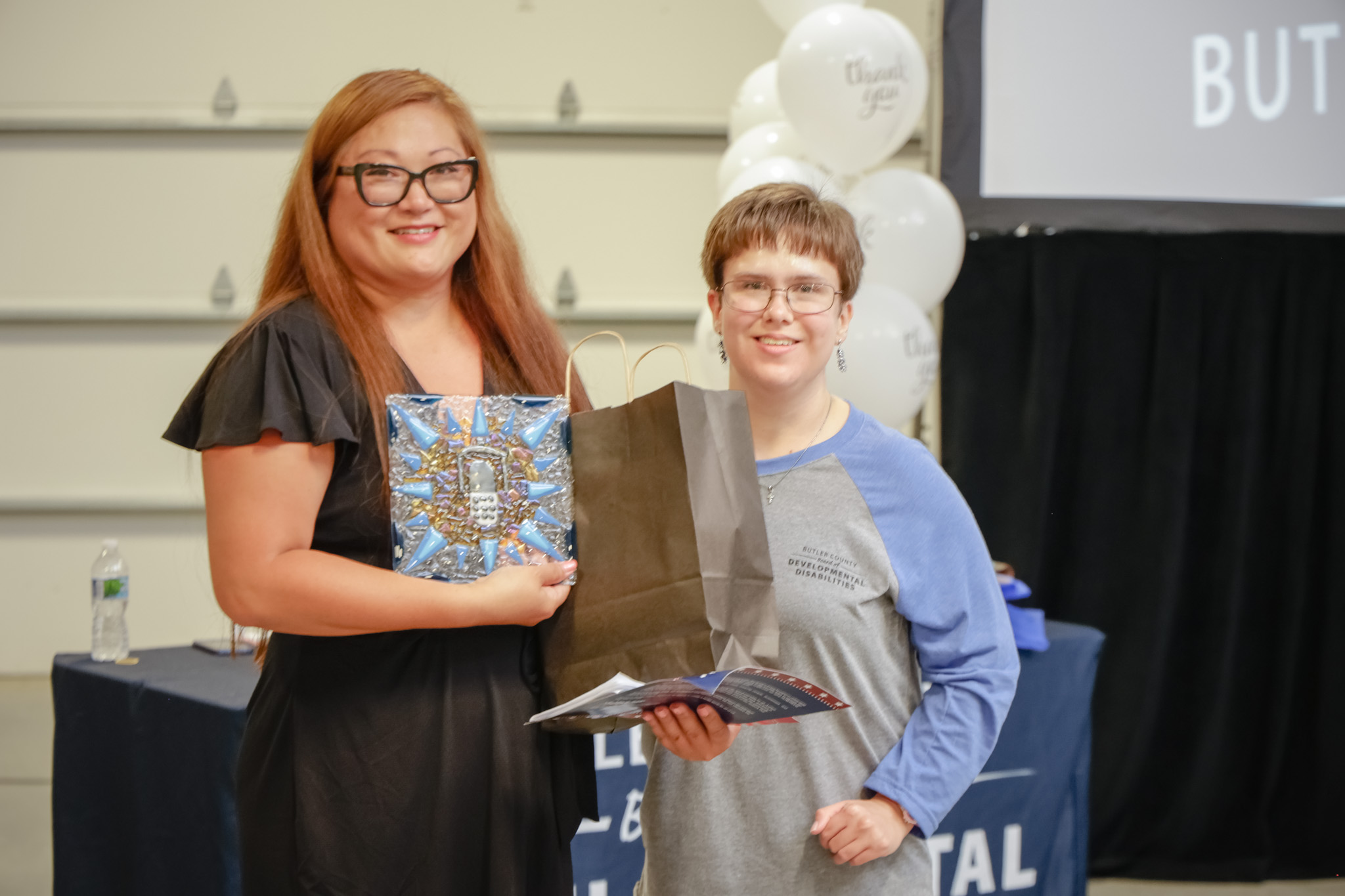
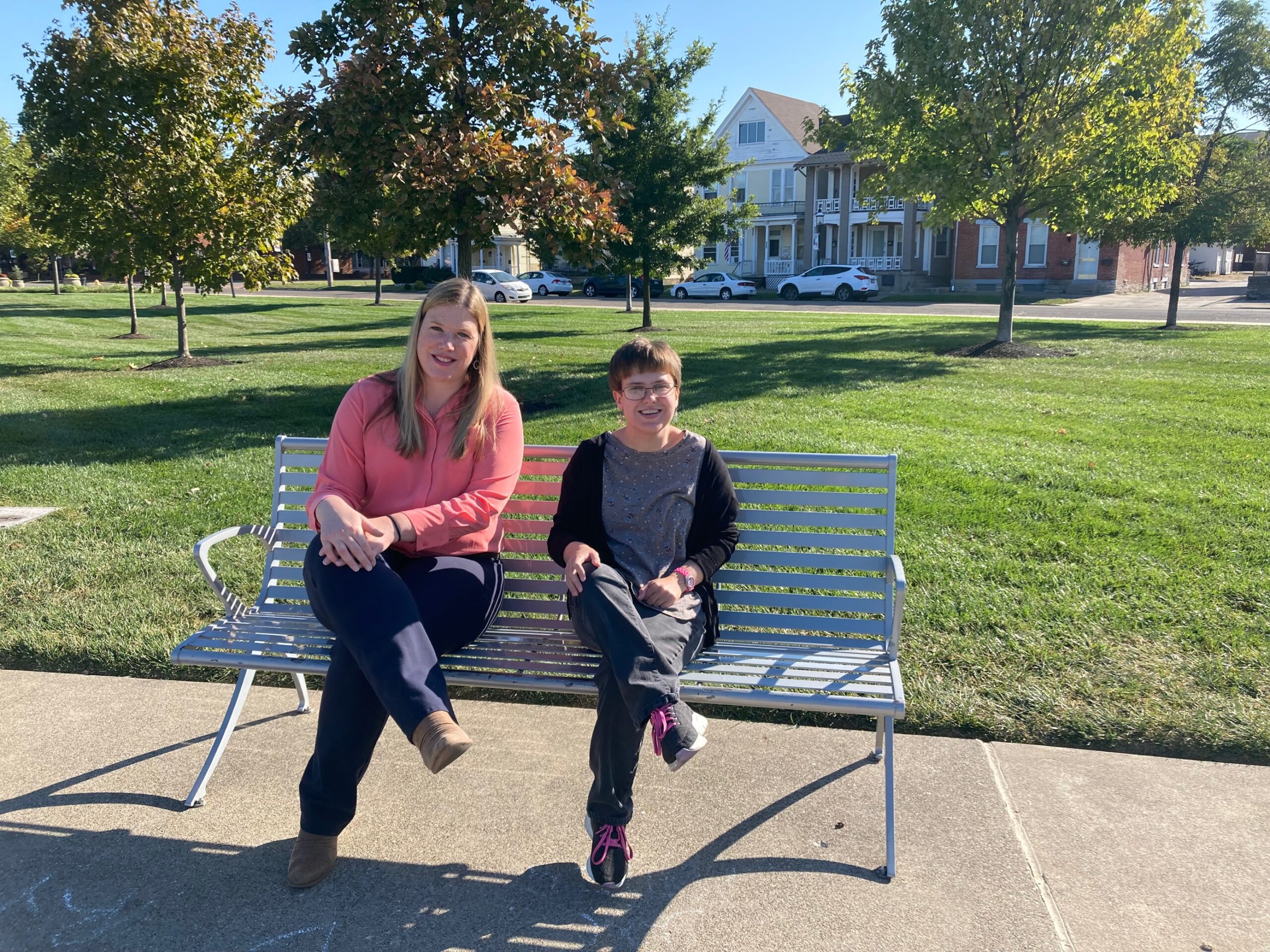
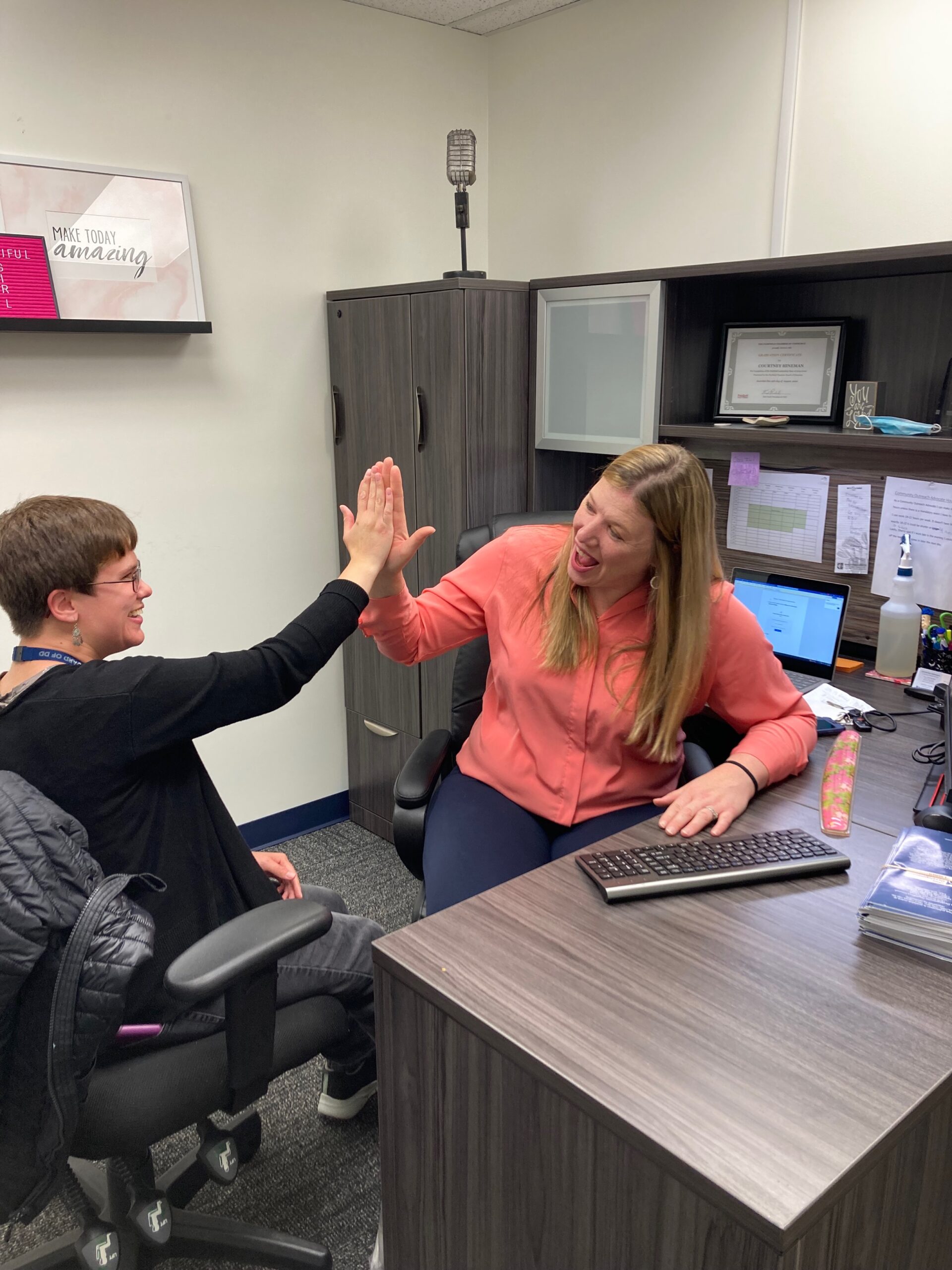
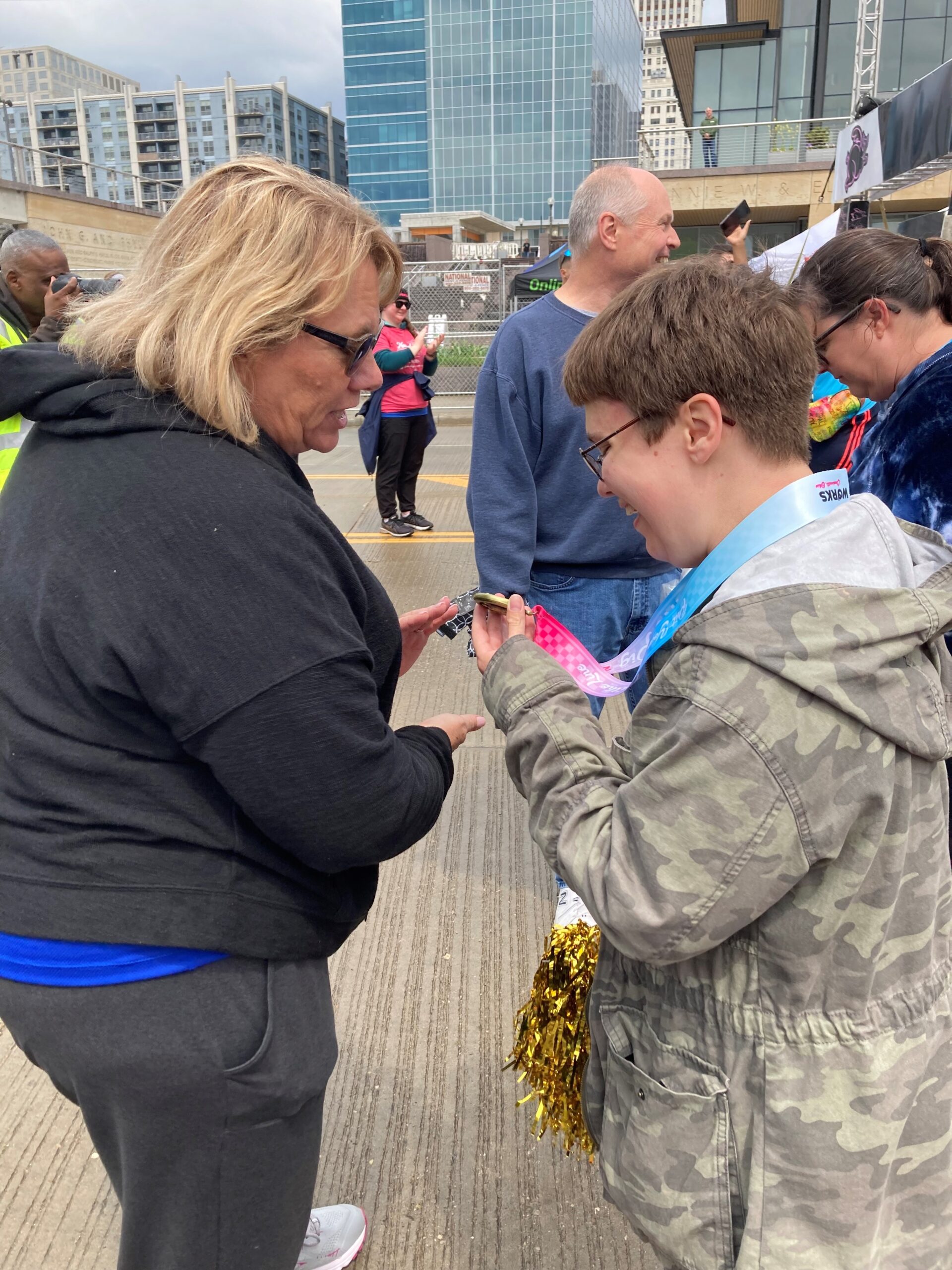

 Courtney Hineman is a disability rights advocate. She is the Community Outreach Advocate at the Butler County Board of Developmental Disabilities and was appointed by Governor DeWine to the Ohio Developmental Disabilities Council for the second term. She is a member of Butler County’s self-advocacy group, and has enjoyed participating in Best Buddies.
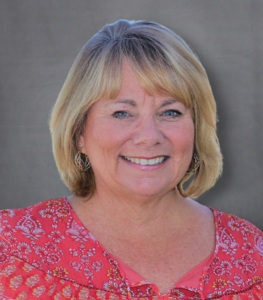 Connie Mehlman is the Community Connections Coordinator for the Butler County Board of Developmental Disabilities. She has more than 35 years of experience both working and volunteering in the field of intellectual and developmental disabilities. She is currently serving as the Chairperson for Best Buddies Ohio and is very active in the Miami University Best Buddies Chapter.”
 Cassie Mattia is the President and Publisher of Loveland Magazine, Cassie Mattia is a resident of Historic Downtown Loveland and the Public Relations Coordinator at Butler County Board of DD. Cassie was awarded the Little Miami River Chamber Alliance 2021 Young Business Professional of the Year.
![[VIDEO] Winter athletic National Signing Day at Loveland High School](https://lovelandmagazine.com/wp-content/uploads/2024/02/national-signing-day-loveland-high-school.jpg)