Tag: grailville

  • 89 acres of Grailville could become dedicated green space in perpetuity

    89 acres of Grailville could become dedicated green space in perpetuity

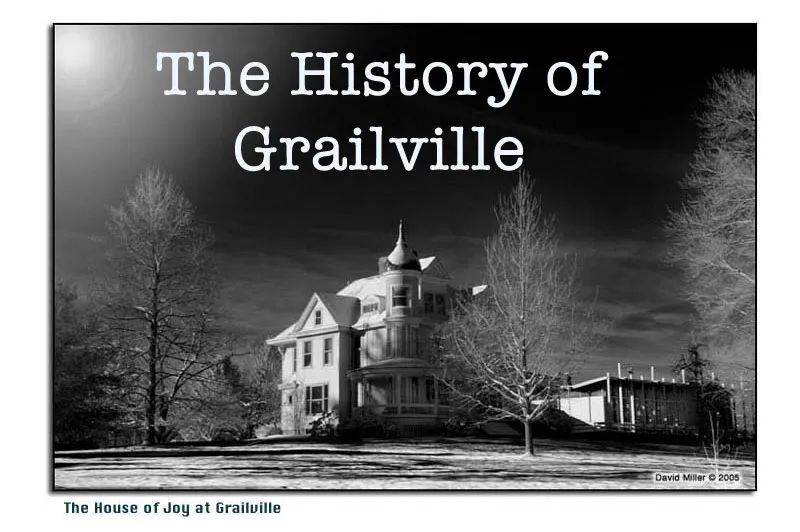
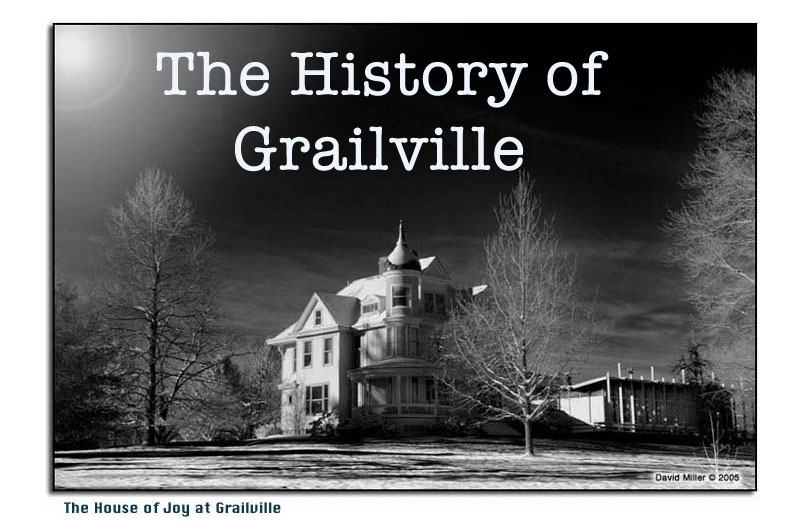
    The House of Joy at Grailville (Loveland Magazine 2005 file photo)

    by David Miller

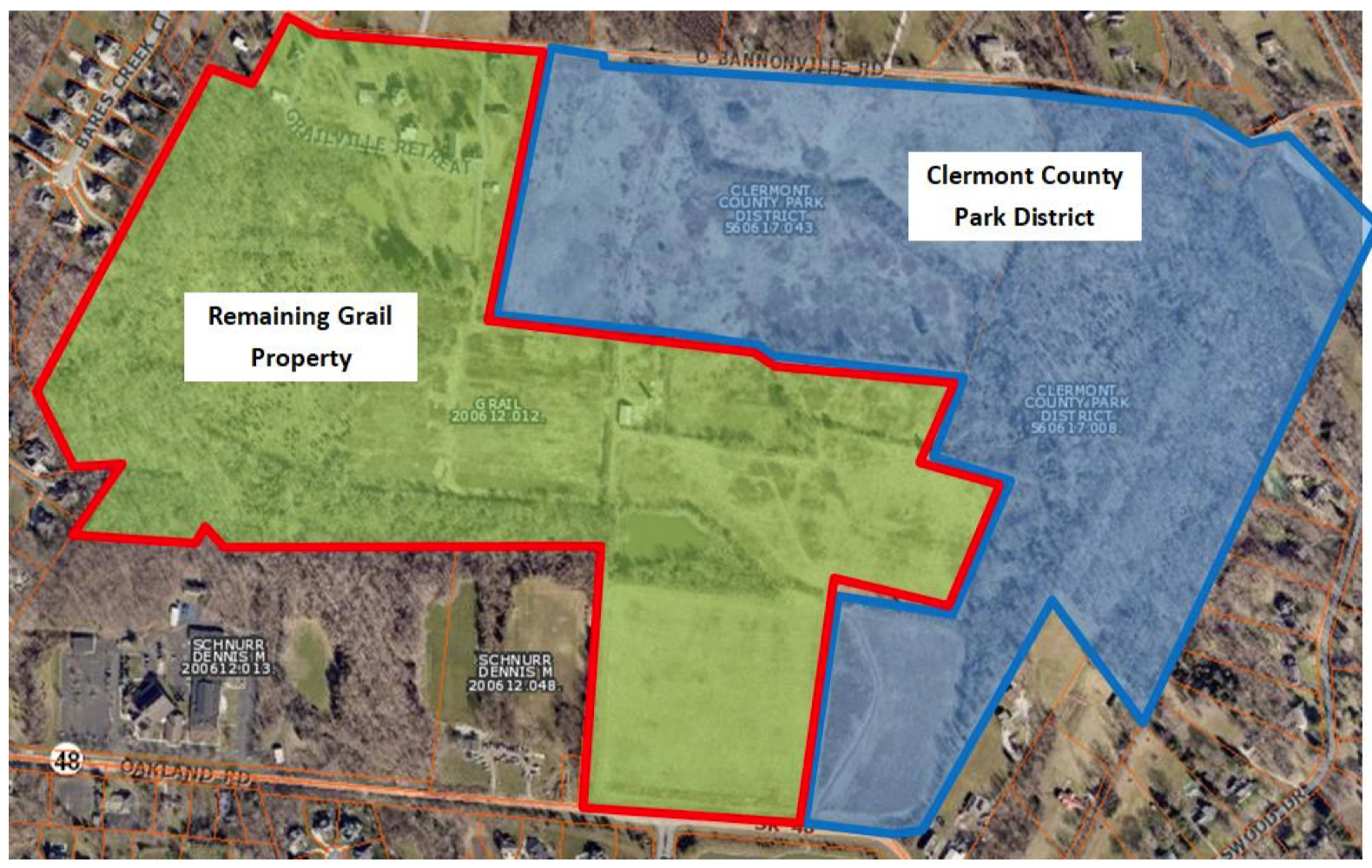
    Loveland, Ohio – On Tuesday, City Council will be asked to support a grant application that will be submitted by the Cardinal Land Conservancy to the Clean Ohio Conservation Fund, for funding to purchase 89 acres of the remaining Grail property that is within the city’s corporation boundaries.

    This is the site where Drees Homes was denied the zoning change they requested in 2022 after local residents filled Planning and Zoning chambers to urge that the site be protected. The Kentucky home builder had requested the land become a Special Planning District which could have allowed 209 homes on the site. The same parcel is also where the Loveland City School District proposed building a campus until the funding they wanted was denied by voters in 2019.

    The site is bounded by O’Bannonville Road and State Route 48 (Oakland Road).

    After the re-zoning Drees requested was denied, local Grail members and other local residents coalesced to find the solution that will be presented to City Council on Tuesday.

    If acquired by the conservancy, the 89 acres of land would be deeded as dedicated green space in perpetuity. The proposed purchase by the conservancy would be adjacent to the 100-acre Clermont County Park District property, which was also acquired from the Grail using Clean Ohio funding.
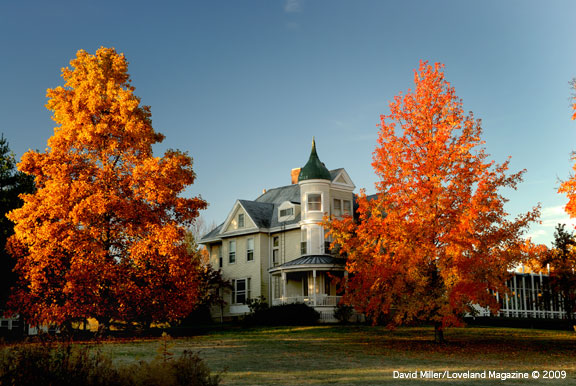
    House of Joy at Grailville (Loveland Magazine 2009 file photo)

    The Conservancy is proposing to portion off the area surrounding the existing structures to allow them to be renovated and utilized for their offices and community meeting space.

    Cardinal Conservancy and the Grail will be notified if the application is successfully funded sometime this fall, according to City Manager Dave Kennedy in a memo to Council. The resolution requires no financial contribution from the city.

    About Cardinal Land Conservancy

    Their address is 790 Garfield Avenue in Milford.

    Cardinal Land Conservancy is a private, nonprofit, 501c3 tax-exempt conservation organization, incorporated in September 1999 under the laws of the state of Ohio. Cardinal is a member of the Land Trust Alliance (LTA), a national organization, and Coalition of Ohio Land Trusts (COLT). Cardinal earned LTA accreditation in 2019 and uses LTA’s “Land Trust Standards and Practices” to guide our work as we grow. This accreditation confirms that Cardinal practices sound finances, ethical conduct, responsible governance, and lasting stewardship.

    Cardinal Land Conservancy, formerly known as the Citizen’s Land Conservancy of Hamilton County (“the Conservancy”), is a non-profit, 501(c)(3) land preservation organization and land trust. Cardinal holds the title to 11 nature preserves.
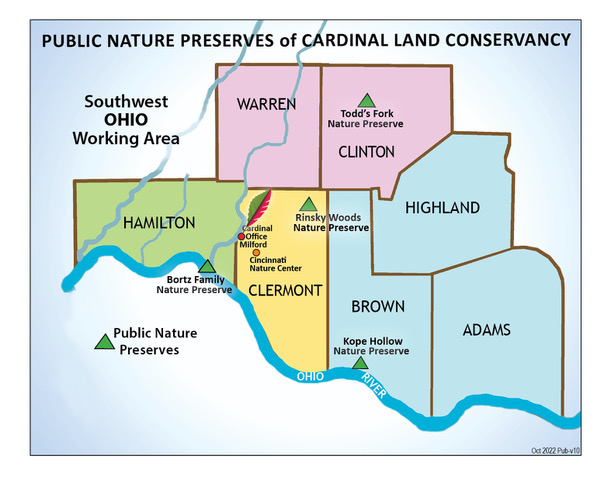
    Cardinal Land Conservancy is a land conservancy in Southwest Ohio whose mission is to preserve natural habitats, waterways, agricultural lands, and open space in Southwest Ohio.

    We protect and restore natural lands with significant habitats that support native wildlife and create scenic vistas for public enjoyment, as well as agricultural lands suitable for the production of food, timber, or other cultivated or natural products. Cardinal acquires conservation interests in real properties which it then monitors and stewards in perpetuity. These include conservation easements, fee simple title, and other conservation interests which are acquired through donations and purchases guided by, and executed through, Cardinal. Once obtained, Cardinal monitors and otherwise stewards the properties and interests through regular oversight, periodic assessment and, if needed, protective action and legal defense. Our service area includes the Southwestern Ohio counties: Adams, Brown, Clermont, Clinton, Hamilton, Highland, and Warren.

    Rinsky Woods Nature Preserve

    Clermont County

    There are few woods like this in the world. Those woods that exist are found only in Southwest Ohio and Southeast Indiana. Rinksy Woods is the second largest woods of this kind in the world. In fact, it has been designated as an Ohio Natural Landmark by the Ohio Department of Natural Resources. These wet flat woods are adjacent to Stonelick State Park, adding to an admirable stretch of greenspace in the area. Details & Trail Map

    Todd’s Fork Nature Preserve

    Clinton County

    Native prairies give way to a 100+ acre woods on this preserve, which also includes the Todd’s Fork of the Little Miami River. Cardinal has several stewardship projects ongoing here including maintenance of the prairie. Maintenance includes prescribed burning which is meant to discourage unwanted invasive plants on an annual basis. Details & Trail Map

    Kope Hollow Nature Preserve

    Brown County

    In Southeast Brown County, the Kope formation (a bedrock formation unique to Southern Ohio and Indiana) runs through incredibly diverse woods. A recent native plant survey listed over 100 native species. This property is also graced with five waterfalls that contribute to Roup’s Run. This water flows into the Ohio River just beyond the bounds of the property. Details & Trail Map

    Bortz Family Nature Preserve

    Hamilton County

    This 119-acre preserve offers respite in deep and cool woods along with views of the wide Ohio and of the Little Miami’s emerald shores. This land appeals to both humans and wildlife because of its diversity. The Ohio Department of Natural Resources determined that this land is likely the home of the endangered Indiana Bat and several endangered species of mussels. Overlooking the confluence of these two great rivers is an American Bald Eagle nest, atop a towering cottonwood tree. Our eagles can be viewed by our Eagle Camera from January to June! Details & Trail Map

    Read about the other nature preserve of the Cardinal Land Conservancy.

  • Station of the cross and the very unpleasant thing God can ask sometimes

    Station of the cross and the very unpleasant thing God can ask sometimes

    [vc_row][vc_column][vc_column_text]

    The statue that wasn’t to be seen in Loveland

    It is wretched, distressing, tragic – and beautiful

    “The great Christian mystery of the crucifixion and the resurrection and the whole mystery of why we die, and why we die so miserably sometimes… In our time it’s a very unpopular story. – Trina Paulus

    David Miller is the Managing Editor of Loveland Magazine

    by David Miller

    Traveling to the Stations of the Cross, also known as the Way of the Cross or Via Crucis, is a Christian tradition to commemorate Jesus’s passion and death on the cross. The observance began as devote pilgrims traced Christ’s path to crucifixion through Jerusalem on the Via Dolorosa.

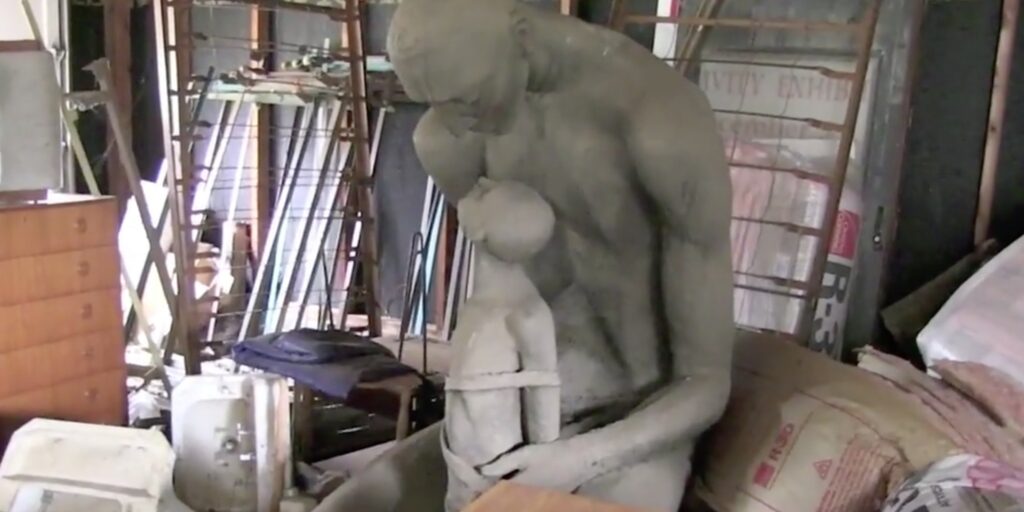
    Years before filming this interview and at the time of my first seeing Abraham and Isaac, I begged the Grailville folks to let me help them find a place where the father and son could be publicly displayed, however, I remember being told they determined it too controversial to do so. It was only “appropriate for mature audiences” and no one in Loveland was mature enough to see the old testament story depicted so threateningly and savagely real.

    Listening to artist Trina Paulus talk about her Abraham and Isaac and the essence of what she was conveying through the work of her sculpting hands and spiritual heart is still heartbreaking that the human soul was meant to struggle to understand such a contemptible subject.

    It had been stored temporarily for several years just outside of Loveland. Loveland Magazine Reporter Alana Johnson went with Paulus to an unlit garage at the Grailville Conference and Retreat Center in 2011 to see it. Paulus hadn’t seen her statue for several years.”

    Photo by David Miller © 2011


    During the interview, Paulus said, “Over here you will see a hand with the knife in it… and over here… you’ll see the hand with his son. I’ve done a lot of thinking about this over the years – the great Christian mystery of the crucifixion and the resurrection and… The very unpleasant thing is that God can ask everything of us sometimes… The whole mystery of why we die, and why we die so miserably sometimes… In our time it’s a very unpopular story.“[/vc_column_text][vc_column_text]

    The Very Unpleasant Thing: That God Can Ask Everything of us Sometimes

    [/vc_column_text][vc_video title=”“YouTube” src=”“https://www.youtube.com/embed/UEARzbQzah8“” width=”“560“” height=”“315“” frameborder=”“0“”][/vc_column][/vc_row]

  • Christmas in Loveland will be a beautiful wonderland on December 17

    Christmas in Loveland will be a beautiful wonderland on December 17

    David Miller

    by David Miller

    Loveland, Ohio – The Little Miami River Chamber Alliance is calling all Christmas fanatics to come and enjoy a beautifully decorated City of Loveland winter wonderland. Can anyone resist the clip-clop and jingle of horse-drawn carriages and the smell of hot cider?

    The Little Miami River Chamber Alliance said that the City of Loveland will once again be transformed into a beautiful wonderland for the Christmas holiday.

    On December 17, visitors can enjoy carriage rides, a train ride, complimentary tastings, crafts, holiday beverages, a trolley ride, Christmas entertainment, and a few new items in historical downtown Loveland.  Entertainment will be in the center of town next to the live nativity scene and inside many businesses.

    CeeCee Collins, President of the chamber shared that “there will be so many fun activities such as train rides, caroling and Santa’s Wonderland, just to name a few! This is such a great event where the businesses want to give back to everyone that has patronized and visited in downtown. They truly appreciate everyone supporting local businesses and hope they will return to enjoy all of the Loveland area. There will be many samplings and give-a-ways for all ages to enjoy!”

    This event will be held rain, snow, or shine. And we predict shine because the Weather Channel says it will be sunny and nearly 40 degrees on December 17,

    A few Facts:

    • The event takes place from 4-8 PM, on December 17th
    • The train is at the Loveland Museum Center and a trolley will take guests from Downtown Loveland to the museum
    • Maps of all the activities will be placed inside the businesses and available by the clock tower.
    • A back portion of Railroad Avenue will be closed to allow for the horse-drawn carriages. Carriages will cost $2 per person.
    • Line up for the Carriage is on Railroad Avenue across from the Wicked Pickle Restaurant.
    • A Holiday Trolley will transport people to the Loveland History Museum from Harrison Avenue at no charge.
    • Entertainment will be in the center of town and next to the fountain.
    • A shuttle bus will take folks from the Shoppers Haven Parking lot to downtown Loveland. The Shuttle will run the entire time.
    • The event is free for all, thanks to our sponsors. Special Thank you to our Presenting sponsors: Sibcy Cline Realtors, Kelli Williams, and McCluskey Chevrolet, Inc.
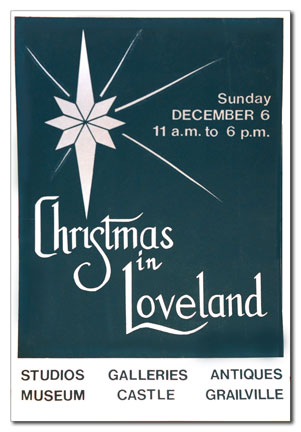
    This is believed to be the poster for the first Christmas in Loveland in 1987.

    The event began in 1987 when Loveland artist, Deirdre Dyson was asked to design and silkscreen posters for the first two years of Christmas in Loveland.

    On, December 6, 1987, women at Grailville saw the crass capitalism of how the birth of Jesus was celebrated and wanted to change things up, at least for Loveland. They wanted to put a little “Christ” back into Christmas by offering a community event they named, Christmas in Loveland.

    Dyson said, “The intent of the women at the women’s retreat center was to celebrate Christmas, rather than celebrate Christmas shopping.”

    Years later, former Loveland resident, Martin Schickel volunteered to start organizing the event and did so for many years. Schickel’s family was deeply connected with Grailville, so it was a natural fit. In 2013, Schickel, who was also one of the founders of Loveland’s Amazing Race, later re-named The Amazing Charity Race, decided to gradually retire from being so actively involved in community events, so he turned over Christmas in Loveland to the Loveland Area Chamber of Commerce. It was Schickel’s gift to the community that he re-gifted to the Chamber. Schickel also has deep connections with the Chamber having once served as its President.


    Not sure what to expect at Christmas in Loveland this year? Click below to view photos taken by Loveland Magazine Photographer Sam Smith of Christmas in Loveland in 2016.

    Christmas in Loveland (2016) through photos


    This LOVELAND MAGAZINE HD VIDEO is short clips of some of the sights and sounds of Christmas in Loveland 10-years-ago.

  • Why we need to support Loveland students this election season

    Why we need to support Loveland students this election season

    by Allison Kiehl

    Since the failure of the 2020 tax levy in support of Loveland City Schools, it’s no secret that there has been a divide in the Loveland community. Through that election and for weeks after, vote yes and vote no signs dotted homeowners’ front lawns and businesses as if a symbol of pride for people on both sides of the issue.

    This divisive spirit was reinvigorated back in August of 2022 when the district once again announced that a school levy tax would be displayed on this year’s midterm ballot.

    Make no mistake, there were problems with the levy when it was presented back in 2020 that led to its doomful demise led to its failure rate of over 60%.

    Recognizing that voters were not ready to build a new campus at Grailville, the Board placed a 6.95 mill operating-only levy on the March 2020 ballot, however, it also failed by a wide margin.

    The school district has faced the repercussions of budget constraints. This most noticeably led to the loss of staff members and revoking of bussing for high school students, among other consequences.

    However, the past failures then need to pave a pathway to success for this year’s initiative: a 4.9 mill operating levy for Loveland City Schools.

    This initiative is about the school’s current operational funding. It is about the individual students and teachers who would face the repercussions of further budget cuts including the looming potential of even more courses and staffing cuts within the district.

    “The state of Ohio is the only state without any inflationary adjustment for education funding. In order to maintain local control, we must either ask our community for additional funding or make substantial cuts,” reads the school’s website. “Before making cuts, and eliminating programs, we feel it is important to give the voters an opportunity to approve additional funding.”

    While the district has confirmed that if the levy does not pass, it will be “eliminating programs,” there is no confirmation as to what those programs will be. However, based on national trends, the possibility of the loss of music education within Loveland City Schools is a real, yet alarming prospect.

    According to the Arts Education Data Project, only 83% percent of schools in their area of research, which includes Ohio, have music programs offered to students. Nationally, the project projects there are over 2 million students without access to arts education.

    This number of students and schools without access to music education is expected to only go up, as The Trinity Voice reports that there has been a steady decline in music programs nationwide.

    After the fall of the 2020 levy, the music department suffered, by losing staff members and the remaining educators being burdened with additional responsibilities. Classes were cut, and students lost out on opportunities that have previously been offered.

    For example, guitar classes are one of the music electives that fell victim to budget cuts. Neither beginning or advanced guitar opportunities are available to students.

    Voters should not and cannot let this happen again because the students of Loveland deserve the very best education that the community can offer. They deserve to participate in music classes if not for the experience, then to gain the proven benefits of social-emotional learning, improved mental health, and increased test scores.

    According to the Journal of Research in Music Education, students ages who are involved with music are also better students. They generate higher standardized testing in studies conducted in both elementary school and secondary schools.

    More importantly, student participation in music is proven to make students happy. Research conducted by California State University San Marcos with middle and high school choir students at a mid-sized suburban school district.

    Students reported they liked the accepting class climate, the community and connections made between their classmates and teacher, and the subject matter’s activities that improve the student’s mood by making them happy and decreasing their stress, all aspects that increased their mood and success in school.

    According to the research, the independent variable of whether students joined the choir positively affected the dependent variable of whether students experienced an impact in their success in school.

    Whatever opinions the community holds about the levy, it is important to understand the ballot language and what the initiative requires of the community. The ballot language of Issue four for 2022 reads as follows:

    “An additional tax for the benefit of the Loveland City School District for the purpose of current operating expenses at a rate not exceeding 4.9 mills for each one dollar of valuation, which amounts to $0.49 for each one hundred dollars of valuation, for a continuing period of time, commencing in 2022, first due in the calendar year 2023.”

    The levy is asking 4.9 mills for each dollar of valuation from the community, which is the smallest school levy that voters in Hamilton County will decide on this season. The money goes primarily toward staff salaries and benefits, along with various operating costs, according to Loveland City Schools.

    That cost varies depending on the household within the Loveland District, however, according to Redfin, the average home value within Loveland is around $300,000. Based on that average, the levy would cost the homeowner a little over $500 per year.

    The opposition to the levy speaks of issues with transparency, trust, and timing. However, if this levy does not pass, the students will be facing real consequences of “substantial budget cuts” as soon as the upcoming school year.

    For more information on what will be on your ballot this November or to find an in-person voting location nearest to you, please HERE for Hamilton County, HERE for Warren County, and HERE for Clermont County.

    This Election Day, November 8, at the polls, vote with students in mind. Your vote is one more ballot to help support music education and supports the students of Loveland City Schools because, we as a community, cannot sit back and watch further repercussions of failed-levy budget cuts.

  • [VIDEO INTERVIEW] Clermont Parks Director talks about their Grailville nature preserve

    [VIDEO INTERVIEW] Clermont Parks Director talks about their Grailville nature preserve

    David Miller is the Publisher and Editor of Loveland Magazine

    by David Miller

    Loveland, Ohio – Josh Torbeck, the Director of the Clermont Park District met with me mid-morning Wednesday at the site of their newest park. Torbeck said the park on former Grailville land doesn’t have a formal name yet but was pretty confident “Grail” or “Grailville” would be in the official name once a decision is made. Currently, it is listed as “Grailville Nature Preserve” on the District’s website. The address is 1014 O’Bannonville Road, and Loveland City Council recently took steps toward annexing the 100 acres into the City. The land reaches all the way to Route 48 (Oakland Road) and that will most likely be where most visitors will go to enjoy it.

    I asked him to tell you a little about his background and previous experience which he was modest about – but his resume is certainly not modest!

    To find out what was most on the minds of Loveland residents I asked a few residents what questions they would like me to ask Torbeck. One was to ask about what deed restrictions are on the land. Torbeck explained the restrictions as well as the amenities they are allowed to put on 10 acres at the Oakland Road entrance.

    The most pressing issue and question however was whether the District is pursuing, or is there a potential that the adjacent 109 acres, those where the Drees company intended to build 209 homes, would eventually become an addition to the nature preserve. Torbeck gave a candid answer.

    The District also recently received a $260K capital improvement grant from Ohio to be used on the nature preserve and Torbeck talked about the intended uses of those funds.

    The Grailville Archive

    Because posterity may wish to know.

  • Grailville Land Preservation Group asks you to imagine the hopefull future

    Grailville Land Preservation Group asks you to imagine the hopefull future

    by Tom Scovanner – On behalf of the Grailville Land Preservation Group

    Imagine a place just outside of Loveland Ohio that serves as a foundation for an economy powered by outdoor recreation.  Loveland has an opportunity to create a place that will be a beacon of hope and peace, a place where everyone in the community feels welcome and connected, coupled with the opportunity to experience the mental and physical health benefits of being in nature and the sacredness of the land.  According to the Trust for Public Land, ‘Quality parks and green space are a fundamental requirement for sustaining healthy, equitable, resilient communities.’ 

    Drees Homes had hoped to develop 111 acres owned by The Grail since the early 1940’s into a 209-unit housing development.  This rural oasis just outside of Loveland has been a ‘sacred space for women who value peace and care of the earth’ according to The Grail’s website.  

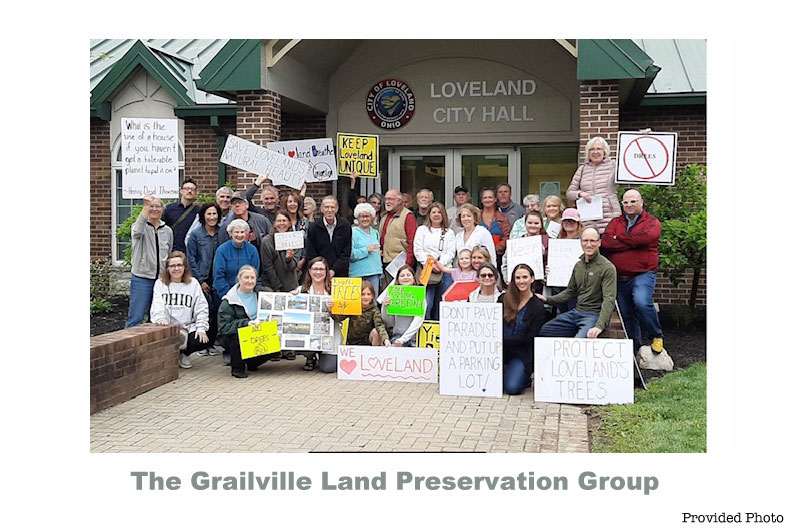
    When members of the community learned of the Drees proposal, an organic, grassroots organization of smart, engaged, well informed and dedicated people went to work to protect the land.  We, the Grailville Land Preservation Group are environmentalists, naturalists, neighbors, lawyers, mothers, fathers and children, Grail members, community leaders and organizers, farmers, business owners, people of faith, historians, and past Grail participants.  While our group is diverse, what brings us together is a visceral desire to protect the land from development.

    We first needed to prevent Drees from getting a zoning change from the current zoning of Residential Low-Density, 1 acre lots.  While Drees states that they intended to “maximize green space” in actuality, Drees’ objective was to build as many houses as possible on the land.  Looking at the topography, some 37 acres are undevelopable; Add in roads and other infrastructure, less than 70 acres are developable for housing.  On those 70 acres, Drees wanted to build 209 houses, more than triple the density currently allowed. 

    The standing room only crowds at the two Planning and Zoning meetings saw over 20 people speaking against the proposal at each meeting and only one person speaking in favor.  Many issues were presented by those who spoke, including the need to maintain greenspace, preserving the unique historic site, demolition of historic buildings, concerns about increased traffic, demands on Loveland’s infrastructure and the costs of the necessary improvements.  Others spoke about the negative revenue stream to the city caused by the increased populations and adding students to the school district already using portable classrooms. 

    Loveland is on the verge of approving a new comprehensive master plan for the city which stipulates it should ‘continue to aggressively preserve land for open space to ensure that our community remains a green haven for our residents and wildlife.’ We agree and desire to partner with like-minded people to accomplish this goal.  

    Yes, Corporate Grail and Drees wanted to change the zoning to build a large compressed housing development because they would both make more money, but the community said no and many individual members of the Grail agreed.

    The members of the Grailville Land Preservation Group have no motives other than honoring the legacy of the Grail and stewarding this land into the future in a way that preserves it for the benefit of all.  We hope to have the opportunity to partner with the Grail to find an alternate path for the Grail land, one that incorporates many of the values that the Grail taught.

    The real story that needs to be told is that everyday citizens living in and around Loveland spoke up to preserve the land and at least for now, preservation triumphed over development.

    Tom Scovanner

    On behalf of the Grailville Land Preservation Group


    To reach out to help protect this sacred land, you can contact us on the Nextdoor app under the group ‘Grailville Land Preservation Group’ or follow our blog at grailvillesacredpathways.substack.com


    EDITOR’S NOTE: After the Loveland Planning and Zoning Commission denied the request by Drees to rezone the property they were going to buy from the Grail the contract between the two parties was not extended. ([Complete Video] Rezoning of Grailville denied)

  • [Complete Video] Rezoning of Grailville denied

    [Complete Video] Rezoning of Grailville denied

    by David Miller

    Loveland, Ohio – Here are the complete meeting videos from May 4 when the rezoning of the Grailville property was denied to Drees Homes. The Northern Kentucky home builder had requested a map and text change to Loveland’s zoning code to build 209 Drees homes on the 111-acre Graville site.

    If you appreciate these kinds of reports, will you be so kind as to send a contribution our way so Loveland Magazine can keep on keeping on?

    All of the many speeches by local residents are here to watch as well as the one person, a Grail member who supported the rezoning. The rebuttal by the Drees’ representative is also here and the discussion by the Planning Commission which ultimately led them to turn down the re-zoning.

    You can also watch the post-meeting interview with the leaders of the movement to stop the rezoning, Lauren Enda and Sharon Scovanner.

    The Grailville Archive
    Because posterity may wish to know.
  • [Video] Jamie Smith: Grailville brought joy to her mentally and emotionally exhausted family

    [Video] Jamie Smith: Grailville brought joy to her mentally and emotionally exhausted family

    David Miller

    by David Miller

    Loveland, Ohio – Jamie Smith has lived her entire life in Loveland and raised five sons here. She said she has a “very deep connection” to this place, and her family’s favorite place is Grailville.

    She testified during the May 4 meeting when the Planning and Zoning Commission was deciding whether or not to allow 209 Drees homes on the 111-acre Graville site.

    She speaks of her very stressful lifestyle, most of the time as a single mother, and living with the father of her children who struggled with an opioid addiction his entire adult life. She added that he has been “clean” for the past ten years however the experience of dealing with the addiction within her family was traumatizing.

    She defined her financial situation as havoc and how she has maintained a full-time job and two or three additional part-time jobs for her sons’ entire lives. To be able to be a contributing member of society and a good mom, she designed their lives around something she could afford, spending time in nature. “Not only because it was all we could afford, but because it was healthy and fulfilling,” Smith added. “And it brought joy to a mentally and emotionally exhausted family.”

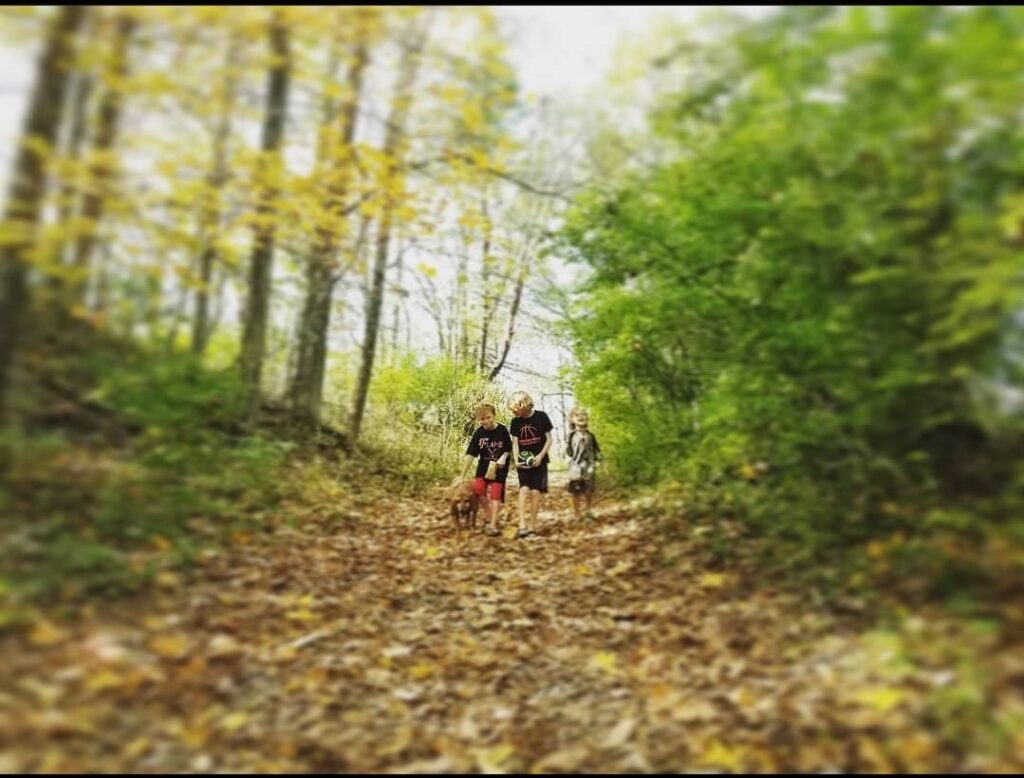
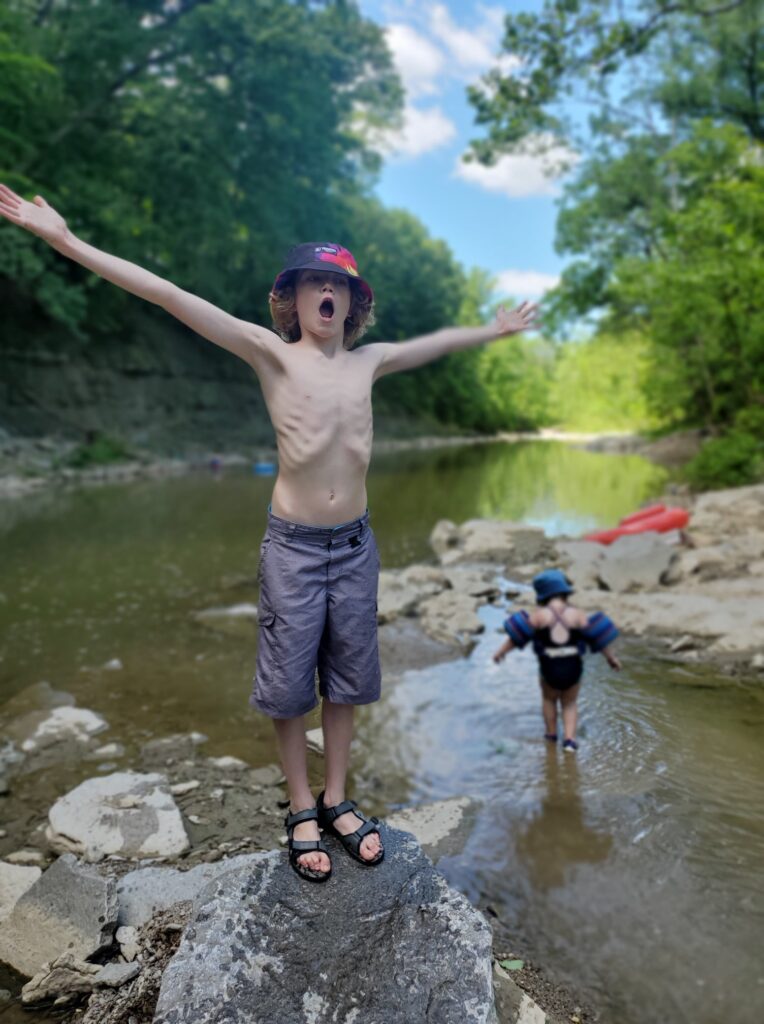
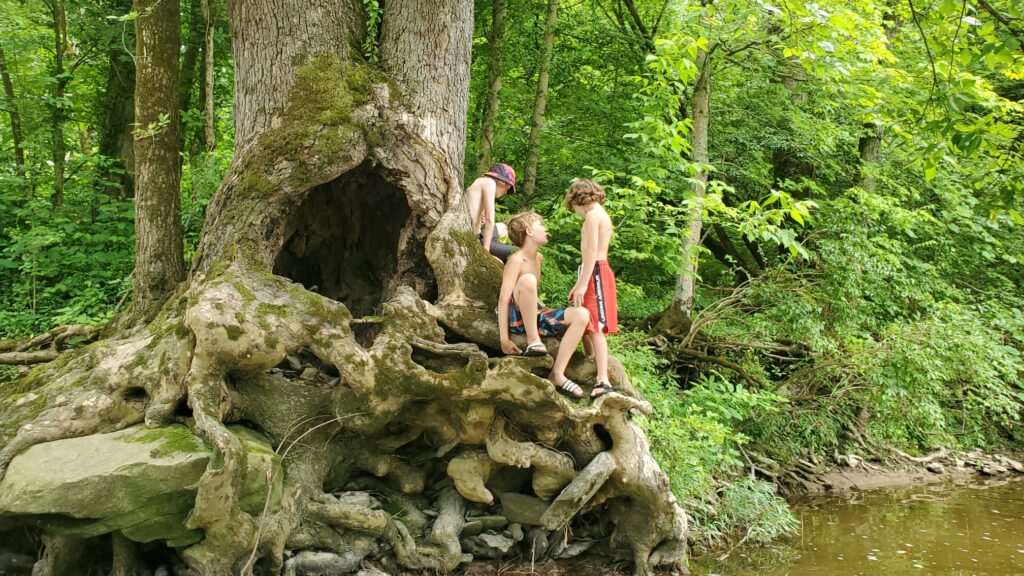
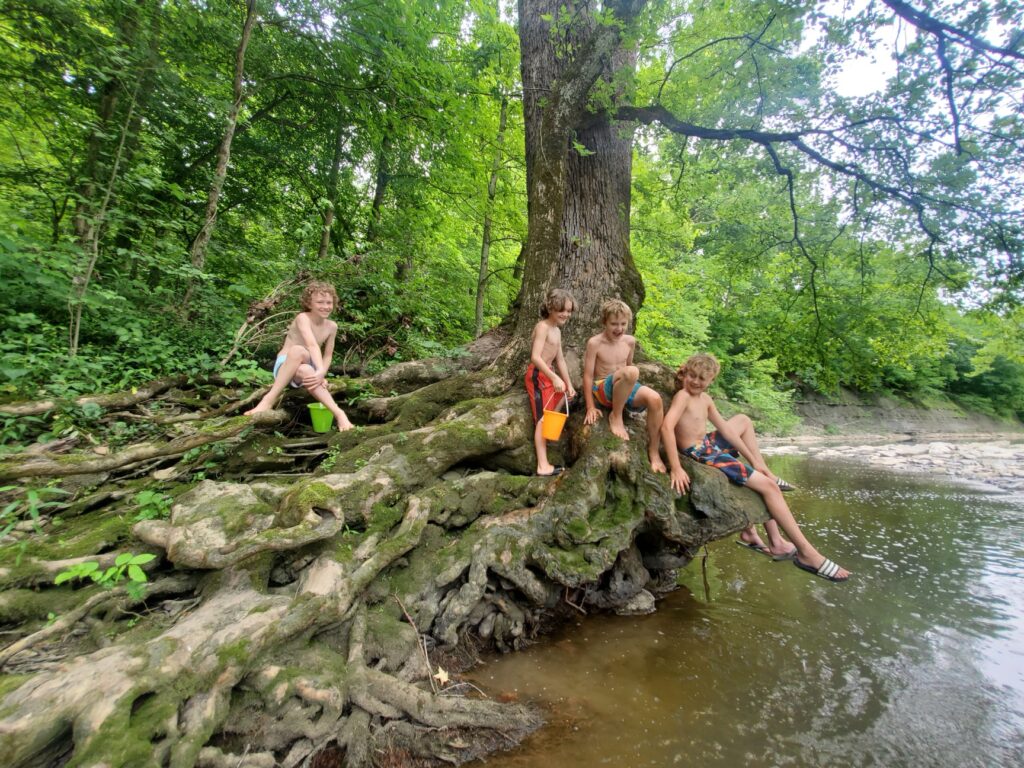
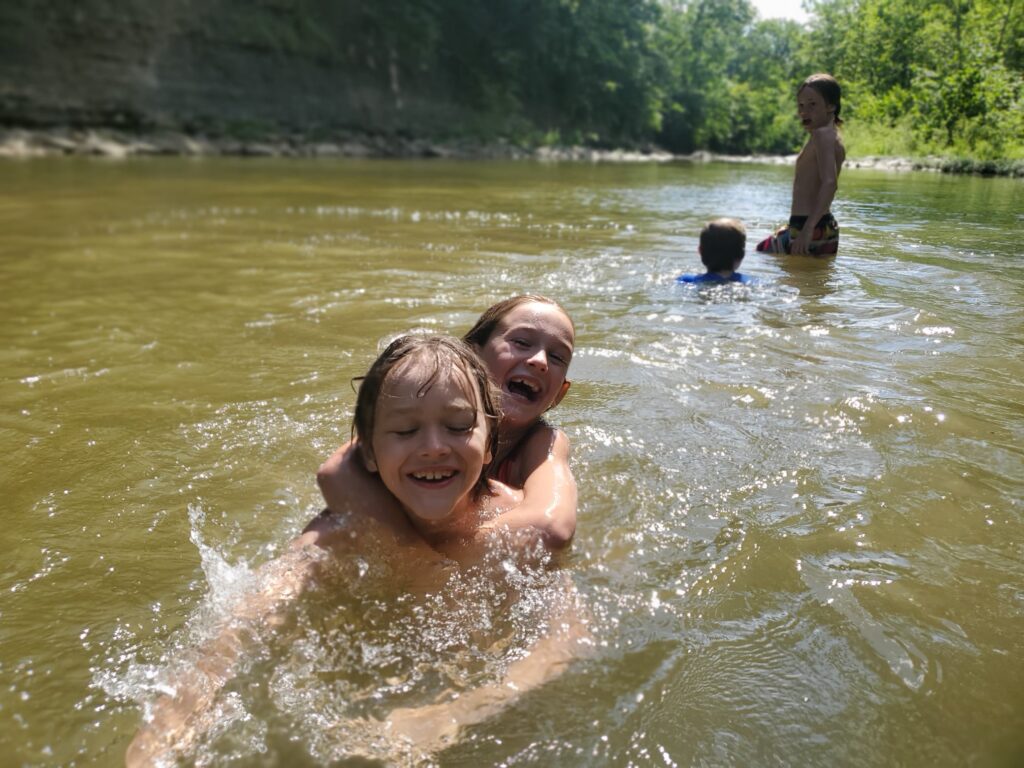
    She took listeners on a journey with her boys down the Grailville path to the respite of the cool waters of the O’Bannon Creek.

  • [VIDEO] Diane Fisher testifies to be a good daughter and son of Loveland’s Mother Earth

    [VIDEO] Diane Fisher testifies to be a good daughter and son of Loveland’s Mother Earth

    David Miller – Editor and Publisher

    by David Miller

    Loveland, Ohio – Loveland resident Diane Fisher testified at the Planning and Zoning Commission meeting on May 4 about the re-zoning of Grailville and a proposed new development near her home on Oak Street.

    Fisher started by expressing how nervous she was about speaking publicly, however, speaking softly and determined told why she chose to live in Loveland, “…enjoying the mental and physical, and spiritual health that being in nature provides.” Referring to the COVID 19 Pandemic she said that activities in nature have proven more important than ever to many people she knows.

    Fisher also noted that it wasn’t lost on her that the meeting was being held in both “No Mow May” and “Mental Health Awareness Month.”

    It wasn’t a rhetorical question Fisher then asked, “How many more lawns filled with pesticides and herbicides, should be allowed, invited, encouraged into our area.”

    “Each of us. Every person is a steward of our community,” Fisher challenged.

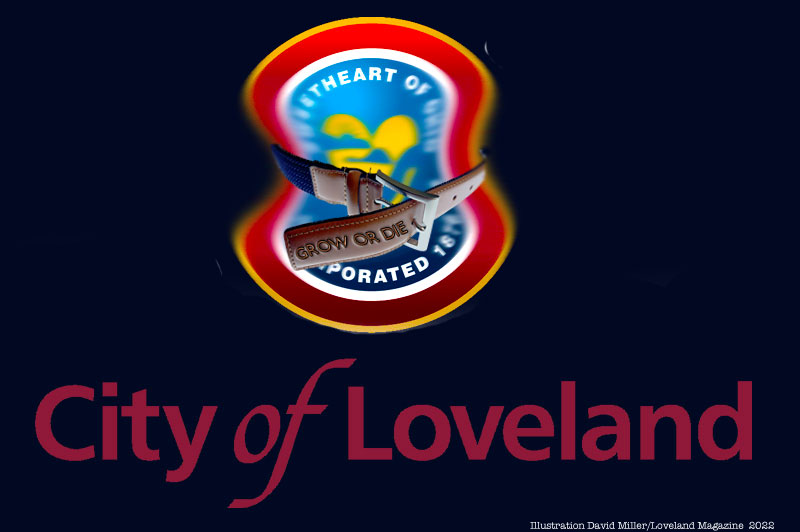
  • The MYTH: “Grow or Die” may be choking Loveland

    The MYTH: “Grow or Die” may be choking Loveland

    by David Miller

    David Miller, Publisher and Editor

    Loveland, Ohio – “What may look good on a zoning map for rezoning and what a developer is wanting to develop, may not always be in the best interest of the City of Loveland and the Loveland homeowners and taxpayers,” is what resident Dave Stanton told the Planning and Zoning Commission on May 4 during their meeting to make a decision on whether to approve 209 Drees homes on the 111-acre Graville site that had recently been annexed into the city.

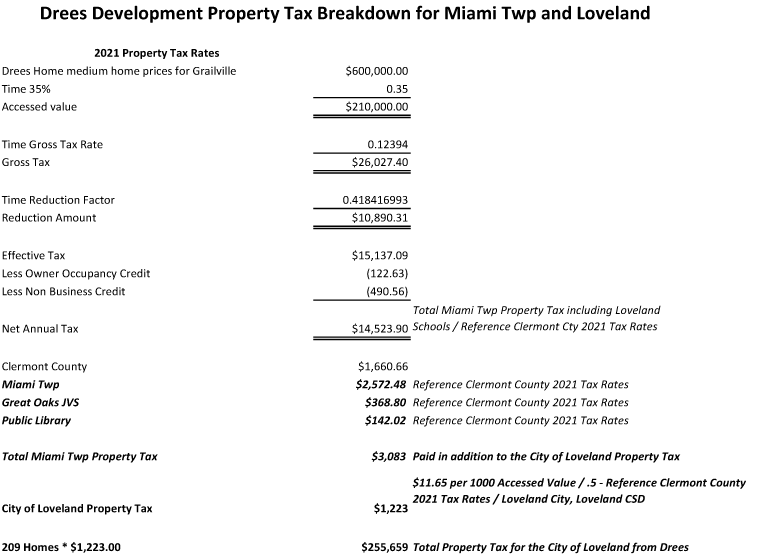
    You can watch his presentation in the LOVELAND MAGAZINE TV video we just published, read the prepared text of his talk, and review the financial report he presented to the Commission.

    Stanton continued, “This commission needs to have a full understanding of the impacts on our existing infrastructure, impacts on the traffic, impacts on the biggest investment people make in Loveland with their homes, and the impacts on the City’s finances.”

    Resident Sharon Scovanner assisted Stanton in preparing the financial report. In an interview after the Meeting, Scovanner said that there should be someone on City staff doing what she and Stanton did, as part of their job when new developments are proposed in the City.

    The Commission ultimately decided to reject the re-zoning request, (Drees zoning denied) (Video interview with Lauren Enda and Sharon Scovanner after they defeat)

    Let’s take a moment to understand the decisions made by this commission have both short term and long-term impacts on the Loveland community. Both positive and negative. What may look good on a zoning map for rezoning and what a developer is wanting to develop, may not always be in the best interest of the City of Loveland and the Loveland Homeowners/Taxpayers. This commission needs to have a full understanding of the impacts on our existing infrastructure, impacts on the traffic, impacts on the biggest investment people make in Loveland with their homes, and the impacts on the City’s finances. Before any SPD rezoning requests has a decision made.
    
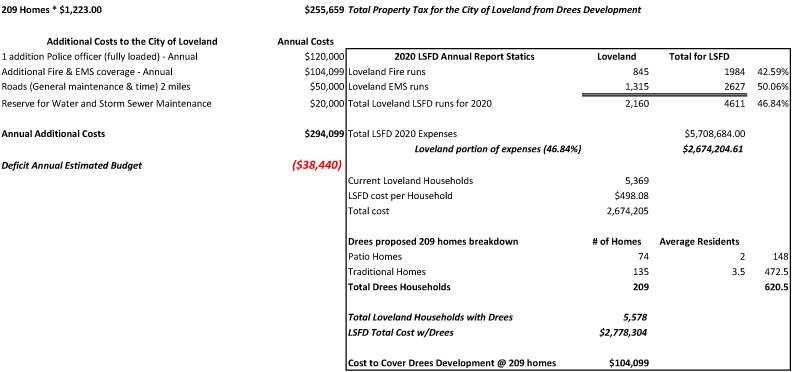
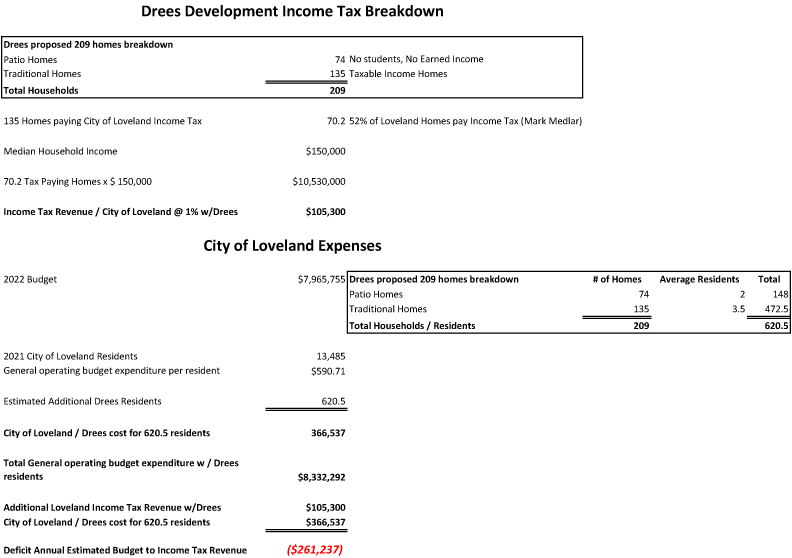
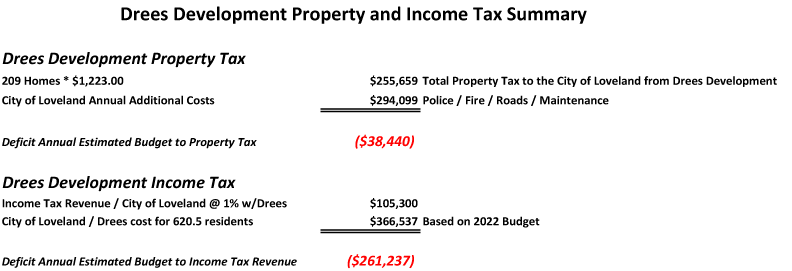
    What you have in front of you is a Financial Analysis Report focused on the impact of adding an additional 209 homes both in property tax and income tax. The information in the report is comprised from public data and supporting documentation from the City. 
    
    As you can see from the Property and Income Tax summary. The City of Loveland’s annual Property Tax income for 209 homes would be $ 255,660.00. The additional costs to the City of Loveland to fully support the Drees development with Police, Fire / EMS, Roads, and Maintenance would be $ 294,099.00. This creates a deficit in spending of (-$ 38,440) annually against the Property Tax revenue income. The Property Tax analysis supported detail is included in the Financial Analysis Report.
    
    The City of Loveland’s annual Income Tax revenue for the 209 homes would be $ 105,300.00 based on 135 homes with a median income of $ 150,000 per year. 74 patio homes would be retirees who pay no income tax. As confirmed with Mark Medlar, Director of Finance only 52% of working Loveland residents pay Loveland Income Tax. The 2022 City of Loveland budget is $ 7,965,755.00. The 2021 City of Loveland population is 13,485 which equates to $ 590.71 per resident in budget expenditures. In using conservative numbers in the increase to the City of Loveland population, based on the Drees development, would be 620.5 additional residents. With this 4.6% increase in population to a total of 14,106 residents at $ 590.71 per resident would increase the City’s annual expense budget to $ 8,332,292.00. The increase in the City’s budget of $ 366,537 to cover the new residents in comparing to the City’s income tax from the Drees Development of $ 105,300.00. This creates a deficit in expense spending of (-$ 261,237.00). The Income Tax analysis supported detail is included in the Financial Analysis Report.
    
    This financial analysis does not include additional expenses that Drees should be responsible for regarding this development. Drees would need to pay for the improvements to O’Bannonville road to handle the additional traffic and pay for the half mile MSD sewer upgrade on O’Bannonville road. As MSD has no Capital Funds to pay for this sewer upgrade. Drees has stated in their April 22nd letter to the City of Loveland regarding infrastructure “Responsibility will be on Drees to make the necessary improvements”. The city should bare no cost for the MSD sewer upgrade and road improvements to O’Bannonville road.  
    
    As you can see from the Financial Analysis showing the negative impact to the City of Loveland’s expenses with regards to Property and Income Tax Revenue. This is not a good Investment for the Taxpayers of Loveland and reflects deficit spending.  
    
    Going back to my opening statement of “Understand the decisions made by this commission have both short term and long-term impacts on the Loveland community”. A decision that was made by this commission on the rezoning to Multi-Family from Medium Residential for Blossom Hill has had a direct negative impact on Sentry Hill homes. Your decisions have made some of the Sentry Hill homes unsellable based on your rezoning recommendation with Multi-Family structures being built right next to Sentry Hill.  
    
    So again, think about your decisions being made with the full understanding of the impact to the City and the people of Loveland. 
    

    The Grailville Archive

    Because posterity may wish to know.