As our community comes together to review the proposed Special Planning District (SPD) development along Riverside Drive, it is crucial that we approach this process with transparency, collaboration, and a shared commitment to protecting the scenic and historic character of the Little Miami River.
What’s Happening: A developer has submitted a proposal to build 12 single-family homes on the riverbank along Riverside Drive, adjacent to the Loveland Historical Museum and Tufts-Schildmeyer Funeral Home. To enable this project, the developer plans to raise the floodplain using fill dirt and is requesting the city to approve re-zoning for this purpose. The Planning and Zoning Commission will conduct a public hearing as part of their review process.
What’s at Stake: The Little Miami River is a nationally and state-designated scenic river. Current zoning and federal protections aim to preserve its ecological, aesthetic, and cultural value. This proposed development raises important questions:
Environmental Impact: Raising the floodplain could alter natural water flows, potentially increasing flood risks for neighboring properties, impacting wildlife habitats, and degrading water quality.
Community Character: Re-zoning and new construction could disrupt the historic and scenic integrity of the area, altering its charm and appeal.
Process and Precedence: Allowing this development may set a precedent for future projects that prioritize private gains over public and environmental interests.
Understanding the Process: Pursuant to Section 1151.01 and 1151.02(a)(2) of the City’s Planning and Zoning Code:
The first step is a preliminary review meeting to determine whether the proposed project falls within the SPD’s purpose and scope. (This meeting occurred on December 3, and the proposal was approved to advance to a public hearing.)
If deemed appropriate, a public hearing must be scheduled within 45 days to review the conceptual plans and gather public input. (This is the meeting happening on January 7.)
This process ensures community engagement and the consideration of all perspectives, including those of residents, advocacy groups, and experts.
Counter Argument: The developer argues that this project will create valuable housing and address flooding risks through engineered solutions. They assert that the proposed homes will align with the character of nearby properties and enhance the area’s vibrancy.
A Collaborative Approach: While development has its place, our community’s responsibility is to ensure that any changes align with the broader goals of preserving Loveland’s natural, cultural, and historical assets. To this end, we recommend:
Expert Involvement: Consulting with conservation experts and legal professionals to fully understand local, state, and federal zoning laws and protections.
Community Engagement: Encouraging residents to attend the public hearing, voice their perspectives, and engage in the decision-making process.
Transparency: Requiring detailed studies on flooding, traffic, and environmental impact before any decisions are made.
What Can You Do?
SHARE this information with neighbors, friends, and family.
We believe that by working together—residents, city officials, and developers—we can protect the Little Miami River while meeting the needs of Loveland’s growth in a thoughtful and sustainable way.
Loveland, Ohio – The City of Loveland’s Tree & Environment Committee is exploring the idea of establishing an official City Tree. City Hall says that this would be similar to how the State of Ohio named the Buckeye as its official tree and the designation would help support the city’s ongoing recognition as a Tree City USA by the Arbor Day Foundation.
Jeremiah and Joy Hoyt, the Loveland Magazine mascots especially love Catalpa trees because of their huge, heart-shaped leaves that are big enough to hop on and take a ride down the lazy Little Miami River on, but it didn’t make the short list.
The committee has narrowed down the options to a “regionally appropriate” short list. Residents can vote by November 30 for their preferred tree:
American Sycamore (Platanus occidentalis)
Many regard this as the quintessential “river tree.” Given the community’srelationship with the Little Miami River, it makes sense for this tree to be part of the vote. The immense size this species can attain will inspire anyone to fall in love with its stark white columns and the rivers they adorn.
Eastern Redbud (Cercis canadensis)
This species is certainly prevalent as a wild and planted tree in the Loveland region. The heart-shaped leaves are certainly attractive and fit with the “LOVEland” theme. Additionally, this is an important pollen/nectar source for spring pollinators, such as bumble bee queens seeking to establish their nests for the season. The flowers are a delightful edible, and these trees do well in Loveland’s alkaline soils.
White Oak (Quercus alba)
When it comes to ecologically important trees, White Oak is high on the list. The pollen, foliage, and acorns are critical sources of food for a wide variety of wildlife. Additionally, oaks host lots of edible and interesting mushrooms. Culturally, this has been a highly valued tree for its wood. One regionally important use for the wood has been to make barrels that hold whiskey/bourbon. It’s the tannins in the wood that help provide the smoky taste that bourbon lovers are so fond. Finally, the growth form of White Oak is considered iconic and highly sought after. In the open, they grow quite wide making them excellent shade trees, as well as climbing trees for kids and adventurous adults alike.
David Miller is the Managing Editor of Loveland Magazine
by David Miller
Loveland, Ohio– Today, April 10, the United States Environmental Protection Agency (USEPA) issued the first-ever national, legally enforceable drinking water standard to protect communities from exposure to harmful per-and polyfluoroalkyl substances (PFAS), also known as “forever chemicals.” Exposure to PFAS has been linked to deadly cancers, impacts to the liver and heart, and immune and developmental damage to infants and children. The final rule will reduce PFAS exposure for approximately 100 million people, prevent thousands of deaths, and reduce tens of thousands of serious illnesses.
PFAS are synthetic man-made chemicals.
As reported by Loveland Magazine last December, Loveland’s drinking water is contaminated with some of the highest in the Cincinnati area of forever chemicals.
Now that the new rules are in effect, enforceable, and mandated, Loveland could face sanctions if they do not comply.
Forever chemicals get their name because they bioaccumulate. This means the toxic chemicals become concentrated inside the human body as time goes by. Because Forever Chemicals have a long “half-life” and if the chemicals are continuously ingested it’s a one-step forward, two-steps-back scenario.
Public records obtained by Loveland Magazine reveal that Loveland officials were informed by the Ohio EPA about its contaminated drinking water in 2020 and should have known the danger of the “Forever Chemicals” in the tap water they were selling, but remained mostly silent or downplayed the danger to the public. They have offered no immediate solution to residents such as financial help for filtering household tap water or offering safe bottled water to residents, businesses, or schools.
In November of 2023 City Council passed a resolution to engage a consulting company to explore the cost to determine the extent of the problem and recommend solutions. City Hall is awaiting the report.
Loveland resident Sharon Scovanner has been researching this issue extensively, collecting public records from City Hall and the Ohio EPA and is assisting the Miami Group of the Sierra Club in organizing a public information session. According to Scovanner, this session will provide additional information to local residents so they understand the problem and provide actions they can personally take to protect their own drinking water.
Scovanner told Loveland Magazine this morning, “This new enforceable rule is a positive step forward in protecting people’s health. US EPA has acknowledged that no levels of PFAS are safe without the risk of negative health impacts. Until the rule is completely codified (cities will have 5 years to comply), individuals and businesses should take necessary steps to filter their drinking water. Reverse osmosis and carbon filtration are two known treatments for PFAS removal.”
“Cities such as Loveland with elevated PFAS levels should provide thorough and transparent information about PFAS and mitigation measures to all their water customers,” Scovanner added.
Sally Dannemiller the Chair of the Executive Committee of the Miami Group Sierra Club told Loveland Magazine this morning, “The Miami Group Sierra Club welcomes the US EPA’s long overdue decision to regulate the most common PFAS forever chemicals. It bears repeating that testing of Ohio’s public water systems more than four years ago uncovered some 1,500 instances of PFAS, including many communities in close proximity to the Little Miami River.”
Dannemiller added, “This action will prompt the Ohio EPA and local governments to take a more aggressive approach to protecting our rivers and streams as well as public water systems from hazardous effects of forever chemicals. The Sierra Club will be working to make sure our elected officials take appropriate action.”
Just yesterday, City Hall said on their FaceBook page, “The city is working with an engineering firm to address PFAS. Our water system meets all current Ohio EPA and federal water quality requirements. The Ohio EPA has not set a maximum contaminant level for PFAS. Currently the federal and Ohio EPA does not have any standards for PFAS. We anticipate they will in the future, so that is why we proactively started working with an engineer to figure out ways to remove PFAS.”
To diminish public concern the City also posted, “PFAS levels are measured on a part per trillion (ppt) ratio, which is equivalent to one drop of water per trillion gallons. For comparison, one part per trillion is equal to one drop of ink in 20 Olympic-sized swimming pools.”
However, the federal agency says that there is no level of forever chemicals in drinking water that is safe for human consumption and that do not have adverse health impacts.
PFAS exposure through drinking water can be reduced by treating the water using reverse osmosis or certified carbon filtration units, or by using an alternative source of water that is not contaminated.
Loveland’s water wells are located on the East side of Bodly Park at the end of 10692 Bettyray Drive on the bank of the Little Miami River. 9Photo by Loveland Magazine)
Loveland’s water wells are located on the East side of Bodly Park at the end of 10692 Bettyray Drive on the bank of the Little Miami River. The source of the underground water is rainfall and other discharges onto the surrounding land and hillsides, and the Little Miami River. There are approximately 900 homeowners outside the Loveland City limits who also drink water from the Loveland wells. A small number of Loveland residents in Warren County receive water from the Western Water Company. There are approximately 13,000 residents of the City.
Some people may be more vulnerable to contaminants in drinking water than the general population. Immunocompromised persons such as persons with cancer undergoing chemo therapy, persons who have undergone organ transplants, people with HIV/AIDS or other immune system disorders, some elderly, and infants can be particularly at risk from infections. These people should seek advice about drinking water from their health care providers. (*3)
In December in response to Loveland Magazine’s story, City Hall released this statement:
[pdf-embedder url=”https://lovelandmagazine.com/wp-content/uploads/2024/04/Loveland-Water-PFAS-122123.pdf” title=”Loveland Water PFAS 122123″]
USEPA said that they are is taking a “signature step” to protect public health by establishing legally enforceable levels for several PFAS known to occur individually and as mixtures in drinking water. This rule sets limits for PFAS: PFOA, PFOS, PFNA, PFHxS, and HFPO-DA (also known as “GenX Chemicals”). The rule also sets a limit for mixtures of any two or more of four PFAS: PFNA, PFHxS, PFBS, and “GenX chemicals.” By reducing exposure to PFAS, this final rule will prevent thousands of premature deaths, tens of thousands of serious illnesses, including certain cancers and liver and heart impacts in adults, and immune and developmental impacts to infants and children.
As of today, Loveland will have three years to complete their initial monitoring for these chemicals and must inform the public of the level of PFAS measured in their drinking water. Where PFAS is found at levels that exceed these new standards, Loveland must implement solutions to reduce PFAS in their drinking water within five years.
“For decades, the American people have been exposed to the family of incredibly toxic ‘forever chemicals’ known as PFAS with no protection from their government. Those chemicals now contaminate virtually all Americans from birth. That’s because for generations, PFAS chemicals slid off of every federal environmental law like a fried egg off a Teflon pan,” said Environmental Working Group President and Co-Founder Ken Cook after the announcement was made.
CBS News said this morning, “The EPA estimates that of the 66,000 public water utility systems impacted by the standard, 6% to 10% may need to act to comply with the regulations.”
________
For More information read what the Ohio EPA says about forever chemicals:
What are the health effects of exposure to PFAS?
It is important to keep in mind that exposure to PFAS does not always mean a person will have health effects. Whether or not a person gets sick from exposure to PFAS depends on how long a person was exposed (duration), how often they were exposed (frequency), and how much PFAS they were exposed to (dose). Personal factors like age, lifestyle, and other illnesses may also determine whether or not a person gets sick from exposure to PFAS.
There are many chemicals in the PFAS family, and they may cause different health effects if you are exposed to them. The health effects of PFOS, PFOA, PFHxS, and PFNA have been more widely studied than other chemicals in the PFAS family. Some, but not all, studies in humans with PFAS exposure have shown that certain PFAS may: Affect growth, learning, and behavior of infants and children; Lower a woman’s chance of getting pregnant; Interfere with the body’s natural hormones; Increase cholesterol levels; Affect the immune system; or Increase the risk of certain cancers.
Scientists are still learning about the health effects of exposures to mixtures of PFAS. For the most part, laboratory animals exposed to high doses of one or more PFAS have shown changes in liver, thyroid, and pancreatic function, as well as some changes in hormone levels. Because animals and humans process these chemicals differently, more research will help scientists fully understand how PFAS affect human health.
Pregnant and nursing women
Pregnant and nursing women may be more at risk than the general population to the health effects of PFAS. Pregnant and nursing women may want to consider treating their water source if they know or suspect it is contaminated with PFAS. They may also consider using an alternate source of water for drinking, making ice, preparing food, and brushing teeth.
Women who are planning to become pregnant may wish to take steps to reduce their exposure to PFAS. PFAS take a long time to leave the human body, and chemicals like PFOA, PFOS, and PFHxS can build up in a woman’s body if she is exposed for a long time. When she is pregnant, her fetus is then exposed to the chemicals that have built up inside her body. Research suggests that fetuses and babies are more vulnerable to exposure to PFAS than adults.
Breastfeeding provides many health benefits for mother and baby. Research has shown that babies who are breastfed are at less risk of ear and respiratory infections, asthma, obesity, and sudden infant death syndrome (SIDS). Mothers who breastfeed are at less risk of high blood pressure, type 2 diabetes, and ovarian and breast cancer. Although PFAS can be passed from a mother to her child through breastmilk, the benefits of breastfeeding are far greater than any risks. ODH recommends that women currently breastfeeding continue to do so even if they have been exposed to PFAS. For information about breastfeeding, see the Ohio Department of Health Breastfeeding webpage or the Agency for Toxic Substances and Disease Registry (ATSDR) PFAS and Breastfeeding webpage.
Babies who are bottle-fed may also be at greater risk from drinking PFAS than adults because they drink more in proportion to their body weight. If your baby is bottle fed using a powdered or liquid formula, be sure the water mixed with the formula comes from a safe alternate source, such as a public or private water supply that has been tested for PFAS chemicals. This will reduce your baby’s exposure to PFAS. If your usual drinking water source is contaminated with PFAS, treat the water or use a safe alternate source for mixing formula or preparing food. Information about treating water for PFAS can be found by going to the main Ohio PFAS in Drinking Water page, clicking the “Private Drinking Water” tab, and expanding the “Home Treatment Options” menu.
Please consult with your healthcare provider or your child’s pediatrician with any PFAS exposure concerns.
Children
Children have different exposure circumstances that make them especially sensitive to environmental contaminants, like PFAS. Understanding these differences is key for evaluating potential for environmental hazards from pollutants.
Children consume more of certain foods and water relative to body weight than adults. That means the same glass of water with the same PFAS concentration level results in greater exposure to a child versus an adult, even though they are drinking the same amount. Children also do not excrete chemicals as easily as adults, because the enzymes in their bodies that break down contaminants are still developing. That increases the chances for contaminants such as PFAS to interfere with a child’s growth and development.
In addition, young children tend to play close to the ground and come into contact with contaminated soil outdoors. To ensure the protection of children and other sensitive populations, the Ohio PFAS Action Levels are set to protect the most sensitive populations, thereby protecting the health of all populations in Ohio.
Household Pets
Since many household pets are smaller than people, they also consume more of certain foods and water relative to their body weight than people. That means that the same bowl of water with the same PFAS concentration results in greater exposure to household pets, even though they may be drinking the same amount. As a precaution, if you have elevated levels of PFAS in your water, you should consider using alternative water for your household pets.[/learn_more]
Home Treatment Options
Water treatment in a home to reduce levels of PFAS can be:
At the point of entry (POE) where treatment all of the water entering the household plumbing system occurs, or;
At the point of use (POU) which is often at the kitchen sink or primary source of water for drinking or cooking (potentially also including a water line to the refrigerator if it has a plumbed in water line).
Either type of water treatment has pros and cons that should be considered before selecting the best treatment option for a home. The type of treatment system chosen should consider the volume of water that will be used in the home, the number and location of sites where water is consumed in the home, and the type of PFAS chemical identified in the laboratory result.
If water for drinking, cooking and making ice is primarily obtained from the kitchen sink, then the installation of a treatment unit below the sink or on the sink faucet is an option. If drinking water and ice are obtained from the refrigerator, then it is important to consider treating the water line to the refrigerator also.
If drinking water is obtained from multiple locations in a home, then a point of entry, or whole house treatment system may be preferred.
If possible, it is important to choose a treatment system that has been tested and certified to remove the PFAS present in the water based on data provided from the public water system provider or from a laboratory analysis.
Certified Water Treatment Products to Remove PFOA and PFOS
Currently, certified products are only for point of use (POU) treatment, which means they are products designed to treat the water at only one or two locations, usually at the kitchen sink and possibly the refrigerator if it has water connected. Certified products are either granular activated carbon (GAC) filtration or reverse osmosis (RO) treatment systems. It should be noted that some of the products certified to treat water at the point of use are counter-top products or pour through (like a pitcher filter that you fill from the tap yourself as needed).
NSF International and the Water Quality Association are independent third-party testing agencies that currently test and certify products to remove the specific PFAS PFOA and PFOS.
Look for products identified as certified to NSF International’s Standard P473. The NSF International consumer information team can also be contacted at info@nsf.org or 1-800-673-8010 for assistance in finding a certified product.
Products tested and certified by the Water Quality Association can be found here: https://www.wqa.org/find-products#/.
NSF Standard P473 was retired in March of 2019 when the testing protocol was incorporated into existing water treatment standards, so new products certifications are tested to meet either NSF/ANSI Standard 53: Drinking Water Treatment Units – Health Effects for the reduction of PFOA and PFOS with granular activated carbon filtration systems or to NSF/ANSI Standard 58 Reverse Osmosis Drinking Water Treatment Systems for the reduction of PFOA and PFOS with reverse osmosis systems. There is currently not a standard for certification of other types of treatment systems.
Treatment System Products to Remove other PFAS
There are currently no certified standards for removing PFAS other than PFOA and PFOS, however, consideration of the type of PFAS chemical can inform the selection of the best water treatment system. PFOA and PFOS are longer chain PFAS than other chemicals in the PFAS family. Longer chain chemicals are larger which makes it easier for a filter or membrane to trap them. Shorter chain PFAS are harder to remove with granular activated carbon treatment alone. Though there is no product certification standard at this time, research has shown that reverse osmosis treatment systems can effectively remove a wide range of PFAS, including the shorter chain chemicals in the PFAS family.
Considerations for point of use (POU) granular activated carbon (GAC) treatment:
• Physical filter cartridge traps contaminant(s) which is then removed and disposed of at the end of its rated lifecycle.
• Filter must be replaced on a regular schedule (identified by the manufacturer).
• Generally, granular activated carbon filters provide more water flow than a reverse osmosis system.
• May not effectively treat shorter chain PFAS if present in addition to the longer chain PFOA and/or PFOS.
Considerations for point of use (POU) reverse osmosis (RO) treatment:
Typically requires pre-filtration to be installed to remove any sediment and small particles as well to maximize the life and effectiveness of the membrane.
Large volumes of water are wasted in the treatment process. Typically, for every 10 gallons sent into the treatment unit, 7-8 gallons are sent down the drain as waste, and 2-3 gallons of treated water are produced.
Membranes must be replaced on a regular schedule (identified by the manufacturer) in addition to any pre-filtration cartridges.
Research has shown it to effectively reduce shorter chain PFAS in addition to the longer chain PFOA and/or PFOS.
Point of Entry Water Treatment
Point of entry water treatment is where all the water entering the home is treated for the removal of PFAS. Though there are not currently any products certified to treat all water that enters a home (also called point of entry or POE treatment) for removing any of the PFAS family of chemicals, research has shown that a point of entry granular activated carbon treatment can be effective if properly designed.
These systems are commonly referred to as a lead-lag granular activated carbon system. This system consists of two flow through vessels filled with granular activated carbon with a water sample faucet installed between the two vessels (after the lead vessel, before the lag vessel). Water samples are collected periodically and analyzed for PFAS to monitor the lifespan of the first carbon vessel. When the first vessel starts to lose its ability to remove PFAS, it is removed, the second carbon vessel which was in the lag position is moved to the lead carbon vessel position and new granular activated carbon media is placed into the other vessel, and it is moved to the lag position. This design relies on the lag vessel to provide protection for the water consumer in case the lead vessel is no longer able to trap the PFAS before periodic sample collection identifies that the lead carbon vessel is no longer able to perform effective PFAS removal.
The installation of a point of entry water treatment system to treat water received from a public water system may require a local plumbing permit. Please check with the local building or health department to determine if a plumbing permit is needed.
The installation of a point of entry water treatment system to treat water received from a private water system (water well, spring, pond, rainwater cistern or hauled water storage tank) will require an installation permit form the local health district. These treatment systems may only be installed by a private water systems contractor registered by the Ohio Department of Health. These contractors are bonded and the list of registered contractors may be found at: https://odh.ohio.gov/wps/portal/gov/odh/know-our-programs/private-water-systems-program/info-for-homeowners/.
Please be an informed consumer and request complete information on the components that will be installed, product certification as applicable, the maintenance requirements and cost, and appropriate disposal of the treatment media.
Please note that testing a water sample for PFAS at a lab certified to perform analysis of drinking water by U.S. EPA Standard Method 537.1 varies by private lab but is estimated to cost approximately $400 per sample. Water samples should be collected and analyzed prior to the selection of an installed treatment unit to help size and select the appropriate treatment device. After the treatment device is installed, water samples should be periodically analyzed to ensure the treatment unit is working properly. Initial and on-going sampling will add to the cost of the installation of treatment systems. Countertop or pitcher type devices will not require routine sampling but media should be replaced in accordance with the manufacturer’s recommendations. U.S. EPA cost estimates for different types of treatment types are below:
Treatment Type
Approximate Initial Cost of Equipment
Approximate Media Replacement Cost
NSF P473 certified Point of Use Granular Activated Carbon (GAC)
$100 -$1200
$200 – $300 each year
NSF P473 certified Point of Use Reverse Osmosis (RO)
$400 – $700
$200 each year
Non-certified Lead-Lag Point of Entry Granular Activated Carbon (GAC)
$1,200
$2000 each 3-5 years (depending on periodic testing results*)
Testing your blood for PFAS
While a PFAS blood test measures how much of specific PFAS are in a person’s body at the time of the test, there are limitations.
A PFAS blood test cannot:
• Tell you where or how you were exposed to PFAS found in your body;
• Tell you what, if any, health problems might occur or have occurred because of PFAS in your body; or
• Be used by your doctor to guide treatment decisions.
Measuring a person’s exposure to PFAS and monitoring potential impacts on human health is best addressed through consultation with a physician. ODH has and will continue to provide information and recommendations to healthcare providers to help providers and patients make informed decisions about what PFAS exposure might mean for an individual’s health. There is no recommendation from ODH or the Centers for Disease Control and Prevention (CDC) that clinicians should test patients for PFAS. Please consult your healthcare provider if you have concerns regarding PFAS exposure.
PFAS Testing for Individuals
ODH does not generally recommend testing your blood for PFAS. Physicians will not be able to treat a specific health issue using the result from this test. Please consult your healthcare provider if you have concerns regarding PFAS exposure.
A blood test for PFAS can tell you what your levels are at the time the blood was drawn, but not whether levels in your body are safe or unsafe.
Most people in the U.S. have measurable amounts of PFAS in their body because PFAS are commonly used in commercial and industrial products.
The PFAS blood test is not a clinical test and cannot tell you whether your health has been or will be affected.
Many health issues associated with PFAS, such as increased cholesterol and decreased thyroid hormone levels, commonly occur in the population as a whole – even when not associated with high levels of PFAS in the blood.
These health issues can be caused by many factors, and there is no way to know or predict if PFAS exposure has or will cause your health problem.
If you have specific health concerns, please consult your doctor for the best treatment choices for you.
It is complicated to get a PFAS blood test.
It is not a routine clinical test, so you would need to contact a private lab directly to arrange the test and it is unlikely that insurance would cover the cost.
There are hundreds of PFAS around us. Labs can only test for a small number of PFAS in blood.
Laboratories that Offer PFAS Testing
ODH is aware of three private laboratories that offer PFAS testing in blood. ODH does not recommend specific labs and does not know specifics regarding the different tests they offer. The cost for PFAS blood testing is in the $500-800 range, not including fees that a clinic might charge for drawing and shipping the blood.
You can compare your levels to those in groups of people nationwide. The National Biomonitoring Program by the U.S. Centers for Disease Control and Prevention (CDC) tests a very large group of people for PFAS and other chemicals and tells us about average exposures in the U.S. population. These studies can be used to compare your blood test result to what is known about levels in people throughout the country.
Loveland, Ohio – Join us with co-writer and director Anthony Cousins and others from the new film Frogman (2023). The exclusive screenings are the first in the region and takes place right in Loveland where the events unfolded. This found footage movie follows a young man named Dallas (Nathan Tymoshuk) who takes a picture of Frogman while on vacation. He goes back to look further and finds more than he bargained for.
Winner of several awards including best found footage, this is a must watch for fans of horror, cryptids and sci-fi.
Review: I usually dislike found footage films, but wow – Frogman is good. – B&S About Movies
The film is not rated but should be considered viewable for mature teens and adults. Run time is 80 minutes. The movie has an 8.2 rating out of 10 on IMDB.com. There will be copies available for sale and associated merch.
Tickets are available in advance. If there are seats remaining, tickets will be available at the door for $20.
Entry to movie does NOT provide access to the Frogman Festival which is a separate ticketed event held on Saturday, March 2 from 9:30 AM to 6 PM, also at the Oasis Conference Center.
David Miller is the Managing Editor of Loveland Magazine
by David Miller
Loveland, Ohio – The city’s drinking water currently meets drinking water standards where enforcement action by regulators is not possible, however as early as January, when new regulations go into effect enforcement actions could be mandated and Loveland could face sanctions.
Testing has revealed that Loveland has two “Forever Chemicals” in its drinking water. One, at a level four times higher than what may soon become the enforceable standards proposed by the U.S. Environmental Protection Agency. This is the highest reported level in the area.
Per- and polyfluoroalkyl substances (PFAS) are commonly referred to as “Forever Chemicals”. They are a class of widely used chemicals that persist in the environment and bioaccumulate in humans. Research going back decades suggests evidence that Forever Chemicals impact human reproduction and development. Human health impacts include infertility, premature birth, trouble breastfeeding, delayed puberty, earlier menopause, and diverse metabolic impacts, as well as suggestions of a relationship with neurologic and behavioral disorders (including attention deficit hyperactivity [ADHD], autism, and schizophrenia). (*1)
Loveland’s water wells are located on the East side of Bodly Park at the end of 10692 Bettyray Drive on the bank of the Little Miami River.
Forever Chemicals may enter a person’s body when they drink water or eat food that has been contaminated. Unborn babies may be exposed to Forever Chemicals if their mother ingests them while she is pregnant, and babies may be exposed through breast milk. (*2)
Bioaccumulate means the toxic chemicals become concentrated inside the human body as time goes by. Because Forever Chemicals have a long “half-life” and if the chemicals are continuously ingested it’s a one-step forward, two-steps-back scenario.
Whether or not a person gets sick from exposure to PFAS depends on how long a person was exposed (duration), how often they were exposed (frequency), and how much PFAS they were exposed to (dose). Personal factors like age, lifestyle, and other illnesses may also determine whether or not a person gets sick from exposure to PFAS. (*2)
Loveland City Hall knows the truth and possibly understands the danger of “Forever Chemicals” in our tap water but remains mostly silent. They have not informed the public and only briefly discussed finding solutions at a November 28, 2023 council meeting when passing a resolution to approach a consulting company to explore the cost to determine the extent of the problem and recommend solutions.
City Manager Dave Kennedy told Loveland Magazine, “We have already secured the services of a water engineer (Burgess & Niple) who is doing a full analysis of our system modifications that need to be made to treat for PFAS and at the same time, steps the city can make to begin softening our water. The agreement with Burgess & Niple was approved by city council and the agreement was executed.” City Hall became aware of the elevated levels nine months ago, in March.
Loveland Magazine asked Kennedy whether the public was notified about the presence of Forever Chemicals in the tap water. He did not respond.
Loveland Magazine has sent City Hall a public records request for documentation in their possession along with a series of questions. To date, no records have been provided.
Among the questions:
• What would you recommend institutions such as schools and childcare facilities do? What about breweries, restaurants, and businesses? Same question about drinking fountains and during commercial food preparation.
• Has Loveland determined or investigated where the Forever Chemicals are ultimately coming from that have contaminated our well water? “We have not,” was Kennedy’s response.
• Loveland has an emergency connection to the City of Cincinnati’s Richard Miller treatment plant that currently tests negative for Forever Chemicals. When asked if the connection to the Cincinnati Water Works is large enough to satisfy Loveland’s needs for drinking, household, and commercial use, Kennedy responded by saying, “We intend to keep our water system, so I have not looked into the capacity of the city of Cincinnati.”
• Is the Loveland-Symmes Fire Department or other departments using firefighting foam containing Forever Chemicals at the fire training facility on East Loveland Avenue in Loveland? Have they in the past? “Will check with LSFD”, was the City Manager’s response, however, Loveland Magazine has not received an answer.
• Has Loveland determined or investigated where the Forever Chemicals are ultimately coming from that have contaminated our well water? “We have not,” responded Kennedy.
Neither the City Manager nor Ricky Gregory who runs Loveland’s water system have responded to say if they would be willing to answer questions during an on-camera interview.
“PFAS exposure through drinking water can be reduced by treating the water using reverse osmosis or certified carbon filtration units, or by using an alternative source of water that is not contaminated. In general, dermal contact with water is not a health concern because PFAS are not readily absorbed through the skin. Using water that contains PFAS for showering, bathing, laundry, or household cleaning is generally safe.” Look for products identified as certified to NSF International’s Standard P473. Products tested and certified by the Water Quality Association can be found here: https://www.wqa.org/find-products#/. (OEPA)
Loveland’s water wells are located on the East side of Bodly Park at the end of 10692 Bettyray Drive on the bank of the Little Miami River.
The wells draw water from an underground layer of water-bearing, permeable rock, rock fractures, or unconsolidated materials (gravel, sand, or silt). (Wikipedia)
The source of the underground water is rainfall and other discharges onto the surrounding land and hillsides, and the Little Miami River. There are approximately 900 homeowners outside the Loveland City limits who also drink water from the Loveland wells. A small number of Loveland residents in Warren County receive water from the Western Water Company. There are approximately 13,000 residents of the City.
Some people may be more vulnerable to contaminants in drinking water than the general population. Immuno compromised persons such as persons with cancer undergoing chemo therapy, persons who have undergone organ transplants, people with HIV/AIDS or other immune system disorders, some elderly, and infants can be particularly at risk from infections. These people should seek advice about drinking water from their health care providers. (*3)
____________________
What the Ohio EPA says:
What are the health effects of exposure to PFAS?
It is important to keep in mind that exposure to PFAS does not always mean a person will have health effects. Whether or not a person gets sick from exposure to PFAS depends on how long a person was exposed (duration), how often they were exposed (frequency), and how much PFAS they were exposed to (dose). Personal factors like age, lifestyle, and other illnesses may also determine whether or not a person gets sick from exposure to PFAS.
There are many chemicals in the PFAS family, and they may cause different health effects if you are exposed to them. The health effects of PFOS, PFOA, PFHxS, and PFNA have been more widely studied than other chemicals in the PFAS family. Some, but not all, studies in humans with PFAS exposure have shown that certain PFAS may: Affect growth, learning, and behavior of infants and children; Lower a woman’s chance of getting pregnant; Interfere with the body’s natural hormones; Increase cholesterol levels; Affect the immune system; or Increase the risk of certain cancers.
Scientists are still learning about the health effects of exposures to mixtures of PFAS. For the most part, laboratory animals exposed to high doses of one or more PFAS have shown changes in liver, thyroid, and pancreatic function, as well as some changes in hormone levels. Because animals and humans process these chemicals differently, more research will help scientists fully understand how PFAS affect human health.
Pregnant and nursing women
Pregnant and nursing women may be more at risk than the general population to the health effects of PFAS. Pregnant and nursing women may want to consider treating their water source if they know or suspect it is contaminated with PFAS. They may also consider using an alternate source of water for drinking, making ice, preparing food, and brushing teeth.
Women who are planning to become pregnant may wish to take steps to reduce their exposure to PFAS. PFAS take a long time to leave the human body, and chemicals like PFOA, PFOS, and PFHxS can build up in a woman’s body if she is exposed for a long time. When she is pregnant, her fetus is then exposed to the chemicals that have built up inside her body. Research suggests that fetuses and babies are more vulnerable to exposure to PFAS than adults.
Breastfeeding provides many health benefits for mother and baby. Research has shown that babies who are breastfed are at less risk of ear and respiratory infections, asthma, obesity, and sudden infant death syndrome (SIDS). Mothers who breastfeed are at less risk of high blood pressure, type 2 diabetes, and ovarian and breast cancer. Although PFAS can be passed from a mother to her child through breastmilk, the benefits of breastfeeding are far greater than any risks. ODH recommends that women currently breastfeeding continue to do so even if they have been exposed to PFAS. For information about breastfeeding, see the Ohio Department of Health Breastfeeding webpage or the Agency for Toxic Substances and Disease Registry (ATSDR) PFAS and Breastfeeding webpage.
Babies who are bottle-fed may also be at greater risk from drinking PFAS than adults because they drink more in proportion to their body weight. If your baby is bottle fed using a powdered or liquid formula, be sure the water mixed with the formula comes from a safe alternate source, such as a public or private water supply that has been tested for PFAS chemicals. This will reduce your baby’s exposure to PFAS. If your usual drinking water source is contaminated with PFAS, treat the water or use a safe alternate source for mixing formula or preparing food. Information about treating water for PFAS can be found by going to the main Ohio PFAS in Drinking Water page, clicking the “Private Drinking Water” tab, and expanding the “Home Treatment Options” menu.
Please consult with your healthcare provider or your child’s pediatrician with any PFAS exposure concerns.
Children
Children have different exposure circumstances that make them especially sensitive to environmental contaminants, like PFAS. Understanding these differences is key for evaluating potential for environmental hazards from pollutants.
Children consume more of certain foods and water relative to body weight than adults. That means the same glass of water with the same PFAS concentration level results in greater exposure to a child versus an adult, even though they are drinking the same amount. Children also do not excrete chemicals as easily as adults, because the enzymes in their bodies that break down contaminants are still developing. That increases the chances for contaminants such as PFAS to interfere with a child’s growth and development.
In addition, young children tend to play close to the ground and come into contact with contaminated soil outdoors. To ensure the protection of children and other sensitive populations, the Ohio PFAS Action Levels are set to protect the most sensitive populations, thereby protecting the health of all populations in Ohio.[/learn_more]
Household Pets
Since many household pets are smaller than people, they also consume more of certain foods and water relative to their body weight than people. That means that the same bowl of water with the same PFAS concentration results in greater exposure to household pets, even though they may be drinking the same amount. As a precaution, if you have elevated levels of PFAS in your water, you should consider using alternative water for your household pets.[/learn_more]
Home Treatment Options
Water treatment in a home to reduce levels of PFAS can be:
At the point of entry (POE) where treatment all of the water entering the household plumbing system occurs, or;
At the point of use (POU) which is often at the kitchen sink or primary source of water for drinking or cooking (potentially also including a water line to the refrigerator if it has a plumbed in water line).
Either type of water treatment has pros and cons that should be considered before selecting the best treatment option for a home. The type of treatment system chosen should consider the volume of water that will be used in the home, the number and location of sites where water is consumed in the home, and the type of PFAS chemical identified in the laboratory result.
If water for drinking, cooking and making ice is primarily obtained from the kitchen sink, then the installation of a treatment unit below the sink or on the sink faucet is an option. If drinking water and ice are obtained from the refrigerator, then it is important to consider treating the water line to the refrigerator also.
If drinking water is obtained from multiple locations in a home, then a point of entry, or whole house treatment system may be preferred.
If possible, it is important to choose a treatment system that has been tested and certified to remove the PFAS present in the water based on data provided from the public water system provider or from a laboratory analysis.
Certified Water Treatment Products to Remove PFOA and PFOS
Currently, certified products are only for point of use (POU) treatment, which means they are products designed to treat the water at only one or two locations, usually at the kitchen sink and possibly the refrigerator if it has water connected. Certified products are either granular activated carbon (GAC) filtration or reverse osmosis (RO) treatment systems. It should be noted that some of the products certified to treat water at the point of use are counter-top products or pour through (like a pitcher filter that you fill from the tap yourself as needed).
NSF International and the Water Quality Association are independent third-party testing agencies that currently test and certify products to remove the specific PFAS PFOA and PFOS.
Look for products identified as certified to NSF International’s Standard P473. The NSF International consumer information team can also be contacted at info@nsf.org or 1-800-673-8010 for assistance in finding a certified product.
Products tested and certified by the Water Quality Association can be found here: https://www.wqa.org/find-products#/.
NSF Standard P473 was retired in March of 2019 when the testing protocol was incorporated into existing water treatment standards, so new products certifications are tested to meet either NSF/ANSI Standard 53: Drinking Water Treatment Units – Health Effects for the reduction of PFOA and PFOS with granular activated carbon filtration systems or to NSF/ANSI Standard 58 Reverse Osmosis Drinking Water Treatment Systems for the reduction of PFOA and PFOS with reverse osmosis systems. There is currently not a standard for certification of other types of treatment systems.
Treatment System Products to Remove other PFAS
There are currently no certified standards for removing PFAS other than PFOA and PFOS, however, consideration of the type of PFAS chemical can inform the selection of the best water treatment system. PFOA and PFOS are longer chain PFAS than other chemicals in the PFAS family. Longer chain chemicals are larger which makes it easier for a filter or membrane to trap them. Shorter chain PFAS are harder to remove with granular activated carbon treatment alone. Though there is no product certification standard at this time, research has shown that reverse osmosis treatment systems can effectively remove a wide range of PFAS, including the shorter chain chemicals in the PFAS family.
Considerations for point of use (POU) granular activated carbon (GAC) treatment:
• Physical filter cartridge traps contaminant(s) which is then removed and disposed of at the end of its rated lifecycle.
• Filter must be replaced on a regular schedule (identified by the manufacturer).
• Generally, granular activated carbon filters provide more water flow than a reverse osmosis system.
• May not effectively treat shorter chain PFAS if present in addition to the longer chain PFOA and/or PFOS.
Considerations for point of use (POU) reverse osmosis (RO) treatment:
Typically requires pre-filtration to be installed to remove any sediment and small particles as well to maximize the life and effectiveness of the membrane.
Large volumes of water are wasted in the treatment process. Typically, for every 10 gallons sent into the treatment unit, 7-8 gallons are sent down the drain as waste, and 2-3 gallons of treated water are produced.
Membranes must be replaced on a regular schedule (identified by the manufacturer) in addition to any pre-filtration cartridges.
Research has shown it to effectively reduce shorter chain PFAS in addition to the longer chain PFOA and/or PFOS.
Point of Entry Water Treatment
Point of entry water treatment is where all the water entering the home is treated for the removal of PFAS. Though there are not currently any products certified to treat all water that enters a home (also called point of entry or POE treatment) for removing any of the PFAS family of chemicals, research has shown that a point of entry granular activated carbon treatment can be effective if properly designed.
These systems are commonly referred to as a lead-lag granular activated carbon system. This system consists of two flow through vessels filled with granular activated carbon with a water sample faucet installed between the two vessels (after the lead vessel, before the lag vessel). Water samples are collected periodically and analyzed for PFAS to monitor the lifespan of the first carbon vessel. When the first vessel starts to lose its ability to remove PFAS, it is removed, the second carbon vessel which was in the lag position is moved to the lead carbon vessel position and new granular activated carbon media is placed into the other vessel, and it is moved to the lag position. This design relies on the lag vessel to provide protection for the water consumer in case the lead vessel is no longer able to trap the PFAS before periodic sample collection identifies that the lead carbon vessel is no longer able to perform effective PFAS removal.
The installation of a point of entry water treatment system to treat water received from a public water system may require a local plumbing permit. Please check with the local building or health department to determine if a plumbing permit is needed.
The installation of a point of entry water treatment system to treat water received from a private water system (water well, spring, pond, rainwater cistern or hauled water storage tank) will require an installation permit form the local health district. These treatment systems may only be installed by a private water systems contractor registered by the Ohio Department of Health. These contractors are bonded and the list of registered contractors may be found at: https://odh.ohio.gov/wps/portal/gov/odh/know-our-programs/private-water-systems-program/info-for-homeowners/.
Please be an informed consumer and request complete information on the components that will be installed, product certification as applicable, the maintenance requirements and cost, and appropriate disposal of the treatment media.
Please note that testing a water sample for PFAS at a lab certified to perform analysis of drinking water by U.S. EPA Standard Method 537.1 varies by private lab but is estimated to cost approximately $400 per sample. Water samples should be collected and analyzed prior to the selection of an installed treatment unit to help size and select the appropriate treatment device. After the treatment device is installed, water samples should be periodically analyzed to ensure the treatment unit is working properly. Initial and on-going sampling will add to the cost of the installation of treatment systems. Countertop or pitcher type devices will not require routine sampling but media should be replaced in accordance with the manufacturer’s recommendations. U.S. EPA cost estimates for different types of treatment types are below:
Treatment Type
Approximate Initial Cost of Equipment
Approximate Media Replacement Cost
NSF P473 certified Point of Use Granular Activated Carbon (GAC)
$100 -$1200
$200 – $300 each year
NSF P473 certified Point of Use Reverse Osmosis (RO)
$400 – $700
$200 each year
Non-certified Lead-Lag Point of Entry Granular Activated Carbon (GAC)
$1,200
$2000 each 3-5 years (depending on periodic testing results*)
Testing your blood for PFAS
While a PFAS blood test measures how much of specific PFAS are in a person’s body at the time of the test, there are limitations.
A PFAS blood test cannot:
• Tell you where or how you were exposed to PFAS found in your body;
• Tell you what, if any, health problems might occur or have occurred because of PFAS in your body; or
• Be used by your doctor to guide treatment decisions.
Measuring a person’s exposure to PFAS and monitoring potential impacts on human health is best addressed through consultation with a physician. ODH has and will continue to provide information and recommendations to healthcare providers to help providers and patients make informed decisions about what PFAS exposure might mean for an individual’s health. There is no recommendation from ODH or the Centers for Disease Control and Prevention (CDC) that clinicians should test patients for PFAS. Please consult your healthcare provider if you have concerns regarding PFAS exposure.
PFAS Testing for Individuals
ODH does not generally recommend testing your blood for PFAS. Physicians will not be able to treat a specific health issue using the result from this test. Please consult your healthcare provider if you have concerns regarding PFAS exposure.
A blood test for PFAS can tell you what your levels are at the time the blood was drawn, but not whether levels in your body are safe or unsafe.
Most people in the U.S. have measurable amounts of PFAS in their body because PFAS are commonly used in commercial and industrial products.
The PFAS blood test is not a clinical test and cannot tell you whether your health has been or will be affected.
Many health issues associated with PFAS, such as increased cholesterol and decreased thyroid hormone levels, commonly occur in the population as a whole – even when not associated with high levels of PFAS in the blood.
These health issues can be caused by many factors, and there is no way to know or predict if PFAS exposure has or will cause your health problem.
If you have specific health concerns, please consult your doctor for the best treatment choices for you.
It is complicated to get a PFAS blood test.
It is not a routine clinical test, so you would need to contact a private lab directly to arrange the test and it is unlikely that insurance would cover the cost.
There are hundreds of PFAS around us. Labs can only test for a small number of PFAS in blood.
Laboratories that Offer PFAS Testing
ODH is aware of three private laboratories that offer PFAS testing in blood. ODH does not recommend specific labs and does not know specifics regarding the different tests they offer. The cost for PFAS blood testing is in the $500-800 range, not including fees that a clinic might charge for drawing and shipping the blood.
You can compare your levels to those in groups of people nationwide. The National Biomonitoring Program by the U.S. Centers for Disease Control and Prevention (CDC) tests a very large group of people for PFAS and other chemicals and tells us about average exposures in the U.S. population. These studies can be used to compare your blood test result to what is known about levels in people throughout the country.
Loveland, Ohio – Angels by the Trail will become a permanent, brightly painted memorial wall space that forever “Celebrates Loveland’s school-aged children whose lives were cut short.”
I interviewed muralist, David Uy as he was putting away his paint and coming off a rented SkyJack on Monday. The colorful 65′ X 20′ memorial will be facing the bike trail and the Little Miami River near the Linda Cox parking lot on Karl Brown Way in Historic downtown Loveland. It is being painted on a previously bare industrial wall of the Eads Fence Company.
David said he is painting Guardian Angels or Guardian Loveland Tigers by the Loveland Bike Trail.
Stacey Lund, a Loveland resident and parent is leading the project. She said, “I am a Loveland resident, parent, and neighbor. I, like many here, am passionate about giving back to this terrific community of ours for all that it has given to me and my family.”
If you see David Uy while he is finishing the mural, do what I did and ask him if you can add a few strokes. David said he had already encouraged others to add a few sprays before he is finished.
As a way of giving back, a group of Lund’s friends are in the process of creating a special mural that is named, “Angels by the Trail”. Lund added, “The bright joyful mural will be created in celebration of the memory of school–aged children, ages 3-23 who lived in the Loveland community that have passed away much too soon.”
She gives special thanks to Dale Eads of Eads Hardware and Fence for generously allowing them to use one of their large, trail-facing walls for the project.
On the GoFundMe page created for the project, Lund said, “Our hope is that the conversion of this plain industrial wall into the “Angels by the Trail” installation will bring joy to the families of these children and those who love them and will give our community another beautiful, bright and cheerful landmark and backdrop within our special home of Loveland.”
If you would like to have an Angel’s name, a child who has passed on and was a resident of the Loveland community and was between the ages of 3-23 added to the mural, please click the following link.
The feature at the center of the mural is a large set of angel wings painted in graffiti-style swooping colors and will be “Fun, whimsical, and as special as each of our ‘Angels’ was in life,” said Lund. Angels’ names will be added throughout the design.
Is there another way I can donate other than GoFundMe and Venmo?
Lund answered: “I have a donation box at each event, or you can mail a check to 118 Bares Creek Ct, Loveland, OH 45140 made out to Angels by the Trail.
Angels by the Trail is a 501(c)(3). Follow HERE to see current fundraising events.
Stacey’s Inspiration…
My inspiration for Angels by the Trail – a community project, was inspired by Jenifer and Mark Winter’s Angel Alley in Mason. I thought we should have one in Loveland. With the help of Dale Eads, Great American Soft Wash, and City Manager David Kennedy, it became a reality.
How can you help?
Follow our Facebook Group at Angels by the Trail to find out about the fundraisers and the progress of the mural.
Share with friends and family that lost a Loveland school-aged child too soon. I would love to include their child’s name in the mural. The google form is at the bottom of the GoFundMe page. GoFundMe
Consider donating. We are truly grateful for any donation we receive from anyone who supports the idea.
Stacey’s “Why”
When I first saw Angel’s Alley in Mason, I was so touched, I felt like every community should have such a special, celebratory place. I have been touched by the loss of several children in the area. With the support of local parents who have suffered those unthinkable losses, I sought out a local artist to create the vision, including a representation of Tigers for Loveland’s school mascot and Loveland’s Little Miami River. And, I found the right wall and made it a mission to make it happen.
The GoFundMe will raise funds for the cleaning and painting of the wall itself, a bench for those wishing to visit the wall, and modest landscaping. Lund hopes that supportive businesses and community members may wish to donate.
We are truly grateful for any donation we receive from anyone who supports the idea.
Donations are tax-deductible.
Learn more about David Uy and his other most recent projects…
Here is the list of vendors and non-profit organizations that will be attending the Sip and Shop
by David Miller, Loveland Magazine’s Managing Editor
Loveland, Ohio – “I am super excited about this sip and shop and I know it will be a great event to support Loveland Schools and these small businesses,” said Loveland High School Senior Kate Krabacher.
Kate is a student at Loveland High School and is a member of Tigers Inc. Kate said that she and Tigers Inc are excited to be co-hosting the “Sip and Shop: Mother’s Day Edition” with Lemons and Limes Boutique owner, Wendy Knight. The event will be on April 22nd from 11 AM until 4 PM at the Landing Event Center on the bank of the Scenic Little Miami River in Historic Downtown.
Lemons and Limes is a local small business boutique with locations in Loveland and Mason. Tigers Inc is a nonprofit organization run by a selective group of business-oriented student leaders at Loveland High School.
Kate is also an intern at Lemons and Limes and Wendy said she has been in charge, from “start to finish” of the planning for the Mother’s Day event from day one. Kate reached out to business vendors in the area and persuaded them to be involved, and purchase a space at this event. Wendy said that one of the most important things she wants the community to know is that this is “truly a student led event”
The venue will be set up as a small business market and each vendor will have their own space for a pop-up shop or display.
Last year the event was run by an employee at the Landing Event Center, but she is no longer there, so Tigers Inc took on the responsibility of organizing the event with Wendy at Lemons and Limes.
Kate said that it was a great success last year for all vendors and they are hoping to grow the attendance, even more, this year.
Besides supporting Tigers Inc, this year, the event is supporting a Loveland Elementary School Capital Campaign to fund new tables for the LES cafeteria.
Wendy said that shopping at the Sip and Shop is an excellent opportunity to support local small businesses by buying Mother’s Day gifts, birthday presents, something for yourself, or a graduation gift. She said there will be many items to buy for men and boys as well.
There will be a map provided to attendees that will encourage shoppers to visit the other shops in Historic Downtown and Wendy encourages shoppers to buy a meal at a local restaurant.
The fashion show will feature local “elite celebrity” models you will recognize, teachers, school administrators, and local moms and students. Most of the fashions come from the selection of clothing and accessories found at Lemons and Limes.
Learn more about Kate and Wendy and their excitement about “Sip and Shop: Mother’s Day Edition” in this newest episode of LOVELAND MAGAZINE TV.
Please “Like” and become a “Subscriber” to our YouTube Channel!
Do you want to join the fun and become a vendor? Email Wendy or Kate.
by David Miller, Loveland Magazine’s Managing Editor
Loveland, Ohio – “I am super excited about this sip and shop and I know it will be a great event to support Loveland Schools and these small businesses,” said Loveland High School Senior Kate Krabacher.
Kate is a student at Loveland High School and is a member of Tigers Inc. Kate said that she and Tigers Inc are excited to be co-hosting the “Sip and Shop: Mother’s Day Edition” with Lemons and Limes Boutique owner, Wendy Knight. The event will be on April 22nd from 11 AM until 4 PM at the Landing Event Center on the bank of the Scenic Little Miami River in Historic Downtown.
Lemons and Limes is a local small business boutique with locations in Loveland and Mason. Tigers Inc is a nonprofit organization run by a selective group of business-oriented student leaders at Loveland High School.
Kate is also an intern at Lemons and Limes and Wendy said she has been in charge, from “start to finish” of the planning for the Mother’s Day event from day one. Kate reached out to business vendors in the area and persuaded them to be involved, and purchase a space at this event. Wendy said that one of the most important things she wants the community to know is that this is “truly a student led event”
The venue will be set up as a small business market and each vendor will have their own space for a pop-up shop or display.
Last year the event was run by an employee at the Landing Event Center, but she is no longer there, so Tigers Inc took on the responsibility of organizing the event with Wendy at Lemons and Limes.
Kate said that it was a great success last year for all vendors and they are hoping to grow the attendance, even more, this year.
Besides supporting Tigers Inc, this year, the event is supporting a Loveland Elementary School Capital Campaign to fund new tables for the LES cafeteria.
Wendy said that shopping at the Sip and Shop is an excellent opportunity to support local small businesses by buying Mother’s Day gifts, birthday presents, something for yourself, or a graduation gift. She said there will be many items to buy for men and boys as well.
There will be a map provided to attendees that will encourage shoppers to visit the other shops in Historic Downtown and Wendy encourages shoppers to buy a meal at a local restaurant.
The fashion show will feature local “elite celebrity” models you will recognize, teachers, school administrators, and local moms and students. Most of the fashions come from the selection of clothing and accessories found at Lemons and Limes.
Learn more about Kate and Wendy and their excitement about “Sip and Shop: Mother’s Day Edition” in this newest episode of LOVELAND MAGAZINE TV.
Please “Like” and become a “Subscriber” to our YouTube Channel!
Do you want to join the fun and become a vendor? Email Wendy or Kate.
FIVE R.R. CARS ON THEIR SIDE AFTER TRAIN DERAILMENT
Loveland, Ohio – Early on the morning of Tuesday, August 31, 2004, five cars from a CSX train that had just passed through Historic Downtown Loveland derailed and ended up on their sides within thirty-five feet of O’Bannon Creek. The last car in the train had just passed West Loveland Avenue when it came to a halt. The train was heading northeast towards Goshen Township and early speculation from firefighters at the scene was that faulty and decayed wooden railroad crossties caused the accident.
Twisted track underneath one of the damaged railroad cars.
It was a tight-lipped CSX official who would say no more than that six train cars were involved and that the cars were not carrying hazardous materials. The derailment began on a curve in the track in the heart of downtown near the historic train depot that is now the Fleet Feet store. The cars came to a halt about one-thousand feet later, just west of St. Route 48 and the automobile bridge over O’Bannon Creek. The official said that the accident was on private railroad property and that no media was allowed to view or photograph the accident. A Loveland firefighter later escorted Loveland Magazine to the scene.
A CSX worker looking for leaks from an overturned tanker.
It was later revealed by Loveland Magazine that a tank car full of toluene was only a few cars behind the ones on their sides and was heading into the wrecked cars.
Two tankers and three boxcars were on their side.
Loveland Police Chief Dennis Rees said that at first, the train conductor was very uncooperative and he even had trouble getting the man to give him his name, and then he only offered his first name. Rees said, “They were very secretive.” Rees also said the conductor at first refused to give him the train’s manifest so emergency personnel could tell what dangers emergency responders and the nearby residents faced. Rees then instructed one of his officers to place the train conductor in handcuffs if he didn’t produce the manifest. Rees said the conductor, then handed over the paperwork.
Atlas Railroad Construction Company workers measuring and inspecting the track.
The railroad notified the police department about the accident at 3:39 AM. Personnel from the Atlas Railroad Construction Company was on hand later in the morning measuring and inspecting the track at the point where the damage caused by wheels dragging along the railroad ties was first apparent. Late into Wednesday evening, there was an abundance of heavy equipment at the site working to remove the damaged cars and make track repairs.
According to Miami Township Fire and EMS Chief, James Whitworth, police and fire personnel from Loveland, as well as members of the Goshen, Miami, Union, and Hamilton Township fire departments responded. More than forty, fire and police personnel were at the scene as well as numerous personnel from CSX, the American Red Cross, and an emergency Petroclean Hazmat team.
Only one of the cars was leaking a small, but steady stream of what was described as candle wax, and no injuries were reported.
There was damage to both sets of parallel railroad tracks.
The train tracks were damaged, when the overturned cars skidded and dug into the parallel tracks along this part of the railway line.
Loveland Magazine reported at the time that the “CSX Corporation was the parent company of a number of subsidiaries that provide freight transportation services across America and around the world. Formed in 1980, CSX Transportation operated the largest rail network in the eastern United States.”
When the different fire departments responded to the scene, they loaded more than 3,000 feet of large-diameter hose on the back of a flatbed truck. They then drove the truck to the overturned cars, turned the truck around, and went back the quarter mile to the fire hydrants on St. Rt. 48, all along, laying out the hose and coupling it together from the back of the truck.
Toluene is extremely flammable and harmful if inhaled or swallowed and is a central nervous system depressant. The vapor may cause headache, nausea, dizziness, drowsiness, confusion, and incoordination. Toluene is a teratogen and can cause malformations of an embryo or fetus. Had this car been full and the contents leaked into the nearby O’Bannon Creek which empties into the Little Miami River, tens of thousands of people would have been affected as drinking water wells for Milford, Indian Hill, and communities south of Loveland that pump drinking water from wells along this river. Loveland’s wells are upstream from where the O’Bannon feeds into the Little Miami River.
Loveland Magazine Editor in Chief, David Miller has attended and reported on every running of the Capt Seth MitchelHero 5K. (Photo by Connie Mitchell)
Loveland, Ohio – On Saturday, October 15 in Historic Downtown the 13th running of the Capt Seth Mitchel Hero 5K was held in Nisbet Park and along the Loveland Bike Trail and Little Miami River.
The annual walk and run are to honor a local and national veteran hero who grew up here in Loveland.
Seth Mitchell, a Captain and pilot in the United States Marine Corps and a 1997 Loveland High School graduate, was killed in action in Afghanistan in October 2009 in a mission he volunteered for. Mitchell contributed greatly to the Loveland community in his youth… he served as a leader and role model on the varsity football team, was voted to be Class President his senior year, and was named “Mr. Personality” by his peers. He was well loved here. After graduating, he took that same sense of service and loyalty into all that he did: as a son, a brother, a friend, and a leader in the Marines.
In other words, Seth was a hero for all.
A group of Seth Mitchell’s high school classmates and friends, who miss their friend and want to keep his memory alive organize the races. The result has been a very sustaining scholarship memorial fund.
After the race, David Miller said, “I didn’t meet Connie and Steve Mitchell until after their son’s death, and my favorite part of attending this race each year is to renew a friendship that has developed. They mostly keep the grief that of course is always there just under the surface, and come each year helping the rest of us heal. They are inspiring people and I know where Seth got his moral code, discipline, and sense of service to others”
In the LOVELAND MAGAZINE TV video, you can hear from two of the organizers, Seth’s father, and two of the most recent graduates who received scholarships.
Eric Schroeder was the top male finisher with a time of 19:37. Kyle Kehling finished in second place at 20:17 and Greg Carpinello finished in 20:39.
The top female racer was Averee Martin with a time of 26:25. Kathryn Mackin finished in second place at 31:48 and Shaina Mackin finished in 31:48.
Your support of the 5K and the scholarship funding has provided scholarships for worthy Loveland High School seniors since 2010. Over 20 students have received scholarship funding and book stipends or gifts since our initial 5k in 2010. Our 5k team, Loveland High School, and of course the recipients and their families thank you.
Meet the 2022 Scholarship Winners
The Let Us Never Forget Seth Mitchell Scholarship ($3500.00) was awarded to Lindsey Barry. Lindsey has a lot in common with Seth. While Lindsey has great academic results, like Seth she had her struggles along the way. Overcoming obstacles is a great character trait and one the scholarship team values. One letter of recommendation stated that Lindsey is very “dependable, reliable and responsible”. While these may not be “flashy” character traits, they form a sound base for success in any life function. Another recommendation letter stated that Lindsey “works hard to achieve her goals”. That was very much like Seth also. In our interview with Lindsey she said: “I want to live life like Seth, a life of service, kindness and humility”. Lindsey will be attending The Ohio State University in the fall.The Seth Mitchell Memorial Scholarship ($3500.00) was presented to Baylee Bronner. Baylee is a lifelong Loveland resident and her uncle Don and Seth were friends in high school. Baylee and her family know a lot about Seth. Baylee has shown great perseverance in her life and has overcome many obstacles to achieve her dream of attending Xavier University. But as Baylee said in her interview, “My biggest mentality in life is to focus on the positive and not focus on regrets”. In spite of hurdles in life, she has moved forward in a positive manner. In letters of recommendation, Baylee was described as “most reliable, hardworking” and having “kindness and loyalty”. These qualities served Seth well and they will for Baylee also. Baylee served on the Hope Squad during her years at LHS and the mentors there described her as having a “gift for leadership”. No doubt Baylee will use this gift in her future pursuits.
Because of your generosity, the scholarship team provided 3 additional applicants with $500.00 each as gifts toward their next step in life.
Thank you again for your support of the Captain Seth Mitchell Hero 5K
The Mitchell Family – Pete & Marina Patterson – Emerick Crown & Bridge Lab, Inc. – Schottmiller’s Auto Body – Randolph Cloud – Mollie Emerick – The Cook Family – The Carpinello Family – The Sobb Family – Keith & Allie Summey – Mark Stewart – Loveland Cross Country Teams – Frank & Maggie Wyatt – The Millers-Rapid City, SD – Bill & Barbara Morrow – Mark O’Rourke – Joe Horst – American Cold Storage Systems – Tim Daughton – Keith & Alli Summey – The Bivens Family – James Turner – Kilpatrick Townsend & Stockton LLP – John Spinello – Ronnie and JoAnn Johnson – Rachael & John Hickox – Brian Jogerst – Jerry and Leslie Gough – Karen Lencoski – Wes C. Addle – Sue Peterson – Adam Miller – IronGate Partners – The Lessner Family – Dwight & Julie Hunter – Carol and Jum Horst – Julie Powers Caños – Jeff Wick – Scott Brock – The Cranfords – The Prenger Family – Andrea Distasi – Philip Reale – Kathleen Berwanger – Jane Weirich – Laura & Bob Stennett – Maeve Gardner – John and Emily McConnell – Tom & Melissa Primm – Betsy & Don Licata – Tim and Kelly Byler – Dan Wahby – Michael & Lauren Currin – Paul Albrecht – Brad Southerland – Bill Matthews – Marie Cull – Francesca Plendl – Bill and Sherri Pitchford – Marcia Morgan – David Abbott – Christine Weason – Lois and Jerry Zito – Casual Pint-Loveland Station – Landen Square McDonald’s – John Walraven-In Memory of James Esker, US Army
SPONSORS
The Mitchell Family – Pete & Marina Patterson – Emerick Crown & Bridge Lab, Inc. – Schottmiller’s Auto Body – Randolph Cloud – Mollie Emerick – The Cook Family – The Carpinello Family – The Sobb Family – Keith & Allie Summey – Mark Stewart – Loveland Cross Country Teams – Frank & Maggie Wyatt – The Millers-Rapid City, SD – Bill & Barbara Morrow – Mark O’Rourke – Joe Horst – American Cold Storage Systems – Tim Daughton – Keith & Alli Summey – The Bivens Family – James Turner – Kilpatrick Townsend & Stockton LLP – John Spinello – Ronnie and JoAnn Johnson – Rachael & John Hickox – Brian Jogerst – Jerry and Leslie Gough – Karen Lencoski – Wes C. Addle – Sue Peterson – Adam Miller – IronGate Partners – The Lessner Family – Dwight & Julie Hunter – Carol and Jum Horst – Julie Powers Caños – Jeff Wick – Scott Brock – The Cranfords – The Prenger Family – Andrea Distasi – Philip Reale – Kathleen Berwanger – Jane Weirich – Laura & Bob Stennett – Maeve Gardner – John and Emily McConnell – Tom & Melissa Primm – Betsy & Don Licata – Tim and Kelly Byler – Dan Wahby – Michael & Lauren Currin – Paul Albrecht – Brad Southerland – Bill Matthews – Marie Cull – Francesca Plendl – Bill and Sherri Pitchford – Marcia Morgan – David Abbott – Christine Weason – Lois and Jerry Zito – Casual Pint-Loveland Station – Landen Square McDonald’s – John Walraven-In Memory of James Esker, US Army – The Loveland Schools Foundation




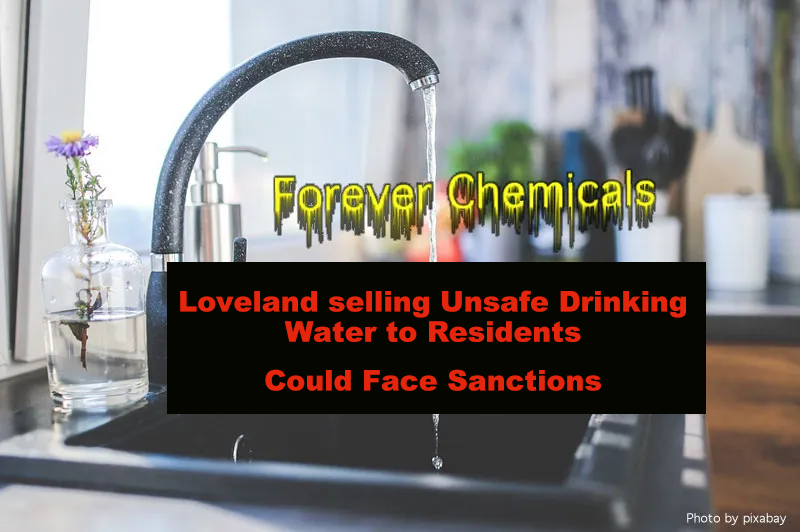

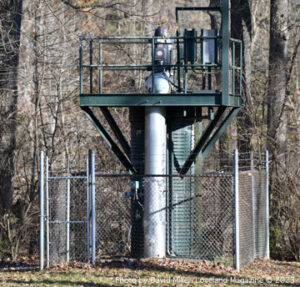

 Loveland, Ohio – Join us with co-writer and director Anthony Cousins and others from the new film Frogman (2023). The exclusive screenings are the first in the region and takes place right in Loveland where the events unfolded. This found footage movie follows a young man named Dallas (Nathan Tymoshuk) who takes a picture of Frogman while on vacation. He goes back to look further and finds more than he bargained for.

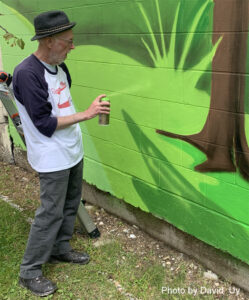















![Vendors Announced for “Sip and Shop: Mother’s Day Edition” [Video Interview]](https://lovelandmagazine.com/wp-content/uploads/2023/04/kate-wendy-feature-2-feature.jpg)



 Tigers Inc on
  Learn more about
  The Landing Event Center on
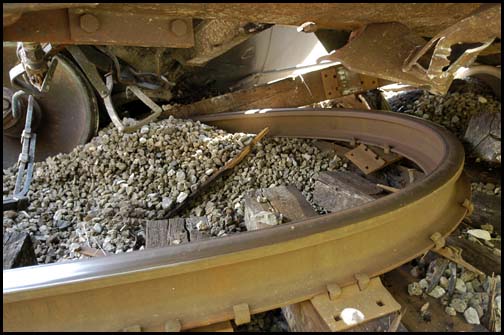
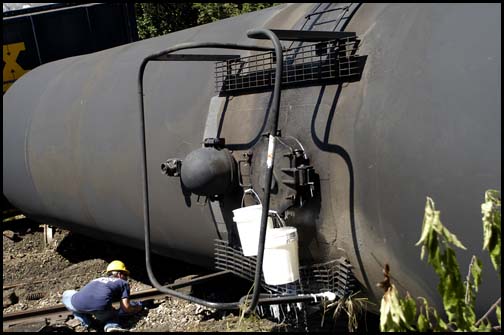

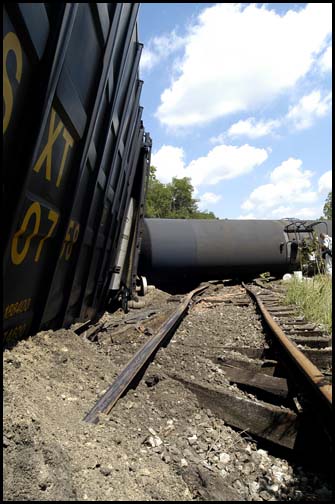
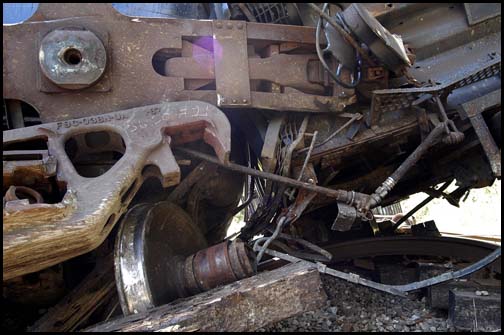
![[Video Report] The 13th running of the Captain Seth Mitchel Hero 5K](https://lovelandmagazine.com/wp-content/uploads/2022/10/hero-5k-feature.jpg)