Loveland is a vibrant, bustling, and prosperous city. Which is why the question of increased parking space is an issue. People come to Loveland to live and visit because it is quaint and unique. Another asset that Loveland enjoys is an educated, engaged, and energized resident population. This is an asset that many towns would covet and that could be used to great advantage. Sadly, however, the mayor’s council continues to deny residents a vote on the parking garage, keeping them from actively participating in their own city. Instead of seeking a clear mandate through referendum to go forward with the plan, the council claims that all decisions, regardless of impact and cost, belong squarely with them. This lack of respect for residents’ role in Loveland’s future causes controversy and encourages mistrust of authority. A referendum would take away the controversy completely – the voters would have their say and all questions about the soundness of a garage and discord between residents on either side of the issue would simply dissolve.
The council could easily calm this discord and start to heal the damage caused by the garage proposal. By creating a referendum for the garage, the council sends a clear, strong, unequivocal message that they care what voters think; that they listen to the will of the people; that they trust the residents to make wise, thoughtful decisions. There is a bonus to the referendum for newly elected council members. By voting in favor of the referendum, the new members would prove beyond doubt that they are living up to their campaign promises to listen to residents.
Whether in favor of the garage or opposed to the garage, every resident in Loveland should have a voice in this momentous decision. And Loveland residents should not have to force the council into the referendum by collecting signatures. The path of pitting residents against council by collecting signatures to force a referendum is beneath Loveland city council and its constituency. This would only cause further distrust and anger among residents, which is not in Loveland’s best interest.
According to Councilmember Bateman’s statement on 23 November 2021, democratic principles are alive and well in Loveland. This comment was seconded by Mayor Bailey. A referendum is your chance to prove it. Create a referendum and let democracy take its course. There is literally nothing to lose and everything to gain.
Almost everyone agrees that the parking situation in Loveland needs attention. Let’s create a parking committee. Loveland has almost 20 committees and not one of them is tasked with parking. Let’s invite residents to investigate options and alternatives that will be cheaper, more flexible, and less intrusive. Let’s work together to gather data, define the problem, and come up with a range of solutions that can be openly discussed and debated. Working on this project could bring people together instead of causing strife.
Myriad solutions are possible: institute valet parking; purchase an old-fashioned retro shuttle to get visitors to locations in downtown; increase use of Nature Preserve parking; use Loveland’s beautiful parks for events and gatherings instead of having every event in the downtown area. All of these could be accomplished for a fraction of what the garage would cost and keep our town quaint and unique. Each of these solutions would also greatly reduce traffic into the downtown area. Let’s take a breath, think outside the “parking garage” box, and have a conversation. Let’s work together to get it right.
The decision on whether to build the proposed garage is too important to get wrong. And it isn’t important enough to tear the city apart.
Do the right thing. Heal the conflict. Put the garage on a referendum.
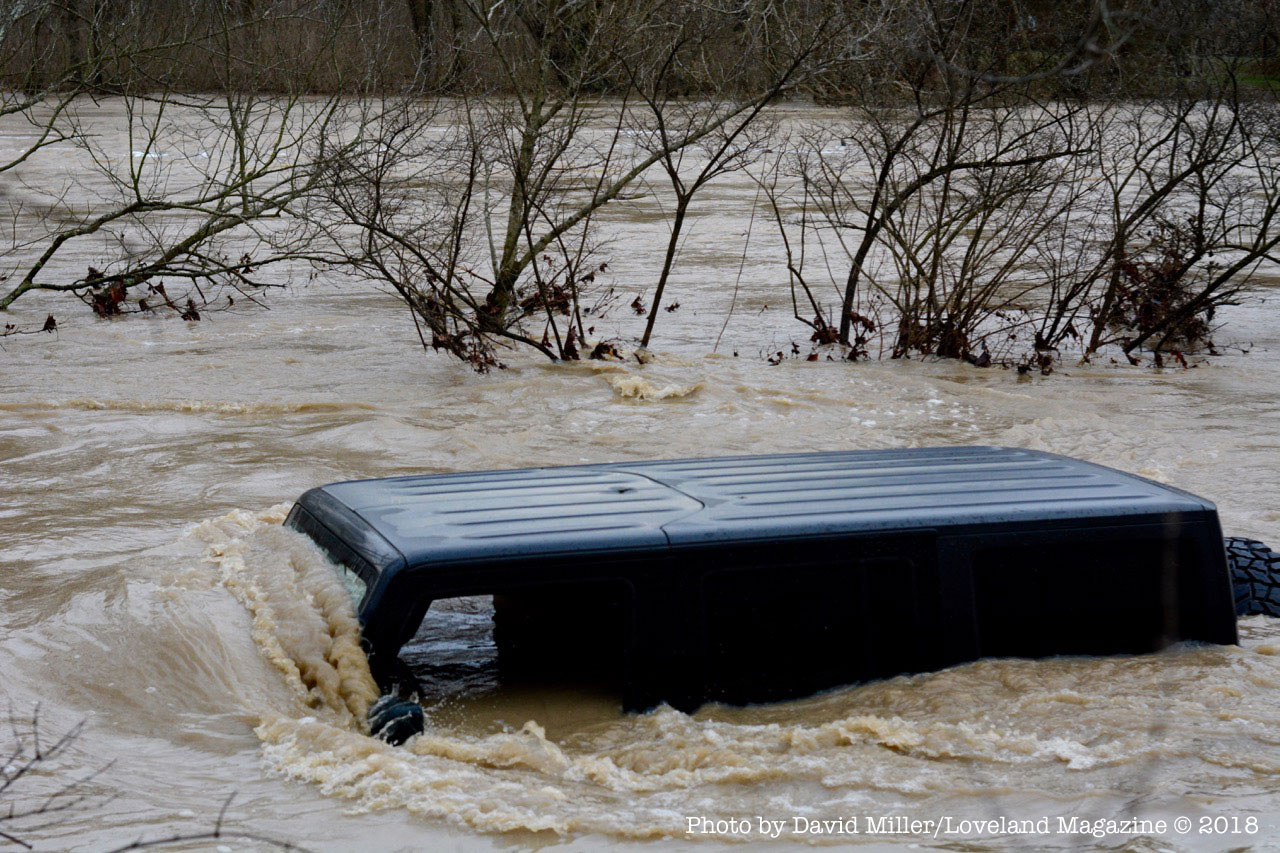
The above photo is of flooding in Loveland on February 25, 2018
“The notion of the common good also extends to future generations.
– Richard Rohr
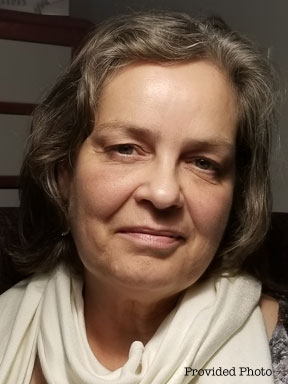
Lauren Enda lives in Loveland at Hidden Creek
by Lauren Enda
Weather is changing in Ohio. According to Cincinnati’s Office of Environmental Sustainability, Ohio is getting hotter, wetter, and suffering with more extreme weather and periodic droughts. More storms and more rain increase runoff and flooding. Hamilton County has had nine 100-year storms in the last 10 years. This is a startling statistic and should be troubling for everyone, especially those who live near water. Therefore, the city of Loveland should be looking very closely at what, and how much, is developed. Replacing permeable surfaces (grass, gravel, earth) with impervious surfaces (concrete and asphalt) are a major cause of flooding in urban areas. This article will present a high-level overview of the environmental risks associated with the proposed parking garage.
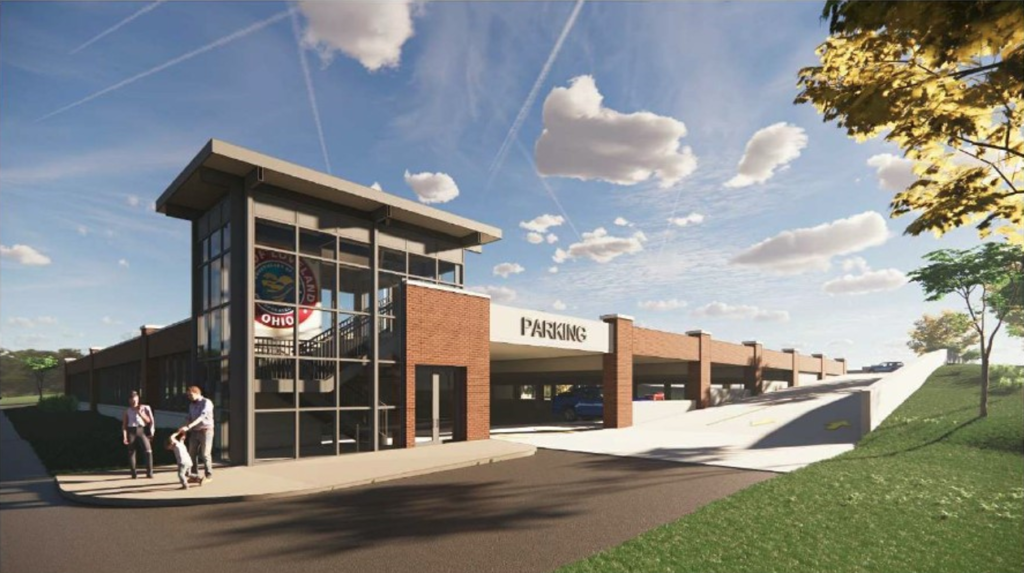
The proposed parking garage for Historic Downtown as envisioned by City Hall.
What happens when we heedlessly and perhaps needlessly, dig out trees, remove soil, disturb the water tables, and pour tons of concrete without appropriate studies? Replacing permeable surfaces with impervious surfaces could lead to unwanted and dangerous side effects.
Most dangerous to the residents and businesses of Loveland is water runoff and flooding. According to the United States Geological Survey, “…rainfall in forested watersheds is absorbed into soils, stored as groundwater, and slowly discharged to streams… Flooding is less significant in these more natural conditions because some of the runoff during a storm is absorbed into the ground, thus lessening the amount of runoff into a stream… As watersheds are urbanized, much of the vegetation is replaced by impervious surfaces, thus reducing the area where infiltration to groundwater can occur. More simply, in a developed watershed, much more water arrives into a stream much more quickly, resulting in an increased likelihood of more frequent and more severe flooding.”1
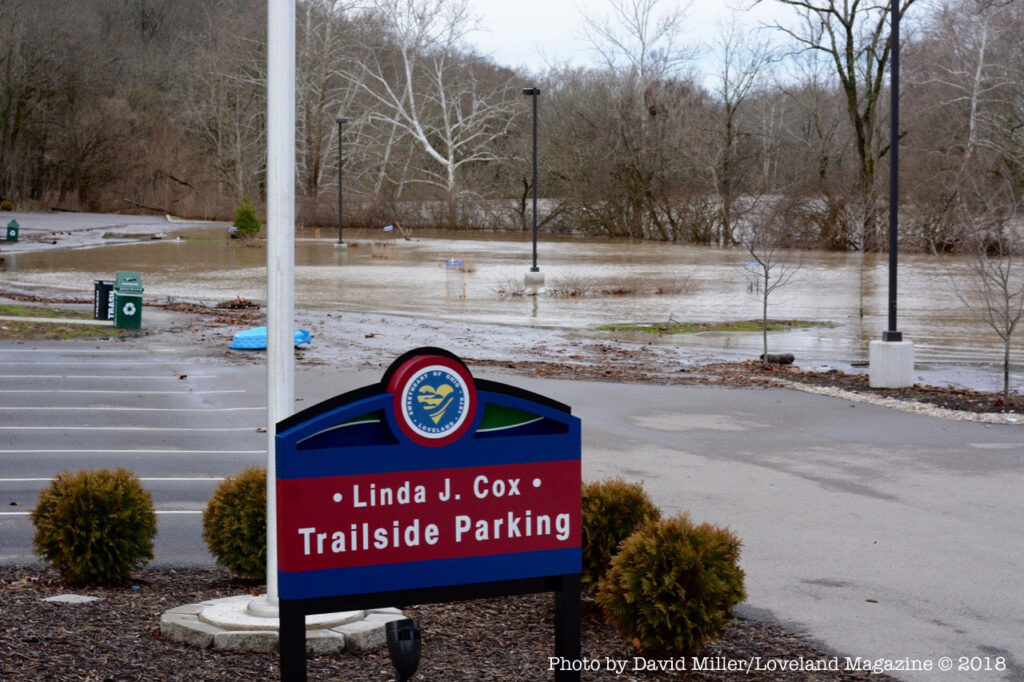
The Linda Cox Trailside Parking lot in February 2018
The Little Miami River and O’Bannon Creek could be at risk. Studying runoff, flooding and erosion in and near the Linda J. Cox parking lot may be a good place to start before Loveland adds more concrete or asphalt downtown. The increasing number and severity of storm events is not going away, but will worsen, raising the flood risk even higher. Can we afford to have more flood events? Is Loveland prepared for, or even starting to prepare for, this eventuality?
But flooding is not the only problem with water running from a massive parking garage into the Little Miami. The water itself brings contaminants from paved parking surfaces like oil, leaking brake fluid, antifreeze, and trash, which are then put directly into the river. The summary of a 2014 report in the journal “Environmental Challenges” quotes that, “Impervious car park surfaces represent a major source of urban water pollution.”2
The risk of increased flooding and contaminated runoff are bad enough, but the proposed garage will bring pollution to Loveland in other ways.
Air pollution: More cars downtown will mean more exhaust fumes rising into the air.
Noise pollution: More traffic and more cars will bring more noise to our tranquil downtown.
Light pollution: Parking garages are magnets for crime and other undesirable activities and therefore must be extremely well lit – 24 hours a day, 7 days a week. This light pollution will destroy the picturesque nighttime setting we currently enjoy.
The smoggy Loveland horizon from Loveland High School during an Air Pollution Alert in July of 2016
An additional, but by no means trivial, impact on our environment, is the concrete itself. Concrete has a massive carbon footprint, which is concerning if we care about the future of our children and grandchildren. According to a 2018 report by the BBC, “Concrete is the most widely used man-made material in existence. If the cement industry were a country, it would be the third largest (carbon dioxide) emitter in the world – behind China and the US.”3 Let’s not make uninformed or hasty decisions about building with a material that is so hurtful to the environment.
Finally, expanses of concrete or asphalt create what is called a “micro-climate: “The climate of a small, specific place within an area as contrasted with the climate of the entire area.”4 According to multiple studies, urban areas with paved surfaces are hotter than the surrounding areas by as much as 7 degrees. We have all witnessed this phenomenon when standing in a parking lot in the summer. Does Loveland want to introduce a “heat island” to our downtown?
“Success can be measured in different ways.”
Loveland resident Lauren Enda
I do not claim to be an environmental scientist, a climate expert, or a soil or water conservation guru. Perhaps as a community we can learn more about the current, and future, environmental impacts of today’s decisions. What will these decisions look like in 2030 or 2040 when the problems facing Loveland will perhaps be much larger than simply having to park a block further away? Will our children be glad for more concrete, or will they wish for a safer, cleaner, more sustainable Loveland? Success can be measured in different ways.
An unbiased environmental study by experts who will not benefit with the building of the proposed garage would help Loveland make decisions for today, and for our future, in an uncertain and changing world.
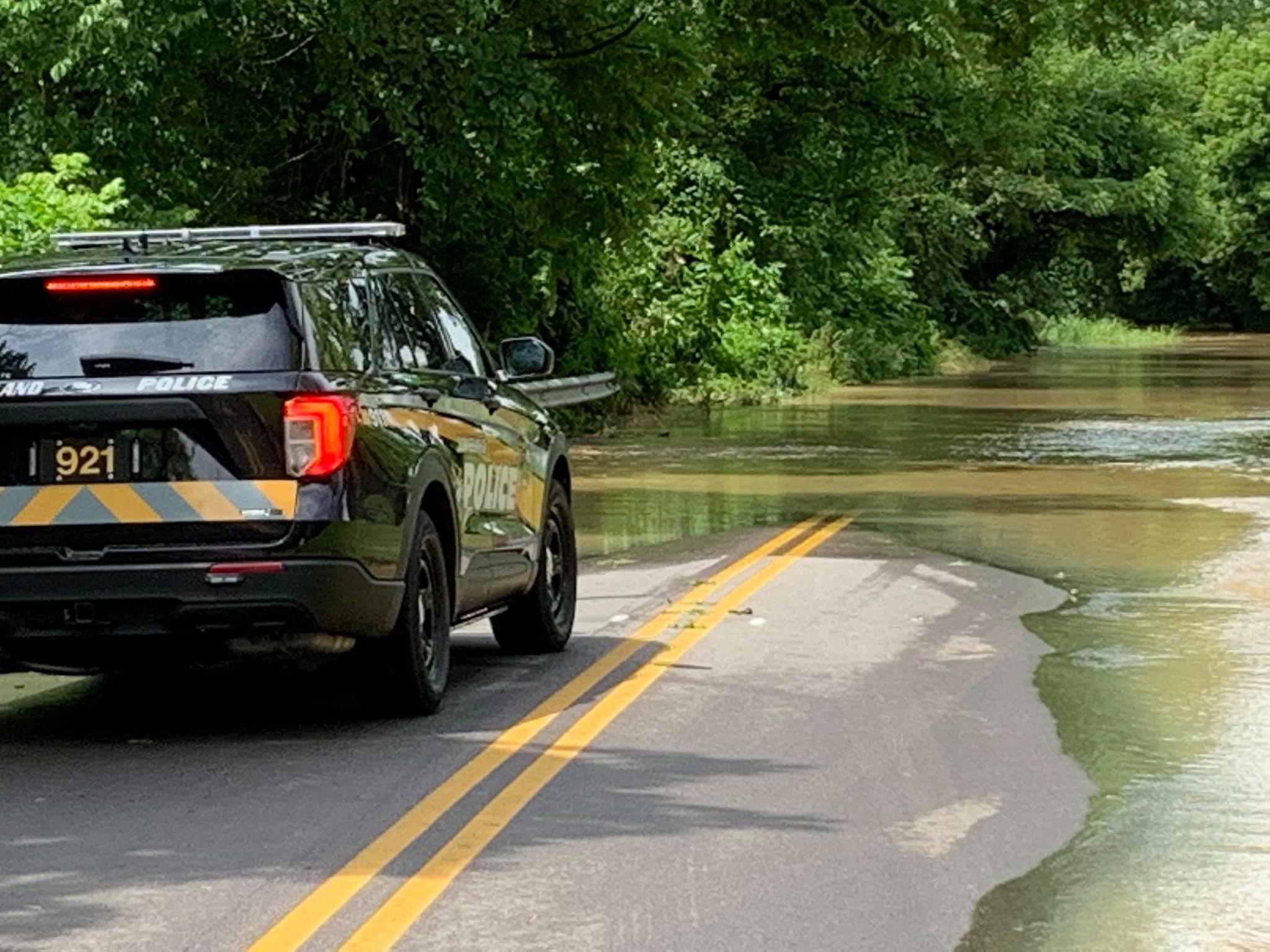
Loveland, Ohio – Minor flooding is occurring in Loveland, Ohio. East Kemper Road and Karl Brown Road are closed to traffic. 3.5 inches of rain fell in Loveland overnight into the late morning. This photo was taken at 269 East Kemper.
In addition, the Little Miami Scenic Trail will be closed
by David Miller
David Miller
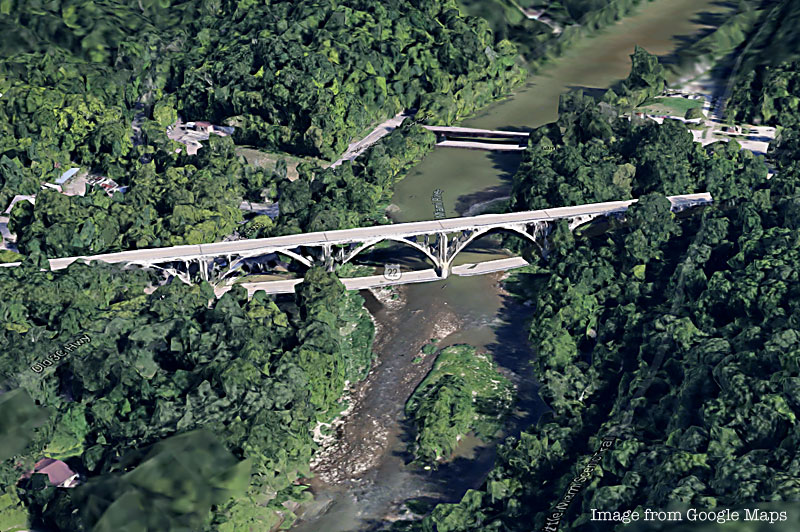
Hamilton Township, Ohio – Trustee Marcus Shelton announced today that the Fosters Bridge over Little Miami River on US 22 / SR 3 is scheduled to close on June 7th for 50 days. The bridge is commonly known as the Viaduct Bridge.
Shelton said that this is the next phase of a dual bridge rehabilitation project where contractors for the Ohio Department of Transportation will be replacing the expansion joints, overlaying the bridge, patching the substructure, and upgrading the guardrail.
The project will require a full closure of U.S. 22 for up to 50 days. Currently, the closure is scheduled to go into effect on Monday, June 7.
While US 22 / SR 3 is closed, motorists will be detoured by way of Columbia Road, Western Row Road, I-71 and S.R. 48.
Due to anticipated increased traffic volumes on Old 3C Highway and other local routes, the left-turn movements at Socialville-Foster Road and Old 3C Highway and at Foster-Maineville Road and Old 3C will be prohibited.
In addition, the Loveland Bike Trail (Little Miami Scenic Trail) will be closed where it crosses Old 3C Highway, although the trail will be open to the north and to the south of Old 3C.
Shelton said, “These changes are being implemented to ensure safety and minimize the overall impact to motorists, pedestrians and bicyclists.Motorists are encouraged to select alternate routes whenever possible, as they may experience traffic backups and significant delays, especially when traveling during peak travel times in the vicinity of the U.S. 22/3 bridge over the Little Miami River and in the Landen and Maineville areas.”
Loveland, Ohio – It’s no secret that there are a lot of creative minds in the Loveland area; the secret lies within the hidden talents that many of Loveland’s community members and local business employees hold deep down inside of them. One of these individuals is Larry Smith, a Loveland Hardware Store employee and beyond talented photographer!
Although Smith is technically retired he decided that he just couldn’t sit around and do nothing with his retirement so he decided to take a position at The Loveland Hardware Store, located in the heart of Downtown Loveland on Broadway Street next to Mile42 Coffee, and rekindle his passion for photography!
Smith shared his background with us as well as some fantastic photos he took of the Loveland area!
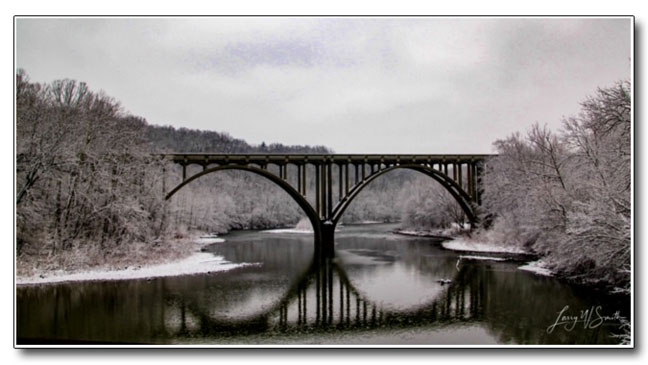
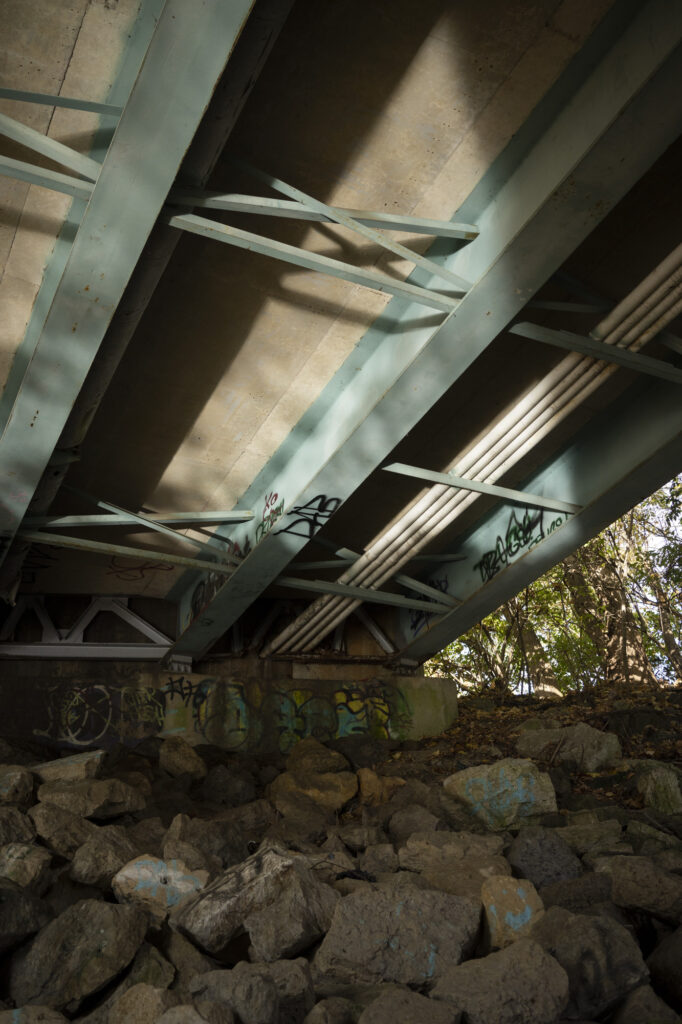
“I’ve been doing photography for 30 years as a hobby and absolutely love it. Landscape and God’s nature are my favorite things to shoot but of course, I love taking pictures of my family and especially our grandkids doing their activities,” Smith said. “The sunset picture (the feature image in this article) was taken in the fall of 2020 behind the Monkey Bar & Grill. It was one of those ‘right places at the right time’ and I was blessed to capture it. The 22/3 Viaduct picture (photo pictured below) was taken in the winter of 2020. My grandparents lived in this area when I was growing up and I always admired that bridge. I try to capture it at least every season of the year.”
We would like to thank Larry Smith for providing us with these beautiful photos and encourage anyone in the community who has hidden talents to share them with us by writing us a “Letter To The Editor.”
If you absolutely love Smith’s photos like we do you can contact him to take photos for you at LarrySmithPhotography1@gmail.com.
Stay tuned to more of your Loveland Salad With Me, Cassie Mattia!
Ohio River Foundation begins area’s largest habitat restoration
Loveland, Ohio – The Ohio River Foundation (ORF) is embarking on the largest habitat restoration project ever undertaken in Southwest Ohio. The project, made possible by a $50,000 grant from Coors Seltzer and its Change the Course partnership, will restore six miles of riverbank along three Ohio River tributaries: The Little Miami River, Great Miami River, and O’Bannon Creek.
ORF will plant 10,000 to 15,000 native trees and shrubs along those riverbanks. Phase one of the project begins this month and involves harvesting live stakes – taking cuttings from native trees that grow in riparian areas during their winter dormancy. Those “live stakes” will then be planted on riverbanks once the weather warms up in March.
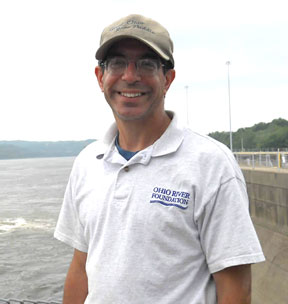
“The Ohio River is a source of drinking water for more than 5 million people. But because of pollution from urban runoff, agriculture, sedimentation, and industrial pollution, many sections of the Ohio River do not meet water quality standards,” said Rich Cogen, Ohio River Foundation’s executive director.
Recreation is an important part of the economic sustainability of Loveland along the National and State Scenic and Wild Little Miami River.
The Little Miami is the source of drinking water for Loveland, Milford, and Indian Hill. O’Bannon Creek empties into the Little Miami in Historic Downtown and Loveland folks know this creek because they so often cross over it when heading north along the Loveland Bike Trail from Nisbet Park.
Plants along riverbanks improve water quality by keeping pollutants out of the water and by helping control erosion, thus reducing sedimentation. As they mature, these riparian plants also provide habitat for streamside birds and mammals and create shade that helps fish and other aquatic species thrive.
Rich Cogen, Ohio River Foundation’s executive director
“Restoring the habitats along these tributaries will go a long way toward improving their health, and it will reduce the amount of pollution that makes its way into the Ohio River,” Cogen said.
Assisting ORF with this project are Great Parks of Hamilton County, Hamilton County Soil and Water Conservation District, Miami Township, Miami Conservancy District, Anderson Township, City of Loveland, Cincinnati Parks, Colerain Township, and Rivers Unlimited.
Volunteers are needed for both phases of the project. Live stake harvesting will take place on:
Sunday, Feb. 28 (10 a.m.-1 p.m.) at Nisbet Park, 126 Karl Brown Way, Loveland, Ohio, 45140
Thursday, March 4 (10 a.m.-1 p.m.) at Miami Township West Community Park, 4063 E. Miami River Road, Cleves, Ohio, 45002
Sunday, March 7 (10 a.m.-1 p.m.) at Heritage Park, 11405 E. Miami River Road, Cincinnati, Ohio, 45252 Volunteers, who will be helping cut stakes, should dress for the weather, wear waterproof shoes, bring a mask and follow all COVID-19 recommendations. All tools, including boats needed to access some sites, will be provided. Advance registration is required; for more details, or to sign up, visit www.ohioriverfdn.org. Additional volunteer opportunities to help with spring stake planting will be announced at a later date. For more information, visit www.ohioriverfdn.org.
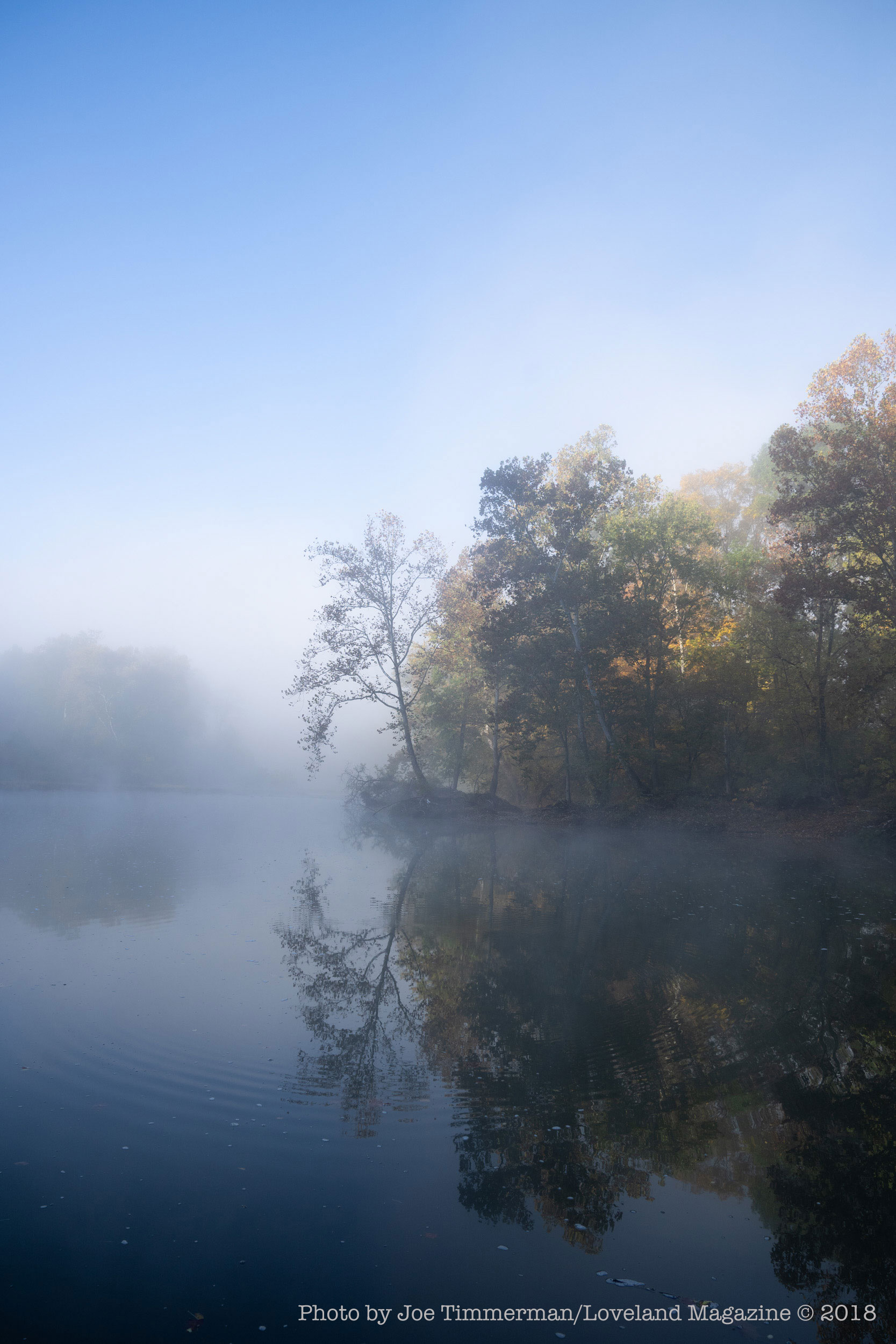
Few leaves are still falling off trees and down the ever-running water of the National Wild and Scenic Little Miami River, where they float through five counties and 111 miles of southwest Ohio, into the Ohio River and toward the Mississippi before eventually finding their way into the Gulf of Mexico. Today, these 111 miles of Little Miami River are the cleanest that they have been in the last 40 years, and as the world may seem largely disconnected due to the coronavirus pandemic, a connection between people over time is helping to create the river’s lasting sustainability.
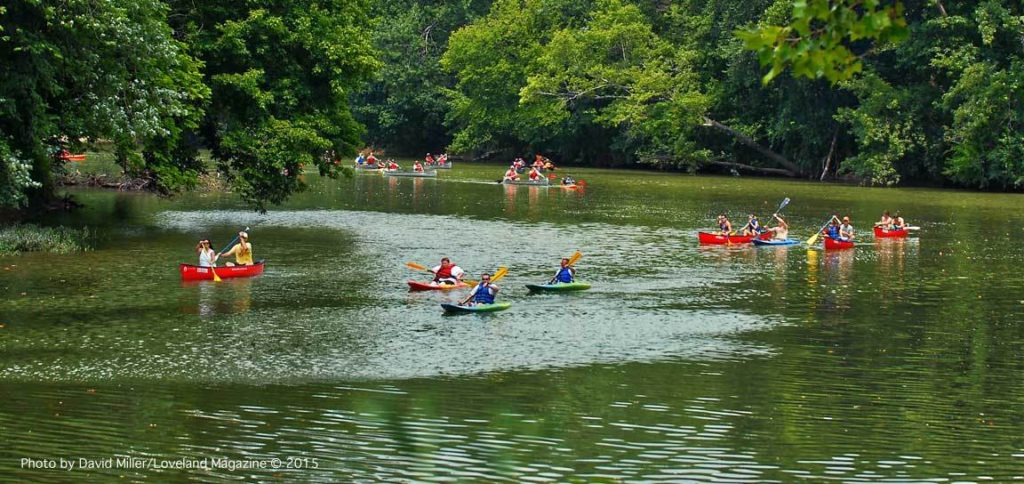
Since the end of the last Ice Age before this land was known as America, humans have lived along the Little Miami River and enjoyed the resources it provides — drinking the water alongside its banks while hunting for fish within, using the clay to build pottery or structures, and floating on the surface in kayaks or canoes like the leaves still do today. In that time, the river has seen many seasons of change, from shifts in human culture alongside its banks through community development to biological diversities in its rich, natural environment, according to the Little Miami Ecology and History report.
When the Little Miami was designated as Ohio’s first State Scenic River and included in the National Wild and Scenic River System in 1973, according to the Ohio Department of Natural Resources, locals had already been active in its conservation and return to sustainability for more than half a decade. The Little Miami Conservancy (LMC), a non-profit organization fueled by passion for the protection of the river, led the effort in Washington to recognize the importance of protecting the Little Miami River as not only a local hidden gem, but as a national treasure.
The lower section of the river runs right through the heart of Loveland, Ohio, where LMC and its current executive director, Eric Partee, is based. Partee’s passion roots from the original director of the conservancy, Glenn Thompson, who in 1967 embodied the idea that their effort isn’t about one single person, but rather about everyone coming together to save the river.
“Someday, a corridor of green will stretch from one end of the river to the other. Individuals and families will enjoy peace and quiet and restoration of spirit that comes with clean water, birds, and trees,” a quote from Glenn Thompson that Partee believes the conservancy has lived up to.
Since its origin, the conservancy has worked with agencies like the Ohio Environmental Protection Agency (OEPA), who records the condition of the Little Miami River every 10 years by sampling fish life. In the 1980s, only 4% of the Little Miami River was in full attainment of water quality health, but in recent years, the chart has flipped, and as of 2007, the river is at 96% attainment of health, according to OEPA research.
“As early as the turn of the century, this river was very well polluted. (There were) a lot of deformed fish, it was not anything close to exceptional,” Partee said in an interview. “It took a lot of discussion, a little bit of arm twisting, and some local funding to fund improvements to the sewage treatment plants to ratchet down on phosphorus, which was the main culprit … when we got the treatment plants to ratchet down on that, biology basically turned around on a dime —from terrible to exceptional.”
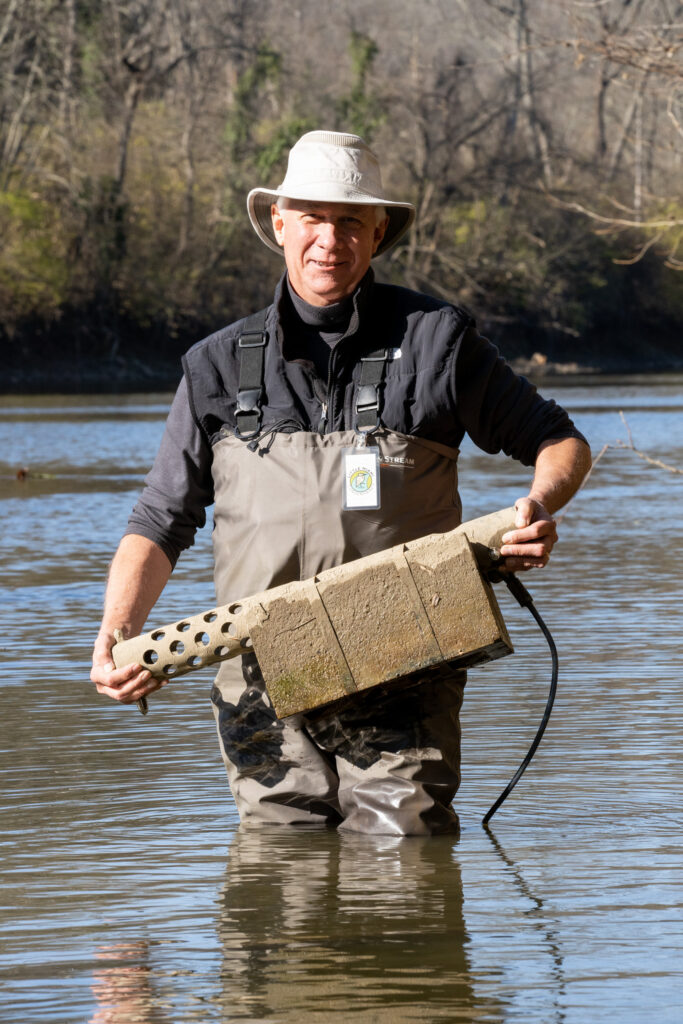
To make sure the river stays healthy, LMC introduced a set of equipment called YSI Water Quality Sondes, which monitor dissolved oxygen in nine locations throughout the length of the entire Little Miami, according to Partee. Each system monitors oxygen every 15 minutes, allowing for constant awareness of river health to prevent a reversion of quality. The conservancy also takes prides in their work on forest restoration through buying riverfront properties, planting trees, removing invasive species, and working collectively to clean up trash in the effort to grow closer to the initial goal of a corridor of green along the riverbank.
A short walk from the doors of the conservancy is the Loveland Canoe and Kayak Livery, owned by Mark and Robyn Bersani, which is just one of the many businesses along the Little Miami River that rely on its health as their main resource for income. The Bersanis work closely with the conservancy each year by offering and volunteering for cleanups as well as generous donations. This year, along with two other liveries including Rivers Edge and Scenic River, their combined donation to the Little Miami Conservancy’s effort was $56,000, according to Bersani.
“We’re involved from a grassroots portion, to actually helping with cleanups, to keeping an eye on the river, as well as donating and continuing to fund the good work that they do,” Bersani said in an interview. “It comes down to the people that live along the river, people that visit the river, the people in the community, if the river is going to stay clean. This river is very natural, it looks like it did 300 years ago … it is vital that the citizens all realize they have a role in this.”
Up the road at Loveland High School, Amy Aspenwall, an AP environmental science teacher teaches teenagers the importance of environmental awareness through hands-on experiences in places like the Little Miami River.
Perhaps half of the students attending Loveland High School cross over the Little Miami State and National Scenic Little Miami on their way to school each morning.
In an interview over Zoom, Aspenwall talked about the importance of students getting out into nature to actually see how humans fit in the environment, because “if you don’t see it, it’s really not your problem,” Aspenwall said. From understanding food waste to the water drinking system to sewer treatment facilities, her goal is to allow students the opportunity to realize a sense of civic responsibility.
“It’s important for students to start to think of themselves as a bigger picture rather than just someone following teacher instructions,” Aspenwall said. “I want them to start thinking on their own and realize how powerful they are as a consumer.”
Michelle Waller, an environmental specialist in the Division of Surface Water at OEPA, discussed the difficulties the river has faced through poor nutrients entering the river due to excess phosphorus from treatment plants and still faces through agricultural runoff from farms, in an interview over Zoom.
Waller said that placing phosphorus limits on the main stem’s water treatment plants in recent years proved to show major improvements in river nutrients after the OEPA performed sampling, but other negative sources are out of their reach. “We do not have authority over agriculture the way we do with what we call point sources, the treatment plants,” Waller said. “We try to work with local Soil and Water Conservation Districts, they try to get the word out about good farming practices … but there is no real regulatory authority which is a really big problem.”
The majority of land along the Little Miami River is agricultural, unlike other major rivers in Ohio that have industry running alongside their waters. And just like the branches of community that have come together to help preserve the river, many tributary streams and creeks branch out from the Little Miami, though those tributaries can be overlooked.
As most organizations, including the OEPA and LMC, focus their efforts on upholding the exceptional quality of the main stem of the Little Miami River, there is still work to be done in the tributaries. Partee talked about how there just isn’t enough time for LMC to visit every tributary and talk to every landowner. However, near Beaver Creek in Greene County, there is an organization called the Beaver Creek Wetlands Association, which has adopted that very issue. “I think that’s probably the best future for the watershed, to have local citizens dealing with multiple tributaries and try to restore or protect it,” said Partee.
Between the shared relationships of the Little Miami Conservancy, OEPA, local government officials, developers, landowners, non-profits, teachers, and local business owners, a community has come together and worked toward the common effort to make a positive, sustainable change in the health of the river.
The timelessness of the Little Miami River will carry on as long as its water continues to run. And as it always has been, it’s still up to the people alongside the riverbank to make sure that the water runs clean for generations to come. As the late author Nelson Henderson said, and Eric Partee paraphrased when we talked together, “The true meaning of life is to plant trees, under whose shade you do not expect to sit.”
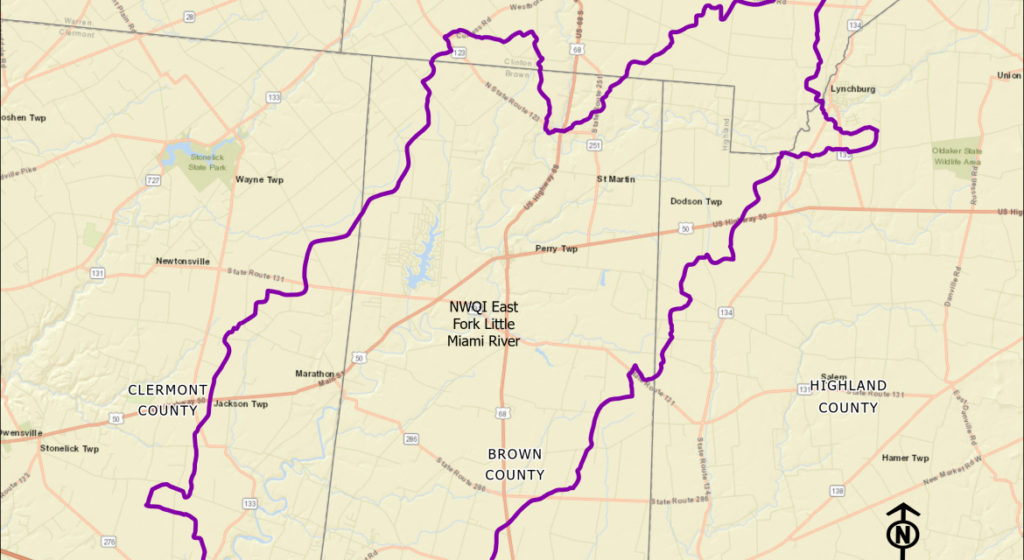
The U.S. Department of Agriculture’s Natural Resources Conservation Service (NRCS) announced the deadline to submit applications for Ohio’s Environmental Quality Incentives Program (EQIP). Additionally, NRCS is offering an opportunity for agricultural producers in three watersheds in the East Fork Little Miami River Basin to apply for assistance installing conservation practices that protect water quality through the National Water Quality Initiative (NWQI). The deadline for both applications is Jan. 15.
The three East Fork watersheds for which the additional NWQI funding is available include:
Glady Creek-East Fork Little Miami River
Solomon Run-East Fork Little Miami River
Five Mile Creek-East Fork Little Miami River
Together, Ohio NRCS along with the Clermont, Brown, Clinton, and Highland Soil and Water Conservation Districts (SWCDs) will utilize funds to implement core water quality practices in these watersheds. Applicants for the EQIP and NWQI programs should be farmers, or farm or forest landowners and meet eligibility criteria.
“The additional NWQI funding available is a great opportunity for landowners to implement conservation practices in their operation to help and improve water quality on cropland, forest, pasture, and farmsteads,” said Christina Gates, NRCS district conservationist for Brown and Clermont Counties. “If your property is located within the outlined funding area please contact me prior to Jan. 15 at christina.gates@usda.gov to schedule a field visit and submit an application for funding for 2021.”
Property owners in Clinton and Highland Counties with land in the funding area should contact their local NRCS office.
Applications signed and submitted to NRCS by the Jan. 15 deadline will be evaluated for fiscal year 2021 funding. Visit Ohio NRCS website under “EQIP Funding Categories” for more details. To learn more about EQIP or other technical and financial assistance available through NRCS conservation programs, visit Get Started with NRCS or contact your local USDA Service Center.
The event will be livestreamed on Facebook so that you can cheer on your ducks as they race!
Loveland, Ohio – You can pick among charities to support and have a chance to win $750 if you enter the The Ducky Derby – Splash and Dash!
Hundreds of running events in the Tri-State have been cancelled in 2020 due to Covid-19.We all miss these events, especially the many charities that are supported through your participation.
The Ducky Derby – Splash and Dash is here to help fill the void!
The Ducky Derby is not like other virtual races, in this event a rubber ducky will be racing in your place and it will be a fully chip timed event!There will be up to 10,000 ducks racing down the Little Miami River.
The first three ducks to cross the finish line will win cash prizes ($750, $500, $250)
The fastest duck(s) in each category will be awarded prizes.
Choose your favorite animal (category) to race in your place:
The Ducky Derby will take place on October 11, at 9 AM
The ducks will be released into The Little Miami River in Loveland to begin the event. They will then race approximately ½ mile down the river. The ducks will go through a check point and a finish line. At the check point and finish line the “owner” of the duck will receive a text message of their current race time.
The Ducky Derby will be livestreamed on Facebook so that you can cheer on your ducks as they race!
Please note that this is a live event, but due to health department restrictions, spectators are encouraged to watch only online. All awards and shirts will be mailed to participants following the event.
Together we can support our favorite charities and maybe get a little “DUCKY” in the process!
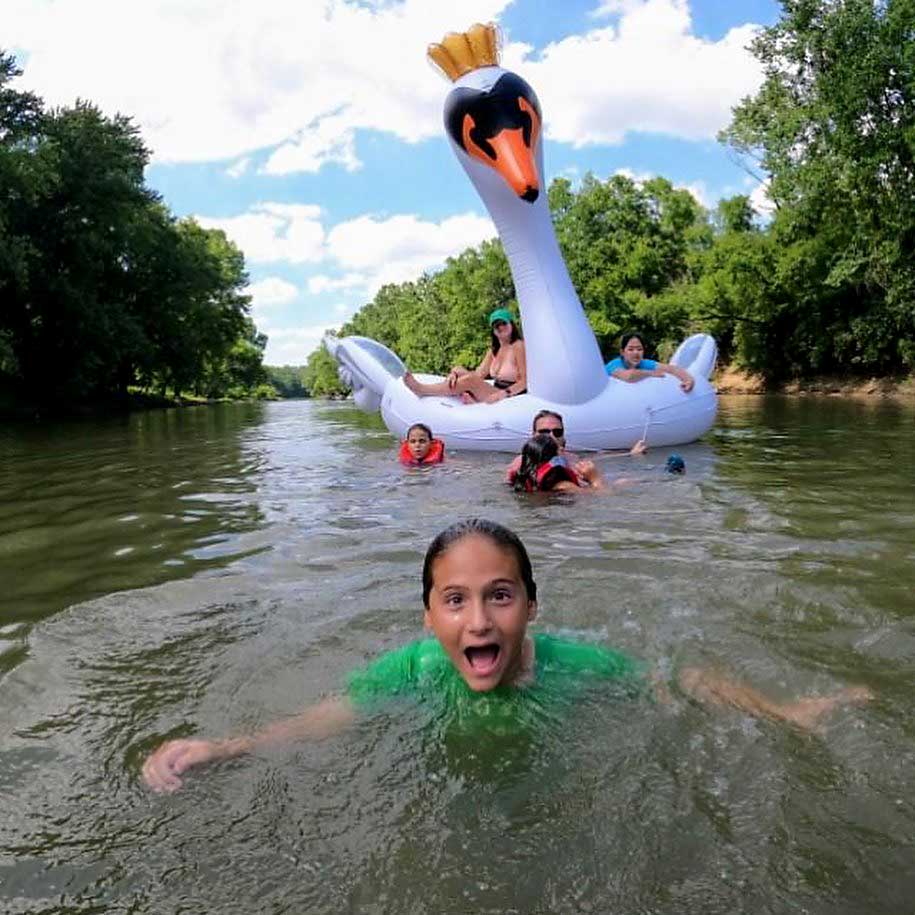
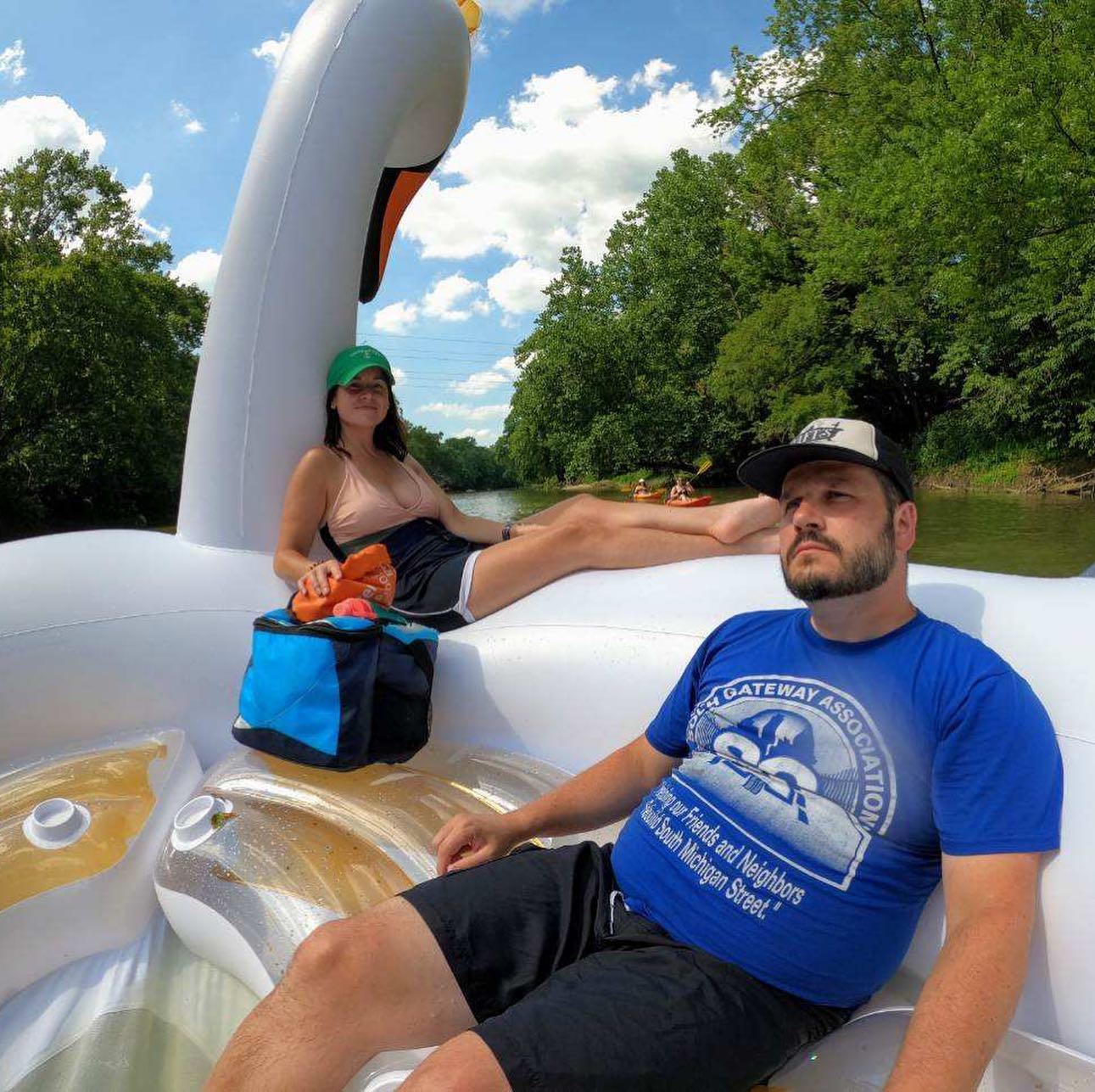
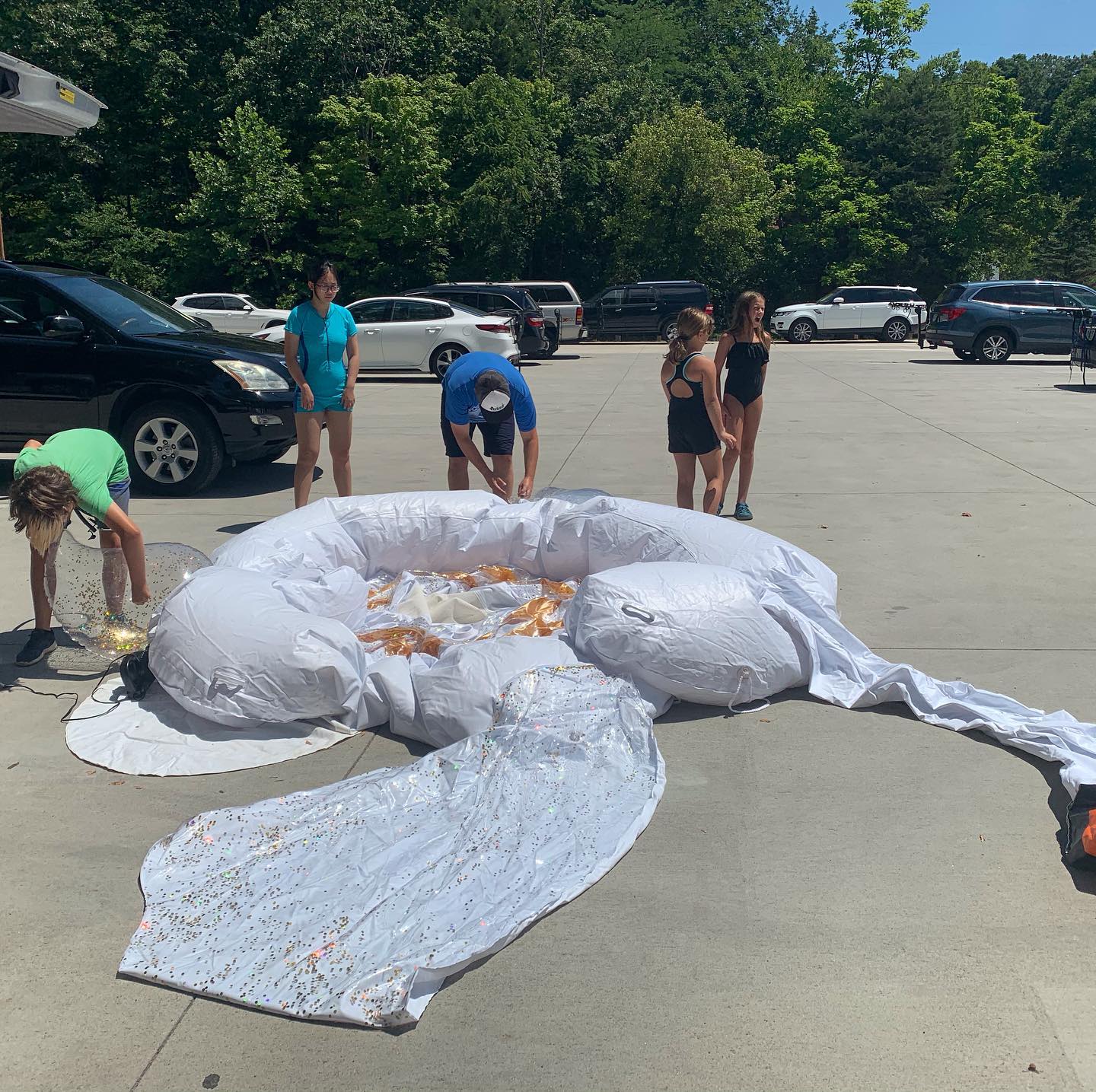
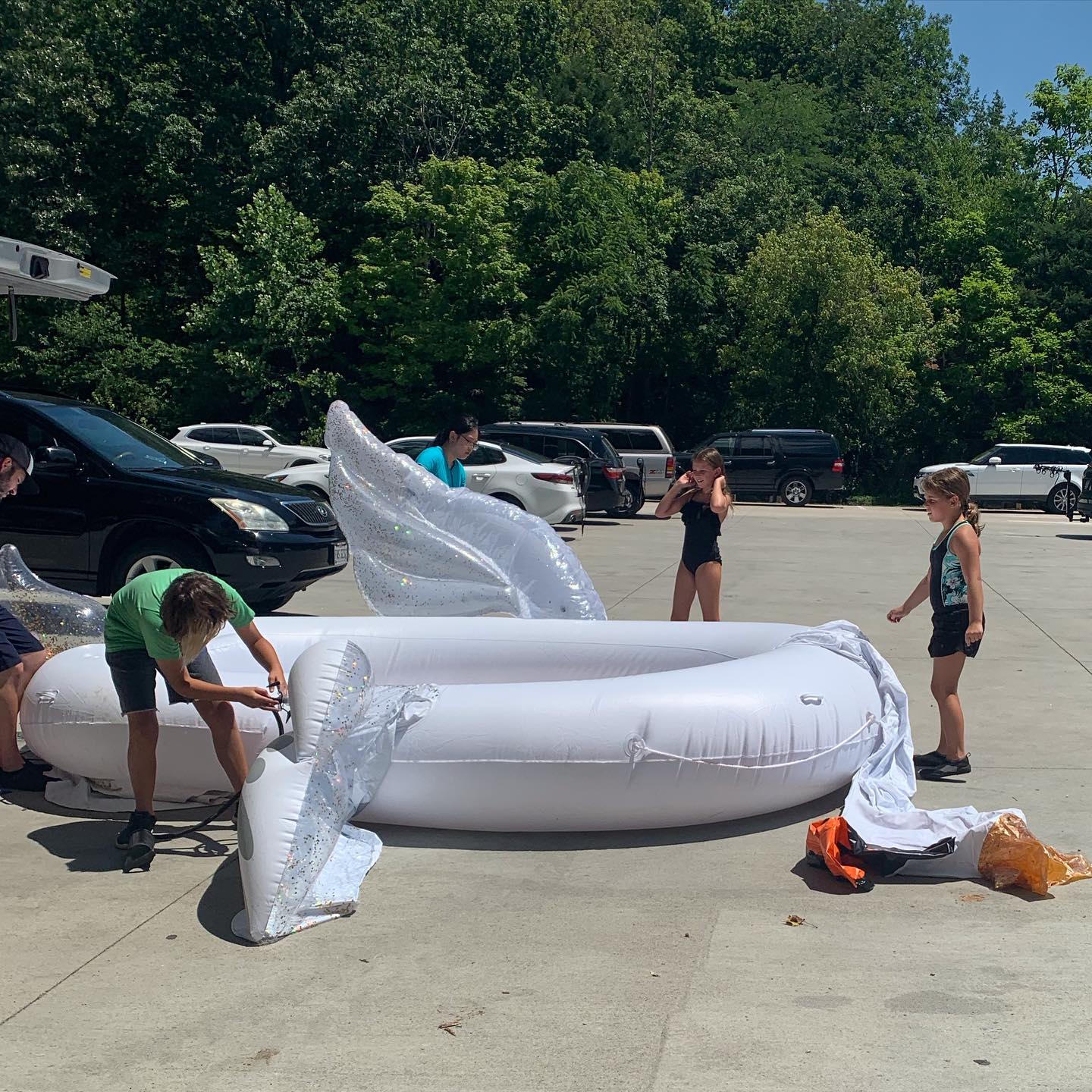
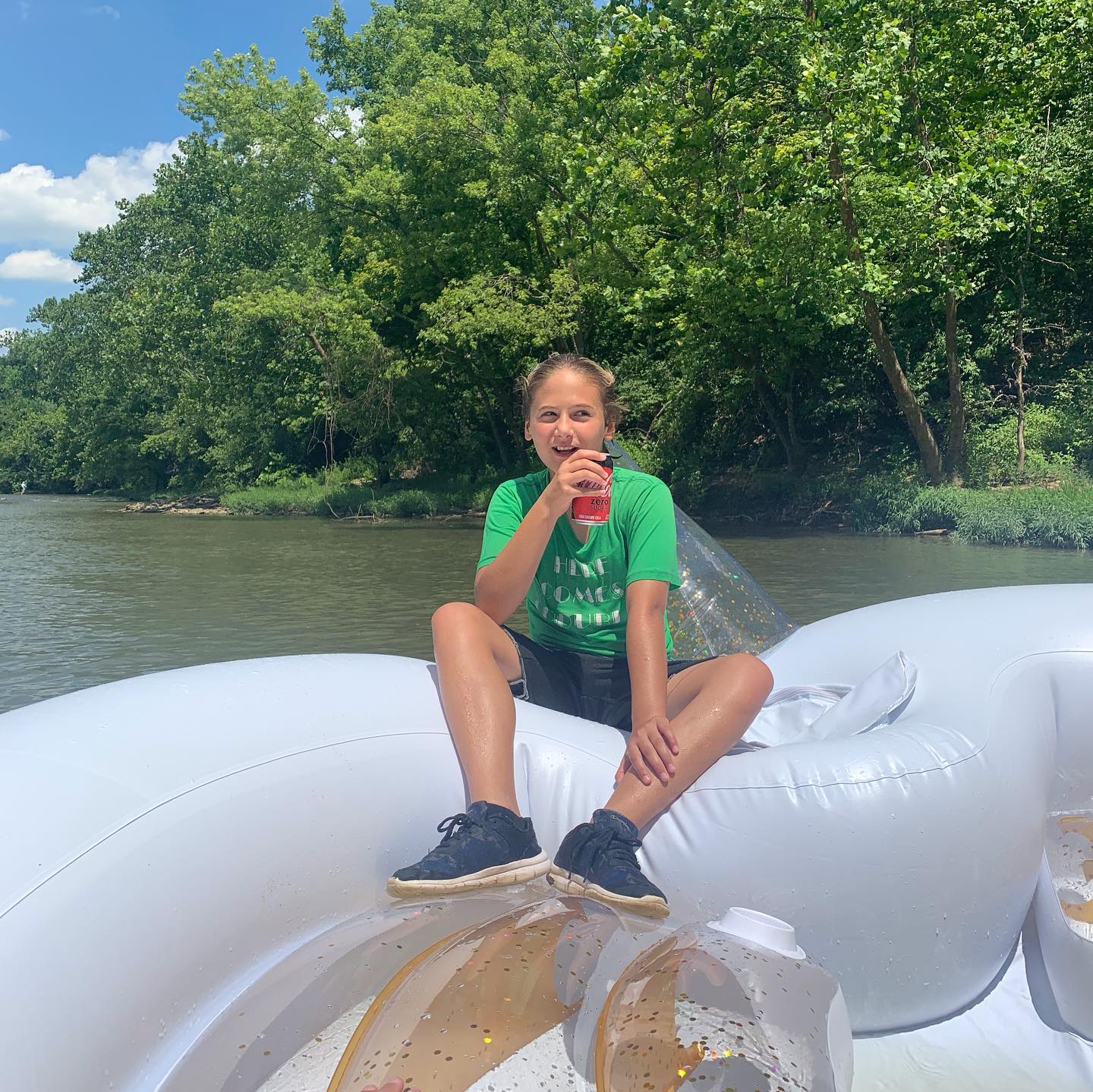
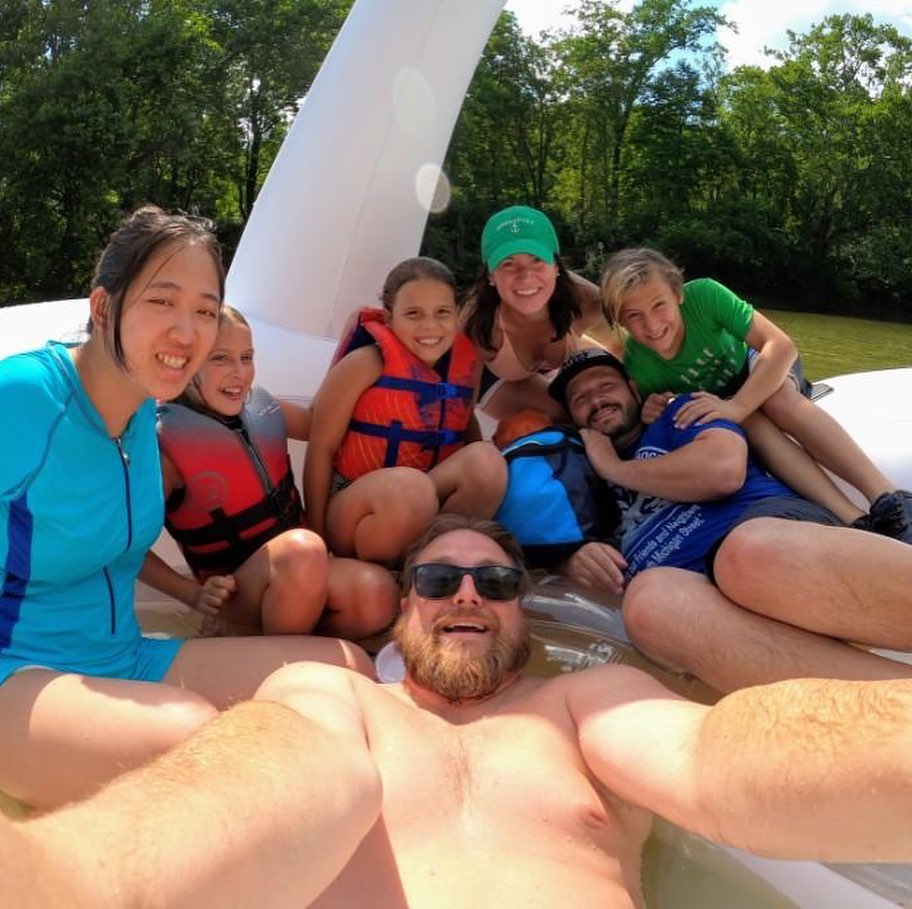
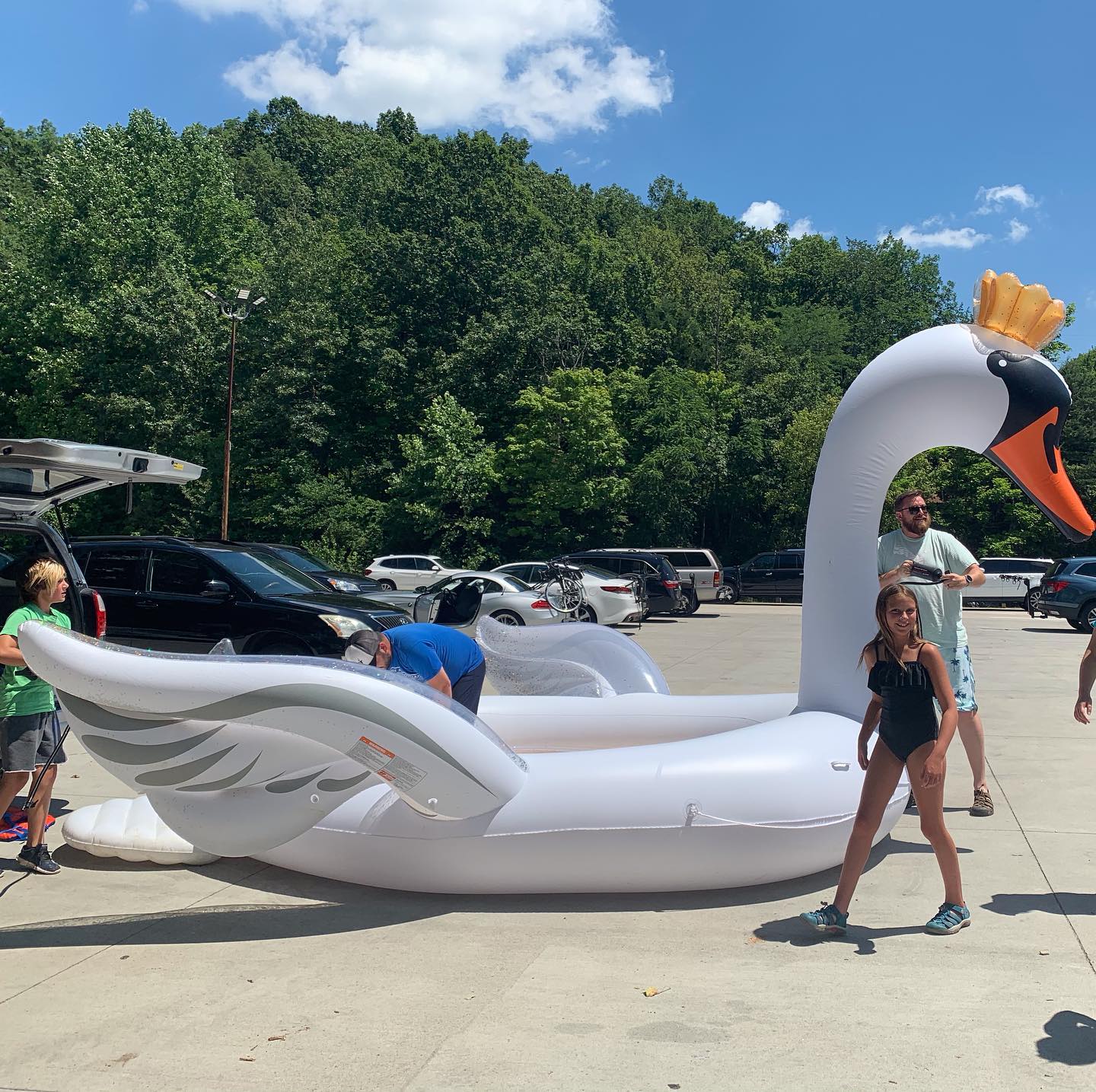
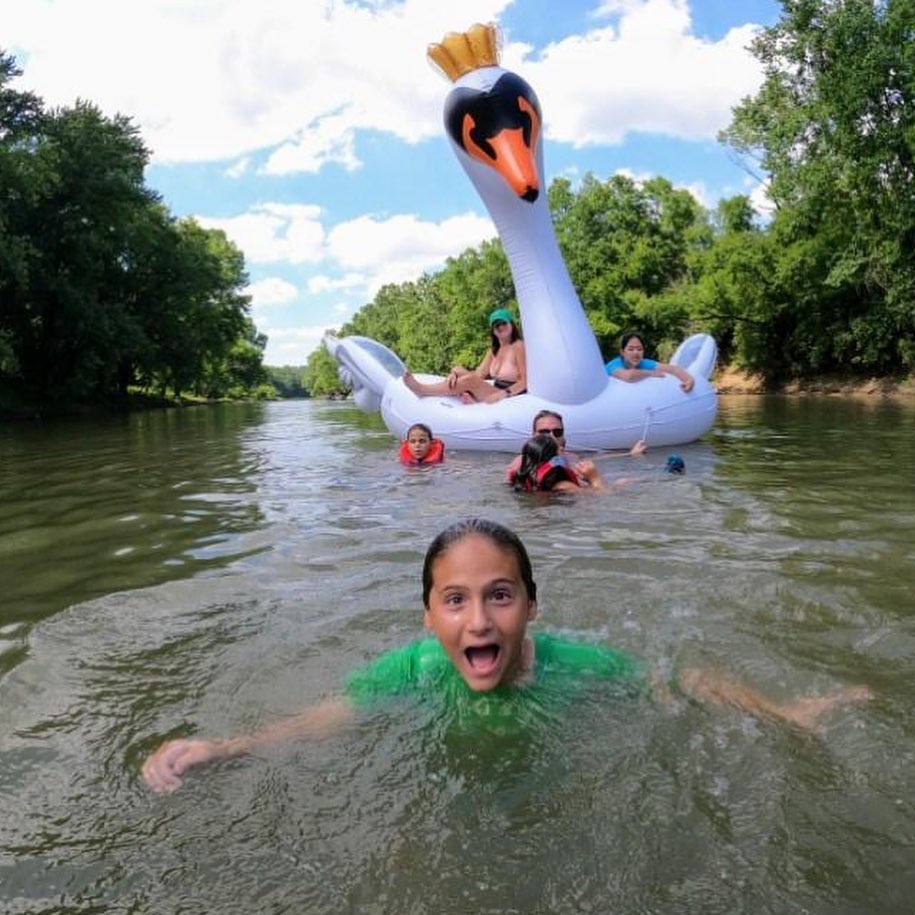
Loveland, Ohio – Have you happened to see a gigantic swan floating down the Little Miami River? Well, I am here to tell you that it wasn’t just your imagination! On Saturday afternoon Symmes Township Resident, Nick Dyson, shared with us some photos that showed himself and his family and friends floating down the Little Miami in a huge inflatable swan. Dyson shared his “swan story” with us so that those who frequent the State and National Wild and Scenic, the Little Miami River, and our famous Loveland Bike Trail would be sure to look out for the swan all the way from the Amazon!
“My friend Brian Rogers is the director of student ministries at Northstar Community Church, and he initially bought the swan on Amazon to use with his students and volunteer leaders in the retention pond that was going to be made with all of the construction going on at Northstar/The Care Center,” Dyson explained, “However, in the final renovation there ended up not being a retention pond at all, so he took the swan out for its inaugural float about a month ago on the Little Miami with all of his volunteer youth leaders. He then busted it out a second time to use this past Saturday the 25th with both of our families, including their exchange student from China. We put the swan in the river at the Monkey Bar in Foster and got out about 2-1/2 miles downstream at the Deerfield Township river access on Shore Drive. There are only a few spots on the river where the river access is wide enough to put the Swan in the water because it is so huge,” Dyson said.
Dyson provided us with some incredible photos of the “swan-filled” afternoon so that we could share the story and photos with the Loveland community! We want to thank you Nick for sharing your story and some really fun photos with us! Check out Dyson’s photos below!
We believe we always have some important news to share with you about our community.
And sometimes like today – this very fun and Lovelandesque photo that really depicts our resort town – the Staycation Resort of Southwest Ohio.
If you believe as we do that having a locally owned and independent newspaper is valuable to your life and the life and vitality of Loveland, will you consider clicking on the link below to send along a modest contribution?
We recognize not everyone can do so at this time, however, we are like so many other small local businesses with reduced revenue and bills to pay that we cannot ignore.
Those that can afford a modest contribution will enable us to continue publishing news for everyone.
Please stay safe and healthy friends.
Best regards, best wishes, and thank you so very much,
Cassie, Donna, Mihaela, Claire, David, and the Frog.









 Panda Duck – Bear Duck – Elephant Duck – Giraffe Duck – Tiger Duck – Leopard Duck – Duck Duck