Loveland, Ohio– The Warren County Health District has been notified of a breach in a sewer main by the Warren County Water & Sewer Department and the Ohio Environmental Health Association in the area of Socialville-Foster Road and Old 3C Highway.
Loveland is downstream of where the raw sewage is entering the Little Miami River.
As a precautionary measure, the Warren County Health District is advising citizens not to enter or fish in the Little Miami River south of Old 3C Highway in Warren County until the sewer breach has been repaired. The Warren County Health District will be conducting testing of the Little Miami River to identify potential increases in bacteria.
There are increased health risks associated with coming into contact with wastewater. Parasites, viruses, and bacteria can cause a range of conditions including; diarrhea, dysentery, gastroenteritis and hepatitis A.
To prevent the spread of disease the Warren County Health District is advising the public not to enter the water until the breach has been corrected.
Swallowing a small amount of contaminated wastewater or having contaminated wastewater come in contact with an open wound, may make you sick.
The symptoms can range from mild to severe. If you have diarrhea, the most important thing you can do is to drink plenty of fluids to prevent dehydration. This is especially important for young children, pregnant women, and persons with weakened immune systems (such as those living with HIV/AIDS, those who have received an organ transplant, or those receiving certain types of chemotherapy).
Seek medical care immediately if you experience any of the following symptoms:
your diarrhea is bloody or diarrhea isn’t improving after 3 days
your diarrhea is accompanied by fever or chills
you are dehydrated (signs of dehydration include: dry or “cottony” mouth, cracked lips, dry
flushed skin, headache, irritability, not urinating at least four times a day, no tears when crying, not sweating, or confusion)
A health care provider may prescribe medicine to help replace the fluids your body has lost because of the diarrhea. In some cases, over-the-counter medications can slow the diarrhea.
The Warren County Health District will notify the public with additional information as needed. The public will be updated when the precautionary measures are lifted via media release.
Cassie Mattia is a resident of Historic Downtown Loveland
by Cassie Mattia
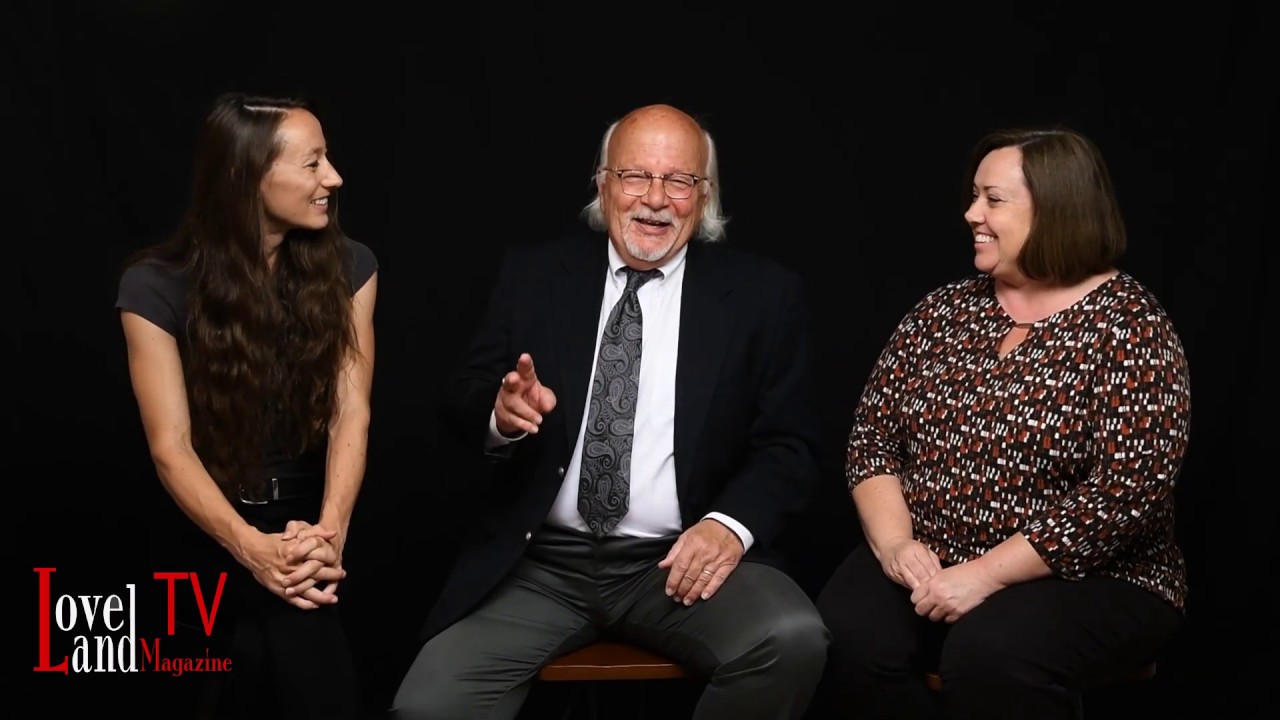
Loveland, Ohio – Who wouldn’t want to learn about a community built on “Love?” Loveland’s Clerk of Courts, Misty Cheshire, and Loveland U Director, Ray Kingsbury, joined Loveland Magazine at the Loveland Magazine TV studio to talk about the program that Mayor Kathy Bailey said, “City Council is committed to finding ways to help our residents understand the decisions we make, become more involved, and connect with the community; this program accomplishes all these goals and more.”
In this interview, you can meet Ray and Misty and understand what they love about Loveland.
Loveland U will be an interactive adult learning environment with minimal lecture time that focuses on finding ways to help Loveland residents understand obtain first-hand knowledge and provide valuable input and feedback into the issues, plans, and activities of the Loveland community.
Loveland U’s purpose is to provide a way for residents to become more involved and connect with the community.
Spots for the Loveland U experience are limited! Check out the interview with Cheshire and Kingsbury to find out how you can secure your Loveland U spot! Oh and don’t worry the Little Miami River Chamber Alliance, thanks to an anonymous, but very generous person is giving out scholarships for those who want to participate in the Loveland U experience, but need a sponsor to take on their 99 dollar participation fee – a fee that offsets the cost associated with the materials and meals for the sessions. After viewing the interview if this is something you’re interested in, email info@lmrchamberalliance.org or call 513-683-1544.
For everyone else:
If you have any questions, contact, Ray Kingsbury, Loveland U Director, at rkingsbury@lovelandoh.gov, or by phone 513-774-3090.
The City of Loveland, along with partners, Little Miami Conservancy, Loveland City Schools, Loveland Stage Company, and Loveland Museum Center have joined forces to launch Loveland U.Limited to just 25 participants, Loveland U will utilize an interactive adult learning environment with minimal lecture time.
Thursday, September 12Restoring Loveland’s Front Porchatthe Loveland Museum Center
Saturday, September 21 Navigating Our National Wild and Scenic River & Riverfront Developmentwith Little Miami Conservancy
Wednesday, September 25 Joining the Loveland Stage Company for A Peek Behind the Curtain at the Loveland Stage Company
Thursday, October 3 Connecting with the Loveland-Symmes Fire Department to Feel the Heat
Thursday, October 10 Discovering A Citizen’s Role in the Downtown Plan
Thursday, October 17 Diving into NIMBYs, CAVE people and Financial Reckoning
Wednesday, October 23 Painting Our Portrait of a Tigerwith Loveland City Schools
Wednesday, October 30 Standing Behind the Badgewith the Loveland Police Department
Saturday, November 9 Proceeding with Caution – Work in Progress!with Loveland Public Works
Thursday, November 14 Celebrating your journey at Loveland U Graduation…Lovin Life
Loveland, Ohio – Scott Carney is an artist and photographer and says that he and his family have lived in the Loveland area for over 30 years. He grew up in Carmel, Indiana and studied Fine Art at Ball State University. He took this iconic photo in Historic Downtown on the bank of the State and National “Scenic” Little Miami River. The Little Miami River is one of 156 American rivers designated by the U.S. Congress or the Secretary of the Interior as a National Wild and Scenic River.
You can see more of Carney’s photography and his other art on his Facebook page.
Many know Scott as a former Pole Vault coach at Loveland High School.
Loveland, Ohio– The Little Miami River was swollen this afternoon and rising slowly, however no flooding is predicted.
The photo above was taken this afternoon at what local folks call the Loveland Whirlpool.
Can you identify the location?
Do you know how deep the pool of water is beneath the Loveland Whirlpool?
Do you know what local legend says is at the bottom of the pool?
Use the comment section below if you think know the answers.
Tonight: A chance of showers, mainly before 10pm. Patchy dense fog before 4am. Otherwise, cloudy, with a low around 33. South wind 8 to 11 mph becoming west in the evening. Chance of precipitation is 50%. New precipitation amounts of less than a tenth of an inch possible.
Thursday: Mostly cloudy, with a high near 46. West wind around 7 mph.
Loveland, Ohio – Every historic town has its secrets and so does its local businesses. Learning the history about where you live not only makes it more appealing but also forces you to ask yourself what else don’t I know about the very town I live in?
Many Loveland residents are aware of the historic nature of the town itself, but DID YOU KNOW Loveland was known as a resort town because of its summer homes for the wealthy? Loveland was referred to as “Little Switzerland of the Miami Valley.” Loveland was also home to Ohio’s first paper mill built by John Smith in 1810. The Mill is now known as “Kugler Mill.” DID YOU KNOW Loveland was originally known as Paxton until Colonial Ramsey in 1863 reestablished the borders of the land, therefore, deciding upon the name Loveland due to the frequent stops residents made at James Loveland’s popular general store.
No one is afraid to show school spirit in Loveland, as Loveland City Schools is a hot commodity in the historic town of Loveland, but DID YOU KNOW Loveland City Schools was operated as two separate districts, Loveland East and Loveland West until 1926?
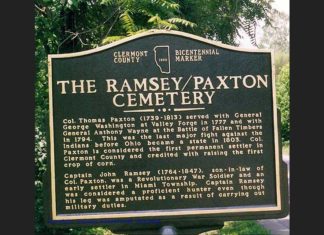
There’s nothing like going to that one particular local spot in town where everyone knows everyone and that’s exactly what you experience when you step into one of oldest buildings in Loveland, Paxton’s Grill. In the 1880’s Paxton’s Grill was home to the Grear’s Saloon until years later the building was transformed into a restaurant and named after Loveland’s first settler Colonial Thomas Paxton. Paxton’s opened its doors in 2000.
One of the best spots to purchase running gear according to many Loveland residents is Jackrabbit located right in the heart of downtown, but DID YOU KNOW that wasn’t always a retail store? The building where Jackrabbit stands now used to be a B&O Train Depot built in 1907! Bob Roncker’s Running spot was opened in 2008 and was rebranded into Jackrabbit in 2013. The building was once the studio of world renown artist, William Schickel.
Clothing Boutiques have seen an outstanding increase in popularity over the last few years due to the fascination with a more vintage style of clothing. DID YOU KNOW Loveland has finally landed its very own clothing boutique called Alley’s Boutique?
Before Alley’s Boutique owners Janel Thompson and Debby Walker ran a fashion store called Cincy Fashion Wheels located in the Bishop building right here in Loveland. Unfortunately, in May of 2017, their store was one of many businesses that were destroyed by a devastating fire in Loveland’s historic Bishop Building. With every tragedy brings new opportunities and with that opportunity, the now trio of owners, with the addition of Ann-Marie Toney, found a new location right off the Little Miami Bike Trail and changed the name to Alley’s Boutique. DID YOU KNOW Alley’s Boutique was the first business affected by the Bishop Building fire to reopen?
Safety has never looked so flashy! DID YOU KNOW anyone using the bike trail can now hit a button that will activate a large rectangular rapid flashing beacon on both sides of the bike trail crossing on Loveland Avenue that alerts traffic to stop for pedestrians using the crossing? The Ohio Department of Natural Resources and the Friends of the Little Miami State Park secured an ODOT safety grant in the amount of 46,000 dollars to improve safety and traffic flow at the bike trail crossings in 2017.
If you live in Downtown Loveland it’s very easy to attain an active lifestyle with the Little Miami bike trail in your backyard and what goes hand in hand with an active lifestyle? A healthy diet! DID YOU KNOW that Loveland’s Fresh Press Juicery and Coffee uses only fresh local and organic ingredients to create their timeless menu items? Fresh Press is operated out of a 147-year-old building by owners Jacob and Katie in the heart of Downtown Loveland. DID YOU KNOW Fresh Press features Chef Jimmy Hooper who developed his extensive skill set in places such as, the Fairmont Hotel in Chicago, Cincinnati’s Tavern Restaurant Group and Ivy Hill’s Country Club? Chef Hooper not only used his culinary creativity to create menu items such as The Arugula and Sweet Potato Bowl, The Avocado Sweet Toast and The Frogman Smoothie, but he also designed the kitchen and built the inside and outside bar at Fresh Press.
Plaid Room Records will soon open in the old Pizazz location next to City Hall.
Vinyl records have been making a huge comeback since the vintage wave has taken the world by storm. In 2015, Loveland got it’s very own piece of history when Plaid Room Records opened its doors. DID YOU KNOW that Plaid Room Records saw such success in their store that they decided to open shop at a brand new location on West Loveland Ave right next to the beloved Loveland Sweets shop? The new shop will open in September and will provide Plaid Room Records with the much-needed space for their 20,000 plus collection of vinyl records. Plaid Room Record’s 2015 location was 900 square feet and now their new location will be over 2,200 square feet, which will allow Plaid Room to bring in more live music, serve beer, host more events and stock more records. DID YOU KNOW Plaid Room Records is home to Colemine Records started by owners Terry and Bob Cole? Colemine, known as raw and authentic soul music, was created in 2007 after Terry and a friend had finished an album called The City. They wanted to start selling the album at shows but didn’t want to do it the traditional way so Terry decided to create a logo for the album, which led to the making of the label Colemine. Fast forward to 2015 Colemine Records came to Loveland and found a home at Plaid Room Records.
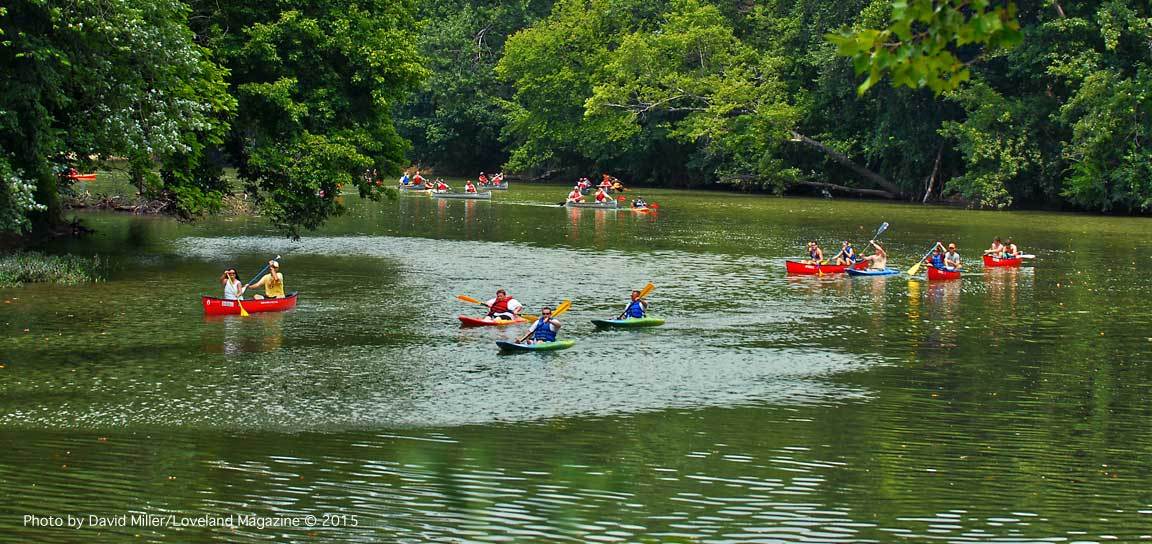
The State and National Scenic Little Miami River flows through the heart of Downtown Loveland.
Stay tuned for part 2 and 3 of my tour of Historic Downtown Loveland, Ohio.
The following is an excerpt from Chapter Seven of The Search for the Underground Railroad in South-Central Ohio by Tom Calarco, scheduled for publication in late October by History Press. It is being published with permission from History Press.
Tom Calarco is a resident of Historic Downtown Loveland, Ohio.
By Tom Calarco
Part Two of Two
Butterworth Station of Loveland and the Underground Railroad: Further Recollections
In 1894, Robert Carroll provided the Cincinnati Times-Star with his account of the assistance he gave the Butterworths in their work along the Underground Railroad.
Often, in this wild flight for freedom, the master, with his unhuman helpers was in close pursuit, armed … devoid of mercy, protected by the law, and supported by a public sentiment that was respectable … Whether the pursuit was or was not immediate and pressing, it was always probable and expected, so that the runaway was in the condition of the hunted . . . .
By 1820, the old stone house overlooked the fields as it does today along the Little Miami Bike Trail just outside of Loveland in Hamilton Township.
Along the banks of the Little Miami River in the hilly countryside north of Cincinnati, stands an old stone house, a relic of slower days, when there was lots of land and few people. It is not lived in much these days, but a big family of Quakers lived there for many years. Their forefather, Benjamin Butterworth was a six-foot six inch pioneer, a giant of a man who was said to have weighed 300 pounds. His roots in America dated back before the 1700s. Born in Virginia, he fought in the Revolution and was entitled to purchase a grant of land in the Northwest Territory, in the Virginia Military District, of which much of Ohio was part. This land and his inheritance provided him with substantial wealth. He was like many future Ohioans who would settle the new state: a slaveholder who freed his slaves and took them along to where there was no slavery.
The people that helped [fugitives] . . . had no rational hope of compensation. On the contrary, they gave aid, with the certainly of the loss of time and money, and with the possibility of fines and imprisonment.
One early morning I was told to go up in the haymow. On doing so I was somewhat startled to see half a dozen black persons hidden away. That day they lay hid and their food was carried to them with secrecy. About 9 o’clock that evening we hitched up, [and] cautiously loaded the vehicle with its human freight, and carefully fastened down the curtains.
Thomas Butterworth
Thomas Butterworth was there and assisted. It was raining; the sky was still clouded and the roads wet and muddy. We went at first by a lane, across the farm of Butterworth, another of the brothers … We soon struck the main road and turned our course towards the North Star . . . . We drove along at a round pace, always on the lookout for pursuers, and it must be confessed, somewhat nervous. Now and then we stopped, and by the struggling moonbeam’s misty light, carefully scanned the road in both directions. We crossed Todd’s Fork near the site of Morrow; drove past Rochester and Clarksville and on through the night to Harveysburg, where we arrived just after daylight. As we traveled along the stories of the blacks were told.
We soon struck the main road and turned our course towards the North Star. Now and then we stopped, and by the struggling moonbeam’s misty light, carefully scanned the road in both directions.
In one, a slave trader had come to their plantation which meant the possibility of being sold to the Deep South where they would be overworked in brutal conditions with the likelihood of dying an early death. Another was family of three, whose twelve-year-old daughter was under consideration of being sold away. They stole a skiff and rowed down the Licking River to Cincinnati. A third told of a man who contracted out to work and earn money which he was using to pay for both the freedom of himself and his wife. Unfortunately, his wife was owned by a different master, a Baptist minister in fact, who sold her away to the Deep South.
Unfortunately, his wife was owned by a different master, a Baptist minister in fact, who sold her away to the Deep South.
“Scruples of conscience at violating the Fugitive Slave Law readily vanished before such narrative[s],” Carroll said.
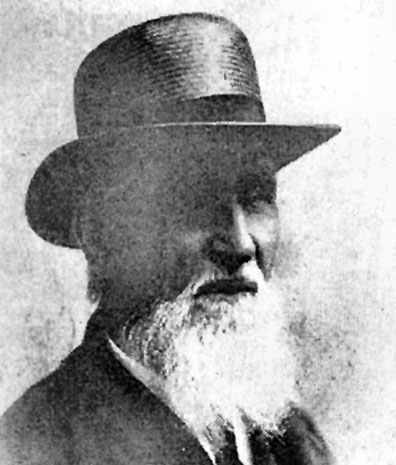
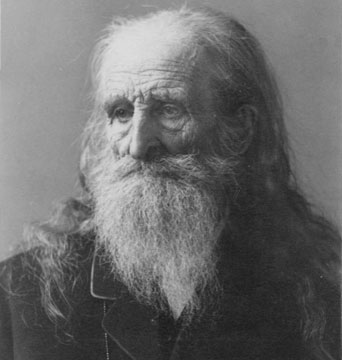
Ready to vanquish any such scruples was an eccentric and intensely intellectual abolitionist and free thinker, Orson S. Murray who moved into the Butterworth neighborhood sometime in the early 1840s. Long hair, scraggy beard, he was an unappealing, atheistic version of Jesus Christ. He had come from Vermont, where he’d been a fiery antislavery speaker who antagonized the already angry mobs gathering at antislavery lectures all over the North. Here in remote Ohio he found some solitude, a haven for his ideas, and people who would tolerate him.
Orson S. Murray who moved into the Butterworth neighborhood sometime in the early 1840s. Long hair, scraggy beard, he was an unappealing, atheistic version of Jesus Christ.
Murray already had done some writing in metaphysical journals of the day and had published his own newspaper in Vermont, The Telegraph. He started another newspaper, the Regenerator, not far from the Butterworth backyard. Its motto: ignorance was evil and knowledge its remedy.
Here’s what William Burleigh, the brother of eccentric antislavery speaker, Charles Burleigh, whom Murray named one of his children after, wrote about the Regenerator: “Mr. Murray appears to be a benevolent and self-denying man–is very eccentric in his appearance–very wild in many of his notions–and a very unsafe leader, for he leads into the mazes of skepticism and infidelity.”
And here’s what Murray had to say about the Regenerator himself: “If the Regenerator has helped to dispel and disperse the delusion, that that book [the Bible] is the voice of a god–and to show that it is only the words of men–men, some of them, in profound ignorance and darkness on the subjects they were pretending to elucidate–it has done something towards accomplishing one of the principal objects which have impelled me to do the very unpopular work of publishing it.”
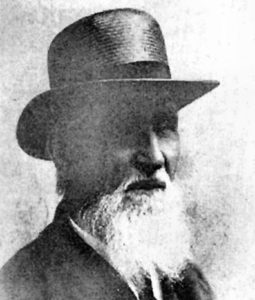
Legends say he might’ve helped some fugitives too. He lived until 1885, dying at the age of 78.
Butterworth’s daughter Jane also wrote to Siebert, of her memories when she was about six or seven years old:
I saw no people of color, heard no words, but I was sure there was such in our wagon.
Among my earliest recollections, I was awakened about sunrise by the stopping of my father’s large wagon and two horse, and [him] handing me a little child 5 or 6 years old over to the care of a thrifty woman [who had come] out of a well-kept farmhouse, while he gave a shrill whistle for the men to come up from the field. I was taken into the house and seated in a small chair. The woman then gave me some freshly baked ginger bread while father talked with the man. I did not understand so unusual a visit at that place and time of my life for nothing was explained to me and I saw no people of color, heard no words, but I was sure there was such in our wagon. But as I grew older and learned about the Underground R.R, I knew that we were in that business then. [After] that time I [went] with my father on this said business when I was old enough to know about it. Several times I remember mother coming to our bedroom late at night and getting [us] all up in a hurry and putting us in bed elsewhere to give our bed to a lot of fugitives who come weary and tired, and our grandmother [Rachel who died in 1848] would tell them to “go to sleep, you will be safe in that room, nobody will get you there.”
Several times I remember mother coming to our bedroom late at night and getting [us] all up in a hurry and putting us in bed elsewhere to give our bed to a lot of fugitives who come weary and tired.
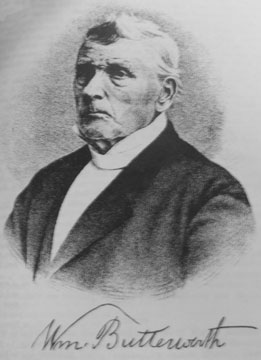
William Butterworth
Thomas said his brother, William, who lived a few miles north in Maineville, probably helped twice as many as him. How many is not known though Thomas said he probably helped as many as one hundred. Family anecdotes, however, suggest more, including stories of single parties numbering as many as 26 belying Thomas’s count. The important thing though was that all were brought safely to freedom.
“I can say in truth that such was our success that I do not believe a single one was ever re-captured and taken back to slavery,” he said.
1. Robert W. Carroll, “An Underground Railway: Fugitive Slaves and the Butterworths,” Cincinnati Times-Star, August 19, 1896, Siebert Collection.
2. Review of The Regenerator by William H. Burleigh, editor of the Christian Freeman, Jan. 22, 1844: 14 < https://popularfreethought.wordpress.com/browse-by-title/regenerator-1844-1854/ >
3. Extract from a Letter.” 175 (Jan. 1854): 353 < https://popularfreethought.wordpress.com/browse-by-title/regenerator-1844-1854/ >
4.Henry T. Butterworth to Wilbur Siebert, June 9, 1892, includes recollection of Jane.
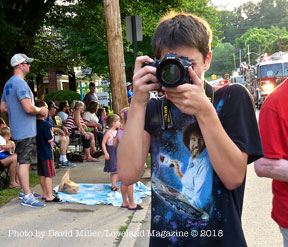
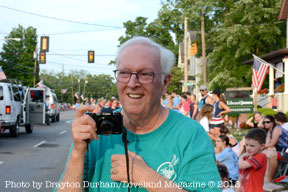
Drayton Durham taking photos of the 4th of July Parade.
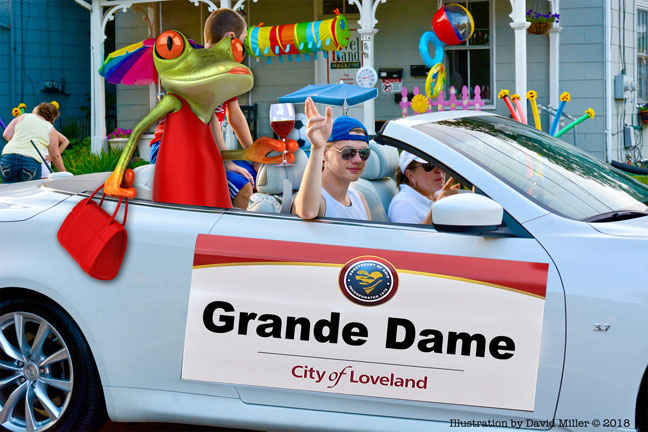
Loveland, Ohio – The Loveland Frog thought the Loveland Independence Day Parade was so much fun she got right in the middle of it – and did some photobombing to boot.
Most of these photos were taken from the vantage point of the Loveland Magazine office in the West Loveland Historic District. All of them were taken by David Miller and Drayton Durham.
Loveland Magazine Publisher David Miller taking photos of the 4th of July Parade.
The West Loveland Historic is on the bank of the State and National Scenic Little Miami River, home of the famous Loveland Frog, the mascot of the City.
The Loveland Tiger did not make an appearance! Word on the street is that she doesn’t go outside when the temperature is above ninety so she was spending the afternoon posing for a likeness that will be painted on an elevated water storage tank. The Frog was grateful for the “Wet Zone” provided by the Loveland/Symmes Fire Department.
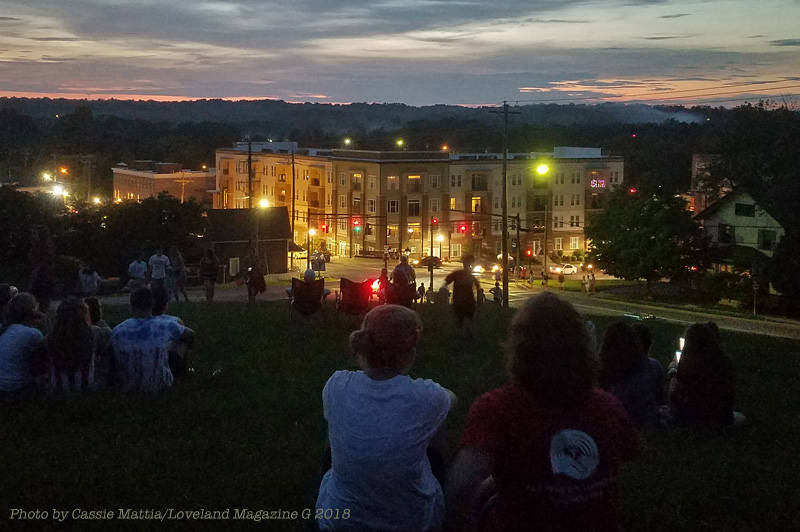
The crowd waiting for 4th of July fireworks that will soon be bursting in the air over Historic Downtown Loveland.
Upon move in day one can feel so many emotions, anxiety, excitement and uncertainty to name a few. The day I moved to Downtown Loveland I felt all those emotions and much more. Would I like living in the “Historic District,” where the theme of the town was to “Live, Laugh and Love?” Would I fit into such a close knit community? Would I be able to become more of an “outdoors women” with all the parks, lakes and bike trails at my fingertips? To my pleasant surprise Downtown Loveland’s small town vibe with a big city feel was exactly what I needed!
When people unfamiliar with Loveland ask me to describe what it’s like to live Downtown I simply explain to them that Downtown Loveland to me is like an historic adventure with a modern twist.
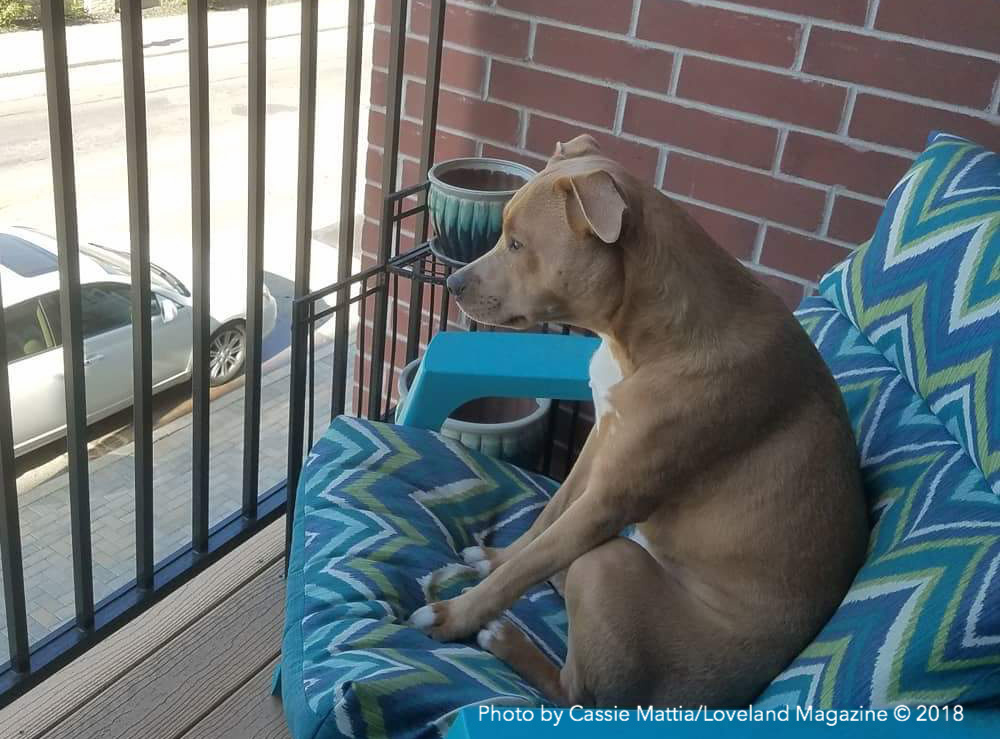
My pup Nala on the balcony – taking in Historic Downtown.
The historic Loveland adventure began with Colonel Thomas Paxton founding the small town in 1795. A number of years after in 1848 Paxton’s cousin, William Ramsey bought all 189 acres of the small town for a mere $7,300 and named it after the infamous James Loveland. In the present day Downtown Loveland has a number of ways they share and display their deep historic roots with the community, one being the Loveland Museum. Loveland’s community also pays tribute to several acts of American Heroism with beautiful memorials such as the Firefighters’ Memorial and the Veterans’ Memorial.
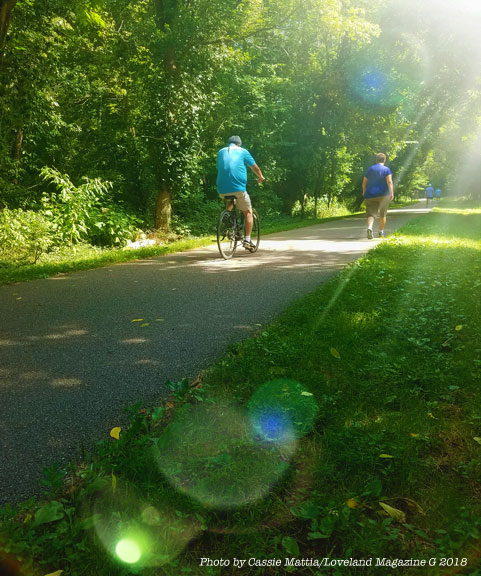
Along the “Loveland Bike Trail” that runs parallel to the Little Miami River and through Historic Downtown Loveland. The Little Miami is designated a State and National “Scenic” river.
One of most sought after historical landmarks that locals and out of towners come to enjoy is the Little Miami Bike Trail, established in 1984. The scenic trail goes on for 78 miles spanning across 5 counties while the Little Miami River goes on for 111 miles. Many Loveland locals and guests partake in activities such as canoeing, kayaking and bike riding, in which local businesses such as Loveland Canoe and Kayak and Loveland Bike Rental make it easy to rent out canoes, kayaks and bikes. If you’re not necessarily the type that enjoys biking or canoeing the Little Miami River offers its own little slice of paradise right off the bike trail where adults, children, and pets can cool off in the river or get a tan on the sandy banks.
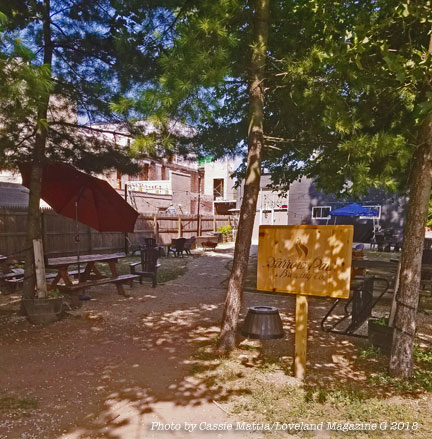
The narrow path off the Loveland Bike Trail that leads to the 5-barrel brewhouse and taproom of Narrow Path Brewing Co.
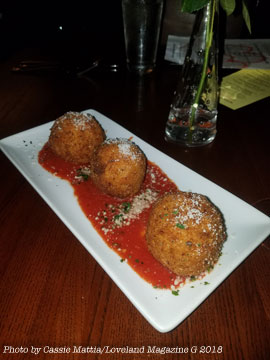
Also located on the bike trail is Nisbet Park where children can enjoy the playground and families can host picnics or special events under the large shelters, an amphitheater where local bands get the opportunity to celebrate their talents, and several unbelievable restaurants all sporting that “modern twist.” Though I have made it my mission to try all the local cuisine in Downtown Loveland some of my modern must tries are Fresh Press, Narrow Path Brewing Company, and Trailside Smokehouse while some of my historic Loveland go to’s are Bella’s, Paxton’s Grill, and The Works. For those like me that have a bit of a sweet tooth after eating dinner some must visit dessert spots are the Loveland Dairy Whip, Graeter’s, and Loveland Sweets.
One of my historic Loveland go to’s is Bella’s.
Downtown Loveland has erupted over the past several years bringing the local resident count to nearly 13,000. New local business openings and restaurants as well as historic hot spots have really made an impact on the community making Downtown Loveland not only the place to be but also the place to live. Being that I am a new resident I have explored the ins and outs of Downtown Loveland’s shopping, restaurants, events and art culture. Some great annual events that take place in Downtown Loveland are the Farmer’s Market, The Independence Day Celebration, and
Christmas in Loveland. A few of the most culturally sound venues I recommendis the Loveland Stage Company, an award winning community theater, and Whistle Stop Clay Works, where local artist Bonnie McNett held a “Pottery
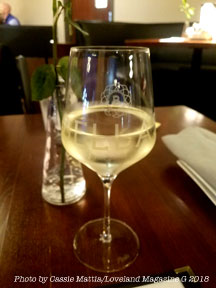
A glass of Bella’s wine.
Affaire” last month. Of course one of several perks of living in Downtown Loveland is the shopping. There are several local unique shopping spots that are definitely worth seeing such as The Copper Pearl, Old is New Antiques, JackRabbit, Bond Furniture, and Plaid Room Records.
After nearly 6 months of living in Downtown Loveland I can honestly say that the anxiety and uncertainty I once felt no longer exists. As I look out into the beautiful city every night from my balcony I truly realize that Lovelandis a hidden gem.
Cassie Mattia is a resident of Loveland, Ohio’s Downtown Historic District
Loveland Sweets is a purveyor of hand-crafted chocolates, caramels, marshmallows, and ice creams. Our house-made candies are prepared in small batches in Historic Downtown Loveland, Ohio.
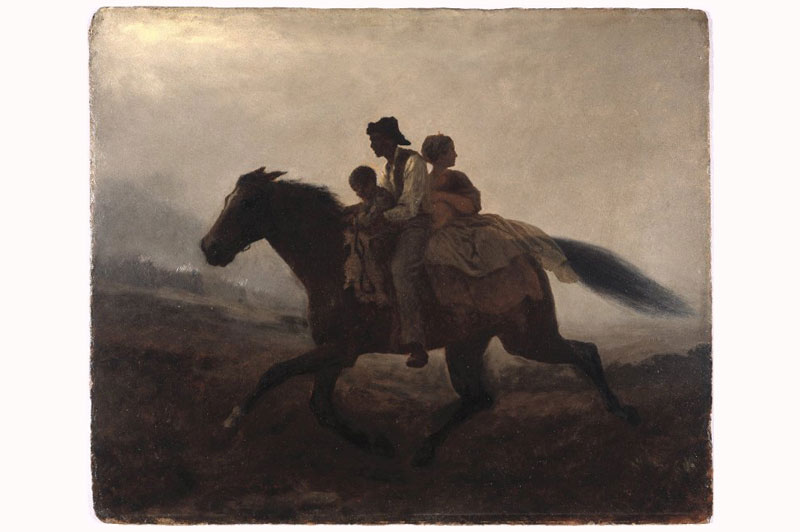
The Fugitive Slaves, oil on paperboard, circa 1862, Brooklyn Museum
The following is an excerpt from Chapter Seven of The Search for the Underground Railroad in South-Central Ohio by Tom Calarco, scheduled for publication in late October by History Press. It is being published with permission from History Press.
Tom Calarco is a resident of Historic Downtown Loveland, Ohio.
By Tom Calarco
Part one of Two
Along the banks of the Little Miami River in the hilly countryside north of Cincinnati, stands an old stone house, a relic of slower days, when there was lots of land and few people. It is not lived in much these days, but a big family of Quakers lived there for many years. Their forefather, Benjamin Butterworth was a six-foot six inch pioneer, a giant of a man who was said to have weighed 300 pounds. His roots in America dated back before the 1700s. Born in Virginia, he fought in the Revolution and was entitled to purchase a grant of land in the Northwest Territory, in the Virginia Military District, of which much of Ohio was part. This land and his inheritance provided him with substantial wealth. He was like many future Ohioans who would settle the new state: a slaveholder who freed his slaves and took them along to where there was no slavery.
On September 15, 1812, he set out with his family and some former slaves in two covered wagons to cross the old green Appalachian mountains of
what is now West Virginia. It was a trek of more than 300 miles up mountains more than 4,000 feet high through scenic passageways like those that had inspired trailblazers like Daniel Boone a generation earlier; there was only one road through this wilderness, the Midland Trail which ran along the Kanawha River and today is Route 60. Benjamin, 46; his wife Rachel, 47; Moorman, 19; Benjamin Jr, 18; Samuel, 14; Rachel, 12; William, 10; and Henry Thomas (called by his middle name), 3, made the journey in 25 days. One can only imagine the sunsets blazing their fire in that pristine wilderness of future promises. In the years ahead their lives would soon be afire with the cause of abolition
When Butterworth arrived, he found that his 1500-acre property needed a lot of work to make it suitable for farming. Though it had the advantage of a natural springs and the Little Miami River, it needed clearing and was hilly and full of gullies. It would take time to make it livable. Instead, he took the family to nearby Waynesville where one of his older daughters, Polly already was living with her husband Zachariah Johnson. Within a week he purchased land along nearby Caesar’s Creek where they moved. Busy with his farming and building a mill, he ignored his other property for the next three years.
By 1820, the old stone house overlooked the fields as it does today along the Little Miami Bike Trail.
In 1815, Moorman visited it and found a squatter who had built a cabin and planted crops on five acres he had cleared. He bought the cabin and the crops, and moved in. Three months later his older sister Milly and her husband, John Dyer, emigrated from Virginia and they moved in with him. They built a two-story log cabin, and a year later, Benjamin and family joined them. By 1820, the old stone house overlooked the fields as it does today along the Little Miami Bike Trail. In future years, the Butterworth farm grew prosperous through the sale of sweet potatoes, chickens and their eggs, and the construction of the Little Miami Railroad that ran through their property, connecting south to Cincinnati by 1843 and north to Springfield by 1846.
Being Quakers, they were stirred by the movement for immediate emancipation of the slaves that already had many supporters in this section of Ohio.
Thomas Butterworth
For a time, a least up until 1850 and the passage of the Fugitive Slave Law, their most important business was the UGRR. Being Quakers, they were stirred by the movement for immediate emancipation of the slaves that already had many supporters in this section of Ohio. Slaves had begun running away more than ever as more in the North joined the effort to assist them. The Little Miami River was a natural gateway. When they exactly became involved in aiding them is not known but probably no later than 1830-1831 when their sons, William and Thomas, married into the Wales and Linton families, Quaker abolitionists who may already have been part of the UGRR.
The Little Miami River was a natural gateway.
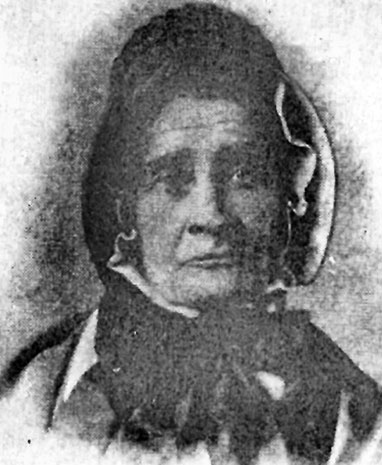
Nancy Butterworth
Thomas’s wife Nancy was a Wales and her sister Jane married Valentine Nicholson. It was a double wedding. William married Elizabeth Linton. So, it became an all-in-the-family UGRR operation. Thomas recalled those days shortly before his death in a letter to Wilbur Siebert:
We [once] had two women, one man and some children on hand and had them concealed for some time and it was becoming unsafe to keep them longer . . . I had two good horses and a good wagon with high sides and a good set of bows and cloth. I put the bows on and then stretched the cloth on and tied it thoroughly down. . . . . After thus being all fixed I stored in a lot of hay for the poor creatures to lie on. Then after leaving all the children [the fugitives’ children] for fear of their crying and betraying us, I put in two carts for my daughter Mary and I to sit on.
After thus being all fixed I stored in a lot of hay for the poor creatures to lie on.
By this time we had heard that a pro-slavery boy by the name of Andrew Davis had somehow got a knowledge of the whole thing and had, perhaps for a sum of money, made it known to two persons who would do anything they could to catch the flying slaves. The names of these two persons [were] David Coddington and James Foster. We had heard of our betrayal; I prepared for it; the river was high. My destination was to take them to an uncle of my wife’s by the name of Turner Welch residing at Harveysburg . . . . The bridge here at Foster’s must be crossed and was a toll bridge. Joseph Whitney took the toll at the west and James Foster kept a store at the east end (just before they came to the bridge). We had our Quaker school teacher, Robert Way, to go with us to see if we should run the gauntlet . . . just as we expected out came the two men [Coddington and Foster].
William Butterworth
Foster called out to him . . . Got any chickens, got any eggs, got any butter?
Butterworth shouted back as he passed by, “I am not going to market I am after fruit trees,” and handed Whitney the toll with stopping.
He heard Coddington say to Foster, “I’ll be damned if there ain’t niggers in that wagon.”
Butterworth had thought they would follow him and kept looking back but they made it safely to his wife’s Uncle on the north side of Caesar’s Creek. He did not consider it safe to keep them that night, so he sent them over to Harveysburg up on one of the many hills in that area, and Butterworth returned home to see about the fugitives’ children. He gave the task to Robert Carroll, who lived only a mile away with whom he had a regular arrangement regarding the transport of fugitives.
I had a small one or two-horse wagon. I had a neighbor a mile from me who was as strong an anti-slavery man as myself. As far as worldly goods were concerned he had nothing, was rich enough to have a wife and children to help him be poor. He feared no risks in helping fugitive slaves . . . I told him that when fugitives were on hand that he knew of, to come and get this wagon and one or two horses, as the case would require, and take them, and I would have no questions, and he should ask me none and go in the night, and go to such underground station as we know best, which was at or near Harveysburg . . . . This man Carroll took those children up there where they no doubt found their mothers.
Next Time in Part 2: Further Recollections of Butterworth Station
Loveland, Ohio – Visitors and residents should plan for several road closures on Wednesday, July 4th for the Independence Day Festival. A complete list is included below. Additional brief closures may be necessary throughout the downtown area for safety reasons according to the Police Department.
All day – Railroad Avenue north of Harrison Avenue
6:45 PM until 7:45 PM – The Parade Route on Loveland Madeira Road north of the Loveland Elementary School. West Loveland Avenue between Loveland Madeira Road and Second Street (State Route 48)
9:30 PM until 11 PM – West Loveland Avenue between Riverside Drive and Karl Brown Way. (The Col. Thomas Paxton Bridge over the Little Miami River) Fireworks go off at 10 PM.







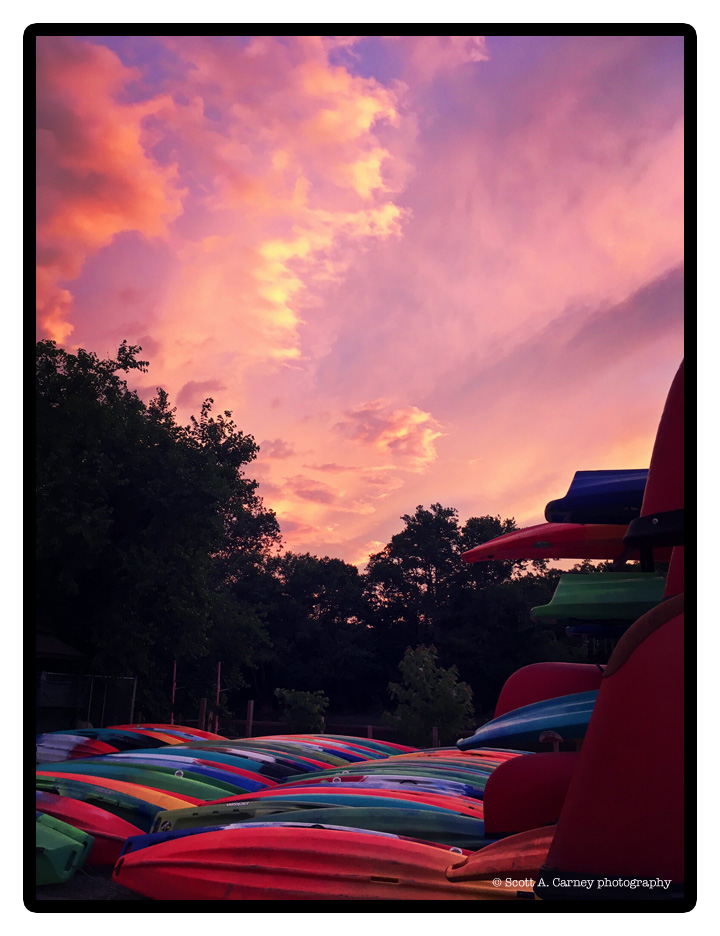 Loveland, Ohio – Scott Carney is an artist and photographer and says that he and his family have lived in the Loveland area for over 30 years. He grew up in Carmel, Indiana and studied Fine Art at Ball State University. He took this iconic photo in Historic Downtown on the bank of the State and National “Scenic” Little Miami River. The Little Miami River is one of 156 American rivers designated by the U.S. Congress or the Secretary of the Interior as a
 ![[Local Weather] Do you know where the Loveland Whirlpool is and what lies at the bottom?](https://lovelandmagazine.com/wp-content/uploads/2019/02/loveland-whirlpool.jpg)
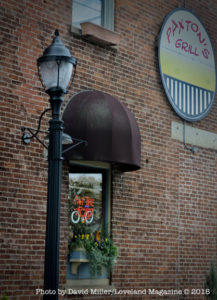 you step into one of oldest buildings in Loveland, Paxton’s Grill. In the 1880’s Paxton’s Grill was home to the Grear’s Saloon until years later the building was transformed into a restaurant and named after Loveland’s first settler Colonial Thomas Paxton. Paxton’s opened its doors in 2000.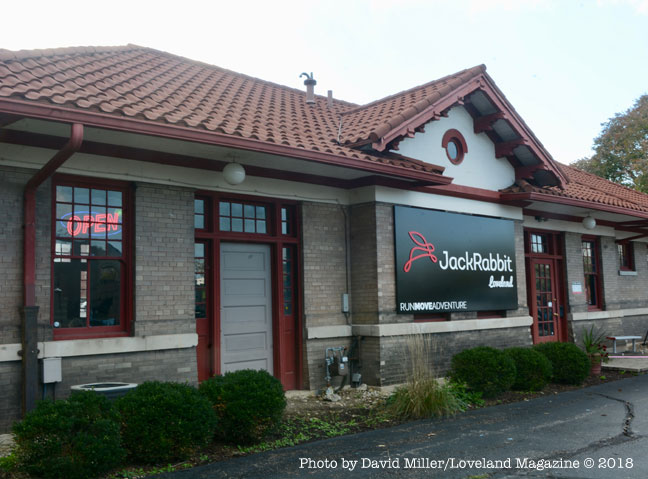
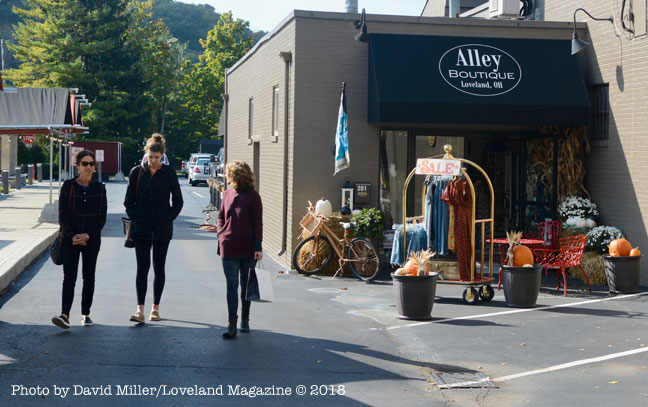
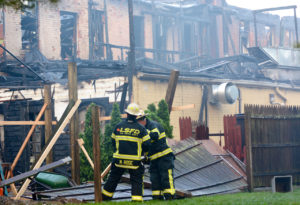 of many businesses that were destroyed by a devastating fire in Loveland’s historic Bishop Building. With every tragedy brings new opportunities and with that opportunity, the now trio of owners, with the addition of Ann-Marie Toney, found a new location right off the Little Miami Bike Trail and changed the name to Alley’s Boutique. DID YOU KNOW Alley’s Boutique was the first business affected by the Bishop Building fire to reopen?
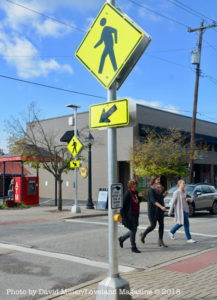 Safety has never looked so flashy! DID YOU KNOW anyone using the bike trail can now hit a button that will activate a large rectangular rapid flashing beacon on both sides of the bike trail crossing on Loveland Avenue that alerts traffic to stop for pedestrians using the crossing? The Ohio Department of Natural Resources and the Friends of the Little Miami State Park secured an ODOT safety grant in the amount of 46,000 dollars to improve safety and traffic flow at the bike trail crossings in 2017.
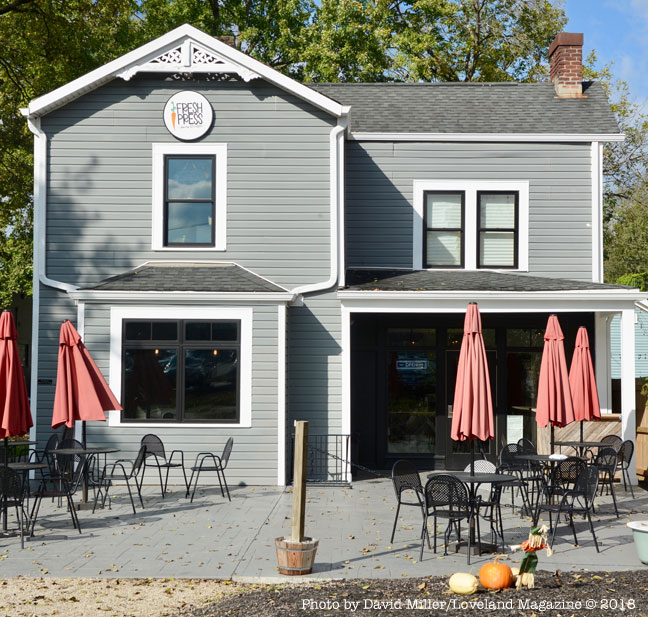 organic ingredients to create their timeless menu items? Fresh Press is operated out of a 147-year-old building by owners Jacob and Katie in the heart of Downtown Loveland. DID YOU KNOW Fresh Press features Chef Jimmy Hooper who developed his extensive skill set in places such as, the Fairmont Hotel in Chicago, Cincinnati’s Tavern Restaurant Group and Ivy Hill’s Country Club? Chef Hooper not only used his culinary creativity to create menu items such as The Arugula and Sweet Potato Bowl, The Avocado Sweet Toast and The Frogman Smoothie, but he also designed the kitchen and built the inside and outside bar at Fresh Press.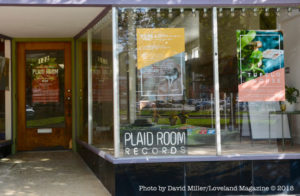
 The State and National Scenic Little Miami River flows through the heart of Downtown Loveland.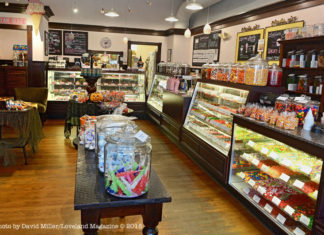
 Part Two of Two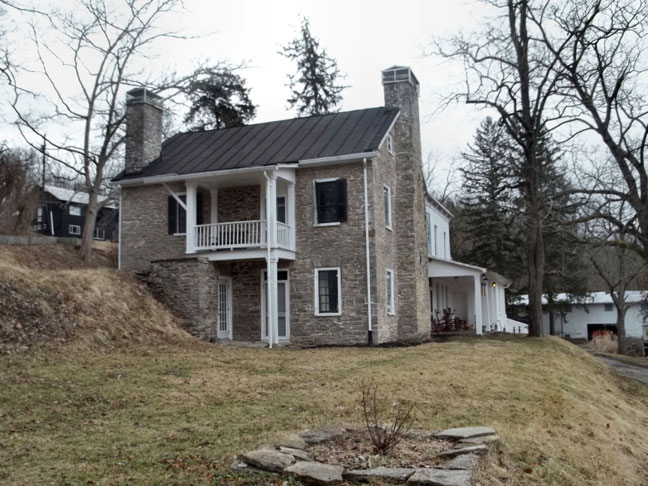

![[Video Slide Show] How much fun was the Loveland 4th of July Parade?](https://lovelandmagazine.com/wp-content/uploads/2018/07/maxresdefault-5.jpg)
 All photos are copyright protected © 2018.