Tag: local news

  • Ohio abortion rights advocates prepare for more legal fights

    Ohio abortion rights advocates prepare for more legal fights

    Getty Image

    BY: SUSAN TEBBEN – Ohio Capital Journal


    With the abortion landscape changing in Ohio and around the country, one abortion rights group is building up its legal effort for those seeking or providing abortion care.

    Abortion Fund of Ohio recently announced the launch its Legal Access Program, through a partnership with law firm Friedman, Nemecek, & Long, L.L.C., that will provide free legal assistance and referrals to attorneys “for Ohioans facing criminal and civil penalties for reproductive health care.”

    “We’re building out a network of lawyers who will take on these cases, so that we have more lawyer power,” said Morgan Mitchell, legal access fellow for AFO.

    Mitchell said cases are popping up in the state where confusion and lack of knowledge of where abortion and procedures that could be connected to abortion (like miscarriage, medically called a “spontaneous abortion”) legally stands.

    In one such case, covered by NPR, a woman wondered if the six-week abortion ban was causing doctors to hesitate in treating her heavy bleeding at a Painesville emergency room, bleeding that had already been confirmed to be caused by a miscarriage.

    Currently, abortion is still legal up to 22 weeks in Ohio after a state court blocked a six-week ban indefinitely, but national fights against receiving medication abortion through the mail and a discussion of abortion bans on the federal level have advocates worried that reproductive healthcare may be fought for in the courts rather than medical clinics and hospitals.

    Ohio’s own Attorney General Dave Yost signed onto a letter with more than a dozen other state attorneys general warning CVS and Walgreens against distributing medication to induce abortions through the mail due to various state laws that prohibit it. Ohio’s law, passed in 2022, forbids abortion medication to be provided to patients without a physician present.

    A recent study published in the Journal of Health Politics, Policy and Law, co-authored by researchers from three Ohio universities, said even the regulations that are in effect involve working with state administration, and the bureaucracy has created an system where regulations “have become exceedingly difficult to comply with” for abortion providers.

    Even medical students in the state are left nervous and confused about what restrictions may mean for their education and future career, should they decide to provide reproductive healthcare.

    One group the legal access program is particularly hoping to help is minors who may want to use a legal method to get around needing the consent of their parents to obtain an abortion, a method called judicial bypass.

    According to the Ohio Supreme Court, a minor seeking consent to have an abortion can petition the juvenile court in their county of residence or in a border county, with the help of a court-appointed attorney if they don’t have one.

    A judge then determines if a minor “is sufficiently mature and well enough informed to decide intelligently whether to consent to an abortion or that the abortion is in the best interests of the (minor).”

    Judicial bypass has been on the books since before the fall of Roe v. Wade, but the legal access program is only including that as part of the legal options so that Ohioans know all their legal rights.

    “We’re just trying to let people know this exists, we’re not telling people to have an abortion, or telling their parents they’re bad parents,” Mitchell said.

    With the six-week ban (and other abortion bans that were attempted but not passed by Ohio legislators in previous years) not including any exceptions for rape or incest, and no standards for sex education present in the state, Mitchell said it’s frustrating that a minor has to go to court to prove maturity and intelligence, when some legislators would force them to bear a child, no matter their age.

    “It’s really an attack on bodily autonomy and it’s scary to see it be separated from health care, because this is a decision you’re making for your body,” Mitchell said. “We want to be able to give anyone regardless of age the opportunity to pursue whatever they want with their bodies.”

    The six-week ban pause is being appealed by the state.

  • Loveland Seniors can reduce their sewer bill by 25%

    Loveland Seniors can reduce their sewer bill by 25%

    by David Miller

    Loveland, Ohio – The Metropolitan Sewer District (MSD) offers a Customer Assistance Program (CAP) to help low-income senior citizens in Loveland pay their sewer bills.

    Eligible applicants receive a 25% discount on their monthly sewer bill, including both the minimum base charge and the commodity charge). The estimated savings is $120 or more per year.

    Eligibility

    A sewer discount can only be offered to low-income seniors who meet specific eligibility requirements related to age, income, and home ownership. The eligibility requirements for the CAP are:

    • 65 years of age or older
    • Own and live in the residence for which they are paying the MSD sewer bill
    • Modified Adjusted Gross Income (MAGI) of no more than $36,100 for tax year 2022. MAGI is Ohio Adjusted Gross Income plus any business income that has been deducted in computing the Ohio Adjusted Gross Income (OAGI). This applies to the combined income of the applicant and their spouse.

    Required Documentation

    Documentation is required to be submitted with your application.

    • Proof of Age (please submit one):
      • Ohio Driver License
      • Ohio Identification Card
      • Birth certificate
    • Proof of Income (please submit all that apply):
      • Ohio Income Tax Return (previous year)
      • Social Security Benefit Verification Letter
      • Other (e.g., 1099R, W-2)

    Three Ways to Apply for the Discount

    Online: Fill out the online CAP Application, attach the required Proof of Age and Income (see above), sign the form electronically, and click the Submit button at the bottom of the form for automatic submittal.
    Email: Download the CAP Application (writeable PDF) and fill it out. Email the completed application, along with attached scans of the required Proof of Age and Income (see above), to:MSDCAP@cincinnati-oh.govkayaks
    Mail: Request a hard copy of the application by calling (513) 244-1300 (option 3) Mon-Fri, 8 a.m. – 5 p.m. Fill out the application in ink with an original signature. Mail the completed application, along with hard copies of the required Proof of Age and Income (see above), to:Metropolitan Sewer District of Greater Cincinnati (MSD)Attn: MSD CAP Manager1600 Gest StreetCincinnati, OH 45204icon representing mail

    Participation and Annual Renewal

    You will receive a letter by mail that confirms your eligibility. If approved, the 25% discount will appear in the “detail section” of your sewer bill that covers the next full billing cycle. This could take 1-2 months, depending on the billing cycle.

    MSD will annually notify you regarding your continued CAP eligibility every November. This will be a quick check to affirm your CAP status has not changed.

    For More Information

    For more information, please contact Bonnie Holman at (513) 244-5101 or MSDCAP@cincinnati-oh.gov. You can also contact Cassandra Hillary, the MSD CAP Manager, at MSDCAP@cincinnati-oh.gov. Additional information is also available in the Downloads box to the right.

  • BestBuddies in Ohio to Host Friendship Walk in Southwest Region

    BestBuddies in Ohio to Host Friendship Walk in Southwest Region

    by Cassie Mattia

    Best Buddies International, a groundbreaking nonprofit founded in 1989 by Anthony K. Shriver to establish a global volunteer movement that creates opportunities for one-to-one friendships, integrated employment, leadership development, and inclusive living for people with intellectual and developmental disabilities (IDD), has announced that the Best Buddies Friendship Walk will take place April 22, 2023, at Marcum Park in Hamilton for the second time in Southwest Ohio.

    Since 2009 more than 250,000 participants have walked in over 60 cities and raised more than $24 million for Best Buddies. 

    The Friendship Walk is coming together out of a need for funding in Southwest Ohio. Program numbers have grown significantly, creating a need for more support.

    “Our Friendship Walks are one of Best Buddies’ most celebrated events, bringing communities together where they can experience our mission in action and engage with our program participants,” said Anthony K. Shriver, Founder, Chairman & CEO of Best Buddies International. “I am beyond grateful that the important work of this organization will continue, thanks to our participants, volunteers, partners, and the entire community. I am confident that we will continue empowering people with special abilities, connecting advocates, and mobilizing our supporters to create a more inclusive world.”

    Best Buddies in Ohio anticipates more than 100 participants lacing up their shoes to walk for inclusion, all working to surpass the 2023 fundraising goal of $35,000. Registration begins at 10:30 AM, and the Walk commences at 11:15 AM at Marcum Park, 116 Dayton Street in Hamilton.

    Following the Walk, please join Best Buddies for a day of fun, family, wellness, and friendship. 

    Proceeds from the Friendship Walk are fundamental in supporting state programs that provide one-to-one friendships, integrated employment, leadership development, and inclusive living. These programs can be found in all 50 states and will create promising opportunities for more than 350,000 people this year.

    Walk for inclusion. Walk for friendship. Walk for a better Southwest Ohio! 

    ABOUT BEST BUDDIES INTERNATIONAL:

    Best Buddies® is a nonprofit 501(c)(3) organization dedicated to establishing a global volunteer movement that creates opportunities for one-to-one friendships, integrated employment, leadership development and inclusive living for people with intellectual and developmental disabilities.

    Founded in 1989 by Anthony K. Shriver, Best Buddies is a vibrant organization that has grown from one original chapter to nearly 2,900 middle school, high school, and college chapters worldwide.

    Today, Best Buddies’ nine formal programs — Middle Schools, High Schools, Colleges, Citizens, e-Buddies®, Jobs, Ambassadors, Promoters, and Inclusive Living— engage participants in each of the 50 states and in 56 countries, positively impacting the lives of nearly 700,000 people with and without disabilities around the world.

    In many cases, due to their involvement with Best Buddies, people with intellectual and developmental disabilities secure rewarding jobs, live on their own, become inspirational leaders, and make lifelong friendships.

    For more information, please visit www.bestbuddies.org/ohio, www.facebook.com/bestbuddiesohio, or www.twitter.com/bestbuddiesohio

    For more information about the Best Buddies Friendship Walk and/or media inquiries, please contact:

    Catlin Skufca
    614.928.3383
    catlinskufca@bestbuddies.org

  • Ohio Medicaid to resume regular eligibility operations and encourages enrollees to update their contact information

    Ohio Medicaid to resume regular eligibility operations and encourages enrollees to update their contact information

    by David Miller

    As reported in the Ohio Capital Journal, Ohio Medicaid currently provides health care coverage to more than 3.1 million Ohioans and once the federal government declares an end to the Public Health Emergency, Medicaid will resume its normal eligibility review process.

    That date is now April 1 and this means that all eligible Medicaid members will have to renew their Medicaid coverage or risk losing it.

    The Ohio Department of Medicaid (ODM) calls it “imperative” that Medicaid members keep their contact information up to date with county departments of job and family services and check their mail and respond to requests for information immediately.

    The Journal reported on December 20 that, “Declaring that ‘we have returned to life as normal,’ Ohio Gov. Mike DeWine joined 24 other Republican governors in calling on President Biden to let the federally declared Public Health Emergency for COVID expire in April.”

    Ohio Medicaid currently has a “COVID-19 Unwinding” website.

    “Every state’s match was increased by 6.2% under the first federal COVID-19 relief package, with the caveat that states agree not to kick anyone off Medicaid while the public health emergency is in place, even if their income once again rises above the eligibility limit.” – Ohio Capital Journal.

    Ohio Department of Medicaid (ODM) Director Maureen Corcoran is encouraging Ohio’s Medicaid members to take necessary steps to ensure continued health coverage for themselves and their families

    “Now that the federal government has announced this change, all Ohio Medicaid members will have their eligibility re-determined and if found ineligible, disenrolled from the program for the first time in three years,” said Director Corcoran. “Our goals are to ensure that Medicaid eligible Ohioans will have the tools they need to maintain their healthcare coverage and not risk a gap in service, and that Ohioans no longer eligible for Medicaid can smoothly transition to other affordable healthcare options.”

    It is critical that Medicaid members keep their contact information up-to-date and respond to all requests for information. Ohio’s unwinding will occur over a 12-month period of time. Some renewals will be automatic based on extensive data comparisons while other members will receive the usual eligibility packet and work with their county department of job and family services to complete it manually.

    In alignment with previous department policy, children under the age of 19 retain their coverage for twelve months from the date of their initial eligibility determination or most recent renewal.

    To assist members, providers and stakeholders prepare for this process, the ODM has a dedicated webpage that houses information on the renewal process, key steps consumers should take, key message, frequently asked questions and other additional resources. Individuals are also encouraged to reach out to their county department of job and family services (CDJFS) with any questions or they can use Medicaid’s eligibility tool on the website to check their eligibility status.

    Background

    In March 2020, Congress passed the Families First Coronavirus Response Act (FFCRA), which among other things, provided states with enhanced federal matching dollars for their Medicaid programs. In exchange for these dollars, states were prohibited from disenrolling members from Medicaid, even if they were found to be ineligible. This was to ensure members did not lose vital healthcare coverage during the pandemic. Congress passed the Consolidated Appropriations Act in December, decoupling the end of the federal public health emergency from the continuous coverage requirement.

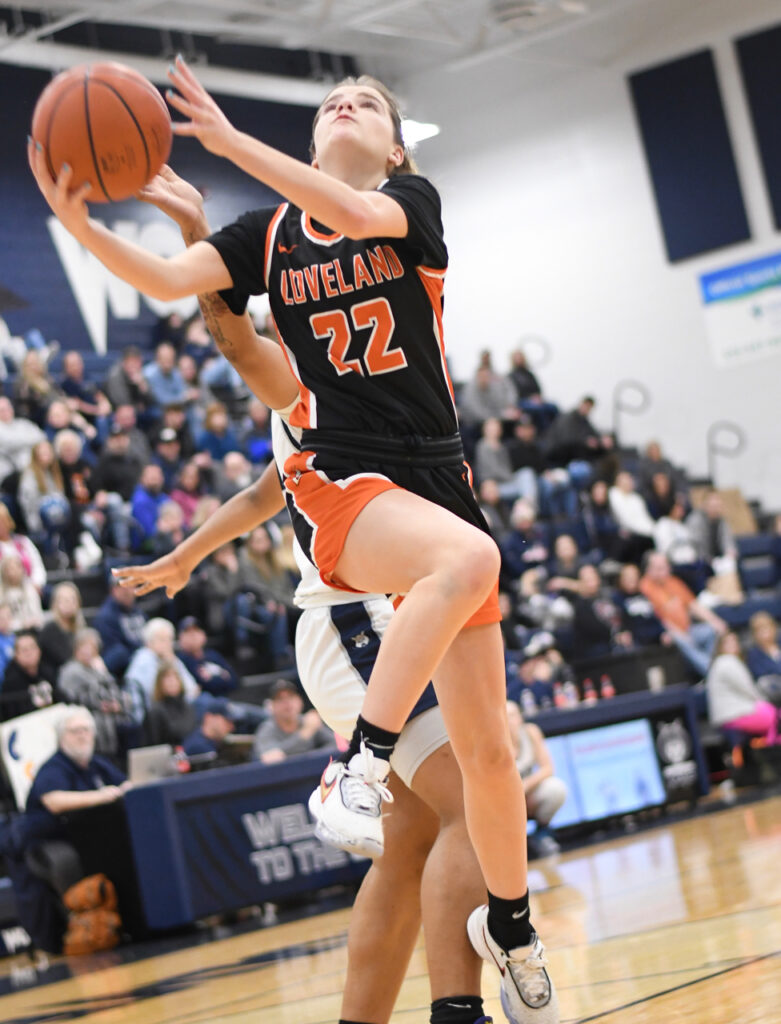
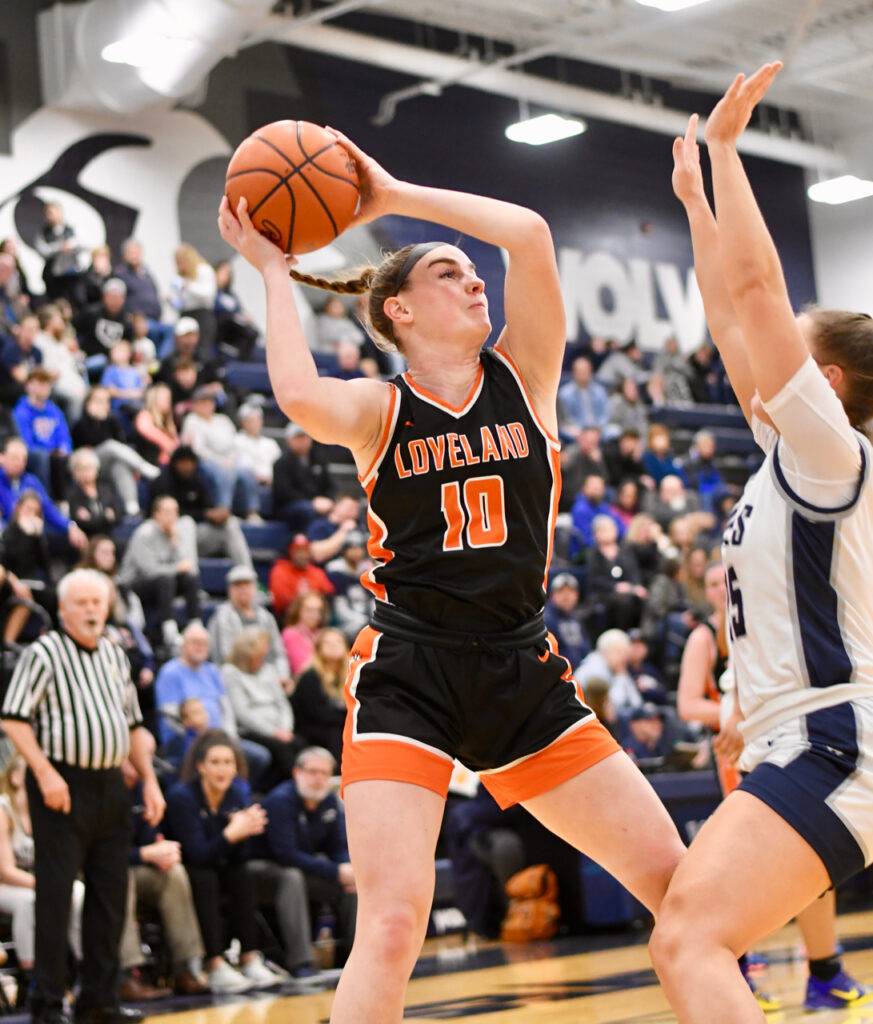
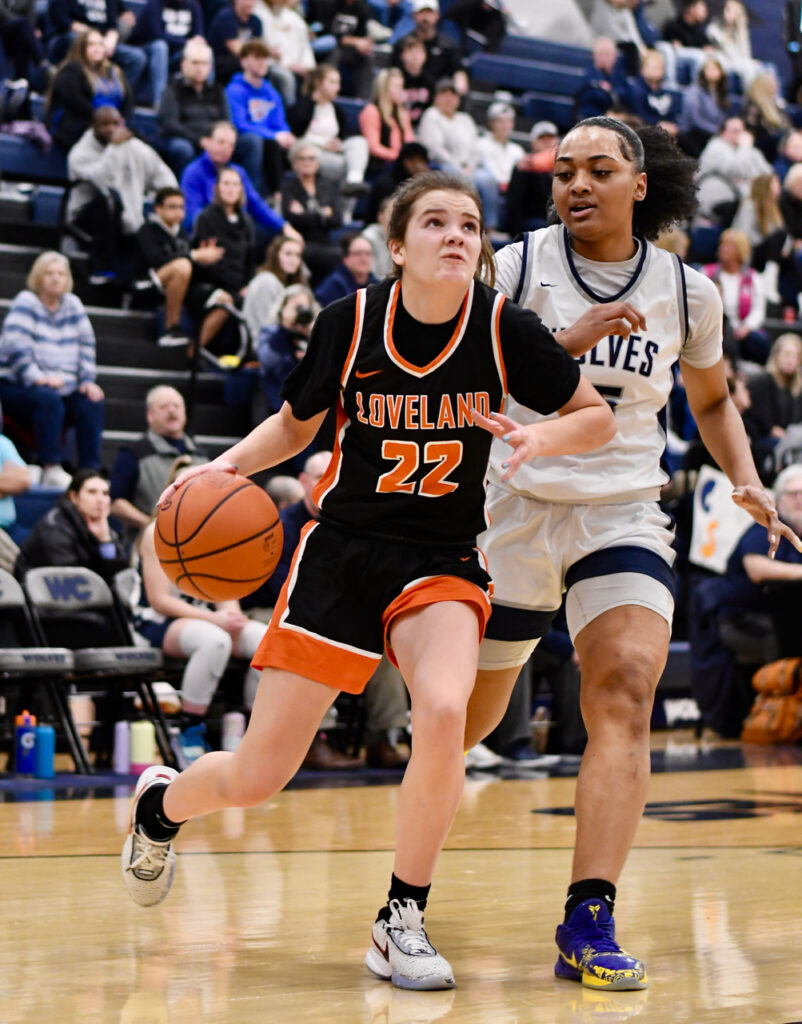
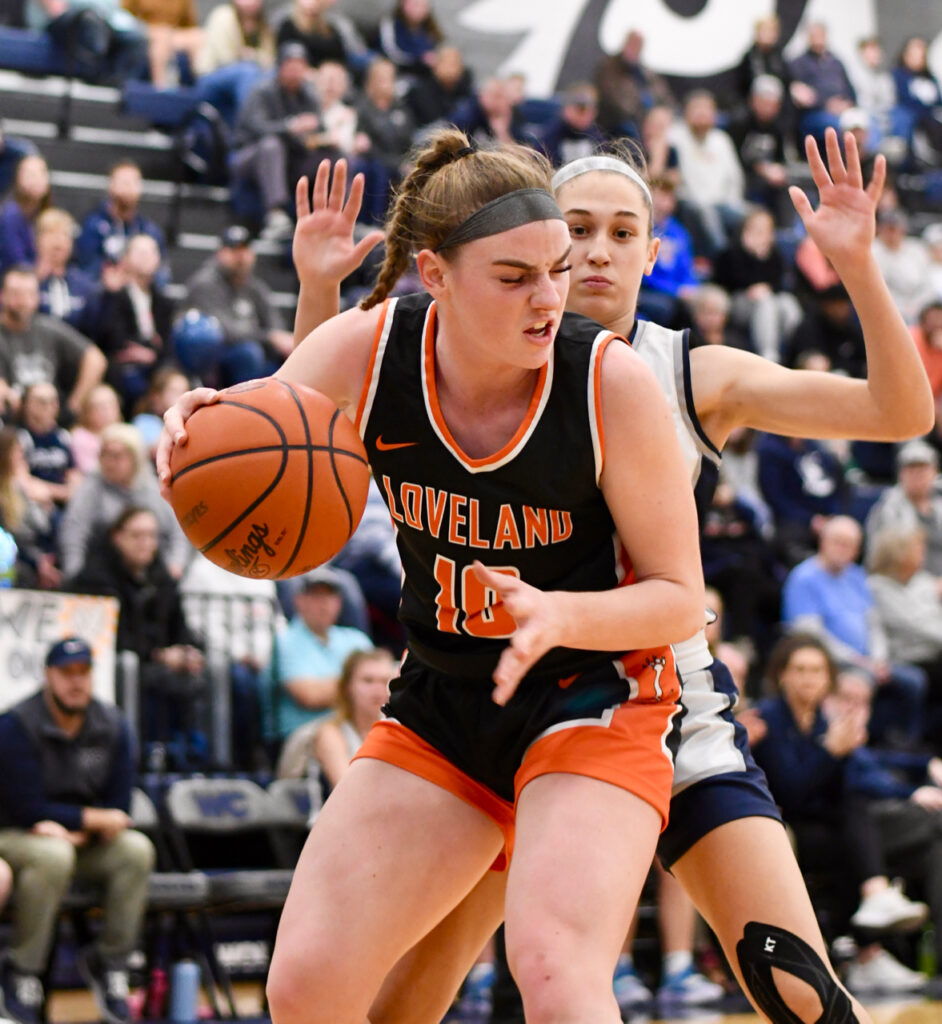
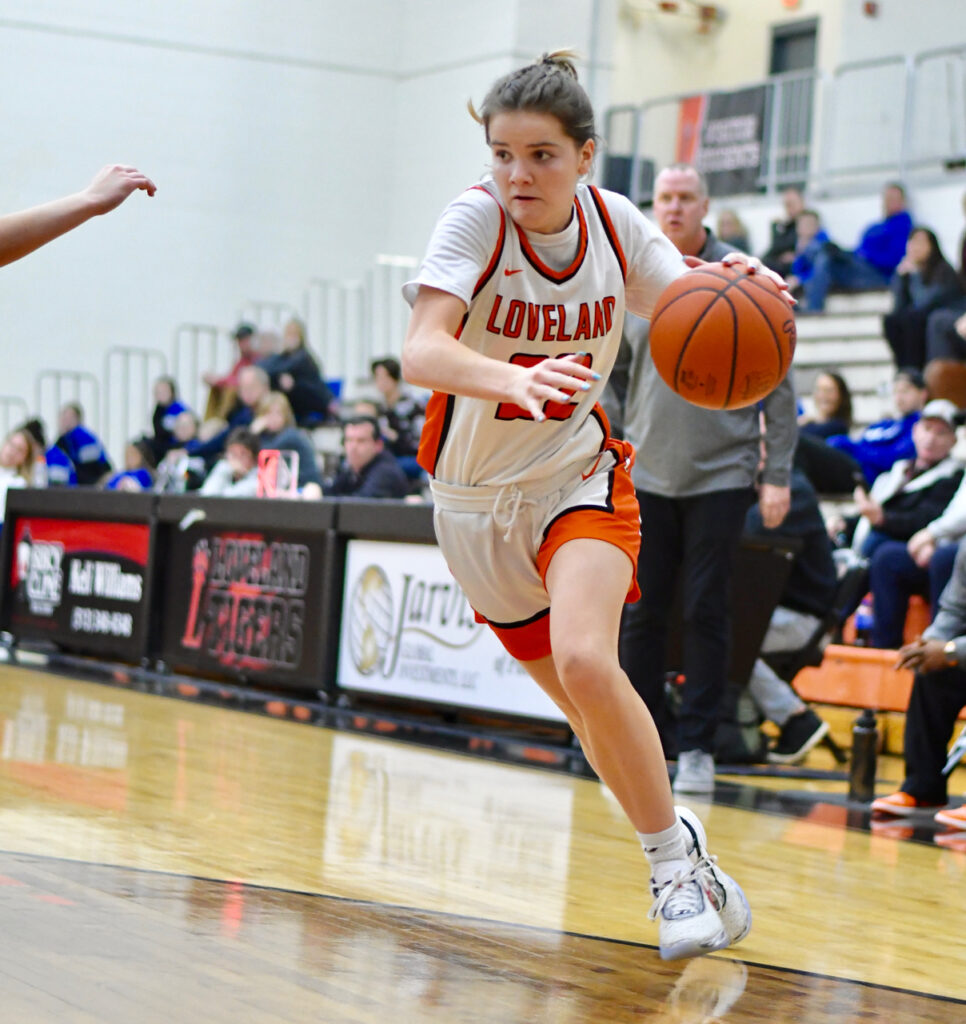
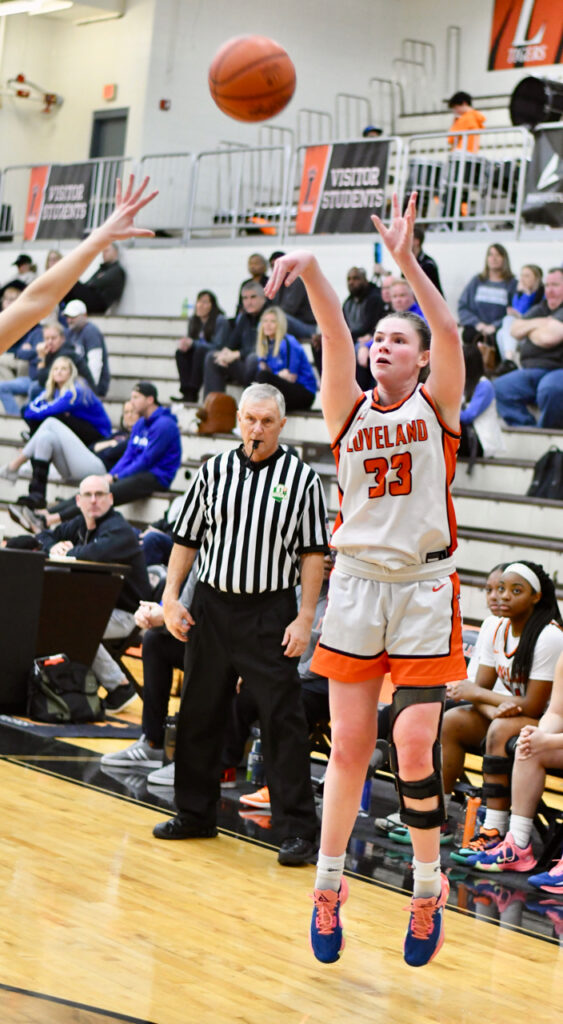
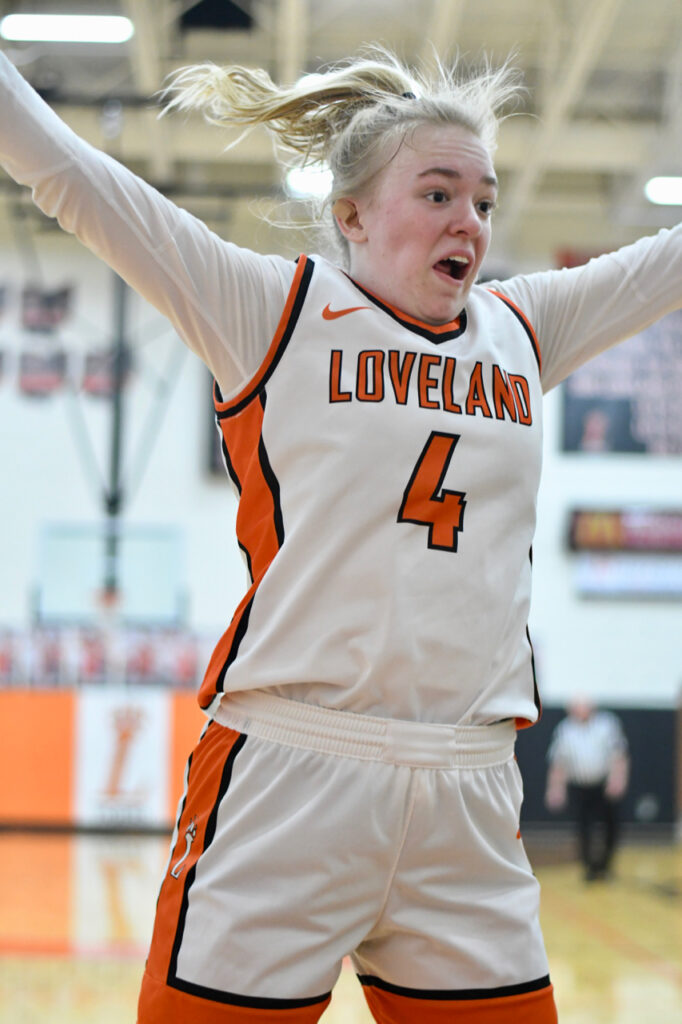
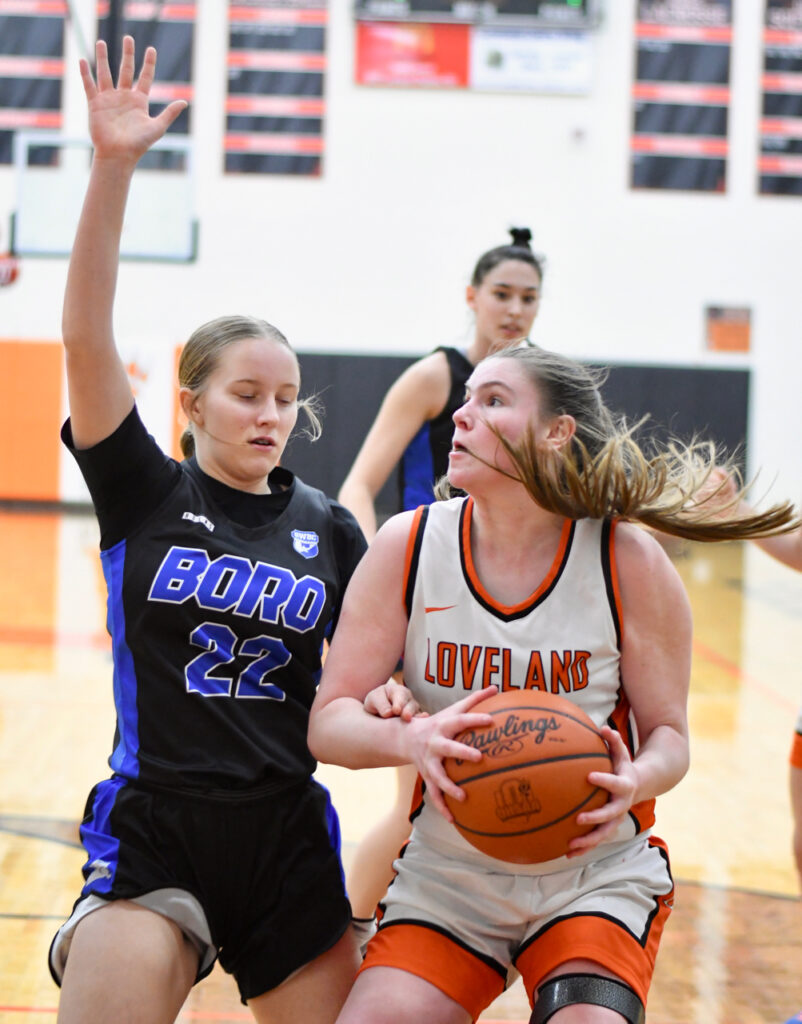
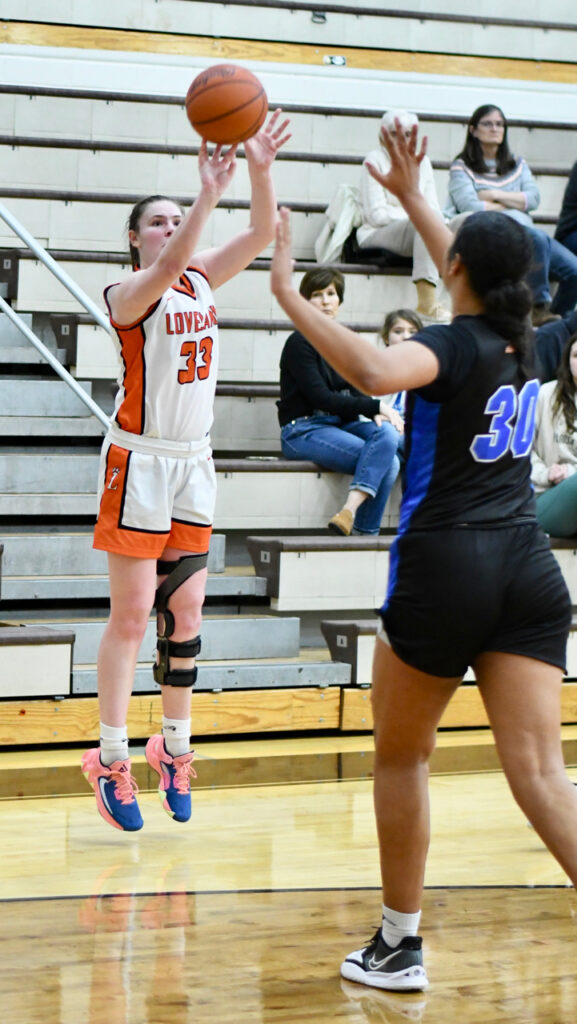
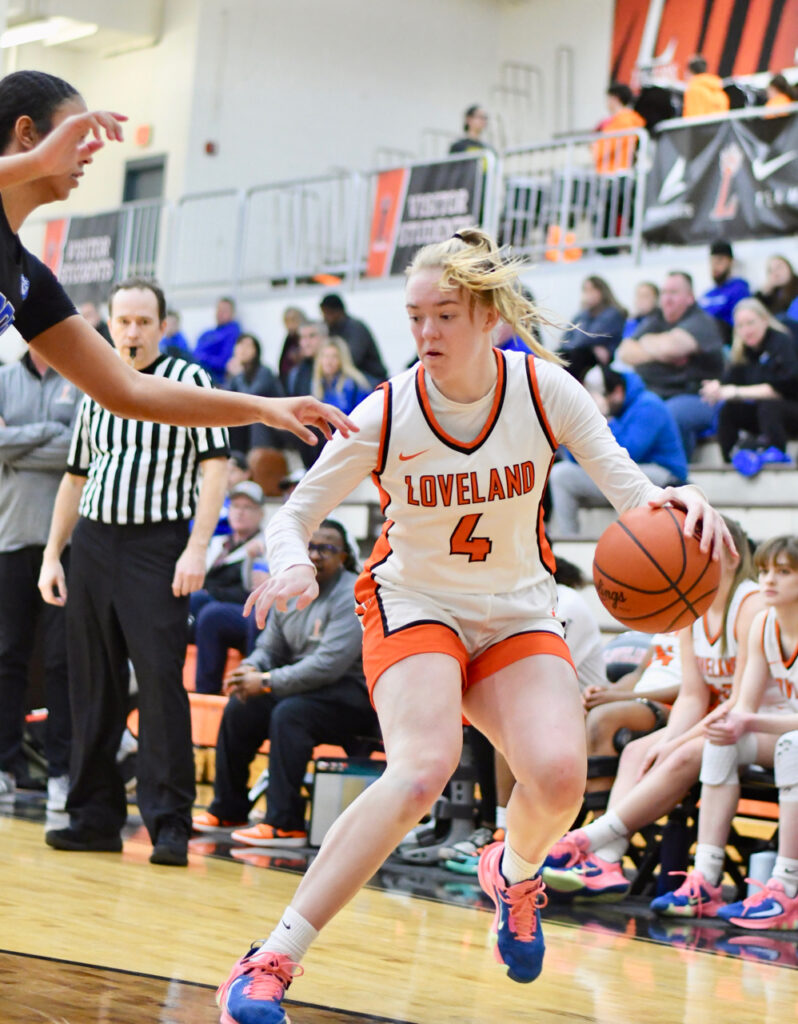
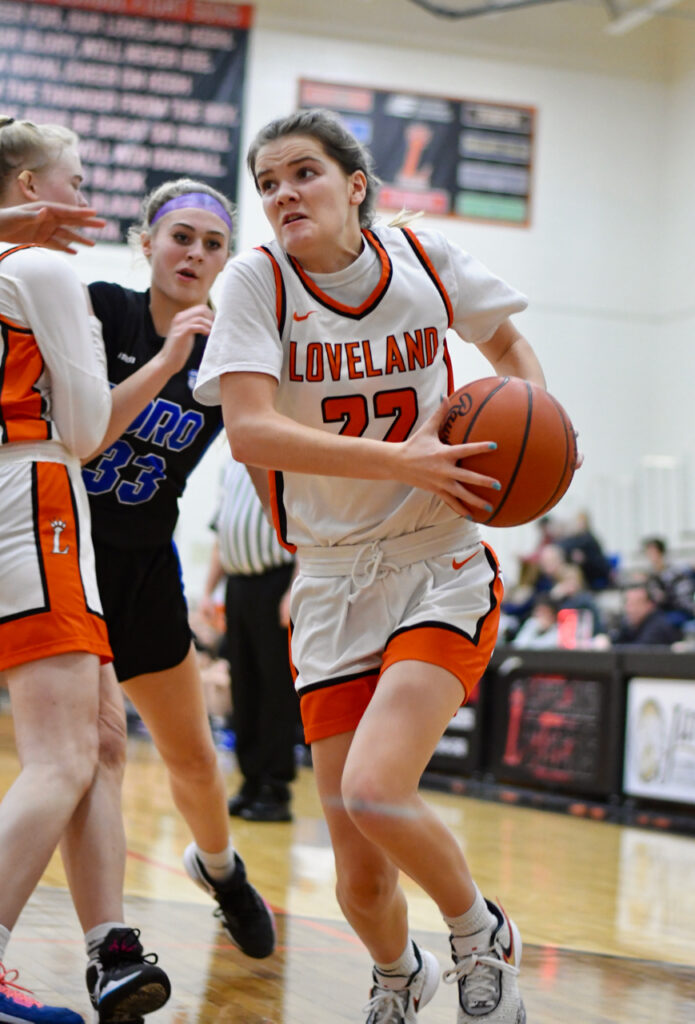
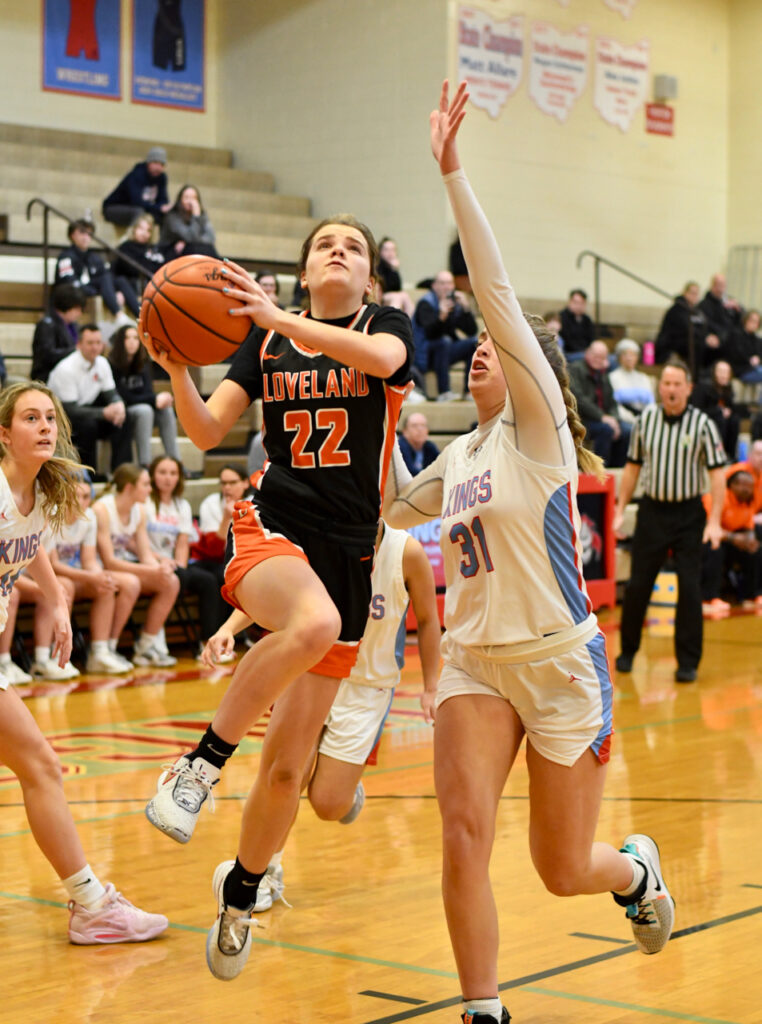
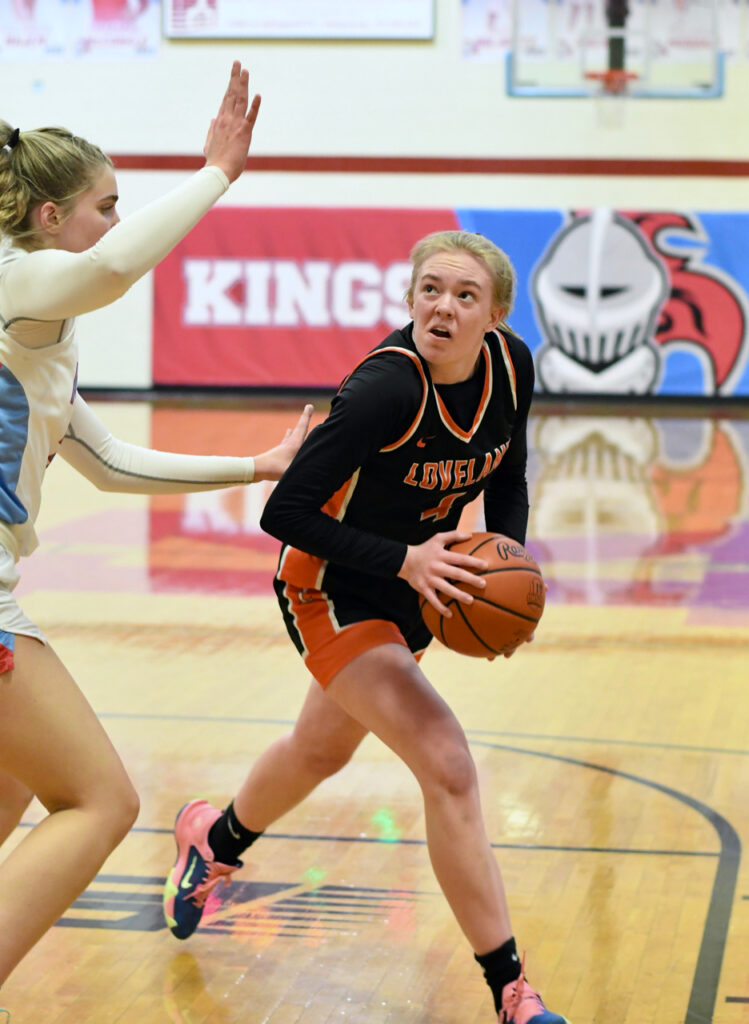
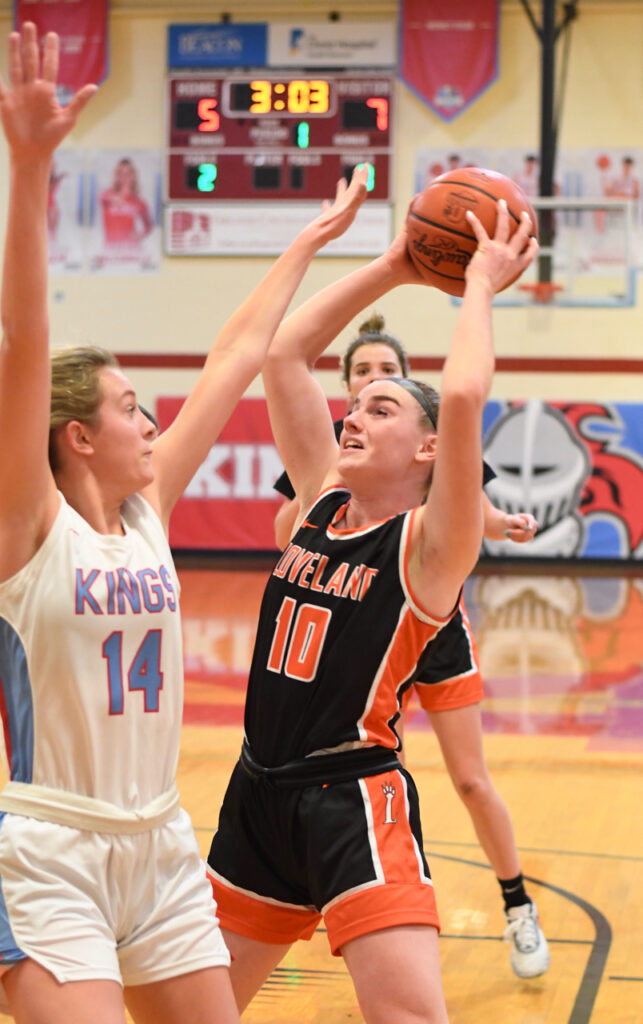
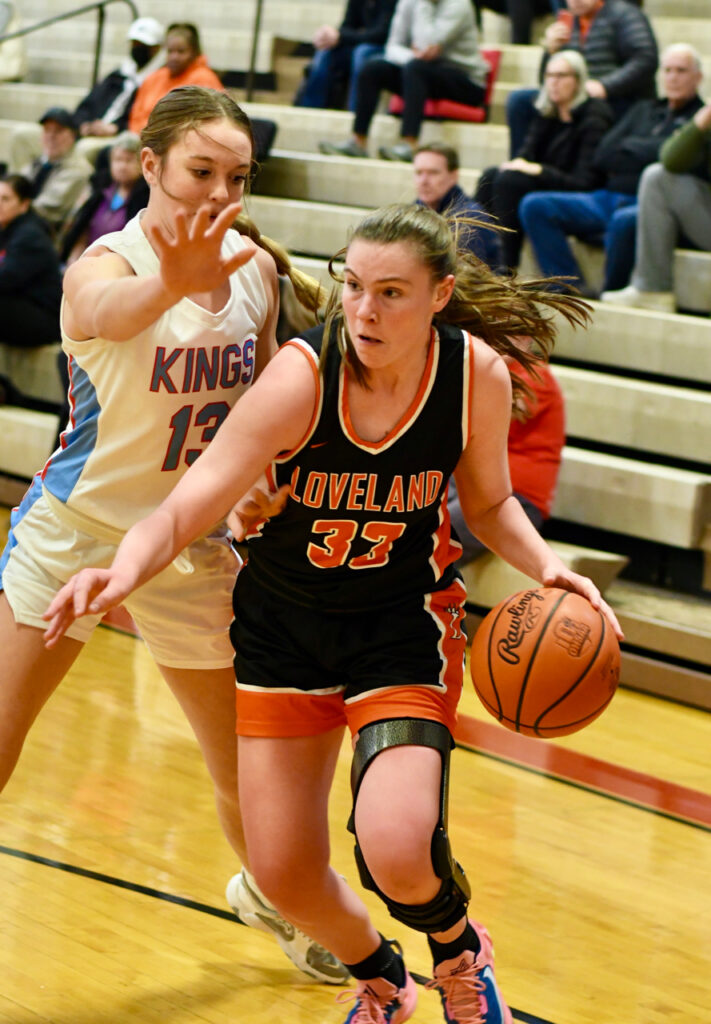
  • [Game Photos] Tigers advance in State Tournament with win over Seton

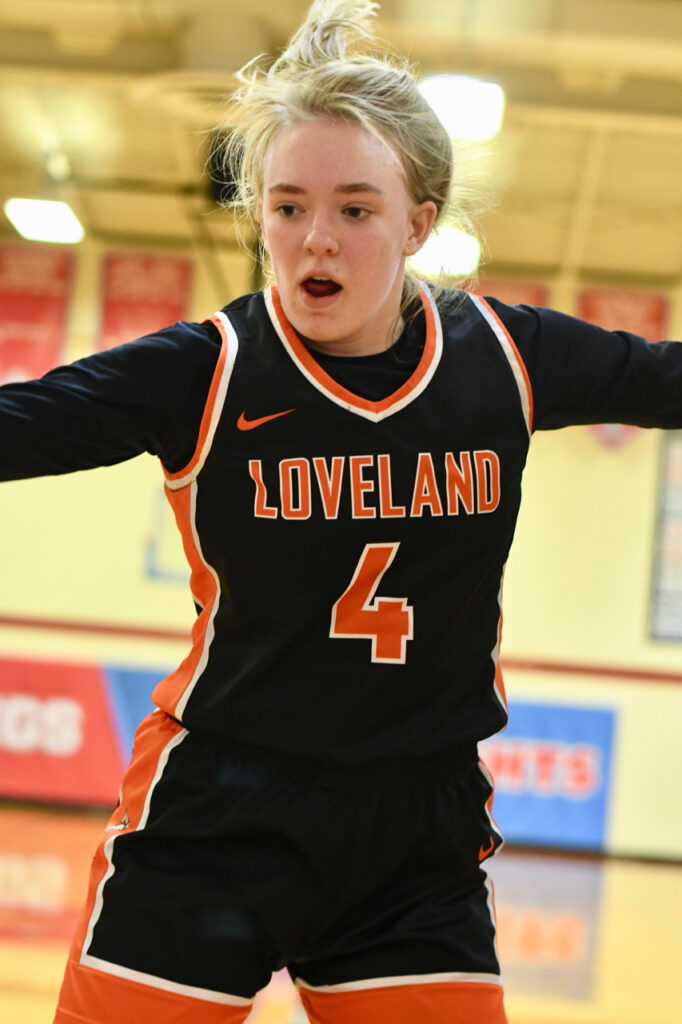
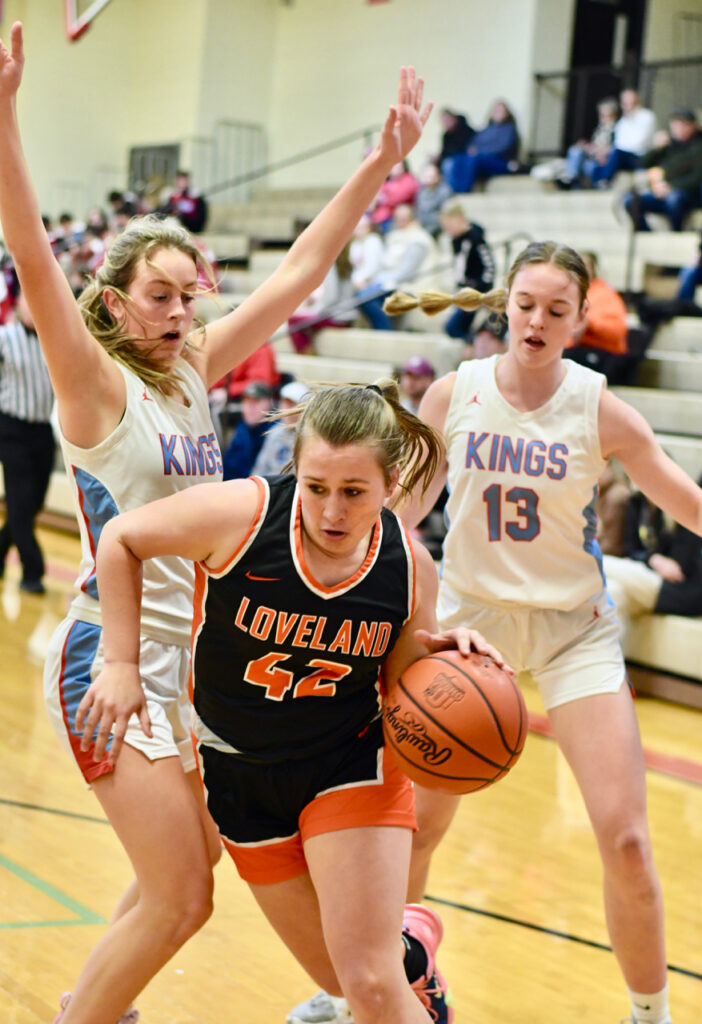
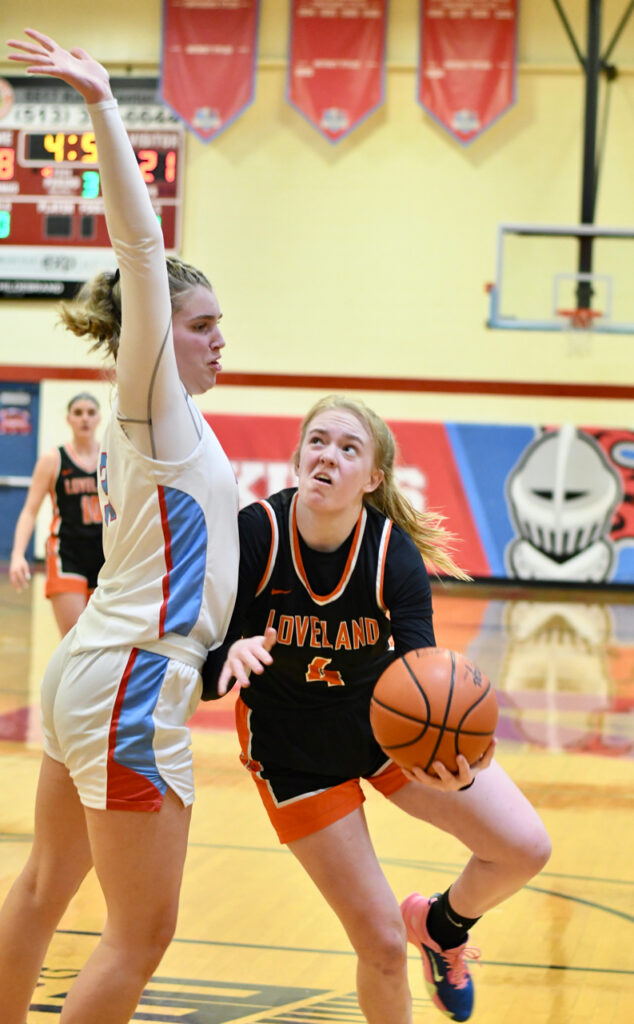
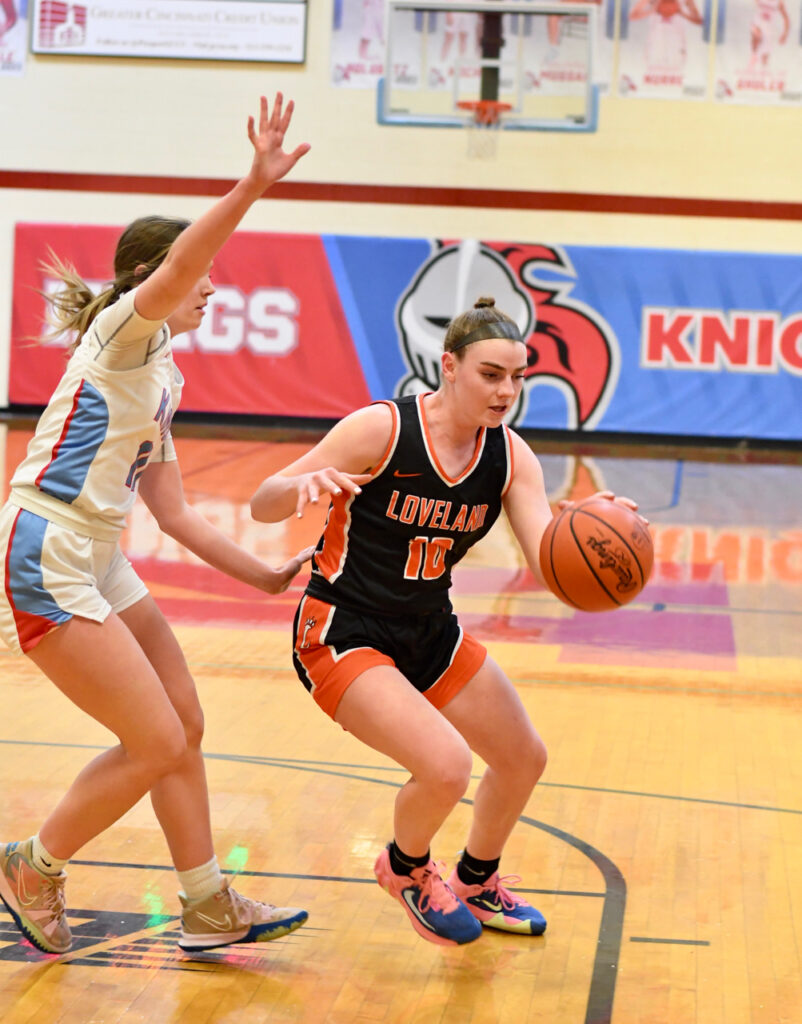
    [Game Photos] Tigers advance in State Tournament with win over Seton

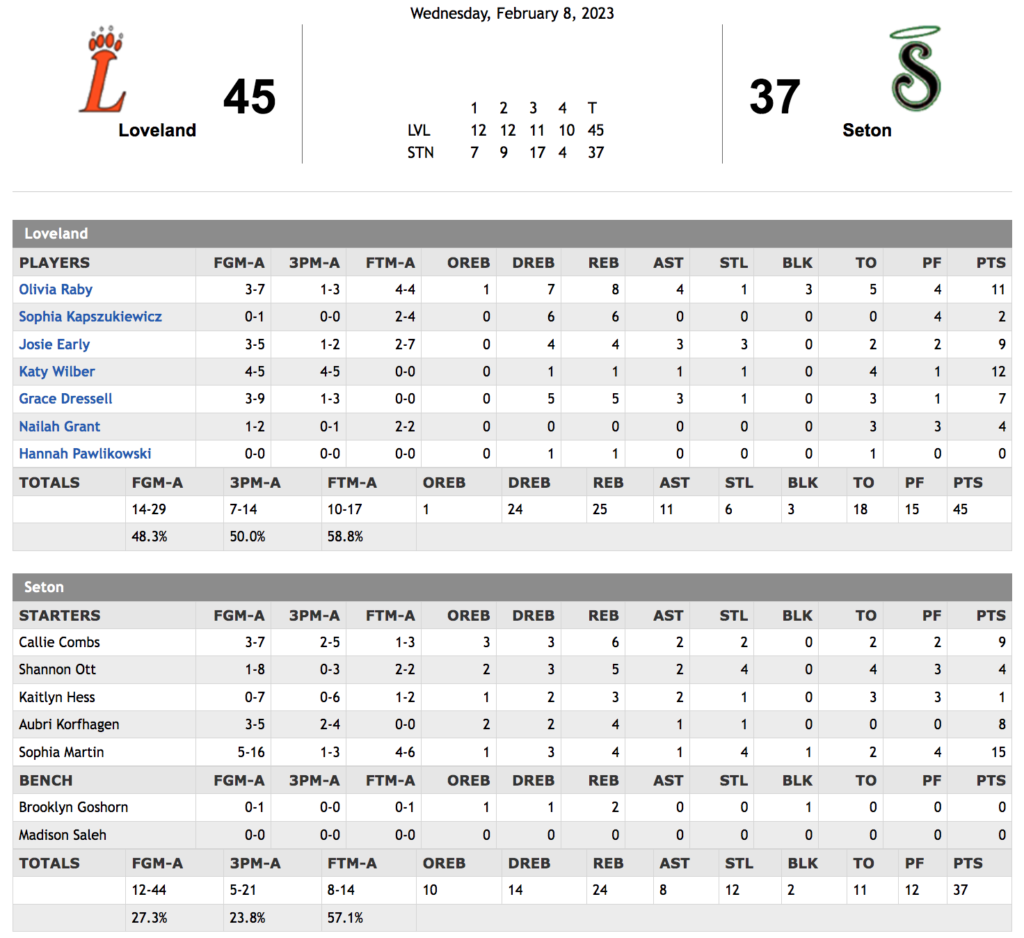
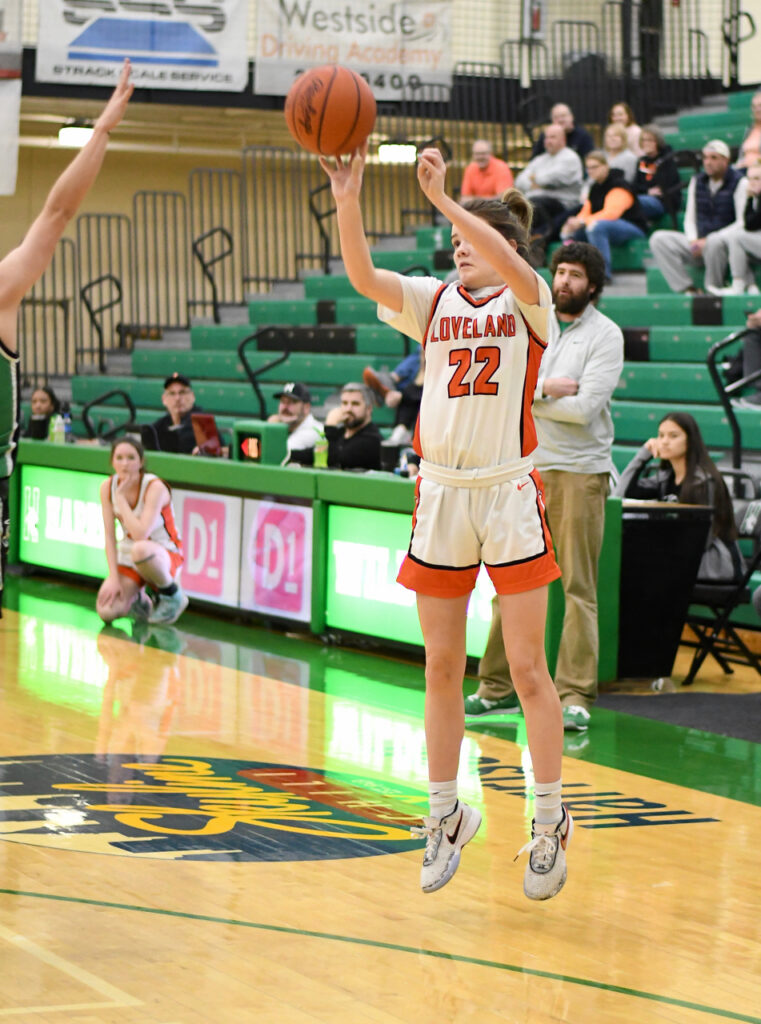
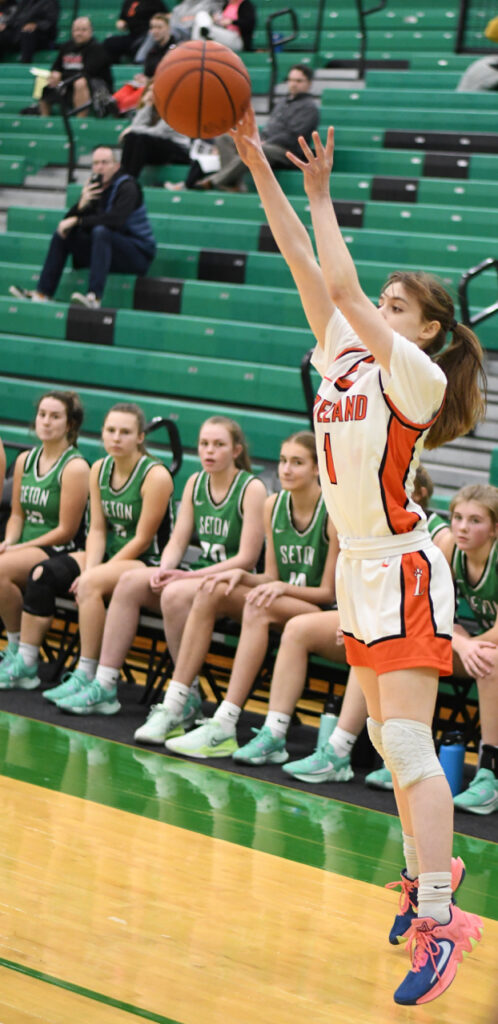
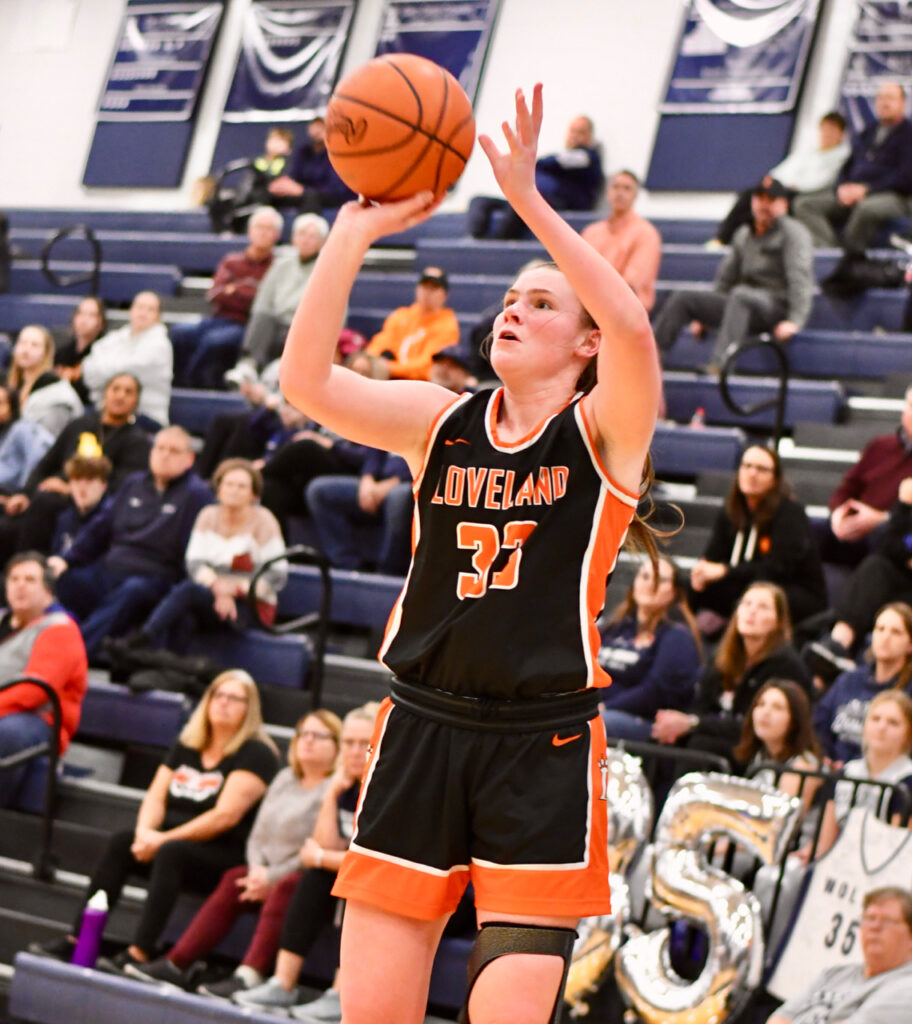
    Katy Wilber was 4 for 5 from the arc against Seton

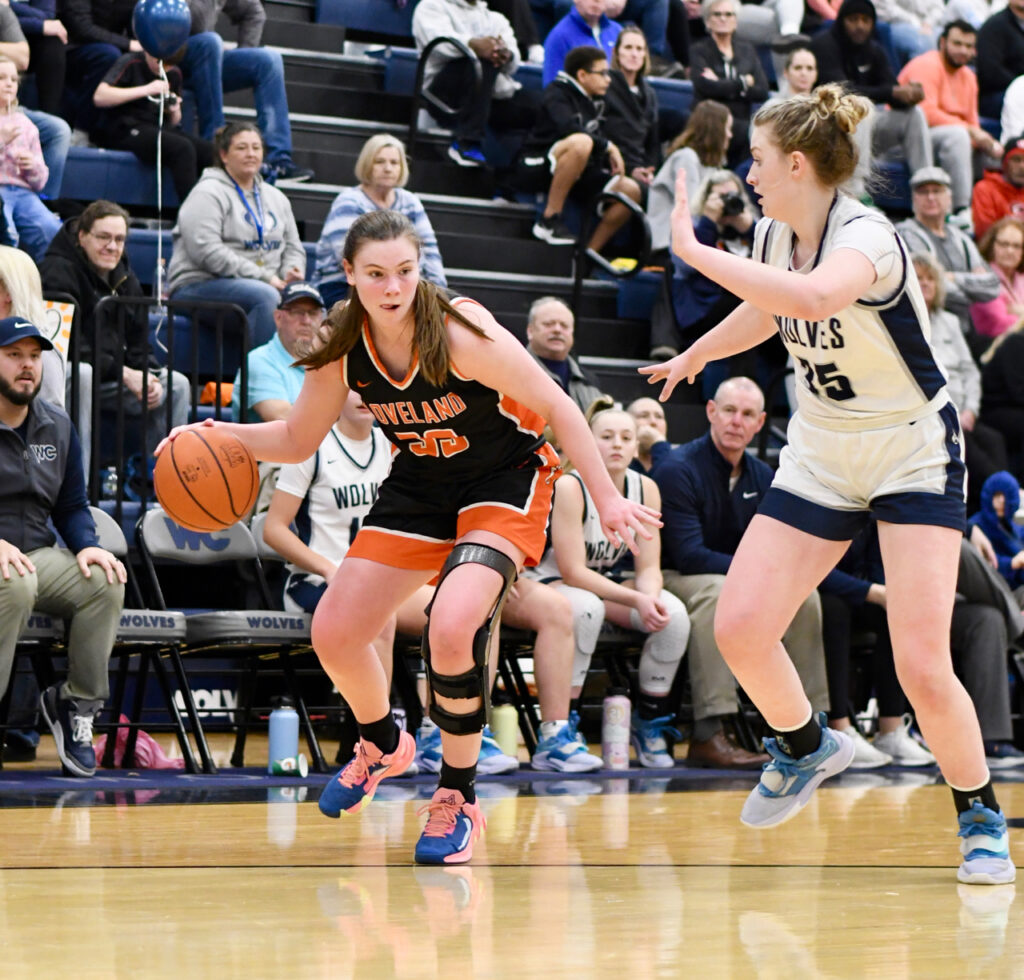
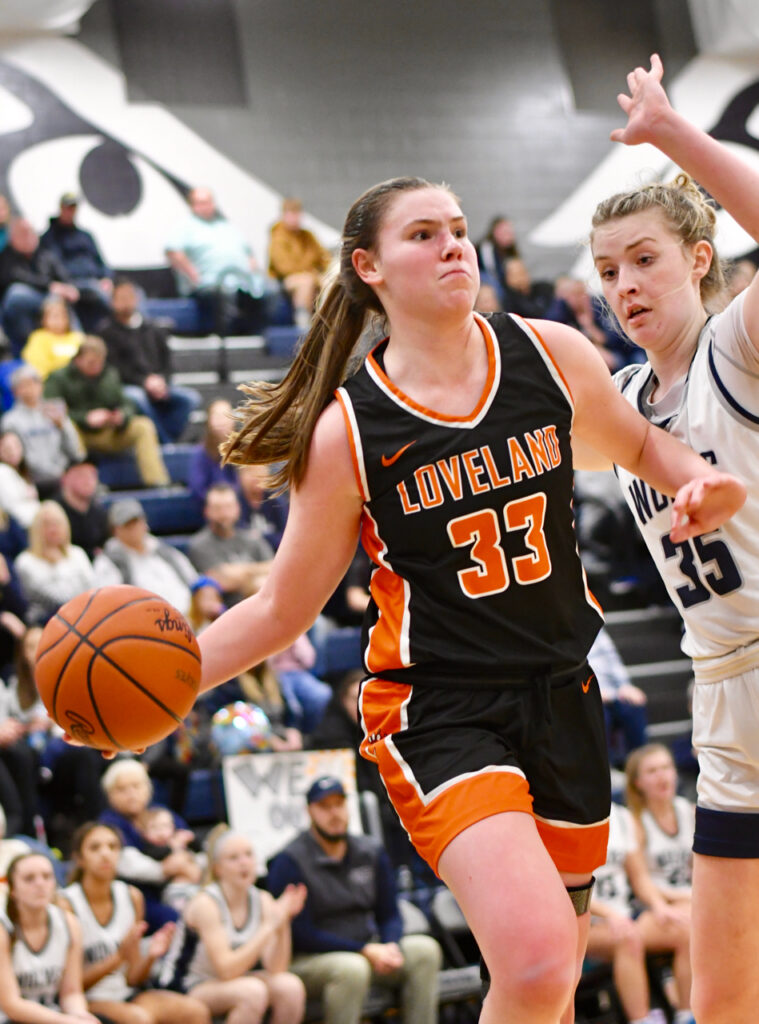
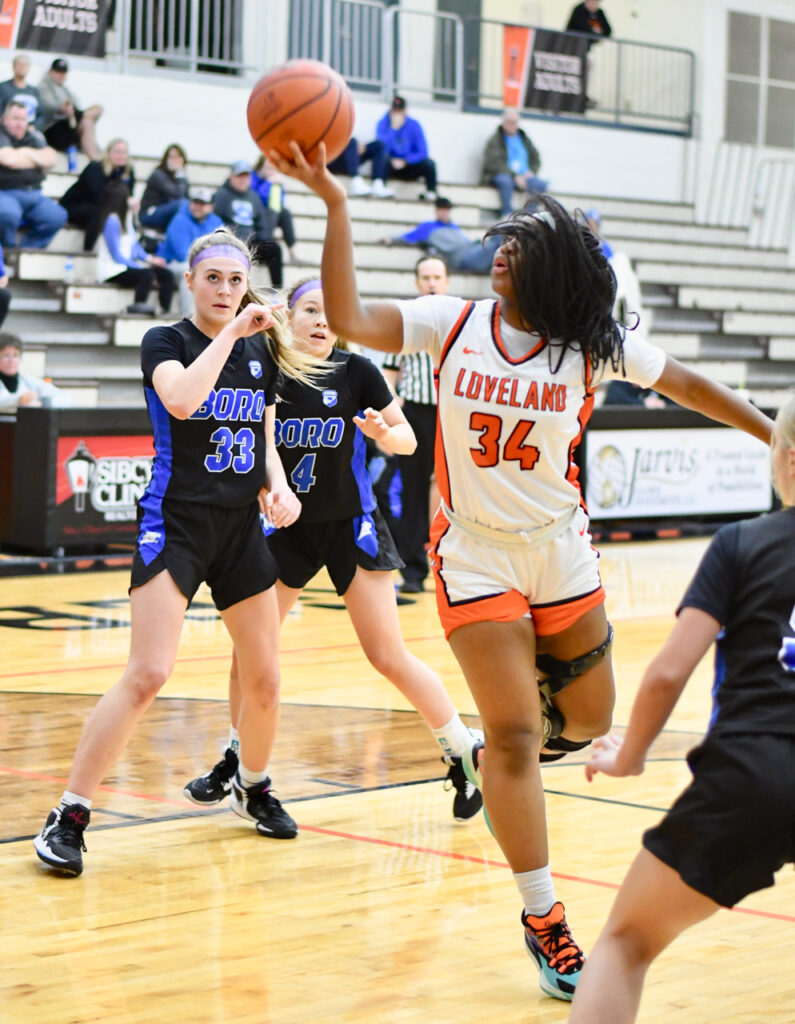
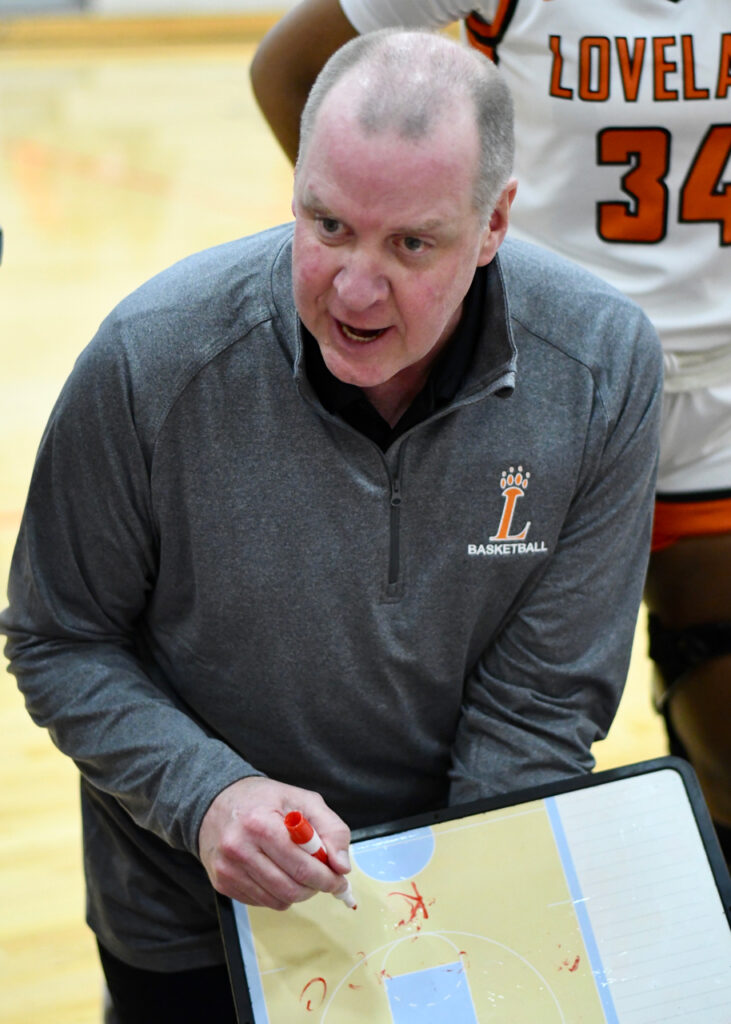
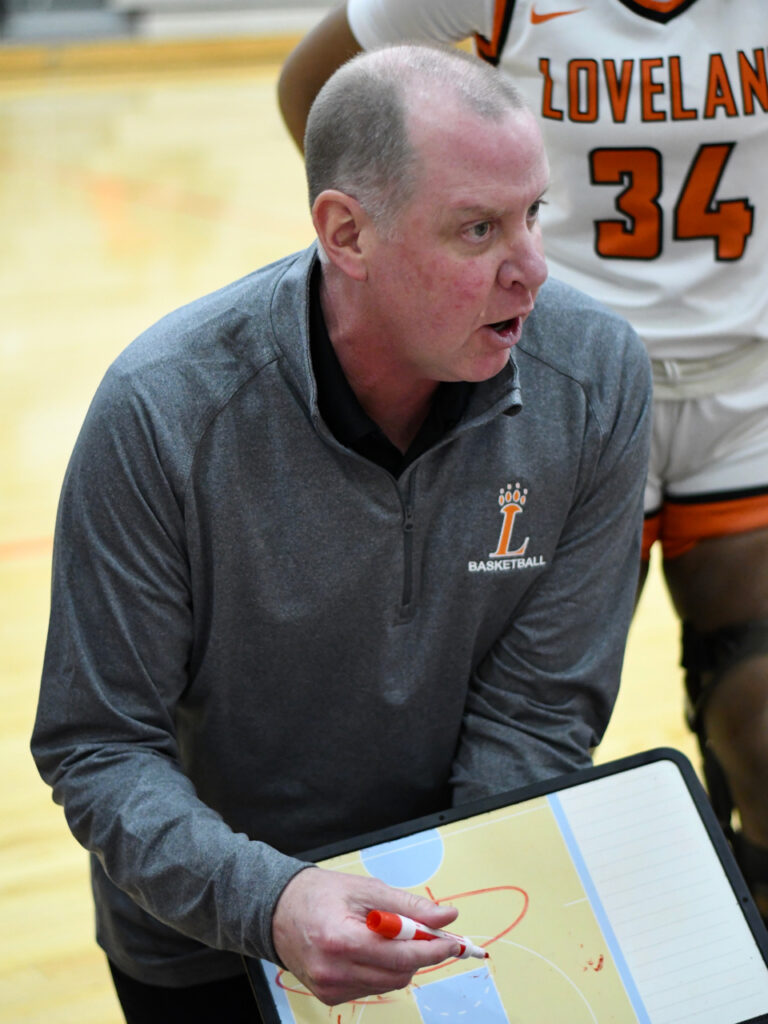
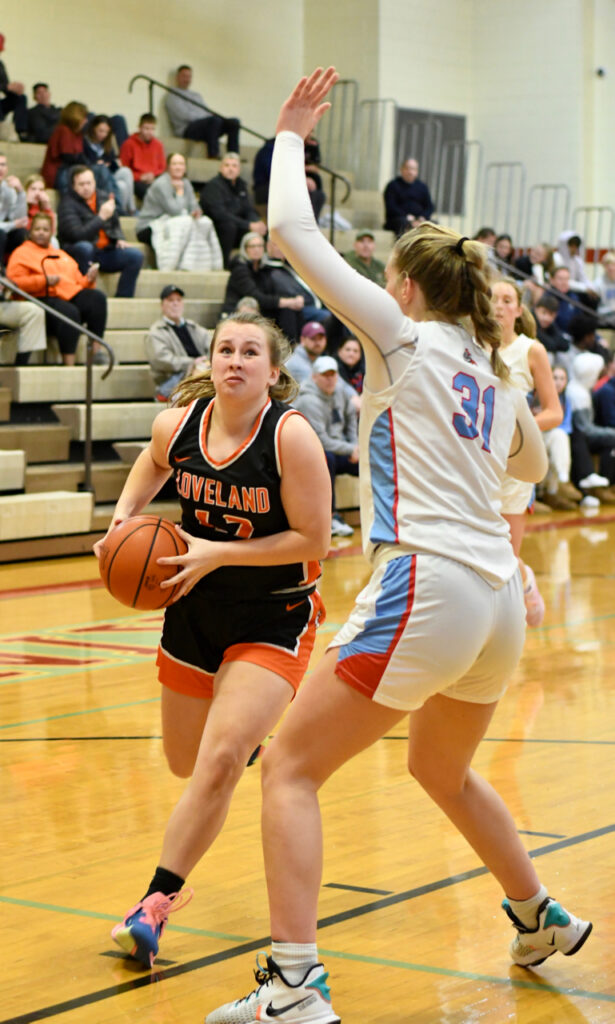
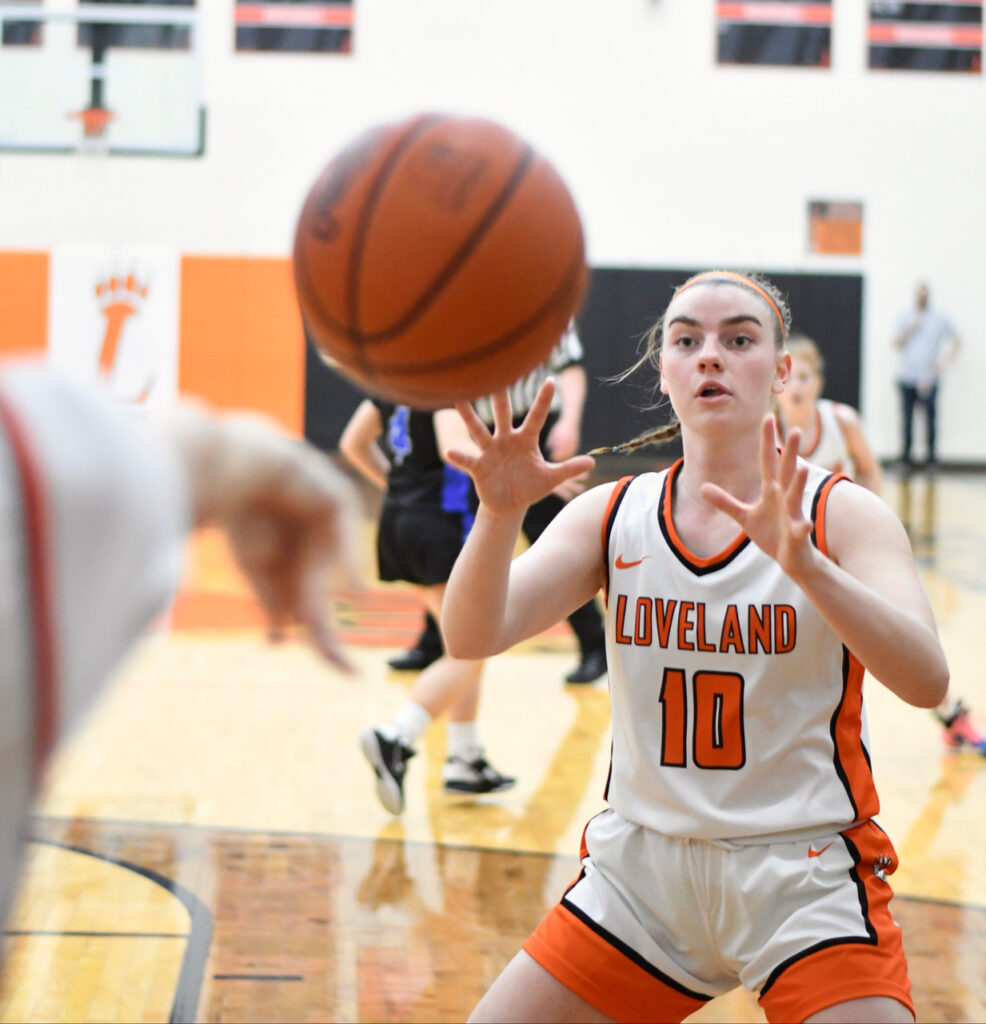
    Harrison, Ohio – Freshman Katy Wilber with 12 points, led the Loveland Tigers Wednesday afternoon at Harrison High School in the first round of the Southwest 2 – Division I Sectional State Tournament. Wilber was 4 for 5 shooting, all three-pointers. In the 45-37 win, Olivia Raby contributed 11.

    A strong 3rd quarter allowed Seton to get back into the game and come to within 2 in the 4th, but strong shooting from the Tiger foul line protected their lead.

    The # 8 seeded Tigers next travel to Lakota East High School on February 15 at 6 PM to play # 16 seed Oak Hills.

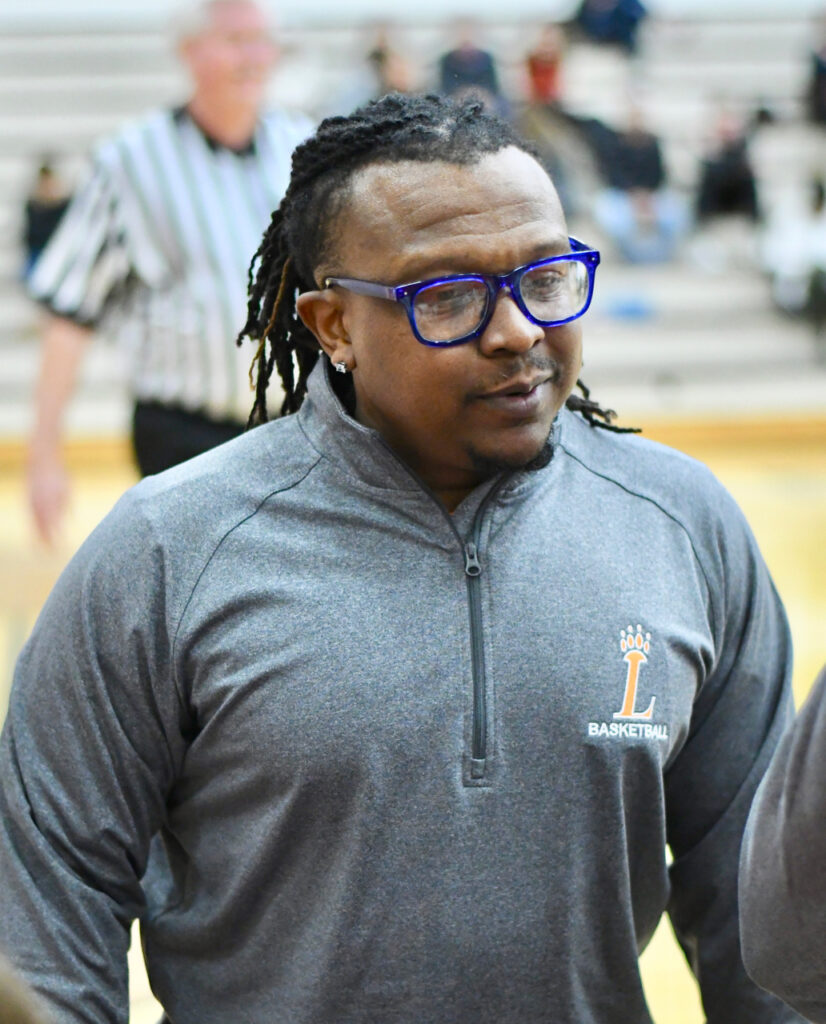
    Below are game photos from the Seton, Walnut Hills, West Clermont, Springboro, and Kings competitions.

    All photos © David Miller/Loveland Magazine 2023

  • FirstEnergy exec tried to keep DeWine aide’s name off of $10M transaction

    FirstEnergy exec tried to keep DeWine aide’s name off of $10M transaction

    BY: MARTY SCHLADEN – Ohio Capital Journal

    In October 2019, as a battle raged over an attempt to repeal a $1.3 billion utility bailout, a FirstEnergy executive worked to keep the name of a senior aide to Gov. Mike DeWine off of a $10 million infusion of corporate cash into the fight. 

    The executive, Vice President Michael Dowling, did so even after an assistant told him it would violate IRS rules to not list the DeWine aide on the transaction, according to text messages presented Tuesday in the federal corruption trial of former Ohio House Speaker Larry Householder and lobbyist Matthew Borges. The men are accused of racketeering in a scheme to use $61 million from FirstEnergy in exchange for the massive bailout, most of which went to prop up the company’s failing nuclear and coal plants in order to make them attractive to buyers.

    DeWine has denied involvement in the arrangement even though he met with FirstEnergy executives and visited one of its nuclear plants in 2018 as he was seeking the governorship and FirstEnergy was lavishly funding Householder’s effort to elect sympathetic Republicans who would then vote to make him speaker. For his part, DeWine received $23,000 from the Akron-based utility for his campaign and his inaugural celebration, according to Ohio Citizen Action. He vowed to donate the money to charity following revelations of the scandal.

    The governor appointed as chairman of the Public Utility Commission of Ohio a former FirstEnergy consultant who was paid $4.3 million by the utility just before taking his seat on the commission. Even though he was supposed to be regulating the utility, the official, Sam Randazzo, played a role in writing the bailout legislation, according to documents released by the Ohio House. 

    In early 2019, DeWine also appointed FirstEnergy lobbyist Dan McCarthy to be his legislative affairs director, meaning McCarthy was in charge of representing DeWine’s interests before the General Assembly.

    In early 2017, while McCarthy was still working for FirstEnergy, Householder and his son, along with FirstEnergy CEO Chuck Jones and others, flew corporate jets to Washington, D.C. for fancy dinners and Donald Trump’s inaugural

    Just after that, McCarthy formed a 501(c)(4) group called Partners for Progress. Also known as a “dark money” group, it received $5 million from FirstEnergy within a few weeks of when McCarthy founded it.

    In an affidavit supporting Householder’s arrest, FBI Special Agent Blane Wetzel said Partners for Progress was “designed to conceal the nature, source, ownership, and control of the payments” from FirstEnergy and associated companies. Through the rest of 2018, McCarthy continued as president of Partners for Progress as it pumped FirstEnergy money into a Householder-controlled dark money group and funded the effort to make Householder speaker.

    The following year, McCarthy resigned that role to work for DeWine in the legislature as Householder shepherded the bailout legislation, House Bill 6. When a final version passed in July 2019, DeWine signed it the same day.

    But opponents quickly started a campaign to circulate petitions to put a repeal on the ballot. That prompted FirstEnergy to pump even greater sums into a “decline to sign” campaign aimed at thwarting the petitions.

    It funded xenophobic mailers and broadcast ads claiming without evidence that the repeal effort was a Chinese plot.

    “Who is knocking at your door?” began a mailer read in court Tuesday. “Foreign enemies have infiltrated our energy grid,” it added and said, ominously, that circulators of repeal petitions “are asking for your information.”

    In October 2019, executives with FirstEnergy and its generation-owning subsidiary seemed panicked that the repeal effort might succeed and they were planning to pump $10 million more into the effort to stop it — through Partners for Progress, the dark money group started by McCarthy, who was now a DeWine aide.

    Dowling, the FirstEnergy vice president, seemed to think it wouldn’t be a good look for the name of a DeWine official to show up on paperwork accompanying the huge transaction.

    “Please make sure Dan McCarthy’s name is not on the filing,” Dowling said in a text message to Partners for Progress Treasurer Michael Vanburen that was presented in court Tuesday.

    Vanburen replied that even though McCarthy was no longer president of the dark money group, IRS rules required that his name be on the filing. Dowling didn’t accept that.

    “There must be a creative way to handle this,” he said. “It’s important that (McCarthy’s) name not be listed.”

    Asked if DeWine asked that McCarthy’s name not be used in paperwork regarding the money transfers, Press Secretary Dan Tierney in an email said, “No. Dan McCarthy resigned from Partners for Progress in December 2018. Dowling’s comments, as you have relayed them to me, do not match the timeline of McCarthy’s affiliation with Partners for Progress.”

    DeWine seems to have been in touch with FirstEnergy executives around the time of the repeal effort. Later in October 2019, FirstEnergy CEO Jones texted Vice President Dowling to say, “DeWine’s on board. I talked to him on Wednesday.”

    According to Jones, they talked about whether the repeal HB 6 effort would gather enough valid signatures to get the measure on the ballot.

    “He said their valid rate was less than 30%,” Jones said of DeWine.

    For his part, Tierney said, “The Governor does not have any recollection of such a conversation.”

    In a later text conversation, Jones said he’d received similar assurances from Secretary of State Frank LaRose.

    After arrests were made in the House Bill 6 scandal, DeWine staunchly defended McCarthy and kept him in his administration for more than a year, until Sept. 24, 2021.

    “As far as I know, Dan McCarthy has been well-respected for many, many years, long before he started working for me as our legislative director and I have faith in his integrity,” DeWine said in early 2021 as questions about the role McCarthy’s dark money group played in the bribery and money laundering scandal continued.

    In another trial-related matter, U.S. District Judge Timothy Black on Tuesday said that he had released a second juror, this time for testing positive for COVID. An earlier juror had been released for refusing to wear a mask.

    That brings the number of alternate jurors to two for a trial that is expected to last into early March.

  • An Interview with Julia Wolf: The Wolf Pack’s “Cure Starts Now”

    An Interview with Julia Wolf: The Wolf Pack’s “Cure Starts Now”

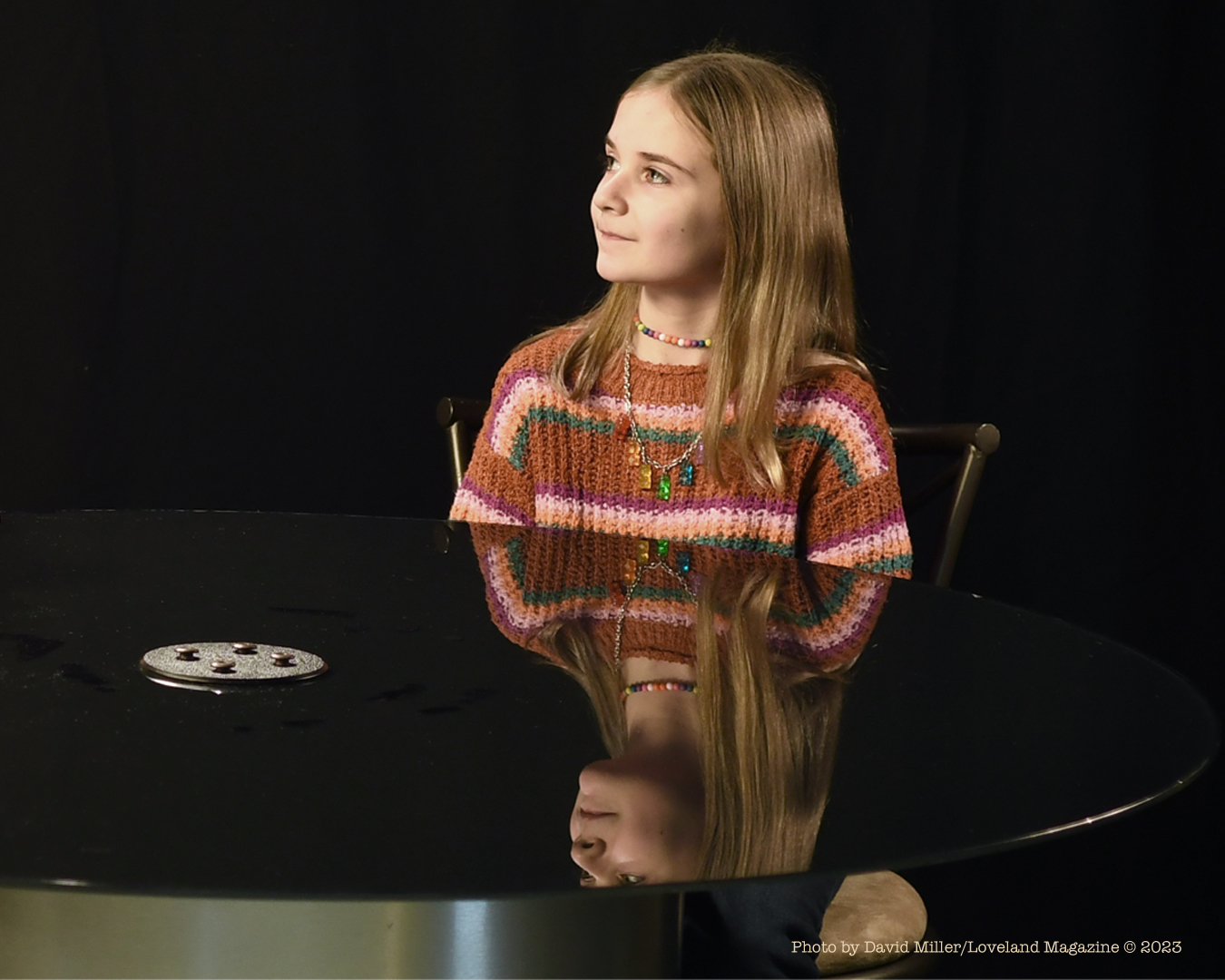
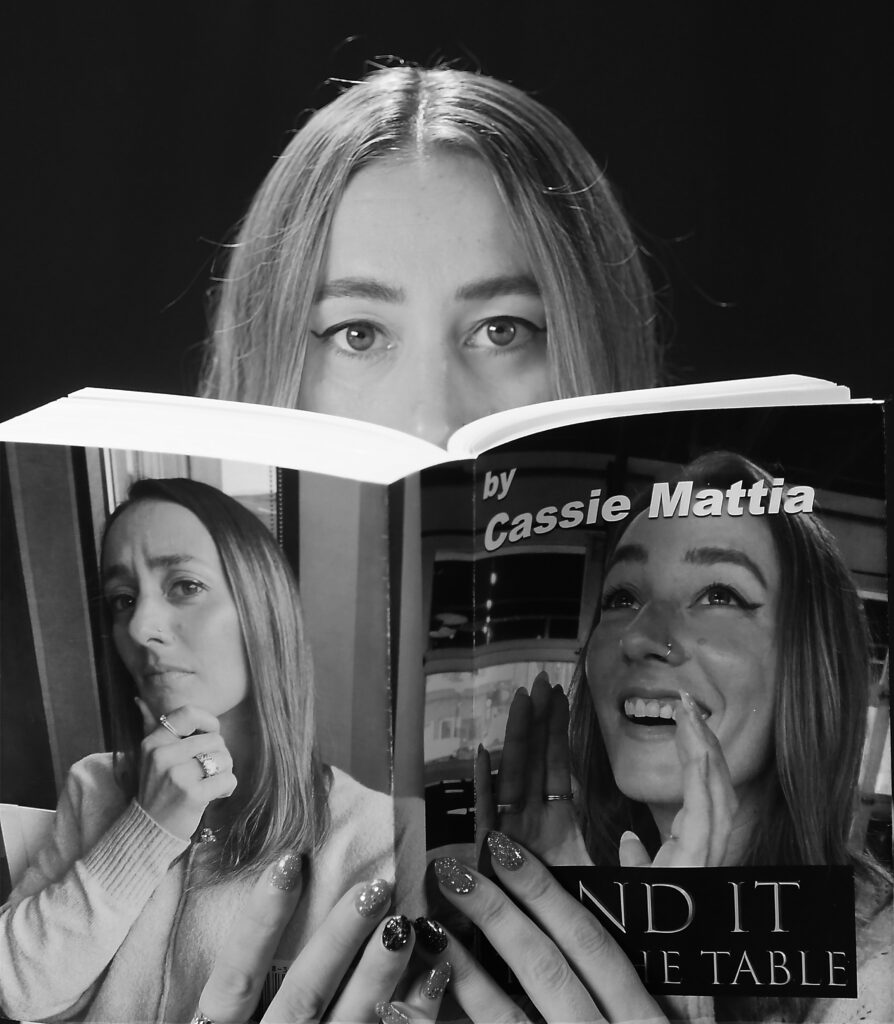
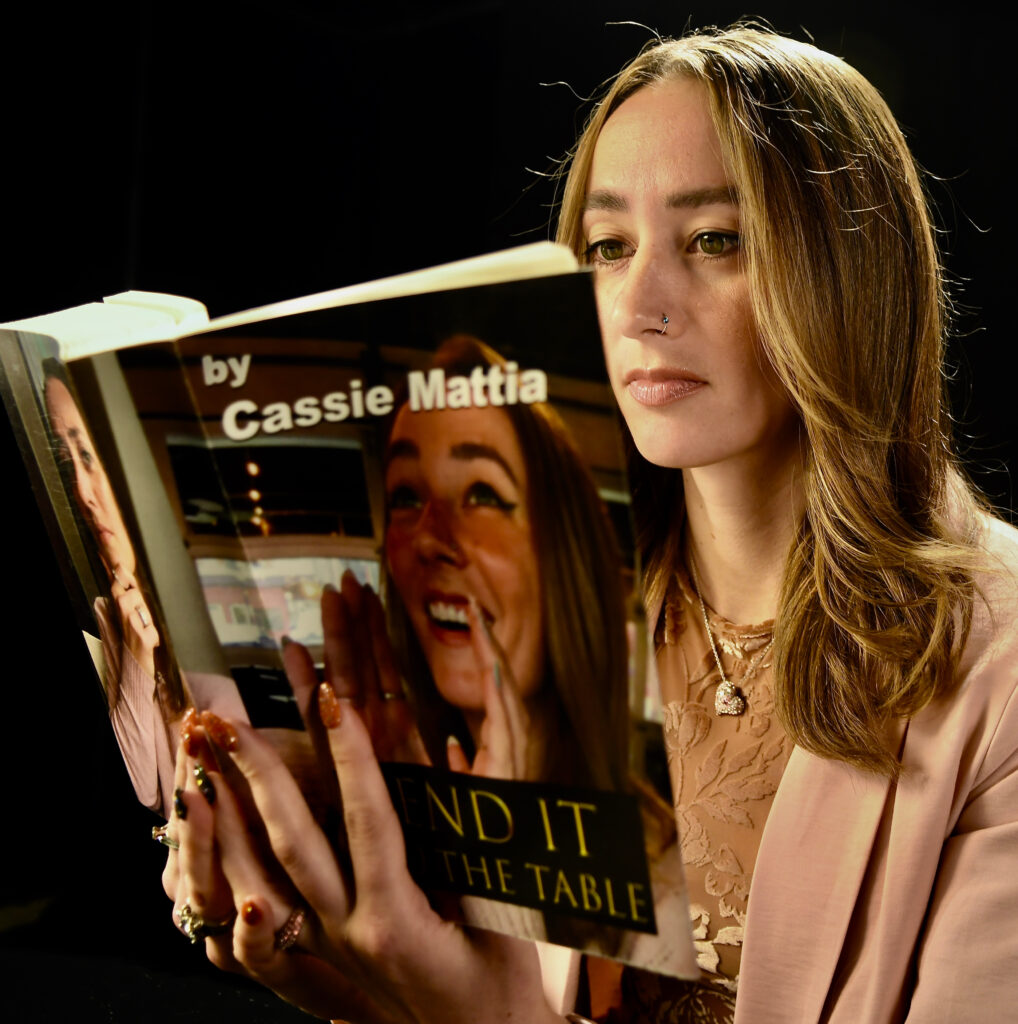
    Loveland Magazine President and Publisher Cassie Mattia at her “Table of Discussions”.

    by Cassie Mattia

    Loveland, Ohio – “We know Grant is ‘done with cancer’ but not in the way any of us hoped for,” Sara Wolf said in 2021 after losing her son, Grant Wolf at just 7 years old to Medulloblastoma, a malignant tumor in the cerebellum region of the brain.

    Grant’s twin sister, 9-year-old Julia Wolf, has made it her mission to advocate for childhood cancer research in memory of her brother. This will be the third year that Julia’s “Grant for Grant” fundraiser will be raising money with “The Cure Starts Now” for childhood cancer research.

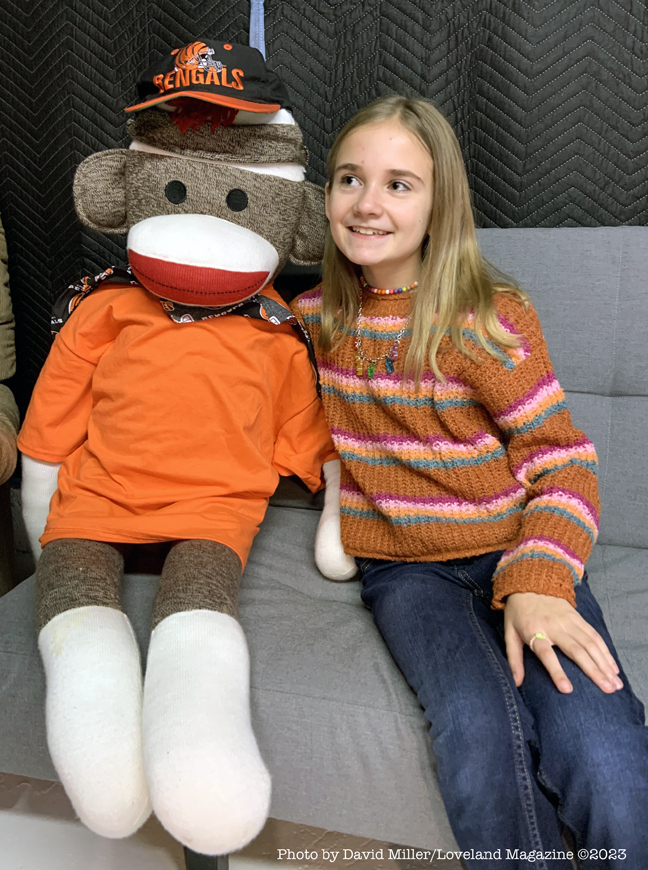
    Julia’s love for stuffed animals was abundantly apparent when immediately after my interview she went to sit with the sock monkey in our studio.

    Julia came up with the idea to fundraise in memory of her brother Grant at his funeral in 2021. Julia had been worried about having a birthday without Grant by her side so she brainstormed and came up with two ideas; donate stuffed dogs to kids with cancer, as she and Grant loved to play with stuffed animals together, and raise money for childhood brain cancer research. Julia’s mom loved the idea and thought what a great way to get “Grant’s Wolf Pack” involved, a group of supporters and advocates for childhood cancer research, and other cancer organizations such as The Cure Starts Now. “She set the fundraising goal at $240. We watched the total grow, and grow and grow and knew that the Grant for Grant fundraiser was going to make a big impact,” Sara said.

    Julia’s first Grant for Grant fundraiser collected $56,000 and the following year the campaign brought in $52,000.

    With Julia and Grant’s 10th birthday coming up and the third year of the Grant for Grant fundraiser in full swing, Julia has been working hard to spread awareness about childhood brain cancer. Julia’s goal this year is to raise at least $50,000 for her A Grant for Grant fundraiser by her and Grant’s birthday on February 11th.

    “Grant was really funny. He loved playing dogs and sports. He was the best twin brother,” Julia said to Loveland Magazine in a 2021 interview, “I really wanted to do something about finding a cure for cancer so that no other kid has to go through these tough times.”

    Here at Loveland Magazine, we wanted to make sure we not only continued to support Julia’s cause but also let our community of readers know how they can support the cause too, so we invited Julia into the Loveland Magazine studios for a one-on-one interview! Click below to listen to the “Send it to the Table” podcast and the on-camera interview featuring Loveland’s sweetheart, Julia Wolf!


    Listen to the “Send it to the Table” Podcast by Cassie Mattia featuring Julia Wolf


    Wolf Family Photos


    The Cure Starts Now represents something truly different – a grassroots effort dedicated to, not just fighting one cancer, but the elimination of ALL cancers. We believe as the experts do; that in order to truly cure cancer you have to focus on:
    • Those cancers that are immune to treatment.
    • Those cancers that also affect children.
    • Those cancers that are the biggest bullies with the highest death rate.

    Learn all about The Cure Starts Now in the video below!

    Learn More

    SAVE THE DATE for one of Cincinnati’s most unique auctions and the premiere fundraiser for The Cure Starts Now

    As the premiere fundraiser for The Cure Starts Now, the Once in a Lifetime Gala is one of Cincinnati’s most unique galas. Join over 900 guests as they enjoy a 3-course gourmet meal, open bar, a 400-package silent auction, a once-in-a-lifetime experience live auction, and entertainment. Please join us as we continue our battle against pediatric brain cancer and honor our cancer warriors.

    100% of the proceeds benefit The Cure Starts Now.  Thanks to events like this, The Cure Starts Now has funded $21,188,327 in pediatric cancer research and support in conjunction with our DIPG/DMG Collaborative Partners.  The proceeds will benefit The Cure Starts Now, a 501(c)(3) non-profit organization dedicated to finding a “home run” cure for cancer through funding of pediatric brain cancer research.

    EARLY BIRD PRICING FOR 2023 

    Receive admission to The Cure Starts Now auction, dinner, and program. Includes complementary beer, wine, and soft drinks.

    Send it to the Table

    If you have a story you would like to bring to my all-new segment, the “Table of Discussions,” where I talk about anything and everything going on locally and nationally, email me at cmattia12@gmail.com. I’d love to sit at my table with you and discuss an issue or listen to your story!


  • Loveland Bike Trail’s O’Bannon Creek Bridge Closure

    Loveland Bike Trail’s O’Bannon Creek Bridge Closure

    by David Miller

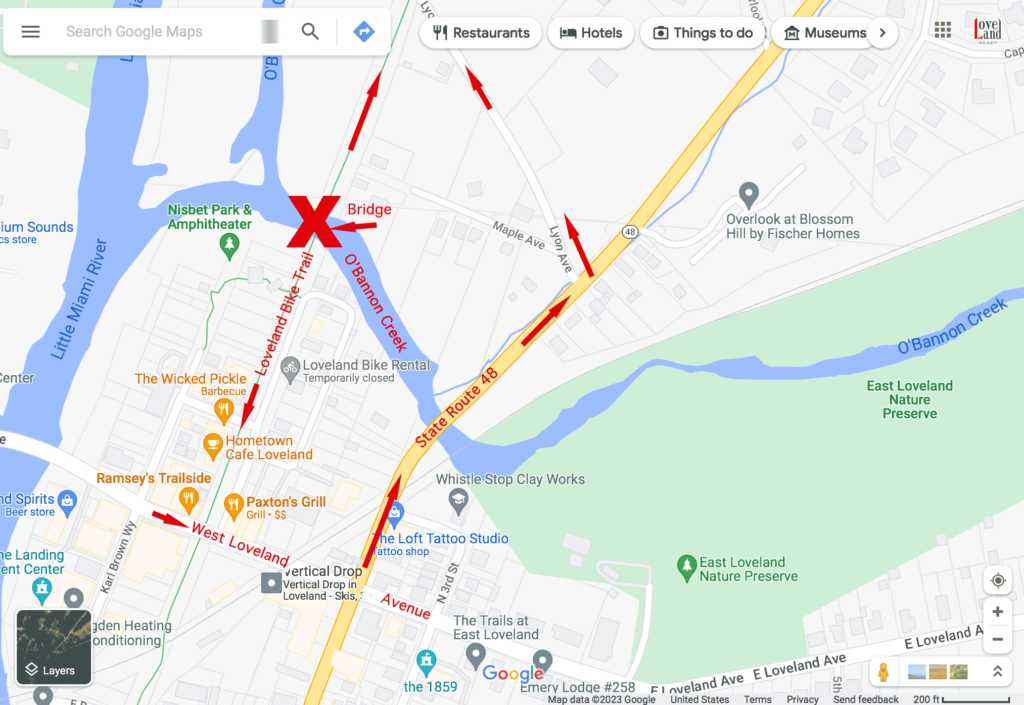
    Loveland, Ohio – The O’Bannon Creek Bridge in Historic Downtown on the Loveland Bike Trail (Little Miami Scenic Trail) will be temporarily closed starting March 6th. Little Miami State Park, the division of the Ohio Department of Natural Resources that oversees the trail said that the bridge is nearing the end of its life expectancy and that they are “proactively replacing it before it becomes unsafe”.

    Google Image

    It will open again at the end of March and then close from May to October. There is no designated detour, however, local trail users will know that heading east on West Loveland Avenue and leaving Historic Downtown by heading north on State Route 48, then turning left onto Lyon Avenue will quickly take users to the other side of the closed bridge. From Lyon Avenue take either fork in the road to get back on the trail.

    EDITOR’S NOTE: We have received a message from one of our faithful readers who lives on Maple avenue and she would rather not see people use the street as a detour. She said, “My street isn’t a proper workaround. Maple is a narrow, short dead-end street that doesn’t connect through to the trail, as depicted on the Google map. Our little neighborhood has several families with young children and would appreciate not having all the trail traffic directed our way. If trail users just stay on Lyon (which has just one house and no kids), they will quickly come to its intersection.”

  • Union Cemetery Road to Close for Sanitary Sewer Project

    Union Cemetery Road to Close for Sanitary Sewer Project

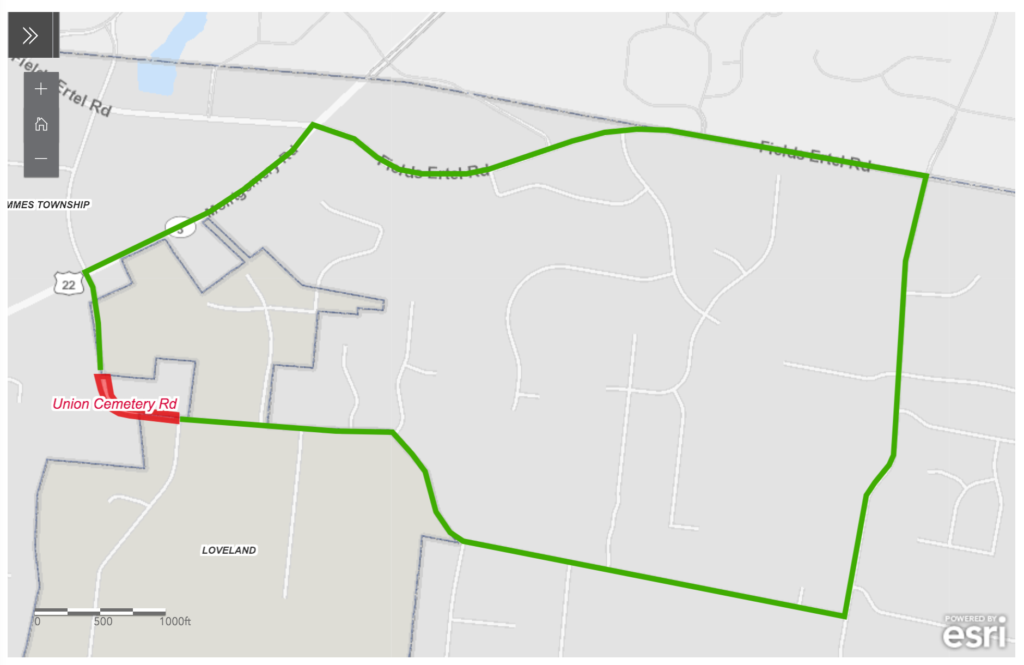
    Symmes Township, Ohio – The Smith Corporation will be installing a sanitary sewer between 9310-9360 Union Cemetery Road beginning Monday, February 6th through March 3rd. The contractor’s detour route will be from Montgomery Road-Fields Ertel Road-Lebanon Road-Union Cemetery Road and vice versa.

    If you should have any issues, contact Jay Smith with Smith Corporation at (513)782-8882 or Kurtis Boggs with the Hamilton County Engineer’s office at (513)946-8430.

  • Queen City Motors offering $2K reward for stolen truck

    Queen City Motors offering $2K reward for stolen truck

    405 Loveland Madeira Rd, Loveland, OH 45140

    +1 513-549-8022

    sales@queencity-motors.com

    https://www.queencity-motors.com


    Loveland Police have another request for assistance…

    Loveland, Ohio – On Friday, January 20 at approximately 3 AM, a 2011 Brown/Gold Dodge Ram 2500 with “Longhorn Trim” was stolen from Queen City Motors at 421 Loveland Madeira Road. A white van may have been involved in the theft.

    If you have any information please call police at 513-583-3000 or contact Detective Jesse Moore 513-774-3009 jmoore@lovelandoh.gov