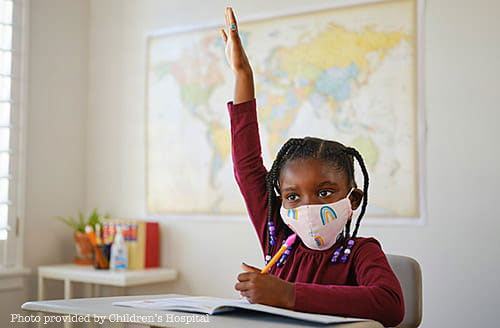
As the next school year begins, there needs to be a continued focus on keeping students safe, since not all students will have the opportunity or be eligible to be vaccinated before the start of the next school year. – American Academy of Pediatrics

Current Loveland schools mask requirement
Loveland Magazine – Jul 28, 2021
Also Read:
Centers for Disease Control issues new guidance for return to school
Ohio Department of Health Releases Updated K-12 School Guidance
Cincinnati Children’s recommends all children wear masks at school
Here is the latest recommendation from the American Academy of Pediatrics and COVID-19 Guidance for Safe Schools:
The AAP strongly advocates that all policy considerations for school plans should start with the goal of keeping students safe and physically present in school.
Purpose and Key Principles
The purpose of this guidance is to continue to support communities, local leadership in education and public health, and pediatricians collaborating with schools in creating policies for safe schools during the COVID-19 pandemic that foster the overall health of children, adolescents, educators, staff, and communities and are based on available evidence. As the next school year begins, there needs to be a continued focus on keeping students safe, since not all students will have the opportunity or be eligible to be vaccinated before the start of the next school year. Since the beginning of this pandemic, new information has emerged to guide safe in-person learning. Remote learning highlighted inequities in education, was detrimental to the educational attainment of students of all ages, and exacerbated the mental health crisis among children and adolescents. 1,2 Opening schools generally does not significantly increase community transmission, particularly when guidance outlined by the World Health Organization (WHO),3 United Nations Children’s Fund (UNICEF), and Centers for Disease Control and Prevention (CDC) is followed. 4,5 There are still possibilities for transmission of SARS-CoV-2, especially for individuals and families who have chosen not to be vaccinated or are not eligible to be vaccinated. In addition, SARS-CoV-2 variants have emerged that may increase the risk of transmission and result in worsening illness. However, the AAP believes that, at this point in the pandemic, given what we know about low rates of in-school transmission when proper prevention measures are used, together with the availability of effective vaccines for those age 12 years and up, that the benefits of in-person school outweigh the risks in almost all circumstances. Along with our colleagues in the field of education,6the American Academy of Pediatrics (AAP) strongly advocates for additional federal assistance to all schools throughout the United States, irrespective of whether the current local context allows for in-person instruction.
Schools and school-supported programs are fundamental to child and adolescent development and well-being and provide our children and adolescents with academic instruction; social and emotional skills, safety, reliable nutrition, physical/occupational/speech therapy, mental health services, health services, and opportunities for physical activity, among other benefits.7 Beyond supporting the educational development of children and adolescents, schools can play a critical role in addressing racial and social inequity. As such, it is critical to reflect on the differential impact the COVID-19 pandemic and the associated school closures have had on different racial and ethnic groups and populations facing inequities. Disparities in school funding, quality of school facilities, educational staffing, and resources for enriching curricula among schools have been exacerbated by the pandemic. Families rely on schools to provide a safe, stimulating, and enriching space for children to learn; appropriate supervision of children; opportunities for socialization; and access to school-based mental, physical, and nutritional health services.
Everything possible must be done to keep students in schools in-person. Many families did not have adequate support to the aforementioned educational services, and disparities, especially in education, did worsen, especially for children who are English language learners, children with disabilities, children living in poverty, and children who are Black, Hispanic/Latino, and American Indian/Alaska Native. 8,9,10,11
The AAP strongly recommends that school districts promote racial/ethnic and social justice by promoting the well-being of all children in any school COVID-19 plan, with a specific focus on ensuring equitable access to educational supports for children living in under-resourced communities.
It is critical to use science and data to guide decisions about the pandemic and school COVID-19 plans. All school COVID-19 policies should consider the following key principles and remember that COVID-19 policies are intended to mitigate, not eliminate, risk. Because school transmission reflects (but does not drive) community transmission, it is vitally important that communities take all necessary measures to limit the community spread of SARS-CoV-2 to ensure schools can remain open and safe for all students.
The implementation of several coordinated interventions can greatly reduce risk:
- All eligible individuals should receive the COVID-19 vaccine.
- It may become necessary for schools to collect COVID-19 vaccine information of staff and students and for schools to require COVID-19 vaccination for in-person learning.
- Adequate and timely COVID-19 vaccination resources for the whole school community must be available and accessible.
- All students older than 2 years and all school staff should wear face masks at school (unless medical or developmental conditions prohibit use).
- The AAP recommends universal masking in school at this time for the following reasons:
- a significant portion of the student population is not eligible for vaccination
- protection of unvaccinated students from COVID-19 and to reduce transmission
▪ lack of a system to monitor vaccine status among students, teachers and staff - potential difficulty in monitoring or enforcing mask policies for those who are not vaccinated; in the absence of schools being able to conduct this monitoring, universal masking is the best and most effective strategy to create consisent messages, expectations, enforcement, and compliance without the added burden of needing to monitor vaccination status
- possibility of low vaccination uptake within the surrounding school community
- continued concerns for variants that are more easily spread among children, adolescents, and adults
- The AAP recommends universal masking in school at this time for the following reasons:
- An added benefit of universal masking is protection of students and staff against other respiratory illnesses that would take time away from school.
- Adequate and timely COVID-19 testing resources must be available and accessible.
- It is critically important to develop strategies that can be revised and adapted depending on the level of viral transmission and test positivity rate throughout the community and schools, recognizing the differences between school districts, including urban, suburban, and rural districts.
- School policies should be adjusted to align with new information about the pandemic; administrators should refine approaches when specific policies are not working.12
- Schools must continue to take a multi-pronged, layered approach to protect students, teachers, and staff (ie, vaccination, universal mask use, ventilation, testing, quarantining, and cleaning and disinfecting). Combining these layers of protection will make in-person learning safe and possible. Schools should monitor the implementation and effectiveness of these policies.
- Schools should monitor the attendance of all students daily inclusive of in-person and virtual settings. Schools should use multi-tiered strategies to proactively support attendance for all students, as well as differentiated strategies to identify and support those at higher risk for absenteeism.
- School districts must be in close communication and coordinate with state and/or local public health authorities, school nurses, local pediatric practitioners, and other medical experts.
- School COVID-19 policies should be practical, feasible, and appropriate for child and adolescent’s developmental stage and address teacher and staff safety.
- Special considerations and accommodations to account for the diversity of youth should be made, especially for populations facing inequities, including those who are medically fragile or complex, have developmental challenges, or have disabilities. Children and adolescents who need customized considerations should not be automatically excluded from school unless required in order to adhere to local public health mandates or because their unique medical needs would put them at increased risk for contracting COVID-19 during current conditions in their community.
- School policies should be guided by supporting the overall health and well-being of all children, adolescents, their families, and their communities and should also look to create safe working environments for educators and school staff. This focus on overall health and well-being includes addressing the behavioral/mental health needs of students and staff.
- These policies should be consistently communicated in languages other than English, when needed, based on the languages spoken in the community, to avoid marginalization of parents/guardians of limited English proficiency or who do not speak English.
- Ongoing federal, state, and local funding should be provided for all schools so they can continue to implement all the COVID-19 mitigation and safety measures required to protect students and staff. Funding to support virtual learning and provide needed resources should continue to be available for communities, schools, and children facing limitations implementing these learning modalities in their home (eg, socioeconomic disadvantages) or in the event of school re-closure because of a resurgence of SARS-CoV-2 in the community or a school outbreak.
With the above principles in mind, the AAP strongly advocates that all policy considerations for school COVID-19 plans should start with a goal of keeping students safe and physically present in school. The importance of in-person learning is well-documented, and there is already evidence of the negative impacts on children because of school closures in 2020.13
Policy makers and school administrators must also consider the scientific evidence regarding COVID-19 in children and adolescents, including the role they may play in the transmission of the infection. 14,15,16,17,18,19,20,21,22Although many questions remain, the preponderance of evidence indicates that children and adolescents are less likely to have severe disease resulting from SARS-CoV-2 infection. 23,24 We continue to learn more about the role children play in the transmission of SARS-CoV-2. At present, it appears that children younger than 10 years are less likely to become infected and less likely to spread the infection to others, although further studies are needed. 25,26,27 Some data suggest children older than 10 years may spread SARS-CoV-2 as efficiently as adults. Additional in-depth studies are needed to truly understand the infectivity and transmissibility of this virus in anyone younger than 18 years, including children and adolescents with disabilities and medical complexities. Current SARS-CoV-2 variants may change both transmissibility and infection in children and adolescents even in those who have been vaccinated.
Visit the CDC COVID-19 Prevention Strategies for additional information on mitigation measures including physical distancing, testing, contact tracing, ventilation, and cleaning and disinfecting.
In the following sections, some general principles are reviewed that policy makers and school administrators should consider as they safely plan for in-person school. There are several other documents released by the CDC, the National Association of School Nurses, and the National Academy of Sciences, Engineering, and Medicine that can be referenced as well. For all of these, engagement of the entire school community, including families, teachers, and staff, regarding these measures should be a priority.
Special Considerations for School Health During the COVID-19 Pandemic
School Attendance and Absenteeism: Studies performed throughout the pandemic demonstrated wide variability in tracking of school attendance. As of January 2021, only 31 states and the District of Columbia required attendance to be taken.28 Definitions of attendance for individuals participating in distance learning have varied between and within states. Among jurisdictions that did report on attendance during the pandemic period, several studies demonstrate disparities in impact of chronic absence.29 In an evaluation of Connecticut’s attendance data from school year 2020-21, rates of chronic absenteeism were highest among predominantly remote students compared with students who were primarily in-person; that gap was most pronounced among elementary and middle school students. Chronic absence was more prevalent among Connecticut students who received free or reduced-price lunch, were Black or Hispanic, were male, or identified as English learners or having disabilities.29 National prepandemic chronic absenteeism data mirror several of these demographic trends.30
The best way to reduce absenteeism is by closely monitoring attendance and acting quickly once a pattern is noticed.31 During the the 2021-22 school year, daily school attendance should be monitored for all students; for students participating in in-person and distance learning. Schools should use multi-tiered strategies to proactively support student attendance for all students. Additionally, schools should implement strategies to identify and differentiate interventions to support those at higher risk for absenteeism. Local data should be used to define priority groups whose attendance has been most deeply impacted during the pandemic. Schools are encouraged to create an attendance action plan with a central emphasis on family engagement leading up to and through the start of school.
With the beginning of the 2021-22 school year, plans should be in place for outreach to families whose students do not return for various reasons. This outreach is especially critical, given the high likelihood of separation anxiety and agoraphobia in students. Students may have difficulty with the social and emotional aspects of transitioning back into the school setting, especially given the unfamiliarity with the changed school environment and experience. Special considerations are warranted for students with pre-existing anxiety, depression, and other mental health conditions; children with a prior history of trauma or loss; children with autism spectrum disorder; and students in early education who may be particularly sensitive to disruptions in routine and caregivers. Students facing other challenges, such as poverty, food insecurity, and homelessness, and those subjected to ongoing inequities may benefit from additional support and assistance. Schools should identify students who are at risk for not returning and conduct outreach prior to the beginning of the school year. Resources should be available to assist families with preparing their student for transition back to school.
Students with Disabilities: The impact of loss of instructional time and related services, including mental health services, as well as occupational, physical, and speech/language therapy during the period of school closures and remote learning is significant for students with disabilities. All students, but especially those with disabilities, may have more difficulty with the social and emotional aspects of transitioning out of and back into the school setting because of the pandemic. As schools prepare for or continue in-person learning, school personnel should develop a plan to ensure a review of each child and adolescent with an IEP to determine the needs for compensatory education to adjust for lost instructional time and disruption in other related services. In addition, schools can expect a backlog in evaluations; therefore, plans to prioritize students requiring new referrals as opposed to reviews and re-evaluations will be important. Many school districts require adequate instructional effort before determining eligibility for special education services. However, virtual instruction or lack of instruction should not be reasons to avoid starting services such as response-to-intervention (RTI) services, even if a final eligibility determination is delayed.
Each student’s IEP should be reviewed with the parent/guardian/adolescent yearly (or more frequently if indicated). All recommendations in the IEP should be provided for the individual child no matter which school option is chosen (in person, blended, or remote). See the AAP Caring for Children and Youth with Special Health Care Needs During the COVID-19 Pandemic for more details.
Additional COVID-19 safety measures for teachers and staff working with some students with disabilities may need to be in place to ensure optimal safety for all. For certain populations, the use of face masks by teachers may impede the education process. These include students who are deaf or hard of hearing, students receiving speech/language services, young students in early education programs, and English language learners. There are products (eg, face coverings with clear panels in the front) that may be helpful to use in this setting.
Adult Staff and Educators: Universal use of face masks is recommended, given that certain teachers must cross-over to multiple classes, such as specials teachers, special educators, and secondary school teachers, and in consideration of new SARS-CoV-2 variants. At this time, this recommendation for use of face masks includes staff and educators who have been fully vaccinated, especially for teachers with students who are unvaccinated (including pre-K, kindergarten, and elementary schools). School staff working with students who are unable to wear a face mask or who are unable to manage secretions, who require high-touch (hand over hand) instruction, and who must be in close proximity to these students should consider wearing a surgical mask in combination with a face shield.
School health staff should be provided with appropriate medical PPE to use in health suites. This PPE should include N95 masks, surgical masks, gloves, disposable gowns, and face shields or other eye protection. School health staff should be aware of CDC guidance on infection control measures.
On-site School-Based Health Services: On-site school health services, including school-based health centers, should be supported if available, to complement the pediatric medical home and to provide pediatric acute, chronic, and preventive care. Collaboration with school nurses is essential, and school districts should involve school health services staff and consider collaborative strategies that address and prioritize immunizations and other needed health services for students, including behavioral health, vision screening, hearing, dental and reproductive health services. Plans should include required outreach to connect students to on-site services regardless of remote or in-person learning mode.
Immunizations: Pediatricians should work with schools and local public health authorities to promote childhood vaccination messaging well before the start of the school year and throughout the school year. It is vital that all children receive recommended vaccinations on time and get caught up if they are behind as a result of the pandemic. The capacity of the health care system to support increased demand for vaccinations should be addressed through a multifaceted, collaborative, and coordinated approach among all child-serving agencies including schools.
Existing school immunization requirements should be discussed with the student and parent community and maintained. In addition, although influenza vaccination is generally not required for school attendance, it should be highly encouraged for all students and staff. The symptoms of influenza and SARS-CoV-2 infection are similar, and taking steps to prevent influenza will decrease the incidence of disease in schools and the related lost educational time and resources needed to handle such situations by school personnel and families. School districts should consider requiring influenza vaccination for all staff members.
Schools should collaborate with state and local public health agencies to ensure that teachers and staff have access to the COVID-19 vaccine and that any hesitancy is addressed as recommended by the Advisory Committee on Immunization Practices (ACIP) of the CDC. Pediatricians should work with families, schools, and public health to promote receipt of the COVID-19 vaccine and address hesitancy as the vaccine becomes available to children and adolescents.
In order to vaccinate as many school staff, students, and community members as possible, school-located vaccination clinics should be a priority for school districts. Schools are important parts of neighborhoods and communities and serve as locations for community members after school hours and on weekends.
Vision Screening: Vision screening practices should continue in school whenever possible. Vision screening serves to identify children who may otherwise have no outward symptoms of blurred vision or subtle ocular abnormalities that, if untreated, may lead to permanent vision loss or impaired academic performance in school. Personal prevention practices and environmental cleaning and disinfection are important principles to follow during vision screening, along with any additional guidelines from local health authorities.
Hearing Screening: Safe hearing screening practices should continue in schools whenever possible. School screening programs for hearing are critical in identifying children who have hearing loss as soon as possible so that reversible causes can be treated and hearing restored. Children with permanent or progressive hearing loss will be habilitated with hearing aids to prevent impaired academic performance in the future. Personal prevention practices and environmental cleaning and disinfection are important principles to follow during hearing screening, along with any additional guidelines from local health authorities.
Children with Chronic Illness: Certain children with chronic illness may be at risk for hospitalization and complications with SARS-CoV-2. These youth and their families should work closely with their pediatrician and school staff using a shared decision-making approach regarding options regarding return to school, whether in person, blended, or remote. See the AAP Caring for Children and Youth with Special Health Care Needs During the COVID-19 Pandemic for more details.
Behavioral Health/Emotional Support for Children and Adolescents: The COVID-19 pandemic has created profound challenges for communities, families, and individuals, leading to a range of emotional and behavioral responses. There are many factors unique to this pandemic (eg, grief/loss, uncertainty, rapidly changing and conflicting messages, duration of the crisis, and need for quarantine) that increase its effects on emotional and behavioral health (EBH). Populations with a higher baseline risk, such as historically under-resourced communities, children and youth with developmental disabilities and other special health care needs, may be especially vulnerable to these effects. 32,33 The impact of the pandemic is also compounded by isolation and an interruption in the support systems families utilize.
Schools are a vital resource to continue to address and provide resources for a wide range of mental health needs of children and staff. The emotional impact of the pandemic, grief because of loss, financial/employment concerns, social isolation, and growing concerns about systemic racial inequity—coupled with prolonged limited access to critical school-based mental health services and the support and assistance of school professionals—demand careful attention and supports in place during all modes of learning, whether remote or in-person. Schools should be prepared to adopt an approach for mental health support, and just like other areas, supporting mental health will require additional funding to ensure adequate staffing and the training of those staff to address the needs of the students and staff in the schools.
Schools should consider providing training to classroom teachers and other educators on how to talk to and support children during and after the COVID-19 pandemic including how to support grief and loss among students. The United States has already accumulated more than 600,000 deaths from COVID-19; on average, it is estimated that each of these deaths impacts 9 people – many of these 4.5 million grieving individuals are children. Bereavement has a significant impact on the short- and long-term adjustment of children, their developmental trajectory, academic learning, psychosocial functioning, and emotional adjustment and behavior. Students experiencing significant personal losses can be referred to school and community-based bereavement support programs, centers, and camps, as well as to their pediatrician or other pediatric health care provider.34 Students with additional mental health concerns should be referred to school mental health professionals.
Suicide is the second leading cause of death among adolescents or youth 10 to 24 years of age in the United States.35 Schools should develop mechanisms to evaluate youth remotely and in-person if concerns about a risk of suicide are voiced by educators or family members and should be establishing policies, including referral mechanisms for students believed to be in need of in-person evaluation, even before schools resume in-person instruction.
School mental health professionals should be involved in shaping messages to students and families about the response to the pandemic and the changing school learning plans based on a variety of community SARS-CoV-2 factors. Fear-based messages widely used to encourage strict physical distancing may cause problems when schools resume in-person instruction, because the risk of exposure to COVID-19 may be mitigated but not eliminated. Communicating effectively is especially critical, given potential adaptations in plans for in-person or distance learning that need to occur during the school year because of changes in community transmission of SARS-CoV-2.
Schools need to incorporate academic accommodations and supports for all students who may still be having difficulty concentrating or learning new information because of stress or family situations that are compounded by the pandemic. It is important that school personnel do not anticipate or attempt to catch up for lost academic time through accelerating curriculum delivery at a time when students and educators may find it difficult to even return to baseline rates. These expectations should be communicated to educators, students, and family members so that school does not become a source of further distress
Mental Health of Staff
The personal impact on educators and other school staff should be recognized. In the same way that students need ongoing support to process the information they are being taught, teachers cannot be expected to be successful at teaching children without having their mental health needs supported. The strain on teachers, as they have been asked to teach differently while they support their own needs and those of their families, has been significant. Additional challenges with staff shortages, changing learning modalities, and prolonged duration of the crisis are continuing to present additional challenges and further impact teachers and school staff. Resources such as Employee Assistance Programs and other means to provide support and mental health services should be prioritized. The individual needs and concerns of school professionals should be addressed with accommodations made as needed.
Although schools should be prepared to be agile to meet evolving needs and respond to increasing knowledge related to the pandemic and may need to institute partial or complete closures when the public health need requires, school leaders should recognize that staff, in addition to students and families, will benefit from sufficient time to understand and adjust to changes in routine and practices. During a crisis, people benefit from clear and regular communication from a trusted source of information and the opportunity to dialogue about concerns and needs and feel they are able to contribute in some way to the decision-making process. Change is more difficult in the context of crisis and when predictability is already severely compromised.
Food Insecurity: According to the United States Department of Agriculture, the number of food-insecure households has increased during the pandemic with a currently estimated 30 million adults and 12 million children living in households where they may not get enough to eat.36 We also know that disparities with food insecurity exist, with Black and Latino adults being twice as likely as white adults to report their households did not get enough to eat.34School planning must consider the many children and adolescents who experience food insecurity already (especially at-risk populations and those living in poverty) and those who will have limited access to routine meals through the school district in the event of school closure or if a child is ill. The short- and long-term effects of food insecurity in children and adolescents are profound.37 Schools can partner with community resources including federal and state food programs to mitigate the effects of food insecurity on children and families. More information about how families can access federal nutrition programs can be found in the AAP/FRAC Food Insecurity Toolkit.
Housing Insecurity: Like food insecurity, housing insecurity is a significant and sometimes overlooked issue that affects many families and will impact children’s ability to return and re-engage with school. With pandemic-associated job losses, there have been significant numbers of families with children who have been evicted or will soon be evicted from their homes. According to the US Census Bureau, as of February 2021, there are 5.2 million households with children who are behind on rent and 4.5 million homeowners with children behind on mortgage payments.38 Housing insecurity impacts a child’s education directly through missed school days and through transferring to a new school, which is associated with a 4 times higher risk of chronic absenteeism, lower grades and test scores, and increased risk of dropping out of school.39 Housing insecurity also impacts education indirectly by impacting a child’s overall physical and mental health, which can have negative consequences for educational achievement. Children who experience homelessness are at increased risk for malnutrition, asthma, obesity, and dental, vision, emotional, behavioral, and developmental problems.40 In addition, the increased toxic stress children experience when they live in unstable housing situations can contribute to anxiety and other mental health conditions that interfere with a child’s education. The interconnectedness of employment, housing, health, and education and the disproportionate impact this has had on communities of color because of structural racism must be considered as children return to school.41 Schools are encouraged to partner with community agencies to address the effects of housing insecurity and mitigate the impact this will have on the education of children.
Digital Divide: The digital divide has been a known disparity for decades, contributing to the “homework gap”—the gap between school-aged children who have access to high-speed internet at home and those who do not. According to a Pew research study in 2015, 35% of lower-income households with school-aged children did not have a broadband internet connection at home. According to the Pew Research Center, 1 in 5 teenagers are not able to complete schoolwork at home because of a lack of a computer or internet connection.42 This technological homework gap disproportionately affects Black families living in poverty.9 With the transition to virtual learning during the pandemic, this divide was highlighted as families struggled to adapt to school from home. In April 2020, 59% of parents with lower incomes who had children in schools that were remote because of the pandemic said their children would likely face at least 1 of 3 digital obstacles to their schooling, such as a lack of reliable internet at home, no computer at home, or needing to use a smartphone to complete schoolwork. Gains have been made over this past year with creative local and state solutions working toward providing improved access to both technology devices and internet connections for students, but a significant gap still exists, particularly for students living in poverty. This digital divide is a critical component to be addressed in schools even as children return to in-person learning as they navigate the increasing digital learning environment, academic recovery, and extended home learning materials. Access to both reliable high-speed internet and adequate devices beyond a smart phone are critical to promote equity and support academic success.Long-term sustainable funding is needed to support school districts in providing universal internet access and technology for all students.
Organized Activities: It is likely that sporting events, practices, and conditioning sessions as well as other extracurricular activities will be limited in some locations while reopening fully in other locations. The AAP Interim Guidance on Return to Sports helps pediatricians inform families on how best to ensure safety when considering a return to sports and physical activity participation. Preparticipation evaluations should be conducted in alignment with the AAP Preparticipation Physical Evaluation Monograph, 5th ed, and state and local guidance.
Additional Information
- AAP Guidance Related to Childcare During COVID-19
- AAP Guidance on Providing Pediatric Well-Care During COVID-19
- AAP Guidance on Face Masks
- AAP Guidance on Testing
- AAP Guidance on Use of Personal Protective Equipment (PPE)
- AAP Guidance on Caring for Children and Youth with Special Health Care Needs During the COVID-19 Pandemic
- AAP Guidance on Supporting the Emotional and Behavioral Health Needs of Children, Adolescents and Families During the COVID-19 Pandemic
- AAP Guidance on Return to Sports
- List of latest AAP News articles on COVID-19
- Pediatrics COVID-19 Collection
- AAP COVID-19 Advocacy Resources (Login required)
- Centers for Disease Control and Prevention: Guidance for COVID-19 Prevention in K-12 Schools
- US Department of Education: COVID-19 Resources for Schools, Students, and Families
- Information for Parents on HealthyChildren.org: Returning to School During COVID-19
Resources
- Coalition to Support Grieving Students
- Using Social Stories to Support People with I/DD During the COVID-19 Emergency
- Social Stories for Young and Old on COVID-19
Cincinnati Children’s recommends all children wear masks at school
Loveland Magazine – Jul 28, 2021

Statement from CINCINNATI CHILDREN’S HOSPITAL MEDICAL CENTER: Guidance Also Applies to Teachers and…
Centers for Disease Control issues new guidance for return to school
Loveland Magazine – Jul 28, 2021

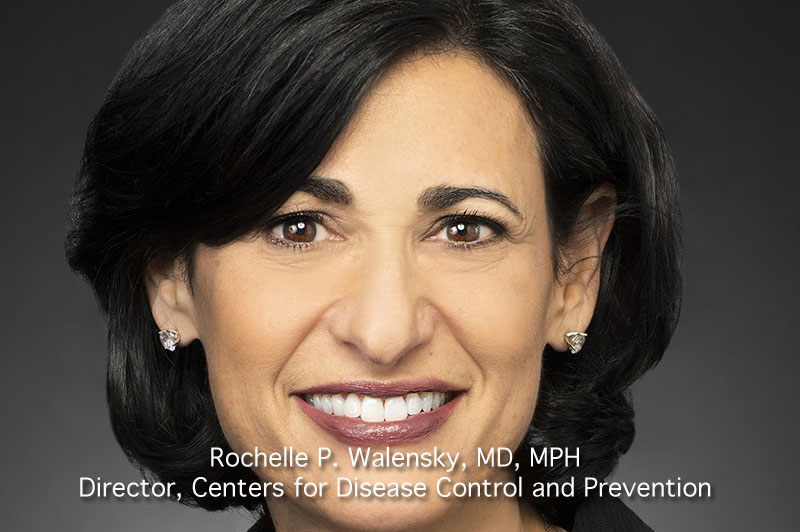
The Centers for Disease Control issued new guidance Tuesday for back to school protocol. Rochelle P. Walensky, MD, MPH,…
Ohio Department of Health Releases Updated K-12 School Guidance
Loveland Magazine – Jul 28, 2021

The Ohio Department of Health released updated recommendations for K-12 schools yesterday. The guidance strongly recommends COVID-19 vaccinations for staff and eligible students; consistent…
Current Loveland schools mask requirement
Loveland Magazine – Jul 28, 2021
Loveland, Ohio – Below is the face covering and mask requirements for the current school year in Loveland schools. This policy was…