Tag: loveland ohio

  • At-home COVID tests to be covered by insurance — but details still to come

    At-home COVID tests to be covered by insurance — but details still to come

    BY: LAURA OLSON – OHIO CAPITAL JOURNAL

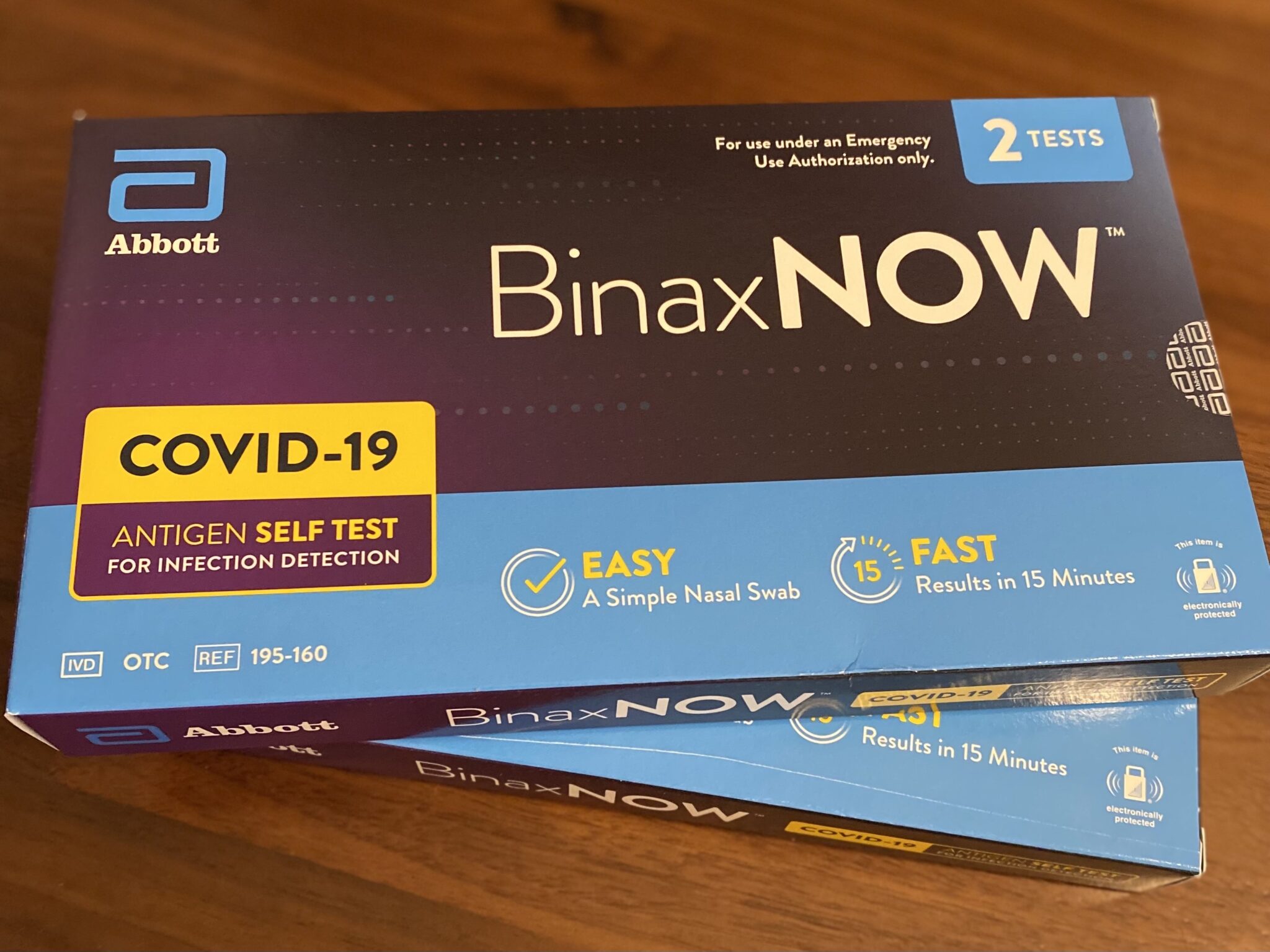
    An at-home COVID-19 test kit. Photo by Laura Olson, States Newsroom.

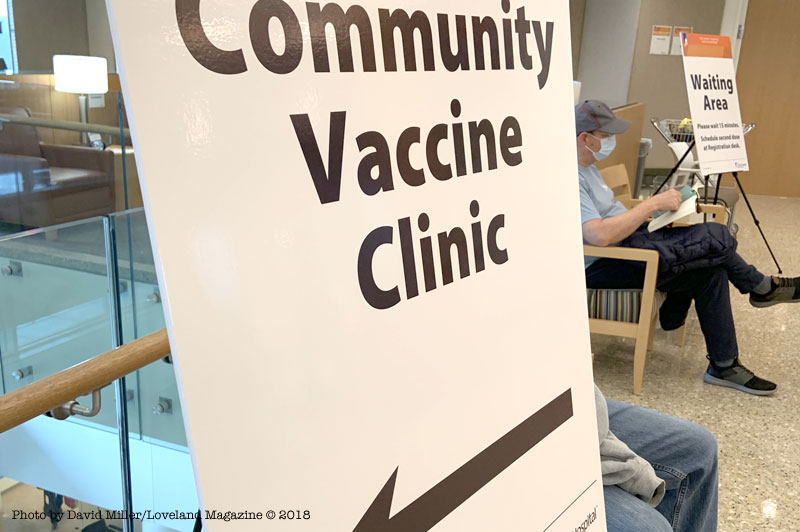
    Washington, D.C. – State health officials on Thursday welcomed the Biden administration’s plan to require private health insurers to reimburse Americans for the cost of rapid, at-home COVID-19 tests — though the officials also raised questions about whether the process will be burdensome.

    Making those tests more accessible will allow Americans to get results quickly and in the privacy of their own homes. That change may encourage more people to swab their nose when they first notice potential symptoms, experts from the Association of State and Territorial Health Officials told reporters.

    “In this next phase of the pandemic, rapid access to rapid testing will be key,” said Dr. Nirav Shah, director of Maine’s Centers for Disease Control and Prevention, adding that it can help to combat potential surges and to pinpoint infections quickly so antiviral treatments can be used.

    But several challenges could limit the impact of the cost reduction.

    That includes lingering problems with sufficient supplies, uncertainty about the details of the reimbursement process, and questions about any potential effect on the data that’s reaching state and local health departments about infections in their communities.

    Official guidance in January

    Under the proposal that President Joe Biden announced Thursday, three federal departments — Health and Human Services, Labor and the Treasury — will issue official guidance by Jan. 15 that will detail what exactly private insurers must cover when it comes to rapid COVID-19 tests.

    Those insurers already are required to pay for the PCR tests that must be sent to a laboratory for processing and take longer for results.

    The upcoming change requiring insurance coverage of rapid, at-home tests, won’t be retroactive. That means Americans who have been shelling out roughly $25 for a package containing two of the popular Abbott BinaxNOW rapid tests can’t submit receipts for tests they’ve already purchased.

    Other details of that requirement were unclear Thursday, including if there will be any limitations on the number of at-home tests that must be covered.

    While the Biden administration has sought to reduce supply bottlenecks in producing those tests, Shah said some states are still having difficulty acquiring large volumes of the Abbott at-home tests.

    That brand, which has been found to be highly accurate, has been relied on heavily even as more options have come on the market. Part of that demand comes from familiarity: Those administering tests in large settings have become familiar with their use.

    What if you test positive?

    Another challenge with increasing the use of at-home tests will be ensuring that individuals know what to do if they test positive.

    Michael Fraser, ASTHO’s chief executive officer, said state health officials have been discussing whether those at-home tests should include an insert to help explain who to call and other next steps, so that contact tracing can occur.

    “There is some concern that with the increase in at-home testing, getting those results reported to state health departments might be difficult, because the result doesn’t automatically go to public health authorities,” Fraser said.

    However, there won’t be many results to get to state and local health officials if Americans with private insurance balk at fronting the money for tests while they await reimbursement.

    Shah said a more accessible model would be to have individuals show their insurance card at a pharmacy as they would when getting a flu shot or picking up a prescription, rather than being charged at the register.

    Having to pay for the tests, then wait for repayment, “introduces an access challenge for a lot of folks,” he said.

    The Biden administration also plans to boost the number of free at-home tests distributed at community health centers and rural clinics, though those are intended to aid those who are not covered by private insurance.

  • Remembering Buddy Gray during the holiday season

    Remembering Buddy Gray during the holiday season

    by David Miller

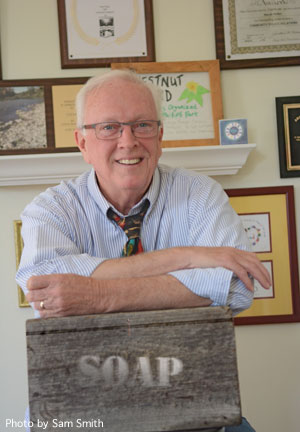
    David Miller is the Publisher and Editor of Loveland Magazine

    After publishing the story this week about Gianpaolo Scheve the Loveland teen who launched a blanket drive for Cincinnati’s homeless, I was reminded of my friend Buddy Gray who founded one of the charity organizations that Gianpaolo is supporting. (Loveland teen launches blanket drive for Cincinnati’s homeless at age 12, raises $11,000 and distributes 1100 Blankets over 5 Years)

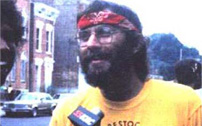
    This LOVELAND MAGAZINE HD VIDEO below is one I took of my friend Bonnie Neumeier speaking to a crowd of nearly 200 people, gathered at the Drop Inn Center in downtown Cincinnati on the fifteenth anniversary of the assassination of Buddy Gray on November 15, 1996.

    Stanley “Buddy” Gray, the founder of the Drop Inn Center on 12th Street in Cincinnati, was shot with a handgun in his office at the center by a mentally ill man that Buddy had taken off the streets and found an apartment for. The shooting death came after an intense hate campaign targeting Buddy, with signs being posted on telephone poles that said, “Stop Buddy Gray”. He was 46-years old when he was killed. The “official” excuse for shooting Buddy was that the man believed Buddy was pumping poisonous gas into the man’s apartment.

    Neumeier said that she walked and worked side-by-side with Buddy for twenty-three years. She said, “There’s nothing like a friendship forged through struggle.”

    She describes Buddy as a very intense man with great passion and soul who loved the people in Cincinnati’s Over-the-Rhine neighborhood. “Over the Rhine was in his soul, and Buddy’s soul is in this land, in this place, on this corner, in this city, and across this United States and the world.”

    Neumeier also said that “Buddy was a simple man who loved simple things. He saved his shoes so he could remember places where he had been.”

    Buddy once told me, while we were sitting on the concrete floor where food was stored at the Center, that he also loved Loveland, Ohio where he came to visit at Grailville and to fish on the Little Miami River near Nisbet Park. Loveland’s natural areas and green spaces were where Buddy came for respite and be able to turn his back on the world without anxiety. This, one of many lessons I learned from Buddy, was just how incredibly important green spaces are to a healthy community and why I still do all I can to preserve as much of the natural world as I humanly can. Losing one of my best friends to senseless gun violence will also explain my opposition to the proliferation of handguns and assault rifles in Loveland.

    Pointing to a long timeline stretching along the wall of the Drop Inn Center, Neumeier said that she and Buddy described the “Over the Rhine People’s Movement” as a freedom train, and they would say to each other, “Anybody – hop a’board.” She concludes her remarks by reading a letter that Buddy had written to her about hope.

    Photo courtesy of Shelterhouse

    I sobbed uncontrollably the afternoon I got home from work and learned that my friend had been assassinated. My knowledge of the shooting was that the shooter had lost sight of reality and was simply answering the call – the man was doing what he felt was a favor for the neighborhood – “Stop Buddy Gray”.

    I knew Buddy as the man who saved countless lives, including his assassin’s. His Center, was from my experience working there off-and-on for several years, a hospital of last resort. It was where hopeless men and women migrated to when all the other agencies and the area’s finest families, hospitals, and police departments failed.

    The hospital that went by the name, Drop Inn Center and operated for 37 years, is now is called the Shelterhouse.

    In 2015 the Drop Inn Center officially became Shelterhouse; operating as two new homeless shelters: The Esther Marie Hatton Center for Women at 2499 Reading Road in the Mt. Auburn suburb of Cincinnati and the David and Rebecca Barron Center for Men at 411 Gest Street in the Queensgate neighborhood, just west of downtown Cincinnati.

    Shelterhouse needs you now as much as ever, not just because it’s the Christmas season, but the coming of winter.

    After watching this video, please visit their Web Site and learn more about the work they do. Then volunteer or send money, and place yourself into the Over the Rhine People’s Movement timeline and “Hop a’board” the Freedom Train.

    Bonnie Neumeier speaking about Buddy Gray from Loveland Magazine on Vimeo.

  • Fireworks Alert for tonight from Historic Downtown

    Fireworks Alert for tonight from Historic Downtown

    Loveland, Ohio – There will be fireworks set off tonight as part of an event in the Historic District. The time is approximately 7 PM.

  • Opponents: ‘Failed abortion’ bill impacts pregnancies, not abortions

    Opponents: ‘Failed abortion’ bill impacts pregnancies, not abortions

    Abortion rights advocates. (Photo by Astrid Riecken/Getty Images).

    “Failed attempt to stigmatize abortion providers” for a situation that is rare if present at all.”

    Dr. Erika Boothman

    BY: SUSAN TEBBEN and Ohio Capital Journal

    A bill involving resuscitation of infants after birth with an attachment targeting abortion providers is being criticized for the impact some say it would have on complicated but wanted pregnancies rather than on abortions.

    Senate Bill 157, a bill labeled as a measure to track and prevent potential medical malpractice in what bill sponsors call “botched abortions,” had its second hearing in House Families, Aging & Human Services Committee on Thursday.

    But bill opponents argue the regulations that would be required under the bill would make physicians question what to do in tragic situations where planned or wanted pregnancies go wrong.

    Dr. Erika Boothman, an OB/GYN in Columbus, told the story of a patient she had whose water broke when the baby was “pre-viable,” according to Boothman, meaning “there is no chance of successful resuscitation of the baby if she were to deliver.”

    The patient was offered labor induction to avoid possible infection and have delivery in a controlled setting. Boothman explained that “comfort measures and medications” could be offered for the baby, but resuscitation efforts would not only be futile but take the baby away from the parents after birth.

    “(The patient) found comfort and the possibility of closure with the opportunity to hold her baby right after the birth, to be with her baby while she passed away,” Boothman said.

    Resuscitation isn’t possible in a fetus younger than 20 weeks gestation, so she said the bill “addresses a non-existent problem.”

    She submitted this story with her testimony on SB 157 to the House Families, Aging & Human Services Committee on Thursday, but before the committee began she spoke in a press conference with advocates from NARAL Pro-Choice Ohio.

    “Whisking (the patient’s) baby away from her arms immediately after deliver to administer medications, perform chest compressions and attempt to put a breathing tube down her tiny throat is not was (she) or her newborn need,” Boothman said. “They need medical care guided by science and compassion, not dictated by state law.”

    Under Senate Bill 157, resuscitation of any fetus born alive after an abortion is required in all cases. Pro-choice advocates and legal organizations argued that life-saving efforts are required in Ohio law already, so the bill is unnecessary.

    Jaime Miracle, deputy director of NARAL, also spoke during the committee meeting, saying ambulatory surgical facilities who provide abortions also follow the law by calling 911 and dispatching an ambulance when a hospital is needed.

    She called the bill a “failed attempt to stigmatize abortion providers” for a situation that is rare if present at all.

    “This is not how abortion care works, this is not how anything is done, and they’re creating this paper dragon,” Miracle said.

    State data is also collected on abortions induced in the state, including complications that present themselves during the abortion (including “failed abortions”), and “failed abortions” make up very few cases, and no cases were in viable pregnancies.

    Abortion is legal in Ohio up to 22 weeks gestation.

  • COVID-19 infection, hospitalization rates worsen as winter looms

    COVID-19 infection, hospitalization rates worsen as winter looms

    BY: JAKE ZUCKERMAN – Ohio Capital Journal – DECEMBER 3, 2021 12:50 AM

    The coronavirus continued a five-week surge in Ohio on Thursday, with state data showing worsening infection and hospitalization rates.

    While time lag and a Thanksgiving holiday cloud the latest data, an average of about 5,000 Ohioans per day contracted COVID-19 at the end of November, compared to about 3,600 daily at the beginning of the month, according to an analysis of state health department data.

    Of any 100 tests taken over the last week, more than 15 on average are coming back positive — a nearly peak level of test positivity.

    Hospitalization data reflects the case increase. About 190 Ohioans were hospitalized per day in late November, compared to about 145 at the beginning of the month. More than 3,900 state residents are currently hospitalized with COVID-19, according to data from the Ohio Hospital Association, the highest rate since early January.

    Hospitalization rates are up for every age cohort besides those 0-19 years old.

    Speaking to reporters Thursday, Ohio Department of Health Director Dr. Bruce Vanderhoff emphasized the best way to ease the hospital burden is to seek vaccination — vaccinated people comprise less than 6% of those hospitalized with COVID-19. Short staffed and fatigued hospital systems, he said, need the support.

    “The problem right now isn’t necessarily physical beds and physical capacity, but staff,” he said.

    In terms of vaccination, Ohio continues to fare poorly. The state is the 10thleast vaccinated in the nation, according to data from the New York Times. About 58% of Ohioans are at least partially vaccinated against COVID-19, compared to 71% of Americans.

    Death data tends to lag behind infection data by several weeks, and there’s no clear picture of how many deaths resulted from the ongoing case surge. However, a previous case surge peaked in mid-September. By October, roughly 80 Ohioans per day on average died of COVID-19, despite widespread availability of safe and effective vaccines. Less than 5% of those who died of COVID-19 were vaccinated, per state data.

    Ohio has yet to detect any cases of the Omicron variant, though it could be silently spreading. State health officials in Minnesota said Thursday they detected the new variant in a local man who recently traveled to New York City. The CDC announced Wednesday that health officials in San Francisco detected the variant in a person who had recently traveled to South Africa, where the mutation is believed to have originated.

  • Struggling to pay mortgage & utility bills due to the pandemic?

    Struggling to pay mortgage & utility bills due to the pandemic?

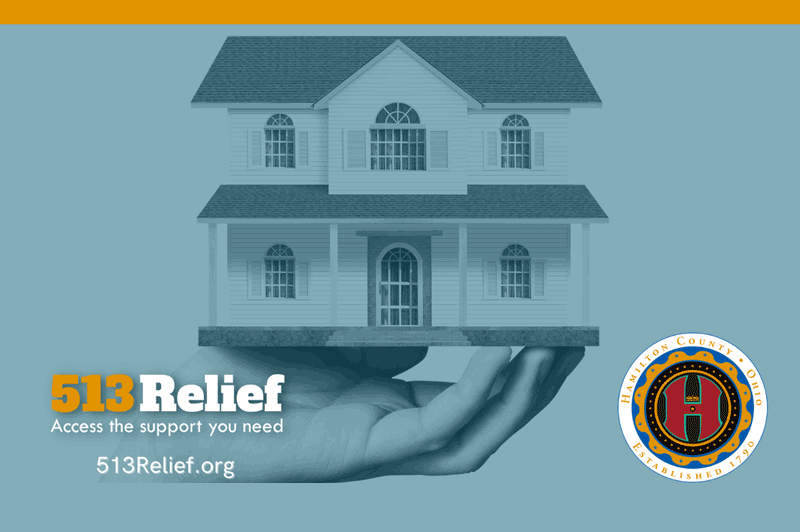
    If you are a Hamilton County homeowner struggling to pay bills due to the pandemic, help may be available through the Hamilton County Mortgage & Utility Relief Program.

    Applications are now being accepted!

    For more information, visit https://513relief.org/housing-utility-relief/

  • Whistle Stop Clay Works is participating in Christmas in Loveland

    Whistle Stop Clay Works is participating in Christmas in Loveland

    Promoted Post

    Loveland, Ohio – Whistle Stop Clay Works (WSCW) is participating in Christmas in Loveland happening Saturday, December 18 from 4 until 8 PM in Loveland, Ohio. The event, which draws thousands of residents, highlights the giving spirit of local businesses all over Loveland.

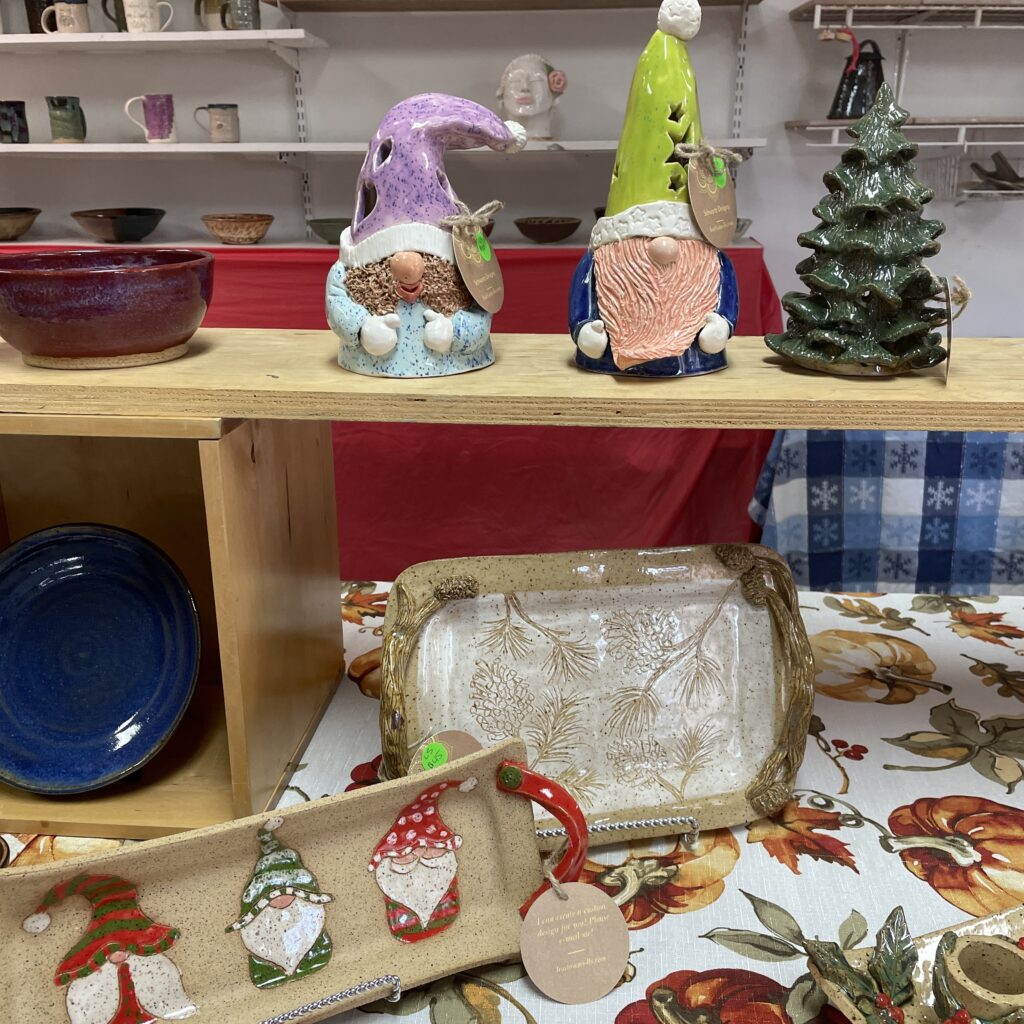
    Whistle Stop Clay Works will be giving away 400 undecorated “gnome” ornaments to children who stop by the studio at 119 Harrison Avenue. The clay ornaments can be taken home and decorated with paints, markers, and glitter.

    “Christmas in Loveland is an opportunity for our studio to show appreciation to the people of Loveland for the support we have received from the community.  We will also be having a raffle and giving away pottery to two lucky winners, ” says Tim O’Grady, studio co-owner. 

    The WSCW studio will also be selling artist decorated gnome ornaments for ten dollars with 100% of the purchase price benefiting the League of Animal Welfare. “We are excited to partner with the League of Animal Welfare this year.  They are an invaluable advocate for homeless animals and have been operating for over 70 years,” says studio manager Bonnie McNett.  Additional information about this non-profit can be found at: https://www.lfaw.org

    In addition, the studio will have a special sale for those shopping on this festive evening.  The gallery will be stocked with mugs, serving and soup bowls, platters and plates, chip & dip servers, sculptures, wall hangings, whimsical fairy houses and holiday decor and ornaments. Christmas in Loveland is happening Saturday, December 18 from 4 until 8 PM.

    WSCW is located at 119 Harrison Avenue, in historic downtown Loveland, Ohio. Parking is free.  Additional information can be found at https://lovelandmagazine.com/christmas-in-loveland-is-december-18/ or by calling the studio at (513) 683-2529.

  • Supreme Court sets redistricting lawsuit schedule

    Supreme Court sets redistricting lawsuit schedule

    Pictured is the Thomas J. Moyer Ohio Judicial Center where the Ohio Supreme Court meets. Photo courtesy Wikimedia Commons..

    BY: SUSAN TEBBEN – Ohio Capital Journal

    The Ohio Supreme Court has released the schedule for court filings in the congressional redistricting lawsuit, potentially alleviating some timeline pressures for elections slated for next year.

    Though the court has not scheduled oral arguments in the case, a ruling filed by the court says discovery — the collection of evidence in the case — must be completed by Dec. 8, evidence they plan to present to the court should be submitted by Dec. 10, and briefs in the case should be filed by Dec. 20.

    The schedule comes after Secretary of State Frank LaRose filed a request with the court to work under a faster timeline than was requested by the National Redistricting Action Fund, who filed the lawsuit.

    LaRose said the timeline they suggested, which would have set oral arguments less than a month before candidacy filing deadlines in congressional races, did not consider complicated logistical arrangements that would be needed before the May 3 primary election.

    The court said in the ruling they would not allow for extensions.

    A separate message from the court addressed the request by members of the Ohio Redistricting Commission to dismiss members from the lawsuit in their ORC official capacity. The court asked plaintiffs in the case to respond to the motion by Dec. 1, before justices make a ruling on the request.

  • To the Mayor and City Council: 
Why Can’t We Vote?

    To the Mayor and City Council: 
Why Can’t We Vote?

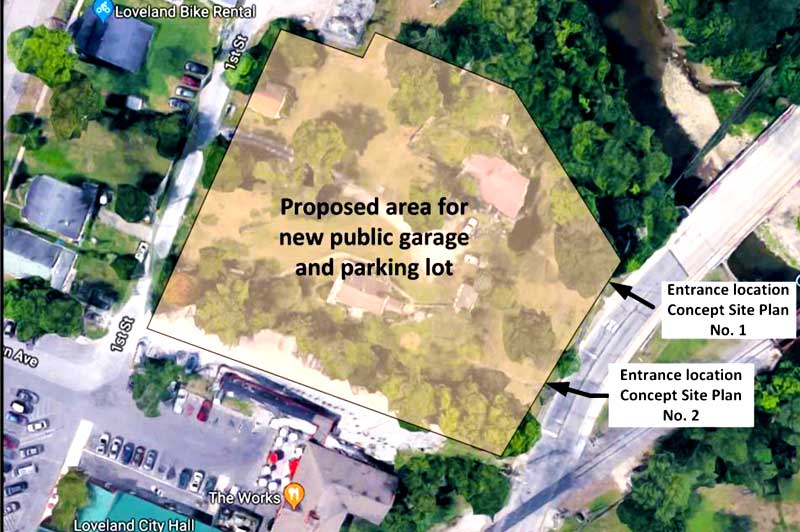
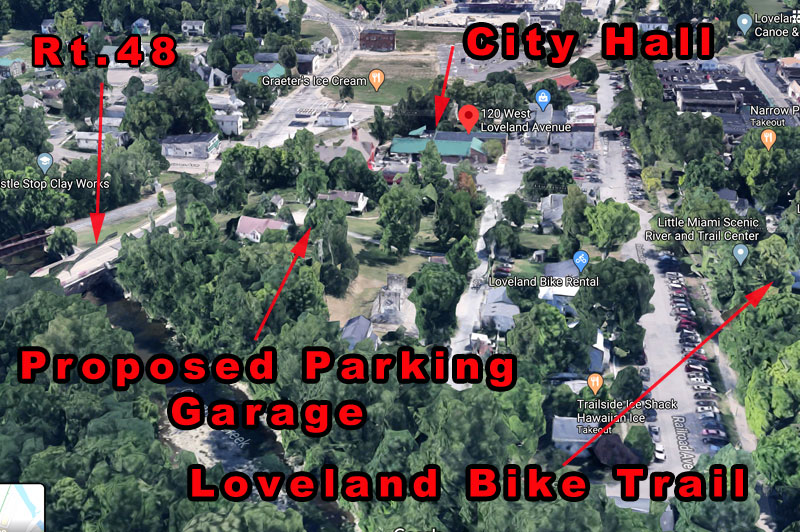
    The proposed parking garage for Historic Downtown as envisioned by City Hall.

    “A man without a vote is a man without protection.”

    Lyndon B. Johnson

    by Lauren Enda

    I retired here from the National Security Agency after 30 years of playing my part to protect the United States. I did not expect to continue that role in retirement, but in my opinion, democratic principles in Loveland are in trouble, especially with the proposed parking garage in Historic Downtown. The Mayor is on record denying residents the right to vote on whether to build the garage. I will not stay silent when this and other examples of abuse of power in my own city are happening. Below, I outline examples.

    In recent weeks, we have heard evidence about the mayor’s record of stifling free speech – both of ordinary citizens and of council members. Also, a Loveland resident captured a photo of a campaigner for the Mayor’s “endorsed block” who was removing campaign signs of their opponent on Election Day. Removing campaign signs subverts open, free and fair elections. Who authorized this tactic? Every Loveland resident should be concerned that this type of anti-democratic behavior is happening here. This behavior does not uphold democratic principles. These are two examples of democracy in trouble, but I will focus now on the garage. 

    Building a multi-story level parking garage in Loveland is very controversial. Many Loveland residents do not want it. The only official feedback we have about the garage is the recent election. Only one council member indicated he was opposed to the garage. And he won the most votes. The message is clear. Loveland voted against the garage. If the Mayor and the newly appointed Council go forward with the garage, they do so against the will of the people. 

    But does the will of the people matter in Loveland? Mayor Bailey clearly does not think so. During a council meeting on 11 February 2020, the mayor said, “Residents will not be voting on the garage.” When asked WHY residents were not allowed to vote, the mayor responded, “You vote on your elected officials and those are the decisions we have been elected to make.” The Mayor would like for residents to become mute after an election, however, an election does not provide the winning party free rein with taxpayer money. An election does not give the winning party carte blanche to permanently disfigure a town without the clear support of the people. An election does not give anyone a green light to plan a large, controversial project in virtual secrecy. 

    Below is video of resident Karen Hawkins asking the Council, and specifically, Mayor Kathy Bailey, about the inevitably of the parking garage being built in Historic Downtown Loveland and if the public will be allowed to vote on its construction.:

    Elected officials should uphold the will of the people. They should give citizens a voice, not deny their voice. Residents are not mute once they leave the polling booth. Quite the contrary. Loveland citizens should retain a voice in what is decided here – especially on the largest capital expenditure in the history of Loveland.

    The proposed parking garage for Historic Downtown as envisioned by City Hall.

    Protection from abuse of power at the federal level is enshrined in the Constitution by checks and balances between the executive, legislative and judicial branches. What safeguards against abuse of power does Loveland have?  Where are our checks and balances? How does Loveland’s electorate ensure our voices are heard? 

    Luckily, there is precedence that the council could use to uphold democratic principles – Council could determine the will of the people by submitting the garage to a vote. In 2007, Loveland was faced with a similar decision – whether or not to build a YMCA. Since it was an expensive project with strong opposing views, the council wanted citizen input and put in on a referendum. The voters went to the polls and voted the project down. Other municipalities have put similar proposals to a vote. This is how democracy can work when a Council respects the electorate and allows them a vote. Why is our Council not providing us the same opportunity?

    My recommendation to the new Council who support the garage is to let Loveland vote on it. The recent election suggests the public doesn’t want the garage. The burden lies with Council to convince the public that this project is in the best interests of the city and the taxpayers. Once appropriate data is gathered and shared with the public on why it is necessary and how much it will cost, then let us vote. Ignoring voter input from the recent election and restricting voter input for the next election is certainly not democratic. 

    It is not too late for the Council to make this right. Loveland goes to the polls again on May 3rd. To the new Council, this is your chance to show that you are listening to us, not developers or outside interests. Your responsibility to listen to the voters does not end once the election is over. That is when your responsibility begins. Let us vote.

  • Loveland Magazine’s December Pet of the Month is Announced!

    Loveland Magazine’s December Pet of the Month is Announced!

    by Cassie Mattia

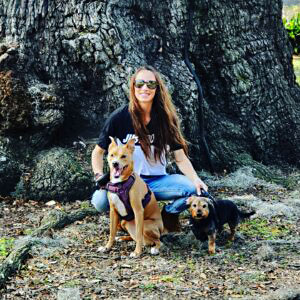
    Self-described “Dog Mom” Cassie Mattia lives in Historic Downtown Loveland with Nala, Dean, and her boyfriend Adam. Cassie is the Associate Editor of Loveland Magazine.

    Loveland, Ohio – We are pleased to present Loveland Magazine’s Pet of the Month for December! The community of Loveland provided us with some amazing Pet of the Month photos and we are beyond thrilled to celebrate these loved animals!

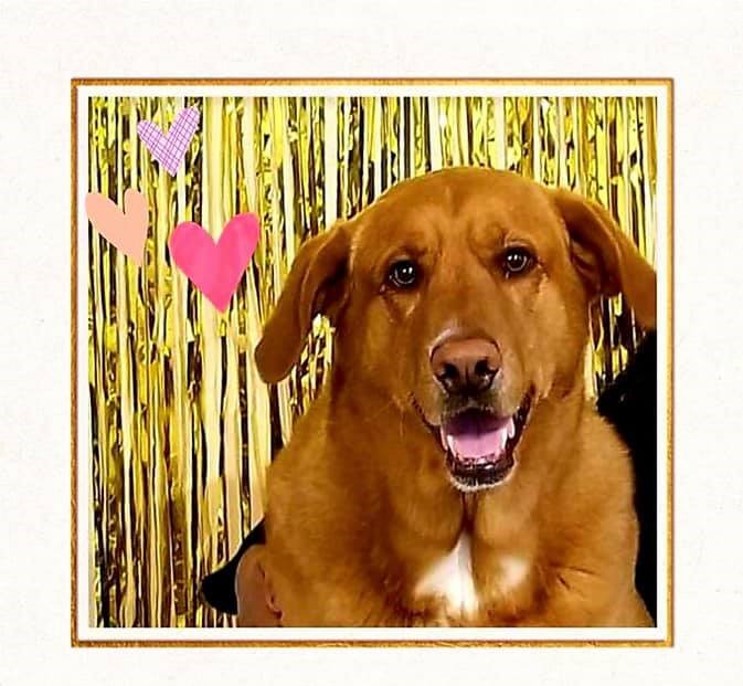
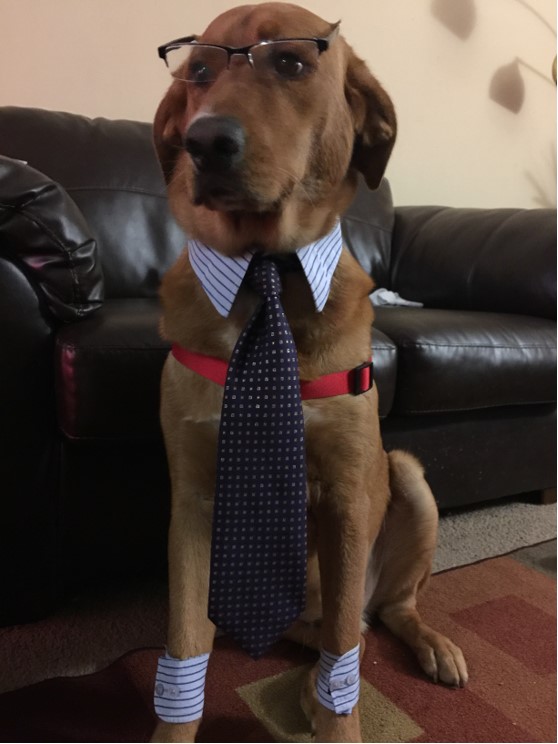
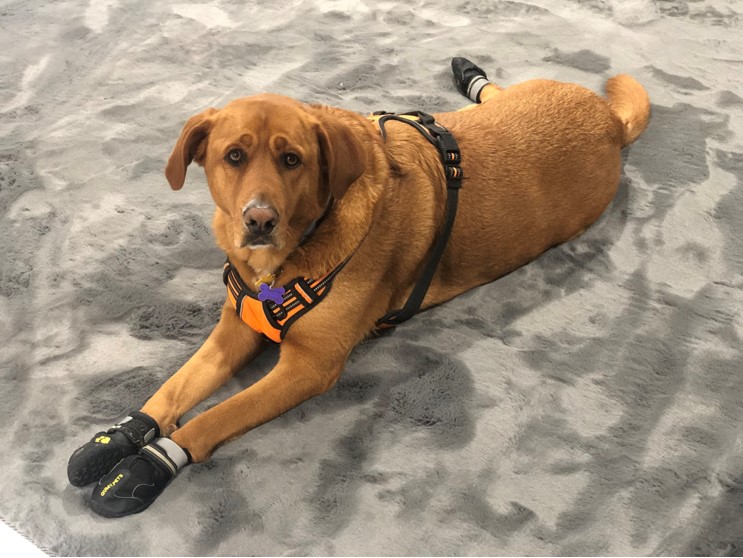
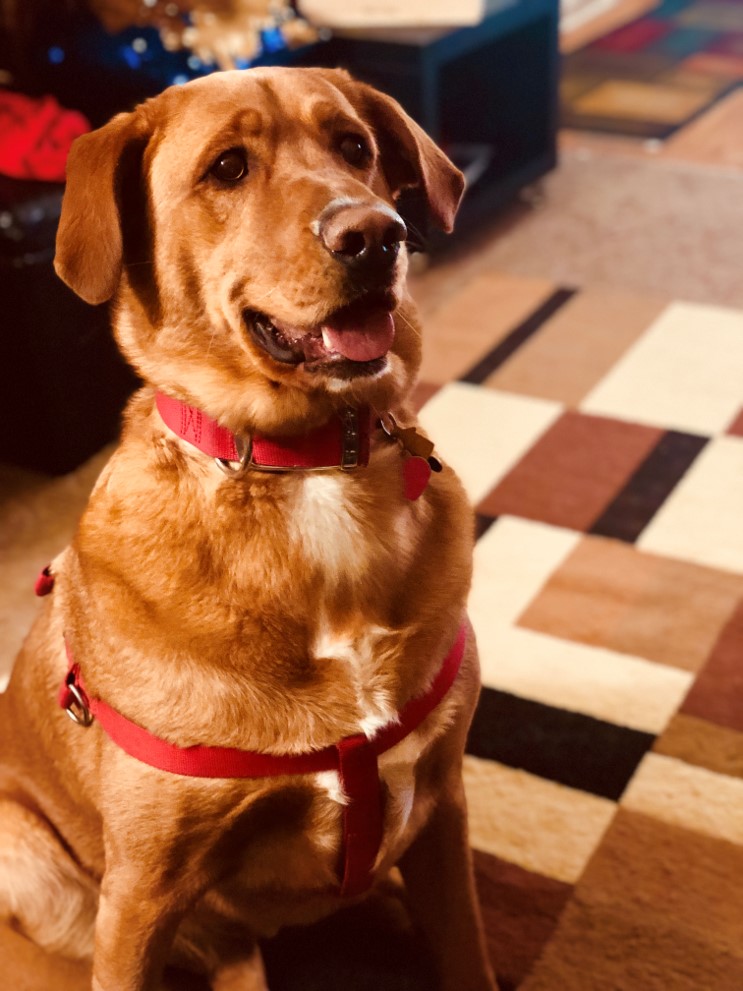
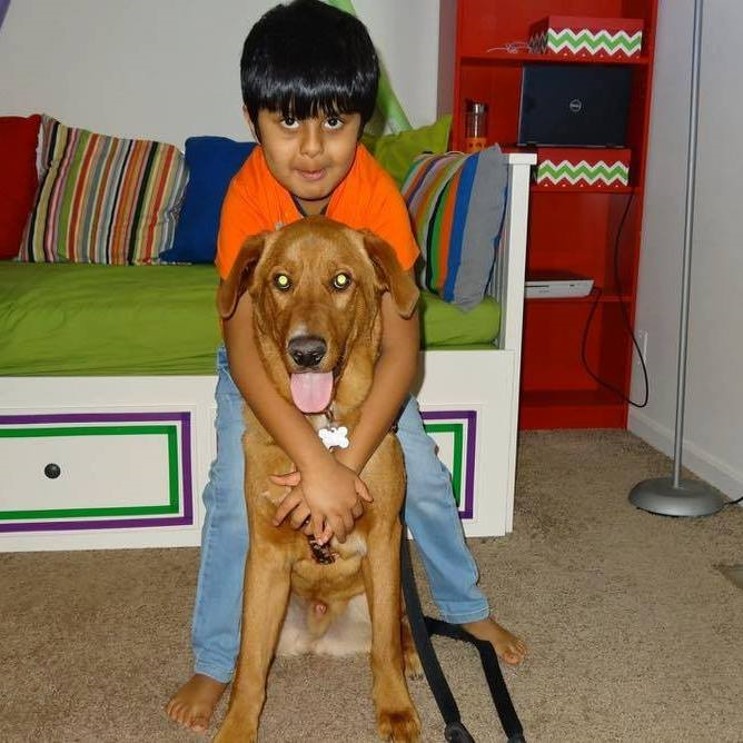
    Tulika Prasad is the loving owner of Buddy, a 7.5-year-old Lab mix! Buddy is a shelter dog but is now a part of Prasad’s family of 4, which includes her son, Buddy, of course, her husband, and herself.

    “My son is autistic and non-verbal and Buddy is his only friend,” Prasad explained, “We can never thank Buddy enough for that! Buddy loves to play fetch and go on walks. He also has an insatiable appetite!”

    Buddy is one of the most gentle “giants” you will ever come across, according to Prasad. 

    “I have had guests come into my house saying they are petrified of dogs and then leave, getting a selfie with Buddy,” Prasad said, “He is just that adorable!”

    Although Buddy is over 100 pounds, Prasad says “this golden furball” is the life of their house!

    Meet Buddy 

    Buddy Celebrating his Birthday!

    Congratulations to Tulika and Buddy for being selected to represent Loveland Magazine’s Pet of the Month for December! Tulika and Buddy will be rewarded with a Nothing Bundt Cakes Bundtlet Tower, a gift card to The Works Pizza, and an 8X10 framable photo keepsake! Buddy will not only be featured in our publication but will also be included in our weekly newsletter for the month of December and our social media pages.

    We would like to thank everyone who sent in photos of their pets as it was an absolute joy to see how many beautiful animals there are in our community! For those who sent in photos but weren’t selected this time around, don’t worry, as your entries will be entered back into the competition for the following month’s selection! For those that missed the deadline for December’s Pet of the Month, we will be taking entries from December 1st-25th for January’s Pet of the Month.

    Check out the video below created by David Miller that features Buddy as well as some of our favorite Pet of the Month entries!

    To enter into Loveland’s Pet of the Month contest you must email me, Cassie Mattia, at cmattia12@gmail.com 2-5 of your favorite photos of your pet along with a short bio about your pet. Share with us and the community why your pet is so special to you along with any other unique facts that set your little buddy apart from other pets! When sending in your pet photos and bios please include your pet’s name, age, and breed as well as your contact info with a short description of each photo you provide us with. If you want to share where your pet’s favorite spots are in Loveland that would be great as well! Remember we DO NOT discriminate against any pets; all pets are welcome to enter into the contest!

    Join us in celebrating Buddy for the month of December!

    We can’t wait to see whose pet will be featured in January!

    Here at Loveland Magazine, we would like to send a personal shout-out to The Works Pizza and Nothing Bundt Cakes Mason (nearby in Deerfield Township) for providing wonderful gifts to our winners!