Loveland, Ohio – At the October 26, City Council meeting, current Councilman and candidate who was running for re-election, Neal Oury, went to the open forum microphone and talked about the Grailville annexation and the proposed parking garage in Historic Downtown.
Go to LOVELAND MAGAZINE TV to view other recently published videos on this subject.
Jean Schmidt representing the Loveland Area is a co-sponsor
A new abortion ban bill created in conjunction with a Virginia-based anti-abortion group has been introduced in Ohio that mimics a Texas law currently before the U.S. Supreme Court, but goes further by proposing to ban nearly all abortions.
State Rep. Jena Powell, R-Arcanum, introduced House Bill 480 on Tuesday, which allows civil lawsuits against anyone who “knowingly engages in conduct that aids or abets the performance or inducement of an abortion,” including paying for an abortion even through the use of insurance, according to the language of the bill. State Rep. Thomas Hall, R-Madison Twp., is also a sponsor.
State Rep. Jena Powell, R-Arcanum
The bill allows a defense against civil action for abortions “designed or intended to prevent the death of a pregnant mother and the physician made reasonable medical efforts under the circumstances to preserve both the life of the mother and the life of her unborn child in a manner consistent with conventional medical practice.”
In announcing the bill, Powell called the 1973 Roe v. Wade U.S. Supreme Court decision that legalized abortion nationwide a “constitutional fiction,” saying her bill “utilizes the enforcement mechanism from the successful Texas Heartbeat Act,” currently under court challenge with the U.S. Supreme Court.
State Rep. Thomas Hall, R-Madison Twp.
While the Texas case revolves around the detection of a noise during ultrasounds early in pregnancy that doctors describe as electric activity and anti-abortion advocates call a heartbeat — a characterization physicians say is inaccurate — Powell’s proposed legislation has no such standard and would constitute a near total abortion ban. With 33 Republican cosponsors alongside the two sponsors, support for the bill represents more than half the GOP caucus.
The bill comes after Powell spoke at a Los Angeles event for the Arlington, Virginia-based anti-abortion non-profit LiveAction, which said they are partnering with “leaders across the nation starting with Representative Powell” in conjunction with the launch of their campaign.
“The campaign, which kicked off in front of thousands at the Santa Monica Pier, aims to ensure every American knows that abortion is the leading cause of death for children, and to ultimately save every child,” LiveAction said in a press release about the bill.
The CDC does not list abortion as a leading cause of death for children from age 1 to 14 years old. It lists accidents, “congenital malformations, deformations and chromosomal abnormalities” and cancer as the leading causes for children from age 1 to 9, with intentional self-harm (suicide) replacing congenital issues as a leading cause for children 10 to 14 years old.
Ohio’s 2020 abortion report from the Ohio Department of Health showed 20,605 abortions in 2020, more than half of which were induced at less than nine weeks gestation. Of the 441 abortions induced in 19 or more weeks gestation, none were considered viable in medical testing, including ultrasounds.
Abortion is legal in Ohio up to 22 weeks gestation.
Planned Parenthood Advocates of Ohio say banning abortion would be catastrophic to communities across Ohio.
“Lawmakers and anti-abortion vigilantes have no business making personal medical decisions for their neighbors,” said Lauren Blauvelt-Copelin, Vice President of Government Affairs and Public Advocacy for PPAO.
Advocacy group NARAL Pro-Choice Ohio said the bill would have “dangerous” impacts on already marginalized communities in the state, and continue a targeted trend for elected officials in the state.
“If all dominos fall in the wrong direction, abortion could be illegal in Ohio by July,” said NARAL executive director Kellie Copeland in a statement. “Every pro-choice Ohioans must register and vote.”
The bill has all-Republican support, which gives it better odds of passage with the legislature’s Republican supermajority.
The abortion ban is one of several pieces of abortion legislation making their way through Ohio’s General Assembly. A “trigger” bill that would ban abortion if Roe v. Wade is overturned is currently in Senate committee, and a bill targeting what sponsors called “failed” abortions, a statistically rare occurrence in Ohio, passed through the state Senate, and is headed for House consideration.
Loveland, Ohio – At the October 26, City Council meeting resident Todd Osborne chastised fellow residents who had preceded him to the open forum microphone over their views on annexing Grailville and a proposed parking garage in Loveland’s downtown historic district.
To view residents who spoke before Osborne took the podium: go to LOVELAND MAGAZINE TV to view other recently published videos on this subject.
Loveland, Ohio – Resident Larry Schramm went to the City council meeting last Tuesday and told Council that the current city infrastructure is increasingly strained and said the proposed parking garage may be a deterrent to supporting commerce within the city. He called for an impartial traffic study that might lead to an informed decision. Tram said he was joining his neighbors in opposing the annexation of Graville into the City.
Loveland, Ohio – At the October 26 City Council meeting, resident Duane Charbonneau questioned Council on whether there were advantages to the annexation of Grailville into the City.
Loveland, Ohio – At the October 26 City Council meeting, resident Ted Richardson discussed traffic conditions in Historic Downtown and the effect the annexation of Grailville will have.
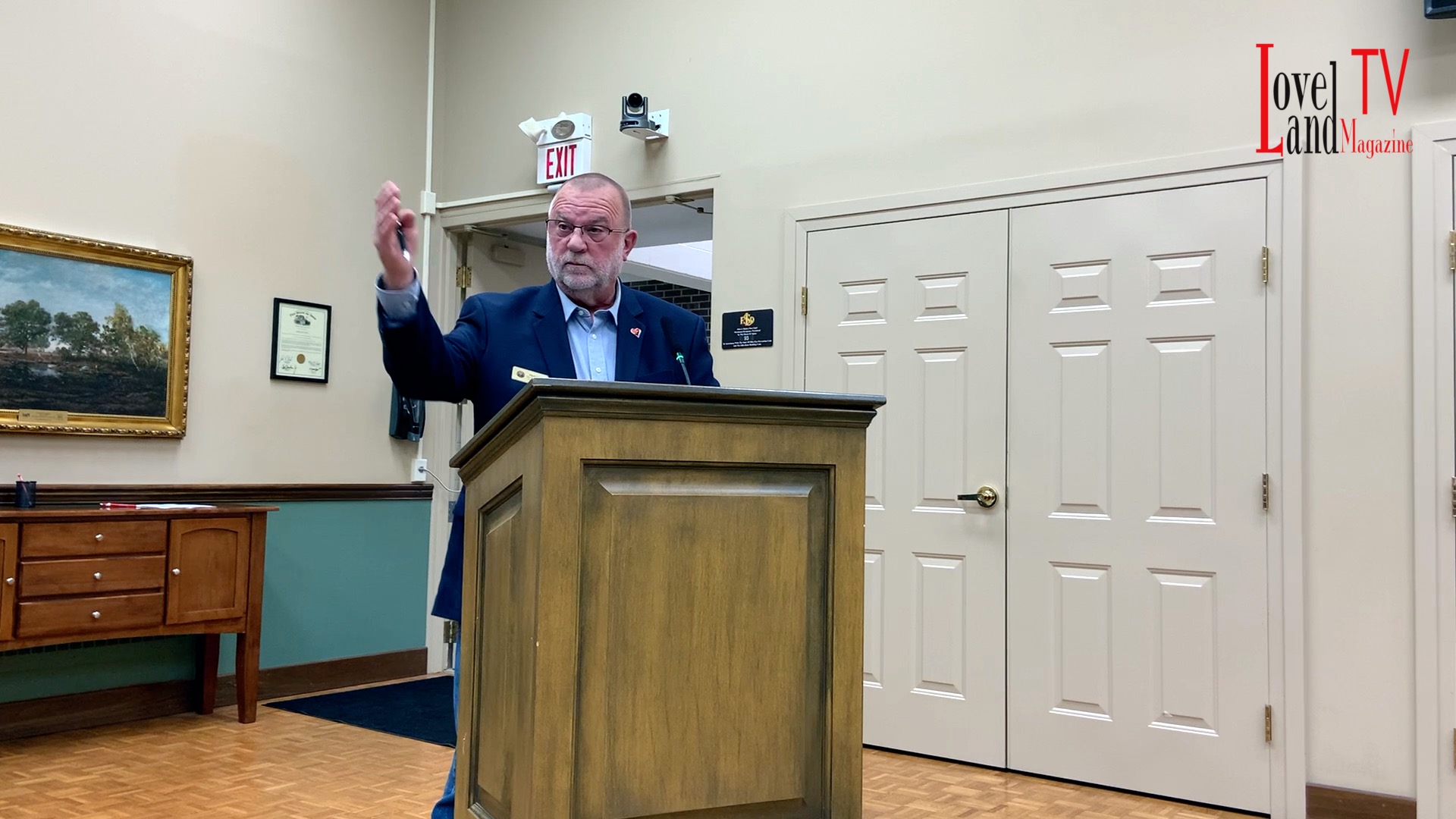
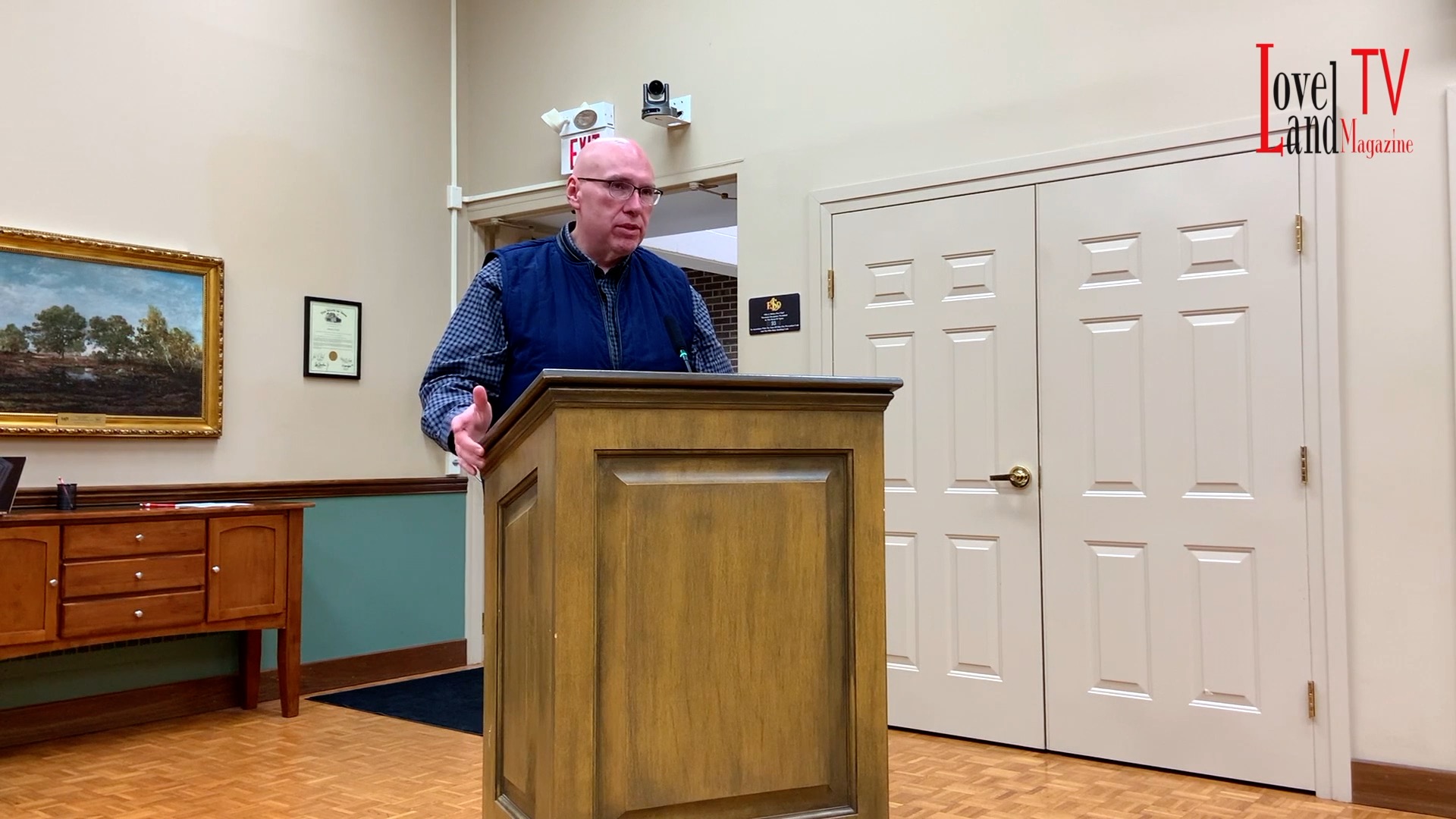
Loveland, Ohio – In this LOVELAND MAGAZINE TV VIDEO taken during the October 26 Council meeting, Dave Bednar addresses Loveland City Council with questions about a proposed parking garage in the Downtown Historic District. He asked for clarity of the scope, cost, and timetable of building the garage and what it would do to provide traffic relief for the City.
Watch hundreds of other LOVELAND MAGAZINE TV videos including more from this Council meeting.
UPS employees move one of two shipping containers containing shipments of the Pfizer and BioNTech COVID-19 vaccine inside a sorting facility. (Photo by Michael Clevenger – Pool/Getty Images).
WASHINGTON — Regulators at the U.S. Food and Drug Administration on Friday granted emergency authorization to Pfizer’s COVID-19 vaccine for 5- to 11-year-olds, a step that means kid-sized doses can begin shipping to health care providers across the country.
Vials of the two-shot vaccine will be headed to pediatricians’ offices, hospitals, pharmacies and other providers, so they can be deployed as soon as the Centers for Disease Control and Prevention gives its sign off.
The CDC’s panel of vaccine experts is scheduled to meet Tuesday to discuss guidelines for the vaccine’s use in the younger age group.
Some 28 million U.S. kids are poised to become eligible for a COVID-19 vaccine, which would offer them significant protection against the disease that has disrupted three separate school years and so many other aspects of children’s lives.
While kids have been at lower risk of infection and severe complications from the virus, the nearly 100 deaths among 5- to 11-year-olds mean it is one of the top 10 causes of death for that age group. Infections among children also have risen amid the summer surge from the delta variant.
“As a mother and a physician, I know that parents, caregivers, school staff, and children have been waiting for today’s authorization,” acting FDA Commissioner Janet Woodcock said in a news release announcing the shot’s authorization. “Vaccinating younger children against COVID-19 will bring us closer to returning to a sense of normalcy.”
As with Pfizer’s shot for teens and adults, the version for children also requires two doses spaced three weeks apart. The dosage for the younger age group is much smaller: 10 micrograms for kids, compared to 30 micrograms for adults.
Data from Pfizer that was analyzed by FDA regulators indicates that the company’s vaccine would offer strong protection. The two-shot regimen had a 90.7 percent efficacy rate in preventing symptomatic COVID-19 in a clinical trial of children ages 5 to 11, with similar side effects to those in adults, such as headache and fever.
While millions of parents have been eagerly awaiting a vaccine option for their children, health care providers and public officials urging vaccination are likely to encounter greater hesitancy as COVID-19 shots become available to those under age 12.
One-third of parents say they will wait and see how the vaccine is working before seeking an appointment for their child, while another 3 in 10 say they definitely won’t get their 5- to 11-year-old inoculated against COVID-19.
The most common concerns cited by parents in that KFF survey were related to safety: More than seven in 10 said they were concerned about the long-term effects of such a new vaccine, or that their child may experience severe, short-term side effects from the shot.
The Biden administration’s COVID-19 advisers say they will be launching a comprehensive effort to encourage vaccinations in the new age group, with a paid media campaign and a network of trusted local leaders who they hope will be able to sway skeptics.
“We will be ready to answer questions and build confidence through local efforts and national efforts,” said Jeff Zients, White House coronavirus response coordinator. “The bottom line is, we expect more and more kids to get vaccinated across time.”
YOUR QUALITY OF LIFE – YOUR COMMUNITY IDENTITY – YOUR COMMUNITY VALUES
My name is Kim Lukens. My home is located in the Brandywine Subdivision which is on the east side of Loveland. I need to access 275 West for my lifestyle probably 70% of the time. I have to drive by what some call Historic downtown Loveland, to Loveland Madeira Rd. over to 275 West to live out my lifestyle. This transit can take me 20 to 40 minutes because of congestion. I have been a resident of Loveland City for just over a year. My name is on the Nov 2nd, 2021 ballot for you to choose as one of Loveland’s City Council Representatives.
I have seen the current City Council which includes the Mayor and City Manager influence Loveland City’s identity and quality of life. Loveland city has been altered through zoning, voting, and saying YES to developers that want to build homes instead of supporting the development of a park. Saying YES to 25 multifamily townhomes on a dense amount of land, the annexation of 95 acres owned by a single owner for a development that would build 200 to 250 homes. The historic blueprint of downtown Loveland has changed. There is an increase in the number of restaurants. The product of alcohol seems to be heightened to the public such as advertised ‘’HAPPY HOUR”, emphasis on BAR food, DORA, musical bands inside some of the newer owned restaurants, the new Civic Center, over 70% of the CITY EVENTS involve accessibility or linkage to alcohol. I see this direction as not sustainable and having a negative impact on the Quality of Life.
What has happened to the value of the State-funded Historic Bike Trail that rolls for 100’s of miles from Southwest to Northern Ohio? The value of the Little Miami River which is a natural tributary and Lake Isabella. Where have the mature trees and woods disappeared too?
How important are historic preservations of buildings to you? The Joy of making a homemade picnic lunch, the Joy of reading a book, playing a game of cards, playing chess, or reading the newspaper at Nisbet Park.
Do we need curbside service or valet parking when we enjoy downtown Loveland?
Can we create a one-of-a-kind Walking City and work with the space we have for parking without building a garage? Can we walk one, two, or three blocks to work in and enjoy Downtown Loveland? Can we provide closer parking spaces for those who need wheelchairs, walkers, canes, or who have some sort of handicap?
I believe that the United Nations Sustainable model of how to achieve a High Quality of Life can work. Loveland City is currently not in a Sustainable Zone.
I hope that we can preserve our past, embrace our present and prepare for our Future.
I believe that we have to look at new models of Urban Planning. We need to embrace Colleges that are on the cutting edge of Sustainability, Security, and Resilience. Our world has been altered due to COVID, technical advances, our current situation with natural resources, immigration and other concerns and fears.



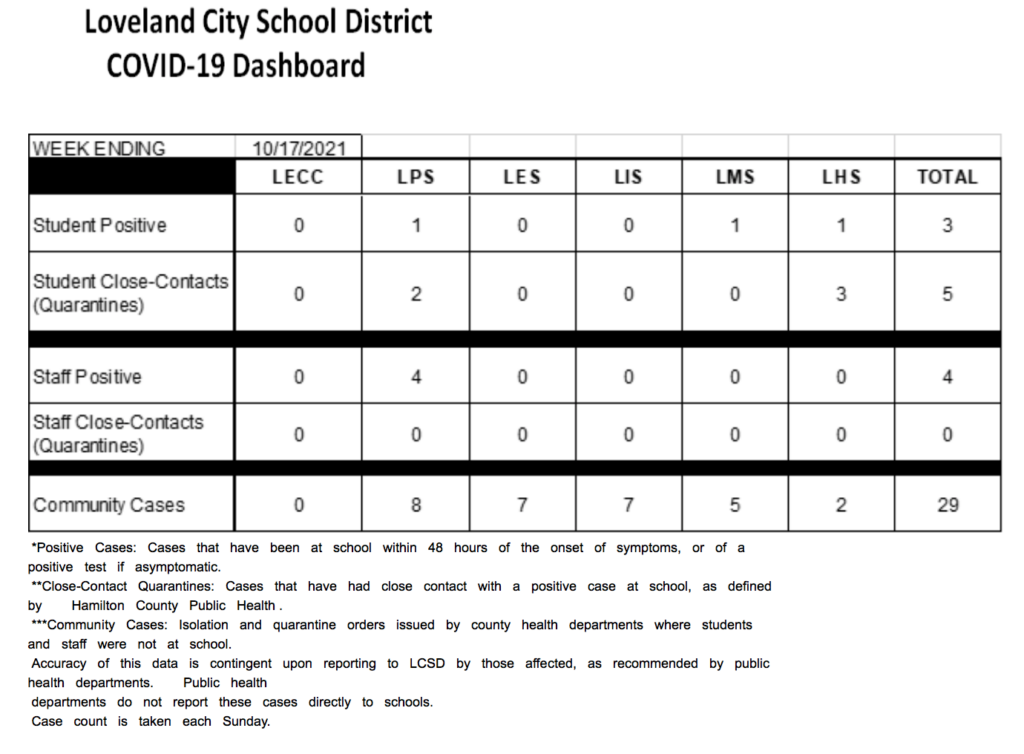
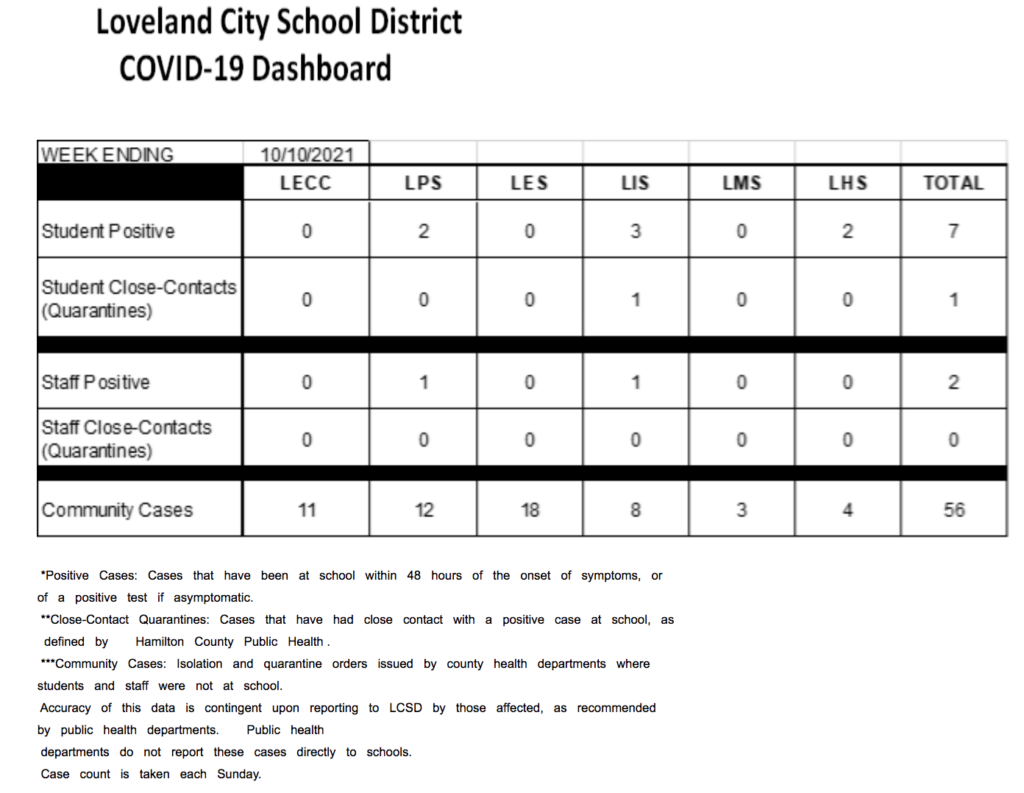
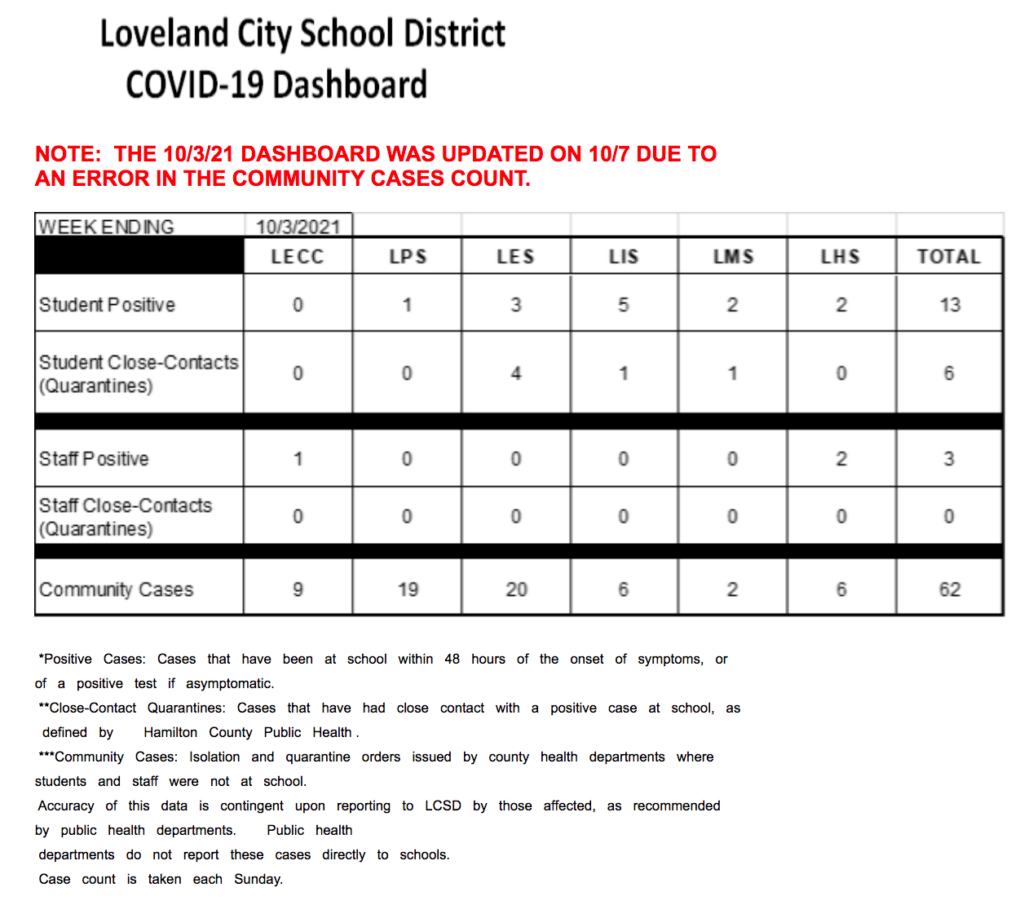
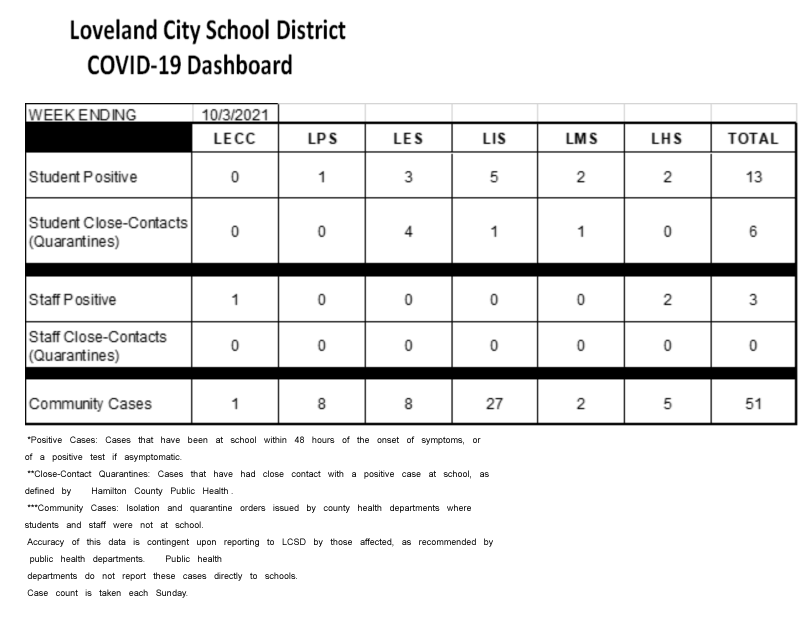





![[VIDEO] Fellow residents chastised by Todd Osborne over their views on annexing Grailville and parking garage](https://lovelandmagazine.com/wp-content/uploads/2021/11/todd-osborne.jpg)
![[VIDEO] Larry Schramm: “Current city infrastructure is increasingly strained.”](https://lovelandmagazine.com/wp-content/uploads/2021/11/larry-tram.jpg)
![[VIDEO] Duane Charbonneau questions advantage of annexation of Grailville](https://lovelandmagazine.com/wp-content/uploads/2021/11/Duane-Charbonneau.jpg)
![[VIDEO] Dave Bednar asks questions about proposed parking garage in Historic District](https://lovelandmagazine.com/wp-content/uploads/2021/11/dave-bednar.jpg)