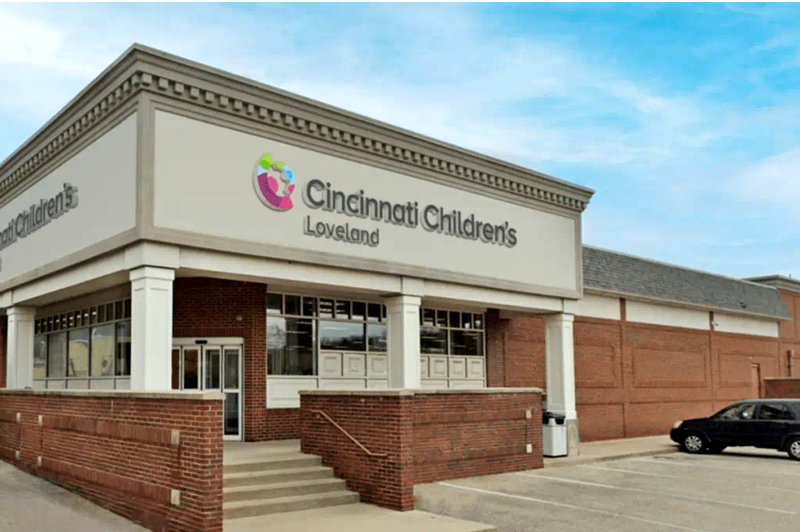
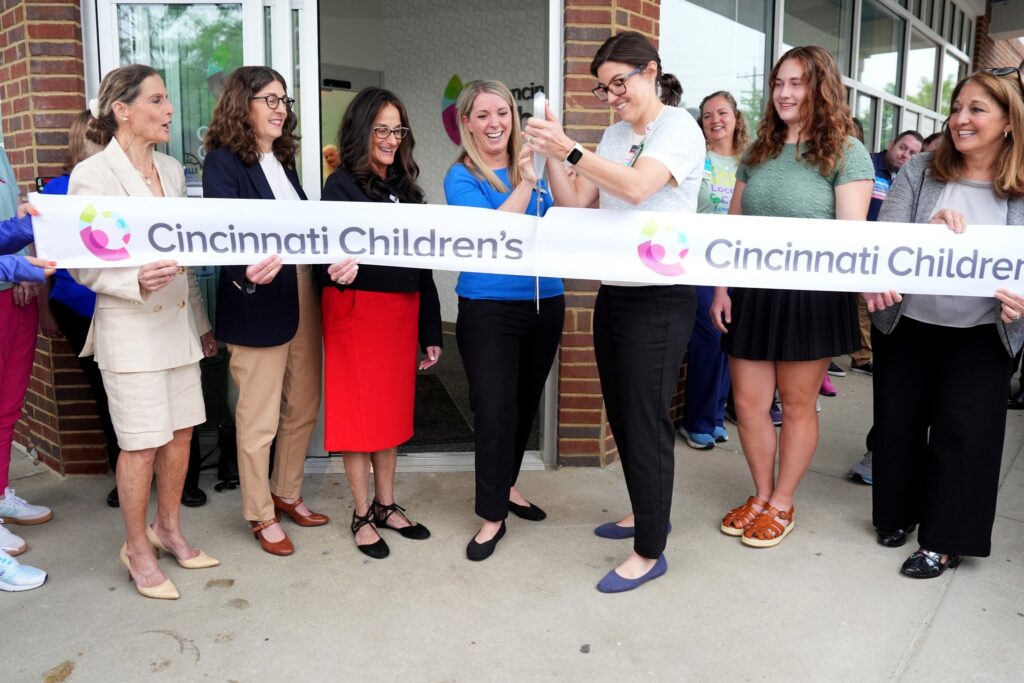
Loveland, Ohio – Cincinnati Children’s Loveland Primary Care is now open and will offer regular checkups, sick visits, preventive screenings and vaccinations for children, ranging from newborns through adolescence.
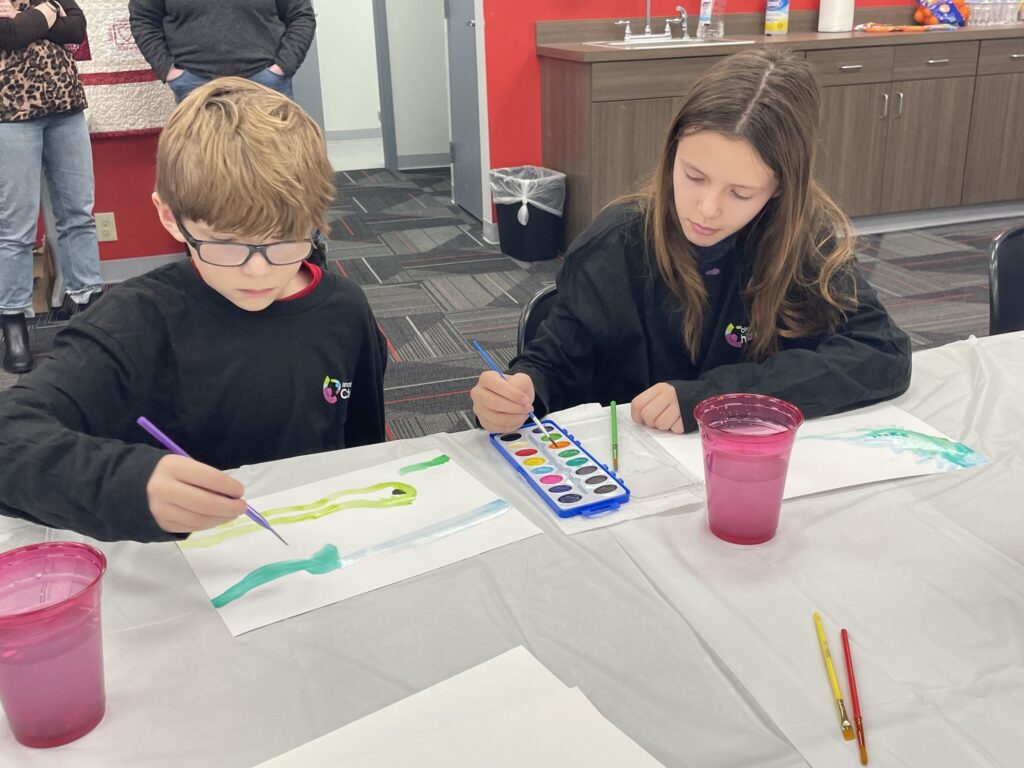
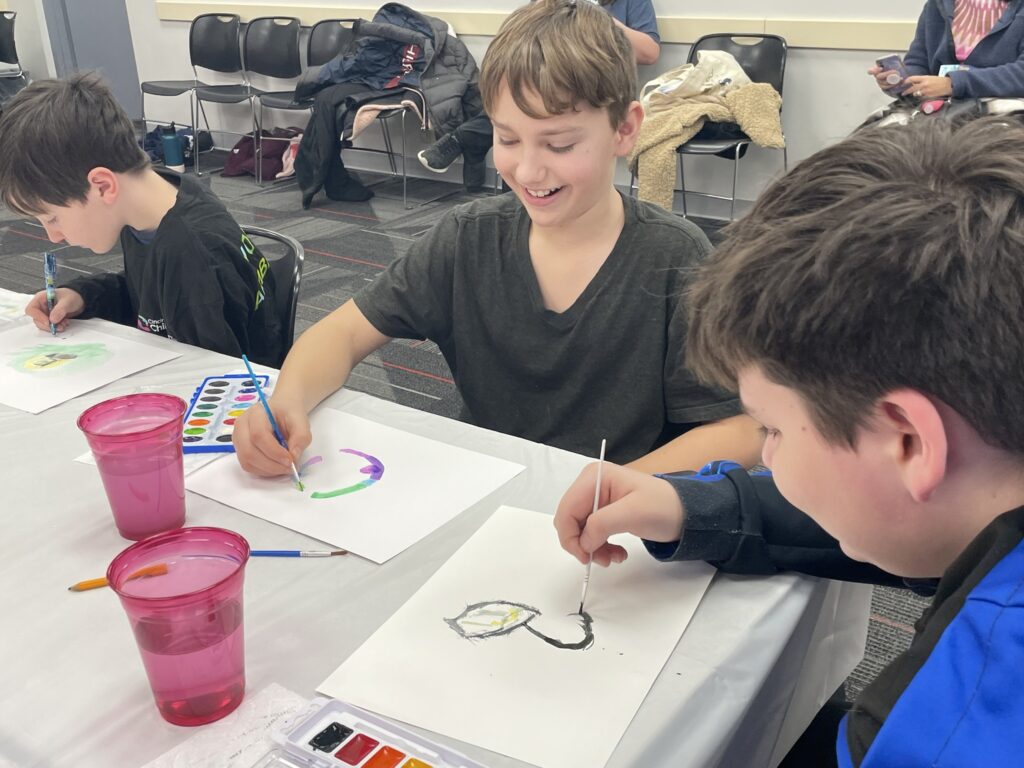
Students from Loveland City Schools created art to help decorate the location in the former CVS drug store building at the corner of Kemper and 10554 Loveland-Madeira Rd.
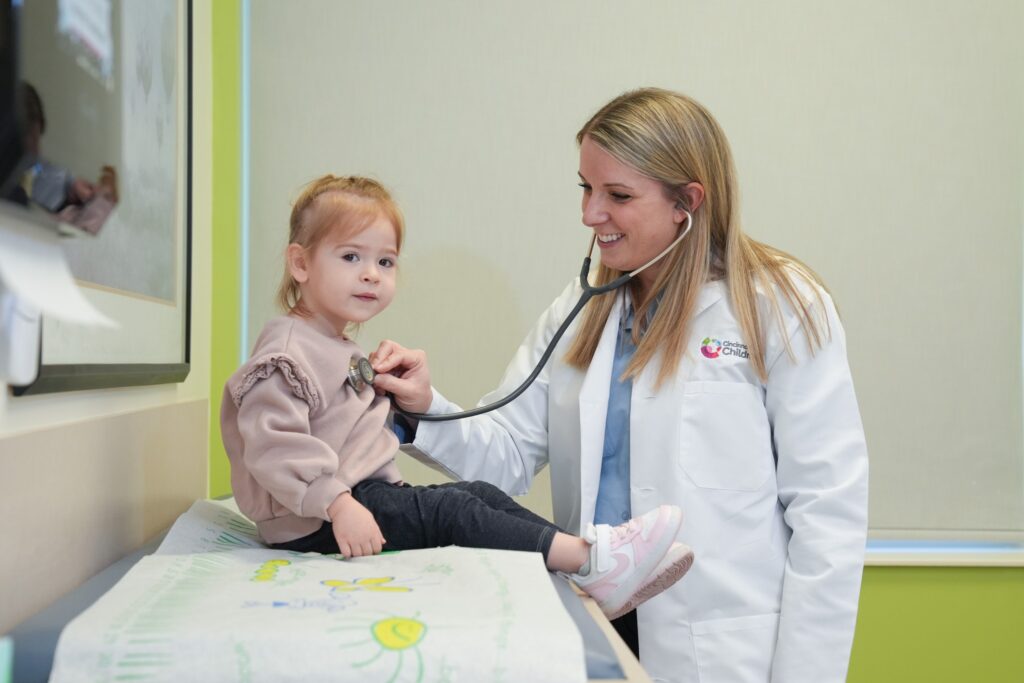
Dr. Krista Allen, a primary care physician with Cincinnati Children’s with patient Mollie Werbel, 2, Wednesday, April 16, 2025.
From left: State Rep. Jean Schmidt, State Rep. Karen Brownlee; Cincinnati Children’s Dr. Ronna Schneider, Dr. Krista Allen and nurse practitioner Erin Sayer and student artist Charlotte Combs and Cincinnati Children’s COO Dr. Evaline Alessandrini, Friday, May 30, 2025, in Loveland, Ohio.
Services Offered
Behavioral Health Specialist
Our on-site behavioral health specialist works with you and your doctor to assess emotional and behavioral challenges, set goals and introduce strategies to help your child make positive changes.
School and Sports Physical
Need a physical form completed for sports or school? We provide a full exam and make sure your child has had all immunizations and screenings. We can even do it at their well child visit.
Care and Treatment of Minor Injuries
Does your child have a minor pain or sprain? We treat scrapes, cuts and bites, as well as other concerns. For medical emergencies, always call 911.
Hearing and Vision Screening
Ear and eye issues can delay a child’s overall development. And early treatment is vital. That’s why we do routine screenings based on your child’s age and refer them to a specialist when needed.
Mental Health
Mental and emotional health are key to your child’s well-being. We offer mental health assessments and will work with your family to determine a treatment plan.
Adolescent Transition Care
Adolescence is a period of transition between being a child and an adult. We offer care that focuses on major changes that happen during this time, supporting your teen’s special needs and health concerns.
Weight Management
A healthy weight, with a balanced diet and plenty of physical activity, affects overall health—now and in the future. We have resources, so your child stays active and gets the nutrition they need.
Chronic Illness Care
We support children with long-term conditions—from asthma to attention deficit disorder to diabetes to autoimmune disorders. We collaborate with our specialists to get your child the care they need, for however long they need it.
Preventative Care
Our goal is to keep your child well before they have an illness or symptoms from a condition. Preventative care involves doing screenings, asking questions, counseling on health topics and more.
Birth Control
When it comes to sexual health, our pediatricians are here to help. We’re a trusted educational resource and can explain and prescribe birth control options for your teen.
International Travel
Traveling outside the country? Give us a call at least 4–6 weeks before you go. We offer travel consultations to ensure your child gets any necessary immunizations and prescription medications.
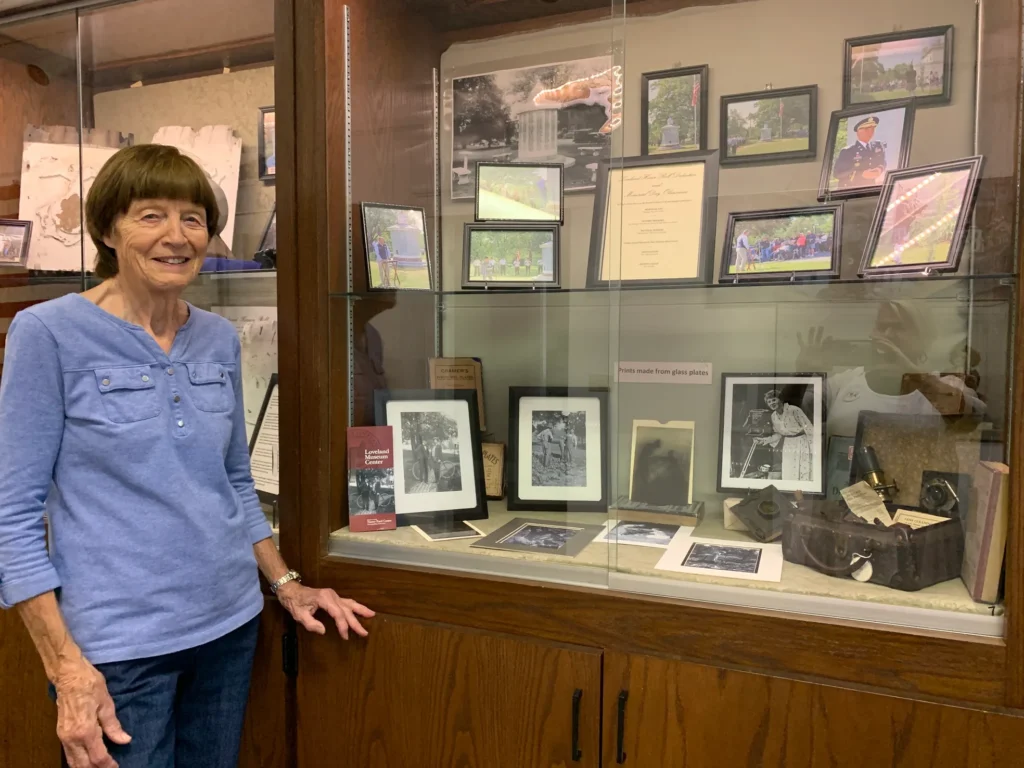
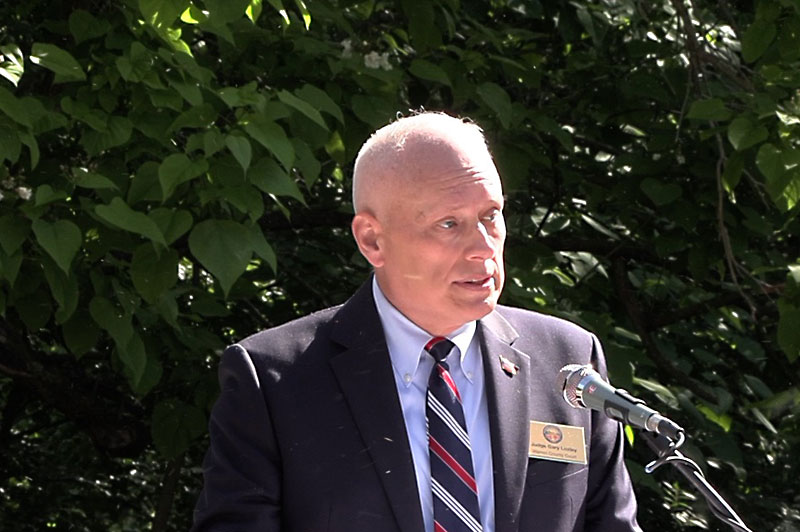
Loveland, Ohio – On Monday, May 26, the guest speaker at the Loveland Memorial Day ceremony was Judge Gary A. Loxley, a member of the 2021 class of the Ohio Veterans Hall of Fame. He was introduced by John Arnold, a member of the Loveland Veterans Committee.
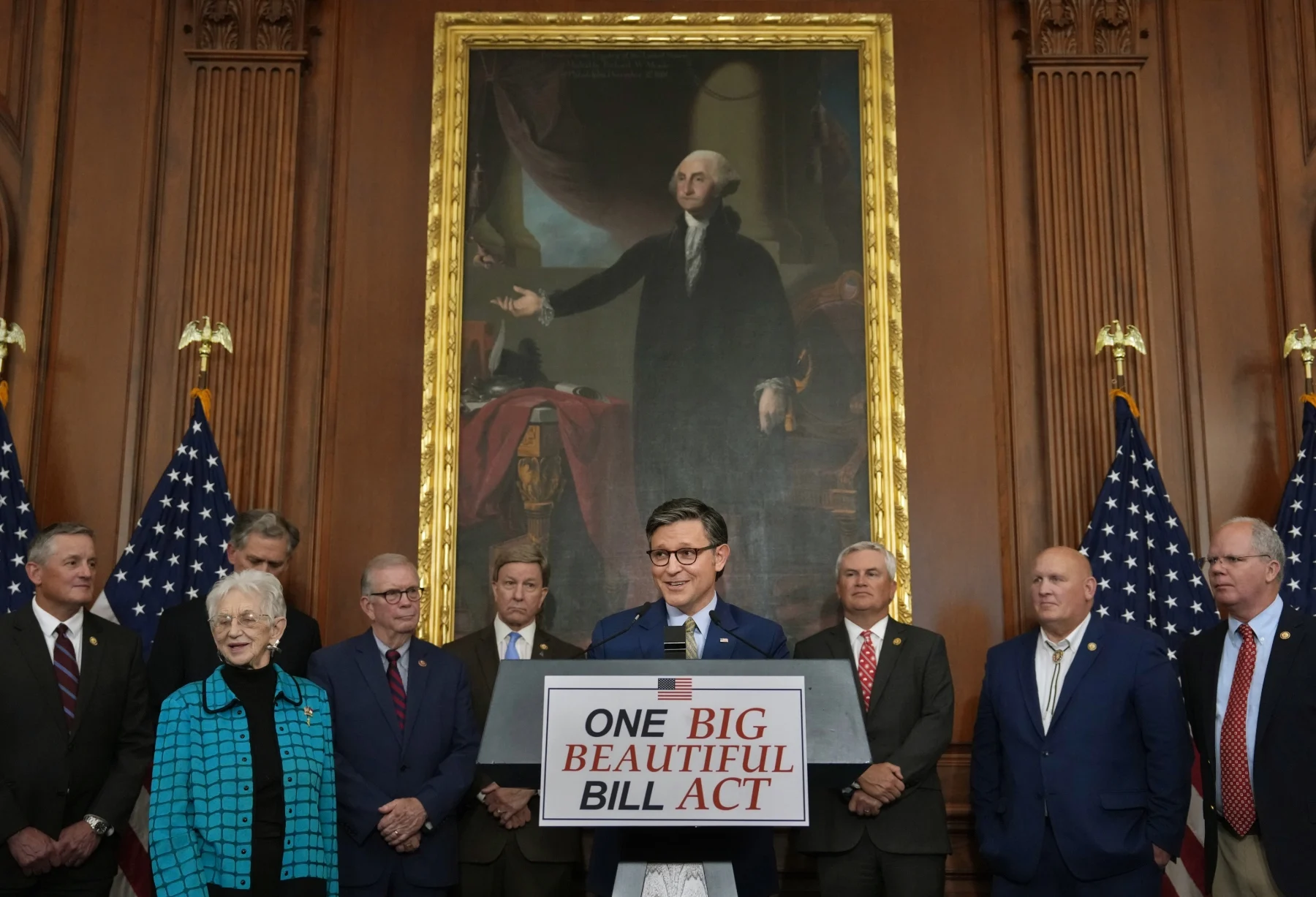
U.S. Speaker of the House Mike Johnson (R-LA) speaks to the media after the House narrowly passed a bill forwarding President Donald Trump’s agenda at the U.S. Capitol on May 22, 2025 in Washington, DC. The tax and spending legislation, called the “One, Big, Beautiful Bill” Act, redirects money to the military and border security and includes cuts to Medicaid, education and other domestic programs.(Kevin Dietsch/Getty Images)
House Republicans approved a sweeping package early Thursday morning that contained deep cuts to programs assisting low-income Americans, including Medicaid and SNAP food stamp eligibility.
by Amanda Becker Washington Correspondent
Read Amanda Becker’s Loveland, Ohio connection in her Bio below.
President Donald Trump wanted “one, big, beautiful bill” and GOP Speaker Mike Johnson pushed to get the package through the House before the Memorial Day recess. The bill now moves to the Senate, where it is expected to undergo significant changes.
The proposal approved in the House would slash $1.7 trillion in government spending to pay for the renewal of the tax cuts from Trump’s first term, which largely benefited corporations and the wealthy. Some of the largest cuts would come from Medicaid, the popular government health insurance program that covers more than 70 million lower-income Americans. House Republicans also agreed on significant changes in eligibility to the Supplemental Nutrition Assistance Program (SNAP), commonly known as food stamps, which helps more than 40 million Americans buy groceries every month. Both programs are disproportionately used by women and children.
Democrats have been largely on the sidelines because Republicans in the Senate will use a process called reconciliation, which allows the majority party to bypass the 60-vote filibuster requirement and approve legislation by a simple majority vote. There are 53 Republicans in the 100-seat Senate.
It has become common for both parties to take advantage of reconciliation when they control the White House and both chambers of Congress. Republicans used reconciliation to enact the 2017 Trump tax cuts that they are now attempting to renew. Democrats used it to enact President Joe Biden’s COVID-19 stimulus bill and the Inflation Reduction Act.
Here are the programs serving women and children that House Republicans’ bill would change:
Medicaid
House Republicans’ proposal aims to slash $625 billion from Medicaid over the next decade, leading to an enrollment drop of more than 10 million people, according to KFF, a nonpartisan health organization.
The federal-state health insurance program covers more than 40 percent of all births in the country, and about 37 percent of those enrolled are children. Three million Americans enrolled in Medicaid report that they are unable to work due to caregiving responsibilities, according to an AARP analysis.
The legislation approved by the House would cut Medicaid spending in part by imposing a strict 80-hours-a-month work requirement for adults without children or disabilities. The 19th has reported on how these stepped-up work requirements would disproportionately impact middle-aged and older women.
The bill also would make it easier for states to cancel Medicaid coverage if recipients do not provide additional paperwork to show they meet eligibility requirements; force states to require co-payments for some types of care for Medicaid enrollees who live above the federal poverty threshold; and reduce the reimbursement rate for states that use their own funds to cover immigrants not lawfully in the country, according to a detailed analysis by KFF.
The version of the bill passed by the House would prohibit Medicaid from covering care for non-abortion services provided by Planned Parenthood clinics, which are already banned from using federal funds to pay for abortions. It also would limit coverage of gender-affirming care as an essential benefit under Affordable Care Act plans and prohibits Medicaid and the Children’s Health Insurance Program (CHIP) from covering the treatment. Earlier drafts limited this prohibition to care for minors; the approved bill extends it to care for all ages.
The package passed by House Republicans would require more SNAP recipients in their 50s and 60s to work and provide fewer exemptions for parents.
The proposal would lower the age at which work requirements end by a decade, to 54. Right now, parents with dependent children under 18 are exempt from working; the bill lowers that age to 7.
Additionally, the Republican-approved legislation would require states to take on more of the costs of administering SNAP and limit the ability of future administrations to raise benefit amounts.
Changes to SNAP could affect school nutrition programs, as many students qualify for free meals based on whether they and their families are eligible for food stamps.
The Congressional Budget Office has not yet evaluated the SNAP provisions in the reconciliation bill. Their analysis of past similar legislation adding new work requirements showed that it could result in more than 3 million fewer people participating in the federal nutrition program.
The House Republicans’ tax bill would increase the amount of the child tax credit to $2,500 from $2,000 through 2028, the last year of Trump’s term. The tax credit would then drop back down and be indexed to inflation.
Another provision in the approved House version would require a child’s parents to have a Social Security Number to access the credit, even if the child also has a Social Security Number.
The intent is to block immigrant parents in the country illegally and without work authorization from claiming the benefit; these parents are already typically excluded from accessing the credit. In mixed immigration status households, where one parent has a Social Security Number and the other does not, the child would still be ineligible for the credit.
The House version of the tax bill also caps the refundable portion of the child tax credit at $1,400 per qualifying child, down from $1,700. This change would limit the ability of the country’s lowest-income parents to access the credit.
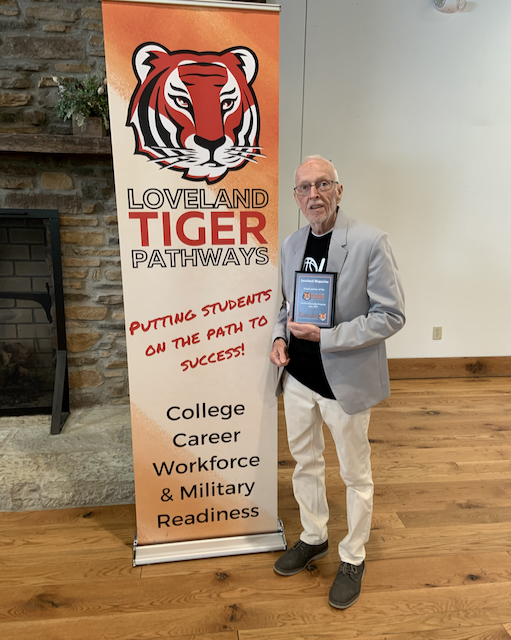
Loveland, Ohio -The Loveland Tiger Pathways program held an “Internship Appreciation Luncheon” at the Landing event Center on Tuesday, May 20 to thank dozens of local businesses and organizations.
The program provides real-world learning experiences for Loveland High School interns, “So they can make better decisions about college and careers.”
Loveland Magazine was recognized and we congratulate everyone that participated in the program.
Editor in Chief David Miller was in attendance to accept a plaque on behalf of Loveland Magazine.
Loveland, Ohio – The Loveland Schools Foundation has announced that Board Member Dan Colletto has accepted the position of Treasurer. They also welcomed Khloe Broelmann and Beth Wexler as new Board Members at Large.
The Foundation has been busy behind the scenes as they continue to look for more opportunities for growth. Their vision is To promote, serve and support the academic, artistic, cultural, scientific and service projects of the Loveland City School District. They do this monetarily through staff grants, scholarships and other programs, but also continue to look for ways to be visible and supportive by participating in school and community events.
Recently Ken Davis and Lynn Mangan, two of their board members, participated in the Loveland Middle School Interview Day. This event was a one-on-one interview process allowing 8th grade students to experience a mock interview.
How Your Donations Make an Impact
Most of the Foundation funding goes toward staff grants and scholarships. The Foundation was able to award 36 grants in the 2024-2025 school year. There are pictures on their website where you can see how teachers and students benefit from donated funds awarded to them through Staff Grants.
Senior Scholarships
One of the highlights for the Loveland Schools Foundation is awarding senior scholarships. The Foundation offers several scholarships in partnership with a sponsor. $25,500 in scholarships were given out at the Senior Awards Program held on April 30th.
Captain Seth Mitchell Memorial Scholarship ($5,000 each) – Cameran Cook and Ansen Hearn
Captain Seth Mitchell Memorial Scholarship ($500 each) – Harrison Hentz and Piper Schaeffer
“Let Us Never Forget” Seth Mitchell Memorial Scholarship ($5,000) – Brooke Morris
Hazel Cole Kendle Memorial Scholarship ($1,000) – Sophia Yurovski
Hope Squad Scholarship ($500) – Max Carver
Libby Walker Memorial Scholarship ($1,000) – Alyse Knapschaefer
Loveland Schools Foundation Member Endowed Scholarship ($1,000) – Sophia Choi
Robert and Pauline Verkamp Williams Scholarship ($1,000) – Erica Bair
Steven Kenyon Memorial Educators of Integrity Scholarship ($2,000) – Samantha Mason
Their Graduation Assistance program offers financial support to seniors who owe school fees due to unfortunate financial circumstances.
The Foundation has several areas where your talents would be welcome whether in a large scale or small; their core teams are Alumni Engagement, Community Outreach and Fundraising, Communications, and Event Planning. If you are interested in learning how to become more involved with the Foundation, you can find out HERE.
Distinguished Alumni & Distinguished Faculty
Do you know of a Loveland Alumni or Loveland Faculty member who should be a candidate for the Distinguished Alumni and Distinguished Faculty awards? This is a lifetime achievement award. Nominations can be made for alumni here and faculty here. Applications are accepted until November 1st. Honorees will be named sometime mid-November with the Award Ceremony taking place in late January or early February.
Gearing Up for Summer
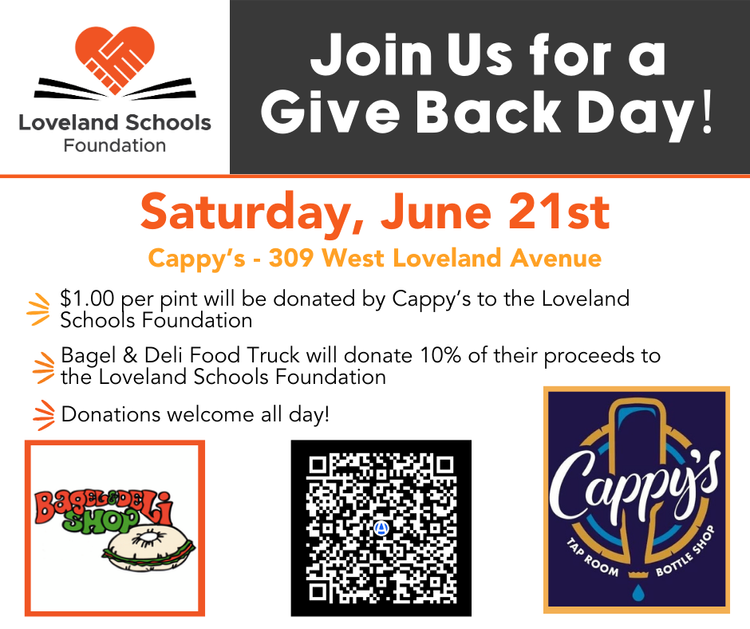
Upcoming summer events are in the works. There will be a fund-raising event at Cappy’s on Saturday, June 21st. Cappy’s will partner with the Foundation by donating $1 for each poured pint throughout the day. The Bagel and Deli Shop food truck will be on-site and will be donating 10% of their proceeds to the Foundation as well.
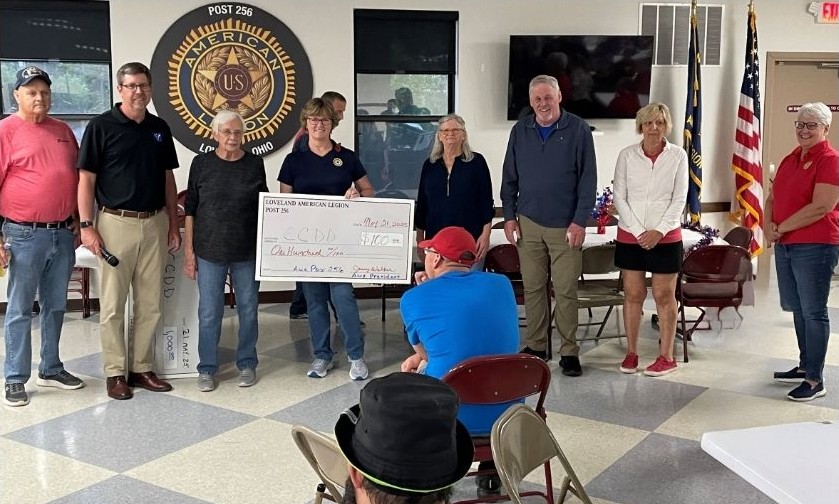
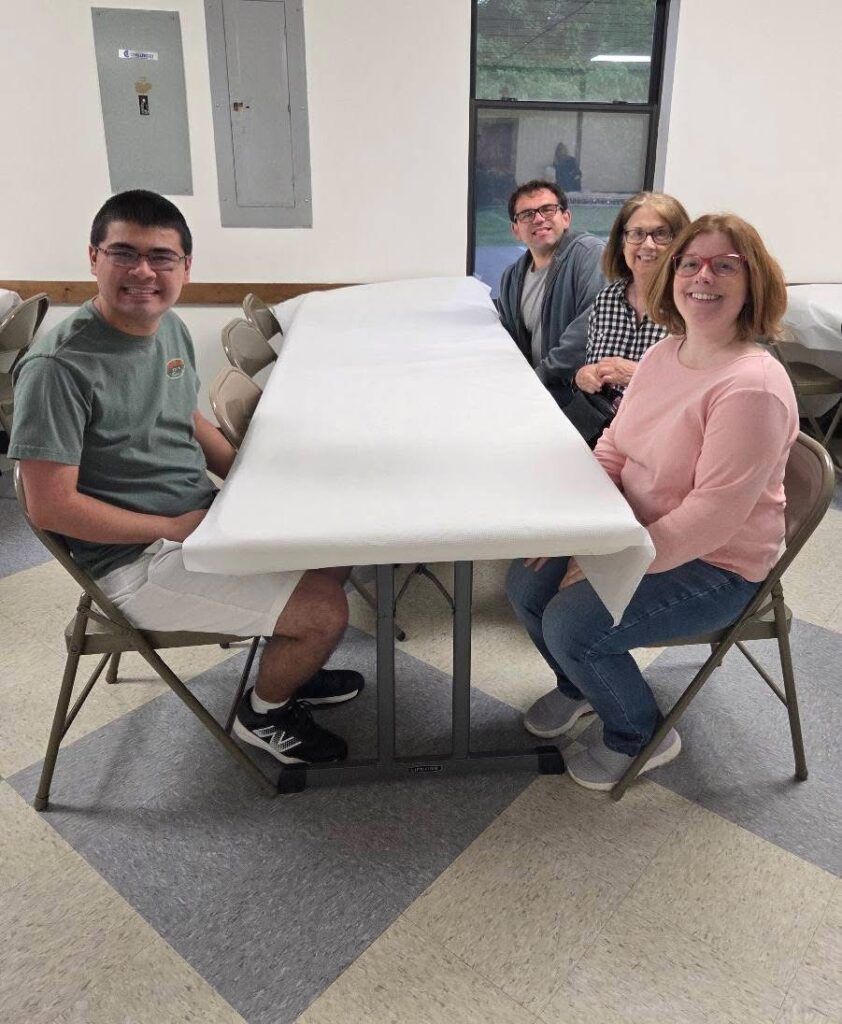
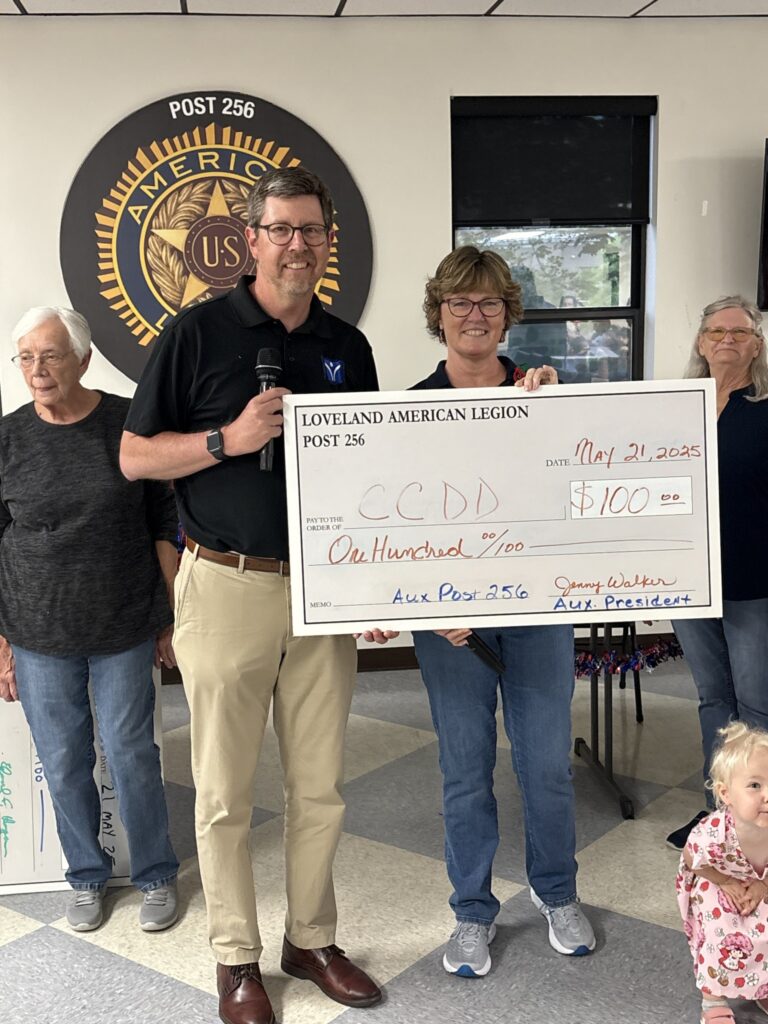
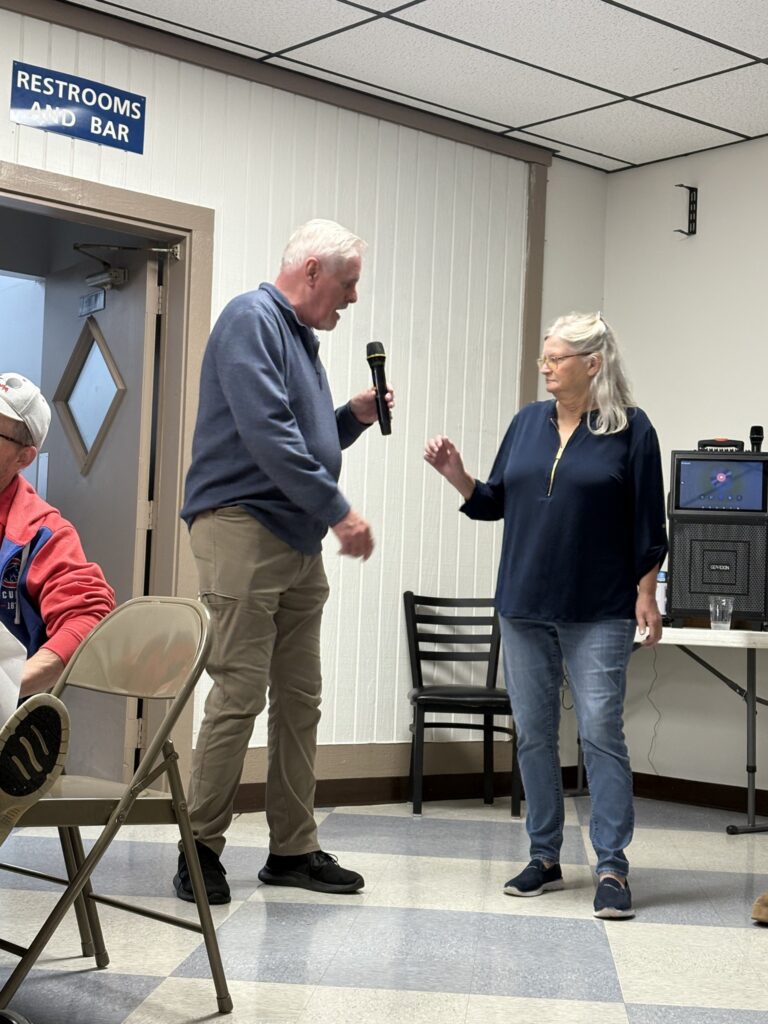
“Thank you for your service…to our country, to our community, and to Clermont DD!”
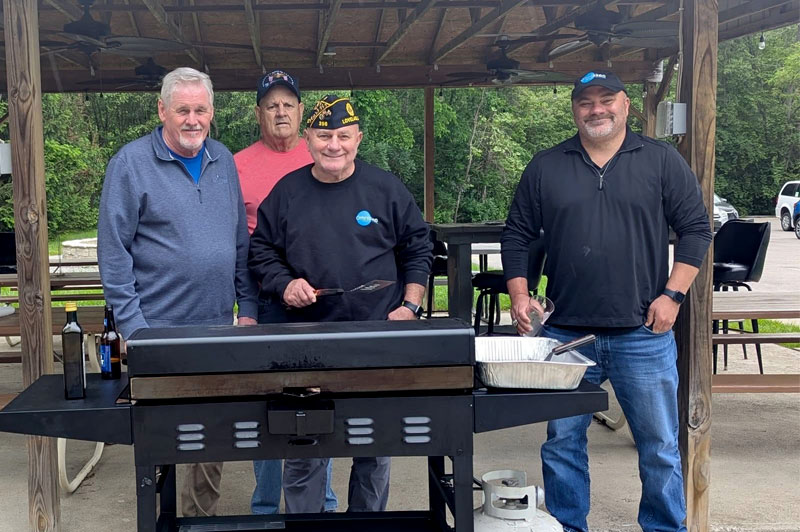
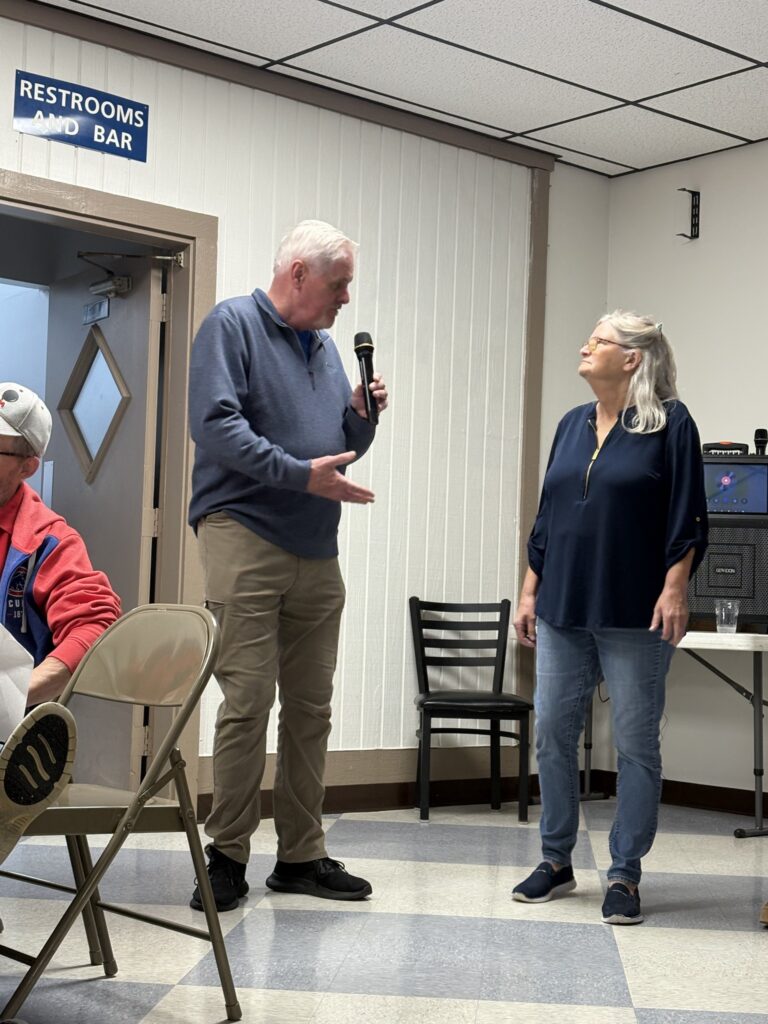
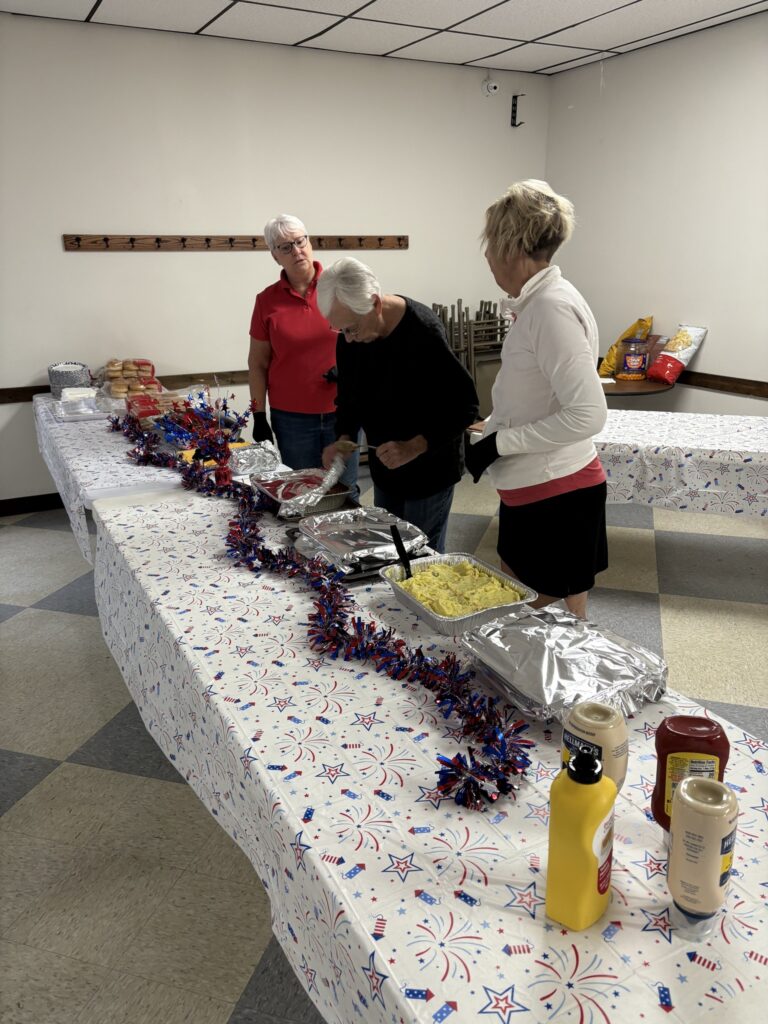
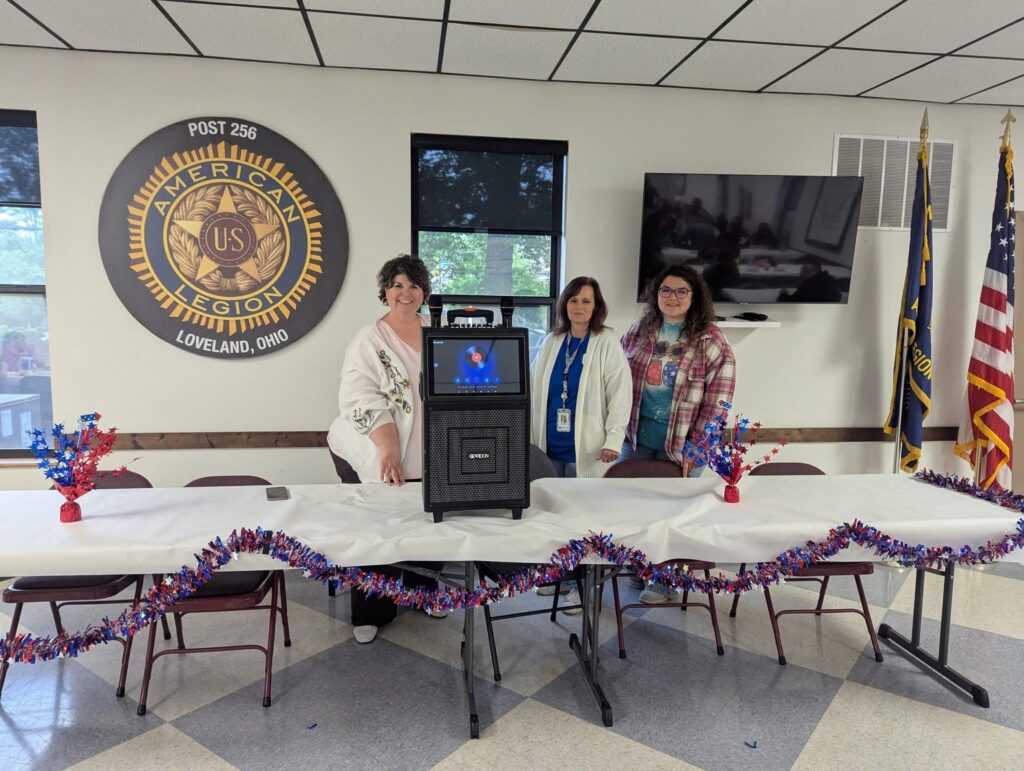
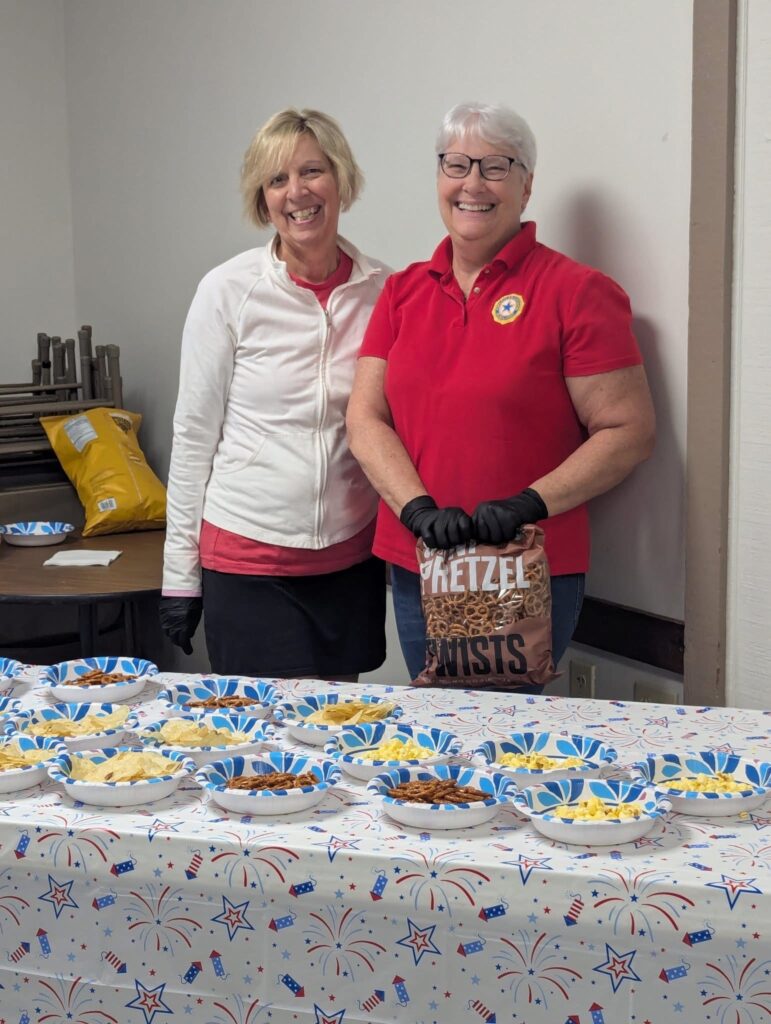
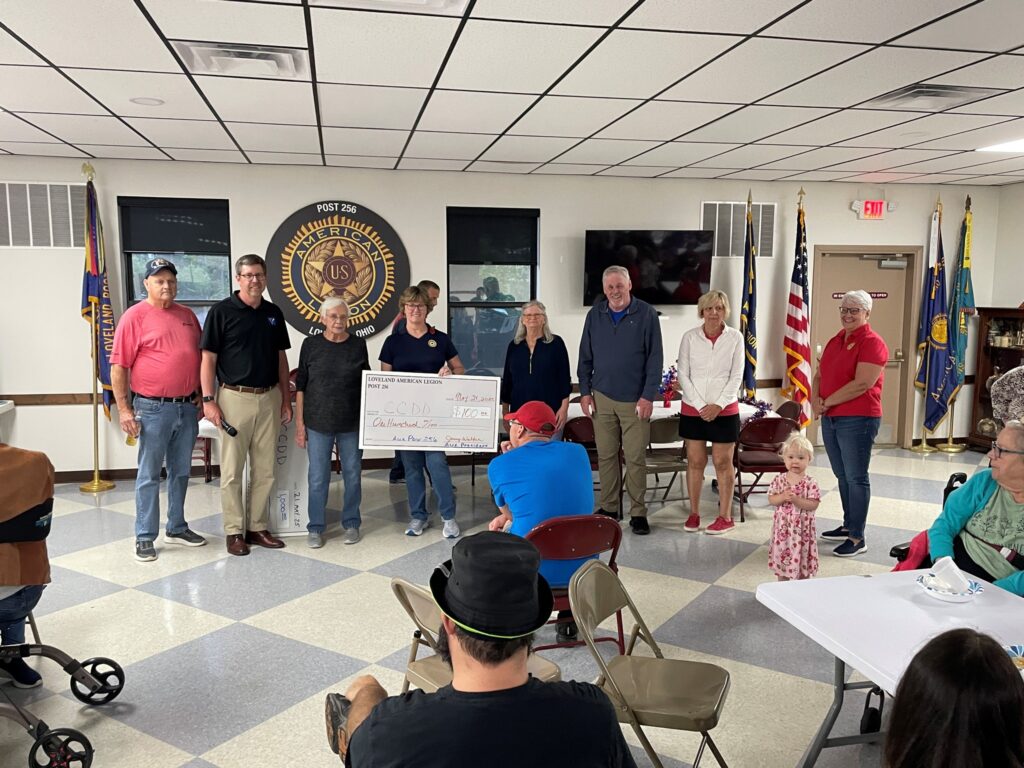
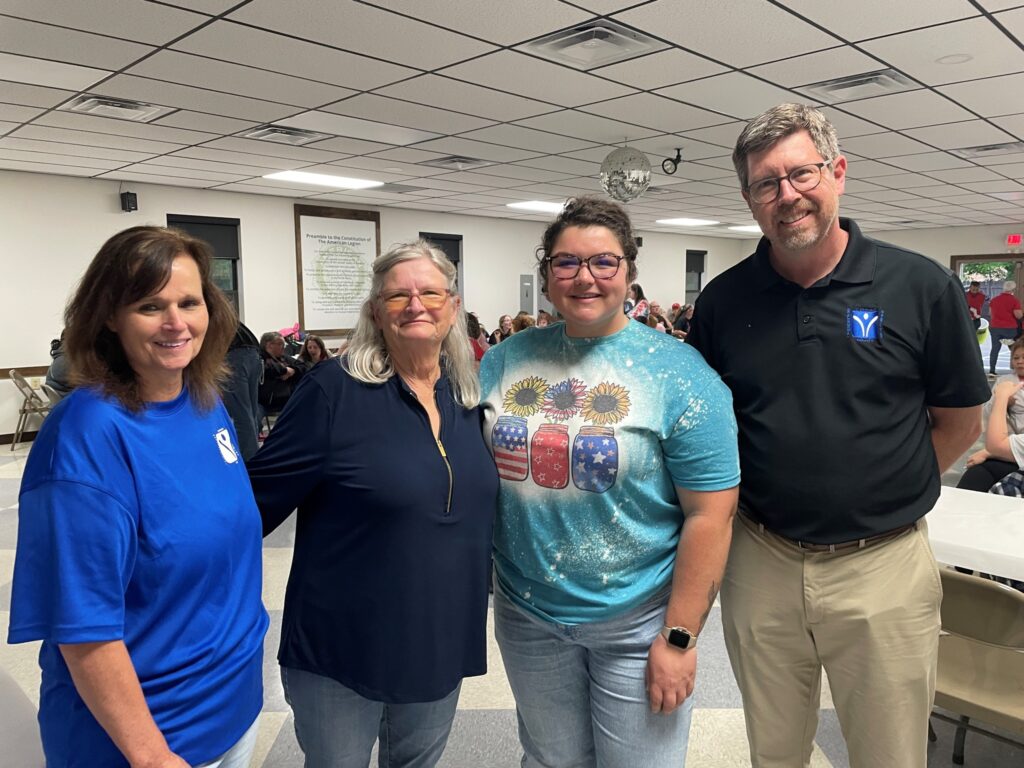
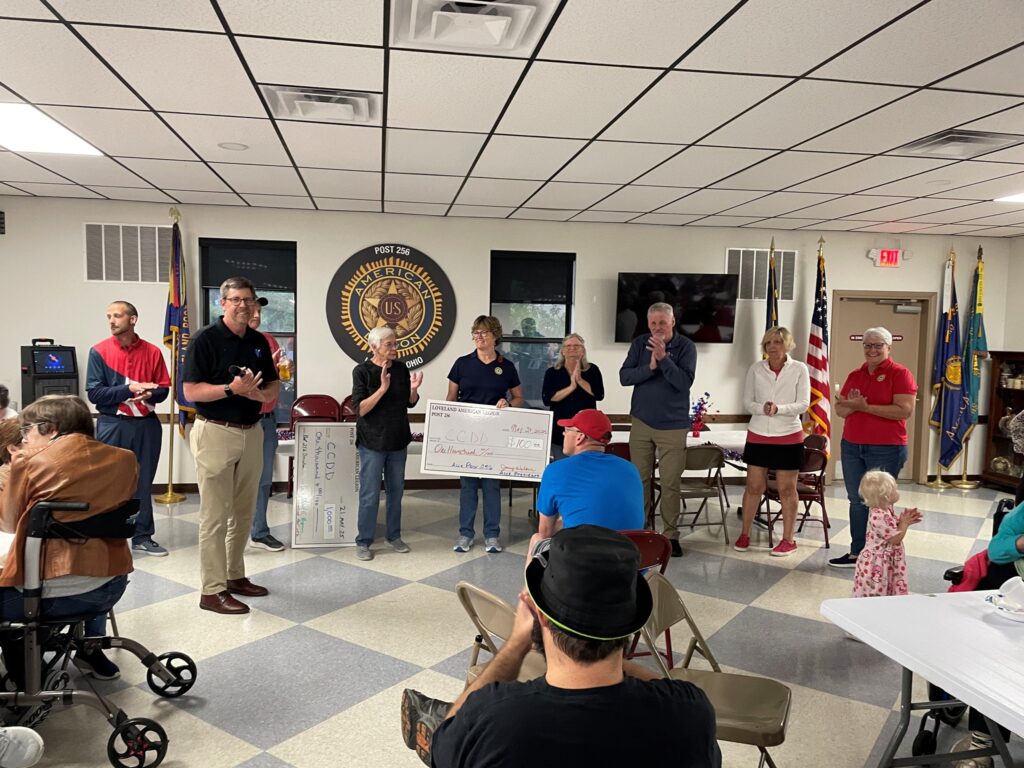
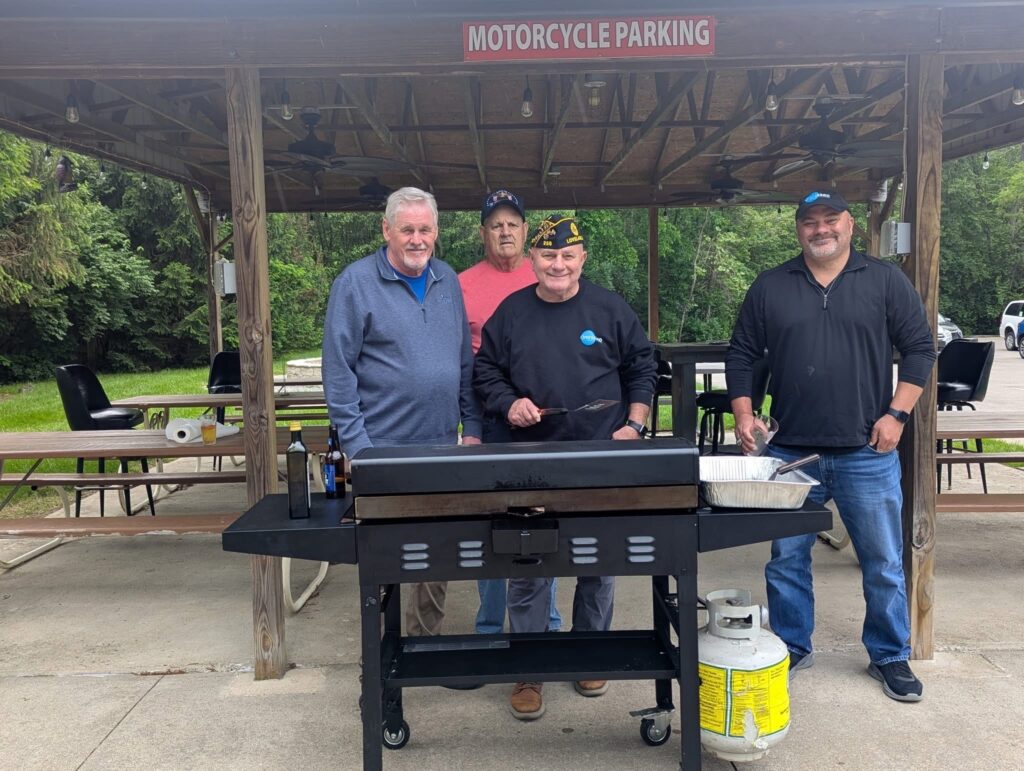
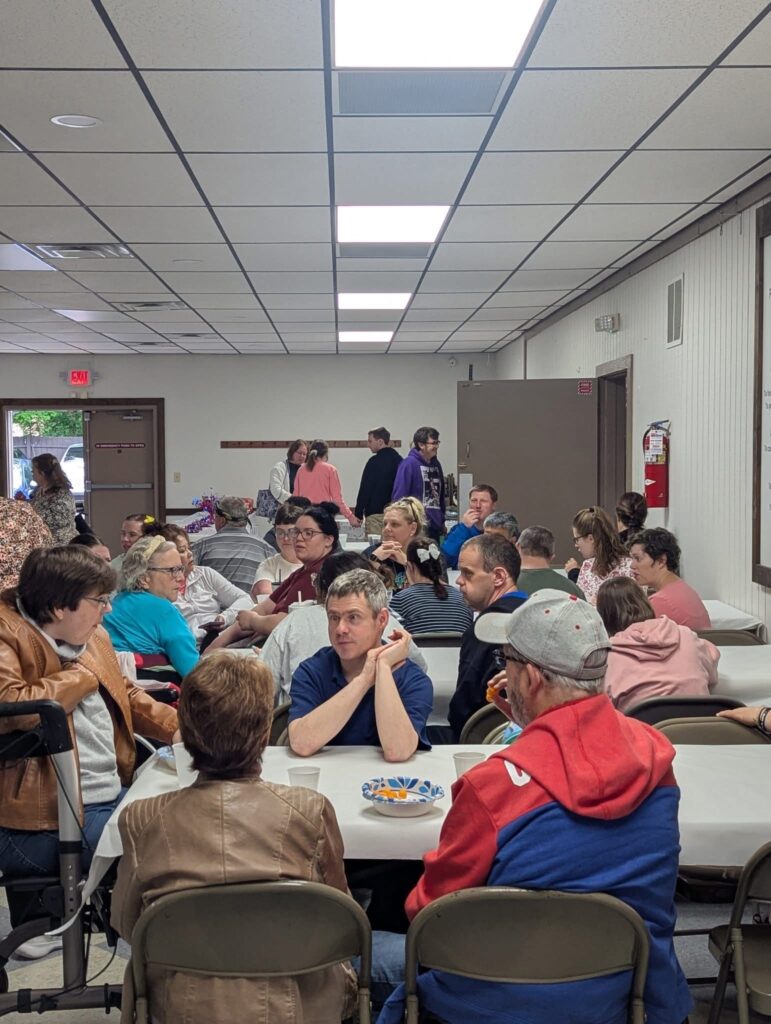
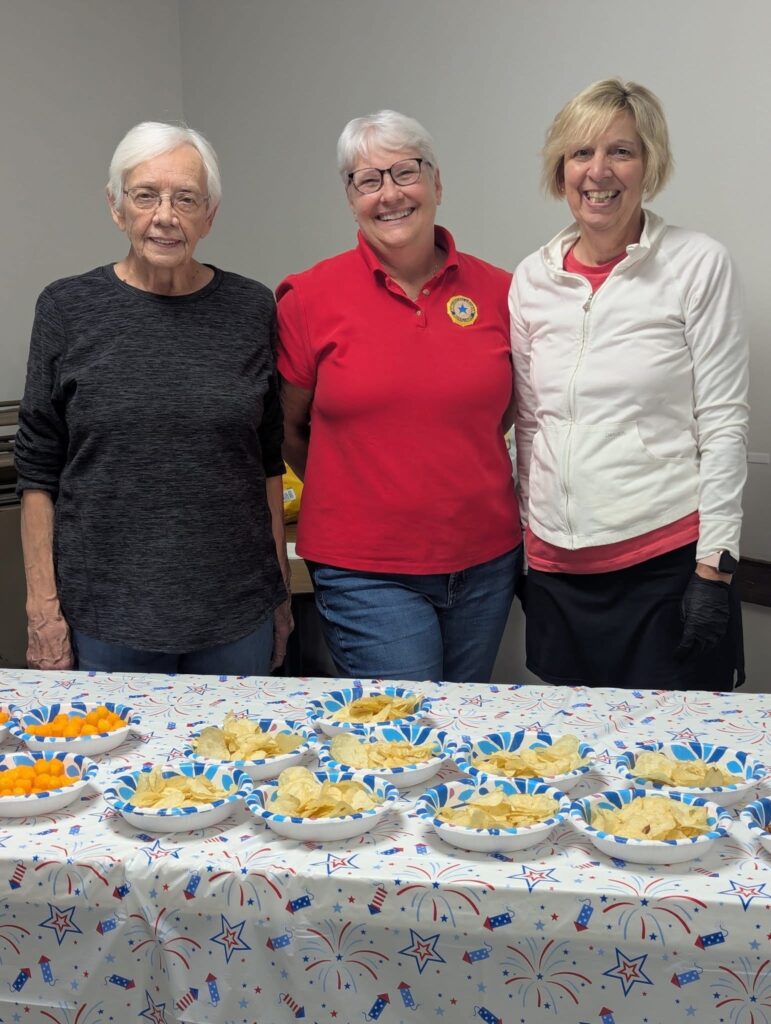
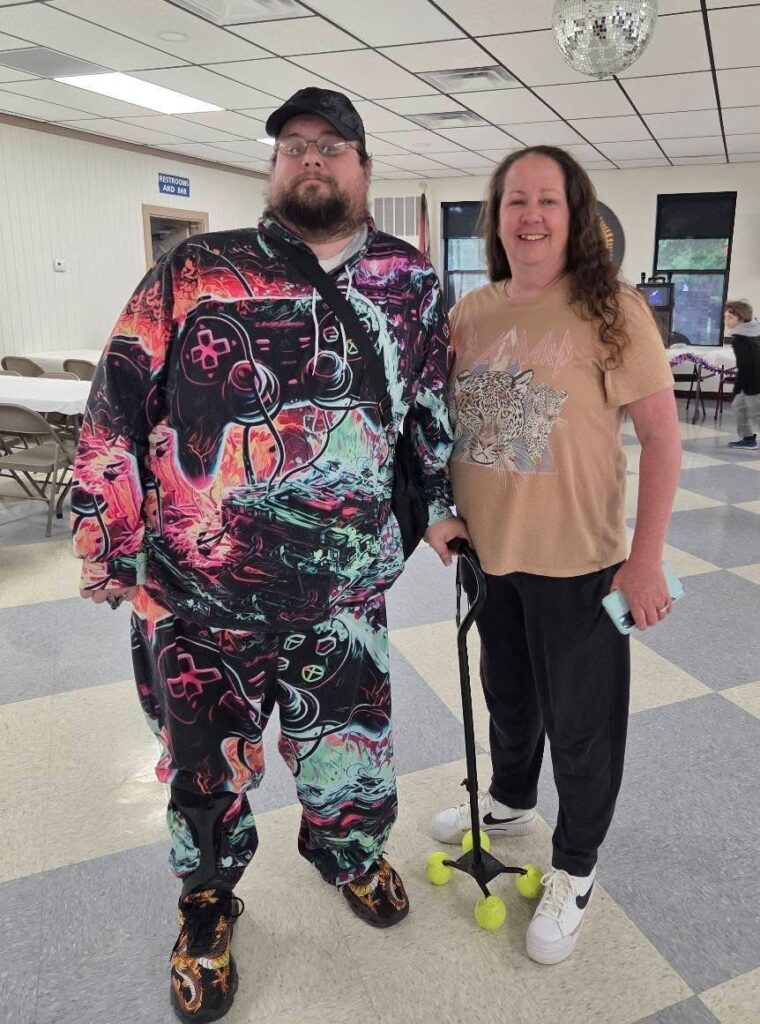
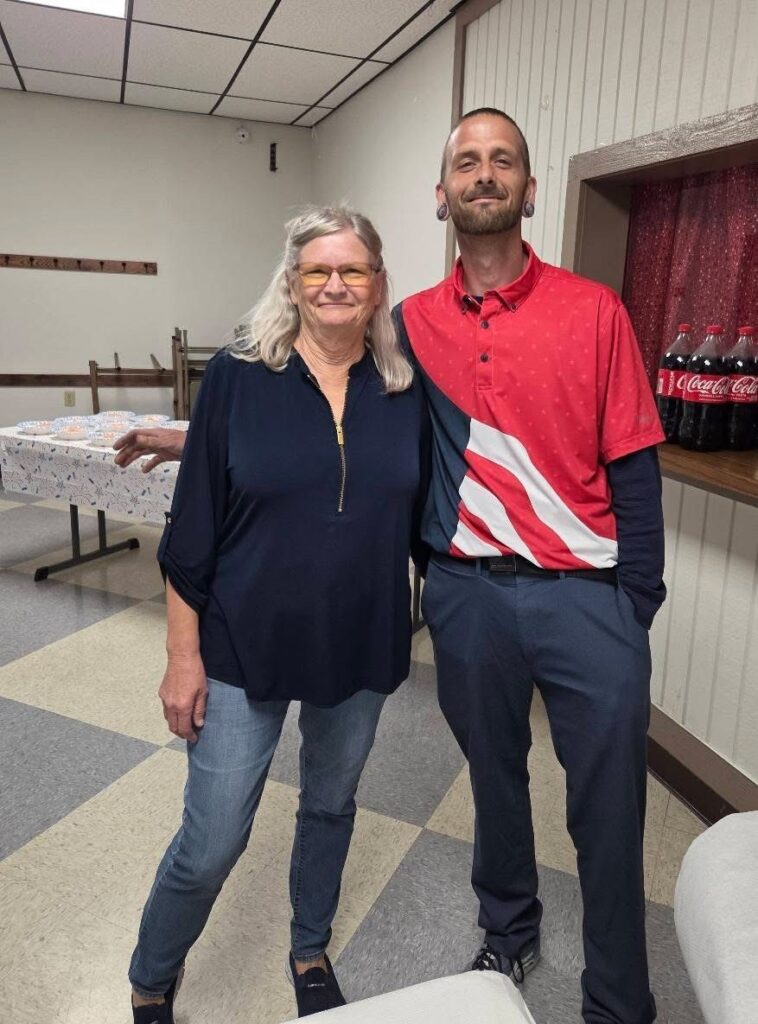
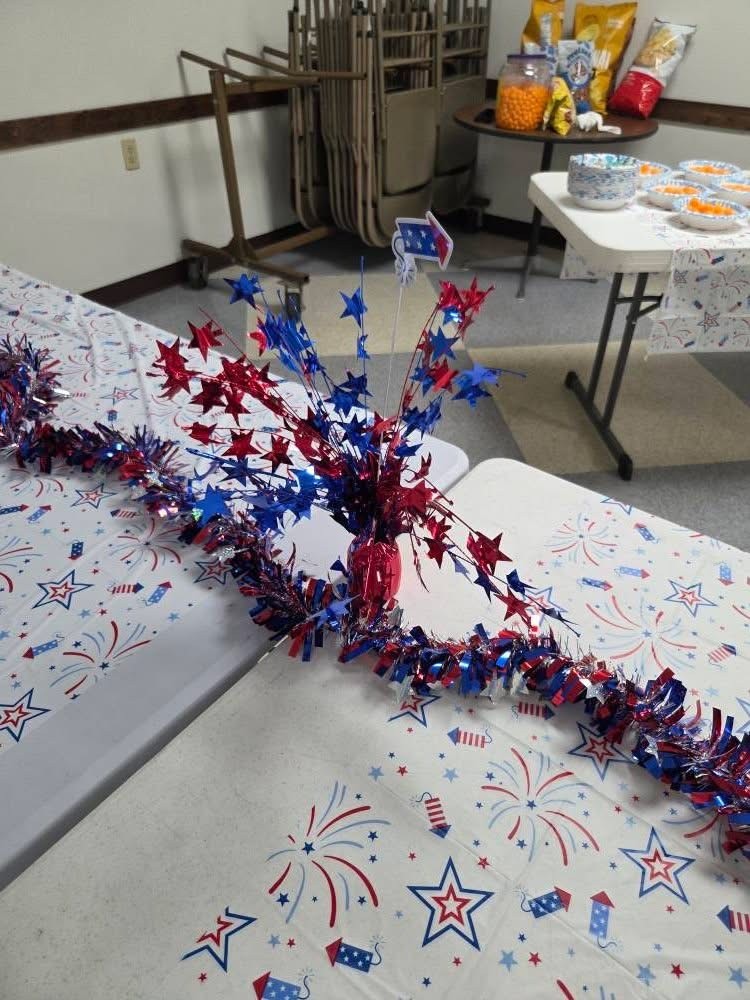
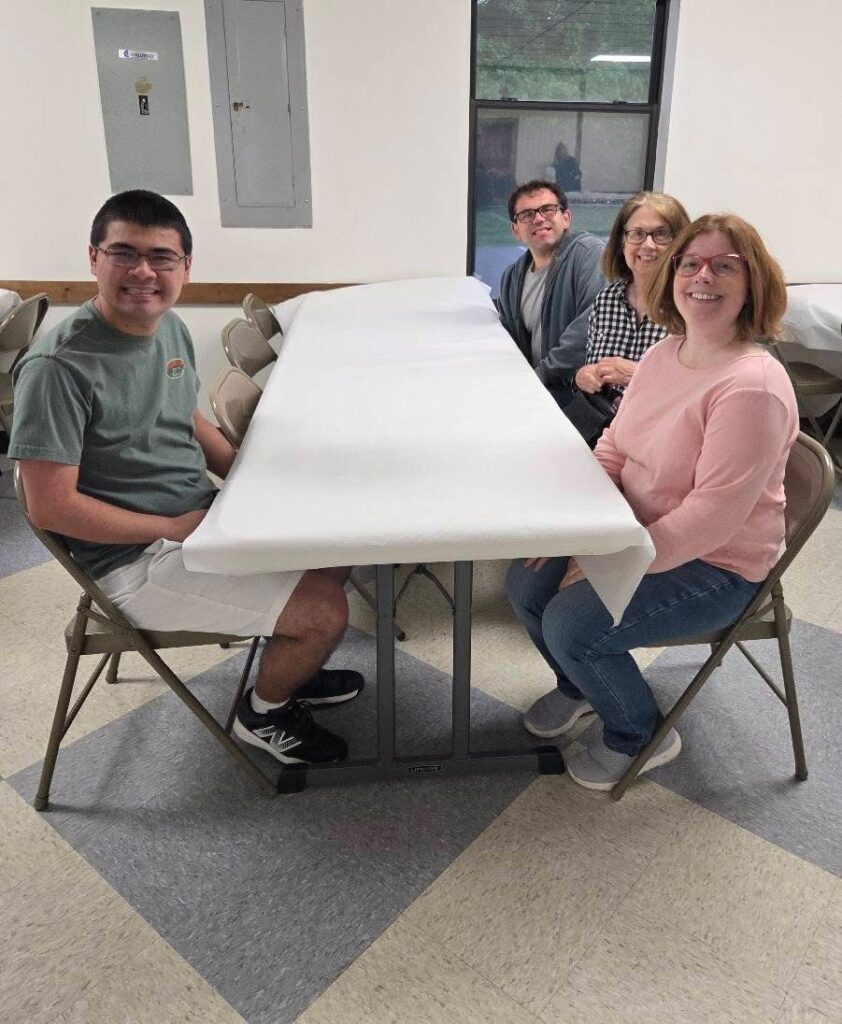
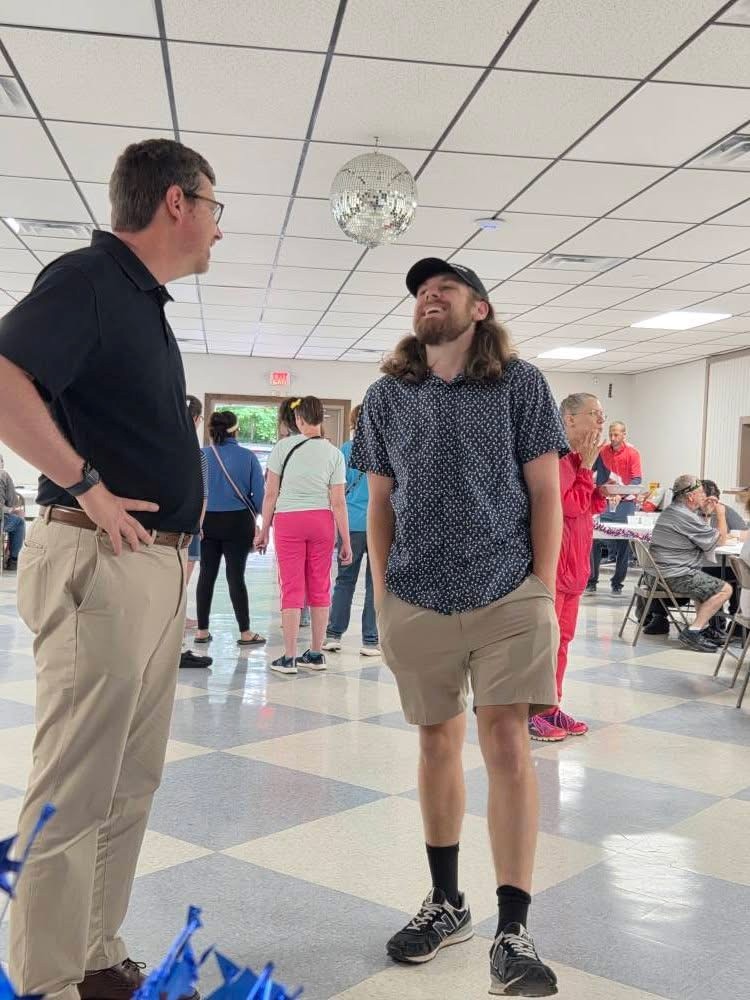
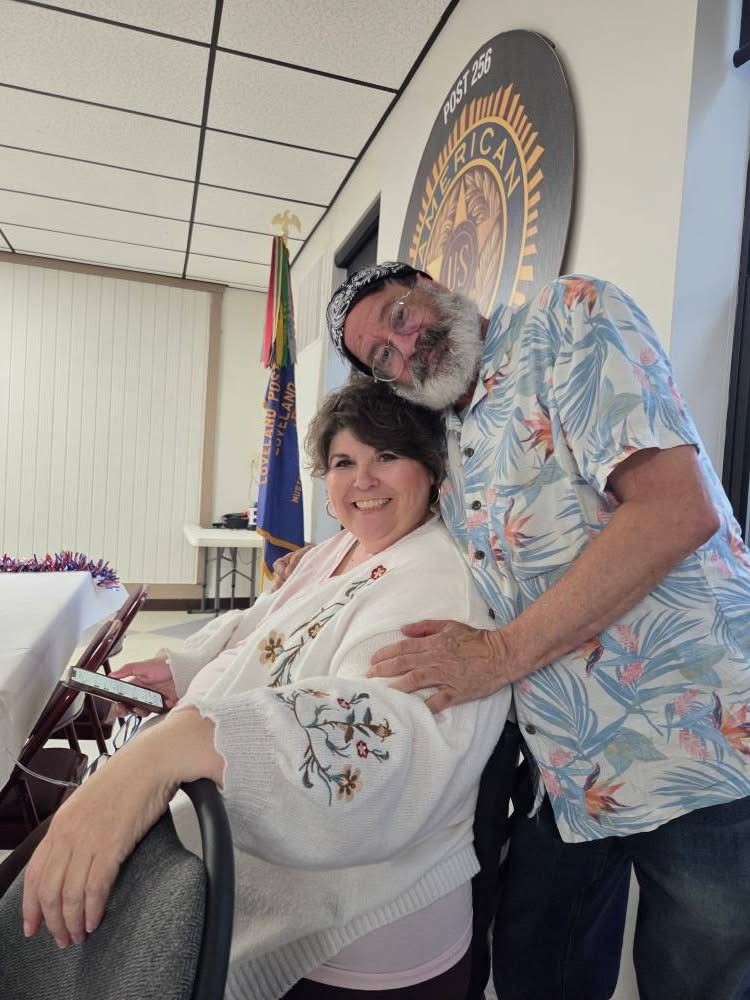
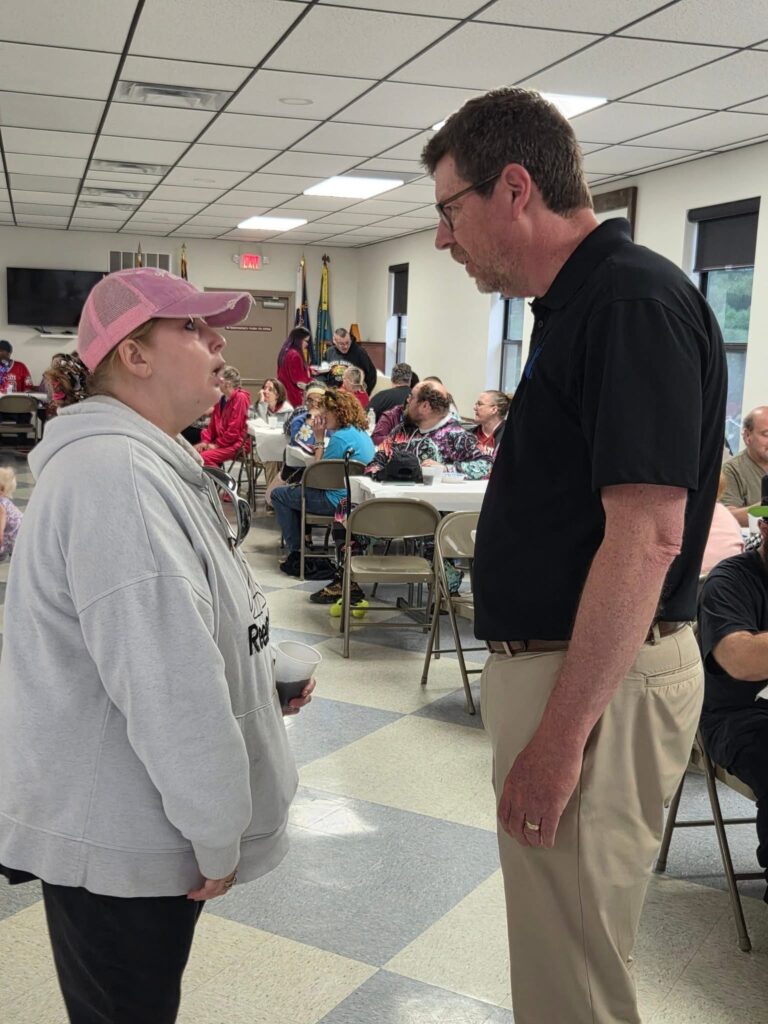
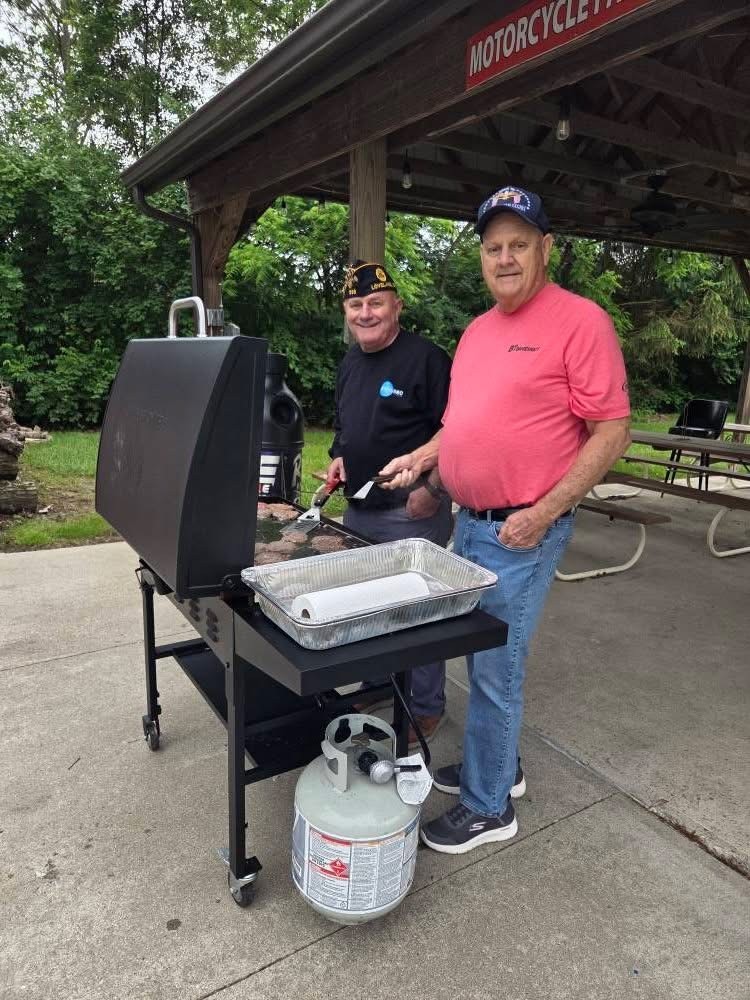
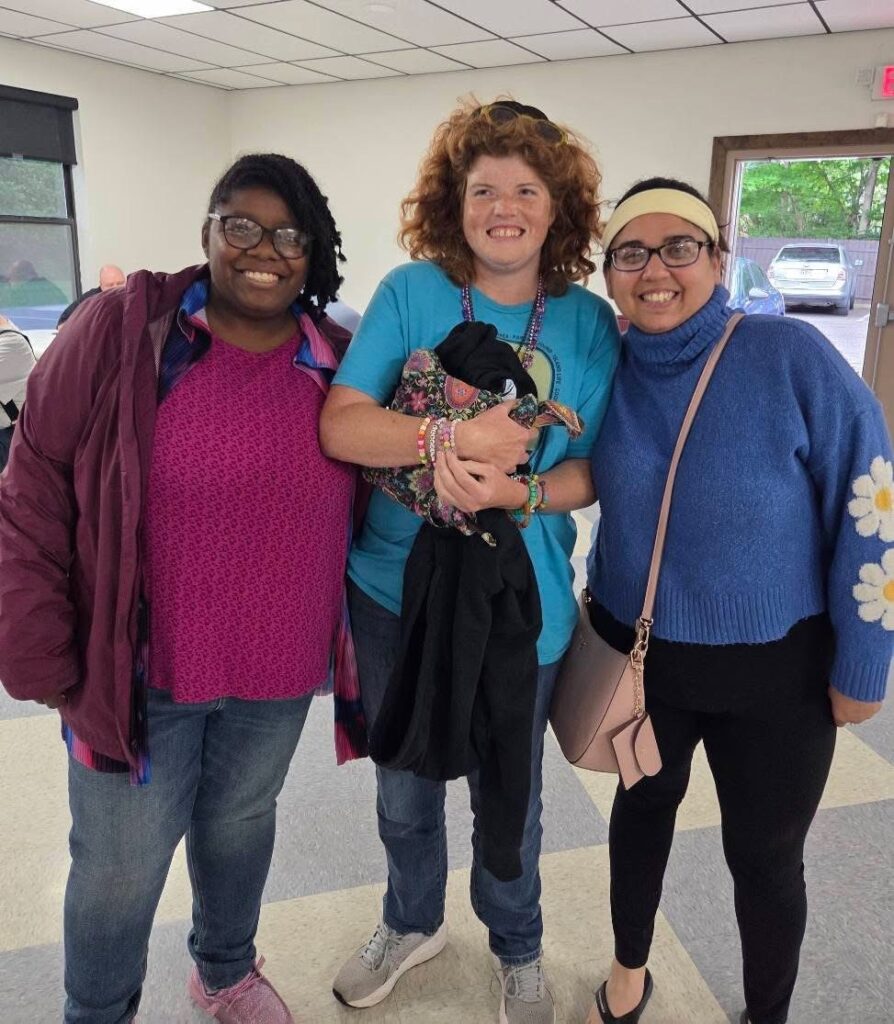
Loveland, Ohio – The Clermont County Board of Developmental Disabilities said on FaceBook, “Thank you to the Loveland American Legion for a Great All American Picnic on May 21. Even though we were inside due to the unseasonable weather, the food and fellowship were fantastic. At the end of the event, the Legion and Auxiliary members donated $1,100 to our Activity Fund, which ensures we can continue activities at the Legion throughout the year.”
Photos by Angie Stanton, Emily Kern, Megan Werring, and Lisa Davis.
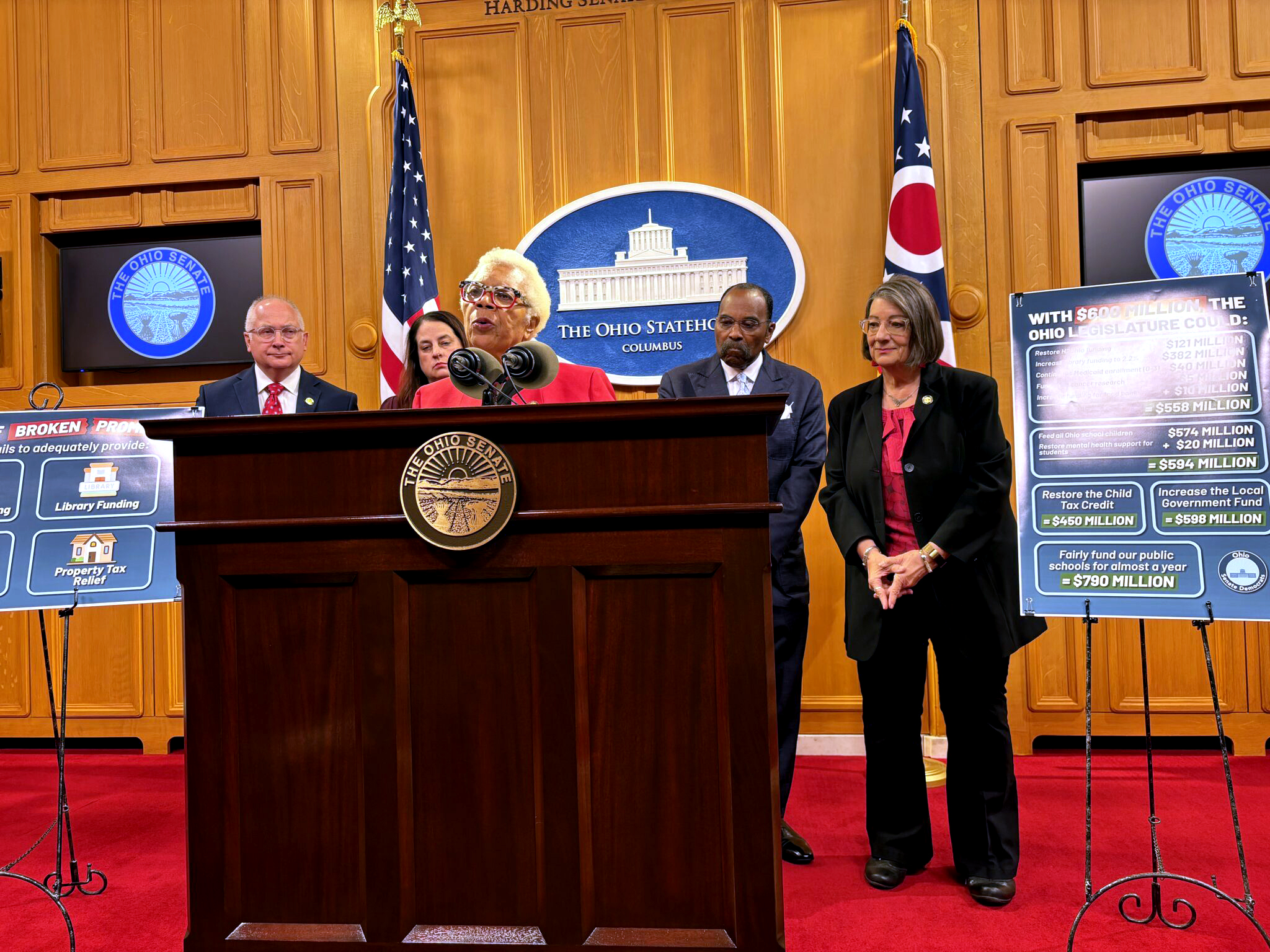
Ohio state Sen. Paula Hicks-Hudson, D-Toledo, and other members of the Senate Democratic Caucus discuss the amendments they submitted to the state’s two-year operating budget. (Photo by Megan Henry, Ohio Capital Journal).
Ohio Senate Democrats have submitted 423 amendments to the two-year state operating budget — including one removing the $600 million bond package for a new Cleveland Browns stadium in Brook Park, and one to fully fund public schools.
The Ohio House passed their version of the budget last month and the Senate is currently working on the budget, which Ohio Gov. Mike DeWine must sign into law by June 30.
GET THE MORNING HEADLINES.
“This budget steals from our children by defunding public schools, transfers money for health care and libraries to rich benefactors, all the while failing to address the needs of hard working everyday Ohioans,” Senate Minority Leader Nickie J. Antonio, D-Lakewood, said Tuesday during a press conference.
“This Republican budget prioritizes partisan agendas and handouts to the wealthy and well-connected, also through vouchers, tax breaks, and a stadium giveaway to the tune of more than half a billion dollars, all paid for by the working class,” she said.
The Senate Democrats had a few different ideas for how $600 million can be spent — a direct shot at how the Ohio House Republicans added a bond package for a new Cleveland Browns stadium for that same amount in their version of the budget.
Republicans hold a 24-9 supermajority in the Ohio Senate, giving Democrats very little power to enact any of their priorities. Nevertheless, Democratic lawmakers laid out their vision of what the state could be doing differently.
The Ohio legislature could restore H2Ohio funding for $121 million, increase library funding to 2.2% for $382 million, offer continuous Medicaid expansion enrollment for $40 million, fund child cancer research for $5 million, and increase funding for food banks for $10 million (which totals to $558 million), Antonio said.
Or lawmakers could feed all Ohio school children for $574 million and restore mental health support for students for $20 million, Antonio said.
The legislature could restore the Child Tax Credit for $450 million, increase the Local Government Fund by $598 million, and fairly fund public schools for almost a year for $790 million, Antonio said.
“If I were queen of the world, all these things would be part of our general fund budget,” she said.
If $600 million is bonded out for a sports franchise, “Ohioans are still on the hook for that money in the long run,” Antonio said.
“I thought what the governor proposed originally was actually a better way to go because the funds were coming from outside entities,” Antonio said. “It has the whole state in mind, not just one group in one part of the state.”
She said she would “be much more supportive” of an amendment along those lines.
School funding
To fully fund public schools based on statistics from the Fair School Funding Plan from 2021, schools would need an additional $666 million in funding (more now with inflation), but the proposed budget only gives them about $226 million.
“It breaks the promise we’ve made for our children in public schools by abandoning fully funding the Fair School Funding Plan,” Antonio said.
The Cupp-Paterson Fair School Funding Plan from 2021 was supposed to take six years and was meant to change how public dollars are provided to K-12 schools by giving additional support to local districts so they can rely less on property taxes.
The first two years were partially fully funded and the second two years were fully funded. There are two more years left.
“Our caucus has submitted amendments that would fully fund the fair school funding plan,” Antonio said.
The Senate Democratic amendments would also increase the state minimum teacher salary from $35,000 to $50,000, she said.
Additional amendments
Ohio Senate Democrats added an amendment to restore DeWine’s proposed $1,000 child care tax credit and another that would remove the language the Ohio House added to the budget that would make changes to the Ohio Housing Trust Fund.
The Housing Trust is funded by a portion of the fees collected by county recorders, with half of the fees staying with the county and the other half going back to the fund — which requires at least 50% of the funds be spent in non-urban areas.
The House budget proposal would remove the requirement for county recorders to send the state Department of Development money to reallocate the funds — something housing advocates say make it less effective across the state.
“Rural areas would also be most impacted by the potential blocks of housing services as well, but all Ohio communities will see service disruption and increases in homelessness and decrease in access to affordable housing,” said Ohio state Sen. Paula Hicks-Hudson, D-Toledo.
Ohioans deserve better from the state budget, Antonio said.
“I think a whole lot of everyday Ohioans are going to be very surprised and have a whole lot of buyer’s remorse when they find out what it is that these people are doing on their behalf,” Antonio said when asked about the Republican supermajority in the Statehouse.
Megan Henry is a reporter for the Ohio Capital Journal and has spent the past five years reporting in Ohio on various topics including education, healthcare, business and crime. She previously worked at The Columbus Dispatch, part of the USA Today Network.
Ohio Capital Journal is part of States Newsroom, the nation’s largest state-focused nonprofit news organization.
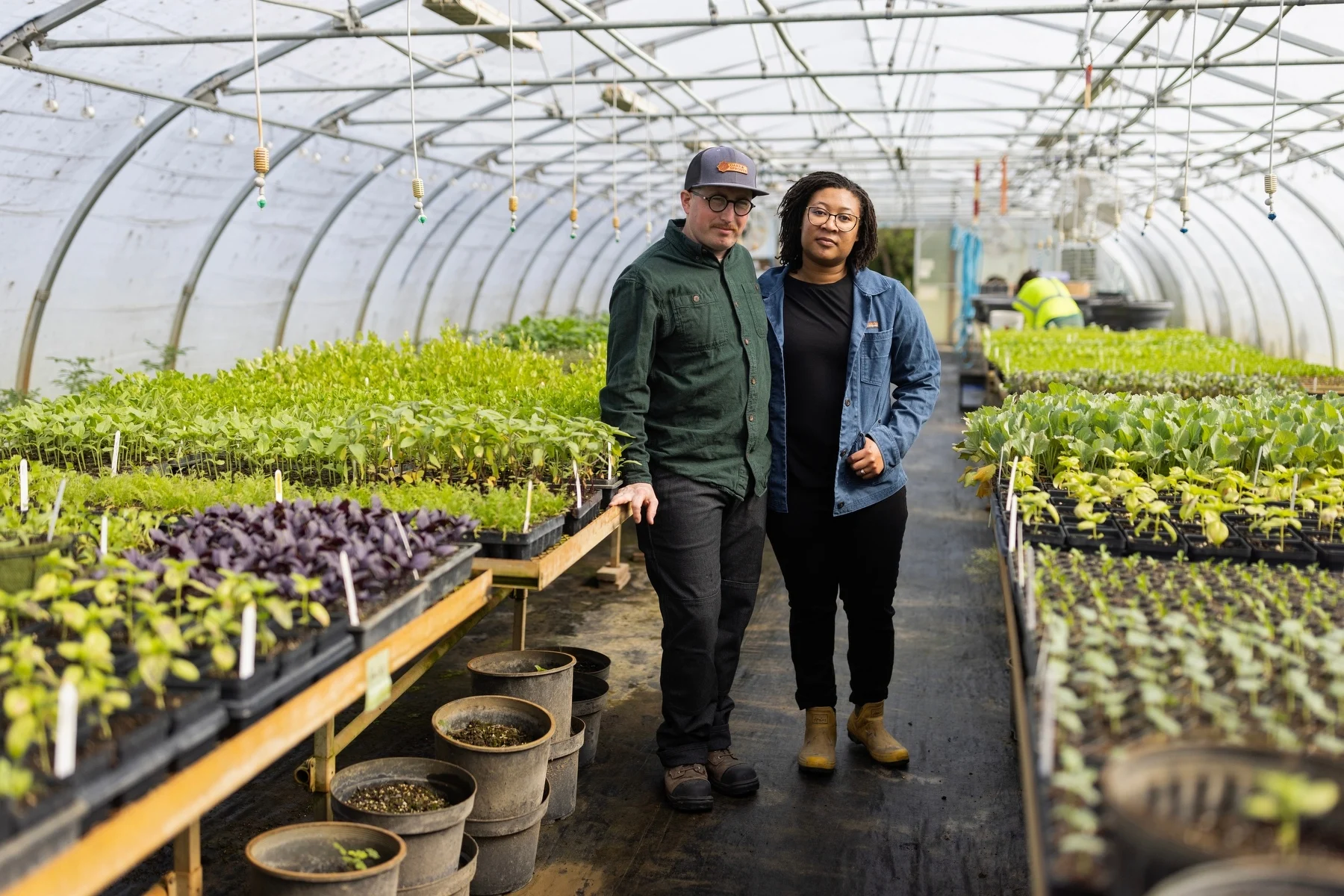
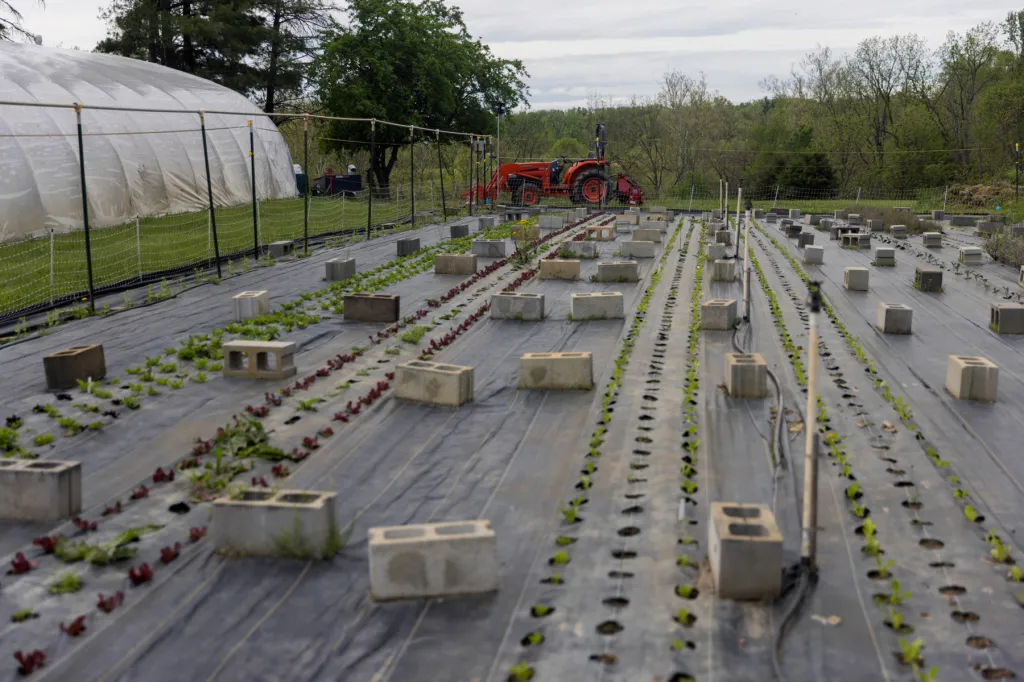
Graham and Tonni Oberly say the goal of their Ohio farm Oak and Sprouts is to grow food in a way that is good for the land, their employees and their customers. (Maddie McGarvey for The 19th)
by Amanda Becker
Read Amanda Becker’s Loveland, Ohio connection in her Bio below.
The Trump administration is ending a USDA assistance initiative as the country’s food pantries are “stretched to the breaking point” and a hunger crisis looms.
URBANA, OHIO — Oaks and Sprouts, Tonni and Graham Oberly’s family farm, got the email from the Ohio Association of Foodbanks just after five o’clock on the first Friday in March.
The U.S. Department of Agriculture, or USDA, had notified the Ohio Department of Job and Family Services that it was ending a program that gave state, tribal and territorial governments federal dollars to stock food pantries from farms within a 400-mile radius. The Ohio Association of Foodbanks, in turn, shared the notice with the more than 150 farms that supplied the state’s food pantries with fresh produce, meat and dairy. One of them was Oaks and Sprouts, whose younger and diverse owners are just the type of growers the USDA’s Local Food Purchase Assistance program aimed to connect to food-insecure Americans.
Last growing season, Oaks and Sprouts had a contract worth up to $25,000 with the program, a significant amount for the small farm. The produce made its way to food pantries in nearby Springfield and Dayton and, from there, to the Ohioans who rely on them to feed themselves and their families. For Tonni Oberly, a trained doula with a background in public health, joining that distribution chain connected her work at the farm to the focus of the city and urban planning doctorate she had recently completed: how place impacts the health of Black mothers and children.
“Food is such an important part of that — access to food in your neighborhood, access to healthy food, the affordability of food — how food impacts our maternal and child health outcomes is really crucial,” Tonni explained on a crisp April day as she and Graham walked through the hoop house where they were germinating seeds for spring planting.
The federal program had also allowed the Oberlys to diversify their farm’s revenue stream beyond the traditional sales to restaurants and at farmer’s markets. It had given them a measure of predictability as they built a regenerative farm on land previously cultivated by Graham’s aunt and uncle and, before that, his grandparents.
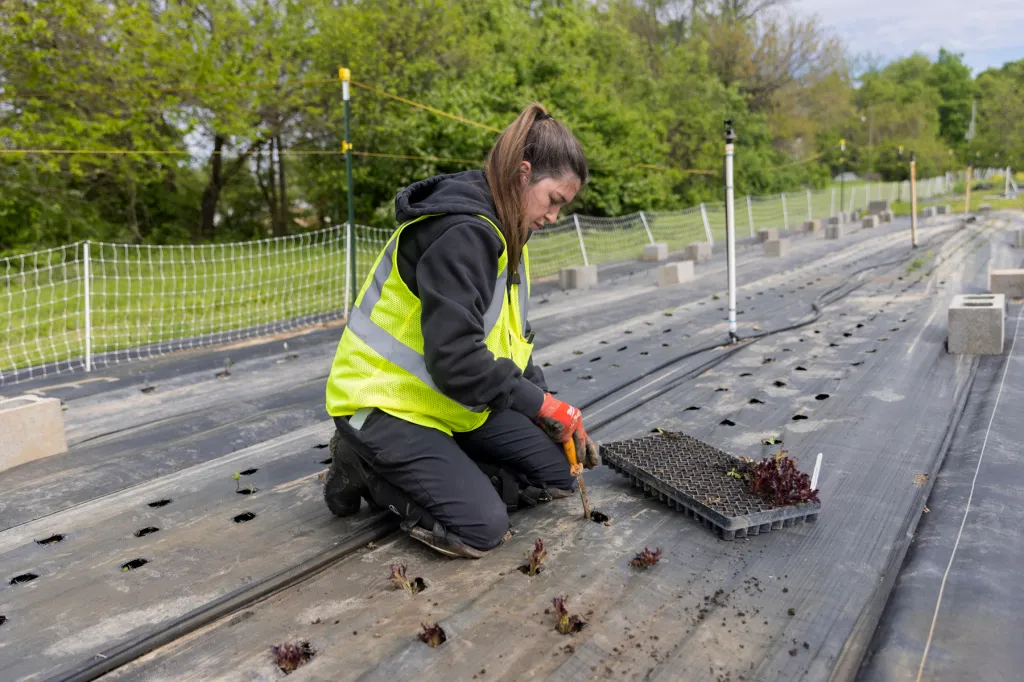
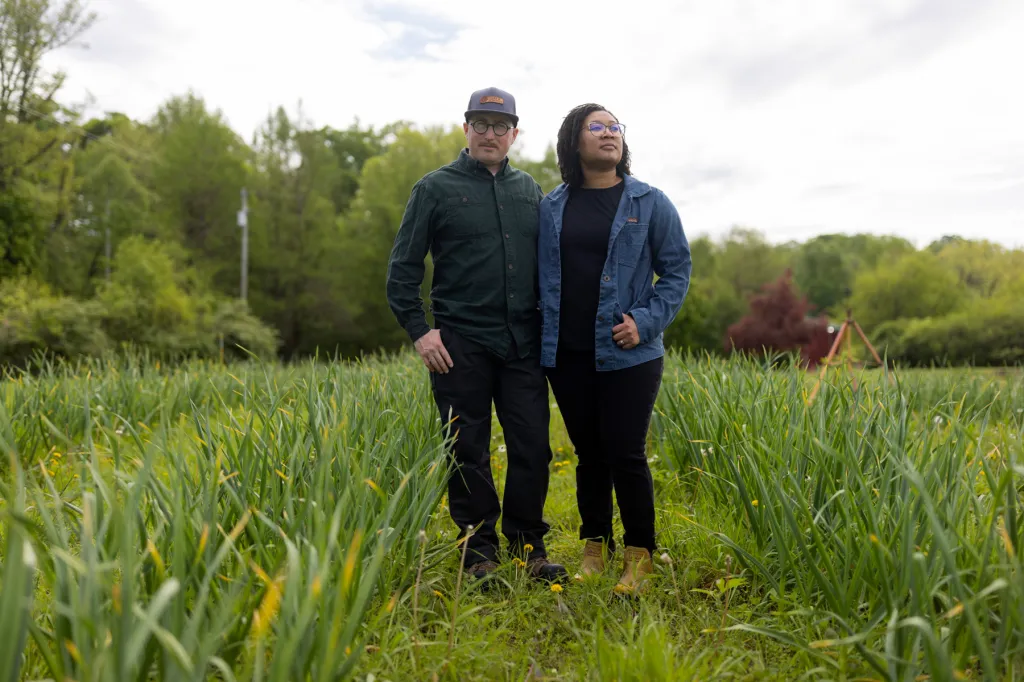
“We can plant seeds and know that they’re sold, versus with the farmer’s markets, you plant and you hope people buy it — or even selling to restaurants, they don’t preorder months ahead of time,” Graham explained as he and Tonni stood on the acre of land where they grow garlic, tomatoes, patty pan squash and lettuce varietals that include romaine, butterhead and salanova.
The Oberlys estimate that they were able to hire two of their four seasonal employees last year because of their contract with the Local Food Purchase Assistance program, known as LFPA. They try to pay a good wage for the work — $17 an hour. That’s a decent amount for a place like rural Champaign County, where the median household income is about $20,000 less than nationally and the poverty rate is just over 10 percent. The farm’s goal, they explained, was to grow food in a way that is good for the land, their employees and their customers. Tonni named Oaks and Sprouts for a passage of scripture in Isaiah: “They will be called oaks of righteousness, a planting of the Lord for the display of his splendor.” It is a metaphor for living a righteous life.
The Oberlys estimate that they have been able to hire some of their seasonal employees because of their contract with the Local Food Purchase Assistance program.
(Maddie McGarvey for The 19th)
The email from the Ohio Association of Foodbanks landed as Oaks and Sprouts was in the thick of planning for its fifth growing season — the third in which the Oberlys planned on participating in the LFPA program. It attached a USDA notice saying that the Trump administration had “determined this agreement no longer effectuates agency priorities and that termination of the award is appropriate.” After the current contract year closes on June 30, the LFPA program, which authorized $900 million worth of locally raised healthy foods for anti-hunger organizations, would end.
Created by the Biden administration in 2021, the Local Food Purchase Assistance program was at once an attempt to support small local farms and an acknowledgement that one of the most direct ways to bring healthy food to hunger-vulnerable populations is to buy it from underserved farmers nearby.
But a USDA press release announcing its creation featured words like “equity” and “climate,” targets of President Donald Trump and his Department of Government Efficiency in their efforts to root out so-called “woke” federal programs. Even before Trump took office, the Oberlys’ program coordinator with Ohio CAN (Community + Agriculture + Nutrition), as LFPA is branded in this midwestern state, had warned them that its renewal could be in jeopardy.
Still, Oaks and Sprouts, like the vast majority of the farms participating in Ohio CAN, began planning for the 2025 growing season. There were reasons to be hopeful. For starters, while the Local Food Purchase Assistance program was part of the Biden administration’s broader COVID-19 relief effort, its funding stream was first used for direct food purchases during Trump’s first term. Ohio CAN, like many state-level local food purchase programs, is also widely popular. Independent experts who analyzed its first year in the Republican-led state concluded that it was a “success by any measure.”
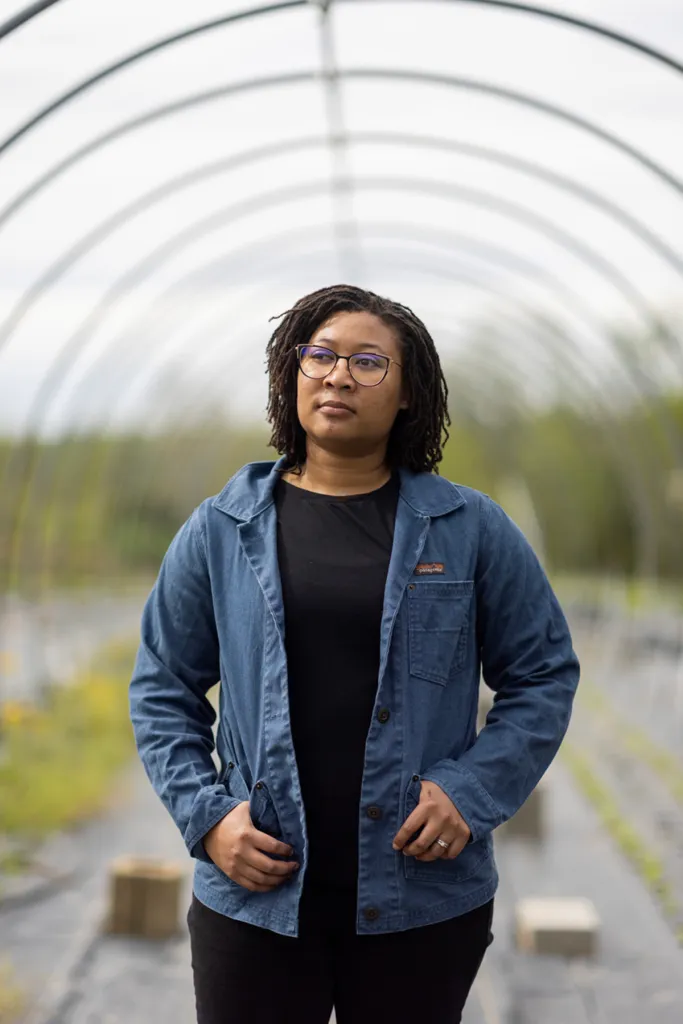
Tonni Oberly sees her farm as a way to expand her work caring for Black mothers and children. Indigenous and Black Americans experience the highest rates of food insecurity, with Black children twice as likely as White children to face hunger.
(Maddie McGarvey for The 19th)
Trump’s picks to lead key federal agencies in his current term also seemed to be working in the program’s favor. Take Agriculture Secretary Brooke Rollins. One of the first things she did upon confirmation was to send state, local and tribal governments a letter that outlined her “vision for the Department’s 16 nutrition programs,” including a commitment to “create new opportunities to connect America’s farmers to nutrition assistance programs.”
Then there’s Department of Health and Human Services Secretary Robert F. Kennedy Jr., a former environmental lawyer, the figurehead of the “Make America Healthy Again” movement and an outspoken critic of processed foods. One of his top priorities is encouraging states to prohibit the more than 40 million low-income Americans participating in the USDA’s Supplemental Nutrition Assistance Program, or SNAP, from using benefits to purchase soda and candy; so far this year, more than a dozen states have been considering such legislation. Many experts say a more effective way to encourage healthier eating is to improve access to fresh foods, exactly the type that LFPA farms were producing and selling to food pantries.
More than 1.3 million Ohioans participated in SNAP during fiscal year 2024, or about 12 percent of the state’s population, according to a Center of Budget and Policy Priorities analysis of USDA data. While the majority of SNAP recipients are White, Black Ohioans are overrepresented when compared to the overall state population. An anonymous survey by the Ohio Association of Foodbanks showed that more than 40 percent of people who visited emergency food distribution centers in 2023 had at least one household member under the age of 18 and nearly as many reported living in a household with someone who is disabled.
The country’s safety net to prevent hunger is a complicated web of federal programs. Most are housed within the USDA and many are jointly administered by federal and state governments. These include SNAP, previously known as food stamps; the Supplemental Nutrition Program for Women, Infants and Children, known as WIC; school meal programs; Meals on Wheels, focused on seniors; commodities purchases for food banks; and the Local Food Purchase Assistance program that Tonni and Graham Oberly’s farm participated in.
Pulling on the thread of one program puts tension on the others. For example, once a family exhausts their SNAP benefits for the month, they may rely on one of the country’s more than 60,000 food pantries and emergency meal centers to feed themselves. As the USDA is ending programs like the LFPA, Congress is looking at other food assistance programs to find the $1.7 trillion in savings over the next decade needed to renew Trump’s 2017 tax package, which primarily benefited corporations and the wealthy.
The confluence of cuts and changes, coming as more Americans than ever rely on government help for food, has hunger-relief advocates worried the safety net will unravel.
Congress has proposed changes to SNAP that include recalibrating the formula used to calculate benefits, adding work requirements for some parents and forcing states to take on a larger portion of the funding. Rollins, for her part, sent a letter to states in April reminding them that it is ultimately the USDA that has the authority to grant their requests to waive the time limit on able-bodied adults receiving SNAP benefits unless they meet work requirements.
Earlier this month, the Trump administration also ordered states to hand over SNAP recipients’ personal data, including their Social Security numbers, addresses and, in at least one state, citizenship status, National Public Radio reported. The directive came amid the administration’s broader push to amass Americans’ personal data and target immigrants.
Though people in the country illegally are not eligible for SNAP benefits, their U.S. citizen children might be. Last month, USDA directed states to enhance identity and immigration status verification as part of Trump’s broader immigration crackdown, even though there is no evidence that immigrants are improperly participating in the program at significant levels. Advocates worry that in the current climate, using the SNAP program to collect participants’ data could have a chilling effect on seeking food assistance.
The USDA also recently paused $500 million from a separate program that buys large quantities of food from farmers for food pantries, with food banks in Ohio, Wisconsin, Massachusetts and elsewhere losing millions of dollars worth of shipments as a result. When the administration ended the LFPA, it also terminated a $660 million program that linked local farms to schools and child care centers.
The changes and uncertainty are coming at what Vince Hall, the head of government relations for Feeding America, the nationwide foodbank network, called an already “very precarious moment for food banks because there’s no resiliency left in the system.”
“They’re stretched to the breaking point. They are serving unprecedented high demand, the highest in over a decade. They are dealing with a decline in donation revenue from the pandemic highs that has been quite steep. The decline of financial donations from the pandemic highs, combined with some of the highest — in fact, record — levels of demand at food distributions has just stretched them to the breaking point,” Hall said.
“If we have policy adjustments that disqualify people from the SNAP program, or if we have a recession and unemployment goes up, or if we have a series of natural disasters, there are any number of things that can work to increase demand, and the food banks just aren’t ready,” he added.
In an emailed statement, a USDA spokesperson noted that as of mid-May, states still had $246 million in unspent LFPA funds. “The secretary encourages states to utilize these dollars for schools, charitable feeding organizations, and other programs that serve those in need,” the statement said.
Alabama has exhausted its funds; Ohio had about $435,000 left from $26.6 million allocated; just $1,500 remained in Tennessee’s coffers, according to an official tally.
The spokesperson added: “On any given day, the Department issues more than $405 million worth of nutrition benefits across its 16 nutrition programs. There is no need for new programs, but perhaps more efficient and effective use of current.” These are not reassuring words to many of the program’s participating farmers and food pantry operators, whose best-case-scenario path forward is for the program to be revived under the administration’s own branding.
Graham and Tonni Oberly had to pivot quickly.
After they received the email from the Ohio Association of Foodbanks, they secured a spot for this season in a farmer’s market in Dayton that is larger than the one where they used to sell their produce nearby. They are adding cut flowers to their lineup and growing Chinese Cabbage for the first time, while also trying to expand the number of local restaurants to which they sell what they grow.
But the modicum of predictability that the Local Food Purchase Assistance program gave this new farm for the past two seasons — the USDA considers farmers and ranchers “beginning” for their first decade and eligible for special assistance — will be gone this year. As will the direct line for Oaks and Sprouts to help address food insecurity in their own community.
Graham Oberly grew up on the Ohio-West Virginia border in a family that fought mountaintop removal mining in Appalachia, earned a degree in natural resources management and worked as a sustainability coordinator for The Ohio State University before moving into farming.
Oaks and Sprouts is a marriage of the Oberlys’ passions. The regenerative farm is a way for Graham to tend the land of his ancestors and preserve it for future generations. With the Local Food Purchase Assistance program, the farm was also a way that Tonni could expand her work caring for Black mothers and children.
Graham and Tonni Oberly’s Ohio farm Oaks and Sprouts serves a state where the rate of food insecurity is slightly higher than the national average.
(Maddie McGarvey for The 19th)
More than 47 million Americans — including one in five children — are considered food insecure, meaning they do not have enough food to eat or access to healthy foods. Rural Americans are more likely to face hunger due to lack of transportation, lower wages and racial discrimination. The highest rates of food insecurity are among Indigenous and Black Americans, according to a Feeding America analysis, with Black children twice as likely as White children to face hunger. USDA research also shows that households with children headed by a single mother are more likely to be food insecure. And food-insecure women are more likely to be obese than food-insecure men or children, with all of the related health issues, in part because they prioritize providing healthy foods for their children instead of themselves, according to the Food Research & Action Center.
In Ohio, the food insecurity rate is slightly higher than the national average. In 2023, Ohioans visited the state’s food banks 14.7 million times, up more than a third over the year before. Ohioans are eligible for food bank use if their household is at or below 200 percent of the federal poverty level — and more than a quarter in the state qualify, or about 3.4 million people. Of the 43 percent who were also receiving SNAP benefits, nearly all of them — 93.4 percent — reported exhausting those benefits within the first three weeks of the month, according to the Ohio Association of Foodbanks.
Biden’s $1.9 trillion COVID-era stimulus package provided direct assistance to taxpayers, $350 billion for state and local governments, and $130 billion to help safely reopen schools, among other provisions. The plan also earmarked $1 billion for USDA programs to build capacity in the country’s food-banking system amid unprecedented need and global supply chain disruptions.
Half of that money went to additional purchases via The Emergency Food Assistance Program — and that is the $500 million canceled by Trump’s USDA in March. Another $400 million was slated for what became the Local Food Purchase Assistance program. Biden’s USDA renewed both pandemic-era programs due to their popularity.
While more than 90 percent of all U.S. farms qualify as “small,” with gross cash annual farm incomes of $250,000 or less, they account for just 17 percent of the total value of food produced in the country, according to USDA statistics. Still, they play a critical role in diversifying the overall food ecosystem by supplying produce, dairy and meat that are not available from large-scale agribusiness. Many grow a variety of crops instead of focusing on one or two. Since they are often serving their own communities, they are less vulnerable to disruptions to complex global supply chains.
In 1973, as global demand for U.S. farm exports exploded, Earl Butz, the agriculture secretary under Republican President Richard Nixon, told American farmers to “get big or get out.” Farmers mostly listened. In the years since, while the number of farm acres has remained roughly constant, the number of farms has continued to decline. When Tom Vilsack, the agriculture secretary under Biden, released data from the 2022 Census of Agriculture, he noted that in over five years, the country had lost 142,000 farms — a roughly 7 percent decline. “As a country, are we okay with losing that many farms? … Or is there a better way?” Vilsack asked.
The Local Food Purchase Assistance program was an acknowledgement that one of the most direct ways to bring healthy food to hunger-vulnerable populations was to buy it from underserved farmers nearby. More than 95 percent of American farmers are White. They are also older — the average age of a U.S. farmer is just over 58, according to USDA statistics — and predominantly male; women make up only 36 percent of farm operators. Under Vilsack, who also served for the entirety of Democratic President Barack Obama’s two terms, agriculture policy aimed to address the decline in small farms by extending credit and other types of support to people historically less likely to farm — namely women and people of color.
White men’s dominance over U.S. farming is not happenstance. It’s the result of more than 200 years of official government policy that reflects the fraught relationships the country has with race and land.
In the 1830s, the U.S. government forcibly relocated thousands of Indigenous Americans from their ancestral lands in the east, where they had cultivated for generations, to a different climate in the west. Thousands of them died from disease, starvation, exhaustion and exposure to the elements during a brutal journey that came to be known as the Trail of Tears. In the 1860s, in the waning months of the U.S. Civil War, General William Sherman pledged that when the Union won, formerly enslaved Black people, who had farmed for White enslavers, would be eligible to receive 40 acres and a mule to farm their own land. President Andrew Johnson reversed course after he took office, returning the land to White people.
Two centuries of discriminatory lending practices and American federal policies that privileged white men has made owning a farm often inaccessible to women and people of color. The Local Food Purchase Assistance program addressed that issue and worked to bring healthy food to hunger-vulnerable populations by buying it from underserved farmers nearby.
(Maddie McGarvey for The 19th)
People of color — and women — struggled to access credit, including via the USDA, to buy the land and equipment needed to start even a small farm in the decades of Reconstruction that followed the Civil War, throughout the Civil Rights and feminist movements, and into the 1990s. Between 1999 and 2010, the USDA paid settlements in three class actions brought on behalf of Black, Latinx and Indigenous peoples — Pigford v. Glickman, Garcia v. Vilsack and Keepseagle v. Vilsack — arguing that the agency had discriminated against them when they sought loans and other assistance. In 2022, Biden’s Inflation Reduction Act created a $2.2 billion fund to compensate farmers and ranchers who experienced past discrimination, including women.
The federal judge in the Pigford case, Paul L. Friedman, noted that “[a]s the Department of Agriculture has grown, the number of African American farmers has declined dramatically,” and the USDA and “the county commissioners to whom it has delegated so much power bear much of the responsibility for this dramatic decline.”
“The Department itself has recognized that there has always been a disconnect between what President Lincoln envisioned as ‘the people’s department,’ serving all of the people, and the widespread belief that the Department is ‘the last plantation,’ a department ‘perceived as playing a key role in what some see as a conspiracy to force minority and disadvantaged farmers off their land through discriminatory loan practices,’” Friedman wrote.
This history — and a tacit recognition of the role USDA played via its discriminatory practices — underpinned the ethos of the Local Food Purchase Assistance program.
In its first year in Ohio, the program bought from 164 growers. A majority of them were classified as “socially disadvantaged,” which for the LFPA, the USDA defined as women; Black, Indigenous and other people of color; LGBTQ+ people; veterans; and small, emerging and disabled farmers. That year, nearly 12,000 pounds of grains, 223,000 pounds of dairy and milk, 39,000 pounds of eggs and more than 2.5 million pounds of produce that these farmers produced went into the state’s food pantries. The more than $9 million worth of food was distributed via five hubs and 12 regional food banks, according to a report independent researchers produced for the Ohio Association of Foodbanks.
The researchers noted: “Overall, producers were drawn to participate in the Ohio CAN program because sharing high quality products with communities in need was often central to their core mission and personal values.” A farmer called the program a “godsend” and said they felt like they were on the “front lines of food insecurity and food instability.” One foodbank representative in a historically redlined area, where banks discriminated against residents of certain neighborhoods because of their race and ethnicity, said it was the first time a farmer had offered them okra and they hoped “we’ll be able to work more closely with her to get larger, larger quantities in next year.”
The USDA’s decisions to end the Local Food Purchase Assistance program and to cancel planned commodities purchases for food banks have not been popular. The Iowa Farmers Union helped small farms facing lost contracts send press releases about the impact. Singer-songwriter Willie Nelson, a founder of the annual Farm Aid concert, penned an open letter to farmers encouraging them to protest the cuts. Food bank administrators from Oregon to Maryland to Florida have warned it will stress their ability to meet still-historic demand that has not diminished since the pandemic.
There have also been public spats between Trump’s USDA and Democratic governors like Pennsylvania’s Josh Shapiro, who accused the agency of reneging on a three-year deal; Rollins said he didn’t have his facts right and was “trying to make this a political issue.”
For the Oberlys in Ohio, the politics are personal. Their five-year-old farm was just starting to be woven into the constellation of state and federal programs that fed food-insecure neighbors while giving Oaks and Sprouts a toehold in a precarious industry that employs one in eight Ohioans, either directly or indirectly, and generates billions in the state each year.
The end of the Local Food Purchase Assistance program severed the Oberlys’ direct path to care for the people in their community, along with their land. Or as Tonni Oberly put it: “Supporting the local food system is one of the best ways to support the local economy, it supports farmers and community members — it’s a win-win.”



















 _______________________



 _
_

























 Loveland, Ohio -The Loveland Tiger Pathways program held an “Internship Appreciation Luncheon” at the Landing event Center on Tuesday, May 20 to thank dozens of local businesses and organizations.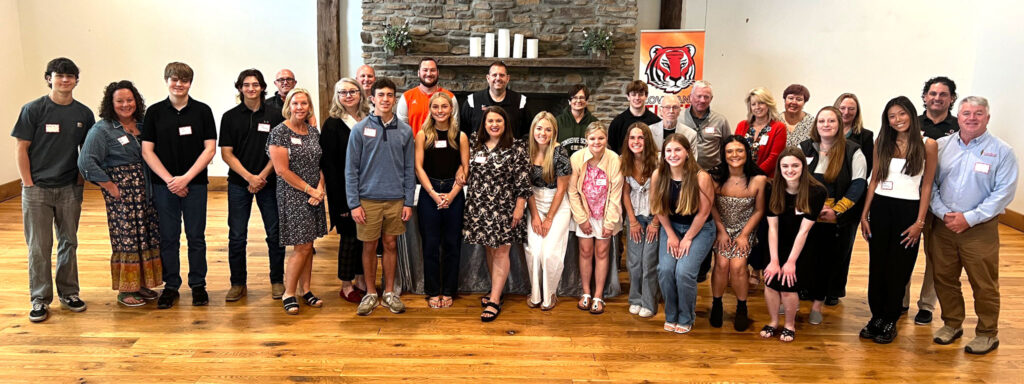
 Recently Ken Davis and Lynn Mangan, two of their board members, participated in the Loveland Middle School Interview Day. This event was a one-on-one interview process allowing 8th grade students to experience a mock interview.

 The researchers noted: “Overall, producers were drawn to participate in the Ohio CAN program because sharing high quality products with communities in need was often central to their core mission and personal values.” A farmer called the program a “godsend” and said they felt like they were on the “front lines of food insecurity and food instability.” One foodbank representative in a historically redlined area, where banks discriminated against residents of certain neighborhoods because of their race and ethnicity, said it was the first time a farmer had offered them okra and they hoped “we’ll be able to work more closely with her to get larger, larger quantities in next year.”