Author: Loveland Magazine

  • House bill would ‘null’ and ‘void’ gun laws, court rulings that lawmakers oppose

    House bill would ‘null’ and ‘void’ gun laws, court rulings that lawmakers oppose

    By Jake Zuckerman and Ohio Capital Journal

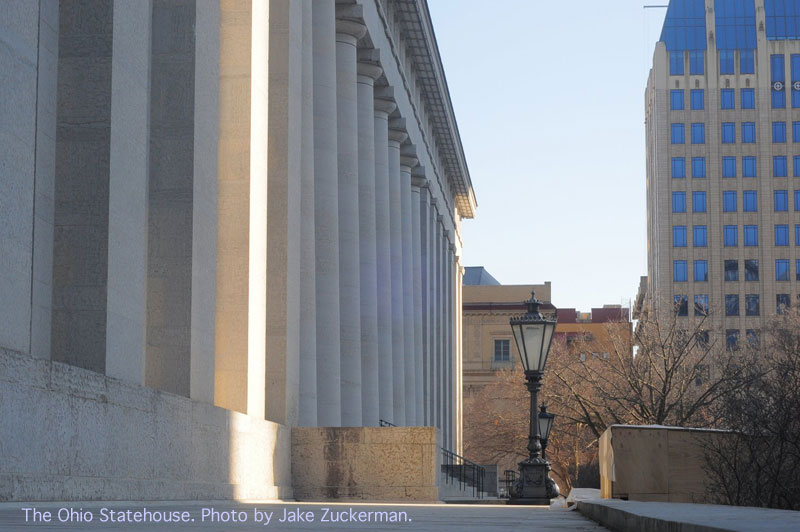
    Fourteen House Republicans signed onto legislation that would allow the state of Ohio to nix federal gun laws and court rulings that legislators deem to violate the Second Amendment to the U.S. Constitution.

    House Bill 62 would declare any federal law, executive order, administrative action, or court ruling to be “null, void, and of no effect in this state” if it infringes upon the Second Amendment.

    Legal acts that would qualify as infringements under the bill (the “Second Amendment Safe Haven Act”) include any of the following if they could “reasonably be expected to create a chilling effect.”

    • Any tax on guns, gun parts, or ammunition not common to other goods and services
    • Any registering or tracking of guns
    • Any registering or tracking of gun owners
    • Any act forbidding the possession, ownership, use or transfer of guns or ammo by law-abiding citizens
    • Any act ordering the confiscation of guns

    The bill also prohibits law enforcement from enforcing any federal laws, court rulings, or orders that would qualify as infringements under the bill. If they do, they “shall be liable to the injured party in an action at law.”

    It would prohibit a defense known as “qualified immunity,” which state employees claim as a defense for carrying out their official job duties.

    Exactly how HB 62 would play out is unclear.

    For instance, President Joe Biden last week announced planned executive actions to limit the proliferation of “ghost guns” made of homemade parts without traceable serial numbers. This would likely qualify as an infringement under HB 62, even if the U.S. Supreme Court were to rule the executive action was constitutional. Judges or law enforcement tasked with enforcing the law would be caught in a legal pickle.

    Analysts with the Legislative Service Commission, a nonpartisan arm of the legislature that reviews legislation, determined the bulk of the law “may be vulnerable to challenge” under the Supremacy Clause of the U.S. Constitution, which gives federal law precedence over state law.

    Rob Sexton, legislative director of the Buckeye Firearms Association, said the bill reflects a General Assembly trying to get out in front of what they see as a looming barrage of gun control bills coming from Biden and a Democratically controlled federal government.

    However, he offered lukewarm support of the bill and said courts would likely need to work out its contours.

    “BFA supports what they’re trying to do,” he said. “We’re not sure exactly what the best way is to achieve this, that provides real protection for gun owners form federal overreach. But we’re definitely supportive of what it is they’re trying to accomplish.”

    The bill is sponsored by GOP state Reps. Mike Loychik, of Bazetta, and Diane Grendell, of Chesterland.

    “Especially with the current climate and rhetoric at the federal level, the preservation of our second amendment is now more crucial than ever before and it is my intent to protect this right for the people of Trumbull County,” Loychik said in a news release.

    State lawmakers don’t get to pick and choose which federal laws will apply to our state, said Kristine Woodworth, volunteer with the Ohio chapter of Moms Demand Action, which advocates against gun violence.

    If the recent rash of mass shootings across the country and the daily gun deaths right here in Ohio doesn’t wake up our state and federal lawmakers to the need for common-sense gun safety, I don’t know what will.” – Kristine Woodworth, volunteer with the Ohio chapter of Moms Demand Action

    “This bill also includes provisions that threaten local law enforcement and officials with lawsuits, fines, and the loss of employment simply for doing their job.

    “The majority of people in Ohio support common-sense public safety measures like background checks because they keep guns out of the hands of dangerous people who we can all agree shouldn’t have them, like domestic abusers, people with violent criminal records, and people prohibited from owning a gun for mental health reasons. If the recent rash of mass shootings across the country and the daily gun deaths right here in Ohio doesn’t wake up our state and federal lawmakers to the need for common-sense gun safety, I don’t know what will.”

    Gun advocates in Ohio are still coming off a high from a major win in the past several General Assembly sessions and have other long-sought policy aims in the hopper.

    On Thursday, a House committee is scheduled to begin its review of separate gun legislation that would remove licensure requirements for Ohioans 21-and-older to carry a concealed weapon.

    This comes after Gov. Mike DeWine signed into law “stand your ground” legislation earlier this year that removes the requirement to reasonably seek to retreat before responding to a perceived attack with deadly force. Other wins in the past two decades include establishing a concealed carry program, weakening requirements to obtain licensure within the program, and passing a state law that prohibits cities and counties from passing gun control legislation of their own.
  • How to help the Loveland L.I.F.E Food Pantry

    How to help the Loveland L.I.F.E Food Pantry

    VOLUNTEER TIME

    Without the gift of volunteers, the LIFE mission would not be able to function. If you are interested in sharing your time and/or talents with us, please contact Barb Wagner for general interest or sign up for specific roles below.

    FOOD PANTRY VOLUNTEERING

    Volunteers are needed during normal Food Pantry hours to assist with the distribution of food and helping families. For more information contact the pantry or use our online LIFE Food Pantry Sign Up

    DONATION PICK UP

    There is an amazing network of local businesses that regularly donate extra food to the LIFE Food Pantry. Volunteers are needed to pick up food and deliver it to the pantry. There are slots almost every day of the week and it is a great way to help LIFE! For more information contact the pantry or use our online Donation Delivery Sign Up.

    WEEKEND BAGS: FORMERLY THE BREAKFAST CLUB (TBC)

    LIFE is providing food to children and their families in the Loveland City School District for weekends and extended breaks. The children are qualified through recommendation of their teacher or guidance counselor. If you are interested in helping pack the take-home bags, please contact Dawn Caines or use online Weekend Bag Sign Up.

    PROGRAM VOLUNTEER

    LIFE runs numerous seasonal programs throughout the year and needs volunteers for each. If you would like to be contacted for any of those programs please use our Contact Form

  • [Breaking News] Inclusive Employer Toolkit, designed by Opportunities for Ohioans with Disabilities

    [Breaking News] Inclusive Employer Toolkit, designed by Opportunities for Ohioans with Disabilities

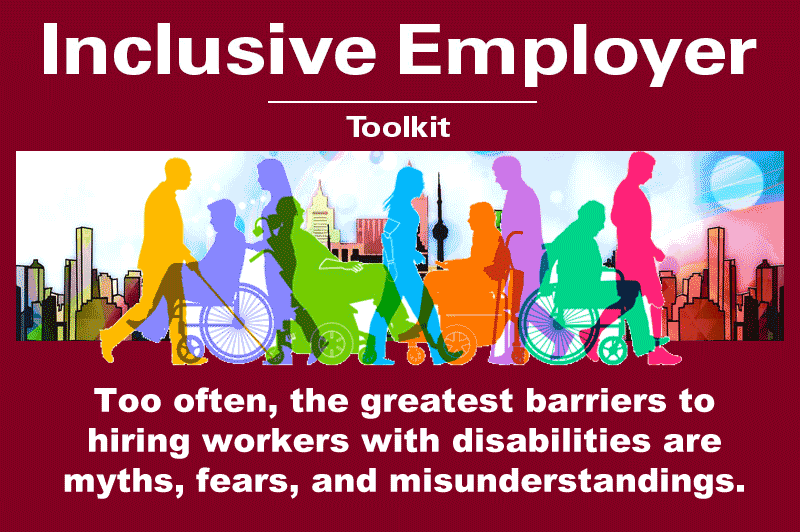
    This week, Ohio Lt. Governor Jon Husted announced the Inclusive Employer Toolkit, designed by Opportunities for Ohioans with Disabilities (OOD) to help employers recruit, hire, and retain employees with disabilities and foster an inclusive workplace.

    Recruitment and retention are challenges for many businesses. Individuals with disabilities represent a talent pool that is often hidden and underutilized. The Inclusive Employer Toolkit, which can be used in its entirety or by section, is a guide to creating an inclusive workplace and accessing this hidden pool of talent.

    Watch this video of Lt. Governor Husted announcing the Toolkit.

    “Ohioans with disabilities make excellent employees because of their loyalty and drive to be successful,” said Ohio Lt. Governor Jon Husted. “Creating an inclusive work environment and leveraging this untapped talent pool gives companies a competitive edge, and the new OOD Employer Toolkit can help give businesses the tools they need to get started.”

    “We’re inviting Ohio employers to use the Toolkit and engage with our Business Relations team to understand better how to meet your business goals by hiring candidates with disabilities,” said Kevin Miller, OOD Director.

    The Toolkit includes four main topics:

    1. Building the Business Case – benefitting from hiring people with disabilities
    2. Inclusive Workplace – making the workplace inclusive of everyone
    3. Recruiting, Hiring, and Supporting Employees – getting access to a greater pool of talent
    4. Workplace Accommodations – making small changes can make a big difference

    The Inclusive Employer Toolkit was created by the OOD Business Relations team, which works throughout the state to raise awareness of OOD and its mission with Employer Partners to promote and support the hiring of individuals with disabilities. The Toolkit curates the best practices, tips, resources, and webinars that have benefitted OOD Employer Partners. Use of the Toolkit is free and open to all.

    Demonstration video 

  • Volunteer Day for Marine Cpl Joshua Sust

    Volunteer Day for Marine Cpl Joshua Sust

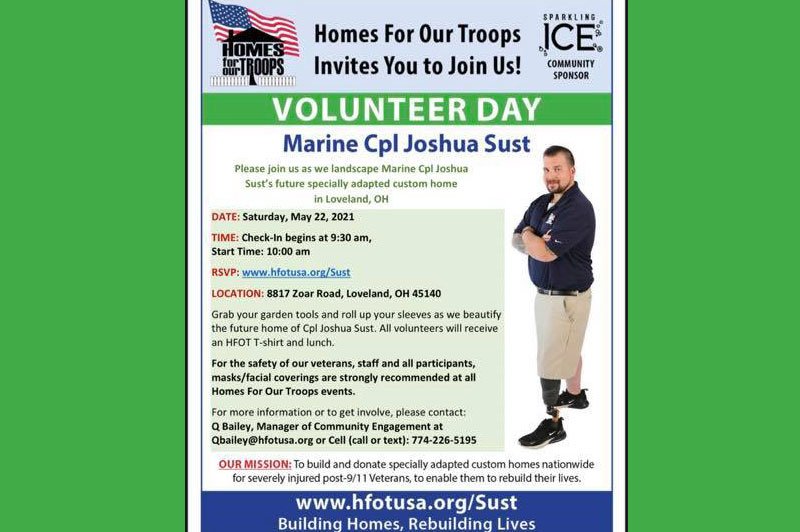
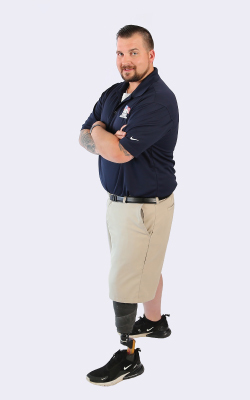
    Grab your garden tools and roll up your sleeves! Join us as we landscape the property around Marine Cpl Joshua Sust’s future specially adapted, custom home in Maineville.

    Volunteers will receive a t-shirt and lunch. Check-in: 9:30 AM.

    Start Time: 10:00 a.m. Please register to receive home address: www.hfotusa.org/sust

    For more information, contact Q Bailey, Manager of Community Engagement: qbailey@hfotusa.org 774-226-5173 (call or text)

    Saturday, May 22 at 10 AM

    CLICK TO VOLUNTEER


    Learn how wounded Vet Joshua Sust will receive “Freedom” with a new home in Mainville


    To build and donate specially adapted custom homes nationwide for severely injured post-9/11 Veterans, to enable them to rebuild their lives. The Website of Homes for Our Troops.

  • Former Loveland Police officer faces new charge – Felonious Assault

    Former Loveland Police officer faces new charge – Felonious Assault

    Loveland, Ohio – Today, Hamilton County Prosecutor Joseph T. Deters announced a new indictment of former Loveland Police officer Anthony Pecord for one count of Felonious Assault. If convicted of this charge, he faces a maximum sentence of 8 additional years in prison. (Former Loveland Police Officer Anthony Pecord pleads down to three counts of Gross Sexual Imposition)

    Deters asks anyone who has had sexual contact with Pecord since 2016, and believes they may have been exposed, to contact Detective Jack Losekamp with the Hamilton County Sheriff’s Department at 513-595-7484.

    In March, Pecord pled guilty to three counts of Gross Sexual Imposition (F4) and was sentenced to 4 years in prison related to an incident that took place on January 24, 2021.

    Post-conviction, it was determined that Pecord was HIV-positive, and was aware of his HIV status prior to his unlawful sexual conduct with the victim according to a statement released by the Prosecutor’s office. “The victim was not aware of Pecord’s HIV status, and did not consent to the sexual conduct with the defendant.”

    Deters commented, “The trauma of a sexual assault is something that changes you forever. To add to that the fear of contracting HIV is horrifying for the victim.”

    Pecord was originally indicted by a Hamilton County Grand Jury on March 15 on 16 counts; 8 counts of Rape, and 8 counts of Sexual Battery. In the original complaint filed by Hamilton County detective Jack Losekamp, Pecord was charged with raping the victim while the victim was unconscious and unable to consent due to intoxication. Losekamp said that the victim was surreptitiously given an intoxicant, a first-degree felony. The complaint alleged there was forensic evidence on Pecord’s cell phone that he committed the crime.

  • If sports gambling is legalized, where should Ohioans be able to bet?

    If sports gambling is legalized, where should Ohioans be able to bet?

    The Race & Sports SuperBook at the Westgate Las Vegas Resort & Casino. Photo by Ethan Miller/Getty Images.

    By Tyler Buchanan and Ohio Capital Journal

    Momentum appears to be growing for legalized sports betting in Ohio.

    The key question of where Ohioans will be able to place bets is being debated, and the decision could have major implications for businesses and schools.

    One by one, states across the country are embracing this fast-growing industry as a way of capturing tax revenue for public services. If legalized here, Ohioans might be able to place bets inside bars, restaurants and bowling alleys. There could be sports books inserted within the state’s casinos and racinos.

    Besides retail betting, gaming advocates envision legal bets placed in Ohio with the touch of a phone.

    Ohio lawmakers are expected to soon introduce a proposal to legalize and regulate sports betting in the state. A group of legislators have spent the early months of 2021 hearing ideas from industry leaders about how such a system could work here.

    Casino interests want to see sports betting made exclusive to their locations (and online platforms), arguing the existing gambling businesses are uniquely capable of handling the surge of wagers that would follow legalization. Casino revenue goes primarily to the 88 county governments along with the cities where the casinos are located, with one-third of the revenue going to Ohio school districts.

    Others want to see sports betting widely offered in small businesses throughout Ohio that already sell lottery and Keno tickets. Ohio Lottery profits go entirely toward funding public education (“Take a chance on education” is part of the lottery’s slogan).

    It is unclear which direction lawmakers will go on sports betting; whether it would be placed under the purview of the Ohio Casino Control Commission, the Ohio Lottery Commission or some mixture of the two.

    Groups such as the Ohio Fair Gaming Coalition, the Ohio Coalition for Equity and Adequacy of School Funding and a trade association for Ohio bowling alleys are making the case for a “win-win situation” where sports betting is allowed in casinos as well as in smaller lottery retailers. 

    Doing so, those representing those groups say, would provide a new way for these small businesses to attract customers and bring in revenue. 

    “Ohio must allow small businesses in all communities to share in the prosperity of this new industry,” said David Corey, executive vice president for the Bowling Centers Association of Ohio.

    Corey suggested these businesses’ lottery kiosks could be modified to allow for sports betting.

    “The infrastructure is already in place,” he said.

    Penn National Gaming, the owner of four Ohio casinos and racinos, is among the interests lobbying state lawmakers to limit sportsbetting to existing casino operators. Already operating sports books in other states, the company argues that casinos are experienced in the industry and are trained to detect any illegal activity such as money laundering.

    Corey believes Ohio lottery retailers could adequately handle the influx in money gambled, noting they already have limits on how much can be wagered and paid out at a given establishment. 

    Senate President Matt Huffman and House Speaker Bob Cupp are both Lima Republicans.

    Lima Mayor David Berger told reporters Monday he supports expanding sports betting to small businesses, arguing that Ohioans shouldn’t have to travel long distances to a casino in order to place a legal bet.

    House Speaker Bob Cupp and Senate President Matt Huffman are both from Lima. Berger said he hadn’t discussed the issue with the Republican legislative leaders directly, but said the two have long championed Ohio small businesses and may be open to these proposals.

    With a sports betting legalization bill approaching, advocates like Greg Beswick of the Ohio Fair Gaming Coalition want to see lawmakers take a wide scale approach to the issue rather than picking “winners and losers.” 

    “We’re very interested in making sure (sports betting) can happen from everywhere,” Beswick said.

  • Law takes effect legalizing concealed knife carry; also allows for brass knuckles

    Law takes effect legalizing concealed knife carry; also allows for brass knuckles

    By Jake Zuckerman and Ohio Capital Journal

    Ohioans can now secretly carry knives under a new law that took effect Monday.

    Prior law prohibited anyone in the state from carrying a concealed “deadly weapon” other than a handgun. House Bill 140 codifies into the law that knives, razors, or cutting instruments not used as a weapon do not count as a “deadly weapon.”

    Similarly, the new law allows for the manufacturing, sale and possession of brass knuckles, cestuses, billy clubs, blackjacks, sandbags, switchblade knives, springblade knives, gravity knives, and similar weapons.

    The bill passed on a nearly unanimous vote in the Senate (one Democrat opposed) and roughly on party lines in the House where five Democrats joined all Republicans voting in favor.

    “This is a great day for Ohioans who no longer have to worry that they might be arrested under a dangerously vague state law for carrying a common tool, their pocket-knife, concealed in their pocket,” said Doug Ritter, an advocate and founder of Knife Rights, an advocacy group.

    A powerful state law preempts cities or municipalities from imposing any gun restrictions on Ohioans beyond state and federal law. However, no such law exists for knives.

    Six House Republicans have introduced a knife pre-emption law. To date, the bill has not yet received a committee hearing.

    Last week, a “stand your ground” law took effect in Ohio, which removes the legal requirement that a person reasonably try to retreat from a perceived attack before responding with deadly force. Such legislation has been associated with modest increases in violent crime and disparate treatment in the criminal justice system on racial lines, public health research shows.

  • [PSA] The Future Depends On Teachers

    [PSA] The Future Depends On Teachers

    “The responsibility for educating a young person is not the student’s responsibility alone, nor is it the job of the teacher alone, nor is it the obligation of the parents alone. It is a responsibility that belongs to all of us. Because we all reap the benefits when our citizens are well educated.” —Dr. Jill Biden

    Teachers are experiencing a hero moment right now. Despite the severe challenges that COVID-19 has thrust upon educators and our school system, we have an opportunity: Remote learning has shown how difficult it is to teach and has fostered a deeper appreciation for teachers among parents, students and the public. Teachers are heroes. They are essential workers. They are integral to our nation’s recovery. They are innovating to adapt to our new reality, and are crucial to developing the next generation, who will prepare for future health crises and achieve social justice in our world.

  • Automotive retail proposed for old JC Penney site

    Automotive retail proposed for old JC Penney site

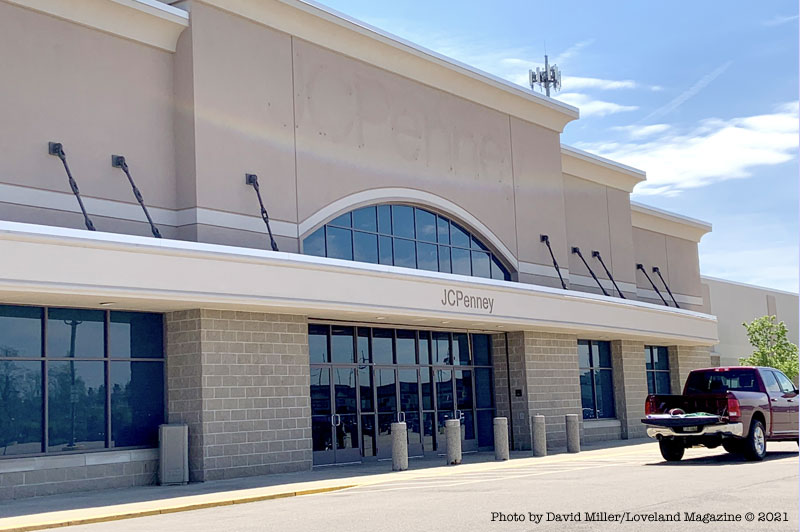
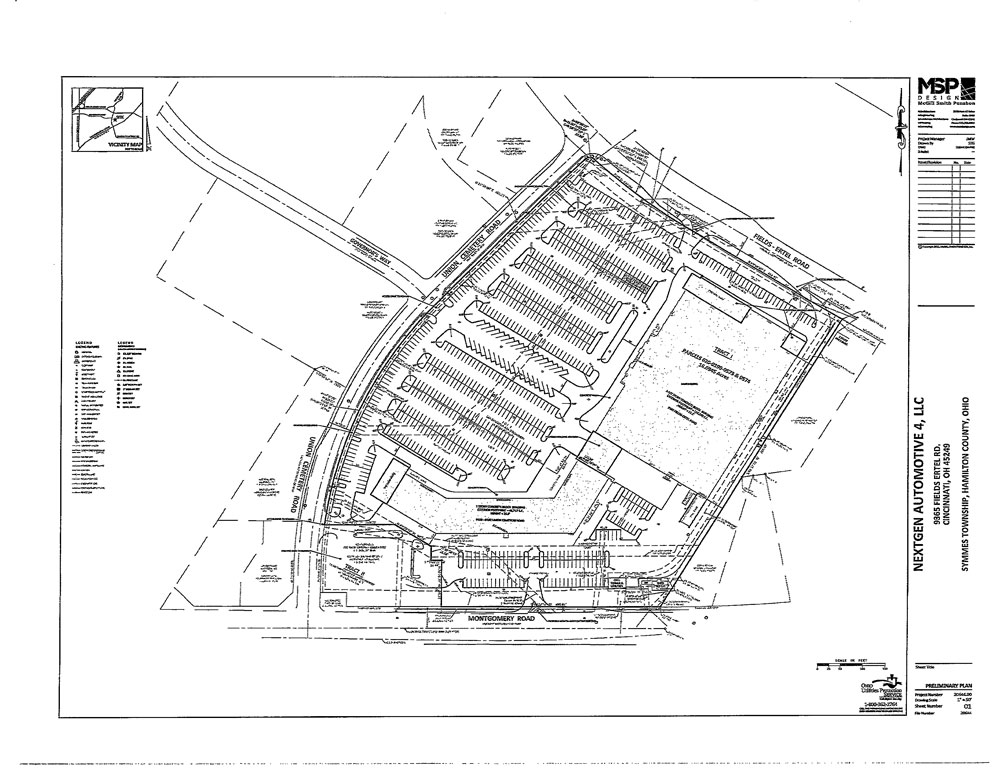
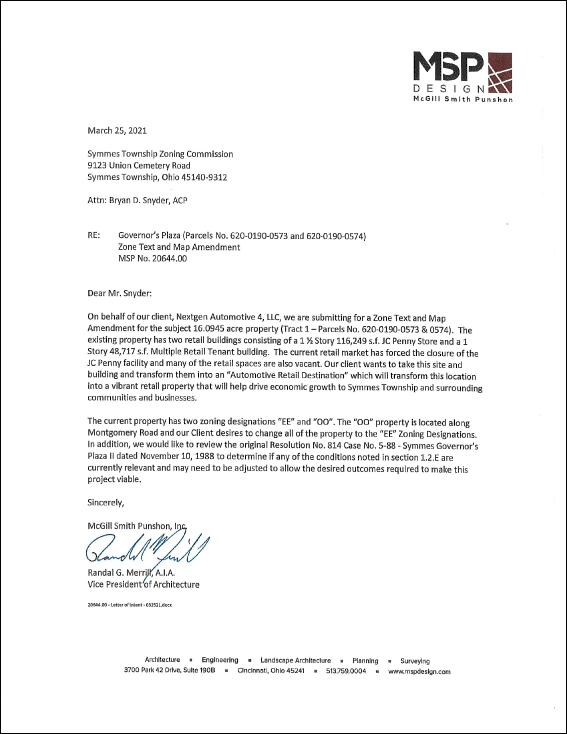
    Symmes Township, Ohio – The entire site of the closed JC Penny store on Union Cemetery Road, including the retail outlets is being proposed to transition into what Nextgen Automotive 4, LLC is calling an “Automotive Retail Destination”. In their application for re-zoning, they say that the “current retail market has forced the closure of the JC Penny facility and many of the retail spaces are also vacant” and the site will be transformed into a “vibrant retail property that will help drive economic growth to Symmes Township and surrounding communities and businesses.”

    Below you can view photos of the outlet stores and read the Symmes Township notice of a public hearing on a proposed zone change.


    Zoning Public/Staff Review Scheduled for old JC Penney Site

    Notice is hereby given that a public/staff review meeting has been scheduled for Monday, April 19th at 7:00pm to review a proposal received for a zone change from “EE” Planned Residence with Retail and “OO” Planned Office to “EE” Planned Residence with Retail on both parcels. The subject property is located at 9365 Fields Ertel Road which is the old JC Penney site (Parcel #620-0190-0573/0574).

    This staff review will be held via Zoom. The registration link will be posted on our website shortly


    Right Click to open in a new tab to see a larger view.

  • White House Outlines Ohio’s Infrastructure Needs

    White House Outlines Ohio’s Infrastructure Needs

    Presidents Barack Obama and Donald Trump failed on promises to secure funding to repair the 50-year-old Brent Spence Bridge spanning the Ohio River at Cincinnati. (Atony-22/Wikimedia Commons)

    By Mary Schuermann Kuhlman, Public News Service – OH – Producer, Contact

    Nick Bates, outreach director for One Ohio Now

    The White House is detailing its goals for improving Ohio’s infrastructure through the American Jobs Plan.

    According to a fact sheet released Monday, Ohio has more than 1,300 bridges and nearly 5,000 miles of highway in poor condition that would benefit from the proposal’s $115 billion national investment road and bridge repair. A 2021 infrastructure report card gave Ohio a grade of “C-minus.”

    Nick Bates, outreach director for One Ohio Now, said the president’s proposal to include $85 billion for public transportation is a welcome investment.

    “So many people, in not just urban areas but rural areas as well, rely on public transit to go to and from work, to get to the grocery store and to be connected to their community,” Bates explained. “So those investments to make sure that people around the state can stay connected will be essential.”

    According to the White House, Ohio will benefit from $13 billion for drinking water infrastructure over the next two decades and a national investment of $200 billion to increase the availability of affordable housing.

    Critics question the use of corporate tax increases to pay for the $2.7 trillion plan, which they argue is too broad.

    Bates is also excited to see the plan will invest $100 billion to expand broadband, which is out of reach for 14% of Ohioans. 

    “Infrastructure is more than just bridges and roads,” Bates contended. “It has to include things like broadband access. I have two kids, and watching them and their classmates struggle to learn digitally with the pandemic, having spotty internet connections and no internet connections, made that task even more difficult.”

    Ohio passed an increase in the state fuel tax in 2019 for road and bridge repairs, which Bates argued was just the first of many steps needed to address the state’s crumbling infrastructure.

    He pointed out infrastructure often requires the federal government to step in.

    “Public projects of the 1930s and ’40s built up a lot of the infrastructure, expanding electricity into parts of the country that never had it before,” Bates recounted. “We can look at the original development of our interstate highway system.”

    The plan also invests in clean-energy jobs, manufacturing, home energy, child care and caregiving jobs.

    Reporting by Ohio News Connection in association with Media in the Public Interest and funded in part by the George Gund Foundation.Citation: American Jobs PlanCitation: Ohio fact sheetCitation: Infrastructure report cardCitation: Ohio broadband reportCitation: State fuel tax increase 2019