Author: Loveland Magazine

  • Vaccine floods into Ohio but drop in new covid cases stalls

    Vaccine floods into Ohio but drop in new covid cases stalls

    By Marty Schladen and Ohio Capital Journal

    March 26, 2021

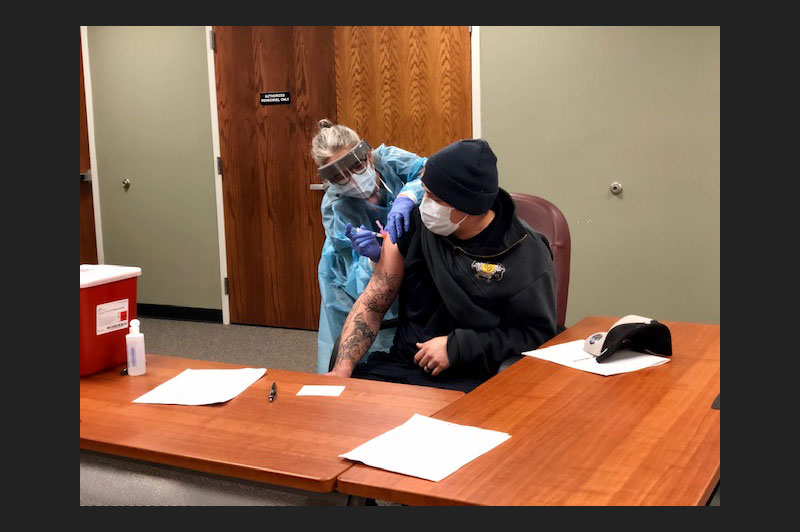
    Ohio got even more good news on the coronavirus vaccine Thursday. But even as doses are flooding into the state, what had been a steady drop in infections has turned into a plateau.

    Gov. Mike DeWine announced that next week — when all Ohio adults will be eligible to be vaccinated — the state will receive 571,000 doses, which he said was “by far and away the highest amount of doses we’ve received.” In fact, it more than quintuples the 100,000 doses a week that the state was receiving in early February.

    The surge has allowed the state to throw open vaccine eligibility to every Ohioan 16 and over starting Monday and it allowed DeWine on Thursday to announce 11 new mass vaccination sites:

    • Knights of Columbus, Lima, 2,500 doses a week
    • Lucas County Recreation Center, 5,000 doses a week
    • Dayton-Montgomery County Convention Center, 5,000 doses a week
    • Celeste Center, Columbus, 5,000 doses a week
    • Summit County Fairgrounds, 5,000 doses a week
    • Southern Park Mall, Mahoning County, 2,500 doses a week
    • Cintas Center, Cincinnati, 5,000 doses a week
    • Wilmington Airpark, 5,000 doses a week
    • Adena Medical Education Center, Ross County, 2,500 doses a week
    • Wayne Street Medical Campus, Marietta, 1,500 doses a week
    • Colony Square Mall, Muskingum County, 1,500 doses a week

    The state also is starting up two mobile vaccination clinics that will visit rural counties in April.

    In all, about a quarter of Ohio adults have now received at least a first dose of the vaccine. Yet progress toward DeWine’s benchmark to remove all remaining health orders has stalled and even gone backward a little since last week.

    DeWine has said once the state drops to 50 new cases a week per 100,000 Ohioans, all the orders come off. But after a long decline, the rate of cases went up from 144 last week to 147 this week.

    While the increase is slight, making it more concerning is that some neighboring states — such as Michigan — are now seeing rapid growth in the number of cases per 100,000.

    Part of that might be because people are tired of pandemic precautions, the weather’s getting nicer and vaccines are more widely available, so some people are abandoning caution. Another reason is that the faster-spreading UK variant of the virus is becoming more predominant.

    “That’s (the variant) we’re seeing the most of,” said Bruce Vanderhoff, chief medical officer for the Ohio Department of Health. “We’ve been expecting a growing presence of these variants.”

    Vaccine reluctance is surely also playing a role. 

    Even though they’ve been eligible to get a shot since January, the portion of Ohioans 80 and over getting at least a first dose only crossed 70% this week.

    “We’re hopeful that these numbers will continue to creep up, move up,” DeWine said of percentages for all age groups.

    Also, some institutions in Ohio haven’t responded to months of repeated offers of vaccines from the state. A frustrated DeWine said he was going to publish the names of 56 nursing homes and 168 assisted-living facilities that have failed to communicate with state officials about the vaccine.

    “I don’t know what else to do,” DeWine said. “I’m worried about the people in these nursing homes” and assisted care facilities.

    So despite the temptation to party like it’s March 2019, state officials are pleading for Ohioans to understand that the pandemic’s still here and still dangerous.

    “We’re in the final stages of this marathon,” Vanderhoff said. “So let’s keep masking and distancing even if you’ve had the chance to roll up your sleeve and get vaccinated.”

  • JERSEY MIKE’S ‘ANNUAL DAY OF GIVING’ will support Loveland’s CancerFee Kids

    JERSEY MIKE’S ‘ANNUAL DAY OF GIVING’ will support Loveland’s CancerFee Kids

    Every Dollar Spent Will Help Find a Cure for Childhood Cancer

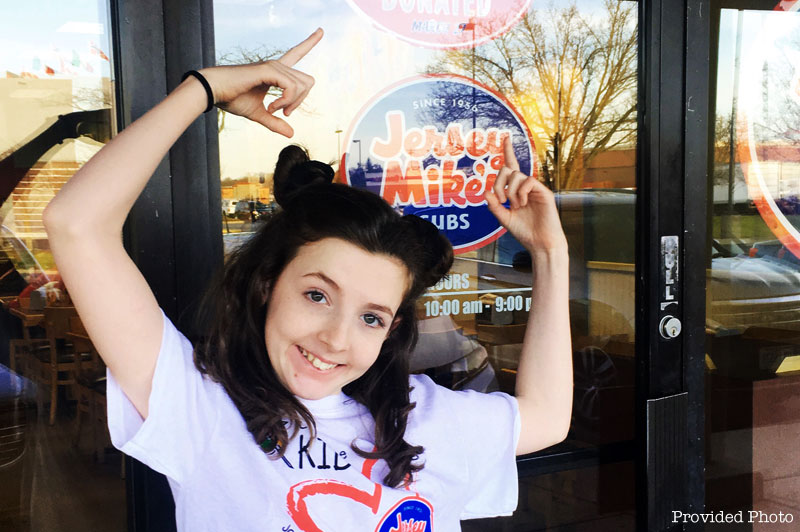
    Loveland, Ohio – On Wednesday, March 31, Jersey Mike’s Subs is closing out its ‘Month of Giving’ fundraising campaign with its 11th annual ‘Day of Giving’ to support the Loveland-based non-profit, CancerFree KIDS.

    For one day only, 23 Tri-State Jersey Mike’s locations will donate 100 percent of their proceeds to help fund critical childhood cancer research.

    That means that every dollar spent on any fresh-sliced or fresh-grilled sub, side, drink, or dessert will go directly to CancerFree KIDS.

    “This effort really goes back to our belief that Jersey Mike’s can make a difference at the same time as we make a sub sandwich,” says Larry Rover, Cincinnati Area Director, Jersey Mike’s Subs. “We are passionate about giving back to the community and pleased to help further CancerFree KIDS’ important work.”

    The ‘Month of Giving’ is a campaign that Jersey Mike’s executes in each of its markets and supports 200 nonprofit organizations across the country. This is the sixth year that Cincinnati-area Jersey Mike’s locations have supported CancerFree KIDS, raising more than $515,000 to support research that would otherwise go unfunded.

    CancerFree KIDS is a non-profit that serves as a catalyst for promising research. 

    The organization issues seed grants funding innovative studies to find gentler treatments and cures for children with cancer. Prior ‘Day of Giving’ fundraisers have helped support five Jersey Mike’s Research Grants to fund research at Cincinnati Children’s Hospital Medical Center.

    “With this campaign, when you buy a sub, you’re helping us get one step closer to a cure,” says Jill Brinck, executive director, CancerFree KIDS. “Jersey Mike’s is a tremendous partner and they’re already investing in important medical studies happening right here in Cincinnati. We couldn’t be more grateful.”

    For more information on Jersey Mike’s Month of Giving, visit www.jerseymikes.com/mog. 

    You may also visit www.cancerfreekids.org to learn more about CancerFree KIDS and the research it supports.

    Jersey Mike’s can be found at…

    5976 Meijer Drive
    Suite B1
    Milford, OH 45150-2191
     (513) 993-3939

    12133 Royal Point Dr.
    Cincinnati, OH 45249-3307
     (513) 583-1238
     (513) 583-1408

    9525 Kenwood Rd.
    Downtown Blue Ash
    Cincinnati, OH 45242-6176
     (513) 793-5225

    4776 Cornell Road
    Cornell Plaza
    Blue Ash, OH 45241-2414
     (513) 510-4282
     (513) 510-4316

    5986 Ohio 48
    Maineville, OH 45039-8845
     (513) 480-4384

    7346 Kenwood Rd.
    Kenwood Plaza
    Cincinnati, OH 45236-4408
     (513) 984-5555

    6651 Western Row Road
    Mason, OH 45040-1305
     (513) 336-7600

  • Cincinnati Remembers: Yom HaShoah Day of Holocaust Remembrance

    Cincinnati Remembers: Yom HaShoah Day of Holocaust Remembrance

    Sunday, April 11 | 2:30 PM

    Tune into our local PBS station, CET for this year’s Yom HaShoah commemoration to remember the six million victims of the Holocaust and honor the survivors.

    In addition, join us for a week of Holocaust remembrance April 7 – 14, 2021.

    We invite you to additional digital programming throughout the week featuring Holocaust survivor testimony and informative speakers who will encourage us to carry forward the stories and lessons of the Holocaust.

    Presented by the Nancy & David Wolf Holocaust & Humanity Center in partnership with Jewish Family Service and the Mayerson JCC.

    For a full listing of programs, please click here.

  • Appointments for the COVID-19 vaccine now available age 16 and above

    Appointments for the COVID-19 vaccine now available age 16 and above

    Loveland, Ohio – Starting today vaccine eligibility opens for all Ohioans age 16 and above. However, only the Pfizer vaccine is authorized for use for anyone under the age of 18.

    Appointments available today:
    Hamilton County Public Health has a limited number of appointments available TODAY (March 29th) for a first dose of the COVID-19 vaccine (Pfizer). Visit the links below and register with ArmorVax (if you have an ArmorVax account you do not need to make another one).

    You MUST make an appointment. No walk-ins will be accepted. PDF step by step instructions for creating an account on the ArmorVax website

    Board of Elections (Norwood) (APPOINTMENTS REQUIRED)Schedule an appointment before 11:10am: https://armorvax-app.azurewebsites.net/Home/Invitation?code=4YG-TS8 Schedule an appointment between 11:20 – 2:30pm: https://armorvax-app.azurewebsites.net/Home/Invitation?code=OC2-43D

    Additional appointments available this week:
    There are appointments available for the Johnson & Johnson (Jansen) vaccine at Kroger’s Wilmington Air Park Regional Mass Clinic on April 1st. This regional clinic is hosted and scheduled through Kroger. If you have questions about this clinic please contact Kroger.   Visit https://www.kroger.com/rx/covid-eligibility and use Zip Code 45177 to find the Wilmington Air Park Mass Clinic.

  • [IT’S Back] 2021 AMAZING CHARITY RACE will be August 28

    [IT’S Back] 2021 AMAZING CHARITY RACE will be August 28

    Milford, Ohio – It’s been a hard year of staying inside and missing amazing community events due to the pandemic. We know you all missed us last year, but it’s time to get out and have some fun again. That’s why we are excited to announce that the Amazing Charity Race is returning in 2021.

    After making the hard decision to postpone the annual Amazing Charity Race in 2020, this year’s race will be taking place on August 28, 2021. The 15th annual race will take place in City of Milford, Ohio. This will be one of the first races in the tri-state area to have a live crowd since the Covid-19 pandemic started.

    With Covid-19 cases going down in the tri-state area, we still value the safety of our race participants and will have a set of guidelines to keep people safe. Compared to the past few races, this year’s race will see a somewhat shorter course, but still have the same good-natured fun from past races. 

    The Amazing Charity Race started in 2006 as Loveland’s Amazing Race and has grown into one of the biggest races in the whole Cincinnati tri-state area. Amazing Charity Race is a more fun, less stress race that challenges your agility, balance, strength, problem solving skills, and most importantly your SENSE OF HUMOR. 100% of race entry fees goes straight to local charities after any race costs. 

    We hope you’re ready for a day of fun-filled adventure. Create your teams and sign up here:

    SIGN UP

    Loveland Magazine is a very delighted Sponsor of the Amazing Charity Race

    Registration for the 2021 Amazing Charity Race is open! REGISTER NOW

    Sign up to become a volunteer at this year’s Amazing Charity Race. VOLUNTEER

    Would your organization like to become one of our charities? OUR CHARITIES

  • How to start a pollinator garden

    How to start a pollinator garden

    by Caroline Wiita Content Marketing Coordinator with Great Parks of Hamilton County

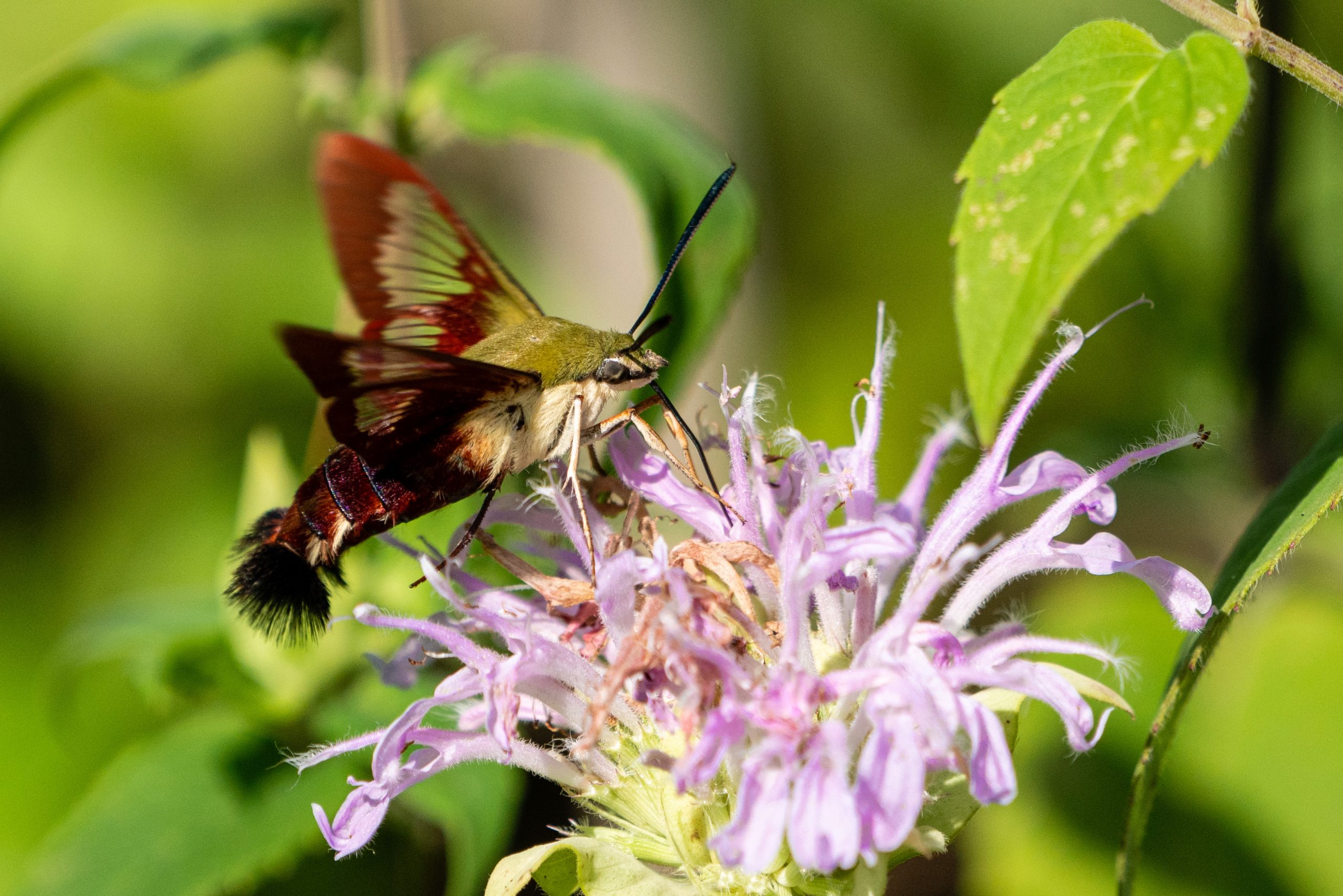
    You could attract pollinators like hummingbird moths to your garden.

    Pollinators play a big role, but often come in small sizes like butterflies, bees and moths, among others. These creatures are essential to the food we eat. But sometimes pollinators need help finding the food they eat. You can help by creating a pollinator garden at home – it’s simpler than you think!

    Planning Out Your Garden

    Before you begin, find a spot on your property that gets ample sunlight. While many flowering plants can grow in the shade and sun, pollinators prefer to bask in the sun. U.S. Fish and Wildlife Service Midwest Region recommends choosing wildflowers that grow best in full or partial sun with some protection from the wind. Be sure to remove grass and plant cover when you start planting.

    Identify your soil type. There may be a certain plant you want to have in your garden, but it won’t survive without the right kind of soil. The USDA Natural Resources Conservation Service lists soil type by county via its Web Soil Survey. Click to open the survey, then select Hamilton County, Ohio for details. The Cincinnati area tends to have very deep, well-drained soils that are moderately deep to a fragipan (altered subsurface soil layers that restrict water flow and root penetration), but areas can vary.

    A monarch butterfly enjoys the nectar of common milkweed.
    Common milkweed is a favorite food among butterflies, bees and moths. 

    Choosing Plants

    The first step is to choose local, native plants. Native plant species have evolved alongside their pollinators and thrive in our climate. Include a wide variety of native plants for your garden as well. The U.S. Forest Service recommends planting species that bloom from early spring through late fall so pollinators can visit your garden as a food source throughout the year.

    Diversity of plant species is key to a successful pollinator garden. Choose nectar- and pollen-rich flowers in a range of shapes, sizes and colors. A few native plant species that local pollinators love include:

    • Wild blue phlox
    • Ironweed
    • Goldenrod
    • Aster
    • Purple coneflower
    • Blazing star
    • Common milkweed
    • Wild bergamot

    Don’t forget about our nighttime pollinators! Moths and bats prefer plants that bloom at night with pale or white flowers that have a heavy fragrance and ample nectar.

    Wild blue phlox
    Wild blue phlox blooms in late spring. (Photo: Paul Seevers)

    Upkeep

    Just like with any plant, you will need to take care of your pollinator garden on a routine basis. To help your garden grow, weed and water regularly to keep it healthy. How often you water depends on the types of plants, so be careful not to overwater.

    Water smaller, pocket gardens with a watering can to keep an eye on both your plants’ progress and to see if any weeds are popping up. Weeding by hand is the best route so not to disturb any plants. Don’t use weed killers or pesticides on your garden. Not only are harsh chemicals bad for the plants, they can also be harmful to insects and other wildlife that will visit your garden.

    While some plants may be done blooming by fall, you can continue to help local wildlife. Leave seed heads and plant stalks in your garden. You’ll provide food and a habitat for birds and overwintering insects.

    It may take a few cycles for some plants like milkweed to start producing flowers, but know that our local pollinators will thank you!


    For places where you can purchase native plants, visit Ohio Native Plant Month’s website. You can find local retailers and garden clubs as well as places throughout Ohio.

  • Make your yard wild with spring wildflowers

    Make your yard wild with spring wildflowers

    by Kimberly Whitton, Public Engagement Coordinator with Great Parks of Hamilton County

    Ahh … spring is in the air, finally. This year’s season is probably one of the most anticipated after the mess of 2020 and the toll that winter takes upon us anyway. What better way to get excited about the coming of a new season than by adding vibrant plants to your landscape! Native wildflowers are not only a great way to make your yard a colorful oasis, they are also great for attracting native species and they help control soil erosion.

    Thanks to the extensive knowledge of our very own Shaker Trace Nursery Technician Tim, we have come up with a “top five” list of native perennials perfect for planting in early spring (blooming April through June) and that are the most accessible and the easiest to plant.

    Dwarf Larkspur
    Dwarf Larkspur (Photo courtesy Elizabeth Sellers/Creative Commons [CC BY-NC-SA 2.0])
    Dwarf Larkspur (Delphinium tricorne)

    The dwarf larkspur enjoys part shade and moist soil. It is in the buttercup family, producing clustered bright blue-violet flowers with lobed leaves. It looks close to that of an orchid with its horned-like shaped petals. 

    It is worth noting that this plant is poisonous when ingested, so be mindful where you plant it.

    Golden Alexander
    Golden Alexander (Photo by Helen Lowe Metzman/USGS Native Bee Inventory and Monitoring Program)
    Golden Alexanders (Zizia aurea)

    Golden Alexanders enjoy full sun in a moist environment. They are short lived compared to other perennials, and attract many butterflies, especially the black swallowtail, during their lifespan. You can’t miss the tiny, bright yellow flowers in umbrella-shaped clusters, resembling the structure of Queen Anne’s lace.

    Wild Blue Phlox
    Wild blue phlox (Photo: Paul Seevers)
    Wild Blue Phlox (Phlox divaricata)

    Phlox are beautiful fragrant flowers that are typically pink or lavender in color. They grow very well in part shade and moist soil, producing creeping root systems as they spread across the ground. The bright star-shaped blooms mostly attract butterflies, but the roots also are a treat for rabbits and voles, so keep that in mind.

    Lanceleaf Coreopsis
    Lanceleaf Coreopsis
    Lanceleaf Coreopsis (Coreopsis lanceolate)

    These daisy-like flowers enjoy part shade and drier soil, which makes them drought tolerant. They are known to self-sow and can become weedy, so some thinning will be needed. Its bright yellow color attracts butterflies and will last through the summer months if cared for properly.

    Ohio Spiderwort
    Ohio Spiderwort
    Ohio Spiderwort (Tradescantia ohiensis)

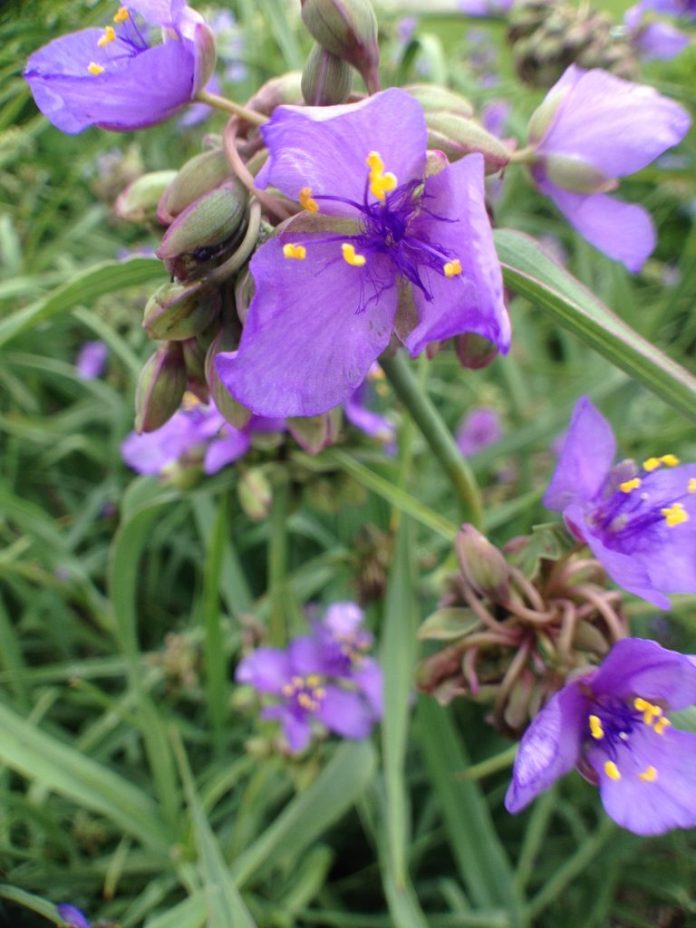
    This native plant has very hardy grass-like leaves and enjoys part shade in dry soil. Showy clusters of blue, three-petaled flowers attract bees when they open during the day, closing at night. When touched in the heat of the day, the flowers actually shrivel to a fluid jelly. It does grow in clumps, so propagation simply involves dividing it into several pieces.


    Along with their environmental benefits, native wildflowers generally need little care. As with any newly planted plant, extra watering is advisable for a few weeks and during droughts. Of course, there will be some caretaking by keeping beds free of weeds. As wildflowers go to seed toward winter, cut them back about six inches to ensure healthy growth come spring.

  • After a week of gun violence, House Republicans seek to expand concealed carry

    After a week of gun violence, House Republicans seek to expand concealed carry

    By Jake Zuckerman and Ohio Capital Journal

    Columbus, Ohio – After a spate of seven mass shootings around the U.S. in seven days, Ohio House Republicans introduced legislation that would allow Ohioans aged 21 and older to carry a concealed weapon without a license.

    House Bill 227, introduced Tuesday by Republican Reps. Thomas Brinkman and Kris Jordan and co-sponsored by 20 more, also contains other gun rights expansions including:

    • Removing the requirement that licensed gun owners “promptly” notify a police officer during a stop that they have a weapon in the car. They would only need to tell the officer about the weapon if asked.
    • Creating an expungement system for people previously convicted of concealed weapons offenses

    Under current law, Ohioans must seek licensure from their local sheriff to lawfully carry a concealed weapon. They must complete eight hours of firearms training and complete criminal background and mental competency checks.

    Only fifteen states allow residents to carry concealed weapons without permits, according to analysis from the Giffords Law Center to Prevent Gun Violence.

    Constitutional carry bills like HB 227 have been introduced in every recent legislative session. However, gun advocates see this two-year session as critical, given it’s the last assembly comprised of members representing gerrymandered districts drawn on partisan lines that favor Republicans.

    “This is the session in which we need to pass a constitutional carry bill,” said Rob Sexton, legislative affairs director of Buckeye Firearms Association, discussing the bill and redistricting in a podcast last month.

    “This is the time to get it done.”

    The bill’s introduction comes on the heels of seven mass shootings (four or more killed or wounded) in seven days in the U.S., according to a CNN report.

    Ohio House Speaker Bob Cupp, R-Lima, declined to comment on the legislation while speaking to reporters Tuesday, saying he’s “reserving judgement” until he reads the bill. However, he generally affirmed his support for the Second Amendment to the U.S. Constitution.

    The legislation is likely to face staunch opposition from gun violence prevention advocates. Research from the Journal of Empirical Legal Studies in 2019 found that “right to carry” laws are associated with a 13% to 15% higher aggregate violent crime rate 10 years after adoption.

    Should the bill advance through the legislature, Gov. Mike DeWine could be a wildcard.

    After nine died and 27 were injured in a mass shooting in Dayton, he pushed for a comparatively modest set of gun control measures like increasing gun crime penalties and expanding a current legal mechanism allowing a judge to temporarily seize weapons from people with substance abuse or mental health problems.

    Lawmakers shelved the proposal and instead passed “stand your ground” legislation last year, removing the legal requirement to retreat before using deadly force in self-defense. DeWine repeatedly raised concerns with the bill, but unexpectedly signed it in the “spirit of cooperation” with lawmakers, he said at the time.

    DeWine spokesman Dan Tierney said the governor has not yet taken a position on the legislation.

    In 2004, Gov. Bob Taft signed Ohio’s constitutional carry program into law. Ohio Republicans expanded places where license holders can carry and decreased training requirements to obtain the license on multiple occasions since then.

    In 2020, more than 169,000 Ohioans were licensed to carry a concealed weapon. More than 400 licenses were revoked for causes including felony convictions and mental incompetence, according to a report from the attorney general.

  • Loveland Magazine’s Theme Music: You Might Die Trying to Change the World

    Loveland Magazine’s Theme Music: You Might Die Trying to Change the World

    You Might Die Trying

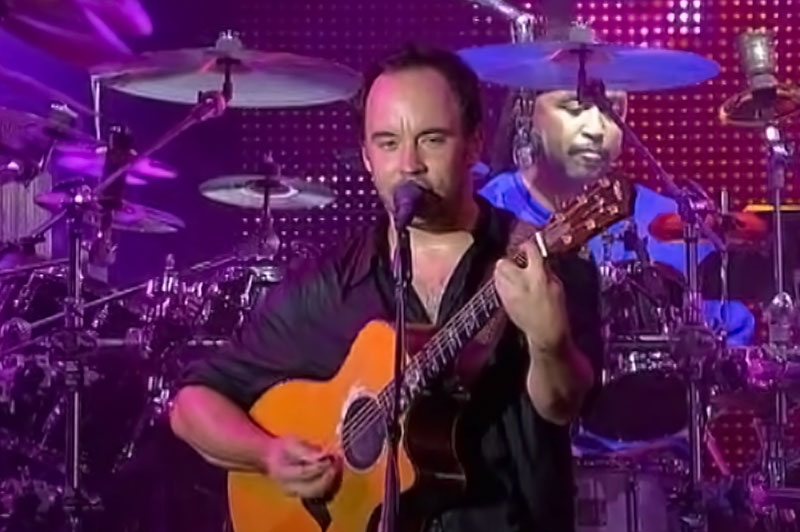
    Dave Matthews Band

    To change the world
    It starts with one step
    However small
    
    First step is hardest of all
    
    Once you get to your gate
    You will walk in tall
    You said you never did
    'Cause you might die trying
    
    If you give you begin to live
    You begin
    
    You get the world
    If you give,…
  • Milford and Lakota schools become centers of learning for COVID-19 best practices

    Milford and Lakota schools become centers of learning for COVID-19 best practices

    By Susan Tebben and Ohio Capital Journal

    Milford and West Chester, Ohio – Two Ohio school districts with some of the highest cumulative case rates for COVID-19 say as they remained in-person, their safety protocols only got better.

    Milford Exempted Village School District in Clermont County has remained in-person since the fall, and has had to close twice due to staff absences.

    “We simply had too many staff out sick or quarantined and couldn’t find the subs,” Wendy Planicka, director of communications and public relations for the district, told the OCJ. “We have shut down grade levels at a few of our elementary buildings as well, but not an entire elementary building.”

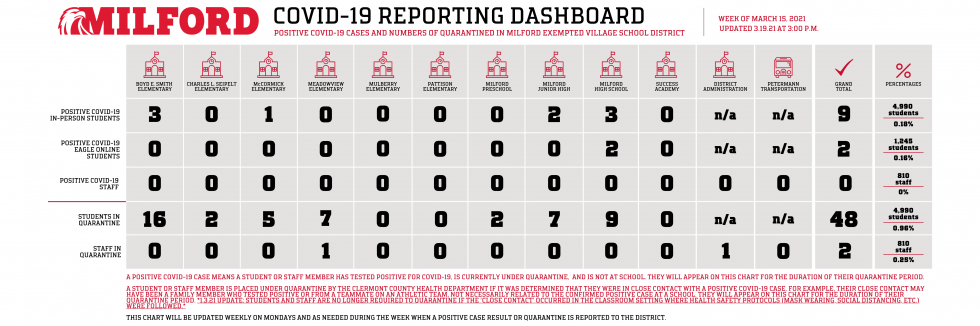
    The school district, like many in the state, provides weekly counts of COVID-19 cases on their website, along with cumulative district-wide data.

    Since Aug. 1, the district has reported 649 total cases in their district of 6,235 students and 810 staff members.

    Currently 4,990 students are enrolled in-person, with 1,245 students enrolled in the district’s virtual program, Eagle Online.

    Planicka said community spread has been the “number one cause of our cases,” followed by spread through athletics or non-school sponsored activities such as family parties.

    “There have been two or three cases where we believe spread happened in an athletic setting — for example when football was in season last fall, at one point almost the entire football team was quarantined due to possible spread,” Planicka said.

    The school implemented protocols that require an investigation into every positive case, including contact tracing in partnership with Clermont County Public Health and a minimum 10-day quarantine period for students and staff who test positive.

    In schools, a mask requirement is in place, and custodians are to disinfect desk areas every evening, along with using an electrostatic sprayer “at least every 30 days” according to Milford’s protocol list.

    Milford’s reopening plan was developed to make the return to school as safe as possible, but not to return the school to exactly as it was, according to the plan itself.

    “School will not look the same as it did prior to March 2020,” the plan stated. “These changes may be temporary or they may be permanent. Time will tell.”

    Milford’s latest COVID 19 Dashboard (https://www.milfordschools.org/services-and-programs/return-to-learning-20/covid-case-reporting-61/)

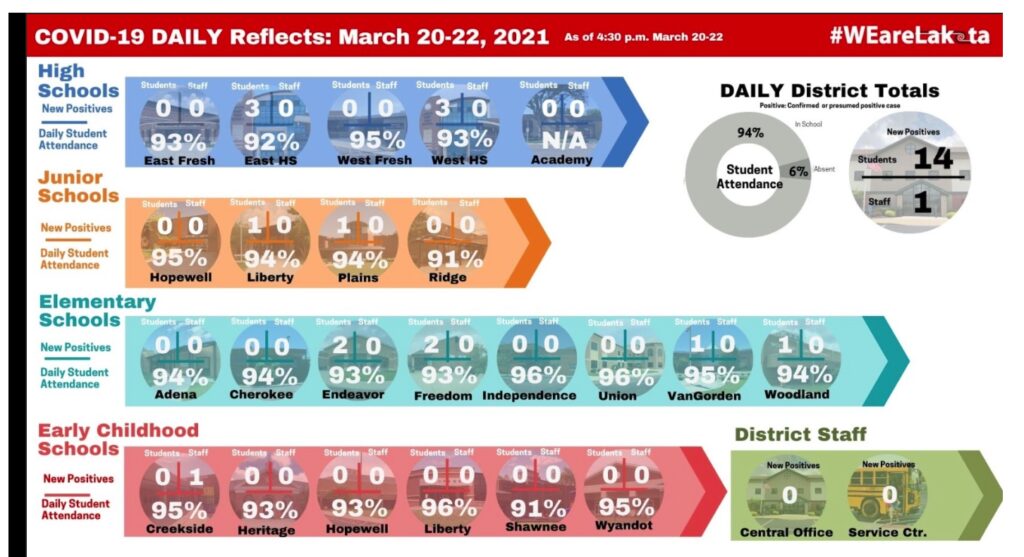
    Butler County’s Lakota Local Schools had the highest number of cases since the pandemic counts began, with more than 700 total student cases, according to state data. The school is also home to 14,000 students, having reopened to in-person learning on August 17.

    “Since then, our students have had the opportunity to attend school all day, every day,” said Betsy Fuller, community relations director for the district.

    There is a virtual learning option at Lakota, being utilized by 3,000 students, according to Fuller.

    In the five months that made up their first semester, the school reported 5,172 students in quarantine. The worst month for positive cases in students was December, with 221 of the 468 reported in that semester happening then.

    “We traced many of the positive cases to holiday gatherings and celebrations happening outside of school between Halloween and Thanksgiving,” Fuller said. “It is also important to note that very few cases, if any, could actually be linked back to classroom spread.”

    The district had guidelines in place as soon as it reopened, including requiring face coverings for all K-12 students, desk cleanings between classes, assigned seating at lunch, and block scheduling to avoid frequent class changes.

    In the three months of the second semester so far, the district has reported 345 positive cases, but a 93% student attendance rate.

    Lakota’s latest COVID 19 Dashboard (https://www.lakotaonline.com/cms/One.aspx?portalId=216799&pageId=24411613)

    In February, the state implemented a vaccination program specifically for teachers and school personnel, making returning to school or already conducting in-person instruction a pre-requisite to districts receipt of vaccination doses.