Author: Loveland Magazine

  • How ODH undershot the COVID-19 death toll by 34%

    How ODH undershot the COVID-19 death toll by 34%

    By Jake Zuckerman – and Ohio Capital Journal

    Human error, bureaucracy, and an abrupt crush of COVID-19 deaths this fall all factored into a critical accounting mistake obscuring Ohio’s full pandemic death toll, officials said Thursday.

    Ohio Department of Health Director Stephanie McCloud said the blunder traces back to a single employee who was tasked with resolving differences in death tolls between two databases the department uses to track mortality data.

    In correcting the error, Ohio’s pandemic death toll is set to leap from about 12,000 to 16,000 over the course of the next few days.

    ODH is not the only one to apparently miss the mistake. Ohio Auditor of State Keith Faber has been investigating the department’s COVID-19 data since July and promised to immediately notify the public of any “alarming” findings. ODH officials say they will continue to work with Faber.

    McCloud said a single employee was responsible for squaring real time death data from the Ohio Disease Reporting System — comprised of data from health providers, urgent care centers and public health departments that’s reflected on the state’s coronavirus website — with death certificate data, which can take up to six months after a person’s death.

    “Manual processes result in manual errors,” she said. “We are working very hard to review all of our processes, all of our quality assurance checks.”

    While the state website relied on ODRS data, a health department staffer cross-checked it against the death certificate data to add or remove cases accordingly.

    McCloud said the system worked until a death surge began in October. At that point, the unidentified employee began to fall behind.

    “The individual responsible didn’t understand how far behind he was or the gravity of that,” she said.

    While Ohio’s state government underestimated the death toll of the pandemic by about 34%, state officials rebuffed the idea they undershot the policy response on a commensurate scale.

    “This is a past issue that I don’t think affects today,” McCloud said.

    ODH Medical Director Bruce Vanderhoff agreed.

    “This is one data point among many data points we look at,” he said.

    The finding comes amid mistrust from conservative politicians, including state lawmakers all the way up to Former President Donald Trump, who have accused health officials of inflating COVID-19 infection and death counts for political gain. The criticism has festered since the spring, despite thin evidence to support the claims.

    Faber has been auditing ODH’s COVID-19 data processes since July, specifically seeking documentation that would indicate an overcount. In September, Faber denied requests for records or information on the scope of the audit.

    Faber spokeswoman Allie Dumski said in September any “alarming” findings would be publicized immediately. She did not respond to an interview request with Faber, but claimed the auditor could not have caught the death discrepancy.

    “The AOS Performance Team would not have been able to identify this miscount as HIPAA prevents auditors from accessing one of the databases that enabled this discovery,” she said.

    Staff within ODH’s Bureau of Infectious Diseases first voiced concerns about potential reporting error Feb. 2, according to McCloud. This began a process of sifting through ODH data systems and how the error occurred.

    “If there’s any solace to take in this, I was glad we were not overreporting the deaths. That through that manual verification, we had not inadvertently overreported and exaggerated the problem.”

    ODH announced the error Wednesday evening, as McCloud was addressing state lawmakers on the Ohio House Finance Committee at a budget hearing. McCloud did not bring up the issue to lawmakers, even as she discussed state data infrastructure and complications of real time data reporting, as opposed to ODH’s more standard annual or quarterly reporting.
  • CDC issues new detailed strategy for safely reopening K-12 schools

    CDC issues new detailed strategy for safely reopening K-12 schools

    By Ariana Figueroa and Ohio Capital Journal

    Washington, DC – The Centers for Disease Control and Prevention on Friday released updated guidance to provide educators a science-based plan for reopening K-12 schools.

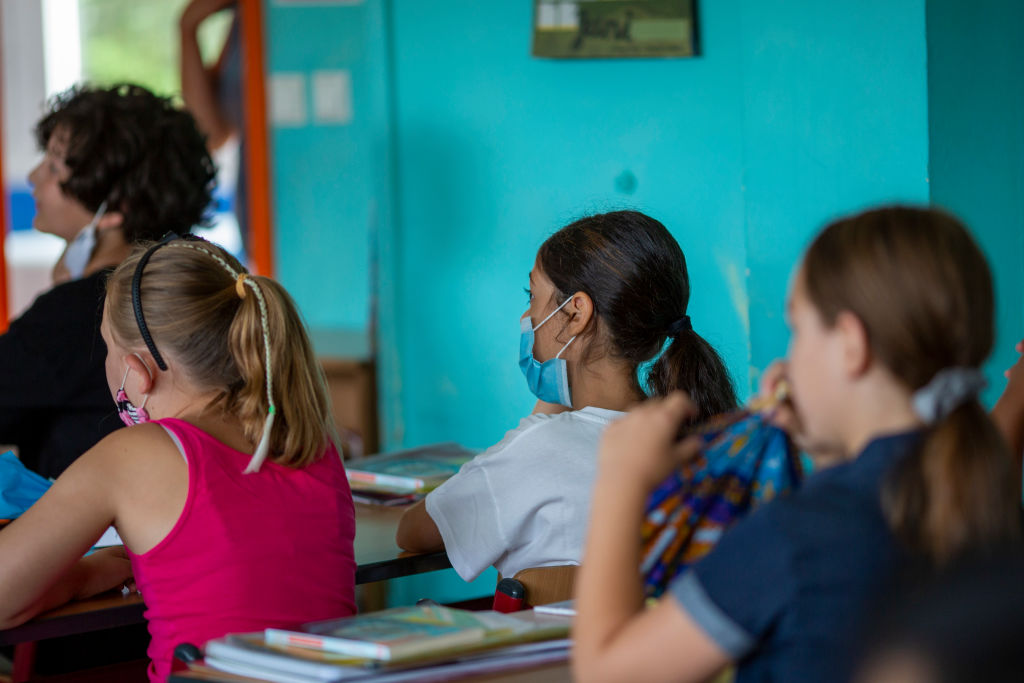
    The agency said it cannot force schools to reopen but can only stress that steps such as wearing masks and physical distancing of at least six feet are key to mitigating the spread of coronavirus.

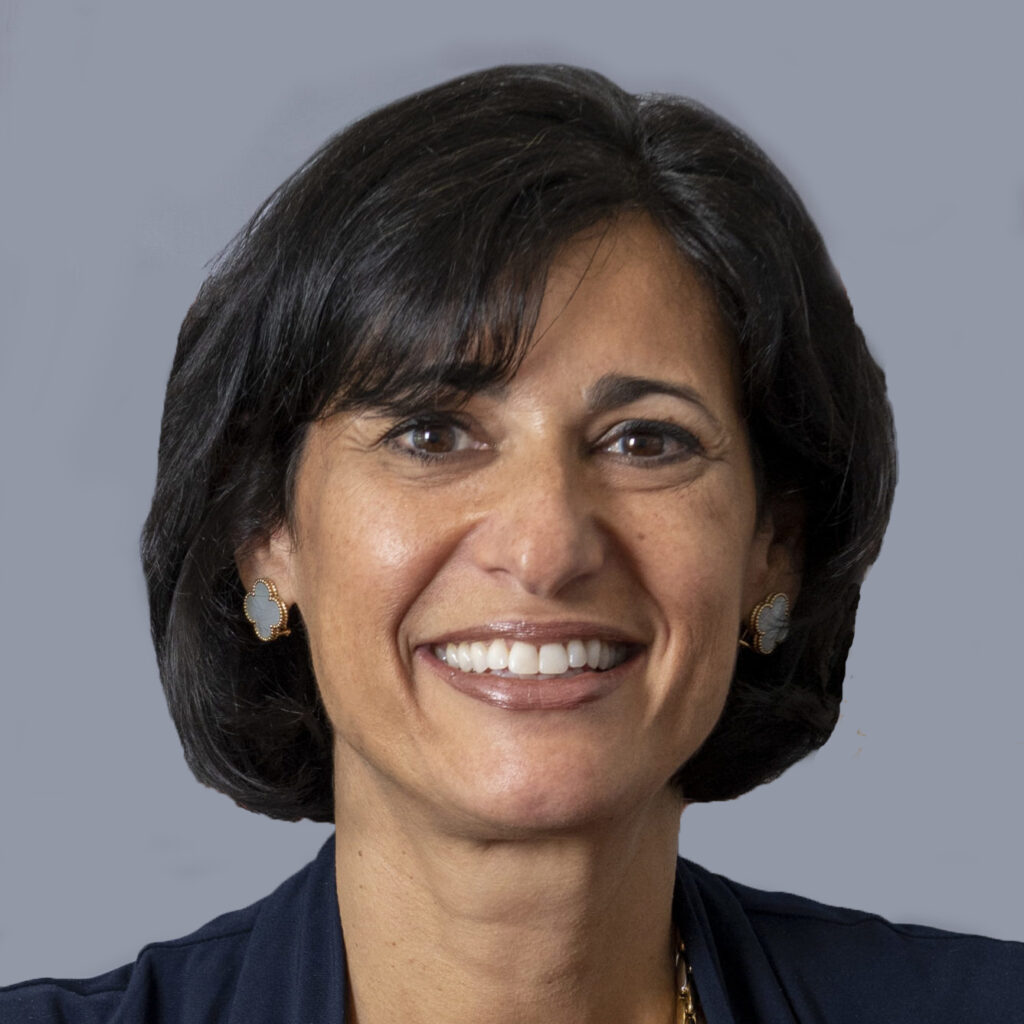
    CDC Director Dr. Rochelle Walensky

    “CDC is not mandating that schools reopen,” CDC Director Dr. Rochelle Walensky said during a briefing with reporters.

    Walensky added that educators should be considered front-line workers in any vaccine rollout. Teachers unions have made similar demands before returning to the classroom.

    “We strongly encourage states to prioritize teachers and other school staff to receive vaccinations,” she said.

    Walensky said that the agency found that in-school learning can take place when proper measures are taken such as mask wearing and social distancing. The agency also said that frequent hand washing, proper cleaning of classroom surfaces and ventilation, along with contact tracing and available rapid testing, are all steps that schools can take to limit outbreaks.
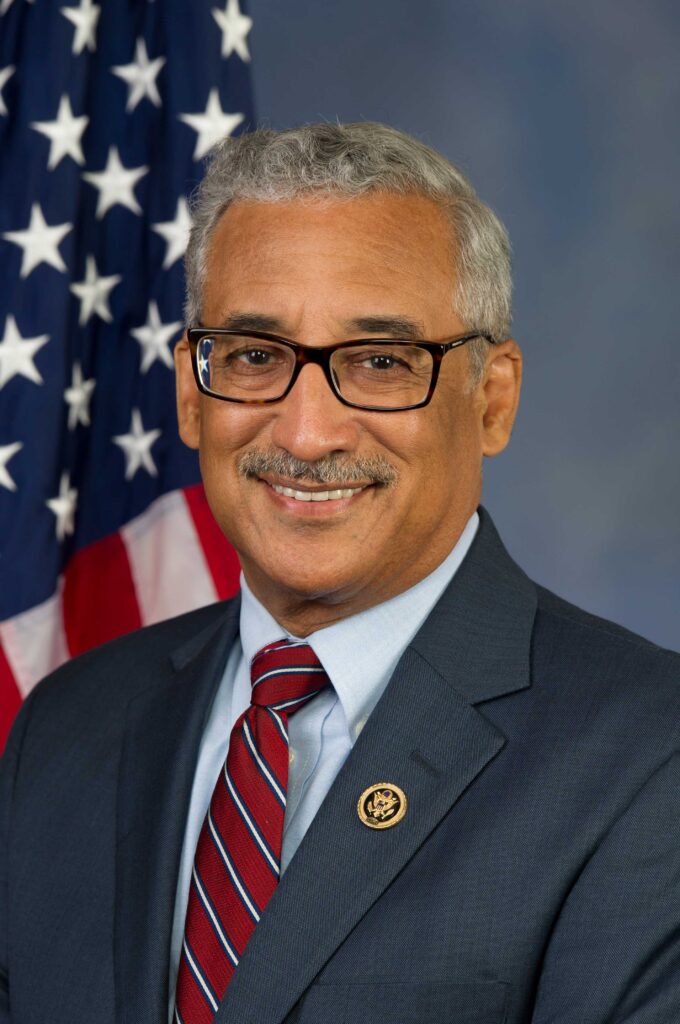
    House Education and Labor Chairman Bobby Scott (D-Va.)

    House Education and Labor Chairman Bobby Scott (D-Va.) said in a statement that in order for schools to implement the CDC guidance, they need funding from the Biden administration’s $1.9 trillion coronavirus relief package. Congress is working to pass the plan and Scott’s committee has included $130 billion for schools to safely reopen.

    “Maintaining physical distancing, updating and repairing ventilation systems, purchasing personal protective equipment, and other important safety measures all cost money that schools do not have,” Scott said. “This is particularly true for schools in low-income areas that lacked adequate funding well before the pandemic.”

    Similarly, the Department of Education released a handbook to coincide with the guidance released by the CDC.

    Walensky said that most COVID-19 clusters that occurred in school settings occurred because there was a breach in wearing a mask.

    The CDC stressed that the safest way for schools to reopen is for there to be a low level of coronavirus infection in the community. The guidance uses a color-coding system to recommend if schools should reopen or continue remote learning.
    Schools are recommended to open if they are in blue areas, which means there are low transmission rates of the virus,  and yellow areas, which means there is moderate transmission.
    If the community is in an orange zone, then the CDC recommends that schools implement a hybrid model or reduce attendance. And a red zone indicates that schools should consider virtual learning for middle and high school students.

    In red zones, elementary schools can continue with a hybrid learning model, the CDC said.

    The recommendations follow President Joe Biden’s efforts to get K-8 students back to in-person learning within his administration’s first 100 days.

    In a statement, Biden acknowledged his ambitious goal of reopening K-8 schools and said those schools will need funding to follow the guidance laid out by the CDC.

    “To meet these guidelines, some schools will need more teachers and support staff to ensure smaller class sizes, more buses and bus drivers to transport our kids safely, more spaces to conduct in-person instruction, and more protective equipment, school cleaning services, and physical alterations to reduce the risk of spread of the virus,” he said.

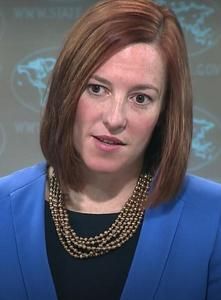
    White House Press Secretary Jen Psaki

    At a Friday briefing, White House Press Secretary Jen Psaki said that Biden’s nominee to lead the Education Department will work to reopen schools. Miguel Cardona, a longtime educator is waiting for a full Senate vote for his confirmation.

    “When Secretary Cardona is confirmed, you know, this will be his top priority and we will leave it to him and his team at the Department of Education, working in close partnership with the CDC and others, to determine how quickly and efficiently” schools can be reopened, Psaki said.

    American Federation of Teachers President Randi Weingarten said in a statement that she felt confident the CDC’s guidance will help schools safely reopen.

    “For the first time since the start of this pandemic, we have a rigorous road map, based on science, that our members can use to fight for a safe reopening,” she said.

  • Rent Assistance available

    Rent Assistance available

    The Ohio Development Services Agency is now distributing $100 million in federal funding to help low-income Ohioans who do not own their own home pay their rent, water, sewer, wastewater, electric, gas, oil, and/or trash removal bills.

    Ohioans can apply for assistance with outstanding balances dating back to March 13, 2020, assistance for future rent/utility payments once back bills have been made current, and assistance for future rent and utility assistance for three months at a time.

    Eligible Ohio households must:

    • Be at or below 80% of their county’s Area Median Income (varies by county and size of household);
    • Have experienced a financial hardship due to COVID-19; and
    • Demonstrate a risk of experiencing homelessness or housing instability.

    The funding, which was approved by the Ohio Controlling Board for distribution, will be divided among Ohio’s 47 Community Action Agencies. Ohioans can apply for assistance by contacting their local Community Action Agency. A list of agencies can be found at businesshelp.ohio.gov under Home Relief Grants.

  • Statewide Curfew Lifted

    Statewide Curfew Lifted

    Loveland, Ohio – Due to a sustained decrease in COVID-19 hospitalizations, the Ohio Department of Health has announced the statewide 11 PM – 5 AM curfew is no longer in effect. If hospitalizations begin to rise again, the curfew may be reinstated.

  • LECC 1st-grade student Lilly True selected a Chamber Valentine’s Day Poetry Contest winner

    LECC 1st-grade student Lilly True selected a Chamber Valentine’s Day Poetry Contest winner

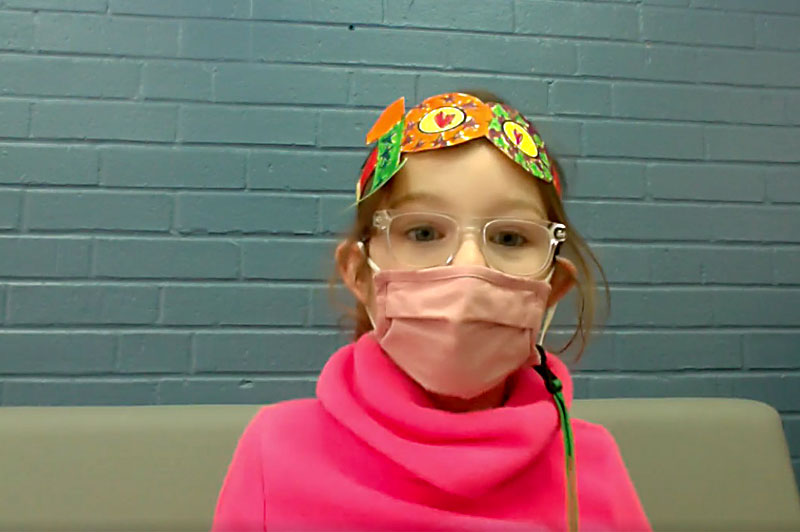
    Loveland, Ohio – LECC first-grade student Lilly True was selected as an age-group winner in the Valentine’s Day Poetry Contest. For 33 years, the Little Miami River Chamber Alliance has been hosting a contest asking for poetry that celebrates Valentine’s Day.

    Lilly True’s submission was selected as one of the winners. Lilly will share her poem with LECC during the video announcements next week. You can watch Lilly recite her poem below.

    https://www.facebook.com/100555210006158/videos/440058950526949

    All of the winners are:

    Pre-K/Kindergarten: Roman Lyke

    1st grade: Lillyan True

    2nd Grade: Amalie Lyke

    3rd Grade: Jane Jeranek

    4th Grade: Theodor Lyke

    5/6th Grade: Claire Motylinksi

    7/8th grade: Caroline Lorio

    HS: Ava Schwan

    Adult: Lexi & Nancy Duff

  • LHS’s Bea Aldrich, National Merit Finalist

    LHS’s Bea Aldrich, National Merit Finalist

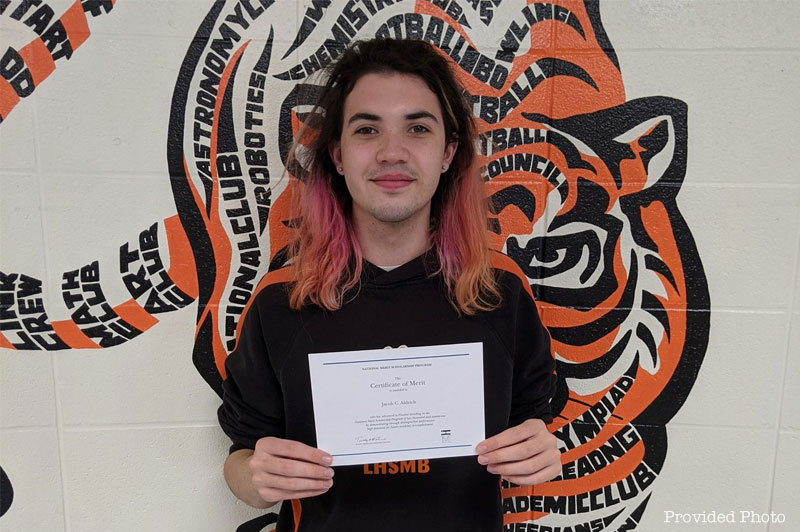
    Loveland, Ohio – Loveland High School senior Bea Aldrich has been named a National Merit Scholarship Finalist. Bea was recognized in October as a semi-finalist and now advances to the next stage. The National Merit Scholarship program exists to promote scholastic excellence, and her certificate notes Bea demonstrates “through distinguished performance high potential for future academic accomplishment.” The National Merit scholarships are to be awarded between April and July.

  • RP Diamond: Women’s Varsity Basketball team the “Athlete of the Week”

    RP Diamond: Women’s Varsity Basketball team the “Athlete of the Week”

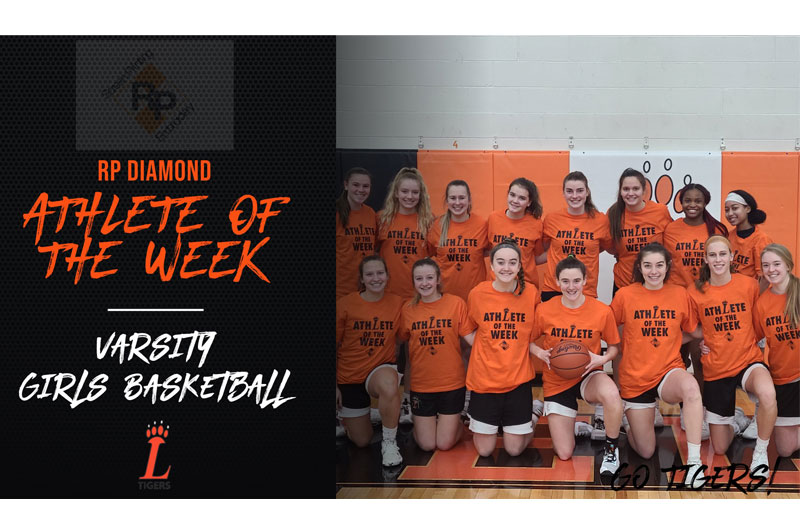
    Loveland, Ohio – After 4 big conference wins last week that led to an ECC Championship, RP Diamond named the entire Women’s Varsity Basketball team the “Athlete of the Week”.

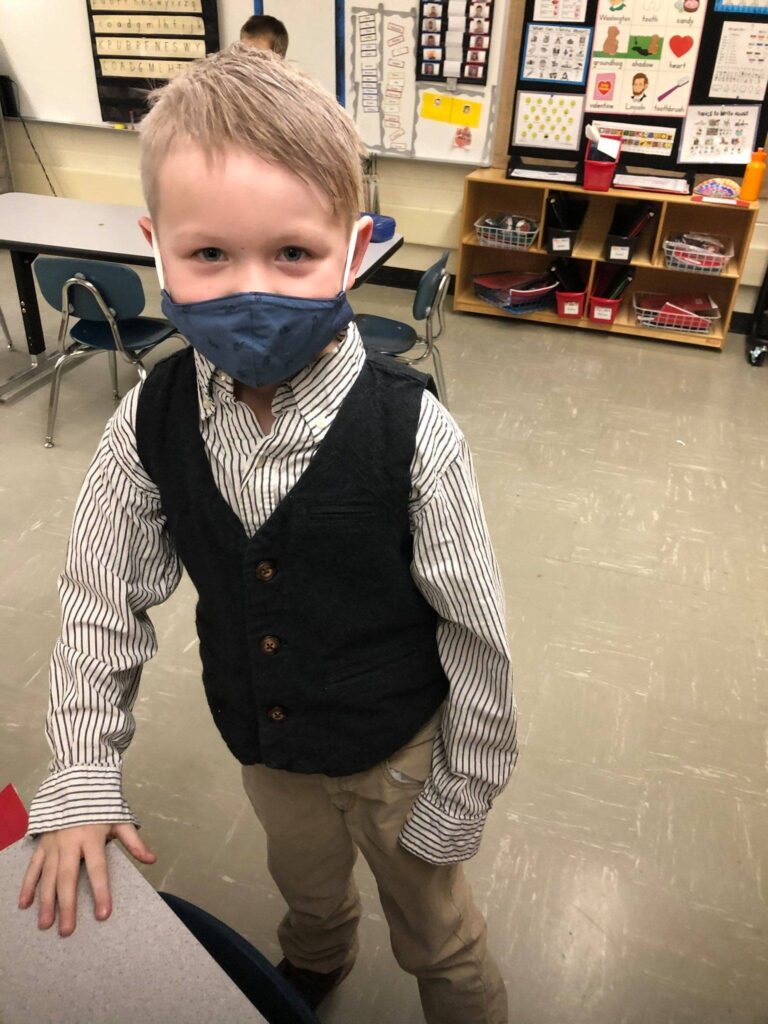
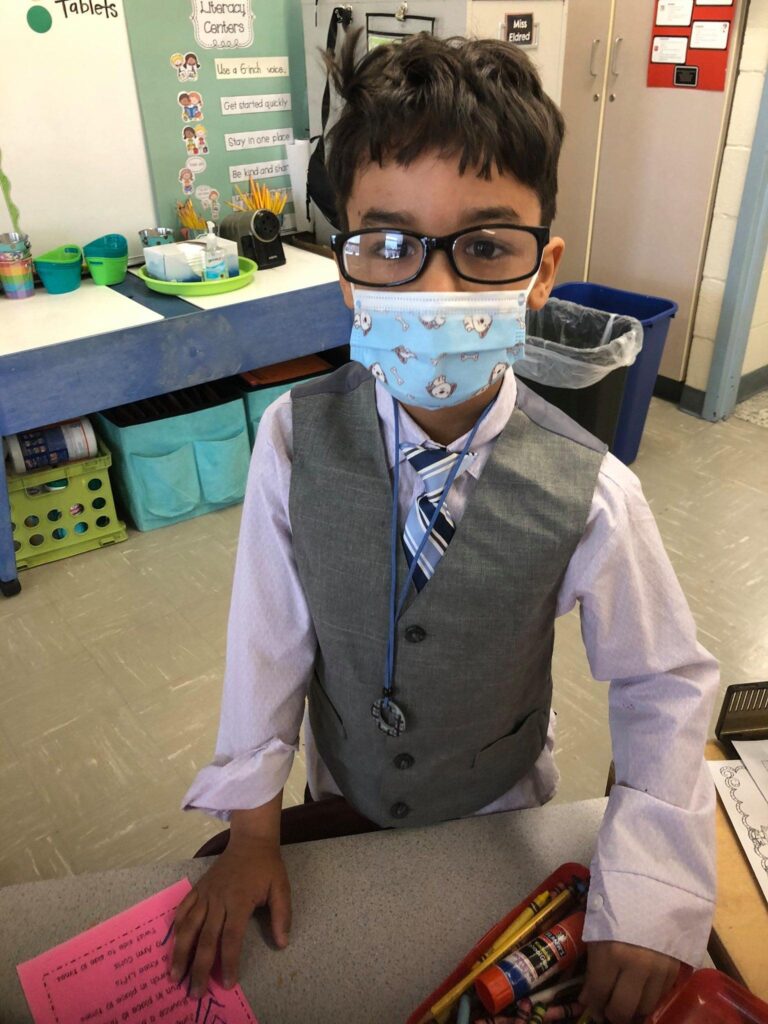
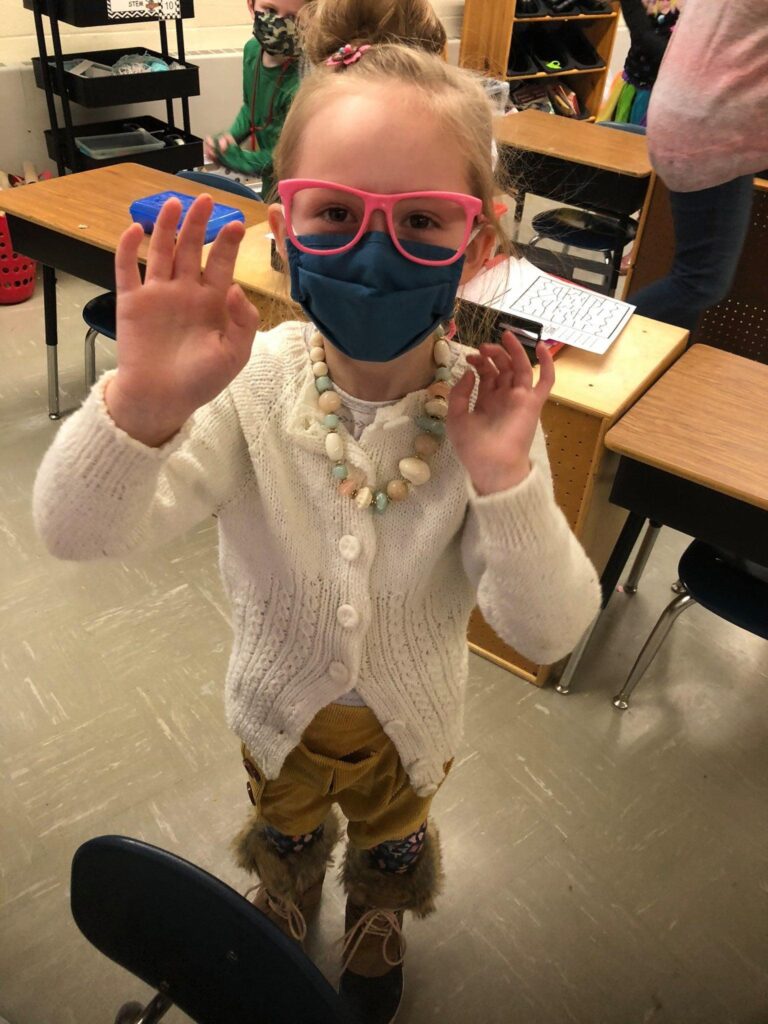
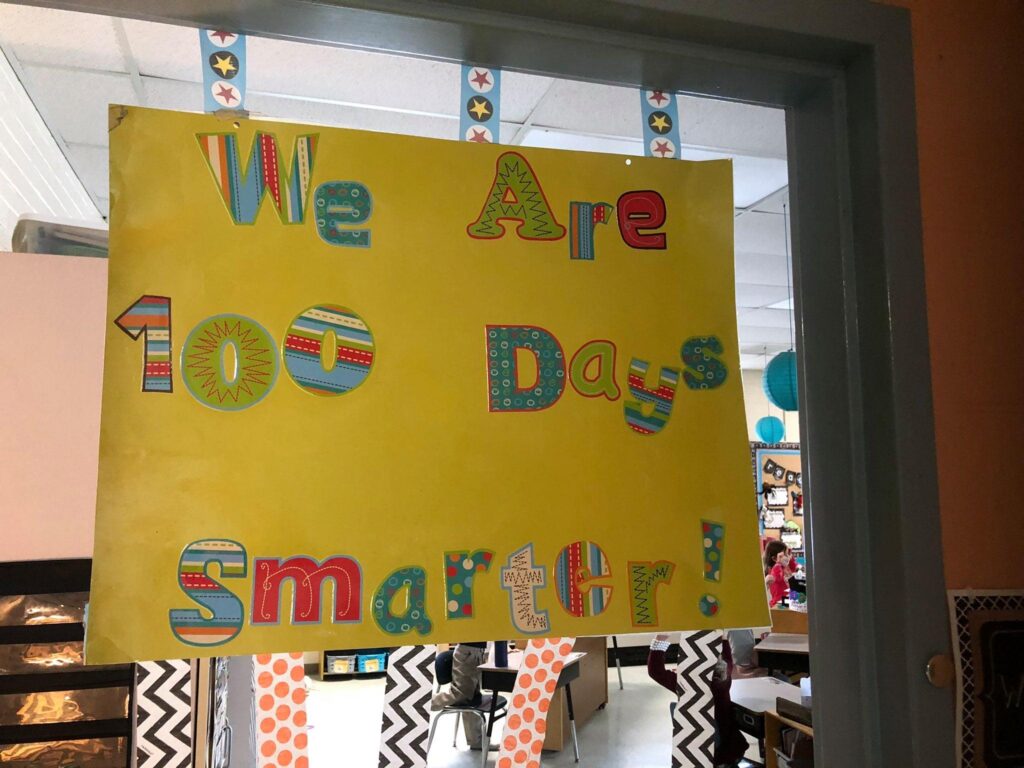
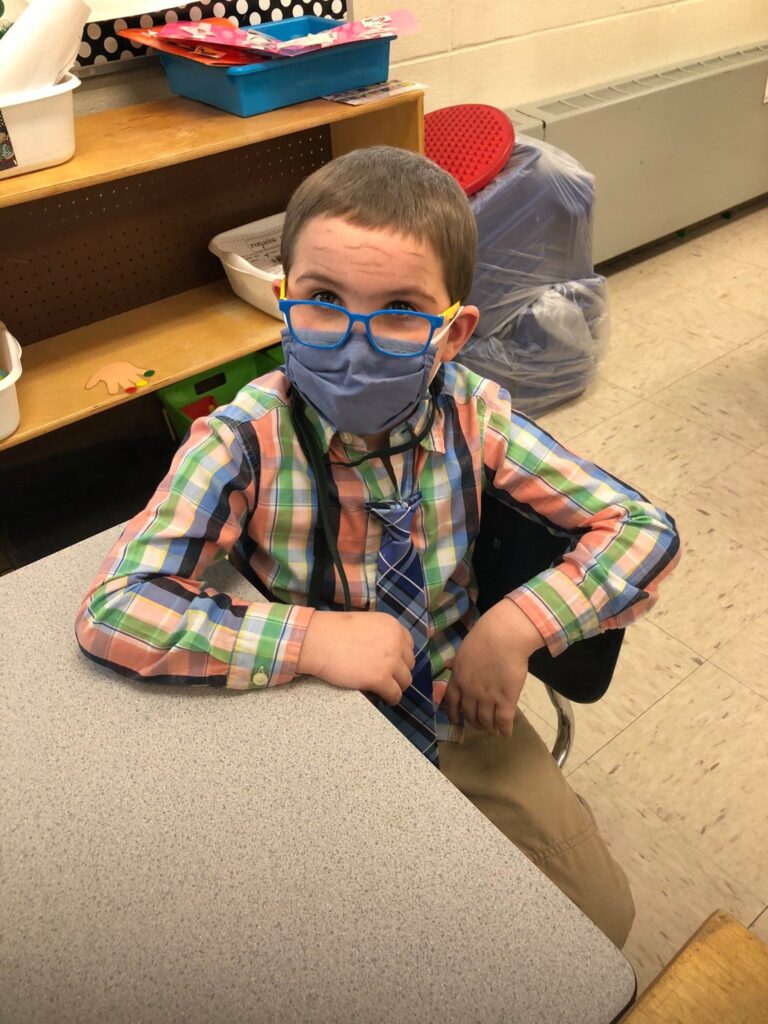
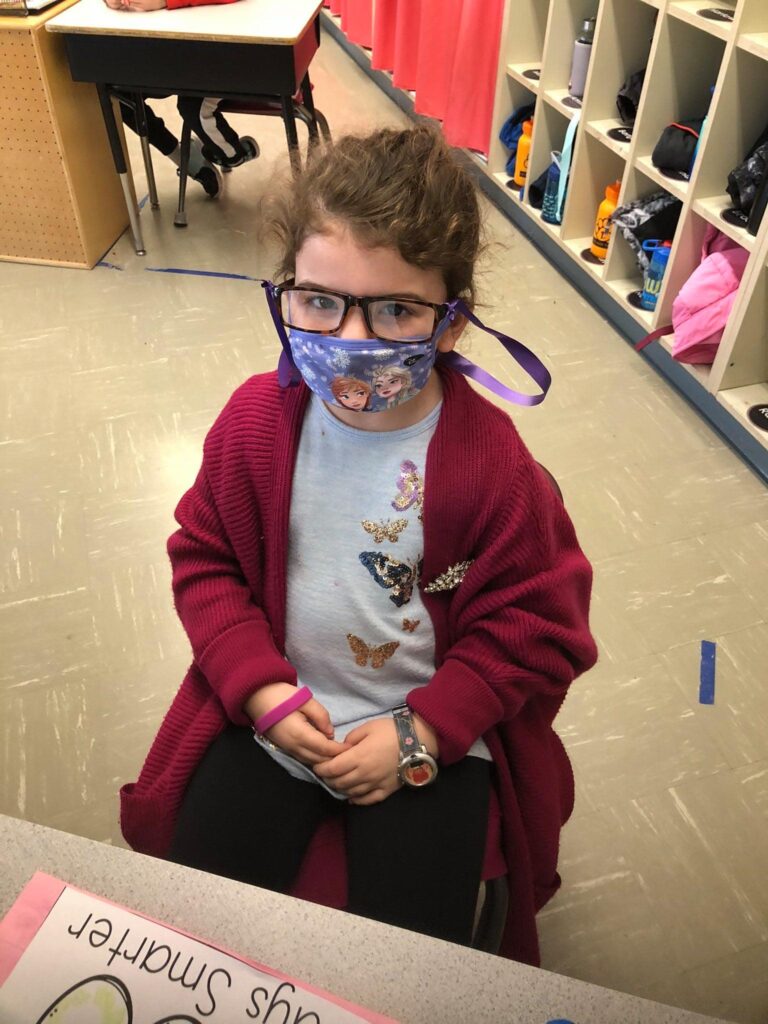
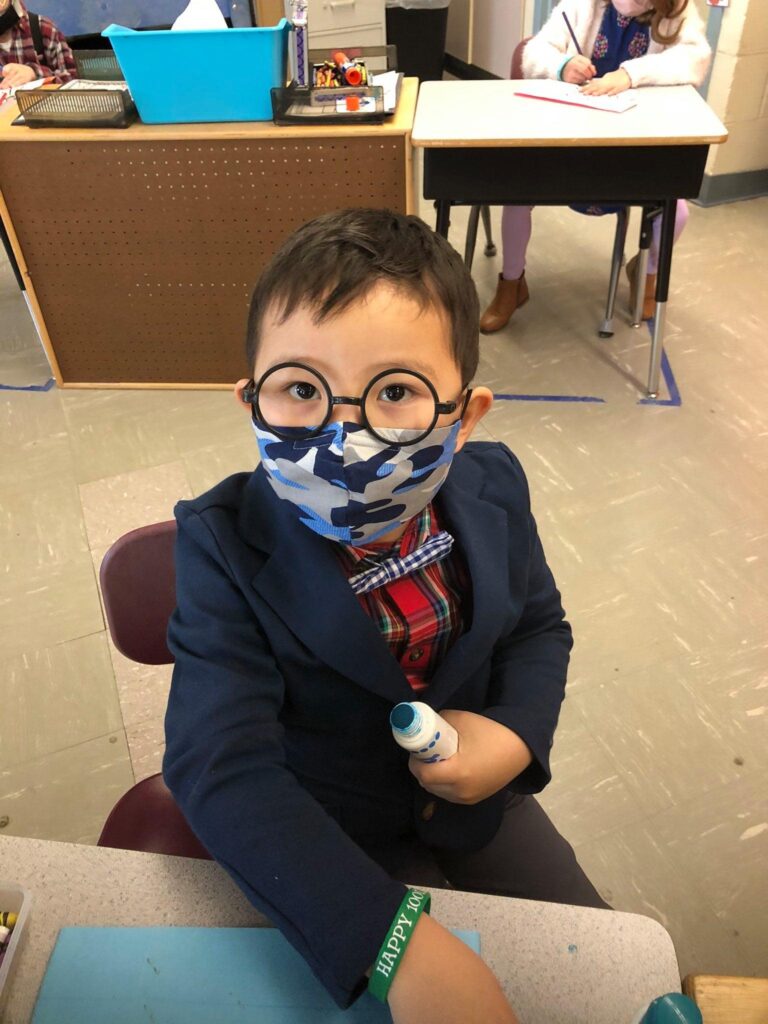
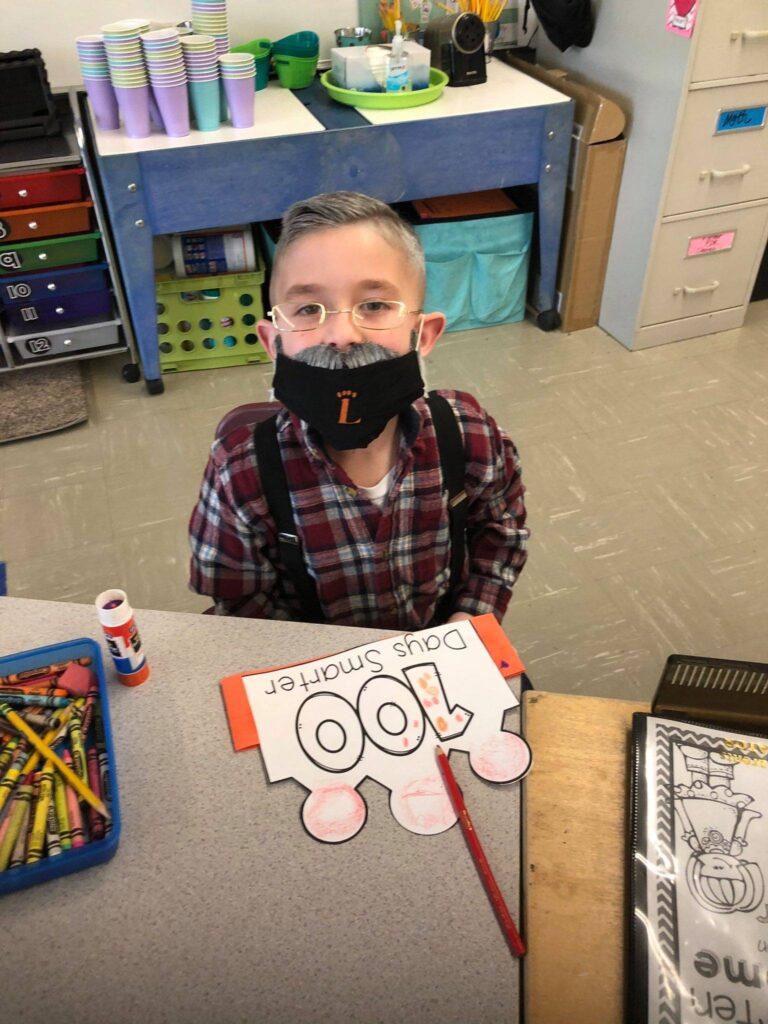
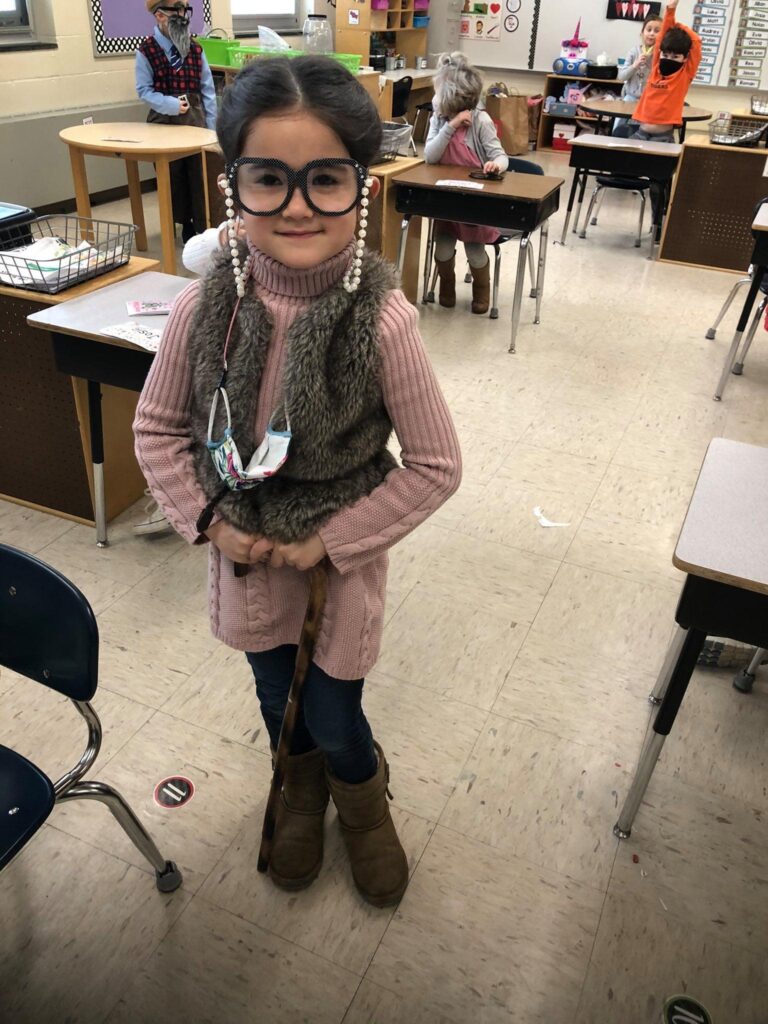
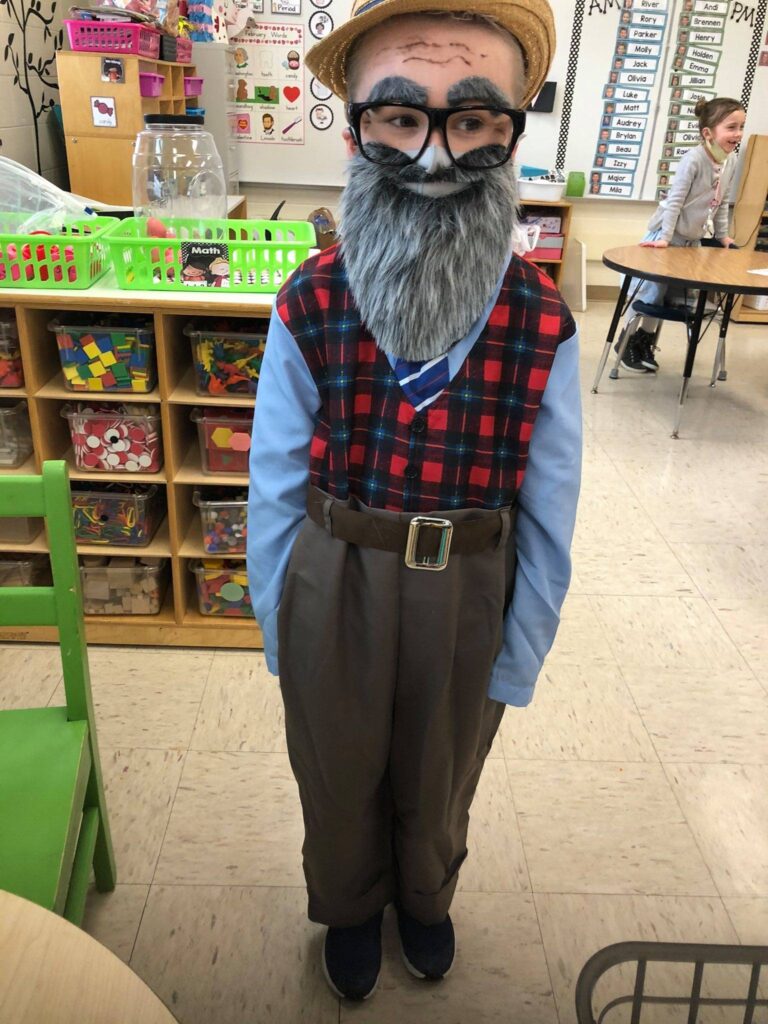
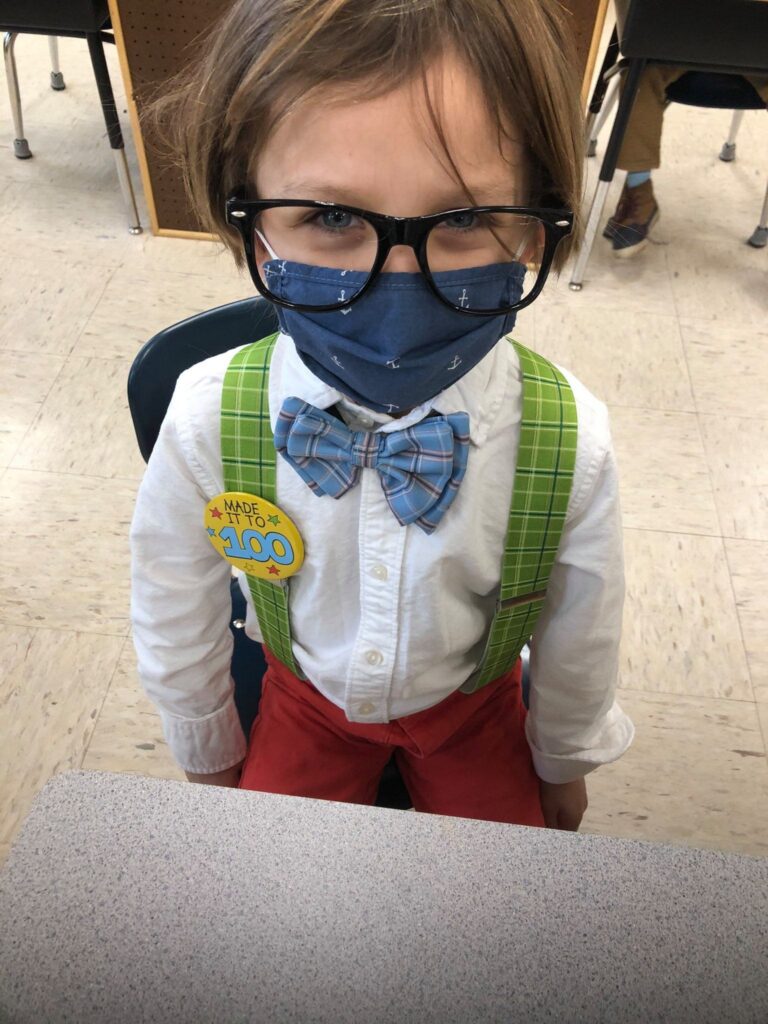
  • Celebrating the 100th day of school by dressing up as 100-year-olds

    Celebrating the 100th day of school by dressing up as 100-year-olds

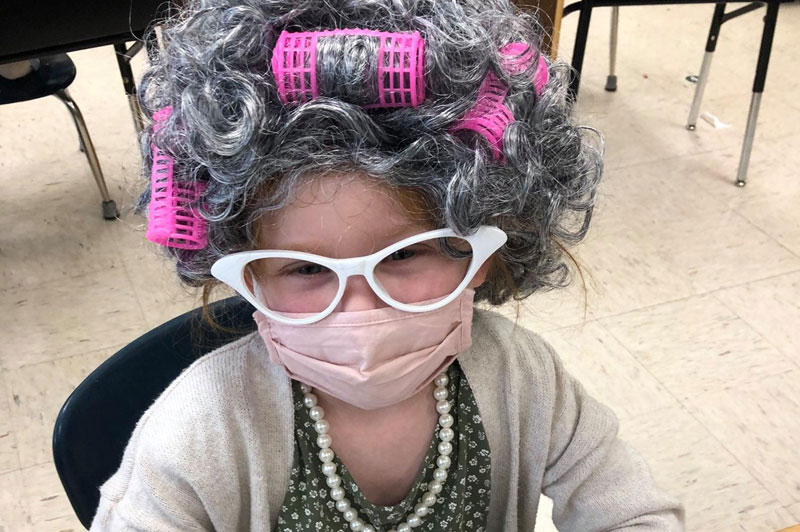
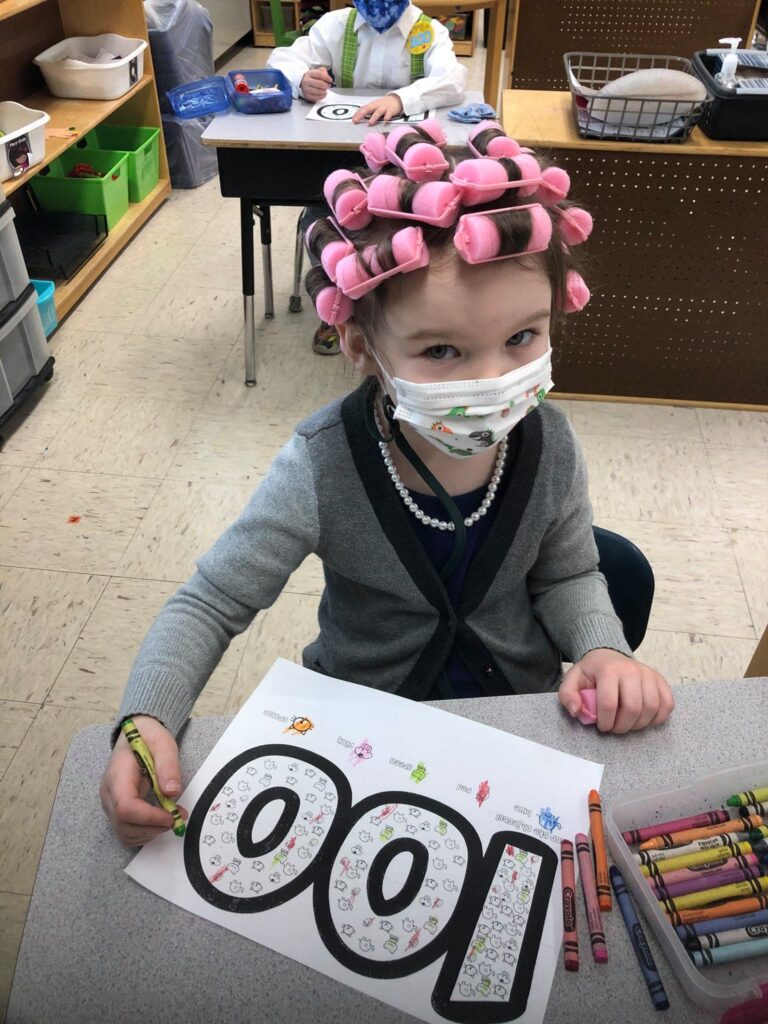
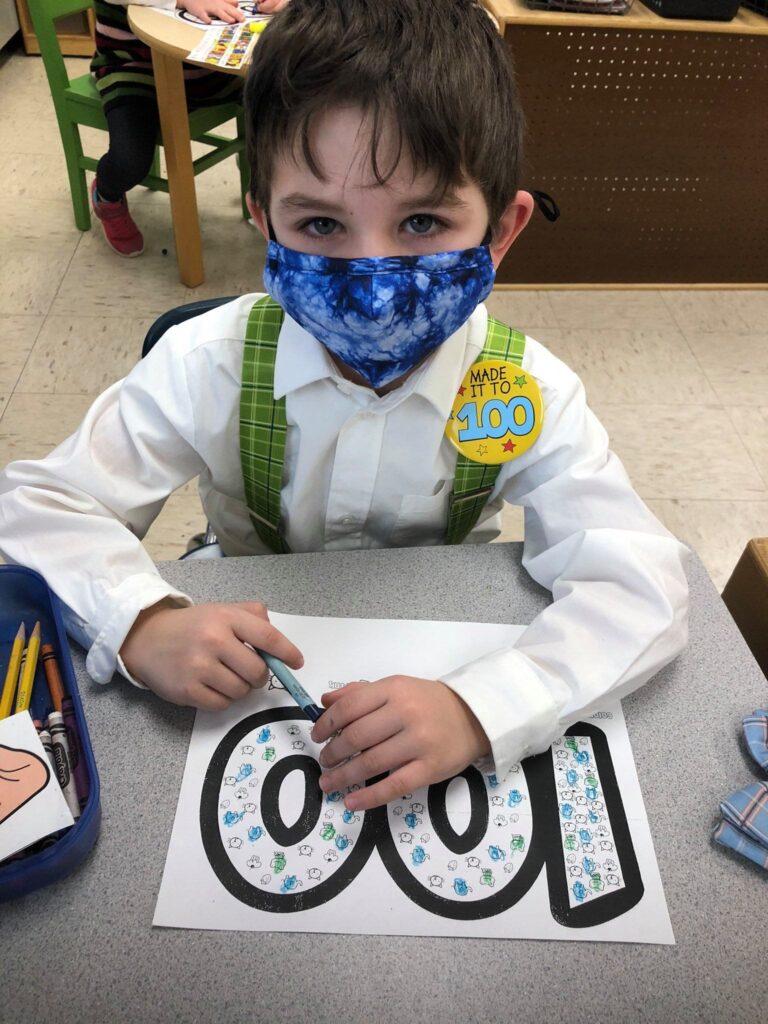
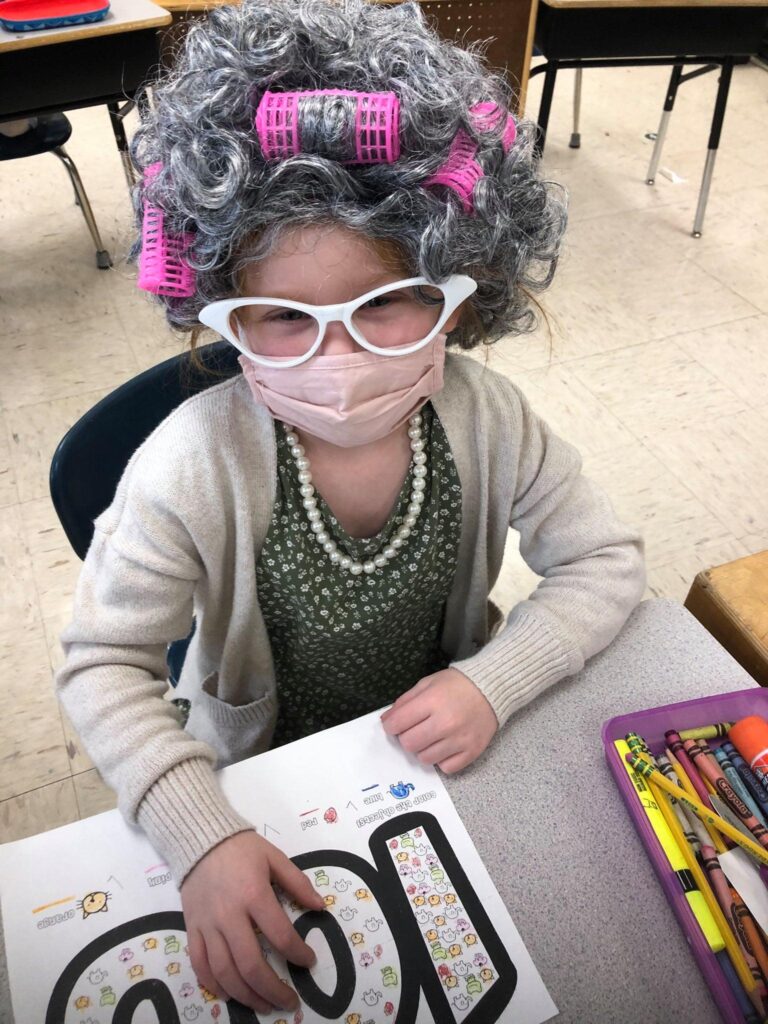
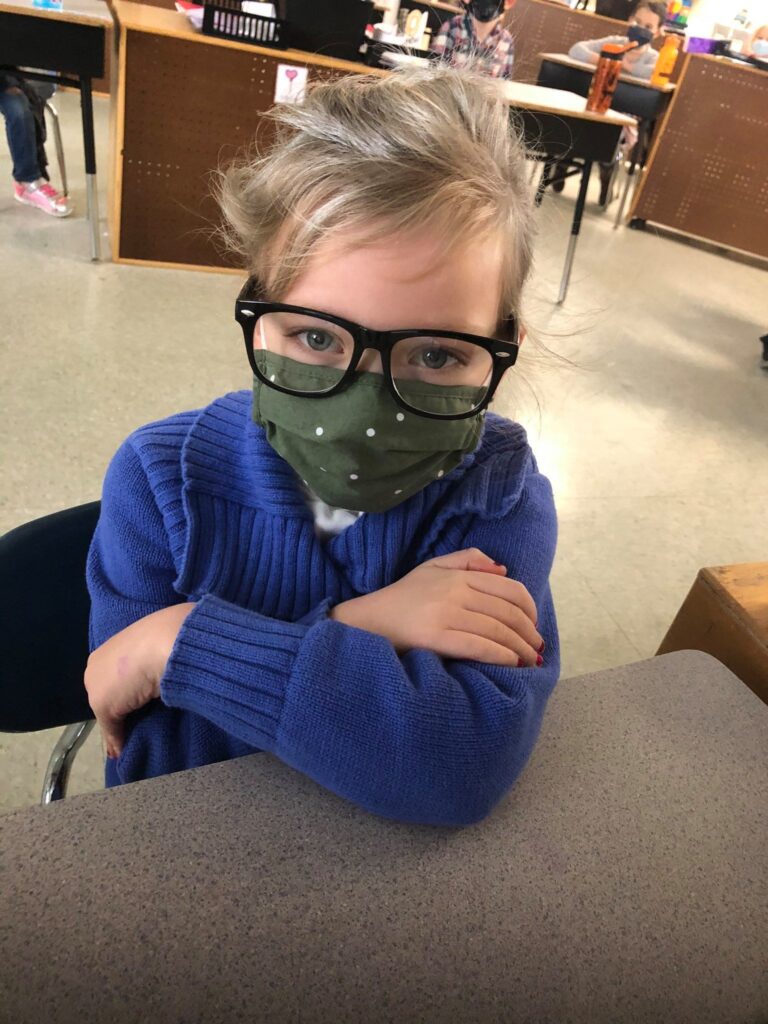
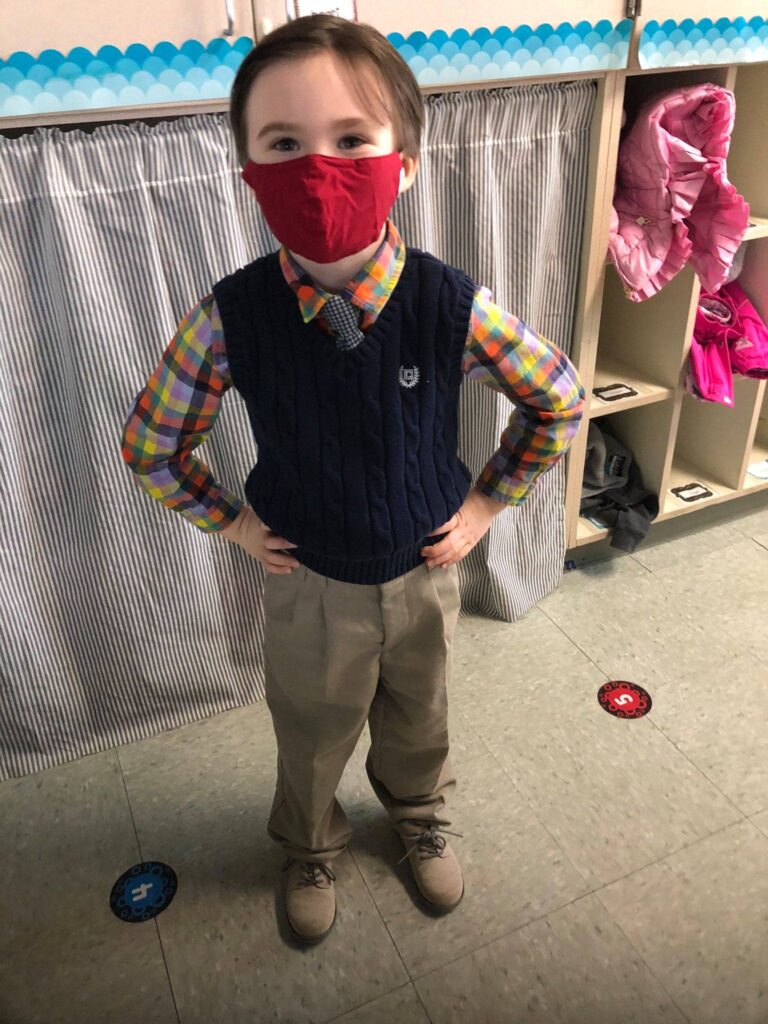
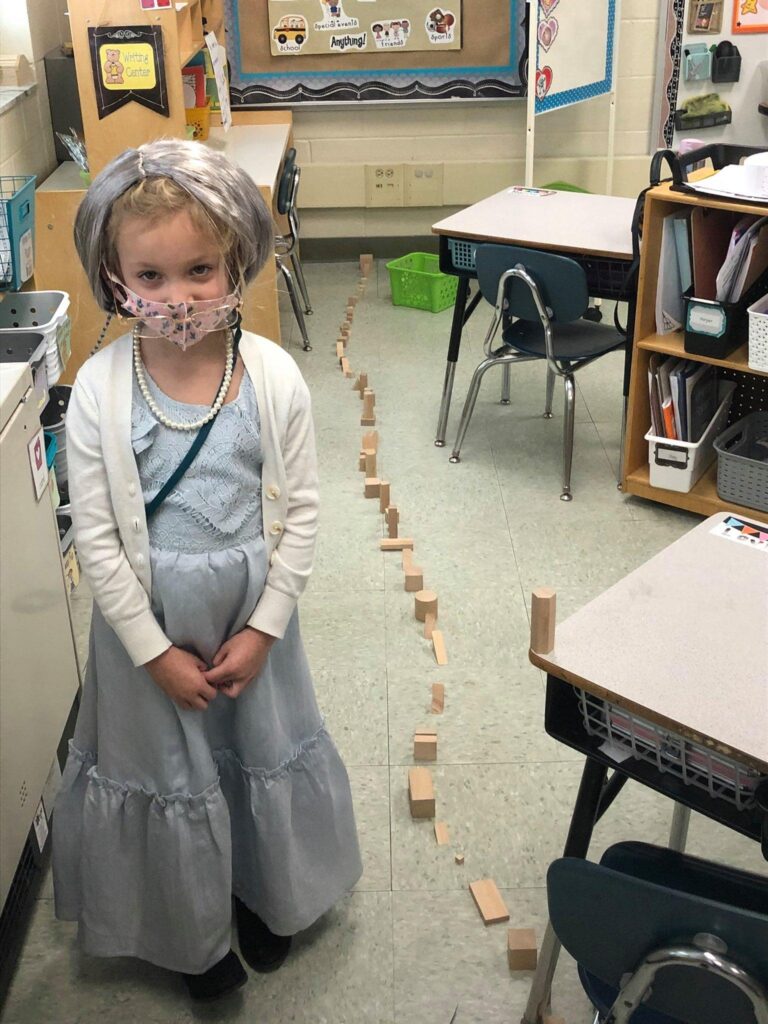
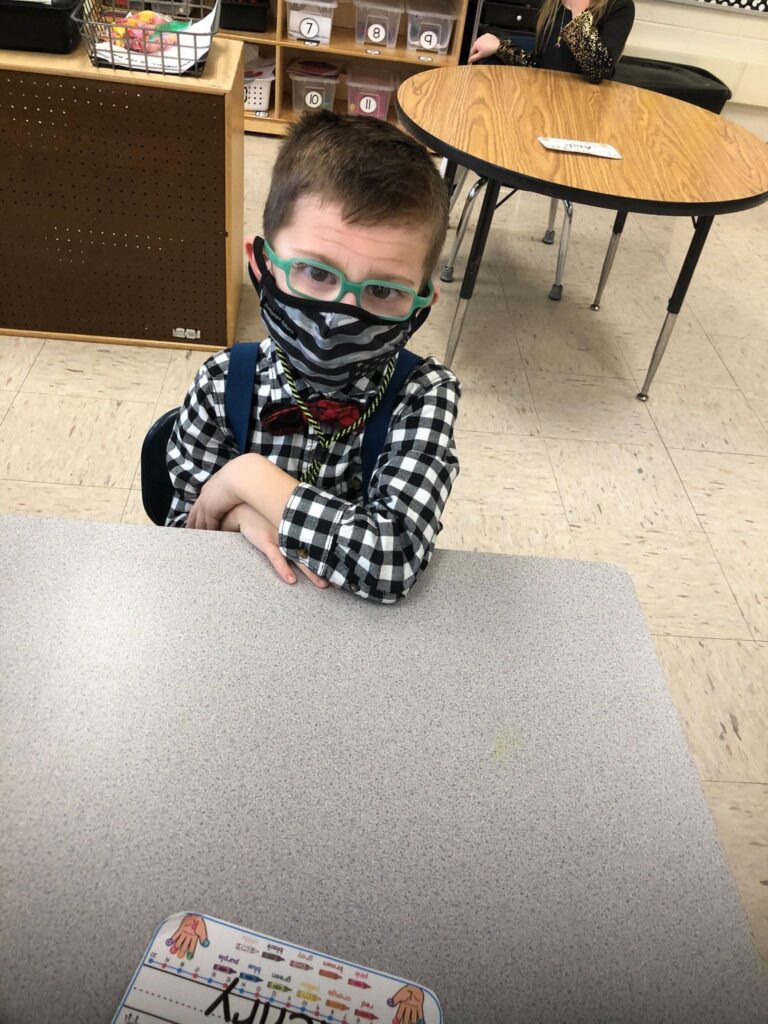
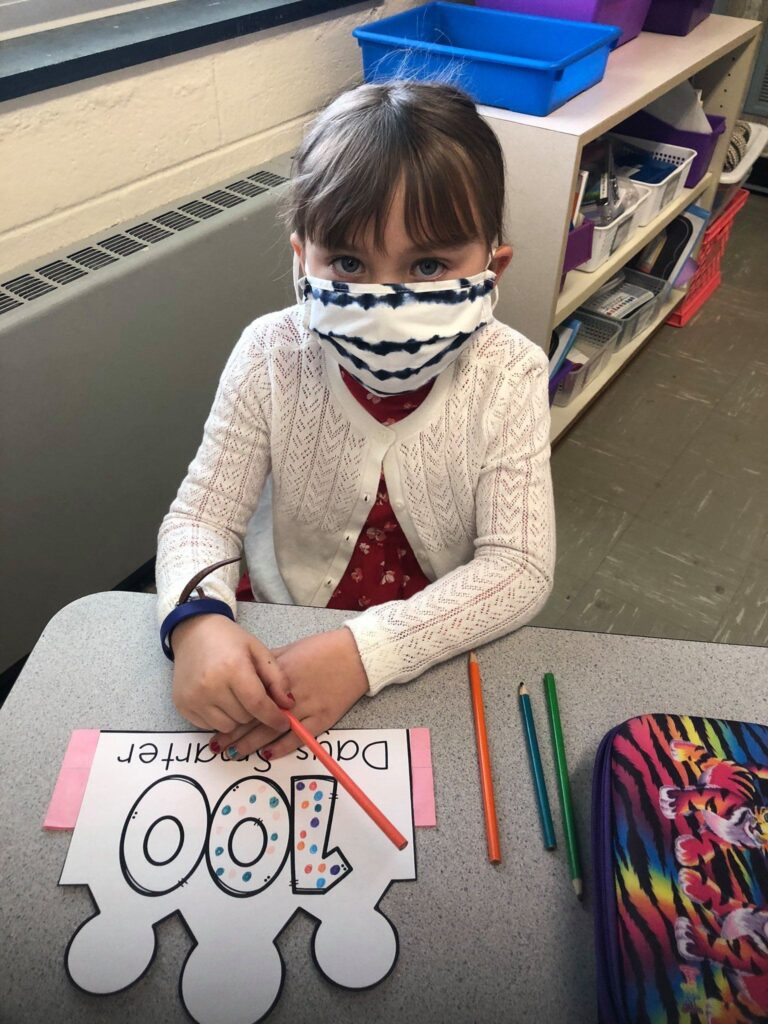
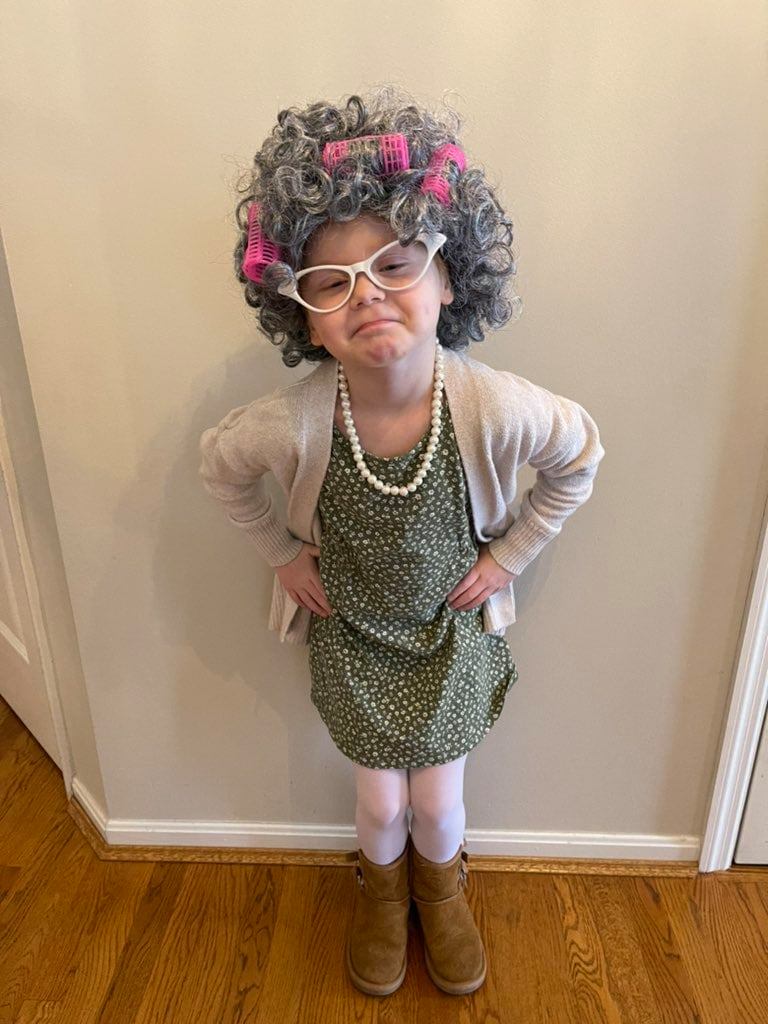
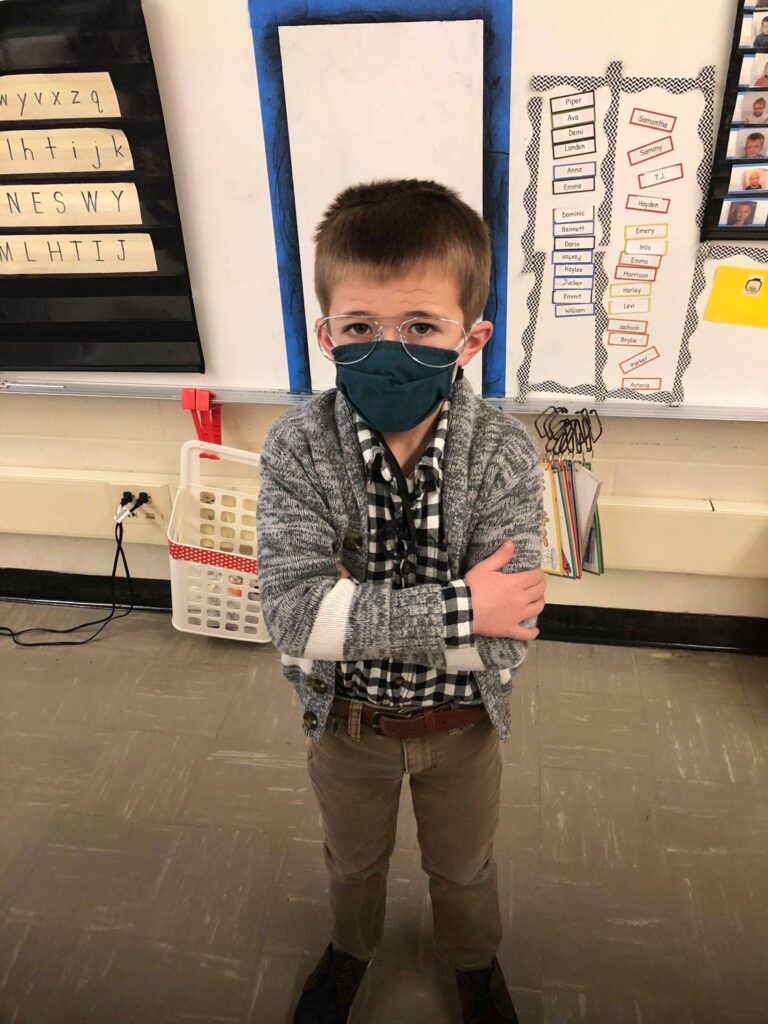
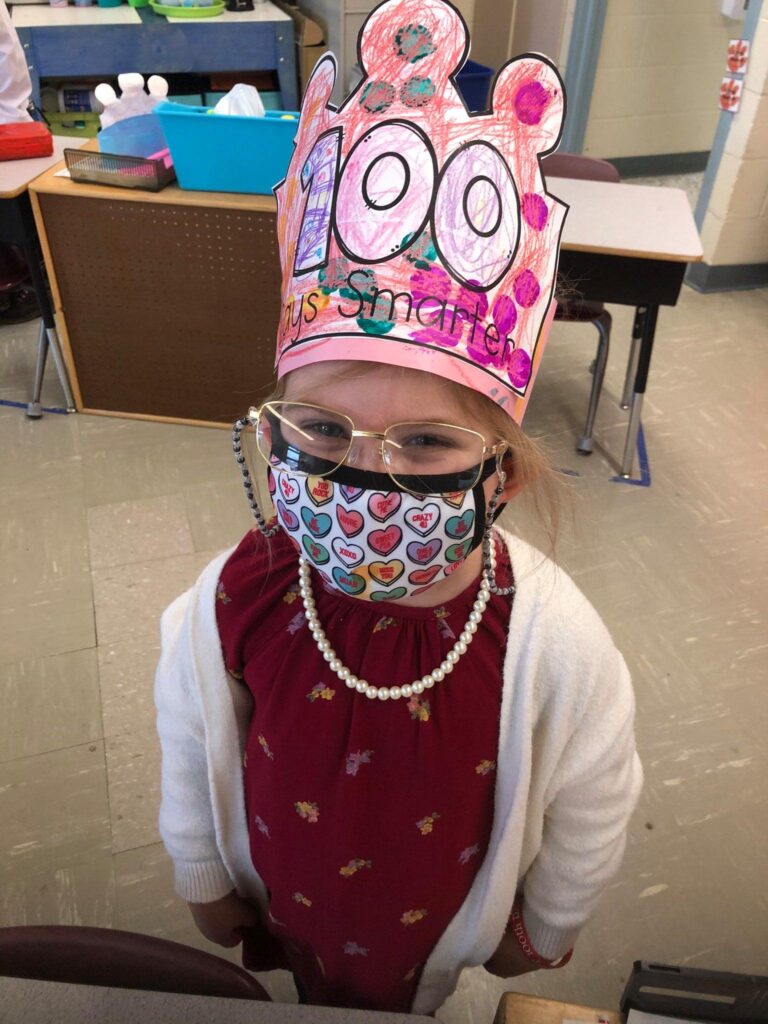
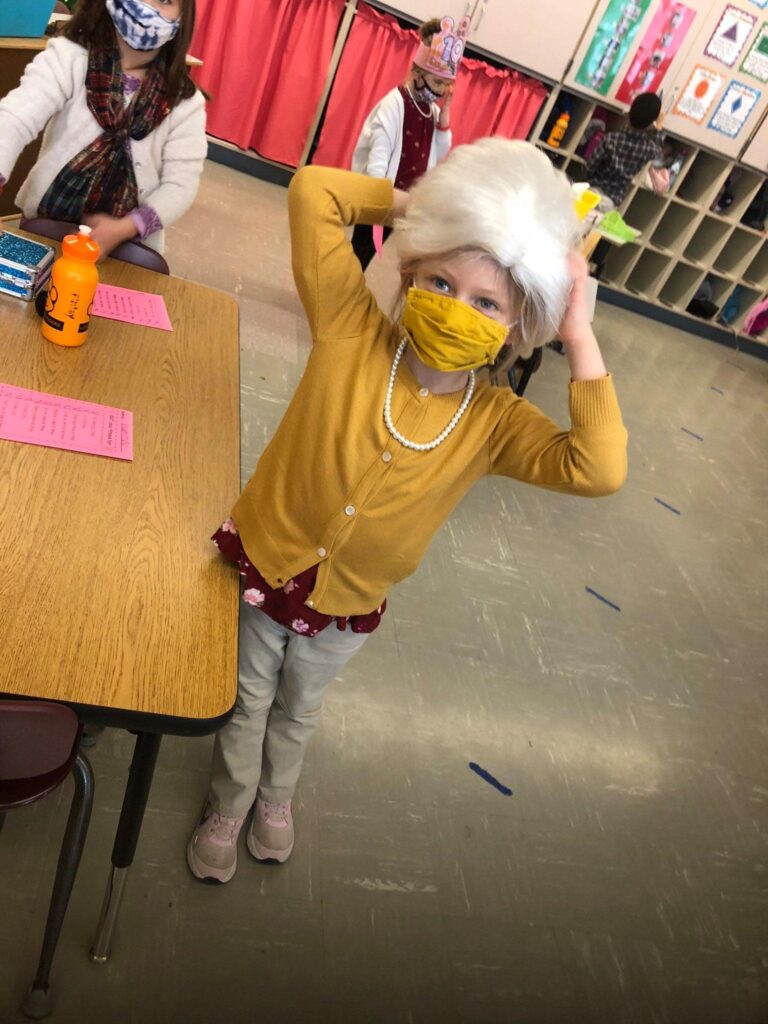
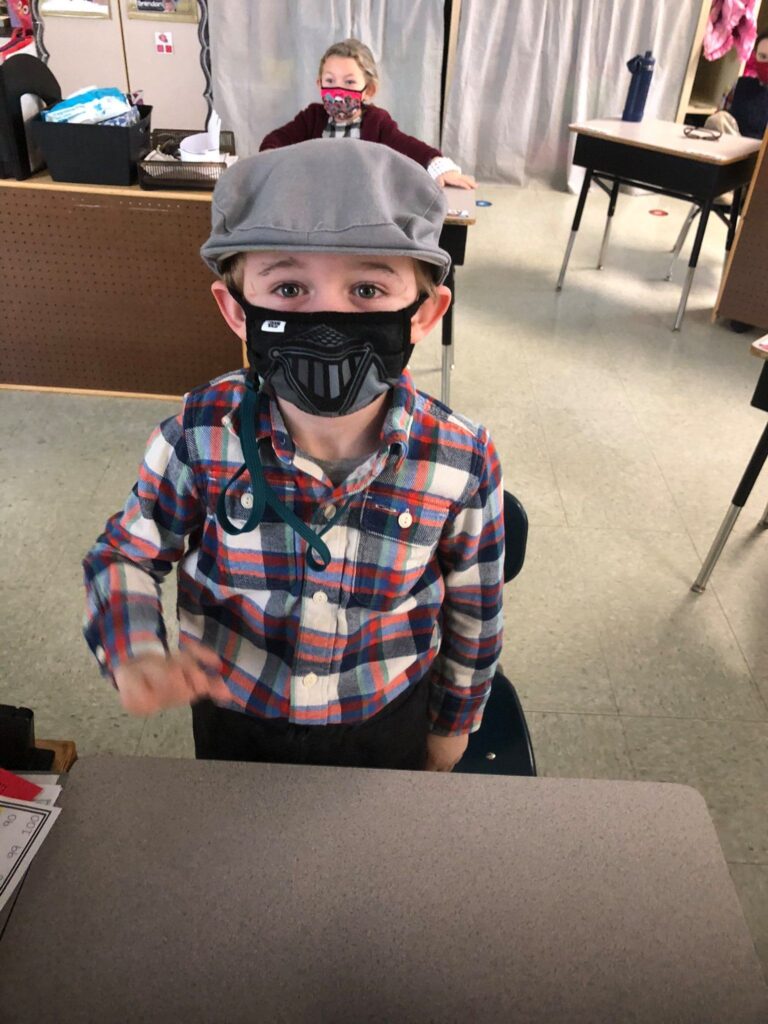
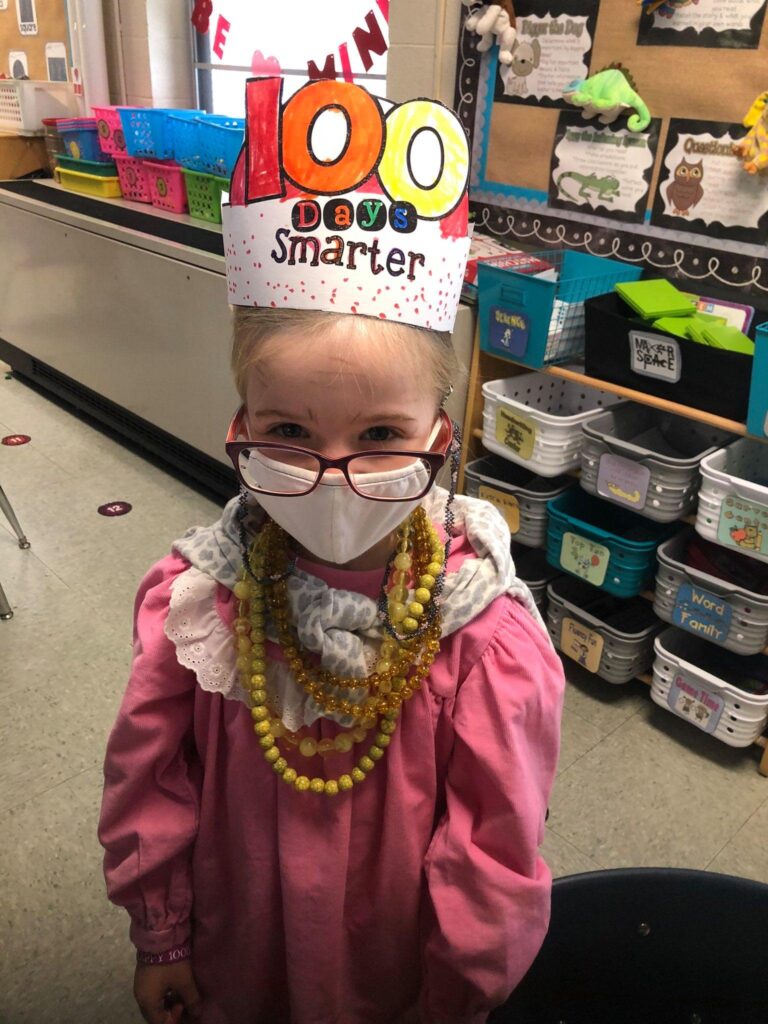
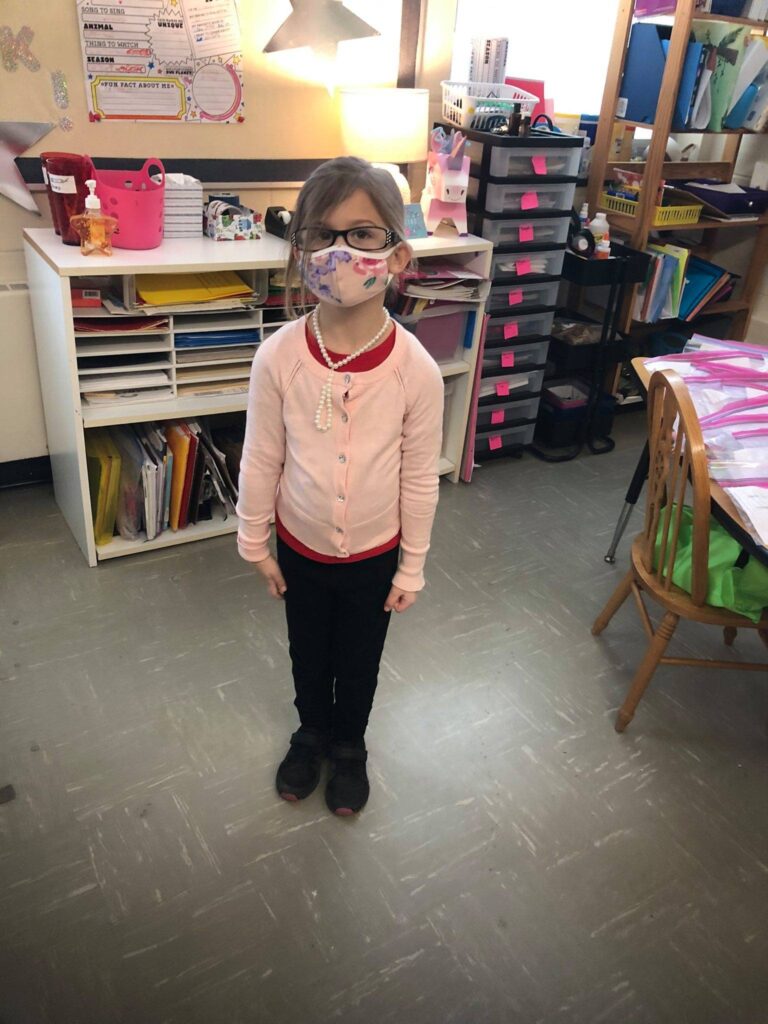
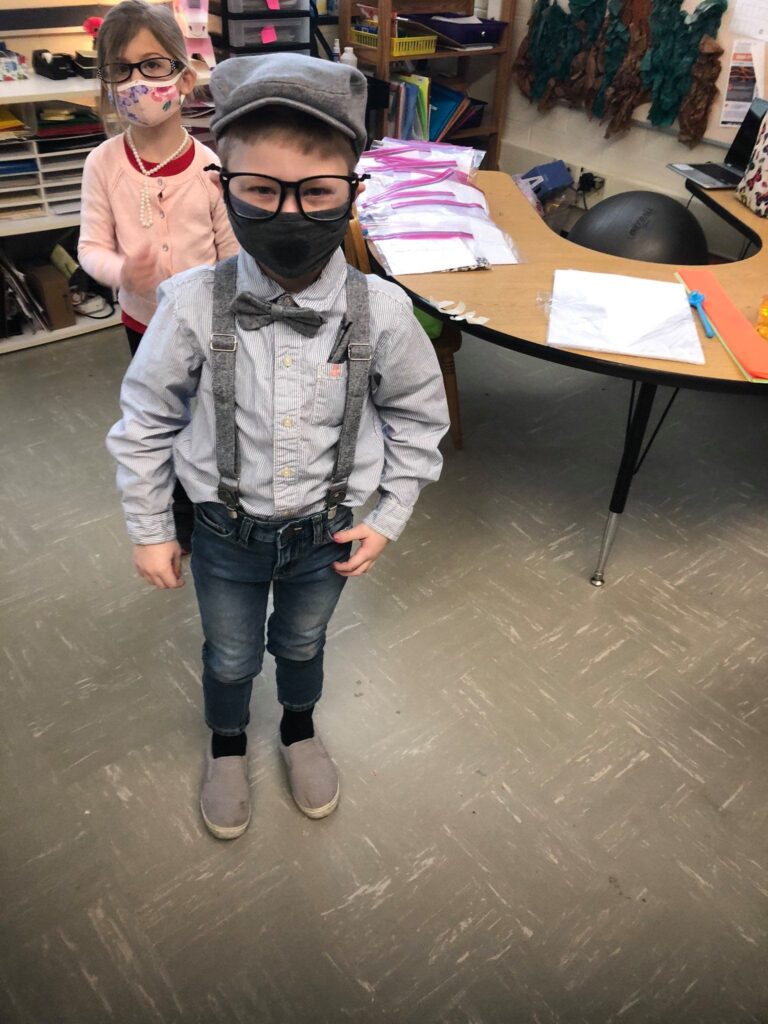
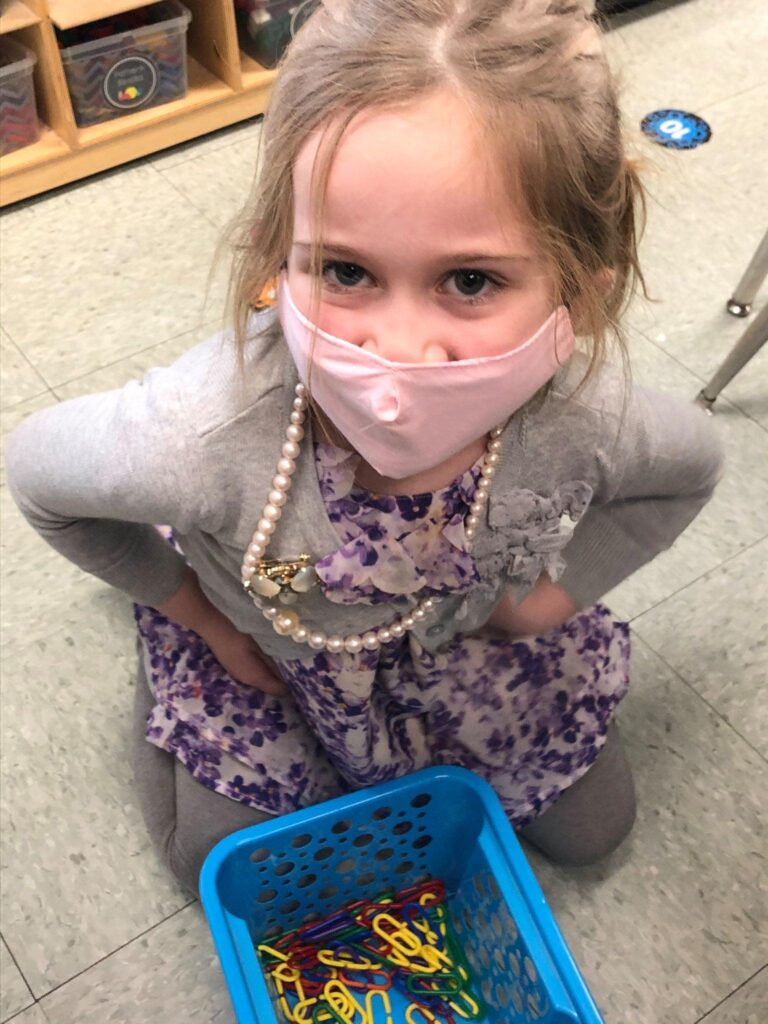
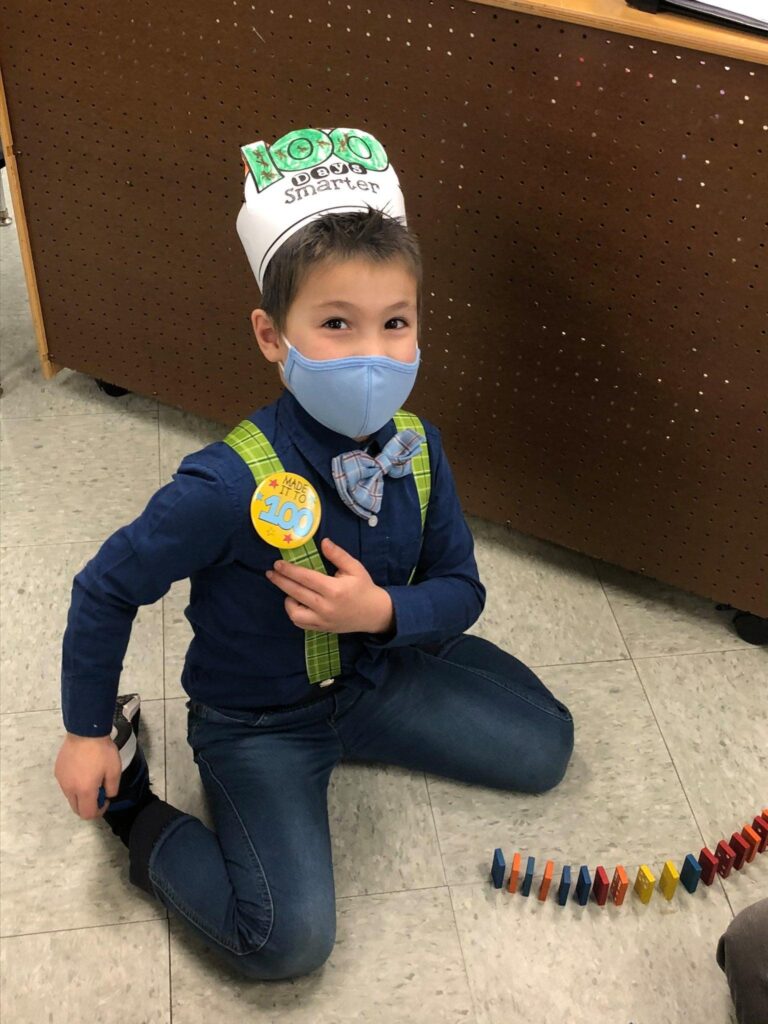
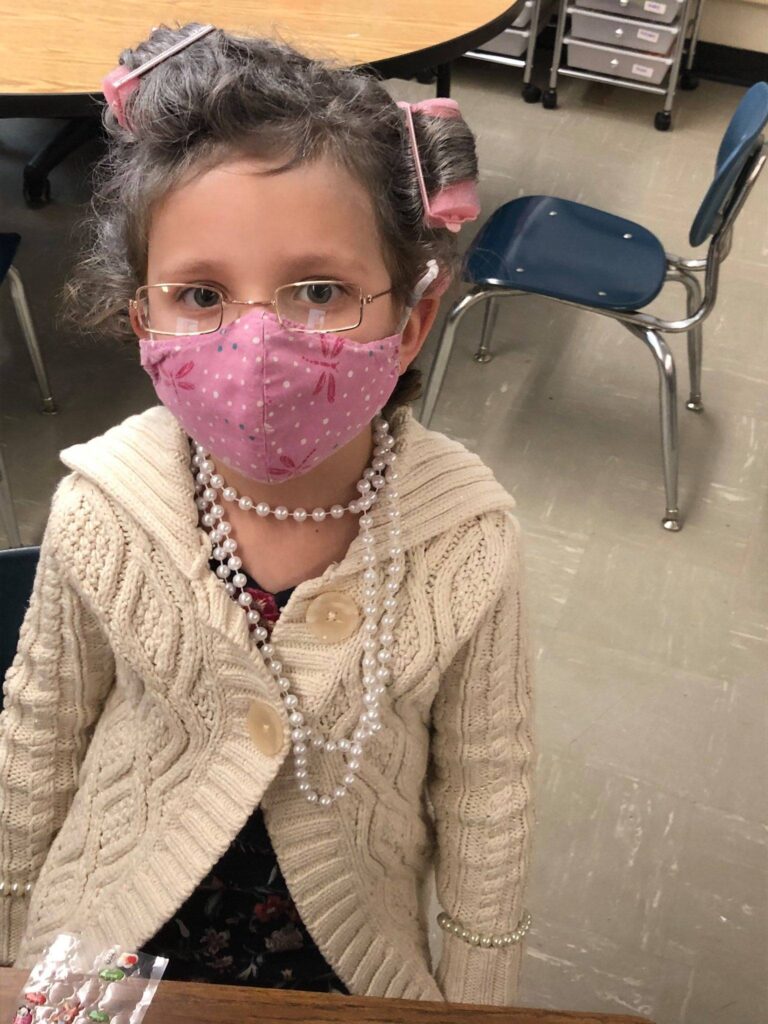
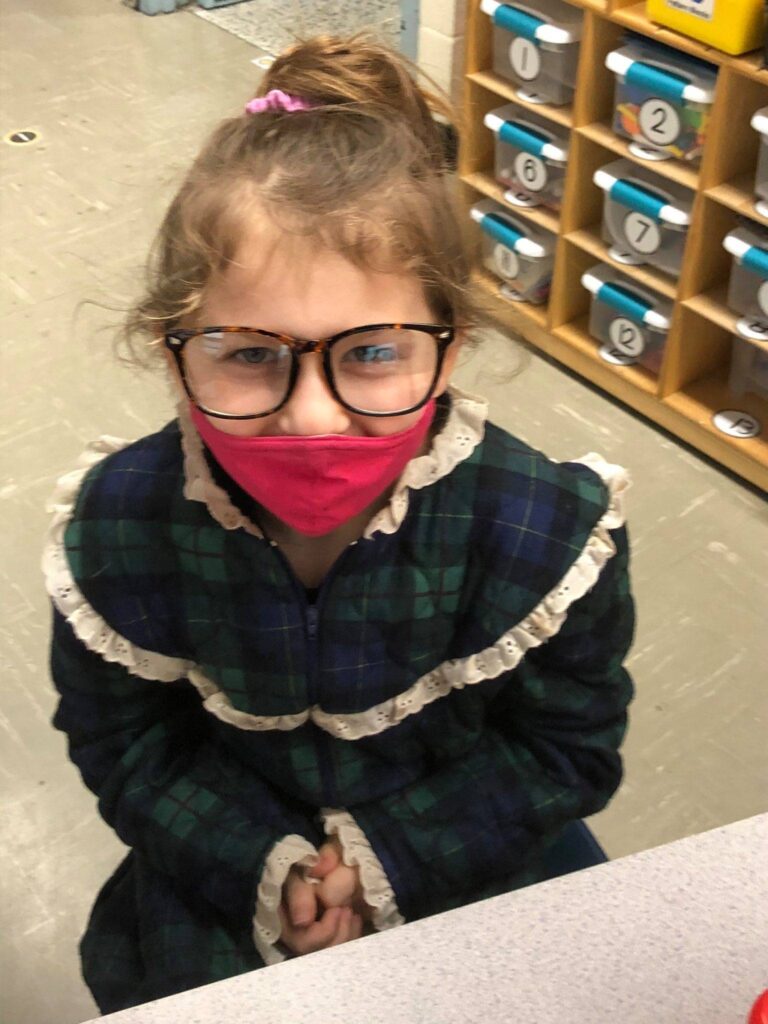
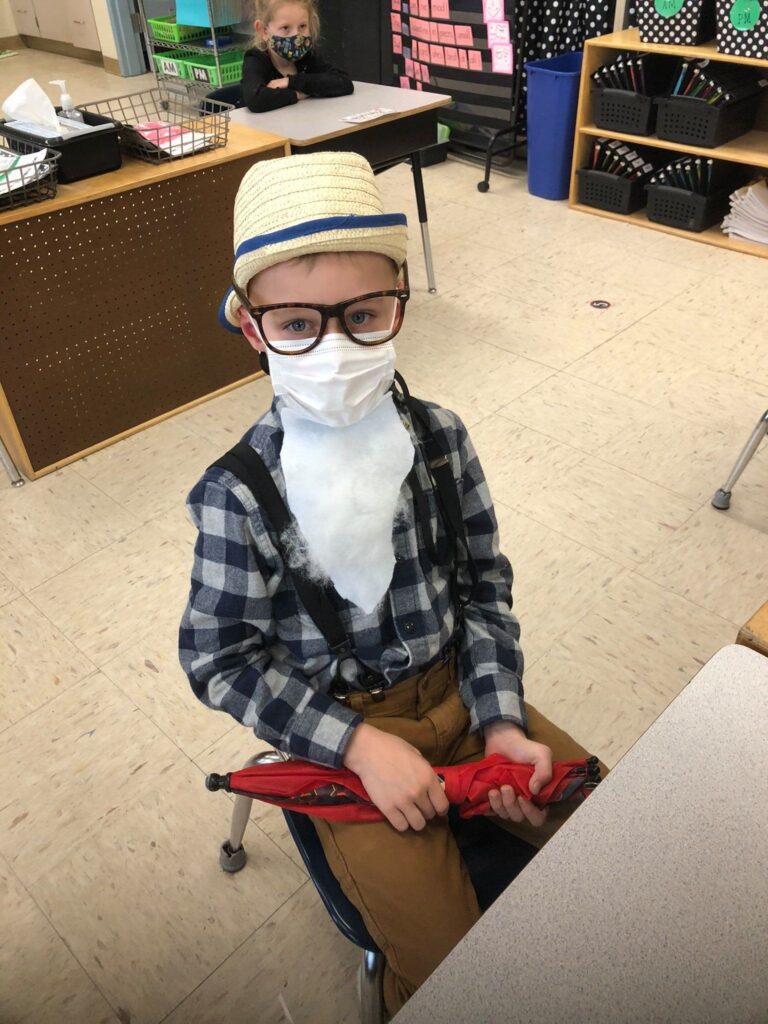
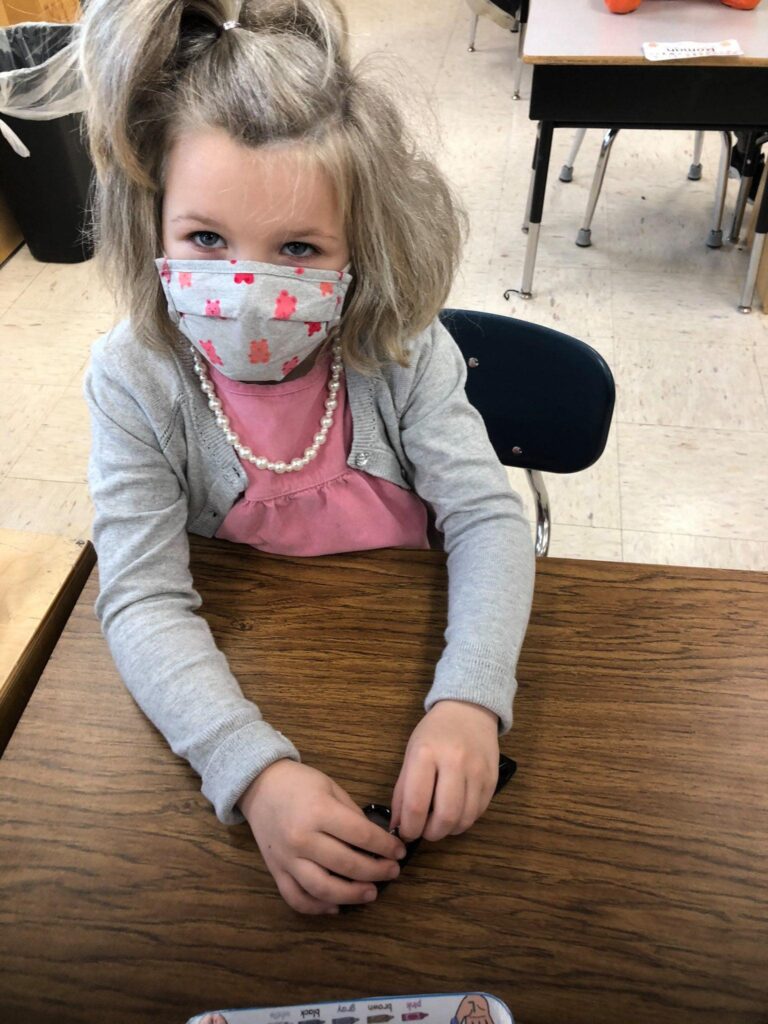
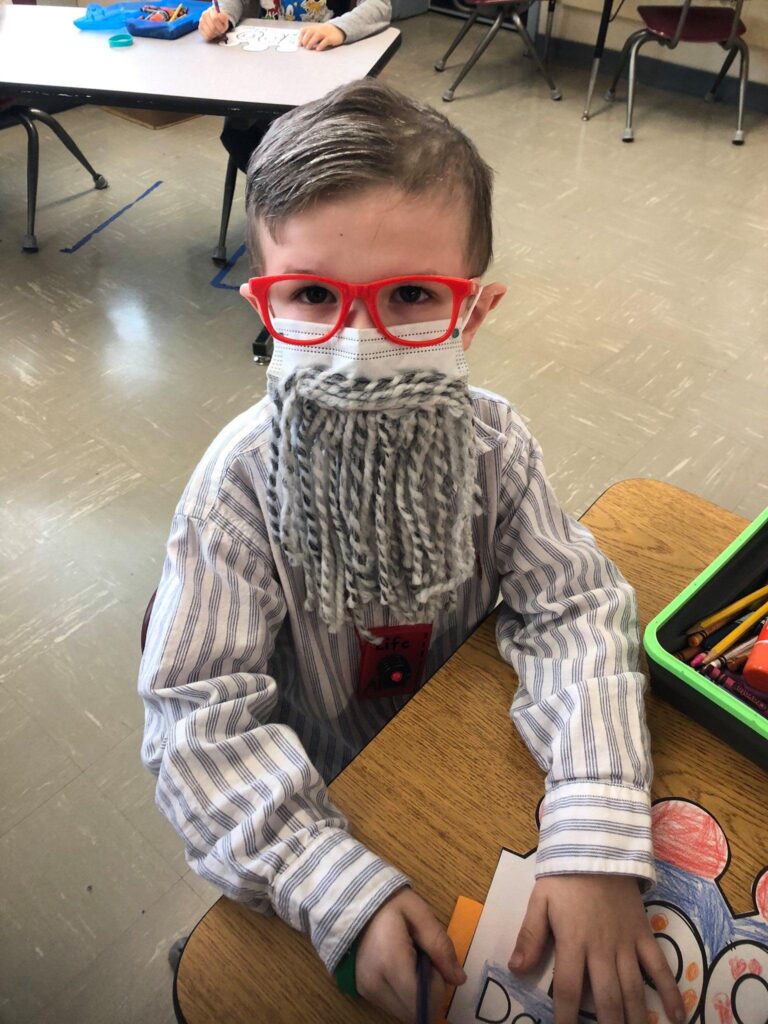
    Loveland, Ohio – Loveland Early Childhood Center Students celebrated their 100th day of school by dressing up as 100-year-olds.

    “The cutest day of the year at LECC and we’re sharing the tradition with you. Curlers, pearls, glasses, and sweaters are the must-have fashion items for our tiny seniors! Enjoy,” said the District in a Facebook post.

    All photos provided by the Loveland District.

  • Loveland Elementary students earn robot design award

    Loveland Elementary students earn robot design award

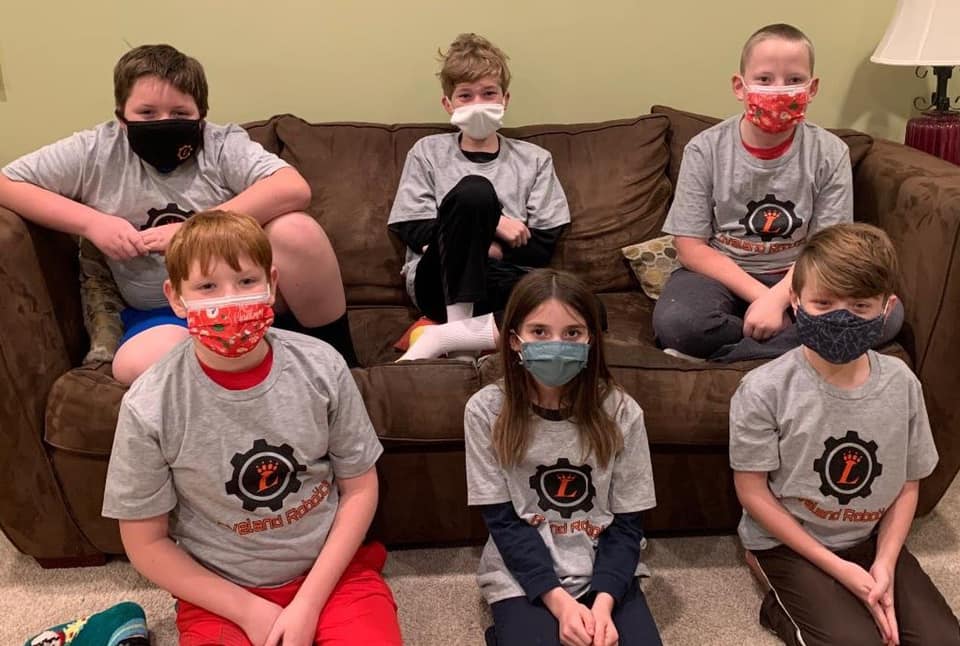
    Loveland, Ohio – Anderson A., Logan P., Sam H., Hunter H., Maddie D., and Nicholas G. competed on the Loveland Robotics Team 51294 RobotActiveX and won the “Robot Design Award” which is given to a team that “uses outstanding programming principles and solid engineering practices to develop a robot that is mechanically sound, durable, efficient and highly capable of performing challenging missions.”

    Photo provided by Loveland Elementary School.

  • DeWine’s COVID-19 Update: Vaccine Distribution, Nursing Home Cases Drop, more…

    DeWine’s COVID-19 Update: Vaccine Distribution, Nursing Home Cases Drop, more…

    Ohio Governor Mike DeWine and Lt. Governor Jon Husted yesterday provided the following updates on Ohio’s response to the COVID-19 pandemic. 

    VACCINE DISTRIBUTION UPDATE

    Governor DeWine announced today that Ohio received a total of 214,525 first doses of vaccine this week. A total of 223,025 first doses are scheduled to arrive in Ohio during the week of February 15.

    The federal retail pharmacy program will soon begin allotting doses to Ohio’s more than 160 Rite Aid pharmacies. Vaccine distribution will also expand into all 194 Kroger pharmacies.

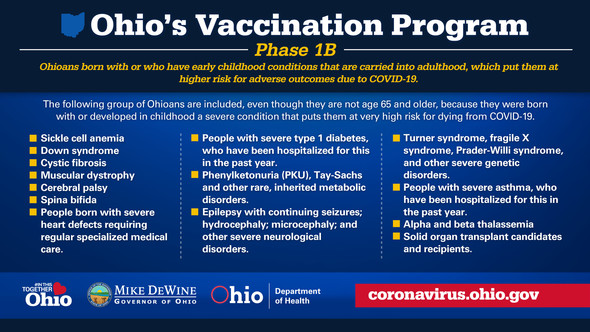
    Those with specific medical conditions that put them at a very high risk of dying from COVID-19 will be eligible for vaccinations next week.

    Ohioans born with the medical conditions outlined below, or those who were diagnosed in early childhood whose conditions continued into adulthood, will qualify to be vaccinated beginning on February 15.

    Phase 1B Conditions

    Dr. Bruce Vanderhoff, chief medical officer at Ohio Department of Health, explained these conditions in more detail. His remarks are available on the Ohio Channel’s YouTube page.

    Approximately 12,000 individuals with these severe medical conditions and developmental disabilities have already been vaccinated, and vaccinations of those in this group will continue.

    NURSING HOME CASES

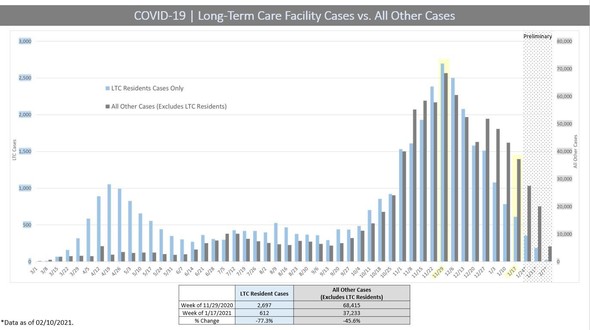
    Governor DeWine announced today that the number of COVID-19 cases in Ohio’s nursing homes has dropped more than 77 percent since late November. This dramatic drop in cases follows Ohio’s aggressive efforts to vaccinate residents and staff in Ohio’s long-term care facilities. 

    As outlined in the chart below, there were 2,697 COVID-19 cases in long-term care facilities in Ohio during the week of November 29, 2021. During the week of January 17, there were 612 positive cases.

    Nursing Home Case Map

    SCHOOL MODEL UPDATE

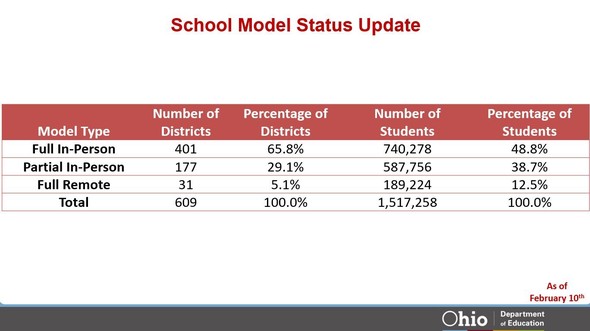
    Governor DeWine shared the latest information on the number of school districts that are physically in school versus those that are fully or partially remote. As a condition to receive priority access to the vaccine, schools were required to commit to full or partial in-person learning by March 1. All but one school district in Ohio have committed to this plan.

    School Update

    OHIO PUBLIC HEALTH ADVISORY SYSTEM

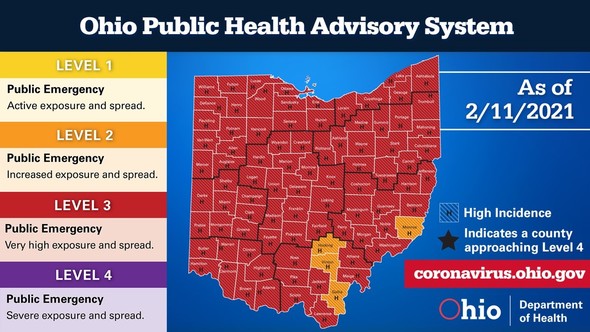
    There was no change in this week’s Ohio Public Health Advisory System map. A county-by-county breakdown outlining the presence of COVID-19 in all of Ohio’s 88 counties can be found on the Ohio Public Health Advisory System’s website.

    Advisory System Map

    CURRENT CASE DATA (2-12-21)

    In total, there are 931,437 confirmed and probable cases of COVID-19 reported in Ohio and 12,577 confirmed and probable COVID-19 deaths. A total of 48,269 people have been hospitalized throughout the pandemic, including 6,908 admissions to intensive care units. In-depth data can be accessed by visiting coronavirus.ohio.gov. 

    Video of today’s full update, including versions with foreign language translation, can be viewed on the Ohio Channel’s YouTube page. 

    For more information on Ohio’s response to COVID-19, visit coronavirus.ohio.gov or call 1-833-4-ASK-ODH.