Author: Loveland Magazine

  • [Photos] Simpson Farm Conservation District in snow

    [Photos] Simpson Farm Conservation District in snow

    David Miller

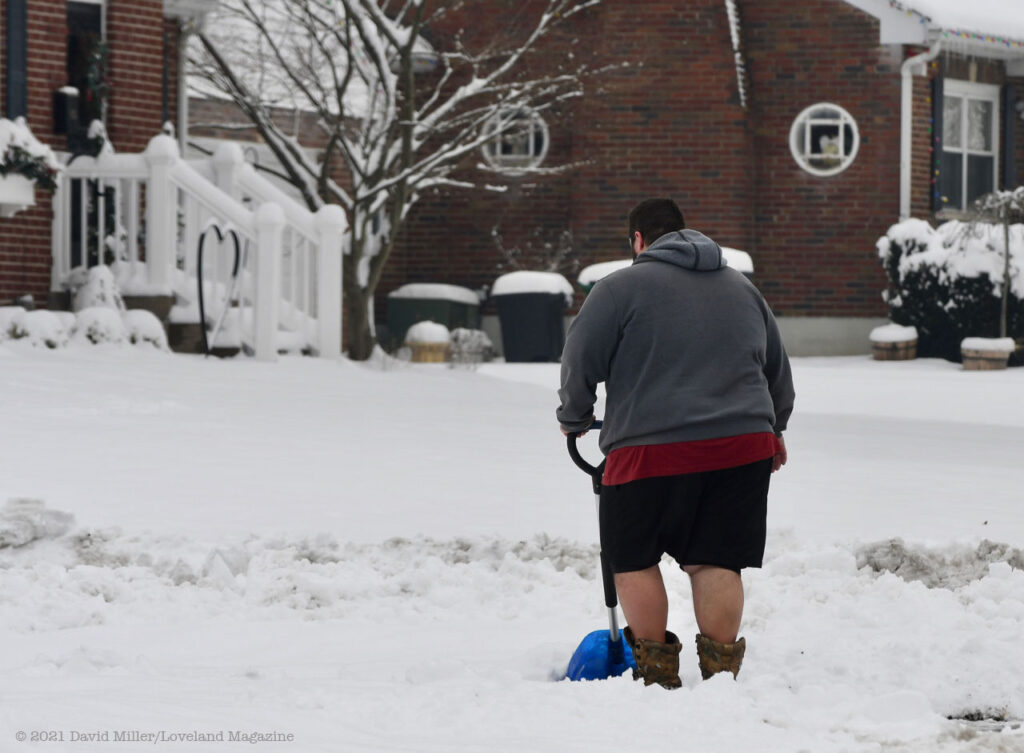
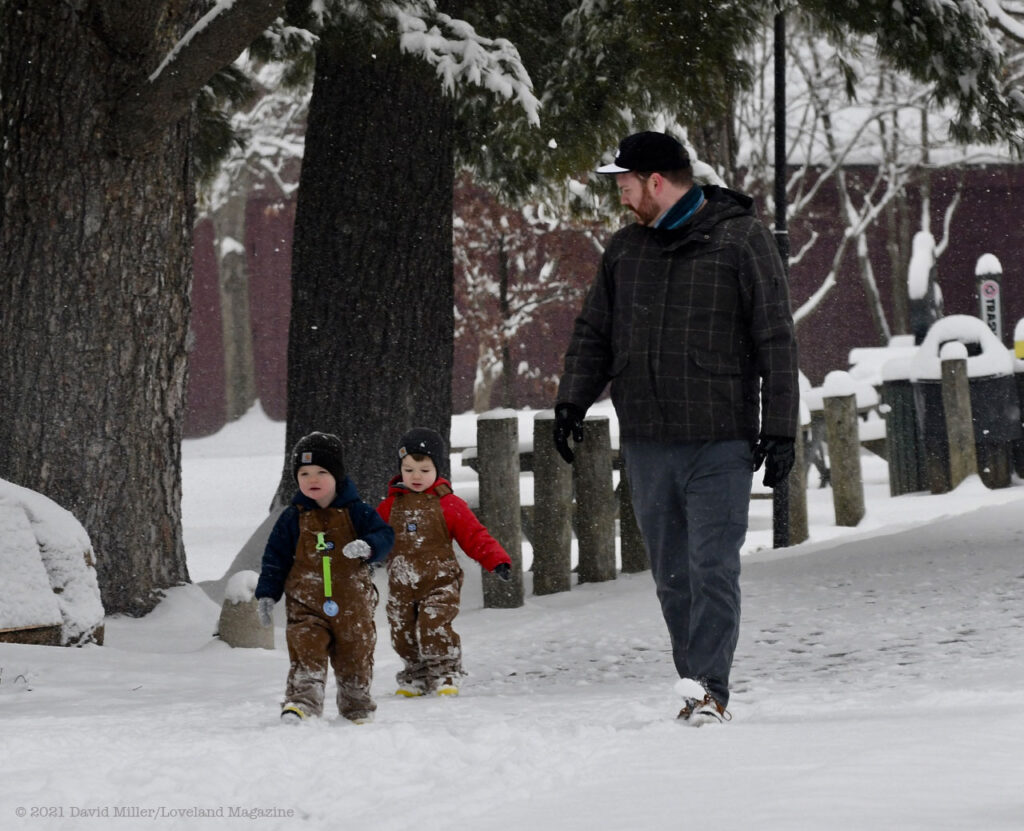
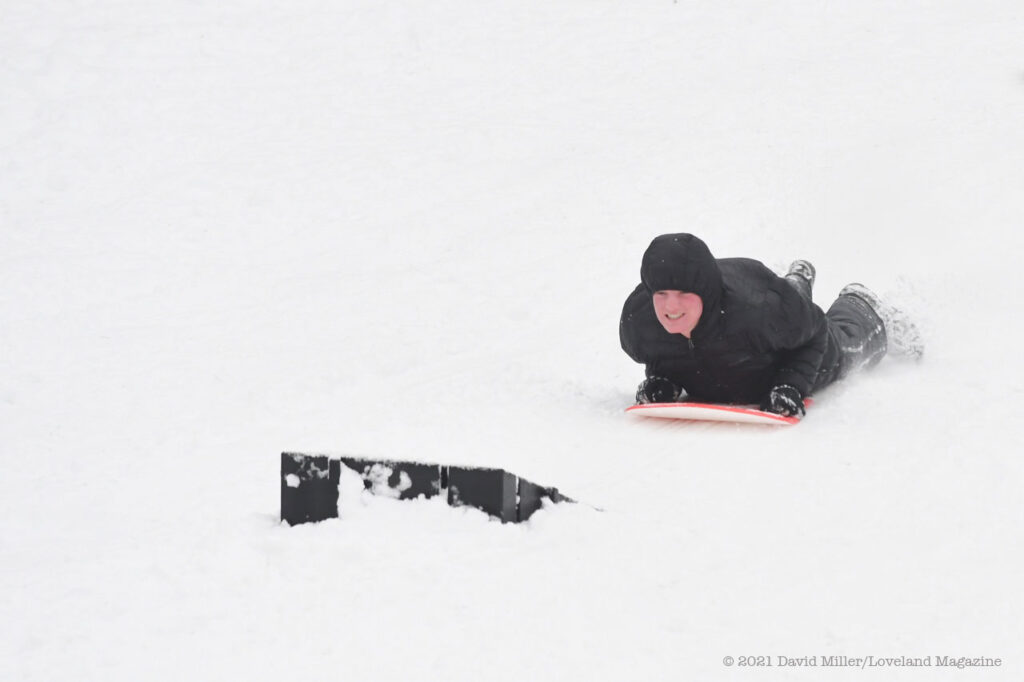
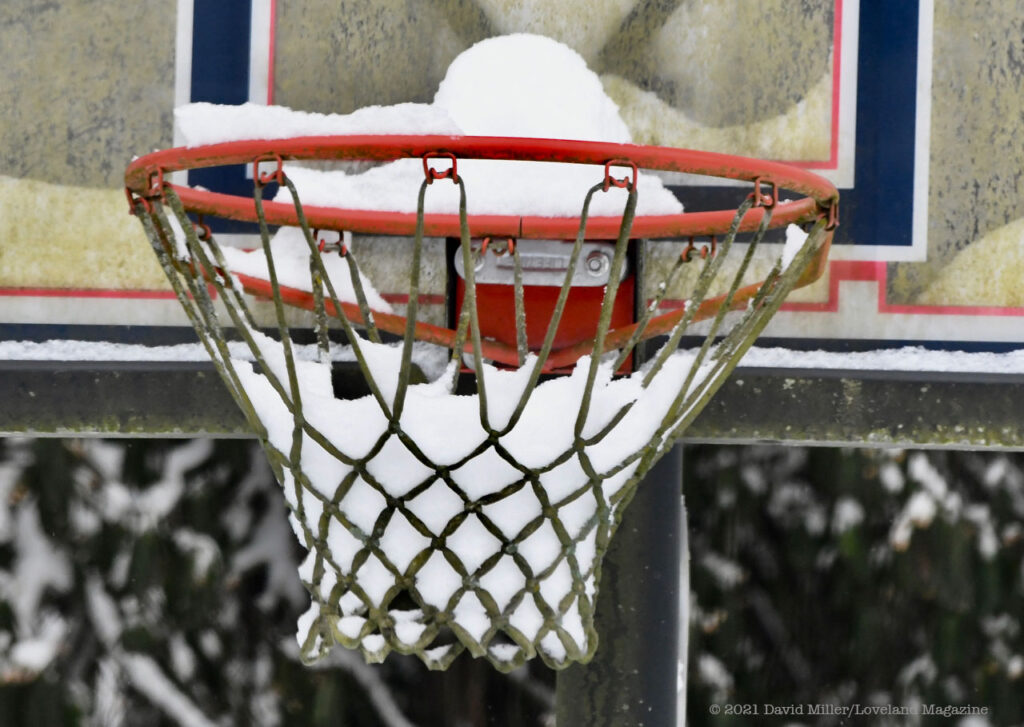
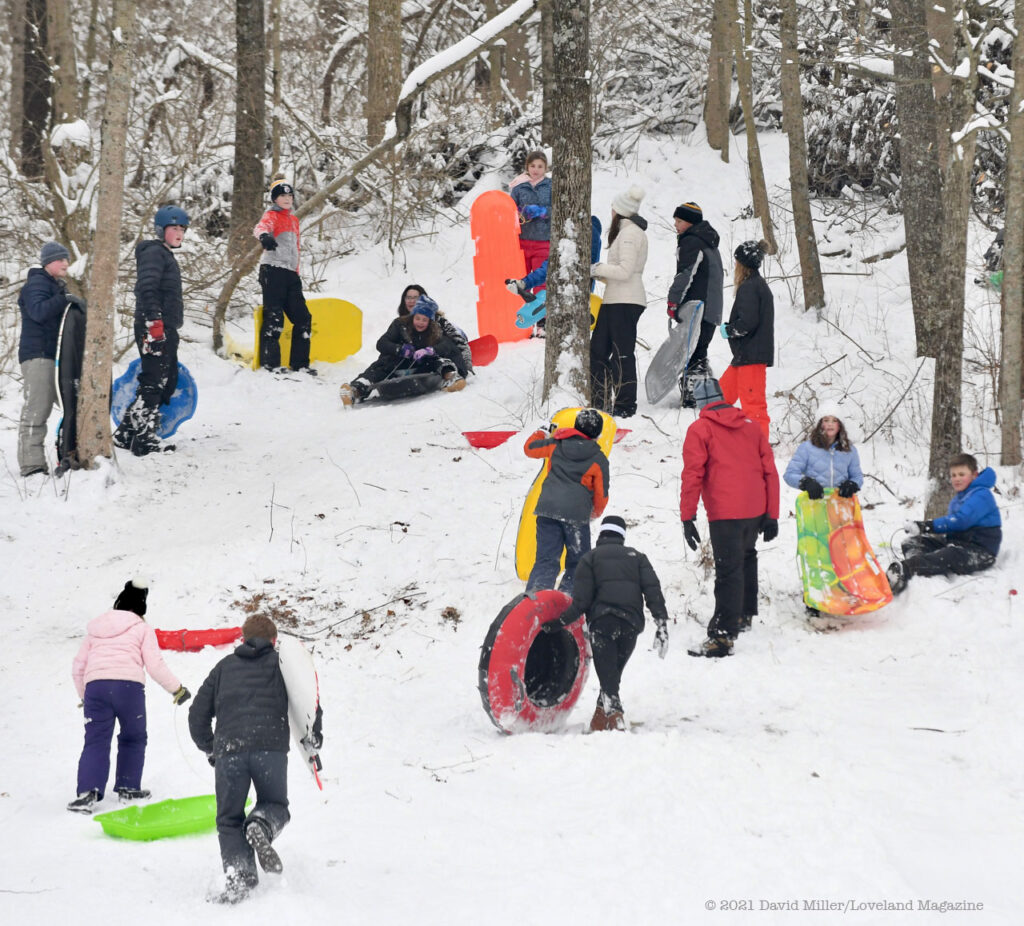
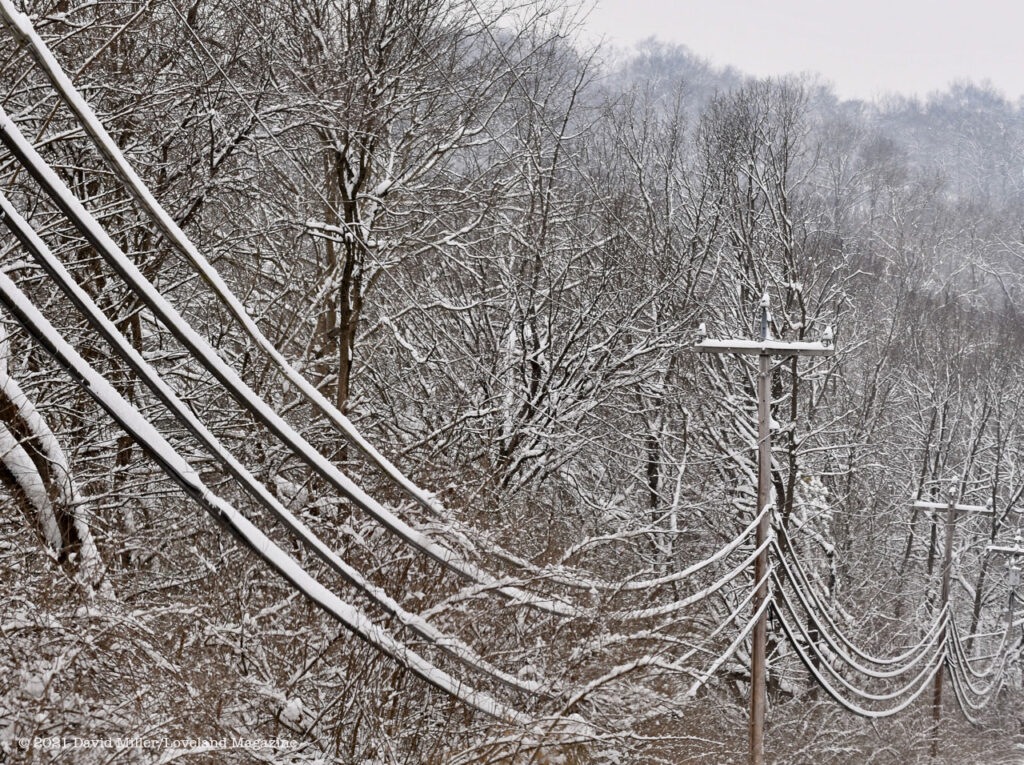
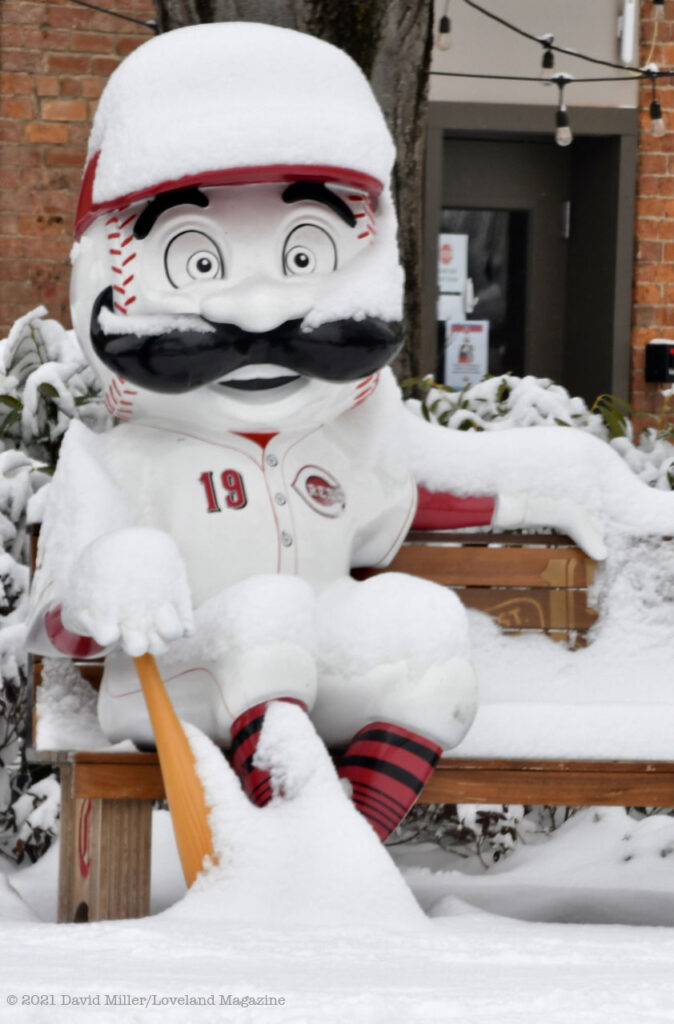
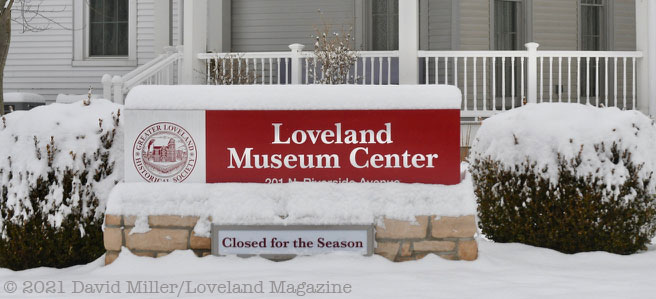
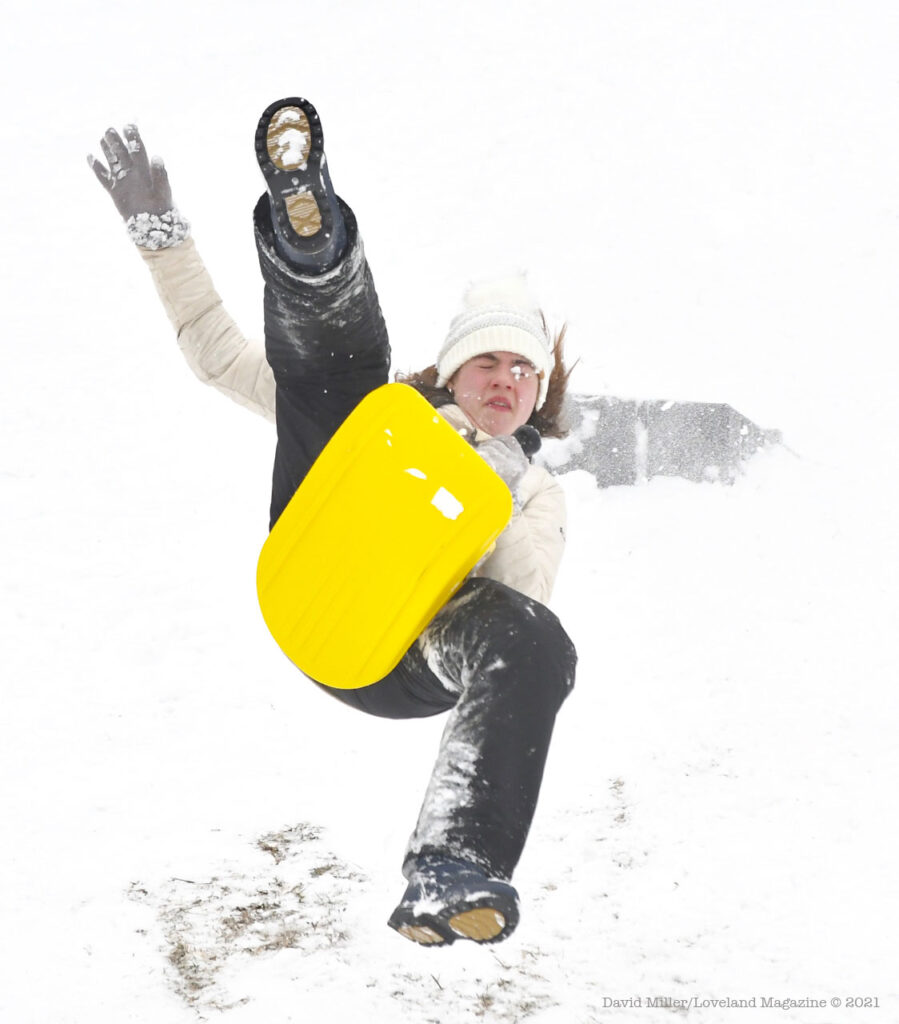
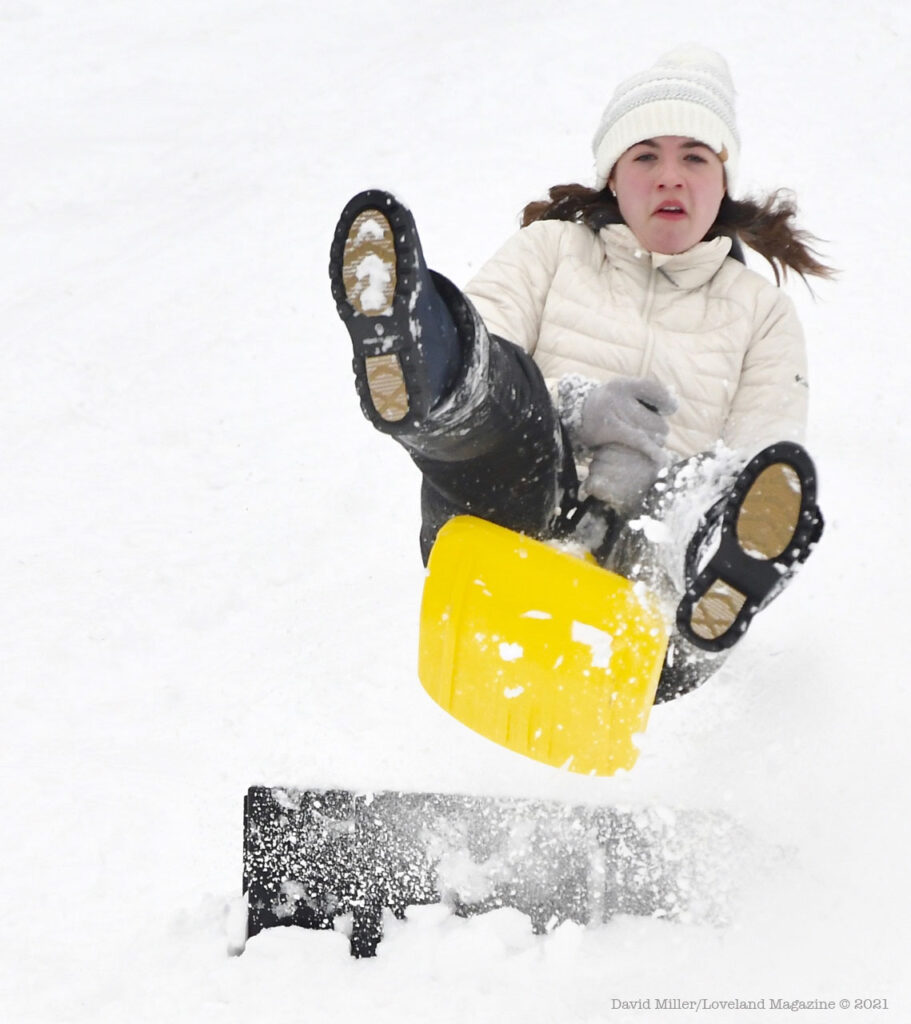
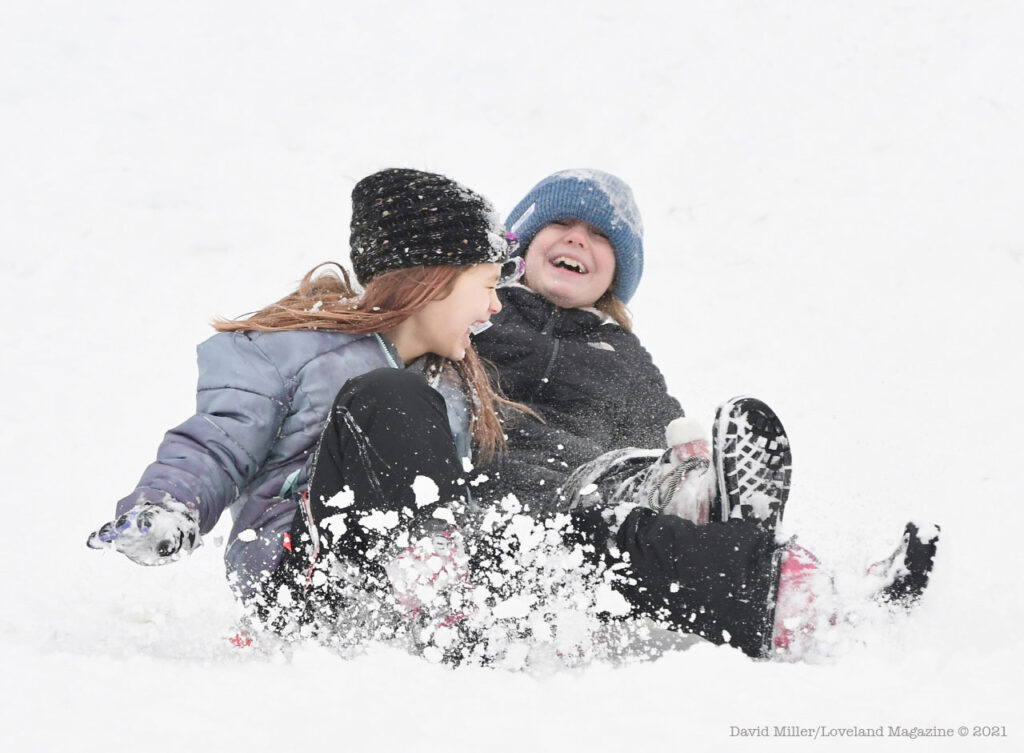
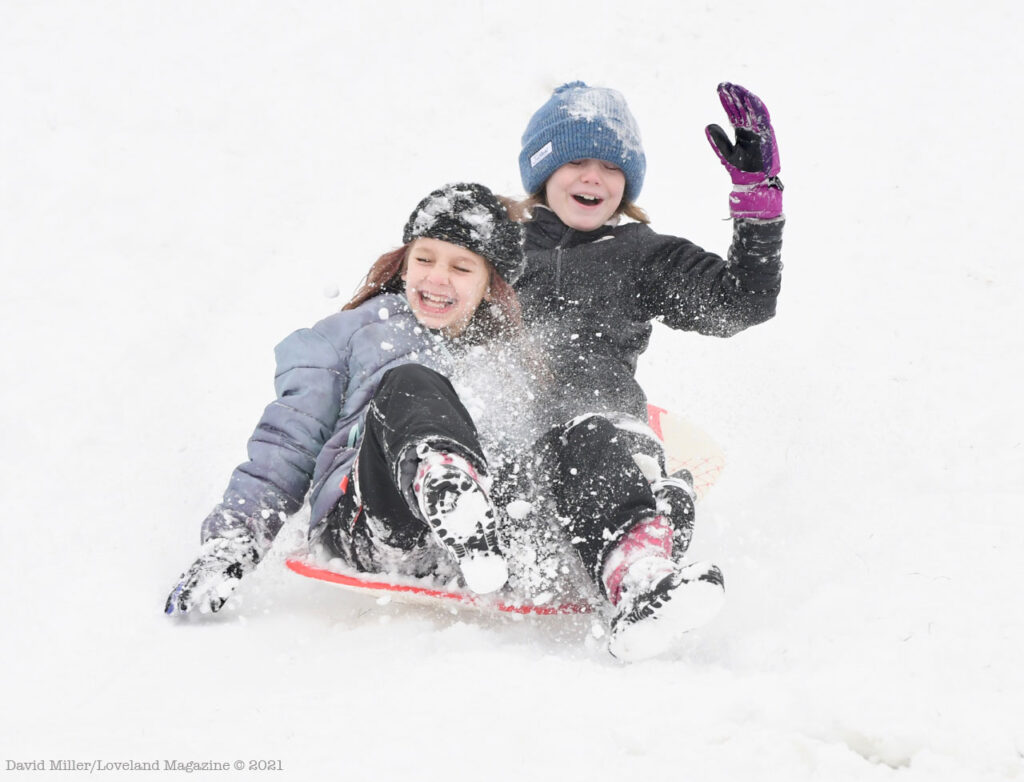
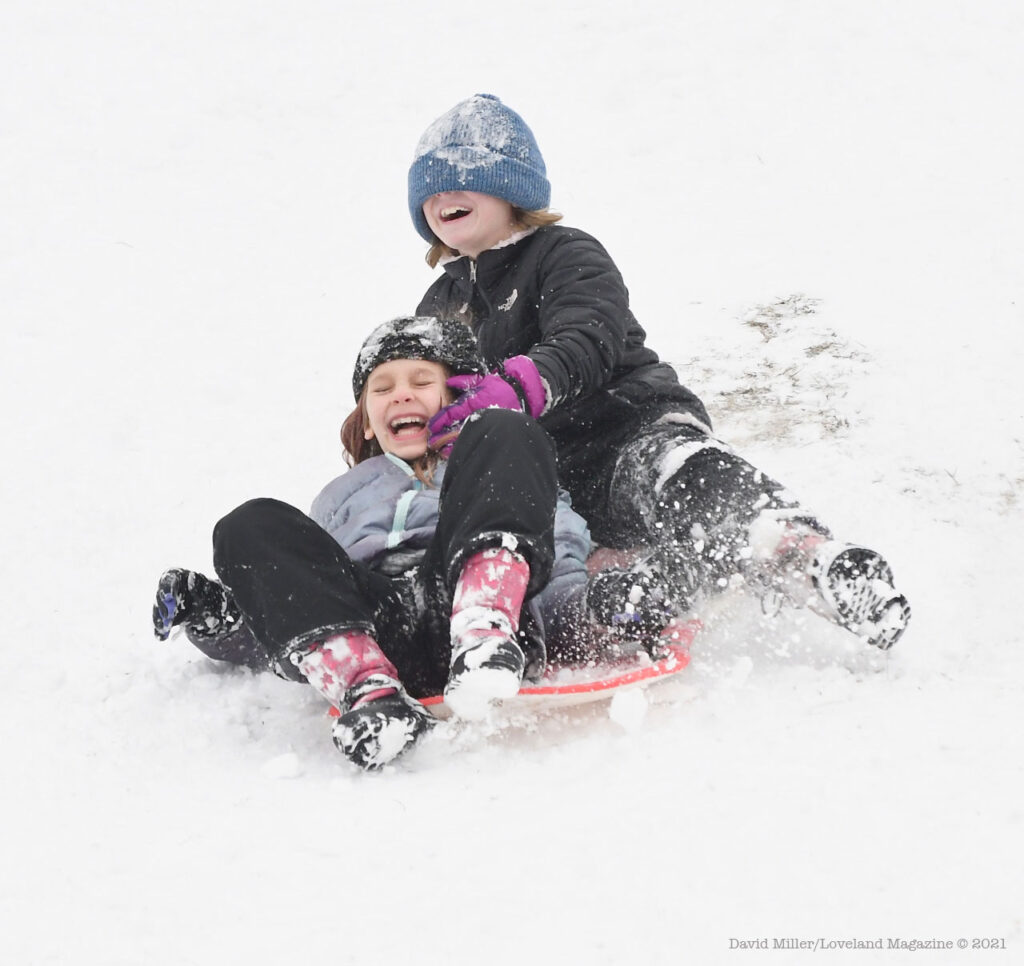
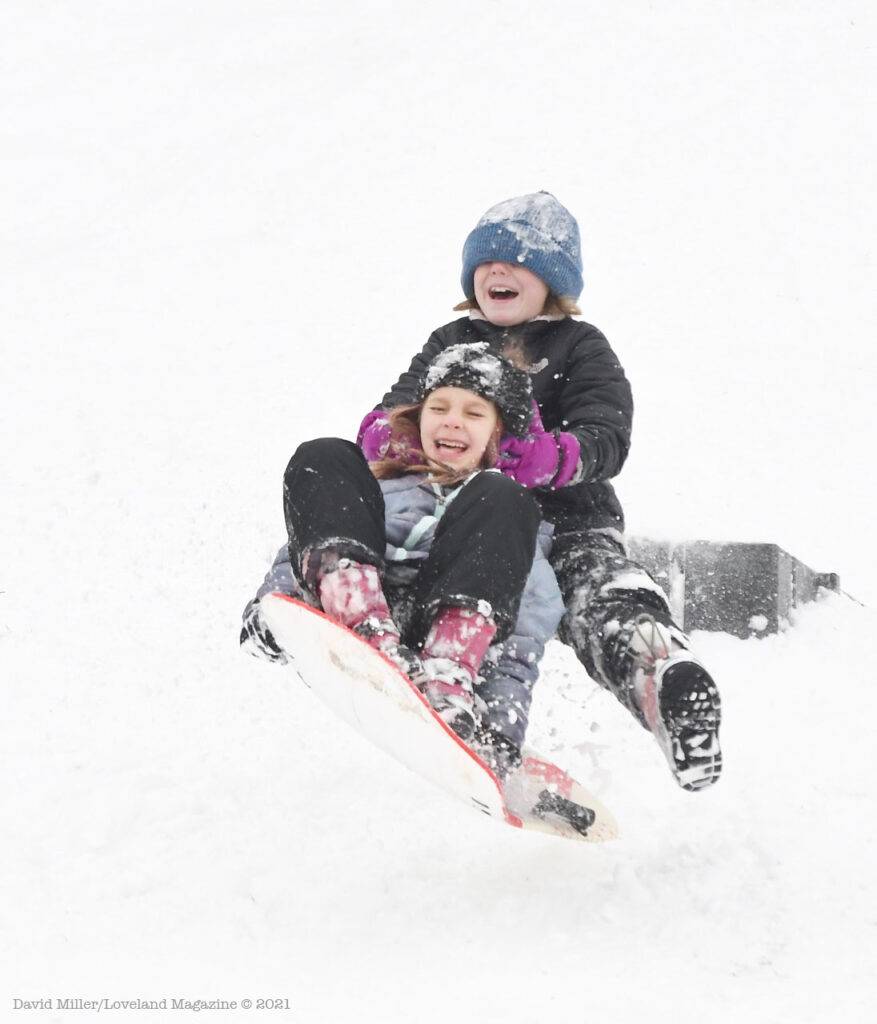
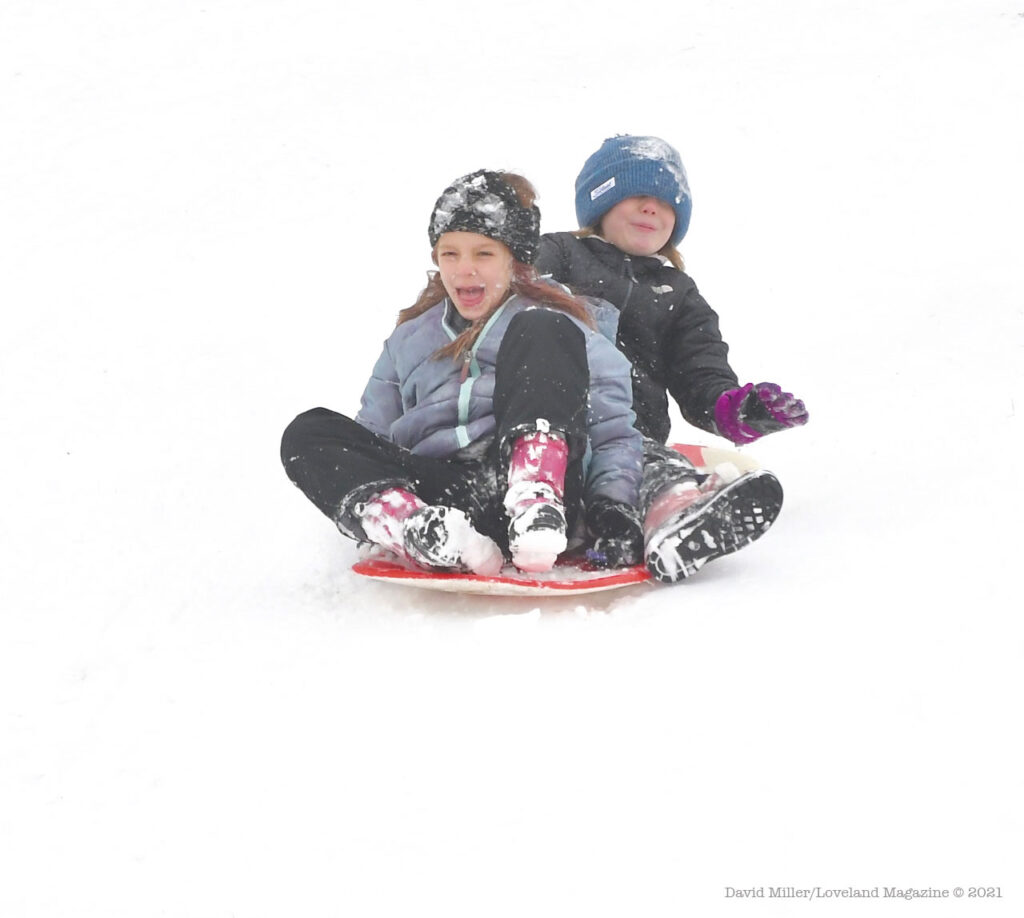
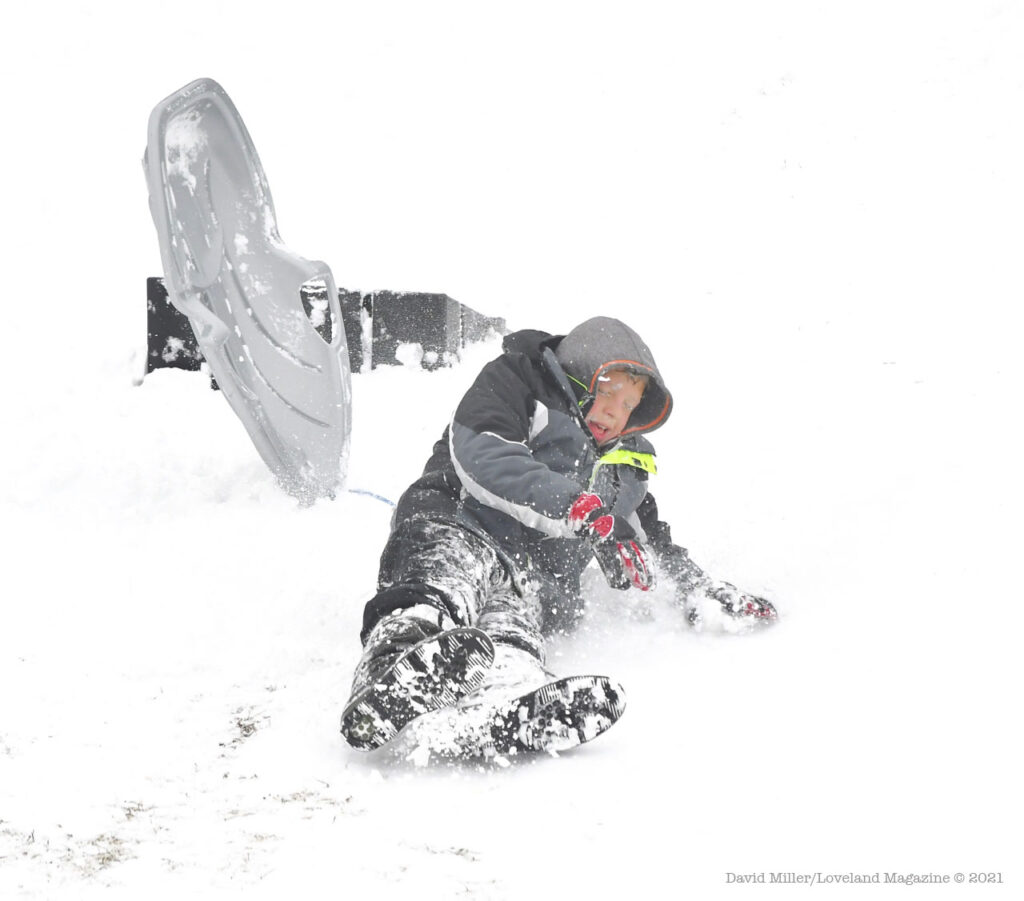
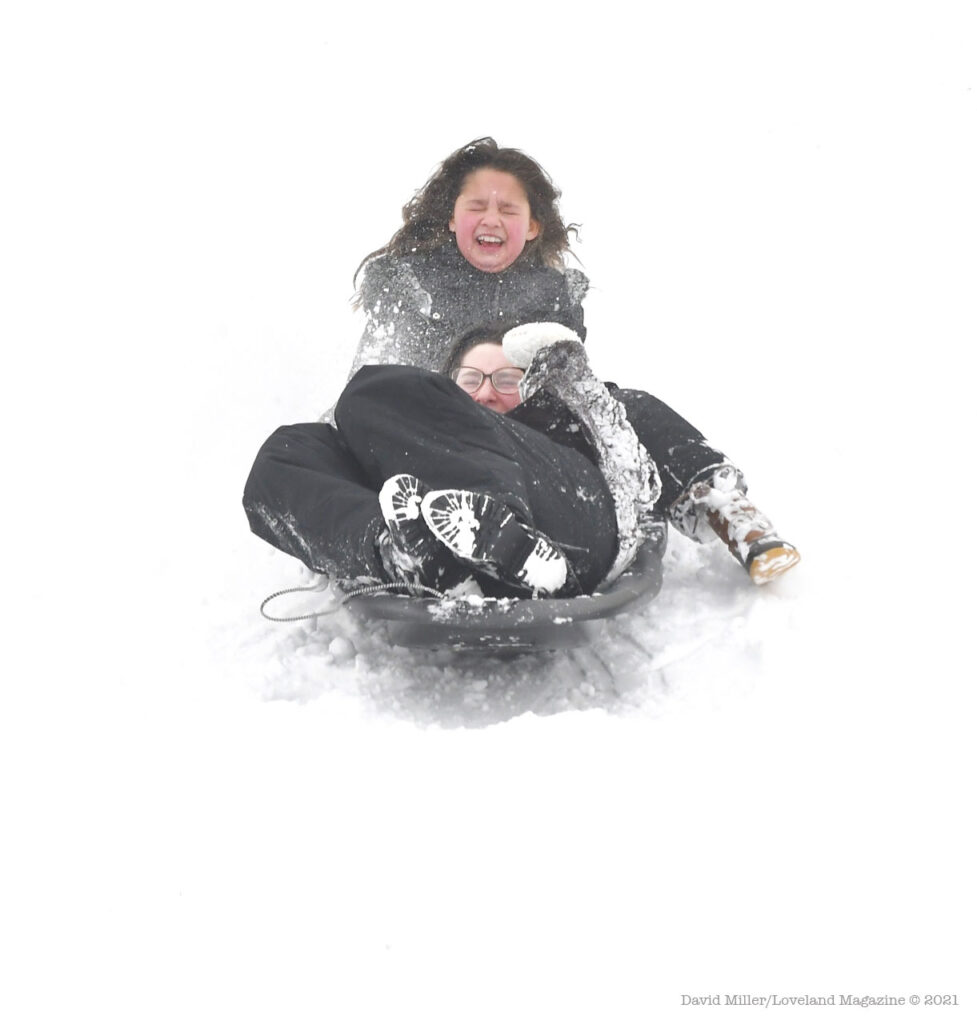
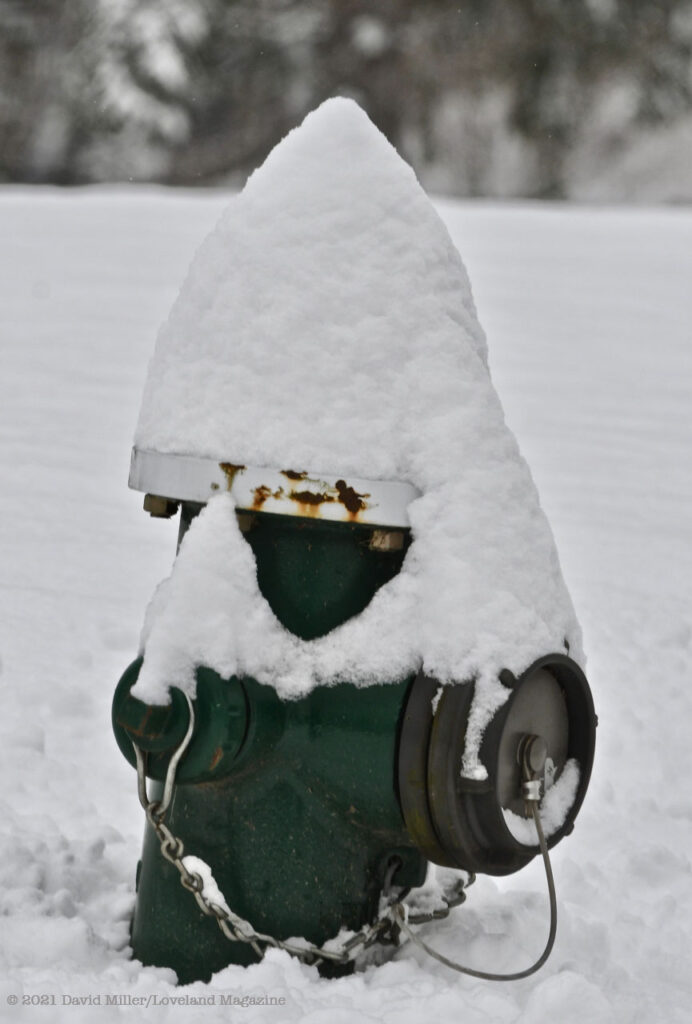
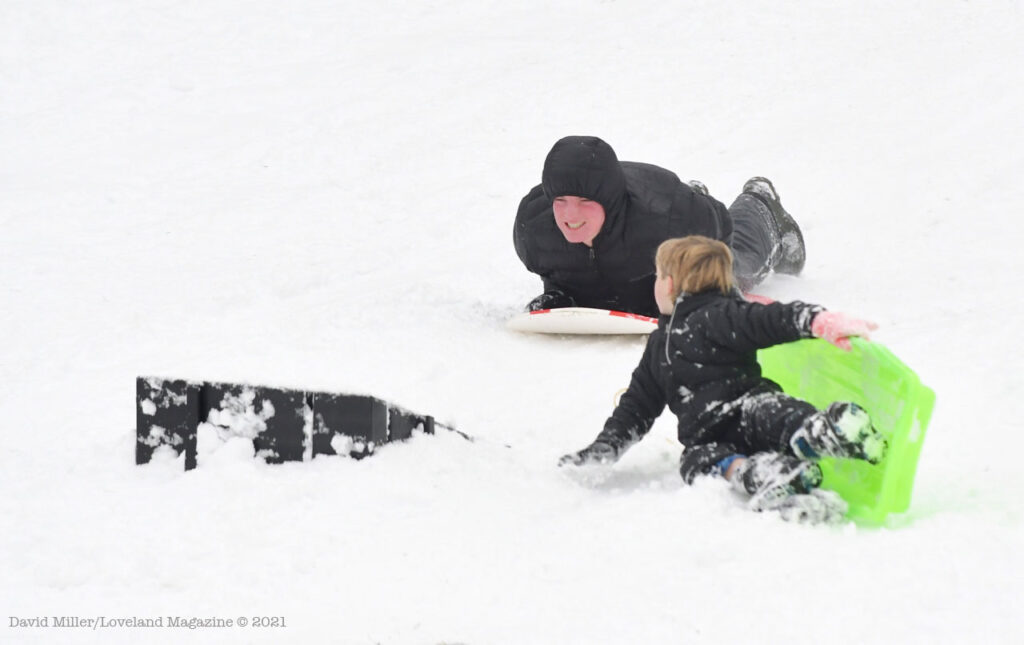
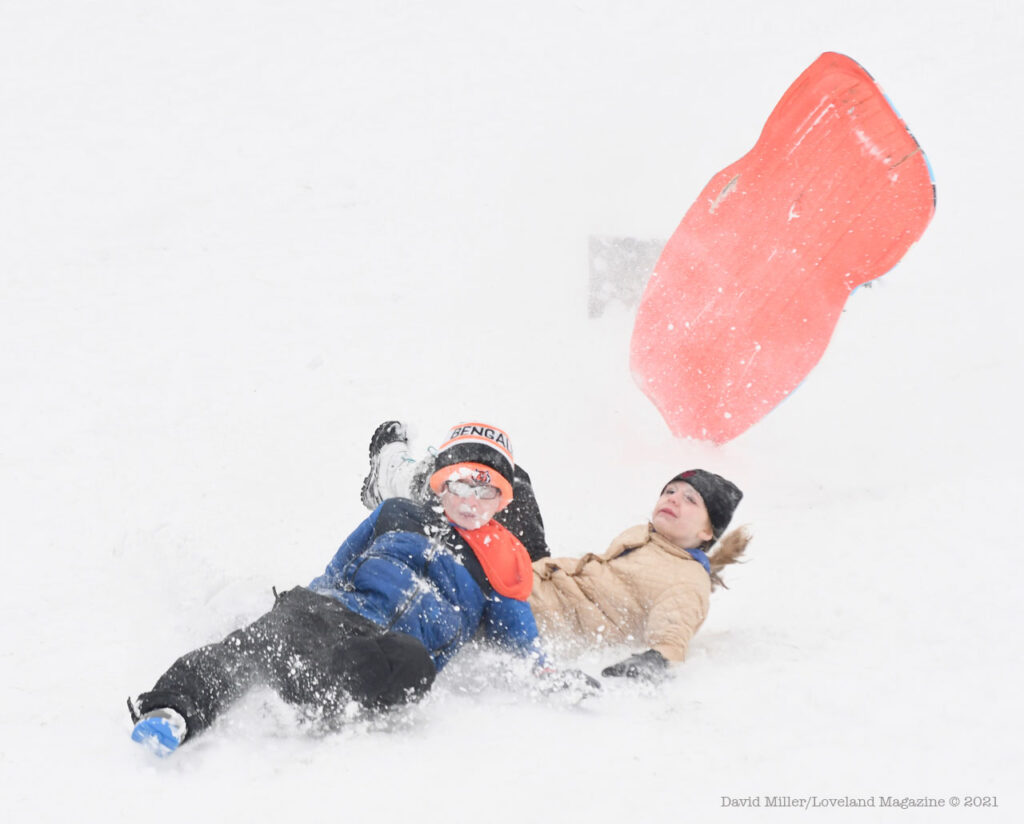
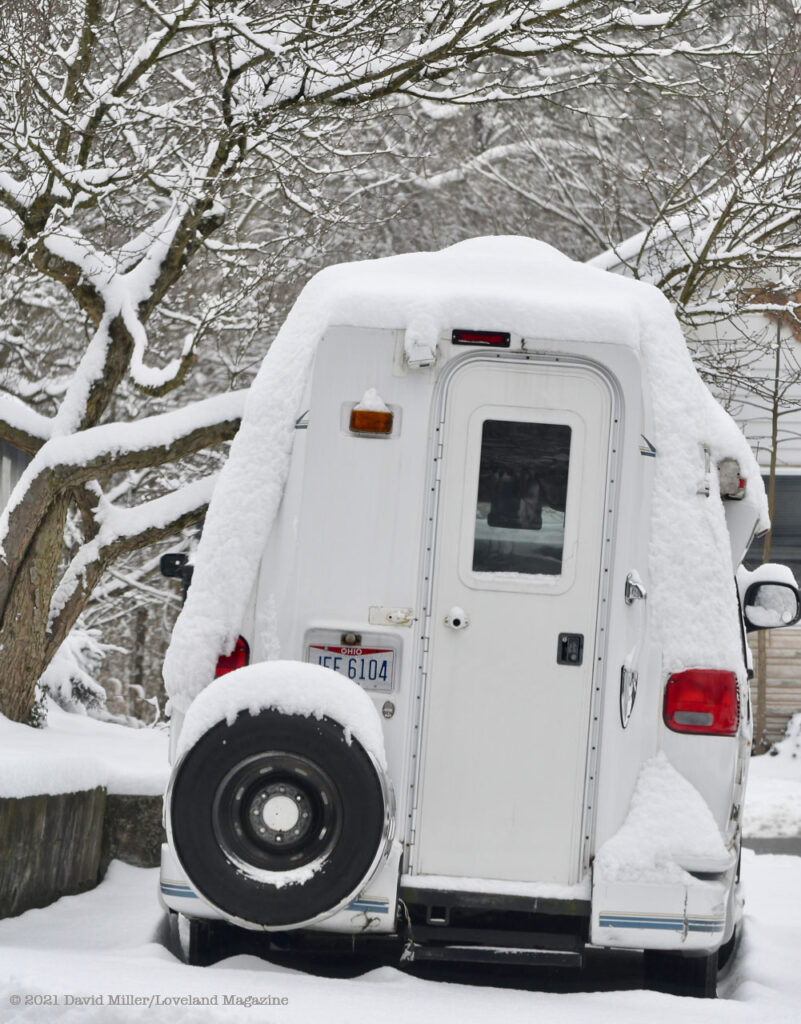
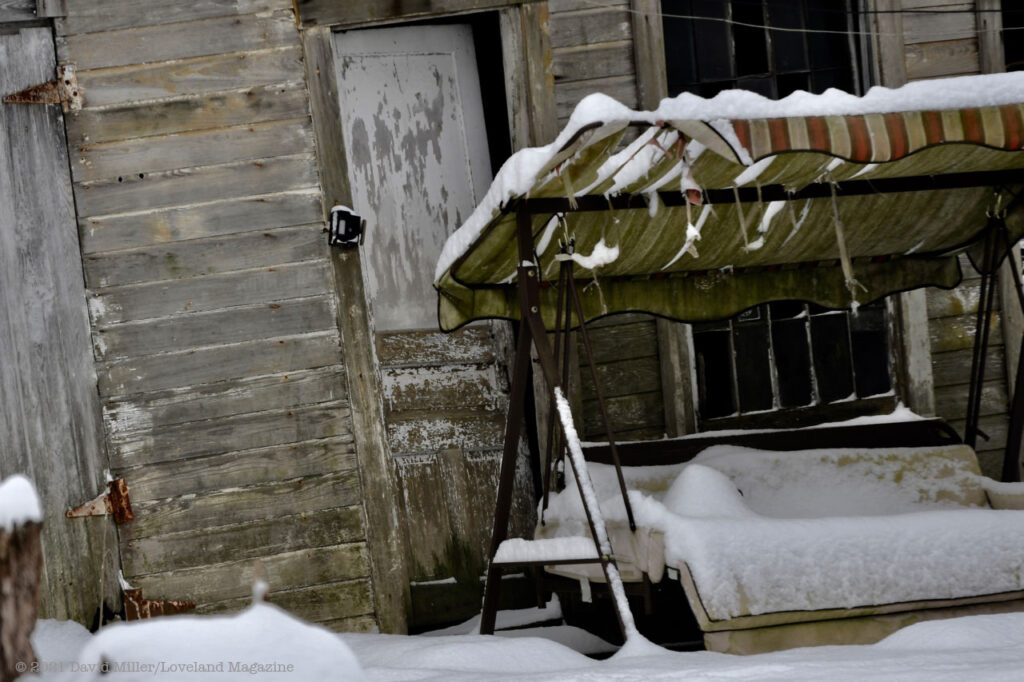
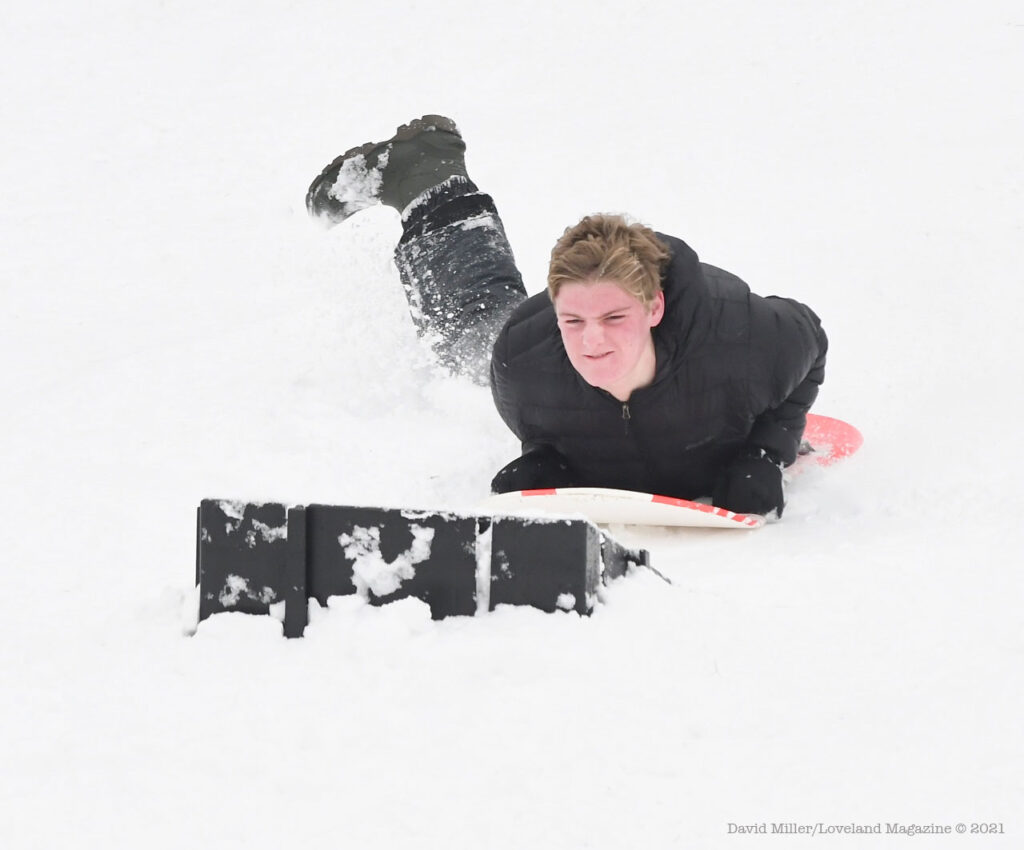
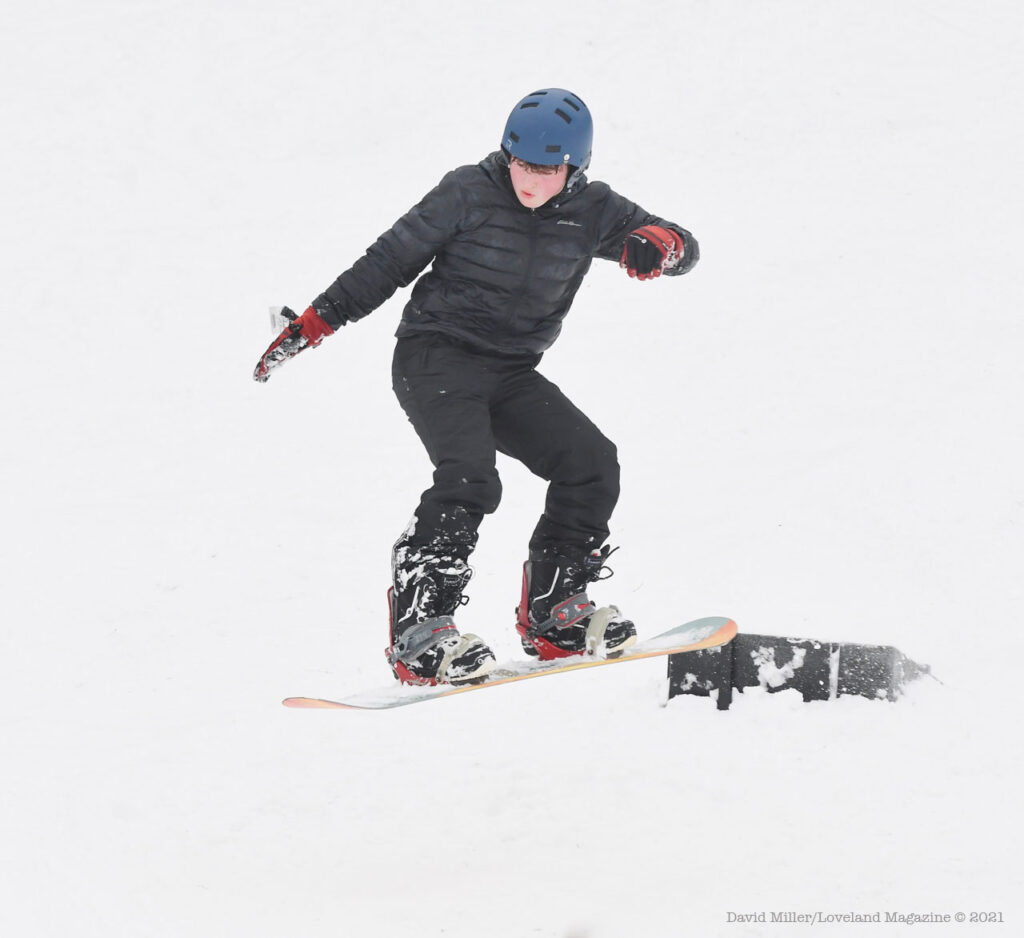
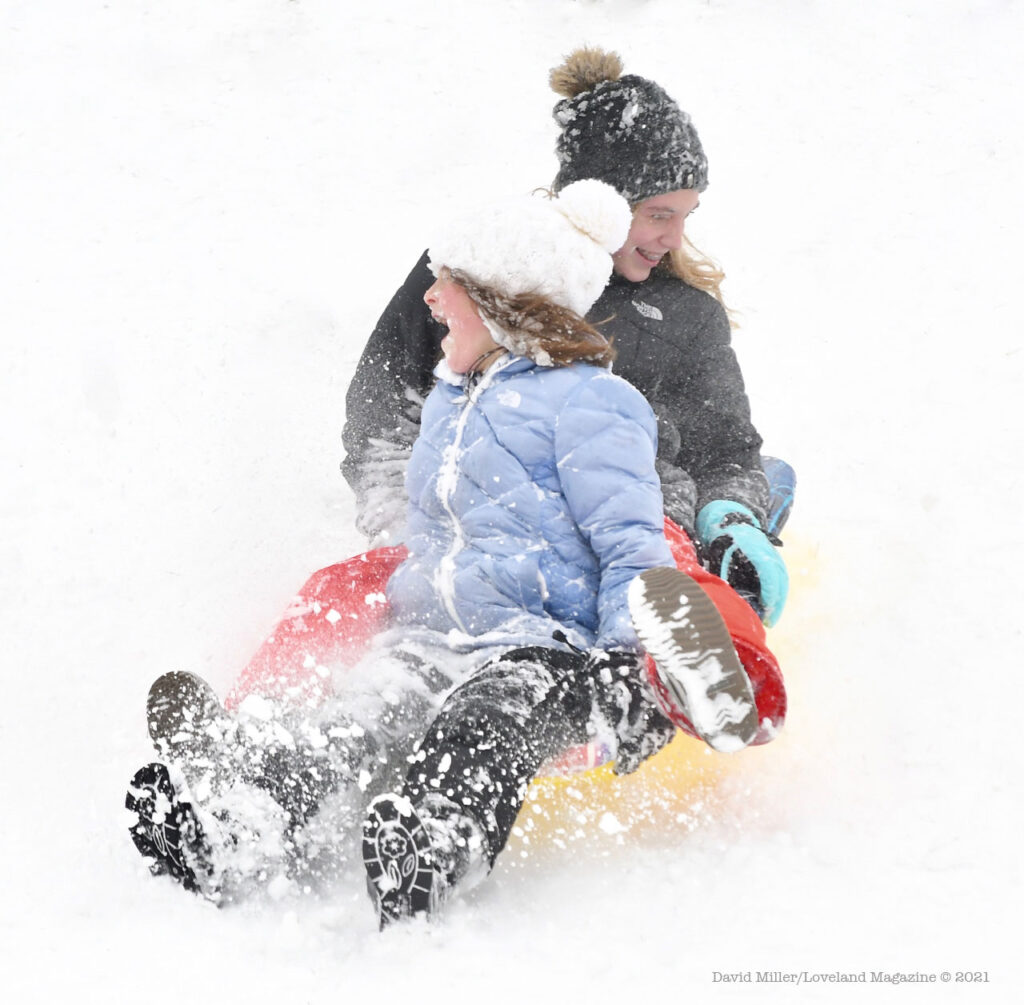
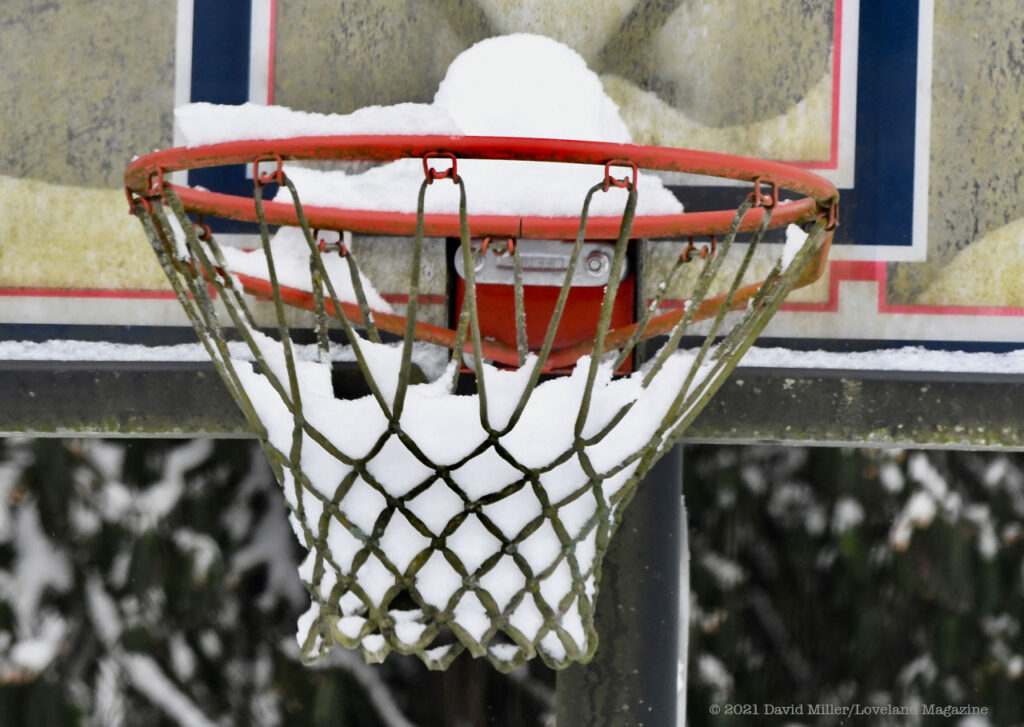
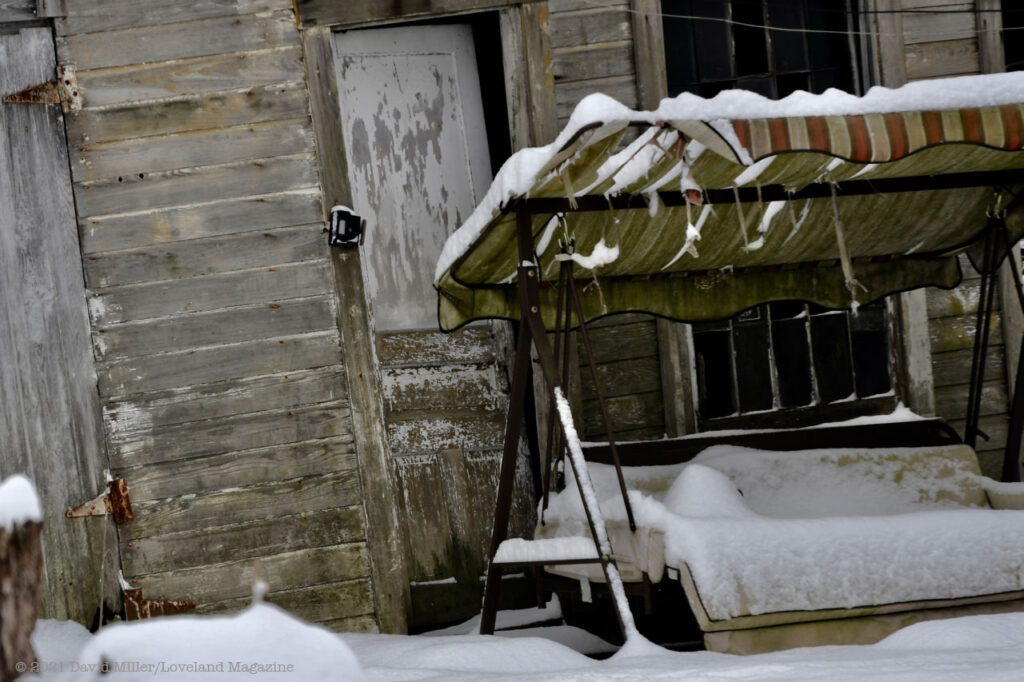
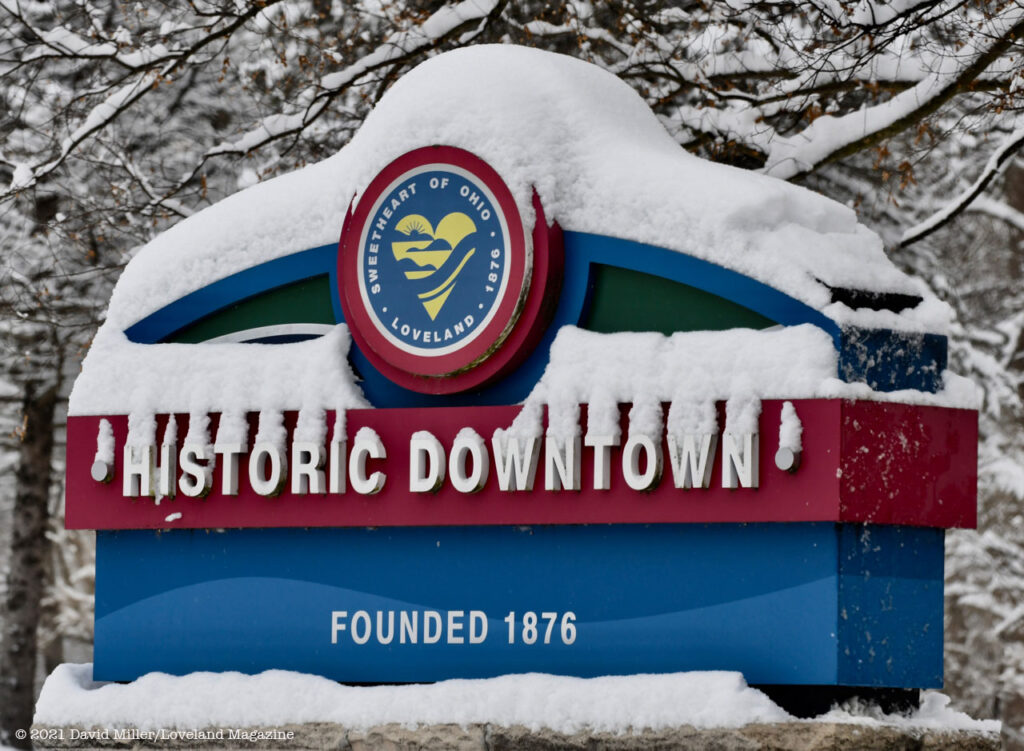
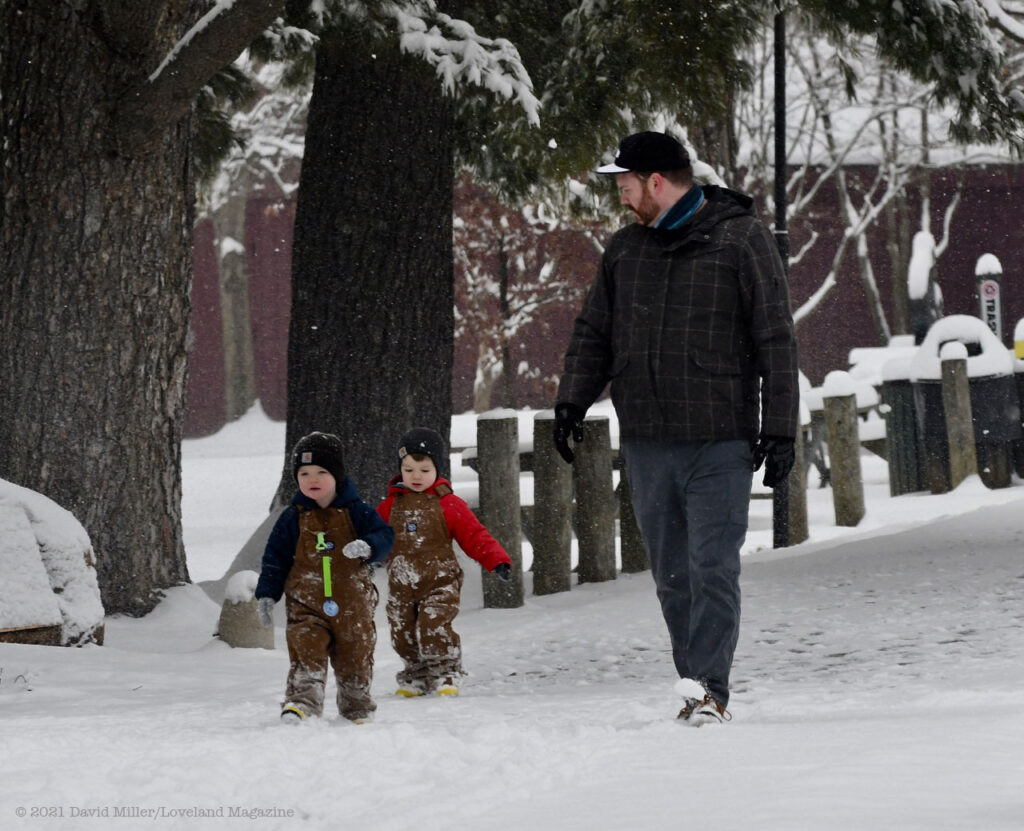
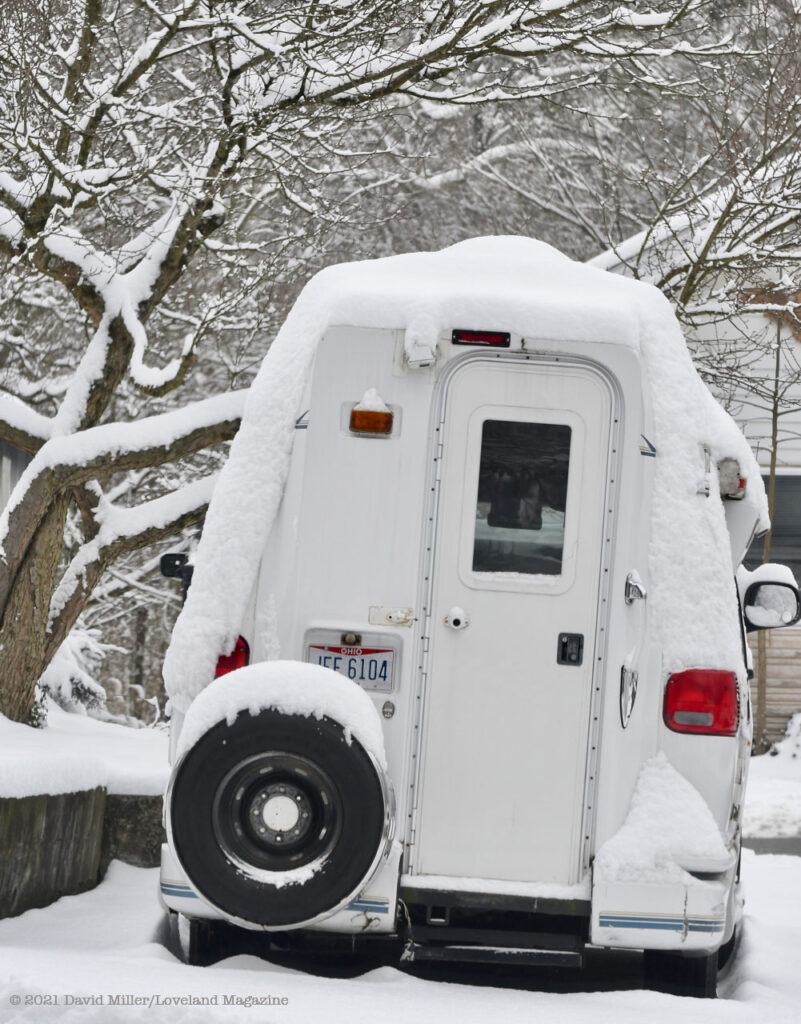
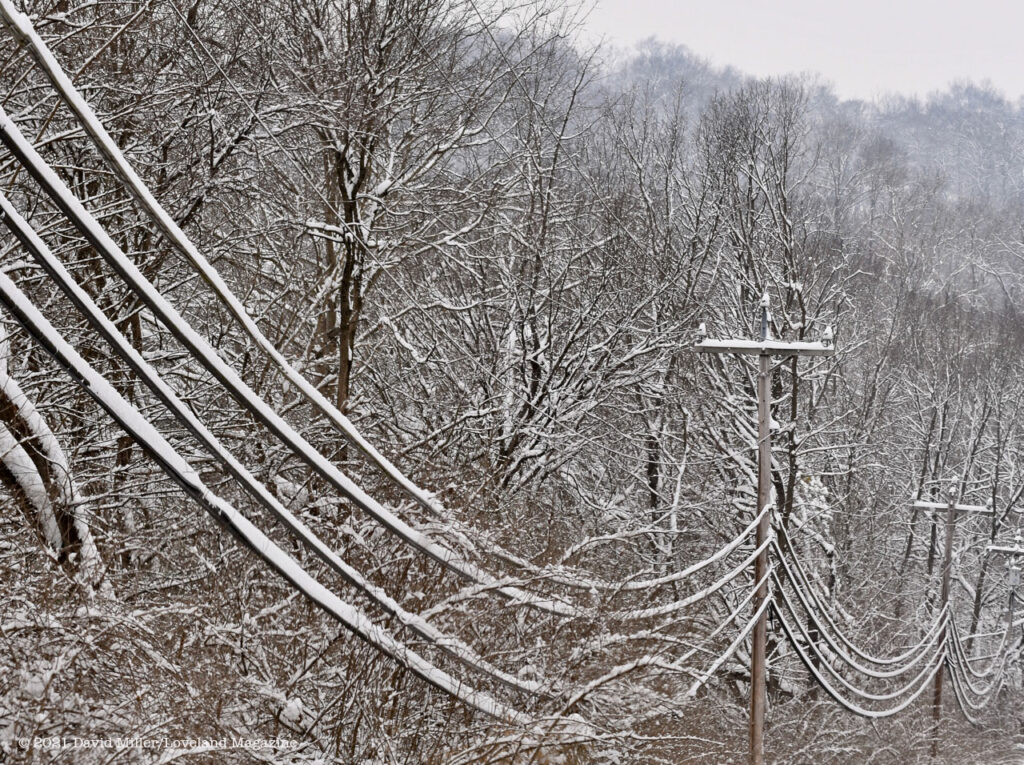
    Loveland, Magazine– It didn’t last very long, but about 1-1/2 inches of snow, topped off the pretty deep, recent snowfall yesterday afternoon.

    These photos were taken deep into the Simpson Farm Conservation District during the brief storm. The Simpson Farm is a 40-acre Conservation District in the heart of the West Loveland Historic District. Loveland Magazine’s office is in the old farmhouse.

    The protective Conservation District covenant, recorded on the deed of the Simpson Farm, is unique to the State of Ohio and perhaps the nation in that it permanently protects publicly owned land and vests the future of the parkland only at the ballot box, by future voters.

    Click on a photo for a slide show view.


    Learn more about the Simpson Farm Conservation District

    Parents and children should explore Loveland’s Simpson Farm on Spring Break

  • Amended health order reopening food service stations signed

    Amended health order reopening food service stations signed

    Ohio Governor Mike DeWine today announced that Ohio Department of Health Director Stephanie McCloud signed the Addendum to Director’s Third Amended Order that Reopens Restaurants, Bars, Banquet and Catering Facilities and Services to Dine-In Service, with Exceptions.

    This amended order, reopens self-service food stations in restaurants, bars, banquet and catering facilities, and services, as long as the following conditions are met:

    • Customers must wear facial coverings while using self-service food stations or in line for self-service food stations. Those unable to wear a facial covering must be served by an employee.
    • Buffet tables/salad bars must be spaced a minimum of 6 feet away from customer seating/tables, and lines must not extend into seating areas.
    • Customer flow at buffet tables/salad bars must move in one direction with a beginning point and ending point, and customers must maintain at least 6 feet of social distancing while in line. Directional signage must be posted indicating where the customer line begins.
    • Hand sanitizer must be placed at self-serve food stations, including at the front of the line and end of the line of buffet tables/salad bars, and used by customers prior to, and after, serving themselves.
    • At least 6 feet of social distancing must be maintained between seated customers and customers in line for a buffet/salad bar and monitored by employees.
    • Serving utensils must be replaced or cleaned and sanitized at least hourly. It is recommended that customers use disposable napkins, tissues, wax paper, etc., when handling serving utensils, and operators of self-service food stations are encouraged to make them available. A trash receptacle should be conveniently located.
    • Use of individually packaged condiments is recommended instead of shared or bulk condiment dispensers.
    • Commonly touched surfaces must be cleaned and sanitized frequently.
    • While in operation, self-serve areas must be continually monitored by staff who are trained in food safety, including monitoring customer hand sanitizing practices at the self-service food station.
    • Food must be protected from contamination, including sneeze guards on self-serve equipment.
    • Signage must be placed at self-service food stations requiring customers to use hand sanitizer before and after serving themselves, and to maintain at least 6 feet of social distancing while in line. The signage should recommend that customers use disposable napkins, tissues, wax paper, etc., when handling serving utensils. A sample sign is available on Ohio’s coronavirus website at https://coronavirus.ohio.gov/wps/portal/gov/covid-19/responsible-restart-ohio/Posters-and-Signs (food service operations and retail food establishments may choose to develop their own signage).

    The order goes into effect on February 11, 2021 at 11:59 p.m.

  • Former Loveland Magazine Contributor Begins new Journey Reporting on the Bengals!

    Former Loveland Magazine Contributor Begins new Journey Reporting on the Bengals!

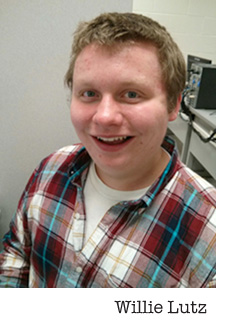
     Willie Lutz reporting for Loveland Magazine from Tiger Stadium in 2014

    by Cassie Mattia

    Loveland, Ohio – Loveland Magazine throughout the years has had many opportunities to both meet and mold journalism interns into talented multi-dimensional professional journalists. Many have gone on to be very successful writers, broadcasters, reporters, and filmmakers; recently one previous Loveland Magazine intern and former Loveland High School grad announced he just landed a new writing gig!

    Willie Lutz was a paid intern at Loveland Magazine during his Junior and Senior years at LHS, his primary role being to write about LHS sports and to do on-air post-game reports. Lutz has since been a frequent contributor to Loveland Magazine.

    Lutz recently released the news that he accepted a position at Last Word on Sports where he will be responsible for reporting all things NFL, primarily the Cincinnati Bengals.

    Willie Lutz file photo from when he reported sports for Loveland Magazine

    “I’m excited to join the team at Last Word On Sports,” Lutz announced on his Facebook page, “I’ve greatly missed sports writing and I found a perfect landing spot! To kick things off, I wrote about Joe Burrow’s desire to keep Zac Taylor in Cincinnati and what that means for the Bengals.”

    To check out Lutz’s first article with Last Word on Sports that was released in December of 2020 click the following link: Joe Burrow Wants Zac Taylor to Stay With Cincinnati Bengals. His latest released just today is Cincinnati Bengals Slot Cornerback Options This Off-season.

    Loveland Magazine’s Editor in Chief David Miller was estatic about Lutz’s new opportunity!

    “I’m not the biggest Bengal’s fan but if I was I would certainly be keeping up with what Willie is writing! He’s very, very good at what he does. I read what Willie writes and follow him and he’s now got me following the Bengals,” Miller said.

    LastWordOnSports.com is essentially a network of sports-related entities encompassing type media and radio. The site was established in August 2011 with a focus on the major professional leagues.

    Read on at:

    We would like to take the opportunity to congratulate Willie Lutz for obtaining such an awesome journalism position! Thank you so much Willie for providing Loveland Magazine with your outstanding articles! We hope that you will continue to succeed and thrive in the world of Sports Journalism! Good Luck!

    Stay tuned for more of your Sports 411 With Me, Cassie Mattia!

  • In the snow there was a limited window of time to deliver an organ donation to Cincinnati Children’s

    In the snow there was a limited window of time to deliver an organ donation to Cincinnati Children’s

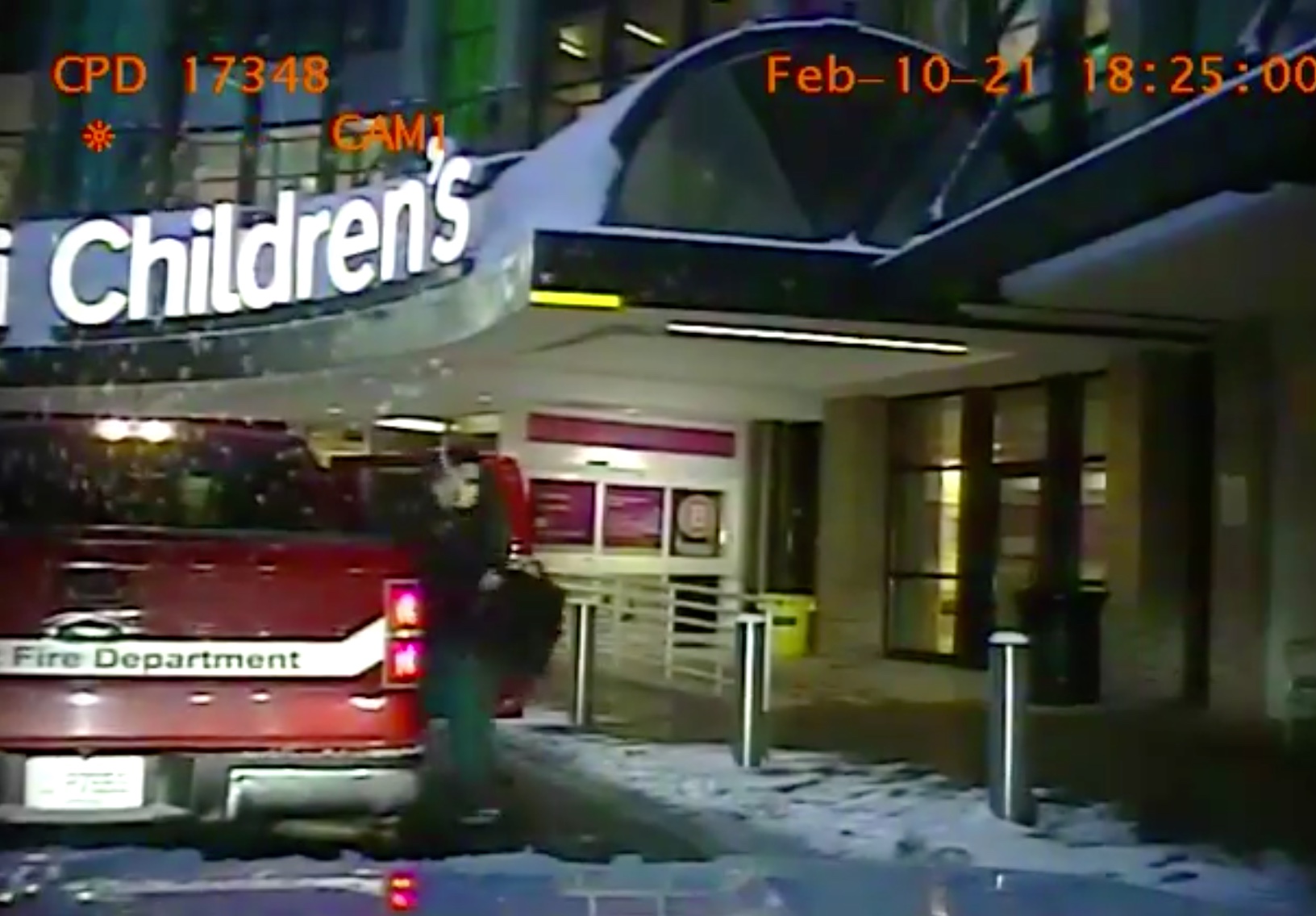
    Northern Kentucky, Last night around 5 PM, CVG Airport Fire/Rescue personnel received a call that an inbound medical flight was diverting arrival from Lunken Airport to CVG due to the winter weather.

    Given the diversion, there was a limited window of time to deliver an organ donation to Cincinnati Children’s Hospital.

    CVG firefighter/EMT Jason Baumann responded to the call. Baumann braved the ongoing snowstorm and traffic and hopped in a CVG pickup truck with medical staff and the organ donation.

    The Hamilton County Sheriff’s Office had already issued a LEVEL 1 Snow Emergency.

    With an assist from the City of Cincinnati Police Department on entering Ohio to navigate poor conditions, Baumann and his escorts successfully made it to Children’s with time to spare.

    Below is the link to the Cincinnati Police dashcam video of the escort, and the last few moments of the delivery of the organ donation to the hospital door.

  • To tamp down rumors: Statement from Superintendent of Schools

    To tamp down rumors: Statement from Superintendent of Schools

    Loveland, Ohio – Loveland School Superintendent Bradley Neavin has asked Loveland Magazine to send the below message to the community about a situation yesterday at the Loveland Middle School.

    In a phone call, Neavin said, “The situation is being investigated. It is being handled. We’ve pulled our resources together, including our outside resources which include our resource officers and everybody is safe.”

    LMS Safety Update

    Tiger Family –

    We wanted to update you on a situation involving Loveland Middle School. Yesterday, the school administration was informed of a safety concern involving one of our students. This situation was reported to the school administration and an investigation, involving school and central administration, student support personnel, and the school resource officer in collaboration with the Loveland City Police Department, was initiated.

    In communication with the parents of the student, the situation was addressed and per the investigation, Loveland Middle School was determined to be safe.

    Thank you for your continued cooperation and collaboration.

  • Judge blasts COVID-19 lawsuit against health department as “incomprehensible”

    Judge blasts COVID-19 lawsuit against health department as “incomprehensible”

    By Jake Zuckerman and Ohio Capital Journal

    A federal judge expressed tremendous skepticism of a lawsuit alleging “absolute tyranny” of the Ohio Department of Health’s response to the COVID-19 pandemic, deeming the plaintiff’s arguments nearly “incomprehensible.”

    U.S. District Judge James G. Carr didn’t rule on ODH’s motion to dismiss the suit, which was filed by a self-described citizens group called Ohio Stands Up.

    However, Carr wrote in an order Tuesday that the plaintiffs didn’t satisfy a basic rule of courtroom procedure requiring them to clearly state what their legal problem is and what they want the court to do about it.

    Carr ordered plaintiffs to show cause for why he shouldn’t dismiss the lawsuit for failing to meet the basic minimum legal standard for a civil complaint.

    He described Ohio Stands Up’s arguments as “a jumble of alleged facts, conclusory and speculative assertions, personal and third-party allegations, opinions, and articles of dubious provenance and admissibility.”

    Ohio Stands Up, Carr wrote, created an “impenetrable thicket of often conclusory and speculative assertions, allegations, contentions, innuendo, and legal arguments and citations.”

    While he did not dismiss the case, he blasted the hundreds of pages of disorganized criticism the plaintiffs leveled against ODH and ordered them to make a case for why the suit shouldn’t be dismissed.

    “It’s simply not my job to try to discern from plaintiffs’ scattered, off-loaded stack of contentions and claims to envision what sort of plausible legal edifice a capable legal architect might erect,” he said.

    The lawsuit itself is rich in conspiracy theory and distortion, baselessly alleging COVID-19, which has killed more than 466,000 Americans since the pandemic started, is no different than the flu, which kills about 35,000 Americans per year.

    It claims the government is disseminating misleading information to fear-monger. The suit claims the true death count of COVID-19 (as of an October filing) is 15,000 — there is no evidence suggesting this is true. It makes similarly apocryphal claims about masks and their efficacy, the origins of COVID-19, and others.

    Earlier reporting from the Ohio Capital Journal identified several ties between Ohio Stands Up and Health Freedom Ohio, an anti-vaccine advocacy group.

    The lawsuit is the first on record for, Tom Renz, lead counsel for Ohio Stands Up. His co-counsel, Robert Gargasz, lost election in November for Lorain County prosecutor after calling for “Marxist anarchists” and “communists” to be shot and “stacked like cordwood.”

    Since filing the ODH suit, Ohio Stands Up has filed another lawsuit against the U.S. Department of Health and Human Services, the CDC, and the National Center for Health Statistics. Renz, Gargasz, and N. Ana Garner, a New Mexico attorney, are representing the group.

    Ohio Stands Up crowdsourced legal funds for its lawsuits. A GoFundMe page lists$120,000 in donations for the suit from 1,600 donors.

    Both Renz and an Ohio Department of Health spokeswoman did not respond to inquiries.

  • ODH to add 4000 COVID-19 deaths that ‘may have been underreported’

    ODH to add 4000 COVID-19 deaths that ‘may have been underreported’

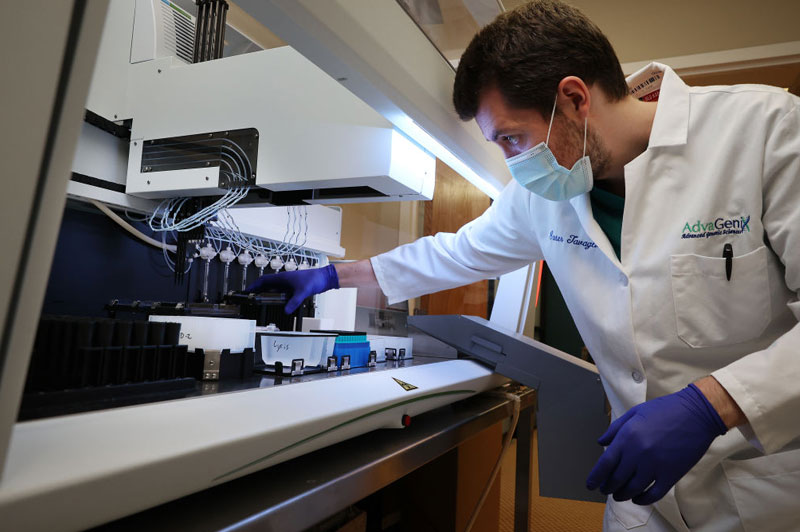
    Lab Technician Carter Tavaglione loads at Janus G3 automated workstation with coronavirus test samples at Advagenix, a molecular diagnostics laboratory, on August 05, 2020 in Rockville, Maryland. Photo by Chip Somodevilla/Getty Images.

    By Jake Zuckerman and Ohio Capital Journal

    As many as 4,000 COVID-19 deaths “may have been underreported” and will be added to the state’s pandemic death toll this week, according to a Wednesday news release from the state health department.

    Under the previous tally from the Ohio Department of Health, 11,856 residents died of COVID-19. The 4,000 unreported deaths will be added later this week.

    “Process issues affecting the reconciliation and reporting of these deaths began in October,” ODH said in a news release. “The largest number of deaths were from November and December.”

    The release contained sparse detail despite the seismic adjustment to the pandemic’s net toll.

    Dan Tierney, a spokesman for Gov. Mike DeWine, said ODH discovered the issue causing the undercounting.

    He said the ‘reconciliation’ issue is between two Ohio databases — one used to track infectious diseases and a separate one for death certificates — but didn’t have details.

    “What the actual error was, I do not have those specifics,” he said.

    The ODH release states the issue was identified by the department “during a routine employee training.”

    ODH spokeswoman Melanie Amato did not respond to questions.

    The news broke as ODH Director Stephanie McCloud was testifying to the House Finance Committee, which is in the process of crafting the state budget. McCloud made no mention of the discrepancy.

    Reached after the hearing, Rep. Allison Russo, D-Columbus, said she wasn’t given any advance warning about the death adjustment.

    She expressed frustration at the lack of a heads-up, especially given the current budget proposal contains a $25 million in public health data infrastructure.

    “She had a perfect opportunity to give us a heads up that this is happening,” Russo said. “This is a 34% increase in our deaths. That’s pretty damn significant.”

    Ohio Auditor of State Keith Faber has been probing ODH’s data processes since the summer. However, he was seeking documentation from people who received “results for [COVID-19] tests the individual did not take,” indicating he was looking for an inflated case count, not a depressed death count.

    ODH’s release states it will continue working with Faber’s office.

    Allie Dumski, a Faber spokeswoman, declined to comment and referred inquiries to ODH.

    “Our audit work on the COVID reporting is ongoing and it is our policy not to discuss until it is completed and released by our office,” she said.

    The Ohio Disease Reporting System, as this outlet has reported, is about two decades old and cannot be queried for information like where Ohioans are becoming infected with COVID-19. This has created a donut hole for policy makers handling time-sensitive decisions like restaurant closures or lockdowns.

    The Indiana state health department last week reported a similar audit identified 1,500 more COVID-19 deaths than it had previously reported.

  • Perfect storm hits Sweetheart City and “Resort Staycation” of Southwest Ohio

    Perfect storm hits Sweetheart City and “Resort Staycation” of Southwest Ohio

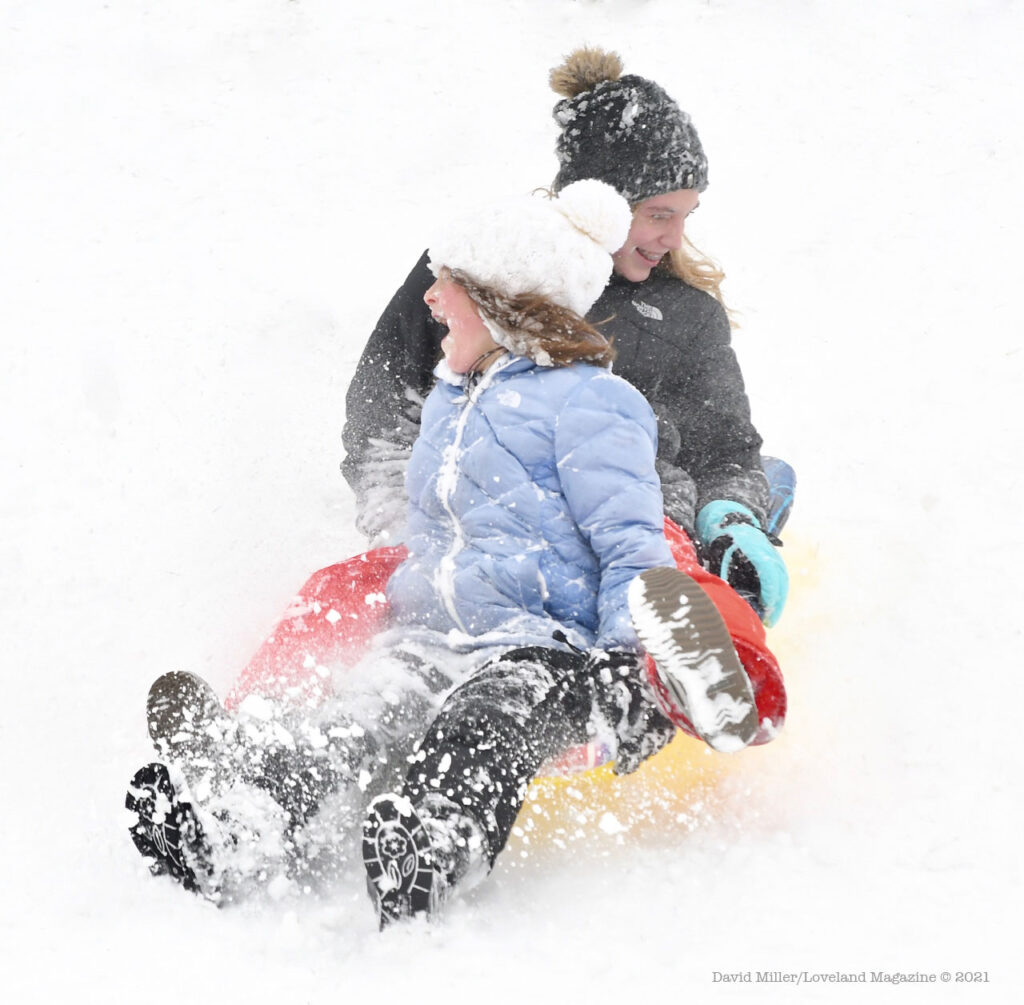
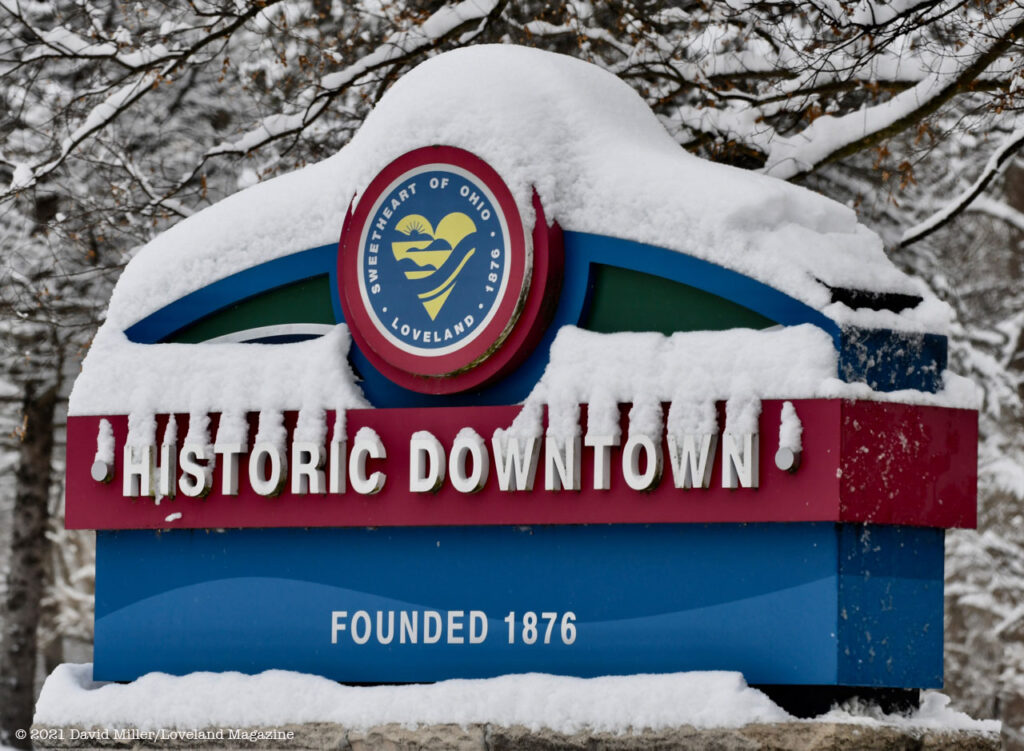
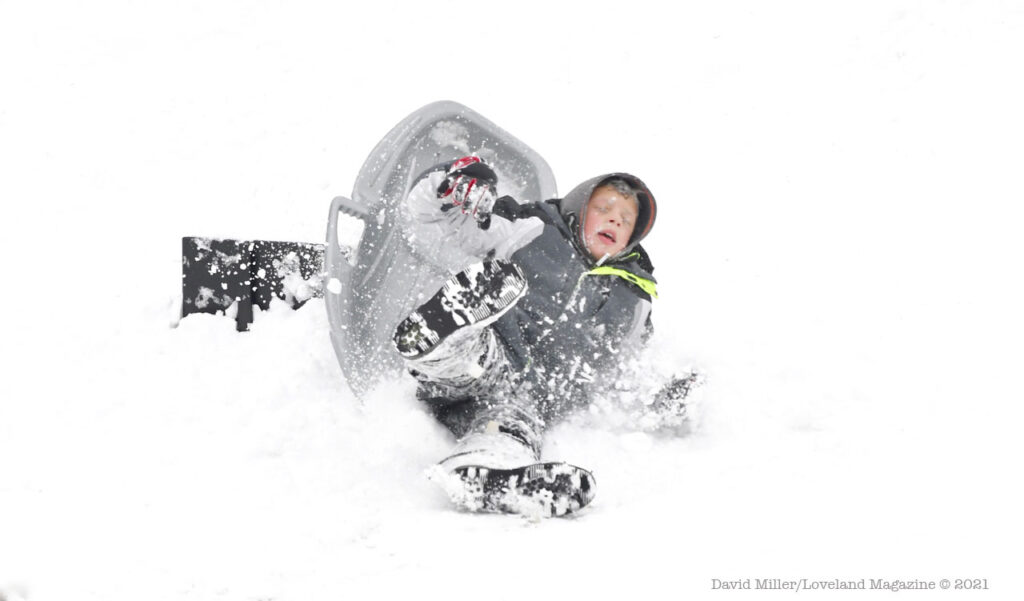
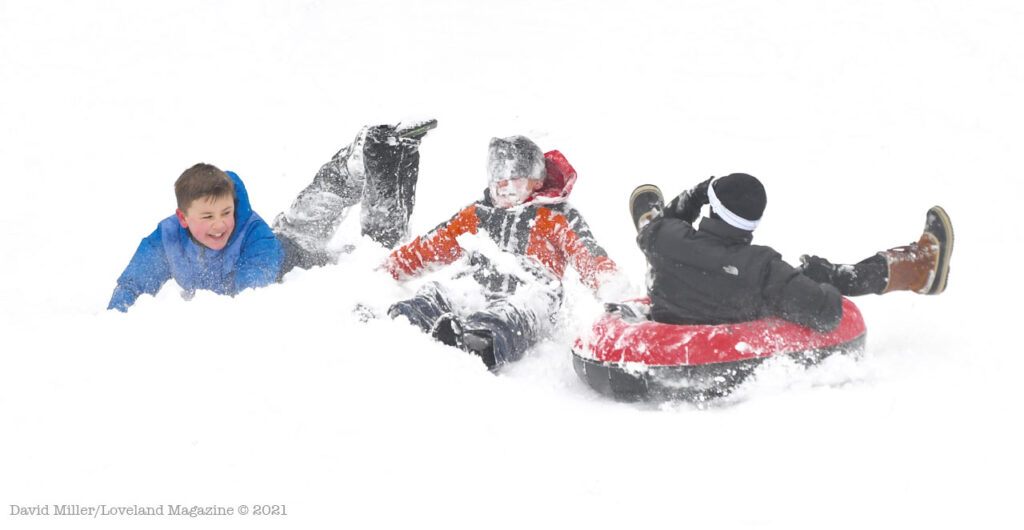
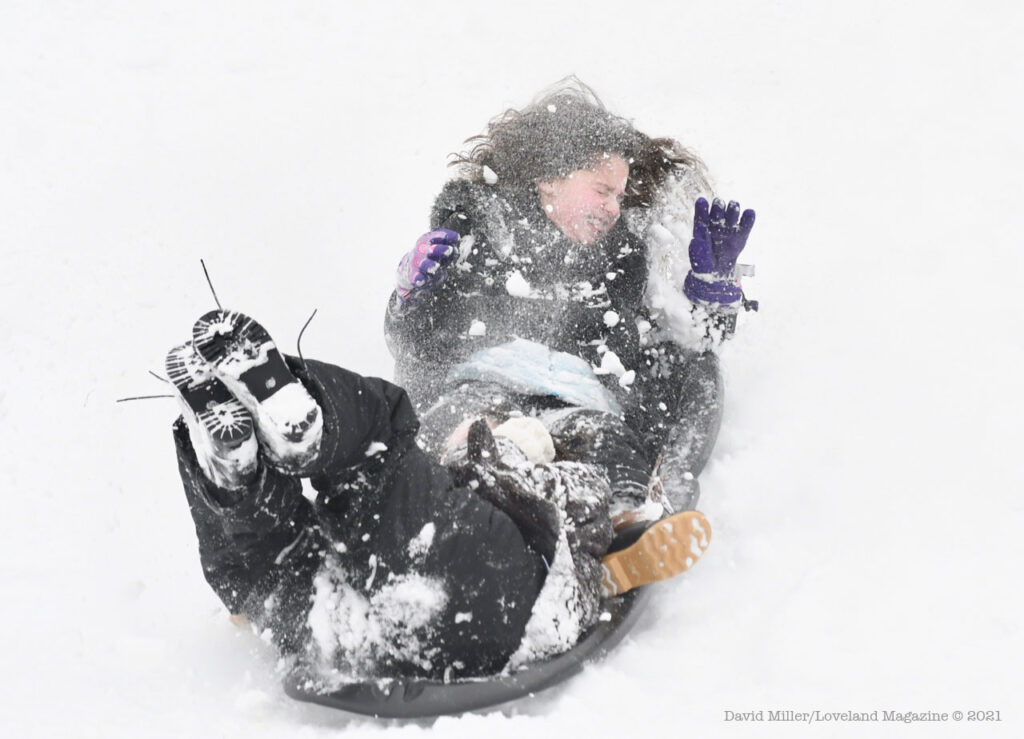
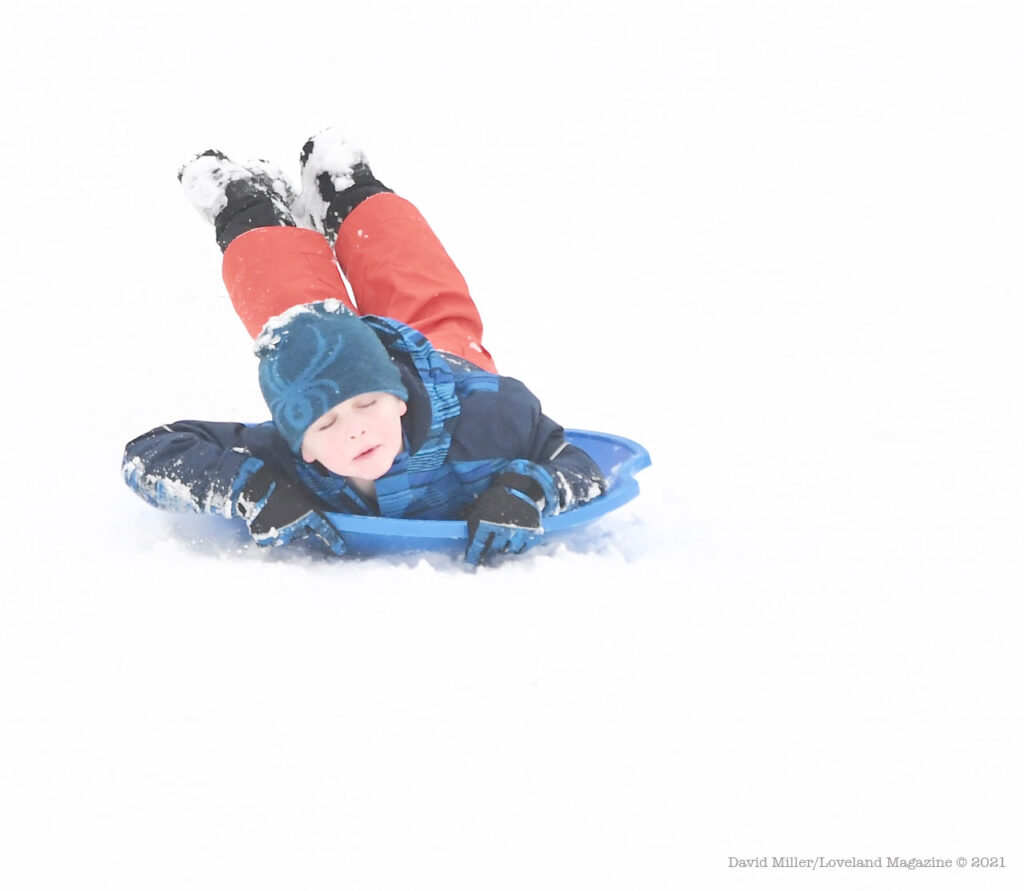
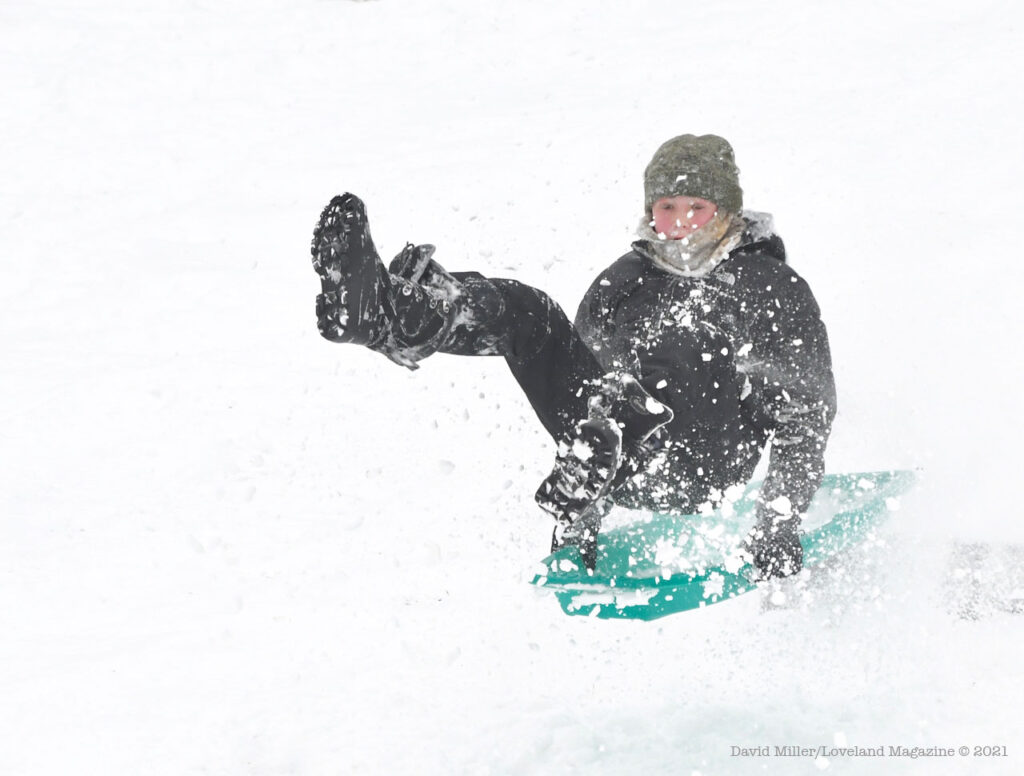
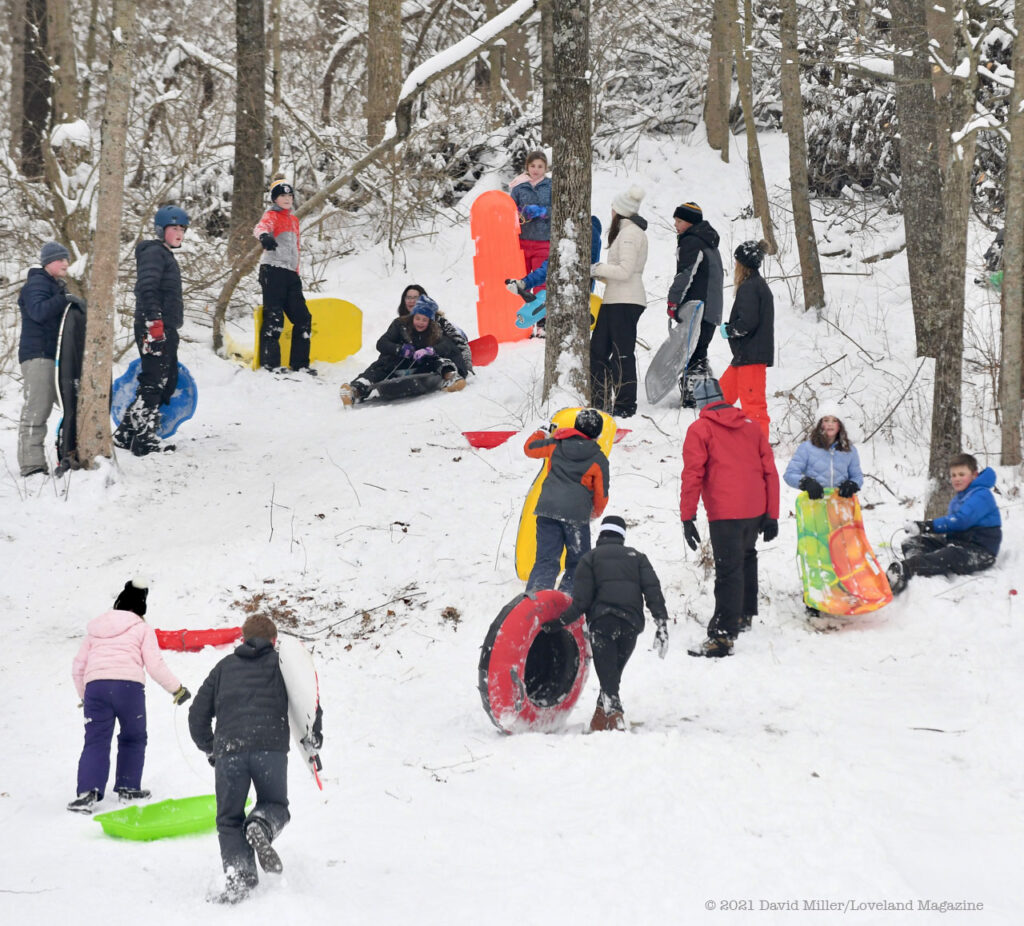
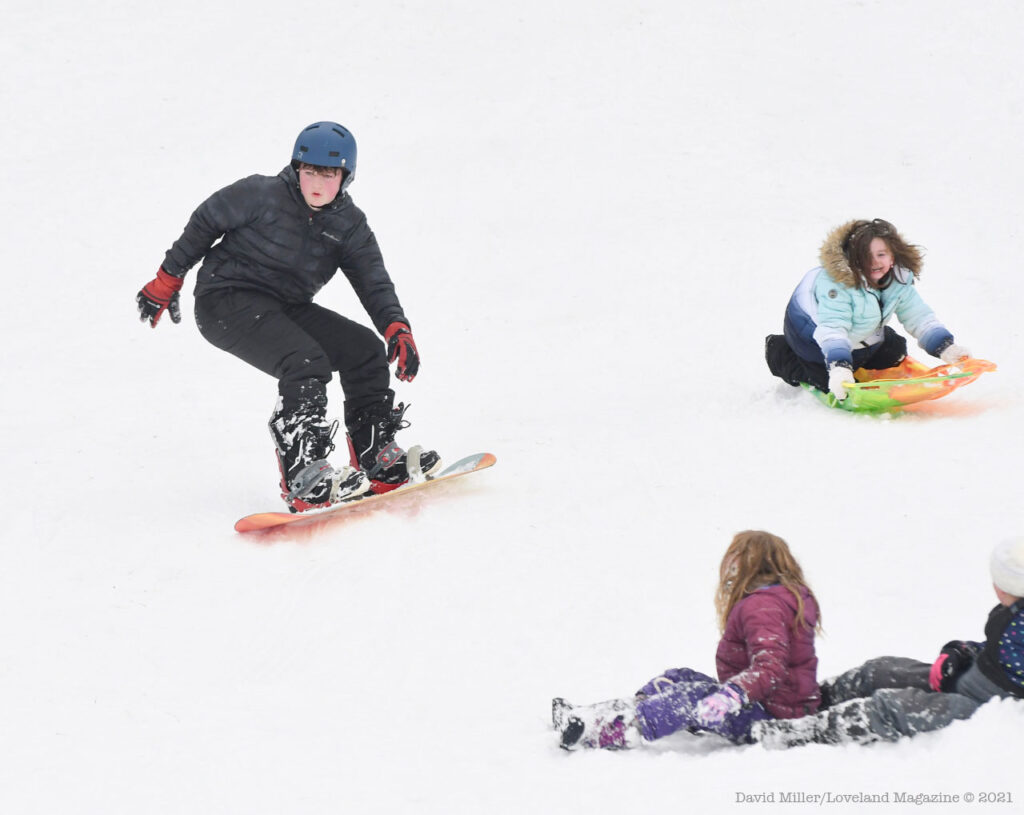
    Loveland, Ohio – These photos were taken mid-morning on February 9 after the Loveland Area was blanketed with a perfect, sled-riding, up to 9 inches of school canceling snow.

    © 2021 Photos by David Miller taken in the City of Loveland and at the Miami Meadows Riverview Park in Miami Township.

    You can click on any image to view it larger and enter a slide show to see ll the photos…

  • State education testing shows declines, may be waived in new legislation

    State education testing shows declines, may be waived in new legislation

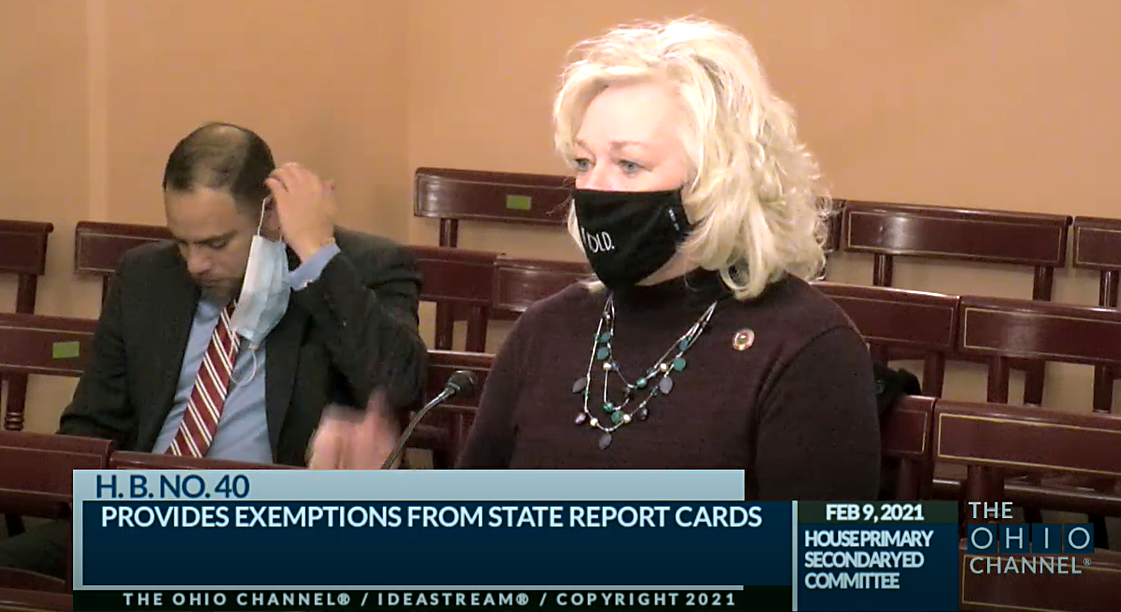
    Ohio state Rep. Lisa Sobecki testifies before the House Primary & Secondary Education Committee on Tuesday, on a bill seeking waivers on state and federal testing.

    by Susan Tebben and Ohio Capital Journal

    As state officials look for solutions to an education gap caused by the COVID-19 pandemic, two pieces of legislation introduced Tuesday hope to give more leniency on state and federal testing.

    Rep. Lisa Sobecki, D-Toledo, is a co-sponsor with Rep. Jeffrey Crossman, D-Parma on House Bill 40, to make exemptions for students in taking state report cards.

    The bill would waive state testing for the 2021-2022 school year and direct the Ohio Department of Education to seek a waiver for federal testing, as well as holding school districts harmless on state report cards to determine funding levels and eligibility for EdChoice private school vouchers and academic distress commissions.

    “We do need to see where our kids have been left behind, but I don’t need a test that’s going to tell us something after the kids have left,” Sobecki told the House Primary & Secondary Education Committee.

    She said the waiver of testing “appears to have broad, bipartisan support” within the legislature.

    Bipartisan support for state testing waivers came in the same Tuesday meeting, in the form of a separate bill brought by Republican state reps. Kyle Koehler and Adam Bird, to ask for many of the same things, including state and federal testing exemptions.

    “I am not asking to waive test requirements because we don’t need to know how testing will go,” Koehler told the committee. “I think we know it’s not going to go well. Students are going to be behind.”

    In further support of testing pressure relief, State Board of Education member Dr. Christina Collins released a proposed resolution directing the ODE limiting the use of state testing, and to “include a district designation of online, hybrid, or in-person on school building and district level report cards.”

    In the resolution, Collins writes that COVID-19 “has affected every student in Ohio, disrupting the structure of teaching and learning and emphasizing children’s dependency upon adults for nurture, protection and providing for health and well-being.”

    Along with the district designation, the board member asks that a disclaimer on state reports say that data “are for the purpose of understanding how learning was impacted as a result of extreme circumstances.”

    Earlier in the day, ODE Superintendent Paolo DeMaria said the test scores coming out of a pandemic’s worth of learning styles emphasize the need for students to get back to in-person instruction.

    DeMaria acknowledged a lower participation rate in the state testing, saying the ODE promoted a “safety first” mentality in taking the tests. But from the testing that did occur, the state saw an 8% increase in kindergarten-readiness scores considered “not on track.”

    Third-grade English Language Arts proficiency scores were also lower, which was also shown in a study released by the Ohio State University’s John Glenn College of Public Affairs.

    This third-grade test is set to occur this year starting from March 22 to April 23, part of why Sobecki said their legislation needs to be quickly moved through the statehouse and set up to be signed by the governor.

    “It’s February, folks,” Sobecki said.

    DeMaria, and the study itself, noted that the declining scores were even lower in minority and economically disadvantaged groups.

    State reports also showed a decrease in enrollment of 3%, particularly in pre-school and kindergarten.

    DeMaria spoke during Gov. Mike DeWine’s Tuesday press conference, in which he spent most of the time presenting the progress of vaccinating school teachers and personnel, something that the state started this month. While the state continues to vaccinate those 70 and older, they set aside some of the approximately 100,000 per week the state receives to give to school districts.

    Also on Tuesday, DeWine added a new project for school districts across the state, asking them to come up with an individualized plan to help students catch up on last year’s losses.

    “We need to be bold in our ideas, and we need to work with the Ohio General Assembly,” DeWine said, adding that a total of $2 billion in federal funding has been made available to schools to help with this problem.

    DeWine left the decisions up to the individual districts, but offered examples such as longer school years, longer school days, summer classes, tutoring, or even remote options as ways to fill the education gap.

    Districts have until April 1 to make their plans public and accessible to the General Assembly.

  • Advocates, legislators want more from governor’s education budget

    Advocates, legislators want more from governor’s education budget

    Students in a classroom. Getty Images

    By Susan Tebben and Ohio Capital Journal

    With no changes planned for the state education funding formula included in Gov. Mike DeWine’s proposed budget, education advocates and some state legislators are left wanting more.
    “The devil is always in the details,” said Scott DiMauro, head of the Ohio Education Association, in a statement after the release of the budget. “Education spending must be a top priority in Ohio to ensure our students, educators and communities receive the resources they need to succeed.”

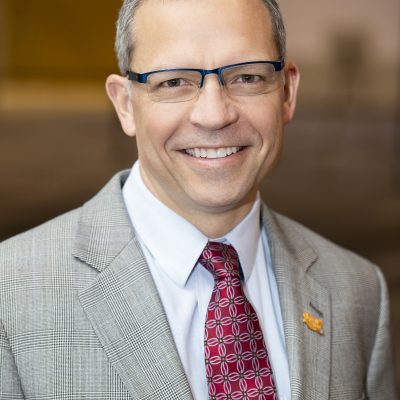
    Scott DiMauro

    DeWine’s budget proposal brings funding back to pre-pandemic levels and includes a jump in non-academic wraparound services, but saves the bulk of changes to education funding for the legislature to figure out.

    The OEA said they were encouraged by an expansion to broadband access and mental health services as part of the support for schools.

    “However, OEA is disheartened to see the same amount of general revenue fund money is going into the state’s foundation formula as in (fiscal year) 18,” the association wrote in their statement.

    Another of Ohio’s biggest teachers unions, the Ohio Federation of Teachers, agreed that DeWine “chose to punt” on overhauling the school funding system without acknowledging the Cupp-Patterson plan, some of which went into the capital budget last year, but for the most part stays in limbo as the General Assembly begins anew.

    Melissa Cropper

    “Additionally, the governor’s budget maintains the disastrous local funding deductions for charter and private schools that have been draining public school budgets,” said OFT President Melissa Cropper in a statement.

    The non-profit Ohio Children’s Alliance praised the “key investments for Ohio’s children and families” that the governor carried over from the previous biennial budget, and said they were pleased to see more money go toward student wellness and youth services.

    “With the unprecedented challenges COVID-19 has caused to communities and providers, targeting investments in telehealth and the child and family services workforce are critical parts of a comprehensive solution,” said Mark Mecum, CEO of the OCA.

    State Sen. Teresa Fedor

    State Sen. Teresa Fedor, D-Toledo, called the governor’s proposal “shortsighted” when it comes to education and support for children.

    “We should be fixing our unconstitutional funding formula — not continuing to siphon more public school dollars to private education,” Fedor said after the budget proposal was released.

    With the school funding now in the legislature’s hands, House Minority Leader Emila Strong Sykes, D-Akron, said it would be a primary issue as the House Democrats begin their work, including “fully and fairly funding our public schools.”

    “We look forward to digging into the details of the governor’s proposal to see how it makes sense long-term without one time money and that it delivers on the promise of opportunity for all Ohioans,” Sykes wrote.