Author: Loveland Magazine

  • Ohio celebrates the start of covid vaccinations, but it could have had a lot more

    Ohio celebrates the start of covid vaccinations, but it could have had a lot more

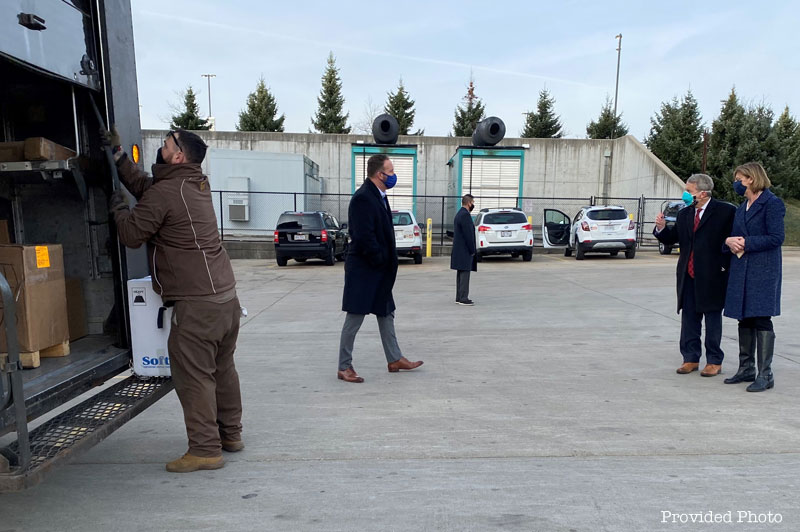
    Gov. Mike DeWine and Fran DeWine watched the first shipment of vaccines arriving at the Mercy Health Springfield Regional Medical Center.

    By Marty Schladen and Ohio Capital Journal

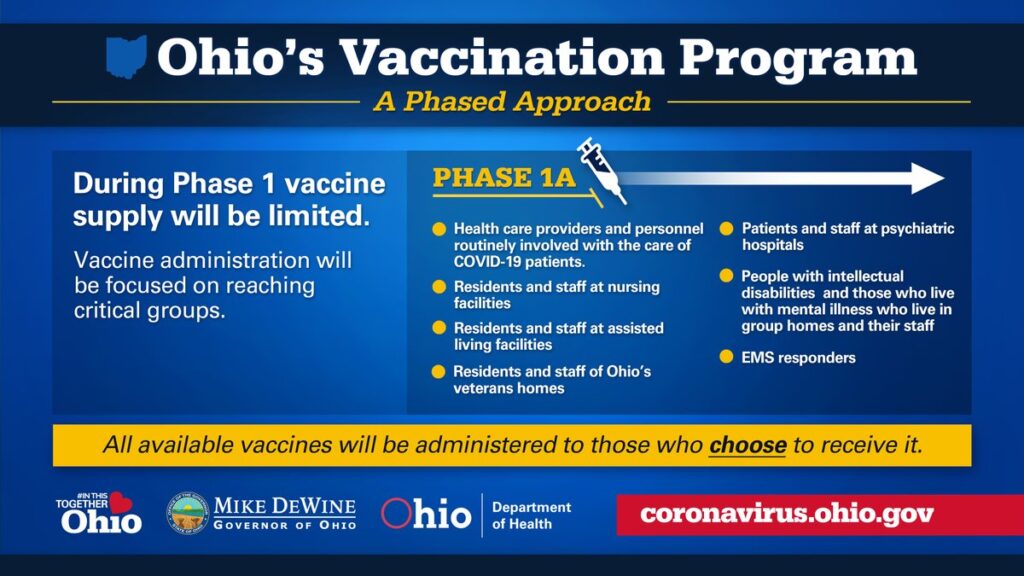
    Gov. Mike DeWine called Monday “a great day” in the annals of the Buckeye State as the first doses of coronavirus vaccine were injected into the arms of medical workers deemed to be at high risk.

    He and his wife, Fran, were on the Ohio State campus Monday morning as the first staffers at Wexner Medical Center got the first of two shots manufactured by Pfizer that together are expected to confer strong immunity to the disease. At the same time, first doses were being delivered to the University of Cincinnati Medical Center. 

    Additional doses are expected to be delivered in eight Ohio counties on Tuesday, and pharmacy chains CVS and Walgreens will start inoculating nursing home residents on Friday.

    Coming as it did on a day when the United States recorded its 300,000th coronavirus death, it’s undoubtedly good news that Ohioans are starting to be vaccinated.

    Adding to the good news it is if, as expected, a vaccine made by Moderna gets regulatory approval in the coming days, Ohio will be on track to deliver enough vaccines in December and January to immunize more than 600,000 people. 

    But that’s far from enough to achieve herd immunity that would allow Ohioans to go back to their pre-pandemic lives and it’s unclear when enough vaccine will be available to do that. 

    It didn’t have to be that way.

    “We don’t know in the months ahead how fast the vaccine is going to come to Ohio,” DeWine said, later adding, “It’s going to take awhile for us to get even close to the herd immunity people are talking about.”

    Making predictions difficult is whether any of the other drug makers who have been working with the federal government will see their vaccines approved, how quickly production can be scaled up, how effectively vaccines can be distributed and how many have been reserved for Americans.

    One failure by the Trump administration almost certainly delayed the day when enough Ohioans have been vaccinated that the virus will find it difficult to spread.

    The New York Times last week reported that Pfizer, a U.S. company, in the summer offered the federal government the chance to lock in hundreds of millions of dosesof its vaccine in addition to the 100 million it had already reserved. Pfizer said the government would only have to pay for the vaccine if it were proven to be effective.

    For some reason, the feds declined the deal. The European Union then locked in 200 million doses of the vaccine, which in November was shown to be 95% effective in clinical trials. 

    The Times reported that Pfizer now can’t guarantee the United States any more than the 100 million doses it initially locked in. Since it takes two doses of the vaccine to get its full effect, that’s enough to inoculate 50 million Americans, or about 15% of the population. Ohio is expecting enough of the Pfizer and Moderna vaccines by the end of January to inoculate about 11% of the state’s population. 

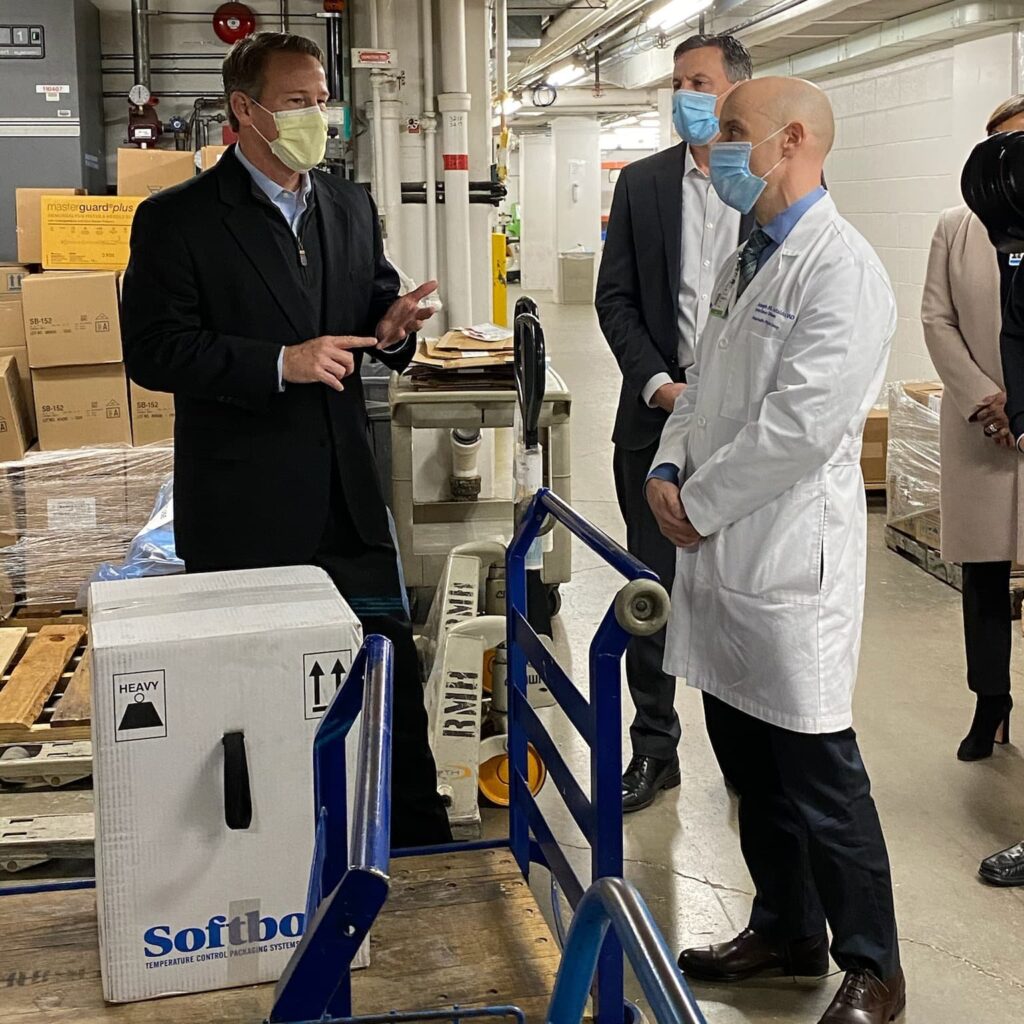
    Lt. Gov. John Husted discusses the COVID 19 vaccines that were arriving at OhioHealth Riverside Methodist Hospital.
    ,

    There are still questions about how much immunity one gets from catching covid and then recovering. But assuming that it’s durable, scientists estimate that 70% of the population will have to be vaccinated against or have recovered from a coronavirus infection for herd immunity to be achieved.

    U.S. Vice President Mike Pence and Ohio Gov. Mike DeWine greet one another onstage before President Donald Trump was to speak at a campaign rally at U.S. Bank Arena on August 1, 2019 in Cincinnati, Ohio. (Photo by Andrew Spear/Getty Images)

    In his coronavirus press briefings, DeWine has frequently praised Vice President Mike Pence for his openness and willingness to help governors with covid-related issues.

    But DeWine on Monday had no memory of Pence discussing why his administration didn’t take Pfizer up on an offer to supply vastly more of its vaccine to the most infected country in the world.

    “I don’t recall that,” DeWine said, adding that the governors were going to hold a virtual meeting with Pence later in the afternoon.

  • Ohio’s latest hospital bed and equipment capacity data

    Ohio’s latest hospital bed and equipment capacity data

    Ohio’s latest staffed hospital bed and equipment capacity data, comes via public records lawsuit

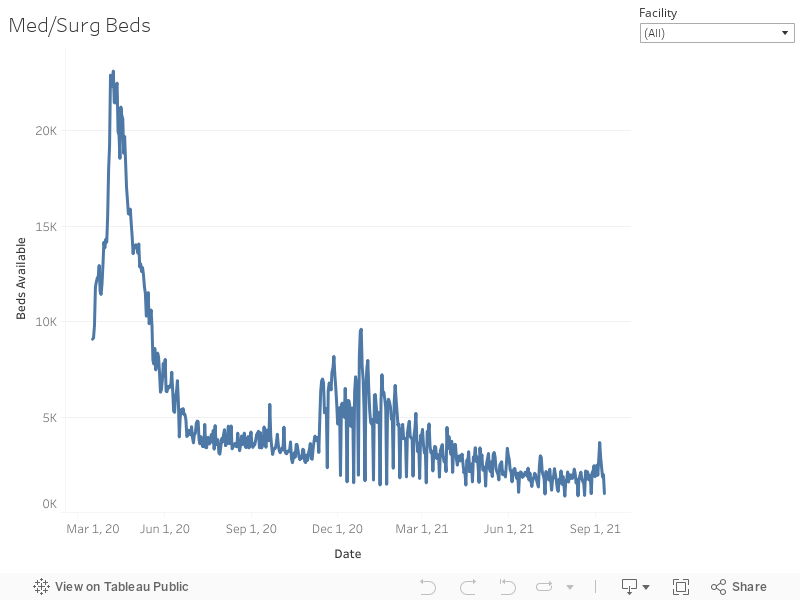
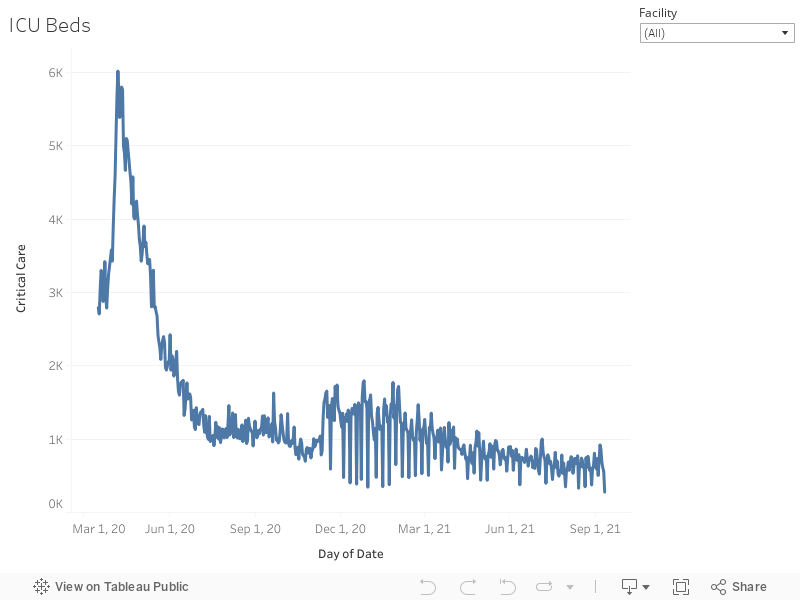
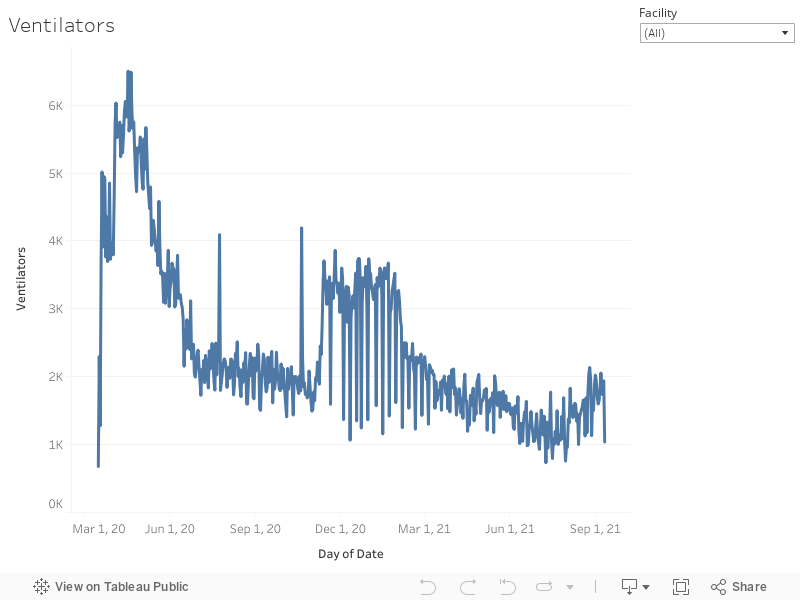
    After a seven month legal battle, Eye on Ohio won a public records lawsuit over hospital capacity numbers. As the ongoing pandemic continued to surge, the Ohio Court of Claims ruled in mid November that the Department of Health must share public records with Eye on Ohio, showing the number of beds and ventilators available for COVID-19 patients at individual hospitals throughout the state. Eye on Ohio sought records with the data as a way to provide readers with timely, local information about the ability of healthcare facilities in their area to deal with the pandemic.

    Loveland Magazine provided support for gathering this data via our membership dues in newspaper trade organizations.

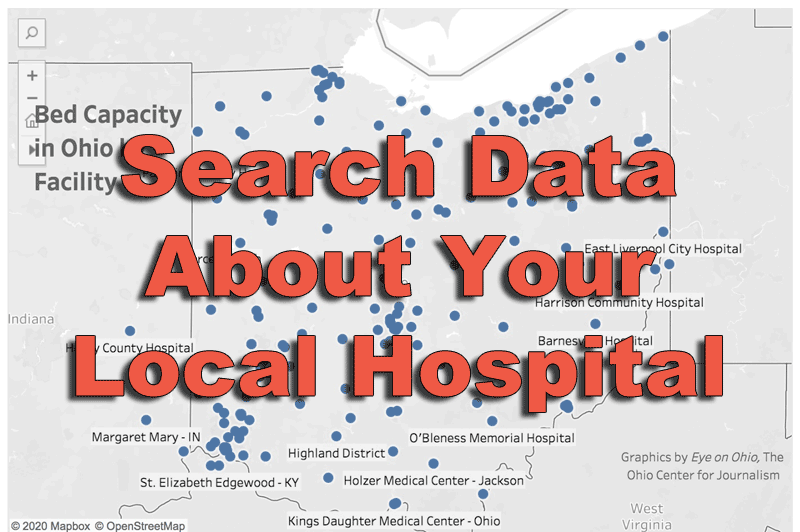
    Now, You Can Explore the Data About Your Local Hospital on Your Own

    Last Updated: Dec. 14

    Data Current up to: Dec. 11

    Medical Surge Beds for Adults

    Adult ICU Beds

    Ventilators 

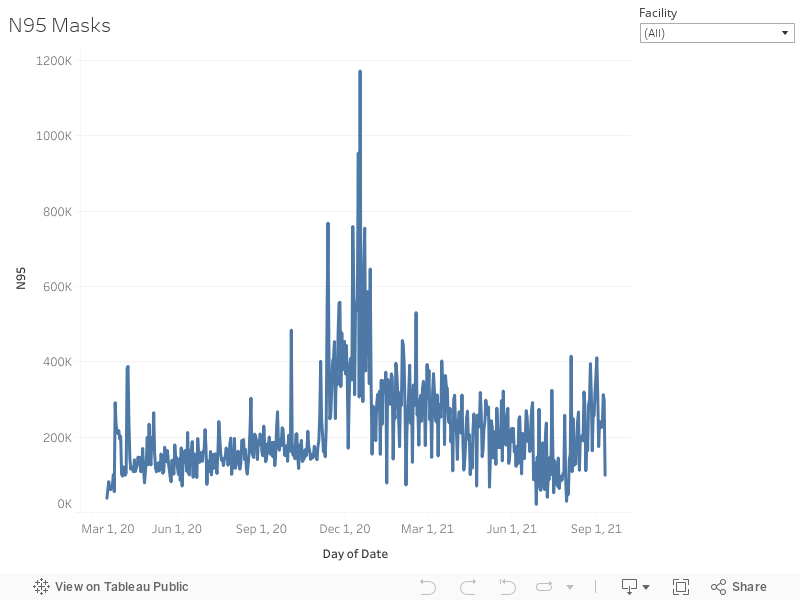
    N95 Masks

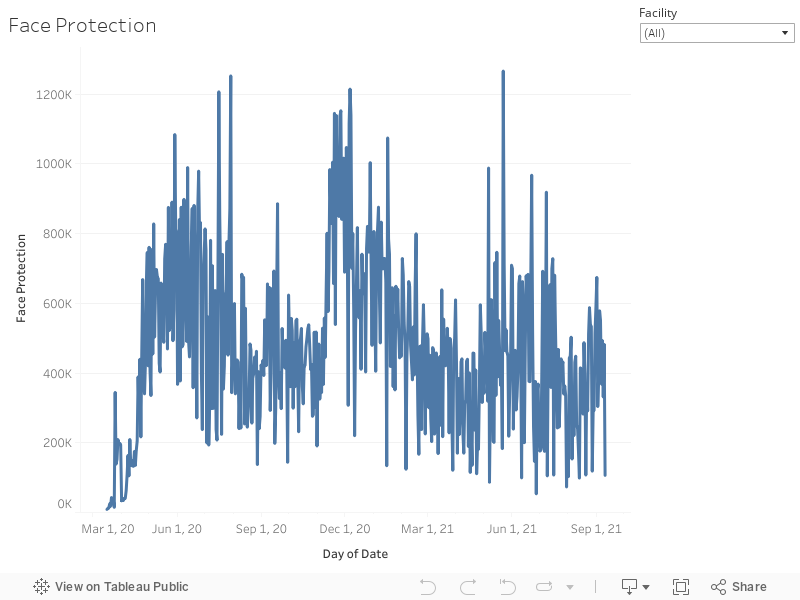
    Face Protection

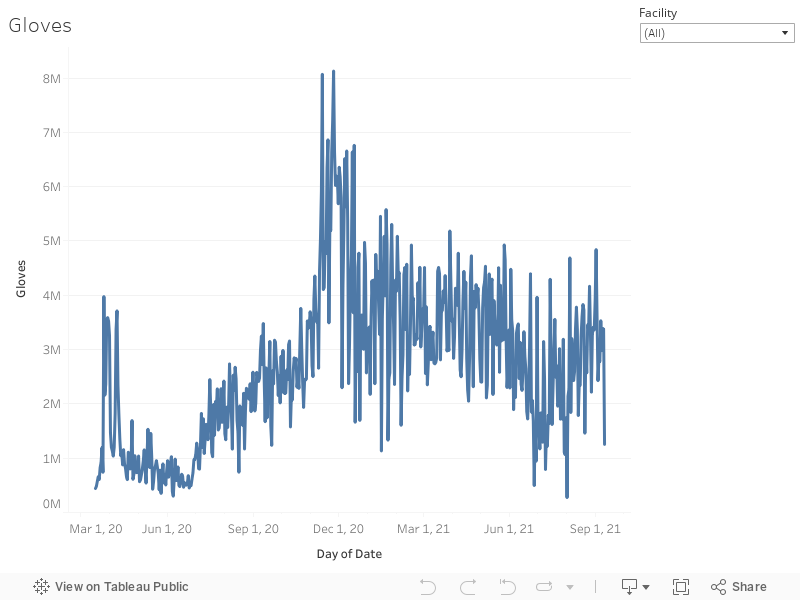
    Gloves

    Infectious Isolation Beds


    Note: Infectious isolation beds reflect the difference between airborne and droplet precautions:Initially, Covid-19 was thought to be spread primarily by “droplets” when patients cough, sneeze, sing or breathe. Most larger droplets are thought to float to the floor within 6 feet or so. Airborne Infection Isolation rooms are for diseases spread by “airborne” diseases when the concentration of pathogens that stays in the air is high enough to make someone else sick. Those rooms are recommended, but not always required, for COVID patients.


    Eye on Ohio sought records with the data as a way to provide readers with timely, local information about the ability of healthcare facilities in their area to deal with the pandemic.

    “In times of crisis transparency is paramount,” said Rebekah Crawford, who has her Ph.D. in Health Communication, Relating & Organizing from Ohio University.

    People want credibility and clear lines around what is known and what is uncertain. “When risk communicators are at their best,” Crawford said, “they remain credible by showing what is known and what is not known and by being clear about why we don’t know, and what we’re going to do to find out.” 

    When Eye on Ohio first requested records, at the end of March, the state had only about 2,200 confirmed cases and 55 deaths, according to the online Johns Hopkins Coronavirus Resource Center. As of November 12, Ohio had approximately 274,500 confirmed cases, and about 5,700 people had died from the disease.

    As of today, Ohio has approximately 529,508 confirmed cases, and about 7,645 people have died from the disease.

    Transparency Matters

    Leaders in times of crisis tend to assume that the public is going to panic, Crawford said, even though “research actually shows that panic isn’t the most prominent or even in the top ten of reactions that people have to communications of risk. People are most likely to be in denial. Studies of 9-11 show that people were excessively polite as they exited the World Trade Center because people don’t panic, they get especially compliant and cooperative in high stress or high risk situations.”

    Lack of transparency creates suspicion, hurts credibility, and diminishes trust-worthiness. Crawford said, “people who are untrained in risk communication go to that ‘don’t panic’  communication mode.” 

    Another misnomer is the assumption that people can’t understand how to interpret the information, so, Crawford said, “rather than taking it upon themselves to communicate in a transparent and understandable way they withhold information and say ‘we’ll make decisions for you’ which doesn’t work when people are anxious.”

    “A risk expert cannot look at some numbers and then tell a community ‘this isn’t a problem for you’ because the community may decide that it is a concern ‘because you don’t speak for us or understand what we value,’” Crawford said.

    Transparency is key for the public so individual communities can take the information given and decide for themselves what actions should be taken and individual needs addressed based on the needs and values of their demographic.

    A Need for Transparency

    Reporters initially sought information from individual hospitals but were told that all information was being funneled to the Ohio Hospital Association, which in turn provided it to the Department of Health. And the Department of Health had arranged for the data to be entered into a database called Surgenet. 

    According to a court affidavit, Surgenet was first developed by the Greater Dayton Area Health Information Network (GDAHIN). The software was subsequently enhanced to its present “all hazards” function as “a tool to be utilized during an emergency involving the public’s health which could severely impact hospital services.” Eye on Ohio was told that only the Department of Health would grant access to the materials.

    Eye on Ohio then filed a formal public records request for access to the data or records with it. After cancelling a meeting that had been scheduled to discuss the request, the Department of Health then issued a flat-out denial, claiming the records were “security and infrastructure records” under an exception to the state’s public records law.

    Eye on Ohio had  no option but to file a case with the Ohio Court of Claims.

    The court said the statutory language for that security exception just didn’t fit. That part of the Ohio Revised Code exempts security and infrastructure records that are prepared for the express purpose of protecting against or responding to terrorism, school shootings or similar acts of attack or sabotage. None of those apply to the COVID-19 pandemic.

    “Exceptions to disclosure are strictly construed,” wrote Special Master Jeff Clark in his October 20 report and recommendation. “And, in this case, the Department of Health failed to connect the data sought by Eye on Ohio with the prevention, mitigation or response to any existing or anticipated act of terrorism.”

    “To meet the burden of proof regarding alleged security records, ODH must offer more than its own conclusory labeling,” Clark wrote. He likewise rejected the Department of Health’s assertion that it should be able to stop release of the records because it didn’t want to discuss them.

    “Even assuming, arguendo, that some hospitals would rather not disclose their bed and resource availability, it is well-settled that public offices may not withhold records merely because of a policy preference for confidentiality,” Clark wrote.

    Court of Claims Judge Patrick McGrath approved the Special Master’s report and recommendation on November 10.

    Disclosure of the mounting strain on hospitals in their vicinity might also make people more vigilant in their efforts to control the pandemic and to “flatten the curve” of cases. Otherwise, as scientists have previously warned, the pandemic will cause even more deaths that could have been avoided.

    As for the resistance against complete transparency, “Far be it from me to criticize people who are providing care at a great risk to their own health in a time of heightened need,” Crawford said. “I’m not talking about the doctors and the nurses who are working in the hospitals, but the managers and administrators who are at the upper echelon of those really hierarchical corporations in some cases are motivated not to cooperate and share information. It really goes counter to public health needs and the demands in care and I would say ethical and medical provision.” 

    Eye on Ohio relies on support from readers like yourself. Even a small amount would help them improve their coverage.

    Donate

    Click here to read the metholodgy


    Your donation to Loveland Magazine can provide funds to pay for our current membership fees to the Ohio News Media Association which makes these vitally important public affairs stories possible for you, our readers.


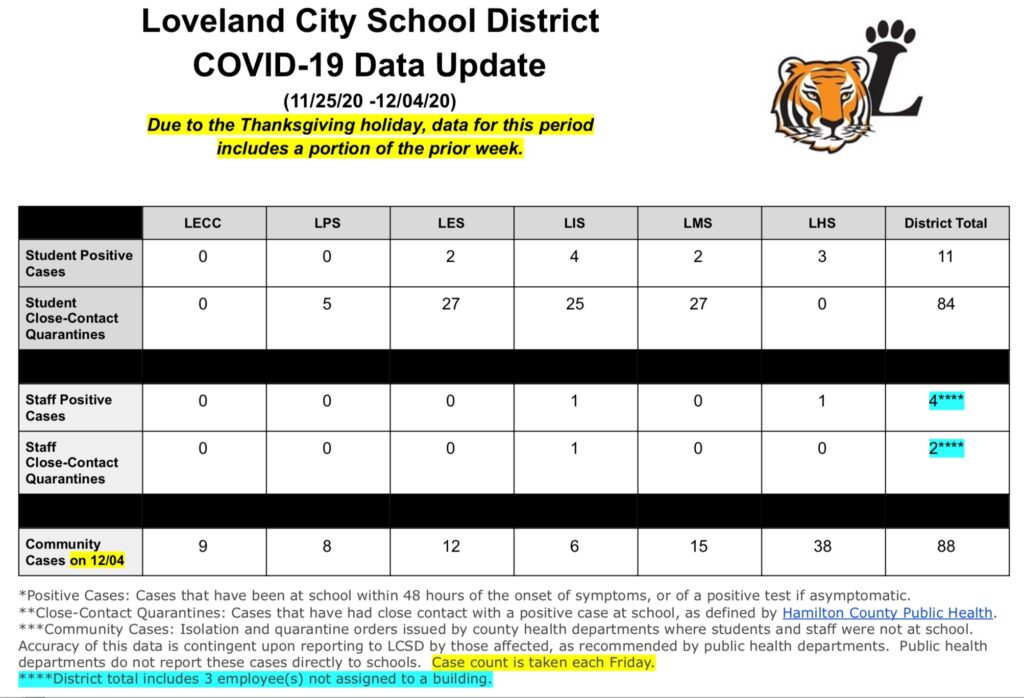
  • COVID 19 report for Loveland Schools

    COVID 19 report for Loveland Schools

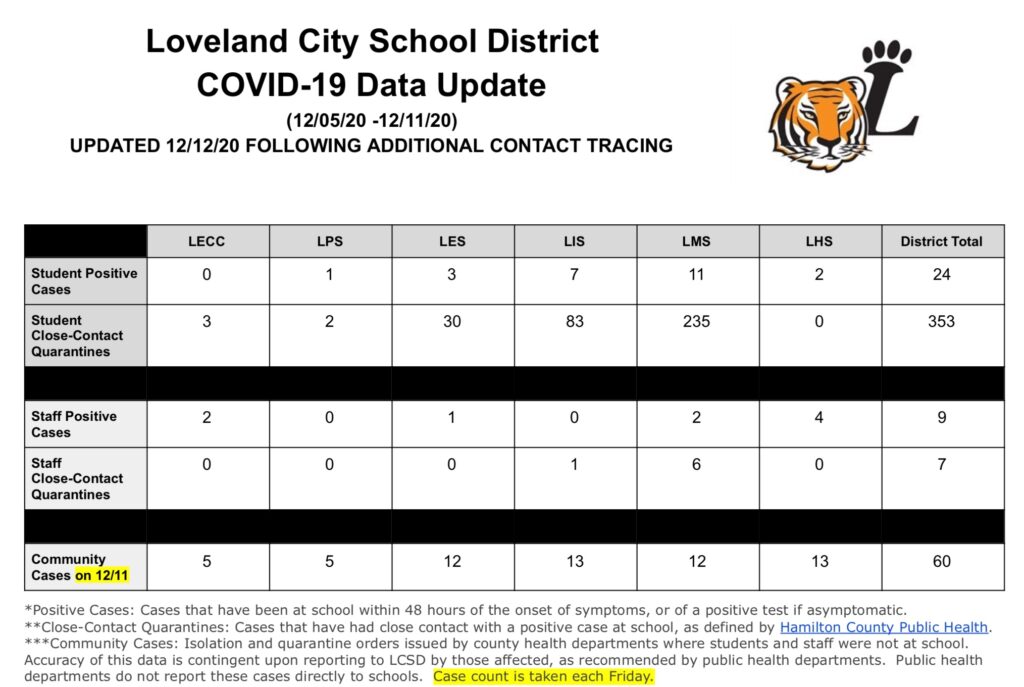
    Loveland, Ohio – Here are the latest COVID 19 reports provided by the Loveland School District.

    Winter break begins this Friday, December 18 and classes will be back in session on Monday, January 4.

    K-12 Instructions for Families and Students when Quarantined

    • On 12/12/20, a non-teaching, non-school-based staff member, last at work on 12/9/20
    • On 12/12/20, a teaching staff member at the Loveland Early Childhood Center, last at work on 12/11/20
    • On 12/12/20, a non-teaching staff member at Loveland High School, last at school on 12/7/20
    • On 12/14/20, a teaching staff member at Loveland Elementary School, last at school on 12/9/20
    • On 12/14/20, a student at Loveland Intermediate School, last at school on 12/11/20
    • On 12/14/20, a student at Loveland High School, last at school on 12/4/20
    • On 12/10/20, a student at Loveland Middle School, last at school on 12/10/20
    • On 12/11/20, a student at Loveland Intermediate School, last at school on 12/8/20
    • On 12/11/20, a student at Loveland Middle School, last at school on 12/7/20
    • On 12/11/20, a student at Loveland Middle School, last at school on 12/8/20
    • On 12/11/20, a student at Loveland Middle School, last at school on 12/8/20
    • On 12/11/20, a student at Loveland Middle School, last at school on 12/10/20
    • On 12/11/20, a teaching staff member at Loveland High School, last at school on 12/7/20
    • On 12/9/20, a student at Loveland Middle School, last at school on 12/4/20
    • On 12/8/20, a student at Loveland Primary School, last at school on 11/30/20
    • On 12/9/20, a teaching staff member at Loveland Elementary School, last at school on 11/30/20
    • On 12/9/20, a student at Loveland Intermediate School, last at school on 12/7/20
    • On 12/9/20, a student at Loveland Intermediate School, last at school on 12/4/20
    • On 12/8/20, a student at Loveland Elementary School, last at school on 12/3/20
    • On 12/8/20, a student at Loveland Intermediate School, last at school on 12/3/20
    • On 12/8/20, a student at Loveland Intermediate School, last at school on 12/3/20
    • On 12/8/20, a student at Loveland Intermediate School, last at school on 12/4/20
    • On 12/8/20, a student at Loveland Middle School, last at school on 12/3/30
    • On 12/8/20, a student at Loveland Middle School, last at school on 12/4/20
    • On 12/8/20, a teaching staff member at Loveland High School, last at school on 12/3/20
    • On 12/4/20, a teaching staff member at Loveland High School, last at school on 12/2/20
    • On 12/5/20, a non-teaching staff member at the Loveland Early Childhood Center, last at school on 12/4/20
    • On 12/5/20, a student at Loveland Elementary School, last at school on 12/2/20
    • On 12/5/20, a student at Loveland Middle School, last at school on 12/2/20
    • On 12/5/20, a student at Loveland Middle School, last at school on 12/2/20
    • On 12/6/20, a student at Loveland High School, last at school on 11/30/20
    • On 12/7/20, a teaching staff member at the Loveland Early Childhood Center, last at school on 12/1/20
    • On 12/7/20, a student at Loveland Elementary School, last at school on 12/4/20
    • On 12/7/20, a student at Loveland Intermediate School, last at school on 12/4/20
    • On 12/7/20, an non-teaching staff member at Loveland Middle School, last at school on 12/4/20
    • On 12/7/20, a teaching staff member at Loveland Middle School, last at school on 12/4/20
    • On 12/7/20, a student at Loveland Middle School, last at school on 12/2/20
    • On 12/7/20, a teaching staff member at Loveland High School, last at school on 12/1/20
    • On 12/7/20, a student at Loveland High School, last at school on 12/1/20
    • On 12/03/20, the district was notified that a non-teaching, non-school-based staff member tested positive for COVID-19. This staff member was last at work on 11/30/20
    • On 12/03/20, the district was notified that a student at Loveland Intermediate School tested positive for COVID-19. This student was last at school on 11/18/20
    • On 12/03/20, the district was notified that a student at Loveland Middle School tested positive for COVID-19. This student was last at school on 11/18/20
    • On 12/04/20, the district was notified that a student at Loveland Elementary School tested positive for COVID-19. This student was last at school on 11/30/20
    • On 12/04/20, the district was notified that a student at Loveland Intermediate School tested positive for COVID-19. This student was last at school on 12/02/20

  • Know The Signs: You can prevent gun violence and other harmful acts

    Know The Signs: You can prevent gun violence and other harmful acts

    People who hurt themselves or others often show warning signs before they carry out an act of violence. If you don’t know what to look for, it can be easy to miss the signs, or dismiss them as unimportant. Significantly, missing the signs can have tragic consequences. Notably, in 4 out of 5 school shootings, at least one other person had knowledge of the attacker’s plan but failed to report it.

    Now more than ever, it’s essential to know the signs. Students and educators who participate in our Say Something program learn these life-saving warning signs. They’re taught to recognize signs and get help when their classmates show they may be in danger or need help. Warning signs can include things such as thoughts, feelings, actions, and behaviors. At-risk people can show significant or sudden changes in behavior or personality.

    9 Critical Warning Signs of Violence

    Here is our list of nine potential warning signs* that can signal an individual may be in crisis or need help:

    1. Suddenly withdrawing from friends, family and activities (including online or via social media)

    2. Making statements or engaging in behavior meant to intimidate or mock others based on real or perceived differences (including race, religion, sexual orientation, etc.) 

    3. Excessive irritability, lack of patience, or becoming angry quickly

    4. Experiencing chronic loneliness or social isolation 

    5. Expressing persistent thoughts of harming themselves or someone else

    6. Making direct threats toward a place, another person, or themselves

    7. Bragging about access to guns or weapons

    8. Recruiting accomplices or audiences for an attack 

    9. Directly expressing a threat as a plan 

    * NOTE: This isn’t a complete list of all warning signs. Exhibiting one of these signs doesn’t necessarily indicate imminent violence. When concerned about troubling behaviors, tell a trusted adult or call 911 if there is an immediate threat.

    Watch Evan, Our Warning Signs PSA

    How You Can Help Prevent Violence

    Say Something Program Logo

    Learn more about the signs and when and how to speak up with our Say Something program. Thanks to the generosity of our supporters, programs are available at no-cost to middle and high schools nationwide.Get Started

    Sandy Hook Promise Favicon

    Join with more than 5 million caring people like you who have made the promise to protect our kids. This is a Promise to truly honor the lives lost by turning our tragedy into a moment of transformation.

    Make The Promise

    Get Started

  • “We are filling the free little libraries around town with hats, gloves & scarves for anyone that may need them.”

    “We are filling the free little libraries around town with hats, gloves & scarves for anyone that may need them.”

    Loveland, Ohio – Reader Julie Fenton Elias writes with a request to get this word out to the community.

    “Could you please post this on your FaceBook page to get the word out? I appreciate your help to get the word out into the community.” said Julie.

    Anyone that needs hats, gloves and scarves may then visit one of the area’s Free Little Libraries to receive the free gift from the community.

    The donations will be available in Tupperware located next to the little libraries, not on the property of the little library!

    LOVELAND Friends: ‘Tis the season to make sure everyone in our community stays warm this winter,” said Julie. We are filling the free little libraries around town with hats, gloves & scarves for anyone that may need them. It’s a tough season for a lot of people, if you need something please stop by a little library! If you would like to add a donation, please feel free to stop by any of the little library boxes. Contactless donation!

    ❄️Home of the Brave Park
    ❄️Nisbet Park
    ❄️Miami Riverview Park
    ❄️Symmes Park

  • Great Oaks launches virtual tours of high school career labs

    Great Oaks launches virtual tours of high school career labs

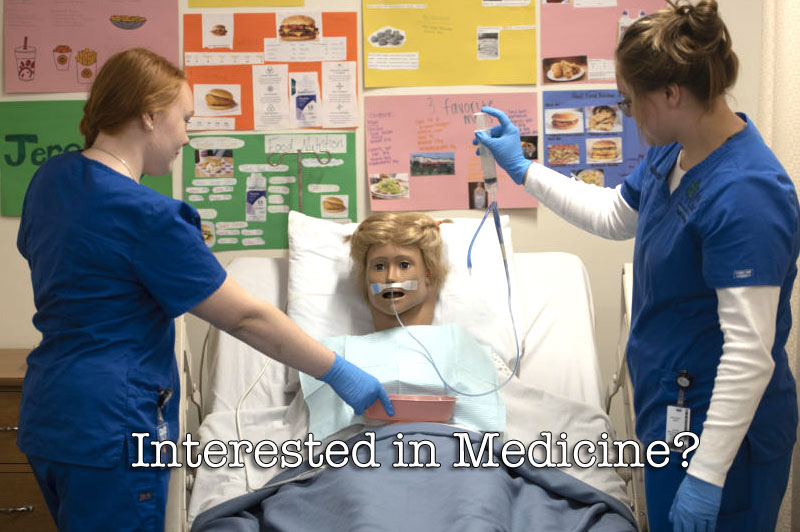
    Image above is from one of the many virtual tours that Great Oaks now offers to students that cannot visit the campus

    Choosing classes to take during high school can be a challenge. Sophomores at area high schools typically get the chance to visit the career labs at Great Oaks campuses before making such a decision, but with current pandemic restrictions many sophomores may not have that opportunity.

    “Seeing the professional equipment and technology that our students use in their programs is important for those considering a career program,” said Great Oaks Director of Student Services Nancy Mulvey. “We want them to get to know the instructor, hear from other students and graduates, and walk through the labs.” Mulvey said that because most of Great Oaks’ 36 school districts aren’t able to send groups of sophomores to tour the nearest campus, Great Oaks has created virtual tours.

    The virtual tours, posted on greatoaks.com, include 360-degree views of each lab at each campus, along with profiles of the instructors, conversations with alumni, pictures of students at work, and information about future careers.

    “Thousands of students each year apply for these hands-on, experiential learning programs that lead to professional certifications,” said Mulvey.  “We want to make sure that they have a chance to explore and ask questions.”

    To virtually visit a Great Oaks campus, go to www.greatoaks.com/virtualtours.

  • U.S. Supreme Court rejects Texas suit that tried to overturn election results

    U.S. Supreme Court rejects Texas suit that tried to overturn election results

    The U.S. Supreme Court. Photo from Supreme Court website.

    By Ariana Figueroa and Ohio Capital Journal

    The Supreme Court on Friday turned aside a Texas lawsuit that sought to derail the presidential election results from four battleground states, despite pressure on the justices from President Donald Trump on social media.

    “Texas has not demonstrated a judicially cognizable interest in the manner in which another State conducts its elections,” according to the unsigned court order. “All other pending motions are dismissed as moot.”

    A second paragraph from Justice Samuel Alito that was joined by Justice Clarence Thomas stated: “In my view, we do not have discretion to deny the filing of a bill of complaint in a case that falls within our original jurisdiction. See Arizona v. California, 589 U. S. ___ (Feb. 24, 2020) (Thomas, J., dissenting). I would therefore grant the motion to file the bill of complaint but would not grant other relief, and I express no view on any other issue.”

    More than half of the Republicans in the U.S. House — 126, with 20 added on Friday after they were left out earlier by a “clerical error” — had signed on to back a brief put forth earlier this week by Texas Attorney General Ken Paxton. Paxton sued to invalidate the voting results of Michigan, Georgia, Wisconsin and Pennsylvania.

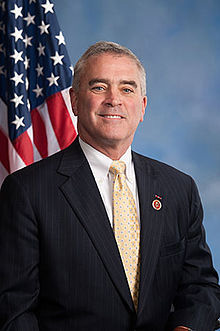
    From Ohio, the signers included Republican Congressmen Bob Gibbs, Jim Jordan, Bill Johnson, Bob Latta and Brad Wenstrup.

    Brad Wenstrup

    The new GOP signers included a member of leadership—House Minority Leader Kevin McCarthy of California, who joined a push spearheaded by Louisiana Rep. Mike Johnson.

    Other Republicans added Friday included Bill Posey of Florida; Doug Collins, Jody Hice and Barry Loudermilk of Georgia; Jim Hagedorn and Pete Stauber of Minnesota; Billy Long of Missouri; Mark Walker of North Carolina; Scott DeJarlais of Tennessee; and Morgan Griffith, Carol Miller and Alex Mooney of Virginia.

    Many Republicans in Congress have refused to directly state whether they believe  Trump was defeated by President-elect Joe Biden on Nov. 3. Some have instead said that they support the president’s decision to challenge the election results in the courts.

    Paxton alleges that officials in Michigan, Georgia, Wisconsin and Pennsylvania illegally changed voting laws, which caused voting irregularities and changed the outcome of the 2020 presidential election.

    Trump made similar allegations on Twitter and on Friday he told the justices what they should do.

    “If the Supreme Court shows great Wisdom and Courage, the American People will win perhaps the most important case in history, and our Electoral Process will be respected again!,” he tweeted.

    Trump earlier this year nominated Justice Amy Coney Barrett to the high court, shifting it to a conservative majority.

    Due to the pandemic, many states lobbied voters to submit absentee ballots, so Americans could maintain safety guidelines.

    The FBI, U.S. Attorney General and Department of Justice have repeatedly stated that there is no evidence of voter fraud or election irregularities. On Monday, members of the electoral college will meet in statehouses to cast their ballots, confirming Biden’s win.

    Members of the U.S. Senate on Friday failed to mount a drive to back the Texas suit similar to that of the House GOP.

    Sen. Susan Collins, (R-Maine), expressed doubt to reporters on Capitol Hill that the lawsuit would succeed.

    “I don’t think it’s likely to prevail given what the Supreme Court did in the Pennsylvania case, but I’m not familiar with the details of the lawsuit,” she said, according to pool reports.

    Sen. Josh Hawley, (R-Mo.), told reporters that the Supreme Court could possibly find that the case has no standing.

    He added that there’s not an attempt among Senate Republicans to do the same.

    “My guess is it’s just nobody here sort of rounded up the troops,” he said. “Usually the way these things work on the amicus brief side… is somebody takes the lead and then says ‘I’ll write it and then I’ll get people to sign on.’ This was a pretty short fuse thing.’”

    But some Senate Republicans said that the lawsuit is baseless and that states should not attempt to meddle in the affairs of other states.

    “I’m never surprised by the House of Representatives,” Sen. Lamar Alexander of Tennessee said, according to pool reports.

    Earlier Friday, he appeared on NBC’s “Meet the Press,” where he questioned the legal argument underlying the Texas suit.

    “I mean, our position, my position, Republicans believe that states are in charge of elections. And Texas is a big state, but I don’t know exactly why it has a right to tell four other states how to run their elections,” said Alexander.

    A senior New Jersey Democrat, Rep. Bill Pascrell, chastised House Republicans who supported the Texas suit. Pascrell called for Speaker of the House Nancy Pelosi (D-Calif.), to not swear in the returning and new GOP members who signed the brief into the 117th Congress.

    “Simply stated, men and women who would act to tear the United States government apart cannot serve as Members of the Congress,” he said in a statement.

  • Loveland Christian Church invites the community to a candlelight Christmas Eve service

    Loveland Christian Church invites the community to a candlelight Christmas Eve service

    Loveland, Ohio – The Loveland Christian Church is inviting the community to a candlelight Christmas Eve service. Join them either  in person or online at 6 or 8 PM. The in person capacity will be 75 people per service.

    In order to follow CDC guidelines, our in-person service will have limited availability. To register for in-person services, visit LovelandChristianChurch.org to make a reservation.

    All of their online service information can also be found on the website or by following them on FaceBook.

  • DeWine authorizes National Guard to provide security support at local jails

    DeWine authorizes National Guard to provide security support at local jails

    Columbus, Ohio – Governor Mike DeWine issued a proclamation yesterday that authorizes the Ohio National Guard to provide security support at local jails if needed.

    The proclamation was issued in response to the significant number of COVID-19 infections amongst state, county, and local corrections officers that has reduced staffing levels required to maintain safe and adequate security at some facilities. 

    Governor DeWine previously ordered the Ohio National Guard into state active duty to assist the Ohio Department of Rehabilitation and Correction with security at state prisons, and today’s proclamation amends that order to also permit Guard members to maintain security at any correctional facility, county jail, or confinement facility in the state. 

    More information can be found in the proclamation at governor.ohio.gov. 

  • Six from Loveland-Symmes Fire Department receive Public Sector Leadership Certificate

    Six from Loveland-Symmes Fire Department receive Public Sector Leadership Certificate

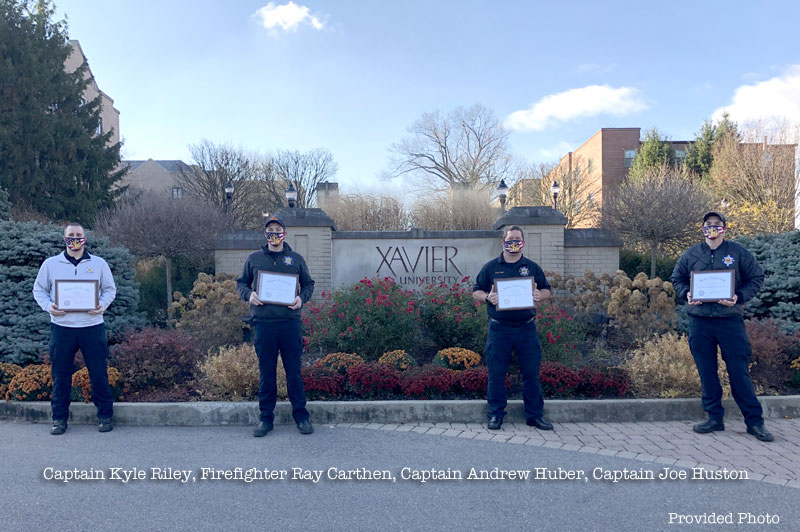
    Captain Kyle Riley, Firefighter Ray Carthen, Captain Andrew Huber, Captain Joe Huston. (not pictured: Captain Mitchell Caito, Captain Kyle O’Keefe)

    Loveland, Ohio – The Xavier Leadership Center’s Public Sector Leadership Certificate, is designed for emerging leaders in law enforcement, public safety, city, state and county government, and public sector organizations to develop the knowledge and tools required to successfully manage and lead within organizations.

    “Providing opportunities for professional development to our leadership team is paramount to the success of our mission. Our partnership with Xavier University provides second to none educational opportunities that match superior educators to our public safety leaders.” said Chief Otto Huber of the Loveland-Symmes Fire Department.

    The fall 2020 program, included six participants from the Loveland-Symmes Fire Department, Captain Kyle Riley, Firefighter Ray Carthen, Captain Andrew Huber, Captain Joe Huston, Captain Mitchell Caito, and Captain Kyle O’Keefe)

    Carol Turchick, Director of Xavier Leadership Center said, “Xavier University’s mission of service to others aligns with those who serve our community. This program provides leadership skills necessary to lead in today’s environment.”

    “All of XLC’s leadership certificate programs work to enhance leadership effectiveness through development of authentic and sustainable leadership, the ability to influence others, and this program does the same, but is specifically focused around the unique skills of a first responder,” Turchick said.

    Along with the Loveland-Symmes Fire Department, participants from all sectors attended the program. In total, 18 participants completed XLC’s Fall 2020 Public Sector Leadership Certificate Program. The certificate is being offered again this spring, beginning April 6, 2021. Individuals interested can find more information on XLC’s public sector page.