Ever wondered how to cut landscaping costs, meet your lawn care needs, and be a bit more sustainable around your community? With a growing interest in conservation practices in communities around our country, the Southwest Ohio and Northern Kentucky Regional Storm Water Collaborative is hosting a series of webinars for homeowners’ associations (HOAs) to review and discuss green practices that can help make our communities sustainable and livable for our future generations.
The webinar series, which will run in November and December, is designed to demystify green practices and infrastructure for leaders of HOAs and subdivision residents, or for anyone interested in learning more about these practices.
Expert panelists will present webinar attendees with information and resources needed to understand and make decisions regarding such topics as storm water management, composting, solar and geothermal energy, and sustainable landscaping.
The following webinars will be conducted on the Zoom webinar platform on Tuesday evenings from 6 p.m. to 7 p.m.
November 10 – Detention/Retention Basin Maintenance and Retrofits
November 17 – Composting and Rain Barrels
December 1 – Solar and Geothermal Energy
December 8 – Rain Gardens & Sustainable Landscaping
The webinars are free to attend, but registration is limited. Anyone interested can sign up for one or all webinars at www.savelocalwaters.org/hoa.html. If you have questions, contact the Hamilton County Soil & Water Conservation District at 513-772-7645.
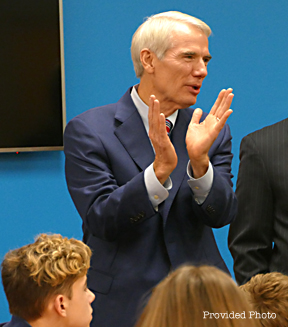
The office of Ohio Sen. Rob Portman won’t say whether he’s one of the Senate Republicans unwilling to support a coronavirus-relief bill under negotiation between the Trump White House and House Speaker Nancy Pelosi.
Ohio Sen. Rob Portman
Senate Majority Leader Mitch McConnell, R-Kentucky, on Tuesday warned the White House not to agree to the bill because the $2 trillion price tag was too high for many in his caucus. That message comes as hopes of passing a relief bill before next year seem to be dimming.
With a raging virus continuing to throttle the economy, Federal Reserve Chairman Jerome Powell earlier this month urged passage of a relief bill to avoid lasting damage. Many other economists have been making the same argument, while those who study poverty say legions of Americans are being added to its numbers.
In Ohio, those who work with the poor warn of cascading homelessness and say food banks are seeing huge demand.
It wasn’t until late July — as federal unemployment supplements were running out — that McConnell introduced his own bill. But he later admitted that he didn’t have enough votes in his own caucus to pass it.
Earlier this month, just after a covid-infected Trump was released from the hospital, he abruptly broke off negotiations with House Democrats. Then he abruptly reversed himself again and by Tuesday he was saying he wanted a bigger package than the $2.2 trillion deal being pushed by Pelosi and the Democrats.
For his part, McConnell has been promoting a bill less than an fourth that size — $500 billion — that would have included an unemployment supplement and aid to schools. Democrats blocked it Wednesday, saying the bill was woefully inadequate.
That brought a blast from Ohio’s Democratic senator, Sherrod Brown.
“Once again, Mitch McConnell is telling Americans, ‘you’re on your own,’” Brown said in an email. “Millions of people are suffering right now and he would rather stall a COVID relief package to continue rushing through an illegitimate Supreme Court nomination. Workers are struggling to figure out how to pay their bills, stay in their homes, and keep their families safe while McConnell would rather focus on his power grab.”
Portman’s staff wouldn’t answer directly when asked whether he supported a relief bill of about $2 trillion, roughly the size of that being negotiated between House Democrats and the Trump administration.
“Rob has consistently called on both parties to come to an agreement on additional covid relief for families and small businesses — legislation that would support increased (coronavirus) testing, provide additional funding for schools and state and local communities, restart the Payment Protection Program, and provide needed liability protections,” spokeswoman Emmalee Cioffi said in an email.
She also provided a transcript of a Sept. 10 speech Portman gave on the Senate floor in which he castigated the earlier covid-relief bill passed by House Democrats as too expensive.
“It’s a $3.5 trillion bill,” Portman said. “And remember, we’ve already spent about $3.5 trillion making this the largest deficit in the history of our country and making our debt now, for the first time since World War II, the size of our entire economy. That concerns all of us, and it should.”
Portman also was highly critical of Obama-era deficit spending amid a historic recession.
But he wasn’t nearly so concerned about deficits in 2017 when he was pushing the Tax Cuts and Jobs Act at a time when the federal unemployment rate was 4.1%.
Portman’s promise was quickly shown to be empty, and by early 2018, the tax cut was projected to add more than $1.3 trillion to the deficit over 10 years. Nor did it deliver the economic growth that Portman, Trump and McConnell promised, the Congressional Research Service reported last year.
Just before Congress passed the tax cuts, Portman told WKSU that he’d support clawing them back if they didn’t produce the promised growth. So far, that hasn’t happened, either.
Marty Schladen has been a reporter for decades, working in Indiana, Texas and other places before returning to his native Ohio to work at The Columbus Dispatch in 2017. He’s won state and national journalism awards for investigations into utility regulation, public corruption, the environment, prescription drug spending and other matters.
Clermont County has made a second round of $500,000 in Coronavirus Relief Act (CARES Act) grants available for small businesses. When combined with the first round, the overall relief for small businesses in Clermont County will reach $1 million.
Non-profits are eligible for grants in this round of funding.
The deadline for applications is 4:30 p.m. Oct. 31.
To ensure expedient processing of payments, be sure to include a valid email address.
Eighty-five businesses will receive a total of $480,000 in grants through the first round of funding. Those funds are expected to be distributed within the next several weeks. The number of applicants increased after criteria were expanded.
Ohio’s new long-term care facility dashboard is now available at coronavirus.ohio.gov. The new dashboard outlines visitation information at nursing facilities across the state. See the visitation search page HERE.
Those with loved ones in a nursing facility can search for information by county or facility to find information on the types of visits that are offered and when they are permitted. Nursing facilities were permitted to allow indoor visitations beginning October 12.
Details regarding the visitation guidelines for Ohio’s intermediate care facilities can be found in a public health order issued on September 24. Visitation at intermediate care facilities was permitted to resume on September 28.
The arrest of former Ohio House Speaker Larry Householder and others in July revealed how the use of dark money organizations enabled an alleged $60 million conspiracy to sway elections and provide costly bailouts to noncompetitive nuclear and coal plants.
As federal and state court cases move forward, questions remain about what can be done to restore confidence in the legislature and to prevent similar situations in the future.
“Dark money is really how special interests win right now,” said Jay Costa, executive director at Voters’ Right To Know. When corporations use shell groups to hide their political spending, they “gain a level of credibility they wouldn’t otherwise have,” he explained. “I like to think of it as the ‘Wizard of Oz’ effect.”
In other words, voters don’t get to see who’s behind the curtain.
Two months after the federal government’s criminal complaint and indictment in July, Ohio Attorney General David Yost has filed a state court lawsuit. The complaint alleges a “pattern of corrupt activity,” and seeks injunctive relief to prevent FirstEnergy, FirstEnergy Solutions, Energy Harbor and others from reaping benefits from the bailouts under House Bill 6. A hearing on a preliminary motion for that relief is currently scheduled for Friday, Oct. 2.
Meanwhile, it’s unclear whether Ohio lawmakers will actually repeal House Bill 6, the bailout law passed as a result of the alleged conspiracy. Both Democratic and Republican lawmakers called for a swift repeal in late July and early August. However, leadership in the Ohio House has so far refused to allow a full House vote on any pending repeal bills.
‘Dragging their feet’
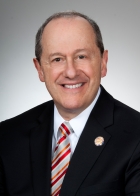
Rep. David Leland, D-Columbus
“They’re just dragging their feet,” said Rep. David Leland, D-Columbus. “We have 58 members of the legislature who are willing to repeal HB 6 right now.”
Instead, Speaker Robert Cupp, R-Lima, has referred the bill to a House Select Committee on Energy Policy and Oversight. So far, those hearings have largely been a general review of the pros and cons of HB 6, rather than a focused oversight of the alleged corruption that led to its passage and whether it should be repealed in order to repair any claimed harm to public trust in the legislature’s integrity.
“The only way that we can prove that Ohio is not for sale is by repealing HB 6,” Leland said. “The polling we’ve seen shows that people by an overwhelming margin are going to punish those people who have voted for HB 6 and have done nothing to repeal it.” Early and absentee voting in Ohio begins on Oct. 6.
“Our legislators are supposed to act in the public interest,” said political scientist Leah Stokes at the University of California at Santa Barbara. Corporations’ interests may sometimes conflict. But, she adds, “it’s really politicians’ and regulators’ job not to be listening to those special interests. That basic responsibility of democracy has failed in Ohio with House Bill 6.”
A straight repeal would mostly restore Ohio energy law to before HB 6 became effective, subject to some follow-up regulatory matters before the Public Utilities Commission of Ohio. A quick replacement could potentially reenact all or much of the law, which also gutted the state’s clean energy standards.
Advocates say that rushing to ram through anything more than a simple repeal this year would either just repeat bad policy or create more problems, even aside the alleged conspiracy’s past influence on the current makeup of the Ohio House of Representatives. Even at that, a repeal bill would now need either an emergency clause or an injunction sought by the state attorney general in order to stop the nuclear subsidies slated to start in January. The committee adjourned on Sept. 30 and no additional meetings are currently scheduled.
HB 6 “is so questionable at this moment. The vehicle itself and the way it was sold is all just a pack of lies,” said Rachael Belz, executive director of Ohio Citizen Action. “We need them to repeal it, and then we need to go from there.” And that second step will take time, she said.
“It’s complicated and complex legislation and policy. And we have to get it right,” said Chris Neme, a principal and co-founder of Energy Futures Group. “Passing a bill in less than a couple of months like the way HB 6 was just leads us down the road of unintended consequences.”
Shining a light on dark money
The bigger question is how to prevent similar abuses in the future. Utilities and fossil fuel interests have given heavily to Ohio political campaigns since the state enacted a 1999 law calling for competition in electricity generation. And the level of giving went up dramatically once a competitive market actually began to develop in the state.
Utilities’ political spending has continued during this election season. FirstEnergy spokesperson Jennifer Young said that its political action committee has since canceled campaign donations it had originally reported as going out in July shortly before Householder’s arrest.
Campaign donations shown for August have in fact been sent out, Young said. FirstEnergy has denied any wrongdoing in connection with its political donations or the alleged Householder scandal.
Meanwhile, a 2010 Supreme Court case, Citizens United, “really opened up the floodgates of fossil fuel and electric utility influence over politics,” Stokes said. Utilities’ political spending is “particularly pernicious,” in her view, because customers “have to buy from these companies” to get electricity delivered to their homes.
At the same time, reporting requirements currently apply only to immediate spenders on political issues and campaigns. They don’t reach all the way up the chain to the original source of the money.
“It’s basically this Russian nesting doll scenario, where you have one donor giving to another donor, giving to another donor, to get to the person who finally spends the money to influence the voters,” Costa explained.
In the case of HB 6, money flowed into Generation Now from multiple sources, with a lion’s share allegedly originating with Company A — understood to be FirstEnergy — and its subsidiaries, according to the federal complaint.
Some of the money in turn then went to a political action committee. Or, it went to other organizations that directly funded pro-HB 6 ads. One such ad claimed a debunked Chinese conspiracy was behind last year’s failed effort to put a referendum on the law on the ballot this fall. A for-profit group called Ohioans for Energy Security paid for that ad. When asked last year, lawyers at the firm that set up the corporation, Isaac Wiles, would not answer questions about the source of its funding.
“The notion that dark money is something some people don’t like is not part of the elements of the crime,” Mark Weaver, an attorney at that firm, said at a Columbus Metropolitan Club forum after news broke about the Householder arrest.
Asked if there was too much money sloshing around at the statehouse, he said it’s “a lot of money, no doubt,” but it “pales in comparison” to the amount that Americans spend on Halloween candy and costumes every year. And he said that the First Amendment protects the right to conduct political speech anonymously.
“Of course, state and local governments may (depending on how they draft) pass additional 501(c)4 disclosure requirements that could meet constitutional scrutiny,” Weaver later added.
Ian Vandewalker, Ian PHOTO CREDIT: Courtesy of Brennan Center for Justice
“There is no absolute right to anonymous speech,” said attorney Ian Vandewalker at the Brennan Center for Justice at New York University School of Law. Elections are treated differently from general speech, because of the overriding interest in making sure elections function properly, he explained at a panel organized by the League of Women Voters of Ohio.
“That requires informed voters. And it requires policies to not be able to cheat the public,” Vandewalker said. “And so those interests require that there be a level of transparency.”
“No regulation, no law, no set of ethical rules substitutes for American voters paying attention to who’s running for office — pressing them hard on what they stand for, looking closely at the issues, and going into the ballot box having done your homework,” Weaver said.
“The reason that information is important and transparency is important is so that voters are educated,” said Catherine Turcer, executive director of Common Cause Ohio. “You can’t make the argument that voters need to be better educated but you shouldn’t give them actual education. It doesn’t make any sense.”
Moreover, disclosure needs to be timely, said Heather Taylor-Miesle, executive director for the Ohio Environmental Council. In the case of HB 6, Generation Now didn’t report its 2017 spending to the Internal Revenue Service until late 2019. By then, millions more had been spent to influence the 2018 elections, the passage of HB 6, and the failed referendum effort against it.
Pending bills
Several bills introduced by Democratic and Republican lawmakers could make a strong start toward improved disclosure, including HB 737, HB 739, and SB 347. Those bills should be broadened to include digital media, as well as more traditional campaign spending, Turcer said.
The bills should also call for disclosure not only of the name of an organization, but the identity of the top three original donors of funding, Turcer added in her Sept. 16 testimony in support of SB 347. “Otherwise, wealthy special interests will attempt to avoid disclosure by creating pop-up shell groups,” she said.
And while Ohio voters won’t know who’s behind all the groups funding attack ads or other political spending this election season, information is available about how lawmakers voted on HB 6. The Akron Beacon Journal has also compiled some information on how some funds were used in the 2018 Ohio House campaigns.
“People should contact their legislators about HB 6” if they want to speak out about the issue, Stokes said, noting that the law passed with support from a mix of both Republicans and Democrats.
“When the public is outraged about an issue and really shows up, these issues get reversed,” Stokes added. “There’s a lot of leverage right now.”
[Note: the original version of this story took additional comments made by Mr. Weaver and summarized them to help the story flow better and to highlight the most relevant points. Mr. Weaver contacted Eye on Ohio and the Energy News Network after publication expressing his concern that the summary was not an accurate representation of his public comments. While we do not share that view, we are happy to share the full text from which that summary was taken. We know our readers are smart and can draw their own conclusions regarding their meaning. Beneath this article is that text, as well as a link to the entire video.]
Mark Weaver: Blaming Citizens United for this I think is wrongheaded. The New York Times, it’s sort of been proven that their collusion story about Russia has fallen completely apart and yet I don’t blame the First Amendment for the right to print what they printed. I think they had a right to print all that. I think it was substantively wrong, but I wouldn’t go after their ability to print that stuff.
And so what the Supreme Court said in Citizens United was, if a few of us get together and want to form a group to communicate, we ought to have a right to do that under the First Amendment.
And a lot of donors are looking at what’s happening in America right now with the doxxing, or the releasing of personal information and targeting people for shame. So that’s why some donors don’t want to give. Now some may have less noble notions for wanting to keep their money and their name private. But we saw what happened to Amy Acton for example where her personal home was targeted by protesters– that’s just wrong.
The notion that- I disagree with you so I’m going to personally vilify you and show up at your house where your family or your children are- so many donors see that as part of 2020 current affairs and so many of them want to avoid that. And I know not everyone has that reason.
Mike Thompson: But the problem comes in not just that somebody gives $500 to a candidate or a cause they believe in. It’s that somebody gives– $61 million or $35 million, let’s be conservative, and we don’t know that’s happening. Is there a middle ground where we can say, okay I can protect your identity, your First Amendment rights, but you can’t have THAT much influence?
Weaver: Well, not Constitutionally, no. It’s not just Citizens United. There was a case out of Ohio called McIntyre vs. the Ohio Elections Commission. This is the 7-2 Supreme Court case that said it’s legal to keep yourself anonymous when spending politically, based out of Ohio, in Westerville, Mrs. McIntyre. I used to teach the case. This morning I looked at it again and I had forgotten about this quote. This is not a close call. 7-2. This is Supreme court on anonymous speech: “It’s not a pernicious, fraudulent practice but an honorable tradition of advocacy and of dissent.”
And they pointed to the Federalist Papers that were written anonymously, to avoid scrutiny of the authors and focus on the ideas. So this notion of anonymous speech is one that’s protected by Supreme Court precedent.
Thompson: Laura, there are efforts at the statehouse to make it more transparent. Is it just lip service or are they serious efforts?
Laura Bischoff: You know it’s interesting. I do think the conditions are probably better now for reform than they were six months ago. So, there’s a couple of different bills pending. One is House Bill 737, which is sponsored by Gayle Manning, a Republican from North Royalton, and Jessica Miranda, a Democrat from Cleveland. And it’s got the support of the Ohio Secretary of State, Frank LaRose. And it would require, if you’re going to have a 501c(4) that’s spending in Ohio on political matters then it would require reporting through the state. Louis Brandeis said that the best disinfectant is sunshine. And so, this kind of works on that premise– transparency and disclosure will help clean it up.
Thompson: Derrick, It comes down to the Supreme Court. And the courts have said money equals speech. How much money? We have unlimited amounts of Free Speech. We can stand on a street corner, 24 hours a day, 7 days a week, and as long as we don’t yell fire in a crowded theatre we can do all we want. Should that same apply to the amount of money someone can give to a campaign? Or to a political cause?
Derrick Clay: Well you know if you have the money to give it, that’s your discretion whether you want to give that money to a c(4). You know, right now we’re under the law from that Citizens United case where people can give unlimited amounts of money to a c(4) nonprofit. So until that court case is overturned or challenged, then that’s the law of the land that we all have to abide by unfortunately.
Thompson: Is it too much money sloshing around at the statehouse? And you guys [points at Weaver and Clay] have both advocated for groups, and helped raise money and spent money that’s been raised. I mean, you’re part of the system-
Weaver: It’s a lot of money, no doubt. But when you look at what America spends on Halloween candy and costumes every year it pales in comparison. There’s lots of money done for lots of things.
Halloween candy and costumes don’t have the protection of the First Amendment. Remember, the Supreme Court has been very clear: the speech that aggravates us the most gets the most protection. And when you’re laying out what’s protected, political speech is the highest. And so whatever laws get passed, and I’m interested to read the details, and I’m interested in whatever laws are being put out there, they will have to withstand First Amendment scrutiny just like the news organizations represented today.
This article first appeared on Eye on Ohio and is republished here under a Creative Commons license.
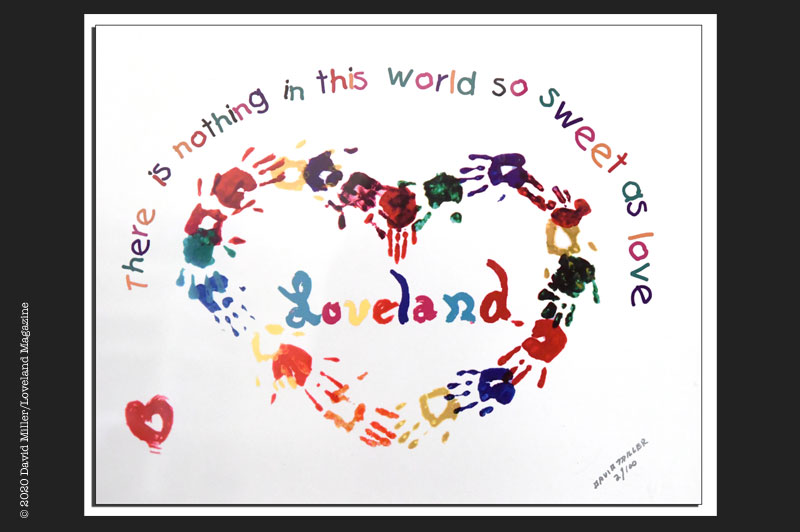
The winning Valentine Card design by Loveland Magazine Publisher David Miller after the 9/11 attack on the World Trade Center.
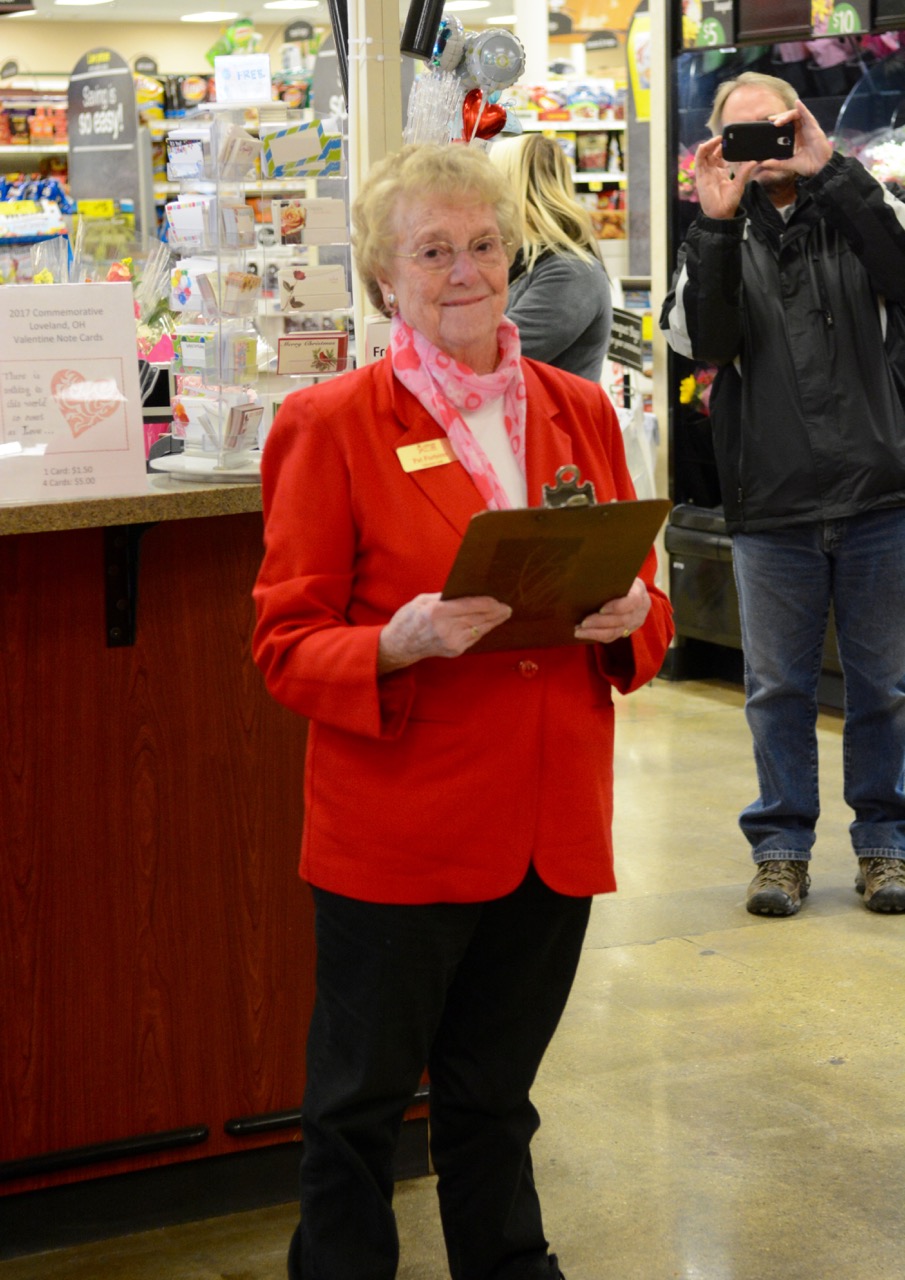
Loveland, Ohio – The Little Miami River Chamber Alliance says they are excited to kick-off the 2021 Valentine Program with the assistance of the Valentine Committee. The Committee is chaired by past Valentine Lady Patricia Furterer and is comprised of some of the Valentine Ladies from past years and other representatives from Loveland.
Valentine Card designs and all the names of the Valentine Ladies are engraved on granite walls in Historic Downtown Loveland.
The committee is now accepting nominations for the 2021 Valentine Lady. Valentine Lady nominees are women who distinguish themselves in community, school, and family endeavors. The Valentine Lady serves as the official spokesperson of the Valentine Program in the Loveland area and helps the Chamber make the 2021 Valentine Program a success.
The Committee is chaired by past Valentine Lady Patricia Furterer and is comprised of some of the Valentine Ladies from past years and other representatives from Loveland.
Nominees must reside in the Loveland 45140 zip code, and be able to work with the Chamber January 2, 2021 through the end of February 2021, stamping Valentine cards and visiting area schools, businesses, and other community organizations and participating in area events throughout the year.
Ohio Sweetheart City Offers Valentine Card Design Contest
Don’t miss the opportunity to compete in the Annual Valentine Card Design Contest sponsored by the Little Miami River Chamber Alliance. All Tri-State area artists, photographers, high school students, and interested persons are encouraged to participate.
If you can design a card which pertains to love and Valentine’s Day, and contains the signature slogan, “There is nothing in this world so sweet as love”, submit the original artwork to the Little Miami River Chamber Alliance.
“The submission deadline is November 20, 2020 but don’t wait until the last minute and be caught in the holiday rush,” says the Chamber.
The winning card design will be unveiled at the Valentine Kick-off on January 9, 2021 and will be the official 2021 Valentine card.
The card will be for sale at several Loveland area businesses, stores, and other locations. Don’t miss the opportunity to have your design displayed for everyone to admire.
Send your Valentine Lady nominations and card designs to:
Little Miami River Chamber Alliance
113 Karl Brown Way Floor #2
Loveland, Ohio 45140
Nominations and card designs must be received at the Chamber office by November20, 2020.
All nominees will be recognized at the Valentine Kick-off on January 9, 2021 and the annual Valentine Breakfast on February 12, 2021. For further information, feel free to contact:
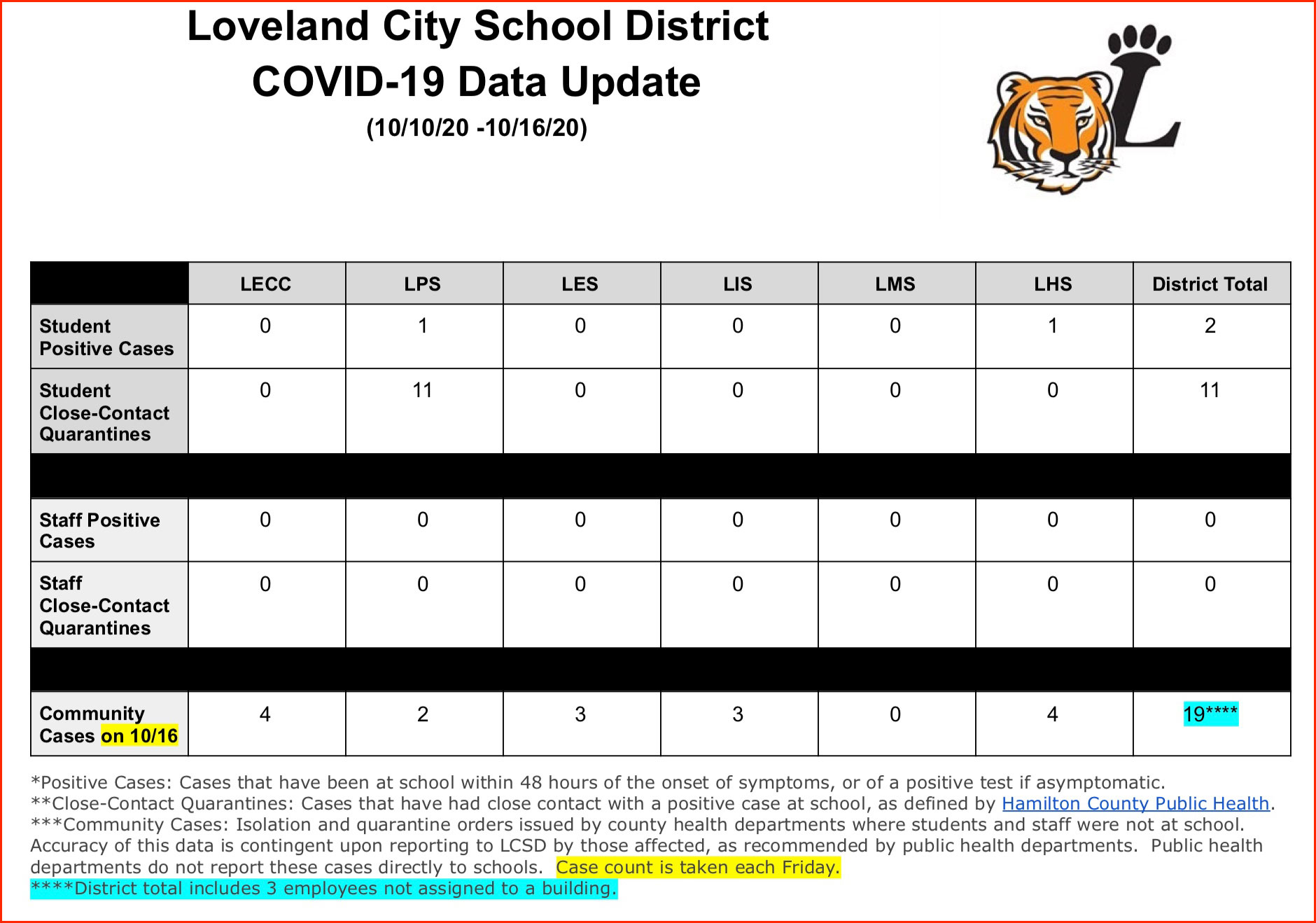
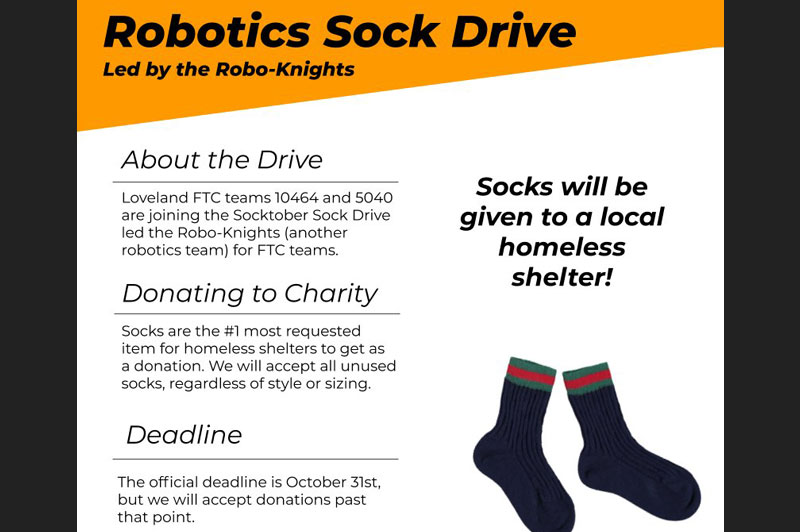
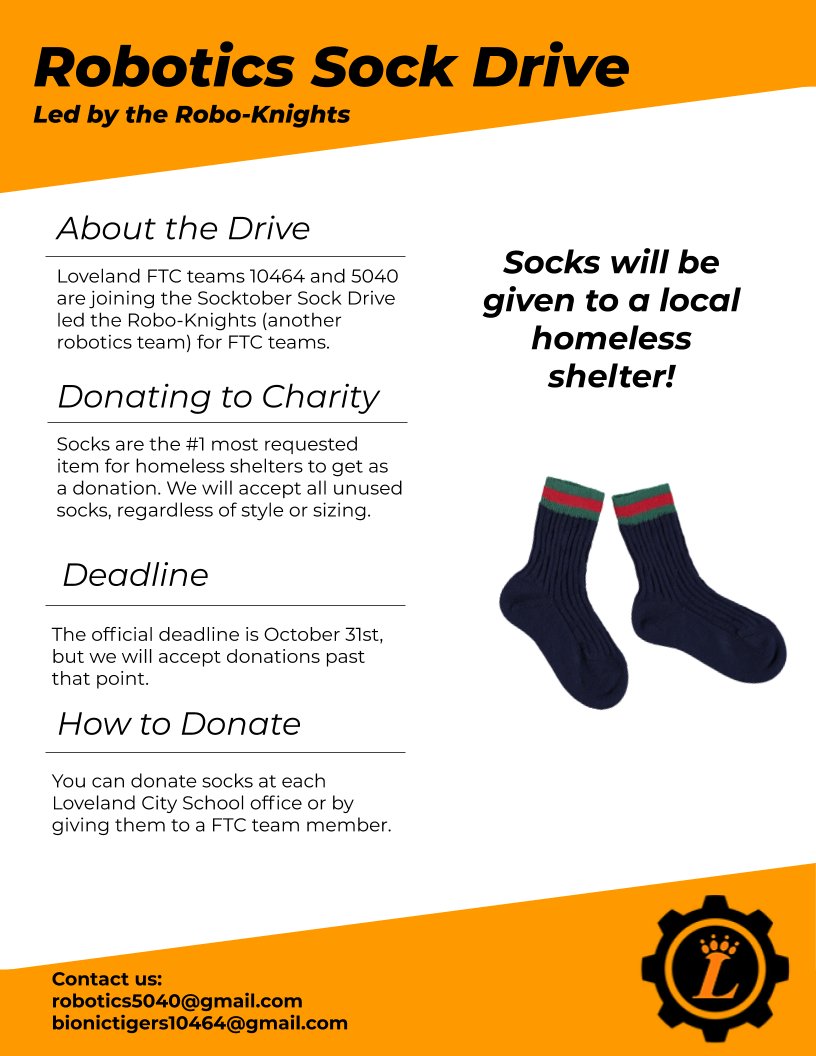
@BionicTigersFTC are participating in a sock drive led by @CRoboknights to donate to homeless shelters. If you would like to donate, there are boxes at LECC, LPS, LIS, and LMS, or you can ask a team member.
Symmes Township resident and Great Oaks Director of Student Services Nancy Mulvey was honored this month with the Distinguished Service Award from the National Council of Local Administrators NCLA, a national association for career and technical administrators. She was recognized for her service to career-technical education and for her professional accomplishments.
Mulvey has served the students of Great Oaks Career Campuses for more than 30 years as a math teacher, counselor, career specialist, campus dean, and district administrator. In her current role as Director of Student Services, she has strengthened both physical health and mental health services for students, led the effort to rewrite Board policies, began a summer camp program for younger students, and helped guide the district to record levels of high school enrollment.
The nomination read in part, “Nancy recognizes best practices in the field, and shares, adapts, and improves those practices to benefit current and future students as well as the organizations she serves. She freely shares her own ideas and innovations and champions those practices that others have developed, for the benefit of career-technical education as a whole.”
The award was presented virtually during the NCLA Best Practices Conference, which was held online this year.
Jake Zuckerman is a statehouse reporter. He spent three years chronicling the West Virginia Legislature for The Charleston Gazette-Mail after covering cops and courts for The Northern Virginia Daily.
This story was written by Jake Zuckerman with local news added by Loveland Magazine staff.
–
Thursday was Ohio’s worst day of the pandemic and all evidence suggests things are likely to worsen, according to interviews and new state data.
Nearly 2,200 new COVID-19 infections were reported Thursday, the state’s third record breaking day last week.
There were 1,041 Ohioans in the hospital with COVID-19 — about 100 shy of the all-time high set in late July. The COVID-19-hospitalized population has nearly doubled since mid-September.
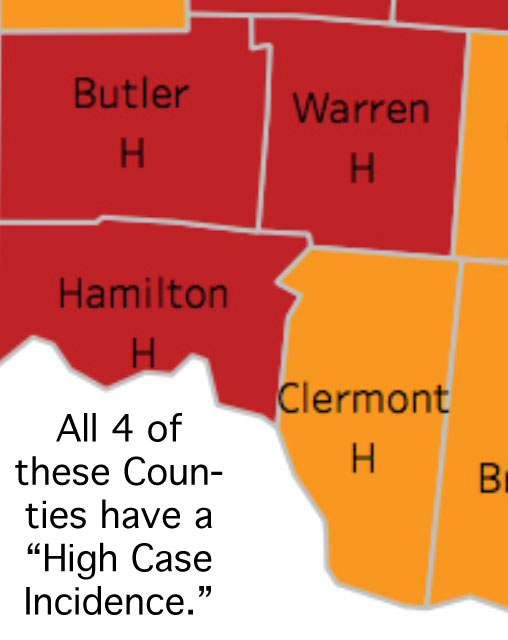
A “Public Emergency” has been declared in RED counties – with very high exposure and spread.
On Thursday, Governor DeWine released Ohio’s updated Public Health Advisory System map. New health data compiled by the Ohio Department of Health found that 29 counties currently have a very high risk of exposure and spread (Level 3): Hamilton, Butler, and Warren are among the “RED” counties.
“We’ve gone up dramatically in a relatively short period of time,” Gov. Mike DeWine said to reporters Thursday.
“What you’re seeing in today’s numbers should get our attention,” DeWine said. “There’s a red tide flowing all over the state of Ohio.”
Thirteen new counties turned red this week indicating “very high exposure and spread” on the Ohio Public Health Advisory System — a product of seven inputs like hospital visits, outpatient care visits in a county, population-adjusted infection rates and others. Twenty-nine counties are red, spanning about two-thirds of the state’s population.
“What you’re seeing in today’s numbers should get our attention,” DeWine said. “There’s a red tide flowing all over the state of Ohio.”
DeWine said some of the newly-turned red counties are slated to host community events like political rallies, pub crawls and social gatherings and that “now is really the time to rethink whether these are in the best interest of the community.”
He did not address his own administration’s decision to exempt recent rallies for President Donald Trump from the statewide mask requirement.
While DeWine said there are no plans in store for any kind of statewide stay-at-home order, he declined to promise against instituting the policy down the line.
All told, nearly 176,000 Ohioans have contracted COVID-19. Nearly 17,000 have been hospitalized, and 5,038 have died since March.
In red counties, health department staff said they continue to see spread at family gatherings like bonfires, birthday parties and barbeques.
Jennifer Hiestand, a public information officer at the Zanesville-Muskingum County Health Department, estimated 60% of people in public are wearing masks. Contact tracers have found “mini outbreaks” that are seemingly the result of people letting their guards down.
In red counties, health department staff said they continue to see spread at family gatherings like bonfires, birthday parties and barbeques.
“People just made the decisions not to social distance or not to wear a mask, those things that they probably should have,” she said.
Mahoning County Health Commissioner Ryan Tekac said he is seeing a lot of the county’s progress this summer start to erode as cold weather drives people inside.
“I think there are some concerns right now that individuals are putting their guards down,” he said.
Ohio’s recent case surge fits in with a national trend. The New York Times reports cases are trending upward in 41 states, especially in the Midwest.
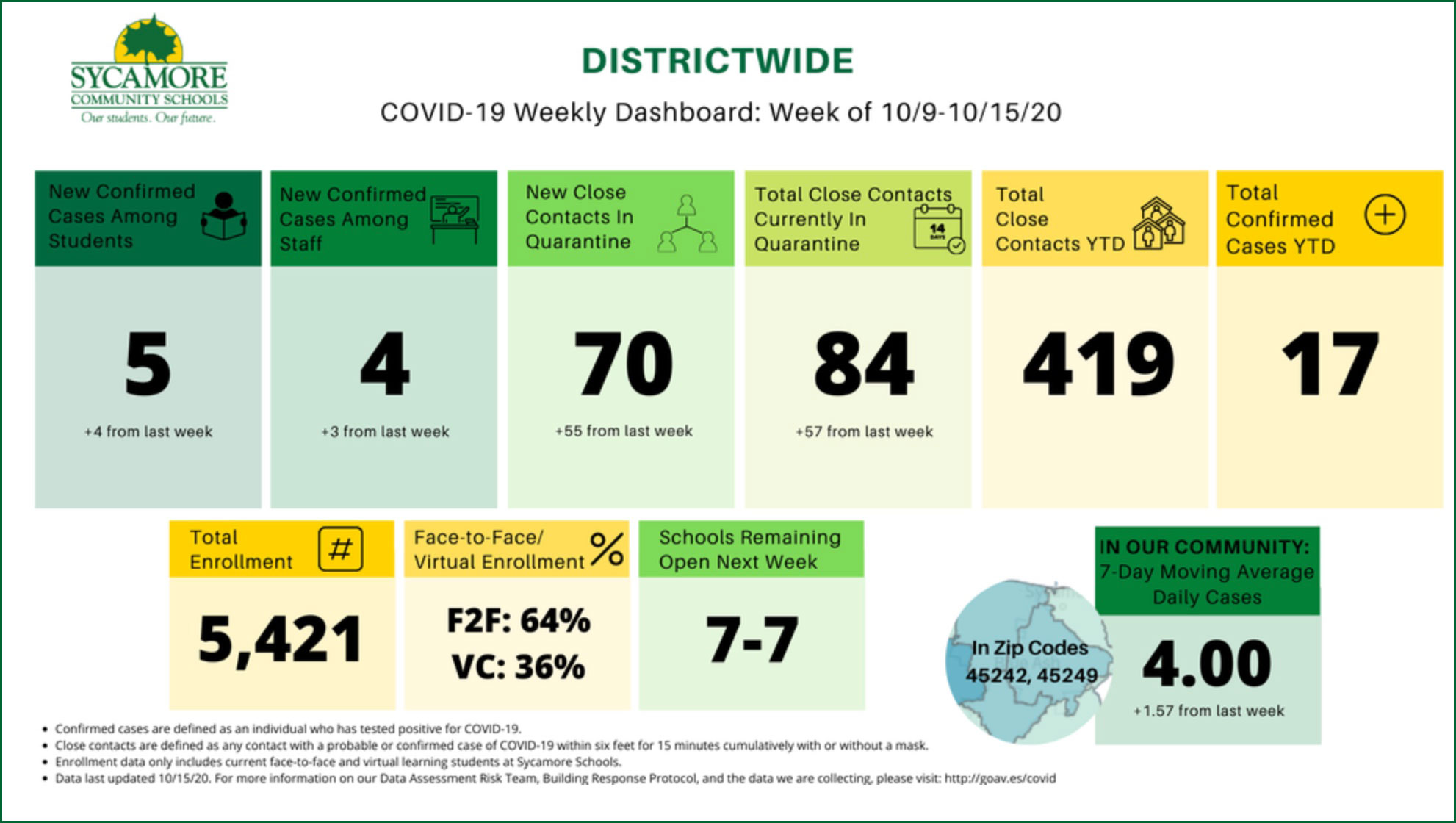
Sycamore Aves mom reminds us of the importance to stay home if you’re experiencing COVID-19 symptoms. These next few weeks will be crucial. Please do your part so we can stay in school!
Two holidays are coming up that will test Ohio’s public health discipline — Halloween and Thanksgiving.
Tekac said there’s a lot of concern, especially with Thanksgiving, about the potential for outbreaks. However, he said people know the guidance; wear masks, keep your distance, wash your hands, outside is better than inside.
He said at a certain point it comes to individuals making their own good decisions.
Dr. Anthony Fauci, the top infectious disease expert at the National Institute of Health, told CBS News it’s an “unfortunate fact” that Thanksgiving will cause a lot of spread and suggested skipping out on the tradition this year.
“I think given the fluid and dynamic nature of what’s going on right now and the spread and uptick of infections, I think people should be very careful and prudent about social gatherings,” he said.











 Mulvey has served the students of Great Oaks Career Campuses for more than 30 years as a math teacher, counselor, career specialist, campus dean, and district administrator. In her current role as Director of Student Services, she has strengthened both physical health and mental health services for students, led the effort to rewrite Board policies, began a summer camp program for younger students, and helped guide the district to record levels of high school enrollment.