Author: Loveland Magazine

  • [Meeting Videos] Christman Farm sale moves forward after public hearing

    [Meeting Videos] Christman Farm sale moves forward after public hearing

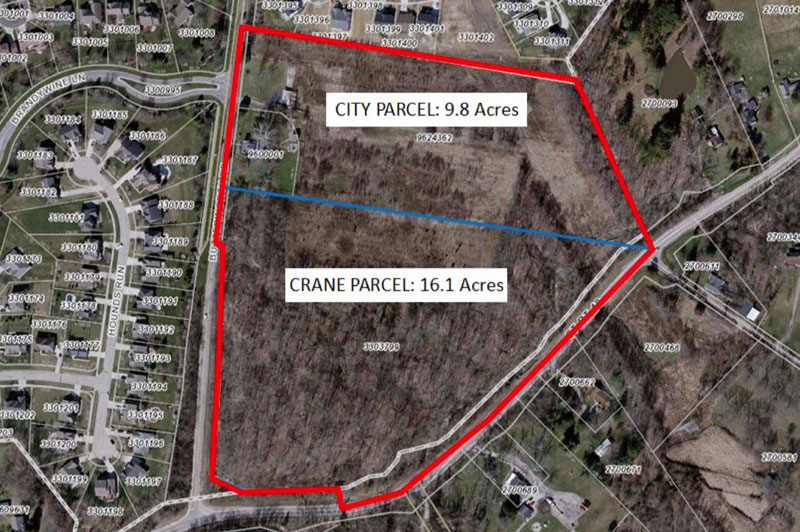
    Loveland, Ohio – City Council voted to move ahead with the sale of the city-owned Christman Farm on Butterworth Road after a public hearing on October 13. Taxpayers bought the former Warren County horse farm from Terry and Mary Christman in 2007 for $800,000. The property is within the boundary of the Little Miami School District. Loveland Schools will receive no property tax income from the development.

    The next Community Improvement Corporation Meeting is at 5:30 PM Tuesday, October 20. The sale of the Christman Farm property is on their agenda.

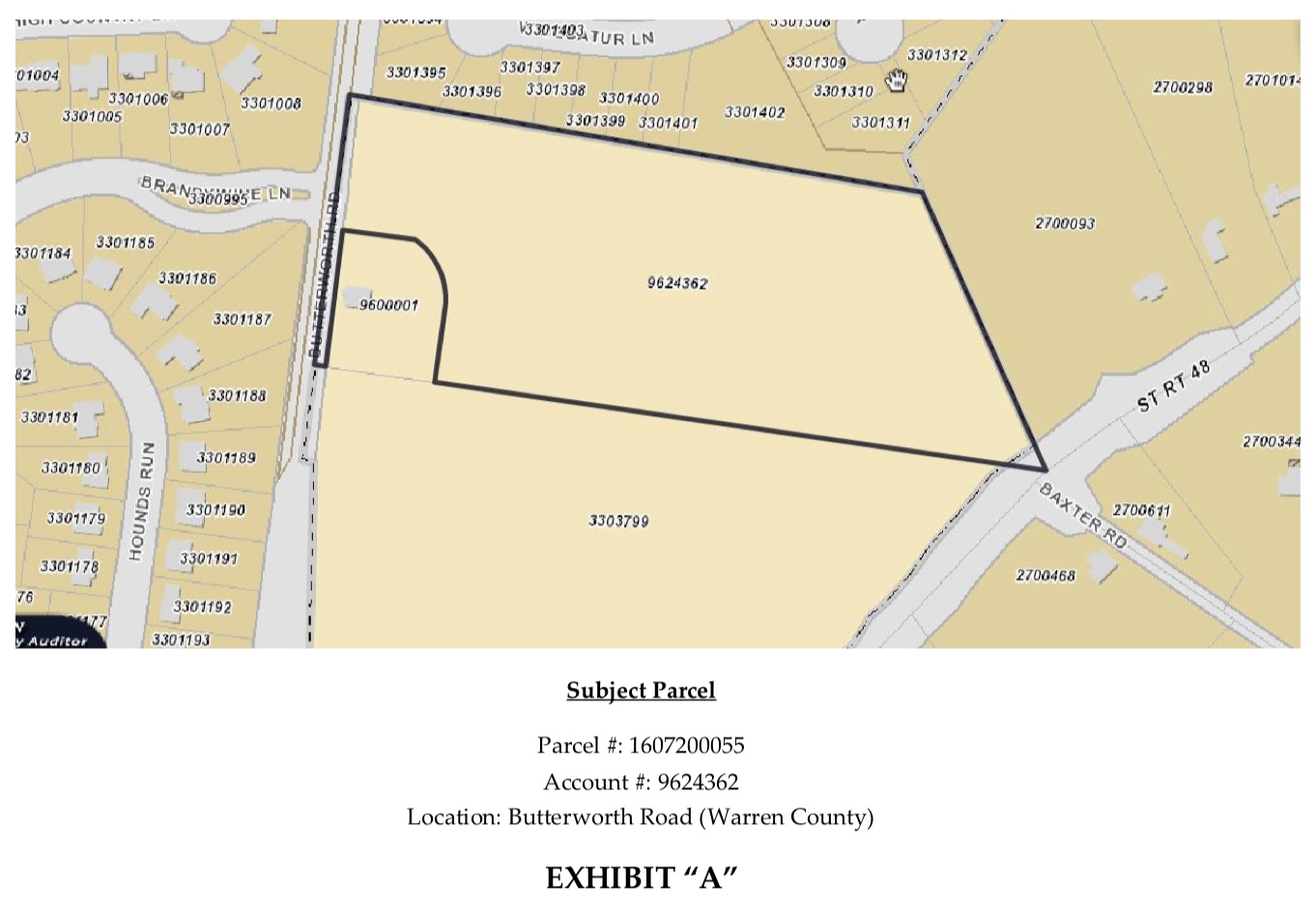
    The property consists of 9.8389 acres. The developer of the property will be the Campbell Berling Development Company. The proposed use of the property is for a single-family residential development of “no more” than 35 single-family homes. The company address is 333 Madison Pike, Suite C in Ft. Write Kentucky. The owner of the property will be CB Butterworth, LLC.

    CB Butterworth, LLC was incorporated on September 16. Here is the business filing: Business_Details.

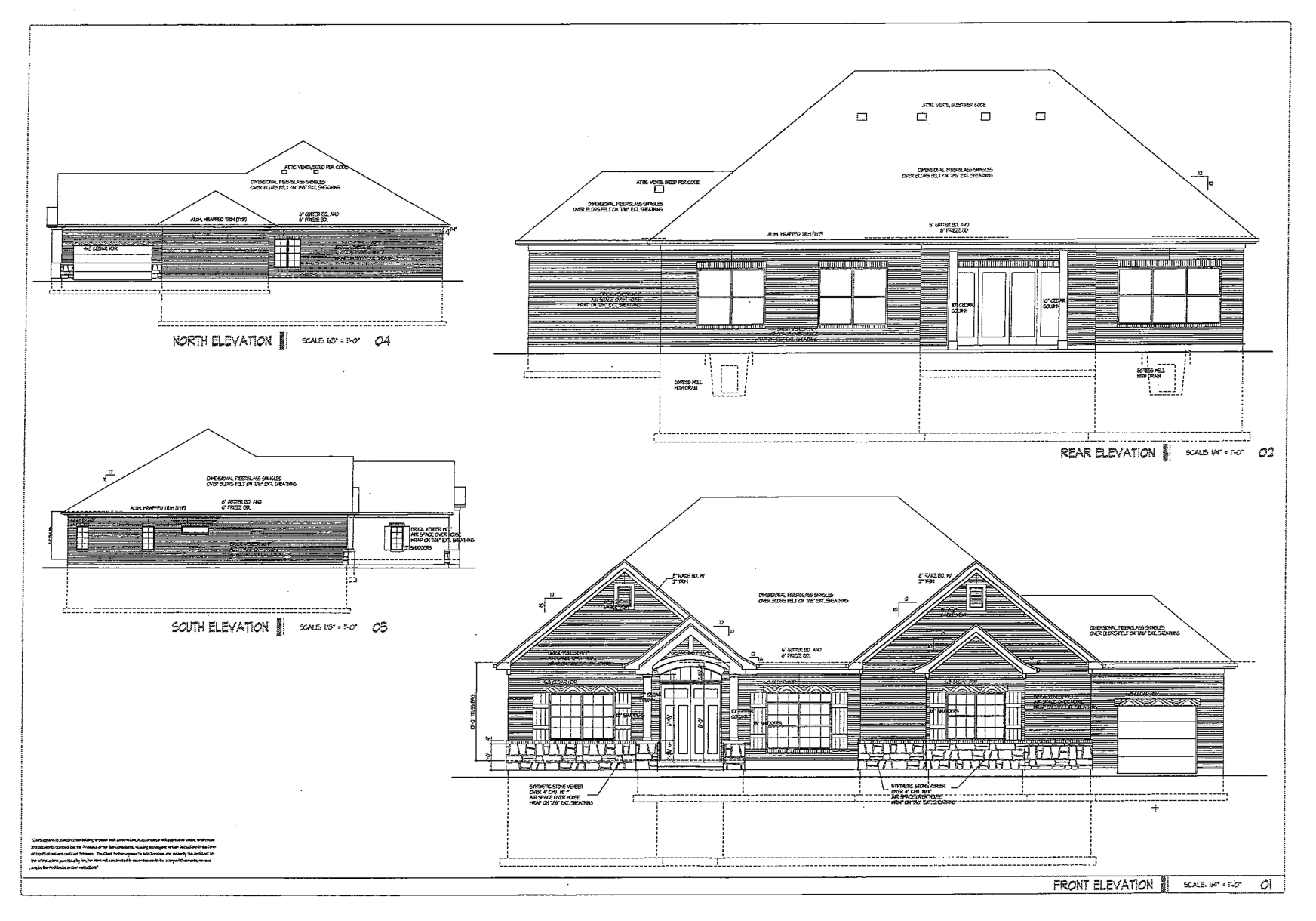
    City Manager Dave Kennedy started the public hearing by spelling out what he believes are the advantages of the sale. Kennedy said that most of the “Estate Homes” will sell in the $1.2 M range with side entry garages. The empty-nester homes to be on the Christman Farm would not be built until after the 2022 HOMEARAMA was over. Kennedy said that Council wanted him to come up with a home product they could be proud of.

    Kennedy proposed the transfer of the 9.8 acres to the Loveland Community Improvement Corporation (CIC) for eventual purchase by CB Butterworth, LLC, and prepared the legislation that was presented to City Council as an emergency measure. Emergency legislation cannot be overturned at the ballot box as they become effective immediately. Kennedy said the urgency was so he could begin constructing the sewers that will serve the development as soon as possible.

    Bethany Wiegand spoke about the ways the proposal will affect her home and urged the Council to address traffic problems. She said it currently take her 20-25 minutes to leave her home in Butterworth Glen and get through the traffic in Historic Downtown. Wiegand grew up in Loveland, moved back – and asked that Council take care of the people that already live here and have already invested in the City. “Let’s solve the current issues for the current residents like myself,” said Wiegand. She also expressed interest in having a park on the property so she doesn’t have to go through Historic Downtown to use other recreation spaces.

    Kennedy said in a memo to Council on October 13, “Per City regulations, all funds from the sale of the property from the CIC to CB Butterworth, LLC, will be transferred back to the City.” The sale will be contingent upon Planning and Zoning Commission approval of a re-zone to a Special Planning District.

    Loveland City Manager Dave Kennedy (Loveland Magazine file photo)

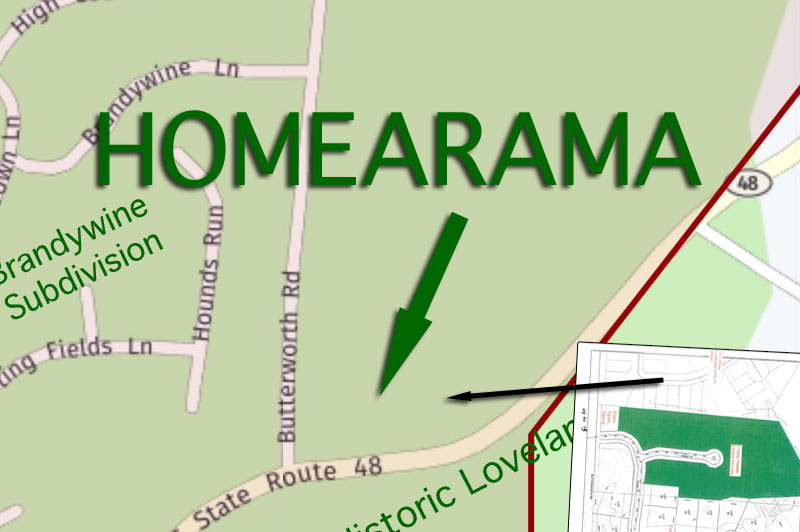
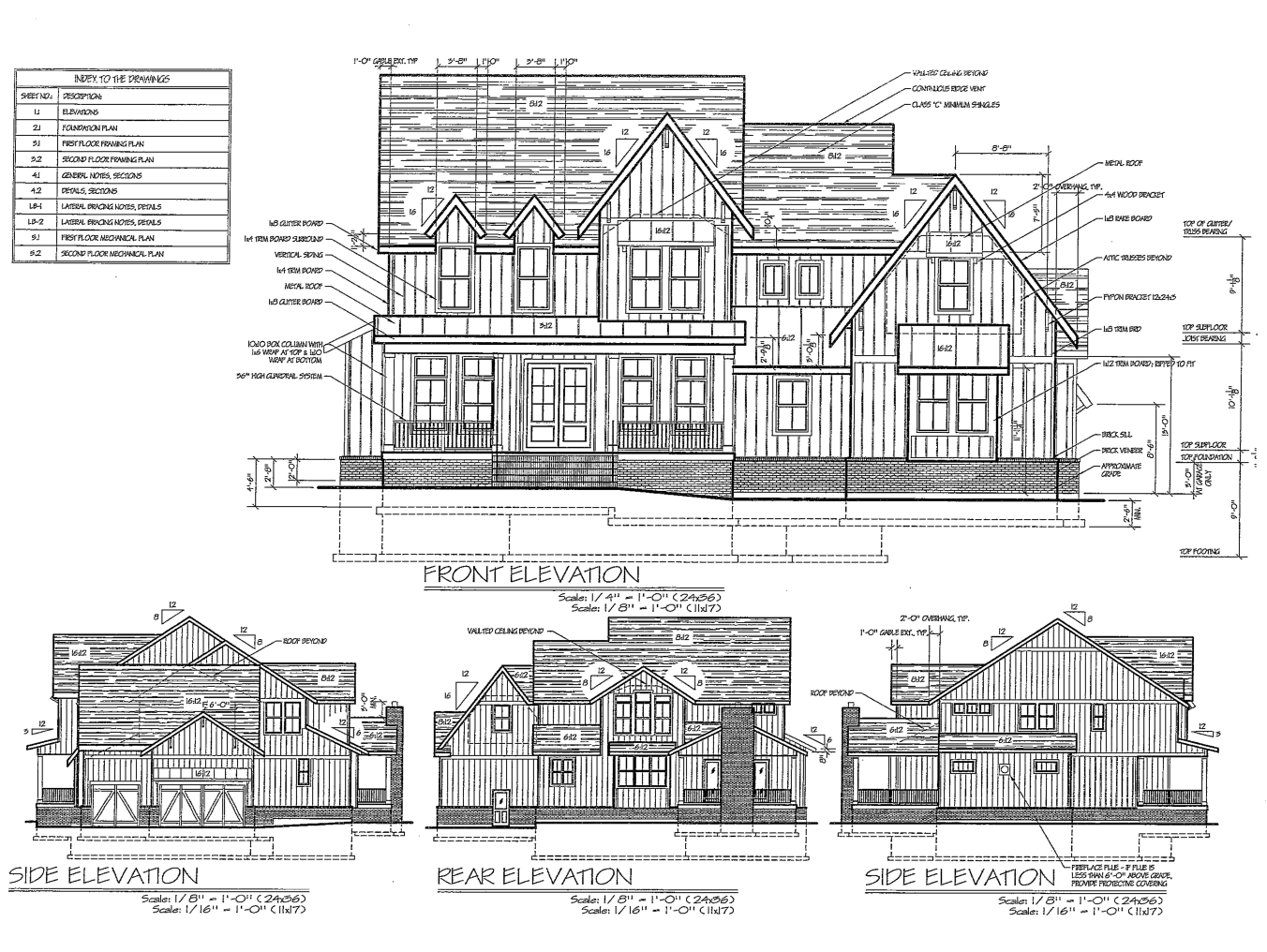
    There will be a request for a zone change and the “Estate” homes built on the Crane property will be a 2022 HOMEARAMA site.

    CIC has been presented with a draft “Real Estate Purchase Agreement”.* $5,000 in earnest money will be due upon execution of the agreement. The sale will be continent upon Planning and Zoning Commission approval of a re-zone to a Special Planning District. The purchase price will be $350,000.

    HOMEARAMA is an annual event that is billed as the “latest and greatest” in home and landscape design.

    HOMEARAMA® offers you the opportunity to not only see the latest trends in home design and decorating, but also learn why buying a new home continues to represent an excellent value. Today’s new homes offer the latest trends in technology and more energy-saving features than ever before.

    (Right-Click to open these images in a new tab or window to see a larger view.)

    Resident Todd Osborn spoke in favor of the sale during the public hearing.

    Taxpayers originally bought a total of 10.737 acres. The justification given at the time was that it would be the last chance for Loveland to have recreation space in fast-developing southern Warren County. In 2010, 0.8981 acres of the property, which included a home, was portioned off and sold to Judith Lund for $102,000.

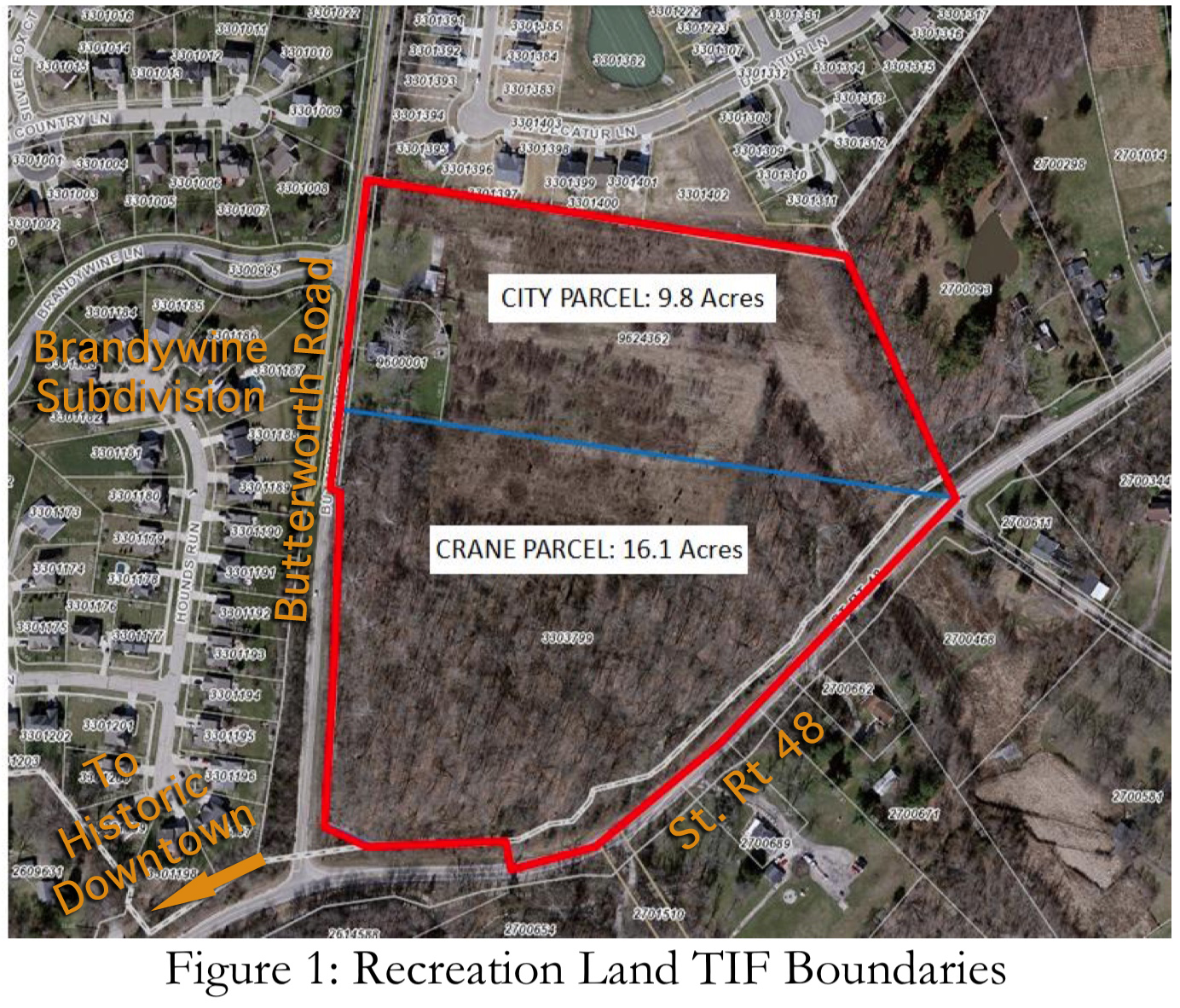
    A Recreation Tax Increment Financing District (TIF) was created by Ordinance 2008-38 to pay off the financing. The TIF consists of approximately 27 acres and includes the taxpayer-owned property known generally as the Christman Farm as well as the Crane property which is privately owned.

    The Christmas Farm and the Crane properties are within the boundaries of the Little Miami School District. City Manager Dave Kennedy told Loveland Magazine on Friday that the District is “made whole” by the Recreation TIF. He said, “ Little Miami School District receives 100% of revenue as if there had been no TIF.” Read the TIF ordinance that Council passed in 2008. REC TIF

    The TIF provides financing for the property purchase that the City recoups through increased property tax revenues generated from future development within its boundaries. Kennedy said during the public hearing that the debt service that has been paid out of the general fund over the years is $632,000 and that when the TIF funds start coming into the Recreation TIF fund, it will be transferred back out and returned to the general fund. He said that to finish the debt service will require an additional $347,000.

    Tom Carroll, the City Manager at the time of the purchase, said, “The City will continue to slowly retire the debt on this property and the remaining ten acres of the Christman Farm will be land-banked until the Crane property is developed and a municipal park can be constructed. Continued patience is therefore necessary before Loveland can build its first park in Warren County.”

    Taxpayers have been paying around $50,000 annually in debt service for the Christman Farm purchase.

    In their offer letter, Campbell Berling says the development will have a buildout value of $25,250,00 with an assessed valuation of $6,860,000.

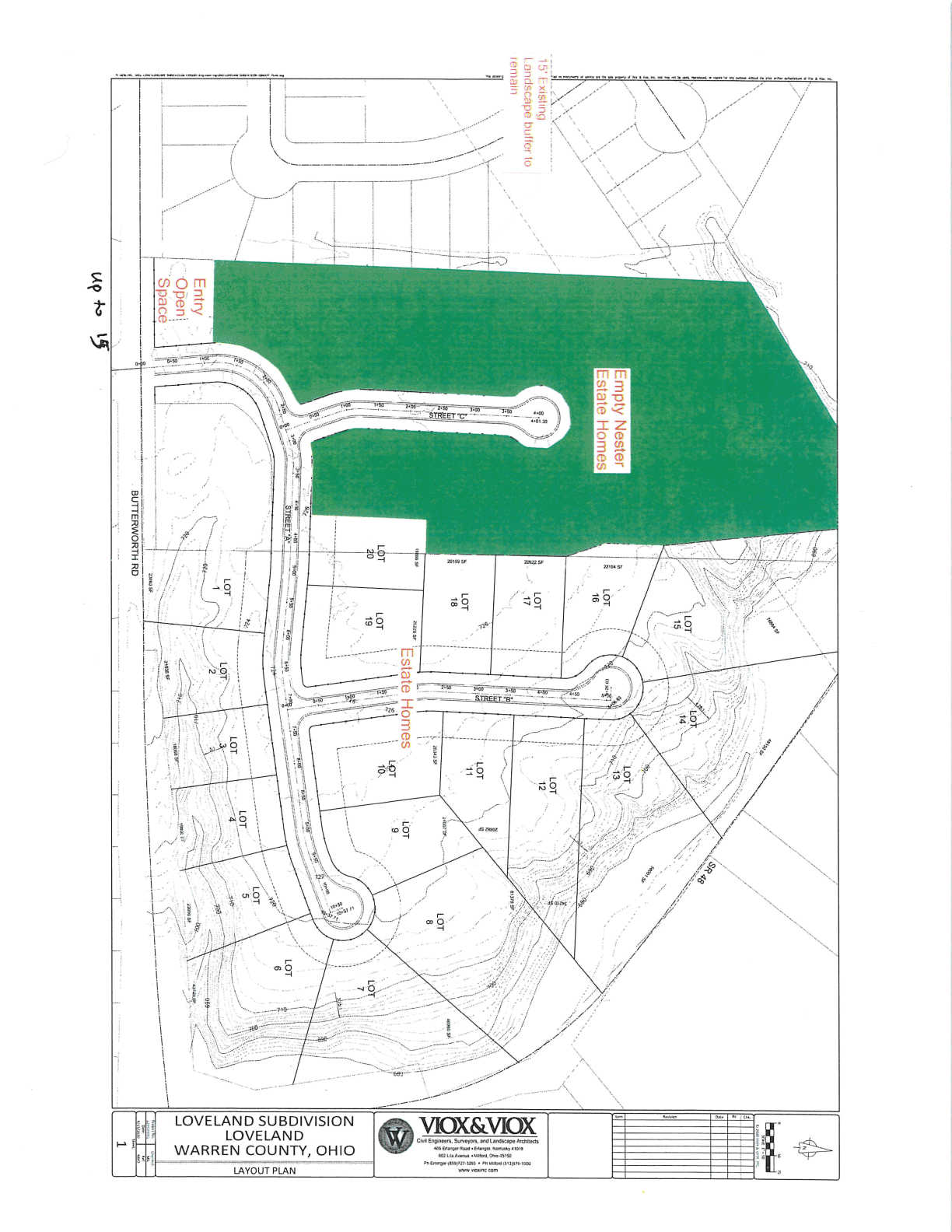
    Campbell Berling will be paying $350,000.00 for the land. They plan to build fifteen $550,000 and up “empty nester” homes on the parcel they would like to buy from Loveland taxpayers. The lots would be between 11,000 and 18,000 sq. ft.

    The Crane property would have 20 homes and two styles of “Estate Homes” valued at $850,000 and up on lots that would average 32,000 sq. ft.

    Campbell Berling is proposing that future homeowners be allowed to pay the cost of sewer line extensions over 20-years.

    Access to the development would be from Butterworth Road across from the Brandywine subdivision. The developer already has a “Crane family property”, parcel number 16074000240 under a purchase contract.

    There have been 57 previous HOMEARAMA showcases

    The 28th was in 1989 at The Glen of Claiborne(Loveland)

    The 29th was in 1990 at Chatham Woods (Symmes Township)

    After the public spoke about the sale council members asked questions to the City Manager and shared their views before voting unanimously to transfer the land to the CIC leading the way for the sale. Kennedy outlined a possible timeline of CIC action, constructing the sewers, and Planning and Zoning Commission approval. Kennedy suggested that the $350,00 taxpayers receive from the sale could be used to improve traffic in Historic Downtown, instead of repaying the principal on the current loan.

    Section 4 of the emergency legislation states:

    That this Ordinance is hereby declared to be an emergency measure necessary for the immediate preservation of the public peace, health, safety and general welfare and shall be effective immediately upon its passage. The reason for said declaration of emergency is to allow for the property to be transferred and sold as soon as possible so that infrastructure can be installed to allow for its development for the benefit of the City.

    The CIC is a quasi-government arm of the City. Once they take possession of the land their actions are not subject to Council approval and their actions cannot be overruled by a vote at the ballot box.

    CIC Members

    • Jay Stewart, Chair
    • Kathy Bailey, Mayor
    • Neal Oury, City Council Member
    • Kent Blair, City Council Member
    • Dr. Jeffrey Kemmet, Chamber Representative
    • David Parker
    • Michele Pettit, Board of Education Representative

    A 2007 proposed development, Summit Pointe, was for 70 attached units, and later reduced to 58 units, however, it never came to fruition.

    Kennedy in a memo to City Council said, “Proposals also included multiple high-density townhome type projects which would be rental occupied. These proposals were never accepted, due to the fact that City Council and staff did not see high density, much less rental type projects, as a good fit for the surrounding neighborhoods of Brandywine on the Little Miami and Butterworth Glen.”

    Kennedy says in the memo that he and staff met with numerous Cincinnati area home builders in the hopes of creating a low-density project, and that one message from the developers that continued to surface was that the cost of  bringing utilities to the properties was expensive. Therefore, most developers saw a higher density project as a way to recoup those expenses.

    “With that consistent message from developers, and a low-density project clearly being the choice of City Council and staff, a possible option was created,” said Kennedy. The option is to include the City extending the sanitary sewer collection main up State Route 48 to the properties and placing an assessment on the parcels within the residential development so that the City would be reimbursed for the project costs.

    An assessment on each parcel, for 20 years would allow for Loveland taxpayers to recoup their subsidy of the sanitary sewer main extension and to the Campbell Berling Development Company. Kennedy has not said what the sewer extension will cost nor said how the initial sewer construction will be financed. It remains unclear if Loveland taxpayers can recoup the cost of borrowing money for sewer construction.
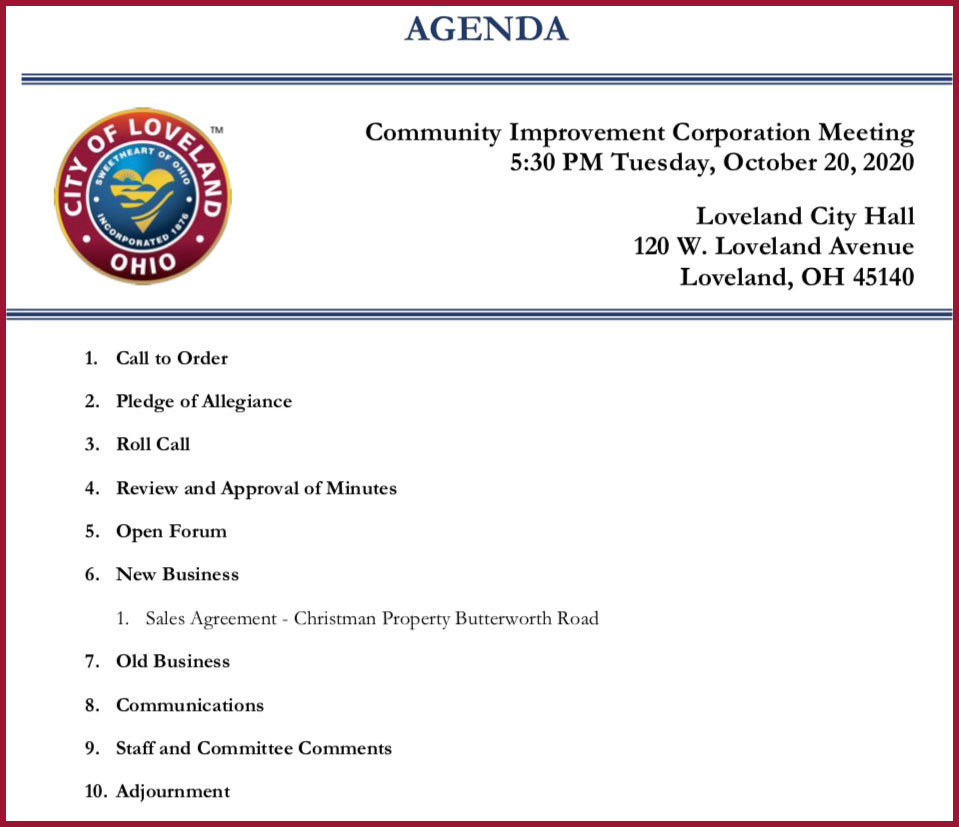
    Read the meeting packet

    After the taxpayers bought the land to be used as recreation and formal proposals for how it would be developed as ballfields and passive recreation came forward, opposition from many in the Brandywine subdivision doomed its development. Traffic concerns and “strangers” coming to a public park in their neighborhood distressed many homeowners. Many said they did not want to come across strangers as they were on walking trails and said they would not let their children play where strangers would be using the public park as well. Currently, anyone wishing to use city or school recreational fields, tennis and basketball courts, etc., in the immediate neighborhood must drive through Historic Downtown to facilities in Clermont or Hamilton County.

    Kennedy told Council, “The proposed legislation, (was) being requested as an emergency to allow infrastructure work and planning to begin immediately.” Normally passed ordinances must be read at two separate council meetings and don’t become law until 30-days after the vote at the second meeting.

    The developer wants to rezone all of the property as a Special Planning District which would require Planing and Zoning Commission and City Council approval.

    Kennedy presented this “Fiscal Impact” study in the package of information he presented to City Council:

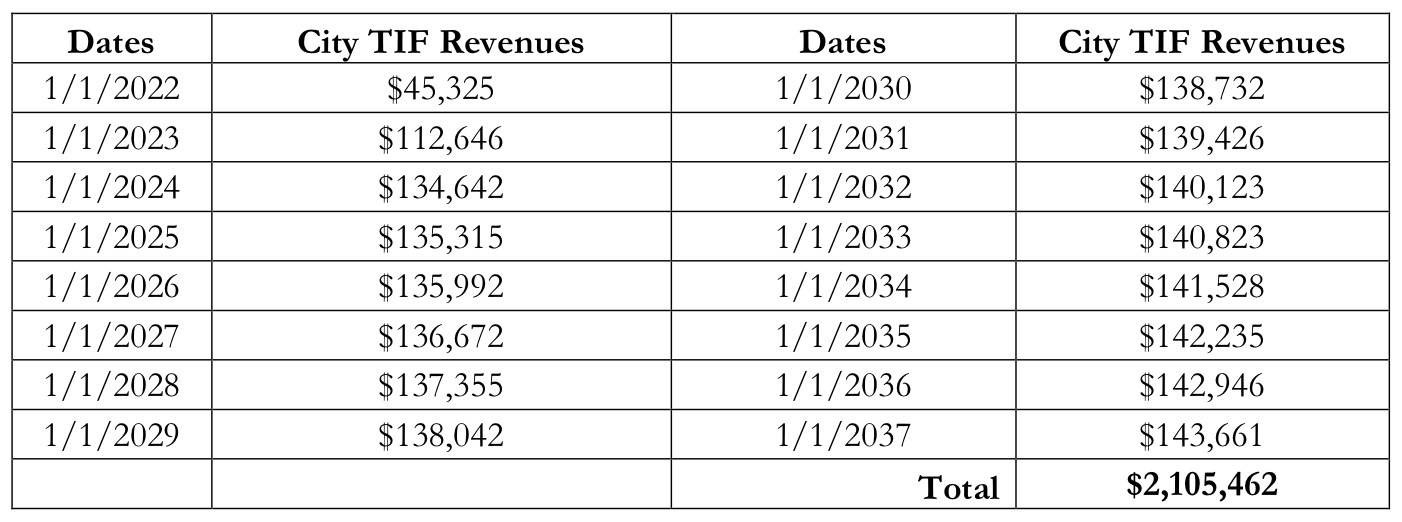
    The agreed purchase price for the property is $350,000. As the project begins to develop it will begin to produce TIF revenues until the TIF expires in 2037. TIF revenue is calculated based upon an increasing scale as the development is completed and placed on the tax rolls. After the development is completed, TIF calculations include a 0.5% to 1% appreciation over the life of the TIF. Based on these calculations, the TIF at buildout, will produce revenue for the City in the range of $135,000 to $143,000 annually. If the project goes as scheduled, it will produce a total revenue over $2,000,000 to the City over the life of the TIF. A summary of projected TIF revenues to the City is shown below.


    Ordinance 2020-_____

    Ordinance transferring the real property on Butterworth Road located in the City of Loveland, Warren County, Ohio to the Community Improvement Corporation of Loveland and declaring an emergency

    WHEREAS, the City of Loveland (the “City”) desires to see certain undeveloped real property owned by the City located on Butterworth Road known as Parcel No. 16072000550 used for a combination of residential and recreational purposes; and

    WHEREAS, the City has determined that the Property is no longer needed for municipal purposes; and

    WHEREAS, the Property should be transferred to the Community Improvement Corporation of Loveland without competitive bidding pursuant to Codified Ordinance Section 107.01(f) to dispose of as that organization shall best determine; and

    WHEREAS, City Council conducted a public hearing on October 13, 2020 as to the disposition of the Property.

    Now, Therefore, Be It Ordained by the Council of the City of Loveland, Hamilton, Clermont and Warren Counties, Ohio.

    Section 1. Council of the City of Loveland (“City Council”) hereby determines that the undeveloped real property located on Butterworth Road known as Parcel 1607200055 and further described in Exhibit A attached hereto (the “Property”) is no longer needed for municipal purposes.

    Section 2. City Council hereby authorizes the Property be transferred to the Community Improvement Corporation of Loveland to be used to promote the welfare of the people of the City, stabilize the economy, provide employment, assist in the development of industrial, commercial, distribution, and research activities to the benefit of the people of the City, provide additional opportunities for their gainful employment or will promote the reclamation, rehabilitation, and reutilization of vacant, abandoned, tax- foreclosed, or other real property in the City. The City Manager is authorized to execute any and all documents on behalf of the City consistent with this transfer.

    Section 3. Council hereby finds and determines that all formal actions relative to the passage of this legislation were taken in an open meeting of this Council, and that all deliberations of this Council and of its committees, if any, which resulted in formal action, were taken in meetings open to the public, in full compliance with applicable legal requirements, including Section 121.22 of the Ohio Revised Code.

    Section 4. That this Ordinance is hereby declared to be an emergency measure necessary for the immediate preservation of the public peace, health, safety and general welfare and shall be effective immediately upon its passage. The reason for said declaration of emergency is to allow for the property to be transferred and sold as soon as possible so that infrastructure can be installed to allow for its development for the benefit of the City.


    * DRAFT

    REAL ESTATE PURCHASE AGREEMENT

    This Real Estate Purchase Agreement (“Agreement”) is entered into this _____ day of October, 2020, by and between the Community Improvement Corporation of Loveland, an Ohio not-for-profit corporation, whose address is 120 West Loveland Avenue, Loveland, Ohio 45140 (“Seller”), and CB BUTTERWORTH, LLC, an Ohio limited liability corporation, whose address is 3333 Madison Pike, Suite C, Ft. Wright, Kentucky 41017 (“Buyer”).

    WITNESSETH:

    1. Purchase and Sale: Subject to the terms, conditions and provisions hereinafter set forth, and good and valuable consideration, the sufficiency of which is hereby acknowledged, Seller agrees to sell and Buyer agrees to purchase a certain parcel of land containing approximately 9.8389 acres, known as Parcel No. 1607200055 and located in the City of Loveland, Warren County, Ohio, more particularly described in the attached Exhibit A, together with all improvements thereon and all appurtenant rights, privileges and easements (“Property”).

    2. Purchase Price and Terms: The purchase price for the Property (“Purchase Price”) shall be Three Hundred Fifty Thousand and No/100 Dollars ($350,000.00). The Purchase Price shall be paid as follows:

    a. Buyer shall pay the amount of Five Thousand and No/100 Dollars ($5,000.00) upon the execution of this Agreement as earnest money (“Earnest Money”) to apply toward the Purchase Price, and the Earnest Money shall be held by the Seller, without interest, pending the closing of the transaction contemplated herein. Except as otherwise provided herein, if the transaction contemplated herein does not close for any reason, other than the title to the Property not being marketable or a default by Seller, the Earnest Money shall be retained by Seller as liquidated damages and Buyer shall not be entitled to a refund of the Earnest Money; and

    b. The balance of the Purchase Price shall be paid in cash or certified or cashier’s check, and shall be payable upon delivery of the deed at the closing time set forth herein, or at such sooner time as is mutually agreeable by the parties.

    3. Property to be Conveyed: The Property shall include the land, together with any improvements thereon, all appurtenant rights, privileges, and easements.

    4. Personal Property. No personal property shall be included in the sale of the Property.

    5. Closing:

    a. The closing shall occur at the location selected by Seller, on or before thirty (30) days after Buyer obtains zoning as provided for in paragraph 8, or May 7, 2021, whichever occurs sooner, or at such date, time and place as mutually determined in writing by the parties. At closing, title to the Property herein described shall be conveyed by Seller to Buyer, by a General Warranty Deed, in fee simple, and shall be transferable, recordable, marketable and shall be free, clear and unencumbered, and shall be subject to easements, restrictions and reservations of record, and real estate taxes and assessments of record.

    b. Buyer shall be responsible for payment of any and all fees or costs of closing with respect to the Property, including, but not limited to, transfer taxes (if any), escrow fees, settlement fees, and recording fees.

    6. Real Estate Taxes and Assessments: All real estate taxes and assessments, if any, shall be prorated effective as of the date of closing.

    7. Occupancy and Possession: Subject to further terms, conditions, and provisions of this Agreement, Seller shall grant Buyer possession and occupancy of the Property herein described on the date of closing.

    8. Contingencies: The purchase of the Property is contingent on Buyer obtaining zoning approval to the satisfaction of the Buyer from the City of Loveland for the construction of a single family residential development. Any such zoning shall include an obligation for payment of the sewer assessment provided for in paragraph 9 of this Agreement.

    Buyer shall have the right to enter the Property and conduct any environmental testing deemed necessary by Buyer for Buyer’s proposed use of the Property. In the event the Property is not able to be used for Buyer’s proposed use of the Property as a result of any environmental conditions discovered prior to Closing, Buyer shall have the right to terminate the Agreement.

    9. Sanitary Sewer Assessment by the City of Loveland: It is understood and agreed to by the Buyer that there shall be a twenty (20) year assessment placed on the Property as a lien, or on each of the parcels making up the Property if it is subsequently subdivided by Buyer, for all costs and fees associated with the construction of a sanitary sewer line by the City of Loveland to provide sanitary sewer service to the Property. The payment of the sewer assessment shall be due and payable to the City of Loveland by each property owner located within the Property.

    10. Warranties and Representations: Seller makes no certifications of any representations or warranties with respect to the Property; as such, the Property is being sold “AS-IS, WHERE-IS AND WITH ALL FAULTS”, and without any representation and/or warranty from Seller whatsoever. Notwithstanding the above, Seller represents it is not aware of any adverse environmental conditions on the Property.

    11. Brokers: Buyer and Seller each hereby represent to the other that it has not involved or worked with any brokers, agents or finders in the negotiation of this Agreement or the consummation of this transaction and that there are no brokers, agents or finders that have any right to claim a commission or fee due to the consummation of this transaction.

    12. Notice: All notices, communications, requests, approvals, consents, and demands are herein required to be given or made in writing and shall be deemed to be served when delivered personally or when deposited in the U.S. mail, registered or certified mail, postage prepaid, to the address of the appropriate party as set forth above.

    13. Miscellaneous:

    a. Time of Essence: Time is of the essence hereof. 2

    b. Governing Law: This Agreement is made and shall be construed under and in accordance with the laws of the State of Ohio without regard to its conflicts of law principles.

    c. Entire Agreement; Modification: This Agreement supersedes all prior discussions and agreements between Seller and Buyer with respect to the Property and contains the sole and entire understanding between Seller and Buyer with respect to the Property. All promises, inducements, offers, solicitations, agreements, commitments, representations, and warranties heretofore made between such parties are merged into this Agreement. This Agreement shall not be modified or amended in any respect except by written instrument executed by or on behalf of each of the parties to this Agreement.

    d. Counterparts: This Agreement may be executed in one or several counterparts, each of which constitute an original and all of which together shall constitute one and the same instrument.

    e. Rights Cumulative: Except as expressly limited by the terms of this Agreement, all rights, powers, and privileges conferred hereunder shall be cumulative and not restrictive of those given by law.

    f. Benefit: This Agreement shall inure to the benefit of and shall be binding upon the parties hereto and their respective representatives, successors and assigns, as the case may apply.

    g. Survival of Provisions: All representations, covenants, warranties and agreements set forth in this Agreement, if any, shall survive the execution or delivery of any and all deeds and other documents at any time executed or delivered under, pursuant to, or by reason of this Agreement, and shall survive the payment of all monies made under, pursuant to, or by reason of this Agreement.

    h. Severability: If any provision of this Agreement is judged by a court of competent jurisdiction to be illegal or unenforceable, that provision is severed from this Agreement and the remaining provisions remain in force.

    i. No Waiver: Either party’s failure to object to any default on the part of the other party shall not be construed as a waiver of such default.

    IN WITNESS WHEREOF, the parties hereto have executed this Agreement as of the last date written below (“Effective Date”).

    SELLER:
    The Community Improvement Corporation

    of Loveland, an Ohio not-for-profit corporation

    By:________________________________ Name: Jay Stewart
    Title: President

    Date:__________ 100029.001.14180797.1

    BUYER:
    CB Butterworth, LLC, an Ohio limited liability

    corporation

    By:________________________________ Name: _____________________________ Title: ______________________________ Date:_____________


  • Newspapers are your best investment

    Newspapers are your best investment

    Let’s face it. No one has had it easy during this pandemic.

    Your newspaper is reporting from the front lines the local stories of COVID-19 and its painful shutdown. We thank our talented journalists.

    But we’ve lost business, too. Like us, you’re probably saying enough is enough.

    Let’s work together as businesses reopen. We’ve got the engaged audience to share your advertising messages. Our ad staff stands ready to help.

    Contact our Ad Executive Cassie Mattia to learn more.

  • Tips for smart shopping during Black Friday sales – other consumer tips

    Tips for smart shopping during Black Friday sales – other consumer tips

    Ohio Attorney General Dave Yost offers these consumer protection tips.

    It’s already October and before you know it, the holiday shopping season will begin. As like many things this year, in-person shopping on Black Friday, Cyber Monday and other holiday promotions may be different than in years past.

    This holiday shopping season, consumers should keep these tips in mind:

    Check store hours: Stores that have previously been open may have reduced hours or may have limits on the number of customers in the store. Be sure to call or check the store’s website to confirm their hours and regulations.

    Research products and sellers carefully: Search for complaints filed with the Ohio Attorney General’s Office and the Better Business Bureau. Also, look up customer reviews online and find out what previous customers have said about the product or seller especially if it’s your first time shopping with a particular seller.

    Beware of scams: Watch out for phony Black Friday coupons, such as those offering hundreds of dollars to spend at a store and other claims that sound too good to be true. Be wary if someone asks you to pay using high-amount gift cards, which are commonly requested by scam artists.

    Know stores’ return policies: Under Ohio’s consumer protection laws, sellers can choose to set their own return policies, including policies of no returns, but they must clearly tell you their policies before you complete the purchase. Also, ask if a return policy is different due to COVID or around the holiday season, as some stores increase their return periods during this time.

    Important exclusions and limitations should be disclosed: Ads should clearly disclose important exclusions and limitations of an offer, so check to see if limited quantities are available, if a sale is valid only during certain hours or if other terms and conditions apply.

    Rain checks apply only in certain situations: If a seller advertises a product at a certain price but sells out of that product by the time you respond to the ad, you may have the right to a rain check. However, sellers are not required to provide rain checks if they clearly disclose the number of goods available at that price or if they clearly state that no rain checks will be given.

    Understand differences between gift cards: Gift cards are the most requested type of gift, according to the National Retail Federation, but not all gift cards carry the same protections. A gift card that is branded by a credit card company and can be used almost anywhere may reduce in value faster than a single-store gift card. Also, promotional cards, such as those that come free with a purchase, may not carry the same protections as other cards and may last only a short period of time. If you receive a gift card, it’s generally best to use it as quickly as possible to reduce the chance it will be lost, stolen or diminish in value. Be aware that if a business stops operating, you may not be able to use the gift card or receive a refund.

    Keep cybersecurity in mind: When shopping for deals online, don’t use free public Wi-Fi when entering sensitive information like your credit card number. Keep apps, software and operating systems up to date and use secure websites when you need to enter personal information.

    Paying with a credit card usually offers greater protection: In general, with a credit card, your responsibility for unauthorized charges is limited to $50, and you have certain rights to dispute charges that you may not have with a debit card or other forms of payment.

    If you suspect a scam or an unfair business practice, contact the Ohio Attorney General’s Office at www.OhioProtects.org or 800-282-0515.


    October is National Cybersecurity Awareness Month: Online Tips for Parents

    With the global pandemic, many parents and their children are turning more often to online resources using devices such as tablets, smartphones and laptop computers. Read on to apply cybersmart tips to help keep you and your children safe while online.

    Consumers Bombarded with Credit Card Interest Rate Phone Calls

    Whether they want them or not, many consumers are receiving robocalls telling them they are eligible for a lower interest rate on their credit card. Most likely, these calls are more than annoying – they’re also part of a scam. Read about these calls and what to do if you are really interested in a lower rate.

    Watch Out for Energy Scams and Learn Where to Get Assistance

    Ohioans should be on the alert for scammers posing as utility company representatives, and threatening to discontinue service to the customer unless the consumer provides personal information or immediate payment for utility service. Read on to learn more about these utility scams as well as where to turn if you need payment assistance.

  • Report: Rate of uninsured Ohio children rises significantly

    Report: Rate of uninsured Ohio children rises significantly

    After hitting a historically low rate in 2016, the number of uninsured children has gradually grown to eliminate progress made in the country. Ohio, alone, had a double-digit jump in the three-year study.

    Susan TebbenSusan Tebben is an award-winning journalist with a decade of experience covering Ohio news, including courts and crime, Appalachian social issues, government, education, diversity and culture. She has worked for The Newark Advocate, The Glasgow Daily Times, The Athens Messenger, and WOUB Public Media. She has also had work featured on National Public Radio.

    Nationally, the rate of children not covered by medical insurance was down to 4.7% in 2016, but started to increase again the year after, according to a new study by Georgetown University Health Policy Institute’s Center for Children and Families.

    In 2019, the rate had jumped to 5.7%, an increase of 726,000 more children since the Trump Administration took office in 2016, the study showed.

    “Much of the gain in coverage that children made as a consequence of the Affordable Care Act’s major coverage expansions implemented in 2014 has now been eliminated,” the study noted in its key findings.

    The data was collected from single-year estimates by the U.S. Census Bureau’s American Community Survey from the three years.

    Ohio was one of several states that saw an increase of more than 20,000 uninsured children from 2016 to 2019.

    Ohio’s uninsured rate went up 26% from 2016 to 2019. Data from 2019 show 131,000 Ohio children without insurance, up from 104,000 in 2016.

    Ohio child health advocates say a lack of health insurance contributes to worse life outcomes, which extend to education and societal shortcomings.

    “This damaging trend will have long-term consequences for children and communities across Ohio because without health coverage, children cannot access the care they need to grow and thrive,” said Tracy Najera, executive director of the Children’s Defense Fund Ohio, in response to the study.

    The study attributed declines in Medicaid enrollment as the start of the decrease in insured children. Public coverage for children includes Medicaid and the Children’s Health Insurance Program (CHIP).

    The largest national increase in uninsured children, 320,000, came between 2018 and 2019, and represents the largest annual jump in more than a decade, the authors of the study said.

    “Moreover, since this data was collected prior to the pandemic, the number of uninsured children is likely considerably higher in 2020, as families have lost their jobs and employer-sponsored insurance, though it is impossible to know yet by precisely how much,” the study stated.

    The study comes as some K-12 schools see spikes in COVID-19 rates, and cases in ages 0-19 represent the fifth highest age group in the state, according to state data.

    Texas and Florida had the highest rates, representing 41% of the overall increase in child non-coverage, with about 1 million children in Texas lacking health insurance in 2019, and an estimated 343,000 uninsured children in Florida.

  • Loveland Finance Director submits letter of resignation

    Loveland Finance Director submits letter of resignation

    Loveland, Ohio – “I’ve reached a point where I want to re-shift my focus to my family and the next stage of our life,” Michelle Byrde told Loveland Magazine. “I will miss my team and co-workers and wish everyone the best.”

    Loveland’s Director of Finance, Michelle Byrde, has submitted her letter of resignation. Her resignation is effective no later than December 30 according to City Manager Dave Kennedy in his weekly up-date to Council on October 2.

    Loveland City Manager Dave Kennedy

    Kennedy said in the memo, “Michelle has worked tirelessly during her time with the city which began in October of 2012, and that effort continued following her appointment as the city’s Director of Finance in September of 2018.”

    Byrde also told Loveland Magazine, “In my eight years with the City, I have had the opportunity to learn about government operations and am lucky enough to have met and worked with a number of very good people.”

    Kennedy added, “I have always been impressed that no job was too great or too small for Michelle to tackle, and for always being receptive to my constant interruptions to ask questions about an invoice, budgeting, or the myriad of other items we worked on together.”

    Byrde expressed appreciation to all those who mentored her in her three different roles at City Hall.

    “On behalf of all of us with the city, we want to thank Michelle for her service to the Loveland community. I only wish that her beloved Reds could have scored at least one run for her in the play-offs,” said Kennedy.

    The process for filling the Director of Finance position was to have begun last week.


  • Before You Light It… Know Ohio’s Open Burning Regulations

    Before You Light It… Know Ohio’s Open Burning Regulations

    Why is open burning a problem?

    Open burning can release many kinds of toxic fumes. Leaves and plant materials send aloft millions of spores when they catch fire, causing many people with allergies to have difficulty breathing.

    The pollutants released by open burning also make it more difficult to meet health-based air quality standards, especially in or near large cities. The gases released by open burning can also corrode metal siding and damage paint on buildings.


    Health Concerns

    Burning household waste produces many toxic chemicals and is one of the largest known sources of dioxin in the nation. Other air pollutants from open burning include particulate matter, sulfur dioxide, lead and mercury. These pollutants have been linked to several health problems, including asthma, respiratory illnesses, nervous system damage, kidney and liver damage, and reproductive or developmental disorders.

    Open burning is any time you light an outdoor fire without a chimney or stack. When burning refuse in burn barrels or open piles, the potential cost to your health, your home, your neighbors and your environment far exceeds the price of adequate collection services. Protect yourself, your neighbors and your wallet by knowing the rules—what you can burn and where.

    Open burning also adds co2 to the atmosphere and contributes to global climate change.

    Learn more in this Ohio EPA fact sheet…

    Loveland’s Fall Brush Pickup Program

  • Loveland will change PK-8 schedule on Monday

    Loveland will change PK-8 schedule on Monday

    Loveland, Ohio – Students in PK-8 in the Loveland School District will return to “full in-person” learning beginning Monday, October 12.

    Students have been in a “blended” model of attendance which means they have been alternating between in-person and remote learning (activities at home). They will now attend full time 5 days/week.

    Some students at all grade levels have not been attending any in-person classes and have enrolled in the District’s Remote Learning Academy.

    The current transition plan calls for Loveland High School to return to “full in-person” learning October 26.

    There will be no change of schedule for students in the Remote Learning Academy at any grade level.


    Loveland Schools COVID-19 Data Update – Summary (Narrative provided by Loveland Schools)

    The Loveland City School District is making changes to its weekly reporting of COVID-19 data. The district has been working closely with Hamilton County Public Health (HCPH) to report this data while enforcing HCPH isolation and quarantine orders. 

    For the past three weeks, Loveland School District has been posting a COVID-19 weekly update to our website with the number of school cases (positive tests and close contacts that have occurred at school) for that reporting period (each week, Saturday through Friday moving forward) for both students and staff. Community cases (isolation and quarantine orders issued by county boards of health for students and staff who have not been at school within 48 hours of the onset of symptoms, or of a positive test if asymptomatic) have not been included in these data updates for the following reasons:

      1. These cases did not happen at school, and no further exposure would have occurred;

      2. Accuracy of this data is contingent upon reporting to LCSD by those affected, as recommended (not required) by public health departments; and

      3. Public health departments do not report these cases directly to schools which hinders the accuracy and reliability of the data.

    Based on parent and community feedback and our commitment to transparency, Loveland Schools will now be including the community cases reported to the district in our weekly COVID-19 update. Beginning September 18, Loveland City School District will begin to report the number of community cases that we are made aware of as of the close of business each Friday. This count of community cases will only include those students and staff who are currently isolated or quarantined. If isolation or quarantine has ended and individuals have returned to school, they will no longer be reported as a community case.

    Loveland Schools COVID-19 Data Update (will be revised weekly on Fridays)
  • Land formerly set aside for a Loveland park to “pave” way for HOMEARAMA

    Land formerly set aside for a Loveland park to “pave” way for HOMEARAMA

    Loveland, Ohio – City Council has scheduled a public hearing for October 13, at 7 PM to hear from the community on a proposed sale of city-owned property on Butterworth Road, in Warren County. Council voted in a special session on September 29 and voted unanimously to set the public hearing date after a motion by Tim Butler. The meeting lasted 141 seconds and there was no discussion about the sale.

    The property consists of 9.8389 acres. The purchaser of the property would be the Campbell Berling Development Company. The proposed use of the property is to accommodate a single-family residential development of no more than 35 single-family homes. The company address is 333 Madison Pike, Suite C in Ft. Write Kentucky.

    (Right-Click to open these images in a new tab or window to see a larger view.)

    Taxpayers originally bought a total of 10.737 acres. The justification given at the time for the $900,000 expenditure was that it would be the last chance for Loveland to have recreation space in fast-developing southern Warren County. In 2010, 0.8981 acres of the property, which included a home, was portioned off and sold to Judith Lund for $102,000.

    A Recreation Tax Increment Financing District (TIF) was created by Ordinance 2008-38 to pay off financing of the $900.000. The TIF consists of approximately 27 acres and includes the property known generally as the Christman Farm as well as the Crane property.

    The TIF provides financing for the property purchase that the City recoups through increased property tax revenues generated from future development within its boundaries.

    Tom Carroll, the City Manager at the time said, “The City will continue to slowly retire the debt on this property and the remaining ten acres of the Christman Farm will be land-banked until the Crane property is developed and a municipal park can be constructed. Continued patience is therefore necessary before Loveland can build its first park in Warren County.”

    Taxpayers have been paying close to $48,000 annually in debt service for the Christman Farm purchase.

    In their offer letter, Campbell Berling says the development will have a buildout value of $25,250,00 with an assessed valuation of $6,860,000.

    Campbell Berling will be paying $350,000.00 for the land.

    Their plan is to build fifteen $550,000 and up “empty nester” homes on the parcel they would like to buy from Loveland taxpayers. The lots would be between 11,000 and 18,000 sq ft.

    The Crane property would have 20 homes and two styles of “Estate Homes” valued at $850,000 and up on lots that would average 32,000 sq ft.

    Campbell Berling is proposing that future homeowners be allowed to pay the cost of sewer line extensions over 20-years.
    Access to the development would be from Butterworth Road across from the Brandywine subdivision. The developer already has a “Crane family property”, parcel number 16074000240 under a purchase contract.

    There have been 57 previous HOMEARAMA showcases

    The 28th was in 1989 at The Glen of Claiborne (Loveland)

    The 29th was in 1990 at Chatham Woods (Symmes Township)

    There will be a request for a zone change to a Special Planning District and the “Estate” homes built on the Crane property will be a future HOMEARAMA site.

    HOMEARAMA is an annual event that is billed as the “latest and greatest” in home and landscape design.

    HOMEARAMA® offers you the opportunity to not only see the latest trends in home design and decorating, but also learn why buying a new home continues to represent an excellent value. Today’s new homes offer the latest trends in technology and more energy-saving features than ever before.

    City Manager Dave Kennedy proposes a transfer of the 9.8 acres to the Loveland Community Improvement Corporation (CIC) for purchase by CB Butterworth, LLC and has prepared legislation and it will be presented to City Council as an emergency measure. Emergency legislation cannot be overturned at the ballot box as they become effective immediately.

    Section 4 of the emergency legislation states:

    That this Ordinance is hereby declared to be an emergency measure necessary for the immediate preservation of the public peace, health, safety and general welfare and shall be effective immediately upon its passage. The reason for said declaration of emergency is to allow for the property to be transferred and sold as soon as possible so that infrastructure can be installed to allow for its development for the benefit of the City.

    The CIC is a quasi-government arm of the City. Once they take possession of the land their actions are not subject to Council approval and their actions cannot be overruled by a vote at the ballot box.

    A 2007 proposed development, Summit Pointe, was for 70 attached units, and later reduced to 58 units, however it never came to fruition.

    Kennedy in a memo to City Council today said, “Proposals also included multiple high-density townhome type projects which would be rental occupied. These proposals were never accepted, due to the fact that City Council and staff did not see high density, much less rental type projects, as a good fit for the surrounding neighborhoods of Brandywine on the Little Miami and Butterworth Glen.”

    Kennedy says in the memo that he and staff met with numerous Cincinnati area home builders in the hopes of creating a low density project, and that one message from the developers that continued to surface was that the cost of  bringing utilities to the properties was expensive. Therefore, most developers saw a higher density project as a way to recoup those expenses.

    “With that consistent message from developers, and a low-density project clearly being the choice of City Council and staff, a possible option was created,” said Kennedy. The option is to include the City extending the sanitary sewer collection main up State Route 48 to the properties and placing an assessment on the parcels within the residential development so that the City would be reimbursed for the project costs.

    An assessment on each parcel, for a period of 20 years would allow for Loveland taxpayers to recoup their subsidy of the sanitary sewer main extension and to the Campbell Berling Development Company. Kennedy has not said what what the sewer extension will cost nor said how the initial sewer construction will be financed. It remains unclear if Loveland taxpayers can recoup the cost of borrowing money for the sewer construction.

    After the taxpayers bought the land to be used as recreation and formal proposals for how it would be developed as ballfields and passive recreation came forward, opposition from many in the Brandywine subdivision doomed its development. Traffic concerns and “strangers” coming to a public park in their neighborhood distressed many homeowners. Many said they did not want to come across strangers as they were on walking trails and said they would not let their children play where strangers would be using the public park as well. Currently anyone wishing to use city or school recreational fields, tennis and basketball courts, etc., in the immediate neighborhood must drive through Historic Downtown to facilities in Clermont or Hamilton County.

    Kennedy told Council, “The proposed legislation, (was) being requested as an emergency to allow infrastructure work and planning to begin immediately.” Normally passed ordinances must be read at two separate council meetings and don’t become law until 30-days after the vote at the second meeting.

    The developer wants to rezone all of the property as a Special Planing District which would require Planing and Zoning Commission and City Council approval.

    Kennedy presented this “Fiscal Impact” study in the package of information he presented to City Council:

    The agreed purchase price for the property is $350,000. As the project begins to develop it will begin to produce TIF revenues until such time as the TIF expires in 2037. TIF revenue is calculated based upon an increasing scale as the development is completed and placed on the tax rolls. After the development is completed, TIF calculations includes a 0.5% to 1% appreciation over the life of the TIF. Based on these calculations, the TIF at buildout, will produce revenue for the City in the range of $135,000 to $143,000 annually. If the project goes as scheduled, it will produce a total revenue over $2,000,000 to the City over the life of the TIF. A summary of projected TIF revenues to the City is shown below.

    The Public Hearing is this Tuesday, October 13, at 7 PM at City Hall.


    Ordinance 2020-_____

    Ordinance transferring the real property on Butterworth Road located in the City of Loveland, Warren County, Ohio to the Community Improvement Corporation of Loveland and declaring an emergency

    WHEREAS, the City of Loveland (the “City”) desires to see certain undevelopedreal property owned by the City located on Butterworth Road known as Parcel No. 16072000550 used for a combination of residential and recreational purposes; and

    WHEREAS, the City has determined that the Property is no longer needed for municipal purposes; and

    WHEREAS, the Property should be transferred to the Community Improvement Corporation of Loveland without competitive bidding pursuant to Codified Ordinance Section 107.01(f) to dispose of as that organization shall best determine; and

    WHEREAS, City Council conducted a public hearing on October 13, 2020 as to the disposition of the Property.

    Now, Therefore, Be It Ordained by the Council of the City of Loveland, Hamilton, Clermont and Warren Counties, Ohio.

    Section 1. Council of the City of Loveland (“City Council”) hereby determinesthat the undeveloped real property located on Butterworth Road known as Parcel1607200055 and further described in Exhibit A attached hereto (the “Property”) is no longerneeded for municipal purposes.

    Section 2. City Council hereby authorizes the Property be transferred to the Community Improvement Corporation of Loveland to be used to promote the welfare of the people of the City, stabilize the economy, provide employment, assist in the development of industrial, commercial, distribution, and research activities to the benefit of the people of the City, provide additional opportunities for their gainful employment or will promote the reclamation, rehabilitation, and reutilization of vacant, abandoned, tax- foreclosed, or other real property in the City. The City Manager is authorized to execute any and all documents on behalf of the City consistent with this transfer.

    Section 3. Council hereby finds and determines that all formal actions relative to the passage of this legislation were taken in an open meeting of this Council, and that all deliberations of this Council and of its committees, if any, which resulted in formal action, were taken in meetings open to the public, in full compliance with applicable legal requirements, including Section 121.22 of the Ohio Revised Code.

    Section 4. That this Ordinance is hereby declared to be an emergency measure necessary for the immediate preservation of the public peace, health, safety and general welfare and shall be effective immediately upon its passage. The reason for said declaration of emergency is to allow for the property to be transferred and sold as soon as possible so that infrastructure can be installed to allow for its development for the benefit of the City.


  • Plot to kidnap Michigan’s governor started in a ritzy Columbus suburb, prosecutors say

    Plot to kidnap Michigan’s governor started in a ritzy Columbus suburb, prosecutors say

    A man protesting Ohio’s health orders at the state Capitol on May 1. Gov. Mike DeWine later repealed most of them only to start reimposing orders on Tuesday as coronavirus cases continued to surge. Capital Journal photo by Marty Schladen

    by Jake Zuckerman and the Ohio Capital Journal

    This summer, a cabal of a least 15 extremists meeting in Dublin, Ohio began crafting a violent plan to “storm” the Michigan state Capitol and kidnap Gov. Gretchen Whitmer, law enforcement officials say.

    Six men were federally charged with conspiring to kidnap Whitmer, and another seven were charged with violations of Michigan’s anti-terrorism laws connected to alleged involvement with the “Wolverine Watchmen” militia group.

    Jake ZuckermanJake Zuckerman is a statehouse reporter. He spent three years chronicling the West Virginia Legislature for The Charleston Gazette-Mail after covering cops and courts for The Northern Virginia Daily.

    The federal allegation, unsealed Thursday morning, details plans of armed assaults on the Michigan State Police, construction of improvised explosive devices, covert meetings held in a Grand Rapids basement accessible by secret trap door, nighttime surveillance of Whitmer’s home, and quasi-military “field training exercises” to prepare for an abduction sometime before the November elections.

    “When the time comes, there will be no need to try and strike fear through presence,” Brandon Caserta said Sept. 17, according to prosecutors, opting against attending an armed protest at the State Capitol. “The fear will be manifested through bullets.”

    Michigan Attorney General Dana Nessel said to reporters Thursday the group crafted “elaborate plans” that posed a “serious and credible threat to public safety.”

    What brought the men to two meetings in central Ohio is unclear: The suspects are all from Michigan and Delaware.

    However, the charging document states one paid informant assisted the FBI and secretly recorded the meetings in Dublin on June 6 and July 18. No threats were reported against Ohio government.

    At the first meeting, Michigan man Adam Fox and Delaware man Barry Croft huddled for a meeting at an undisclosed Dublin location with 13 other people, including a confidential informant.

    They discussed creating a society that followed the U.S. Bill of Rights where they could be “self-sufficient.” They discussed “state governments” they believed violated the U.S. Constitution, and specifically mentioned Whitmer.

    They also discussed murdering “tyrants” or “taking” a sitting governor. Fox then reached out to a “Michigan based militia group.” The charging document does not identify the group, though Nessel said affiliates of the “Wolverine Watchmen” were charged.

    Fox, working with Croft, met members of the militia group several times in June, including at a Second Amendment rally in Lansing. He later described the Dublin meeting and said he would need 200 men to storm the Capitol to abduct Whitmer.

    “Fox explained they would try the Governor of Michigan for ‘treason’ and he said they would execute the plan before the November 2020 elections,” the charging document states.

    The alleged conspirators engaged in “field training exercises” in rural Michigan including firearms training and combat drills, and unsuccessfully attempted to construct two improvised explosive devices.

    On July 18, the men again met, secretly recorded by an informant, in Ohio. They discussed attacking a Michigan State Police facility and floated the idea of shooting up Whitmer’s vacation home. They eventually settled on kidnapping.

    “Snatch and grab, man,” Fox allegedly said. “Grab the fuckin’ governor. Just grab the bitch. Because at that point, we do that, dude — it’s over.”

    Prosecutors detailed two episodes of “surveillance” of Whitmer’s home and determined the conspirators considered demolishing a bridge to stave off a police response. An informant provided the FBI with a map of the lake near Whitmer’s home, distance from nearest police departments and estimated response time.

    By mid-September, the men successfully detonated an explosive device at a field training exercise.

    “I can see several states takin’ their fuckin’ tyrants,” Fox allegedly said. “Everybody takes their tyrants.”

    The allegations come amid a time of unprecedented unrest and instability in the U.S., likely a combination of a pandemic, perceived overreach when governments responded, racial unrest, economic devastation of the pandemic, and extremism proliferating on various social media platforms.

    Whitmer attracted national attention during the spring and summer for a forceful response to the COVID-19 pandemic. She also drew ire from libertarian and small-government groups for what they saw as overly heavy-handed stay-at-home orders and mask mandates.

    In May, hundreds of protesters, many of whom were armed, stormed the Michigan Capitol. President Donald Trump only accelerated instability, calling for Whitmer to “LIBERATE MICHIGAN.”

    Political demonstrations this summer have consistently featured armed demonstrators and counter-demonstrators. In Ohio, a violent, self-described neo-Nazi wielded an anti-Semitic sign at a coronavirus protest. Another anti-Semitic sign appeared at a protest outside the home of Ohio’s health director, who is Jewish. She resigned in June.

    Earlier this month, the U.S. Department of Homeland Security issued a threat assessment warning of increased extremism in the country.

    “The domestic situation surrounding the COVID-19 pandemic creates an environment that could accelerate some individuals’ mobilization to targeted violence or radicalization to terrorism. Social distancing may lead to social isolation, which is associated with depression, increased anxiety, and social alienation, the assessment states.

    “Similarly, work disruptions, including unexpected unemployment and layoffs, can also increase risk factors associated with radicalization to violence and willingness to engage in acts of targeted violence.”

  • Your “Tentative” 2020 Clermont County appraised values

    Your “Tentative” 2020 Clermont County appraised values

    Clermont County, Ohio – County Auditor Linda Fraley announced today that 2020 “Tentative Values” are now available. Read the following release from Auditor Fraley:

    “As County Auditor, I am required by Ohio law to reappraise real property every six years and 2020 is the year we are mandated to value your property. The primary purpose of a reappraisal is to set the value of each property so that everyone is only paying their fair share of real estate taxes. Clermont County’s last complete reappraisal was in 2014 with a statistical sales based update performed in 2017.

    “It is important to note that the process for this year’s property reappraisal began over three years ago and has been our most comprehensive review to date. To establish the 2020 appraised values, we utilized advanced technology to perform extensive reviews of property, conducted comprehensive sales analysis of comparable properties, collected information from on-site visits to your property, and updated current building costs.

    “The reappraisal of real property for tax purposes is an important and sensitive issue, especially in today’s environment. I want to assure you that every effort has been made to place a fair and equitable value on your property.

    “I think it is important to provide as much information as possible to our Clermont County property owners. We encourage you to review all of the 2020 Reappraisal information, through property search,  interactive maps and comparison tools and the 2020 Reappraisal Frequently Asked Questions that are provided in our newly redesigned website.

    “Many of your questions may be answered in the details provided, but remember you always have the opportunity to review and question your value and are welcome to contact us with those questions, concerns or objections.

    “If you have questions or would like to provide additional information concerning your valuation, please contact us at our 2020 Reappraisal HOTLINE 513-732-7700 or email us at reappraisal@clermontcountyohio.gov . Appointments to review property valuations will be conducted by phone or Zoom and will conclude by October 23, 2020.

    “Our goal is to provide all Clermont County residents with courteous, accurate and efficient services and to administer property tax laws in a fair and impartial manner.  I, along with my staff, am proud to serve the residents of our county and look forward to addressing any questions you may have regarding your property value.”