Tag: local news

  • Apply Now – School district appointee to Loveland Planning and Zoning Commission

    Apply Now – School district appointee to Loveland Planning and Zoning Commission

    Loveland, Ohio – The Loveland City School District Board of Education is seeking a person to be appointed to the City of Loveland Planning and Zoning Commission. The successful candidate would serve as a City of Loveland Planning and Zoning Commission member, attend necessary meetings, and communicate with the Board of Education.

    Those interested in serving must be a resident of the City of Loveland for at least one year before their appointment to the Commission. Candidates should submit a resume and a brief narrative explaining why they would like to serve.

    Documents can be submitted via email to treasurer@lovelandschools.org or delivered to the Board of Education offices during regular business hours. All documents should be received by noon on Wednesday, December 14, 2022.

    Loveland Charter

    SECTION 9.03 PLANNING AND ZONING COMMISSION.
    There shall be a City Planning and Zoning Commission consisting of five (5) members.
    One (1) member shall be a member of Council, to be selected by Council. One (1) member shall
    be selected by the Board of Education who may or may not be a member of the Board. Council
    shall select three (3) members who are not Council members. Members of the Commission shall
    be residents of the City for at least one year prior to their appointment. If the Board of Education
    and/or the Council shall fail in these appointed duties, for a period of forty-five (45) days, after a
    vacancy occurs, the Mayor shall make such appointments. The terms of office of a Commission
    member, who is also a member of Council shall be concurrent. The remaining four (4) members
    shall be appointed to staggered and overlapping terms of three (3) years each. Any incumbents, as
    of this Charter’s adoption, shall serve out their respective unexpired terms.
    (Amended 11-6-01)

    SECTION 9.03a POWERS AND DUTIES OF PLANNING AND ZONING
    COMMISSION.
    The Commission shall act as the City’s platting commission and shall provide for planning
    and regulations covering the platting of all lands controlled by the City and may require an official
    map of such territories to be made. The Commission shall carry out the City planning functions,
    which includes preparing a master plan, to be updated a minimum of every ten (10) years, and
    investigate, and make such reports and recommendations relating to planning and zoning, and the
    physical development of the City; and shall have all the powers granted to and shall perform all
    the duties imposed on planning commissions by Ohio law, and such other powers and duties as
    established by Council by ordinance. Meetings of the Commission shall be held as needed but not
    less than every two (2) months.
    (Amended 11-6-01)

    Loveland Code of Ordinances

    1109.03 RESPONSIBILITIES OF THE PLANNING AND ZONING COMMISSION.

       (a)    The Planning and Zoning Commission shall have the following responsibilities and powers as they relate to this Zoning Code:

          (1)   Initiate advisable official zoning, district map changes, or changes in the text of the Zoning Code where same will promote the best interest of the public in general through recommendation to the City Council.

          (2)    Review all proposed amendments to the text of this Zoning Code and the official zoning district map and make recommendations to the City Council.

          (3)    Review all Special Planning District applications and make recommendations to the City Council as provided in this Zoning Code.

          (4)   Review all conditional uses as identified in the respective zoning districts according to provisions and criteria stated in this Zoning Code.

          (5)   Carry on a continuous review of the effectiveness and appropriateness of this Zoning Code and recommend such changes or amendments as it feels would be appropriate.

          (6)   Review and act on site plans pursuant to Section 1111.09.

       (b)   The Planning and Zoning Commission shall also have the responsibilities as set forth in the City Charter.

  • COVID-19 Treatments and Medications

    COVID-19 Treatments and Medications

    From the CDC: What You Need to Know

    • If you test positive for COVID-19 and are more likely to get very sick, treatments are available that can reduce your chances of hospitalization and death.
    • Don’t delay: Treatment must be started within days after you first develop symptoms to be effective.
    • Other medications can help reduce symptoms and help you manage your illness.
    • The Treatment Locator (hhs.gov) can help you find a location that offers testing and treatment or a pharmacy where you can fill your prescription.

    Treating COVID-19

    illustration of older woman speaking on mobile phone with doctor

    If you test positive and are more likely to get very sick from COVID-19, treatments are availableexternal icon that can reduce your chances of being hospitalized or dying from the disease. Medications to treat COVID-19 must be prescribed by a healthcare provider and started as soon as possible after diagnosis to be effective. Contact a healthcare provider right away to determine if you are eligible for treatment, even if your symptoms are mild right now.

    Don’t delay: Treatment must be started within days of when you first develop symptoms to be effective.

    People who are more likely to get very sick include older adults (ages 50 years or more, with risk increasing with age), people who are unvaccinated, and people with certain medical conditions, such as chronic lung disease, heart disease, or a weakened immune system. Being vaccinated makes you much less likely to get very sick. Still, some vaccinated people, especially those ages 65 years or older or who have other risk factors for severe disease, may benefit from treatment if they get COVID-19. A healthcare provider will help decide which treatment, if any, is right for you. Check with your healthcare provider or pharmacist if you are taking other medications to make sure the COVID-19 treatments can be safely taken at the same time.

    Types of Treatments

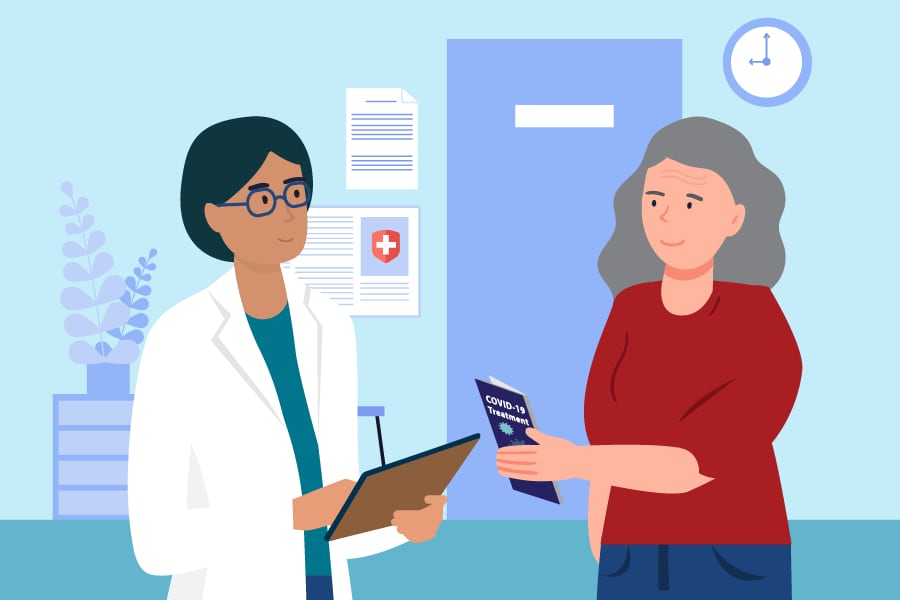
    person receiving treatment pamphlet from healthcare provider

    The FDA has authorized certain antiviral medications and monoclonal antibodies to treat mild to moderate COVID-19 in people who are more likely to get very sick.

    • Antiviral treatments target specific parts of the virus to stop it from multiplying in the body, helping to prevent severe illness and death.
    • Monoclonal antibodies help the immune system recognize and respond more effectively to the virus.

    The National Institutes of Health (NIH) provides COVID-19 Treatment Guidelines for healthcare providers to help them work with their patients and determine the best treatment options for them. Several options are available for treating COVID-19. They include:

    Treament • Who • When • How


    Nirmatrelvir with Ritonavir (Paxlovid)Antiviral

    Adults; children ages 12 years and older

    Start as soon as possible; must begin within 5 days of when symptoms start

    Taken at home by mouth (orally)


    Remdesivir (Veklury)Antiviral

    Adults and children

    Start as soon as possible; must begin within 7 days of when symptoms start

    Intravenous (IV) infusions at a healthcare facility for 3 consecutive days

    BebtelovimabMonoclonal antibody


    Adults; children ages 12 years and older

    Start as soon as possible; must begin within 7 days of when symptoms start

    Single IV injection


    Molnupiravir (Lagevrio)Antiviral

    Adults

    Start as soon as possible; must begin within 5 days of when symptoms start

    Taken at home by mouth (orally)


    Some treatments might have side effects or interact with other medications you are taking. Ask a healthcare provider if medications to treat COVID-19 are right for you. If you don’t have a healthcare provider, visit a Test to Treat location or contact your local community health center or health department.

    If you are hospitalized, your healthcare provider might use other types of treatments, depending on how sick you are. These could include medications to treat the virus, reduce an overactive immune response, or treat COVID-19 complications.

    Managing COVID-19 symptoms

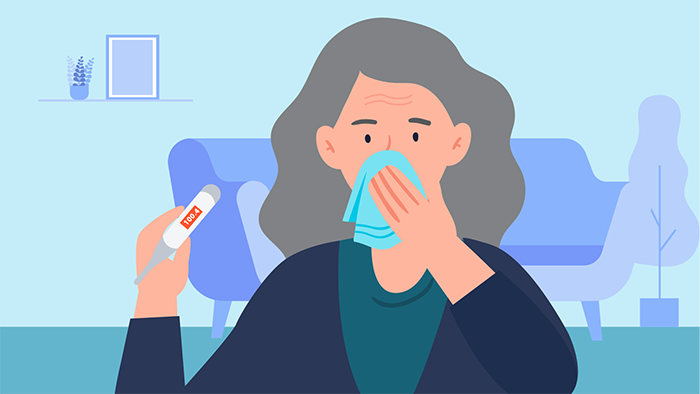
    person experiencing symptoms from COVID-19 infection

    Most people with COVID-19 have mild illness and can recover at home. You can treat symptoms with over-the-counter medicines, such as acetaminophen (Tylenol) or ibuprofen (Motrin, Advil), to help you feel better.

    Learn more about what to do if you are sick.


    Treatment Locator

    Click the link below or call 1-800-232-0233 (TTY 1-888-720-7489) to find a location that offers testing and treatment or a pharmacy where you can fill your prescription.

    View Locations


    Preventing COVID-19

    COVID-19 vaccines

    COVID-19 vaccines available in the United States effectively protect people from getting seriously ill, being hospitalized, and even dying—especially people who are boosted. As with vaccines for other diseases, you are protected best when you stay up to date. CDC recommends that everyone who is eligible stay up to date on their COVID-19 vaccines.

    To find COVID-19 vaccine locations near you: Search vaccines.gov, text your ZIP code to 438829, or call 1-800-232-0233.

    Preventive medications

    The FDA has issued an emergency use authorization for tixagevimab plus cilgavimab (EVUSHELDTM), a medicine that can help protect you from getting COVID-19. EVUSHELDTM contains two different antibodies and is given as two separate consecutive intramuscular (IM) injections at a doctor’s office or healthcare facility before you are exposed or test positive for COVID-19. If you are moderately or severely immunocompromised, or severely allergic to COVID-19 vaccines, you may be eligible for EVUSHELDTM  every 6 months. EVUSHELDTM  may offer less protection against certain strains of the Omicron variant. It is important that even if you receive EVUSHELDTM  you take multiple prevention measures. Additionally, you should undergo testing and seek medical attention if you develop symptoms of COVID-19, and start treatment for COVID-19 as appropriate. Talk to your healthcare provider to determine if EVUSHELDTM  is right for you.

    The right medications for COVID-19 can help. People have been seriously harmed and even died after taking products not approved for use to treat or prevent COVID-19, even products approved or prescribed for other uses. Talk to a healthcare provider about taking medications to treat COVID-19.

    For Healthcare Professionals

    General Treatment Resources

    Oral Antiviral Treatment Resources

    Monoclonal Antibody Treatment Resources

    Other Resources

  • Early holiday presents for Loveland homeowners – It’s coal under the tree

    Early holiday presents for Loveland homeowners – It’s coal under the tree

    by David Miller

    by David Miller

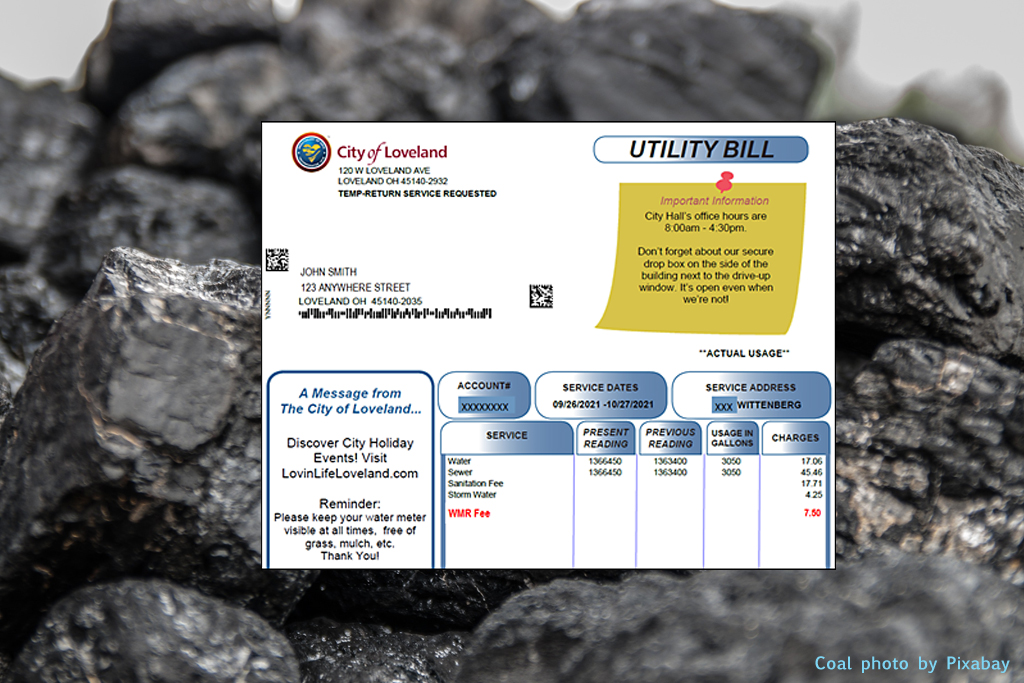
    Loveland, Ohio – No matter, whether naughty or nice, Loveland homeowners and renters will unwrap a piece of coal for the holidays when they sneak a peak at their next utility bill. With disregard for seniors on a fixed income and amid the recent uproar and defeat of the Loveland City School District levy over those concerns, the Loveland City Council has implemented new fees for homeowners that increase their water bill.

    Concerns over inflation, rising home ownership costs, and seniors staying in their Loveland homes were the most cited reasons for the school not receiving the added operating funds they requested from voters.

    The flat-rate, permanent fee will increase the cost to own a home in Loveland by $90/year immediately, and $114/year beginning in 2025. Homeowners will see what city hall is calling a “Water Main Replacement (WMR) Fee” on their next billing statement.

    The flat fee will be charged to all City of Loveland utility customers regardless of income status, age, or how much water they actually consume. The revenue from the WMR Fee, according to a release issued by the City will be used solely for water main replacement projects.

    The fee will be paid by all City of Loveland utility customers, residential or commercial both inside and outside of the city’s corporation boundaries. The fee is charged “per unit” on multi-family residential units.

    Meanwhile…

    Hamilton County homeowners will get a lower stadium tax rebate next year” is how WVXU’s Becca Costello reported that Hamilton County property owners in 2023 will receive a smaller tax rebate than this year.

    In 1996 when voters passed a half-cent sales tax to build and maintain Great American Ball Park and what is now Paycor Stadium officials promised to give 30% of the revenue back to homeowners as tax rebates. They are failing to keep that promise.

    Read on at WVXU…

  • CancerFree KIDS is awarding $1.2 Million in Research Grants!

    CancerFree KIDS is awarding $1.2 Million in Research Grants!

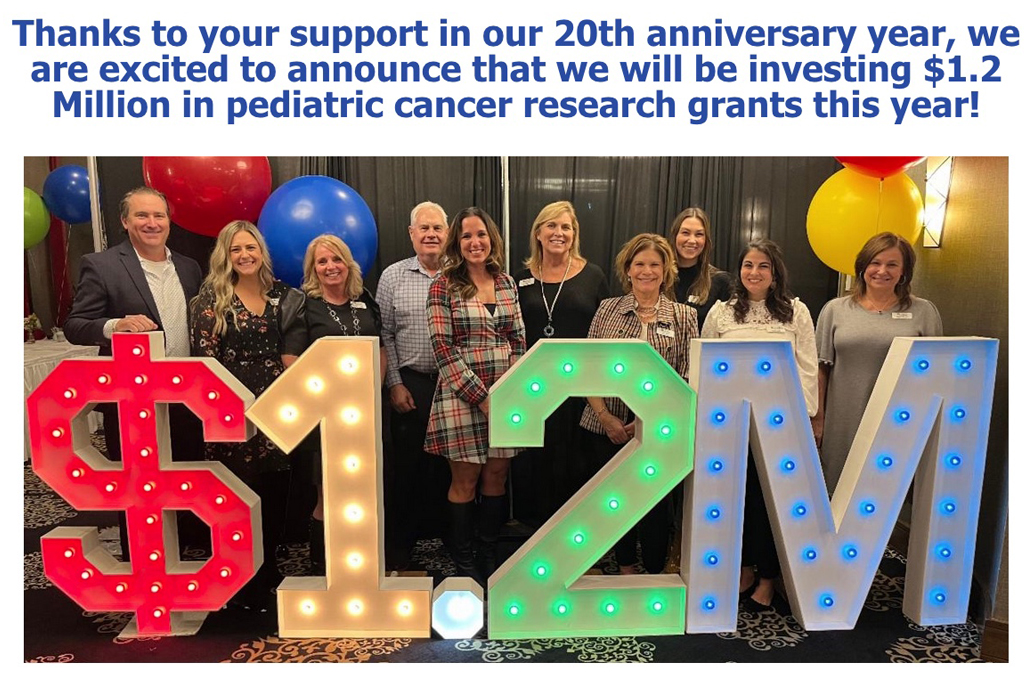
    Loveland, Ohio – Now in their 20th anniversary year, CancerFree Kids has announced that they will be investing more in research in 2022 than ever before. They are funding 18 of their traditional New Idea Awards and will be funding three first-ever Accelerator Awards. Accelerator Awards are awarded to previous recipients of a CancerFree KIDS New Idea Award that have shown great promise to advance their research more quickly toward improving treatments for kids with cancer.

    Take a moment to learn about the incredible research they are funding this year!

    2022 Research Grants Awarded to Cincinnati Children’s Hospital Medical Center

    New Idea Awards – $550,000

    The Paxton’s Golf Outing Research Grant: Linde A Miles; Project Title: Delineation of clonotype-immunophenotype relationships in pediatric myeloid leukemias

    The Butterfly Walk Research Grant: Dr. Lai Man Natalie Wu; Project Title: Harnessing novel irradiation strategies to improve immunotherapy for systemic elimination of high-risk neuroblastoma

    The altafiber Research Grant: Jennifer Yeung, PhD; Project Title: Characterizing the pathogenesis role of endogenous retroviruses (ERVs) in pediatric AML

    The Interlink Research Grant: Lee Grimes; Project Title: Functionalizing novel mutations underlying health disparities in AML

    The Wirtz Family Research Grant in memory of Jacob: Ashley Cochran, PhD; Project Title: A novel therapeutic strategy for treating death-resistant leukemic cells

    The Celebration of Champions  Research Grant: Tafadzwa Chihanga; Project Title: Targeting a novel HPV-induced epithelial compartment to prevent viral infection and carcinogenesis.

    The CBTS Research Grant: Zaili Luo, Ph.D.; Project Title: Novel chimeric antigen receptor T cell immunotherapy for diffuse midline gliomas

    The Sycamore Capital Research Grant: Yuan Lin; Project Title: Aberrant RhoA signaling in pediatric Burkitt’s Lymphoma as a drug target

    The Night for the Fight Research Grant in honor of Dre White and Jeff Clarke: Laura Ramsey; Project Title: Using methotrexate pharmacogenomics to remedy racial and ethnic disparities in childhood cancer treatment

    The CTI Research Grant: Nawal Merjaneh, MD, MS; Project Title: The Sequential Treatment of RCM-1 and Anti-Apoptotic BCL2 Family Protein Inhibitors in Rhabdomyosarcoma

    The Chard Snyder Research Grant: Lynn Lee, MD; Project Title: Target Discovery with Forward CRISPR Genomic Screens in Leukemia Xenografts

    Accelerator Awards – $200,000

    The Wolf Pack Research Grant in memory of Grant Wolf: Dazhuan Eric Xin, PhD; Project Title: Innovative proton radiotherapy for pediatric malignant medulloblastoma

    The ProMach Research Grant: Biplab Dasgupta, in collaboration with Trent Hummel (CCHMC), Natasha Pillai (CCHMC), Pankaj Desai (University of Cincinnati), Timothy Phoenix (University of Cincinnati), Angelo D’Alessandro (University of Denver), Ali Tavassoli (University of Southampton, United Kingdom); Project Title: “Targeting One carbon Metabolism in DIPG”

    2022 Research Grants Awarded to Nationwide Children’s Hospital in Columbus, OH

    New Idea Awards – $350,000

    The Clark Schaeffer Hackett Research Grant: Ezgi Elmas; Project Title: Discovering novel pathways to overcome immunosuppression in NK cells Against High-grade Gliomas

    Akila Venkataramany; Project Title: Delivering Splice-switching Oligonucleotides Via Adeno-Associated Viruses:   Taking the Next Steps Toward Novel Therapies for Ewing Sarcoma

    The Tom and Lorri Simpson Research Grant: Kevin Cassady; Project Title:  Improving immunotherapy in pediatric neuronal tumors with EV delivery of immune modulators

    The Night for the Fight Research Grant in honor of Eliana Boerner: Rachel Dreher; Project Title: LSD1 is a Novel Member of the ChAHP Complex in Ewing Sarcoma

    The Reader Author Research Grant in honor of Lori Foster: Chun-Yu Chen; Project Title: Targeting the immunosuppressive tumor microenvironment with a novel immunomodulatory HSV to enhance adoptive NK cell therapy

    The Mark and MC Anderson Research Grant: Dr. Janet L. Oblinger; Project Title: The role of ARID1A in the malignant progression of NF2-related meningioma

    The Al and Lauren Early Research Grant: Pin-Yi Wang; Project Title: Targeting Osteosarcoma with Gene-Based Bispecifics

    Accelerator Award – $100,000

    The Celebration of Champions Research Grant: Chang, Long-Sheng; Project Title: A novel drug combination targeting RTKs and mTOR to treat malignant peripheral nerve sheath tumors

  • Christmas in Loveland will be a beautiful wonderland on December 17

    Christmas in Loveland will be a beautiful wonderland on December 17

    David Miller

    by David Miller

    Loveland, Ohio – The Little Miami River Chamber Alliance is calling all Christmas fanatics to come and enjoy a beautifully decorated City of Loveland winter wonderland. Can anyone resist the clip-clop and jingle of horse-drawn carriages and the smell of hot cider?

    The Little Miami River Chamber Alliance said that the City of Loveland will once again be transformed into a beautiful wonderland for the Christmas holiday.

    On December 17, visitors can enjoy carriage rides, a train ride, complimentary tastings, crafts, holiday beverages, a trolley ride, Christmas entertainment, and a few new items in historical downtown Loveland.  Entertainment will be in the center of town next to the live nativity scene and inside many businesses.

    CeeCee Collins, President of the chamber shared that “there will be so many fun activities such as train rides, caroling and Santa’s Wonderland, just to name a few! This is such a great event where the businesses want to give back to everyone that has patronized and visited in downtown. They truly appreciate everyone supporting local businesses and hope they will return to enjoy all of the Loveland area. There will be many samplings and give-a-ways for all ages to enjoy!”

    This event will be held rain, snow, or shine. And we predict shine because the Weather Channel says it will be sunny and nearly 40 degrees on December 17,

    A few Facts:

    • The event takes place from 4-8 PM, on December 17th
    • The train is at the Loveland Museum Center and a trolley will take guests from Downtown Loveland to the museum
    • Maps of all the activities will be placed inside the businesses and available by the clock tower.
    • A back portion of Railroad Avenue will be closed to allow for the horse-drawn carriages. Carriages will cost $2 per person.
    • Line up for the Carriage is on Railroad Avenue across from the Wicked Pickle Restaurant.
    • A Holiday Trolley will transport people to the Loveland History Museum from Harrison Avenue at no charge.
    • Entertainment will be in the center of town and next to the fountain.
    • A shuttle bus will take folks from the Shoppers Haven Parking lot to downtown Loveland. The Shuttle will run the entire time.
    • The event is free for all, thanks to our sponsors. Special Thank you to our Presenting sponsors: Sibcy Cline Realtors, Kelli Williams, and McCluskey Chevrolet, Inc.
    This is believed to be the poster for the first Christmas in Loveland in 1987.

    The event began in 1987 when Loveland artist, Deirdre Dyson was asked to design and silkscreen posters for the first two years of Christmas in Loveland.

    On, December 6, 1987, women at Grailville saw the crass capitalism of how the birth of Jesus was celebrated and wanted to change things up, at least for Loveland. They wanted to put a little “Christ” back into Christmas by offering a community event they named, Christmas in Loveland.

    Dyson said, “The intent of the women at the women’s retreat center was to celebrate Christmas, rather than celebrate Christmas shopping.”

    Years later, former Loveland resident, Martin Schickel volunteered to start organizing the event and did so for many years. Schickel’s family was deeply connected with Grailville, so it was a natural fit. In 2013, Schickel, who was also one of the founders of Loveland’s Amazing Race, later re-named The Amazing Charity Race, decided to gradually retire from being so actively involved in community events, so he turned over Christmas in Loveland to the Loveland Area Chamber of Commerce. It was Schickel’s gift to the community that he re-gifted to the Chamber. Schickel also has deep connections with the Chamber having once served as its President.


    Not sure what to expect at Christmas in Loveland this year? Click below to view photos taken by Loveland Magazine Photographer Sam Smith of Christmas in Loveland in 2016.

    Christmas in Loveland (2016) through photos


    This LOVELAND MAGAZINE HD VIDEO is short clips of some of the sights and sounds of Christmas in Loveland 10-years-ago.

  • Anti-LGBTQ discrimination bill with bipartisan support introduced again in Ohio House committee

    Anti-LGBTQ discrimination bill with bipartisan support introduced again in Ohio House committee

    A LGBTQ+ rights demonstration. Photo by Susan J. Demas, Michigan Advance, States Newsroom.

    BY: SUSAN TEBBEN – Ohio Capital Journal

    State Rep. Michael Skindell, D-Lakewood, set off Tuesday on his 20th year leading the charge to provide anti-discrimination protections to LGBTQ Ohioans.

    With the introduction of HB 208 in the Ohio House Commerce & Labor Committee, Skindell and his Republican co-sponsor, state Rep. Brett Hillyer, said they have more bipartisan support than they’ve ever had in the past, though the uphill battle of the GOP supermajority isn’t without its challenges.

    The bill before the committee now, also called the Ohio Fairness Act, has been awaiting consideration since March 2021. It would change any part of the Ohio Revised Code regarding discrimination to include not just “sex,” but also “sexual orientation” and “gender identity or expression.”

    Existing religious exemptions would still be a part of law if the bill is passed.

    The earliest iterations of the bill didn’t have the support of businesses across the state, which Skindell said was a barrier to passage for the previous versions.

    Now, the sponsors say businesses are behind the bill, and employment laws that are inclusive to LGBTQ individuals are part of the “scoring” Hillyer said companies use to decide locations for expansion and job creation.

    Ohio Business Competes, a coalition in support non-discrimination policies for LGBTQ Ohioans, has seen its membership triple to more than 1,000 businesses, according to Skindell.

    “It is also important to mention that the Ohio Chamber of Commerce, the Ohio Manufacturing Association, Greater Cleveland Partnership, Columbus Chamber of Commerce, and the Cincinnati USA Regional Chamber of Commerce support this pro-business, non-discrimination legislation,” Skindell told the committee on Tuesday.

    Along with business support, 37 cities in the state have passed their own local ordinances against sexual orientation and gender identity discrimination in categories like housing and employment.

    While Hillyer acknowledges the bipartisan support isn’t overwhelming for the bill, he expects to see more GOP backing based on the party’s desire to keep Ohio economically competitive.

    “Unfortunately, this particular issue, the issue that is in front of us, divides us,” Hillyer said. “It hurts our caucus, it hurts Ohioans when you start talking about what do we stand for as representatives and people.”

    To truly be business friendly, Hillyer said the party, and the legislature as a whole, has to “get back down to supply economics” and not fight anti-discrimination measures.

    “Let’s go fight our real battles that we want to argue about and hit each other over the head with all day, but let’s leave this issue off the table and make Ohio open for business,” Hillyer said.

  • Tips for a sustainable holiday

    Tips for a sustainable holiday

    Tips provided from the Clermont County Park District:

    Reduce your environmental footprint this holiday season! Here are some easy ways to make your celebrations more sustainable:

    • Most wrapping paper that you buy at the store isn’t recyclable or compostable due to the coatings and dyes. Replace your wrapping paper with old newspaper, craft paper that you and your family can decorate yourselves, or reusable bags.
    • Replace burnt-out light strands with LED lights! Along with reducing your energy bill, they burn cooler, lessening the risk of burnt fingers.
    • Recycle your lights! You can find locations in the Cincinnati, Northern Kentucky and Dayton areas by clicking on the Cohen website. Clermont Parks will host locations at Shor Park, Sycamore Parks and Chilo Visitor Center.
    • Shop local for gifts and meals. Farmer’s Markets and local craft shows move indoors in the winter, and are a great place to support local businesses.
    • Replacing any electronics? Recycle your old ones! Let the Office of Environmental Quality (OEQ) website guide you, making it easy to reuse materials and avoid adding to the landfill.
    • Recycle your tree! Drop your live tree to Pattison Park Lakeside from December 26 until January 9. Check the OEQ website linked above for more sites.
  • Legislative effort to support pregnancy doulas has bipartisan support

    Legislative effort to support pregnancy doulas has bipartisan support

    BY: SUSAN TEBBEN – Ohio Capital Journal

    Maternal and infant health advocates and certified doulas alike expressed their support Monday for a bill currently awaiting consideration by the Ohio Senate to bring doula services into the state’s Medicaid program.

    Participants in a meeting of the Ohio Legislative Children’s Caucus met with organizations employing and promoting the use of doulas as part of the childbirth process in Ohio, before, during and after a baby is born.

    Caucus co-vice chair, state Rep. Susan Manchester, R-Waynesville, brought up a 2022 March of Dimes report card which gave Ohio a D+ in the area of preterm birth. Ohio has a 10.6% preterm birth rate, according to the report.

    “Further opportunities to ensure access to appropriate health care services before, during, and after childbirth cannot be left on the table when the 134th General Assembly ends,” Manchester told the caucus at their Monday meeting.

    Doulas are individuals with non-medical training, who are there to act as educators, resource coordinators, and advocates for their patients as they go through pregnancy and postpartum life. They work alongside a medical team, including a midwife, the medical professional who serves as complement to a doula.

    Doulas are there to provide everything from sex education to postpartum depression screening, and everything in between, to provide emotional and physical support.

    “We’re attending appointments with them, and then we’re going to review what the clinicians have said to them to make sure they’re actually understanding what they heard, and that they’re not just being spoken at,” said Jazmin Long, CEO of Birthing Beautiful Communities, a Cleveland and Akron-based non-profit.

    Doulas go through rigorous training, with BBC providing an 80-hour training program, with the requirement that participants score 90% or higher on the certification exam to move forward with the organization. Long said BBC’s perinatal doulas are paid between $500 and $800 per birth.

    With proper training, doulas are a “vital person in the care team,” according to Meredith Strayhorn, a certified doula who is also a student midwife and financial and operations director for the Cincinnati-based collective Blaq Birth Circle. The collective partners with Cradle Cincinnati and Caresource to provide doula services in the area.

    “It’s especially important navigating through the hospital system, where we know there is a lot of systemic racism, there are a lot of providers who do not listen to clients, and I have actually seen that happen several times, which is really heartbreaking,” Strayhorn said.

    Doulas can increase positive birth outcomes, which can mean less spending on health care. Strayhorn said research shows continuous doula support during and after pregnancy can decrease risk of cesarean sections and the use of pain medications, and increases patient satisfaction.

    As part of the effort to make doulas more accessible to more Ohioans, Long and Strayhorn said House Bill 142 would be a good start, as it would establish five-year coverage programs for doula services for the state’s Medicaid program and within the Department of Rehabilitation and Correction.

    The ODRC program would allow doula services to “inmates participating in any prison nursery program,” according to an analysis of the bill conducted by the Legislative Service Commission.

    “From what I’m hearing, everyone’s been supportive,” said state Rep. Tom Brinkman, R-Mt. Lookout, who created the bill along with former Democratic state Rep. Erica Crawley.

    Under the bill, doulas would have to hold a certificate from the Ohio Board of Nursing, and a “valid provider agreement.”

    A registry of doulas would also be created by HB 142 within the Board of Nursing, along with a “doula advisory board” within the board, specifically for those serving the Medicaid program.

    The board is to be made up of at least 13 members, all appointed by the Board of Nursing, with the requirement that at least three be members “representing communities most impacted by negative maternal and fetal health outcomes,” and at least six members who are currently certified doulas.

    HB 142 passed the Ohio House, proving bipartisan support with a GOP supermajority present in the House. The Senate has a GOP supermajority as well, and Brinkman said he is hopeful the support will continue.

    “The funding is there, and I think that once we do it … I think the insurance plans that provide private care will see that this is a savings in the number of C-sections and prescription medicine and epidurals,” Brinkman said.

    As the legislation goes forward, the Ohio Department of Medicaid announced their own plan to implement doula services as part of a Maternal and Infant Support program, with the doula program to roll out at the end of a 2-3 year phase-in, announced in 2021.

    The ODM doesn’t cover doula care as a billable service currently, but provided $1 million in Ohio Equity Institute grants to groups in Cuyahoga, Franklin and Lucas counties for such services between 2020 and 2021, according to the department.

    The bill is not up for a hearing this week, but Brinkman said he is set to meet with Senate Health Committee chairman Steve Huffman, R-Tipp City, this week to discuss next steps for the bill.

  • Holiday Tree Lighting this Saturday in Historic Downtown

    Holiday Tree Lighting this Saturday in Historic Downtown

    Loveland, Ohio – Tree lighting and caroling will begin at 7 PM this Saturday, Dec. 3 at the Jackson Street Market in Historic Downtown. The market is on the Loveland Bike Trail. Non-perishable food donations will be collected for Loveland LIFE Food Pantry. There will be food trucks, live music, and holiday treats. Admission is free to the event that will run from 4 until 8 PM.

  • Student loan repayment pause extended by White House amid legal battles over relief plan

    Student loan repayment pause extended by White House amid legal battles over relief plan

    BY: ARIANA FIGUEROA – Ohio Capital Journal

    The Department of Education announced on Tuesday it is extending the pandemic-era pause on federal student loan repayments until June 30 while legal challenges to the administration’s student debt relief program are fought over in the courts.

    The agency said if the student debt relief program has not been put in place by June 30, and if litigation is still tied up in the courts, student loan payments will begin 60 days after that.

    “Payments will resume 60 days after the Department is permitted to implement the program or the litigation is resolved, which will give the Supreme Court an opportunity to resolve the case during its current Term,” the department said in a statement.  “If the program has not been implemented and the litigation has not been resolved by June 30, 2023 — payments will resume 60 days after that.”

    Earlier the administration had said the pandemic-era pause would expire on New Year’s Eve. Two lawsuits blocking the Biden plan, including one brought by six GOP-led states, have been appealed by the Justice Department, but it’s unclear how long the legal process could take.

    “We’re extending the payment pause because it would be deeply unfair to ask borrowers to pay a debt that they wouldn’t have to pay, were it not for the baseless lawsuits brought by Republican officials and special interests,” U.S. Secretary of Education Miguel Cardona said in a statement.

    President Joe Biden, in a Tuesday tweet, said the extension will give “the Supreme Court time to hear the case in its current term.”

    “I’m confident that our student debt relief plan is legal,” he said on Twitter.

    Before the announcement, more than 200 advocacy groups had urged Biden to extend the pause.

    In a Monday letter, the groups argued that if student loan repayments restart, it would be a financial setback for borrowers, especially at a time of record high inflation.

    “We, the undersigned 225 organizations, urge you to immediately extend the payment pause until your Administration is able to fully implement debt relief for all eligible borrowers and to continue to use every legal authority at your disposal to make this relief real,” according to the letter.

    “We cannot allow these blatantly political lawsuits to throw millions of borrowers into financial catastrophe,” the letter said. “Throwing millions of borrowers back into repayment as the state of debt relief remains uncertain is a recipe for disaster and will result in widespread confusion and set borrowers up for failure.”

    Most of the organizations that signed onto the letter include labor groups like the AFL-CIO, legal organizations like the ACLU and NAACP, and debt cancellation advocacy groups such as the Debt Collective and Student Debt Crisis Center.

    Multiple extensions

    The Trump administration implemented the pause on student loan repayments due to the coronavirus pandemic and the Biden administration has extended it multiple times.

    A federal appeals court issued a nationwide injunction that barred the Biden administration from carrying out its student debt relief plan following the challenge by the six GOP-led states — Nebraska, Missouri, Arkansas, Iowa, Kansas and South Carolina.

    The Biden administration has asked the U.S. Supreme Court to vacate the nationwide injunction.

    “The Eighth Circuit’s erroneous injunction leaves millions of economically vulnerable borrowers in limbo, uncertain about the size of their debt and unable to make financial decisions with an accurate understanding of their future repayment obligations,” Solicitor General Elizabeth Prelogar wrote in the filing to the U.S. Supreme Court.

    In late August, Biden announced he would cancel up to $20,000 in federal student loan debt for Pell Grant borrowers and up to $10,000 for all other borrowers with an income of less than $125,000 for an individual and $250,000 for a household.

    The program would only apply to current borrowers, not future ones, and income levels for the 2020 and 2021 tax years would be considered. Student loan borrowers who have private student loans would not be eligible.

    The attorneys general from the states that launched the legal challenge argued that the loan relief program threatens those states’ future tax revenues and that the plan overrode congressional authority.

    ​​More than 43 million Americans have student loan debt, and the Federal Reserve estimates that the total U.S. student loan debt is more than $1.76 trillion.

    The three-panel judge from the 8th Circuit Court of Appeals in St. Louis put the injunction in place “until further order of this court or the Supreme Court of the United States.”

    Those judges are Bobby E. Shepherd and Ralph R. Erickson, both President George W. Bush appointees, and L. Steven Grasz, a President Donald Trump appointee.

    Following the decision, White House press secretary Karine Jean-Pierre said the White House believes it has the legal authority to carry out the program.

    “The Administration will continue to fight these baseless lawsuits by Republican officials and special interests and will never stop fighting to support working and middle class Americans,” she said in a statement.

    26 million applicants

    More than 26 million student loan borrowers have applied for the program, and 16 million have been accepted, according to the Department of Education.

    The nonpartisan Congressional Budget Office found that the program would add $400 billion to the national deficit over the span of 30 years. The agency found that the pause on federal student loan repayments has cost $20 billion from September to December 2022.

    Adam Looney, a senior fellow at the Brookings Institute — a left-leaning think tank — said while the cost seems high, for borrowers who qualify it comes out to a monthly average savings of about $59.

    Looney previously was a senior economist for public finance and tax policy with former President Barack Obama’s Council of Economic Advisers, and was an economist at the Federal Reserve Board.

    “It’s like a tax cut,” Looney said of student loan borrowers who would qualify for debt relief.

    Second lawsuit

    The Biden administration stopped accepting applications for student debt relief following a second decision from a federal judge in Texas who separately ruled the program was unlawful.

    In Fort Worth, U.S. District Judge Mark Pittman, an appointee of former President Donald Trump, ruled that the program was an “unconstitutional exercise of Congress’s legislative power.” He ruled in favor of two borrowers, backed by a conservative advocacy group, who brought the challenge.

    The Department of Justice has already filed an appeal to that ruling.

    Pittman wrote in his opinion that “[w]hether the Program constitutes good public policy is not the role of this Court to determine.”

    Sabrina Calazans, the outreach director at the Student Debt Crisis Center, said prior to Tuesday’s announcement that the Biden administration should resume its pause on student loan repayment. The center also signed onto the letter to the White House from the more than 200 organizations.

    “We’re advocating for an extension to the payment pause until student debt cancellation is applied to borrowers’ accounts,” she said. “We believe that borrowers should be able to get their debt canceled and not have to make any payments until that happens because they’ve been promised this relief.”

    Calazans, who has student loan debt herself — federal and private loans — and is a first-generation college student, said the pause on repayments has been a lifeline for her and her family. The pause did not include private loans, which she has, so she’s had to continue those payments throughout the pandemic.

    “Folks were struggling before the pandemic started,” she said of student loan debt. “This was already a crisis that people were dealing with beforehand, so this has been around for a long time, not just recently.”

    Calazans said those student loan borrowers who applied to the Department of Education for debt relief are starting to get emails that their applications for student debt cancellation were approved, but the lawsuits are blocking it.

    “Folks are excited about the prospect of having their debt canceled — whether it’s all of it or a portion of it — and now that hope that they had is now suddenly stopped for now because of the blocking of this plan,” she said. “Borrowers are in this limbo.”

    Emails sent out

    The Department of Education has sent out emails to student loan borrowers who applied, and were approved for the debt relief program with the subject line: “Your Student Loan Debt Relief Application Has Been Approved.”

    However, the body of the email reads: “Unfortunately, a number of lawsuits have been filed challenging the program, which have blocked our ability to discharge your debt at present.”

    “We believe strongly that the lawsuits are meritless, and the Department of Justice has appealed on our behalf,” according to the email. “We will keep your application information and will continue our review of your eligibility if and when we prevail in court. We will update you when there are new developments.”