Tag: local news

  • Governor DeWine signs executive order defining antisemitism

    Governor DeWine signs executive order defining antisemitism

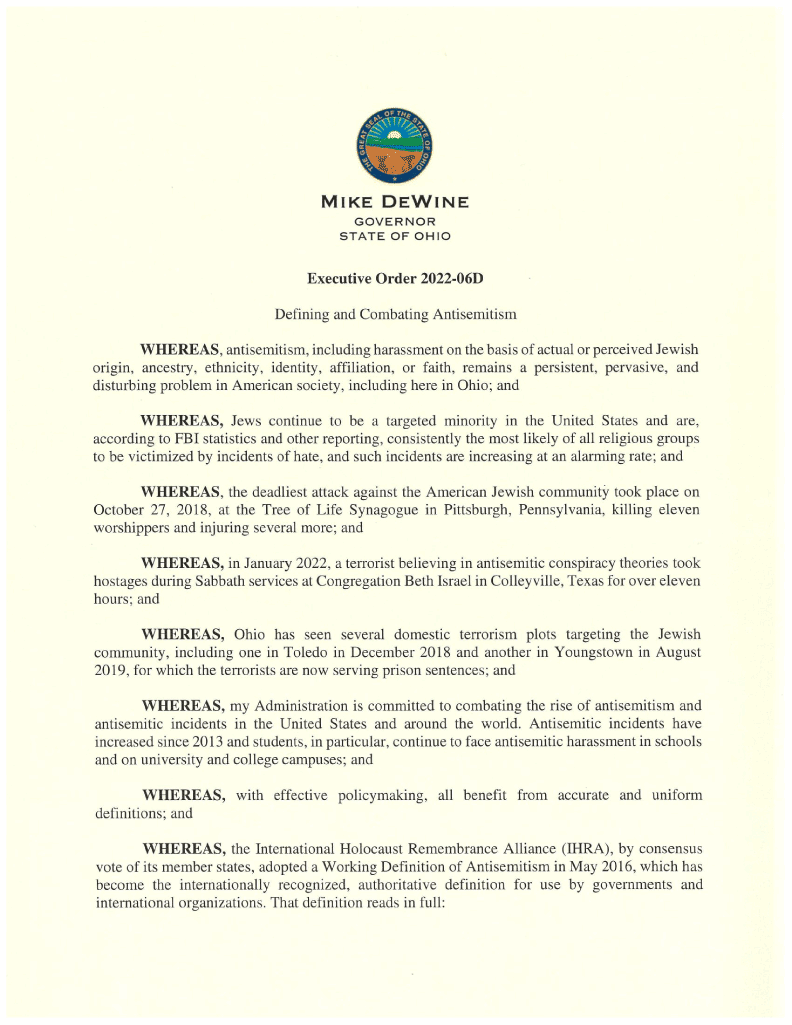
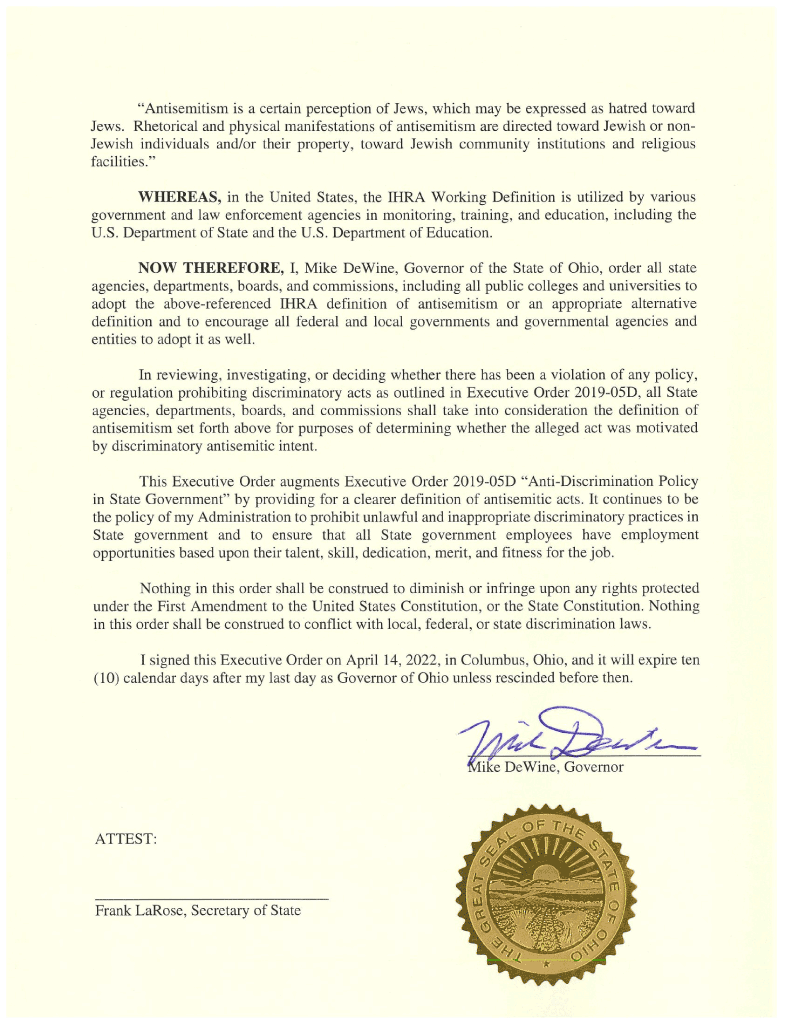
    Columbus, Ohio – Ohio Governor Mike DeWine today signed Executive Order 2022-06D to further define antisemitism using the International Holocaust Remembrance Alliance’s working definition, and require all state agencies, departments, boards, commissions, and public colleges and universities to adopt the definition, as well.

    “Antisemitism remains a persistent, pervasive, and disturbing problem in American society, including in Ohio,” according to a statement from DeWine’s office.

    Right-Click these images to open in a new tab or window and see a larger view.

  • Common Cause Ohio: “State Supreme Court Rules State Legislative Maps Drawn to Unduly Favor Party in Power”

    Common Cause Ohio: “State Supreme Court Rules State Legislative Maps Drawn to Unduly Favor Party in Power”

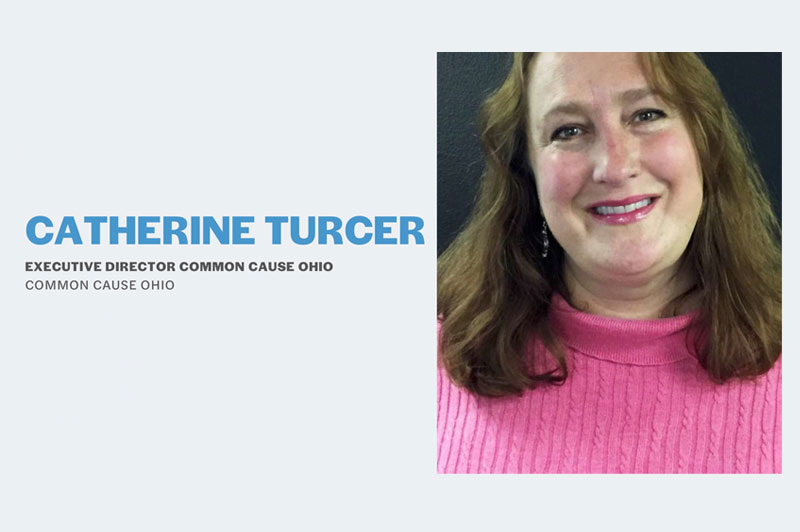
    The statement of Catherine Turcer, Common Cause Ohio Executive Director that was released today.


    Earlier today, the Ohio State Supreme Court struck down gerrymandered Ohio House and Senate maps for an astonishing fourth time. The court’s decision is no surprise since these maps were nearly identical to the previous set of Ohio General Assembly maps that had already been ruled unconstitutional by the court.

    The now-struck-down fourth Ohio House and Senate maps were created not by the Commission or the independent mappers, but by the GOP majority of the Ohio Redistricting Commission (Governor DeWine, Secretary of State LaRose, Speaker Cupp, and Sen. Pres. Huffman) in a secret process that directly contravened the court’s directive to work in a transparent and bipartisan fashion. The maps were produced just hours before the March 28 deadline in a bait-and-switch maneuver that killed the independent mappers’ district plans and sabotaged the first transparent redistricting process in the state.

    Ohio voters are tired of being manipulated. It is time for the Ohio Redistricting Commission to take the orders from the Ohio Supreme Court seriously. We have been waiting for fair districts since 2015—when the new rules for mapmaking were overwhelmingly approved by voters. Ohio voters repudiated gerrymandering and put good rules in the Ohio Constitution to ensure fair maps going forward. We expect the members of the Ohio Redistricting Commission to abide by those rules, follow the Ohio Constitution, and obey the orders of the Ohio Supreme Court. The sooner the majority members of the Commission get to work and do their jobs as required, the sooner this redistricting nightmare will draw to a close, and Ohioans will finally be able to vote using the fair maps they need and deserve. 


  • COVID-19 is causing more type 1 diabetes in kids, who will be saddled with high insulin prices

    COVID-19 is causing more type 1 diabetes in kids, who will be saddled with high insulin prices

    Commentary

    by Jennifer Schuerman – Ohio Capital Journal

    As nurses, my husband and I witnessed truly awful and devastating things treating patients on the frontlines of this pandemic. Hundreds of thousands of Americans have died, while the millions who survived, now faced with disability, are left to grapple with the harsh realities of long COVID-19.

    Among those millions of people living with long-term health impacts is our son Carter.

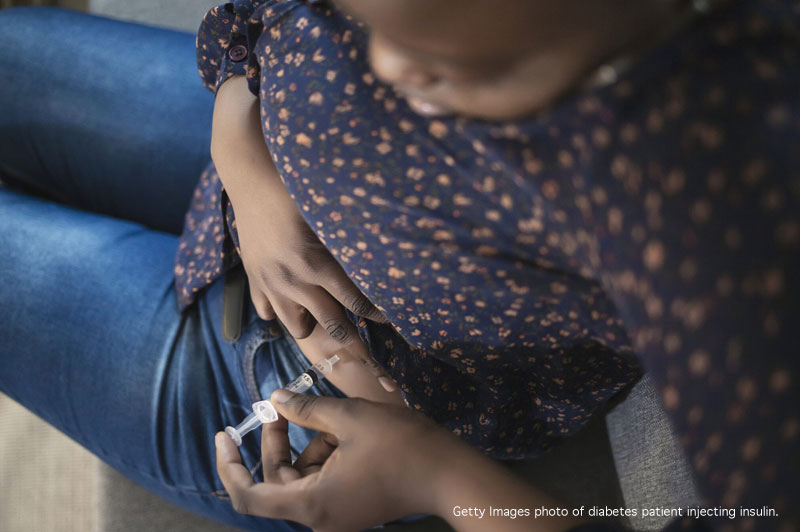
    Four days before the COVID-19 vaccine was available for kids under 12, my 11-year-old son Carter tested positive for COVID-19. He had the common symptoms for the first few days, but as those subsided, I began noticing new ones like extreme thirst and frequent urination. In my gut, I knew it was diabetes. And sure enough, a mother always knows: Twelve days after his COVID-positive test, Carter was officially diagnosed with Type 1 diabetes.

    In less than a month, everything about our lives changed. We don’t have any family history of any type of diabetes, so Carter’s diagnosis came out of nowhere, and we were not prepared. Our days now revolve around his blood sugar levels. Meal times are planned around insulin doses, mornings and evenings have a new medicine routine. Even as nurses, my husband and I could have never anticipated the severity of impact this diagnosis would have on our family.

    I hear fellow nurses say there are more kids coming into the hospital and leaving with a diabetes diagnosis. Many of the newly diagnosed diabetics often had a recent COVID-19 infection. When a recent CDC report found children under 18 infected with COVID-19 are 2.66 times more likely to develop diabetes, it only confirmed the trend I witnessed in my hospital.

    Carter was prescribed two different kinds of insulin, Humalog and Basaglar. Only a couple months into his treatment, our insurance decided it would no longer cover Humalog beginning in January of this year. We had just enough to last us through March. We cannot afford the out-of-pocket costs to keep Carter on the same kind of insulin, so we will need to switch him to a new kind of insulin before his body has even adapted to the current regimen.

    We lose sight of the human cost when we ignore insulin price gouging. At the end of the day, we are putting a price on human life — on a child’s life.

    I realize we are extremely lucky to have health insurance that keeps insulin costs manageable for our family. Since becoming part of the diabetes community, I’ve learned how rare it is to have sufficient insurance coverage and be able to afford insulin at all. As I read the heart-breaking posts from parents pleading for insulin donations in online communities, I think about how one unfortunate diagnosis can send a family to economic ruin through no fault of their own.

    So, when the House passed the Affordable Insulin Now Act last week, I felt like Congress finally listened to the pleas of Americans with diabetes. The bill will cap insulin copays at $35 a month — reducing insulin costs by hundreds each year. In America, around 1 in 4 diabetics have rationed their insulin due to high costs. With nearly 60% of Americans under 17 having been infected with COVID-19, some of them may develop type 1 diabetes. It is more important than ever to do something about insulin prices.

    By lowering the price of insulin and passing other federal prescription drug reforms, we can help existing diabetics and prevent newly diagnosed diabetics, especially kids, from being forced to ration life-saving medication.

    I couldn’t imagine going through this emotional journey with the added stress of not being able to afford the one thing you need to keep your child alive. Type 1 diabetes is a lifelong condition; my son will never escape this. It’s not his fault he caught COVID-19. It’s not his fault that COVID-19 may have caused his diabetes. But he will be forever burdened by the price of insulin.

    We are fortunate to be able to afford Carter’s insulin and supplies. But what about the families who aren’t so lucky? What happens to all of the kids who will eventually age off of their parents’ insurance, and their plans barely cover insulin? We lose sight of the human cost when we ignore insulin price gouging. At the end of the day, we are putting a price on human life — on a child’s life.

    I would do whatever I could to get my child what he needs. I would give up my house, I would give up everything to keep him alive. I don’t know any parent who wouldn’t do the same. Our leaders in Congress must do everything they can, so people with diabetes and their caretakers aren’t left with such impossible choices. Now, it’s up to our representatives in the Senate to stand with parents like me and stop hiding behind the donations of pharmaceutical companies.

    This commentary was first published in the Arizona Mirror.

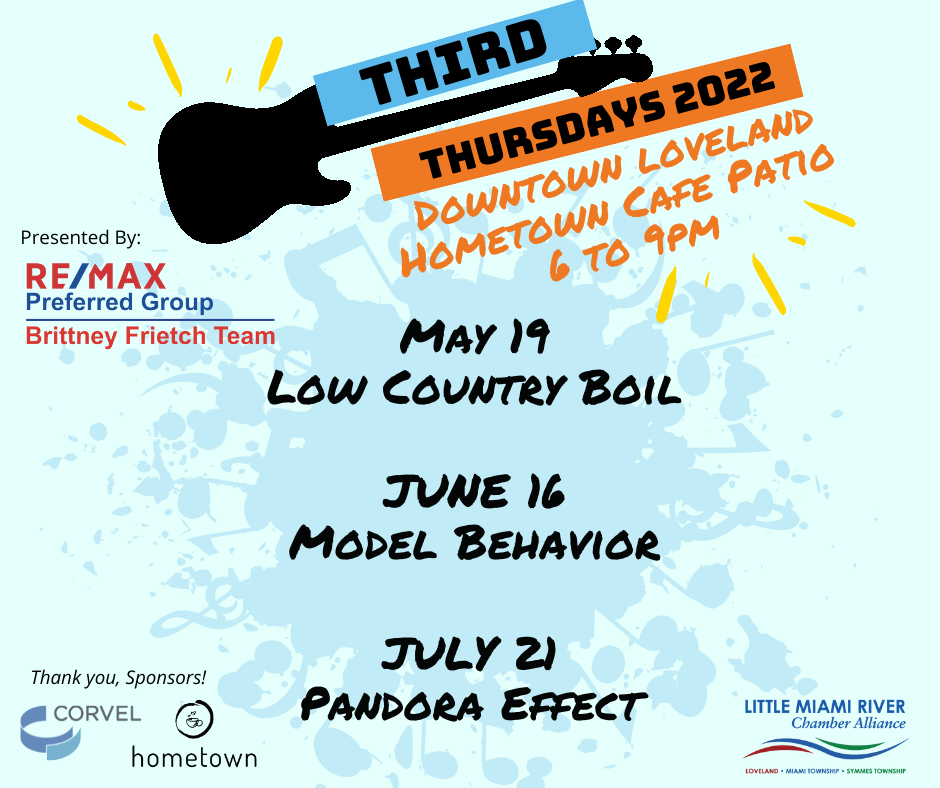
  • THIRD THURSDAYS on the patio of Hometown Cafe Loveland!

    THIRD THURSDAYS on the patio of Hometown Cafe Loveland!

    Promoted Post

    Loveland, Ohio – The Little Miami River Chamber Alliance says they are blowing past this rainy day and looking forward to summer fun!

    Join them for THIRD THURSDAYS on the patio of Hometown Cafe Loveland! Live Music on the trail, cold beverages for sale, all in heart of downtown!

  • Fine Arts Signing Day at Loveland High School

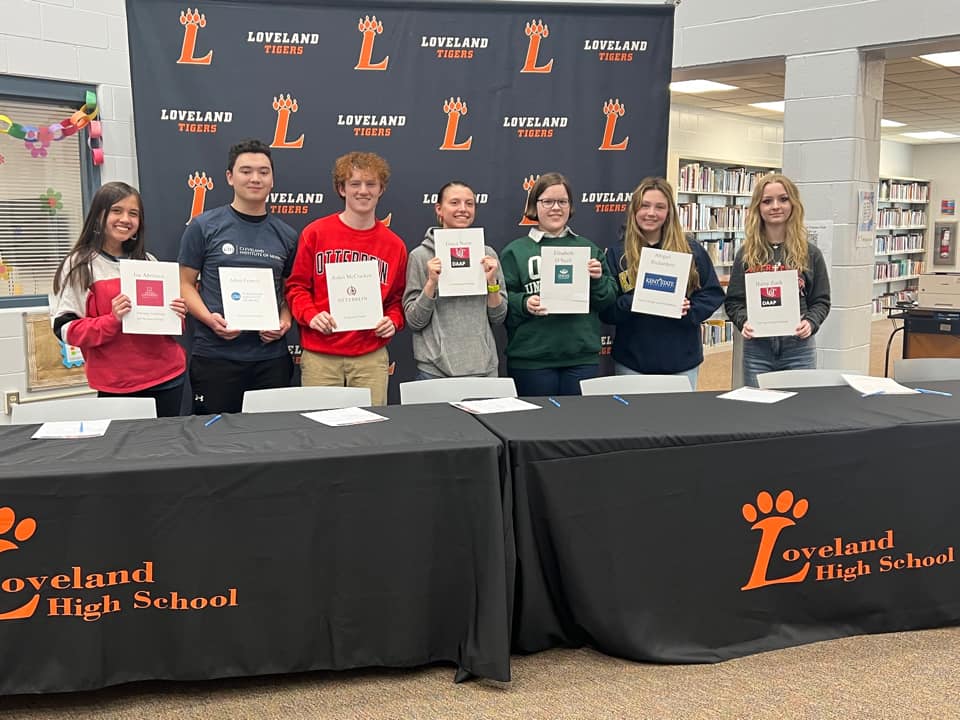
    Fine Arts Signing Day at Loveland High School

    Photo by Loveland Schools

    Loveland, Ohio – Fine Arts Signing Day at Loveland High School was a ceremony where students declared their intention to continue their academic pursuits in college.

    • Isabel Abrinica will be attending Miami University for Emerging Technology and Business Design
    • Alton French will be attending the Cleveland Institute of Music for Bassoon Performance
    • Aidan McCracken will be attending Otterbein University for Acting and Theater
    • Grace Nunn will be attending the University of Cincinnati-DAAP for Communication Design
    • Elisabeth O’Neill will be attending Ohio University School of Theatre for Production Design & Technology
    • Abby Richardson will be attending Kent State University for Fashion Design and Merchandising
    • Haley Zuch will be attending the University of Cincinnati-DAAP for Fine Art and Digital Media
  • City of Loveland, Ohio is hiring for Police Officer

    City of Loveland, Ohio is hiring for Police Officer

    Advertisement

    Loveland, Ohio – Annual pay range is $68,051 to $83,402 with excellent benefits.  High School Diploma or GED and OPOTA Certification required at the time of appointment. Extra test credit for education, prior law enforcement, and/or military service for entry level candidates. Hiring process includes a written test, oral test, background investigation, interviews, truth verification test, psychological assessment, drug test, and medical exam. Written testing accepted through the National Testing Network (www.nationaltestingnetwork.com) through May 13, 2022. Corrections Officers and Part-time Police Officers are required to take the written test.

    LATERAL Candidate applications are available at the city website www.lovelandoh.gov/formcenter starting April 12, 2022 through May 13, 2022.

    LATERAL Candidates are considered current full-time State of Ohio Peace Officers and Ohio State Highway Patrol Troopers with at least one (1) year full-time police patrol experience and are exempt from the written test. Lateral Candidates proceed directly to the oral test.  Higher starting salary and vacation credit may apply.

    Contact the Loveland Police Department – Lt. Amy Campbell at 512-583-3000 or Acampbell@lovelandoh.gov with questions and concerns.  Position description for police officer can be found on our website, www.lovelandoh.gov

    The City of Loveland is an Equal Opportunity Employer.

  • Elizabeth Kelly, MD of Cincinnati elected as president of the Hamilton County Board of Health

    Elizabeth Kelly, MD of Cincinnati elected as president of the Hamilton County Board of Health

    Hamilton County, Ohio – Hamilton County Board of Health completed its annual reorganization at its April 11 meeting, electing Elizabeth Kelly, MD of Cincinnati as president of the board and Dan Meloy of Colerain Township as vice president.

    The five-member Board of Health is the governing body of Hamilton County Public Health. In addition to Kelly and Meloy, board members include Tracey A. Puthoff, Esq. of Anderson, Jim Brett of Whitewater Township, and Mark Rippe of Sycamore Township. The Board has the authority to adopt public health rules and regulations, which have the same status as law, and to enact policies within Hamilton County Public Health’s jurisdiction, including all of Loveland. The Loveland City School District also recognizes the Hamilton County Health District as its guiding agency.

    The Board of Health’s regular meeting schedule through March, 2023 will be on the second Monday of each month at 4 PM at Hamilton County Public Health, 250 William Howard Taft, Cincinnati, OH 45219. All meetings are open to the public.

    For more information about the Hamilton County Board of Health, including minutes of Board of Health meetings, visit www.hamiltoncountyhealth.org.

  • Loveland’s Frogman Race Registration is OPEN!

    Loveland’s Frogman Race Registration is OPEN!

    Promoted Post

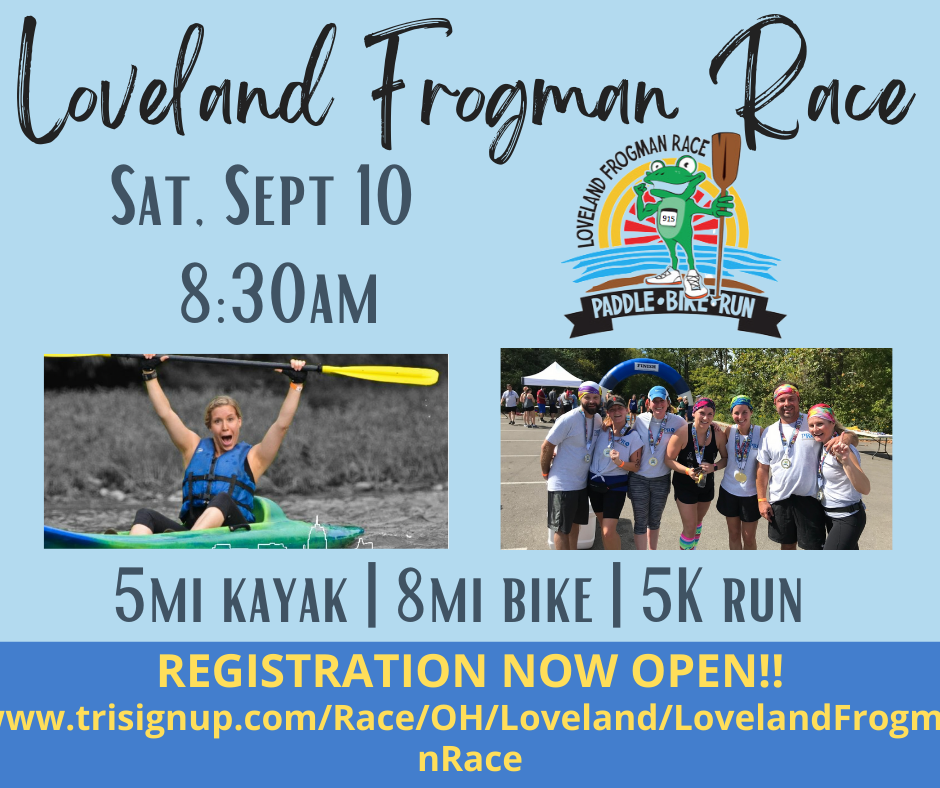
    Loveland, Ohio – Join us this September for our annual mini-triathlon–early Bird Pricing is available NOW!

    The Frogman Race is comprised of: 5 Mile Canoe/Kayak8 Mile Bike, and a 5K Run.

    Downtown Loveland – All transitions are located at Loveland Canoe & Kayak (174 Karl Brown Way)

    Kayaks, life jackets, and paddles will be provided. Participants are to provide their own bicycle. Life jackets must be worn at all times while on the water. Bike helmets must be worn at all times while on your bike.

    Bikes can be rented locally at Loveland Bike Rental.

    https://www.trisignup.com/…/Loveland/LovelandFrogmanRace

  •  MILFORD HISTORIC HOME TOUR APRIL 23rd

     MILFORD HISTORIC HOME TOUR APRIL 23rd

    Promoted Post

    Milford, Ohio – The Greater Milford Area Historical Society (GMAHS) is hosting a historic home tour of nine properties in the south Milford area on Saturday, April 23, 2022, from 11 AM until 4 PM. Tour tickets will be limited in number and will cost $35 in advance, and $40 the day of the tour.

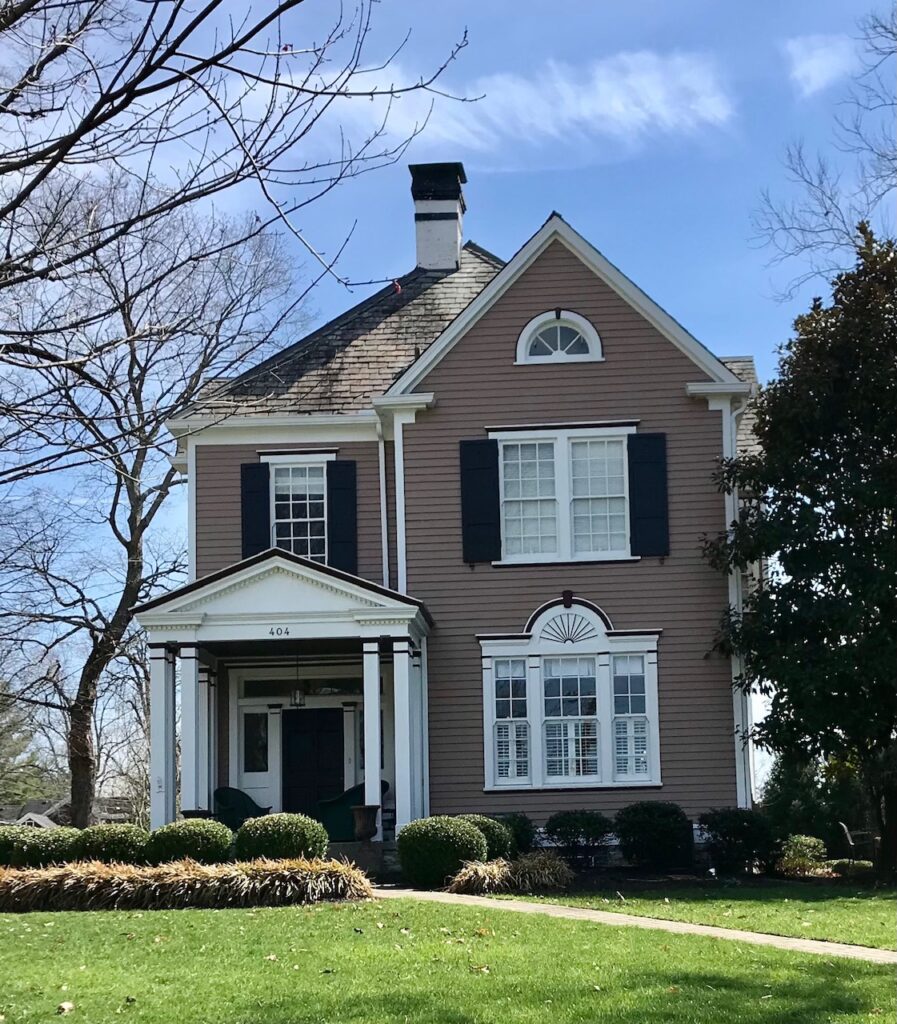
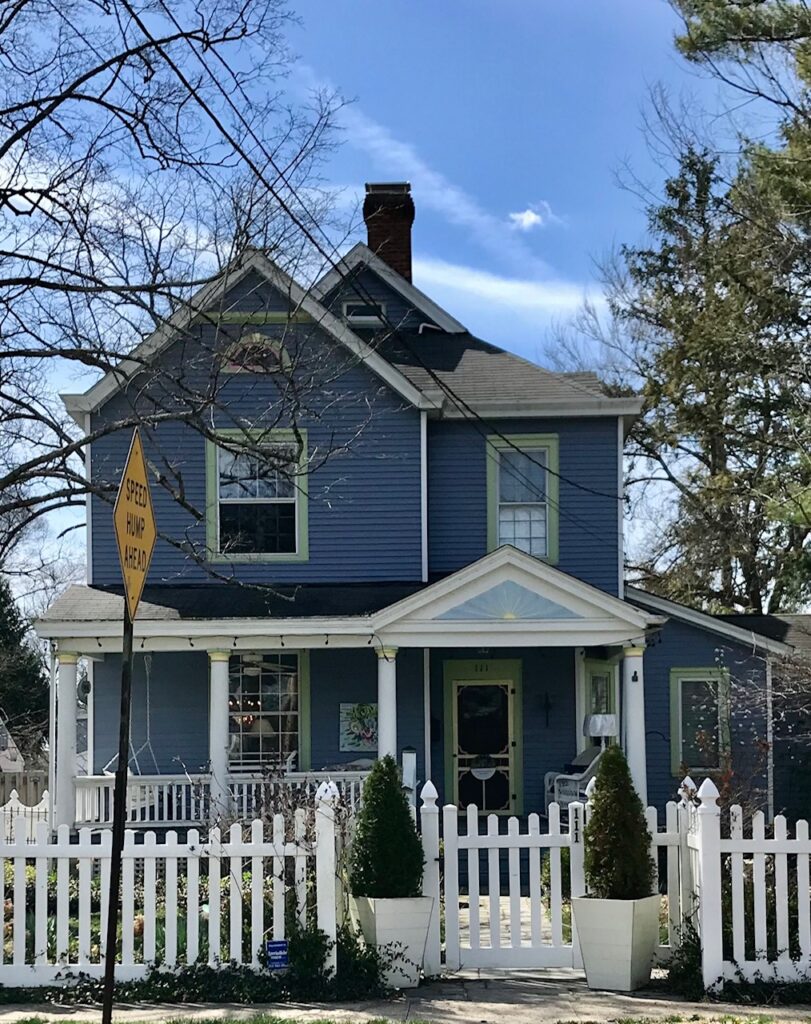
    Homes on the tour will cover a wide range of sizes, ages, and renovations, and include properties on Cleveland, Center, Garfield, Mound, Forest, and Main streets. The event is a fundraiser for GMAHS and Promont Museum.

    Mill Street Home

    Tickets can be purchased through EventBrite: Milford Historic Home Tour April 23, 2022 Tickets, Sat, Apr 23, 2022 at 11:00 AM | Eventbrite  which can be accessed through the GMAHS website: www.MilfordHistory.net

    “Milford has changed so much since our last home tour in 2009. It is such an exciting time for the community to come together and celebrate our beautiful residences and history,” said Dianna Davis, Co-Chair of the Home Tour Committee, “We are excited for people to experience the beauty of these interesting historic homes and catch glimpses of Milford’s past at the same time.”

    Cleveland Street Home

    About the Greater MilfordArea Historical Society

  • Ohio HB 616: This type of legislation and mentality must be met head-on and forcefully resisted and debunked

    Ohio HB 616: This type of legislation and mentality must be met head-on and forcefully resisted and debunked

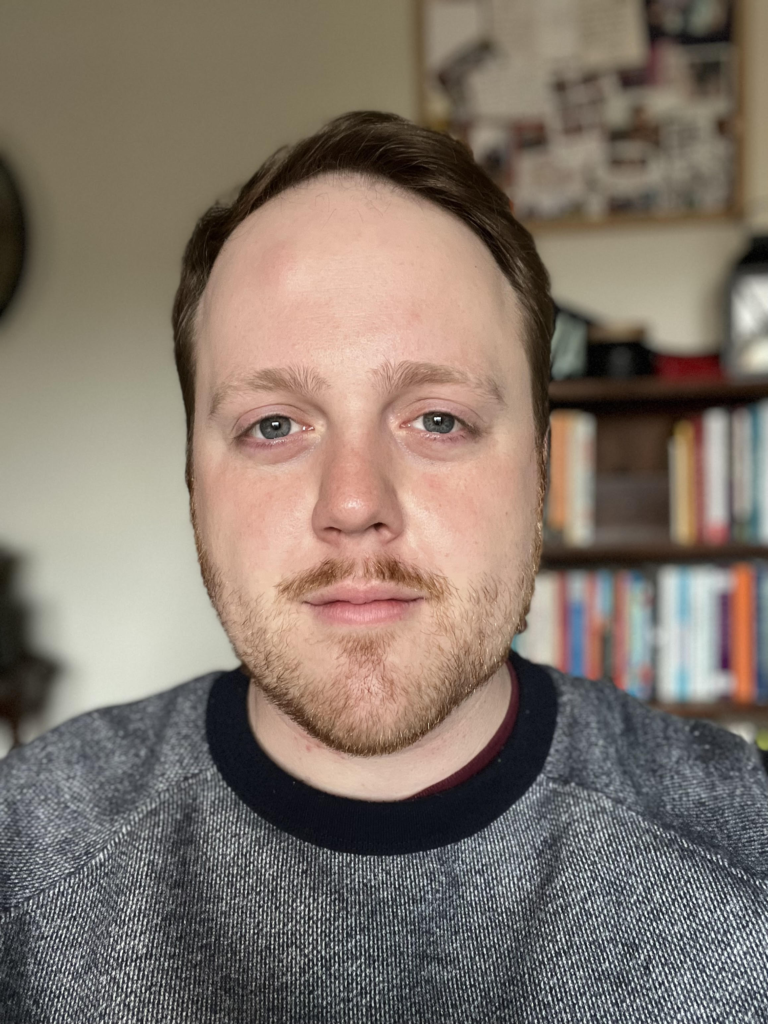
    Aaron West

    by Aaron West

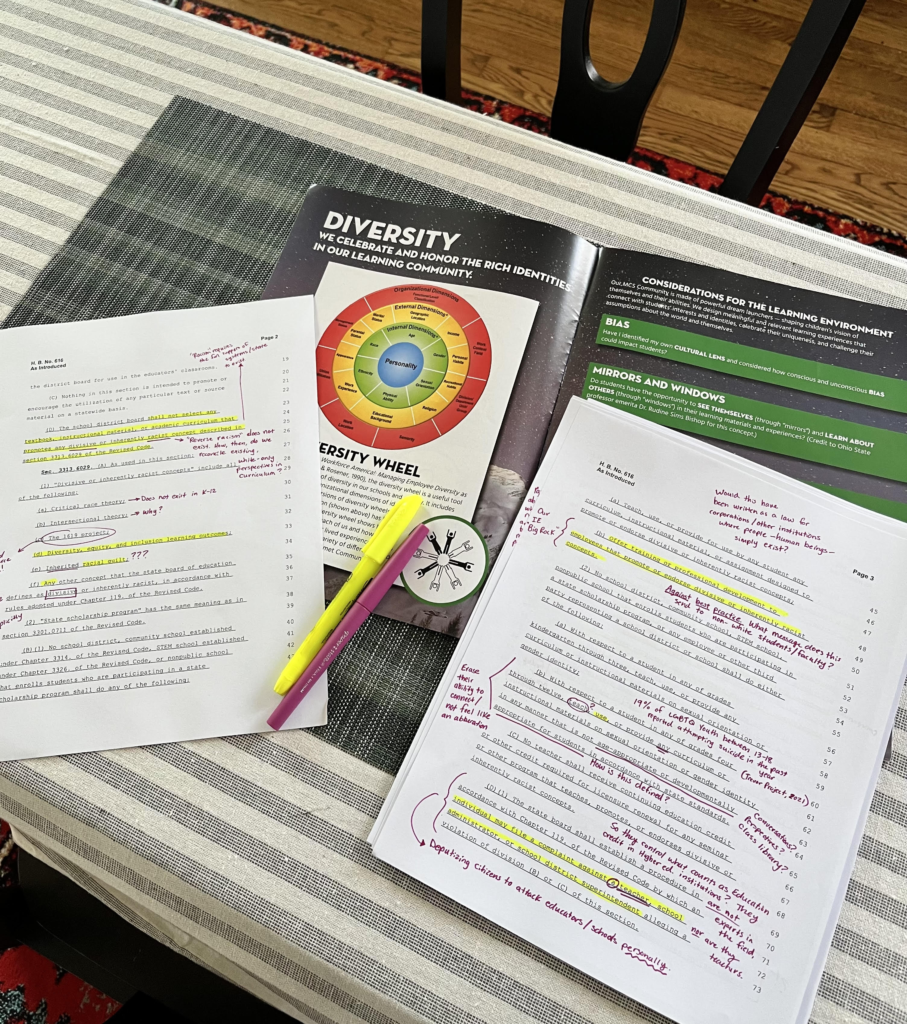
    At the beginning of each school year, I teach my students how to annotate. I want them to pay close attention to what they read, and I encourage them to ask questions about it. Today, I had to practice what I teach. I grabbed a highlighter and every teacher’s friend (a felt-tipped pen) all because of one proposed bill: Ohio HB 616.

    If you aren’t familiar, this bill copies and pastes direct lines from both Florida’s recently-passed ‘Don’t Say Gay’ bill and a litany of other bills passed by certain legislatures attacking Critical Race Theory (which doesn’t exist in K-12 classrooms), “divisive” concepts, and anything that might make anyone feel “guilty.” 

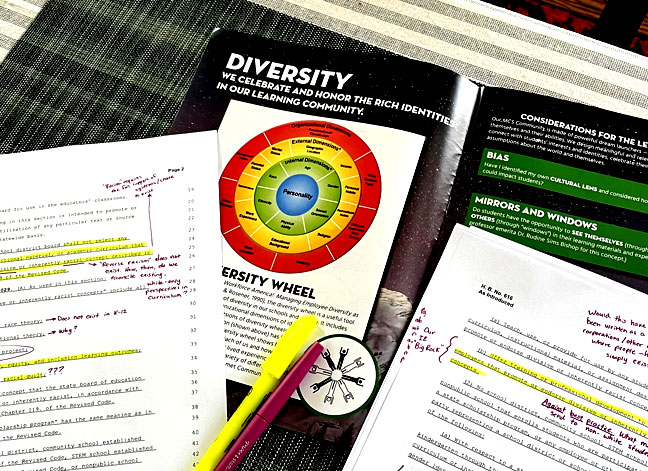
    I have read all 18 pages of this bill and placed here for you two particular ones next to an open copy of my district’s Inclusion guide. I want to show you, firsthand, just how antithetical this is to the field of education. Culturally-responsive education that acknowledges students’ identities is best practice—and we will be at risk of losing our licenses and funding for it should this bill—or any similar form of it—pass. We will be targeted and discharged for doing what is actually right by the professional standards in our field.

    We will be targeted and discharged for doing what is actually right by the professional standards in our field.

    In this bill, you’ll find vague language that isn’t defined; the enabling of any citizen to personally report teachers, administrators, and superintendents for discipline; the threat of punishment for including diversity/equity/inclusion training for staff or students; and consequences for using any curriculum (including my own classroom library) that includes any “divisive” or “racist” (here meaning “non-white”) perspectives or concepts.

    Most personal to me, this bill needlessly includes language whose intention is to further alienate and marginalize LGBTQ+ youth. For the first twenty-six years of my life, I was afraid to admit that I was gay. Had my experience in school (and elsewhere) been different, more representative, that may have been different. I may have been healthier and felt like there was a place for me, my identity—as I was.

    I don’t know if this bill will make it through a committee or whether it will ultimately be passed, but here’s what I do know.

    • 19% of LGBTQ+ youth ages 13-18 reported attempting suicide at least once in 2021 (The Trevor Project)

    • Some form of this bill, and more of the like, will continue to crop up—in Ohio and elsewhere across the U.S.

    • This type of legislation, and really, these mentalities, must be met head-on and forcefully resisted and debunked.

    • We must continue to vote en masse. In every election—locally and otherwise. Vote for people who will not make a culture war of the most vulnerable lived experiences. Vote for your teachers, your medical professionals, your neighbors who are Black or gay or some other “divisive” subset. Inclusion at the elected level is an antidote to the misguided assumption that this is desirable or even acceptable to most.

    • It’s important to remember that one of the noblest goals of quality public education is to make space for all; it is about more seats at the proverbial table. This bill seeks to send a chilling reminder that—still, in 2022—so many must raise their voices as though to ask permission to simply exist or belong.

    If you live in Ohio, you can make your voice heard on this bill by contacting the following:

    House Speaker Robert Cupp (R): (614) 466-9624

    Caucus Minority Leader Allison Russo (D): (614) 466-8012

    Other Ohio House Representatives

    Rep. Jean Schmidt (R-Loveland) Co-introduced HB 616 with Rep. Mike Loychik

    Rep. Mike Loychik (R-Bazetta) Co-introduced HB 616 with Rep. Jean Schmidt