Symmes, Township, Ohio – The Township will host the Symmes Eco Celebration on Saturday, April 12th at Symmes Park from 9 AM until Noon. This free event will celebrate Earth Day with exhibits, demos and fun activities. Also, explore nature with a walk and scavenger hunt.
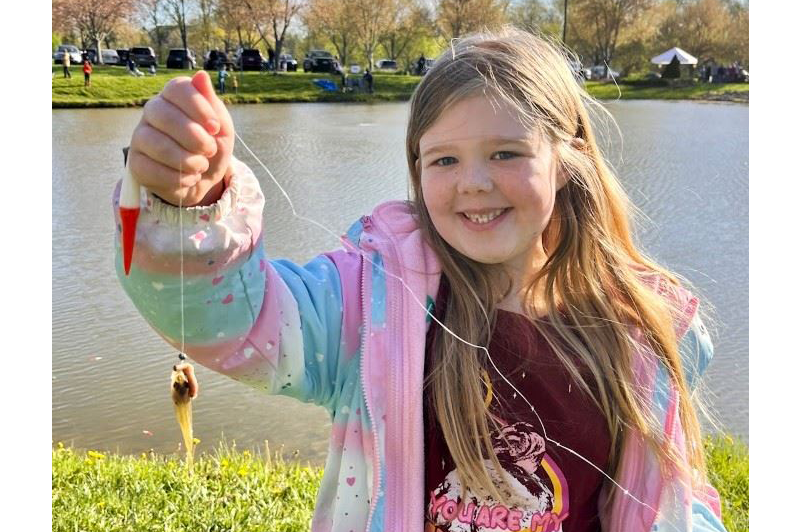
In addition, the Township will hold a fishing derby for children age 5 through 12. Trophies will be awarded for the first caught and biggest fish. This activity requires registration by April 4th. Symmes residents will be given priority.
Loveland, Ohio – Angie Duduit with Kiwanis International was in Loveland the week of February 18-20 to work with local stakeholders of the community to reactivate the Kiwanis Club in Loveland.
The Kiwanis Club of Loveland once had a storied history of service in Loveland. There is a community park on Wall Street named to honor the club.
Duduit set up brief appointments with local stakeholders in their workplaces to discuss the needs of the children in the Loveland area and then using that input to assist in structuring a club that she hopes will be of the most benefit to the children of Loveland.
Duduit told Loveland Magazine, “I am personally a member of the Kiwanis Club of Portsmouth about a two-hour drive east of Loveland, and our club members have definitely found our work to be rewarding through our community playground, annual Kid’s Day event, and a literacy program targeting local second grade students.”
Duduit added, “Kiwanis is a global organization of volunteers dedicated to improving the world one child and one community at a time. Our focus is children, although we do help others in the communities in which we serve. It is said that on average, a Kiwanian impacts the lives of 106 children each year.
Kiwanis International has been around since 1915 and has clubs in 87 countries. According to Duduit, they have been actively engaged with the Aktion Club (adults with disabilities), CKI (college and university students), Key Club (high school students), Builders Club (middle school students), and K-Kids (elementary school students). “Kiwanis helps meet the needs of children in local communities and around the world by raising money, awarding grants, and providing resources to clubs and members.”
Members also support Young Children Priority One (The womb to age five), BUGS (Bringing Up Grades), Terrific Kids (Character Development), and Key Leader (Leadership Retreat for Teens ages 14-18) Programs.
For more information, visit online at Kiwanis.org.
The club’s new Facebook page is at https://www.facebook.com/LovelandOHKiwanis. “I invite you to share these with your contacts, and if you have others in mind who you think might be interested in speaking with us, please connect us with them, said Duduit.
Columbus, Ohio – The Ohio Department of Health (ODH) is reporting the state’s first flu-associated pediatric death of the 2024-25 flu season, a teenager under the age of 18 from Allen County.
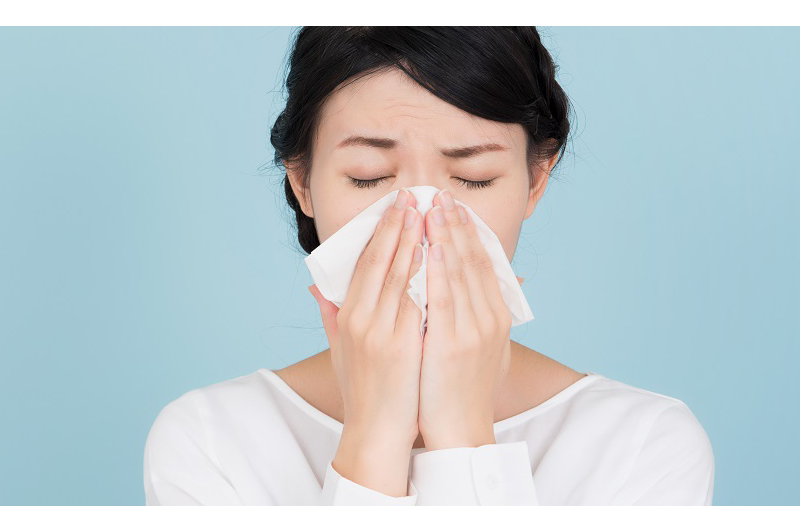
“Sadly, this tragic death reminds us that influenza, though common, is a serious health threat,” said ODH Director Bruce Vanderhoff, MD, MBA. “We urge parents to protect their kids. It’s not too late for parents and kids to get a flu vaccine. It may very well prevent you or your loved ones from getting seriously ill. And, especially during flu season, it’s important to maintain good hand hygiene and to stay home if you are sick.”
Flu activity usually peaks between December and February. In Ohio, flu activity has been increasing since early December and has increased more rapidly since the beginning of the year. Current activity is very high.
Since the start of the season, more than 9,000 influenza-associated hospitalizations have been reported in Ohio, which is well above the five-year average for this time in the season.
Ohio generally reports between one and six influenza-associated pediatric deaths each season.
Flu vaccines are available at most healthcare providers’ offices, local health departments, and retail pharmacies.
Other effective ways to avoid getting or spreading the flu include washing hands frequently or using alcohol-based hand sanitizer, covering coughs and sneezes with tissues or coughing or sneezing into elbows, and avoiding touching your eyes, nose, and mouth.
More information about flu and flu activity in Ohio is available at www.flu.ohio.gov.
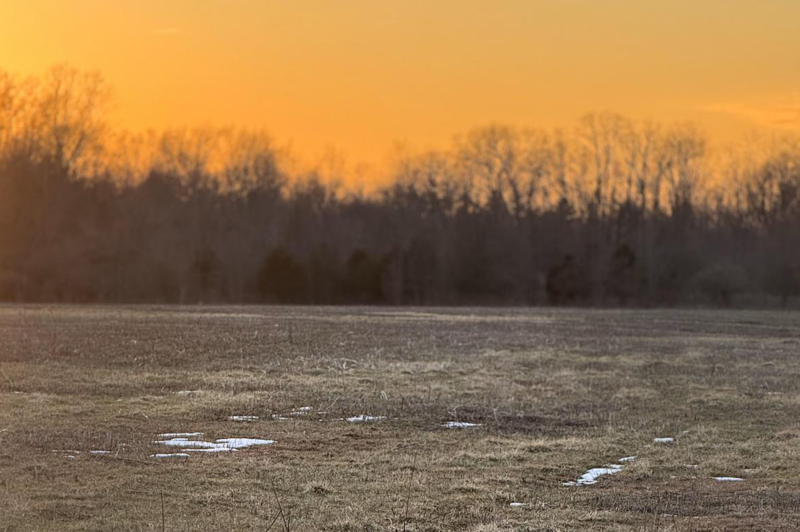
Photo taken at the Cardinal Land Conservancy HQ in Loveland
CORRECTION AND UPDATE:
The Cardinal Land Conservancy has changed the date of this event to March 5th.
March 5th
6 PM until 8 PM
Loveland, Ohio – You can join an evening hike at the Cardinal Land Conservancy HQ in Loveland. You will be on the lookout for Woodcocks displaying courtship behavior which begins after dusk for these nocturnal birds. They are known for dramatic aerial displays and like to display in grassy fields near shrub and woodland edges. Cardinal says that this should be an exciting event.
This is at the former Grail property.
Participants should bring their own binoculars and dress for the weather. RSVP by February 25th to Lauren here.
Just over half of us have made New Year’s resolutions. The most common ones revolve around physical and mental wellbeing. Topics like exercise, fitness, and losing weight weigh heavy on our minds. Just as important are issues such as socializing, de-stressing, finding life’s balance, inner peace and others that fall under the mantle of mental health.
Living in or visiting Loveland, Ohio can mean you are in the perfect place to help you live up to the promises you’ve made to yourself on January 1st.
If you’ve made a personal health related resolution or goal for 2025, there is a simple and free way to accomplish what you’ve set out to do. I’m talking about nature.
Research shows that spending even short amounts of time in nature can have positive effects on both mental and physical health. The American Psychological Association purports that spending time in nature can improve mood, and attention while at the same time lowering stress levels. They even claim reduced risk of psychiatric disorders and increased empathy and cooperation. Studies show that exposure to green spaces like parks and trails can increase cognitive development and promote self-control.
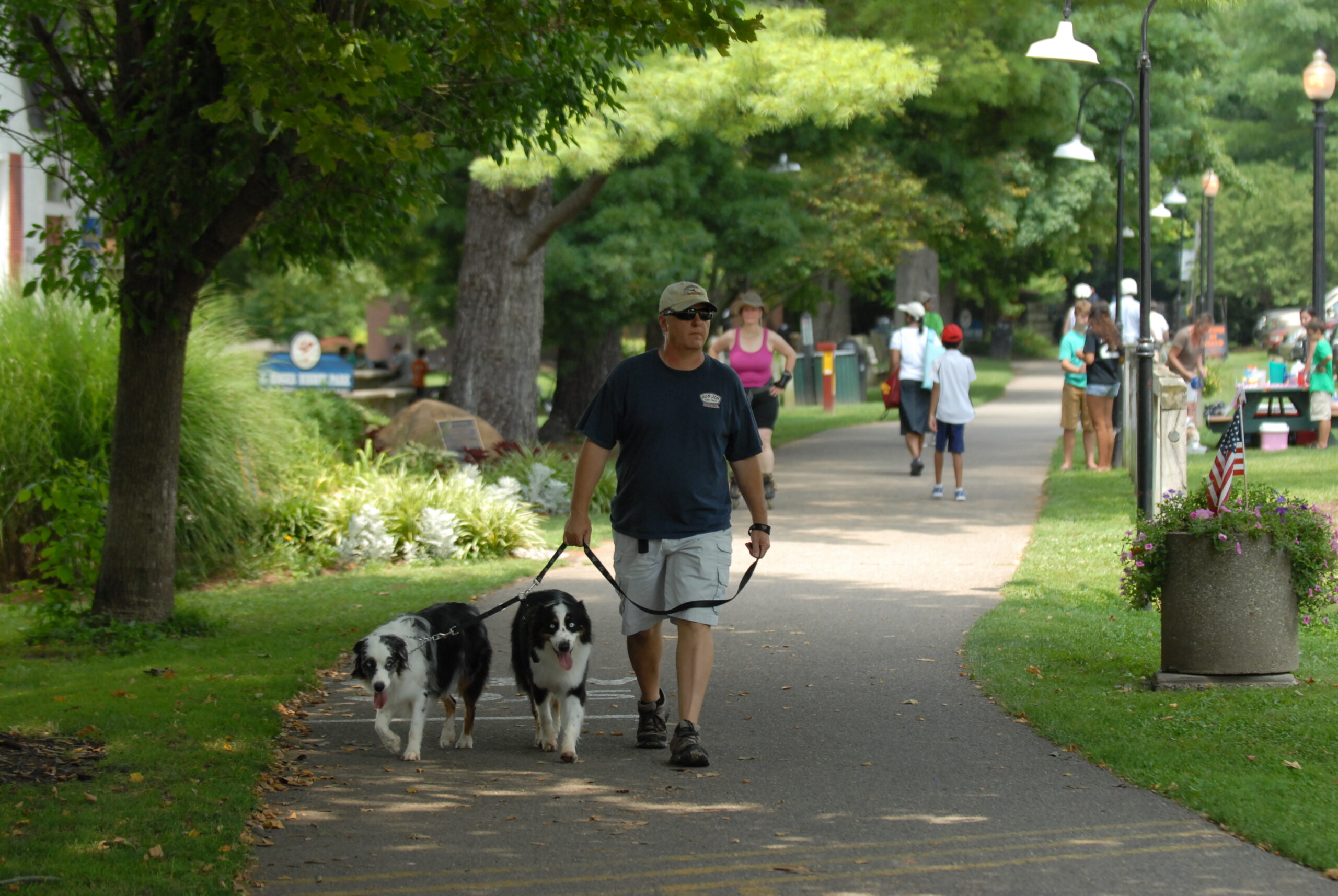
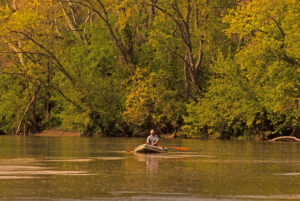
Hiking, walking, kayaking, canoeing, and jogging are great ways to get some exercise while spending time outdoors. Don’t forget about taking in deep breaths of fresh air which promotes better sleep.
So how much time do we need to spend in nature to start seeing benefits? One study found that two hours of nature exposure per week led to significant upticks in both mental and physical health. The best part is that the breakdown of those two hours didn’t matter. In other words, the benefits are the same whether the two hours were spent in one block of time or several shorter blocks of time.
Southwest Ohio residents have easy access to many free, fine parks and trails. Check out city, county, and state parks (https://ohiodnr.gov) as well as The Loveland Bike Trail (The Loveland Bike Trail Map Home – The Loveland Bike Trail Map). This trail is paved and offers users over 70 miles of safe exercise. It also connects the Ohio to Erie Trail which connects the Ohio River to Lake Erie. Lake Isabella is a Hamilton County park right on the outskirts of Loveland. Lake Isabella is a quiet 74-acre park on the bank of the State and National Scenic Little Miami River.
As you can see, opportunities to reach your health and fitness goals for 2025 are plentiful. So, get out into nature for a better you.
Some tips for enjoying all the benefits that nature can offer this winter:
• Be sure to check the weather forecast.
• Dress appropriately. Light thin layers that can be removed as you warm up are best.
• When temperatures dip, keep sensitive skin like fingers and ears covered.
• Wear good shoes or boots to keep your feet supported and dry.
• Beware of snow and ice. Slow down. Invest in walking cleats that slip on over shoes or boots (think Yaktrax).
• If there is snow and the sun is out, wear polarized sunglasses to help you see while preventing snow blindness.
• Drink plenty of liquids. It’s easy to get dehydrated in the winter so be sure to drink enough.
• Prevent chapped lips and hands by using lip balm and lotions that contain sunblock.
• When possible, go with a friend, not only for safety reasons, but also for accountability.
• Be sure your cell phone is fully charged. Cold air causes batteries to drain more quickly.
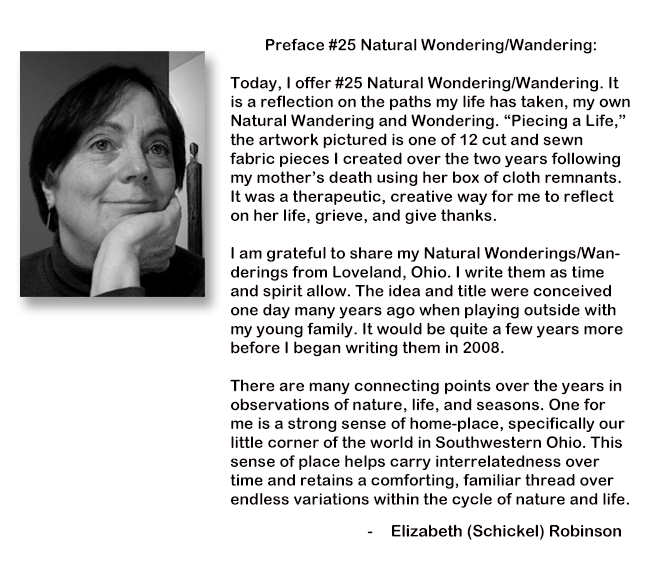
Professionally, I am an artist and retired registered nurse. Although I have been an artist throughout my adult life, nursing came later.
When my children were small, and I was breastfeeding my youngest, I was contemplating returning to school to become a registered nurse. I had a dilemma that many families face: searching for a way that fit me and my family to bring in additional income.
In my life I have been blessed with many inspirations, one of those was my Godfather who was both poet and nurse. I admired him, and his path intrigued me. Could becoming a professional nurse combine my natural caregiving tendencies as a mother and community member with my love of creating and giving as an artist? Would this path for me be life-giving and practical?
One day my sister-in-law, also a nursing mom, was visiting with her young family. I mentioned my thoughts. Her little son overheard and had questions. She queried him, do you know what a nurse does? “Yes,” he confidently responded … “she gives milk to whoever needs it.” While not exactly correct in the literal sense, this was a young child’s loving and sweet response spoken directly from the heart and family experience.
Many years later my children are grown, but I have never forgotten those useful words and the inspirational truth contained there-in. I did become a registered nurse. My nephew’s words, “she gives milk to whoever needs it,” is a continuing point of navigation in my life, generally and specifically as a nurse and artist.
Nursing a baby is a singular joy and deep connection based on love and mutual need between mother and child. Knowing this, I find it lovely and very meaningful that nursing a baby as in breastfeeding and nursing professionally share the same root of mutual caregiving and receiving. As a registered nurse my desire to attend and advocate for others is met with my patients’ profound need of care for body and spirit. I strive to holistically assist them in leaning toward the healing they desire. It is my hope that this is a reflection of God’s sustaining love for us both.
“Be an apostle of beauty,” an exhortation from Pope Francis is another point of life navigation for me. As an artist I am driven to create, but “be an apostle of beauty?” This calls me to right action and deep responsibility to create with clear attentiveness to love, noticing, and sharing the elemental and inherent beauty of life and creation that surrounds us. As an artist I know in my bones “that beauty saves me” and in the words of Dostoevsky “can save the world.”
Through tempest and sunshine, life has taught me the greatest comfort and indeed joy in life is in open-hearted giving and receiving love. Love manifested wonderfully and differently in each of us.
___________________
Elizabeth (Schickel) Robinson has always lived in Loveland, married and raised a family here. Family, faith, service, community and creativity are most important to her. She is an artist driven to notice and bring beauty to others including creating commissioned works of art for hospitals and churches. She cares about our culture and wants to build opportunities for community and connection to God, each other and creation. She recently retired as a Registered Nurse at Cincinnati Children’s where she was privileged to care for patients and their families. She strives to live with her eyes wide open, seeing the extraordinary in the ordinary in life and nature that surrounds her.
Loveland, Ohio – Comedian Ann Randolph is heading back to her hometown of Loveland, Ohio to perform Inappropriate in All the Right Ways on March 11th at the Landing Event Center. Steve McGowan will be the MC, and special guest Amy Segal will be joining Ann too.
Ann grew up in Loveland and started her artistic career at the infamous comedy group, The Groundlings. She performed regularly with fellow comedians Will Ferrell, Chris Kattan, and Cheri Oteri, writing and performing in weekly shows.
Mel Brooks and Anne Bancroft, recognizing the significance of Ann’s work, played instrumental roles in her artistic journey.
Her show, Loveland centered around themes of sex and death, achieved a two-year sold-out run in San Francisco at the Marsh. It earned the SF Weekly Award for “Best Solo Show” and was recognized by the SF Bay Critics for “Best Original Script.” Following its success in San Francisco, Loveland played in Los Angeles and received the LA Weekly Award for “Best Solo Show.” As a spoken word artist, she has won the Moth StorySLAM.
A member of the WGA, she has written scripts for Gullane Pictures, Lifetime TV, Brooksfilms, PAX, Klasky Csupo in addition to writing the series pilot for If the Show Fits, Wear It with renowned rapper, Master P.
During the pandemic, Ann Randolph founded an online, non-religious storytelling church where people from around the world showed up weekly to write and share stories together. She started making videos in the bathtub. As theaters were closed, the bathtub become her blackbox.
Ann says to all her hometown fans, “I’d love to see you.”
This is one night only at the Landing Event Center in Loveland, Ohio
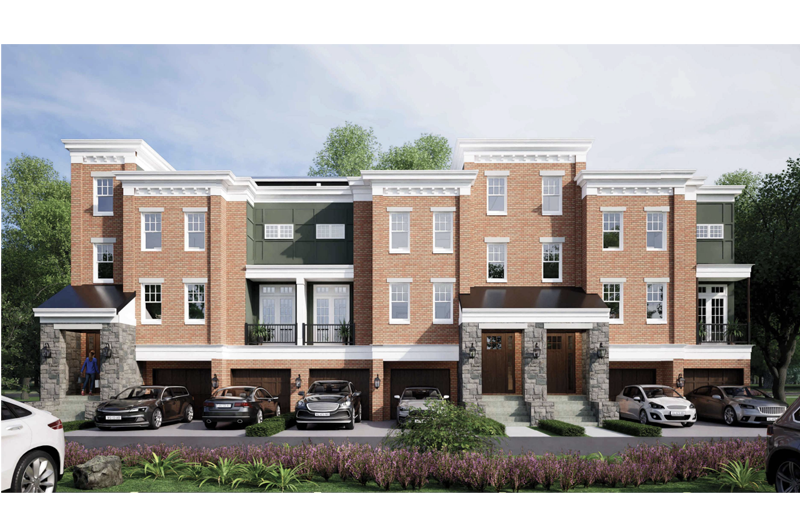
Loveland, Ohio – Developer Infuse Holdings, LLC is on the agenda for the March 5 meeting of the City of Loveland Historic Preservation and Planning Commission. They have applied for a “Certificate of Appropriateness” for the construction of a six-unit, residential development in Historic Downtown. The proposed project is to be located at 200 Railroad Avenue, with three units facing Railroad Avenue, Nisbet Park, and the Loveland Bike Trail, and three units facing First Street. This is within the city’s Historic Preservation District Boundaries.
The meeting will be at City Hall on Wednesday, March 5th at 6 PM.
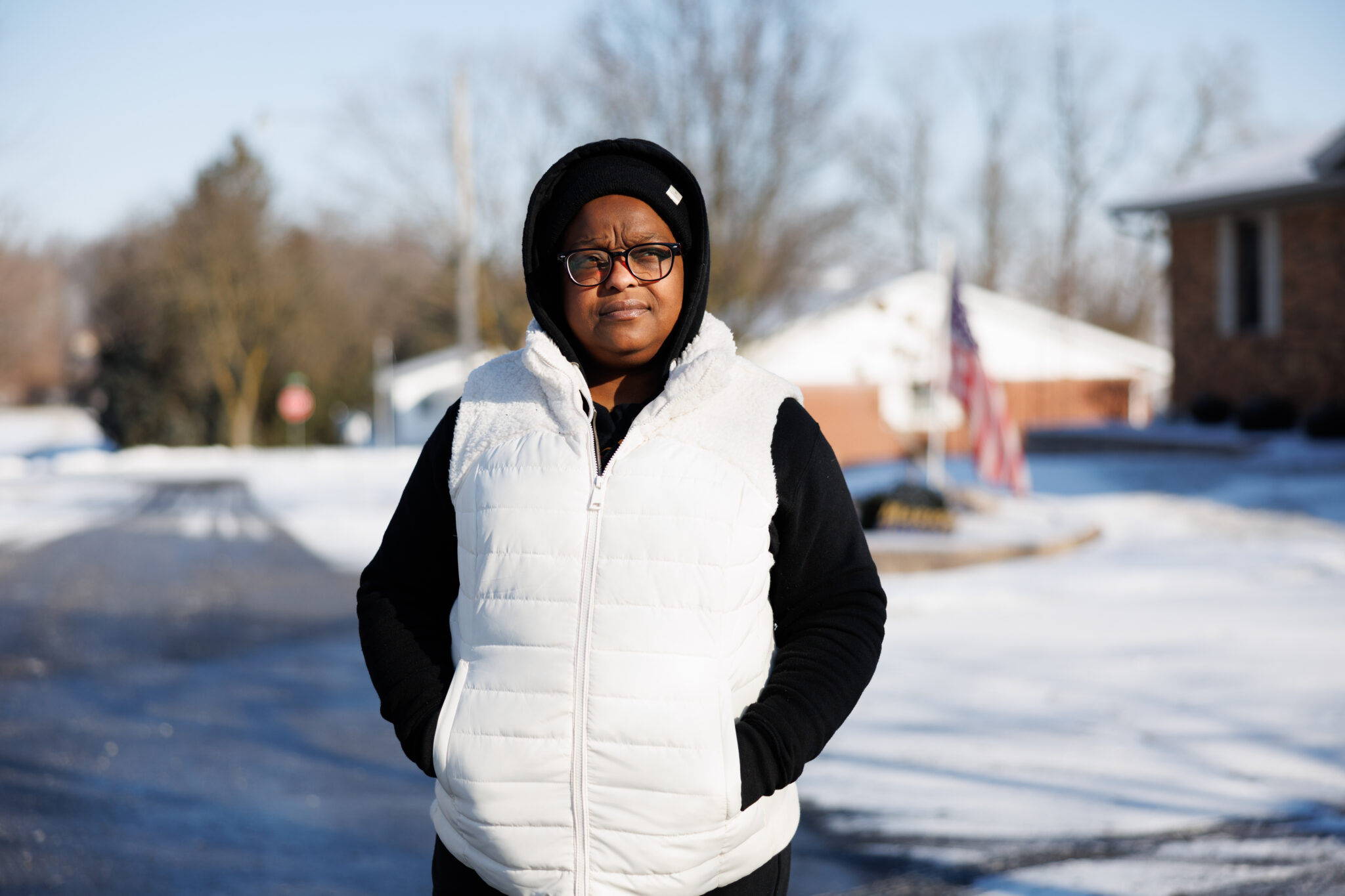
CHICKASAW, OH — JANUARY 24: Seventh-generation Randolph Freepeople descendant Paisha Thomas, January 24, 2025, on Virginia Street in Chickasaw, Ohio. (Photo by Graham Stokes for Ohio Capital Journal. Republish photo only with original article.)
This story is the second in a two-part series on mapping land denied the Randolph Freedpeople and state efforts to make amends. You can read the first part here.
CHICKASAW — “So, this could’ve been my neighborhood,” Paisha Thomas said, trudging down a snowy street in Chickasaw, Ohio. “That’s infuriating.”
The Mercer County village sits about six miles west the heart of New Bremen, the Miami and Erie Canal stop where Thomas’ ancestors were turned away from their land by a white mob almost 180 years ago.
The Randolph Freedpeople were a group of roughly 400 men and women released from slavery in their former owner’s will. John Randolph was a prominent Virginia politician and landowner, but state laws prohibited freed slaves from remaining in the state. Randolph’s will not only freed his slaves but set aside money with which his executor, William Leigh, could purchase land on their behalf.
GET THE MORNING HEADLINES.
Leigh was drawn to western Ohio. Although the state had harsh “Black codes” of its own, requiring employers post a $200 bond against a Black employee becoming a public charge, those laws were rarely enforced. Instead, Leigh saw a sparsely populated and agrarian region with a small but thriving Black community called Carthagena not far from New Bremen.
Leigh bought roughly 3,200 acres for the freedpeople, but when they arrived white men armed with muskets turned them back and even marched along the canal until they crossed the county line.
The Randolph Freedpeople eventually settled in several towns, like Rossville outside of Piqua, but they were never able to get the land purchased on their behalf. Instead of homesteading, many found work as laborers or domestic servants. In the early 1900s, a group of descendants petitioned Ohio courts to return their land, but the case was dismissed under the statute of limitations.
Although the deeds for that land didn’t disappear, the specific location of the parcels wasn’t well understood until a group of Miami University students took the story on as a class project. Late last year they produced a map of the Randolph parcels for the first time, encompassing 3,140 of the total acreage purchased.
But while that makes the loss more tangible, the question of how to atone is still very much up in the air. One state lawmaker wants Ohio to officially acknowledge the mob incident and formally apologize.
The lawmaker who represents the area, however, seems more inclined to leave it in the past. Meanwhile, descendants like Thomas want to see far more than just an apology — they want some form of compensation for what was lost.
What could be
Today, the Randolph Freedpeople’s land makes up about 200 parcels scattered south and west of Grand Lake St. Marys. Nearly all of it is still dedicated to agriculture, but there are a handful of commercial or industrial parcels and in the northeast corner of what is now Chickasaw, several residential parcels.
Thomas chuckled at the irony of the street names that sprung up on a plot of land meant for the Randolph Freedpeople — Liberty Street, curving smoothly into Virginia Street. The homes are nice but not extravagant; a tiny neighborhood of 1970s ranch-style homes with broad front lawns and no fences. She described growing up in Piqua with her family spread throughout the city.
“Here could have been just like a neighborhood of people, you know, walking, yelling across the yard,” Thomas said. “That’s frustrating.”
She was particularly struck by the large grain silos a couple hundred yards from the street.
“When we came around that corner over there and saw the farm and the grain storage right next to a residential home, it just felt very in your face, like I asked for it because I came here, but it just felt very like now there’s no denying or guessing. There’s actual evidence of what could be, because it is — but it’s for somebody else.”
CHICKASAW, OH — JANUARY 24: Seventh-generation Randolph Freepeople descendant Paisha Thomas, January 24, 2025 in Mercer County Ohio. (Photo by Graham Stokes for Ohio Capital Journal. Republish photo only with original article.)
What amount?
Thomas thinks about what was lost in generational terms. To her, the Randolph Freedpeople didn’t just miss out on the roughly five square miles worth of land that has appreciated in value over the years, they missed out on nearly two centuries of income that farmland could’ve produced.
It’s likely impossible to put a dollar figure on that, but she wants the state to try.
Thomas has started a nonprofit called Land of the Freed to raise awareness and advocate on behalf of descendants. The group has taken the lead on renovating African Jackson Cemetery in Rossville — a settlement just outside Piqua where several Randolph Freedpeople families landed after being turned away in Mercer County.
Butch Hamilton grew up with Thomas and is a member of the Land of the Freed board. Like Thomas, he’s taking a long view.
“What amount of money has Paisha’s family been denied by not being able to settle and claim that land? That’s the thought that comes to my mind,” he said. “And then the then the second thought is, well, what is going to be done to make the make the whole situation right?”
His wife Sherri Hamilton sits on the board as well, and she acknowledged the seeming impossibility of the task.
“There, quite literally, is probably no way to give back what was stolen so many generations later,” she said. “But something needs to be done.”
The Miami University study tallied the current assessed value of the Randolph plots at roughly $14 million. But with much of the acreage valued for its agricultural use, that’s likely far lower than what the land would fetch on the open market. At $14 million, the land students identified would be worth about $4,500 an acre. An Ohio State University survey put agricultural land in the Western region of Ohio at more like $11,500 an acre, and a handful of recent Mercer County agricultural land sales listed on Zillow range from $16,500 to $21,600 an acre.
Although the question of value is tricky, Butch Hamilton argued it’s unavoidable.
“We keep saying something has to be done,” he said. “The thing that needs to be done is the family needs to be compensated with money. I mean, there needs to be a payout.”
Regardless of what you call it, it amounts to reparations — a political third rail, particularly among Republicans. Compensating descendants, the argument goes, rewards people who weren’t directly harmed by taking from those who did no wrong.
That said, there are notable historical precedents. In the 1980s, President Ronald Reagan signed off on payments to Japanese Americans interned during World War II. In the 1990s, Florida Gov. Lawton Chiles approved a $2.1 million measure to compensate residents of Rosewood, a Black town razed by a white mob in 1923.
COLUMBUS, Ohio — MARCH 22: State Rep. Dontavius Jarrells, D-Columbus, March 22, 2023, at the Statehouse in Columbus, Ohio. (Photo by Graham Stokes for Ohio Capital Journal. Republish photo only with original article.)
State repsonse
While Thomas and the Hamiltons are thinking in terms of generations, state Rep. Donatvius Jarrells, D-Columbus, has to think in terms of votes. His long-term ambitions are nearly as high, but in a General Assembly controlled by Republicans he’s conscious of what is and isn’t possible.
He wants to begin with a resolution formally apologizing for what happened to the Randolph Freedpeople. Jarrells is expecting to introduce that proposal sometime in February to align with Black History Month.
“I think that resolution is kind of the first step,” he explained, because many of his colleagues aren’t aware of what occurred.
“And so, it gives us an opportunity to, one, have a baseline of knowledge across our chamber on what happened to these Ohioans, and then opens the door for conversations about what we can do.”
Jarrells floated the idea of a museum or a scholarship fund as ways the state might make amends to Randolph Freedpeople descendants, and he said Thomas and the Hamiltons have a point when it comes to money. Jarrells said many of the struggles he’s heard about from descendants trace their way back to “this one point of time where they could have built wealth, and then that wealth was taken away from them.”
But Jarrells may face headwinds simply getting the General Assembly to take up an apology resolution.
He wants to co-sponsor the measure with state Rep. Angie King, R-Celina, whose district covers the entirety of Mercer County. But speaking after a recent session, King said she didn’t know what Jarrells was working on. Although King said she’s “familiar” with the Randolph Freedpeople story, she did not answer questions about what, if anything, the state should do now.
“That’s my comment,” she said. “As a county recorder, I’m familiar with it because we digitized the records.”
Ohio Capital Journal sent King’s office a follow up email seeking additional comment. She did not reply.
CELINA, OH — JANUARY 24: Mercer County Historical Society Director Cait Clark January 24, 2025, at the Mercer County Historical Museum in Celina, Ohio. (Photo by Graham Stokes for Ohio Capital Journal. Republish photo only with original article.)
What’s possible
The Mercer County Historical Society is based at the Riley House Museum in Celina, Ohio. The organization has a small mountain of documents related to the Randolph Freedpeople as part of its collection. But museum Director Cait Clark, acknowledges even in Mercer County the event is largely forgotten.
“I’d say the broader population probably doesn’t know, and they definitely should,” she said.
When it comes to how public officials should make amends, Clark is quick to note that’s a decision outside her purview. But drawing a comparison to how native Americans were pushed off their land, she argued, “if there’s nothing that can be done to fix the past directly, the minimum you can do for these people is to acknowledge what happened. If nothing else, acknowledge it.”
Clark expressed doubts about the possibility of compensating descendants in the current political climate, but added, “if it was my family, I would definitely want acknowledgement and some form of compensation, because this was highly disruptive to a group of people.”
As for what her organization can do, Clark emphasized education through articles, public displays, or historical markers.
“Our role in it could be small or large,” she said, “it just depends on how far we get.”
Meanwhile, Thomas and the Hamiltons aren’t exactly impressed with an apology resolution.
“That’s an example of crumbs,” Butch Hamilton said. “And we’re in a day and age where that’s not acceptable anymore.”
Even if it’s a first step, he insisted that there need to be further steps, and fast — “This case has been going on since 1846,” he argued.
If the state acts, whether through direct payments to descendants or something more diffuse like a scholarship program, there will likely be those who see it as a misguided response to a historical wrong. Sherri Hamilton acknowledged how wary people become when reparations become part of the conversation. But she argued that’s not an excuse to sweep past-wrongs under the rug.
“Take the African American experience out of it. Take the Blackness out of it,” she said. “Just say these are human beings who had land stolen from them. Now, if they were whomever, the German immigrants that settled in New Bremen, what would be done for them? And then that’s the answer.”
Follow Ohio Capital Journal Reporter Nick Evans on X or on Bluesky.
YOU MAKE OUR WORK POSSIBLE.
______________
Nick Evans
Nick Evans has spent the past seven years reporting for NPR member stations in Florida and Ohio. He got his start in Tallahassee, covering issues like redistricting, same sex marriage and medical marijuana. Since arriving in Columbus in 2018, he has covered everything from city council to football. His work on Ohio politics and local policing have been featured numerous times on NPR.
Ohio Capital Journal is part of States Newsroom, the nation’s largest state-focused nonprofit news organization.
Loveland, Ohio – I arrived at the Loveland “Whippy Dip” this morning with snow flurries flying in 20 degree temperature to record an interview about cold stuff, that will warm everyone up. Loveland has had snow on the ground continuously since January 6. The Loveland Dairy Whip will open for their 2025 season on February 28 at 2 PM.
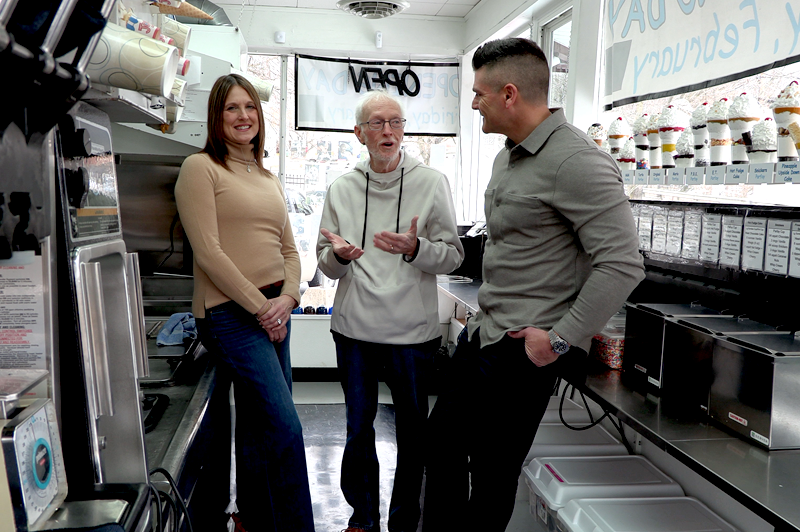
Luke and Mellissa Wiley are the new owners, buying from Terresa (Flint) Morgan and Rick Morgan who retired last Fall. The business has been at 611 West Loveland Avenue since 1972. The Morgan’s decided they would not sell unless they found buyers who would keep the business essentially unchanged, especially the menu and the Flint/Morgan traditions. The Dairy Whip is Located In Loveland’s West Loveland Historic just 4/10 tenths of a mile west of the Loveland Bike Trail.
Watch this LOVELAND MAGAZINE TV video as Luke and Mellissa talk about the happenstance of purchasing the Dairy Whip and the few things they will add that are sure to please many customers.



 by Julie Watson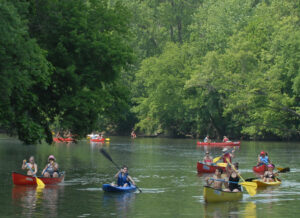
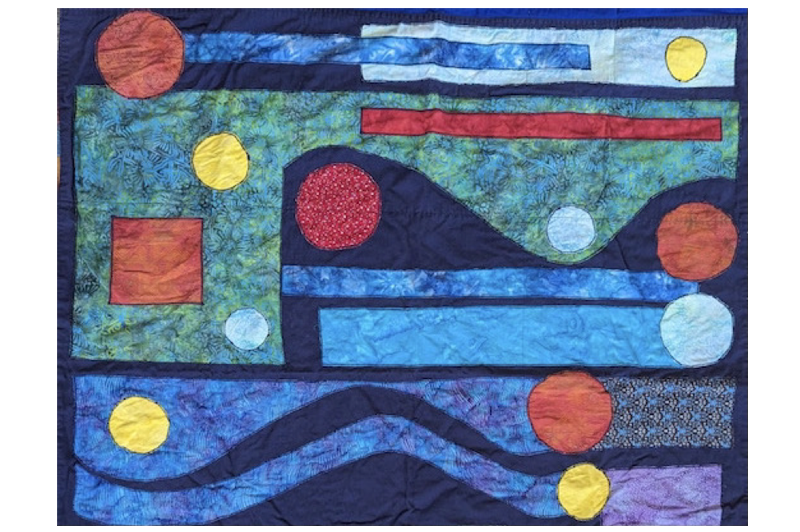
 Professionally, I am an artist and retired registered nurse. Although I have been an artist throughout my adult life, nursing came later.








 Luke and Mellissa Wiley are the new owners, buying from Terresa (Flint) Morgan and Rick Morgan who retired last Fall. The business has been at 611 West Loveland Avenue since 1972. The Morgan’s decided they would not sell unless they found buyers who would keep the business essentially unchanged, especially the menu and the Flint/Morgan traditions. The Dairy Whip is Located In Loveland’s West Loveland Historic just 4/10 tenths of a mile west of the Loveland Bike Trail.