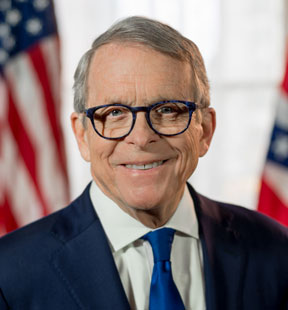
Ohio Governor Mike DeWine signed an executive order today authorizing the Ohio Board of Pharmacy to immediately classify nine synthetic opioids as Schedule I controlled substances, effectively banning their sale and use in the state.
These nine synthetic opioids are known as nitazenes. Initially developed decades ago as potential alternatives for morphine that were never approved for medical use, new nitazene compounds are increasingly being found in the illicit drug supply in Ohio.
These nitazenes are often more potent than other Schedule I opioids like heroin or fentanyl and present an elevated risk of negative outcomes caused by unintentional drug poisonings, including death.
“These are extremely dangerous substances being designed by clandestine chemists in an attempt to skirt the law while keeping them highly addictive,” said Governor DeWine. “My administration is doing everything in our power to rapidly detect and schedule these types of compounds to ensure that law enforcement has the tools they need to prosecute those who make and sell these potentially lethal substances to the fullest extent of the law.”
|
The emergency order was prompted by intelligence gathered as part of an early detection process developed by the Ohio Narcotics Intelligence Center (ONIC), in partnership with RecoveryOhio, the Ohio Board of Pharmacy, and a network of forensic toxicologists and chemists known as the Emerging Drug Scientific Working Group (EDSWG). The early detection process, which includes the proactive collection of reports from Ohio’s criminal justice system and forensic labs, allows ONIC to identify, analyze, and triage information on emerging drugs that are not controlled substances.
Frequently mixed with other controlled substances, including other opioids such as already scheduled nitazenes or fentanyl and stimulants such as cocaine or methamphetamine, each of these nine nitazene compounds have been identified by Ohio crime labs, confirming their presence in the state. Further evidence from the dark web compiled by ONIC demonstrates the availability and interest in nitazene compounds for illicit use.
Nitazene compounds are becoming increasingly involved in overdose deaths in Ohio. As recently as 2020, just three overdose deaths involving nitazene compounds were confirmed and reported to the Ohio Department of Health (ODH). However, a significant jump occurred in 2021 and 2022, which saw an average of 57 such deaths per year. Although 2023 data is not yet complete, ODH has recorded 77 nitazene-involved overdose deaths for the year – and this number only represents confirmed cases. Due to under reporting, the true number of overdose deaths involving nitazene compounds is expected to be much higher.
Synthetic opioids are the primary cause of deaths related to unintentional drug poisonings in the United States. Nitazene compounds contribute to those poisonings. In multiple unintentional drug poisonings, nitazenes have been the only compounds identified as a contributing factor.
The executive order suspends the normal rulemaking process to allow the Ohio Board of Pharmacy to immediately classify these nine nitazene compounds as Schedule I controlled substances, making the sale and trafficking of these compounds a criminal offense. For more information regarding this emergency action, visit Pharmacy.Ohio.gov/Nitazenes.
These nitazene compounds are the latest to be banned under the DeWine Administration. Armed with ONIC’s early detection intelligence, the Ohio Board of Pharmacy has now emergency scheduled a total of 17 nitazene compounds since 2020.
Additionally, last year, Governor DeWine signed an executive order to classify xylazine as a Schedule III controlled substance, making Ohio one of the first states in the nation to schedule xylazine as a controlled substance drug.
If you believe you or someone else is in immediate danger of a drug overdose, call 911 immediately.
Like other synthetic opioids, overdoses involving nitazene compounds can be reversed using naloxone.
Naloxone should always be administered anytime an overdose is suspected, even if the overdose is believed to be caused by nitazenes. Multiple doses of naloxone may be needed to reverse an overdose involving synthetic opioids.
For more information about obtaining free naloxone, visit: Naloxone.Ohio.gov.

 by Chris Ball





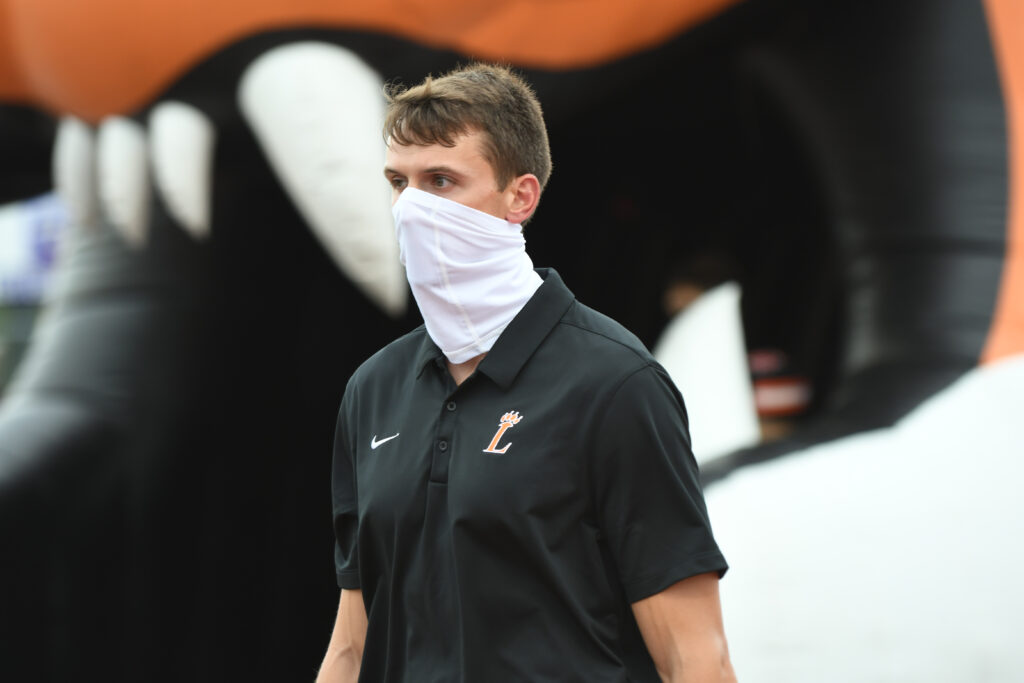
 While coaching searches are never easy, the opportunity to take the reins at a solid program like Loveland will no doubt attract very qualified candidates. Loveland athletic director Jayson Bruce has a great opportunity for to secure the future of this program by making a great hire, and this city looks forward to a new chapter in Loveland football history.


 After 15 years as a vendor at events with his paranormal maps, Hidden Ohio Map & Guide, and Map In Black, Jeff founded and organized the first Frogman Festival in 2023. The one-day event was held in Mason at Great Wolf Lodge. With 8 speakers and over 50 hand-picked vendors, as well as the first-ever Meta Zoo Tower Tournament, around 2000 people attended and participated in the event. The purpose of the Frogman Festival is to gather and celebrate the legend of the Frogman story as well as other strange and unusual stories in our region.