


Loveland, Ohio – The Austin Peay State University Govs open the season at the Grand Sands Tournament in Loveland, Ohio, where they face Tusculum and Morehead State on February 23rd and Liberty and Atlantic Sun Conference opponent Eastern Kentucky on February 24th. Read on at Clarksville Online…
Tag: ohio
-
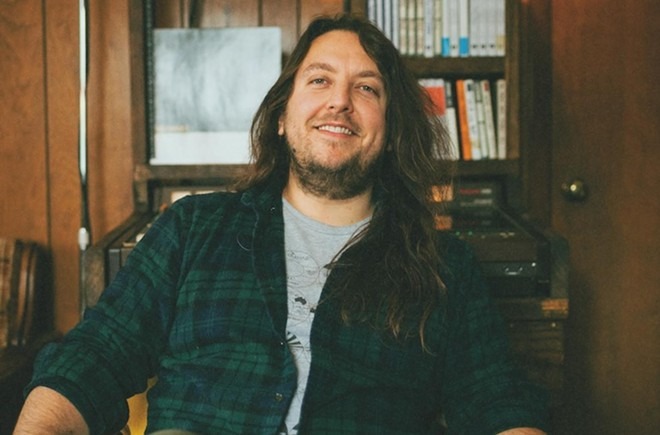
Terry Cole of Loveland based Colemine and Plaid Room Records featured in City Beat
Terry Cole of Colemine Records and Plaid Room Records Photo by Mitch LaGrow
“It’s a massive discovery tool for our artists. I wish the pay was more for sure,” Cole says. “But 2023 was the first year where our digital revenue was higher than our physical revenue. And that’s saying something because we sell a shitload of records. We sold 154,000 records last year, LPs, CDs and 45s. And we still generated more revenue digitally.”
Terry Cole of Colemine and Plaid Room Records, located in Historic Loveland, is featured in CityBeat’s January 24 print edition. Here is the story by City Beat’s Katie Griffith their arts and culture reporter.
On the Record: How Cincinnati’s Ever-Changing Music Landscape is Shaped by Independent Record Labels
ABOUT THE AUTHOR
-

Free beautiful conference room and meeting space space available
Promoted Post
Miami Township, Ohio – If you or your business are looking for a meeting space, call our office to check the availability of our beautiful conference rooms and book your meeting/class today!
Best part, it’s free!
~Multiple Conference Rooms with Smart TVs~Training Area with Smart TVs~Available Nights and Weekends~Lots of Parking We can’t wait to continue to serve our community!524 Wards Corner RoadLoveland, OH 45140513-697-SELL
 -

The Presidential, Senate, and Statewide candidates certified for Ohio’s March 19 primary ballot
Read Accessible Voting info below
Loveland, Ohio – Ohio Secretary of State Frank LaRose has announced that 18 candidates have been certified to appear on Ohio’s March 19 primary ballot.
Secretary LaRose also provided all county boards of elections with Directive 2024-2(opens in a new window) which includes the list of qualifying statewide candidates and the forms of the official ballots to be used in the primary election.
“The statewide ballot is officially certified for the March 19th primary election, and this now sets in motion the work that our county boards of elections need to do to prepare for the first ballots to go out to military and overseas voters in a little more than three weeks,” said LaRose. “We’re anticipating that 2024 will be another year of record turnout and broad public engagement in Ohio’s elections, and we’ll be ready to defend our reputation as the gold standard of elections nationwide.”
The validated candidate list includes:
Presidential
- Chris Christie (R)
- Ron DeSantis (R)
- Nikki R. Haley (R)
- Vivek Ramaswamy (R)
- Donald J. Trump (R)
- Joseph R. Biden (D)
- Dean Phillips (D)
US Senate
- Matt Dolan (R)
- Frank LaRose (R)
- Bernie Moreno (R)
- Sherrod Brown (D)
Supreme Court
(Full term commencing 1/1/2025)- Megan E. Shanahan (R)
- Michael P. Donnelly (D)
(Full term commencing 1/2/2025)
- Joseph T. Deters (R)
- Melody J. Stewart (D)
(Unexpired term ending 12/31/2026)
- Daniel R. Hawkins (R)
- Lisa Forbes (D)
- Terri Jamison (D)
The deadline to register to vote in the March primary is February 20, 2024. For more information on elections and how to register, go to VoteOhio.gov

Accessible Voting Options Learn More About Voter Registration
ONLINE VOTER REGISTRATION SYSTEM
VOTING SCHEDULE
CHECK YOUR VOTER REGISTRATION AND/OR FIND YOUR VOTING PRECINCT AND POLLING LOCATION
Learn more ABSENTEE VOTING
HOW TO REQUEST AN ABSENTEE BALLOT IN OHIO
-

Ohio launching $20 million, decade-long study to improve behavioral health outcomes
Getty Images illustration of therapy session.
The study seeks to better understand the root causes of mental illness, substance use disorders, and suicide.
This story is about suicide. If you or someone you know needs support now, call or text 988 or chat 988lifeline.org.
The state of Ohio is embarking on a decade-long study to better understand the root causes of mental illness, substance use disorders, and suicide.
The Ohio Department of Mental Health and Addiction Services is providing a $20 million grant to fund the State of Ohio Action for the Resiliency (SOAR) study, Ohio Gov. Mike DeWine announced during a press conference Friday.
“Currently, there’s a lot that we don’t know and the SOAR study is a huge step forward in advancing our understanding of mental health and substance use disorders,” said Ohio State University President Ted Carter. “This study will provide key data that will shape the future of mental health across Ohio and beyond.”
“There’s nobody that is not affected by this,” Carter said. “There’s somebody that you know in your family, your community, your neighborhood that is affected by this.”
The study will go for at least a decade with the hope it will continue for decades to come and will look at generations of families from all across Ohio who are affected by mental illness and substance abuse disorders, DeWine said. Funding for the SOAR study comes from the state’s two-year operating budget.
“We know mental illness and substance use disorders are preventable, treatable, and people can and do recover,” said Ohio Department of Mental Health and Addiction Services Director LeeAnne Cornyn.
The SOAR study has two main projects — the SOAR Wellness Discovery Survey and the SOAR Brain Health Study.
The wellness study will study as many as 15,000 people across Ohio’s 88 counties to learn how skills may help overcoming adversity. The brain health study will look at 3,600 Ohioan in families to help look at the biological, psychological, and social factors that help people handle adversity.
“There’s still an awful lot to know about mental health,” DeWine said. “And candidly, the research in this field has not been as robust as it has been in other areas. … It will give us a complete picture of each participant to uncover why, for example, two people in similar circumstances or with similar health have very, very different outcomes.”
Ohio State University will lead the study and is partnering with hospitals and universities around the state: Bowling Green State University, Central State University, Kent State University, Nationwide Children’s Hospital, Northeast Ohio Medical University, Case Western Reserve University, University Hospital in Cleveland, Ohio University, the University of Cincinnati, Cincinnati Children’s Hospital, University of Toledo and Wright State University.
The SOAR study will be led by Dr. Luan Phan, chair of the Department of Psychiatry and Behavioral Health at the Ohio State University College of Medicine.
“Our approach … is to identify the factors that can be modified to reduce risk and build resilience in the face of stress, trauma and adversity,” Phan said. “It’s important to identify what we don’t know — the root causes, the risks, the preventive factors of mental illness, to explain what, I feel, are fairly simple, but fundamental questions: who gets ill? Why did they get ill? How do they get ill? And when do they get ill?”
Researchers hope this study will do for mental health what the Framingham Heart Study has done for heart disease.
The Framingham Heart Study was initiated by the United State Public Health Service in 1948 to investigate the risk factors for cardiovascular disease. It has enrolled more than 15,000 study participants.
“Ohio represents a microcosm of our country,” Phan said. “What we learn here can be disseminated and scaled broadly. Other states will not only copy and adopt what we have done, they will be compelled to do so.”
Suicide and opioid overdose deaths
Nineteen Ohioans die prematurely every day from unintentional overdose and suicide, Phan said.
Opioid overdose deaths increased by more than 300% since 2010 in Ohio, said Dr. John Warner, CEO of Ohio State University Wexner Medical Center.
Suicide deaths in Ohio increased 8% to 1,766 deaths from 2020 to 2021 — meaning five Ohioans die by suicide every day, according to Ohio Department of Health’s Suicide Demographics and Trends 2021 report.
The 988 Suicide & Crisis Lifeline received 8,793 calls from Ohio area codes from July 2022 to May 2023, according to the Ohio Department of Mental Health and Addiction Services.
During that same time, there was an average of 2,014 texts and 2,007 chats per month to 988 from Ohio area codes.
Follow OCJ Reporter Megan Henry on X.

MEGAN HENRY
-
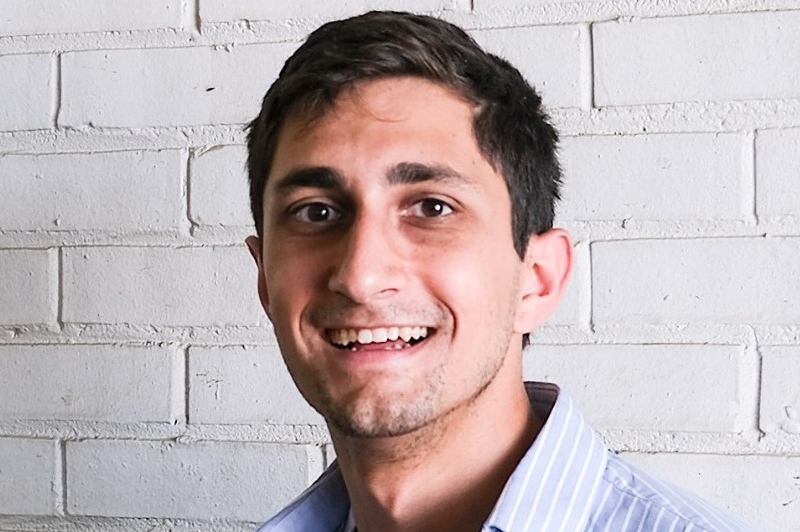
Ricky Mulvey interviews Pixar Co-Founder about AI and Storytelling
Ricky Mulvey is a former reporter, talking head, and on-air personality for Loveland Magazine

Read about Ed Catmull in Wikipedia (Cody Glenn / SPORTSFILE / Web Summit) Ricky Mulvey and Motley Fool Money caught up with Ed Catmull to talk about AI and Storytelling.
“Ed Catmull is a computer scientist – and a force of creativity. He helped bring to life beloved, generation-defining movies like Toy Story, Finding Nemo, Ratatouille, and more.”
• Being in the “business of exponential change”
• AI’s potential upheaval of the animation industry
• How technology and story advance each other
Host: Ricky Mulvey
Guest: Ed Catmull
Producer: Mary Long
Engineer: Rick Engdahl____________
Ricky Mulvey reports from Obama rally
This LOVELAND MAGAZINE HD VIDEO is from 11 years ago on September 17, 2012, at a campaign rally held in Seasongood Pavilion of Cincinnati’s Eden Park by President Barak Obama.
Ricky Mulvey reports from the rally and conducted interviews with Loveland area residents and an interview with former U. S. Sixth Court District Judge Nathaniel Jones.
-

Ohio transgender adults speak against proposed administrative rules that would change health care
Getty Images
The rules would collect data on transgender medical care and modify the treatment of those with gender dysphoria, requiring medical consent from a psychiatrist, an endocrinologist and a bioethicist before moving forward with treatment.
Ohio transgender adults are deeply concerned Gov. Mike DeWine’s proposed administrative rules would make it harder for them to access gender-affirming care.
DeWine announced two proposed rules earlier this month that would collect data on transgender medical care and modify the treatment of those with gender dysphoria, including requiring patients under 21 undergo six months of counseling before receiving more treatment.
“Anytime the government is telling its citizens what they can and cannot do with their own bodies, it sets a very, very, very dangerous precedent,” said Vincent-Natasha Gay, a transgender adult who lives in central Ohio.
The rules are just proposals at this point and have not gone into effect. Ohioans still have time to submit comments regarding the proposed rules.
“They need to not be implemented,” said Lis Regula, a transgender man living in Columbus. “It would make us the worst state in the entire nation for adults and children who want to obtain gender-affirming care.”
A major issue Terry Brown has with the administrative rules is that they deal with adults.
“You’re talking about restricting people who are classified as adults in the eyes of the law,” Brown, a trans man, said.
The Ohio Senate Democratic Caucus recently sent a letter to DeWine expressing their concerns about how the proposed rules could get in the way of adults accessing gender-affirming care.
“While these rules may have been drafted with the intention of taking a more pragmatic approach than the legislature, in reality, this proposal could make it more difficult for trans Ohioans to receive the life-saving medical care that they need,” the letter said. “The proposed rules go even further than House Bill 68 by interfering with the lives and medical care of both trans children and trans adults.”
House Bill 68 would ban gender-affirming care for trans youth. DeWine vetoed HB 68, but the House voted to override his veto last week. The Senate will vote to override the veto on Wednesday next week.
One of the proposed administrative rules would require obtaining medical consent from a psychiatrist, an endocrinologist, and a bioethicist before moving forward with treatment.
DeWine’s spokesperson Dan Tierney said this rule would only apply to people who start receiving treatment after the rule takes effect.
“It’s the Department of Health’s intention that it applies to treatment that starts moving forward after the enactment of the rule,” Tierney said. “That’s the way House Bill 68 was written. We intend this to be consistent with that.”
Lawmakers added a grandfather clause to HB 86 that would allow doctors who already started treatment on patients to continue.
But transgender adults argue the language of the proposed rules is vague and ambiguous.

Getty Images. “I feel like that was not very clear at all,” Brown said. “Because of that vagueness, we really still don’t know how it’s going to be applied.”
This just leaves Regula with more questions about continuing care.
“That doesn’t address if someone has to put a pause on things for some reason if they’re going to be able to get back to their treatment,” Regula said.
Vincent-Natasha Gay is currently receiving gender-affirming care and would be considered grandfathered in under the proposed administrative rules.
“But that shouldn’t matter,” Gay said. “There are so many people out there who are trans and just don’t know they’re trans yet, or are in the closet and hiding because they’re afraid for their life. And my goodness, with these proposed rule changes, that’s just going to make that even worse.”
Health experts say it would be harmful if someone who’s already receiving treatment abruptly stopped, Tierney said.
“That could have some negative health consequences,” he said. “That’s certainly not the intent for anything along those lines.”
Instead, Tierney said these rules are meant to prohibit health care providers from giving treatment without consultation.
“Most of the providers are doing this in the comprehensive, multidisciplinary way, anyways, so they would likely be in compliance with the rule,” he said.
The proposed rule doesn’t mean people have to sit down with a psychiatrist, an endocrinologist, and a bioethicist, Tierney said
“The bioethicist helps develop how each facility is going to deal with cases of how the treatments occur at that particular facility,” he said. “At the very least, mental health care is generally provided by the psychiatrist, not the endocrinologist, and endocrinology is generally provided by the endocrinologist, not by the psychiatrist.”
But Ares Page is concerned about adding people to the medical team that might not have proper training in treating transgender patients.
“I don’t see where that’s going to be safe, and where that’s going to help us improve our safety,” said Page, a transgender adult living in Akron.
Page is also worried how much extra it will cost to add these specialists to a person’s medical team.
“Some people’s insurance companies may not allow them, or approve them for these specialists,” Page said.
Ohioans have until 5 p.m. Friday to give feedback on the proposed transition care rule by emailing out to MH-SOT-rules@mha.ohio.gov with the subject line, “Comments on Gender Transition Care Rules.”
Data Collection
The second proposed administrative rule would require data collection around gender-affirming care, including requiring a health care provider to report non-identifying treatment for “gender-reassignment surgery, gender-transition services, genital gender reassignment surgery,” according to the proposed administrative rules.
Under the proposed administrative rules, the Ohio Department of Health would share the aggregate data collected with Ohio lawmakers starting Jan. 31, 2025.
But many transgender adults question why the data collection is necessary.
“You can assign a code … But there always has to be a place where my name goes back to the code,” Brown said. “That is a problem.”
Having a common data set on medical treatment will help people make an informed decision, Tierney said, who explained ODH collects data on things like pediatric flu deaths, food poisoning and abortion.
“It’s all de-identified, it’s all aggregate,” Tierney said. “There’s really no way you could identify any patient from the data.”
But people are concerned it would be hard to have the data be completely anonymous, especially for folks who live in a small community.
“If it’s a matter of three (trans) people in a community and a doctor’s office or hospital system is treating all three of those people, how do you really anonymize three folks?” Regula said.
Feedback for the data collection proposal must be sent to ODHrules@odh.ohio.gov by Feb. 5.
Despite these proposed rules and ongoing legislation targeting trans youth, most people interviewed for this story say they would like to stay in Ohio if they can.
“This is my home,” Regula said. “I’m an Ohio boy born and bred. I was raised here, my family is here. … I can’t imagine leaving home … I also want to be able to make sure that my daughter and I have the medical care that we need.”
But Page has contemplated leaving the country altogether.
“(The government) has no right to tell me what to do with my body,” Page said.
Follow OCJ Reporter Megan Henry on X.
MEGAN HENRY
-

Ohio EMS, American Red Cross Call on Ohioans to Donate Blood Due to Critical Shortage
Loveland, Ohio -The State Board of Emergency Medical, Fire, and Transportation Services (EMFTS) has joined the American Red Cross to alert Ohioans about a critical need for blood donations. According to the Red Cross, the blood supply has fallen to dangerously low levels across the country, and the nation is seeing the lowest number of people giving blood in 20 years.
“I encourage those who can give blood to answer this call,” said Governor DeWine. “Those who donate will make an immediate impact on those who are in urgent need of blood.”
Donors of all blood types, especially type O blood donors and platelet donors, are urgently needed now to ensure patients at hospitals across the country continue to receive critical medical care. Type O negative red cells can be given to any patient of any blood type, but only 7% of Americans are type O negative, it is often in great demand and in short supply.
“With this significant shortage, the great concern is that some patients may not be able to receive life-saving infusions of blood and blood products,” said Ohio Division of EMS Executive Director Rob Wagoner. “This affects not only emergency medical situations, but can also put other necessary medical procedures on hold.”
The Red Cross says so far this month, winter weather has forced the cancellation of more than 370 blood drives nationwide.
“Don’t wait,” said Cory Paul, Executive Director of the Greater Columbus Chapter of the American Red Cross. “Every day, blood donors help accident victims, surgery and organ transplant patients, and those battling cancer and there is no greater feeling knowing your donation can help save lives.”
You can make an appointment to donate blood by going to www.redcrossblood.org or by calling 1-800 REDCROSS.
 Every five minutes, someone in the Tri-State area needs blood.
Hoxworth Blood Center is appealing to you as we are in the midst of a national blood shortage brought on by the outbreak of COVID19 (coronavirus). We need all eligible blood donors to schedule a donation at their earliest convenience. As a reminder, blood donation is a safe, sterile process and there is no risk of contracting the virus by donating blood.
 The NEW Premier Donor Club Rewards program was officially launched on January 1, 2024! Earn and track your Premier Donor Club (PDC) points effortlessly through your donor portal.
Plus, enjoy the freedom to self-redeem your chosen rewards at our brand-new online Premier Donor Club rewards store! Learn more at https://bit.ly/3GYC5Mv.We’re rocking the celebration for Blood Donor Awareness Month! Get a super comfy Hoxworth winter fleece jacket when you donate January 1-31. It’s the ultimate cold-weather essential.Winter Fleece
 Available at any of our 7 neighborhood donor centers or select mobile drives, while supplies last. Schedule your donation today at https://bit.ly/41FBOr4 or call 513-451-0910.
 -

Tahona closes today for the winter season
The Tahona restaurant in Blue Ash’s Summit Park (Loveland Magazine file photo)
Loveland, Ohio – The Tahona taqueria and tequila bar located in historic downtown Loveland will temporarily close its doors, taking a Winter hiatus. The last day of service is Saturday, January 20. During the hiatus, they encourage you to visit their Blue Ash location in Summit Park, open Tuesday-Saturday for dine-in service and carryout. You can find more information about the Blue Ash location HERE.
The Loveland staff members are being offered temporary positions at other restaurant locations.
-
Where you can buy the new 2024 Valentine Card and more Valentine 411
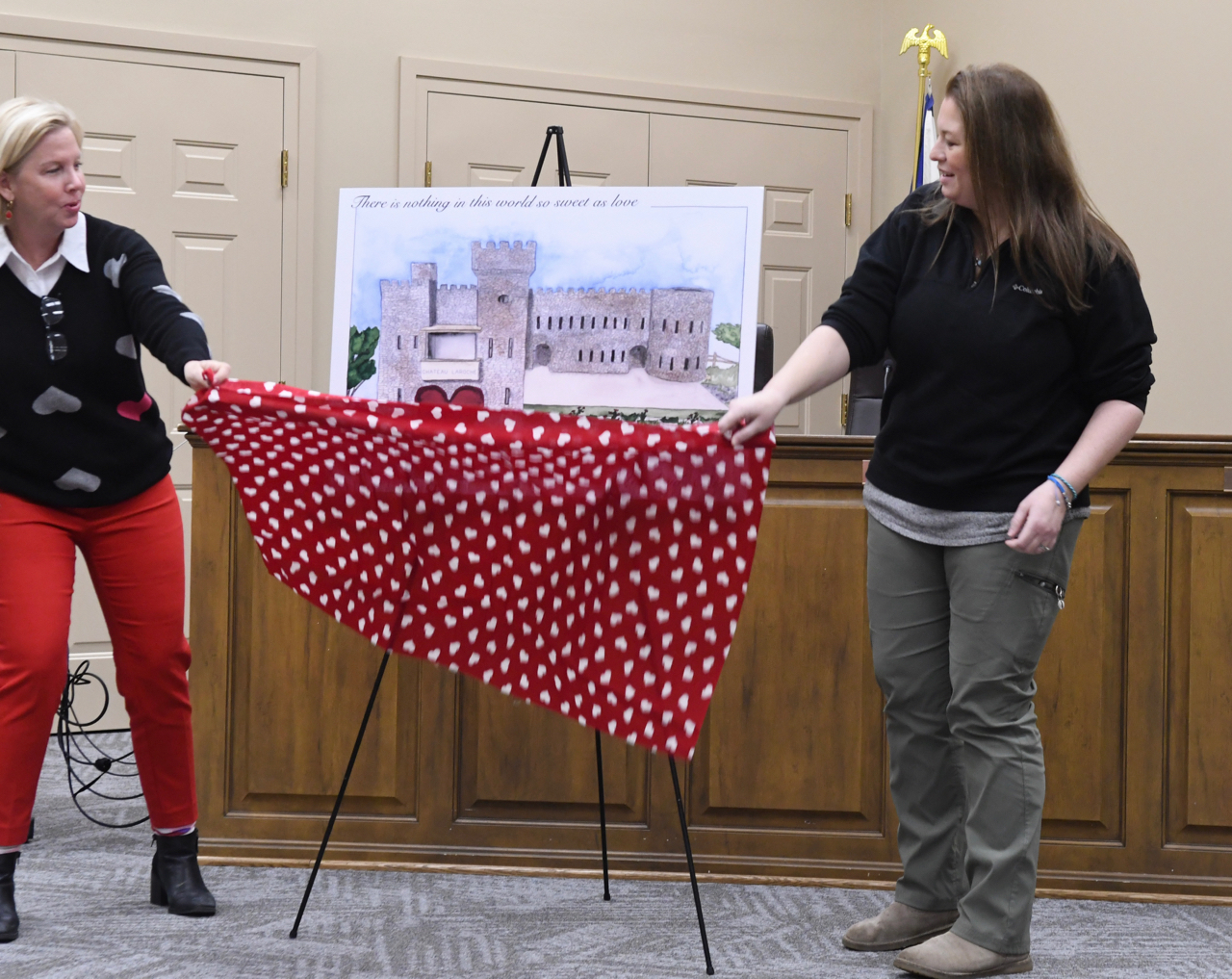
In the photo above is CeeCee Collins the President of the Little Miami River Chamber Alliance and Lauren Connolly revealing Lauren’s winning design at a recent event at City Hall. (Photo by David Miller/Loveland Magazine © 2024)
Loveland, Ohio – The 2014 Loveland Valentine Card was designed by Loveland artist Lauren Connolly and for the first time represents the world famous Loveland Castle, Chateau Laroche. (Read more about the castle HERE and HERE.)
The Valentine Program began in 1972 and has grown over the years to include a variety of Valentine community activities, as well as our nationally-known cachet stamping and postmark program.
Cards are out and about around town at the following locations:
- Fleurish
- Lemons and Limes
- Trailside Provisions
- Alley Boutique
- Better Blends
- Mile 42 Coffee
- Hometown Cafe
- Bike Trail Books
- Whistle Stop Clay Works
- City Hall
- Union Savings Bank
- Graeters
- Pet Wants
- and Kroger (soon).
The pricing is $2 each or 3 for $5. The Valentine Ladies will be stamping the cards with Loveland’s unique cachet at the Loveland Post Office from Feb 1st through February 12th, 10 AM until 4 PM on weekdays and until 2 PM on Saturdays.About artist Lauren Connolly

Wildlife Photography, Painting, & Nature Journaling
Wildlife education through visual arts
Creating ways to connect to something wild!
“My passion is for conservation, and my mission is to create ways to use wildlife in visual arts to spark a desire in people to get outside and connect with the natural world.”
Maritime Studies Degree & Certified Remote Pilot (JL Aerial Views)
PADI S.C.U.B.A. Instructor & OH Certified Volunteer Naturalist
Pet Portrait Watercolor Artist & Explorer (WildDevelopments. Etsy.com)
Read more about Lauren’s adventurous life…

For inquiries into my work or my availability, please use the form to contact me. I thank you for your interest, and I will do my best to get back to you soon!
Email: Lauren@JLAerialViews.com
 Welcome to Wild Developments, a unique podcast inviting you on a profound journey connecting nature, art, and storytelling. Inspired by transformative experiences and a deep appreciation for the outdoors, our founder shares a personal story that led to a departure from a corporate career and a rekindled passion for visual arts. Amid the challenges of the pandemic, nature became a sanctuary, fostering connections through routine nature journaling, photography, and watercolor paintings. The podcast emerges as a bridge to unite people through the power of narrative, encouraging listeners to share their unique stories. In this collective journey toward healing and connection, Wild Developments inspires individuals to venture outside and embrace the transformative forces of nature.
___________________
How to send your Valentine for cachet stamping with the Loveland, Ohio postmark

Valentine Lady Linda Cox stamping Valentine Cards at the Loveland Post office. (Chamber Photo) All valentines are hand-stamped with Loveland’s unique cachet, which is modeled after the year’s winning card, and then hand-cancelled with a special Loveland, Ohio postmark.
Each year, The ladies re-mail thousands of cards to all 50 states and many foreign countries. They also stamp wedding invitations throughout the year.
MAIL IN YOUR VALENTINE
In a larger envelope send your prepared cards with the proper postage attached, the addressee, and your return address and they will add the romantic cachet stamp and the Loveland postmark.Mail to:
The Valentine Lady
Little Miami River Chamber Alliance
113 Karl Brown Way, Second Floor
Loveland, OH 45140DEADLINE TO MAIL:
ALL CARDS MUST BE RECEIVED NO LATER THAN FEBRUARY 11th to be mailed in time for Valentine’s Day.
DROP OFF YOUR VALENTINES
If you’d like to personally drop off your Valentine cards for stamping, take them to the Post Office during the hours above or at the Chamber office at 514 West Loveland Avenue in the West Loveland Historic District next to Union Savings Bank. The phone number is: (513) 683-1544___________________
 Valentine BreakfastFeb 98:30 AM – 10 AMJoin the Little Miami River Chamber Alliance along with the Loveland area business community & residents for our 2024 Valentine’s Day Breakfast Event at the Oasis Conference Center!
Join us as we honor and recognize our 2024:
-Valentine Lady
-Valentine Card Designer
-Poetry Contest Winners
-Valentino Coloring Contest WinnersThere will be special entertainment and a full, hot breakfast! Come and see why everyone “Loves” Loveland, OH!
BUY TICKETS
__________
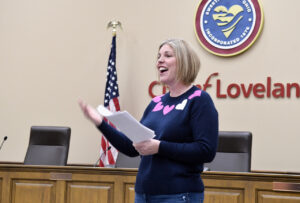 [Photo Album] “Ladies” kick off Loveland Valentine’s season
 Interview with Becky Giver the 2024 Loveland Ohio Valentine Lady
__________

Valentine’s Season is upon us in the Land of LOVE!
Parents: Need an activity for the long, cold weekend ahead? Check out our Valentino coloring contest and our poetry contest for all ages!
Poetry: https://lmrchamberalliance.org/…/valentine-poetry-contest/
