Month: April 2025

  • BCI Recovers More Than $35,000 in Stolen Bitcoin for Hamilton County Victim

    BCI Recovers More Than $35,000 in Stolen Bitcoin for Hamilton County Victim

    AI Image by Gemini

    Hamilton County, Ohio – A special unit within the Ohio Bureau of Criminal Investigation recently returned more than $35,000 to a Cincinnati-area woman who fell victim to a cryptocurrency scam, Attorney General Dave Yost and Delhi Township Police Chief Jeff Braun announced Friday.

    “This case illustrates the elaborate traps that crypto criminals use to scam their victims,” Yost said. “Thankfully, because the victim notified authorities quickly, BCI was able to recover most of the stolen money.”

    In August 2024, a 73-year-old Delhi Township woman received a pop-up message on her laptop saying the device had been hacked. The woman called a phone number she believed to be a Microsoft hotline and spoke to the scammer, who instructed her to withdraw money and convert it to Bitcoin to fix her computer. In all, the scammer convinced the woman to send $41,750 in multiple transactions via a Bitcoin ATM.

    After realizing this was a scam, the woman notified the Delhi Township Police Department, which requested the assistance of BCI’s Electronic Financial Investigations unit. BCI successfully traced the funds and placed a freeze on additional transfers to the scammer.

    Through search warrants and a court order, BCI ultimately recovered most of the stolen money, returning $35,600 to the victim this week.

  • Bengals and Hamilton County seek $350M from Ohio for Paycor Stadium renovations

    Bengals and Hamilton County seek $350M from Ohio for Paycor Stadium renovations

    A preliminary rendering of new club suites and scoreboard in Paycor Stadium’s North end zone (Provided by Hamilton County)

    91.7 WVXU | By Zack Carreon

    The Cincinnati Bengals and Hamilton County are requesting $350 million from the state of Ohio to fund renovations to Paycor Stadium.

    The proposed renovation plan totals $830 million, which the county says is about a third of the cost of a new NFL stadium. It would include stadium-wide improvements to accessibility infrastructure and enhance Paycor’s canopy and roofing systems, along with the addition of new club-level suites, expanded lounges, standing-room patios, and an improved scoreboard in the north end zone.

    Read on at WVXU…


  • Hunger assistance, student meal support, take hits in final Ohio House budget draft

    Hunger assistance, student meal support, take hits in final Ohio House budget draft

    By:  Ohio Capital Journal

    Anti-hunger advocates saw a mixed bag with the final Ohio House version of the state budget, and they’re hoping to claw back some losses via the Senate’s draft.

    The House’s budget was approved by the chamber on Wednesday with only five Republicans voting against it.

    It maintained some reductions to a children’s hunger initiative, and gave food banks across the state only “core funding,” without an increase that they say they need as the number of people asking for food continues to increase. And federal food assistance through the Supplemental Nutrition Assistance Program (SNAP) often doesn’t cover the needs of Ohio residents.

    The final House budget draft still includes SNAP work requirements and regulations, some of which were in Gov. Mike DeWine’s executive budget, and some were added by the House.

    GET THE MORNING HEADLINES.


    The Children’s Hunger Alliance will still fight against cuts to its programs as the budget moves to the Senate. DeWine’s proposal asked for $3.75 million each year in federal Temporary Assistance for Needy Families (TANF) funds to be given to the alliance. The House reduced that amount to $2.5 million.

    The cut could cause major problems for children in Ohio who need the help, according to the alliance. They include 2.8 million fewer meals and a doubling of the number of schools on a waitlist to join the program.

    The hunger alliance’s president and CEO, Michelle Brown, said Columbiana and Athens counties would lose 150,000 meals in an Appalachian region that sees significant food insecurity already.

    “We are urging the Senate to honor their commitment to children and by increasing CHA’s funding by $2.5 million over the biennium, to restore flat funding as proposed by the governor,” the alliance said in a statement after the House budget was passed.

    The Hunger Network in Ohio criticized not only the hunger program cuts, but also cuts to the Fair School Funding Plan and the Housing Trust Fund. The network pressed the Senate to “adopt fiscally responsible investments to create a stronger Ohio that prioritizes Ohio neighbors who are struggling to make ends meet.”

    The House-passed version of the bill didn’t include a provision of DeWine’s budget that would have provided free breakfast or lunch to school districts that participate in federal school meal programs and have a student population with at least 25% eligible for free or reduced-priced meals.

    The measure removed from the budget by the House used the federal Community Eligibility Provision, something that also could be up for cuts on the federal end. The provision allows schools to participate based on the percentage of students in a school district who participate in other assistance programs like SNAP and TANF. Currently, schools are eligible if they have up to 40% participation in such programs.

    Earlier this year, a congressional committee proposed changing the eligibility level for the provision. It would raise the participation percentage to 60%, a change that hunger relief advocates said could impact more than 280,000 Ohio children, and millions nationwide.

    The House budget did retain DeWine’s language on the state’s school meal programs. It would reimburse districts to allow those eligible for reduced-priced meals to receive them for free. The previous state operating budget included $4 million for that purpose.

    For the Ohio Association of Foodbanks, an earmark from TANF dollars of up to $24.5 million a year made it from the governor’s budget proposal to the House’s draft. The association is expected to use the money for food distribution, summer meal programs, SNAP outreach and even free tax filing services, according to budget documents. The provision also mentions “capacity building” equipment as part of the earmarked funding.

    But the group still sees the need to fight for more on the Senate side, especially amid increasing demand and potential cuts to federal food assistance. The U.S. House passed a budget on Thursday, with funding cuts that could number in the trillions. They could include at least $880 billion in programs such as the SNAP program.

    The Center on Budget and Policy Priorities stated at least $230 billion in federal cuts have been proposed through 2034 from the U.S. House Agriculture Committee, overseers the SNAP program, and reductions could come “largely or entirely” from SNAP.

    Data from the Ohio Department of Job and Family Services noted nearly 1.5 million SNAP recipients in the state as of last month.

    The association’s executive director, Joree Novotny, said the group plans to ask the Senate to add $4.93 million per fiscal year to help offset rising food costs and allow the food banks to continue to source food locally.

    “Since 2020, food prices have surged by nearly 24%, meaning the same level of funding buys significantly less, both in consumers’ grocery carts and in our own purchasing power as a statewide hunger relief network,” Novotny said in a statement. “…With modest additional support, Ohio’s foodbanks will continue to stretch every dollar to maintain access to healthy foods when seniors and working families are forced to turn to us for help.”

    YOU MAKE OUR WORK POSSIBLE.

    _______________
    Susan Tebben
    Susan Tebben

    Susan Tebben is an award-winning journalist with a decade of experience covering Ohio news, including courts and crime, Appalachian social issues, government, education, diversity and culture. She has worked for The Newark Advocate, The Glasgow (KY) Daily Times, The Athens Messenger, and WOUB Public Media. She has also had work featured on National Public Radio.

    Ohio Capital Journal is part of States Newsroom, the nation’s largest state-focused nonprofit news organization.

    MORE FROM AUTHOR

  • Understanding Disability Benefits Support in Ohio

    Understanding Disability Benefits Support in Ohio

    April marks Social Security Awareness Month, a time to consider the resources available for individuals applying for Social Security disability benefits in Ohio. The Division of Disability Determination (DDD) at Opportunities for Ohioans with Disabilities (OOD) is vital in supporting Ohioans by assessing their eligibility for Social Security Disability Insurance and Supplemental Security Income.

    In the past year alone, they served over 158,000 Ohioans, ensuring that those who qualify receive the vital support they need. The team collaborates with the Social Security Administration to assess and process applications.

    Want to learn more about how they can assist you or your loved ones? Watch our video about the disability determination process.

  • John “Sawyer” Blackledge awarded Emergency Services Scholarship

    John “Sawyer” Blackledge awarded Emergency Services Scholarship

    Provided Photo

    Loveland, Ohio – The Loveland Police Officers Association and the Loveland Citizens Police Academy Alumni Association have awarded their Emergency Services Scholarship to John “Sawyer” Blackledge. Sawyer is a senior at Loveland High School who plans to study criminal justice at the University of Cincinnati and become a police officer.

  • Miss Lynn the 2025 Valentine Lady gave us a wooden heart

    Miss Lynn the 2025 Valentine Lady gave us a wooden heart

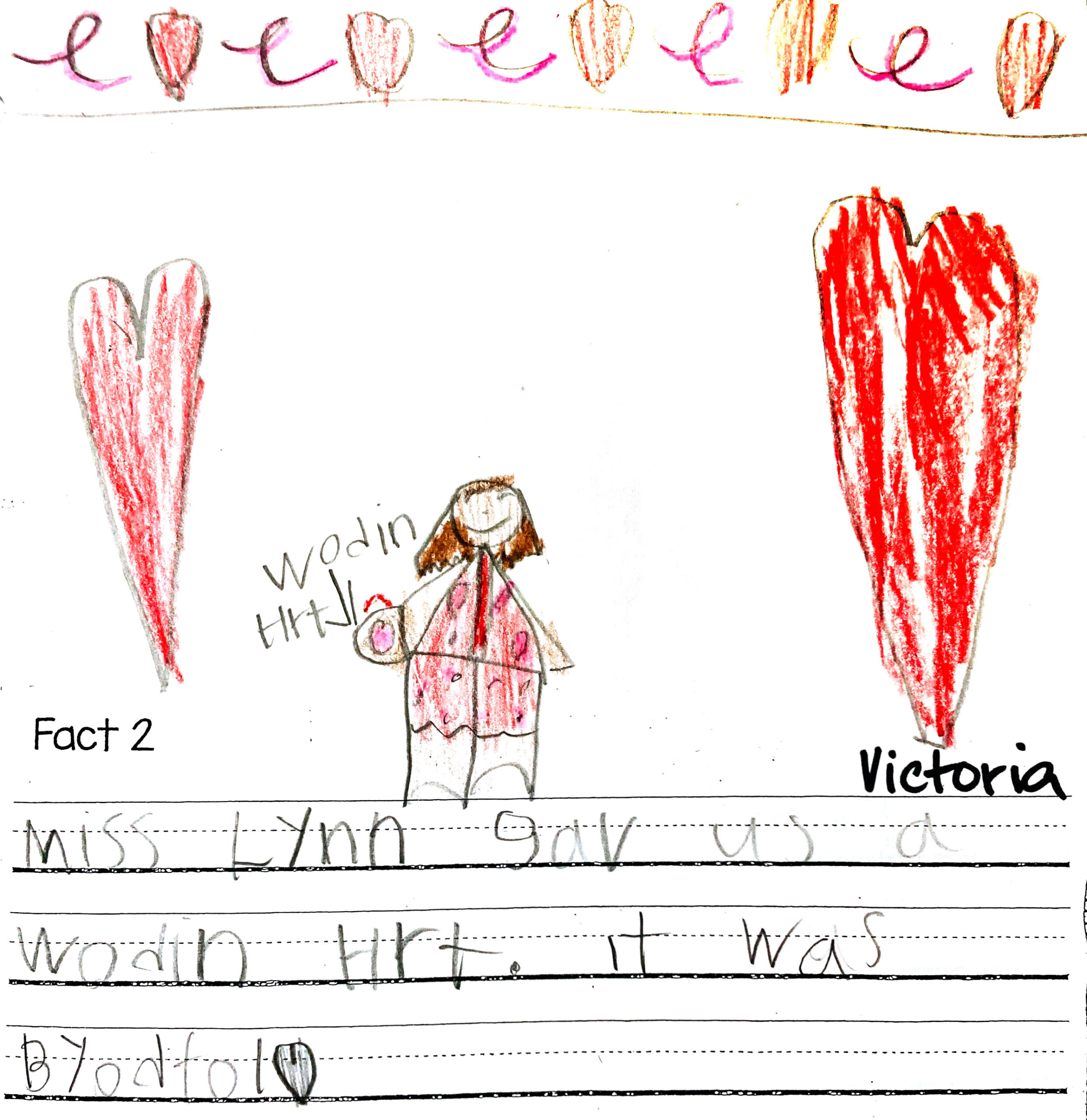
    A crayon drawing of Lynn Oury the 2025 Loveland Valentine Lady by 1-grader Evelyn

    _________

    Jennifer Miller has taught in the Loveland Schools for 27-years.

    by Jennifer Miller

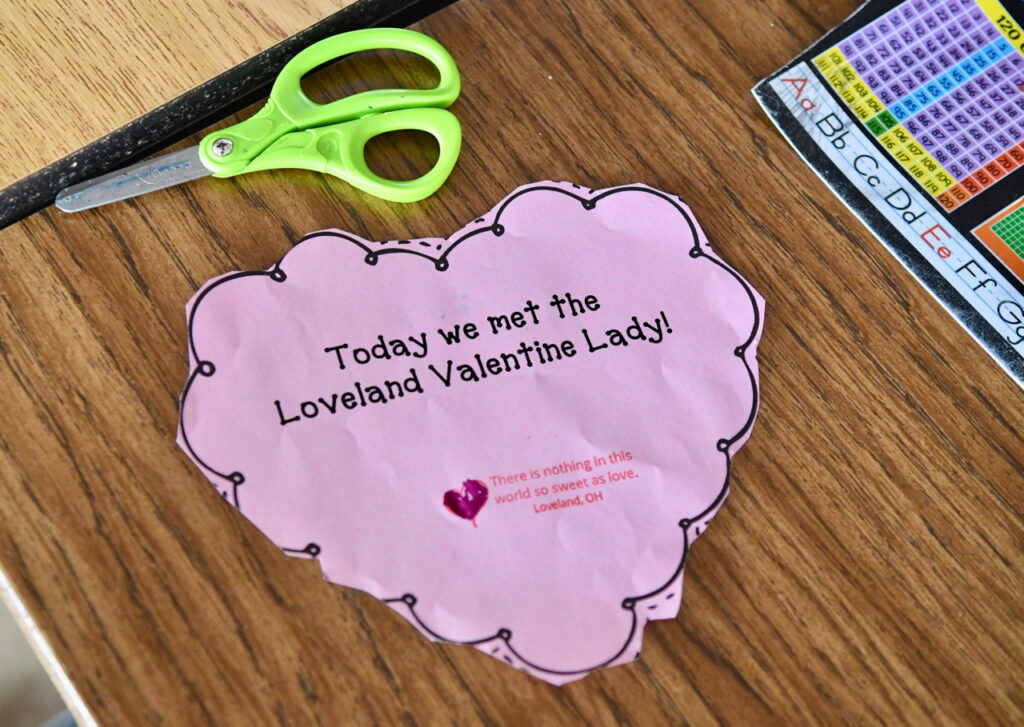
    Loveland, OhioLynn Oury, The 2025 Loveland Valentine Lady, visited my 1st-grade classroom on February 27th. The Valentine Lady visit is always exciting and something that my students look forward to. My students love meeting someone from their Loveland Community and why Valentine’s Day is so special in Loveland. This year proved no different and perhaps was a little more anticipated as Lynn is also known as Miss Lynn, the preschool teacher!

    I have known Lynn for about twenty years. I have known her as a beloved colleague and as a mom when my own daughter had her for two years in preschool almost seventeen years ago. To say that I was excited about this year’s Valentine Lady was an understatement. I knew Lynn’s visit to my classroom would be an experience that my students wouldn’t forget and I was right. 

    Miss Lynn came to our classroom that morning dressed the part in a cheery Valentine sweater and she also had some props. She talked

    The wooden heart that Miss Lynn gave us now hangs in my classroom. It was made by Lynn’s husband Neal.

    about Loveland, friendships and caring for one another. She captured our attention as she retold a chapter from Frog and Toad are Friends. She taught us some sign language as she told the story and also used several buttons as props as she retold the endearing story of Toad looking for his button with Frog. 

    She ended her time with us by presenting us with a wooden heart ornament that her husband had made for us. It now hangs in our classroom as a reminder to be kind to one another. She stamped a special Valentine for each of us to either keep or to give to someone special.

    Miss Lynn with two of her former students, Oliver and Hunter.

    We said our goodbyes and took a few photos with Miss Lynn before she was on her way to another classroom. Hunter and Oliver had a special picture taken with her as they were members of her last preschool school class before she retired. 

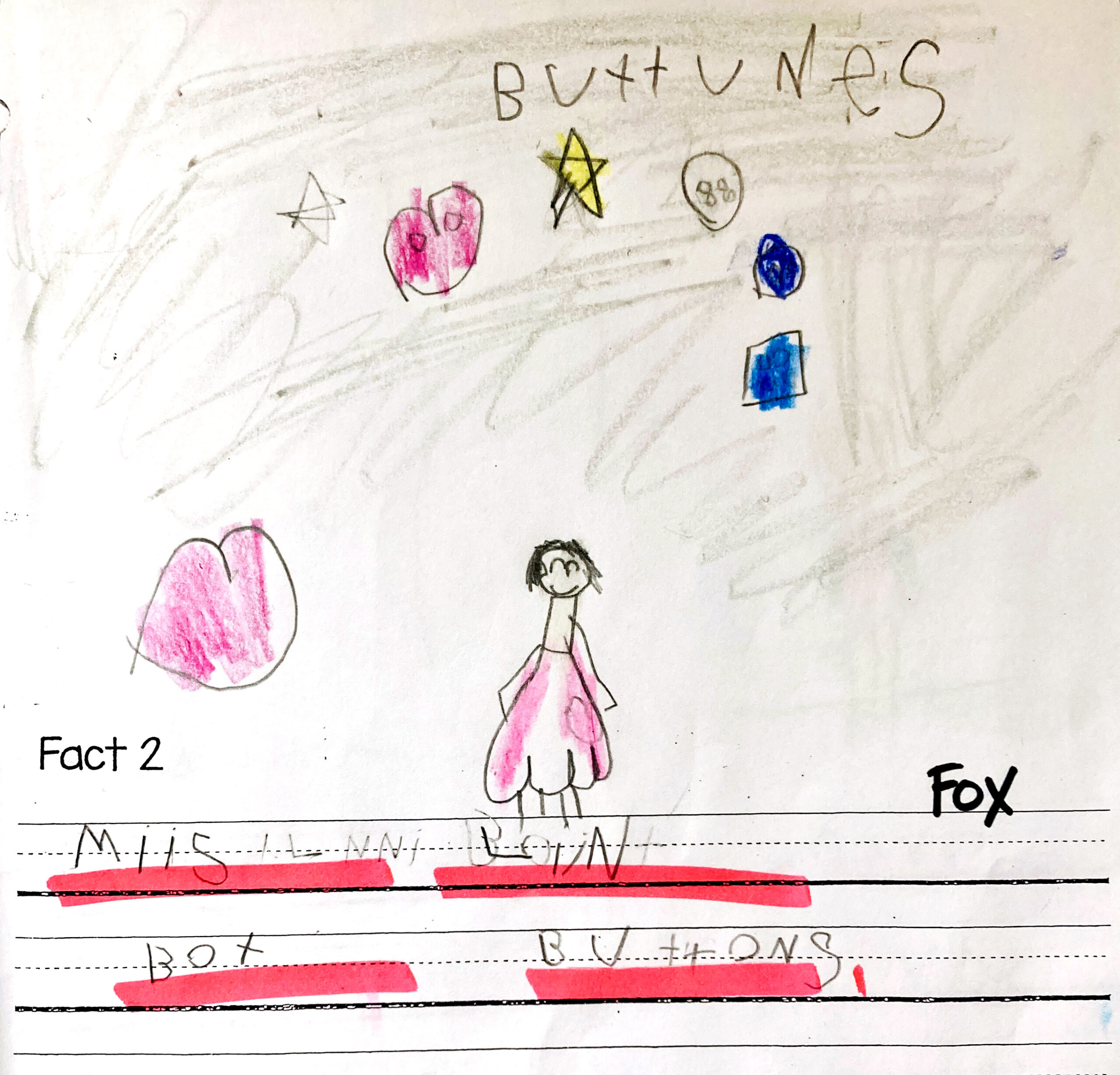
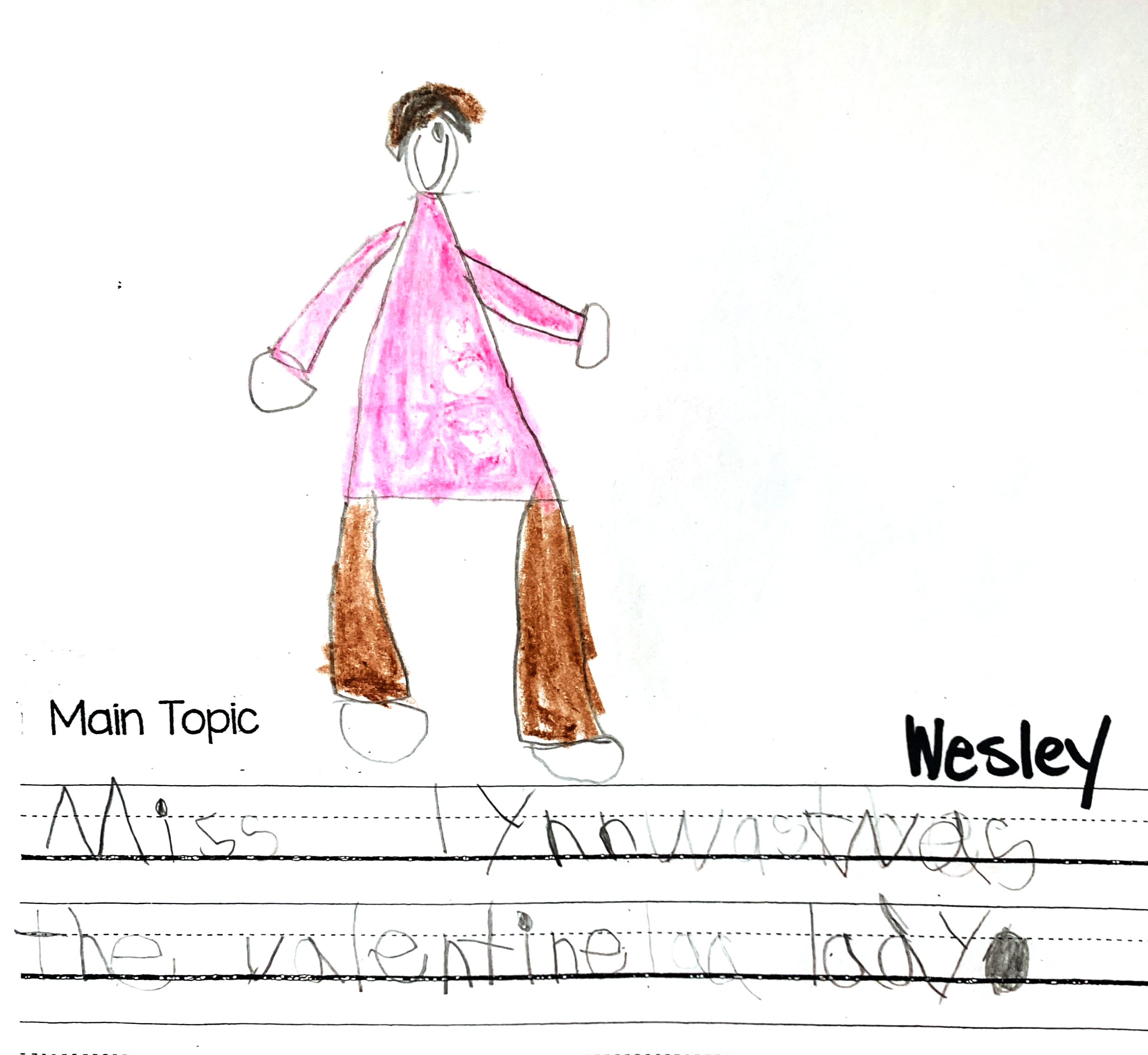
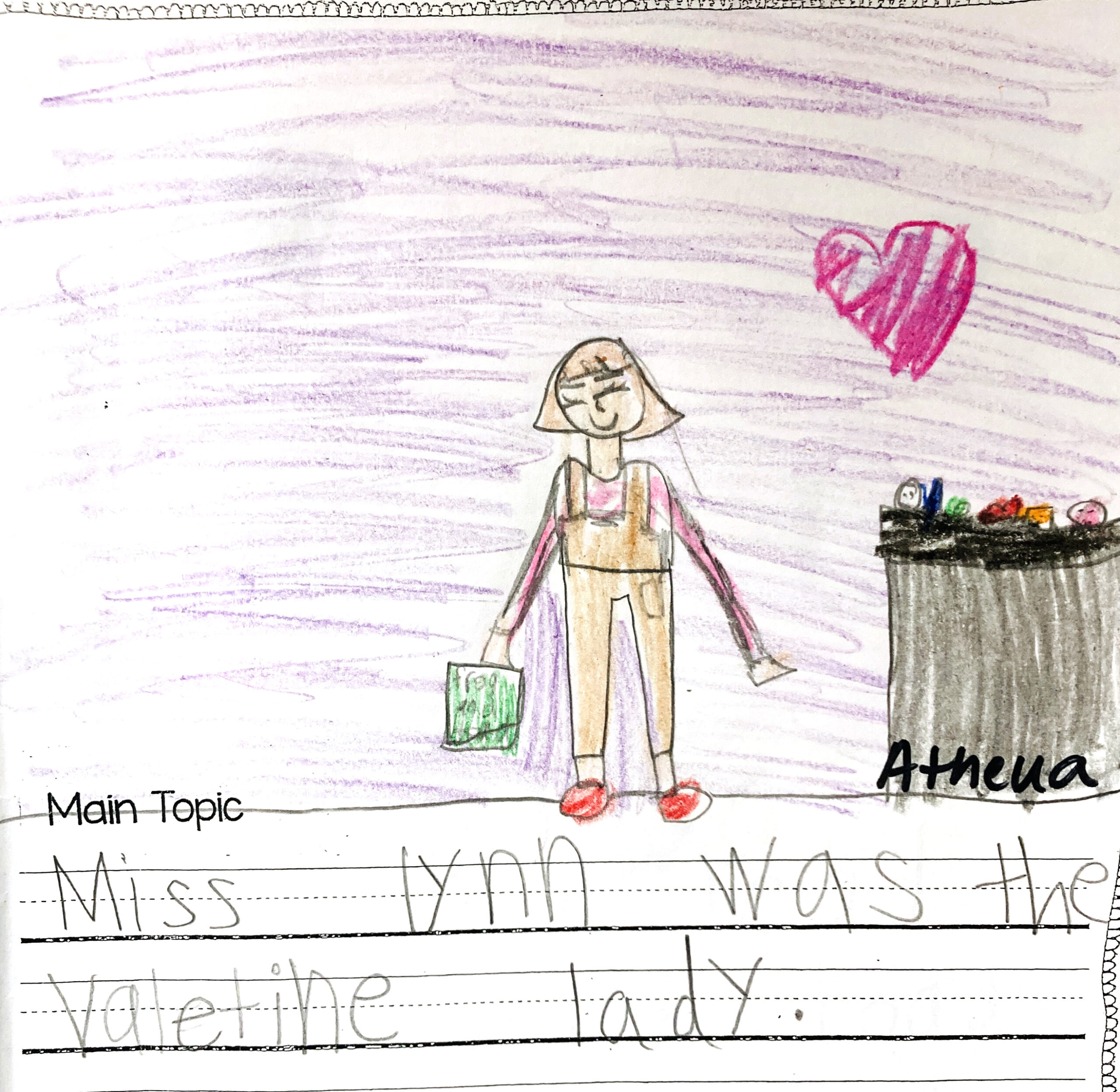
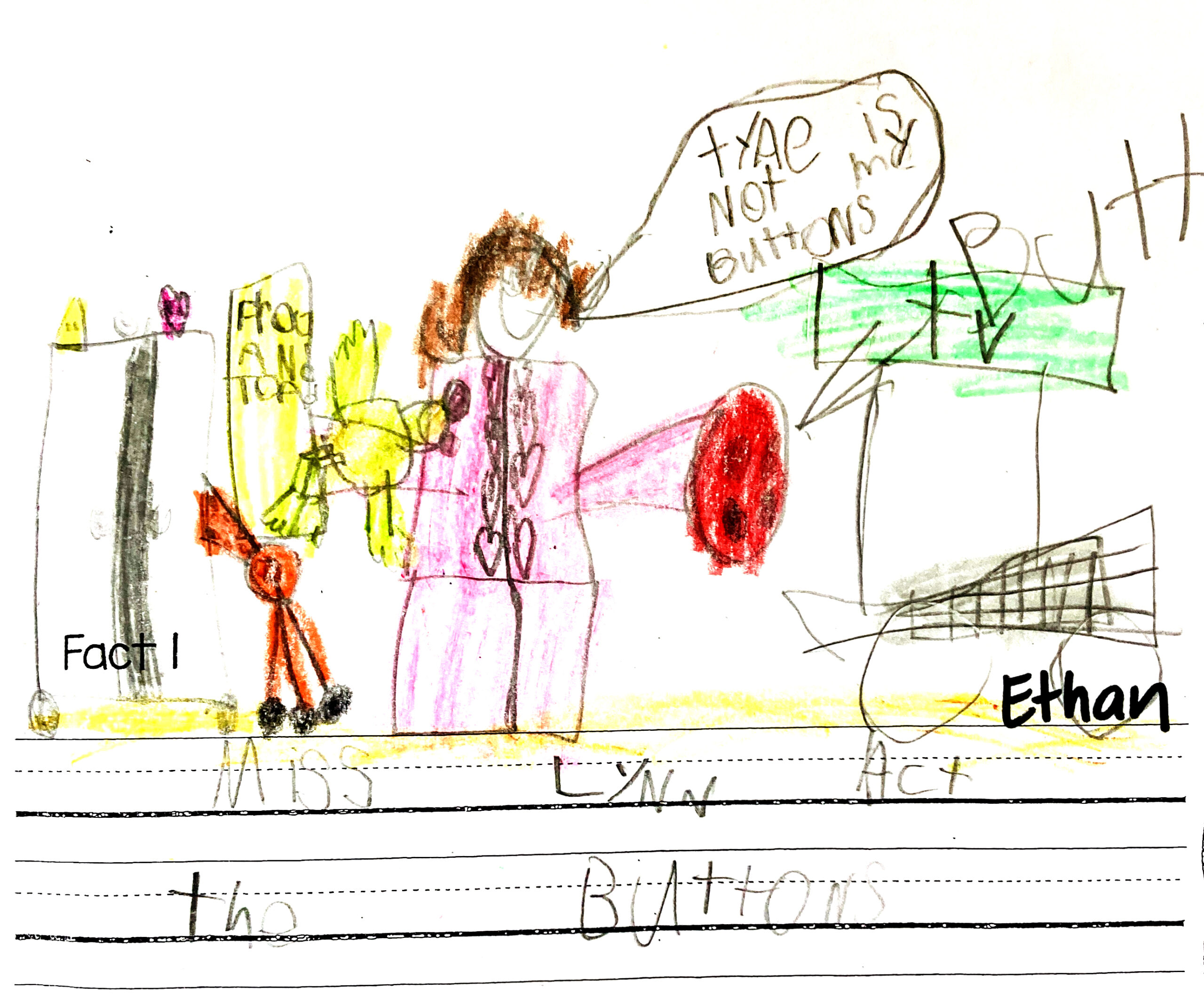
    At the time of Lynn’s visit, my students were learning to write a report. We spent the next few weeks writing about The Valentine’s Lady visit to our classroom. We collected our information, made a plan for our writing and then wrote our reports. Below is our collective report.

    Miss Lynn returned to our classroom on April 11th. We surprised her with our reports and this story. She got to click the Loveland Magazine “Publish” button!

    Below are pictures of our time together and our favorite pages from our reports.

    Click to view and enlarge slide show…

    Photos by David Miller/Loveland Magazine ©2024


  • Denial of six-unit 3-story townhome development in Historic Downtown is appealed

    Denial of six-unit 3-story townhome development in Historic Downtown is appealed

    Loveland, Ohio – On March 5, a six-unit, 3-story townhome development proposed by local builder John Hill Construction, to be located at 200 Railroad Avenue within the Historic Preservation District Boundaries, was determined to be “inappropriate” for the neighborhood. The proposed townhomes were to be adjacent to existing cottage-style homes and Nisbet Park on the Loveland Bike Trail in Historic Downtown Loveland. The proposed project encompasses two vacant parcels consisting of .229 acres.

    The Historic Preservation and Planning Commission voted unanimously, to reject Hill’s proposal. (3-story townhome development proposed for historic district deemed not “appropriate”)

    The developer has now appealed the denial, to the Board of Zoning Appeals. The case will be heard at City Hall on Monday, April 21 at 5:30 PM.

    The public will be heard and comments can be submitted to the City’s zoning and economic development department by emailing ewisby@lovelandoh.gov or questions can be asked by calling 513-707-1450.

    BACKGROUND

  • Ohio House advances its two-year budget proposal

    Ohio House advances its two-year budget proposal

    Rep. Brian Stewart, R-Ashville, testifying in the Ohio House. (Photo by Nick Evans, Ohio Capital Journal.)

    By:  – Ohio Capital Journal

    The Ohio House advanced its two-year spending plan Wednesday despite sharp criticism from the chamber’s Democrats. The House’s version of the operating budget nixes several of the governor’s policy priorities and helps fund a new stadium for the Cleveland Browns.

    The bill also walks back of some the House’s initial plans, but only slightly.

    A proposal to force property tax reductions on the back of school district rainy day funds will allow administrators to carry over 30% of their budget instead of 25%. Budget drafters are scrapping a new population-based system for distributing library funding, but they’re not giving up on moving to a dollar figure appropriation instead of a percentage of the general revenue fund.

    With Wednesday’s vote, the budget now moves to the state Senate, where lawmakers are sure to roll out on their own slate of changes. They’ll have time to mull it over as lawmakers leave for a two-week Easter recess.

    The 2026 fiscal year begins on July 1; lawmakers have until then to finish off the budget.

    Stadium funding skirmish

    Ohio House Finance Chairman, state Rep. Brian Stewart, R- Ashville, kicked off testimony, describing how the spending plan eliminates taxes from the governor’s proposal and spends $4.4 billion less in state money.

    Those tax increases in governor’s proposal would’ve paid for a $1,000 child tax credit and a new fund for future stadium deals.

    Instead, House Republicans favor a $600 million bond package in support of Cleveland’s proposed facility. “It is the most conservative stadium funding proposal in America,” Stewart insisted, arguing tax receipts from the project will pay back the debt. He went on to offer an amendment increasing from $38.5 million to $50 million a deposit paid by Brown’s ownership.

    And that’s about where things went off the rails.

    Rep. Sean Brennan, D-Parma, piped up with an amendment to Stewart’s eliminating the bond package entirely.

    Rather than letting that Brennan proceed, House Speaker Matt Huffman ordered the chamber to stand at ease for several minutes. When session resumed, Huffman quickly called a vote despite Democratic lawmakers’ objections and points of order.

    In the confusion, many Democrats didn’t wind up voting on the amendment at all. It passed 55-15.

    Schools, property taxes, libraries and Medicaid

    Many Democrats objected to a K-12 funding model that abandons the so-called fair school funding plan lawmakers have been working toward in the last two budget cycles. State Rep. Bride Rose Sweeney, D-Westlake, said that setting aside that formula returns to an ad hoc funding approach the Ohio Supreme Court ruled unconstitutional.

    “This proposal is leading Ohio students and taxpayers back down a path of artificial guarantees, back to square one, back to residual funding, back to the days where school (funding) was based not on what it cost to educate a child, but what the General Assembly decides that it feels like paying for education.”

    While school districts worry about how much funding is coming in, they could also have to consider how much is sitting on their balance sheet. The budget would direct county officials to pare back the property taxes which support schools if a district maintains a balance worth more than 30% of their annual budget.

    “We are saying that government is not a piggy bank,” state Rep. David Thomas, R-Jefferson, argued, criticizing those carryovers as a poor return on taxpayers’ investment.

    State Rep. Jack Daniels, R-New Franklin, defended the changes to library funding. He said “no agency is entitled to an increase,” and that making appropriations based on a percentage of the general revenue fund amounts to an “obligation.” And he complained the budget isn’t actually cutting dollars to libraries.

    “They feel they’re being cut, when in fact, we are not cutting,” he said. “We’re just not providing the increase they expect.”

    Notably, the Ohio Library Council determined the House proposal would appropriate at least $40 million less each year than the governor’s proposal.

    Democrats also worry that the budget locks the state into radical changes to the Medicaid program if federal government makes even modest reductions to its 90% share of the program.

    “If federal funding drops even slightly, say from 90% to 89% the entire program would be ended,” Rep. Rachel Baker, D-Cincinnati said. “That’s right, a 1% cut in federal funding would terminate the program that provides health care access to almost 800,000 Ohioans.”

    Rep. Stewart downplayed the likelihood of federal changes, but argued the state expanded the program on the promise that the federal government would cover 90% of the program.

    Rep. Jean Schmidt, R-Loveland, meanwhile praised the budget for “push(ing) back against the wokeness we are facing by prohibiting Medicaid funds from being used for discriminatory DEI programs and establishing a statewide policy recognize that there are only two sexes.”

    Final tally

    Rep. Dani Isaacsohn, D-Cincinnati said, “We are not the sexiest state, but that’s not what makes Ohio so special.”

    Ohio doesn’t have beaches or mountains to draw people in, but it can offer quality of life.

    “People move here because they want to start family, they want to buy a home, they want to send their kids to a great school,” he said. But with the House proposal, lawmakers “are failing to meet those basic benchmarks.”

    “The only piece of this budget — that is big and complicated — that got the full breadth of the creativity of this body,” he argued, “is a $600 million subsidy for billionaires who own a failing sports team,”

    In his closing remarks, Rep. Stewart dismissed Democrats’ criticism.

    “You know how many GRF general revenue fund dollars that are being spent for the Cleveland Browns in this budget?” he said. “Zero — zero, not one dollar.”

    Stewart concluded the House proposal represents more money than the current budget for K-12 schools, higher ed, child care, and libraries. The measure would also amount to more than $4 billion in property tax relief — the largest, he said, in state history.

    “Voting no on this budget means you are voting against all of those things,” he said. “That’s a tough vote, folks. Voting no on this budget is a master’s class in missing the forest for the trees.”

    In the end, five Republicans voted against the proposal, but it still passed easily 60-39.

    Follow Ohio Capital Journal Reporter Nick Evans on X or on Bluesky.


    Nick Evans
    Nick Evans

    Nick Evans has spent the past seven years reporting for NPR member stations in Florida and Ohio. He got his start in Tallahassee, covering issues like redistricting, same sex marriage and medical marijuana. Since arriving in Columbus in 2018, he has covered everything from city council to football. His work on Ohio politics and local policing have been featured numerous times on NPR.

    Ohio Capital Journal is part of States Newsroom, the nation’s largest state-focused nonprofit news organization.

    MORE FROM AUTHOR

  • What Ohio Teens Should Know About Minor Work Permits

    What Ohio Teens Should Know About Minor Work Permits

    Securing Your Summer Job

    The rules change slightly during the summer

    With summer right around the corner, many Ohio teens likely plan to use the upcoming break to earn money, build skills, and gain work experience. However, if they don’t take the necessary steps, that summer excitement may quickly turn to disappointment. That’s why the Ohio Department of Commerce Division of Industrial Compliance’s Bureau of Wage and Hour is encouraging Ohio youth and their parents or guardians take steps now to understand whether they will need to secure a Minor Work Permit.


    While youth aged 14, 15, 16 and 17 are required to have a Minor Work Permit during the school year, the rules change slightly during the summer. During the summer break when school isn’t in session, only individuals aged 14 and 15 are required to have a work permit.

    Many mistakenly believe they need to secure a work permit before they start their job hunt; however, teens must secure a job offer first since the permit application requires details about the specific job and its duties. If a teen plans to work multiple jobs over the summer, they need a separate permit for each job.

    Minor Work Permits – A Breakdown of the Process

    1. Start your job search and secure a job offer.
    2. Download the Minor Work Permit application at com.ohio.gov/MinorWorkPermit.
    3. Complete the application, have it signed by a parent or guardian, and have your employer fill out the necessary information.
    4. Return the completed application to the school district in which your child resides. The school district will review and approve any permit applications.
    5. Once approved, you are permitted to begin working.

    “We want to ensure that Ohio’s young workers start their summer jobs on the right foot,” said Stephen Clegg, Wage & Hour Administration Bureau Chief. “Work permits are an important and necessary safeguard to ensure teens are working in safe conditions and within the guidelines set to protect their well-being. Our team is here to support families throughout the process, helping young workers prepare early so they can focus on building skills and gaining valuable experience this summer.”

    Ohio outlines specific rules for how many hours teens can work, depending on their age and whether school is in session. During the school year, teens aged 14 and 15 can work up to 18 hours a week, but must conclude their shifts by 7 p.m. on school nights. During summer break, they can work up to 40 hours a week and stay on the job until 9 p.m. Older teens aged 16 or 17 are able to work during the school year until 11 p.m. on school nights; however, they have no restrictions on their work hours when school is not in session.

    Regardless of age or season, Ohio law ensures that all minors under the age of 18 get a 30-minute break after every five hours of consecutive work, promoting their well-being throughout the year.

    The summer hiring season is often competitive, making it essential to plan in advance. Teenagers and their parents or guardians are encouraged to gather the necessary documents as early as possible to prevent delays when a summer job opportunity becomes available.