Author: Loveland Magazine

  • Cincinnati Children’s named a Top Innovator

    Cincinnati Children’s named a Top Innovator

    Cincinnati, Ohio – Cincinnati Children’s has been named one of the Top Innovators for 2023 by Modern Healthcare, which cited software developed by a team of researchers and physicians to improve outcomes for kids in foster care.

    The proprietary technology creates definitive matches between a healthcare organization’s electronic health record and the Comprehensive Child Welfare Information System, which enables real-time data sharing between medical teams and child welfare professionals to improve overall outcomes of kids in foster care (also known as protective custody).

    Called IDENTITY, which is short for Integrated Data Environment to eNhance ouTcomes in cusTody Youth, the technology has been licensed to Cordata Healthcare Innovations, a Cincinnati-based software as a service company that connects communities and healthcare organizations to better serve at-risk populations.

    Modern Healthcare is a business publication whose Top Innovators recognition goes to healthcare organizations leading transformative programs that achieve measurable results in improving care and contribute to clinical and financial goals.

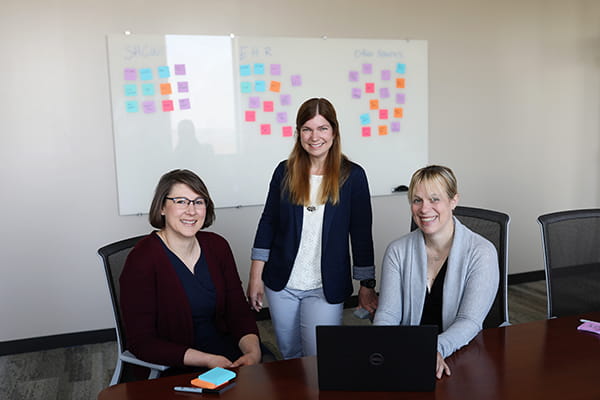
    The IDENTITY software, which improves cross-system communication and helps prevent gaps in healthcare delivery such as missed appointments, missed vaccinations and proper care coordination, was developed by a team at Cincinnati Children’s that included:

    • Sarah Beal, PhD, associate professor of behavioral medicine and clinical psychology and scientific director of child welfare research with the CHECK Foster Care Center at Cincinnati Children’s
    • Judith Dexheimer, PhD, associate professor of biomedical informatics and emergency medicine
    • Mary Greiner, MD, MS, professor of general and community pediatrics as well as medical director of the CHECK Foster Care Center at Cincinnati Children’s

    Nearly 400,000 children are in foster care in the United States, and they are at higher risk for medical, dental, developmental, behavioral and mental health concerns. Because of different ways of storing records by healthcare providers and child welfare professionals, information is often lost or inaccessible. And because healthcare providers often do not know a patient is in foster care, it might be unclear who should provide consent for treatment or when medical information can be shared.

    “Ensuring optimal health for children in protective custody requires a collaboration between the healthcare system and the child welfare system,” Greiner said. “IDENTITY opens the doors for rapid information exchange and communication, allowing everyone to be on the same page to provide the best possible care.”

    Cincinnati Children’s innovators are developing breakthroughs in nearly every area of healthcare – from digital solutions such as IDENTITY to therapeutics and medical devices. That includes world-first clinical trials of FLASH proton therapy to treat cancer, development of a neonatal MRI, and using virtual reality to plan cardiology procedures.

    “These innovations are generated by our scientific researchers as well as those on the front lines such as physicians and nurse practitioners, whose creative ideas often turn into improved care for patients of Cincinnati Children’s as well as kids throughout the world,” said Abram Gordon, vice president of Innovation Ventures, the health system’s tech transfer and commercialization office.

    “More than 18,500 people work at Cincinnati Children’s, and nearly one-third are engaged in research – including on therapies and cures as well as ways to improve child health by transforming delivery of care,” Gordon said.

    A nonprofit, academic organization, Cincinnati Children’s has a long history of creating, developing, or testing vaccines and medical devices, and the health system helps lead the way in research on digital solutions as well as new small molecules and organoids, Gordon said.

    Cincinnati Children’s Innovation Ventures has about 500 projects in progress at any given time, Gordon added. Highlights over the past 10 years at Cincinnati Children’s include 1,774 new invention disclosures, 1,885 patent applications filed, 628 patents issued, 230 licenses executed, 15 active start-up companies and 117 commercialized products/tools.

    Such innovations contribute to the health system’s mission of education and have helped create numerous jobs with spinout companies, other startups, and established firms that license Cincinnati Children’s technology.
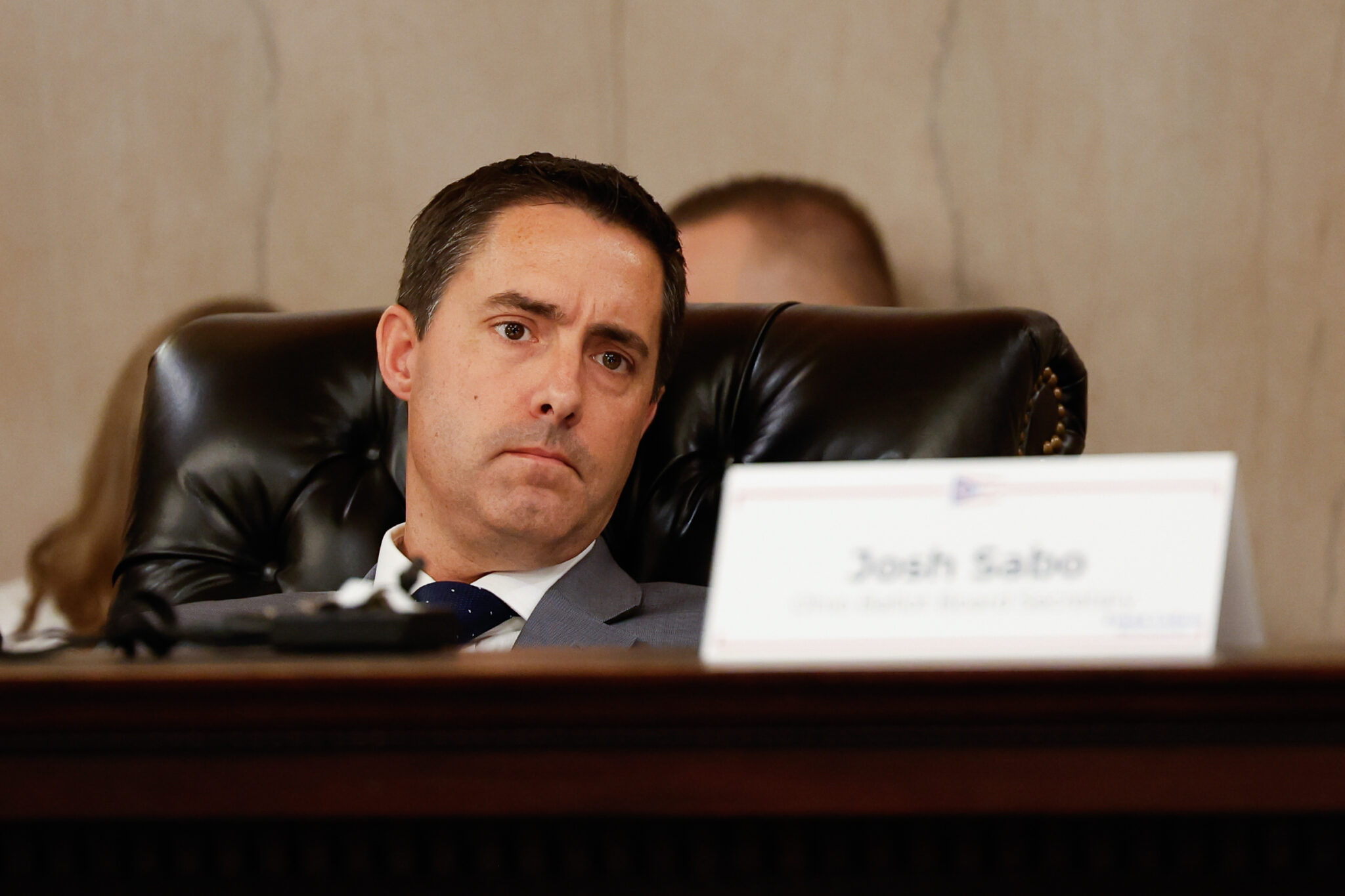

  • Ohio Supreme Court approves abortion rights amendment Ballot Board summary for voters with one tweak

    Ohio Supreme Court approves abortion rights amendment Ballot Board summary for voters with one tweak

    BY: 

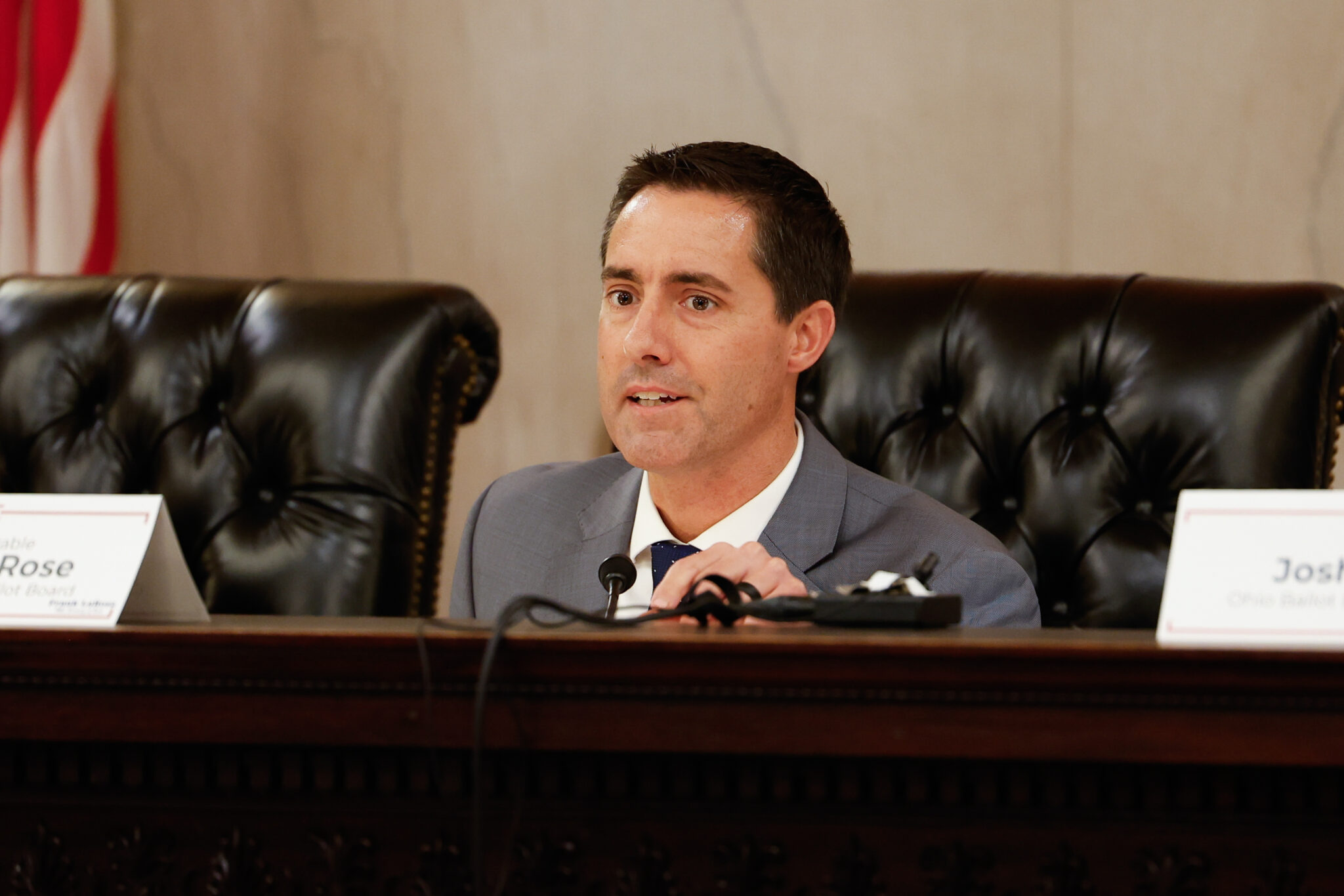
    The Ohio Supreme Court has ordered one tweak to summary language approved by Republicans on the Ohio Ballot Board for voters to see in November on a proposed reproductive rights amendment. The split state supreme court rejected using the full text of the proposed amendment and declared that that summary language that voters will see on their ballots is not misleading.

    That summary language was written by the office of Ohio Secretary of State Frank LaRose, a Republican ballot board member who has spoken out against November’s Issue 1 reproductive rights amendment proposal, and campaigned vigorously for August’s Issue 1 proposal to make amendments harder to pass, saying that the Aug. 8 effort was “100% about keeping a radical pro-abortion amendment out of our constitution.” Issue 1 in August was rejected by voters 57% to 43%.

    LaRose said at the Aug. 24 ballot board meeting that he “worked extensively on drafting this” November ballot language.

    Fellow Ohio Ballot Board member, Republican state Sen. Theresa Gavarone, explicitly spoke against the November amendment proposal during that same ballot board meeting where the summary language for voters to see on their ballots was approved by the board in a 3-2 decision.

    The coalition proposing November’s reproductive rights amendment sued to the Ohio Supreme Court claiming that the summary language is deceptive and asking the full amendment text be used instead.

    They argued that the summary makes changes advocates say alter the language in a biased way, such as using “unborn child” rather than the medically accurate term “fetus,” and changing “pregnant patient” to “pregnant woman.” The summary also only lists 1 of 5 protected rights included in the amendment, focusing on abortion and failing to mention contraception, miscarriage care, fertility treatment, and continuing one’s pregnancy.

    Moreover, the abortion rights groups and individuals said the summary actually “inverts” protections that would be given in the amendment by saying the amendment would “always allow an unborn child to be aborted” if a physician determines it necessary. Amendment supporters say the actual language of the amendment “would prohibit such an abortion if the patient objects to it.”

    Finally, the complaint took issue with the summary language saying “citizens of the state of Ohio” would be prohibited from enacting laws regulating abortion in certain ways instead of “the state of Ohio” would be so prohibited.

    The Ohio Supreme Court ruled Tuesday that this last part is the only tweak the Ballot Board must make — they can not use “the citizens of the state of Ohio” instead of “the state of Ohio.”

    ______________

    Proposed amendment: “B. The State shall not, directly or indirectly, burden, penalize, prohibit, interfere with, or discriminate against either: 1. An individual’s voluntary exercise of this right or 2. A person or entity that assists an individual exercising this right, unless the State demonstrates that it is using the least restrictive means to advance the pregnant individual’s health in accordance with widely accepted and evidence-based standards of care. C. As used in this Section: … 2. “State” includes any governmental entity and any political subdivision.”

    The Ohio Ballot Board’s language that needs changed to remove “citizens”: “The proposed amendment would: • Prohibit the citizens of the State of Ohio from directly or indirectly burdening, penalizing, or prohibiting abortion before an unborn child is determined to be viable, unless the State demonstrates that it is using the least restrictive means. • Only allow the citizens of the State of Ohio to prohibit an abortion after an unborn child is determined by a pregnant woman’s treating physician to be viable and only if the physician does not consider the abortion necessary to protect the pregnant woman’s life or health.”

    ______________

    The Ohio Supreme Court wrote they were tasked with determining whether the GOP summary language is “impermissibly argumentative, either in favor of or against the issue.”

    Regarding the Ballot Board summary’s failure to mention 4 of 5 categories included in the reproductive rights amendment proposal, the Republican court majority cited the amendment’s own emphasis on abortion care and said “the omission is not material when considering the amendment as a whole.”

    Regarding the Ohio Ballot Board changing “fetus” to “unborn child” in the summary for voters, the majority said this is not improper persuasion. They did not elucidate an argument but instead quoted precedent from a 2021 court decision: “[I]f ballot language is factually accurate and addresses a subject that is in the proposed amendment itself, it should not be deemed argumentative.”

    The court majority referenced this again later in rejecting that other portions of the summary language are weighted against the proposal.

    ______________

    Proposed Amendment: “A. Every individual has a right to make and carry out one’s own reproductive decisions, including but not limited to decisions on: … 3. continuing one’s own pregnancy; B. The State shall not, directly or indirectly, burden, penalize, prohibit, interfere with, or discriminate against either: 1. An individual’s voluntary exercise of this right, However, abortion may be prohibited after fetal viability. But in no case may such an abortion be prohibited if in the professional judgment of the pregnant patient’s treating physician it is necessary to protect the pregnant patient’s life or health.”

    Ballot Language: “The proposed amendment would: • Prohibit the citizens of the State of Ohio from directly or indirectly burdening, penalizing, or prohibiting abortion before an unborn child is determined to be viable, unless the State demonstrates that it is using the least restrictive means. • Only allow the citizens of the State of Ohio to prohibit an abortion after an unborn child is determined by a pregnant woman’s treating physician to be viable and only if the physician does not consider the abortion necessary to protect the pregnant woman’s life or health; and • Always allow an unborn child to be aborted at any stage of the pregnancy, regardless of viability if, in the treating physician’s determination, the abortion is necessary to protect the pregnant woman’s life or health.”

    ______________

    The court majority wrote, “While (litigants) do not like the way in which the language is phrased, the structure of statements is not improperly argumentative. As stated above, this court will not deem language to be argumentative when it is accurate and addresses a subject in the proposed amendment.”

    Ohio Supreme Court Democrats agreed with ordering the change from “citizens of the state” to “the state,” but panned the approval of the rest of the ballot board’s language.

    Justice Jennifer Brunner, a Democrat, said the Ohio Ballot Board “obfuscated the actual language” of the proposed amendment by “substituting their own language and creating out of whole cloth a veil of deceit and bias in their desire to impose their views on Ohio voters…”

    Democratic Justice Melody Stewart said that the Ohio Ballot Board failed its duty and instead it “crafted partisan ballot language designed to do any number of things, but not simply designed to do its job—that is, inform voters of the substance of the proposed amendment.”

    Democratic Justice Michael Donnelly said of the Ohio Ballot Board that “it’s unfortunate that advocacy seems to have infiltrated a process that is meant to be objective and neutral,” but that he’s confident that voters will be informed about the issue in November.

  • School Board Meeting: Interim Treasure to step aside, Linda Cecil takes oath as Board member

    School Board Meeting: Interim Treasure to step aside, Linda Cecil takes oath as Board member

    Interim Treasurer Robert Giuffré (Loveland Schools photo)

    Loveland, Ohio – At last night’s Loveland Board of Education business meeting, Interim Treasurer Robert Giuffré announced that he will be stepping down from the position effective at the end of the year. Giuffré was named the Interim Treasurer of Loveland City Schools on August 1, 2021. Previously he was the treasurer for Loveland City Schools serving the District from November of 1992 through February of 1999.

    It was announced that a search for a new Treasurer would begin immediately.

    Linda Cecil

    Also at last night’s meeting, Linda Cecil was sworn into office to complete the unexpired term of Kevin Dougherty who resigned June 30. Cecil will fill the position through the end of the current calendar year. She is running for a full school board term in November.


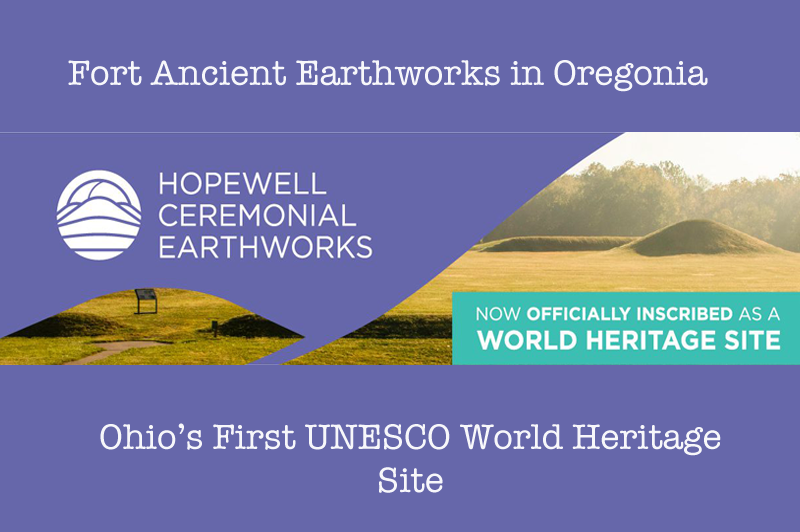
  • Fort Ancient Earthworks in Oregonia named a UNESCO World Heritage Site

    Fort Ancient Earthworks in Oregonia named a UNESCO World Heritage Site

    Fort Ancient Earthworks is North America’s largest ancient hilltop enclosure

    UNESCO World Heritage Sites, such as Stonehenge, The Great Pyramid of Giza, and the Great Wall of China, must have “outstanding universal value to humanity. No matter where they’re located, these sites serve to honor and preserve the world’s cultural and natural heritage.” The Hopewell Ceremonial Earthworks joined more than 1,100 other important places on this distinguished list today. It is the first and only UNESCO site in the state of Ohio.

    The calendar marking mound at Ft. Ancient.

    Five of the Hopewell earthworks sites are managed by the National Park Service, and three are managed by the Ohio History Connection; collectively they are named the Hopewell Ceremonial Earthworks.

    The earthworks are in Licking, Ross, and Warren counties and include:

    • The Ohio History Connection’s Great Circle Earthworks and Octagon Earthworks in Newark and Fort Ancient Earthworks in Oregonia.
    • The National Park Service’s Hopewell Culture National Historical Park in Chillicothe, which includes the Mound City Group, Hopewell Mound Group, Seip Earthworks, High Bank Works and Hopeton Earthworks.

    The UNESCO World Heritage Committee’s meeting was in Riyadh, Saudi Arabia.

    Two of the mounds at Ft. Ancient.

    The Hopewell Ceremonial Earthworks tell the story of the American Indian culture, today known as Hopewell. It became the 25th World Heritage Site in the U.S. There are only about 1,000 World Heritage sites around the globe. These earthworks were built by Native Americans between 1,600 and 2,000 years ago. They are complex “masterpieces” of landscape architecture and are “exceptional” among ancient monuments worldwide in their enormous scale, geometric precision, and astronomical alignments.

    “Inscription on the World Heritage List will call international attention to these treasures long known to Ohioans,” said Megan Wood, Executive Director and CEO of the Ohio History Connection.

    Ft. Ancient, also a National Historic Landmark is only 30 minutes from Downtown Loveland. (See map below)

    Ft Ancient museum and gift shop.

    Fort Ancient Earthworks & Nature Preserve

    April-November:

    Museum and grounds:

    Wednesday-Saturday 10 a.m. – 5 p.m.

    Sunday Noon – 5 p.m.

    Final admission should be paid by 4:00 p.m. The Gift shop closes at 4:30 p.m. The Site closes promptly at 5:00 p.m.

    If you are interested in supporting Fort Ancient, you may donate by texting SAVEHISTORY to 44-321.

    Visit

    Explore North America’s largest ancient hilltop enclosure, built 2,000 years ago. A National Historic Landmark, the site is thought to have served as a social and ceremonial gathering place. Experience an on-site museum and gift shop (members receive a 10% discount), recreated American Indian garden and three miles of hiking trails with scenic overlooks. Average visit time: Allow 2+ hours. Plan Your Visit!

    The use of drones is prohibited at all Ohio History Connection sites. To inquire about commercial filming permits, contact Neil Thompson, manager of media and public relations, at nthompson@ohiohistory.org

    Tours and Field Trips

    History

    Fort Ancient Earthworks & Nature Preserve is Ohio’s first state park. In April 1891, the state legislature authorized the Ohio Archaeological and Historical Society (now the Ohio History Connection) to care for the site. In 1966, Fort Ancient became nationally recognized when it was named a National Historic Landmark. Learn more here.

    Fort Ancient Earthworks & Nature Preserve is managed by the Ohio History Connection.

    Learn more about Fort Ancient’s history and what you can do there by clicking here!

  • Six LHS students named “Commended Students” by the National Merit Scholarship Program

    Six LHS students named “Commended Students” by the National Merit Scholarship Program

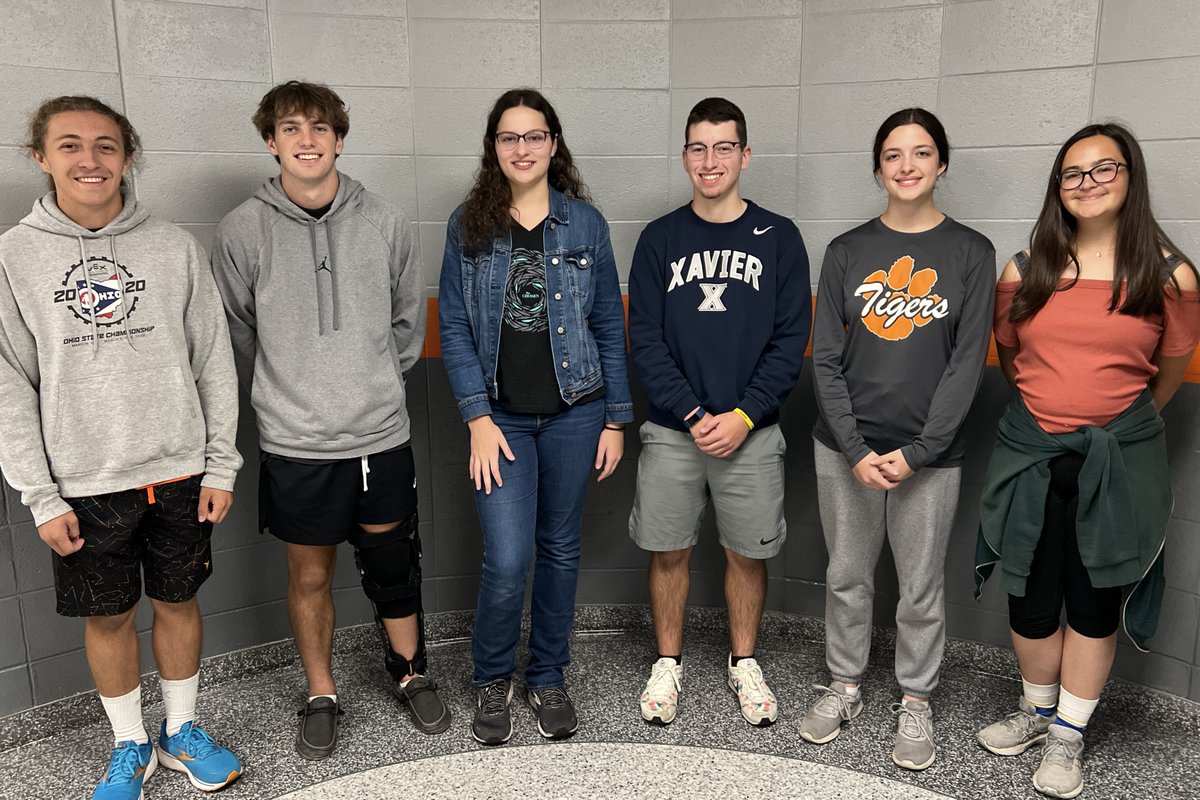
    Photo by Loveland Schools

    Loveland, Ohio – Loveland High School students; Isaac Astifan, Jay Christian, Carolyn Clore, Benjamin Hicks, Natalie Hutchinson, and Ariela Moore have been named “Commended Students” by the National Merit Scholarship Program and recognized for their outstanding academic promise.


    Established in 1955, National Merit Scholarship Corporation (NMSC®) is an independent, not-for-profit organization that operates without government assistance. NMSC is exempt from taxation under Section 501(c)(3) of the Internal Revenue Code and contributions to NMSC are tax deductible by the donor. NMSC conducts the National

    Merit® Scholarship Program, an annual academic competition for recognition and college undergraduate scholarships. Additionally, from 1965 to 2015, NMSC conducted the National Achievement® Scholarship Program, an academic competition for Black American high school students. (See the National Achievement Scholarship Program page for information about the program and its history.)

    NMSC’s goals have remained constant since its inception:

    • to identify and honor academically talented U.S. high school students
    • to stimulate increased support for their education
    • to provide efficient and effective program management for organizations who wish to sponsor college undergraduate scholarships
  • Say it ain’t so! Please

    Say it ain’t so! Please

    Loveland, Ohio – The Loveland Dairy Whip will close for the season this Sunday, September 24.

    ABOUT LDW

    A family-owned business offering a wide variety of desserts. Teresa (Flint) Morgan (current owner) got her start at age 11 by bagging hamburgers for her parents, Marian & Jim Flint, which owned the Dairy Whip from 1972 through 1986. We no longer serves food as the “Fifth Wheel Hamburgers“ which was popular in the 70s, however, we are still known for our creamy soft serve ice cream.

    We use a high quality soft serve mix and only quality products. While offering the usual vanilla, chocolate and twist cones (with eyes for kids) which can be topped with sprinkles or chocolate/cherry/cake batter dip top, we also offer eight other flavors like Blue Moon, Dreamsicle, Cake Batter. Some of our specialties are Parfay’s and Cyclones with a variety of candy toppings.

  • Ohio Secretary of State signs voter data sharing agreements with three states

    Ohio Secretary of State signs voter data sharing agreements with three states

    BY:  – Ohio Capital Journal

    Ohio Secretary of State Frank LaRose has struck a deal to share voter data with three other Republican-led states. The agreement comes roughly six months after LaRose chose to exit a much larger, bipartisan interstate compact known as ERIC.

    Ohio’s new agreements give the state access to interstate voter information on its own terms. When LaRose announced Ohio was backing out of the compact, he praised that “a al carte” model.

    But even with three new partner states, Ohio will get a lot less of that information than it got from ERIC.

    LaRose’s new deal

    Under the agreements, Ohio will share voter data with elections officials in Florida, Virginia and West Virginia. Those states in turn will give Ohio access to their voter rolls. However, LaRose’s announcement offers scant details about scope and terms of the agreements.

    In a press release, LaRose touted “state-specific data sharing and security protocols.”

    “Ohio took the lead on this election integrity project,” LaRose said, “and it’s only one aspect of the work we’re doing to keep our elections honest as we prepare for the next presidential election year.”

    Unlike the previous the data sharing system, LaRose inked three separate agreements with each individual state. The secretary said the data will allow both states to identify cross state voter fraud and duplicate registrations. Ohio Capital Journal has requested those agreements, but they were not immediately made available.

    Amanda Grandjean, a deputy assistant and senior advisor in LaRose’s office, said they anticipate additional agreements with other states.

    “These new agreements came from a 27-state working group that formed earlier this year in hopes of finding a more durable and accountable solution to cross-state data sharing that fit each state’s individual needs,” Grandjean said.

    Grandjean led negotiations on the three existing deals. She expressed confidence more will follow as states address “legal and cybersecurity protocols.”

    The deal they left behind

    Previously, Ohio was part of ERIC, the Electronic Registration Information Center. State elections officials lead the organization, and it pools voter data from member states. Using that combined database and information from federal sources, ERIC helped members maintain accurate voter rolls.

    It also enabled them to identify voters illegally casting ballots in different states for the same election. Last October, for instance, LaRose touted finding 75 incidents of alleged multi-state voter fraud.

    As part of ERIC’s efforts, though, member states had to encourage eligible but unregistered voters to register. In his letter to ERIC announcing Ohio’s decision to pull out, LaRose alluded to those requirements.

    Conservative media seized on those demands, describing them as “a left-wing voter registration drive.” ERIC member states fall all along the spectrum of conservative to liberal. Two of the most left-leaning states in the country, California and New York, have never joined.

    Since 2022, eight states, all of them Republican-led, have left ERIC. Texas’ resignation from the organization will take effect in October. After that, the organization will include 24 states and the District of Columbia.

    At a panel on election policy last month hosted by the National Conference of State Legislatures, even one of the conservative leaning panelists criticized the exodus. Matt Germer from the R Street Institute argued conservative states should reform ERIC rather than leave.

    “Instead, what we’ve seen are a number of states throwing the baby out with the bathwater.”

    But in LaRose’s announcement of his office’s new agreements, he took a parting shot at the organization.

    “This is a major new development,” LaRose insisted, “as states look to move beyond the old model of sharing voter data through an unaccountable third-party vendor.”


    Follow OCJ Reporter Nick Evans on Twitter.

    Nick Evans
    NICK EVANS

    Nick Evans has spent the past seven years reporting for NPR member stations in Florida and Ohio. He got his start in Tallahassee, covering issues like redistricting, same sex marriage and medical marijuana. Since arriving in Columbus in 2018, he has covered everything from city council to football. His work on Ohio politics and local policing have been featured numerous times on NPR.

    MORE FROM AUTHOR

  • What’s different about this year’s effort to legalize marijuana in Ohio?

    What’s different about this year’s effort to legalize marijuana in Ohio?

    A proposed constitutional amendment in 2015 would have granted “exclusive rights” for commercial marijuana growth, cultivation and extraction to 10 predetermined parcels of land. It was defeated 64% to 36%.

    BY:  – Ohio Capital Journal

    https://collaborativejournalism.org/democracyday/about/

    Ohio voters will once again have the chance to legalize marijuana on Nov. 7 — eight years after Ohioans overwhelmingly rejected a proposed constitutional amendment that would have made cannabis legal.

    But there are some key differences between the two.

    Issue 3 in 2015 was a proposed constitutional amendment and today’s Issue 2 is a citizen-initiated statue, or law.

    “Because of that, it does allow the legislature significantly more leeway to be able to change the details of the law with further legislation,” said Morgan Fox, political director for National Organization for the Reform of Marijuana Laws.

    Political action committee ResponsibleOhio spent $21.5 million on the 2015 Issue 3 campaign, which was soundly defeated 64% to 36%.

    For this year’s election, Issue 2 would legalize and regulate the cultivation, manufacturing, testing and the sale of marijuana to Ohioans 21 and up. It would also legalize home grow for Ohioans 21 and up with a limit of six plants per person and 12 plants per residence, and impose a 10% tax at the point of sale for each transaction.

    The Coalition to Regulate Marijuana like Alcohol is behind this year’s ballot initiative.

    The oligopoly of Issue 3

    Another major difference between the two is the oligopoly — essentially a marijuana monopoly — that the defeated Issue 3 would have created. It would have granted “exclusive rights” for commercial marijuana growth, cultivation and extraction to ten predetermined parcels of land.

    BUCKEYE LAKE, Ohio — AUGUST 17: Roger Davis of Grove City works to remove fan leaves from around the flowers before the marijuana plants are dried, August 17, 2023, at PharmaCann, Inc.’s cultivation and processing facility in Buckeye Lake, Ohio. (Photo by Graham Stokes for Ohio Capital Journal)
     BUCKEYE LAKE, Ohio — AUGUST 17: Roger Davis of Grove City works to remove fan leaves from around the flowers before the marijuana plants are dried, August 17, 2023, at PharmaCann, Inc.’s cultivation and processing facility in Buckeye Lake, Ohio. (Photo by Graham Stokes for Ohio Capital Journal. Republish photo only with original story.) 

    “That absolutely rubbed people the wrong way, even supporters of legalization,” Fox said.

    Don Wirtshafter, an Athens attorney who curates the Cannabis Museum in Ohio and supports marijuana legalization, calls himself one of the most vocal opponents of the failed Issue 3.

    “2015 was a power play by basically one group of financiers who created 10 number corporations and the initiative would have given those anonymous corporations being powered by anonymous money the monopoly on growing and selling cannabis in Ohio,” he said.

    Wirtshafter plans on voting yes on this year’s effort to legalize marijuana, going “from being a vocal naysayer to an enthusiastic yes voter.”

    While marijuana legalization failed in 2015, Ohioans passed a constitutional amendment during the same election that prohibits the establishment of a “monopoly, oligopoly or cartel” in the state’s constitution.

    “We couldn’t be more different than the 2015 constitutional amendment,” said Tom Haren, a spokesperson for the Coalition to Regulate Marijuana like Alcohol. “We are not a monopoly-type framework. We are building off an existing medical marijuana infrastructure that already has hundreds of licenses.”

    Existing medical marijuana cultivators and dispensaries would have the ability to obtain an adult-use license if voters approve legalization.

    Mascots

    2015’s effort to legalize marijuana included Buddie the mascot, who looked like a superhero and had a marijuana bud for a head.

    Buddie was supposed to drum up support from college students, but instead drew criticism from child advocates who worried the marketing was targeting kids.

    “We’re not going to have any mascots,” Haren said.

    What’s changed since 2015?

    A lot has happened in the marijuana landscape since 2015.

    BUCKEYE LAKE, Ohio — AUGUST 17: Marijuana plants in a flowering room where the artificial sunlight is adjusted to stimulate growth of the flowers, August 17, 2023, at PharmaCann, Inc.’s cultivation and processing facility in Buckeye Lake, Ohio. (Photo by Graham Stokes for Ohio Capital Journal)
     BUCKEYE LAKE, Ohio — AUGUST 17: Marijuana plants in a flowering room where the artificial sunlight is adjusted to stimulate growth of the flowers, August 17, 2023, at PharmaCann, Inc.’s cultivation and processing facility in Buckeye Lake, Ohio. (Photo by Graham Stokes for Ohio Capital Journal. Republish photo only with original story.) 

    Only four states had legalized recreational marijuana at the time — Alaska, Colorado, Oregon, and Washington. Today, 23 states and Washington D.C. have legalized the recreational use and sale of cannabis.

    Ohio legalized medical marijuana in 2016 and the first dispensary opened in 2019. 101 dispensaries have received certificates of operation and 34 have active provisional dispensary licenses as of Aug. 24, according to the Ohio Medical Marijuana Control Program.

    “2015 was a lifetime ago in cannabis policy and since then we have seen states do it successfully, some better than others, but we’ve seen that our medical marijuana program has been successful,” Haren said.

    Twenty-three cultivators in Ohio have received Level I provisional licenses and 21 have received certificates of operation. Fourteen have received Level II provisional licenses and 13 have received certificates of operation.

    There have been 800,682 medical marijuana patient recommendations (a patient can have more than one recommendation), 384,705 patients have registered and 178,709 patients have both an active registration and an active recommendation, as of July 31.

    Marijuana polling

    A July Suffolk University/USA Today poll shows 59% of Ohio voters support Ohioans 21 and older buying and possessing marijuana. It showed 77% of Democrats, 63% of independents and 40% of Republicans support the issue.

    The Suffolk University/USA Today poll surveyed 500 registered Ohio voters over the phone. Their margin of error is +/- 4.4 percentage points.

    “The biggest contrast is that we are going to pass on the ballot in November,” Haren said.

    Follow OCJ Reporter Megan Henry on Twitter.

    ________________

    Megan Henry
    MEGAN HENRY

    Megan Henry is a reporter for the Ohio Capital Journal and has spent the past five years reporting in Ohio on various topics including education, healthcare, business and crime. She previously worked at The Columbus Dispatch, part of the USA Today Network.

    MORE FROM AUTHOR

    _______________

    The Ohio Capital Journal is an independent, nonprofit news organization dedicated to connecting Ohioans to their state government and its impact on their lives. The Capital Journal combines Ohio state government coverage with incisive investigative journalism, reporting on the consequences of policy, political insight and principled commentary.

  • Rumpke truck overturns in Loveland Dairy Whip parking lot

    Rumpke truck overturns in Loveland Dairy Whip parking lot

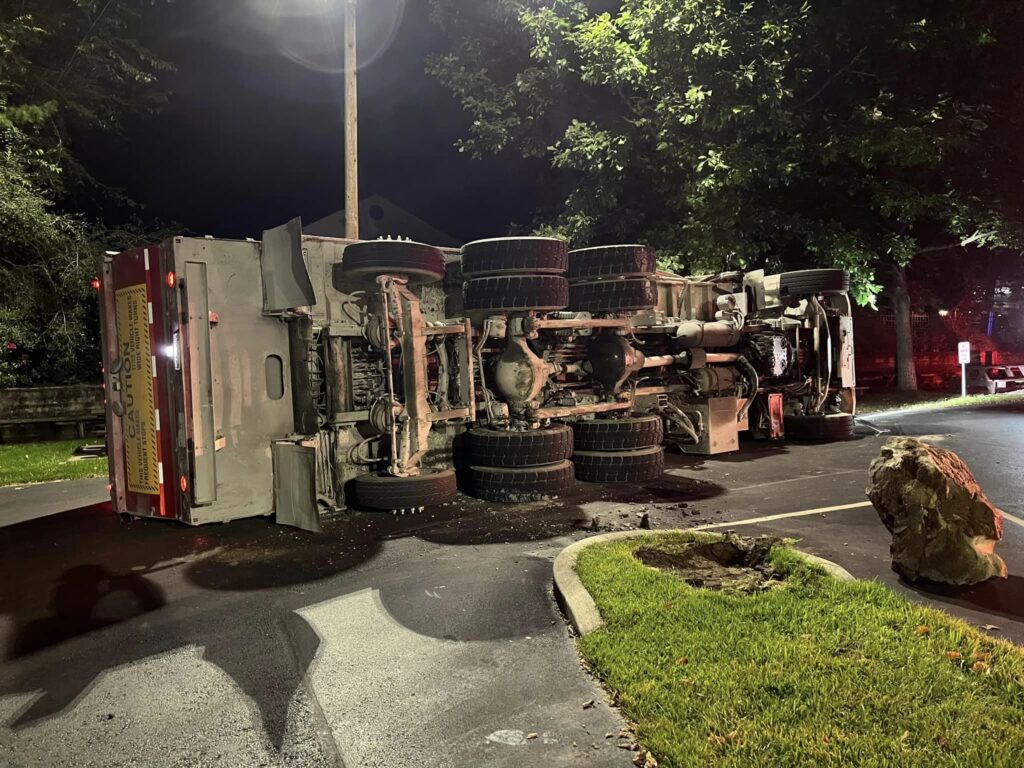
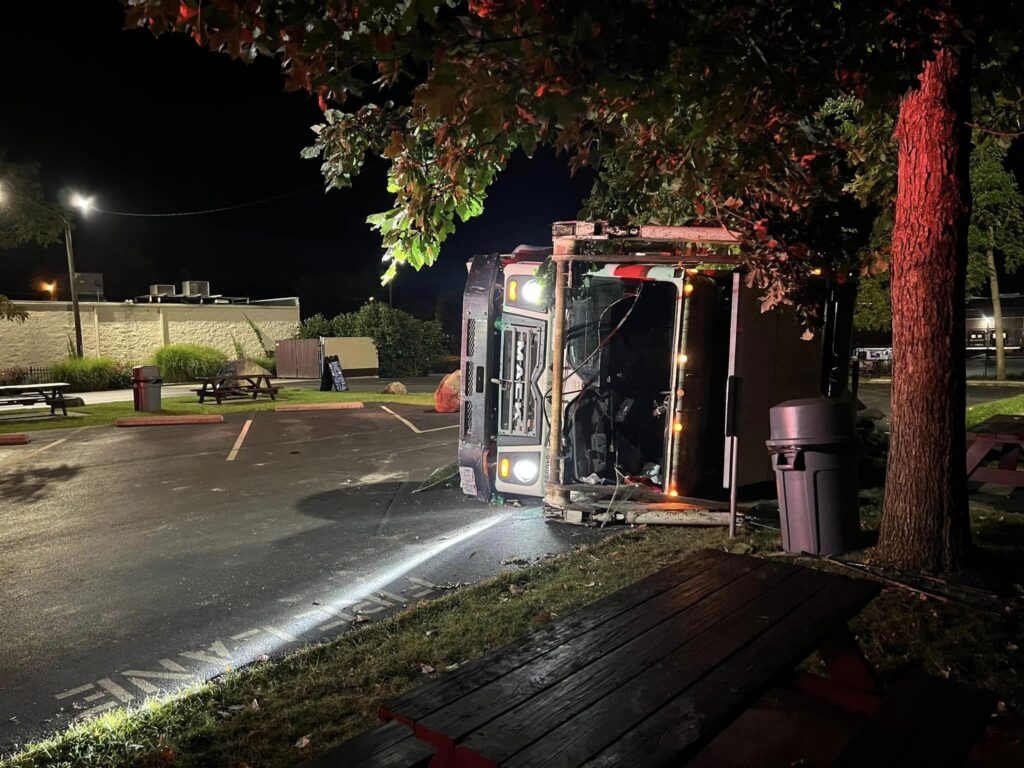
    Loveland, Ohio – This morning the Loveland/Symmes Fire Department dispatched Rescue 61 and Quint 63 to the Loveland Dairy Whip after a rumpke truck had overturned. The Department reports that their crews extricated the driver from the truck with no injuries reported.

    Photos by Loveland/Symmes Fire Department.

  • Loveland City School District Earns Five-Star Report Card Rating

    Loveland City School District Earns Five-Star Report Card Rating

    Loveland, Ohio – The Loveland City School District has earned a Five Star Overall Rating on the 2022-2023 Ohio School Report Card.

    Mike Broadwater

    “A Five-Star Ohio School Report Card is a sign that Loveland is a high-quality school district providing an excellent education for our students. This accomplishment would not be possible without the hard work of our students, their families, and our staff,” Superintendent Mike Broadwater said.

    Loveland is one of only 11 public school districts in the Cincinnati region of Hamilton, Butler, Warren, and Clermont Counties to receive an Overall Rating of Five Stars on the Ohio School Report Card.

    In addition to the Overall Rating, the Ohio School Report Card measures five components: Achievement, Progress, Gap Closing, Graduation, and Early Literacy. Loveland City School District earned five stars in every category except Early Literacy, where the district earned four stars. With five stars in every category except one, Loveland’s component ratings place the district in the top 6.6% of Ohio’s public school districts.

    “We were incredibly close to achieving five stars in every category. The Early Literacy component of the Ohio School Report Card required an 88% score to achieve a five-star rating, and our final score was 86.6%. We are always looking for ways to improve serving our students, and early literacy will remain an area of focus,” Assistant Superintendent of Teaching and Learning Dr. Stace Puerta said.

    “Our #beLOVEland Strategic Vision defines student success as pursuing academic excellence and creating career-ready, lifelong learners. The Ohio School Report Card results demonstrate that we are reaching that goal by exceeding state standards in every category,” Broadwater said.

    You can view the Loveland City School District’s Ohio School Report Card results by following this link.