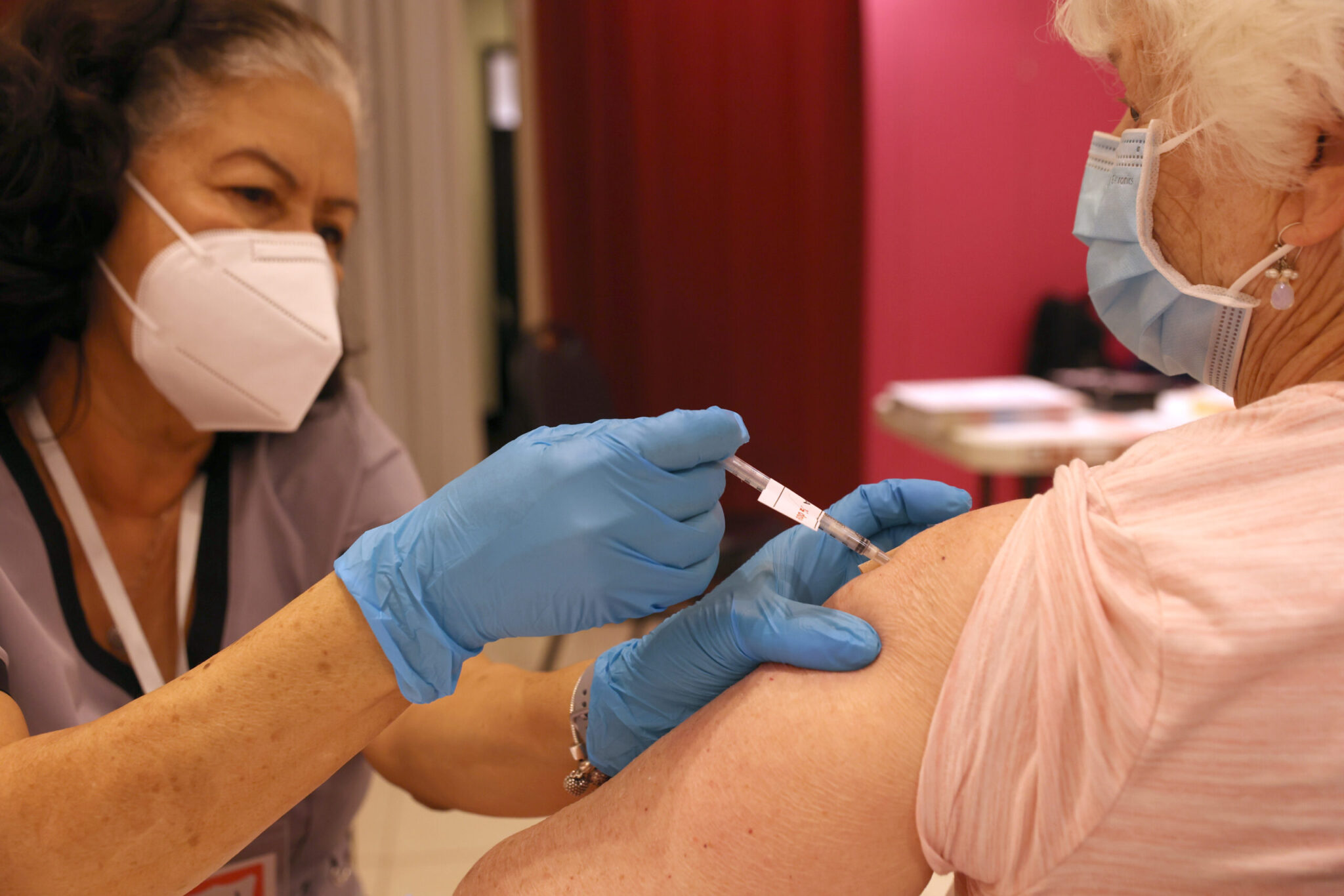
WASHINGTON — The U.S. Food and Drug Administration on Monday approved the latest round of COVID-19 boosters, as public health officials brace for another cold and flu season.
An advisory panel at the Centers for Disease Control and Prevention is scheduled to vote on recommendations Tuesday, the final step in the process before people will be able to get the shots.
“Vaccination remains critical to public health and continued protection against serious consequences of COVID-19, including hospitalization and death,” said Peter Marks, director of the FDA’s Center for Biologics Evaluation and Research.
“The public can be assured that these updated vaccines have met the agency’s rigorous scientific standards for safety, effectiveness, and manufacturing quality,” Marks added. “We very much encourage those who are eligible to consider getting vaccinated.”
The updated COVID-19 booster shots are made by Moderna and Pfizer.
The FDA said in a statement that people 5 and older can get one dose of the updated mRNA COVID-19 vaccine as long as it’s been at least two months since their last dose of the vaccine.
Vaccinated children between six months and 4 years old can get one or two doses of the updated vaccine. Unvaccinated children in the same age range are eligible for three doses of the updated Pfizer-BioNTech vaccine or two doses of the updated Moderna shot.
“The updated vaccines are expected to provide good protection against COVID-19 from the currently circulating variants,” the FDA said in a statement. “Barring the emergence of a markedly more virulent variant, the FDA anticipates that the composition of COVID-19 vaccines may need to be updated annually, as is done for the seasonal influenza vaccine.”
Hospitalizations and deaths from COVID-19 have been trending upward in recent weeks, though officials aren’t expressing alarm at the rise in severe illness.
The number of hospitalizations has risen by nearly 16% while deaths increased by almost 11%, according to data from the CDC.
The percentage of Americans getting COVID-19 shots has steadily decreased since the first round of vaccinations rolled out in the last weeks of 2020.
More than 81% of the country got at least one dose of the original vaccine, but 70% completed the primary two-dose series. Just 17% of the U.S. population decided to get the bivalent vaccine that was approved last year, according to CDC data.
JENNIFER SHUTT
Jennifer covers the nation’s capital as a senior reporter for States Newsroom. Her coverage areas include congressional policy, politics and legal challenges with a focus on health care, unemployment, housing and aid to families.
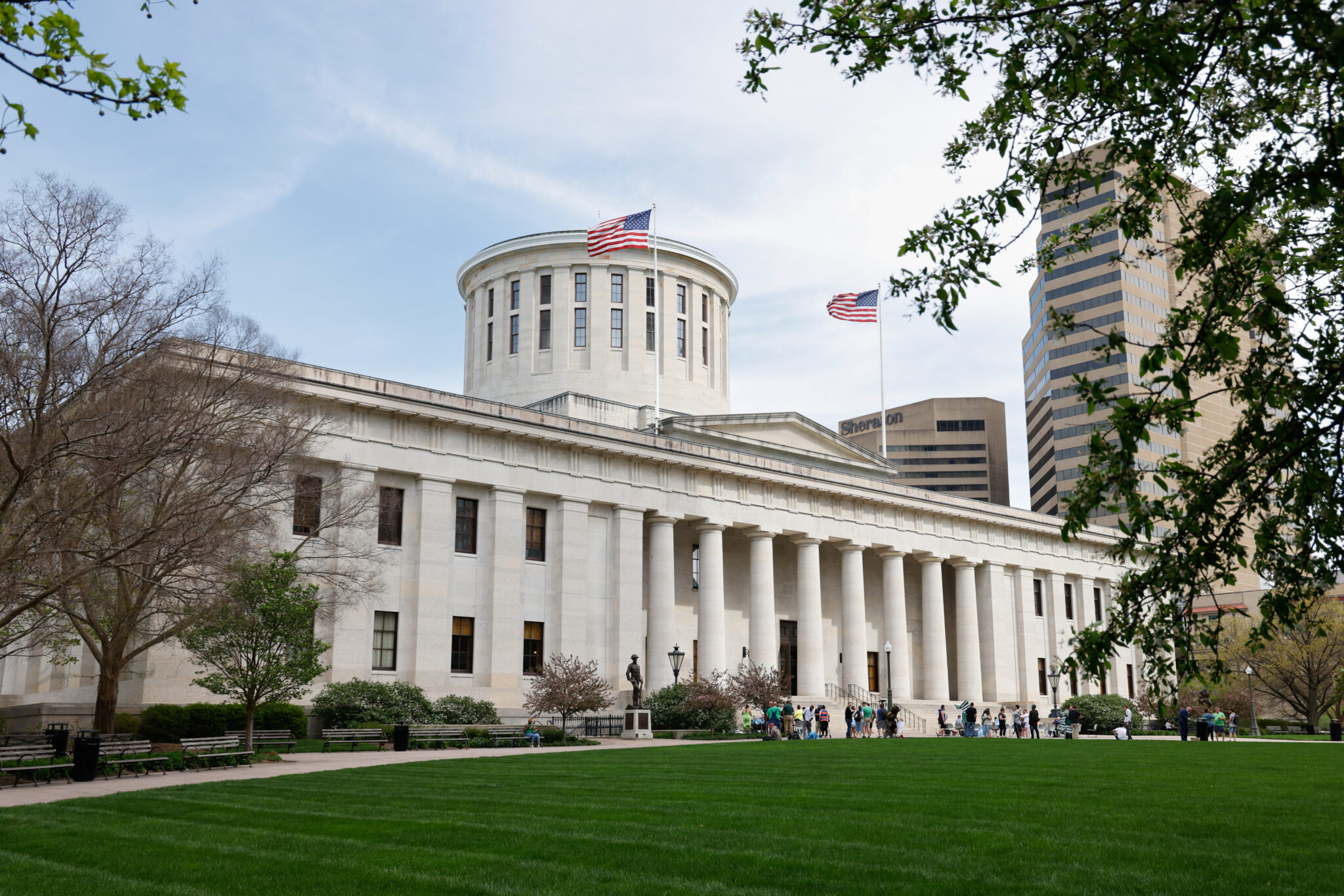
The Ohio Redistricting Commission will meet on Wednesday for the first time since May 2022 to discuss Ohio Statehouse voting districts.
After well over a year of inaction, and five different Ohio Supreme Court rejections, the commission comes back to work with heavy criticism of previous maps, and a mixed amount of optimism among anti-gerrymandering advocates that things will change.
“Even though activists from across the state wrote letters, attended, called (senators and representatives) … we know that those calls to do something different largely fell on deaf ears,” said Petee Talley, head of the Ohio Coalition on Black Civic Participation, of previous efforts to comment on district maps.
Court cases out of states like Alabama and Florida showed courts on all levels, including the U.S. Supreme Court, did not agree that racial demographics should be shoved to the side when debating voting districts.
Groups like Talley’s OCBCP, the NAACP of Ohio and the Ohio Organizing Collaborative said in a recent press call they were happy to see the rulings after Ohio mapmakers admitted they were instructed by legislative leaders not to include demographic data in Statehouse maps.
“We are hopeful that we have a vote in the next drawing in what these districts look like so that we can get the representation that we need,” Talley said on the call.
But in expressing doubts about the process considering the elected officials on the redistricting commission, Tom Roberts, a former state senator and the current president of the NAACP’s Ohio chapter, cited Secretary of State Frank LaRose’s recent letter expressing the need for maps to be passed by the end of September in order to be used in the November 2024 general election.
“This just tells me that they have no interest in drawing fair maps, they have no interest in doing the right thing,” Roberts said.
The former elected official said he’s “not optimistic” that the ORC will do “any more than they did the last time.”
The only way to get to fair maps, Roberts said, is to remove elected leaders from the commission and make it a citizen-run body. That concept has been brought up in the form of a proposed constitutional amendment for the ballot in 2024 attempting to revise the redistricting process yet again by replacing the politicians on the Ohio Resdistricting Commission with an Ohio Citizens Redistricting Commission.
The amendment had a set back as language for the proposal was rejected by the Ohio Attorney General’s office, but amendment advocates have since resubmitted language for reconsideration.
The idea of changing the way legislative and congressional maps are drawn was put to legislators in a recent Gongwer-Werth poll, where 100% of Democratic legislators polled said changes should be made, and 71% of Republican participants disagreed. Only 18% of the GOP legislators surveyed said there should be changes, with 12% undecided.
Of 51 legislators polled, 61% said lawmakers should continue to serve on the redistricting body. The partisan split was significant, however, with 88% of Democrats in the survey saying no lawmakers should acts as map adopters as 12% undecided, and 91% of Republicans landing on the side of lawmaker-led redistricting, with 6% against it and 3% undecided.
Unanimously, Democratic participants said the governor should not be a member of the commission, but 76% of GOP survey-takers saying the leader of the executive branch should be a part of the map drawing process.
Republicans were split when asked if a more competitive district map could be drawn in Ohio, with 45% of those participating saying there could be a more competitive map, and 42% of the GOP members surveyed saying it couldn’t be done.
Unsurprisingly, all Democratic participants said more competitive districts were possible.
Ohio’s U.S. Congressional district map won’t see a change until after the 2024 election, as court cases challenging the map declared unconstitutional by a bipartisan majority on the previous Ohio Supreme Court were dismissed by the current Ohio Supreme Court at the request of map challengers.
With a map draw set to happen after 2024 either way, challengers said they decided that continuing the case would only add confusion and another state of “limbo” for voters as a general election with hot-button issues approaches.
SUSAN TEBBEN
Susan Tebben is an award-winning journalist with a decade of experience covering Ohio news, including courts and crime, Appalachian social issues, government, education, diversity and culture. She has worked for The Newark Advocate, The Glasgow (KY) Daily Times, The Athens Messenger, and WOUB Public Media. She has also had work featured on National Public Radio.
In the fight against Ohio Ballot Board language that reproductive rights groups say is deceptive, an attorney has asked the Ohio Supreme Court to order the full text of the proposed amendment to be used on November ballots.
The Ohio Ballot Board approved language last month for voters to see on their ballots that took out specific details of the amendment, such as protections for miscarriage care and contraception.
The language was ostensibly meant to summarize Issue 1, a proposed amendment that would add abortion and reproductive rights into the state constitution, but those who created the proposed amendment say the summary approved by the ballot board in a 3-2 vote misleads voters and adds biased terms like “unborn child” instead of the medically accurate term “fetus.”
In a filing this week, attorney Don McTigue asked the Ohio Supreme Court to send the Ohio Ballot Board back to the drawing board, specifically to “prescribe that the amendment’s full text be used as the ballot language.”
“The Ballot Board’s prescribed language misleads the voters about ‘what they are being asked to vote on’ and engages in improper ‘persuasive argument … against’ the Amendment,” McTigue wrote, citing previous Ohio Supreme Court languages.
The summary language has various defects, according to the abortion rights groups, including misleading voters about “what right the amendment would create,” what restrictions the amendment would create, “whether and to what degree” the proposal would continue a pregnancy, a physician’s discretion regarding fetal viability, and “how the amendment would limit state regulation.”
“Each of these defects violates the constitution and laws of the state of Ohio, and cannot survive under this court’s precedents,” McTigue wrote.
Along with the alleged defects, the brief says the ballot board’s summary changes language enough to alter the meaning of the amendment and give false information to voters.
The summary language states that the amendment would “always allow an unborn child to be aborted at any stage of pregnancy, regardless of viability if, in the treating physician’s determination, the abortion is necessary to protect the pregnant woman’s life or health.”
“To the contrary, if the amendment were adopted, such an abortion would not be allowed insofar as the pregnant patient objected to it,” McTigue wrote. “In that case, the pregnant person would have an individual right to decide to continue [their] own pregnancy.”
He also argued that the majority that voted for the summary language included two people who have been working against the measure. One of which, state Sen. Theresa Gavarone, took time during the board meeting in which the summary language was considered, to call the amendment “dangerous” and commit to campaigning against the measure.
“Gavarone attacked the substance of the amendment itself as ‘an abomination,’ and asserted that the amendment entailed an ‘assault on parental rights,” the court filing noted.
Ohio Secretary of State Frank LaRose, who leads the ballot board, has also been a vocal opponent of the proposed amendment, posting on social media with anti-abortion groups, and working on a failed constitutional amendment to raise the threshold to approve amendments specifically to block the abortion rights measure.
“This context, together with the ballot language’s length and many defects, makes clear that the board majority’s personal opposition to the amendment infected the ballot board’s exercise of authority,” McTigue told the court.
The Ohio Attorney General’s Office, who represents the ballot board in legal proceedings, denied wrongdoing by the board in response to the lawsuit.
SUSAN TEBBEN
Susan Tebben is an award-winning journalist with a decade of experience covering Ohio news, including courts and crime, Appalachian social issues, government, education, diversity and culture. She has worked for The Newark Advocate, The Glasgow (KY) Daily Times, The Athens Messenger, and WOUB Public Media. She has also had work featured on National Public Radio.
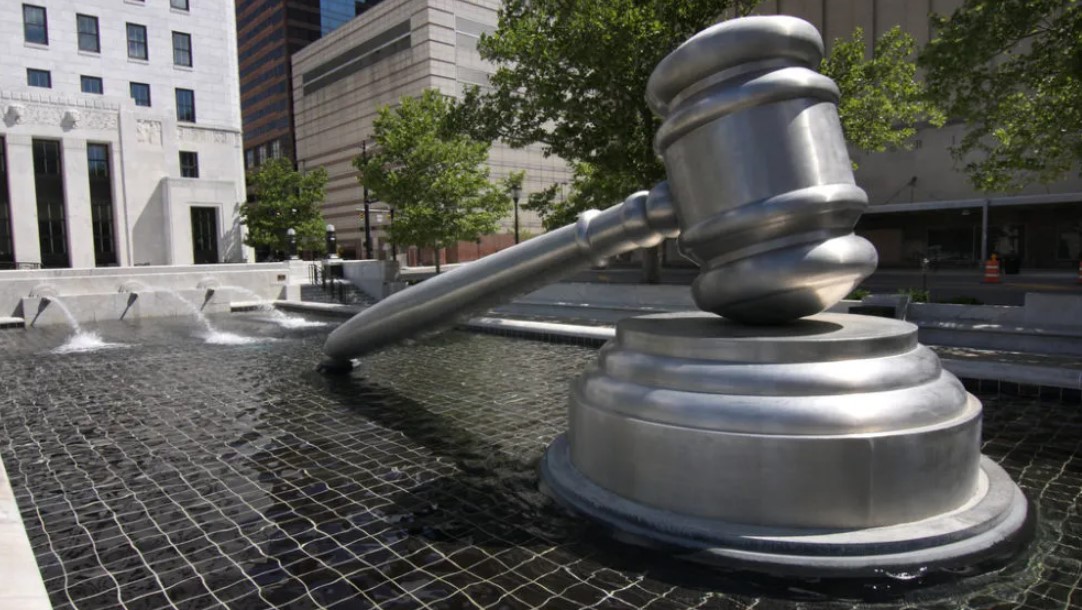
The Ohio Supreme Court on Thursday dismissed two cases over congressional districts in Ohio.
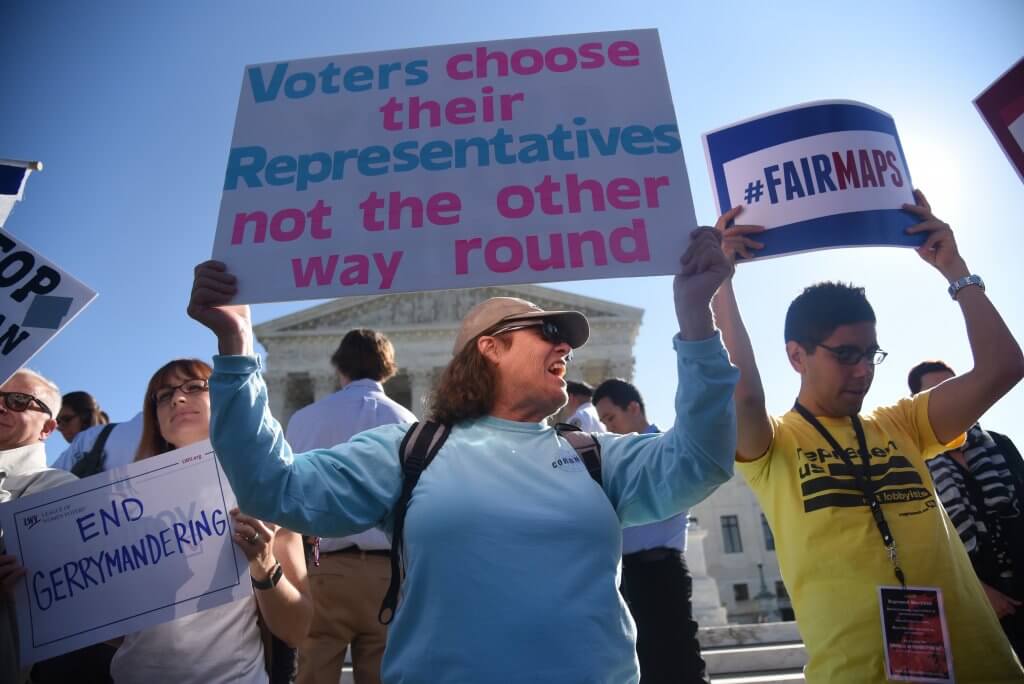
The decision isn’t a complete surprise because the groups filing the complaints asked for the dismissals earlier this week. But struggles over partisan gerrymandering in Ohio and elsewhere are far from over.
The complainants continue to maintain that Ohio’s congressional districts — as well as its legislative districts — are unfairly gerrymandered. They simply calculate that it’s better to dismiss the cases in light of other developments and because the state Constitution already requires that districts be redrawn after next year’s General Election.
In claiming that Ohio is extremely gerrymandered, the plaintiffs appear to have a point. Former president Donald Trump won the state with less than 54% of the vote in 2020, yet Republicans control 66% of the state’s congressional seats — a 12-point differential.
Many political scientists and other experts say extreme gerrymandering is a problem because by making general elections uncompetitive, it incentivizes candidates to pander to the most extreme elements of their primary electorate. Also, by imposing one-party rule, it creates unaccountable, corrupt majorities, they say.
In May 2018, an amendment to the state Constitution that banned extreme partisan gerrymandering and gave the Ohio Supreme Court the power to throw out maps on that basis passed with an overwhelming 75% of the vote.
Yet the Republican-dominated Redistricting Commission created by the amendment twice ignored rulings by a bipartisan majority on the Ohio Supreme Court rejecting maps it drew in the wake of the 2020 Census. With the clock effectively run out, a panel of three federal judges kept the unconstitutional congressional maps in place for the 2022 election.
Ohio Republicans argued to the U.S. Supreme Court that the state judiciary has almost no power to regulate how legislatures draw congressional districts — no matter what state law says or how gerrymandered those legislatures might already be. That’s known as the “independent legislature doctrine” — which Carolyn Shapiro blasted as “an unprecedented, unconstitutional, and potentially chaos-inducing intrusion into state election law,” in an article this year in the University of Chicago Law Review.
On June 27, six members of U.S. Supreme Court agreed in Moore v Harper. The ruling said the North Carolina Supreme Court had the power to enforce a state law banning excessively partisan congressional maps.
However, gerrymandering foes in Ohio might not find much solace in the decision.
Former state Supreme Court Chief Justice Maureen O’Connor, a Republican, repeatedly joined the court’s three Democrats in ruling that Republican-drawn congressional and legislative maps were excessively partisan. But then she was forced to retire last year because of her age and the new court has a more partisan makeup.
Other recent developments might not hold much hope for Ohio’s anti–gerrymandering groups, either.
The U.S. Supreme Court last October struck down Alabama’s congressional maps in Allen v Milligan. The surprise ruling said that the state’s congressional districts violate the Voting Rights Act by being unduly gerrymandered against Blacks.
It ordered that the state legislature redraw maps so that Alabama Blacks will have a chance at a second seat in the state’s six-seat delegation in which they can select a representative of their choice.
That doesn’t necessarily mean picking a Black representative — or that by merely being Black, a representative meets the requirements of the Voting Rights Act. The law requires that minority communities have a legitimate shot at picking representatives in numbers proportional to their own.
Blacks make up about 27% of Alabama’s population and the ruling in Milligan would give them a chance at power over 33% of its congressional seats, as compared to the current 17% they have power over now.
However, the state’s Republican-dominated legislature twice defied orders to comply with the ruling. On Tuesday, a panel of federal judges rebuked the body and ordered that the new map be independently drawn.
The ruling in Milligan has implications for several other states, such as Louisiana, which have large, underrepresented minority populations.
But Ohio might not be one of them because it doesn’t have the diversity those states do. Whites make up 80% of the state’s population, while Blacks make up just over 13%. The next closest group, Latinos, make up 4.5%.
Louisiana, by contrast, is 63% White, but that group controls 80% of the state’s five congressional districts.
In her role as now-retired chief justice, O’Connor is helping to lead an effort to build even more stringent anti-gerrymandering amendments into the Ohio Constitution. The amendment she’s working to put on the November 2024 ballot would do what the federal panel did to the Alabama legislature on Tuesday — take district drawing out of the hands of partisans and give it to an independent commission.
MARTY SCHLADEN
Marty Schladen has been a reporter for decades, working in Indiana, Texas and other places before returning to his native Ohio to work at The Columbus Dispatch in 2017. He’s won state and national journalism awards for investigations into utility regulation, public corruption, the environment, prescription drug spending and other matters.
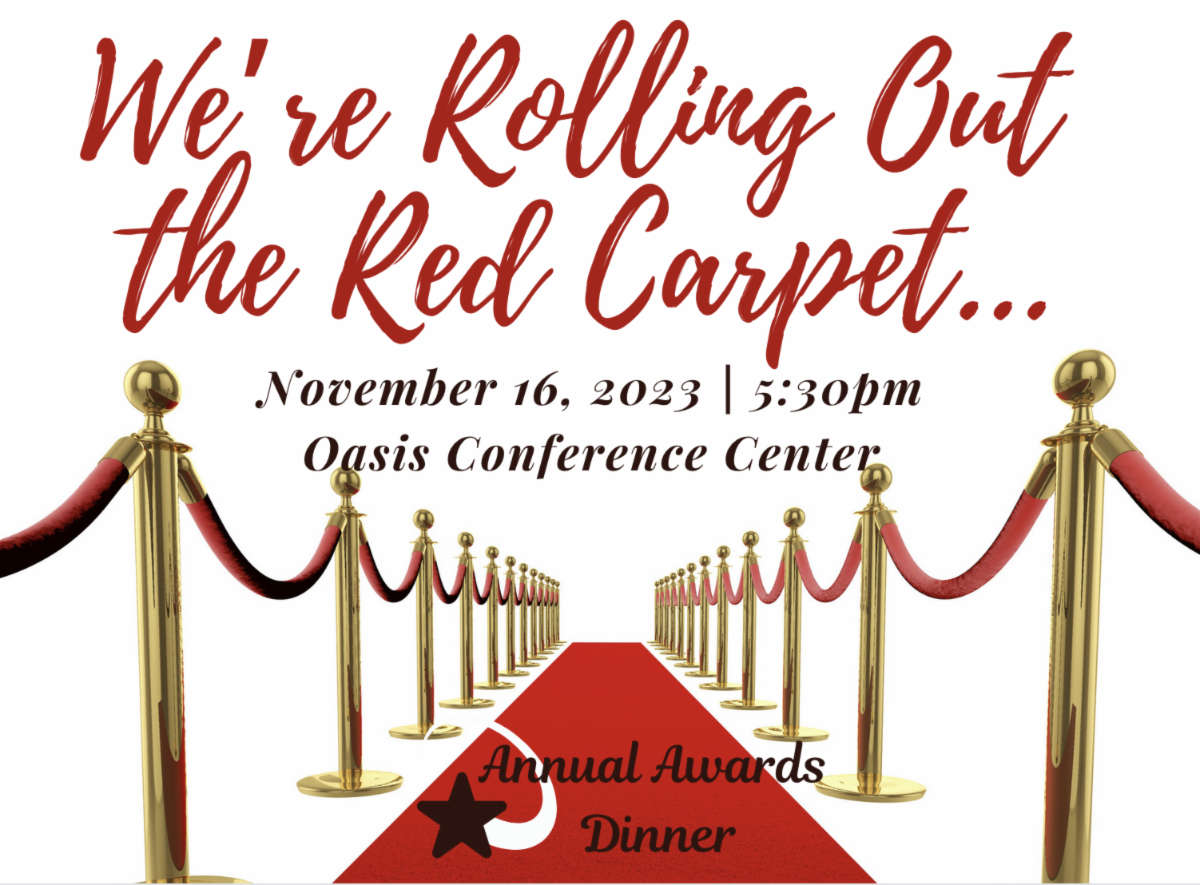
Join us on November 16 at the Oasis Conference Center as we roll out the red carpet and celebrate the “celebrities” of Loveland’s businesses–the real stars who work hard to make this a great place to work, play and live!
The Little Miami River Chamber Alliance Annual Awards Dinner is an evening for all area businesses to come together and celebrate their successes and community contributions.
Each November, The Little Miami River Chamber Alliance says “Thank you” to our businesses for all they do for our community and honor them for enhancing our community and making it a better place to live.
The Annual Awards Dinner is an evening for all area businesses to come together and celebrate their successes and community contributions.
NOMINATIONS ARE NOW LIVE! Nominate a Business you love, one that is deserving of one of our 12 categories, or one you own or work for! Nominations are due October 7, 2023.
The EPA announced that it will be conducting a new review of ozone standards, delaying action until as late as 2025.
The American Lung Association is “deeply disappointed” in this decision.
On Aug. 21, the EPA publicized that it will be conducting a new review of the National Ambient Air Quality Standard for ozone, meaning the current outdated national limit on this pollution may be in place until as late as December 2025.
This announcement caused both the American Lung Association and the American Thoracic Society to publicly express their disappointment in the EPA’s decision.
As Healio previously reported, the 2023 State of the Air report found that the number of people exposed to ozone pollution went down by 19.3 million people; however, with the EPA’s recent announcement, lung experts wonder how this statistic will be impacted.
Healio spoke with Laura Kate Bender, national assistant vice president of healthy air at the American Lung Association, to learn more about ozone pollution, how the EPA’s delay will backtrack recent progress and the journey to achieving environmental justice.
Healio: What are some of the dangers associated with ozone pollution? What factors make individuals more susceptible to these dangers?
Bender: Ozone can harm anybody’s health at high levels, but many people are particularly at risk. This includes people who have lung disease such as asthma, people who are pregnant, children or older adults, people with other underlying conditions and people who spend a lot of time outdoors working or exercising.
Additionally, the effects of ozone pollution are not distributed equally. Communities of color tend to have polluting sources located nearby more often. We know according to the Lung Association’s own State of the Air report that people of color are more likely to breathe polluted air than white people.
Both short- and long-term exposure can cause health harm. In the immediate term, high levels of ozone can cause shortness of breath, wheezing and coughing. If an individual has asthma, it can give them an asthma attack. It can also send people, particularly those with lung disease, to the hospital. Ozone exposure is also bad for you over the long term. Long-term exposure is linked to a whole host of health impacts including premature death, increased respiratory harm, lower birth weight and decreased lung function in newborns, an increased risk for metabolic disorders and a link with cardiovascular health.
There are a lot of commonalities between the harms of particle pollution and ozone pollution. In both cases, they can cause immediate harm, particularly to breathing, and long-term harm if you’re exposed day after day.
Healio: What conditions make ozone pollution levels stronger/more harmful? What are some ways individuals can protect themselves when faced with these conditions?
Bender: Ozone isn’t emitted directly from sources of air pollution. It’s formed when different emissions react in the atmosphere. For example, emissions from gas/diesel vehicles, power plants, industry and a whole host of sources mix in the presence of heat and sunlight and can react to form ozone. That means a couple of things. One, it means that ozone can show up a long way downwind from where the original pollutants were emitted. Two, it means that on warmer days, we’re more likely to see unhealthy levels of ozone pollution because those reactions take place in the presence of heat. This also means that climate change in many places has been and is projected to continue to drive increasing ozone levels because again, more heat tends to mean more ozone.
On days with unhealthy levels of ozone, which individuals can check by going to airnow.gov for their air quality forecast, people should take steps to protect themselves. The level of the air quality alert determines how bad ozone is for the day. As a person with asthma, I tend to check and take this pretty seriously. On an orange alert day — a day with elevated levels of ozone — I would not make plans to go for a run outdoors. I would spend that time indoors especially because exercising increases the rate at which you’re inhaling air.
Healio: How will the delay of the EPA’s standard for ozone pollution backtrack recent progress that has been made in reducing this type of pollution?
Bender: The American Lung Association is deeply disappointed by the delay the EPA recently announced. The EPA sets national limits on ozone pollution — the National Ambient Air Quality Standards — and the Clean Air Act, the law that governs those standards, requires that they be based on health science. They need to be based on what the science shows is safe to breathe. The science has shown for years that the current ozone standard is not safe to breathe; it allows levels of pollution that are unhealthy and can cause health harms. So, the fact that the EPA announced that rather than moving forward with updating the standard through their reconsideration process, they’re essentially going back to square one is a huge disappointment because it means potentially years of delay in getting a stronger standard that the science shows is needed.
Healio: How would stronger ozone standards impact public health?
Bender: The Clean Air Act and the ozone standards under it have a long track record of success. The reason that they work so well is because the law requires the EPA to set standards based on what the science says is healthy, not how much it’s going to cost to clean up. Once the EPA sets the standards, it implements them working with states and other entities across the country. They figure out where there is too much ozone based on measurements and modeling and then what communities are going to do to clean up that ozone. This leads to places taking concrete steps to reduce emissions that form ozone to help those communities have air that’s safe to breathe and attains the standards.
This important and deliberate process takes a long time, so the sooner the EPA sets more protective ozone standards in keeping with what the science shows is necessary, the sooner those protections can end up resulting in emissions reductions that will help people in places where there are unhealthy levels. It’s a long process and the EPA setting the standard is just the first step.
The other thing that we want to emphasize about the EPA’s recent announcement is that the Clean Air Act has requirements for how often it has to do this. The law actually requires that the EPA review the ozone standards and standards for similar pollutants every 5 years. That’s important because the science is always changing. Time and research show that pollutants such as ozone are more dangerous than we thought previously in more ways than we thought previously. The clock is ticking because the EPA has a legal obligation to finish its review of the ozone standards by Dec. 31, 2025. This new process that they announced, where they basically have to go back to square one and do a full review of the standards rather than moving forward with something more protective now, has to be done under the law by the end of 2025.
Healio: Why are stronger national air standards important for achieving environmental justice?
Bender: Getting stronger ozone standards across the finish line isn’t just about public health, it’s also about environmental justice and health equity because ensuring that these tighter standards are in place and that they lead to actual cleanup is critical for the communities that have been waiting for decades to have polluting sources near them reduce their emissions.
In pushing the EPA to propose, strengthen and finalize a suite of things, environmental justice has been a recurring theme. With these standards, the administration has a huge opportunity to promote environmental justice and ensure cleanup in the communities that have been dealing with air pollution for far too long. This is a real opportunity to promote environmental justice and meet the administration’s goals in terms of ensuring that communities have equitable access to healthy air, but if not, then it perpetuates the injustices that have been in place for too long already.
Healio: As an American Lung Association representative, what is your message to the EPA regarding this delay and the lack of finalization for other critical regulations?
Bender: With regard to the ozone standard, we are profoundly disappointed. The ozone standards are critical, they’re outdated and the fact that communities now have to wait longer for lifesaving protections from ozone pollution is simply unacceptable.
The Lung Association will continue to push and to make sure that stronger ozone standards get across the finish line as fast as possible. We will also work to make sure that these standards are at the levels that the science shows are needed, which is a range of 55 parts per billion to 60 parts per billion — significantly stronger than the current standards.
With regard to the other rules, there are a lot of things that the EPA has proposed. We’ve been calling for a suite of clean air protections that are urgently needed, including protections from methane from the oil and gas industry, protections that make our cars and trucks less polluting, and measures to limit air toxics and carbon pollution from power plants. The administration had proposed all these standards, and now they need to get them across the finish line. This is really an inflection point for the administration’s goals of improving health equity, reducing air pollution and addressing climate change. They have a suite of regulations that they need to finalize, and they need to make them as strong and as health-protective as possible. Urgently finalizing these proposals and strengthening them so that they maximize the protection for public health is critical; it’s more important now than ever.
Most immediately, the EPA is also considering updating the national limits on particle pollution. Just like with ozone, the same requirements are in place for the national limits on particle pollution: They need to be reviewed every 5 years and based on health. The good news is the EPA has proposed tighter limits on particles. The bad news is those limits did not go far enough. The Lung Association is urgently calling on the administration to finalize updated particle pollution standards this fall at the levels that the science shows are safe to breathe, which is 8 µg/m3 annually and 25 µg/m3 for the daily standard.
Even though generally speaking, the air is much cleaner than it used to be, not every community has experienced that cleanup and climate change is driving increased air pollution. The need to ratchet down on these standards further is urgent so more protections can come into place.
Lung Association deeply disappointed with EPA’s failure to update ozone pollution standard; Calls on EPA to follow the science and the Clean Air Act to protect vulnerable populations. https://www.lung.org/media/press-releases/fy24-ozonestandards-statement. Published Aug. 21, 2023. Accessed Aug. 22, 2023.
“I hope to create a Student Organize Service – The goal of this SOS group would be accomplished in many ways. Members could visit local historical sights, which are mainly centered around the Civil War here in Cincinnati and and northern Kentucky, and museums, such as the Underground Railroad Freedom Center, to learn more about our history from experts and then come back and share that information with the student body through presentations, posters, videos, etc. Another way is educating the school about specific moments in our history on the days they occurred and connecting that to today and the impact it’s had on our lives now. The group could also help with the middle school history club to provide them with more opportunities and knowledge so that their love and knowledge of history can grow even deeper. My dad inspired and nurtured my love for it.” – Addison Anderson
Washington, D.C. – In the heat of summer, students enjoy the splendors of the season before returning to the classroom. But for the student leaders that make up the American Battlefield Trust’s 2022-2023 Youth Leadership Team (YLT), this time is also treasured due to the completion of capstone projects that highlight battlefield preservation, education, or visitation. As the final element in completing the YLT experience, the capstone project took many forms across the robust team of young battlefield preservationists.
Through the Youth Leadership Team program, the Trust challenges young minds to seek out adventure, creativity, an expanded network, and a greater understanding of both the American past and the present-day efforts to preserve it. The capstone project component presents an ideal opportunity for participants to check off each of these boxes while gaining new skills and engaging with their communities. Through the generosity of the Pipkin Charitable Foundation, team members receive a stipend to serve as project seed money.
Each student leader tuned in to their interests and surroundings during the capstone component of the Youth Leadership Team experience. And, over the course of their months-long involvement in the program, they developed an appreciation for historic preservation that will extend far past their roles with the American Battlefield Trust. YLT member Addison Anderson claimed that she came out of the experience with “advice from awesome mentors, strong friendships that will last for years to come, and some of the best memories of [her] life.”
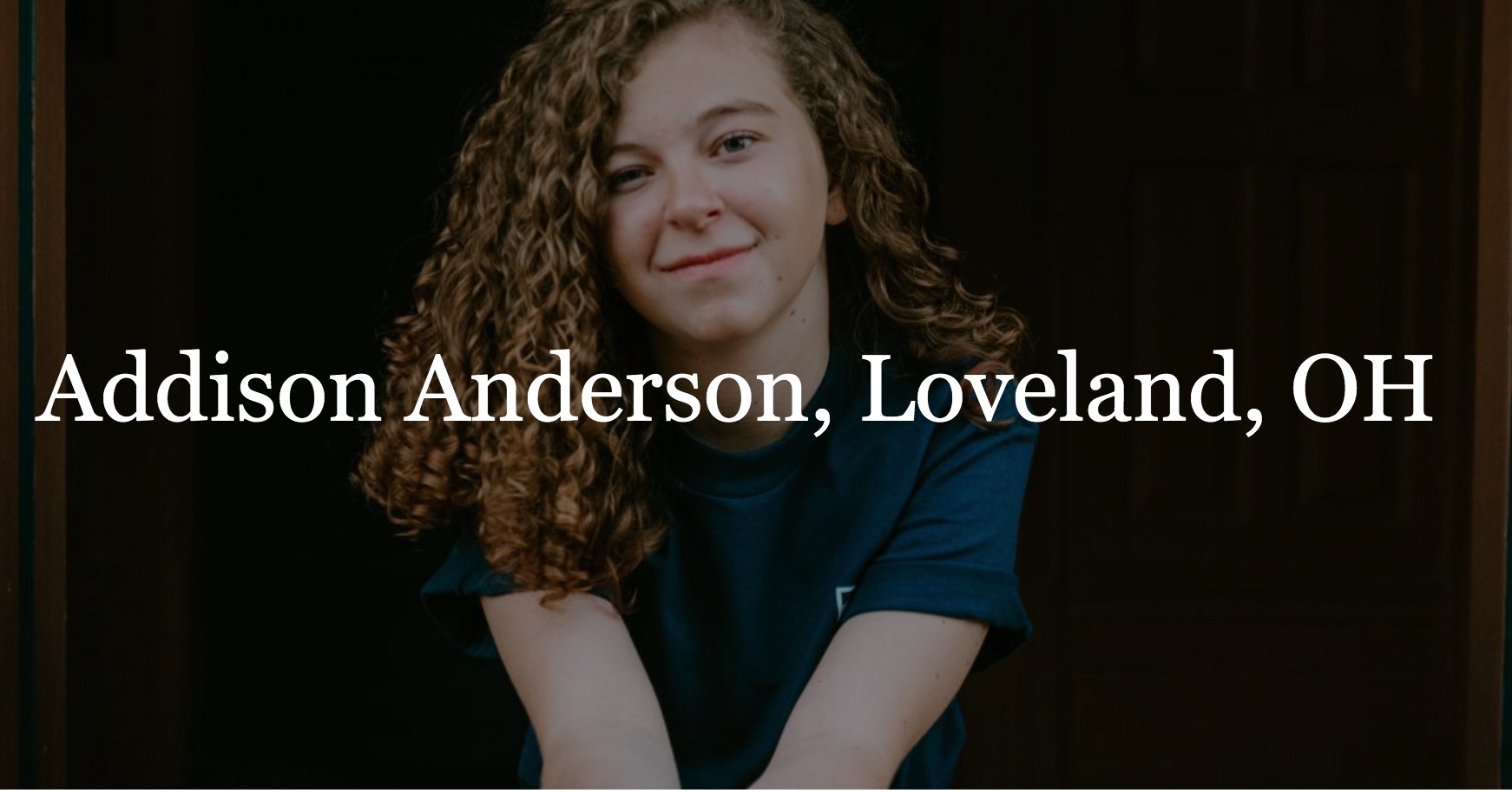
Addison Anderson from Loveland, Ohio
Addison Anderson, Loveland, Ohio
“Even though the land the Trust protects hosted battles fought generations ago, lives in these communities are still impacted by the history surrounding them, inspiring new leaders and change-makers,” said Anderson. The young history enthusiast launched a service group through her Ohio high school called “Living History,” which is dedicated to supporting local historic sites through acts of volunteerism and educational programming. The group has already visited a handful of sites.
Ana Kangsumrith, Fairhope, Ala.
“Historic preservation is not just for me or for those who have a passion for history, but for the youth of Alabama, who need the chance to see history come alive,” said Kangsumrith. A creative soul, Kangsumrith made an oil painting of a Union artillery battery at Fort Blakeley — a Civil War site in her community and a location to which the Trust has preserved approximately 126 acres. She donated this painting to the Fairhope Museum of History for display. But Kangsumrith didn’t stop there — she also led the charge in developing a historical debate simulation, centered on the American Continental Congress leading up to the Revolutionary War, at her high school.
Colin Shen, Houston, Texas
“Without battlefields, America’s journey will be forgotten, and the voices of ordinary soldiers will be lost,” said Shen. As a proponent of elevating lesser-known voices in history, he created an array of artworks with his subjects being figures that have often lingered on the periphery of Revolutionary War history, including Betsy Ross.
Colter Sienkiewicz, Livingston, Mont.
“The YLT experience offered me an opportunity to take a deep dive into something that interests me, learn more about the Trust’s work preserving our rich history, and contribute to the Trust’s mission,” said Sienkiewicz. The Montanan zoned in on U.S. maritime battlefields for his capstone project, identifying threats they face and reporting on how the public can help preserve and interpret the land and sea they encompass.
Other members of the 2022-2023 Youth Leadership Team include: Jacob L.T. Bates, of Stonington, Conn.; Ella Dieterlen, Dillsboro, Ind.; David Mackowski, Georgetown, Texas; Grace Schroeder, Portland, Ore.; and Sriya Tallapragada, of New Providence, N.J.
The American Battlefield Trust is dedicated to preserving America’s hallowed battlegrounds and educating the public about what happened there and why it matters today. The nonprofit, nonpartisan organization has protected more than 57,000 acres associated with the Revolutionary War, War of 1812 and Civil War. Learn more at www.battlefields.org.
Meet the YLT
The American Battlefield Trust Youth Leadership Team (YLT) is a rotating group of 10 young people, aged 15-18, who will serve as the youth face and voice of the American Battlefield Trust. YLT members are selected every year to participate in Lobby Day; create preservation, education, or visitation projects in their local communities; and attend our annual conference.
By supporting this group of motivated young leaders, we hope to create a ripple effect for battlefield preservation, visitation, history education in our nation. Our goal is for young people to connect and empower each other to create change within their own schools and communities.
The American Battlefield Trust Youth Leadership Team is supported by the generous contributions of the Pipkin Charitable Foundation.
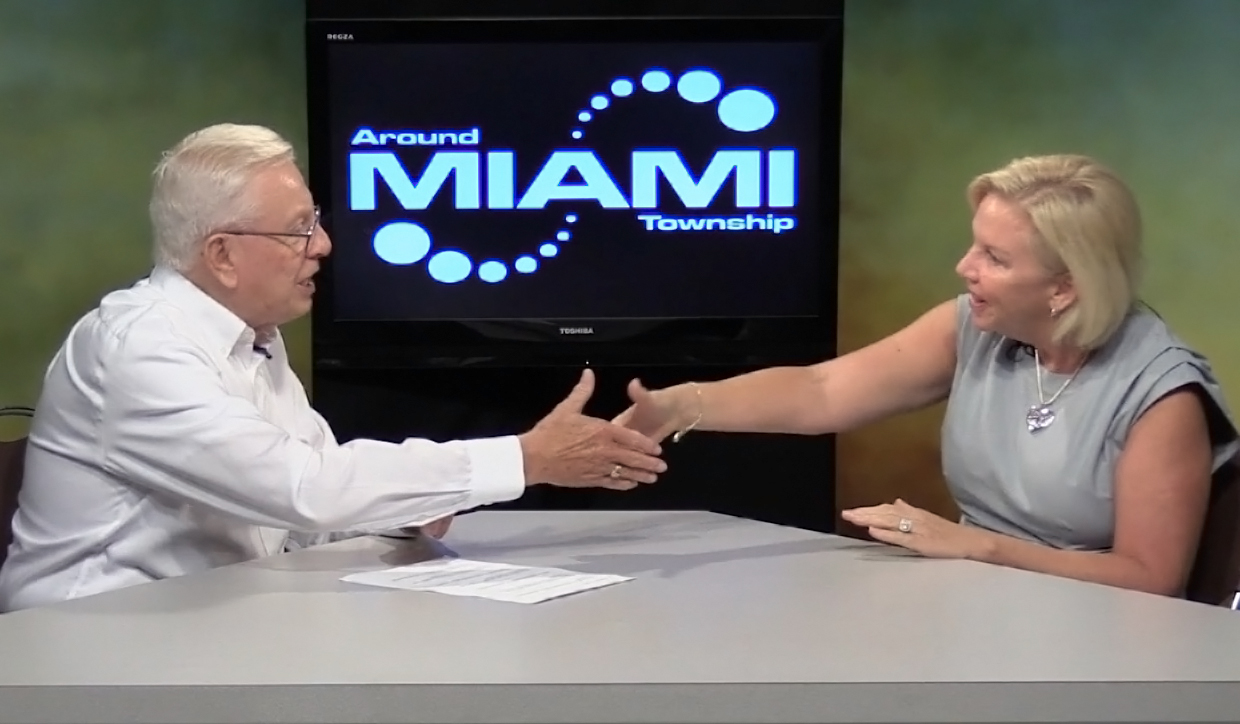
“CeeCee Collins from the Little Miami River Chamber Alliance tells us all about the mission of the Chamber, upcoming events, and how they’re working to connect area business owners.”
Former Loveland Magazine Intern and Loveland native Ricky Mulvey talks about Hamilton County naming rights.
NFL Football is back this week, should you be keeping an eye on the companies plastered on the side of stadiums?
Ricky Mulvey and Dylan Lewis discuss:
– Why stadium sponsors generally don’t outperform their peers or the market.
– When major sponsorships do and don’t make sense as part of a marketing budget.
– Monster Energy’s brilliance in focusing on extreme sports.
MAKING THE WORLD SMARTER, HAPPIER, AND RICHER
Through expert investment guidance
Join Over Half a Million Premium Members Receiving
• New Stock Picks Each Month
• Detailed Analysis of Companies
• Model Portfolios and Advanced Tools
• Live Streaming During Market Hours
What’s in a Name?”
The Motley Fool’s name comes from William Shakespeare’s play “As You Like It”. The court jester, known as the Fool, could speak the truth to the king and queen without having his head lopped off. The Fools of yore entertained the court with humor that instructed as it amused. More importantly, the Fool was never afraid to question conventional wisdom. In the same way, we aim to speak the truth about money and investing…and to make financial guidance accessible to people of all backgrounds and experience levels.
Loveland, Ohio – After Hamilton County Probate Judge Ralph Winkler accepted applications and lettersof recommendation for appointment to the unexpired termofKevin Dougherty on the Loveland City School Board, he announced the appointment of Linda Cecil.
The term Cecil will fill runs through the end of the current calendar year, 2023, and she is running for a full school board term in November.
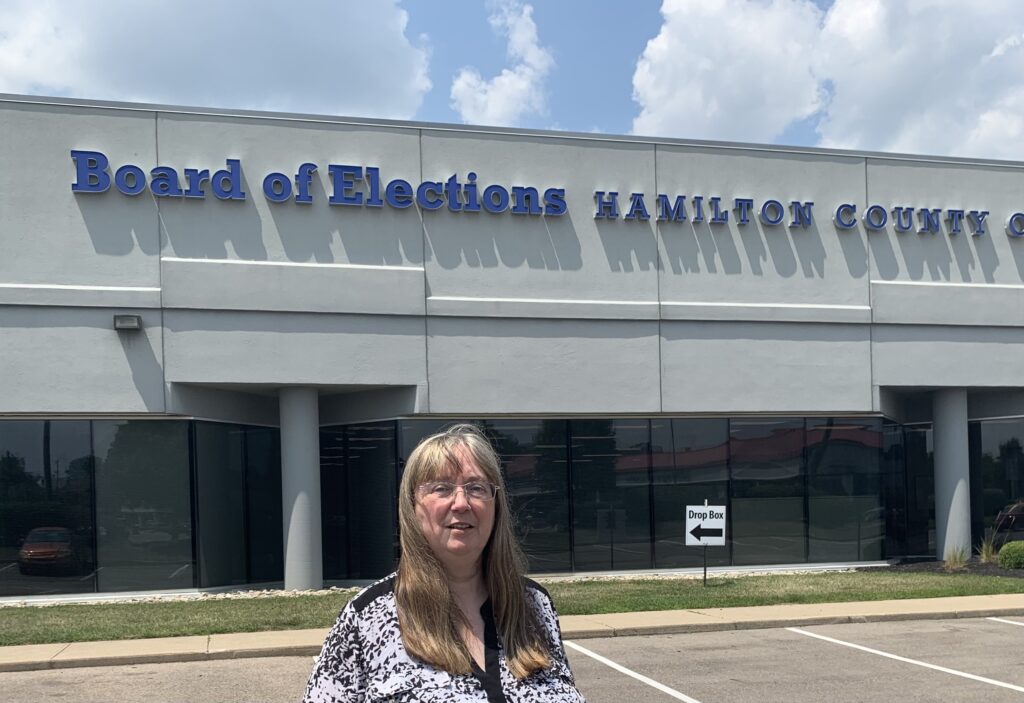
Linda Cecil lives in Pheasant Hills on the Lake (Provided Photo)
The Loveland School Board has been functioning with only four members since Kevin Dougherty resigned effective June 30. As previously reported the board of education appointed Dr. Brad Goldie on July 17 to the unexpired term but later had to rescind their vote because they discovered the doors to the building were locked during their vote and the meeting was therefore a violation of Ohio Open Meeting laws. After discovering the error and rescinding their vote for Goldie, the time to make another vote had expired. When that happened, Ohio law required a Probate Judge to make the appointment.





 The Annual Awards Dinner is an evening for all area businesses to come together and celebrate their successes and community contributions.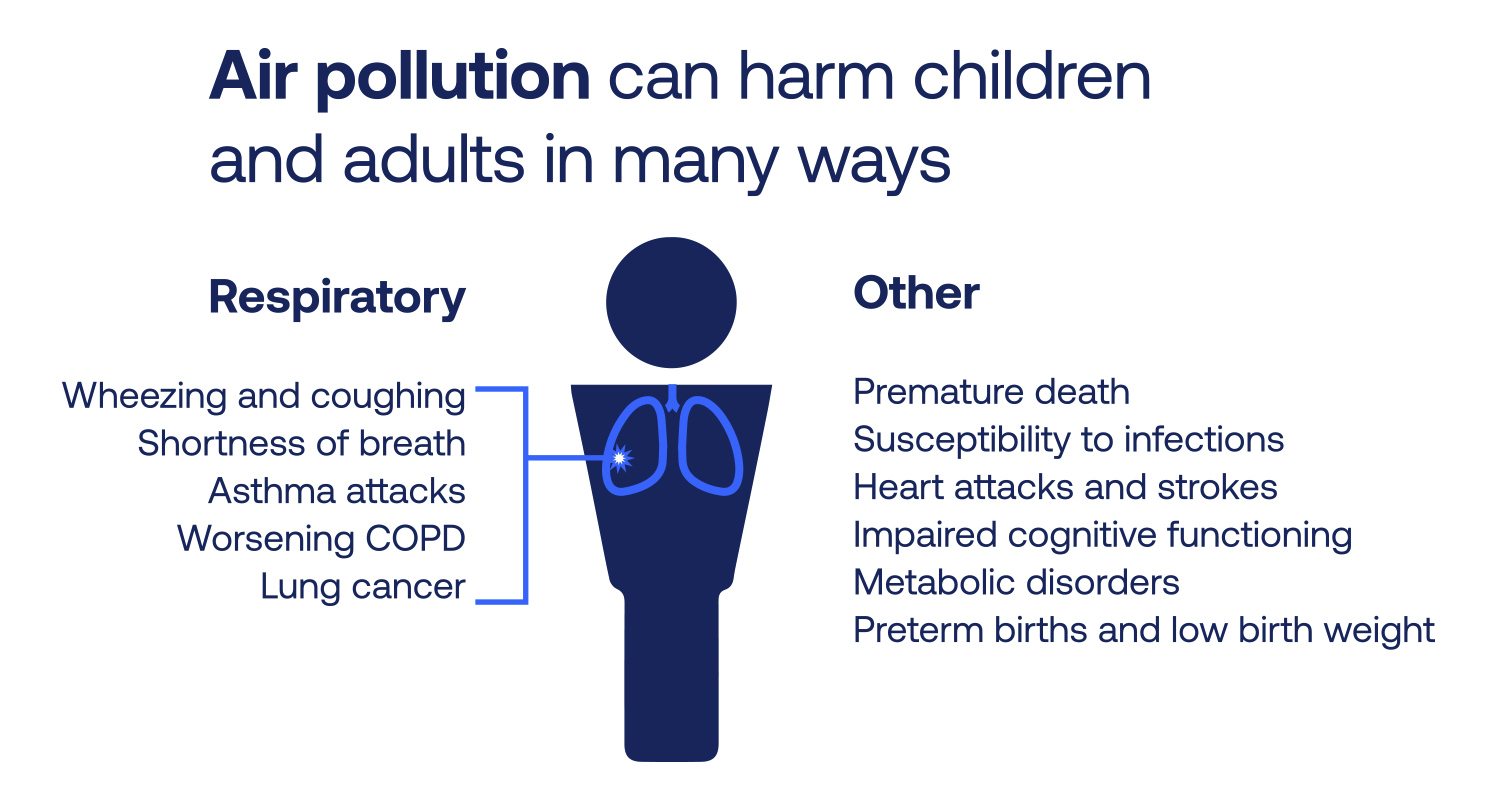
 Washington, D.C. – In the heat of summer, students enjoy the splendors of the season before returning to the classroom. But for the student leaders that make up the