Loveland Magazine file photo from the 2022 Oktoberfest
Sep 22nd and23rd
Loveland, Ohio – The Little Miami River Chamber Alliance is once again gearing up for their exciting frothy beer and delicious food-filled weekend. Historic Downtown and Nisbet Park will be decked with leather shorts with H-shaped suspenders, traditionally worn by men in Alpine regions such as Bavaria. Women will be getting their Dirndl dress on. (Read how to dress like a Munich local)
There will be keg and foot tapping all along the Loveland Bike Trail where you’ll find German food specially prepared for the weekend and music and dancing.
Continuous shuttle loops from 5-10 PM each day from the Loveland Early Childhood Center and Shopper’s Haven Plaza. (See Maps Below)
Watch this LOVELAND MAGAZINE TV video chocked full of images of your family, friends, and neighbors enjoying themselves in Historic Downtown last year.
Warsteiner Beer on tap as well as drafts and seltzers sold at Nisbet Park. Food options listed below. Lawn Games include a Stein Slide, Spin the Wheel, and Beer Puppeteer!
Kid’s Zone: 4 PM – 8 PM
Includes a large slide inflatable, inflatable axe throwing, and inflatable basketball.
The first roundbegins atlocalRestaurants and Bars list coming soon
Saturday, September 23
Event begins: Noon
Kids Zone: Noon – 5 PM
Come down with the whole family! Kiddos can get their faces painted and do crafts with our local Girl Scouts of Loveland! There will be large slide inflatable, inflatable axe throwing, and basketball. Kona ice will be on site at this time only.
Schnapps Band on stage 2 PM – 5 PM
Weiner Dog Race: 3 PM (Amphitheater)You won’t want to miss this! Come early to get good seats for the show.
Premier Dance and Tumbling Perform: 4 PM – 5 PM (Amphitheater in Nisbet Park)
Ceremonial Keg Procession and Keg Tapping: 5:00 PM
Stein Hoist Finals on Main Stage: 5:45 PM-6 PM
Winners from each business come stein to stein to claim Stein Hoist King!
Zinzinnati Bier Band: 6 PM – 10 PM
Event Ends 10 PM
Food in the Biergarten
All the Ingredients: Schmidt’s Bahama Mama Sausages, Fried Sauerkraut Balls
Best Thing Smokin Food Truck: Smoked Corned Beef Sliders or Rubens, Sauerkraut, Sausage & Potato Pancakes
Funnel Vision Food Truck: Funnel Cakes
Knights of Columbus: Goetta Burgers, Brats and Metts
Pretzelfuls Food Truck
Tano Bistro (Saturday ONLY): Schweinebraten & German potato salad
Kona Ice (Saturday ONLY): Shaved ice
Keep up with the current news about the Loveland Oktoberfest by following the Little Miami River Chamber Alliance on FaceBook Facebook.
Continuous shuttle loop from the Loveland Early Childhood Center. (6740 Loveland-Miamiville Rd, Loveland, OH 45140)
Continuous shuttle loop from Shopper’s Haven Plaza.
This week, Ohio Gov. Mike DeWine tapped an executive director to lead the OneOhio Recovery Foundation. The nonprofit charged with administering more than $1 billion in opioid settlement money has faced criticism over lack of transparency. While critics of OneOhio praise DeWine’s pick, they argue the nomination process was opaque.
The background
State and local officials negotiated the OneOhio Recovery Foundation as way to manage opioid settlement money flowing to Ohio. The organization’s 29-member board hints at the competing interests. The governor, attorney general and general assembly all get to name board members. The state is then divided into 19 regions in which local leaders get to tap board members.
In all, the agreement gives the nonprofit control over 55% of the $2 billion coming to Ohio.
The memorandum of understanding that established OneOhio insists “meetings shall be open, and documents shall be public to the same extent they would be if the Foundation was a public entity.”
But when Harm Reduction Ohio president Dennis Cauchon tried to attend the group’s first meeting in 2022, OneOhio turned him away. HRO then filed a public records request for documents related to the meeting. OneOhio didn’t respond.
HRO sued OneOhio in the state supreme court. The justices decided — unanimously — that OneOhio is the functional equivalent of public entity and must comply with the records request.
Dissatisfied with that outcome, state lawmakers added language to the budget explicitly defining OneOhio as not a public entity. Gov. Mike Dewine signed the budget on July 4. Eight days later, the OneOhio board voted to send DeWine their short list for executive director.
Gov. Mike DeWine introducing OneOhio Recovery Foundation executive director Alisha Nelson (left) and Ohio Department of Children and Youth director Kara Wente. (Photo by Morgan Trau)
The director
When DeWine announced his decision, he noted the OneOhio board “conducted an extensive national search” and he praised all three candidates. In the end though, he landed on Alicia Nelson.
“For more than 16 years,” he said, “Alicia has turned her passion and life experiences into a career promoting and developing policies that support long term recovery and the advancement of the behavioral health field.”
DeWine would know. As attorney general, he selected Nelson to lead his office’s anti-drug efforts. Shortly after taking office as governor, he turned to her again to lead RecoveryOhio, a new agency tasked with addressing mental health and drug abuse. Nelson also has experience working with the Alcohol Drug and Mental Health, or ADAMH, board of Franklin County. In the private sector, DeWine described how she’s worked to improve mental health payments within the Medicaid system.
Nelson said she and the OneOhio board are committed to transparency, and she took a long view of the work in front of them.
“What does it take to see the vision of 2050, where we want to be, to really see this issue abated and that no one else has to struggle with the loss of a loved one,” she said.
Cauchon, from Harm Reduction Ohio, spoke glowingly of Nelson as well. He described her as “a talented, wonderful person and totally qualified.”
He recalled how at RecoveryOhio she was instrumental in clearing bureaucratic hurdles for naloxone distribution. “It was just like a technical administrative thing that was having serious consequences,” he explained, “but she cared.”
“I think that OneOhio is fortunate to have her as the executive director,” he said. “I have no problems with her at all. In fact, I salute her. I’ve worked with her in the past, and I have great respect for her.”
The process
The problem, Cauchon said, is how the board arrived at its short list. He claims the OneOhio held numerous meetings without public notice as they conducted their national search. Although the state budget asserts OneOhio doesn’t have to comply with state open meetings laws, those provisions won’t take effect until October.
The controlling mandate, Cauchon said, is a restraining order granted by Franklin County Common Pleas Judge Mark Serrott in April. That order explicitly directs the board to comply with open meetings laws “for all meetings and subcommittee meetings.” Serrott made a point of insisting on adequate public notice, and that any exempt meetings must be “identified and disclosed.”
In July, Judge Serrott extended that order through the budget’s October effective date.
According to OneOhio’s February 2023 meeting minutes, the firm contracted to conduct the search said their team would meet with OneOhio’s personnel committee “twice per month to update the committee on candidates applying for the position.” OneOhio’s website shows no meeting minutes for that subcommittee after February.
“It’s unfortunate,” Cauchon said, “because if they’d done it as the law requires, the outcome could have been the same — maybe would have been the same. But it’s like their cultural view that they’re a secret society, and that they’re a secret club.”
Harm Reduction Ohio filed a motion to compel discovery against OneOhio and to hold the organization in contempt. The judge denied the first and sealed both motions. OneOhio has until next week to provide its response to the contempt motion.
In a statement, OneOhio spokeswoman Connie Luck said, “we strongly dispute the claims made and will be responding through the proper legal channels.”
Nick Evans has spent the past seven years reporting for NPR member stations in Florida and Ohio. He got his start in Tallahassee, covering issues like redistricting, same sex marriage and medical marijuana. Since arriving in Columbus in 2018, he has covered everything from city council to football. His work on Ohio politics and local policing have been featured numerous times on NPR.
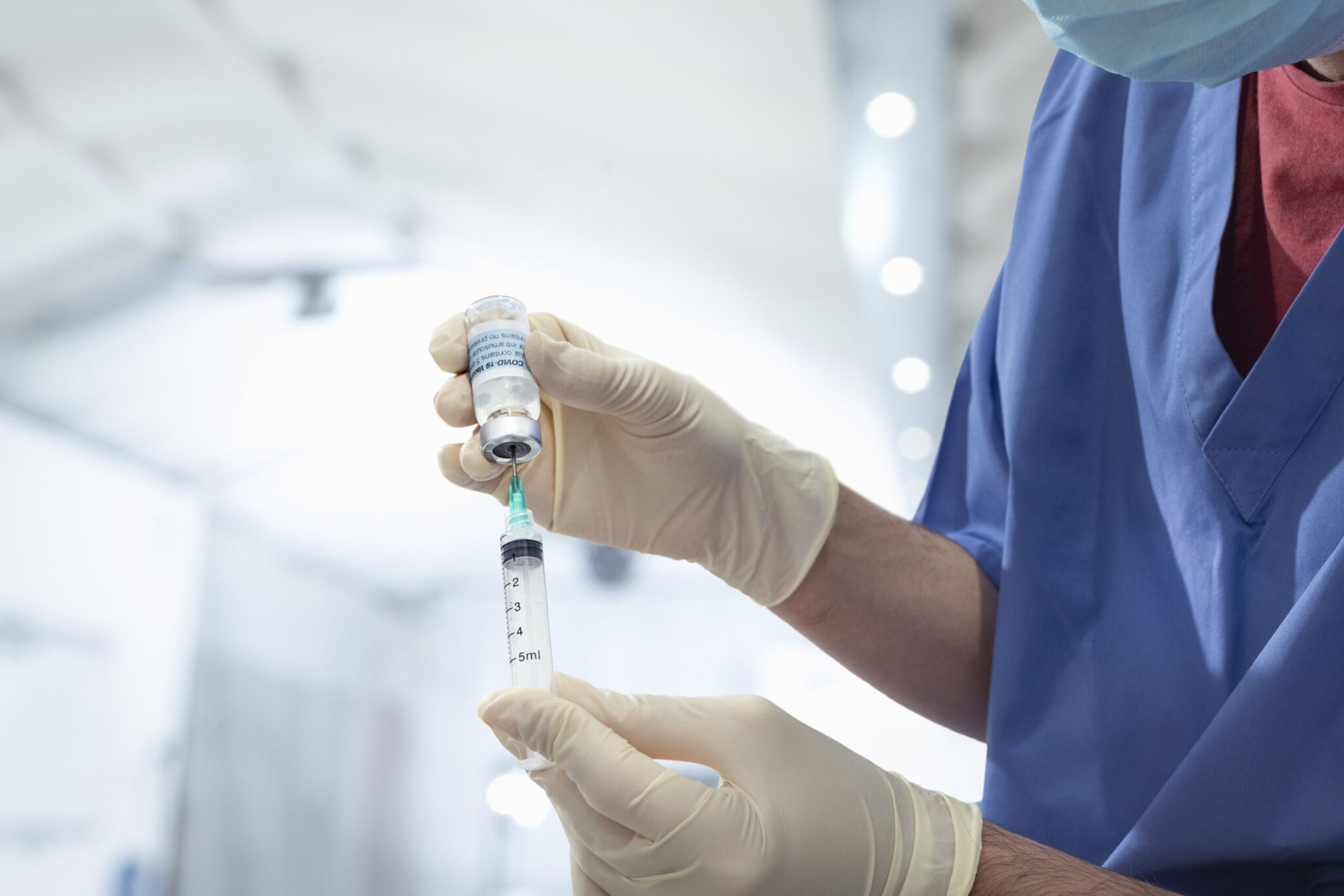
WASHINGTON — The Biden administration on Tuesday announced a $1.4 billion investment in developing the so-called next generation of COVID-19 vaccines and treatments.
Health and Human Services Secretary Xavier Becerra and Assistant Secretary for Preparedness and Response Dawn O’Connell made the announcement, saying the funding is part of the $5 billion program they hope will help the country get ahead of any future changes in COVID-19.
“This is an investment in expanding our country’s ability to respond to the future variants that we might see coming out of COVID,” Becerra said. “It’s an investment in better protecting all of our community, including those who are immunocompromised, and who don’t respond well to the existing vaccines.”
The $1.4 billion in funding should allow clinical trials for a new monoclonal antibody to start this autumn with clinical trials for a new COVID-19 vaccine starting as soon as the winter, O’Connell said.
“Project NextGen is operationalizing the lessons we’ve learned about the COVID-19 virus to broaden the nation’s medicine cabinet and increase protection for all communities,” O’Connell said.
The Biden administration, she said, expects to announce additional funding for Project NextGen programs before the end of the fiscal year on Sept. 30.
The projects funded on Tuesday include
$1 billion for four Phase IIb clinical trial studies on a COVID-19 vaccine. That funding will go to ICON Government and Public Health Solutions, Inc of Hinckley, Ohio; Pharm-Olam, LLC, of Houston, Texas; Technical Resources International (TRI), Inc., of Bethesda, Maryland; and Rho Federal Systems, Inc., Durham, North Carolina.
$326 million to Regeneron for a monoclonal antibody to prevent COVID-19.
$100 million to Global Health Investment Corp., a non-profit organization that is managing an investment portfolio known as BARDA Ventures, referring to the federal agency called Biomedical Advanced Research and Development Authority. The portfolio should “expand investments in new technologies that will accelerate responses in the future,” according to a statement from HHS.
$10 million to Johnson & Johnson Innovation for a competition through Blue Knight, which HHS said in its statement is a partnership between BARDA and JLABS.
An HHS official said the department is in the process of identifying the COVID-19 vaccines that will move into the Phase IIb clinical trials.
Once the vaccines are identified, the HHS official said, the department would be able to “accelerate” their movement into clinical trials since a lot of the preparation to start a clinical trial can be going on before the vaccines are identified.
The HHS official said the timeline for moving the next generation of COVID-19 vaccines to doctors’ offices and pharmacies will be determined by the data and how effective they may be when compared with the current vaccines.
JENNIFER SHUTT
Jennifer covers the nation’s capital as a senior reporter for States Newsroom. Her coverage areas include congressional policy, politics and legal challenges with a focus on health care, unemployment, housing and aid to families.
The Ohio Ballot Board unanimously voted Thursday to solidify the language voters will see for the proposed recreational marijuana law in the November election.
The Coalition to Regulate Marijuana like Alcohol is backing the ballot proposal which would legalize and regulate cultivation, manufacturing, testing and the sale of marijuana to Ohioans 21 and up. It would also legalize home grow for Ohioans 21 and up with a limit of six plants per person and 12 plants per residence, and impose a 10% tax at the point of sale for each transaction.
“Unanimous approval by the bipartisan ballot board should assure voters that ‘What they see is what they’ll get’,” Coalition to Regulate Marijuana like Alcohol spokesperson Tom Haren said in a statement. “That means: hundreds of millions of dollars in new revenue and stringent regulation like we already have in our existing medical marijuana market. We are looking forward to putting the illicit market out of business this November.”
The proposal will be State Issue 2 on the Nov. 7 election.
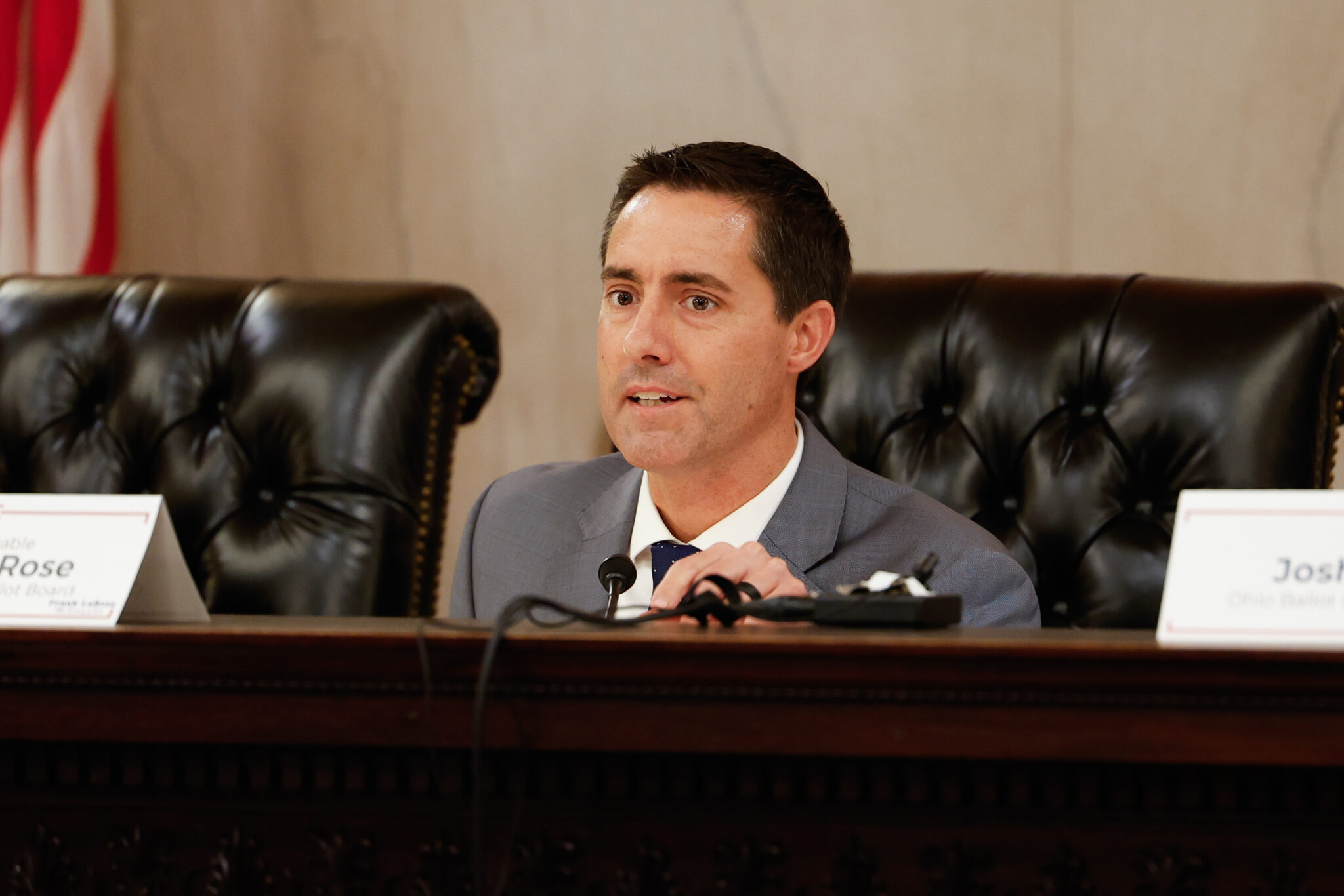
No one spoke during the public comment portion of Thursday’s meeting in regards to Issue 2 nor was there discussion about it among the five-person Ballot Board, chaired by Ohio Secretary of State Frank LaRose. State Rep. Elliot Forhan, D-South Euclid, citizen William N. Morgan, Sens. Theresa Gavarone, R-Bowling Green and Paula Hicks-Hudson, D-Toledo are also on the board.
The Ballot Board determines what language voters will see on ballot.
COLUMBUS, Ohio — AUGUST 24: The Ohio Ballot Board meeting to certify the language for Issue 1, the proposed constitutional amendment entitled “The Right to Reproductive Freedom with Protections for Health and Safety” and Issue 2 entitled “An Act to Control and Regulate Adult Use Cannabis,” August 24, 2023, at the Ohio Statehouse in Columbus, Ohio. (Photo by Graham Stokes for Ohio Capital Journal)
The proposed law would establish the Division of Cannabis Control within the Department of Commerce which would “regulate, investigate, and penalize adult use cannabis operators, adult use testing laboratories and individuals required to be licensed.”
It would create five funds in the state treasury: the adult use tax fund, the cannabis social equity and jobs fund; the host community cannabis fund; the substance abuse and addiction fund, and the division of cannabis control and tax commissioner fund.
Landlords or an employer would have the authority “to prohibit the adult use of cannabis in certain circumstances, and prohibit the operation of a motor vehicle while using or under the influence of adult use cannabis and from using any other combustible adult use cannabis while a passenger in a motor vehicle.”
The proposed law would require the Division of Cannabis Control to enter into an agreement with the Department of Mental Health and Addiction Services to establish a program for cannabis addiction services.
Megan Henry is a reporter for the Ohio Capital Journal and has spent the past five years reporting in Ohio on various topics including education, healthcare, business and crime. She previously worked at The Columbus Dispatch, part of the USA Today Network.
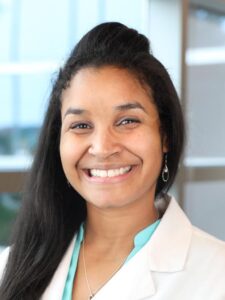
Loveland, Ohio – Tamara Huson MD is a primary care and family medicine practitioner.
“I chose to practice family medicine because of my passion for treating patients of all ages, from newborns all the way through to the end of life. Family medicine allows me to care for entire families.”
Loveland, Ohio – The 6th annual Loveland Art Festival is fast approaching. We are excited to tell you about this celebration of the arts with 44 booths and 63 artists showing their wares. Look for painters, glass artists, fiber artists, potters, photographers, jewelry makers, painters, mixed media artists, sculptors, and many more.
This is a great way to support local artists and crafts people and to get a jump on your holiday shopping.
Special parking will be available at the lot at 220 East Loveland Avenue (next to The Trails).
There will be a Sammy’s Craft Burgers & Beer food truck serving burgers, wine, and beer: awesome live music by Ellen Mershon & The Bellowing Pines: & free raffles. You can visit the Loveland High School booth and see some talented students showing their work. Love Our Land and The Grail will have information about their non-profit organizations.
Join us on Saturday, September 2 from 11 AM to 4 PM.
Whistle Stop Clay Works is at 119 Harrison, Loveland, OH 45140.[pdf-embedder url=”https://lovelandmagazine.com/wp-content/uploads/2023/08/Loveland-Art-Festival-Tri-Fold.pdf” title=”Loveland Art Festival Tri-Fold”]
In a 3-2 decision, the Ohio Ballot Board rejected using the full amendment proposal text for voters to see, and the approved summary language leaves out protecting contraception, fertility treatment and miscarriage care
In a 3-2 split decision Thursday, the Ohio Ballot Board rejected using the full text of a proposed reproductive rights amendment on the ballot in November, adopting instead summary language written by the Ohio Secretary of State’s Office that was criticized for being incomplete and inaccurate.
The board’s approval of the language – which is now titled Issue 1 for the November general election – was the next step in the process of voters deciding whether or not the Ohio Constitution will include the right to abortion, as well as contraception, fertility treatment, miscarriage care, and continuing one’s own pregnancy. Those last four items were all left out of the language approved by the ballot board majority.
The summary language does not change what the actual amendment would state in the constitution, but would be the last representation of the amendment voters read before the casting their approval or rejection.
The full text of the amendment will be available at boards of elections during the election, but not in the ballot booths with voters. LaRose said posters with the text will be accessible at voting locations.
In the summary language approved by the board, the medical term “fetus” is changed to “unborn child,” and the amendment’s “decision” language is changed to “medical treatment.”
The leader of the Ohio Ballot Board, Secretary of State Frank LaRose, said the changes were made by “staff” of the board, though Democratic board member and state Rep. Elliot Forhan said “I would assume that the buck stops with the secretary of state.”
LaRose during the meeting also said that, “having worked extensively on drafting this, I do believe it’s fair and accurate.”
LaRose has been vocal in his opposition of the amendment, even saying the effort around the previous Issue 1, which would have changed the threshold to approve a constitutional amendment had it not been roundly defeated, was targeting the abortion rights fight specifically.
At the beginning of Thursday’s meeting, he prefaced the board’s activity by saying the group was not there to “debate the merits” of the amendment or the marijuana ballot initiative also on the table at the meeting.
Ohio Ballot Board member, State Sen. Theresa Gavarone, R-Bowling Green, speaks at the Ballot Board meeting Thursday. (Photo by Graham Stokes for Ohio Capital Journal. Republish photo only with original article.)
Board member and state Sen. Theresa Gavarone, however, gave a speech in the middle of the meeting harshly criticizing the amendment and calling it “a bridge too far,” even after multiple comments by LaRose about the neutrality with which the board was supposed to conduct their business.
“This is a dangerous amendment that I’m going to fight tirelessly against,” Gavarone said. “But that’s not why we’re here today.”
Gavarone also claimed, as anti-abortion groups throughout the state do as well, that the amendment is “an assault on parental rights.” Neither the amendment nor the summary approved by the board mention parental rights of any kind.
The senator continued her comments during the board meeting, saying the true nature of the amendment “is hidden behind overly broad language,” despite the fact that the board summary took out pieces of the full text.
The summary passed by the board does not include a list of the rights to “reproductive decisions” spelled out in the ballot measure, including contraception, fertility treatment, continuing one’s own pregnancy, and miscarriage care, all of which would be impacted under the new constitutional amendment.
A clause in the proposed amendment that says “the state shall not, directly or indirectly, burden, penalize, prohibit, interfere with, or discriminate against” the exercise of the amendment by an individual or an assistant of the individual was reduced to “the citizens of the state of Ohio” in the summary.
The phrase “the citizens of the state of Ohio” is also used in the clause summarizing a prohibition of abortion that would only happen if a pregnant patient’s physician finds the pregnancy to be viable.
The phrase “pregnant patient” in the ballot measure was changed to “pregnant woman” in the summary.
Ohio Ballot Board member, State Sen. Paula Hicks-Hudson, D-Toledo, speaks at the Ballot Board meeting Thursday. (Photo by Graham Stokes for Ohio Capital Journal. Republish photo only with original article.)
State Sen. Paula Hicks-Hudson, the other Democratic member of the ballot board, made two motions to change the language of the summary to bring back the full text or certain clauses of the actual amendment text into the approved language.
“The full text is clear, it’s concise and it’s direct, which is one of the requirements that’s needed for us to present to voters in the state of Ohio,” Hicks-Hudson said.
Both motions were rejected 3-2, with LaRose, Gavarone and the final board member, Bill Morgan, voting against the motions.
Morgan didn’t speak during the meeting other than to register his votes, and didn’t specifically comment on the amendment discussion or language afterward.
“I think it’s what we were supposed to do, what the ballot board does,” Morgan told the OCJ.
Groups for and against the initiative anticipated potential issues with the board’s decision, with pro-abortion rights group Ohioans United for Reproductive Rights requesting that the ballot language mirror the amendment itself, so voters could see the entire constitutional change when they vote in November.
Lauren Blauvelt, a member of the coalition, decried the changes made to the language, and said the group is considering a lawsuit to fight back.
“The entire summary is really propaganda and we are going to talk about all of the reasons why Ohio voters should just be able to see the language for what it is,” Blauvelt said after the board meeting.
Anti-abortion groups argued against using the full text, saying it was unnecessary, and Ohio Right to Life president Mike Gonidakis pushed back on calls for a lawsuit against the summary.
“Any litigation filed on this is going to be thrown out by the Ohio Supreme Court because the statutory responsibility of the ballot board is to provide a fair and accurate representation. That’s what the law requires, and that’s what they did today,” Gonidakis said.
Gonidakis said he did not work with anyone on the ballot board on the summary language, but he wished the language was “stronger.”
Mike Gonidakis, president of Ohio Right to Life, talks to the press after the Ohio Ballot Board meeting Thursday. (Photo by Graham Stokes for Ohio Capital Journal. Republish photo only with original article.)
“Look, at the end of the day, people are going to make up their minds before they go in the ballot box anyways, and they’re not going to go in and then try to figure out what they want to do by reading something on a screen,” he said.
The proposed amendment has gone through a rollercoaster of activity since the Ohio Ballot Board approved the measure in March as compliant with the regulations for a constitutional amendment proposal, allowing a petition campaign that resulted in nearly 500,000 supporting signatures from Ohio voters.
Amid all the necessary hoops through which the abortion rights campaign has jumped, abortion rights groups have also had to battle against lawsuits attempting to block the amendment from voters. Another lawsuit alleged the Ohio Ballot Board hadn’t taken enough time or consideration before certifying that the amendment was compliant.
The Ohio Supreme Court rejected both lawsuits, clearing the way for voters to see the issue in the Nov. 7 general election.
SUSAN TEBBEN
Susan Tebben is an award-winning journalist with a decade of experience covering Ohio news, including courts and crime, Appalachian social issues, government, education, diversity and culture. She has worked for The Newark Advocate, The Glasgow (KY) Daily Times, The Athens Messenger, and WOUB Public Media. She has also had work featured on National Public Radio.
Loveland, Ohio – The Ohio Department of Transportation is developing an Active Transportation Plan for District 8, which includes Butler, Clinton, Clermont, Greene, Hamilton, Preble, and Warren Counties.
The Department says that walking and biking in Ohio should be a safe, convenient, and accessible transportation option for everyone. This plan will identify needs and priorities for walking, biking, and rolling on the state-maintained roads in the district. This includes all State and US Routes outside of city boundaries in the seven counties. By identifying key active transportation connections on the state system, they aim to improve bicycle and pedestrian connectivity and support network development in communities across the district.
Explore this PAGE to learn more about the project and provide your input
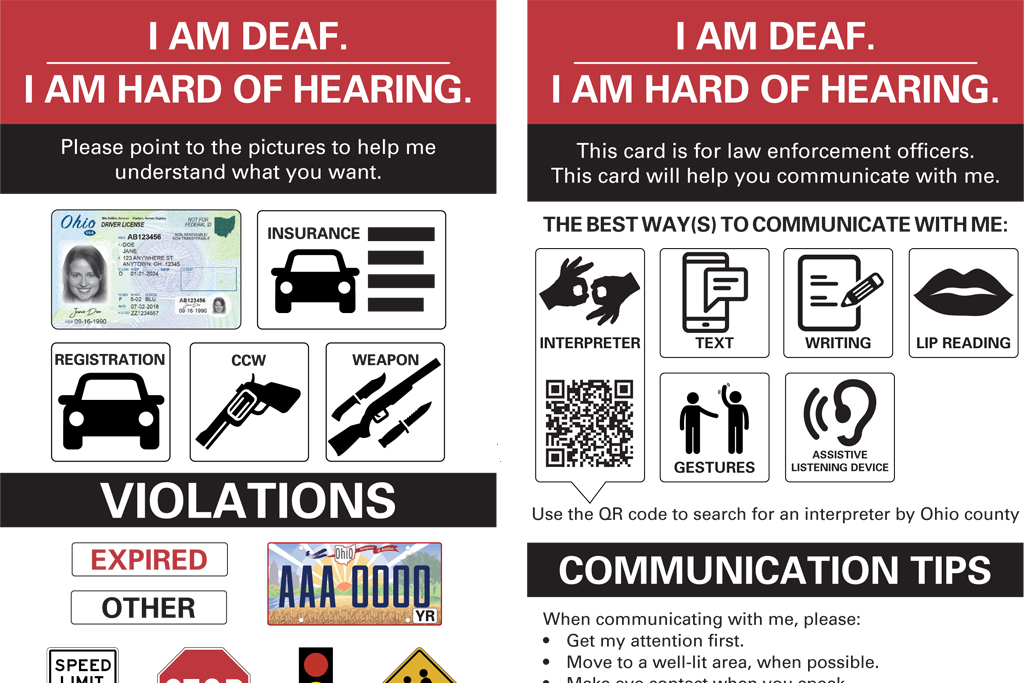
A communication card is available to help individuals who are deaf or hard of hearing and police officers communicate with each other.
Ohio Governor Mike DeWine announced that the Ohio Department of Public Safety’s Traffic Safety Office (OTSO), Opportunities for Ohioans with Disabilities (OOD), and statewide law enforcement partners developed the new communication card to help individuals who are deaf or hard of hearing safely exchange information with law enforcement.
The card can be downloaded onto a phone or printed and stored inside a vehicle, wallet, or purse. Deaf and hard-of-hearing individuals can point to various pictures on the card more easily communicate with law enforcement.
“Removing barriers for Ohioans with disabilities is crucial for helping them live self-determined, independent lives,” said Governor DeWine. “This new communication tool will improve safety for the deaf and hard-of-hearing community as well as law enforcement officers across the state.”
The communication card also displays icons of common violations and provides tips for law enforcement to help officers effectively communicate with those who are hard of hearing or deaf.
“Approximately 303,000 Ohioans are deaf or hard of hearing,” said Kevin Miller, OOD Director. “We appreciate our partners from the Community Centers for the Deaf, Deaf World Against Violence Everywhere, and the Coalition for Deaf Access and Equity for collaborating on this practical solution to help bridge communication gaps and improve understanding.”
The Buckeye State Sheriffs’ Association, Ohio Association of Chiefs of Police, and Ohio State Highway Patrol also participated in the development of the card.
“We believe that communication between law enforcement and all citizens is important,” said Tom Stickrath, Director of the Ohio Department of Public Safety. “OTSO will also print and distribute copies of the card to Ohio law enforcement agencies across the state so that they can have a copy to carry with them.”
In 2019, Governor DeWine signed Executive Order 2019-03D, which established Ohio as a Disability Inclusion State and Model Employer of Individuals with Disabilities.
Ticketmaster isn’t just crappy to its customers and to the musicians whose shows it manages ticket sales for.
As a dominant event middleman, it tacks on hefty fees and has the effrontery to call them “convenience charges.” And bands complain that by the time parent company Live Nation Entertainment deducts its many cuts for their shows, they’re left struggling to survive while others profit from their work.
Turns out, Live Nation also pays its employees poorly while paying its CEO, Michael Rapino, like a pharaoh. In 2022, the median Live Nation employee earned just $25,673, while Rapino hauled in a tidy $139 million, or more than 5,400 times as much as the employee who fell in the middle of his company’s income distribution, according to a report that was released today.
The findings were part of the 29th annual “Executive Excess” report by the Institute for Policy Studies, a progressive Washington, D.C. think tank. While companies complained about the lack of available workers during the pandemic, this year’s report says that for at least 100 corporations, executives managed to keep worker pay down while giving themselves huge raises.
“In response to strikes and union organizing drives, corporate leaders routinely insist that they simply lack the wherewithal to raise employee pay,” the report said. “And yet top executives seem to have little trouble finding resources for enriching themselves and wealthy shareholders.”
The report said that in the case of Live Nation, the company wants investors to know that the situation isn’t as unfair as all that. If you take into account the fact that most of the company’s employees are part-time and and set them aside — and if you set aside a mammoth payment Rapino received in 2022 — the CEO only made 350 times as much as his median-paid, full-time worker did.
“In its (U.S. Securities and Exchange Commission) proxy statement, the company takes great pains to point out that if you nix the CEO’s $109 million stock grant and all of the company’s primarily part-time employees from the calculation, the Live Nation pay ratio would be merely 353 to 1,” the report said.
The mechanism CEOs have often used to boost their pay over the past few years has been the stock buyback. Instead of reinvesting profits in research, equipment or in rank-and-file employees, companies often use a hefty chunk of that money to repurchase shares of company stock — which increases the value of those shares and those that remain outstanding.
Companies say they do stock buybacks to consolidate ownership, stabilize stock prices or return value to shareholders. But by happy coincidence, the executives deciding to do the buybacks are often huge shareholders in their companies because much of their compensation is in the form of company stock.
In other words, when company leaders undertake stock buybacks, they’re usually giving themselves big raises.
The huge, plutocrat-friendly Trump tax cuts in 2017 sparked a wave of stock buybacks that seems to have continued through 2022. But while they boosted executive pay, at least in the early going, the average worker saw little benefit.
In fact, workers’ share of corporate income continued its decades-long slide — while executives were lavishly rewarded for enacting mass layoffs and keeping down workers’ pay.
The Institute for Policy Research report compiled a list of the “Low Wage 100” — the 100 firms listed on the S&P 500 who paid the worker that fell in the middle of their pay range the least. When the researchers looked at this group, they found that it bought back $340 billion worth of stock in 2022 and their CEOs’ stock holdings increased at three times the rate of their median workers’ pay.
At the top of the buyback list was home-improvement mega-store owner Lowes, which bought back $35 billion in stock. While its median employee made just less than $30,000 in 2022, CEO Marvin Ellison made $17.5 million, the report said.
While many workers for Low Wage 100 companies effectively subsidized their CEOs’ gargantuan salaries with under-compensated work, employees with half those companies were also subsidizing them with their federal tax dollars.
Fifty one of the companies received a combined $24 billion in federal contracts between fiscal years 2020 and 2023. During the same period, those companies engaged in $160 billion worth of stock buybacks, the report said.
Amazon was the biggest in the group, getting more than $10 billion in federal business, much of it for classified work for the National Security Agency and the Department of Defense. As it did, Amazon’s top corporate leadership has done quite well.
“Under CEO Andy Jassy’s two years at the helm, Amazon has spent $5.9 billion on stock buybacks, an outlay that has helped inflate Jassy’s personal stock holdings to $265 million,” the report said. “These millions do not include the bulk of his 2021 mega-grant, a reward that will vest over 10 years.”
There have been steps taken to address the interconnected problems of stock buybacks, skyrocketing executive pay and depressed wages.
As part of the 2022 Inflation Reduction Act, Congress passed and President Biden signed a 1% excise tax on buybacks and Biden proposed raising it to 4% in this year’s State of the Union address.
The Department of Commerce also plans to give preference for subsidies under the CHIPS Act to semiconductor makers who don’t engage in buybacks, the Institute for Policy Studies report said.
MARTY SCHLADEN
Marty Schladen has been a reporter for decades, working in Indiana, Texas and other places before returning to his native Ohio to work at The Columbus Dispatch in 2017. He’s won state and national journalism awards for investigations into utility regulation, public corruption, the environment, prescription drug spending and other matters.



 Keep up with the current news about the Loveland Oktoberfest by following the Little Miami River Chamber Alliance on FaceBook Facebook.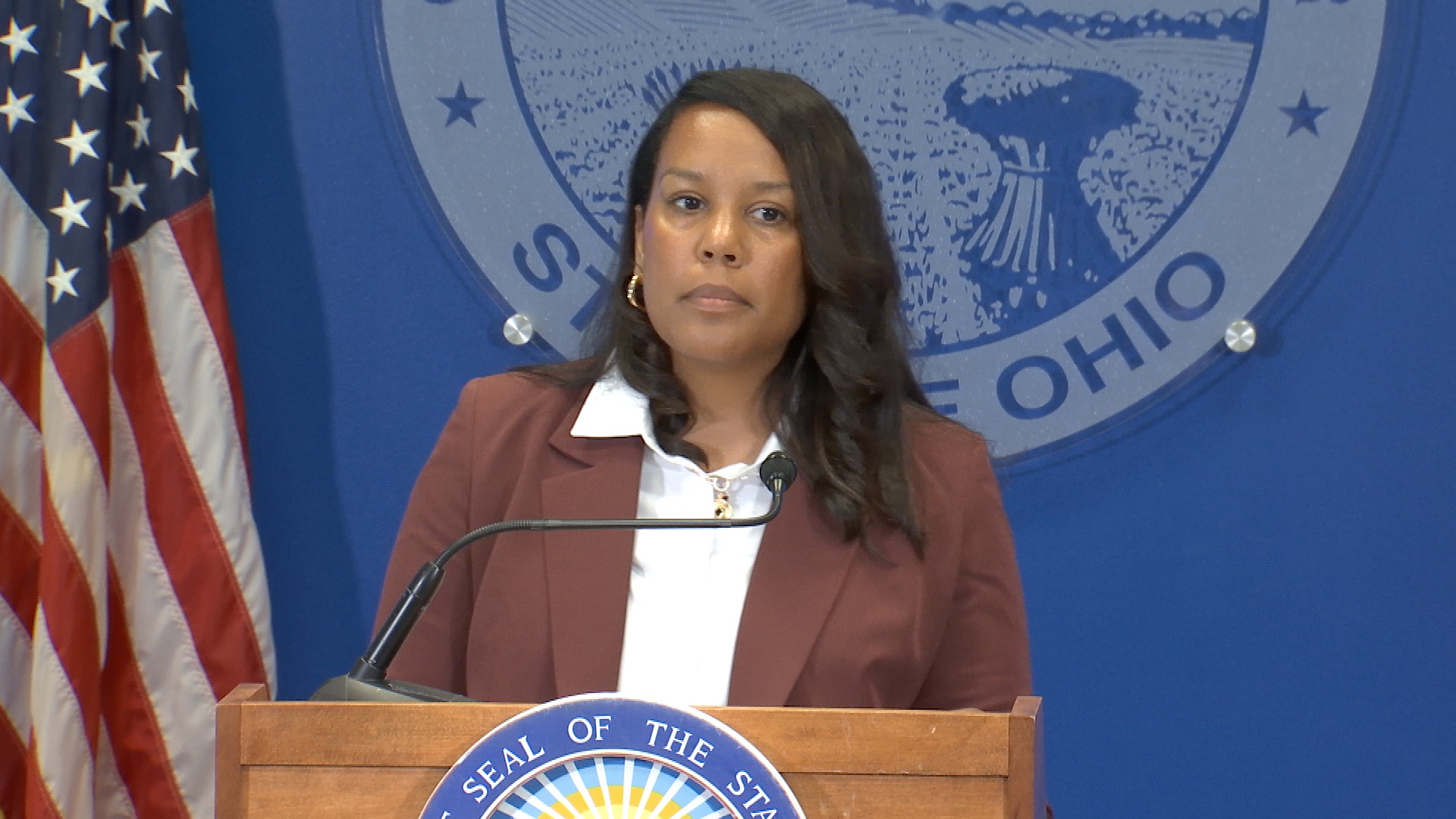







 Loveland, Ohio – Tamara Huson MD is a primary care and family medicine practitioner.



 Whistle Stop Clay Works is at 119 Harrison, Loveland, OH 45140.[pdf-embedder url=”https://lovelandmagazine.com/wp-content/uploads/2023/08/Loveland-Art-Festival-Tri-Fold.pdf” title=”Loveland Art Festival Tri-Fold”]