Tag: COVID-19

  • Governor provides update on COVID-19 hospitalizations and Ohio National Guard deployment

    Governor provides update on COVID-19 hospitalizations and Ohio National Guard deployment

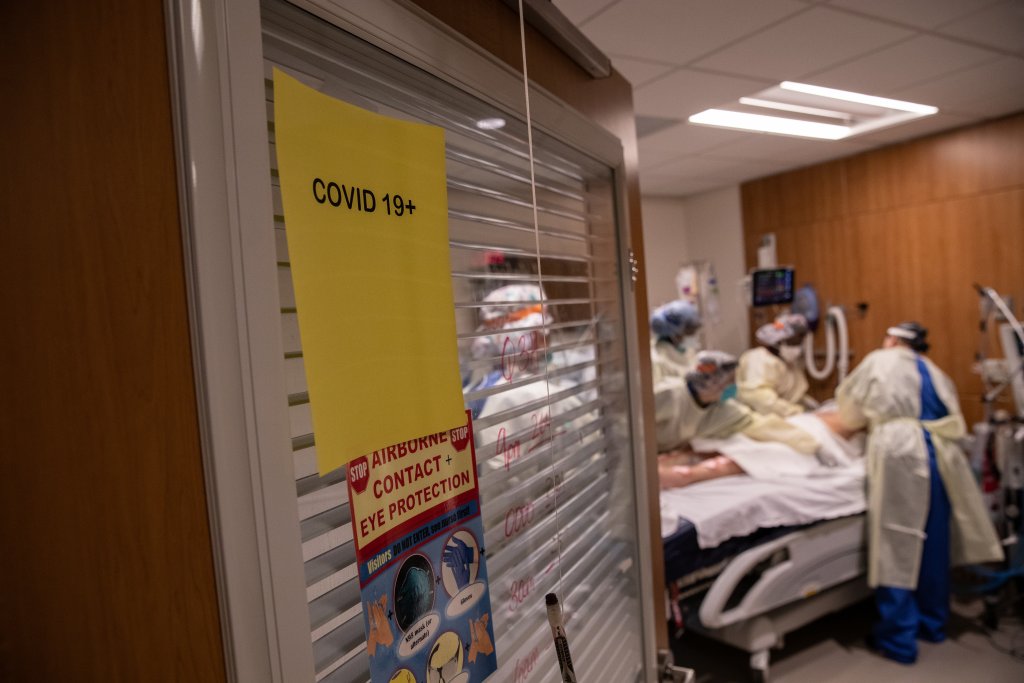
    Ohio Governor Mike DeWine announced today that he has ordered the mobilization of an additional 1,250 members of the Ohio National Guard to support hospitals with the most critical needs across the state. The mobilization comes on the same day the state set an all-time high for the total number of COVID-19 hospitalizations during the pandemic.

    The Ohio Hospital Association reported today that 5,356 people are currently hospitalized with COVID-19. One in four patients are COVID-19 positive. This surpasses the previous hospitalizations record of 5,308 on Dec. 15, 2020. Of today’s hospitalizations, 1,228 patients are in the ICU, which is approaching the record high of 1,318 ICU patients reported on Dec. 15, 2020.

    While Southwest Ohio is not seeing the same volume of patients as northern parts of the state, Richard P. Lofgren, MD, President and Chief Executive Officer, UC Health, expressed concerns about the surge in cases making its way across the entire state during the coming weeks.

    Ohio National Guard Deployment
    As hospitals struggle with staffing to support the surge in COVID-19 patients, Governor DeWine announced during a press conference today, that he has asked Major General John C. Harris, Jr., Adjutant General, Ohio National Guard, to mobilize an additional 1,250 members of the Ohio National Guard, bringing the total deployment of National Guard members working with Ohio’s healthcare systems to 2,300 members.

    “This is not something we take lightly… We are asking them to leave their families, their jobs and homes. This is a huge sacrifice,” Governor DeWine said.

    Governor DeWine previously authorized the deployment of 1,050 Ohio National Guard members on Friday, Dec. 17. Major General Harris said the Ohio National Guard’s goal is to augment hospitals’ medical staff and wraparound services. Teams including nurses and medics will provide clinical care and non-medical teams will offer support services such as food service, patient transportation within facilities, and administrative support.

    Approximately 460 Guard members are deployed in the Cleveland area; more than 160 in the Toledo area; about 100 in Columbus area. Smaller numbers of the Guard will be deployed in the coming days in Mansfield, Dayton, and Lima to support hospitals. Guard personnel are also supporting testing sites in Cleveland and Akron.

    “The National Guard has been indispensable,” said Robert Wyllie, MD, Chief Medical Operations Officer, Cleveland Clinic.

    The Ohio Department of Health and the Ohio Hospital Association are working daily with Ohio hospitals to assess staffing needs to determine the most appropriate support from the Ohio National Guard.

    “Everybody agreed when the decision was made to send in the National Guard to our hospitals … All the way through this, we are going to be guided by where they are needed most today. It should give people confidence that everybody is on the same page here. Let’s deploy them where they are needed the most,” Governor DeWine said.

    Hospitals
    Hospitals have been taking extraordinary measures to manage this COVID-19 surge, including postponing elective surgeries, while battling staffing shortages as a result of COVID-19 infection or exposure, and burnout.  

    The northern parts of Ohio have been particularly hard hit, especially the greater Cleveland area, where one in three patients are COVID-19 positive, including ICU patients, according to OHA data.

    “The hospital systems are under significant stress in Northern Ohio,” Dr. Wyllie said. “We are running 2,000 tests a day. Let me tell you about those tests: 36% of the people going into the Walker Center for testing are testing positive for COVID.”

    Statewide, the COVID-19 positivity rate is 25%, according to Ohio Department of Health data.

    The state’s strategic hospital zone and region structure has allowed hospitals to work together with neighboring hospitals to balance the load of patients. This structure continues to be vital as cases and hospitalizations dramatically rise statewide and staffing remains a significant concern.

    While Southwest Ohio is not seeing the same volume of patients as northern parts of the state, Richard P. Lofgren, MD, President and Chief Executive Officer, UC Health, expressed concerns about the surge in cases making its way across the entire state during the coming weeks.

    “Unfortunately, the pandemic is not over … we are seeing more cases now than we have ever seen along the way,” he said. “Now, the spread of Omicron is adding fuel to this raging fire. One of the things that I want to make sure that people understand, is that this not only affects the care of people with COVID, but also affects people who don’t have COVID. It squeezes out our ability to take care of patients with other life-serious or life-threatening problems, such as heart attacks and strokes.”

    Governor DeWine also spoke with Jennifer Hollis, a critical care nurse at OhioHealth Riverside Methodist Hospital in Columbus, about her experience in the hospital.

    “I just want everybody to be able to walk a mile in my shoes and kind of understand as a critical care nurse, what I am seeing when I am coming into work. It is beyond difficult,” Hollis said. “Our beds are full. There is nowhere else to go, and we are just as short-staffed as everyone else is seeing as well … We are tired, we are frustrated, and we want the best for all of our patients.”

    Hollis urged Ohioans to get vaccinated to protect themselves, their loved ones, and their communities. “I’ll continue to fight for you, when you won’t fight for yourself. Please get vaccinated. Quarantine if you are symptomatic. Get tested,” she said.

    Vaccination, prevention
    Governor DeWine emphasized that the COVID-19 vaccines remain a powerful tool to keep people out of the hospital. Since June 1, 2021, there have been 35,962 admissions, and 92.5% of those have been among people who are not fully vaccinated.

    Now more than ever, it’s critical to follow prevention strategies including getting vaccinated, getting a booster shot if eligible, wearing face masks, washing your hands frequently, getting tested, and staying home if sick, even if symptoms are mild.

    “We are looking now at an impact of COVID-19 that is unlike anything we’ve seen before in this pandemic,” said Bruce Vanderhoff, MD, MBA, Director, Ohio Department of Health. “We have access to a powerful tool that can really shield us from the worst outcomes of COVID-19, and that is vaccination.”

    As of today, more than 6.9 million Ohioans have received at least their first dose of a COVID-19 vaccine. That’s 63% of those Ohioans eligible (ages 5 and older). More than 2.6 million have received an additional dose, or a booster dose.

    Masking in Schools
    Today, the Ohio Hospital Association also distributed a letter from the Ohio Hospital Association and Ohio Children’s Hospital Association to Ohio school superintendents, administrators and school board members encouraging them to implement a masking requirement when students return from the holiday break. A masking requirement in schools will help limit community spread of COVID-19 and keep students in school, the letter said. 

    Holidays
    Dr. Vanderhoff encouraged Ohioans to celebrate safely this holiday weekend so we can all have a healthy start to 2022. “As we get ready to ring in a new year, please, think about the steps you can take to prevent COVID-19 spread before you gather. Keeping vaccinations up to date, appropriate testing, staying home if you feel the least bit sick, masking especially in crowded indoor environments, proper ventilation, and regular handwashing can all help prevent the spread of COVID-19, flu, and other illnesses this season,” he said.


  • Prevention Called Key to Heading Off COVID, Cold, Flu

    Prevention Called Key to Heading Off COVID, Cold, Flu

    Mary Schuermann Kuhlman and Public News Service

    Whether it’s COVID-19, the seasonal flu or a cold, health-care professionals say reducing your risk of illness starts with prevention.

    All three respiratory diseases are caused by viruses and share similar symptoms including a cough, sore throat and runny nose.

    Elena Roach, a certified pediatric nurse practitioner for The Healthcare Connection, a Cincinnati-area federally qualified health center, said actions we take to prevent the spread of COVID can reduce the risk of getting a cold or the flu.

    “Flu is spread from respiratory secretions, kind of like COVID,” Roach explained. “And you sneeze and cough and eat and drink and talk, flu can spread that way as well.”

    Roach pointed out last year’s mild flu season was the result of precautions taken during the pandemic. Those steps include avoiding close contact with people outside your household, frequent handwashing, and wearing a face mask while in indoor public places.

    Ohio’s daily COVID case count has nearly doubled in two months, now at roughly 7,200. Influenza activity still is low, but starting to rise.

    COVID spreads more easily than the flu and common cold and causes more serious illnesses, but Roach noted much like COVID, an infected person can spread the flu before they feel sick.

    “The flu is contagious even before symptoms start for about four days,” Roach emphasized. “And then for people who have been around somebody with the flu, like living in close quarters or close contact, symptoms can usually start within a week after contact.”

    A test can determine whether an illness is COVID or the seasonal flu, and Roach recommended calling a health-care provider if you are experiencing fever, body chills and other respiratory symptoms.

    “The good thing about the flu is that there is a treatment for the flu called Tamaflu,” Roach advised. “And as long as you start that within 72 hours of the onset of symptoms, it reduces your symptoms and the longevity of the course of the illness. “

    She said you can boost your protection from both illnesses by getting vaccinated. According to the Centers for Disease Control and Prevention, people who are vaccinated and become infected with flu or COVID experience fewer symptoms and are much less likely to be hospitalized.

    References:  


    COVID-19 Dashboard Ohio Dept. of Health 2021
    Flu Dashboard Ohio Dept. of Health 2021
    Flu information CDC 12/20/2021
    COVID-19 information CDC 02/22/2021

  • Red Cross: Donors needed now to address historically low blood supply

    Red Cross: Donors needed now to address historically low blood supply

    To encourage donors to help address the historically low blood supply this holiday season, all who come to give Dec. 17-Jan. 2 will receive an exclusive Red Cross long-sleeved T-shirt, while supplies last.

    Nearly two years into the pandemic, everyone has earned a holiday break with their family and friends. But as the nation gathers again for celebrations this season, the American Red Cross, which provides 40% of the country’s blood, is facing historically low blood supply levels. 

    Busy holiday schedules, breaks from school and winter weather all contribute to a drop in blood and platelet donations this time of year. Those factors, combined with the ongoing challenges of COVID-19, make it vital for donors to make an appointment to give as soon as possible. If more donors don’t come forward to give blood, some patients requiring a transfusion may potentially face delays in care. 

    Donors are urged to schedule an appointment now by using the Red Cross Blood Donor App, visiting RedCrossBlood.org or calling 1-800-RED CROSS (1-800-733-2767). There is no blood donation waiting period for those who have received a flu shot or a Moderna, Pfizer or Johnson & Johnson COVID-19 vaccine or booster, so long as they are symptom-free.   

    To encourage donors to help address the historically low blood supply this holiday season, all who come to give Dec. 17-Jan. 2 will receive an exclusive Red Cross long-sleeved T-shirt, while supplies last.

    Blood drive safety 

    Each Red Cross blood drive and donation center follows the highest standards of safety and infection control, and additional precautions – including face masks for donors and staff, regardless of vaccination status – have been implemented to help protect the health of all those in attendance. Donors are asked to schedule an appointment prior to arriving at the drive. 

    Upcoming blood donation opportunities Dec. 17-Jan. 2

    KYBoone County

    Florence

    12/20/2021: 1 PM – 6:30 PM, Florence Mall, 2028  Mall Road

    12/21/2021: 2 PM – 7 PM, Vineyard Church, 7101 Pleasant Valley Road

    OHHamilton County

    Cincinnati

    12/23/2021: 9 AM – 2 PM, Greater Cincinnati American Red Cross, 2111 Dana Avenue

    12/30/2021: 9 AM – 2 PM, Greater Cincinnati American Red Cross, 2111 Dana Avenue

    Donors can also save up to 15 minutes at the blood drive by completing a RapidPass®. With RapidPass®, donors complete the pre-donation reading and health history questionnaire online, on the day of donation, from a mobile device or computer. To complete a RapidPass®, follow the instructions at RedCrossBlood.org/RapidPass or use the Red Cross Blood Donor App.

    To donate blood, individuals need to bring a blood donor card or driver’s license or two other forms of identification that are required at check-in. Individuals who are 17 years of age in most states (16 with parental consent where allowed by state law), weigh at least 110 pounds and are in generally good health may be eligible to donate blood. High school students and other donors 18 years of age and younger also must meet certain height and weight requirements.

    Health insights for donors 

    At a time when health information has never been more important, the Red Cross is screening all blood, platelet and plasma donations from self-identified African American donors for the sickle cell trait. This additional screening will provide Black donors with an additional health insight and help the Red Cross identify compatible blood types more quickly to help patients with sickle cell disease who require trait-negative blood. Blood transfusion is an essential treatment for those with sickle cell disease, and blood donations from individuals of the same race, ethnicity and blood type have a unique ability to help patients fighting sickle cell disease.    

    Donors can expect to receive sickle cell trait screening results, if applicable, within one to two weeks through the Red Cross Blood Donor App and the online donor portal at RedCrossBlood.org.  


    About the American Red Cross

    The American Red Cross shelters, feeds and provides comfort to victims of disasters; supplies about 40% of the nation’s blood; teaches skills that save lives; distributes international humanitarian aid; and supports veterans, military members and their families. The Red Cross is a not-for-profit organization that depends on volunteers and the generosity of the American public to deliver its mission. For more information, please visit www.redcross.org/Cincinnati or cruzrojaamericana.org, or join us on social media @ARCcsor

  • As if COVID wasn’t bad enough, experts warn of lingering symptoms

    As if COVID wasn’t bad enough, experts warn of lingering symptoms

    BY: MARTY SCHLADEN –  Ohio Capital Journal

    With nearly 5,000 new cases of COVID per day, Ohio and the rest of the world are still dealing with a pandemic that started nearly two years ago. What we’ve barely begun to deal with, two experts said last week, is the long hangover many experience as “long COVID.”

    That expression refers to a set of symptoms that linger for months after a person is infected with coronavirus. They include maladies of the lungs, heart, eyes, liver, brain, bladder, kidneys and pancreas. They also include problems of a less tangible nature, such as a loss of smell, chronic brain fog, headache and fatigue.

    And, according to an October study published by the Journal of the American Medical Association, many, many people are likely affected by long COVID. The review of 57 studies found that more than half of the coronavirus patients followed were still suffering from symptoms of long COVID more than six months after they were infected. 

    With 78% having been hospitalized with COVID, that group appeared to have suffered worse infections than did the general population. Conversely, people who are fully vaccinated are far less likely to be hospitalized, and 49% less likely to develop long COVID, according to a study conducted in the United Kingdom.

    Even so, the consequences of the condition are likely to be huge.

    Ohio, for example, has seen more than 84,000 COVID hospitalizations, so it seems plausible that well over 40,000 Ohioans have suffered — or are still suffering — long COVID.

    Nationally, “you’re talking about 30, 40, 70 million people,” Brett Giroir, who early in the pandemic was assistant secretary of the U.S. Department of Health and Human Services, said last week during a webinar organized by the National Institute for Healthcare Management Foundation. 

    As they were during the early days of the pandemic, policy makers are groping for ways to deal with long COVID without much in the way of scientific information to work with so far.

    “We’re unfortunately dealing with from a position of a real lack of knowledge,” Walter Koroshetz, director of the National Institutes of Health’s Institute of Neurological Disorders and Stroke, said during the webinar.

    “We’re really trying hard to understand what is the biological basis for the problems that people are experiencing and hoping to get some answers very quickly that can then be used to help patients,” Koroshetz added.

    Giroir now is working with the health consulting firm Leavitt Partners on several issues, including problems related to the pandemic. He offered a broad framework for dealing with long covid.

    “How do we organize the healthcare sector” in response to long COVID? he asked. “Do we have long COVID clinics. Do we have telehealth triage? How do we care for this 30 to 50% of 140 million people who potentially have long COVID?”

    Giroir is proposing several steps to deal with the issue. Among them are helping medically underserved populations through grants to federally qualified health centers and primary-care practices, a national survey on the condition and by working to raise public awareness of it.

  • Journalism in middle America got communities through the pandemic

    Journalism in middle America got communities through the pandemic

    Stock photo from Getty Images.

    EDITOR’S NOTE:

    We are pleased people are now researching the Pandemic and how local newspapers survived. Some didn’t. Loveland Magazine did survive, and it was pure everyday persistence, sacrifice, and a dedication to staying alive (literally), and as a local Newspaper. We were early declared “Essential Workers” however that declaration did not provide us anything as the designation was quickly ignored at every level of government when they dolled out relief dollars and the help they could have provided. We stood in line with everyone else at the chance to apply for PPE funds, etc., and at times we were at the back of the lines for eligibility. We were still standing when our own City bought new high-tech water fountains with the COVID relief funds they received. Much of what you read here though is how we did it. What this story misses is an incredible effort it took for local papers in smaller communities to find accurate specific COVID 19 data in a hometown like ours that is in three counties with each county reporting in different formats and on different days of the week.

    By William Thomas Mari, Louisiana State University

    News of the pandemic’s devastating effect on journalism was conveyed by headlines across the nation telling of newsroom closures, layoffs and furloughs.

    Journalism was in trouble in 2020. In fact, it had been in trouble for a while.

    But how did so many local news organizations – especially newspapers – manage to survive the pandemic? Weeklies beefed up their daily online news coverage, business models were blown up and existing rationales for why journalism matters became more than theoretical to rural journalists.

    Their determination to survive and serve as a public health lifeline for their communities fueled an oral history project that my colleague Teri Finnemanand I conducted, interviewing 28 journalists across seven states in the middle of the country. We learned how locally owned and family-owned newspapers made it through COVID-19.

    “There’ve been times that we’ve had to reach out to mayors and different cities and communities across the state … to make sure that … they knew that [journalists] were deemed essential workers,” said Ashley Wimberley, executive director of the Arkansas Press Association. That label exempted news workers from stay-at-home orders and designated them as critically needed by their communities.

    There were no easy answers. Not in Louisiana, where I teach journalism at Lousiana State University. Not anywhere.

    Telling the history

    Oral history grabs the first impressions of history for those living now, looking back at what just happened. It helps people understand the present and how to move forward, out of a crisis. But it also records events for scholars and citizens in the future.

    “Always remember that when you’re putting those stories in your newspaper, that you are printing your community’s history,” Amy Johnson, the publisher of the Springview Herald in Nebraska, told us.

    Benny Polacca of the Osage News in Oklahoma told us something similar: He encouraged journalists covering some future pandemic to “do your due diligence in order to come to some type of understanding, some type of argument, some type of focus, if you were going to be reporting or researching the time of COVID-19.”

    Often, it’s journalism on the coasts that gets the attention of researchers. The New York Times, The Washington Post, the Los Angeles Times – these big news organizations are written about constantly.

    By talking to journalists in North Dakota, South Dakota, Nebraska, Kansas, Oklahoma, Arkansas and Louisiana, our project pushed back against this tendency to ignore the middle of the nation and its important journalism. As a kind of new essential worker, journalists found themselves in charge of explaining complicated guidance from state and local officials about COVID-19, how schools would work and where to get help.

    “I hope that, through this, that our role as journalism, they [the public] realize how important it is that the information we put out, you know, how it affects them every day,” Johnson said.

    Kansas Press Association Executive Director Emily Bradbury had a message for these journalists who were working for news organizations increasingly threatened with being shut down: “I want them to know that in the midst of an emergency, in the midst of what can seem like a hopeless situation, when they look at their financials, that what they’re doing is important. And what they’re doing matters, and that no one else can do what they do, and they look out for their communities like no one else.”

    Emily Bradbury, Kansas Press Association head, stands in front of a building with the Kansas Press Association logo. on it.
    Emily Bradbury, Kansas Press Association Executive Director, tells reporters that ‘what they’re doing is important. And what they’re doing matters…and they look out for their communities like no one else.’ Will Mari and Teri Finneman, Author provided photo.

    Loans, side hustles and deals

    Reporters and editors found new ways of paying the bills. That meant accepting government subsidies in the form of Paycheck Protection Program loans. It meant, for some, going door to door and asking readers to subscribe, or keep subscribing. It meant consolidating newspapers, putting out more online editions, or taking pay cuts.

    “People just don’t understand. It costs a lot of money and time to do this, and I just wish we – there was more value or people appreciate it or understood the value and the cost of really providing this service,” said Bonita Gooch, the publisher of The Community Voice, a Black newspaper based in Wichita, Kansas.

    Some publishers took on side hustles to bring in revenue, creating ad copy for local business or doing marketing work.

    At The Kingfisher Times & Free Press in Oklahoma, for example, Christine Reid, the paper’s editor, created ads for a local vocational-technical school. “I’ve also tried to use that as an avenue to … generate more ads for the newspaper,” Reid said.

    Some papers worked out advertising deals with local businesses as consumers shopped more locally.

    Local publishers did whatever it took to stay afloat. As some of our initial findings have shown, that showed both opportunity and hesitancy about change.

    “We’re gonna have to rely less on advertising revenue and more on subscription revenue, and so we’ve got to make sure we’re offering a unique product that they want to pay for,” said Letti Lister, the president and publisher of the Black Hills Pioneer in Spearfish, South Dakota.

    We saw tentative signs of hope, as journalists got financial and moral support from their readers during a fraught election. “If anything, it’s rallied the troops, if you will, in our community because they trust us, they know that we’re going to report the news in a timely manner and keep the public up to date,” said Amy Wobbema, publisher of the New Rockford Transcript in North Dakota. Arguably most coverage was calm and steady.

    But there was still hesitancy over what newspapers had to do to adapt. Some journalists are uncomfortable with receiving government funding and would rather rely on community support.

    As South Dakota Newspaper Association Executive Director Dave Bordewyk put it: “Sort of, ‘Look, contribute to our newspaper … because if you value that importance of local news and journalism, then we need your support beyond just subscribing to the newspaper or advertising, which has gone away.’”

    Ultimately, the pandemic showed that more research needs to be done on journalism in rural areas – we managed to talk to only a fraction of the total number of small-town journalists and publishers. Other scholars have already learned that local journalism helps reduce violent partisanship and reinforces institutions. To be clear, scholars have defined violent partisanship as the willingness to resort to physical altercations to resolve disputes – good local journalism channels that energy toward peaceful, democratic ends. Other scholars have found that institutions like local courts and governments get increased legitimacy as a result of local news. More sustained scholarly attention will likely turn up other benefits that the public isn’t yet aware of.

    “That’s what we hope. What I hope comes out of this is that readers can understand that, and can … have a renewed value on what that [local] publication has done for their community during this pandemic,” Bradbury told us.

    William Thomas Mari, Assistant Professor of Media law and Media History, Louisiana State University

    This article is republished from The Conversation under a Creative Commons license. Read the original article.

  • COVID-19 rises again in an undervaccinated Ohio

    COVID-19 rises again in an undervaccinated Ohio

    Photo by John Moore | Getty Images.

    BY: JAKE ZUCKERMAN – Ohio Capital Journal (Local dated added by Loveland Magazine)

    COVID-19 cases are once again ascendant in the 10th least vaccinated state in the nation.

    State data shows infection rates are climbing and the workloads are reupping at hospitals, where more than 2,700 Ohioans are currently hospitalized with COVID-19.

    An analysis of state data shows that 11 months into the vaccine rollout, the ground is still fertile for outbreaks all around Ohio. Of 88 counties in the Buckeye State, only Delaware (71% vaccinated) surpasses the national vaccination rate of 68.5%. In 58 counties, less than half the population is vaccinated, according to data as of Sunday.

    Ranked by state, Ohio (56% vaccinated) is the 10th least-vaccinated in the country, according to data from The New York Times.

    In Henry County, a rural swath of northwest Ohio, COVID-19 is spreading at more than twice the statewide rate of about 400 infections per 100,0000 residents. About 52% of residents are vaccinated. Health Commissioner Joy Ermie said the spread is not specific to any outbreak or location, it’s just swimming through homes and social events of mostly unvaccinated people.

    “The quicker we turn this around, the quicker we’ll see a decrease in our cases,” she said. “It will be a forever cycle if we cannot increase our overall vaccination rates.”

    Public health workers in coronavirus-sieged counties said in interviews for this article that it’s time to start accepting that COVID-19 is likely here to stay in some form or fashion, absent a paradigm shift on vaccination.

    Several indicated a circular pattern in vaccination; the unvaccinated, by and large, are staying unvaccinated. The vaccinated are fortifying their immune system with booster doses.

    “I would absolutely love to say COVID is over in X [number of] months,” Ermie said. “But I feel much more confident that we should take our energy away from, ‘How is this going to end?’ to ‘How can we learn to live with it?’”

     Gavin Smits receives a first dose of the Pfizer COVID-19 vaccine. (Photo by David Ryder/Getty Images)

    Federal authorities approved the use of vaccines on children aged 5-11 earlier this month, which will likely jumpstart vaccination rates to some extent. In north-central Ohio’s Seneca County, a population of roughly 55,000 people, about 47% of residents are vaccinated. The county’s case rate is nearly twice the statewide average.

    About 20 children were vaccinated at a clinic last Tuesday night, according to county health commissioner Anne Goon. She said there hasn’t been any mad rush on vaccines, but she was happy with Tuesday’s crowd.

    She said adults in the community have bristled with vaccines, masks, and assorted infection control policy responses to the pandemic. Some parents have refused to have their kids tested after they’re exposed to the coronavirus at school, she said, even if it’s required for an after-school sport.

    “We have a portion of our population that just doesn’t think COVID is real,” Goon said. “That it’s just a hoax.”

    To Dr. Bruce Vanderhoff, Ohio’s top doctor and director of the state health department, the state is “approaching” a point in the pandemic where coronavirus becomes more of a nuisance than threat to the public welfare. We’re not there yet though as the extra-transmissible delta variant of the coronavirus “relentlessly” seeks out the unvaccinated, he said.

    “In some circumstances, what is driving what we’re seeing is low vaccination rates in some communities,” he said. “So we have to continue to focus on the importance of vaccination.”

    Vanderhoff, speaking to reporters Friday, offered a more optimistic take on Ohio’s vaccination rate. Among Ohio adults, more than 2 in 3 have now received at least one dose of vaccination. The COVID-19 vaccination rate, he said, has surpassed the rate of Ohioans who get their annual flu shot. It pales in comparison to vaccination against disease like measles or polio, but those vaccines have been around longer and are (mostly) legally required to enroll in school.

    Despite Vanderhoff’s optimism, hospitalizations for COVID-19 have increased across every age group over the last week. For people aged 30-39, who are less vaccinated than their elder counterparts, hospitalizations leapt 48% in that time frame. More than 2,700 Ohioans are currently hospitalized with COVID-19, up from less than 2,200 earlier this month.

    John Palmer, a spokesman for the Ohio Hospital Association, said the statewide COVID-19 patient census has been increasing by about 60 patients daily as of late.

    “Hospitals are operating at high-capacity levels with workforce challenges and any surge will have a devastating impact leading to disruption of health care access for communities,” he said. “Despite three safe, approved and effective vaccines available today to stop this virus we continue to see spread and it’s frustrating to respond to a virus that is preventable.”

    All told over about 20 pandemic months, more than 25,600 Ohioans have died from COVID-19, part of the U.S.’ 762,000 dead. More than 82,000 Ohioans have been hospitalized, including more than 10,000 who required ICU care. A staggering 1.6 million Ohioans have been infected with COVID-19.

    Data on infections that “break through” the vaccines’ protection is limited, but available evidence suggests it’s a rare occurrence. CDC research shows vaccination decreases the risk of infection by a factor of five; the vaccines are between 88% and 93% effective in preventing hospitalization; and months’ worth of data shows there’s no increased risk for mortality among vaccine recipients. Since Jan. 1 in Ohio, fewer than 5% of people hospitalized or dead from COVID-19 were vaccinated.

    Mark Cameron, an immunologist at Case Western Reserve University, is not surprised by COVID-19’s resurgence. Even highly vaccinated states like Vermont (82% vaccine started) are wrestling with outbreaks. In Ohio, cold weather makes respiratory viruses more spreadable and drives humans to gather inside instead of outside.

    “It’s absolutely unacceptable to operate in a space in which 50-60% of the people are unvaccinated,” he said.

    He expressed frustration with a sense of complacency from the public whenever the coronavirus ebbs, and an unwillingness to acknowledge the predictable patterns of disease spread based on low vaccine coverage, weather and human behavior.

    “I don’t know what unique to say at this point,” he said. “Here we are risking another impact on our holiday season through sickness, hospitalization and death.”


    Hamiolton County Public Health 11-16-2021

    November 16

    Warren County Health Services reported 62 additional COVID-19 cases on Tuesday, along with 60 recoveries. Health Services is monitoring 493 active COVID cases as of Tuesday, 471 of them involving mild illness.

    Thirteen (13) people are hospitalized as of Tuesday, one (1) fewer than Monday. One (1) is critically ill, and the remainder have moderate illness. Nine (9) others are moderately ill outside of the hospital.

    All but two (2) of Tuesday’s cases involved community spread of COVID-19, as two (2) were reported in a skilled nursing facility.

    Warren County Health Services continues to see a significant spike in COVID-19 transmission, with the majority of its new cases arising from workplace exposures, family/household exposures and indoor events/gatherings as the highly transmissible Delta variant remains involved with virtually all local cases.

    Sixteen (16) of Tuesday’s cases involved individuals who had been fully vaccinated. Cumulatively as of Tuesday, 1,086 of 44,513 fully vaccinated Warren County residents have tested positive for COVID-19. To date, 1,027 of 1,086 had mild illness, while 41 became moderately ill, two (2) seriously ill and one (1) critically ill. Fifteen (15) passed away, all of them elderly and/or with extensive health issues, seven (7) of them at nursing homes.

  • Veterans Services in Hamilton County

    Veterans Services in Hamilton County

    Veterans Crisis Line

    The Veterans Crisis Line connects Veterans in crisis and their families and friends with qualified, caring Department of Veterans Affairs responders through a confidential toll-free hotline, online chat, or text. Veterans and their loved ones can call 1-800-273-8255 and Press 1, chat online, or send a text message to 838255 to receive confidential support 24 hours a day, 7 days a week, 365 days a year. Support for deaf and hard of hearing individuals is available.


    Fill out a financial assistance form without leaving home. It’s one of the ways your Veterans Service Commission is helping you stay safe and supported in response to COVID-19.

    VA Medical Center Transportation Program

    Hamilton County Veterans Service Commission is excited to announce the VA Medical Center Transportation Program. Metro passes are available at no cost for VAMC Cincinnati medical appointments. Eligibility: Honorably discharged veteran and Hamilton County resident. Requirements: One-time office visit to establish eligibility and appointment verification (available from VAMC). Ask about Metro Access. Call 513-946-3300.

    VA Benefits

    The Hamilton County Veterans Service Commission has Service Officers to assist in filing for VA benefits.

    County Veteran Service Officers (VSOs) are accredited through the Ohio Department of Veterans’ Services.  VSOs are also accredited through various congressionally chartered veteran service organizations.

    By appointment only, call 513-946-3300 to speak with a Service Officer and to schedule an appointment.

    FAQ

    Do you provide emergency financial assistance?

    Emergency funds for food, housing and utilities may be provided to veterans and/or their dependants. The following factors will be considered when determining financial need: proof of veteran status (DD-214 or other separation or discharge record), proof of household income, and current bills. Unemployed veterans are required to be actively seeking employment or must provide medical evidence of the inability to work.

    Where can I get information about my late father’s military career?

    Call our office at 513-946-3300 for details pertaining standard form 180.

    What can I do to upgrade my bad conduct discharge, if possible?

    Call our office at 513-946-3300 for details about an upgrade discharge packet.

    How does a veteran become enrolled in the “direct deposit” program for VA compensation or pension benefits?

    We can assist in completing this form and faxing it to VA Regional Office.

    I was on active military duty from 1959 through 1960. I recently became disabled, not from any service-connected cause, and may not be able to return to work. Am I eligible for nonservice-connected pension benefits from VA since I now have a limited income?

    Veterans’ entitlement to nonservice-connected disability pension is premised on three basic criteria: the individual must have a minimum of 90 days of active military service, one of which must have been during a designated wartime period; the veteran must be permanently and totally disabled or so disabled that it would be impossible for the average person to pursue substantially gainful employment; and the veteran’s countable income must be within limits defined by statute. Because your active service was entirely during peacetime, you do not meet the service eligibility requirement for pension benefits.

    My ex-spouse was a veteran.  Am I entitled to benefits?

    Generally, the answer is no.  The end of the marriage normally means the end of eligibility for benefits.

    I am a veteran. Will VA pay for my funeral and burial expenses?

    No.  Only veterans who are receiving monetary benefits at the time of death qualify for the payment of burial and/or funeral expense.  Even in those cases, VA payments will not come close to paying for the average funeral and burial expense.

    I got hurt when I was in the service.  Does that mean I am service connected?

    No – you are not service connected until the VA adjudicates your formal claim and grants service connection.  It is a formal, legal process.

    I was told I cannot file a claim for service connection because I have been out too long.

    Not true.  It may be harder to get your claim approved, but there is no time limit for filing a claim for service connection.  We recommend you file as soon as possible after release from active duty  because the effective date of your claim is determined by when you file.  The start payment date is the same.  If you got out in 1958 and your claim is approved in 2010, you will be paid only from the date you filed your claim – not back to your discharge.

    Do you have to serve in a war to be considered a Veteran?

    No. There are different requirements based on which benefit is sought. Generally a Veteran is a member of the Armed Forces that has served on Active duty for other than training purposes or who was disabled due to their military service. Please call for more information.

    Can I get a copy of my discharge paper?

    Yes. We can assist in obtaining a copy of your military discharge (DD-214). Please call for more information.

    My father/mother is now a patient in a nursing home. Medicaid says I have to apply for VA Pension, what do I do?

    You will need to file an application for VA Pension. You will need to bring in an original or certified copy of DD 214, Separation Paper, all monthly income received from all sources, amount of Assets, Marriages, Divorces, Death Certificates, Social Security Numbers of Veteran and Dependents.

  • ‘Blended learning’ bill passes committee

    ‘Blended learning’ bill passes committee

    .

    BY: SUSAN TEBBEN and Ohio Capital Journal

    A new bill specifying “blended learning” for the 2021-2022 school year has been approved by an Ohio Senate committee.

    Senate Bill 229 is yet another bill meant to address the impact of the COVID-19 pandemic on student success and education, and was favorably passed in Senate Primary & Secondary Education Committee on Tuesday.

    In the bill, school districts, including traditional public schools, STEM schools and community and charter schools, would have to have approval by the Ohio Department of Education to implement or discontinue a “blended learning model” by April 20, 2022. This is an extension of current law, which required the approval through July 1 of this year.

    The blended learning model requires a school district to provide internet access and devices to each student using the model, and monitor and assess student achievement and progress while also communicating with parents or guardians about the progress.

    A report must be submitted to the ODE by March 15 showing each school district’s total number of students in blended learning in 2021-22.

    The bill also resets a measure passed through the budget bill, House Bill 110, which discounted standardized testing because of the pandemic’s disruption to education. Under current law, e-schools are required to disenroll a student who fails to take a state assessment for two consecutive years.

    Under H.B. 110, that standardized testing rule was set aside and under the new bill, the exception would be extended through the 2022-2023 school year. This applies to any school who has an online school component.

    Sen. Theresa Fedor, D-Toledo, accused legislators of creating the standardized testing amendment for e-schools as “problematic double-standard e-school favoritism.”

    “If we’re going to provide flexibility and exemptions from standardized testing, it must be for all students no matter where they attend school,” Fedor said.

    She brought up the latest court ruling requiring the defunct Electronic Classroom of Tomorrow (ECOT) to pay back $60 million in state funding it received after an investigation showed student engagement amounted to about an hour a day.

    Fedor was the leader of a bill that attempted to change education laws in response to the pandemic, but her bill didn’t make it past the Ohio Senate.

    She also attempted to add a provision to the blended learning bill on Tuesday that would allow public bodies, including school boards, to meet virtually if they chose to, but that measure was quickly tabled by the committee.

    “I think people should be meeting in person,” state Sen. Andrew Brenner, R-Powell, the committee’s chair said. “I think that is pretty much what we’ve had conversations internally about, so I think we should leave it as it is.”

    The amendment was tabled along party lines, but the bill itself was passed unanimously.

    The bill now moves on for House consideration.

  • Man whose wife sued hospital to force it to administer ivermectin dies of COVID-19

    Man whose wife sued hospital to force it to administer ivermectin dies of COVID-19

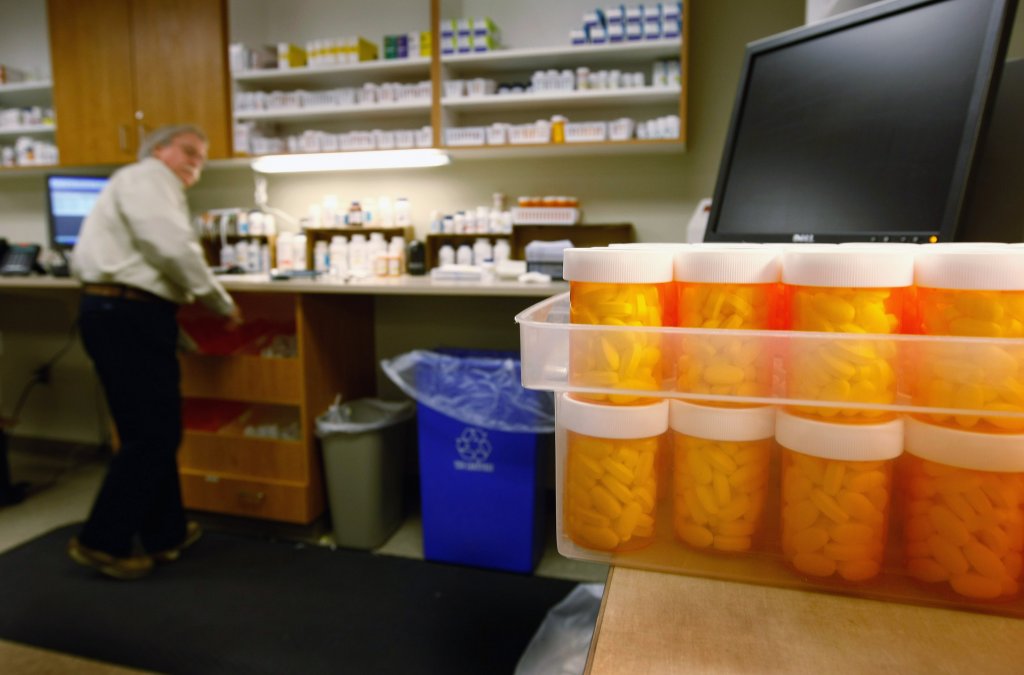
    Prescription drugs sit on a pharmacist’s counter. Photo by John Moore/Getty Images.

    BY: JAKE ZUCKERMAN and Ohio Capital Journal

    Butler County, Ohio

    An Ohio man whose wife sued a Cincinnati area hospital for refusing to provide him ivermectin as he was intubated due to COVID-19 has died, according to one of her attorneys.

    Jeffrey Smith, 51, died Sept. 25, according to the family’s attorney, Jonathan Davidson.

    While he was on a ventilator, Julie Smith filed a lawsuit against West Chester Hospital for refusing to honor a prescription of ivermectin written by a physician who founded a controversial group that champions the drug.

    Ivermectin is an antiparasitic in humans and a dewormer in livestock. It has grown in popularity, egged on by conservative commentators and politicians, as a treatment and preventative against COVID-19. The CDC, Food and Drug Administration, American Medical Association, the drug’s manufacturer and more all warn against the drug’s use against COVID-19, given the lack of evidence to support the treatment and the risks the drug can pose to those who take it.

    Neither Julie Smith nor her husband were vaccinated, she testified at a court hearing.

    On Aug. 23, Julie Smith won an emergency judgement that forced the hospital to administer the ivermectin to her husband.

    Common Pleas Judge Michael Oster reversed that ruling 13 days later. He said in a ruling, siding with expert witnesses from the hospital network who testified, the judgement isn’t a determination that ivermectin will never be proven effective against COVID-19.

    “However, based upon the evidence, it has not been shown to be effective at this juncture,” he said. “The studies that tend to give support to ivermectin have had inconsistent results, limitations to the studies, were open label studies, were of low quality or low certainty, included small sample sizes, various dosing regiments, or have been so riddled with issues that the study was withdrawn.”

    At the time, Ralph Lorigo, a New York attorney who has filed similar lawsuits around the country, claimed victory regardless. He cited purported indications that Jeffrey Smith’s condition was improving, and attributed this to the temporary dosing of the drug.

    “This is a man who has been helped by the medication, and this is a judge who just doesn’t get it right,” Lorigo said.

    Click here for more in-depth coverage of Julie Smith’s lawsuit. 

  • OHIO VAX-2-SCHOOL offers 50 scholarships worth $10,000 each and five $100,000 scholarships

    OHIO VAX-2-SCHOOL offers 50 scholarships worth $10,000 each and five $100,000 scholarships

    Governor Mike DeWine emphasized that keeping kids in school, in-person, five days a week, remains a priority. He said, “We know that the best way to do that is to get students vaccinated. In addition to protecting kids from the severe effects of the virus, students who are vaccinated, do not have to quarantine if exposed, which means they won’t miss out on school.”

    To encourage eligible children to get vaccinated, DeWine on Friday announced the Ohio Vax-2-School program, which will be open to Ohioans between the ages of 12 and 25, and will be similar to the scholarship portion of the successful Vax-a-Million program. Prizes will include 50 scholarships worth $10,000 each and five $100,000 scholarships to an Ohio college or university for career or technical education.  Prizes will be announced Monday through Friday beginning the week of October 11th.

    More details will be announced, including how to register, in the coming days.