Tag: COVID-19

  • “Let’s Get Out the Vax”

    “Let’s Get Out the Vax”

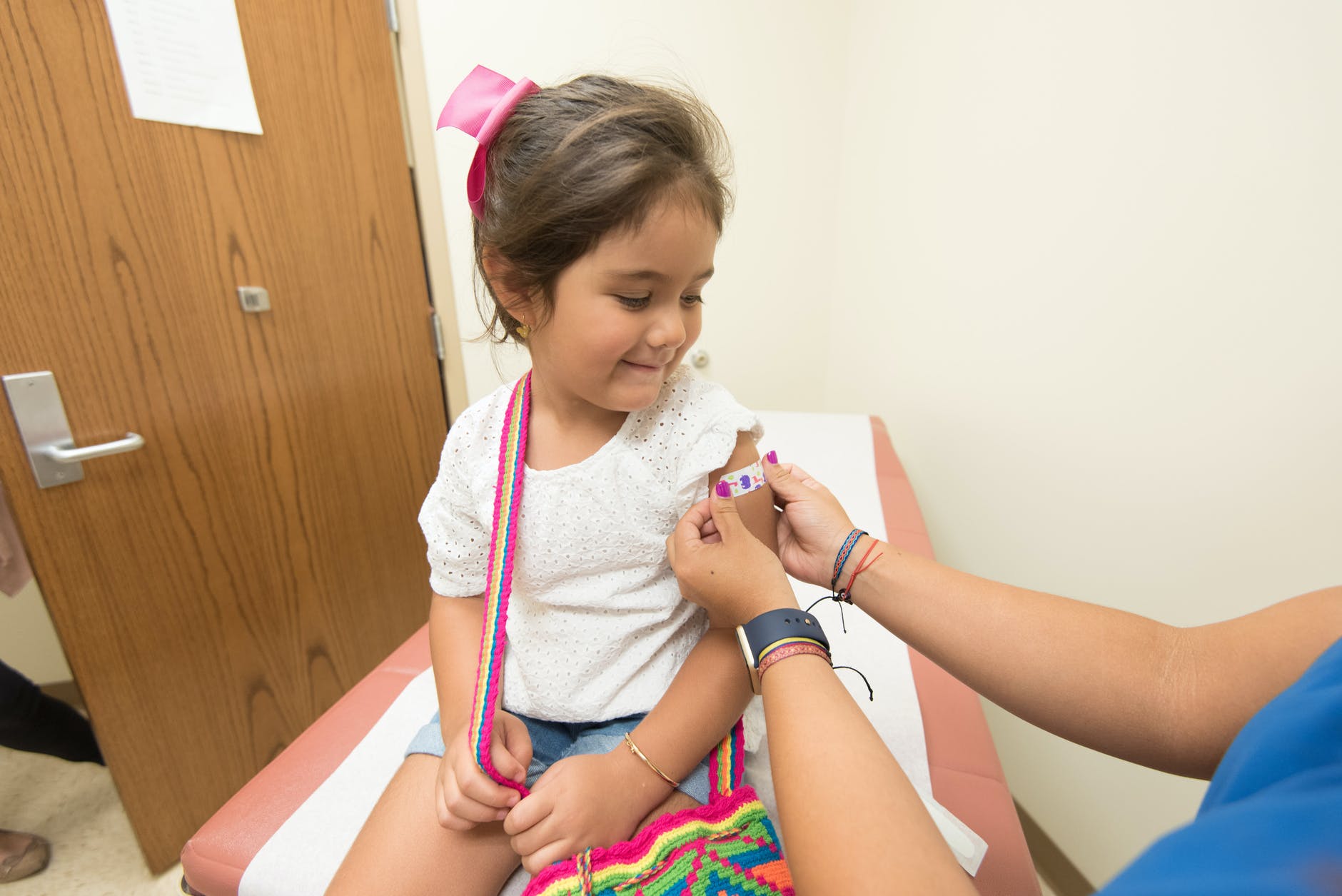
    If you aren’t yet vaccinated for COVID-19, visit TestandProtectCincy.com to find locations near you this week! Make a plan to join your neighbors in trying to keep our community safe.

    We can’t do it without you. #GetOutTheVax

    Message from the

    The Health Collaborative

  • [DeWine] COVID-19 Update for Ohio: highest levels ever of hospitalizations among those under 50

    [DeWine] COVID-19 Update for Ohio: highest levels ever of hospitalizations among those under 50

    Around 97 percent of patients of all ages in Ohio hospitals today are unvaccinated.

    When you get COVID-19 without the protection of a vaccine, there is a very real risk you’ll end up in the hospital or the obituary pages.

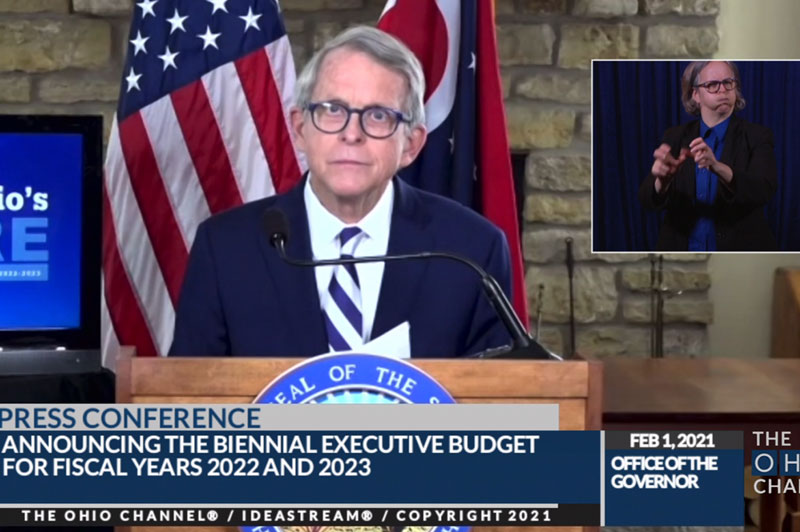
    Columbus, Ohio – Ohio Governor DeWine today provided an update on the increased impact that COVID-19 is having on Ohio’s younger populations and the stress that the surge of cases is having on hospitals statewide.

    “The bottom line is that we’re seeing our highest levels ever of hospitalizations among those under 50 years old,” said Governor DeWine. “Those who are getting very sick, being hospitalized, and dying of COVID are getting younger and younger. And it is because they are not vaccinated.”

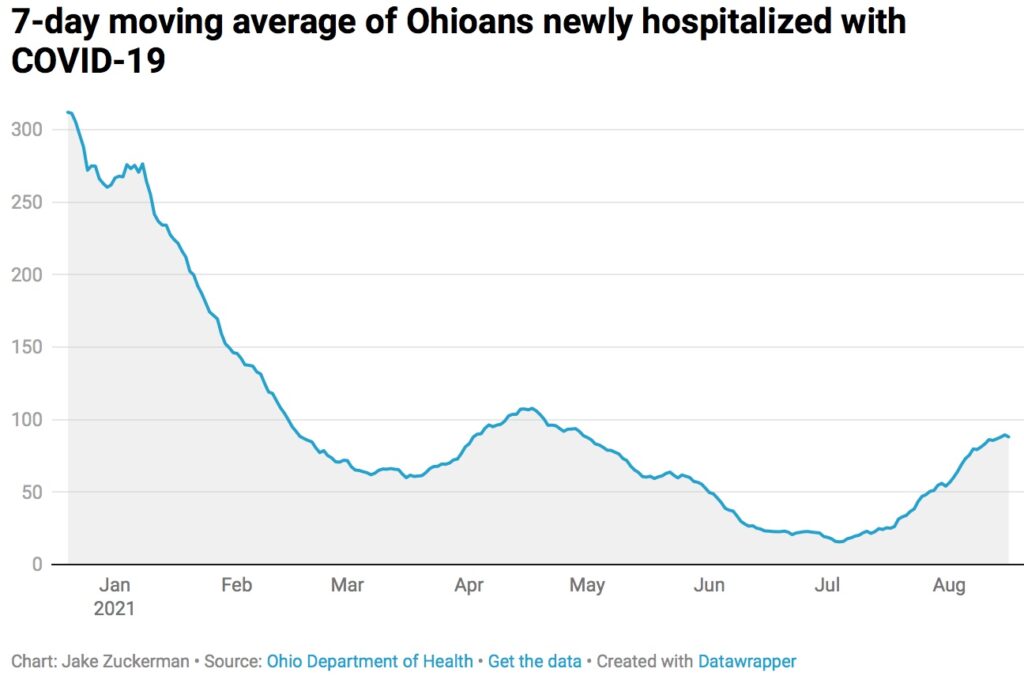
    • Today, there were 459 newly-reported hospitalizations, the highest number of new hospitalizations since January.
    • The number of new hospitalizations for COVID-19 of those under 50, was the highest during the entire pandemic during the week of Sept. 5th, when Ohio hospitals admitted 398 patients under the age of 50.
    • During the most recent completed reporting week (Sept. 5 — Sept. 11), 230 Ohioans 39 and younger were admitted to the hospital, which is the highest number of admissions for COVID in this age group during the entire pandemic, even higher than during the winter surge levels when no one was vaccinated.
    • Around 97 percent of patients of all ages in Ohio hospitals today are unvaccinated.
    • In July, 48 percent of COVID-19 deaths were among those 69 years old and younger. In August, preliminary data shows that an average of two people younger than 50 died of COVID-19 in Ohio every day.

    • Last month, preliminary numbers showed 18 Ohioans 39 and younger died from COVID-19. This is compared to five people in that age range who died in June and two people in that age range who died in July.

    Dr. Bruce Vanderhoff, Director, Ohio Department of Health
    “If you are young and unvaccinated it’s now probably only a question of when, not if, you get COVID-19. When you get COVID-19 without the protection of a vaccine, there is a very real risk you’ll end up in the hospital or the obituary pages. The numbers really tell it all, COVID has changed and is now making younger Ohioans who are not vaccinated very sick. Don’t become a statistic when there is a simple, safe, and effective alternative. Go out today and get vaccinated.”

    Suzanne Bennett, M.D., Extracorporeal Membrane Oxygenation (ECMO) Program Director, University of Cincinnati Health
    “These rising numbers of sick COVID patients places a significant burden on our hospital beds, our medical teams, and worse yet, it creates scenarios that no one wants to think about where we do not have the space for patients who would otherwise benefit from receiving their care at large academic medical centers. We now need the help of the people in our community more than ever so that no one else needs to die from this disease.”

    Alan Rivera, M.D., Hospitalist, Fulton County Health Center
    “We are in a crisis mode. As compared to last year, our nursing staff is down probably 50 percent. We have nurses leaving the field, retiring early, or finding jobs elsewhere because of the long hours and the emotional strain. On top of that, our COVID numbers are now going up. In June and July I didn’t see any COVID patients. Now, the majority of the census in our hospital are COVID patients, and they’re younger, anywhere from 30 to 50.”

    Joe Bates, R.N., B.S.N., Clinical Coordinator, Critical Care Unit, Genesis HealthCare System (Zanesville)
    “We’re seeing the younger population being hit hardest with this right now. Our average age right now that we’re seeing is around 59, with many of them being younger, as compared to last year when the average was about 78 years of age. Of the COVID positives that we currently have in the ICU, none of them are vaccinated who are on the ventilator.”

    Terri Alexander, R.N., P.C.C.N., Summa Health (Akron)
    “It’s just a sad, sad situation that we’re dealing with, and it’s tragic because it’s just so preventable. Please, please, please, get vaccinated. We live in a culture that has never experienced coming to the hospital and getting turned away, and I think people can’t fathom what that’s truly like until its them or their family members who are coming in and getting turned away.”

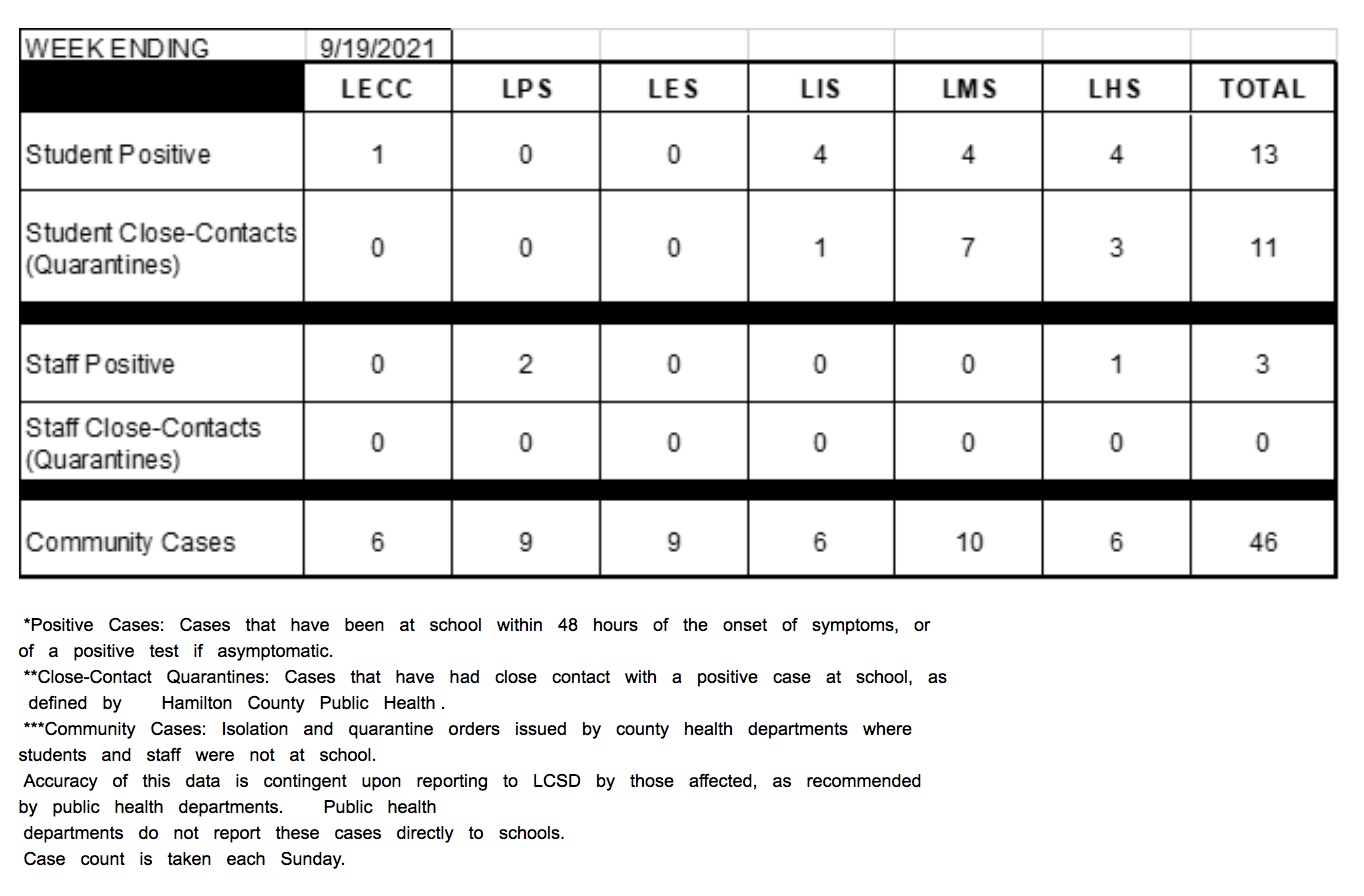
  • Loveland School COVID 19 Dashboard for 9/19/2021

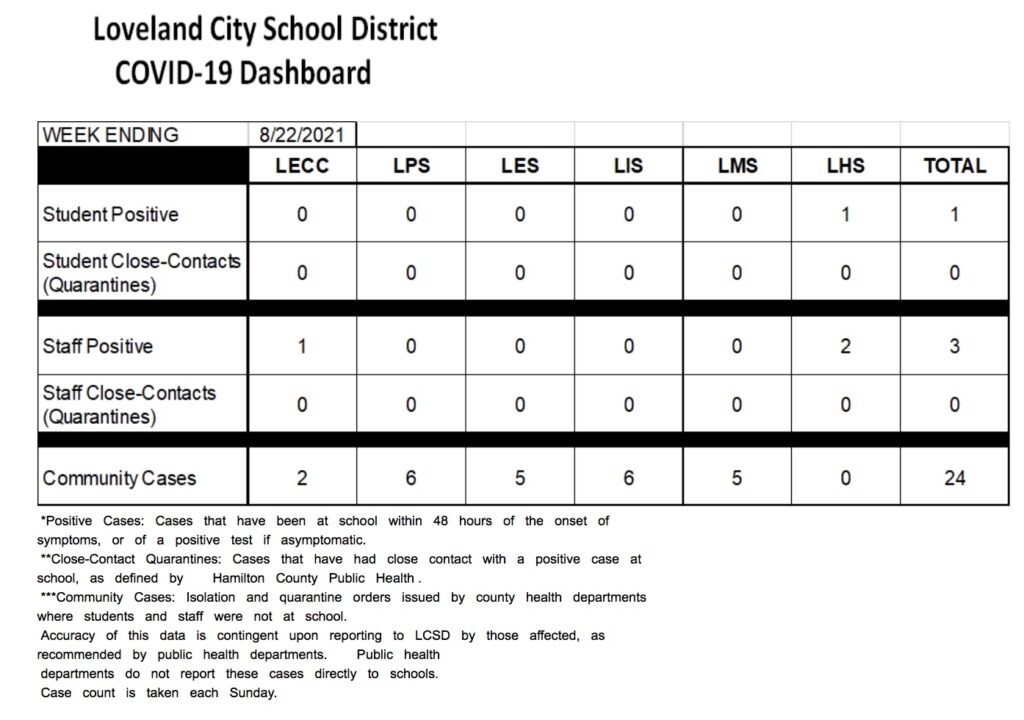
    Loveland School COVID 19 Dashboard for 9/19/2021

    EDITOR’S NOTE:

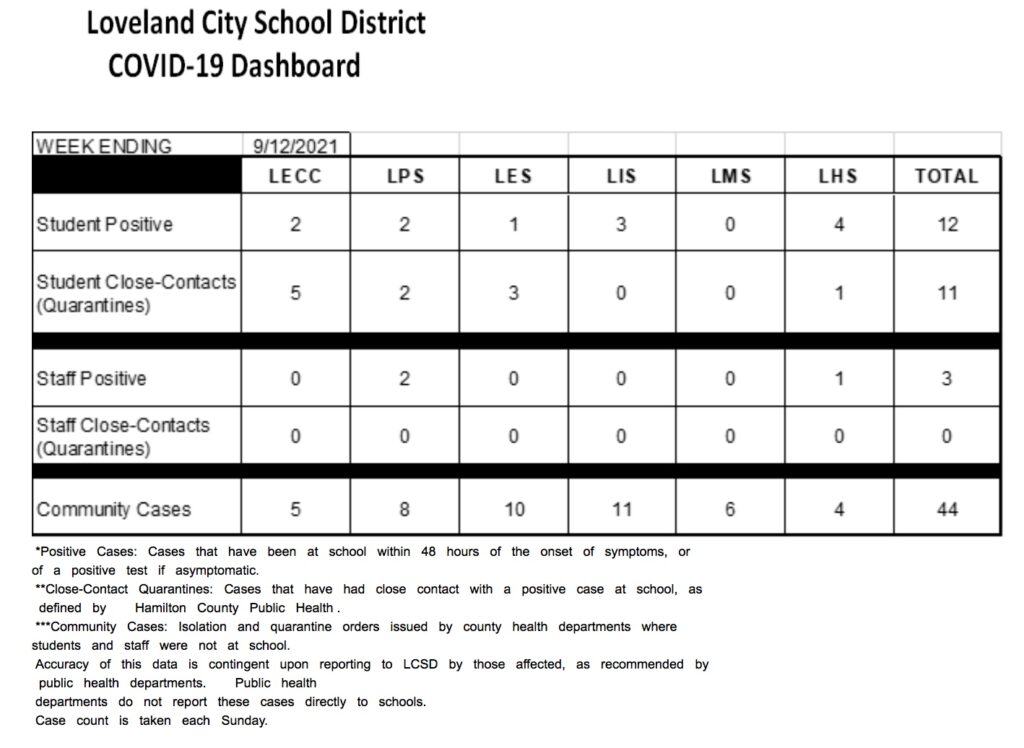
    THIS STORY HAS NOW BEEN UPDATED TO SHOW THE DASHBOARD FOR SEPTEMBER 19. THE ORIGINAL VERSION HAD THE 9/12 DATA REPEATED TWICE.

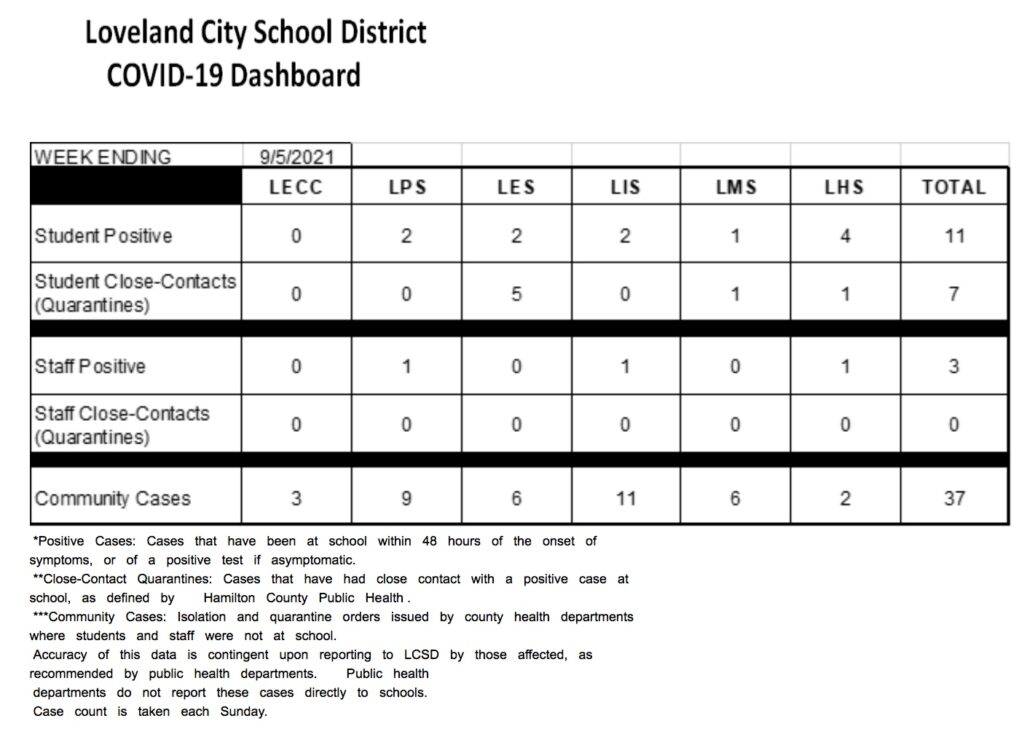
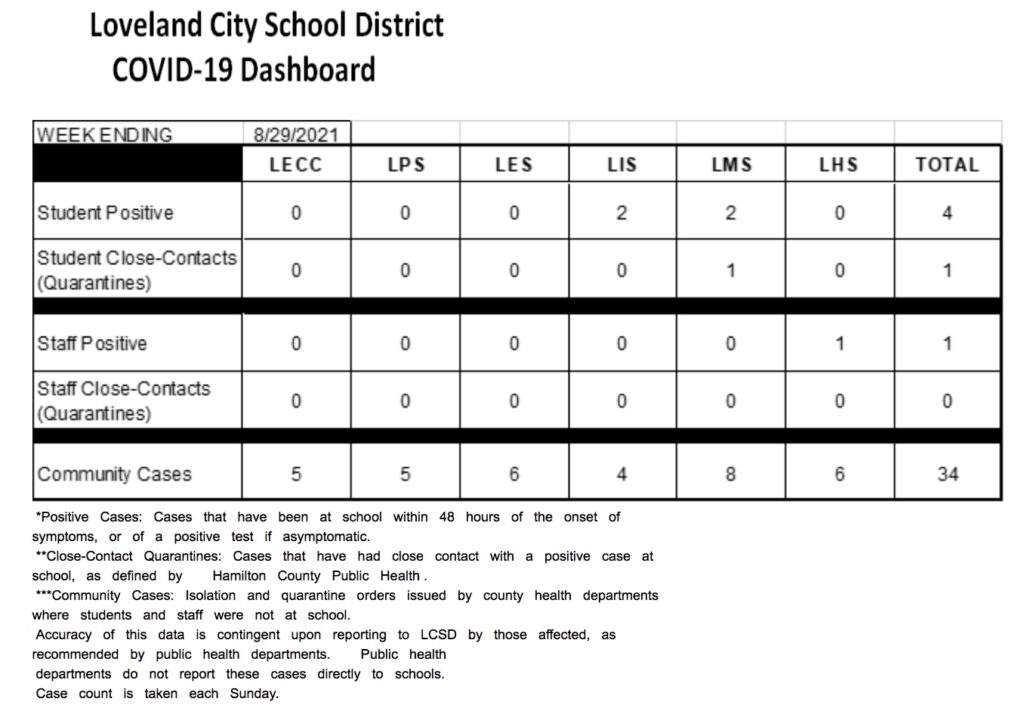
    Loveland, Ohio – At the beginning of each week, the Loveland City School District releases their latest Covid 19 Dashboard. Here are the last five.

  • Ohio gov thinks a law is making kids sick and says it’s unconstitutional. He won’t challenge it

    Ohio gov thinks a law is making kids sick and says it’s unconstitutional. He won’t challenge it

    DeWine spokesman says risks are too high

    BY: MARTY SCHLADEN and Ohio Capital Journal

    Some are questioning Gov. Mike DeWine’s sincerity when he says he’s doing all he can to fight the spread of coronavirus among children.

    DeWine and the leaders of children’s hospitals are in a panic over the lack of masking in Ohio schools. Hospital admissions of children with covid are up 536% since July and the hospitals report that they’re being overwhelmed by the surging delta variant and an unusual jump in other respiratory illnesses.

    [Watch video] Ohio Children’s Hospital leaders briefing for school administrators –…

    DeWine and the hospitals are pleading with local school officials to enact their own mask mandates because DeWine says his hands are tied by Senate Bill 22 — a law the GOP-controlled legislature passed in March over his veto. 

    It circumscribes the governor’s ability to issue health orders such as his 2020 statewide mask mandate by limiting them to 30 days. After that, the legislature would have to sign off in order to continue them.

    Asked on Tuesday why he wouldn’t impose a mask mandate as a temporary measure, DeWine said he didn’t want to muddy the issue.

    “All that will do is cause a great deal of confusion and then I think people would say, ‘Well there’s no mandate on, there’s no requirement on, we can go back, there’s really no reason to keep masks on,” the governor said. “I’m afraid what would happen is we would slide backwards, we would go the wrong way.”

    However, some noted that when SB 22 was passed, the governor, who is a lawyer, didn’t believe it would stand up in court.

    “Lots of talk out there excusing @GovMikeDeWine‘s refusal to issue a school mask mandate,” Katie Paris, founder of the group Red Wine and Blue, tweeted. “His hands are NOT tied. He could issue a mandate today and if the legislature fights it, he could take them to court.”

    She followed up with a thread that included the statement DeWine issued when he vetoed SB 22.

    “We believe that significant portions of SB 22 are unconstitutional,” the statement says. “Parts of the bill violate the separation of powers doctrine embedded in our Ohio Constitution; other parts violate Article II, Section 15 of the Ohio Constitution, proscribing how laws must be made; and even other parts of the bill likely violate Article IV, Section 5 of the Ohio Constitution, by exercising power reserved to the judiciary.” 

    Loveland School Superintendant Mike Broadwater

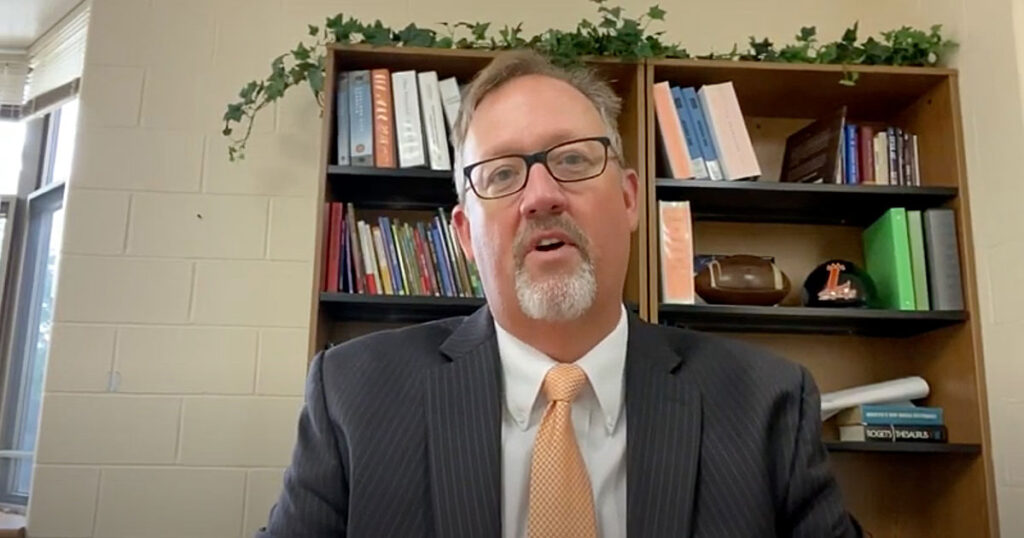
    Loveland School Superintendant Mike Broadwater told Loveland Magazine on Thursday, “It is unfortunate that Governor DeWine no longer has the power to issue health orders that would put every school district across the state in the same situation if that’s what he feels is best. But by leaving it to local control, he’s allowing each district to make the decision that fits best for their community.”

    The current policy of the Loveland City School District is that students in grades PreK-6 are required to wear a mask indoors. Students in grades 7-12 do not have to wear face coverings. All others, while in the buildings must wear masks.

    The Legislative Service Commission also questioned the legality of a draft of the bill, writing that it “might be vulnerable to a constitutional challenge on the grounds that the legislature cannot take such an action by resolution.” But for some reason, it was dropped from the final version of the bill, which was otherwise unchanged.

    Asked why DeWine doesn’t just impose a mask order and fight it out in court, Press Secretary Dan Tierney on Wednesday said it was too risky.

    “Somebody who’s advocating for that is hoping that a judge puts on an immediate restraining order that would allow (the mask mandate) to continue, but you also have to weigh the chance that a judge could rule the other way: that the legislative recision is perfectly valid,” Tierney said.

    He added that DeWine’s current approach — persuading local officials to put on their own mask mandates — is making rapid progress. The portion of students in schools with mask mandates has jumped from 35% on Sept. 1 to 54% on Tuesday, Tierney said.

    “We went from a little over a third to a little over a half of students being in a school where everybody wears a mask in less than two weeks,” he said.

    But while DeWine is blaming the GOP supermajority in the legislature for sapping his ability to fight his coronavirus, on Wednesday he signed off on legislative maps that would preserve that supermajority. Even as DeWine helped to approve the maps, he questioned whether they would survive a court challenge, Gannett journalist Haley BeMiller reported.

    The move by DeWine — who has also criticized President Joe Biden’s vaccination-or-test mandate — prompted a blast from John Hagner, campaign manager for Dayton Mayor Nan Whaley, who is seeking the 2022 Democratic gubernatorial nomination.

    https://twitter.com/JHagner/status/1438485210811748356

    “Mike DeWine on Tuesday: the gerrymandered Republican supermajority is keeping me from protecting kids and keeping them in school,” Hagner tweeted. “Mike DeWine on Wednesday: ok, let’s have four more years of an even more gerrymandered Republican supermajority.”

    Reporter Jake Zuckerman of the Ohio Capital Journal and David Miller, Editor of Loveland Magazine contributed to this rstory.

  • Judge reverses order forcing hospital to give ivermectin to COVID-19 patient

    Judge reverses order forcing hospital to give ivermectin to COVID-19 patient

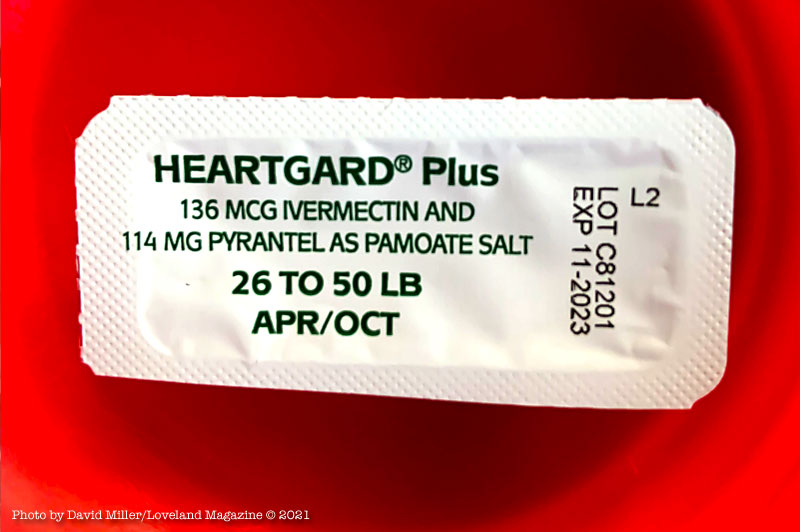
    Ivermectin used to prevent heartworm in dogs as prescribed by a veterinarian. (© Photo by David Miller)

    “We are believers he’s going to survive because of ivermectin.”

    BY: JAKE ZUCKERMAN and Ohio Capital Journal

    Hamilton, Ohio – A Butler County judge sided with a local hospital and reversed a previous court order forcing it to honor a prescription of ivermectin, which infectious disease experts have warned against as a COVID-19 treatment, for a patient who has spent weeks in the ICU with the disease.

    After two days of testimony and arguments, Common Pleas Judge Michael Oster issued an order Monday siding with West Chester Hospital. He said the hospital bears no duty to honor a prescription written for Jeffrey Smith, 51, for ivermectin, a drug used as a dewormer in horses and an anti-parasitic in humans.

    The drug has surged in popularity as a COVID-19 treatment, egged on by conservative politicians and media figures, despite adverse warnings from the Centers for Disease Control, the Food and Drug Administration, the American Medical Association, the drug’s manufacturer and others.

    “This Court is not determining if ivermectin will ever be effective and useful as a treatment for COVID-19,” Oster said.

    “However, based upon the evidence, it has not been shown to be effective at this juncture. The studies that tend to give support to ivermectin have had inconsistent results, limitations to the studies, were open label studies, were of low quality or low certainty, included small sample sizes, various dosing regiments, or have been so riddled with issues that the study was withdrawn.”

    Julie Smith brought the lawsuit on behalf of her husband, Jeffrey Smith, who tested positive for COVID-19 and was admitted to the ICU July 15, where he remains today. He has been sedated, intubated and on a ventilator since Aug. 1.

    The hospital refused to honor the prescription, written Aug. 20, prompting the lawsuit that same day. On Aug. 23, another judge wrote an emergency order demanding the hospital administer the ivermectin as prescribed. Monday’s order nixes the August order.

    Trial last week

    Julie Smith testified that neither she nor her husband were vaccinated against COVID-19. She said it was “experimental,” so she didn’t trust it.

    “We didn’t feel confident it had been out long enough,” she said during a hearing Thursday.

    She later connected with Dr. Fred Wagshul, a founding physician of the Front Line COVID-19 Critical Care Alliance, a nonprofit that touts ivermectin as a wonder drug. Wagshul is a licensed physician but is not board certified within any specialty and hasn’t worked in a hospital for 10 years, according to his testimony.

    He prescribed Jeffrey Smith 21 days’ worth of ivermectin without reviewing Jeffrey Smith’s clinical information or talking to any of his treating physicians. He said the pharmaceutical industry and U.S. government have smeared ivermectin and “censored” its allegedly undeniable beneficial value.

    However, when asked if it had benefitted Smith, he hedged.

    “I honestly don’t know, but the rule of thumb is, when something is working, you don’t stop it,” he said.

    Several witnesses for the hospital cast doubt on Wagshul’s testimony and credibility as a physician. Dr. Ferhan Asghar, a surgeon and chief of staff at the hospital, said a physician who is not board certified would never be admitted to practice at West Chester, per hospital policy. He said it was also a “concern” that a physician would issue such a controversial prescription without seeing the patient or reviewing his information.

    Dr. Jaime Robertson is an infectious disease physician who sits on a committee at UC Health, which staffs West Chester Hospital, to review available evidence to guide treatment for COVID-19 patients. He said the evidence doesn’t necessarily conclude ivermectin doesn’t work; instead, he said ivermectin bears risks just like any treatment but there’s no conclusive evidence to show enough benefit exists to outweigh that risk.

    “I think the problem here is there are conflicting outcomes in public health literature,” he said.

    Dr. Daniel Tanase, Jeffrey Smith’s treating physician, disputed any notion that the ivermectin demonstrably helped his patient, and said there’s not enough evidence to support the use of ivermectin on COVID-19 patients.

    “We follow science and we follow what the guidelines are,” he said. “So yes, I don’t think ivermectin is what he needs at this time.”

    Officials on ivermectin 

    On Aug. 26, the CDC issued a health alert warning of a five-fold increase of calls to poison control centers regarding ivermectin exposure compared to a pre-pandemic baseline. These included exposures related to topical and veterinary formulations of the drug.

    “Clinical effects of ivermectin overdose include gastrointestinal symptoms such as nausea, vomiting, and diarrhea,” the CDC states. “Overdoses are associated with hypotension and neurologic effects such as decreased consciousness, confusion, hallucinations, seizures, coma, and death. Ivermectin may potentiate the effects of other drugs that cause central nervous system depression such as benzodiazepines and barbiturates.”

    Several other federal authorities have issued similar warnings. Even Merck, which manufactures the drug, issued a statement in February affirming its position that there’s no scientific basis for a potential therapeutic effect against COVID-19 from ivermectin. The company also noted a “concerning lack of safety data” in the majority of studies.”

    review of available literature conducted in August by the journal Nature found there’s no certainty in the available data on potential benefits of ivermectin.

    Ohio Hospital Association President Mike Abrams said in a statement before Oster issued his order stating there is insufficient data to support ivermectin as a treatment for COVID-19. He called the initial order “concerning” in regards to forcing a hospital to use a drug unapproved for use.

    “OHA believes it is an extraordinarily dangerous precedent for judges to practice medicine and order unproven medical treatments over the objections of highly-trained clinicians and against all standards established by the medical community,” Baker said.

    Appeal is unlikely

    Bill J. Paiobeis, an attorney for West Chester Hospital, declined comment Monday, citing the potential for an appeal.

    Kelly Martin, a UC Health spokeswoman, said the hospital network respects its doctors and the scientific rigor they use to develop treatments, medications and therapies. UC Health, she said, doesn’t believe that hospitals or clinicians should be ordered to administer medications, especially “unproven medications and/or therapies,” against medical advice.

    “This news, while positive in support of respect for science and the expertise of medical professionals, does not change the fact that there are many people suffering from COVID-19 in our communities,” she said. “We implore all members of the community to do what we know works: wear a mask, become fully vaccinated and use social distancing whenever possible.”

    Ralph Lorigo, an attorney representing Smith, said he won the lawsuit in a way. He said Jeffrey Smith obtained 13-days’ worth of ivermectin, and the hospital has since told Julie Smith that they’re ready to begin to ween him off the ventilator.

    “Julie has won this case; I don’t care what this judge says,” Lorigo said in an interview. “We are believers he’s going to survive because of ivermectin.”

    He said he’s not planning any appeal as one would effectively be moot.

    “This is a man who has been helped by the medication, and this is a judge who just doesn’t get it right,” Lorigo said.


  • Butler County Judge orders West Chester Hospital to treat COVID-19 patient with Ivermectin, despite CDC warnings

    Butler County Judge orders West Chester Hospital to treat COVID-19 patient with Ivermectin, despite CDC warnings

    BY: JAKE ZUCKERMAN  and Ohio Capital Journal

    A Butler County judge ruled in favor of a woman last week who sought to force a hospital to administer Ivermectin — an animal dewormer that federal regulators have warned against using in COVID-19 patients — to her husband after several weeks in the ICU with the disease.

    Butler County Common Pleas Judge Gregory Howard ordered West Chester Hospital, part of the University of Cincinnati network, to treat Jeffrey Smith, 51, with Ivermectin. The order, filed Aug. 23, compels the hospital to provide Smith with 30mg of Ivermectin daily for three weeks.

    The drug was originally developed to deworm livestock animals before doctors began using it against parasitic diseases among humans. Several researchers won a Nobel Prize in 2015 for establishing its efficacy in humans. It’s used to treat head lice, onchocerciasis (river blindness) and others.

    Both the U.S. Food and Drug Administration and the Centers for Disease Control and Prevention have warned Americans against the use of Ivermectin to treat COVID-19, a viral disease. It’s unproven as a treatment, they say, and large doses of it can be dangerous and cause serious harm. A review of available literature conducted earlier this month by the journal Nature found there’s no certainty in the available data on potential benefits of Ivermectin.

    The drug has grown in popularity among conservatives, fueled by endorsements from allies of former President Donald Trump like U.S. Sen. Ron Johnson, R-Wisc. or Fox News personalities Laura Ingraham and Sean Hannity. The CDC warned reports of poisoning related to use of Ivermectin have increased threefold this year, spiking in July.

     Estimated number of outpatient ivermectin prescriptions dispensed from retail pharmacies — United States, March 16, 2019–August 13, 2021. Data are from the IQVIA National Prescription Audit Weekly (NPA Weekly) database. NPA Weekly collects data from a sample of approximately 48,900 U.S. retail pharmacies, representing 92% of all retail prescription activity. Source: CDC.

    Julie Smith filed the lawsuit on behalf of her husband of 24 years. He tested positive for COVID-19 July 9, was hospitalized and admitted to the ICU July 15, and was sedated and intubated and placed on a ventilator Aug. 1. He later developed a secondary infection he’s still wrestling with as of Aug. 23, court records say.

    The lawsuit doesn’t mention whether Jeffrey Smith is vaccinated against COVID-19. However, overwhelming majorities of people currently hospitalized with COVID-19 are unvaccinated — data from the Ohio Department of Health shows of roughly 21,000 Ohioans hospitalized with COVID-19 since Jan. 1, only about 500 were vaccinated.

    Julie Smith found Ivermectin on her own and connected with Dr. Fred Wagshul, an Ohio physician who her lawsuit identifies as “one of the foremost experts on using Ivermectin in treating COVID-19.” He prescribed the drug, and the hospital refused to administer it.

    A hospital spokeswoman said she can’t comment on litigation and federal patient privacy laws prevent her from commenting on any specifics of patient care.

    Smith is represented by New York attorney Ralph Lorigo, the chairman of New York’s Erie County Conservative Party, who has successfully filed one similar case against a Chicago area hospitaland two more in Buffalo. He did not respond to an email or phone call.

    The Ohio lawsuit makes reference to the Front Line Covid-19 Critical Care Alliance, a nonprofit of which Wagshul is listed as a founding physician. The organization touts Ivermectin as both a preventative and treatment for COVID-19. Its “How To Get Ivermectin” section includes prices and locations of pharmacies that will supply it, from Afghanistan to Fort Lauderdale to Pennsylvania to Sao Paulo, Brazil.

    In an interview, Wagshul said the science behind Ivermectin’s use in COVID-19 patients is “irrefutable.” The CDC and FDA engaged in a “conspiracy,” he said, to block its use to protect the FDA’s emergency use authorization for COVID-19 vaccines. He said the mainstream media and social media companies have been engaging in “censorship” on Ivermectin’s merits, and that the U.S. government’s refusal to acknowledge its benefits amounts to genocide.

    “If we were a country looking at another country allowing those [COVID-19] deaths daily … we would have been screaming, ‘Genocide!’” he said.

    Wagshul said he had no financial interest in the sale of Ivermectin.

    Dr. Leanne Chrisman-Khawam, a physician and professor at the Ohio University Heritage College of Osteopathic Medicine, called the FLCCCA “snake oil salesmen.” She reviewed the association’s research on the drug’s uses and said there are some serious problems with its cited studies: many of them don’t show positive results, and those that do bear design flaws like small control groups, unaccounted for variables, non-blinded studies, not accounting for mitigations like vaccines and masking practices, and others.

    “Based on evidence-based medicine and my read on this large number of small studies, I would find this very suspect, even the positive outcomes,” she said.

    Several state authorities declined to comment on the matter. Cameron McNamee, a spokesman for the state Board of Pharmacy, referred inquiries to the state Medical Board, the attorney general, and the Ohio Hospital Association.

    A spokesman for the state Medical Board, which licenses physicians, said its jurisdiction is over the practice of doctors and how they uphold standards of care — not lawsuits.

    A spokeswoman for Attorney General Dave Yost declined comment and referred inquiries to the Board of Pharmacy and Veterinary Board.

    An Ohio Hospital Association spokesman called the lawsuit “interesting” but said he’d need to confer with his legal team before commenting.

    It’s unclear why the hospital didn’t mount any defense under a new law passed in the state budget this summer that grants health care providers the “freedom to decline to perform” any service which violates their “conscience,” as informed by moral, ethical or religious beliefs.

    No attorney information for West Chester Hospital was available on the court docket as of Friday afternoon.

  • Vaccination Incentive of $100 Now Available to All Medicaid Members Aged 12 and Up

    Vaccination Incentive of $100 Now Available to All Medicaid Members Aged 12 and Up

    For Ohio Medicaid members, going to school should start at a pharmacy, doctor’s office or community event where free COVID-19 vaccines are available. 

    A $100 gift-card incentive for vaccination, previously offered only to adults, now includes children ages 12 to 17. 

    That means every Medicaid Managed Care member old enough to be vaccinated also qualifies for the incentive.

    Kelly O’Reilly, president and chief executive officer of the Ohio Association of Health Plans

    The incentive is being expanded as children return to classrooms and COVID-19 cases rise dramatically in Ohio and nationwide, with the Delta variant becoming the dominant strain identified in new cases. Delta also appears more highly transmissible than previous variants and more likely to infect younger adults and children.

    “Getting students 12 and up vaccinated will provide peace of mind to parents, caregivers and educators,” said Kelly O’Reilly, president and chief executive officer of the Ohio Association of Health Plans. “Vaccination is the surest way to protect teens against COVID-19.”

    Working together, Ohio’s Medicaid Managed Care plans — AetnaBuckeye Health PlanCareSourceMolina HealthcareParamount Advantage and UnitedHealthcare — have made
    finding and getting the vaccine easier than ever with Vax on the Spot(www.covidvaxonthespot.com), a website with information on community vaccine events and walk-in opportunities at pharmacies. The site also gives details on how members can get the $100 incentive. In some locations, including many pharmacies and Federally Qualified Health Centers, gift cards are available on-site.

    The campaign and the incentive are working. Ohio Medicaid Director Maureen Corcoran announced recently that the number of Medicaid members getting their first dose rose by 49% in the first week of August compared with the week before.

    Since Gov. Mike DeWine challenged the Medicaid Managed Care plans in June to do more to encourage vaccination, Ohio has seen a 57% increase in the number of Medicaid members who have completed vaccination. As of Aug. 8, the number that had received at least one shot was more than 800,000.

    Medicaid vaccine gift cards will continue to be available to eligible Ohioans through
    Dec. 31, 2021.

    According to the health plans’ medical directors, shrinking the population of unvaccinated people is the most important front in the battle to contain the pandemic. So far, available vaccines have proven highly effective at preventing people from contracting COVID-19 and even more effective at preventing serious illness and hospitalization, even among Delta cases. According to the U.S. Centers for Disease Control and Prevention, almost everyone — 97% — who contracts a COVID-19 case serious enough to require hospitalization is unvaccinated.

    For more on Ohio’s Medicaid Managed Care Organizations, visit https://medicaid.oahp.org/.

  • As classes return, 62.5% of eligible 12-18 year-olds unvaccinated

    As classes return, 62.5% of eligible 12-18 year-olds unvaccinated

    BY: JAKE ZUCKERMAN and Ohio Capital Journal

    Nearly two in three age-eligible teenagers remain unvaccinated against COVID-19 as summer ends and the disease looms over its third consecutive school year.

    Spokespersons for the state departments of health and education said they did not know what percentage of students enrolled in public schools are vaccinated.

    However, looking at the total population (which would include homeschooled students), more than 62% remain unvaccinated.

    “As of today, there are 390,903 Ohioans age 12-18 who have started the vaccination process,” said Ohio Department of Health spokeswoman Alicia Shoults. “This represents 37.5% of that age group.”

    Despite plans to attend classes in close contact with their peers several days per week, teenagers are the least vaccinated age cohort — surpassing 20-29-year-olds (44%) and 30-39-year-olds (51%).

    The Pfizer/BioNTech vaccine was authorized for use in people aged 16-and-up in mid-December, though most states restricted access for elder and sicker residents through early 2021. The U.S. Food and Drug Administration authorized its use on children 12-15 on May 11.

    At a press conference last week, Gov. Mike DeWine said a communal goal of keeping students in school for in-person learning is “threatened” by the hyper-transmissible Delta variant of COVID-19. He repeated a recommendation from ODH that students either seek vaccination or wear a mask at school.

    “The best way to make sure a child can stay in school and not have his or her classes interrupted, is for that child to be vaccinated,” he said. “If that child cannot be vaccinated, the best way to ensure a good school year for that child is for that child to wear a mask while in class.”


    See Breaking News Up-Date:

    FDA gives full approval to Pfizer-BioNTech COVID-19 Vaccine

    Loveland Magazine – Aug 23, 2021


  • Ohio cities revive mask mandates as new state law stops health departments

    Ohio cities revive mask mandates as new state law stops health departments

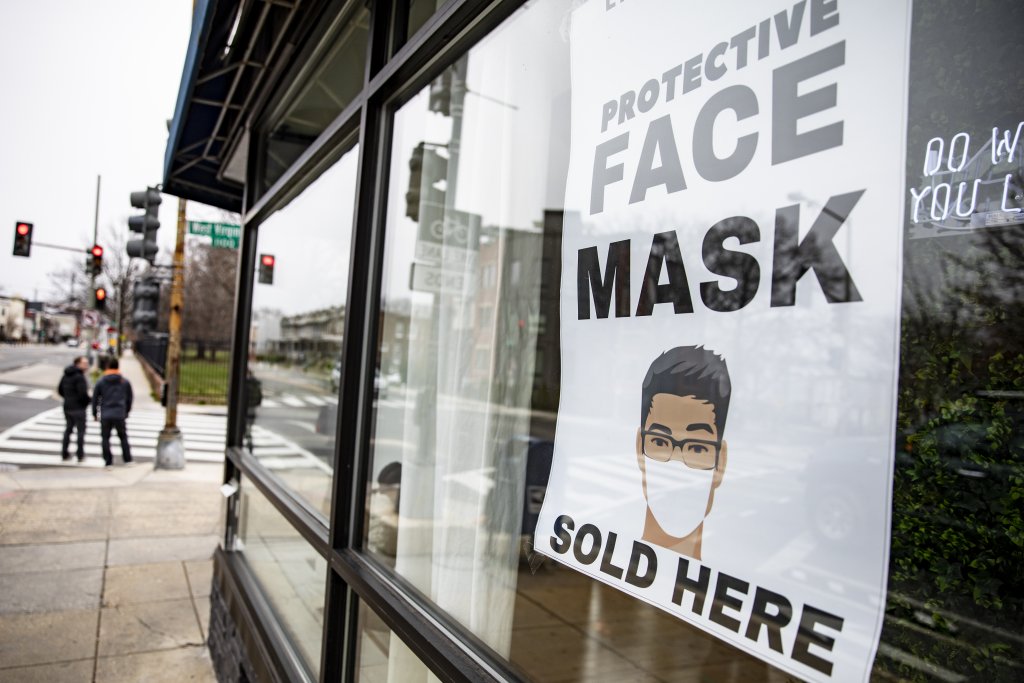
    A sign advertising protective face masks is taped in the window of a coronavirus pop-up store. Photo by Samuel Corum | Getty Images.

    BY: JAKE ZUCKERMAN and Ohio Capital Journal – AUGUST 19, 2021 1:00 AM


    First the Mount Vernon City School District opted against requiring masks for students.

    Then Gambier, a small village of 2,400, mandated masks indoors in town — where one of the district’s elementary schools happens to exist.

    Finally, the sheriff said neither he nor his deputies would enforce the law.

    It’s August 2021 and the mask wars are back — if they ever left.

    Hospital rolls are once again swelling, a trend attributed to the hyper-transmissible delta variant of COVID-19 running amok through unvaccinated communities. Less than 51% of Ohioans are vaccinated, and doses are not yet authorized for use on those 11 and younger — most of whom are returning for a new school year in the coming weeks.

    As such, a handful of Ohio city councils — not health departments — are reinstituting mask mandates. State lawmakers passed legislation this past spring that guts the powers of state and local public health departments to issue orders like mask mandates, but city officials believe they still maintain the power to do so.

    The legislation, Senate Bill 22, says that any health order from a county board of health that applies to a “class of persons” is “invalid and has no legal effect.” It offers more restrictions on county board of health orders, but makes no mention of local governments.

    “From our perspective, we would not have gone forward with this if we thought it was not defensible in court,” said Gambier Mayor Leeman Kessler.

    Gambier is in Knox County, where the vaccination rate (less than 38%) sags far behind the state level. It’s a dot of liberal politics in a deep red county. If Kessler is correct on the legality of the ordinance, the politics are another question entirely.

    The Knox County Sheriff’s Office, which Kessler said is solely responsible for police work in Gambier, wrote on Facebook it would not enforce the ordinance and will “not put deputies in this situation.” Sheriff David Shaffer did not return a phone call.

    “If this mandate keeps our village safe, keeps our schools safer than they would have been without, then yes,” Kessler said when asked if the ordinance would be worth the blowback. “If we’ve gone through all of this for nothing, it’s hard to say. But based on the science and recommendations from all the professional health organizations … this is the course of action that is most recommended.”

    Mount Vernon City School District Superintendent William Seder Jr. sent a letter to parents Wednesday night stating Wiggin Street Elementary would follow the ordinance and calling for patience from those opposed to it.

    “While there is a time and a place to continue these conversations, we simply request that this not take place at the schoolhouse steps,” he said. “We respectfully ask that we not put our students in the middle of adult conversations and differences.”

    In Athens, another blue city in a generally red area of the state, the city council passed an indoor mask mandate of its own, as The Athens NEWS first reported. City law director Lisa Eliason, in an interview with the Ohio Capital Journal, said the city built its policy around the recommendation of its local health department.

    She said she carefully read Senate Bill 22 — which basically allows lawmakers to veto orders from the state health department, and blocks blanket orders from local health departments — and doesn’t believe it precludes Athens from its ordinance.

    The ordinance is legal, she said, and makes sense from a public health perspective given the number of unvaccinated students (only 44% of 20-29 year-olds are vaccinated) soon to flood Athens and its crowded bar district.

    “You still have Home Rule authority from the Ohio Constitution in matters of health and safety,” she said. “That’s what Athens is relying on.”

    Other cities have joined in. Yellow Springs, a small village near Dayton, imposed a mask mandate at an Aug. 9 council meeting. The city fire chief and police chief both backed the proposal at a council meeting.

    Oxford considered a mask mandate at its city council meeting Tuesday evening, but could not pass it at the time due to absent members. One absent member, Chantel Raghu, was out tending to his parents, both of whom were hospitalized with COVID-19, according to a letter read on his behalf at the meeting.

    “If my parents were not both struggling with COVID, I would be at home, in the meeting, making the commonsense vote yes to keep our community safe by indoor masking,” he wrote.

    The towns are correct in that Senate Bill 22 still allows them to pass mask mandates through their city legislative bodies — the law only applies to their departments of health, according to Micah Berman, a professor of public health law at Ohio State University.

    “Extending that limitation to city councils, depending on how it was written, might well violate the Home Rule amendment of the Ohio Constitution,” he said.

    “But health departments are creations of state law, so their authority can be more easily limited by the legislature.”

    Last summer, Ohio cities started to impose a patchwork of mandates around the state, eventually mounting enough political pressure on (or political cover over) Gov. Mike DeWine to impose a statewide mask mandate.

    It’s too early to tell if the cities are trendsetting once again, or if the mandates remain confined to the modest list seen thus far, according to Keary McCarthy, executive director of the Ohio Mayor’s Alliance. He offered a more lukewarm take on whether cities can impose mandates.

    “I think that is certainly something that is open to interpretation,” he said. “What was prescribed in [SB] 22 wasn’t exactly crystal clear.”

    Cities harbor dense populations of people — ideal conditions for a communicable disease. Similarly, they stand to lose huge dollars in tax revenue if COVID-19 spread forces businesses to keep their workers remote and out of reach from taxation of the former site of work, he said.

    “Obviously, the delta variant is concerning, and the transmissible nature of it is concerning, and local leaders are going to do what they think is right to protect the health and well-being of their communities,” he said.

  • ECC’s Lebanon High School cancels opener due to COVID 19

    ECC’s Lebanon High School cancels opener due to COVID 19

    Due to a recent increase in student-athletes unavailable to compete, including one entire position group, Lebanon Football is unable to play Friday night at Springboro. While no players are COVID-positive at this time, according to Lebanon Athletics, several football student-athletes are in quarantine due to contact tracing.

    Loveland hosts Sycamore this Friday in their opener at 7 PM. The Tigers are not scheduled to play Lebanon this season.

    Tiger Football Schedule

    Schedule
    AUG. 2021OPPONENTTIMELOCATION 
    Fri. 20Sycamore07:00 PM
    Fri. 27Princeton07:00 PM
    SEP. 2021OPPONENTTIMELOCATION 
    Fri. 3at Turpin07:00 PM
    Fri. 10at West Clermont07:00 PM
    Fri. 17Milford07:00 PM
    Fri. 24at Little Miami07:00 PM
    OCT. 2021OPPONENTTIMELOCATION 
    Fri. 1Walnut Hills07:00 PM
    Fri. 8Kings07:00 PM
    Fri. 15at Anderson07:00 PM
    Fri. 22Winton Woods07:00 PM