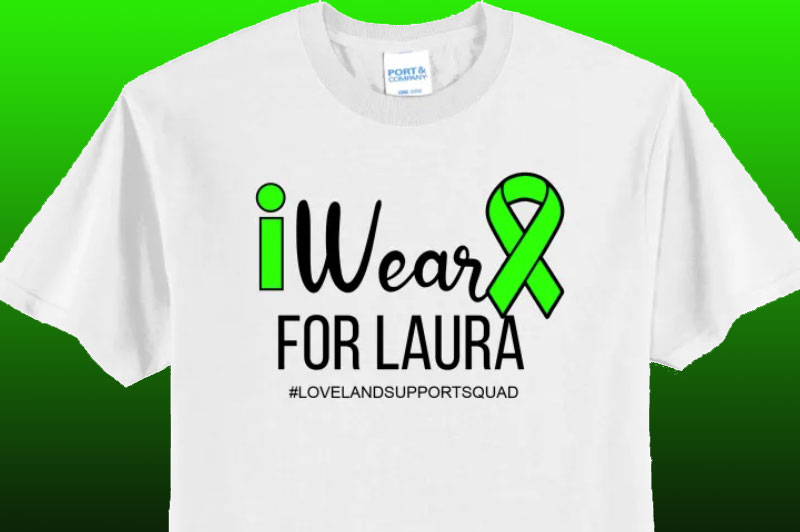
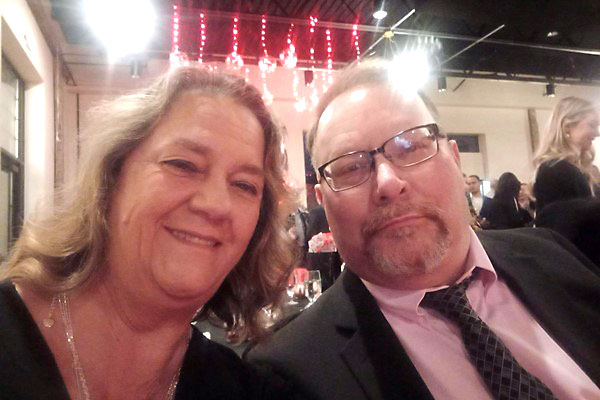
Loveland, Ohio – Loveland resident Alicia Blum has asked that Loveland Magazine share this information about Loveland school bus driver Laura Kissick who is fighting cancer.
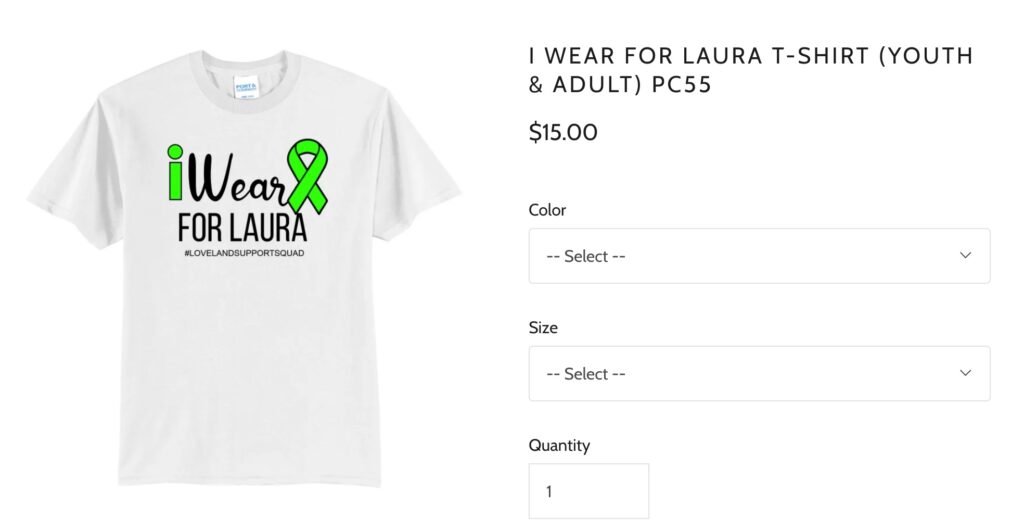
Laura’s support squad has set up a tee shirt fundraiser through RP Diamond and also set up a “meal train” asking for help.
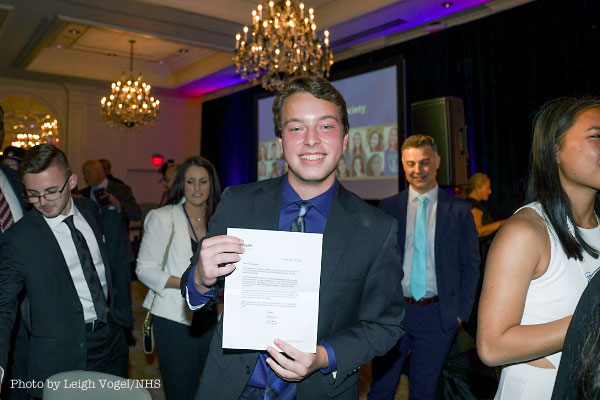
Washington, DC – “This is the honor of a lifetime,” said Evan Osgood, who was awarded the $25,000 top prize by the National Association of Secondary School Principals. “Meeting the other finalists and learning their stories this weekend reinvigorated for me the power of our generation. We can do anything,” said Evan Osgood in a press release issued by the organization.
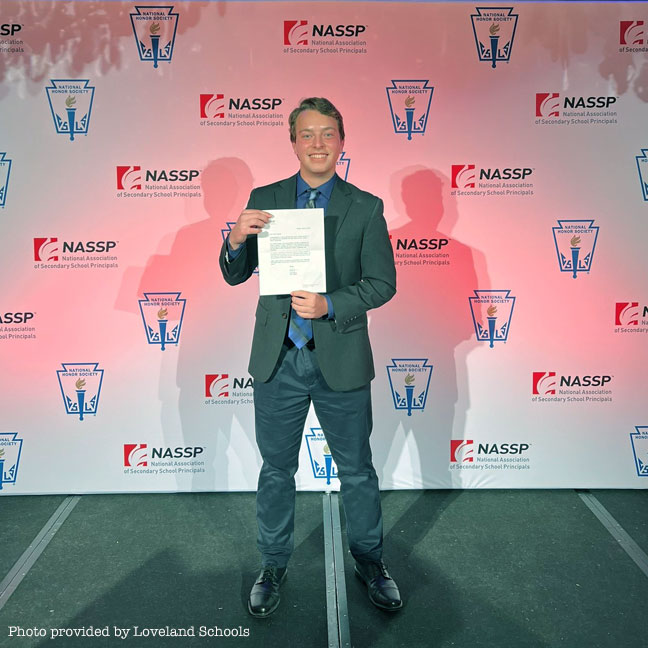
Loveland High School’s Evan Osgood was named the winner of the 2022 National Honor Society Scholarship during an awards ceremony in Washington D.C. on Monday evening. He was chosen from nearly 10,000 applicants, and as the winner, he received a $25,000 National Honor Society scholarship.
“We are incredibly proud of Evan for receiving this honor. He is truly a remarkable young man, and his dedication to others, along with his hard work, will take him on to great things. Congratulations to the entire Osgood family on this accomplishment,” said Superintendent Mike Broadwater in a press release.
As a national finalist for the award, Osgood was invited to attend the National Association of Secondary School Principals (NASSP) Trailblazing Leadership Week, which he attended with his family and Loveland High School Principal Adam Reed.
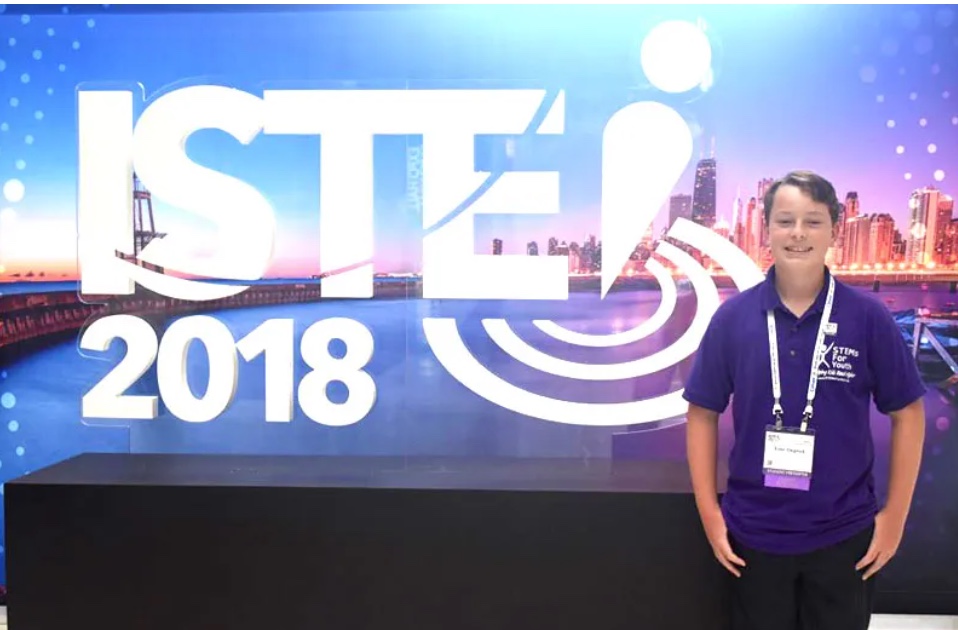
Osgood was recognized for his work during the pandemic creating the nonprofit SOSforPPE, to make and ship protective equipment, along with his creation of STEMsfForYouth, a nonprofit committed to improving access to STEM education.
Read these past Loveland Magazine stories about Evan Osgood:
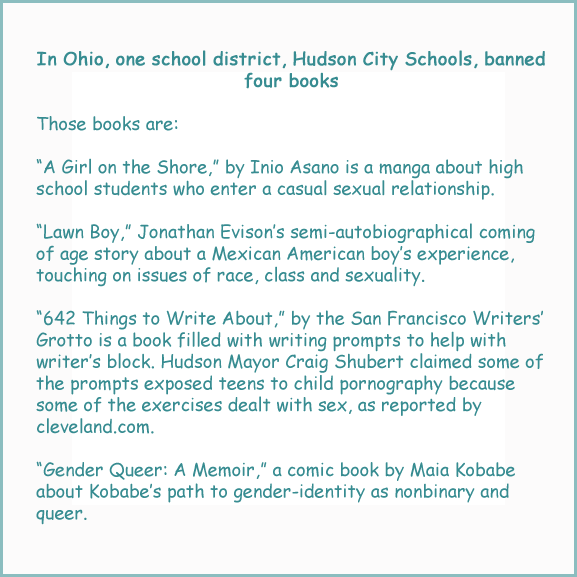
Students in one Pennsylvania school district were not allowed to read a biography of the first Black President, Barack Obama. (The ban was reversed following student protests.)
In some Tennessee classrooms, a nonfiction comic book about the atrocities of the Holocaust is banned.
And one school district in Wisconsin banned from libraries a picture book about a gay rights activist who was assassinated.
In the last nine months, hundreds of books across dozens of states are being banned at an alarming rate. A majority of the bans feature books written by authors who are people of color, LGBTQ+, Black and Indigenous, and feature characters from marginalized groups.
And now, state Republicans lawmakers are joining the movement, spurred by ultra conservative groups, to ban books from public schools and libraries.
This year in Arizona, state Republicans put forth a measure that would ban schools from teaching or directing students to study any material that is “sexually explicit.” In Florida, Gov. Ron DeSantis recently signed a bill to allow parents greater opportunity to review, and potentially object to, school library books that they find “inappropriate.”
And in Idaho, state House Republicans passed a bill that would allow librarians to be prosecuted for allowing minors to check out material deemed harmful.
Some of the states with the most aggressive book bans include Texas with 713 bans, Pennsylvania with 456 bans and Florida with 204 bans.
Deborah Caldwell-Stone, the director of the American Library Association’s Office for Intellectual Freedom, said book bans the last 10 years have dealt “with the lives of LGBTQIA persons, either reflecting their experiences, or talking about issues of concern to the LGBTQIA community.”
She said those bans have ranged from picture books depicting same-sex couples to young adult books talking about gender identities.
Caldwell-Stone said, “the one thing that has interrupted this” trend of banning books centered around LGBTQ+ themes comes after the 2020 murder of George Floyd by Minnesota police officer Derek Chauvin.
“There was an increased number of challenges to books dealing with race and racism that accelerated when we started seeing complaints from organized groups about critical race theory,” she said.
“And so when I say critical race theory, I’m not using it in the sense that it actually should be used, which is to describe a graduate level academic analysis of law and political systems, but this use of it to describe books and materials that offer alternative perspectives on American history that reflect the lives of Black persons and their experience of slavery, their experiences with police violence, and so we’ve seen a rising number of challenges to those books.”
Some of those groups that have challenged school boards include Moms for Liberty, an organization that has strong GOP ties and has local chapters that “target local school board meetings, school board members, administrators, and teachers” to push right-wing policies, as reported by Media Matters. Moms for Liberty has more than 100 local chapters across 35 states.
“We’re seeing nationally organized groups create local chapters, and use social media to amplify their demands,” Caldwell-Stone said. “They will tell you that they’re asserting parental rights to direct their children’s education, but the impact of their activities is to deny other parents the right to make decisions about their own children’s education, and particularly for older adolescents denying the First Amendment rights and agency for elder adolescents to read and access the materials they find important for their lives.”
Congressional Democrats have also raised concerns about the increase in book bans across the country. At a recent hearing, Maryland Democrat Rep. Jamie Raskin, cited a report by PEN America — an organization that advocates for the protection of free speech — that found from July 2021 to the end of March this year, more than 1,500 books were banned in 86 school districts in 26 states.
Ruby Bridges, a civil rights icon who was the first Black child to desegregate an all-white Louisiana school, was a key witness at the hearing. Children’s books about her story – “Brand New School, Brave New Ruby,” and “The Story of Ruby Bridges” – have been banned from classrooms in Pennsylvania.
“The truth is that rarely do children of color or immigrants see themselves in these textbooks we are forced to use,” Bridges told lawmakers. “I write because I want them to understand the contributions their ancestors have made to our great country, whether that contribution was made as slaves or volunteers.”
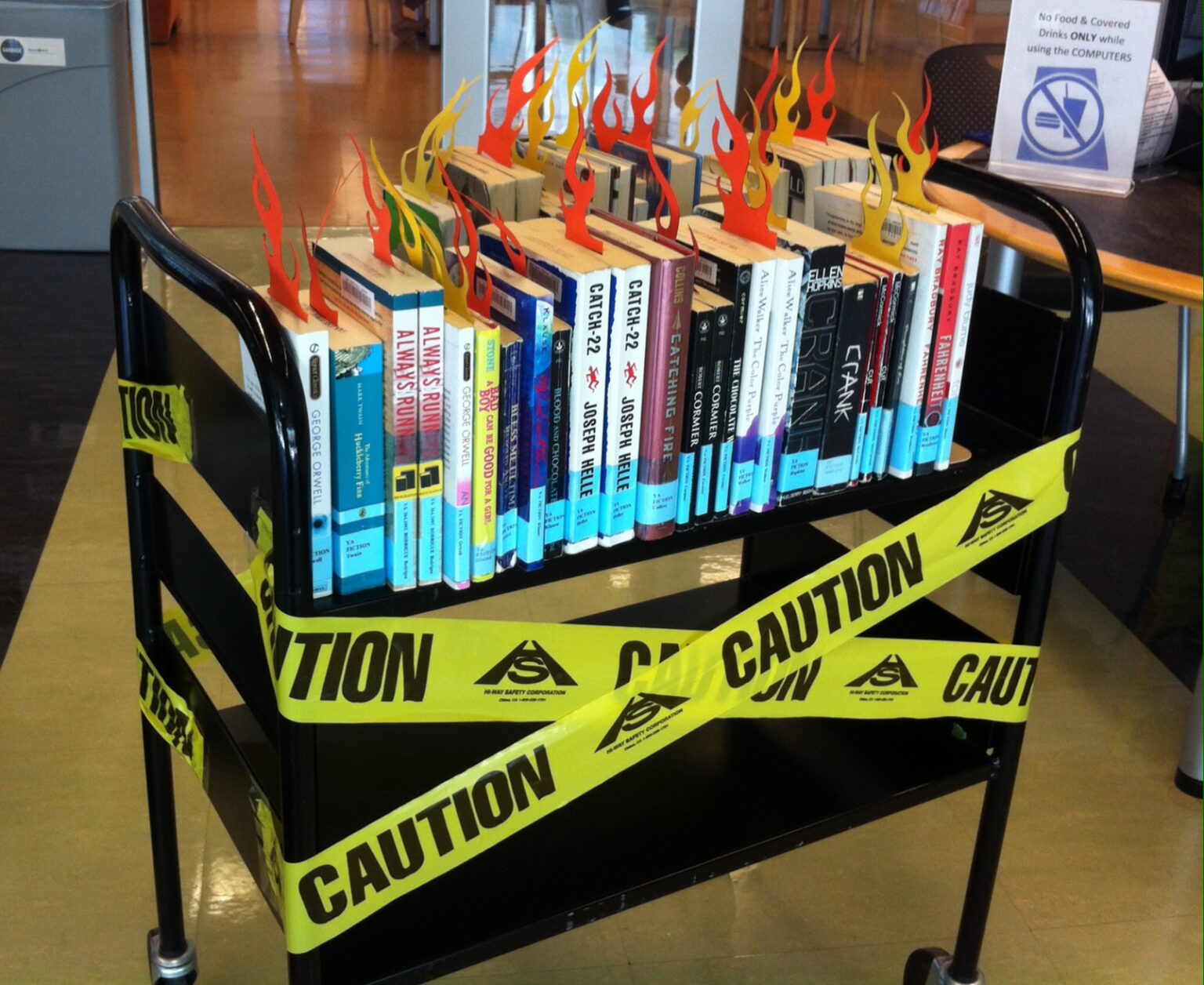
Banning books is not a new thing, and since the 1980s, the American Libraries Association has celebrated those books that are taken off the shelves for its yearly “Banned Books Week.”
Books have been banned for racist depictions or language, such as “Huckleberry Finn” by Mark Twain and “Of Mice and Men” by John Steinbeck because of its racial slurs. And in 2021, Dr. Seuss Enterprises announced it would no longer reprint six Dr. Seuss books, including “And to Think That I Saw It on Mulberry Street,” and “If I Ran the Zoo.”
“These books portray people in ways that are hurtful and wrong,” Dr. Seuss Enterprises said in a statement.
But the uptick and rate at which books are now being challenged and banned in schools, has alarmed many freedom of speech advocates such as Jonathan Friedman, the Director of PEN’s Free Expression and Education program, and author of the report Raskin referred to during a House hearing.
“It’s not just a parent getting angry about a book in a one off fashion,” he said in an interview with States Newsroom.
Friedman said some parents or local activists will submit hundreds of books to be challenged and removed off shelves.
“It’s happening all over, so it’s not just one part of the country. A list of books that might be deemed illicit by a group of parents in one state is being used in other states as well,” he said.
Friedman said he’s noticed most of the escalation of book banning happened in the fall of 2021, and pointed to a large swath of book bans that started in Leander, a school district in Texas.
“I think a lot of the energy around that (trend), set off of anti-mask energy, and you know, sort of frustrations of a pandemic,” Friedman said.
During a school board meeting, a parent read an excerpt of “Out of Darkness” by Ashley Hope Pérez that has a euphemism for anal sex that is historically accurate for the time the book takes place in, which is the 1930s.
That book was one of 120 that students could choose from based off of an optional curriculum, such as a book club.
“And in response, the district suspended the entire curriculum and launched a review, a kind of book by book review, much of it seemingly developing on the fly,” he said. “So they went through a year-long process, but some have serious questions about how much that process was conducted in a way that was fair.”
Banning books in the classroom is an issue the Supreme Court took up in 1982 in Island Trees School District v. Pico. In a 5-4 decision, the Court ruled in the student’s favor, affirming that the First Amendment limits the power of junior high and high school administrative officials to remove books from school libraries based on the books’ content.
But in that court decision, because “given the sensibilities of young people” schools were given discretion to remove books that were deemed “pervasively vulgar,” or “educationally unsuitable,”Caldwell-Stone said.
“Because the court really didn’t define these terms, they become a kind of magic word,” she said. “If we say those magic words that will make it legal for us to remove this book when, in fact, the actual motivation behind removing the book is because the book is about two gay teens finding each other and falling in love.”
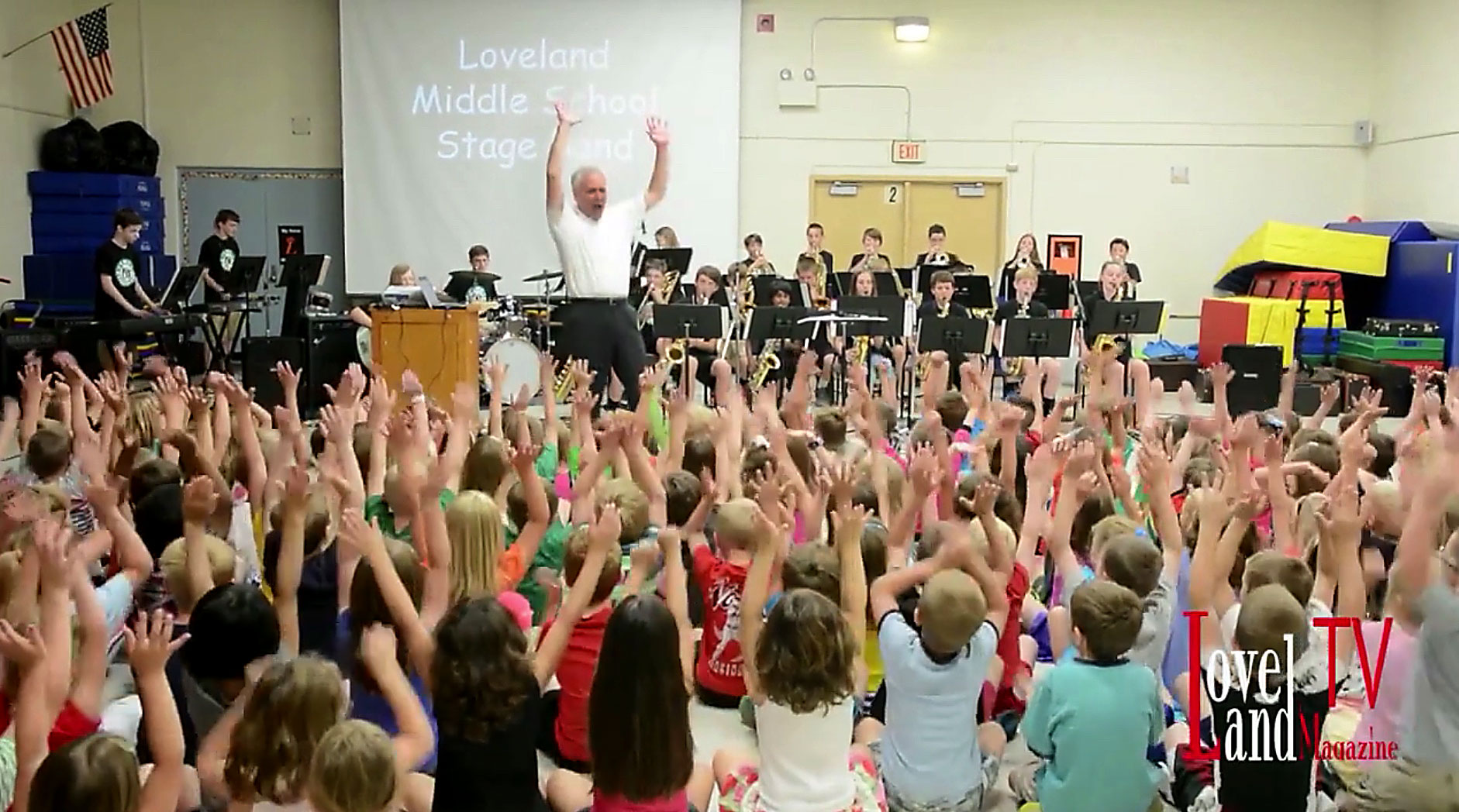
Loveland, Ohio – Watch this LOVELAND MAGAZINE TV VIDEO that was shot in the Spring of 2014 in the waning hours of Bruce Maegly’s teaching career. Maegly and the Middle School Stage Band entertained the young students at the Loveland Early Childhood Center just before his retirement. Maegly was one of the most all-time beloved Loveland school teachers who retired that week after 35 years.
He was the founder of the Loveland Middle School Stage Band.
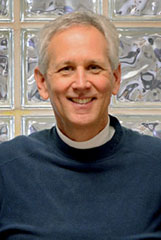
Bruce Maegly
The Stage Band started the first year Maegly taught in Loveland when he was approached by then, principal, Jack Wood about playing for a basketball tournament they were hosting at the old middle school. “So, I put up a sign on the bulletin board inviting people to come in,” Maegly said. They started by learning three pieces of music for the tournament and played three pieces over and over all day long. “The night of our performance someone came up and said, ‘Hey. What’s this group called.” Maegly’s answer was, “Uh… I don’t know…. Uh… The Stage Band.” He explained it was because that is where they were playing, “On a stage.” And, that’s how it started forty-one years ago and it’s still going on. Later, former Loveland High School principal, Tom Hausterman invited Maegly to start what would become the Jazz Band. Two years later there were two jazz bands at the high school.
In 2012, Maegly was honored by the Hamilton County Education Foundation as a Teacher of the Year. At the time of the award, Loveland Middle School Principal, Chris Burke said, “Very few teachers have the ability to impact as many lives as Bruce Maegly does on a regular basis. Bruce leads hundreds of students on a daily basis to grow and achieve success. Teaching multiple periods of large group bands, in two different buildings, Mr. Maegly has the ability to reach more students on a daily basis than just about anyone in our district. When you add the fact that he expertly and skillfully engages these groups every day it not only makes him deserving of this reward but invaluable to Loveland.”
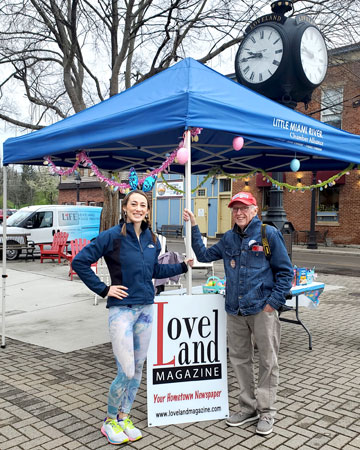
Cassie Mattia and David Miller at the Easter Food Drive.
Promoted Post
Loveland, Ohio – We wanted some shiny, bright new signs for our office and to have at our Easter Food Drive. Apex Imprinted Sportswear and Promotional Specialities delivered the signs days before the event even though we didn’t give them much notice.
Apex is conveniently located in the West Loveland Historic District with plenty of free private parking at the rear of their office at 523 West Loveland Avenue. Give them a call at 513-677-0700 or shoot them an email at apexloveland1@gmail.com.
At Apex, they provide assistance with theme creativity, layout and design, and the finest imprinted and embroidered items. They have access to over 600,000 promotional products and are dedicated to finding the ideal product for your promotional need.
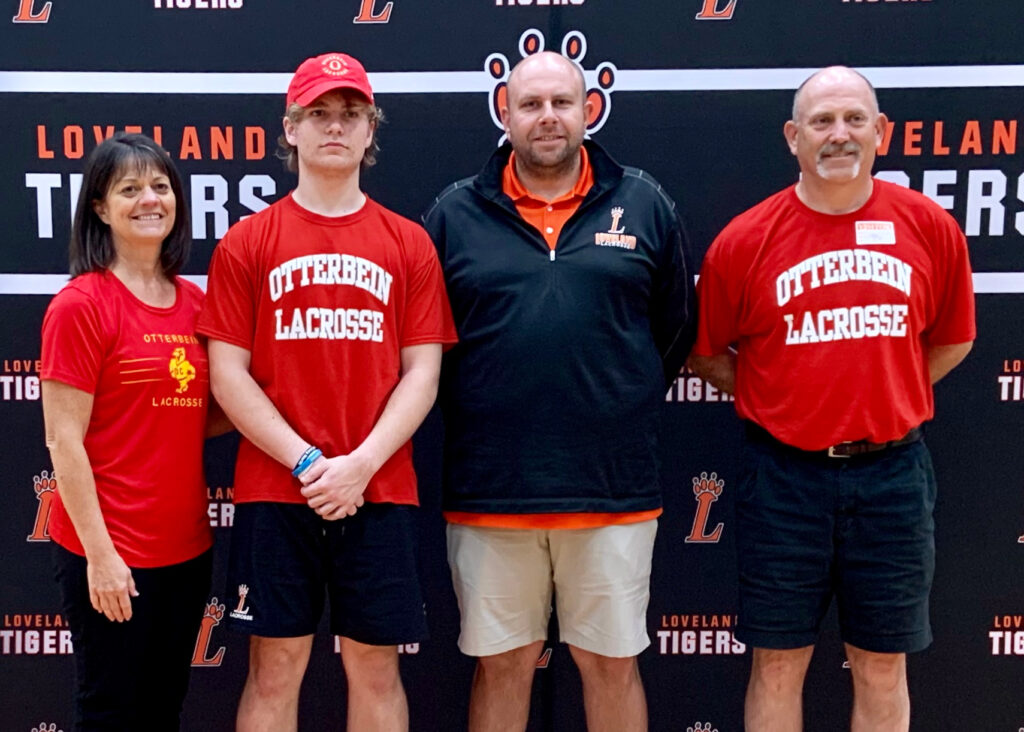
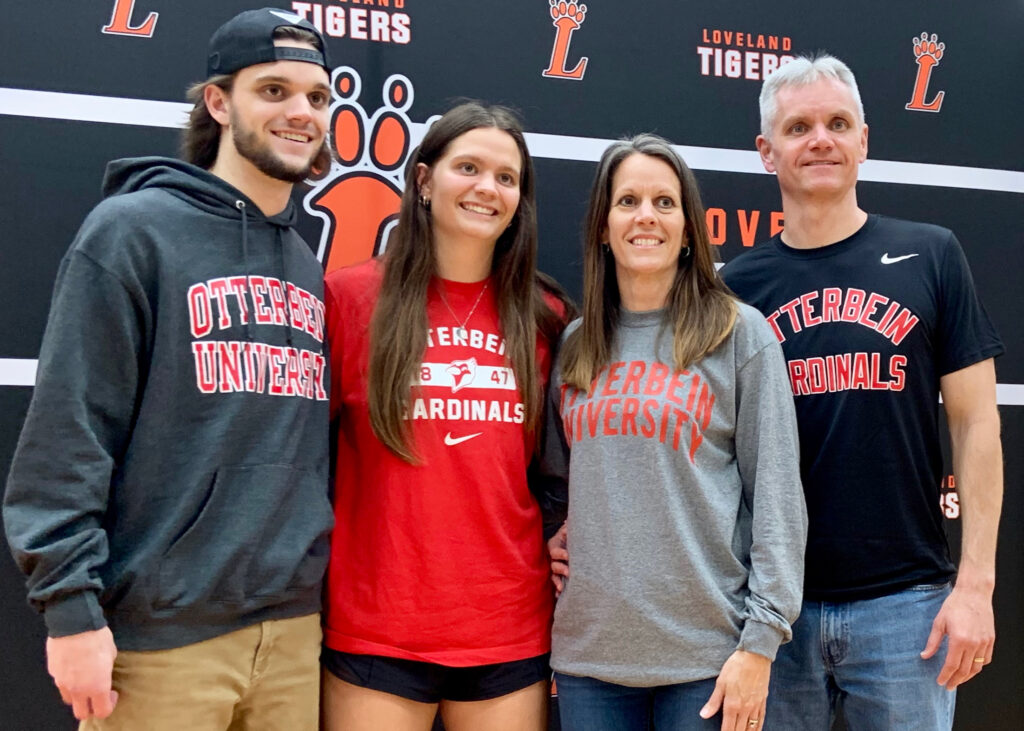
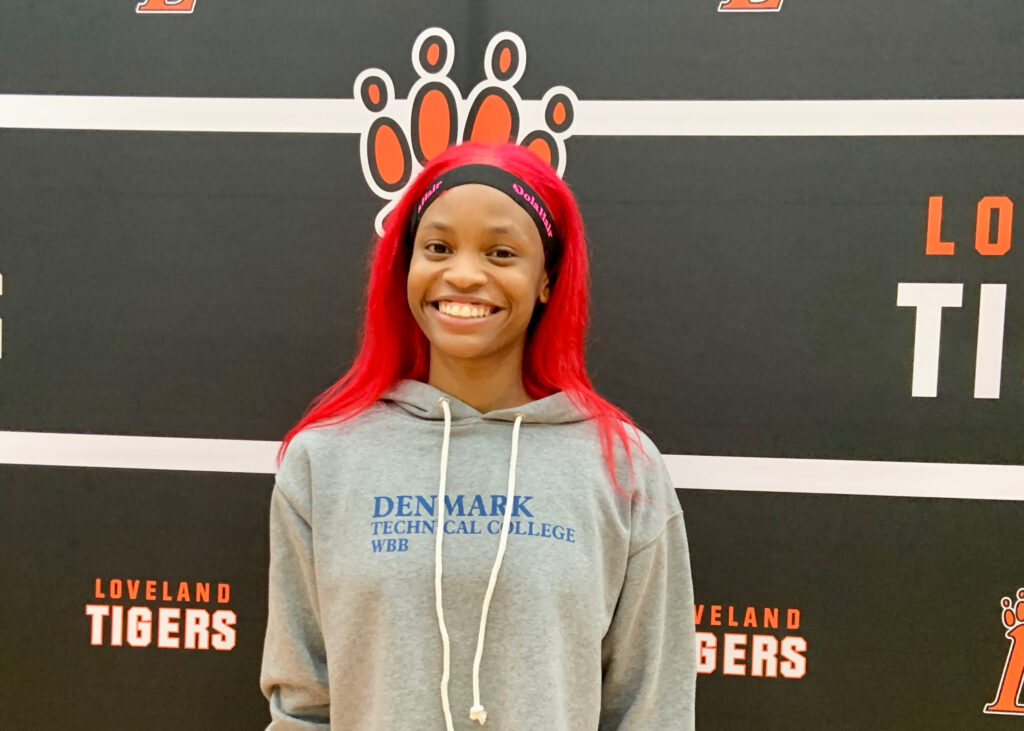
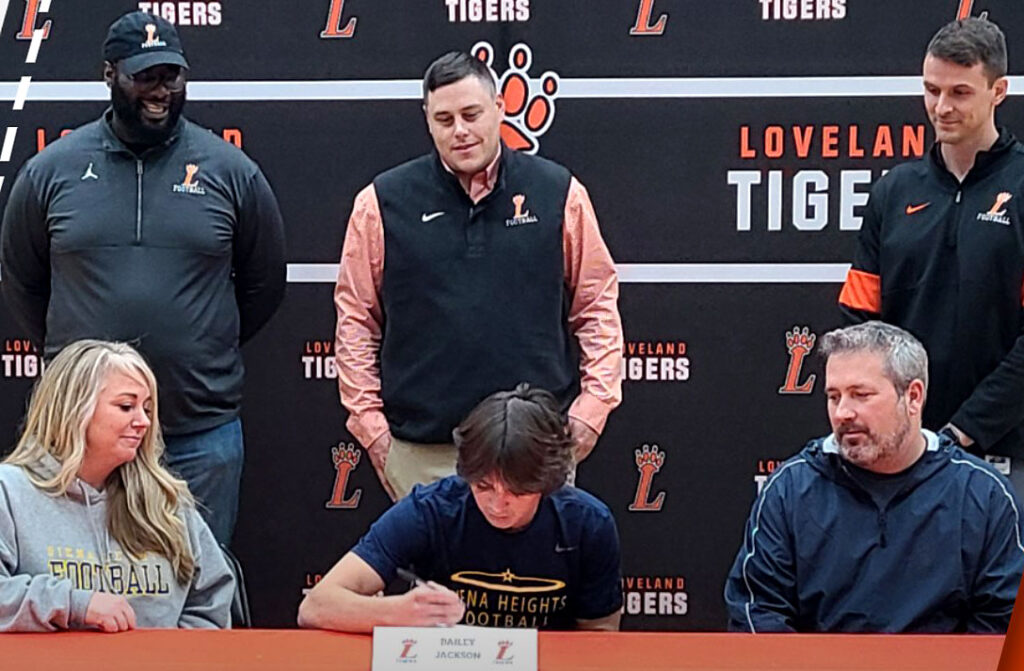
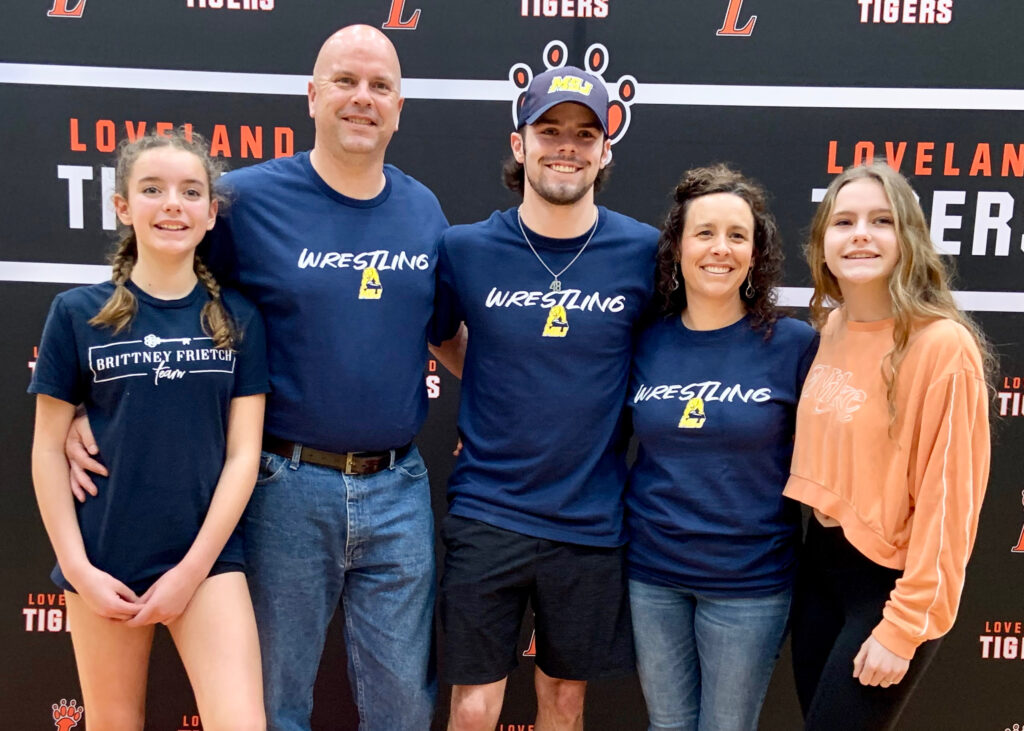
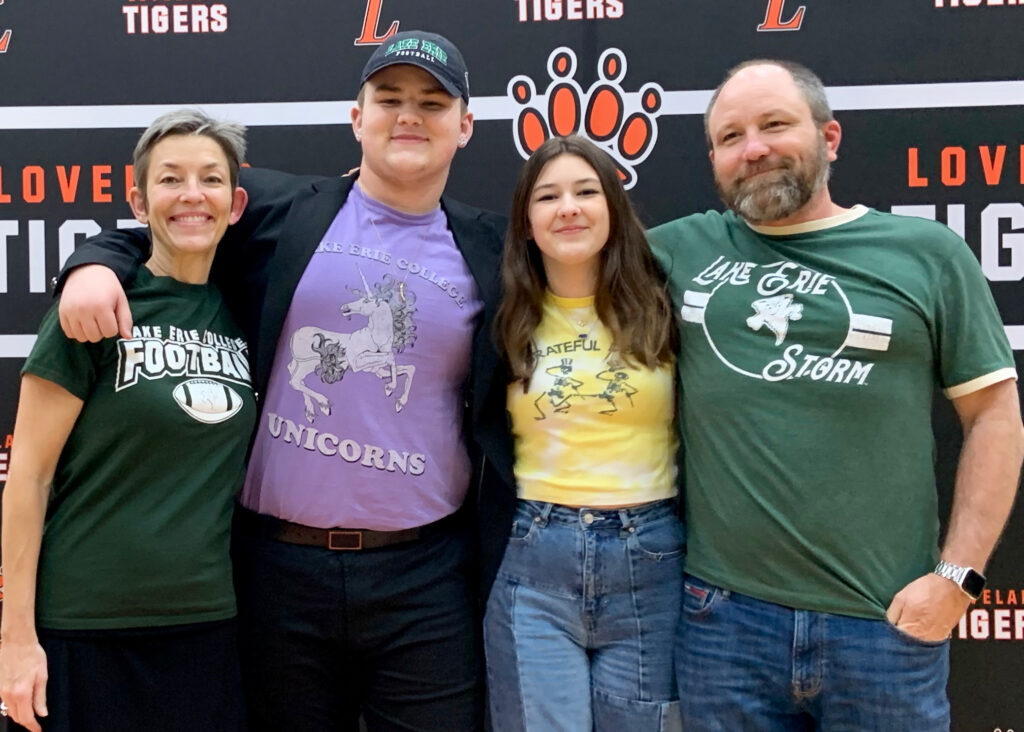
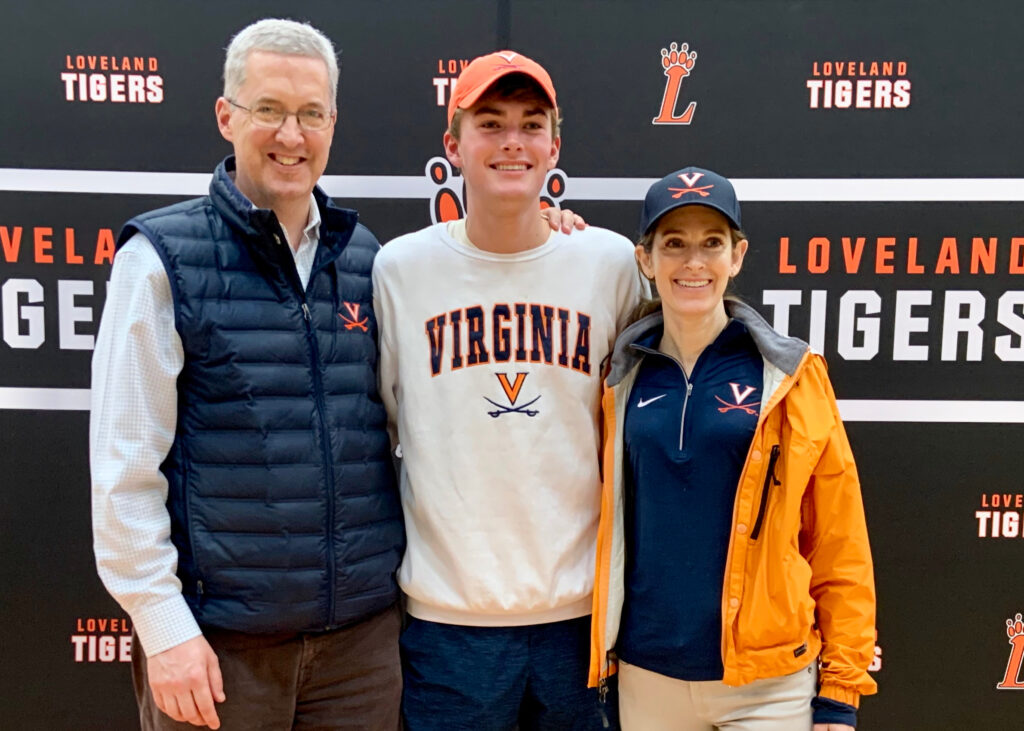
Loveland, Ohio – It was Spring National Signing Day on Wednesday at Loveland High School. Congratulations to the following Student-Athletes, who have committed to play their sport at the collegiate level.
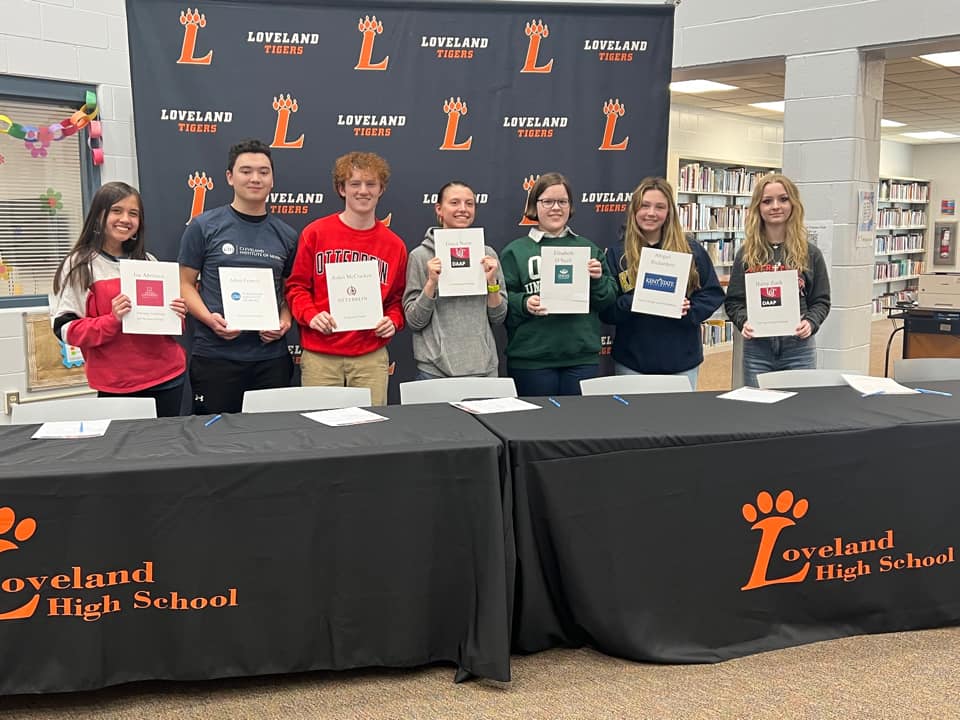
Loveland, Ohio – Fine Arts Signing Day at Loveland High School was a ceremony where students declared their intention to continue their academic pursuits in college.
Isabel Abrinica will be attending Miami University for Emerging Technology and Business Design
Alton French will be attending the Cleveland Institute of Music for Bassoon Performance
Aidan McCracken will be attending Otterbein University for Acting and Theater
Grace Nunn will be attending the University of Cincinnati-DAAP for Communication Design
Elisabeth O’Neill will be attending Ohio University School of Theatre for Production Design & Technology
Abby Richardson will be attending Kent State University for Fashion Design and Merchandising
Haley Zuch will be attending the University of Cincinnati-DAAP for Fine Art and Digital Media
Hamilton County, Ohio – Hamilton County Board of Health completed its annual reorganization at its April 11 meeting, electing Elizabeth Kelly, MD of Cincinnati as president of the board and Dan Meloy of Colerain Township as vice president.
The five-member Board of Health is the governing body of Hamilton County Public Health. In addition to Kelly and Meloy, board members include Tracey A. Puthoff, Esq. of Anderson, Jim Brett of Whitewater Township, and Mark Rippe of Sycamore Township. The Board has the authority to adopt public health rules and regulations, which have the same status as law, and to enact policies within Hamilton County Public Health’s jurisdiction, including all of Loveland. The Loveland City School District also recognizes the Hamilton County Health District as its guiding agency.
The Board of Health’s regular meeting schedule through March, 2023 will be on the second Monday of each month at 4 PM at Hamilton County Public Health, 250 William Howard Taft, Cincinnati, OH 45219. All meetings are open to the public.
For more information about the Hamilton County Board of Health, including minutes of Board of Health meetings, visit www.hamiltoncountyhealth.org.
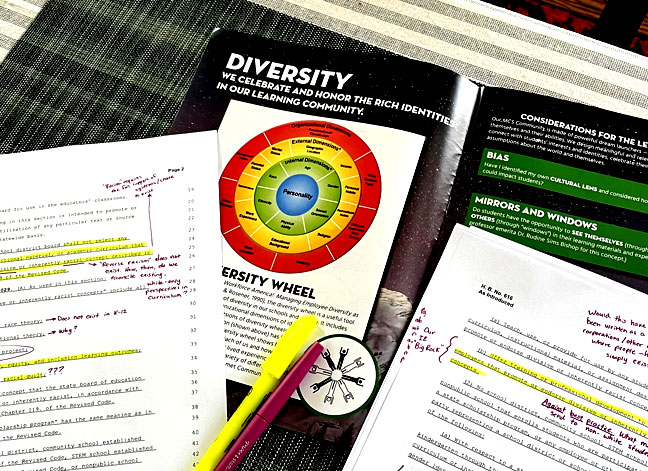
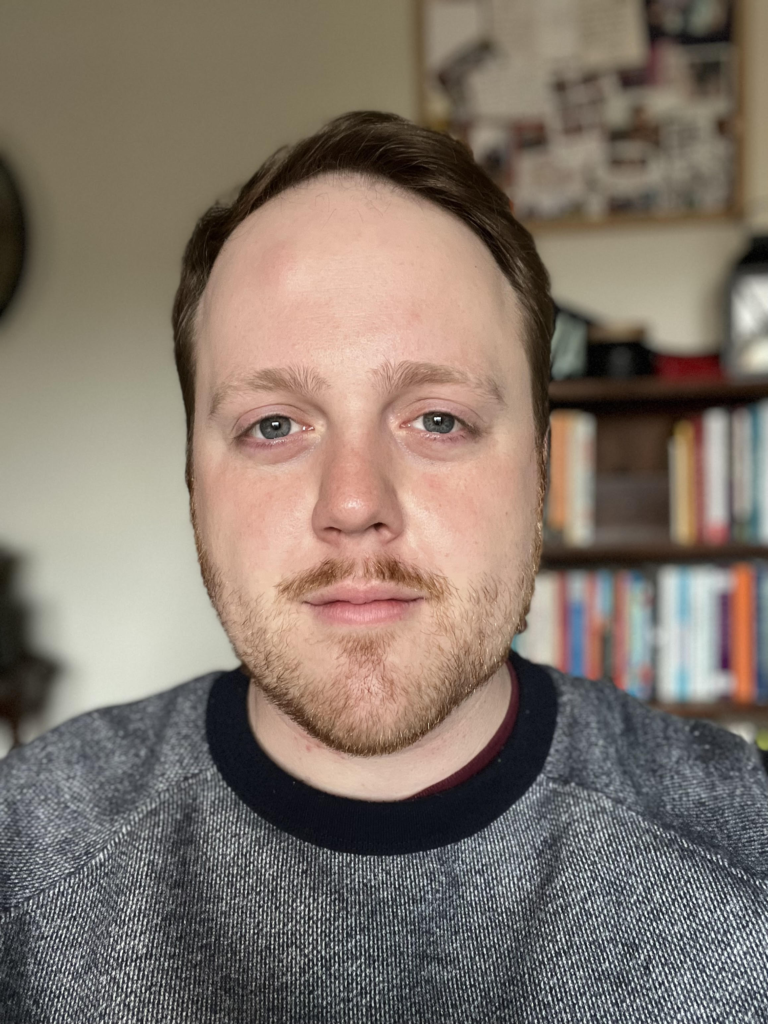
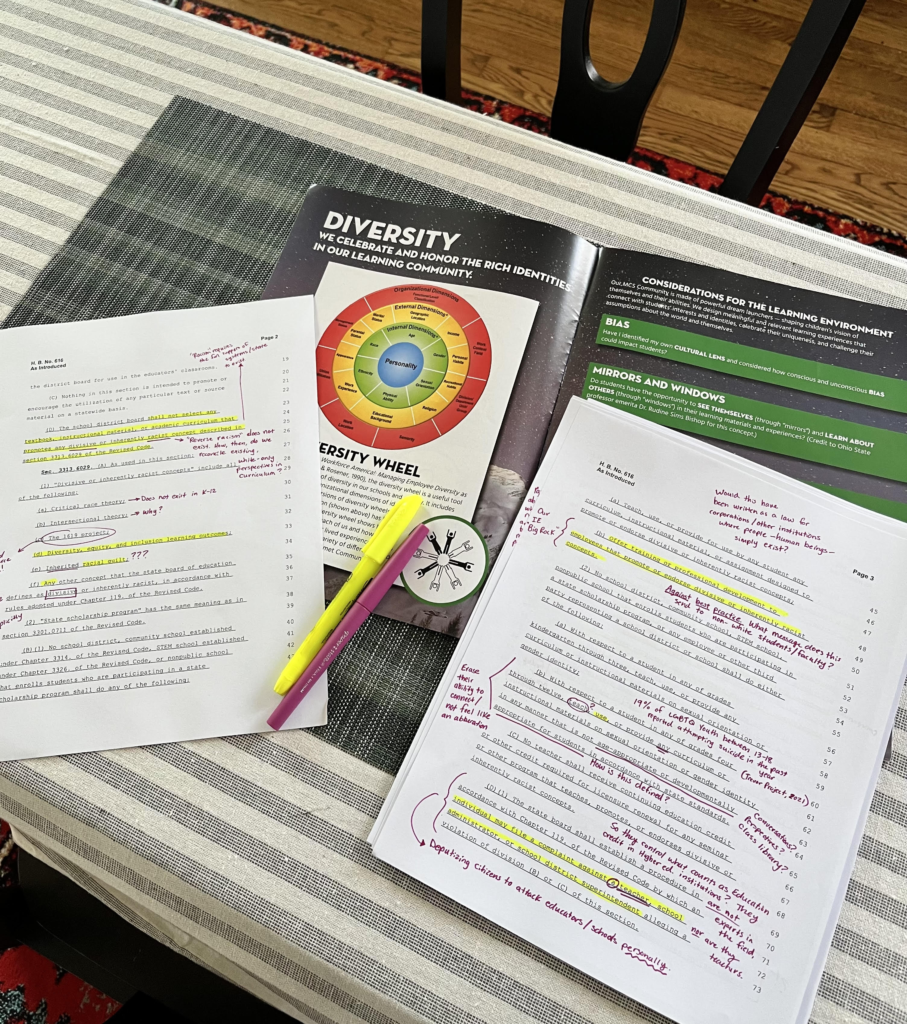
At the beginning of each school year, I teach my students how to annotate. I want them to pay close attention to what they read, and I encourage them to ask questions about it. Today, I had to practice what I teach. I grabbed a highlighter and every teacher’s friend (a felt-tipped pen) all because of one proposed bill: Ohio HB 616.
If you aren’t familiar, this bill copies and pastes direct lines from both Florida’s recently-passed ‘Don’t Say Gay’ bill and a litany of other bills passed by certain legislatures attacking Critical Race Theory (which doesn’t exist in K-12 classrooms), “divisive” concepts, and anything that might make anyone feel “guilty.”
I have read all 18 pages of this bill and placed here for you two particular ones next to an open copy of my district’s Inclusion guide. I want to show you, firsthand, just how antithetical this is to the field of education. Culturally-responsive education that acknowledges students’ identities is best practice—and we will be at risk of losing our licenses and funding for it should this bill—or any similar form of it—pass. We will be targeted and discharged for doing what is actually right by the professional standards in our field.
We will be targeted and discharged for doing what is actually right by the professional standards in our field.
In this bill, you’ll find vague language that isn’t defined; the enabling of any citizen to personally report teachers, administrators, and superintendents for discipline; the threat of punishment for including diversity/equity/inclusion training for staff or students; and consequences for using any curriculum (including my own classroom library) that includes any “divisive” or “racist” (here meaning “non-white”) perspectives or concepts.
Most personal to me, this bill needlessly includes language whose intention is to further alienate and marginalize LGBTQ+ youth. For the first twenty-six years of my life, I was afraid to admit that I was gay. Had my experience in school (and elsewhere) been different, more representative, that may have been different. I may have been healthier and felt like there was a place for me, my identity—as I was.
I don’t know if this bill will make it through a committee or whether it will ultimately be passed, but here’s what I do know.
• 19% of LGBTQ+ youth ages 13-18 reported attempting suicide at least once in 2021 (The Trevor Project)
• Some form of this bill, and more of the like, will continue to crop up—in Ohio and elsewhere across the U.S.
• This type of legislation, and really, these mentalities, must be met head-on and forcefully resisted and debunked.
• We must continue to vote en masse. In every election—locally and otherwise. Vote for people who will not make a culture war of the most vulnerable lived experiences. Vote for your teachers, your medical professionals, your neighbors who are Black or gay or some other “divisive” subset. Inclusion at the elected level is an antidote to the misguided assumption that this is desirable or even acceptable to most.
• It’s important to remember that one of the noblest goals of quality public education is to make space for all; it is about more seats at the proverbial table. This bill seeks to send a chilling reminder that—still, in 2022—so many must raise their voices as though to ask permission to simply exist or belong.
If you live in Ohio, you can make your voice heard on this bill by contacting the following:







![[Video] Spring National Signing Day at Loveland High School](https://lovelandmagazine.com/wp-content/uploads/2022/04/2022-spring-signing-8.jpg)