Tag: loveland ohio

  • [w/video] Grailville: A place of peace, community, balance, growth, sustenance, “Sharing Born with the wisdom of Women.”

    [w/video] Grailville: A place of peace, community, balance, growth, sustenance, “Sharing Born with the wisdom of Women.”

    by David Miller

    David Miller

    Loveland, Ohio – This is the third video in our series about Grailville and its important cultural past in Loveland. “Grailville Now” was produced by Elizabeth Robinson and Elizabeth Murphy in September of 2009 © and presented here with their permission.

    In 1940, an international movement of women got on a boat. The last boat before Hitler invaded Holland. They made it to America, “by an eyelash” in April of that year.

    The Grail from Loveland became a voice in the United Nations.

    Grailville was the home of the National Grail movement in the United States; the symbolic heart of the movement.

    Will we allow the Grailville farm to be plowed under or will we choose new furrows planted in a way that continues to grow our future as a community?

    More reading…

    In Search of the Grail: The Story of a Women’s Movement…

    Why is Grailville important? A look at the Grail founding in Loveland

    [VIDEO] With public outpouring, has tide turned on Grailville?

    David Miller –  Mar 22, 2022

    Planning and Zoning Commission to hear from public on re-zoning Grailville

    An open letter to City Hall by the Mullins: Grailville decision…

    Drees submits application for 209 homes at Grailville

  • Busy stretch of State Route 28 in Miami Township will benefit from CDBG funding

    Busy stretch of State Route 28 in Miami Township will benefit from CDBG funding

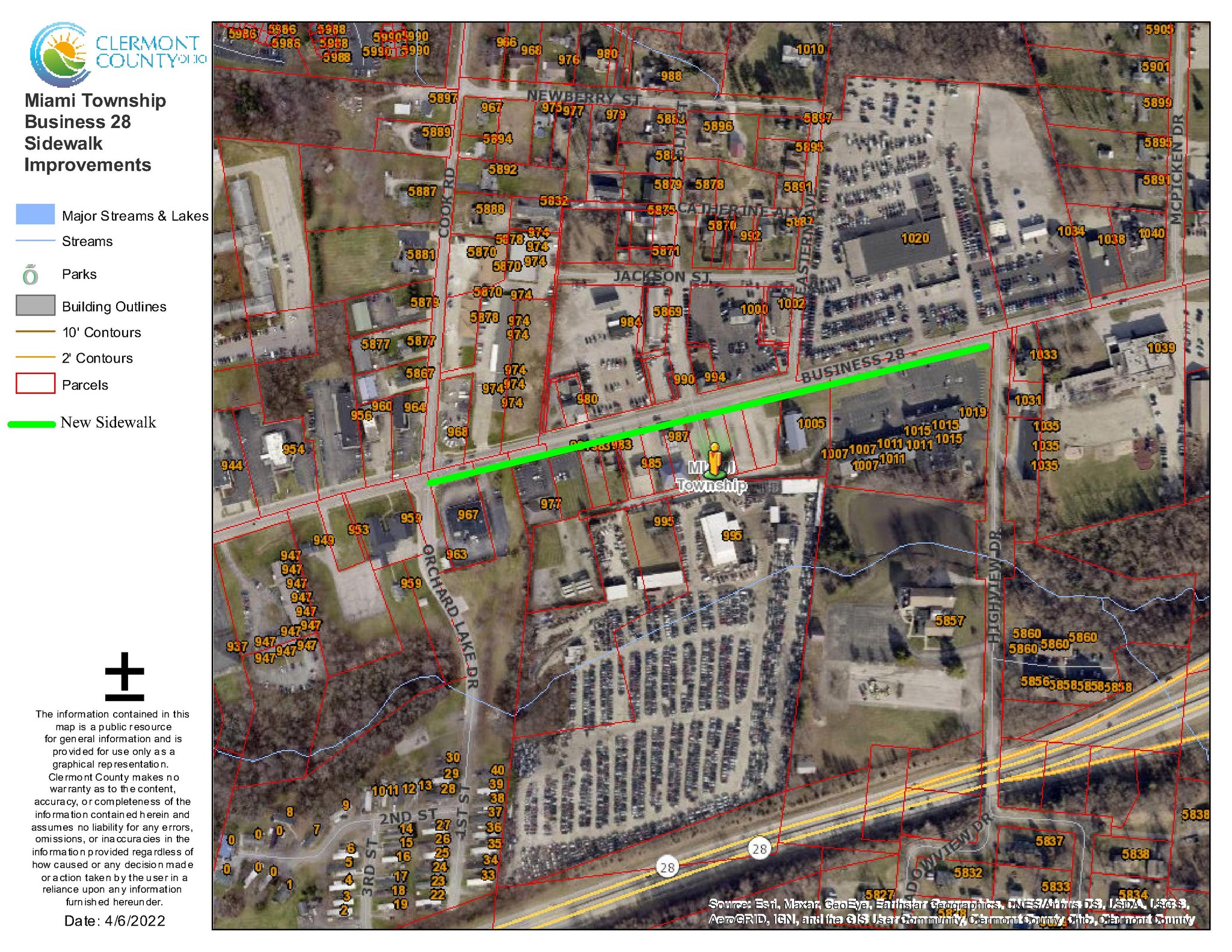
    Miami Township, Ohio – With a Community Development Block Grant and local funding, walkers along a busy stretch of State Route 28 in Miami Township will benefit from a new sidewalk, curbs, driveway aprons, and storm sewer between Orchard Lake Drive and Highview Drive.

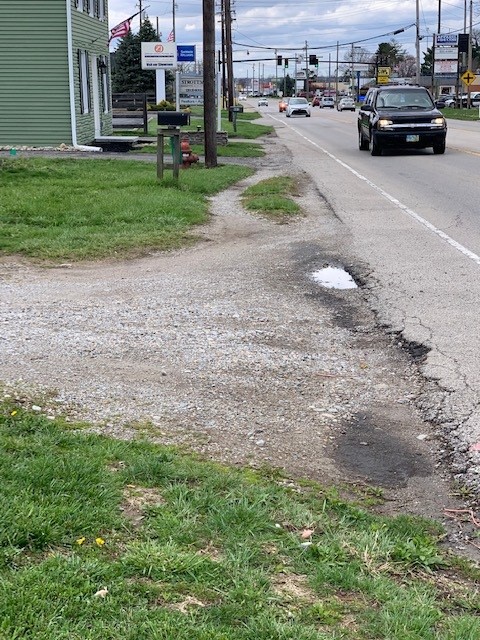
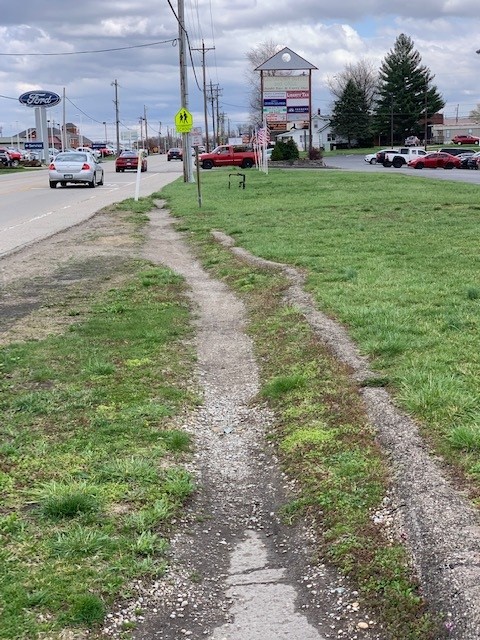
    The Clermont Board of County Commissioners on April 6 approved $217,000 in 2021 CDBG funding for the Miami Township Business 28 Corridor Sidewalk Project. This project award was possible due to excess funds from previous projects. Miami Township is matching these dollars with $122, 835, which will increase pedestrian connectivity in the area along the south side of Business 28 which currently has no curb or sidewalks.

    The new sidewalk will increase pedestrian safety in this heavily traveled area which includes a mobile home park with many residents. This work is being coordinated along with Clermont County Water Resources Department, which will replace 3,950 feet of water main that was originally installed over 60 years ago.

    The Clermont County Board of Commissioners receives and awards more than $1 million per year in CDBG funding from the federal Department of Housing and Urban Development to assist low and moderate-income areas and persons. Funding is awarded to local communities and non-profit agencies annually.

    A new sidewalk and curbing is coming to this area. Walkers will benefit from a new sidewalk in this area.

  • Loveland area students can apply now for Ohio Student Safety Advisory Council

    Loveland area students can apply now for Ohio Student Safety Advisory Council

    David Miller is the Editor and Publisher of Loveland Magazine
    by David Miller

    Ohio Governor Mike DeWine today announced the creation of the new Ohio Student Safety Advisory Council within the Ohio School Safety Center (OSSC). The student-led Council will work to identify school safety concerns and develop innovative solutions to address them. “School safety programs are designed to protect students, so it’s important that students are given the opportunity to be a part of the conversation,” said Governor DeWine. “Involving them in the process of identifying safety concerns and creating solutions will provide Ohioans with a new and important perspective for violence prevention.”  Findings from the student-based council meetings will be delivered to the Governor’s Ohio School Safety Working Group to generate statewide solutions and supports.

    “Being a member of this statewide council will enable students to ensure their voice is heard when it comes to school safety,” Ohio Department of Public Safety Director Tom Stickrath said. “They will learn more about student safety-related issues and help devise effective peer-driven solutions.”

    To be eligible for the Council, students must:

    • Be entering grade 11 for the 2022-2023 school year.
    • Submit a completed application and nomination letter, which must be submitted together to OhioSchoolSafetyCenter@dps.ohio.gov prior to the May 6, 2022 deadline to be considered.  
    • Agree to serve a one-year term and attend monthly virtual meetings and one in-person meeting in Columbus.

    Two students from each of the five school safety center regions will be selected for the Council.

    Students will have the opportunity to be involved in additional events both in-person and remotely throughout their term. Those selected should plan on spending no fewer than 10 hours per month on group activities/work. 

    Council members will develop strategies to encourage their peers to actively engage in maintaining a safe school environment and will be an advocate for students’ overall well-being. Students will work directly with the regional school safety liaisons from the OSSC to organize events, focus groups, and trainings in their regions to help highlight student success and safety best practices at various schools. These members will also act as a sounding board for the Governor’s Ohio School Safety Working Group and OSSC on student marketing campaigns and projects to ensure a student voice is represented.  

    Candidates chosen to move forward with the process will be asked to attend a virtual interview. The OSSC plans to announce the student council member selections at the end
    of May. 

    Additional information can be found on the OSSC website.

  • Ohio Secretary of State says he didn’t call for Supreme Court chief’s ouster

    Ohio Secretary of State says he didn’t call for Supreme Court chief’s ouster

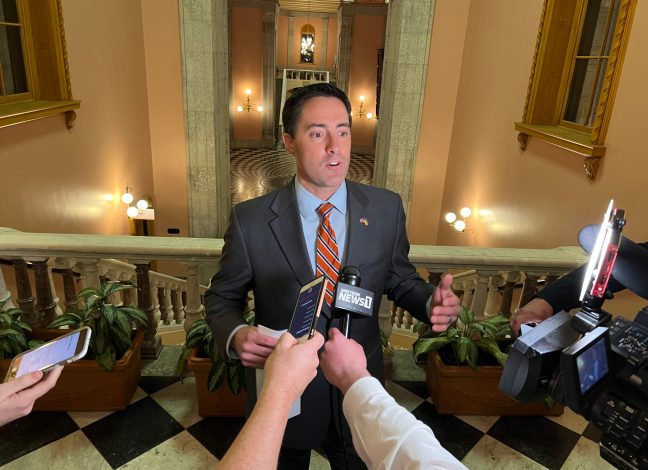
    (Photo by Susan Tebben, OCJ.) 

    BY: MARTY SCHLADEN – Ohio Capital Journal

    Ohio Secretary of State Frank LaRose on Tuesday denied that he had called for the impeachment of Ohio Supreme Court Chief Justice Maureen O’Connor after she had repeatedly ruled against LaRose and the rest of her fellow Republicans on the Ohio Redistricting Commission.

    LaRose’s comments come four days  after he told a group of Union County Republicans that Justice O’Connor had “violated her oath of office” and that for the legislature to impeach her  “may be the right thing to do”.

    Audio obtained by the OCJ of Secretary Frank LaRose speaking at a Union County Republicans breakfast last week.

    The state’s top elections official was at the Franklin County Board of Elections on Tuesday as he kicked off early voting for most of this year’s primaries. It won’t include ballots for state legislative candidates because of a dispute over gerrymandering — a fracas over the boundaries of the districts in which members of the state House and Senate will run. 

    Tired, apparently, of partisan gerrymandering, Ohio voters in 2015 overwhelmingly approved a constitutional amendment that requires districts be drawn so that the partisan makeup of the legislature resembles the partisan breakdown in recent statewide elections. 

    That’s not how things stand now. Republicans have won recent elections with about 54% of the vote, but they control 65% of the seats in the state House and 78% of the state Senate.

    This year, using the new system for the first time, the five Republicans on the seven-member redistricting commission have passed four sets of maps that O’Connor and the three Democrats on the Supreme Court have ruled are too partisan.

    Republican Justice Pat DeWine has continued to sit in the case even though several ethics experts have said he has a clear conflict because his father, Gov. Mike DeWine, is a member of the redistricting commission. Justice DeWine has voted in favor of upholding the maps that his father and the other Republicans have passed.

    Meanwhile, Republican frustration with O’Connor, who will leave the court at the end of the year, has been boiling over. Some Republican members of the legislature last month floated the idea of impeachment.

    Gov. DeWine called the notion “extraordinary” and said it’s a bad idea to talk about removing judges whenever one disagrees with their decisions. But LaRose, the secretary of state, wasn’t so reticent on Friday when asked at a Union County Republican breakfast if O’Connor should be impeached.

    “I think that she has not upheld her oath of office, and that to me is a basic test of a public servant,” he said. “That’s up to the state legislature, whether they want to impeach the chief justice or not. I certainly wouldn’t oppose it.”

    LaRose stipulated that any impeachment would take so long that “it may feel really good, and it may be the right thing to do because she’s violated her oath of office by making up what she wants the law to say instead of interpreting what it actually says. But I don’t know if it would accomplish much, but I’d be fine with it if they did.”

    At Tuesday’s event, LaRose tried to draw a distinction between saying impeachment may be the right thing to do and actually calling for it.  

    “The thing that I did was not call for anybody to be impeached,” he said. “I answered a question that was asked at a little breakfast gathering where I was with a group of supporters in Union County and what I said was, ‘It’s up to the state legislature.’ There are 33 senators and 99 representatives. If they gather evidence and hold that trial for an impeachment, if they decide as the people’s representatives to do that, then I don’t oppose that.”

    LaRose and some legislative Republicans are not alone in being frustrated by the redistricting battle. For the second time, the Supreme Court has ordered members of the commission to show why they shouldn’t be held in contempt for failing to pass maps that comply with the court’s interpretation of the state Constitution. Responses were submitted on Monday.

    Some members have argued that they shouldn’t be held individually liable for the actions of a seven-member body they don’t control. And some have argued for the court to simply impose maps on the commission would overstep its powers as a judicial body.

    LaRose on Tuesday said holding contempt proceedings is another overreach.

    “It’s a ridiculous idea that a co-equal branch of government would be held in contempt for doing our job in a way that the court doesn’t like,” he said. “What we have attempted to do all throughout this process is follow the rules that are set out in the Constitution — and not just the one part of the Constitution that the court seems to be focusing on, but all of the line-drawing rules in the Ohio Constitution.”

    LaRose was asked if he was attacking a co-equal body by publicly saying that he, a statewide official, was OK with the impeachment of a Supreme Court justice who had ruled against him.

    “Certainly not,” he said. “The Constitution lays out the process for impeaching and removing a justice from the Ohio Supreme Court or other elected officials. That’s not a power I have. I can express my opinion as a citizen just like any of us can and what I was telling this group of supporters in Union County a couple days ago is that if the state legislature found evidence and carried out that process, then I wouldn’t stand in the way of that.

    “And I certainly have concerns that the court has delved into really the politics of this more than they should have. But that’s a choice up to the General Assembly and certainly not a choice I get to make. I was simply expressing my opinion,” he said.

    Democratic Secretary of State candidate Chelsea Clark said LaRose’s comments about O’Connor make him unfit for his office.

    “It’s now obvious to anyone that Frank LaRose can’t be trusted to administer organized elections and now when he’s called out for the chaos, he wants to blame the referees,” she said in an email. “To claim ‘it would feel good’ to impeach the chief justice because he disagrees with the court’s rendering is pathetic. For someone who claims to believe in separation of powers, Secretary LaRose has no problem trying to overturn the will of the people.”

    LaRose on Tuesday said primary elections for legislative seats most likely will take place in August.

  • Clermont County seeking your guidance about solar and wind farms

    Clermont County seeking your guidance about solar and wind farms

    Clermont County, Ohio – In their Community and Economic Development Newsletter the County Planning Division says, “Green energy companies are increasingly interested in building solar and wind farms on flat farmland.”

    The Clermont County Planning Division and County Prosecutor’s office will host a meeting to get your feedback regarding this possibility.

    Your thoughts will help them provide guidance to the Board of County Commissioners about appropriate areas for this type of development.

    You can join Planner Taylor Corbett and Assistant Prosecutor Julia Carney on April 29, from 9 until 11 AM to share your views.

    The meeting will be in the Clermont County Engineer’s Community Room at 2381 Clermont Center Drive in Batavia.


    RSVP by April 22, 2022 to Gael Fawley at jgfawley@clarmontcountyohio.gov

  • Early voting starts today. Here are the basics

    Early voting starts today. Here are the basics

    Getty Images photo of voters in line.

    BY: JAKE ZUCKERMAN – Ohio Capital Journal

    Despite drawn out legal battles over district lines for state legislative and U.S. House seats, yes, there’s still a May 3 primary in Ohio.

    Monday was the final day to register to vote in time to participate in the May 3 primary. Early voting starts Tuesday. Here are some of the basics from there.

    What are we voting on?

    May’s election will finalize who will represent the Democratic and Republican political parties in the 2022 elections. That includes:

    • Governor
    • Statewide offices (attorney general, auditor, treasurer, secretary of state)
    • U.S. House and Senate
    • Ohio Supreme Court

    Some races, like the Republican primary for the U.S. Senate or Democratic gubernatorial primary, are hotly contested. Some, like the Supreme Court races, are uncontested. Depending on where you live, various political subdivisions have local judicial and municipal candidates and ballot issues like school levies on the ticket as well.

    What aren’t we voting on?

    Ohio House and Senate races. Those district lines, which form 99 state House seats and 33 Senate seats, are typically reconfigured every 10 years. However, in the maiden voyage of an anti-gerrymandering amendment added by voters into the state Constitution, the Ohio Supreme Court has rejected three maps proposed by the Ohio Redistricting Commission along party lines. State Central Committee elections for both parties missed the May 3 ballot as well.  Last week, Ohio Secretary of State Frank LaRose issued a directive calling for elections to proceed, minus the races caught in the redistricting quagmire.

    State lawmakers, who control when primary elections occur, have yet to set a date for the legislative primary contests.

    Read about the third rejection here and the latest fallout here.

    How can I vote absentee?

    Complete an absentee ballot request form by April 30 and mail it to your county board of elections. The board should then provide absentee ballots. The ballot can be sent by mail by May 2 but must be received by no later than 10 days after the election, so the earlier the better.

    Voters should ensure they fill their applications out accurately and thoroughly, include their email and phone number, and track their ballot online, to ensure it’s counted, according to Secretary of State Frank LaRose.

    It can also be delivered to the board in person.

    And early voting?

    Early, in-person voting in Ohio starts April 5. It runs weekdays from 8 a.m. until 5 p.m. in the first three weeks of April and for an extra two hours in the final week of the month. It is also available the Saturday and Sunday (April 30 and May 1) before the primary.

    Do I need identification to vote?

    Yes. Acceptable forms of identification include a current, federal or Ohio government-issued photo identification card; a military identification card; a utility bill; a bank statement; a government check; or a paycheck. The Ohio Secretary of State offers further guidance and specifics on its website. Identification issued by non-Ohio states, passports, insurance cards, birth certificates and social security cards do not suffice.

    People who vote at their precincts without such identification can vote provisionally. Their vote will be counted if they return within seven days to provide qualifying identification.

  • [A Video Archive] Celebrating the Black women of Loveland, Ohio

    [A Video Archive] Celebrating the Black women of Loveland, Ohio

    David Miller is the Publisher and Editor of Loveland Magazine

    by David Miller

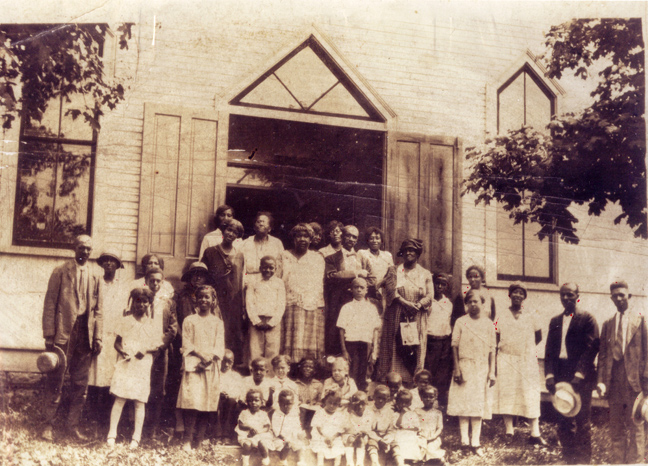
    Loveland, Ohio – On Sunday, March 20, the First Missionary Baptist Church on Main Street invited Loveland native and historian Larry Hamilton, Jr. to lecture on the historical importance of the Black Women of Loveland. The occasion was to honor International Woman’s Day and Women’s History Month.

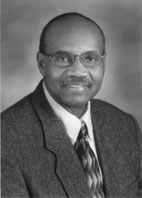
    Hamilton now lives in Piqua, Ohio. He is a retired high school teacher and a member of the Loveland Schools Foundation “Hall of Fame”. He is the author of three books and graduated from Loveland High School in 1967.

    Larry Hamilton

    Hamilton taught courses in African American History, World Studies, and Current Events at Piqua High School. His tenure of teaching African American History for 30 straight years may be the longest consecutive period of teaching the subject at a predominately white high school anywhere in the country. He was selected for Who’s Who Among America’s Teachers, was awarded the Ohio Tri-County NAACP’s Martin Luther King Outstanding African American Award, as well as the state of Ohio’s MLK Cultural Awareness Award in 2005.

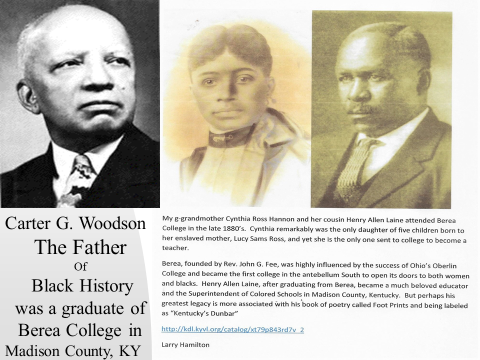
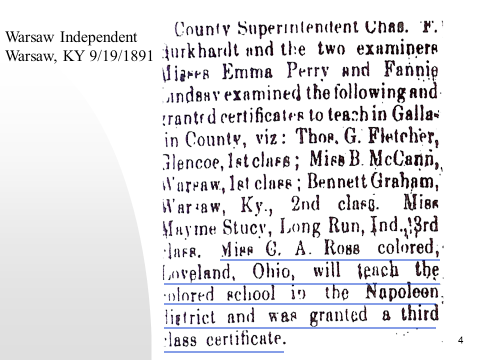
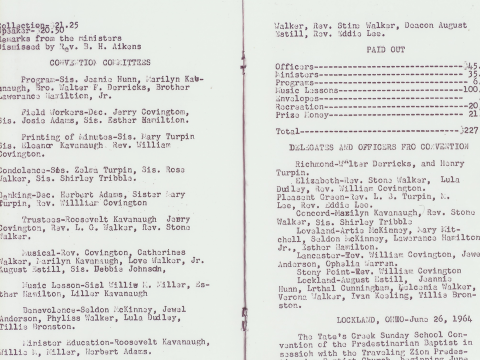
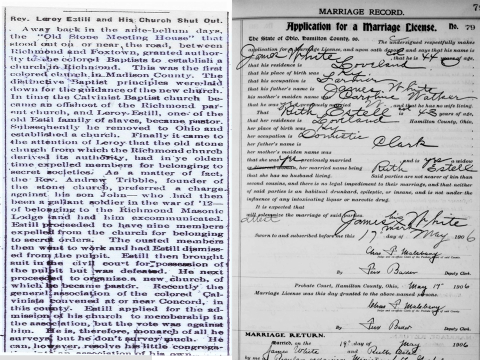
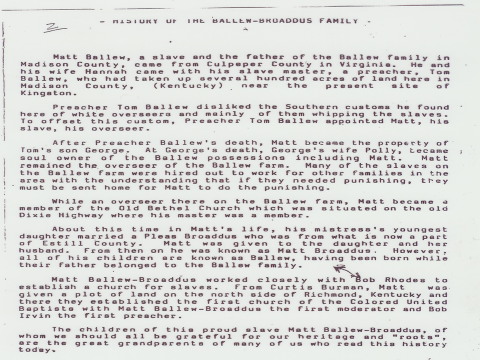
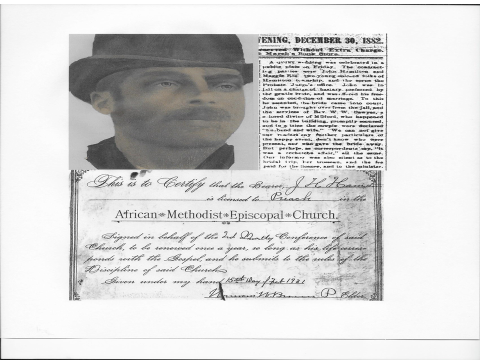
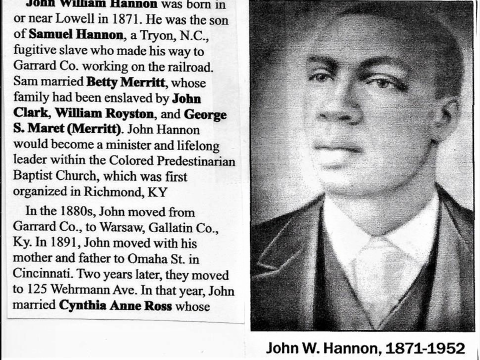
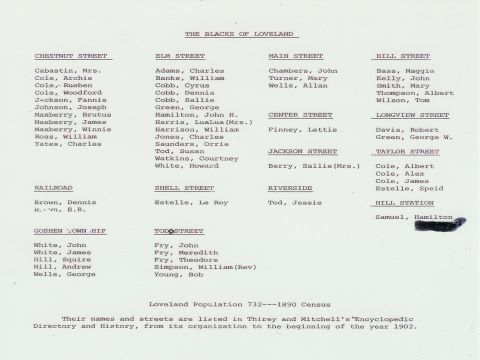
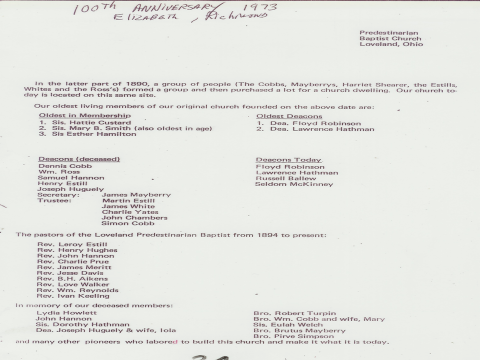
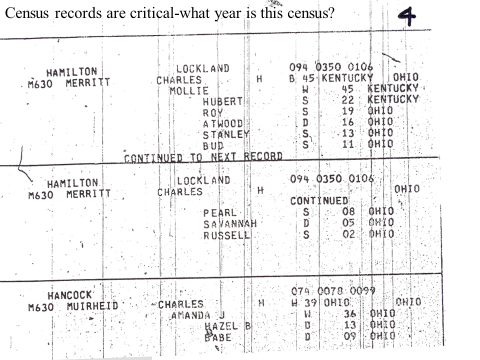
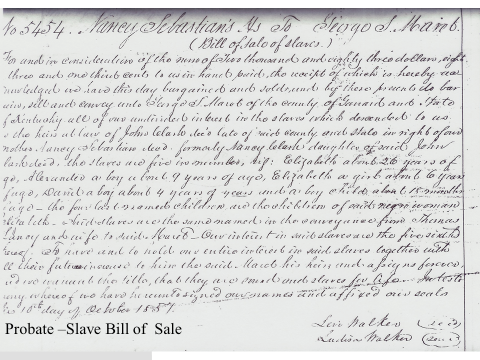
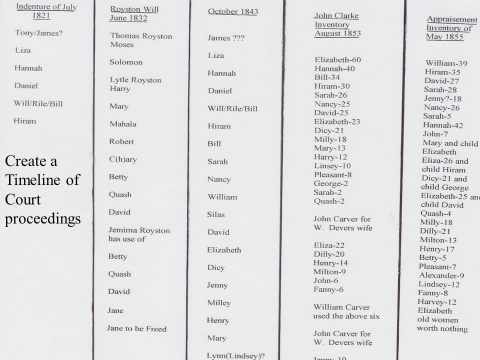
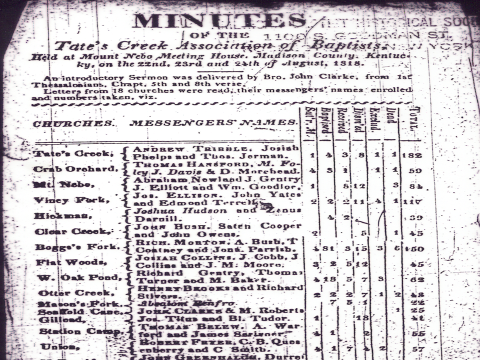
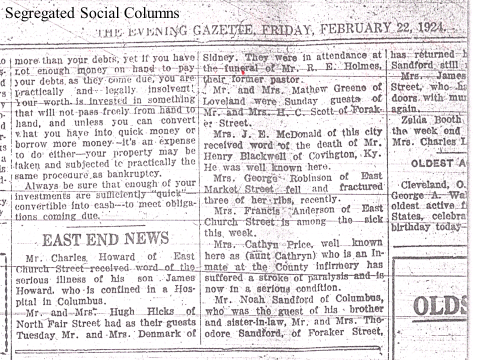
    In his talk, Hamilton traces the path of African American women from slavery to their migration to Loveland. Hamilton presented slides of “Bill of Sale of Slaves” and an appraisement inventory from court proceedings of May, 1855 that lists Elizabeth (age 60) as “old woman worth nothing”.

    Loveland Magazine attended the Sunday morning service that was devoted to Hamilton’s presentation to record the event so this important history lesson could be archived on our pages. As Hamilton said, “Our Black history is Loveland’s history.”

    At the end of the service, Deanna Todd, who is the Assistant Principal of the Mason Middle School sings the Lift Every Voice and Sing, the Black National Anthem.

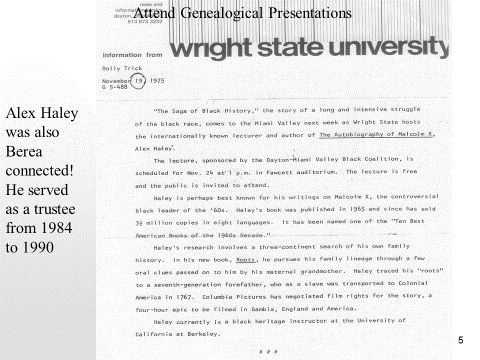
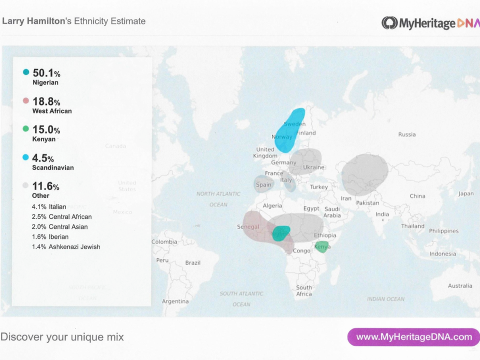
    View slides used in the Hamilton’s lecture Video

    Right click an image to open a new tab and see a larger view


    To learn more about Black History in Loveland

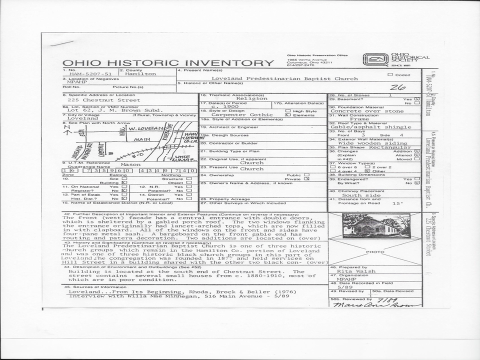
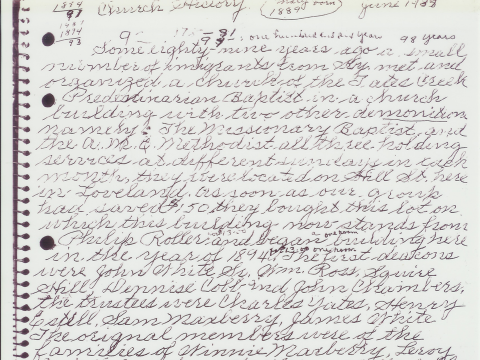
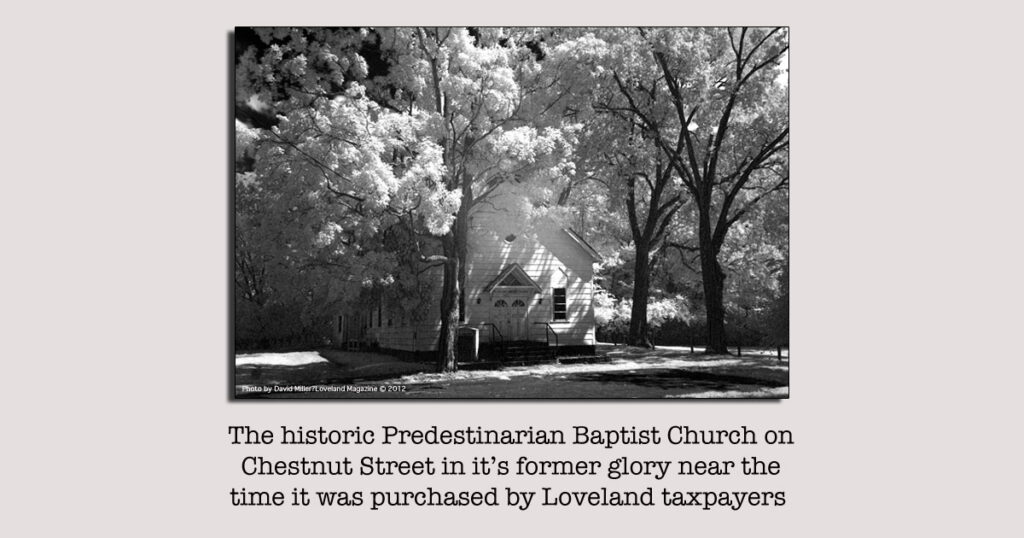
    These LOVELAND MAGAZINE HD VIDEOS are from a conversation between Paula Oguah, and Larry Hamilton about the early history of the Loveland Predestinarian Baptist Church (LPBC). The conversation took place in the Loveland Magazine TV Studio.

    This STORY and accompanying videos represent 3 months of study, interviews, and research into the chronological record of this historic Loveland landmark.

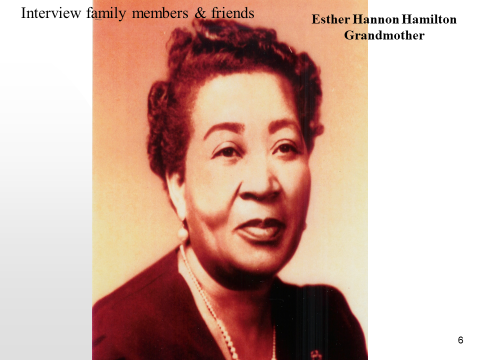
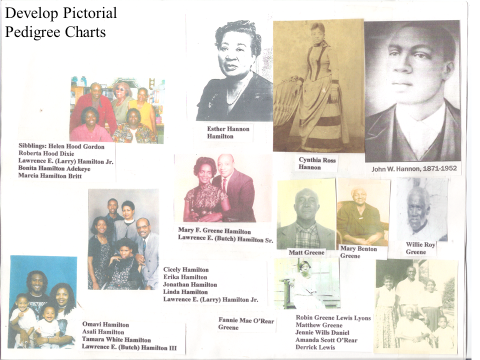
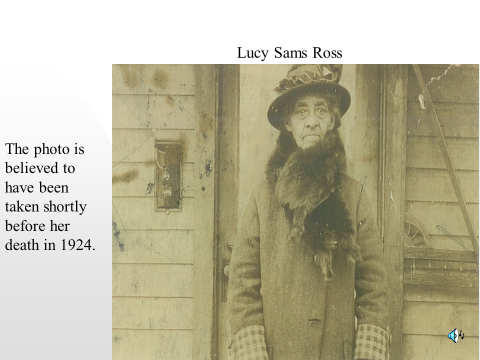
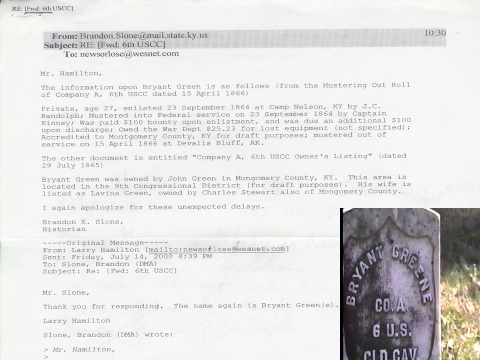
    Hamilton a native of Loveland is a retired teacher of African American History, World Studies, and Current Events who now lives in Piqua, OH. His family was intimately involved in the founding of LPBC and the construction of the church building. He is the author of Lucy’s Story – Right Choices But Wrongs Still Left, the historical account of his great-great-grandmother — a slave during the Civil War, who later lived and died in Loveland. Hamilton was a baptized member of LPBC and his grandmother Esther Hannon Hamilton taught his Sunday school class.

    Oguah is “Forth Generation Loveland” and a former resident, livied only one block from the Church. She travels often to Africa, and was an attorney with a private practice in Loveland. She grew up in Loveland, and her familiy, the Cobbs, were also intimately involved in the earliest of the Church’s history. Oguah’s family at one time was considered a backbone of the Loveland social and business community. Oguah’s great-grandfather Dennis Cobb reportedly helped lay the stone foundation to the church, and she was married in the church.

  • Hamilton County Overdose Deaths Remain Relatively Steady Despite Statewide Increases

    Hamilton County Overdose Deaths Remain Relatively Steady Despite Statewide Increases

    Hamilton County, Ohio – Hamilton County Addiction Response Coalition (HC ARC) released its annual report on the State of the Addiction Crisis in Hamilton County. In 2021, overdose deaths remained relatively steady despite statewide increases reported by the Ohio Department of Health.

    Hamilton County has made several adjustments in response to the addiction crisis. The Quick Response Team (QRT) is now a full-time program that includes reactive overdose follow-up and proactive outreach in hotspot communities.

    To read the full report, click HERE.

  • In Search of the Grail: The Story of a Women’s Movement in Loveland, Ohio

    In Search of the Grail: The Story of a Women’s Movement in Loveland, Ohio

    Changing things that look impossible to change.

    by David Miller

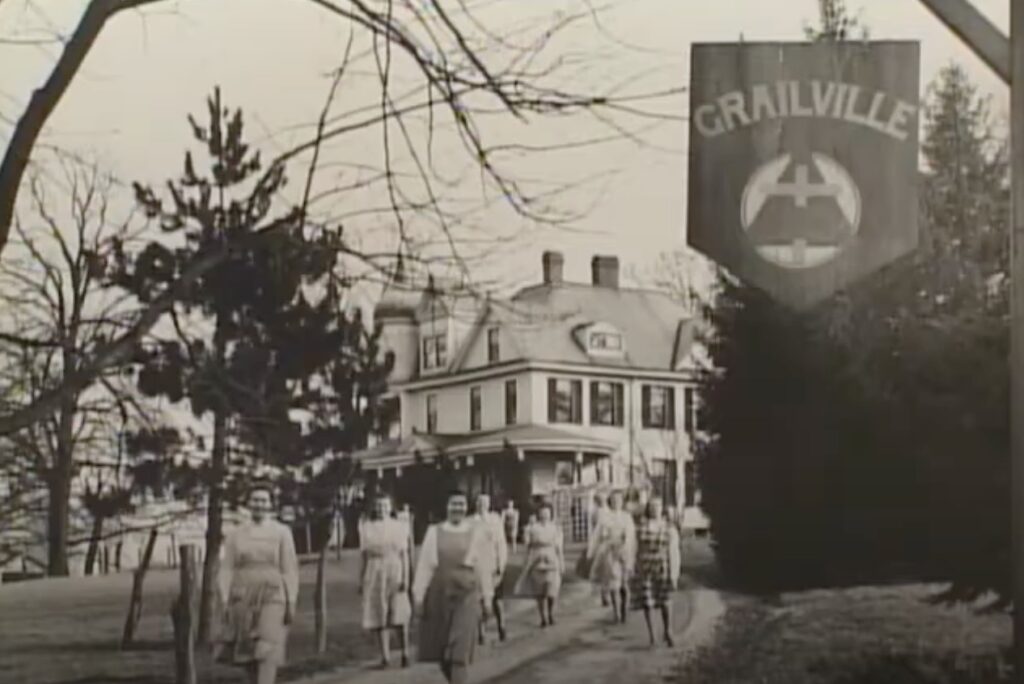
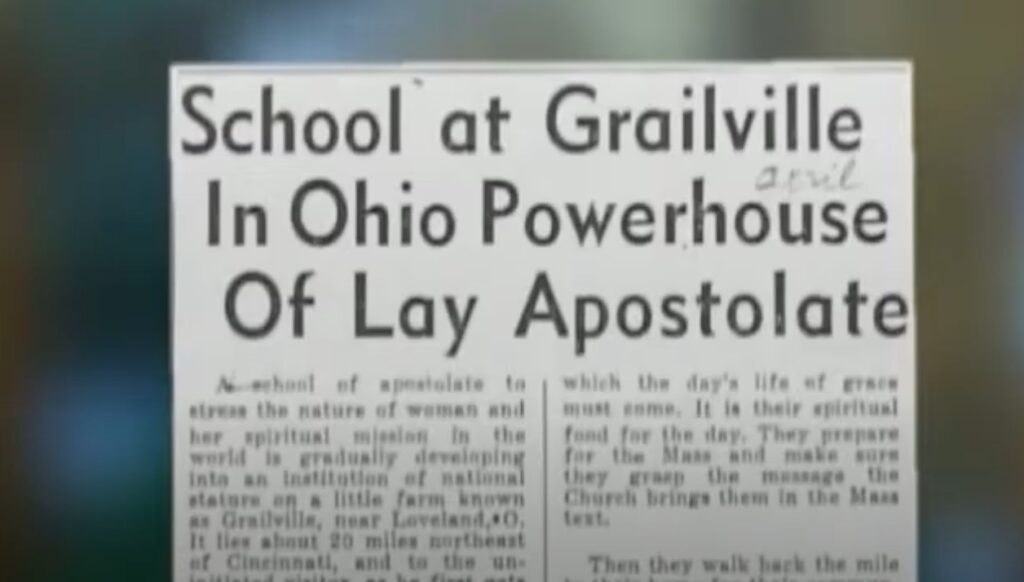
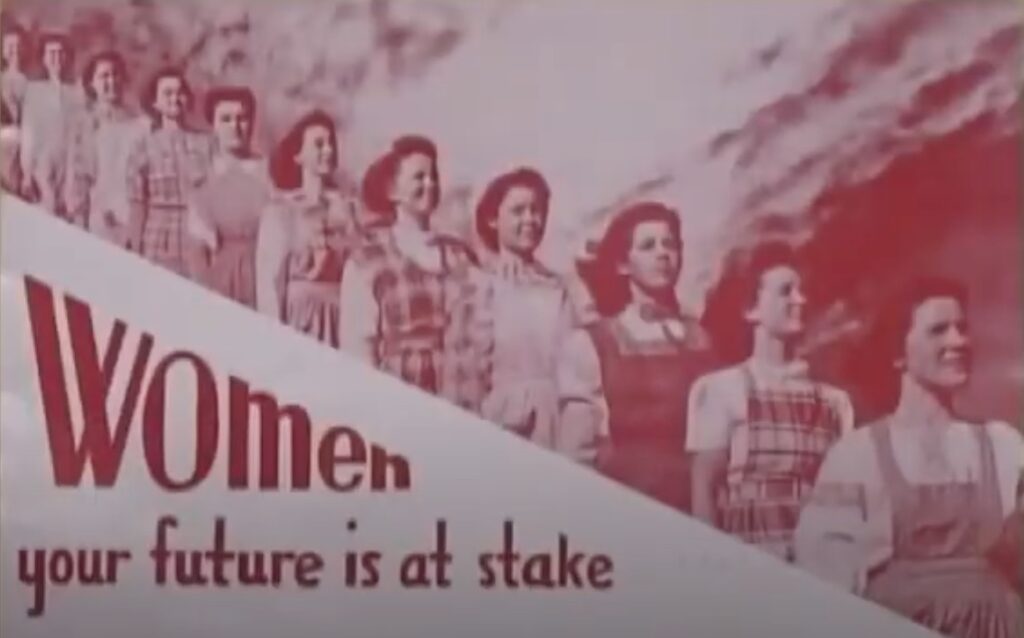
    Loveland, Ohio – In 1940, an international movement of women got on a boat. The last boat before Hitler invaded Holland. They made it to America, “by an eyelash” in April of that year.

    The Grail from Loveland became a voice in the United Nations.

    After watching the video below and in the spirit of Grailville’s past of venturing into the seemingly impossible, as the Publisher of this newspaper I have made an executive decision to go “all in” with an attempt to inform Loveland residents about the imminent destruction and erasure of the artifacts of a great cultural event of our local history.

    Grailville was the home of the National Grail movement in the United States; the symbolic heart of the movement.

    Will we allow the Grailville farm to be plowed under or will we choose new furrows planted in a way that continues to grow our future as a community?

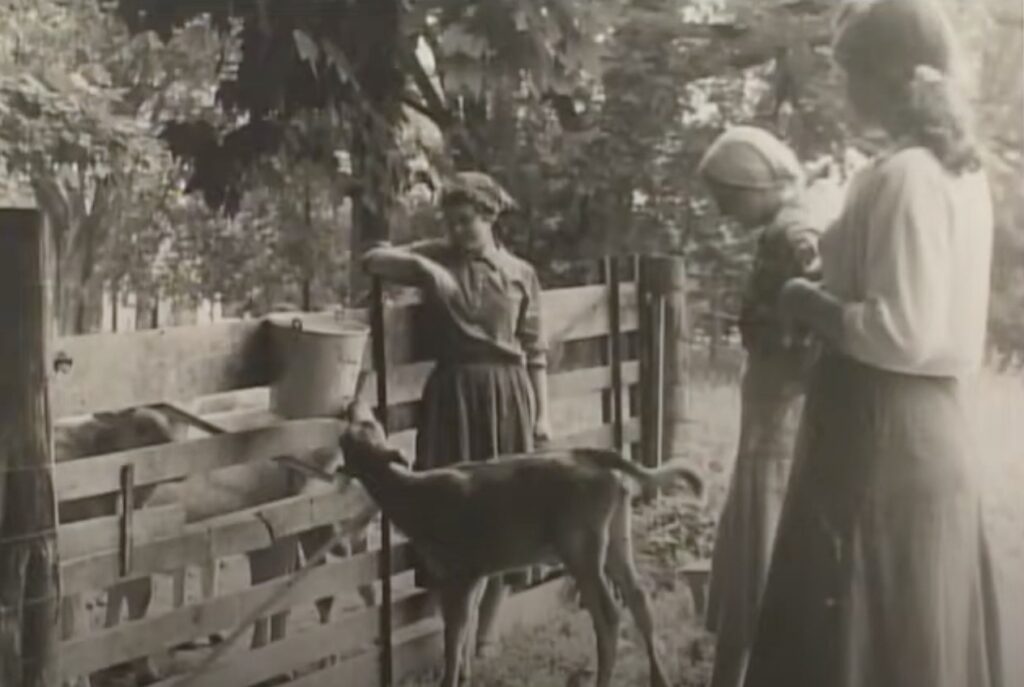
    Screen shot from The U.S. Grail, a lay movement

    If we lose these artifacts, it will be by choice and not that we didn’t know – or know better.

    Will the City Historic Preservation and Planning Commission, the City Tree and Environment Committee, the City Planning and Zoning Commission, the City Council and City Manager, the City Comprehensive Master Development Plan Committee, the City Arts Commission, and Drees Homes stand in support or indifference of the bulldozers without acknowledgment of these, artifacts?

    Will they act out of ignorance or no comprehension of enlightenment? Will our future have value? Will Loveland’s legacy contain important worth? Preserving these artifacts can be value-added.

    Screen shot from The U.S. Grail, a lay movement

    A choice for each resident – Follow the Holy or Follow the Folly.

    We will no longer be able to say, “I didn’t know.”

    For sure, expressions of dismay about the impact of 200 plus homes at Grailville and the resulting strain on City services, overcrowding of already inadequate roads and schools, etc., are legitimate, however, so is the destruction of these intrinsic artifacts expressed in this video. A quality life whether for the individual, the collective community, or our grandchildren can be one filled with the remnants of the culture that made it so rich.

    Screen shot from The U.S. Grail, a lay movement

    This 2006 film by my friend Barbara Wolf, a Cincinnati filmmaker, for The U.S. Grail, a lay movement – explores the journey of those women seeking to transform the world as a matter of personal call and communal action.

    Our communal action in this present day is what?

    The Grail in the U.S. and in Loveland is not defunct by any means, read more HERE and HERE.

    Screen shot from The U.S. Grail, a lay movement

    Will we let a Kentucky home builder know they are proposing plowing under the footprints on this good earth and artifacts of an international movement of peace, gentleness, justice, and tranquility?

    We all have faith.

    Important artifacts, our seed crops, are about to be plowed under.

    Will our horizons call each other by name to respect these artifacts?

    More reading…

    Why is Grailville important? A look at the Grail founding in Loveland

    David Miller –  Mar 30, 2022

    [VIDEO] With public outpouring, has tide turned on Grailville?

    David Miller –  Mar 22, 2022

    Planning and Zoning Commission to hear from public on re-zoning Grailville

    David Miller –  Mar 8, 2022

    An open letter to City Hall by the Mullins: Grailville decision…

    Guest Column –  Mar 2, 2022

    Drees submits application for 209 homes at Grailville

    David Miller –  Jan 31, 2022

  • Should courts limit jury awards for child rape victims? Supreme Court weighs arguments

    Should courts limit jury awards for child rape victims? Supreme Court weighs arguments

    Photo Courtesy of the Ohio Supreme Court

    BY: JAKE ZUCKERMAN – Ohio Capital Journal

    Columbus, Ohio – Lawyers for a woman who was repeatedly raped and sexually abused as a child argued Wednesday the Ohio Supreme Court should overturn or at least pare down a law that limits millions in damages a jury awarded her.

    In 2005, Ohio lawmakers passed a “tort reform” law that among other provisions, sets a limit of $250,000 on non-economic damages, which are awarded to victims to cover more intangible harms like pain, suffering, stress, anxiety, etc.

    Amanda Brandt was awarded $34 million in noneconomic damages after Roy Pompa, her friend’s father, abused her repeatedly over 18 months starting when she was 11. Court records show he would drug and rape her and record the abuse. Brandt won full damages for abuse that occurred before the tort reform law passed ($14 million), though the other $20 million in punitive damages for abuse after the law passed was cut down to $250,000.

    She still won $100 million in punitive damages — which are only available because Pompa was convicted of a felony (17 counts of rape, five counts of kidnapping, 55 counts of pandering sexually oriented material involving a minor, and 21 counts of gross sexual imposition).

    The Supreme Court has previously denied an effort to nix damage caps as they were applied to another child who was raped by her priest in Delaware County. Her $3.5 million in noneconomic caps was reduced to $350,000 (the law also creates a formula that can provide up to $350,000 pending economic damages like missed days of work and medical bills).

    Brandt’s attorneys asked the court for one of two remedies. The justices could overturn the damage caps outright and restore juries with the power to set damage maximums, as opposed to state lawmakers. Or, the justices could determine that the trauma Brandt sustained should apply to an exception to the damage caps within the law available to people who become deformed or disabled by an injury.

    “These kinds of injuries meet the same level,” said Robert Peck, an attorney representing Brandt.

    Damage caps, he said, infringe on the U.S. Constitution’s right to trial by jury. It’s a jury that hears the facts of a case and decides what kind of penalty is appropriate.

    “With a cap, you’re saying that that cap overrides that jury decision,” he said.

    Pompa, via attorney Marion Little, said it’s untrue that anyone was denied a right to trial by jury. Brandt still won $114 million. The intent of tort reform, he argued, was to create more legal predictability and consistency, which it accomplished without infringing on anyone’s rights.

    As for the reduced non-economic damages, Little said the evidence suggests Brandt has recovered. She still requires counseling, but she has a family, a job and stability and should be “applauded for her success” moving forward.

    In court filings supporting Brandt, lawyers with the Ohio Alliance to End Sexual Violence criticized this line of thinking.

    “[It] puts Ohio judges in the unenviable and morally fraught position of holding against child abuse victims the moments in their life where they have made progress — where they have taken the most basic steps to achieve normalcy despite the abuse they suffered,” wrote attorney Camille Crary in a brief.

    Outside interests 

    Overturning Ohio’s noneconomic damage would significantly reshape Ohio’s legal climate in favor plaintiffs. It applies far beyond the narrow realm of child sex abuse and into products liability and other genres of lawsuits that can result in huge payouts, often from large corporations and institutions.

    As such, the case generated tremendous outside interest. Attorney General Dave Yost argued the law should be upheld. He said it’s perhaps surprising — “some might even say callous” — that Ohio law limits available damages for a child victim of sexual abuse. But “foolish policy” is not necessarily unconstitutional, he argued. He urged lawmakers, as some have tried to do, to lift damage caps in claims against rapists. But that change should come from the legislature, not the Supreme Court, he said.

    The Chamber of Commerce, which represents business interests, said the unpredictability of “runaway” jury awards creates huge risks for businesses. Ohio’s damage caps, its lawyers argued, are reasonable and within the mainstream compared with other states.

    “The extremely sympathetic facts of this case should not blind this Court to the enormous consequences of that invitation: Invalidating the law or opening the door to a vague new exception will expose businesses, nonprofits, and others to unlimited and unpredictable awards and excessive settlement demands in personal injury lawsuits when no more than negligence is alleged,” its lawyers wrote.

    The Product Liability Advisory Council — an association representing large car, tobacco, chemical, firearms, pharmaceutical and other companies — filed arguments in the case supporting the noneconomic damage caps and emphasizing Brandt’s current jury award.

    One mystery in the case, homed in on briefly during oral arguments, is whether Pompa can even pay the $114 million judgement — let alone the additional $20 million if the court overturns the damage cap. Peck, during arguments, said the plaintiffs have not yet sought to collect from him until the court finalizes the issue.

    In an interview after oral arguments, Little said there’s no evidence in the record suggesting Pompa can pay either $114 million or $134 million. He said the plaintiffs’ target is more likely the law and precedent than the specific case at hand.

    Little — a prominent defense attorney currently working on high-profile, white collar cases — declined to answer whether Pompa is paying for his legal services.

    “I think that the, as a practical matter, the plaintiff does not have a financial stake in the results of this case,” he said. “There may be others outside the case, such as the plaintiff’s bar, that have interest in this.”

    Organizations representing trial attorneys argued the right to trial by jury and that jury’s autonomy to set awards for plaintiffs who have been harmed are inextricably tied. Juries, they wrote, are the fact finders in court cases — not policy makers.

    “The General Assembly has not demonstrated a willingness to protect the right to trial by jury, nor is it the role of legislators to draw boundaries around the legislative power,” they wrote. “As a result, it falls on this Court to jealously safeguard that right and protect all Ohioans, not just those with the most lobbying power.”