Tag: Ohio Department of Health

  • DeWine hires attorney with thin public health background to lead health department

    DeWine hires attorney with thin public health background to lead health department

    By Jake Zuckerman

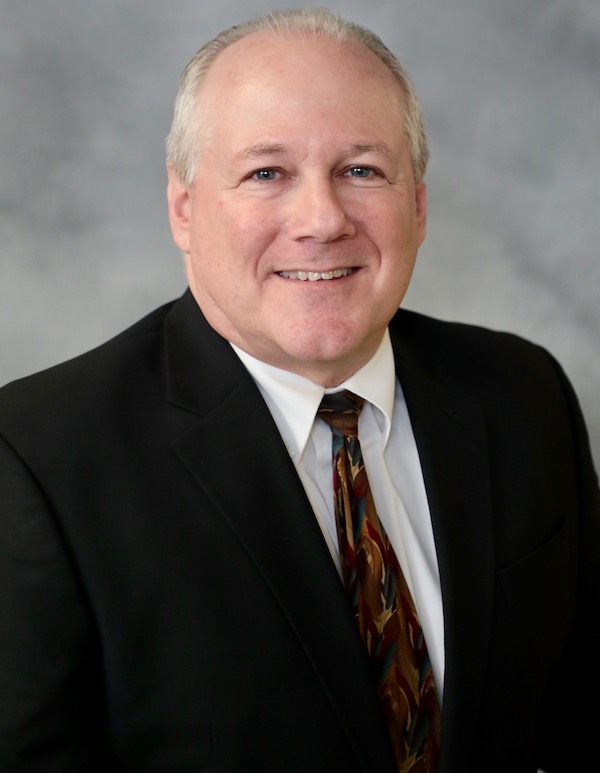
    Columbus, Ohio – Gov. Mike DeWine hired an attorney to lead the Ohio Department of Health on Thursday, a position that has remained vacant for the past five months of the pandemic.

    Stephanie McCloud, who currently runs the Ohio Bureau of Workers’ Compensation, will take over a position that has been filled on only an interim basis since Dr. Amy Acton stepped down in June.

    She will now oversee the quickly worsening COVID-19 pandemic, as measured by spiking case counts, rising positivity rates, a swelling active hospitalization count, and an ever-ascending death toll.

    McCloud’s hire is a pivot from the physicians who previously held the post like Acton or Dr. Joan Duwve, who was set to replace Acton but quit the job in September before she officially started. DeWine has said in the past he specifically wanted a medical doctor to fill the post.

    “When I was elected governor, I knew that I wanted a Director of Health with a strong public health background, someone who had a passion for public health, and someone who could talk to Ohio citizens in a candid way about health issues,” DeWine said in June.

    An about page on the BWC website lists McCloud’s backgrounds in insurance administration and the law, but nothing specifically relating to public health or infectious disease control.

    1993 state law requires the ODH director to be either a physician or a person who has had “significant experience in the public health profession.”

    Dan Tierney, a DeWine spokesman, said McCloud’s work at BWC, which consists in part of evaluating claims of work-related health care claims and finding ways to prevent workplace health issues, meets the terms of the statute.

    He also emphasized DeWine’s related announcement of hiring a new chief medical officer, Dr. Bruce Vanderhoff, and related moves from lower-profile COVID-19 response staff.

    “There’s multiple people who need to lead on this,” he said.

    McCloud has valuable experience in management but nothing as it relates to public health, according to Micah Berman, a professor of public Health Law at Ohio State University.

    “To me, this is indicative of the lack of respect — or understanding — of public health as a field of expertise,” he said. “The Director of Health should have expertise in public health — not just in health care or another health related field.”

    The position has proven difficult to fill since Acton left. Acton had been the public face of Ohio’s public COVID-19 response to the newly emergent coronavirus, which included delaying a primary election, closing schools and businesses, and beginning to phase in a mask mandate.

    However, Acton faced tremendous public backlash. Protesters gathered and called her out by name in rallies in front of the Capitol and outside her Franklin County home. Some of them carried guns. At least two people hoisted anti-Semitic signs at both locations.

    Even after she stepped down, businesses and individuals challenging various COVID-19 health orders have named Acton as a defendant and issued summons seeking to drag her back into the fights. She described to The New Yorker hearing a conservative talk radio host in Ohio say if his key adviser quit during a crisis, he’d want to punch him in the face.

    In September, DeWine announced that Duwve would fill in where Acton left off. However, just hours after DeWine announced her hiring, Duwve declined the job.

    Duwve cited harassment of Acton as a reason for turning it down.

    Announcing Duwve’s hire, DeWine boasted of her “extensive experience in public health” in both government service and academia.

    The medical community has started to shine light on increasing backlash against public health officials navigating pandemics with no fixed playbook.

    An August viewpoint article with the Journal of American Medicine cited Acton and dog-whistle anti-Semitic remarks thrown her way by a state politician in its argument for more cover for health officials from political leaders.

    “The present harassment of health officials for proposing or taking steps to protect communities from COVID-19 is extraordinary in its scope and nature, use of social media, and danger to the ongoing pandemic response,” it states. “It reflects misunderstanding of the pandemic, biases in human risk perception, and a general decline in public civility.”
    Pages: 1 2

  • Record-Breaking Cases & Hospitalizations, Statewide High Incidence

    Record-Breaking Cases & Hospitalizations, Statewide High Incidence

    CURRENT COVID-19 DATA
    There are 235,170 confirmed and probable cases of COVID-19 in Ohio and 5,461 confirmed and probable COVID-19 deaths. A total of 20,015 people have been hospitalized, including 3,969 admissions to intensive care units. In-depth data can be accessed by visiting coronavirus.ohio.gov.  Video of today’s full update, including versions with foreign language translation, can be viewed on the Ohio Channel’s YouTube page.  For more information on Ohio’s response to COVID-19, visit coronavirus.ohio.gov or call 1-833-4-ASK-ODH.

    Columbus, Ohio – Ohio Governor Mike DeWine and Lt. Governor Jon Husted today provided the following updates on Ohio’s response to the COVID-19 pandemic. 

    RECORD-BREAKING CASES & HOSPITALIZATIONS
    DeWine announced today that Ohio is once again breaking records in regard to COVID-19 cases and hospitalizations.

    • Between yesterday and today, health officials have reported a total of 4,961 new positive coronavirus cases in Ohio, the highest number of new cases in a 24-hour period to date.

    • There are currently 2,075 patients hospitalized with COVID-19 which is a 55 percent increase in hospitalized patients compared to two weeks ago. 

    • Of the hospitalized patients, 541 people are in intensive care. The previous record for intensive care admissions was 533 in April. 


    “This virus is flaring up, and we have to push it down – the economy depends on it,” said Governor DeWine. “If the virus continues to aggressively spread, people will lose confidence in their ability to safely go to stores, restaurants, and other businesses. If we want to keep our economy moving, we must all live with this virus and we must all be more careful.”

    Governor DeWine stressed that the new record number of cases is not due to increased testing capacity in the state. Since September 24, the total number of tests in Ohio has increased by approximately 44 percent, but positive cases have increased 280 percent in the same time period. If a person is tested multiple times, they are only counted once.

    STATEWIDE HIGH INCIDENCE 

    New health data compiled by the Ohio Department of Health revealed today that all 88 counties in Ohio are now considered “high incidence” as defined by the Centers for Disease Control and Prevention. 

    “There have been so many cases in the past two weeks that the risk of catching this virus in every county of this state is very real and very concerning,” said Governor DeWine. “Again, I ask everyone to recognize their personal responsibility in slowing the spread of this deadly disease. It’s up to every citizen in Ohio to choose to slow the spread by wearing masks, distancing, and making overall smart decisions.”

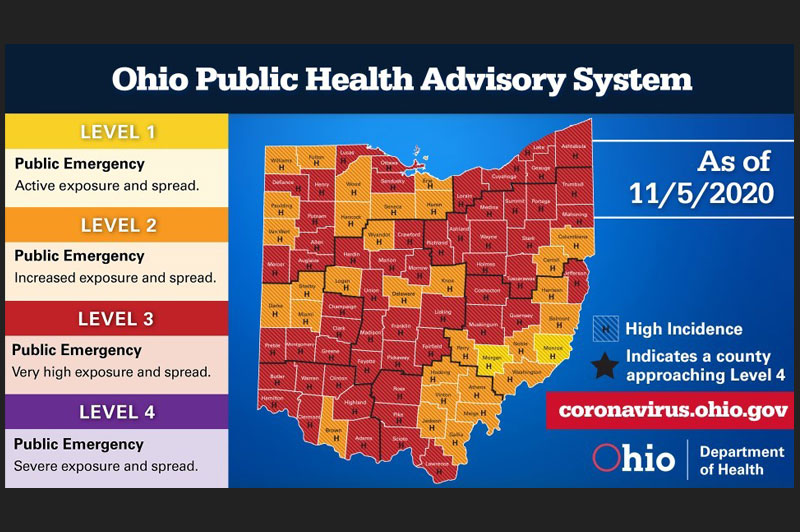
    According to today’s updated Ohio Public Health Advisory System map, 56 counties are currently rated as having a very high risk of exposure and spread (Red Level 3), up from 43 counties last week. This represents the highest number of Red Level 3 counties since the launch of the advisory system in July. As of today, 86 percent of Ohioans are living in a Red Level 3 county. 

    A county-by-county breakdown outlining the presence of COVID-19 in all of Ohio’s 88 counties can be found on the Ohio Public Health Advisory System’s website.


    NEW OHIO DEPARTMENT OF HEALTH STRUCTURE

    Governor DeWine announced multiple key additions to the existing administration at the Ohio Department of Health (ODH). 


    Chief Medical Officer Dr. Bruce Vanderhoff: 
    Dr. Vanderhoff previously served for more than a decade as a Senior Vice President and as the Chief Medical Officer at OhioHealth. He has years of experience leading large teams in successfully dealing with important healthcare issues in Ohio and prepared OhioHealth to deal with the threat of Ebola and the H1N1 flu pandemic.  

    Director Stephanie McCloud: 
    Director McCloud previously served as Governor DeWine’s administrator of the Ohio Bureau of Workers’ Compensation, managing an agency of 1,800 colleagues and over $28 billion in assets. She has considerable experience in the area of mental health and addiction treatment which is a priority in Ohio’s health improvement plan. 

    Senior Deputy Lance Himes: 
    Himes had previously served as the interim director of ODH where he has played an integral role in running and managing many aspects of the pandemic response operation. He will lead the coordination of the state’s vaccine distribution plan and will continue to work directly with Ohio’s local health commissioners.

    Chief of Staff Kathleen Madden: 
    Madden had previously served as Assistant Director at the Ohio Office of Budget and Management and will now play a key role in keeping ODH’s pandemic and non-pandemic programs and operations on track. She will work to prioritize and resolve critical issues, provide oversight and guidance to ODH staff, and ensure that ODH funds are spent responsibly and strategically. Other key members of the ongoing COVID-19 response who will continue their roles in assisting ODH are: 

    Adjutant General Maj. Gen. John Harris, Ohio National Guard: 
    Maj. Gen. Harris will continue work to ensure complex operations, such as COVID testing and contact tracing, are well-coordinated, monitored, and improved when necessary.  He will also work directly with Senior Deputy Himes on the planning and logistics of the forthcoming vaccine distribution program.  

    Director Ursel McElroy, Ohio Department of Aging: 
    Director McElroy will continue to direct virus prevention efforts for older adults in the community and in long-term settings, including nursing homes and assisted living facilities.  

    Director Lori Criss, Ohio Department of Mental Health and Addiction Services: 
    Director Criss will continue to lead efforts to address the increasing mental health needs of citizens during the pandemic.

    NEW OHIO BWC ADMINISTRATOR
    Governor DeWine announced that John Logue, the Ohio Bureau of Workers’ Compensation’s (BWC) Chief of Strategic Direction, will become the new administrator of Ohio BWC effective on November 16. Logue has worked for 26 years in the industry. Before returning to BWC in 2019, he most recently served as the vice president of client services for International Absence Management Company where he focused on Ohio workers’ compensation.


  • Cumulative cases of COVID 19 at Loveland Health Care go from 60 to 85

    Cumulative cases of COVID 19 at Loveland Health Care go from 60 to 85

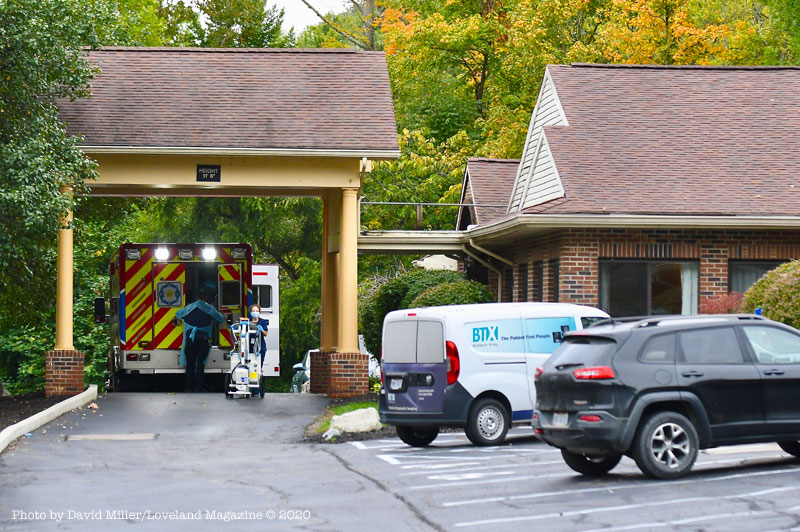
    Loveland, Ohio – The Ohio Department of Health released new data for COVID 19 cases at the Loveland Health Care Center (LHCC) today revealing the total cumulative cases of COVID 19 at LHCC went from 60 to 85 in the past week. The health department releases data each Wednesday.

    The numbers Loveland Magazine reported yesterday which was from the previous week’s report was 37 residents and 11 staff members with COVID 19 at LHCC. The cumulative case report revealed 39 residents and 21 staff members have had the virus. That was a total 60 of cumulative cases.

    Today’s report is 4 residents and 0 staff members with COVID 19 at LHCC, however, today’s cumulative case report reveals 64 residents and 21 staff members have had the virus. That total is 85 cumulative cases.

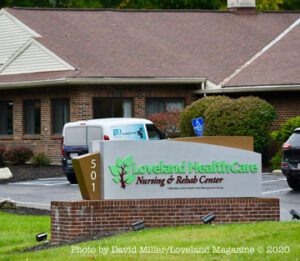
    LHCC is a 99-bed nursing home located at 501 North Second Street (St. Rt. 48) in Loveland.

    BACKGROUND

  • How an Ohio state senator and 33 family members caught COVID-19

    How an Ohio state senator and 33 family members caught COVID-19

    Senator Tina Maharath (Ohio Senate photo)

    Jake ZuckermanJake Zuckerman is a statehouse reporter. He spent three years chronicling the West Virginia Legislature for The Charleston Gazette-Mail after covering cops and courts for The Northern Virginia Daily.

    It started with a funeral.

    Tina Maharath, a Democratic state senator from Canal Winchester, attended a wake Aug. 9 after her brother-in-law’s funeral, who died of non-COVID-19 illness.

    Two of his family members, who Maharath said tested positive for COVID-19, came to the wake. Maharath described them as skeptical of the gravity of the COVID-19 pandemic.

    “Slowly, one by one, we started getting the phone calls from each one of our family members,” she said in an interview.

    Maharath comes from a big family — common, she said, among Laotians. Her husband has 19 siblings, she has 16. The new coronavirus, which causes COVID-19, left from the wake to invade 11 different family households, infecting 33 family members including a 9-month-old baby.

    As of Thursday, two have died: Maharath’s 44-year-old sister-in-law, who had been battling brain cancer for a year, and her sister-in-law’s father-in-law.

    Five family members were hospitalized, including one who Maharath said is likely to die soon from COVID-19. The five people hospitalized are between 34- and 76-years old. They were hospitalized anywhere from two to six weeks. Mahrath’s sister-in-law was ventilated for three weeks.

    All five had underlying health conditions like asthma, high blood pressure and diabetes, all common conditions in Ohio.

    The familial outbreak, Maharath said, is hopefully over. But uncertainty over longevity of symptoms or long term damage is frightening.

    “We’re concerned because of the five people who were hospitalized, they still have lingering symptoms too, and another sister-in-law who was pregnant, she has lingering symptoms too,” Maharath said. “I don’t have underlying conditions, I’m not pregnant. So why do I have symptoms?”

    Patient groups, calling themselves “long haulers,” have insisted they’ve been experiencing COVID-19 symptoms for month. The CDC has found COVID-19 can result in prolonged illness, even among younger and healthier adults.

    Six weeks out from the positive test result, Maharath said she still feels COVID-19’s symptoms. She said she feels dehydrated, experiences coughing spells, and headaches.

    Her lungs, she said, take most the heat.

    “I just feel weak,” she said. “My lungs feel like something is just punching them. Randomly, it feels like something is just stabbing my lungs.”

    Nearly 148,000 Ohioans have contracted COVID-19 according to state data, which officials believe to be an undercount. At least 4,715 have died.

    Maharath’s diagnosis drew headlines in August. On Wednesday, however, Maharath shared the story of the outbreak through her family in a floor speech opposing Senate Bill 311.

    The legislation, which Senate Republicans passed, would forbid the Ohio Department of Health from issuing anything like the stay-at-home order it issued in March, which closed “non-essential” businesses in an effort to slow the spread of the recently-detected coronavirus.

    It would also allow lawmakers — who have repeatedly expressed skepticism about the virus, ODH’s data tracking the virus, and non-pharmaceutical interventions to control the virus like masks and social distancing — to rescind ODH orders.

    However, a COVID-19 diagnosis did not prove to be a proxy vote against the legislation.

    Sen. Bob Peterson, R-Washington C.H., who contracted the disease earlier this month, voted in favor.

    Sen. Frank Hoagland, R-Adena, did as well. He contracted a mild case of the disease in August. According to a Herald Star report, Hoagland’s wife was hospitalized with the disease as well. Both his wife’s parents reportedly died from COVID-19.

    With what they hope to be the worst of the outbreak behind them, Maharath said her family is planning funerals for the deceased. They plan stricter social distancing and mask requirements.

    Maharath said she’s not planning to attend.

  • Trick or Treat’s a go in Loveland

    Trick or Treat’s a go in Loveland

    -This story has been corrected to reflect that Halloween is on Saturday October 31.

    Loveland Police Chief Sean Rahe

    Loveland, Ohio – City Manager Dave Kennedy announced at last night’s council meeting that Halloween Trick or Treating in Loveland is a go. He said that Police Chief Sean Rahe is reviewing an advisory that was issued by the Ohio Department of health and the City will issue a statement after it has been reviewed.

    Kennedy said, “We hope to move forward full steam and certainly encourage people to follow the rules. We are not going to mess with changing times or dates.”

    Photo by Olivia Smith © 2020

    Although not announced at the meeting, Trick or Treating hours in Loveland have been between 6 and 8 PM for many consecutive years.

    Halloween is on Saturday October 31.

    DeWine recommends children wear masks on Halloween!

    In Ohio Governor Mike DeWine’s announcement of the health department orders he reminded parents that Halloween activities will be different this year than in years past. He encouraged, “parents and children to wear a mask, practice social distancing, avoid large groups, and to stay home if sick.” Dewine also said, “Final decisions on whether to hold or participate in trick-or-treating or other events should be made by local communities, individuals, and parents.”

    The state has developed guidance for Halloween and it can be found at coronavirus.ohio.gov.


    Celebrating Halloween at Re-Start Ohio

    Amid the COVID-19 pandemic, it is important to use caution and plan ahead for Halloween festivities. Decisions on whether to participate should be made by local communities, individuals, and parents/ guardians.

    Always follow current state public health orders and rules/regulations established by your local community, and check the Ohio Public Health Advisory System to determine COVID-19 risk levels in your county before making decisions about Halloween activities. Some communities may choose to cancel Halloween events, so check with local sources before making plans.

    This guidance is designed to help curb the spread of COVID-19. It will be reassessed and updated as the situation evolves and we learn more in the weeks leading up to Halloween.

    Recommended Best Practices

    General Guidance

    • It is strongly recommended that hayrides and haunted houses be canceled/avoided.

    • It is strongly recommended that Ohioans exercise caution when deciding to participate in trick-or-treating and events that put them in close contact with people outside their households. To lower risk, consider safer, socially distant ways to celebrate, such as:

    • Holding a drive-through or drive-in trick-or-treat event, with children in costume and face coverings staying in cars and collecting treats from individuals spaced at least 6 feet apart.

    • Holding drive-by costume or car-decorating contests with judges who are physically distanced.

    • Leaving treats for friends and neighbors.

    • Decorating your home and hide treats as an alternative to trick-or-treating.

    • Holding costume parties or pumpkin carving events or contests online, such as by video conference.

    • Do not hold large in-person Halloween parties. If holding smaller parties, limit attendance to 10 or fewer people and hold the event in an outdoor area where social distancing is possible. Avoid activities, such as bobbing for apples, that foster the spread of infection.

    • Always wear a face covering and stay 6 feet away from people who are not from your household, whether trick-or- treating, passing out treats, or attending attractions or events. Stay home if you are sick. (NOTE: Face coverings should never be placed on children younger than 2 or anyone who cannot easily remove them.)

    • Carry hand sanitizer and use it often, especially after coming into contact with frequently touched surfaces and before eating candy.

    • Select events/attractions that are held outdoors and allow attendees to stay in their cars (such as drive-through event with displays) or socially distance. Avoid events that involve being crowded in a small area or coming into contact with/being touched by others.

    • Consider the people in your household who may be at greater risk of complications if COVID-19 is brought into the home, such as those with certain health conditions, women who are pregnant, or older family members.

    For Parents/ Guardians

    • If taking your children trick-or-treating, limit the number of houses you visit and ask your children to stay as far from treat-givers as possible. For small children, consider holding the bag for them.

    • Wipe off candy wrappers with sanitizing wipes when you arrive home. (NOTE: Never wipe unpackaged food with wipes.) • Allow children to eat only factory-wrapped treats. Avoid homemade treats made by strangers.

    • If your child is at greater risk of complications from COVID-19, contact your doctor before allowing participation in Halloween activities.

    For Community Members

    • For trick-or-treating, reach out to neighbors to discuss ways to ensure 6-foot social distancing, how candy can most safely be distributed, and the need for face coverings.
    • Refrain from having children select their own treats from a bowl/common container or set up a hand-sanitizing station. Consider placing treats on porch steps or a table in the driveway with a sign asking children to take only one. Or use other creative ways to distribute treats, such as using a candy “slide” made of PVC pipe, or hanging treats from a wall or fence.

  • High risk conditions for COVID-19 span far and wide in Ohio

    High risk conditions for COVID-19 span far and wide in Ohio

    Along with diseases known to increase risk, the CDC lists 12 other conditions that “might” increase the risk of people who have them. These include other massively common conditions like hypertension, liver disease, pregnancy, smoking and others.

    By Jake Zuckerman and Ohio Capital Journal Edited by Loveland Magazine

    cccccc

    The underlying health conditions that lay a path for severe COVID-19 complications are widespread in Ohio, potentially affecting as much as half the population, according to experts, state data and government research.  

    Take obesity: Ohio Department of Health 2017 survey data estimates that 34% of Ohioans are obese. Similarly, more than 74,000 Ohioans were diagnosed with cancer that same year.

    Dr. Peter Pronovost (Photo by University Hospitals)

    “The statistics are about 60% of the public has one or more chronic diseases,” said Dr. Peter Pronovost, a University Hospitals physician. “Four in 10 have two or more diseases.”

    The ubiquity of chronic disease in Ohio complicates any policy response when there’s no easy-to-draw line between people at low-risk for COVID-19 and those at higher risk levels.

    It also illuminates the reality of a “herd immunity” strategy, as reportedly offered by an influential adviser to President Donald Trump. This would entail allowing the virus to run its course through the population unimpeded, purportedly allowing healthier people to develop antibodies at a large enough volume to break down chains of transmission.

    The CDC lists eight diseases known to increase risk of severe illness from COVID-19. The list, coupled with data from the Ohio Annual Cancer Report, Behavioral Risk Factor Surveillance System annual report from 2018, and other state and federal sources, shows how deep chronic disease runs in the Buckeye state.

    • Cancer: 74,000 cases diagnosed in 2017
    • Chronic kidney disease: About 15% of U.S. adults have chronic kidney disease, per the CDC
    • COPD (chronic obstructive pulmonary disease): 8.3% of Ohio adults have COPD
    • Immunocompromised state from solid organ transplant: 1,916 Ohioans received organ transplants in 2019
    • Obesity: 34% of Ohio adults are obese. An additional 34% are overweight
    • Serious heart conditions: Heart disease is the leading cause of death in Ohio
    • Sickle cell disease: Not tracked population wide, but 181 newborns in 2019 tested for the disease, and another 3,444 newborns are carriers
    • Type 2 diabetes: 11.3% of Ohio adults are diabetic — about 1 million people

    According to recent CDC research analyzing survey data from more than 3,000 U.S. counties, nearly half the population had at least one condition placing them at high risk for COVID-19 complications.

    In rural counties, it’s even higher.  

    Dr. Nirav Vakharia (Photo by the Cleveland Clinic)

    “When we go beyond age as a risk factor … if we’re just thinking about these chronic diseases, they’re so prevalent, it’s hard to isolate a young, healthy cohort,” said Dr. Nirav Vakharia, a physician from the Cleveland Clinic.

    Health care groups in Ohio are undertaking different efforts to help residents with some of these conditions to stay at home.

    LifeCare Alliance, an in-home health care agency, has seen a spike in the number of meals it has delivered to the homes of its diabetic patients since the pandemic began.

    “If you have diabetes, the chances of you having a mild case of the coronavirus is much less — you’re gonna have a harder case, because your immune system just can’t fight it off,” said CEO Charles Gehring. “Patients have been scared to death by coronavirus.”

    Similarly, Pronovost, the chief clinical transformation officer with University Hospitals, said the health care network recently accelerated its efforts to provide proactive care for people with chronic diseases.

    He said staff is reaching out to patients to ensure they’re properly managing and controlling their diseases, like keeping insulin or blood pressure at healthy levels.

    “The idea is we want to make sure chronic disease people are doing all they can to avoid being hospitalized and avoid needing to go to the [emergency room],” he said.

    Early data shows the network reduced hospital admissions of certain chronic disease patients by 28%, and emergency visits by 79%, he said. 

    “The idea is we want to make sure chronic disease people are doing all they can to avoid being hospitalized and avoid needing to go to the [emergency room],” he said.

    Along with diseases known to increase risk, the CDC lists 12 conditions that “might” increase the risk of people who have them. These include other massively common conditions like hypertension, liver disease, pregnancy, smoking and others.

    As of Wednesday, COVID-19 has killed 4,176 Ohioans. The virus has infected nearly 120,000 state residents and put more than 13,500 in the hospital.

    Jake ZuckermanJake Zuckerman is a statehouse reporter. He spent three years chronicling the West Virginia Legislature for The Charleston Gazette-Mail after covering cops and courts for The Northern Virginia Daily.
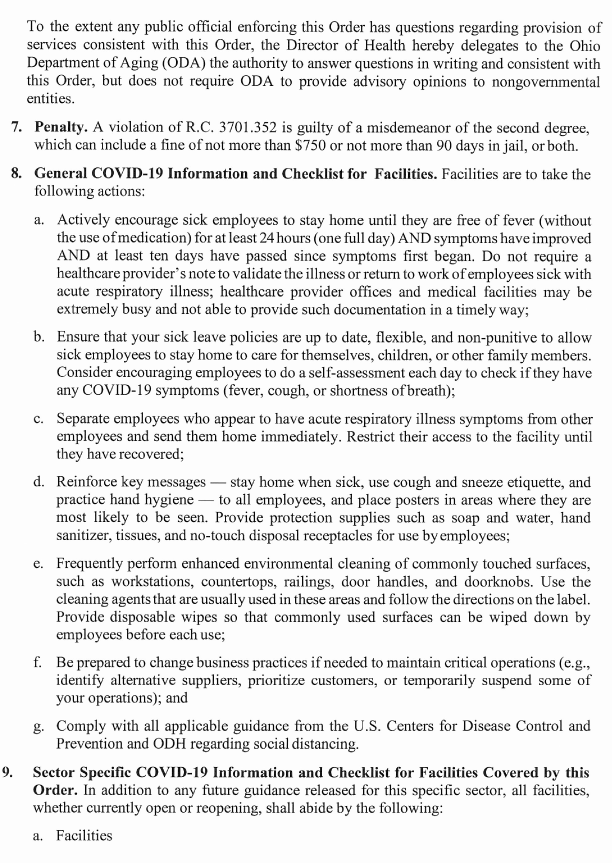
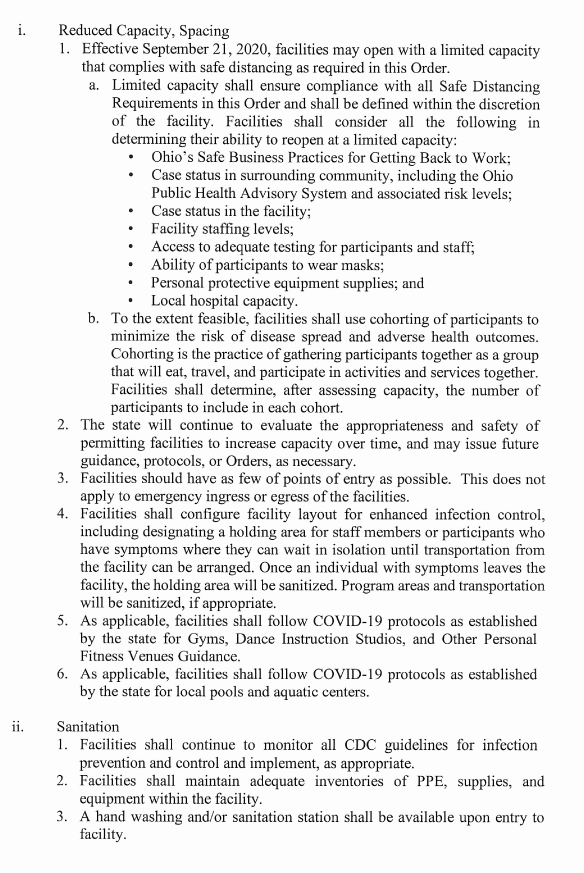
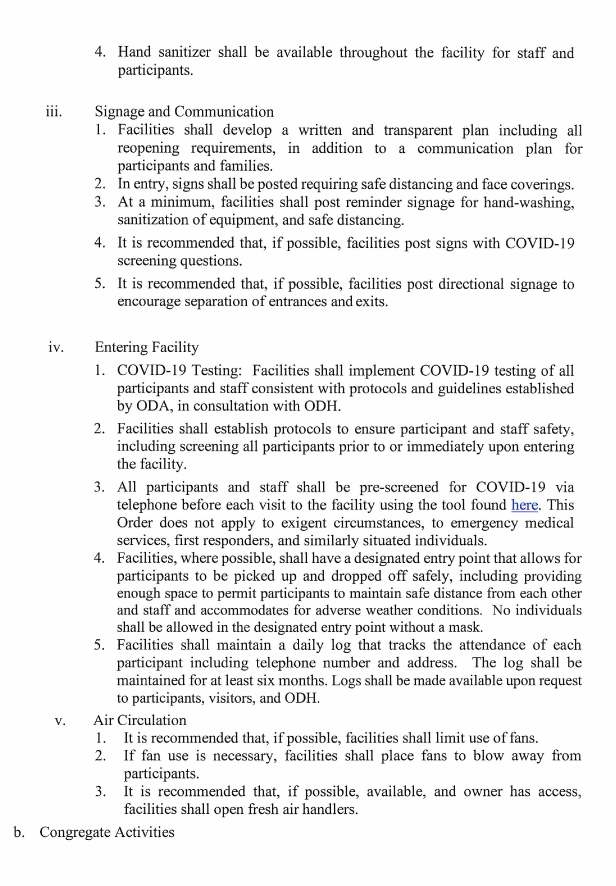
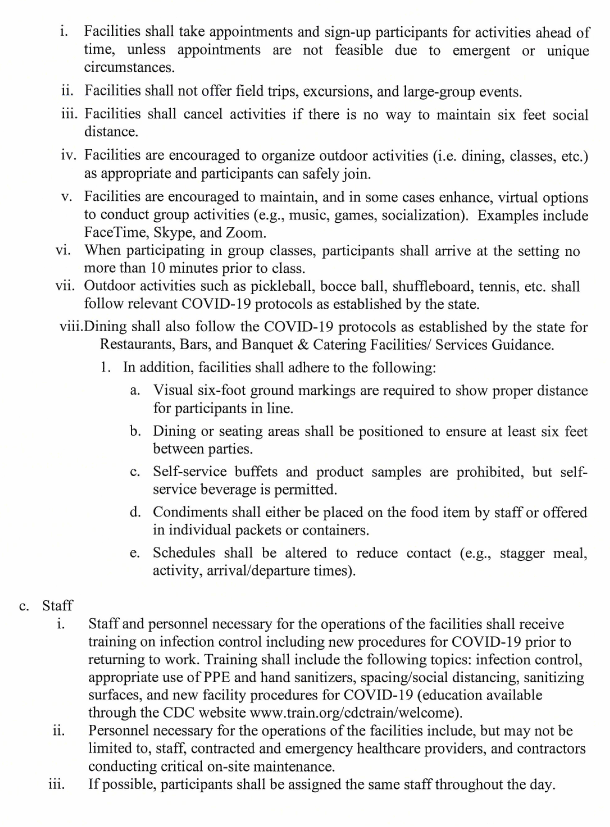
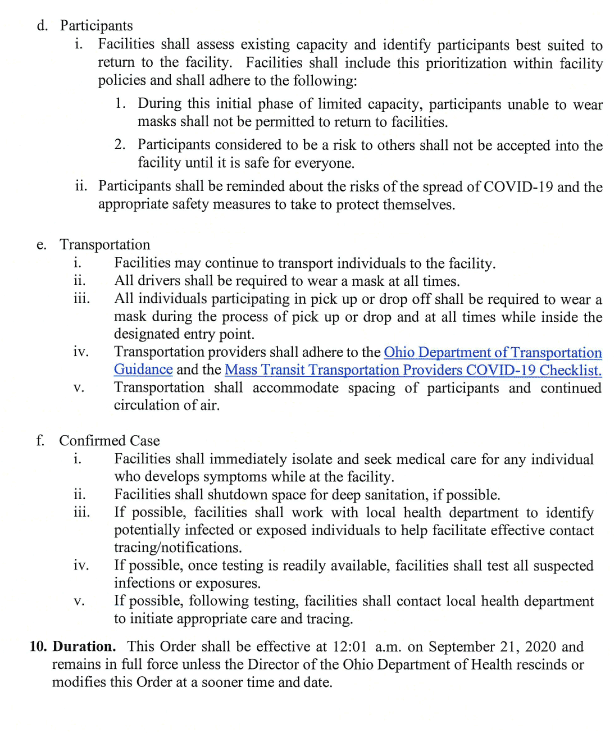
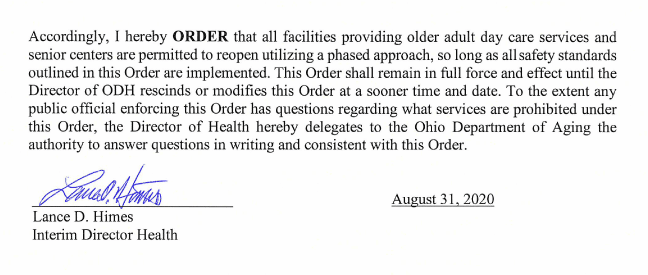
  • Order on the opening of adult day care services and senior centers signed by Ohio Health Director

    Order on the opening of adult day care services and senior centers signed by Ohio Health Director

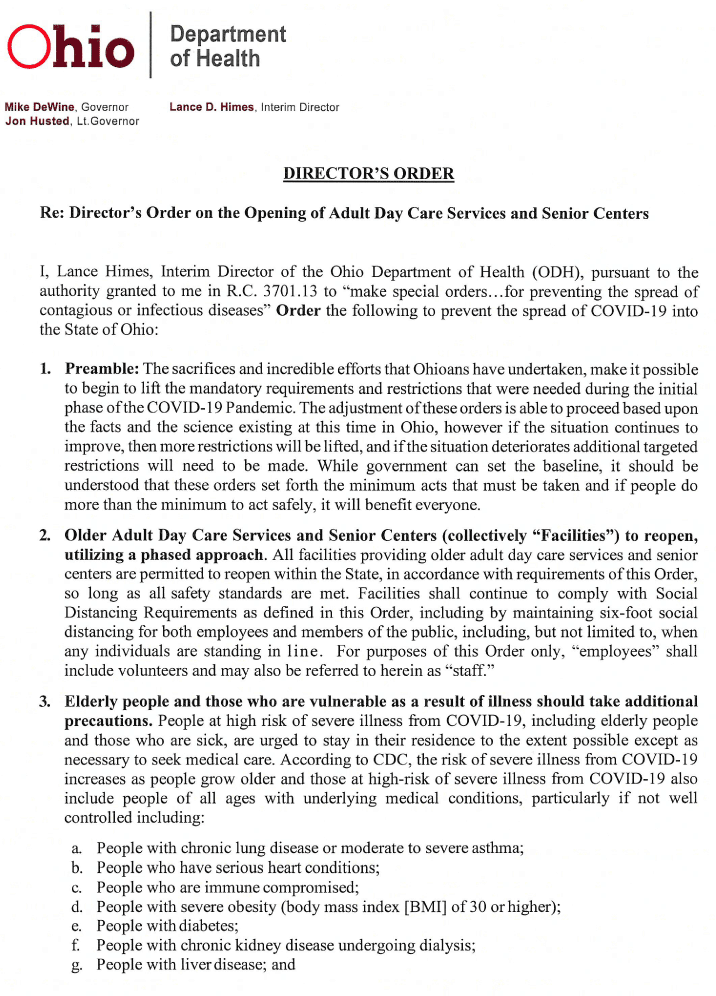
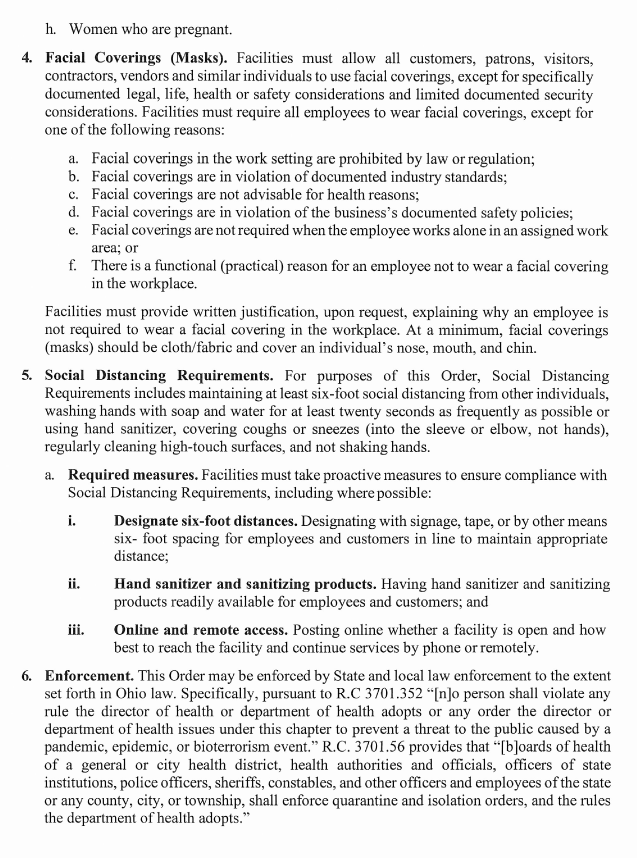
    Columbus, Ohio – Ohio Governor Mike DeWine announced that the following order has been signed by Ohio Department of Health Interim Director Lance Himes:

  • Fall  High School Contact Sports Receive the Go-Ahead From DeWine

    Fall High School Contact Sports Receive the Go-Ahead From DeWine

    by Cassie Mattia

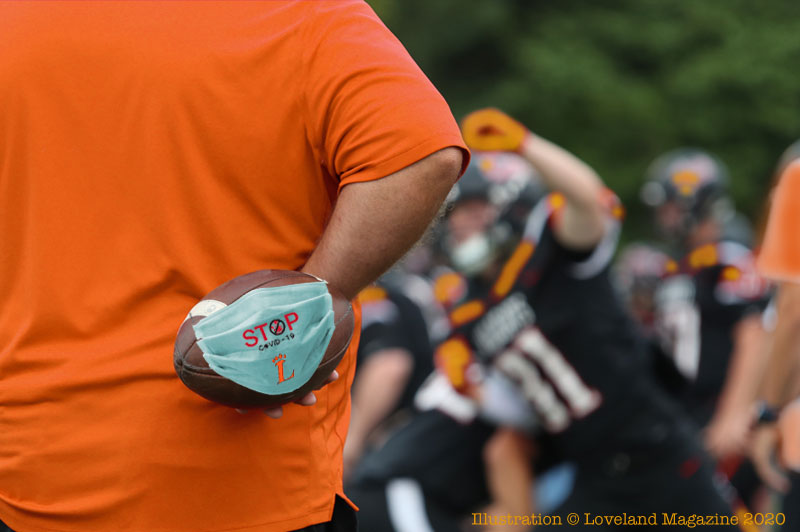
    Loveland, OhioStudent-athletes all across Ohio jumped for joy Tuesday when Governor Mike DeWine announced that he will be signing a new Ohio Department of Health order. This order will permit the Fall contact sports of Field Hockey, Soccer, and Football, to move forward with competition against other schools.

    Although the Governor confirmed his support for the new health order in a press conference on Tuesday he also said he wanted to ensure that Ohio’s coaches continued to inspire their student-athletes to follow safety precautions. DeWine stated that he hopes that by allowing high school athletes to have a season that will then inspire them to be as careful as they can be.

    “I hope that our coaches will use this an opportunity to focus on helping these young people understand what really is at stake,” Dewine said, “Coaches, you, in a normal year, inspire, you mentor, you instruct, you instill discipline and self-discipline in your student-athletes. For all of that, we are very grateful for what you do. You make a lot of sacrifices, work long hours and you inspire our kids. We thank you very much for that. But this year, it’s going to take more. It’s going to be inspiring them in regards to the goal of keeping COVID out of their team,” DeWine added.

    Field hockey, Soccer, and Football will now be joining the OHSAA’s previously approved Fall sports, which were Girls and Boys Golf, Girls Tennis, Girls Volleyball, and Girls and Boys Cross Country.

    With the majority of high schools in Ohio desperately wanting to play sports this Fall, the OHSAA has been working with the Governor’s Office and the Ohio Department of Health to create a new health order that contains modifications from the previous health orders released. With the new Health Director’s Order comes two separate mandates and recommended best practices documents for schools to follow for competitions. If practices aren’t followed the OHSAA could issue consequences for the violation of these requirements as prescribed in Bylaw 11, Penalties. The new health order will still include symptom assessments, mandated facial coverings, enforcement of social distancing, cleaning and sanitizing, and what to do when faced with confirmed COVID-19 cases or exposure to the virus. The finalized health order will be sent to schools this week.

    Bob Goldring, the OHSAA’s Interim Executive Director, also voiced his support of contact sports being allowed to compete in Ohio.

    “The OHSAA is moving forward because we want kids to have an opportunity to participate, and the Governor’s Office is providing that opportunity and a chance,” Goldring explained, “So for that, we are most appreciative. It’s important to remember that our student-athletes have been practicing and training with others for weeks and even months, and it has gone well. So, we believe they deserve the chance to move forward, and that the high school space is also different than the collegiate space.”

    The OHSAA staff has also been consistently working hard to create sport-specific modifications and recommendations for schools when conducting interscholastic competition.  If you would like to read over the updated sports modifications and safety precautions you can click on the following link:https://ohsaa.org/Home/OHSAA-COVID-19-Correspondence.

    OHSAA’s Goldring, like Governor DeWine, when speaking on Tuesday also emphasized the importance of student-athletes, coaches, and school administrators being the absolute best advocates for safety.

    “COVID-19 certainly has created a risk factor, and that is something on which each family has to decide for their student, and each local school district has to make decisions on moving forward based on all the information they have been presented,” Goldring continued. “But we also believe our student-athletes, coaches and school administrators – in education-based programs – are suited to be the best advocates for safety, strongly promoting and following mandates and recommendations to wear facial coverings, stay socially distanced and so forth. Our coaches, especially, are role models to so many of our student-athletes. So hopefully our student-athletes will follow their lead and guidance, especially when they talk to students about what to consider away from school.”

    If you would like to look over the full text from Tuesday’s updated memo sent to the OHSAA’s member schools visit the following link: https://ohsaaweb.blob.core.windows.net/files/BulletinBoard/20200818AdministratorUpdate.pdf

    OHSAA’s Fall Sports Seasons are Scheduled to Begin on the Following Dates:

       Friday, Aug. 21 – Soccer and Field Hockey

       Monday, Aug. 24 – Volleyball, Cross Country, and Football

       Both Golf and Girls Tennis Seasons have already begun.

    Have more questions about the new sports health orders and mandates? The Governor’s Office, the Ohio Department of Health, the National Federation of State High School Associations, colleagues at other state high school athletics/activities associations, members of the OHSAA’s Joint Advisory Committee on Sports Medicine, and members of the Governor’s Sports League Advisory Group created a series of questions and answers for those wanting to learn more! Click on the following link to read:https://ohsaaweb.blob.core.windows.net/files/Sports/2020/OHSAAReturnToPlayQA.pdf.

    For the latest updates in the world of sports be sure to tune into Sports 411 With ME, Cassie Mattia!

  • OHSAA Releases Additional “Return To Play” Recommendations

    OHSAA Releases Additional “Return To Play” Recommendations

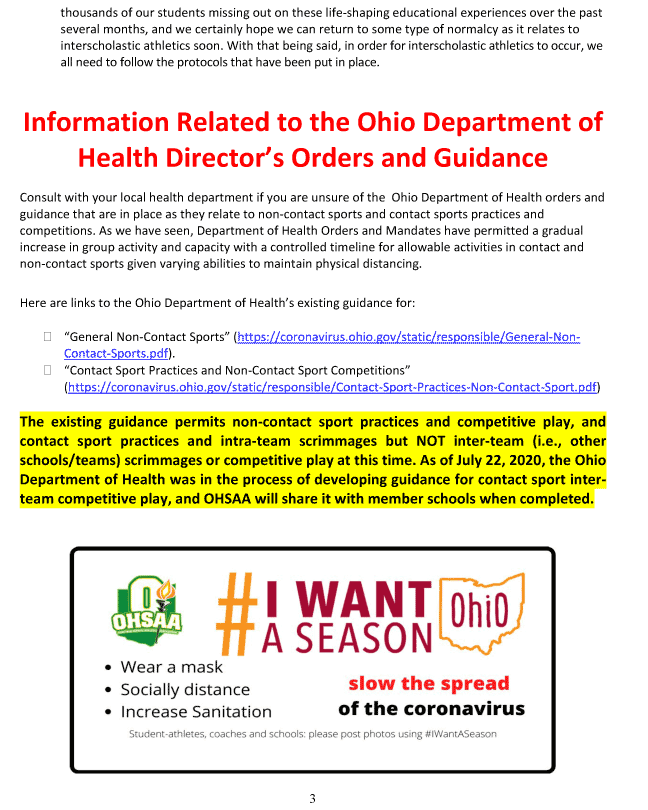
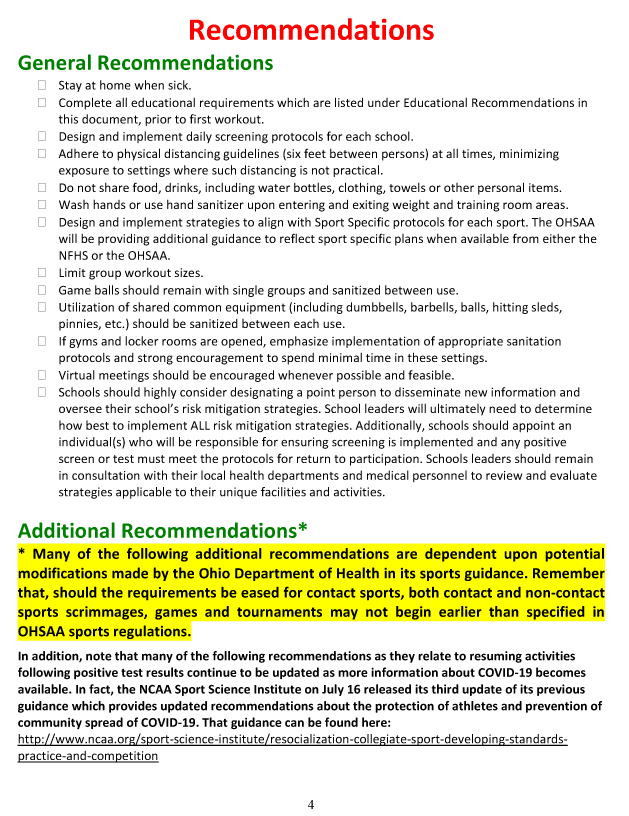
    Loveland, Ohio – The Ohio High School Athletic Association (OHSAA) made another sports announcement on July 22nd giving more specific “Return to Play” guidelines for the sports of cross country, field hockey, football, golf, soccer, and tennis.

    The updated guidelines also included a Student Pledge that all student-athletes are now required to sign before participating in a sport this Fall.

    Below is the OHSAA’s 2020 COVID-19 Individual Sports Recommendations:

    The OHSAA’s Interim Executive Director, Bob Goldring spoke about the updated sport-specific guidelines in the newsletter the OHSAA released on July 22nd.

    “The COVID-19 coronavirus pandemic has presented the OHSAA with a myriad of challenges. The Executive Director’s Office, with support from its Board of Directors and feedback from the Ohio Joint Advisory Committee on Sports Medicine, the National Federation of State High School Associations and the Ohio Department of Health along with support from the Ohio Lt. Governor’s Office, offer a Return to Play document as recommendations on how our member schools can consider approaching the many components of ‘opening up’ sports with the objective of commencing the fall sports seasons on August 1, 2020. The OHSAA fully intends to support its member schools and the student-athletes who desire to compete in interscholastic athletics and will continue to assess all areas as more information becomes available. We encourage you to especially pay attention to the early pages of the document closely since they indicate that many of the recommendations can ONLY be utilized if mandates from the Ohio Department of Health Director’s Order are modified.

    Included below are the updated “Return To Play” recommendations brought to you by the OHSAA.

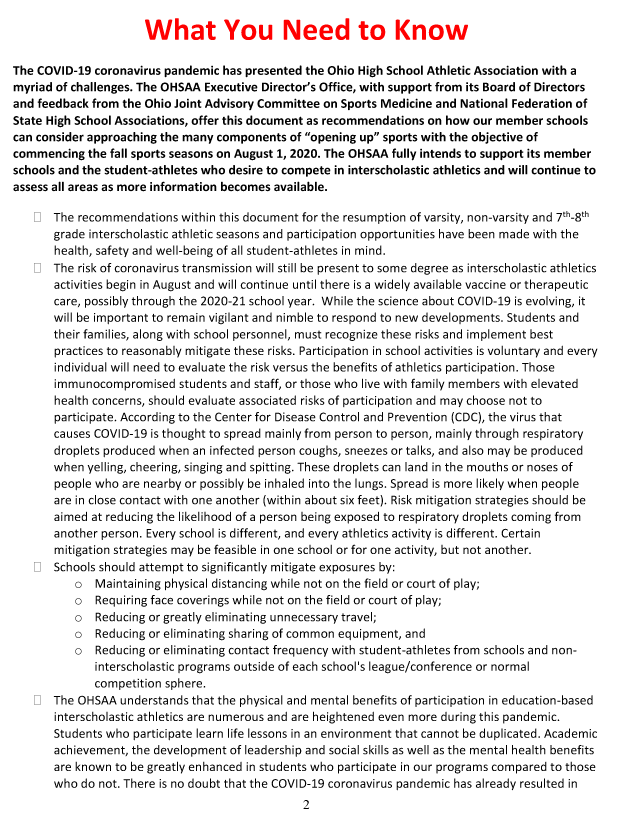
    1. The OHSAA understands that the physical and mental benefits of participation in education-based interscholastic athletics are numerous and are heightened even more during this pandemic. Students who participate learn life lessons in an environment that cannot be duplicated. Academic achievement, the development of leadership, and social skills as well as the mental health benefits are known to be greatly enhanced in students who participate in our programs compared to those who do not. There is no doubt that the COVID-19 coronavirus pandemic has already resulted in thousands of our students missing out on these life-shaping educational experiences over the past several months, and we certainly hope we can return to some type of normalcy as it relates to interscholastic athletics soon. With that being said, in order for interscholastic athletics to occur, we all need to follow the protocols that have been put in place.
    2. The recommendations within the Return to Play document for the resumption of the varsity, non-varsity, and 7th-8th grade interscholastic athletic seasons and participation opportunities have been made with the health, safety, and well-being of all student-athletes in mind.
    3. The risk of coronavirus transmission will still be present to some degree as interscholastic athletics activities begin in August and will continue until there is a widely available vaccine or therapeutic care, possibly through the 2020-21 school year.  While the science about COVID-19 is evolving, it will be important to remain vigilant and nimble to respond to new developments. Students and their families, along with school personnel, must recognize these risks and implement best practices to reasonably mitigate these risks. Participation in school activities is voluntary and every individual will need to evaluate the risk versus the benefits of athletics participation. Those immunocompromised students and staff, or those who live with family members with elevated health concerns, should evaluate associated risks of participation and may choose not to participate. According to the Center for Disease Control and Prevention (CDC), the virus that causes COVID-19 is thought to spread mainly from person to person, mainly through respiratory droplets produced when an infected person coughs, sneezes or talks, and also may be produced when yelling, cheering, singing and spitting. These droplets can land in the mouths or noses of people who are nearby or possibly be inhaled into the lungs. Spread is more likely when people are in close contact with one another (within about six feet). Risk mitigation strategies should be aimed at reducing the likelihood of a person being exposed to respiratory droplets coming from another person. Every school is different, and every athletics activity is different. Certain mitigation strategies may be feasible in one school or for one activity, but not another.
    4. Schools should attempt to significantly mitigate exposures by:
      • Maintaining physical distancing while not on the field or court of play;
      • Requiring face coverings while not on the field or court of play;
      • Reducing or greatly eliminating unnecessary travel;
      • Reducing or eliminating sharing of common equipment, and
      • Reducing or eliminating contact frequency with student-athletes from schools and non-interscholastic programs outside of each school’s league/conference or normal competition sphere.

    As things develop and are consistently adapting to make Ohio High School sports the safest possible during the COVID-19 pandemic Loveland Magazine will continue to bring you the latest local sports updates! We wish all those planning on participating in high school sports this year the best of luck and to please adhere to the safety guidelines so that fans, family, and other students may enjoy watching you compete this year!

  • OHSAA Releases Updated COVID-19 Return to Play Recommendations

    OHSAA Releases Updated COVID-19 Return to Play Recommendations

    by Cassie Mattia

    Loveland, Ohio – Over the last several months’ life as we know it has been changing and evolving, including the lives of the Loveland High School Student-Athletes. Coaches, Parents, and Spectators have been waiting patiently to see if and when the Fall 2020-2021 sports seasons will begin and what the stipulations will be due to the rampant COVID-19 Pandemic.

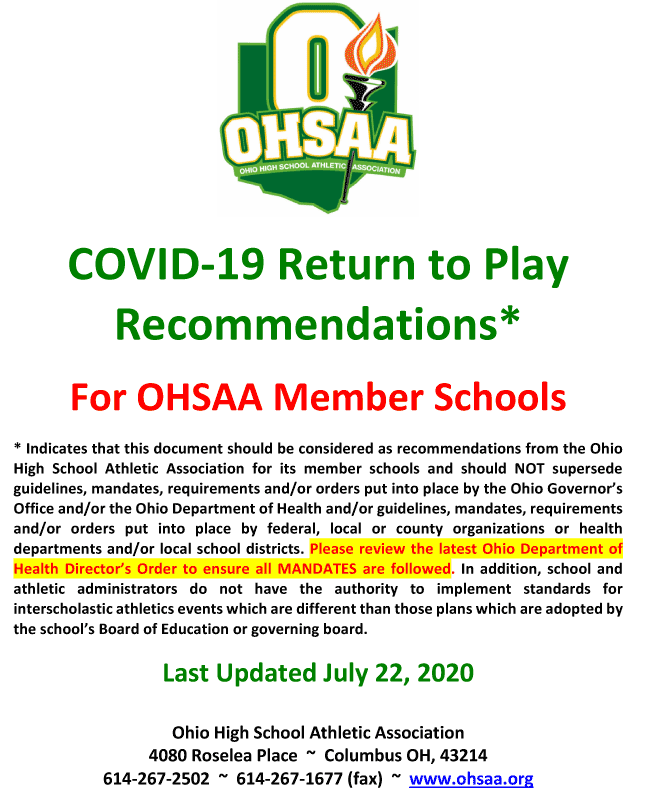
    On Wednesday, July 22nd, Bob Goldring, the Ohio High School Athletic Association’s (OHSAA) Interim Executive Director, issued updated guidelines and “COVID-19 Return to Play Recommendations.”

    In the new guidelines, Goldring and the OHSAA team emphasized that participation in school activities is voluntary. Goldring and the OHSAA team stated that every individual will need to evaluate the risk versus the benefits of athletics participation.

    “Those immunocompromised students and staff, or those who live with family members with elevated health concerns, should evaluate associated risks of participation and may choose not to participate,” OHSAA said.

    The OHSAA Executive Director’s Office, the Office’s Official Board of Directors, the Ohio Joint Advisory Committee on Sports Medicine, and the National Federation of State High School Associations, joined forces to help write an updated “COVID-19 Return to Play” document. The document includes recommendations on how member schools can consider approaching the many components of “opening up” sports with the objective of commencing the fall sports seasons on August 1.

    “The recommendations within this document for the resumption of the varsity, non-varsity and 7th-8th grade interscholastic athletic seasons and participation opportunities have been made with the health, safety, and well-being of all student-athletes in mind,” the OHSAA document said.

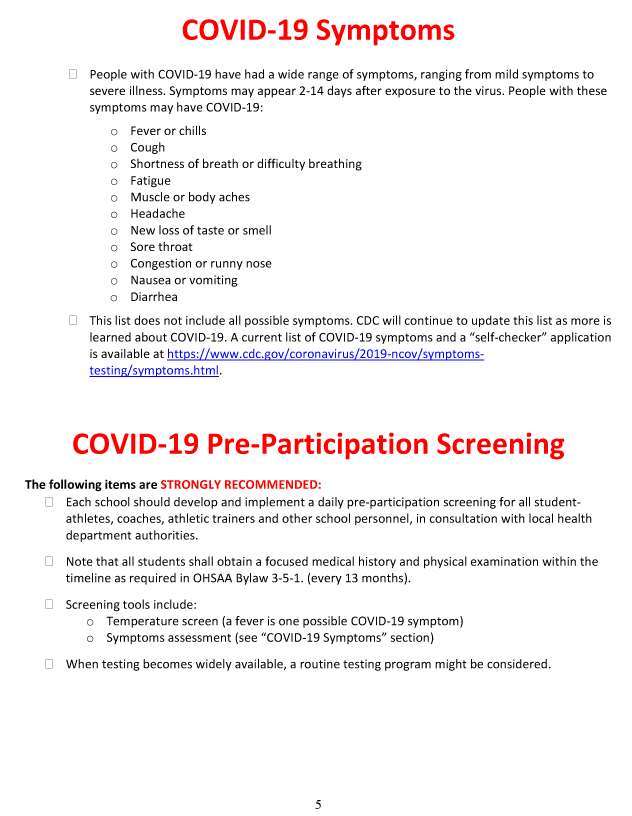
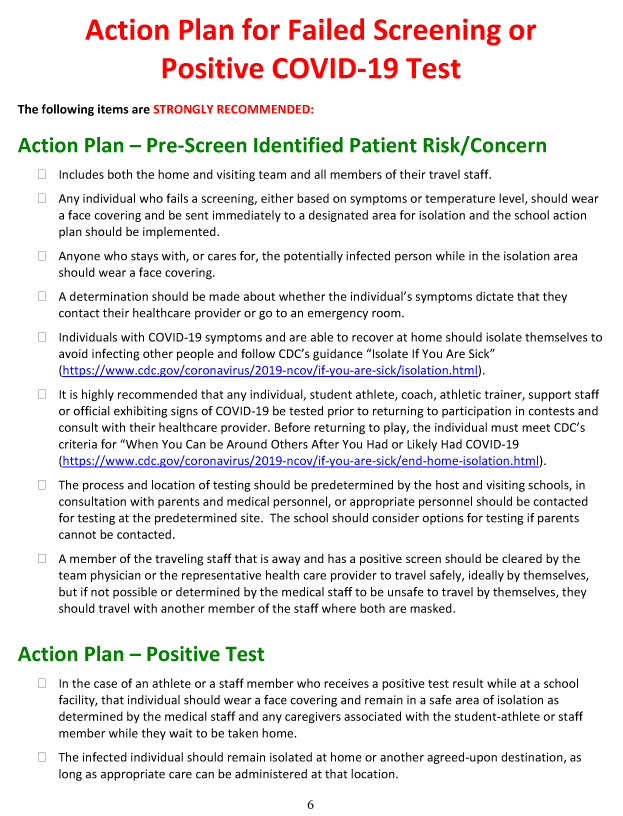
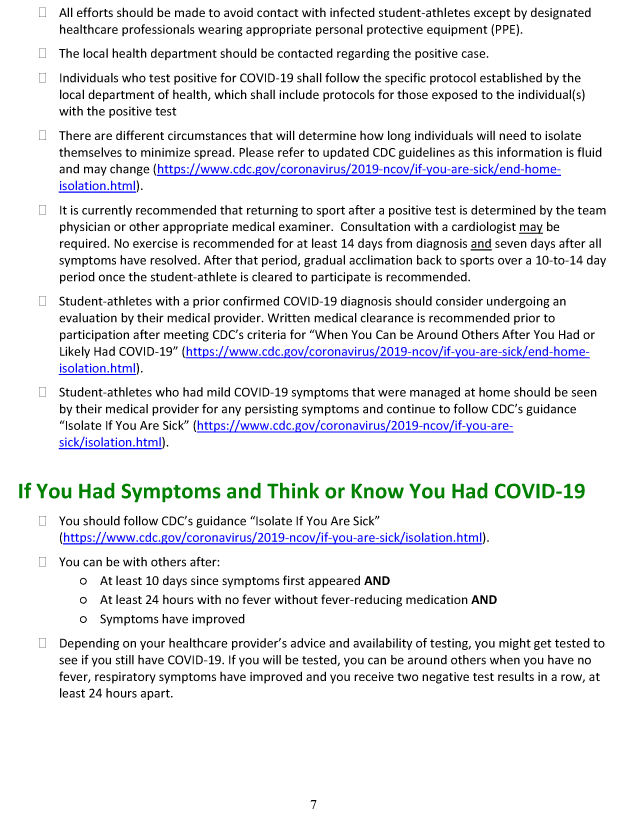
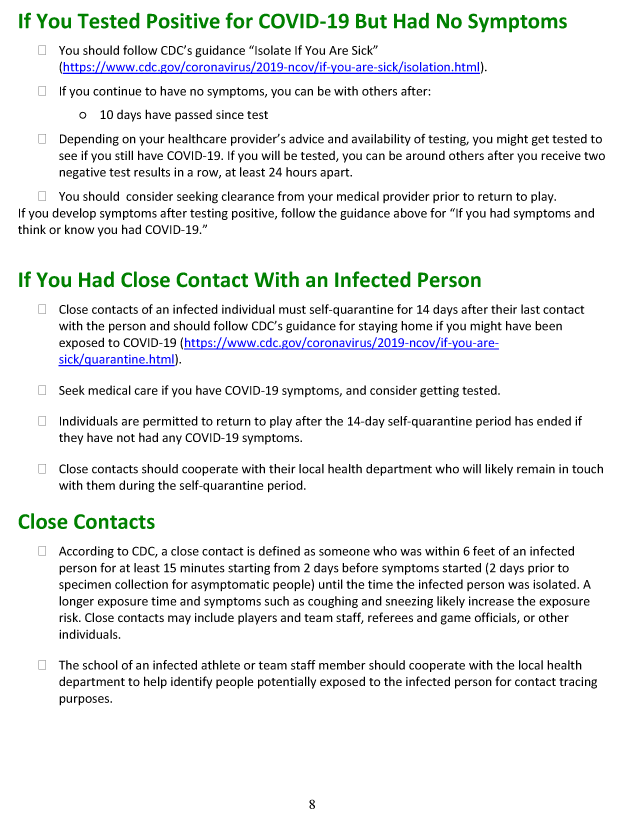
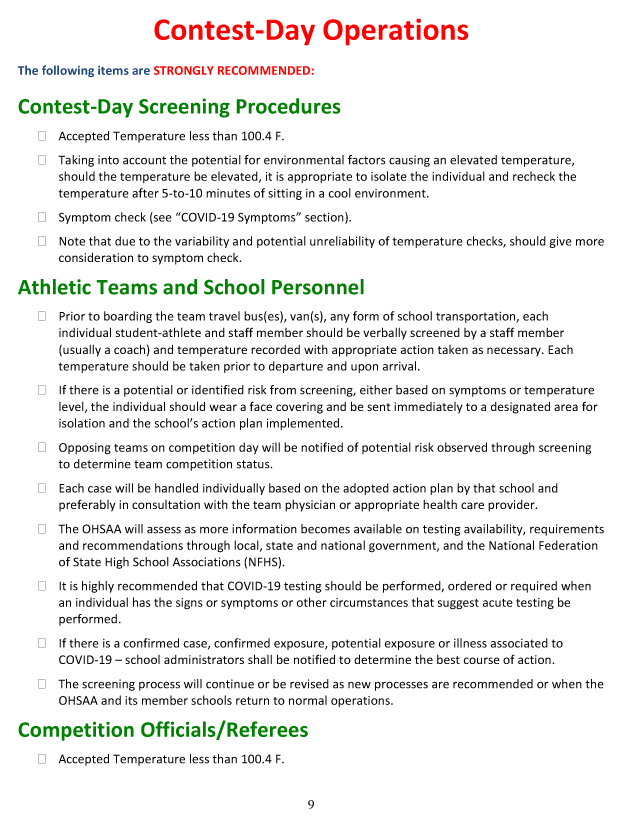
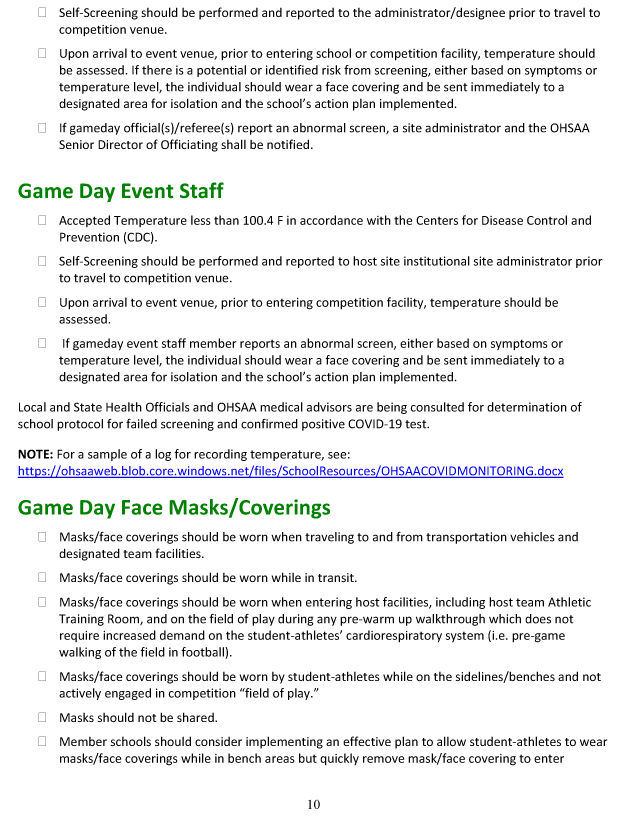
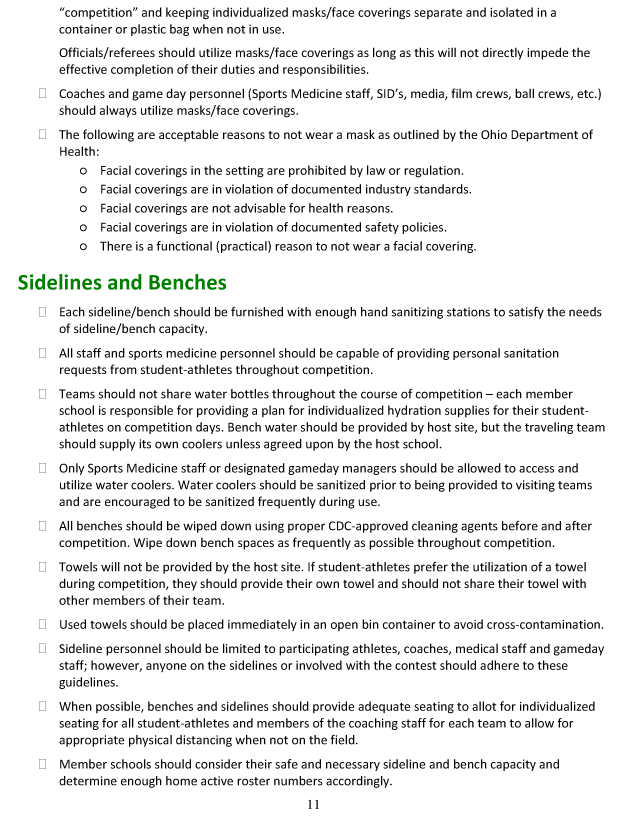
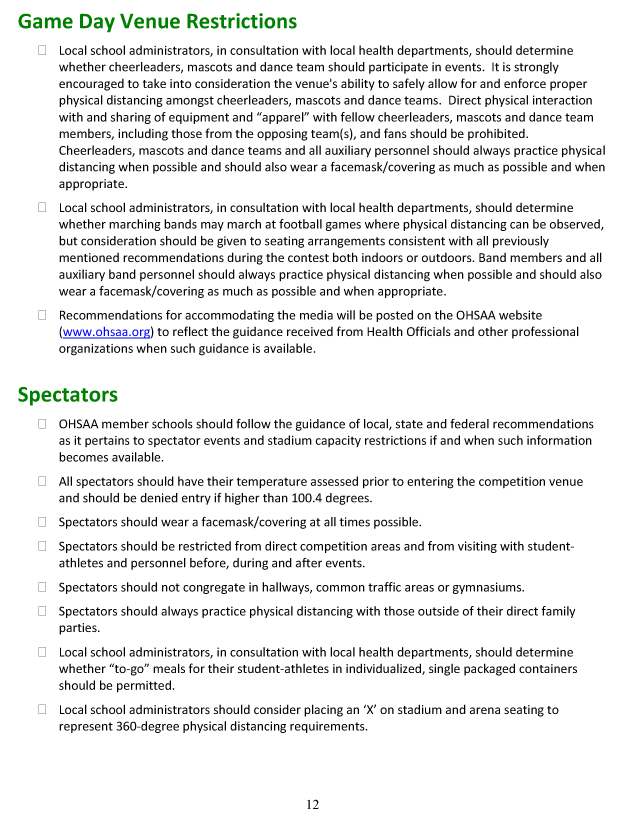
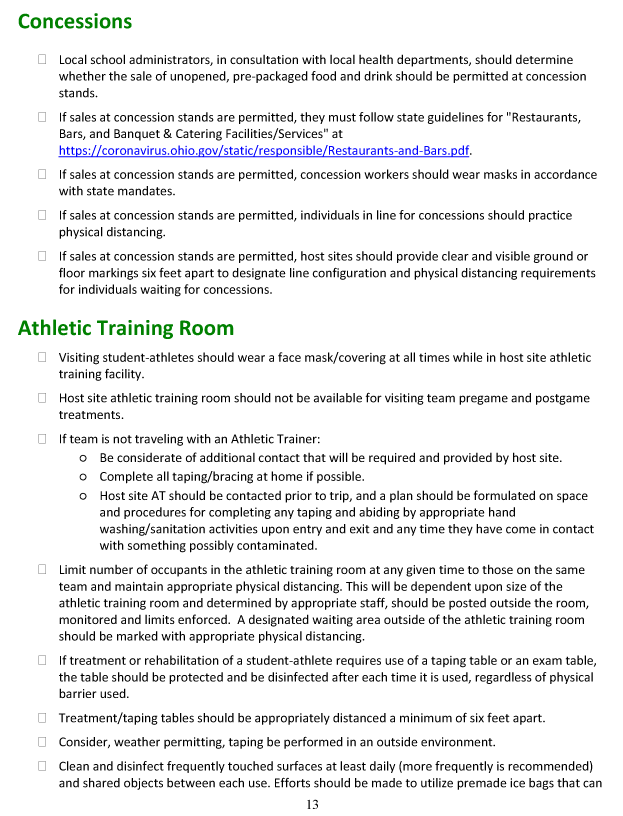
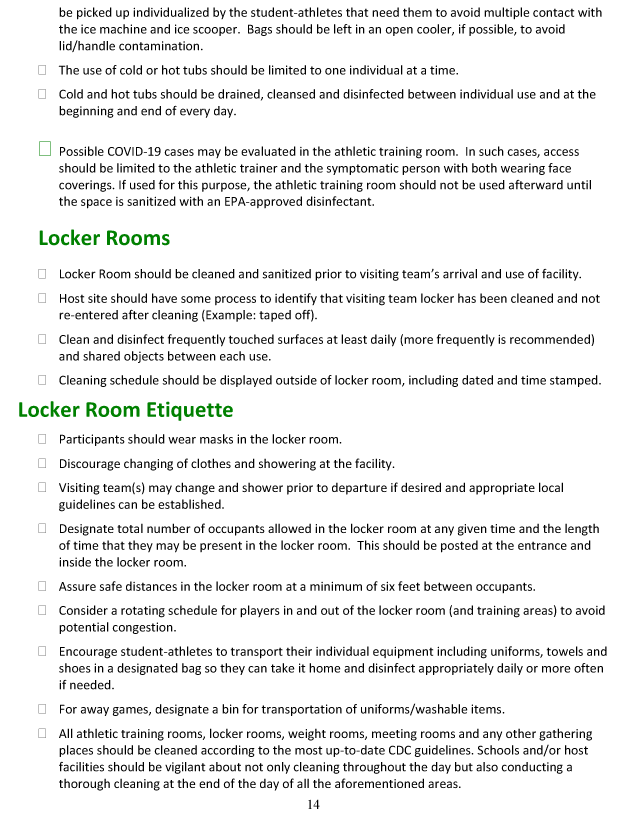
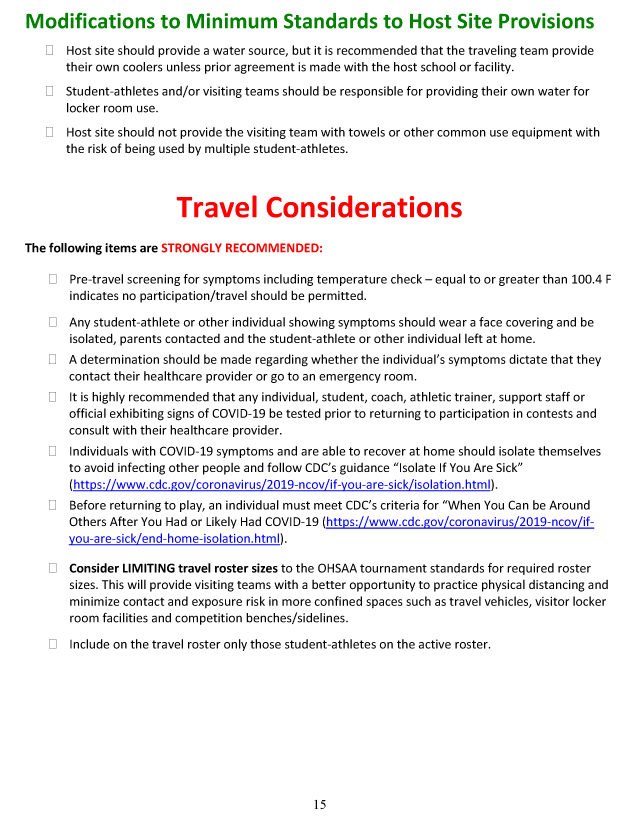
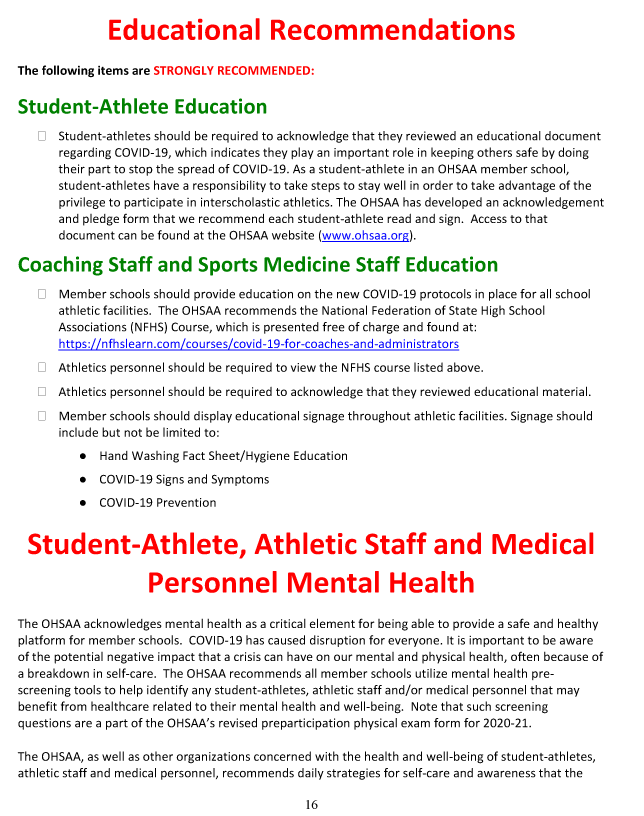
    Below are some of the topics the OHSAA document covers:

    Game Day Face Masks/Coverings

    Sidelines and Benches

    Game Day Venue Restrictions and Spectators

    COVID-19 Pre-Participation Screening

    Failed Screening or Positive COVID-19 Test Action Plan

    Positive Test – Action Plan

    If You Had Close Contact With an Infected Person

    Contest-Day Screening Procedures

    Game Day Event Staff

    Concessions

    Athletic Training Room and Locker Rooms

    Travel Considerations The following items are STRONGLY RECOMMENDED

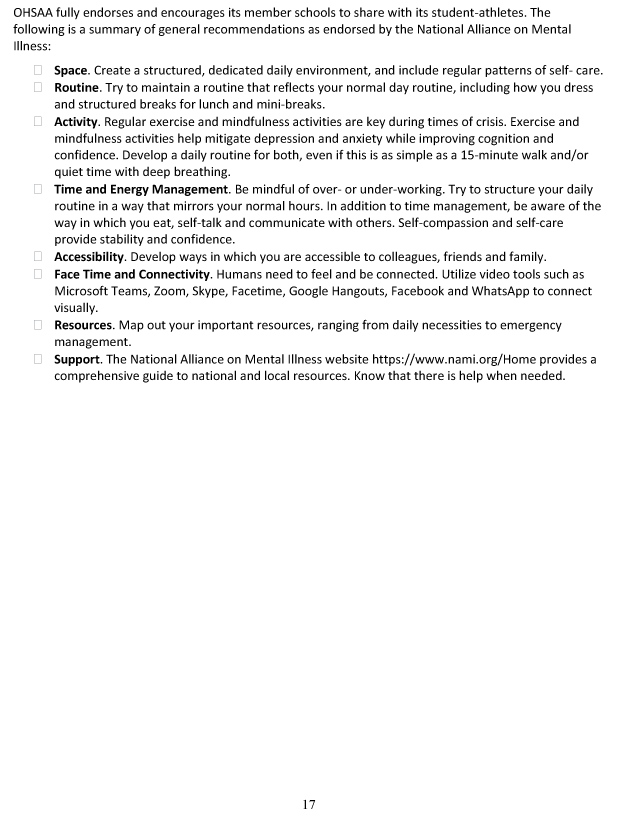
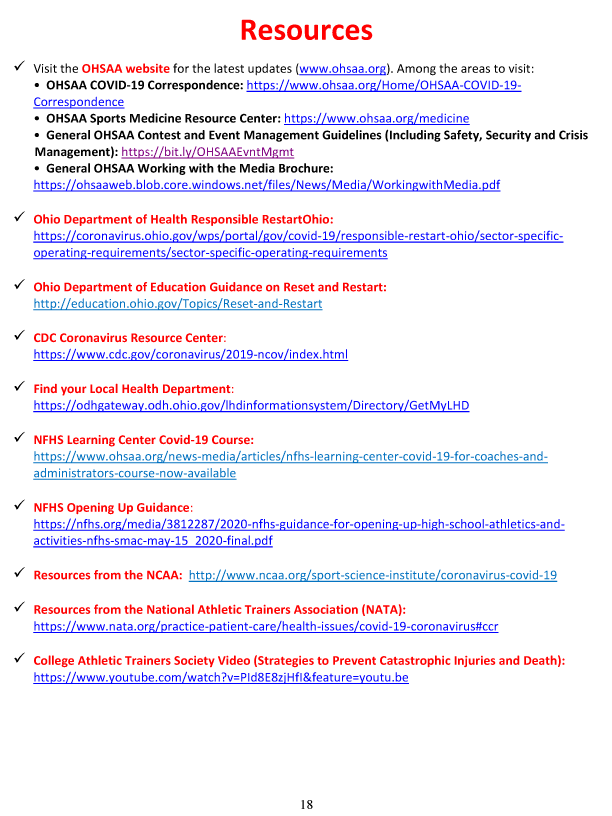
    The following is the complete document from OHSAA stating the “COVID-19 Return to Play Recommendations” that was issued on Wednesday, July 22nd.


    For more of the latest updates on the OHSAA and Loveland High School Sports stay tuned to the Sports 411 With Me, Cassie Mattia!