Author: Guest Column

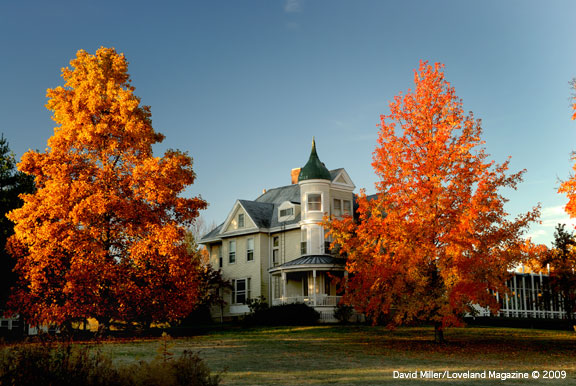
  • At Grailville, the land was the core aspect, fostering renewal of spiritual life and facilitating personal growth

    At Grailville, the land was the core aspect, fostering renewal of spiritual life and facilitating personal growth

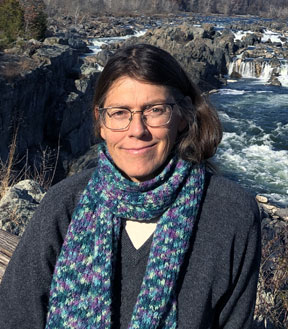
    Karen Arnett is retired and lives in Mt. Healthy. She has been a weather forecaster, freight pilot, environmental advocate, beekeeper and many other things in her 62 years of life.

    by Karen Arnett

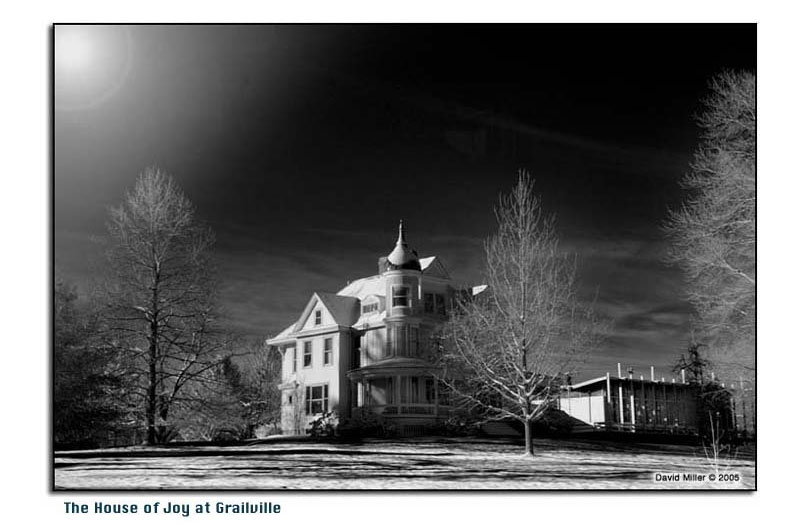
    I lived at Grailville for nearly two years in 1992-93. I quit my job to participate in a residential program there called New Women, New Earth. At the time, I was a freight pilot, shuttling cargo on night runs across the midwest.

    New Women New Earth was life changing for me. A dozen or so women ranging in age from 18 to 65 shared five months of study on core ideas of justice, peace, sustainability, earth-based spirituality. We learned about “community” by living together and sharing meals and morning worship. We worked in the garden and connected with the land. 

    The program introduced us to progressive organizations around Cincinnati: Intercommunity Justice and Peace Center, IMAGO, the Women’s Research and Development Center, the sustainability work of Sr. Paula Gonzalez at Mt. St. Joseph College. 

    I was new to Cincinnati at the time, and this helped me to put down roots and established a network that made me want to call Cincinnati my forever home. 

    I am not a religious person, but the time spent at Grailville was the beginning of a new life for me, one lived with conscience and connection. It cut through the sense of isolation I felt as an occupational transplant to this area. The experience was nothing less than profound for me.

    At the end of the program I arranged to stay on and worked in the farm and garden for the next two growing seasons. We improved the soil using organic methods, and grew excellent food not only for use in the Grailville kitchen but also selling it locally. The land and connection with the 300 plus acres was a major draw. As a lifelong suburbanite, this connection with the land was a real awakening.

    Like me, countless people in Cincinnati and beyond have spent transformative time there in various programs and retreats. I think the land was a big part of what drew people here. Grailville has been a beacon, a respite, an opportunity for stepping outside the regimen of our lives, if only for a few hours, a day, a weekend, a month. So many of us thought it would always be here, as a beacon. The many programs, the Buddhist retreats, the bioregional conferences, the networking around organic farming, the seasonal rituals, the writing programs, the labyrinth…. In all of this, the land was the core aspect, fostering renewal of spiritual life and facilitating personal growth. Where else is it possible to be near our urban center and yet immersed in the peace afforded by so much land, so much of nature?

    It’s clear that a place like Grailville is unique in southwest Ohio. It is an intact farm repurposed from conventional farming for nurturing wholeness of mind, body and spirit. It’s irreplaceable once destroyed. 

    The Drees company will predictably name the new development after some aspect of Grailville, but this treasure will be irrevocably gone. Once the rich soil is bulldozed away, and once the sturdy buildings are demolished, it can never be regained. 

    I am one of innumerable people who are devastated at this looming destruction. I am holding onto a sliver of hope that wise minds will recognize the incalculable treasure that it is, and not allow Drees or any other builder to destroy it for short term gain.
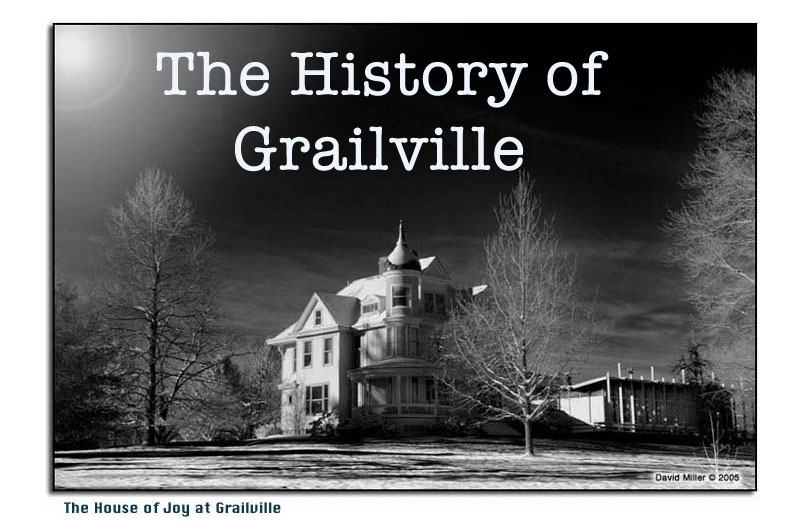
    The Grailville Archive
  • COVID-19 is causing more type 1 diabetes in kids, who will be saddled with high insulin prices

    COVID-19 is causing more type 1 diabetes in kids, who will be saddled with high insulin prices

    Commentary

    by Jennifer Schuerman – Ohio Capital Journal

    As nurses, my husband and I witnessed truly awful and devastating things treating patients on the frontlines of this pandemic. Hundreds of thousands of Americans have died, while the millions who survived, now faced with disability, are left to grapple with the harsh realities of long COVID-19.

    Among those millions of people living with long-term health impacts is our son Carter.

    Four days before the COVID-19 vaccine was available for kids under 12, my 11-year-old son Carter tested positive for COVID-19. He had the common symptoms for the first few days, but as those subsided, I began noticing new ones like extreme thirst and frequent urination. In my gut, I knew it was diabetes. And sure enough, a mother always knows: Twelve days after his COVID-positive test, Carter was officially diagnosed with Type 1 diabetes.

    In less than a month, everything about our lives changed. We don’t have any family history of any type of diabetes, so Carter’s diagnosis came out of nowhere, and we were not prepared. Our days now revolve around his blood sugar levels. Meal times are planned around insulin doses, mornings and evenings have a new medicine routine. Even as nurses, my husband and I could have never anticipated the severity of impact this diagnosis would have on our family.

    I hear fellow nurses say there are more kids coming into the hospital and leaving with a diabetes diagnosis. Many of the newly diagnosed diabetics often had a recent COVID-19 infection. When a recent CDC report found children under 18 infected with COVID-19 are 2.66 times more likely to develop diabetes, it only confirmed the trend I witnessed in my hospital.

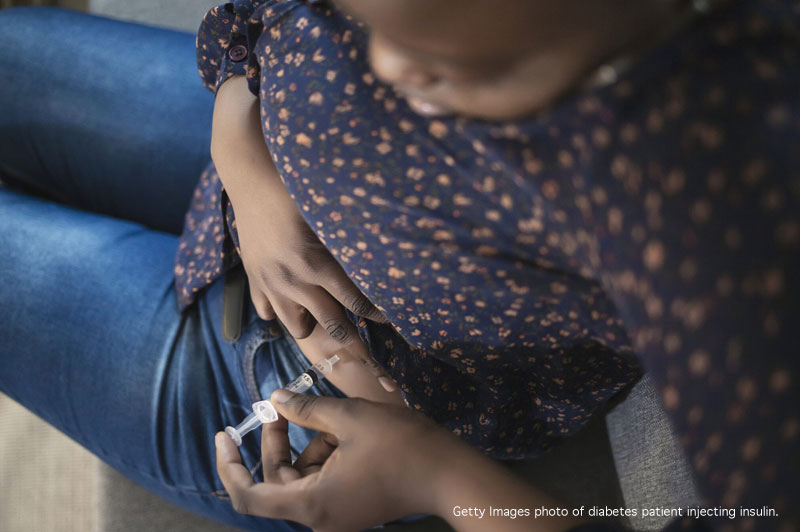
    Carter was prescribed two different kinds of insulin, Humalog and Basaglar. Only a couple months into his treatment, our insurance decided it would no longer cover Humalog beginning in January of this year. We had just enough to last us through March. We cannot afford the out-of-pocket costs to keep Carter on the same kind of insulin, so we will need to switch him to a new kind of insulin before his body has even adapted to the current regimen.

    We lose sight of the human cost when we ignore insulin price gouging. At the end of the day, we are putting a price on human life — on a child’s life.

    I realize we are extremely lucky to have health insurance that keeps insulin costs manageable for our family. Since becoming part of the diabetes community, I’ve learned how rare it is to have sufficient insurance coverage and be able to afford insulin at all. As I read the heart-breaking posts from parents pleading for insulin donations in online communities, I think about how one unfortunate diagnosis can send a family to economic ruin through no fault of their own.

    So, when the House passed the Affordable Insulin Now Act last week, I felt like Congress finally listened to the pleas of Americans with diabetes. The bill will cap insulin copays at $35 a month — reducing insulin costs by hundreds each year. In America, around 1 in 4 diabetics have rationed their insulin due to high costs. With nearly 60% of Americans under 17 having been infected with COVID-19, some of them may develop type 1 diabetes. It is more important than ever to do something about insulin prices.

    By lowering the price of insulin and passing other federal prescription drug reforms, we can help existing diabetics and prevent newly diagnosed diabetics, especially kids, from being forced to ration life-saving medication.

    I couldn’t imagine going through this emotional journey with the added stress of not being able to afford the one thing you need to keep your child alive. Type 1 diabetes is a lifelong condition; my son will never escape this. It’s not his fault he caught COVID-19. It’s not his fault that COVID-19 may have caused his diabetes. But he will be forever burdened by the price of insulin.

    We are fortunate to be able to afford Carter’s insulin and supplies. But what about the families who aren’t so lucky? What happens to all of the kids who will eventually age off of their parents’ insurance, and their plans barely cover insulin? We lose sight of the human cost when we ignore insulin price gouging. At the end of the day, we are putting a price on human life — on a child’s life.

    I would do whatever I could to get my child what he needs. I would give up my house, I would give up everything to keep him alive. I don’t know any parent who wouldn’t do the same. Our leaders in Congress must do everything they can, so people with diabetes and their caretakers aren’t left with such impossible choices. Now, it’s up to our representatives in the Senate to stand with parents like me and stop hiding behind the donations of pharmaceutical companies.

    This commentary was first published in the Arizona Mirror.

  • Ohio HB 616: This type of legislation and mentality must be met head-on and forcefully resisted and debunked

    Ohio HB 616: This type of legislation and mentality must be met head-on and forcefully resisted and debunked

    Aaron West

    by Aaron West

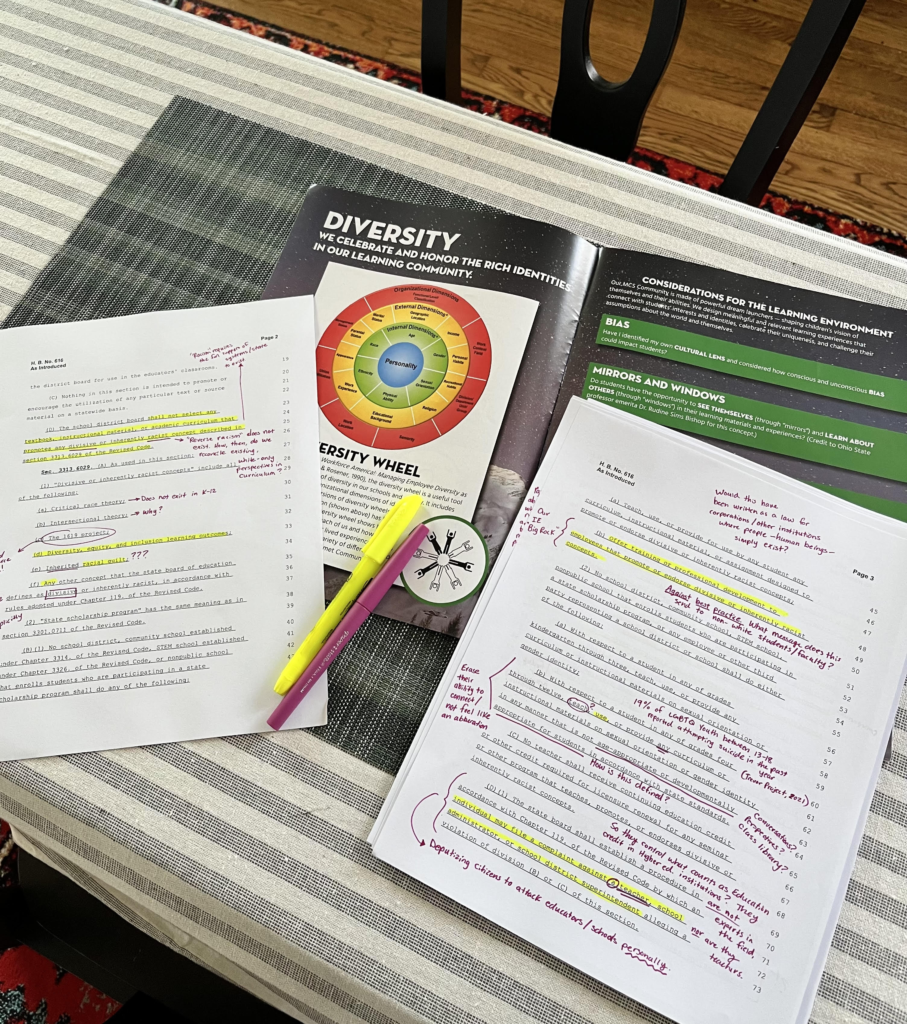
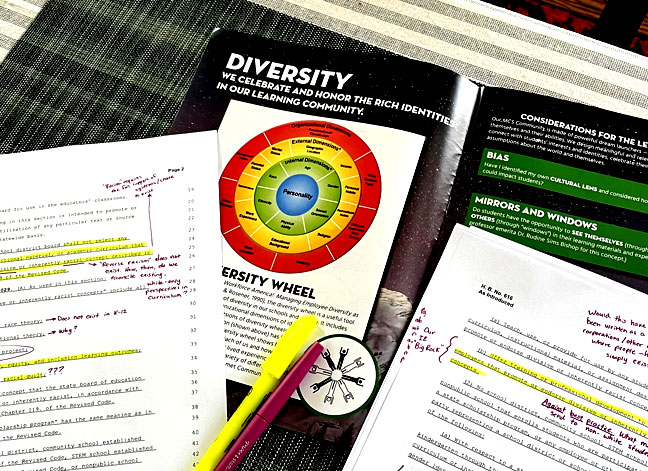
    At the beginning of each school year, I teach my students how to annotate. I want them to pay close attention to what they read, and I encourage them to ask questions about it. Today, I had to practice what I teach. I grabbed a highlighter and every teacher’s friend (a felt-tipped pen) all because of one proposed bill: Ohio HB 616.

    If you aren’t familiar, this bill copies and pastes direct lines from both Florida’s recently-passed ‘Don’t Say Gay’ bill and a litany of other bills passed by certain legislatures attacking Critical Race Theory (which doesn’t exist in K-12 classrooms), “divisive” concepts, and anything that might make anyone feel “guilty.” 

    I have read all 18 pages of this bill and placed here for you two particular ones next to an open copy of my district’s Inclusion guide. I want to show you, firsthand, just how antithetical this is to the field of education. Culturally-responsive education that acknowledges students’ identities is best practice—and we will be at risk of losing our licenses and funding for it should this bill—or any similar form of it—pass. We will be targeted and discharged for doing what is actually right by the professional standards in our field.

    We will be targeted and discharged for doing what is actually right by the professional standards in our field.

    In this bill, you’ll find vague language that isn’t defined; the enabling of any citizen to personally report teachers, administrators, and superintendents for discipline; the threat of punishment for including diversity/equity/inclusion training for staff or students; and consequences for using any curriculum (including my own classroom library) that includes any “divisive” or “racist” (here meaning “non-white”) perspectives or concepts.

    Most personal to me, this bill needlessly includes language whose intention is to further alienate and marginalize LGBTQ+ youth. For the first twenty-six years of my life, I was afraid to admit that I was gay. Had my experience in school (and elsewhere) been different, more representative, that may have been different. I may have been healthier and felt like there was a place for me, my identity—as I was.

    I don’t know if this bill will make it through a committee or whether it will ultimately be passed, but here’s what I do know.

    • 19% of LGBTQ+ youth ages 13-18 reported attempting suicide at least once in 2021 (The Trevor Project)

    • Some form of this bill, and more of the like, will continue to crop up—in Ohio and elsewhere across the U.S.

    • This type of legislation, and really, these mentalities, must be met head-on and forcefully resisted and debunked.

    • We must continue to vote en masse. In every election—locally and otherwise. Vote for people who will not make a culture war of the most vulnerable lived experiences. Vote for your teachers, your medical professionals, your neighbors who are Black or gay or some other “divisive” subset. Inclusion at the elected level is an antidote to the misguided assumption that this is desirable or even acceptable to most.

    • It’s important to remember that one of the noblest goals of quality public education is to make space for all; it is about more seats at the proverbial table. This bill seeks to send a chilling reminder that—still, in 2022—so many must raise their voices as though to ask permission to simply exist or belong.

    If you live in Ohio, you can make your voice heard on this bill by contacting the following:

    House Speaker Robert Cupp (R): (614) 466-9624

    Caucus Minority Leader Allison Russo (D): (614) 466-8012

    Other Ohio House Representatives

    Rep. Jean Schmidt (R-Loveland) Co-introduced HB 616 with Rep. Mike Loychik

    Rep. Mike Loychik (R-Bazetta) Co-introduced HB 616 with Rep. Jean Schmidt

  • LIFE Food Pantry has expanded their “Financial Assistance” program

    LIFE Food Pantry has expanded their “Financial Assistance” program

    LIFE is a faith and community supported organization that provides food, financial assistance, and programs to those experiencing hardship.

    by Linda Bergholz

    Linda Bergholz

    As we approach the end of winter (fingers crossed, no more snow dances!) we want to thank our supporters who got us through the post-holiday season.

    So many exciting things are happening at the LIFE Pantry. We have a new delivery ramp in the back, a scholarship program ready to launch, and we are looking to expand our Financial Assistance program. To that end, did you know that we have a Financial Assistance program?  Most likely not, as the vision most have is “Oh, they do food” – which we do well, but food insecurity is just one part of the bigger picture for our families. The domino effect of “my car broke down so I lost my job so I can’t pay my rent and I have an eviction notice” is devastating for these families. We offer financial assistance for rent, utilities, medical bills, and various other needs that are considered on an individual basis. The piece we are planning to add is for auto related needs such as car repair, new tires, license plates, gas cards. It’s vital to help:  if our clients can’t get to work, they don’t earn a paycheck, they can’t pay the bills. It’s a crucial part of independence for our families and a piece toward breaking that cycle of poverty.

    Looking toward spring, we will be launching our annual Feed the Hungry campaign, LIFEsavers.  We are thankful for our current monthly subscribers who allow us to better plan for expenses. The event will run April 18th through May 21st.  Look for our signs around town, and updates on our website and Facebook page. Please consider donating, either one time or continuing support. No amount is too small – even $5 a month provides a Tiger Weekend Food Bag for one of our little folks!

    Blessings abound and you, our supporters, are a huge part of those blessings. Stop in and see what we do – then sign up to donate, volunteer, and spread the word!

    Sincerely,

    Linda Bergholz,

    Executive Director
    LIFE Food Pantry

  • GOP believes John Wilkes Booth was participating in “legitimate political discourse”?

    GOP believes John Wilkes Booth was participating in “legitimate political discourse”?

    by Mark P. Painter

    As of February 2022, it is now official and incontrovertible: the Republican Party is the party of sedition.

    The official governing board, the Republican National Committee declared that January 6, 2021, rioters who attacked the Capitol were “ordinary citizens engaged in legitimate political discourse.”  So the rebels and thugs breaking into our Capitol, by hitting, choking, and smashing police officers in the head with fire extinguishers, shouting “Hang Mike Pence,” were engaging in the same activities as a high-school debate club.

    These “ordinary citizens” had just been whipped into insurrection by the Big Lie—by Donald Trump, the execrable Jim Jordan, and others who wanted the mob to forcibly stop congress from doing its duty to certify the results of an election that Trump’s own Department of Homeland Security called “the most secure in American history.” 

    We have since learned that the insurrection was planned.  Not a “demonstration” that went too far, but an attempted coup. The plan was to intimidate Mike Pence to refuse to certify the duly elected electors, have the Republican House pick bogus electors from states that voted for Biden, and keep Trump in office.  

    Fortunately, this scheme was devised by idiots like Rudy Giuliani, Jim Jordan, and Sidney Powell.

    But even that brain trust came closer than it should have.  Mike Pence, knowing that he had no power to do what Trump insisted, held firm.  After four years of groveling at Trump’s feet, treason was a bridge too far—he followed the law.  But later in the day, the sedition caucus of 147 Republicans in Congress, sadly including our own Steve Chabot, voted to overturn a free and fair election.

    Most sane Republicans were shocked.  

    But in the year since the insurrection, when even more proof of the plot has come out, the Republican leadership has continued to insist, against all evidence, that the 2020 election was stolen—Big Lie One. 

    Now we have Big Lie Two—that the rioters’ coup attempt was just a bunch of Rotarians visiting the Capitol.

    Surely, most Republican office holders are not so stupid as to believe either lie themselves.  But they still parrot it to the gullible.  Because these people know better, they are both liars and hypocrites.  

    The GOP I proudly was a part of for over four decades has become not the party of Lincoln, freedom and civil rights—but of voter suppression and outright racism; not of Teddy Roosevelt, national parks and trustbusting—but of slashing taxes on billionaires; not of William Howard Taft, Robert A. Taft, and principled conservatism—but of worship of an authoritarian sociopath of no beliefs except in his own rantings of the day; not of Dwight Eisenhower, Stan Aronoff, John Rhodes, and effective bipartisanship—but of hate and disruption; and the party of sane and measured foreign policy has become I know not what.  

    Until about last week, some of us thought that possibly, just possibly, the GOP could be saved.  Perhaps when Trump and his ilk were gone, sanity could be restored.  But when Mitch McConnell said of the GOP Big Lies, “We saw it happen. It was a violent insurrection for the purpose of trying to prevent the peaceful transfer of power after a legitimately certified election, from one administration to the next. That’s what it was,” he was not praised and honored for defending truth.  He was excoriated by most other Republicans for contradicting the Big Lies.

    If there was a time when the GOP breathed its last dying breath, this was it.  The Republican Party became the Big Lies Sedition Party, mandating that its members believe the obvious lies.  (I would term it Treason Party, meaning the common definition, but someone will counter that the Constitution has a specific definition.) 

    There is no hope for resurrection.  Everyone associated with the present GOP who has supported what the party has become must be driven from office.  A new party must be formed, based on some of principles above.  Trump may comment from prison for countless felonies.

    GOP delenda est.  What’s to be done with the ashes I must leave to others.

  • Ohio State Leaders Must Allow Voter Education Collaboration

    Ohio State Leaders Must Allow Voter Education Collaboration

    CLEVELAND — In response to the Ohio Supreme Court’s rejection of the third proposed state map due to partisan gerrymandering, All Voting is Local Ohio State Director Kayla Griffin released the following statement: 

    Background: At the moment, state and local officials are preparing for a May 3 primary. On its face, Revised Code § 3501.054, known as the collaboration ban, purports to bar any public official responsible for administering or conducting an election from collaborating with any nongovernmental entity on activities related to voter registration, education, poll worker recruitment, or similar election-related activities.

    As there are no solidified maps at this time, elections officials are facing uncertainty while preparing for the upcoming primary, which is leaving voters in limbo. We are urging Senate President Matt Huffman and the Ohio Senate to allow elections officials and community groups to collaborate on voter education by repealing the collaboration ban immediately. Election officials and nongovernmental entities must not be held back from working together to mitigate the impact upon voters brought on due to the delay in finalizing congressional and state maps.  

    Voters all across the state could face last-minute poll consolidations, changes, and/or closures. As districts change, they will have little, if any, time to figure out what candidates are on the ballot. Our leaders and elections officials must allow for an all-hands-on-deck approach for accurate and fair preparation. This will only be possible if elections officials and community groups — including faith, service, and civic groups — are allowed to work together towards educating voters on last-minute changes and keeping voters up to date on information they may need to ensure they can accurately and fairly cast their ballot. 

  • Commentary by Rob Moore: Making it harder to be a substitute teacher might not do what you think

    Commentary by Rob Moore: Making it harder to be a substitute teacher might not do what you think

    COMMENTARY

    by Rob Moore

    On Monday, Representatives Adam Bird and Don Jones introduced Ohio House Bill 583, legislation to tighten regulations on educator licensing for substitute teachers. The bill increases the educational threshold for substitute teachers from a more broad requirement of a “post-secondary” degree to a more specific “bachelor’s” degree while creating some exceptions to this rule.

    The exceptions the bill puts forth are mainly age-related: allowing people with associate’s degrees and at least 21 years since birth to be a long-term substitute teacher, allowing people who served in the military and who have elapsed 21 years since birth to be a long-term substitute teacher, allowing people with sufficient bachelor’s degree coursework and who have spent 21 years on earth to be a substitute teacher. The bill also allows people who have spent five years as an educational assistant to be a long-term substitute.

    The bill also authorizes the state board of education to create rules for issuing educator licenses for people who do not hold bachelor’s degrees that can be used for a year.

    While the section that allows the state board of education to set rules for temporary licenses could result in a loosening of licensing requirements, overall the bill represents a tightening of licensing requirements for substitute teachers. Rather than just requiring a post-secondary degree, which could include associate’s or other non-bachelor’s degrees, the new bill raises the requirement for substitute teacher licensure to those who hold bachelor’s degrees then carves out specific exceptions for people without bachelor’s degrees.

    Increasing requirements for substitute licensure could have a few different impacts. The central goal is likely to improve quality of education provided by substitute teachers. Presumably, someone with a bachelor’s degree can provide better quality education than someone without one, with obvious exceptions, for example people without bachelor’s degrees who are trained in education compared to people with bachelor’s degrees in other fields. 

    Unfortunately, little evidence exists to confirm to us that degree attainment will lead to better teachers. While there is limited evidence that having a math or science degree may help with math or science teaching, degree attainment overall has not been definitively linked to better outcomes for students. If we can’t find this evidence for teachers, we should be even more dubious about a supposed connection between degree attainment and student outcomes for substitute teachers.

    On top of this, the bill will likely have labor market impacts for educators. Tightening requirements for substitute teachers will decrease the supply of qualified substitute teachers, which will drive up the wage needed to attract them as schools vie for a shrinking pool of substitutes. This effect could be stronger than it would be for teachers since substitutes are often actively considering competing offers from different schools, thus making their options more competitive than teachers.

    On top of this, making it harder to hire substitutes could create perverse incentives for schools. If substitute teachers are more scarce or expensive, it could cause administrators to limit the ability of teachers to take sick days or otherwise take time off.

    While raising the bar for substitute teachers makes intuitive sense, interventions like this need to be based on evidence, and the evidence of the impact of degree attainment on substitute teachers is basically nonexistent. We can hope that if substitute teachers are required to have higher educational attainment than before, that we would at least build in funds to assess the intervention after it is implemented.

  • An open letter to City Hall by the Mullins: Grailville decision will be a litmus test for council members

    An open letter to City Hall by the Mullins: Grailville decision will be a litmus test for council members

    My name is Jeff Mullins, my wife Nicole and I chose to buy a home in Loveland and raise our family here over 18 years ago. We chose Loveland because of its charm and quality of life.

    I was hoping you could share with me your thinking on the Grailville property. It is my understanding, the city has annexed the property for low-density residential with houses on one-acre plots. It is also my understanding, that barely two weeks later you are now considering a Special Planning District proposal from Drees to scrap the low-density requirement used to justify the annexation. Is this true? If so, I hope you can understand how bad this looks on many levels.

    Green spaces near city centers are vanishing at a rapid pace across this country. The communities that value green spaces and protect them, preserve the quality of life for all residents. As a result of this quality of life, property values increase and the community thrives. Communities that choose Quantity over Quality become cheapened versions of themselves and lose the charm that made them desirable in the first place.

    In my opinion, Council has already blown it, by annexing the property. Once this green space is gone, it is gone FOREVER. There is no getting it back. To make a bad decision worse by increasing density allowances after that fact, would be downright unforgivable. The council would be choosing Quantity over Quality. I don’t need to tell you how increasing density and traffic so close to downtown would be detrimental to the quality of life for all residents of Loveland. How does 209 cookie-cutter homes crammed into another sprawling development improve quality of life or protect the charm of Loveland? It doesn’t.

    This vote will be a litmus test for all council members who have a vote. Who is the council representing? Are they representing the financial interests of an out-of-state home builder or are they representing and protecting the quality of life of the residents of Loveland? It couldn’t be clearer.

    The result of this decision will have long-lasting effects on the quality of life in the City of Loveland. We are watching closely, please choose Quality over Quantity.

    Respectfully,

    Jeff and Nicole Mullins

  • [w/Loveland Rally Video] Guest Column by Bob Rutter: “Please pray for the free people in Ukraine.”

    [w/Loveland Rally Video] Guest Column by Bob Rutter: “Please pray for the free people in Ukraine.”

    Bob Rutter is a resident of Miami Township just on the outskirts of Loveland.

    by Bob Rutter

    Over 150 men, women and children rallied on Friday February 25 at Home of the Brave Park in Symmes Township in support of a free Ukraine to protest the on-going armed seizure of that democratic nation by Russia’s Vladimir Putin’s armed forces. 

    The majority were American citizens from Ukraine, Russia and surrounding Eastern European countries. They hoped to draw peaceful attention to the plight of a free people facing the horrors of modern warfare.  

    Russian President Vladimir Putin’s motives are attributed to varied goals ranging from a grab for control of petroleum pipelines transiting Ukraine, gaining Russian access to the Black Sea, preventing Ukraine’s entry into NATO and most importantly, stitching together part of the old USSR to create his new vision of Russia. 

    It was sad to hear reported in the news that we are  helping foot the bill permitting Putin’s adventurism to the tune of around $10 Billion a year by buying Russian oil, since we are no longer energy independent. 

    When the United States is weak as a leader in the world, bad actors fill the void with the aspirations of world dominance. Watching eagerly is China’s Xi Jinping and his hunger for control of Taiwan, the Irian Mullahs’ quest for nuclear weapons and dominance in the Middle East and North Korean Supreme Leader Kim Jong-un’s continuing tyrannical dominance over his country’s enslaved population.

    The Tri-State connection;  when you kiss your kids goodnight and snuggle into bed, please pray for the free people in Ukraine who are men, women and children like you, except their hopes are only to live another day and experience the same freedoms you enjoy.

    This LOVELAND MAGAZINE TV video was provided by Bob Rutter.

  • Open letter to Loveland City Hall about proposed parking garage from Citizens for Rights of the Ohio River Watershed

    Open letter to Loveland City Hall about proposed parking garage from Citizens for Rights of the Ohio River Watershed

    Dear Loveland City Council Members,

     Citizens for Rights of the Ohio River Watershed (CROW) is an organization that advocates for rights of communities dwelling within the watershed to protect the health, biodiversity, and safety of the Ohio River Watershed ecosystem. Government permits that put the fragile balance of this ecosystem at risk not only affect the functioning of the watershed as a living system, they deprive local communities from exercising their democratic rights to protect their own health and safety.  

    CROW joins the Sierra Club Miami Group in urging Loveland City Council to hold a public hearing before Loveland City Council takes a vote on the proposed downtown parking garage. Addressing the parking situation in Loveland should rightfully include all stakeholders in the discussion. 

    Some questions to consider:

    1. The Little Miami State Park, located within the beautiful and historic Little Miami River valley, has been designated as a federal and state scenic river. It is protected because of its high water quality, panoramic setting, and the many historic sites that can be found along its banks. In accordance with the provisions of chapter 1547 of the Ohio Revised Code, the Miami Valley Scenic Park has an Advisory Council representing local interests. Has this Advisory Council been consulted about the ecological viability of this proposed structure? 

    2. The Little Miami River traverses an ecologically vulnerable flood plain. Trail volunteers report the never-ending battle of keeping the trail free of conditions that cause flooding on parts of the trail-clogged culverts, erosion caused by bridge embankments, and other obstacles that interrupt the flow of water away from the trail surface. Even a few inches of rainfall can cause permanent flood damage. With the ground’s inability to absorb or impede the flow of water, the consequences can be disastrous. We can further expect Increased microbursts and flooding due to climate change. If you have done a geotechnical survey to study the subsurface conditions of the soil, was this survey conducted before or after a rainfall? Has a thorough environmental impact study been done? How many trees will need to be cut down to make room for this structure? Trees increase the permeability of the forest soils, preventing erosion and flooding. Other potential environmental impacts: Contamination due to increased particulate matter, increased noise pollution in Loveland, the potential increase in stormwater runoff from asphalt surfaces and bulldozed ground, and the laying down of detention basins, new water and sewer lines.

    3. If we really need a parking lot for bikers, have alternative proposals for downtown parking been considered? Since the garage would be 100 feet from the Little Miami River bike trail, presenting a potential environmental risk, why not locate the parking garage 1000 feet away from the flood plain? Bikers are fit enough to drop their bikes at the trail head and park their cars 1000 feet away. 

    The Citizens for Rights of the Ohio River Watershed (CROW) appreciate your consideration of our concerns, our questions, and our request. 

    Signed: Jeanne Nightingale, Jessica Schultz, Jim Schenk, Bill Cahalan, Deborah Jordan, Mary Aguilera, Susan Vonderhaar, Nikki Orlemann, Lynn Hamamoto, Frank Collins, Sue Brungs